

We're closed for Shabbos. We reopen [[opentime]]. Time until we reopen: [[countdown]]. Thanks for understanding.
5.0 / 5.0
1 review5.0 / 5.0
1 review5.0 / 5.0
1 reviewWhy do we dip an apple in honey on Rosh Hashanah?
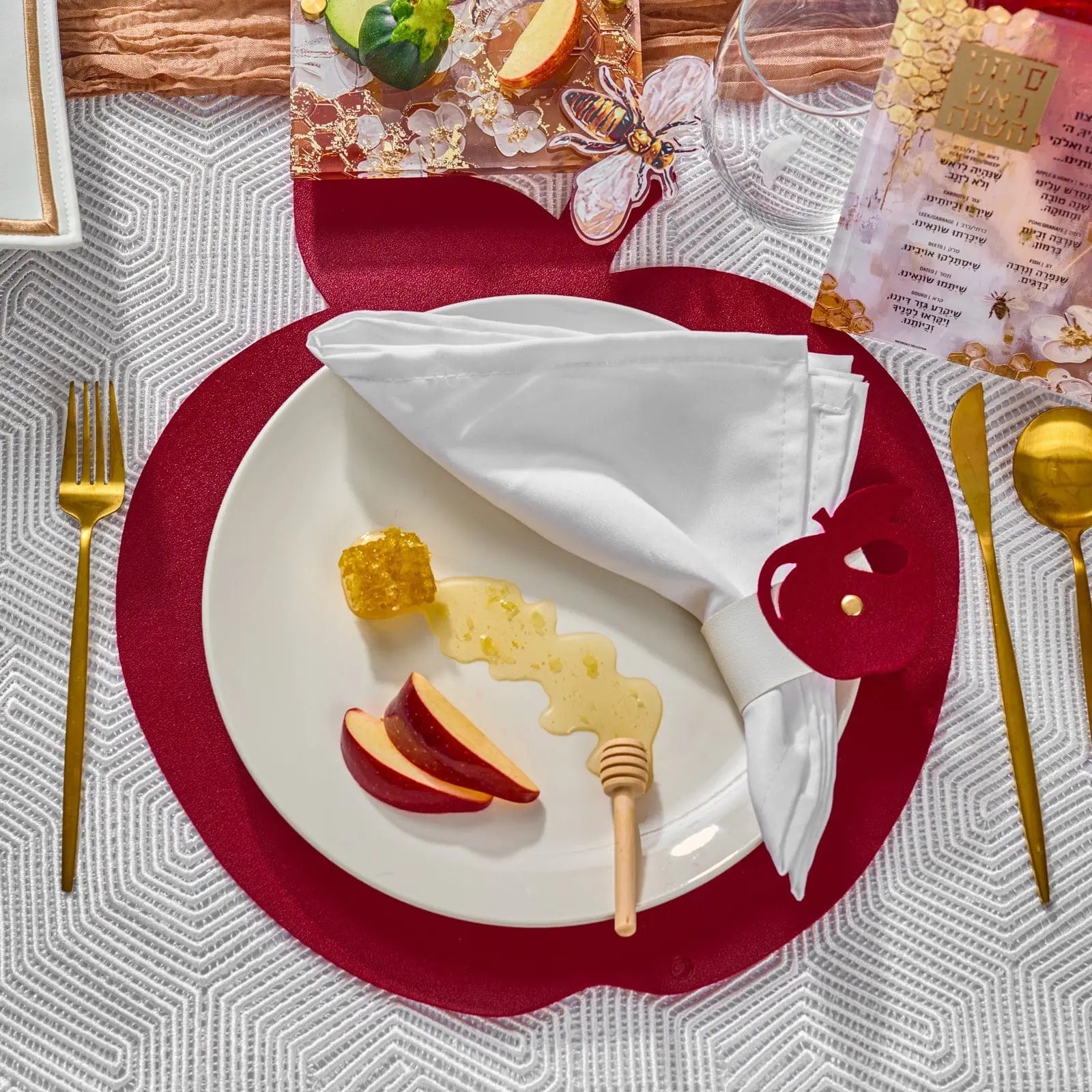
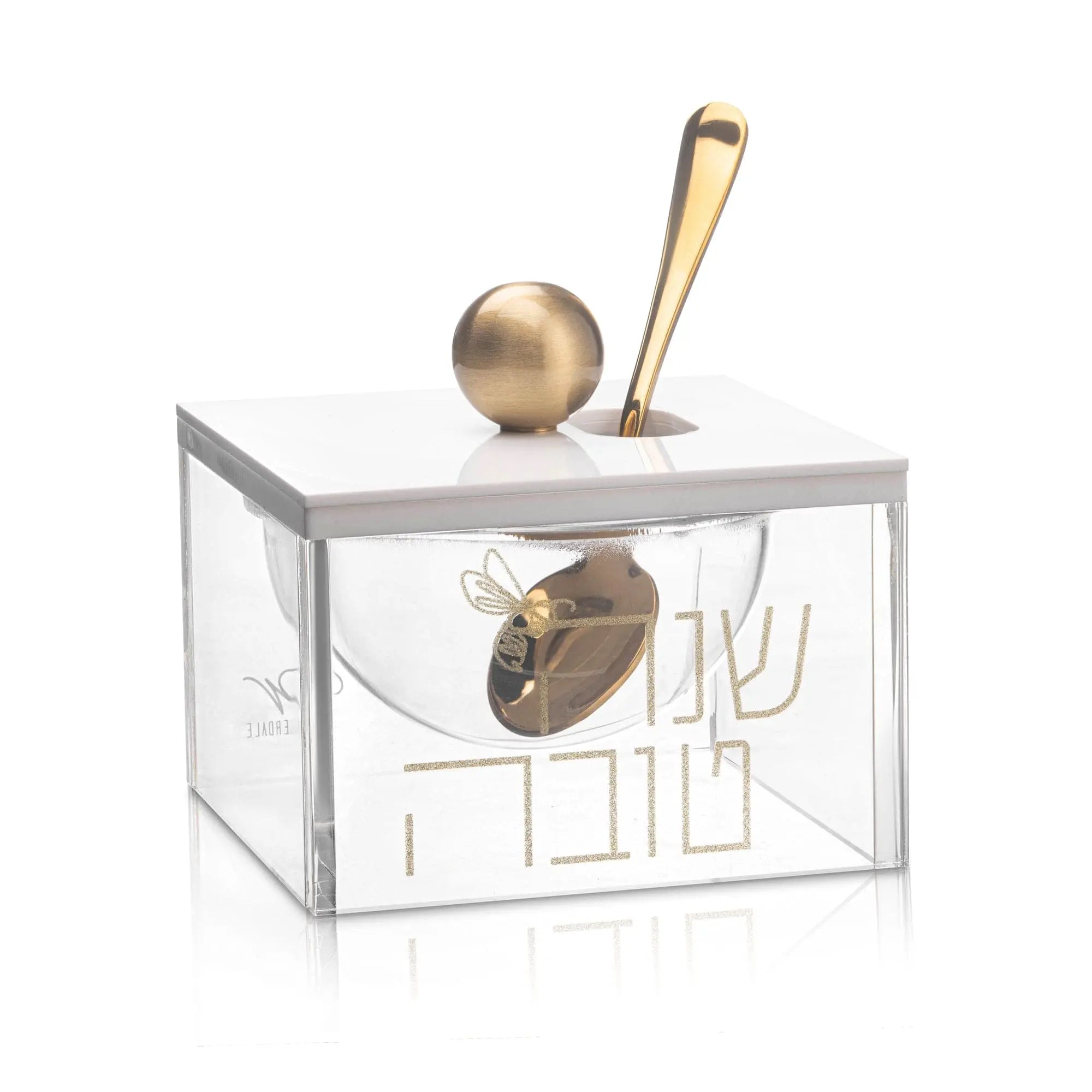
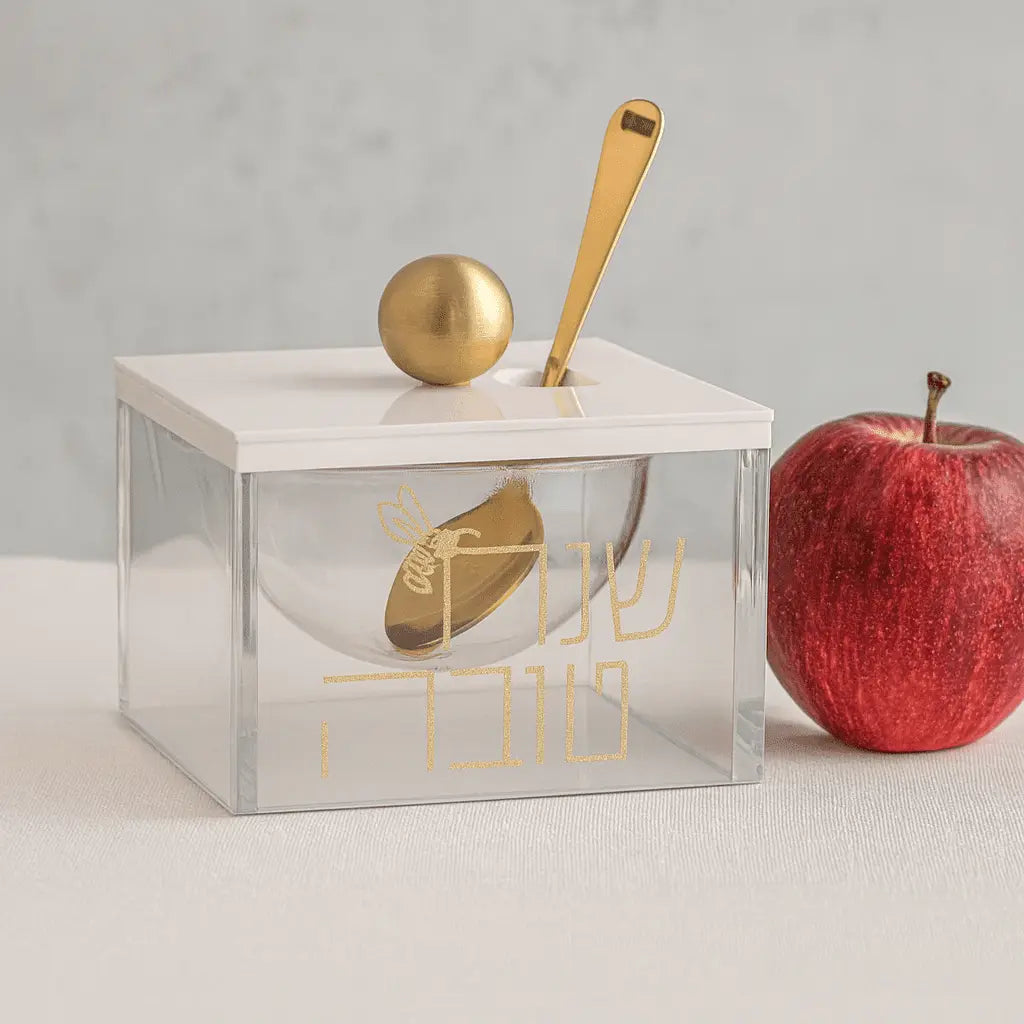
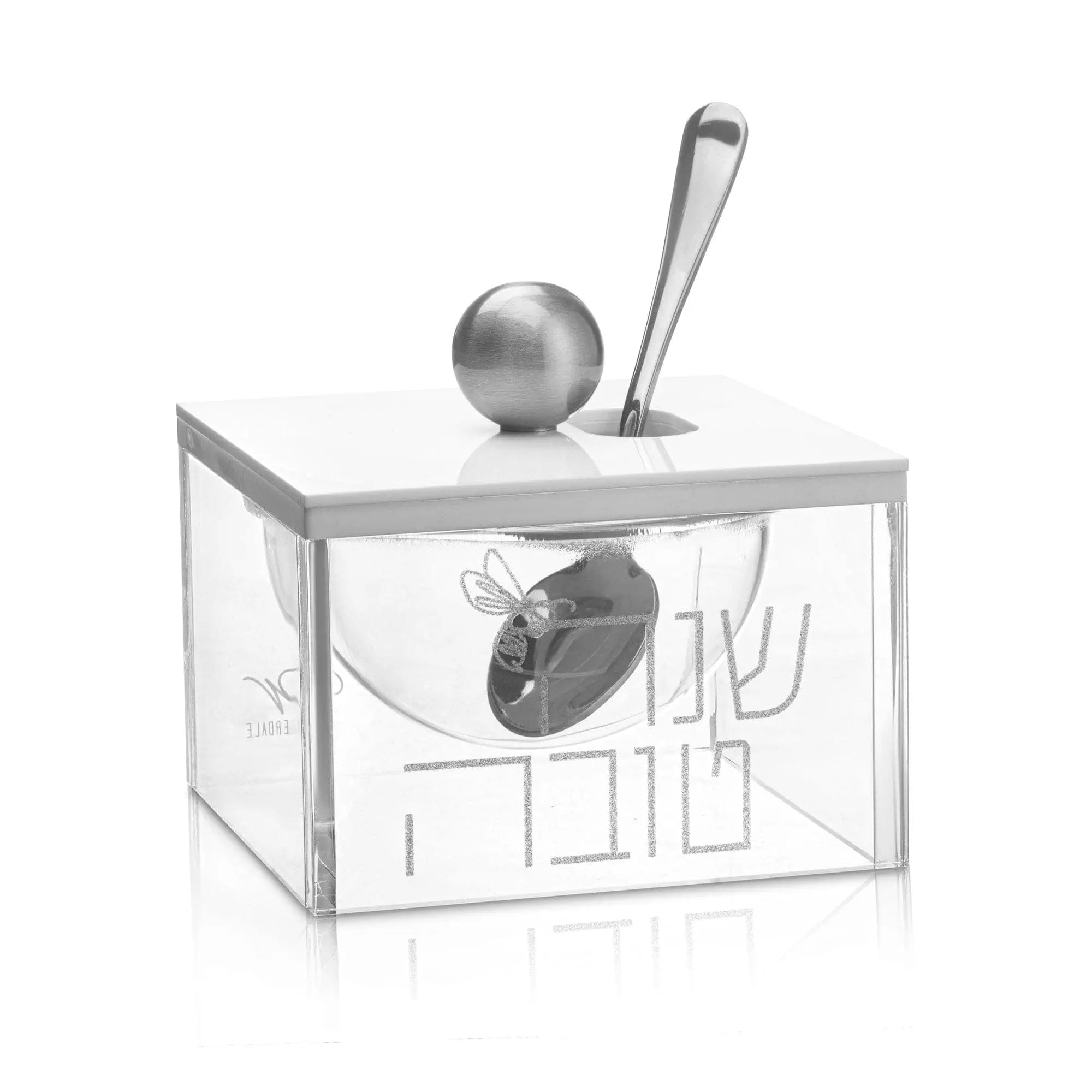
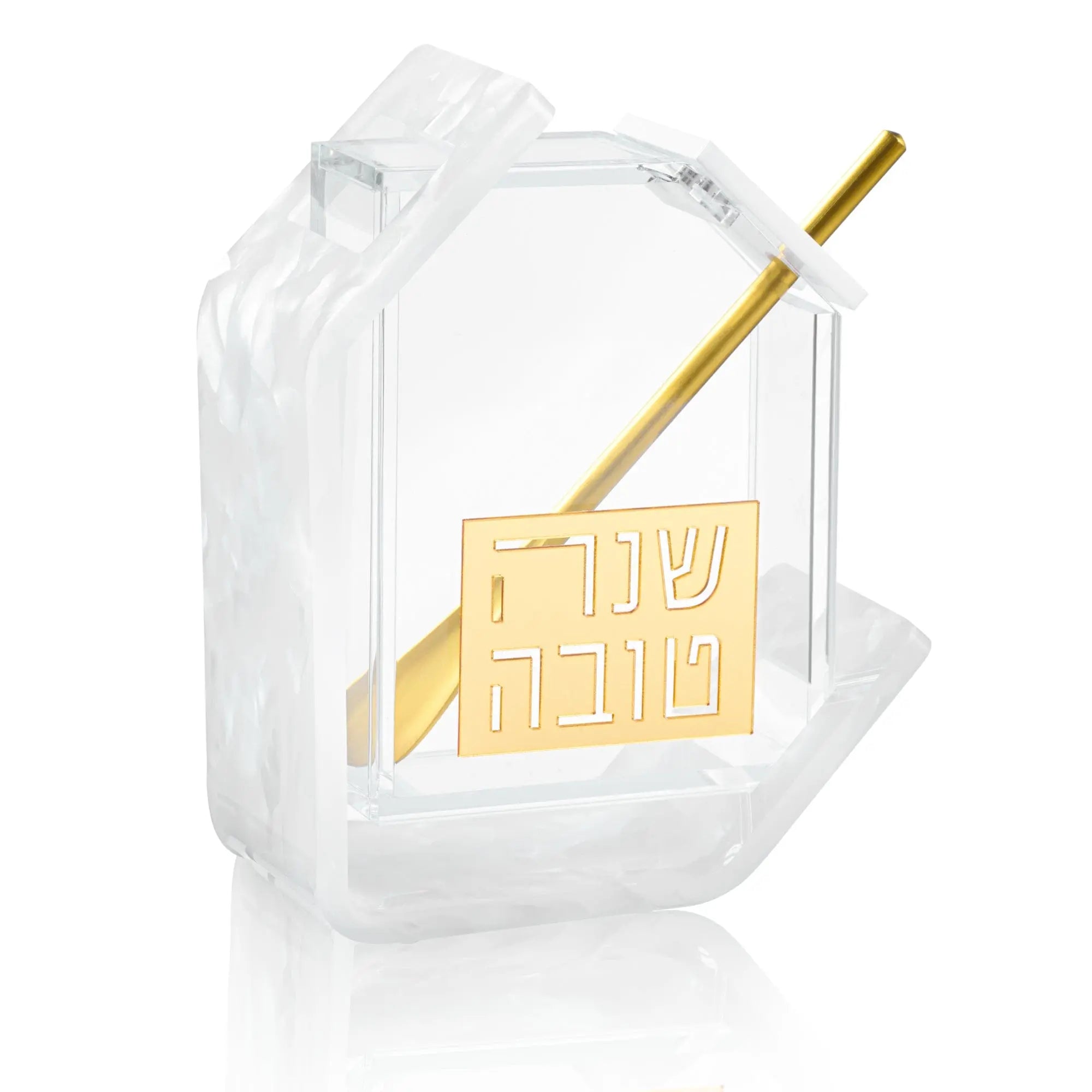
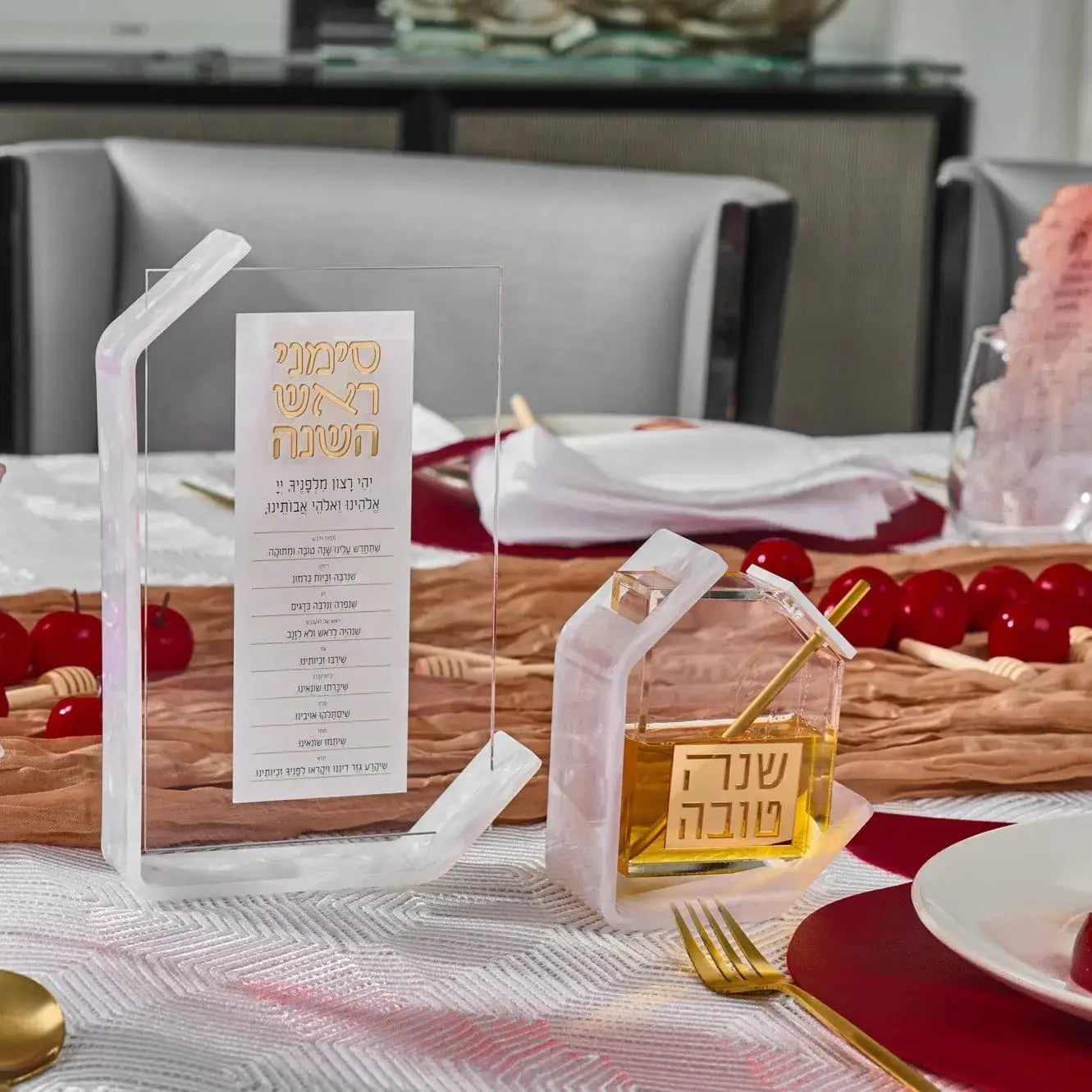
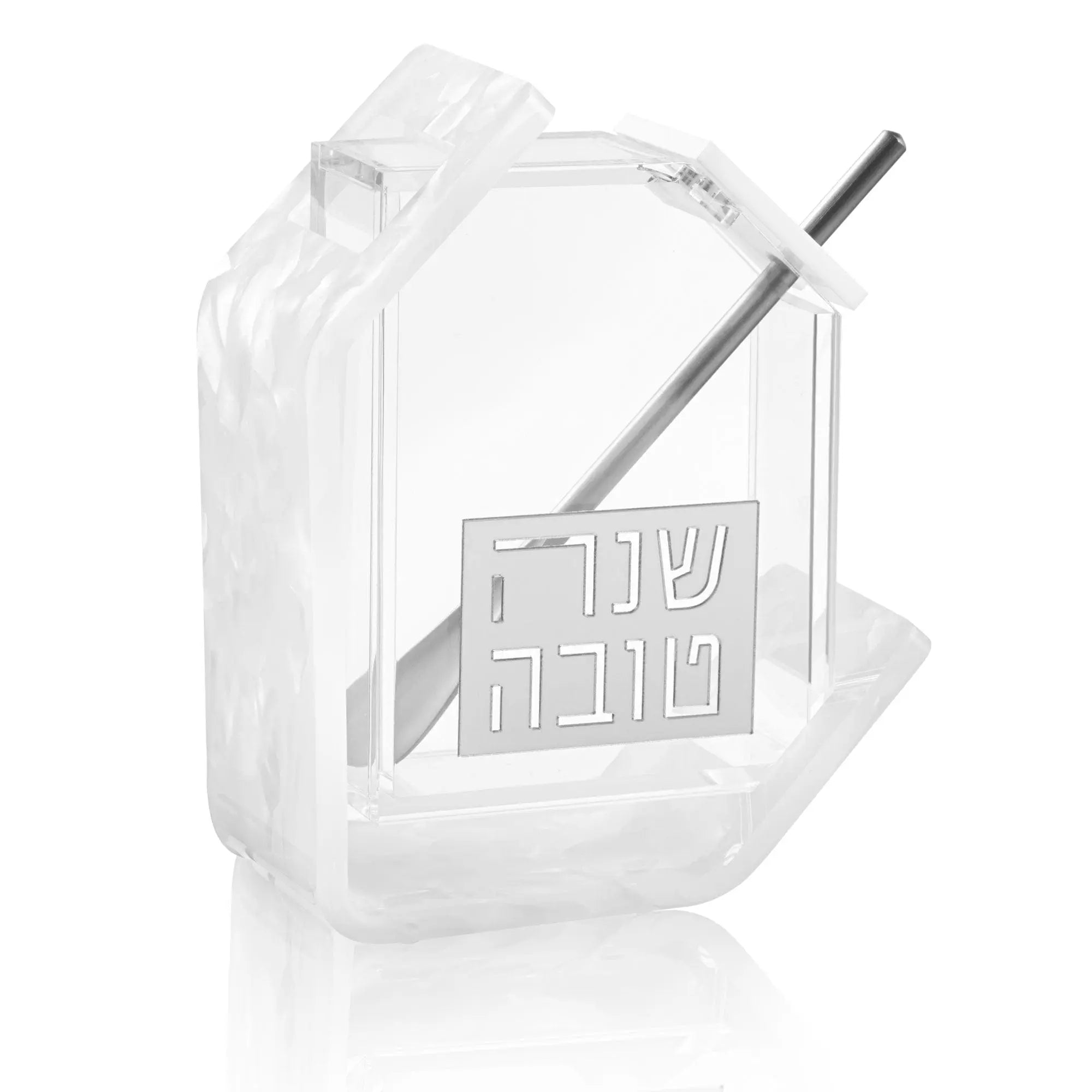
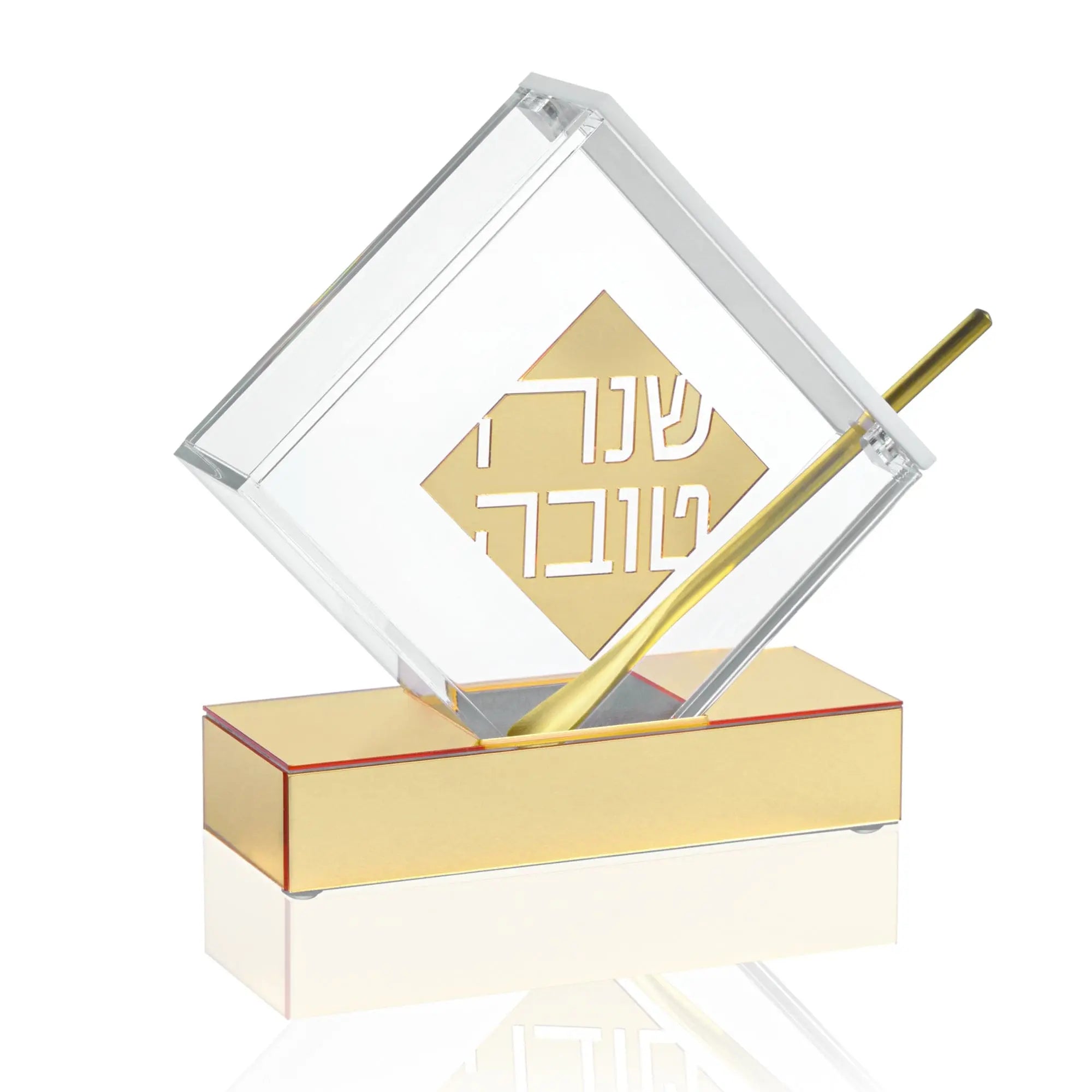
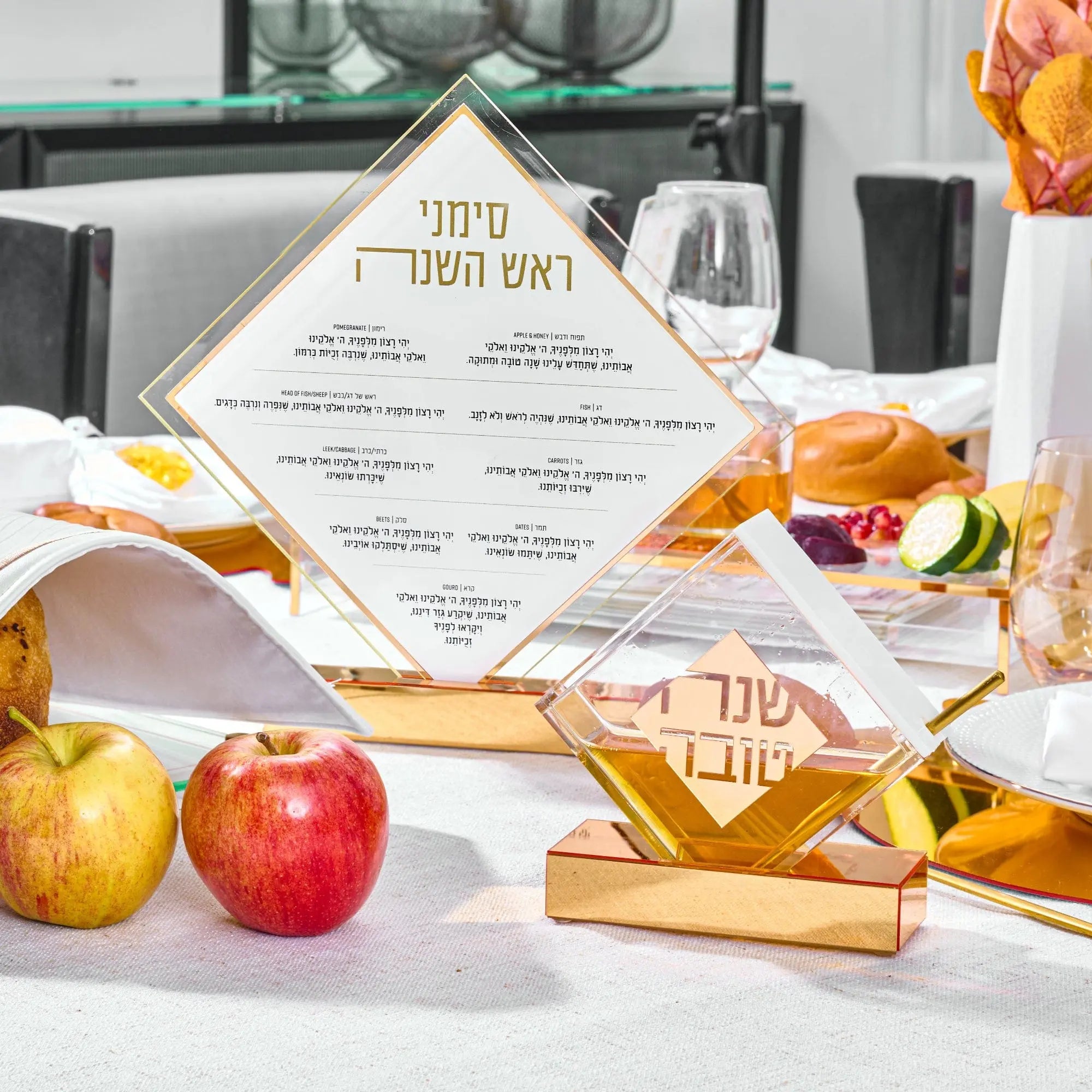
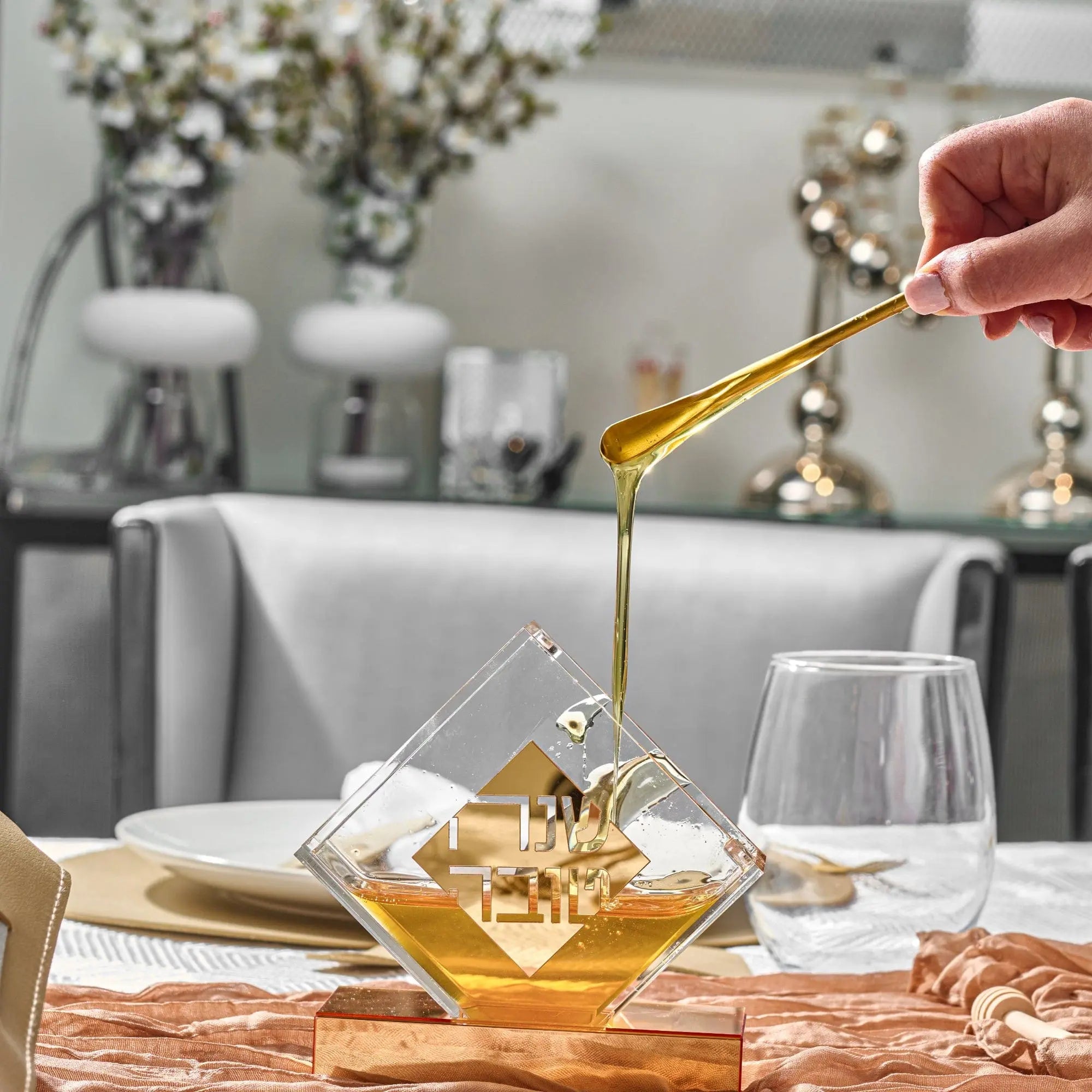
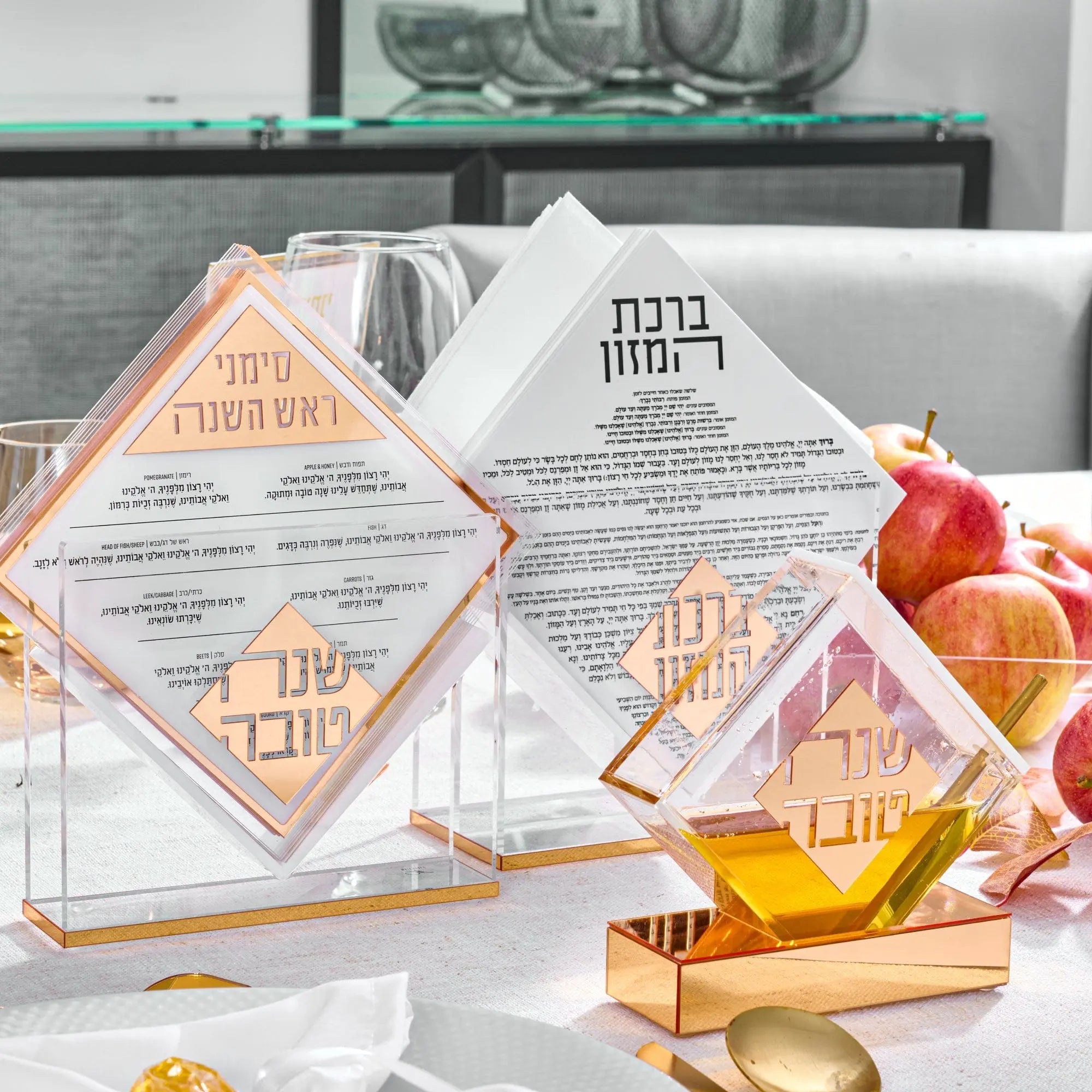
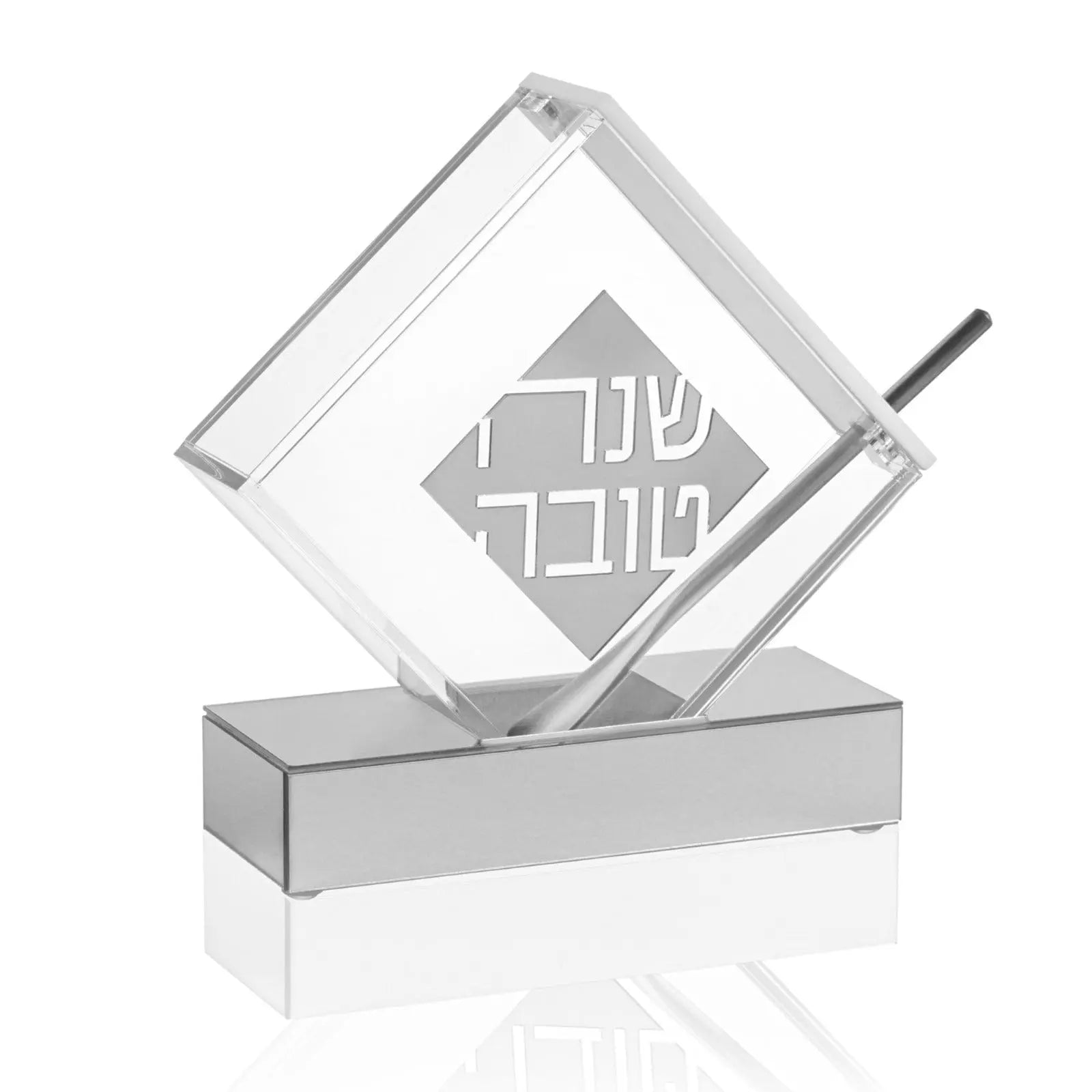
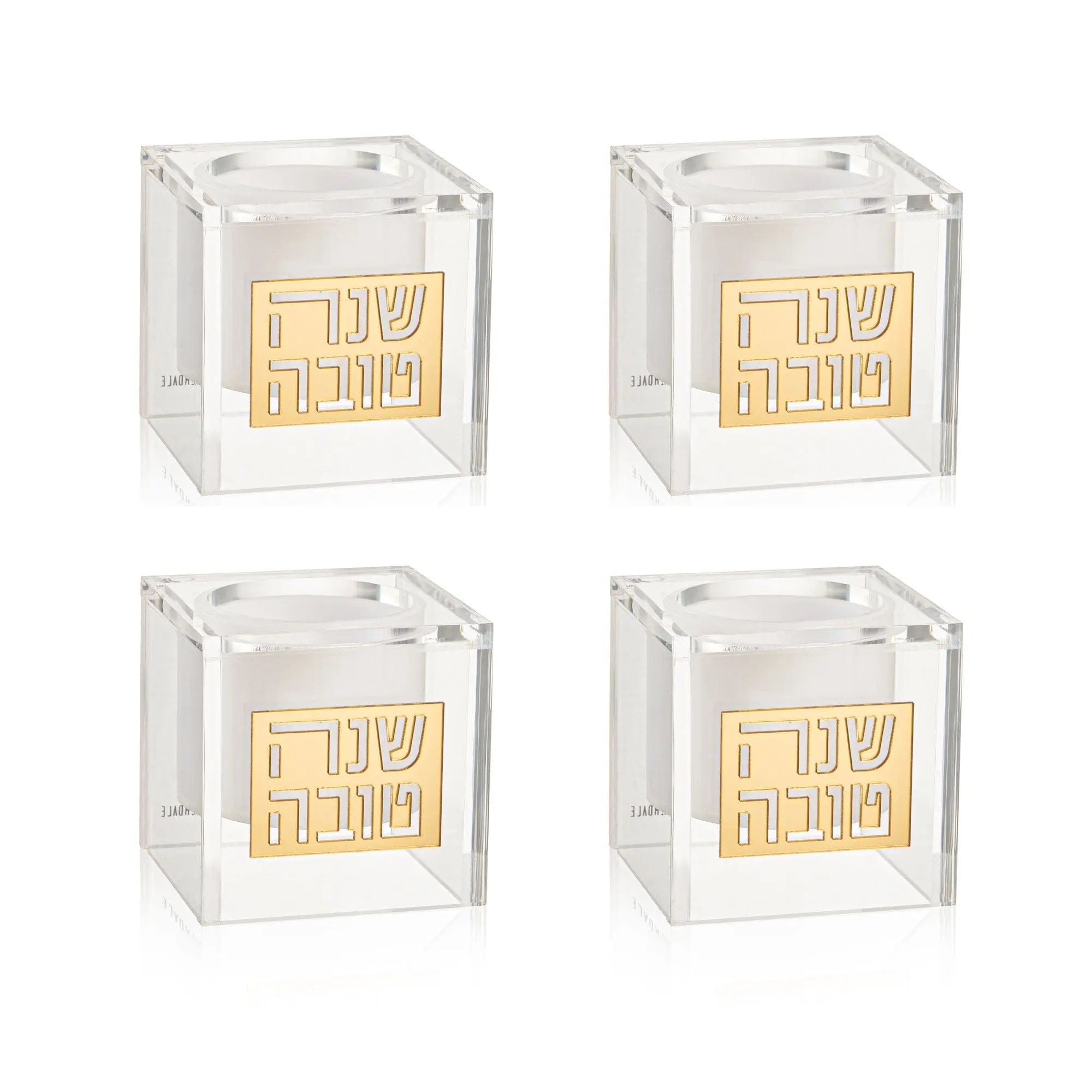
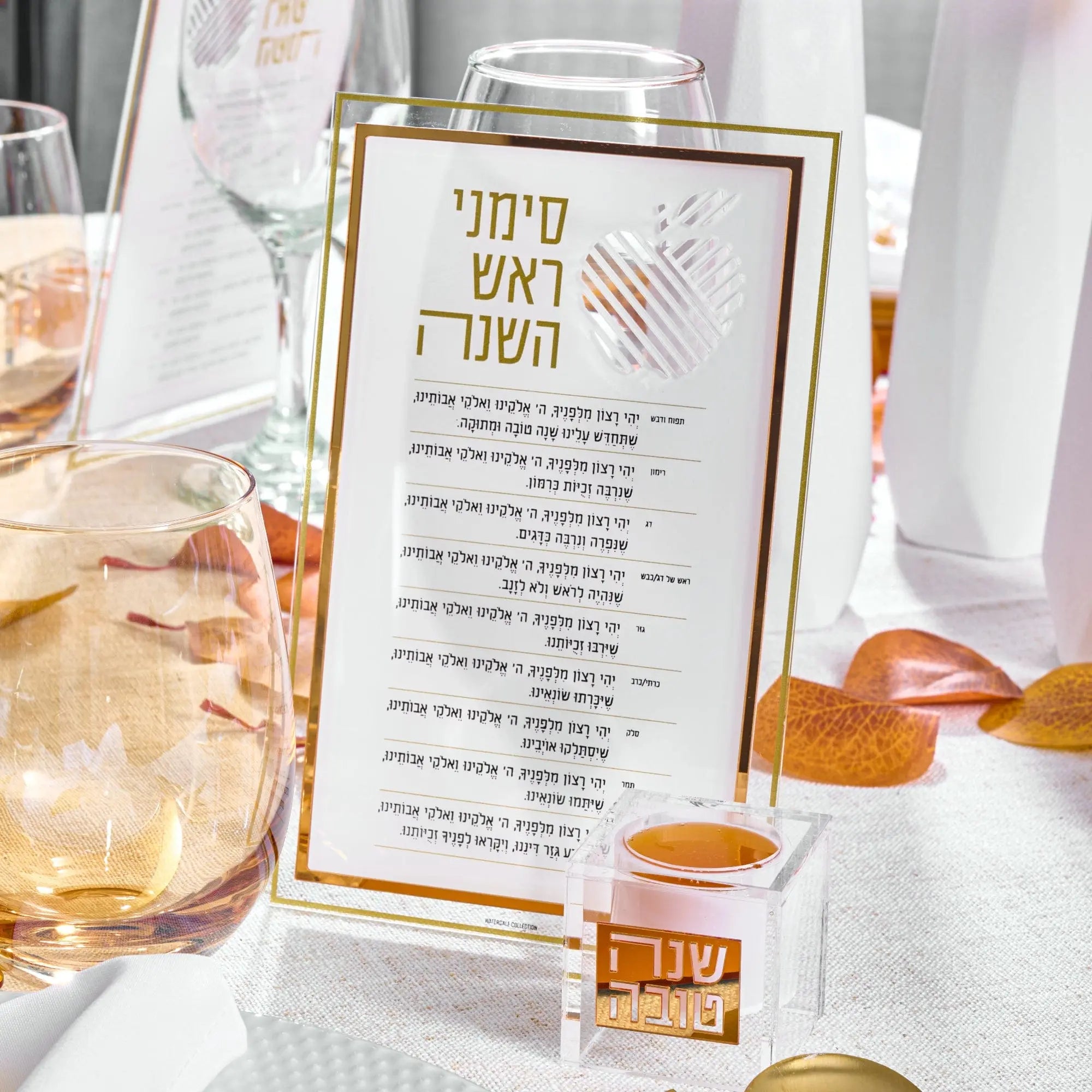
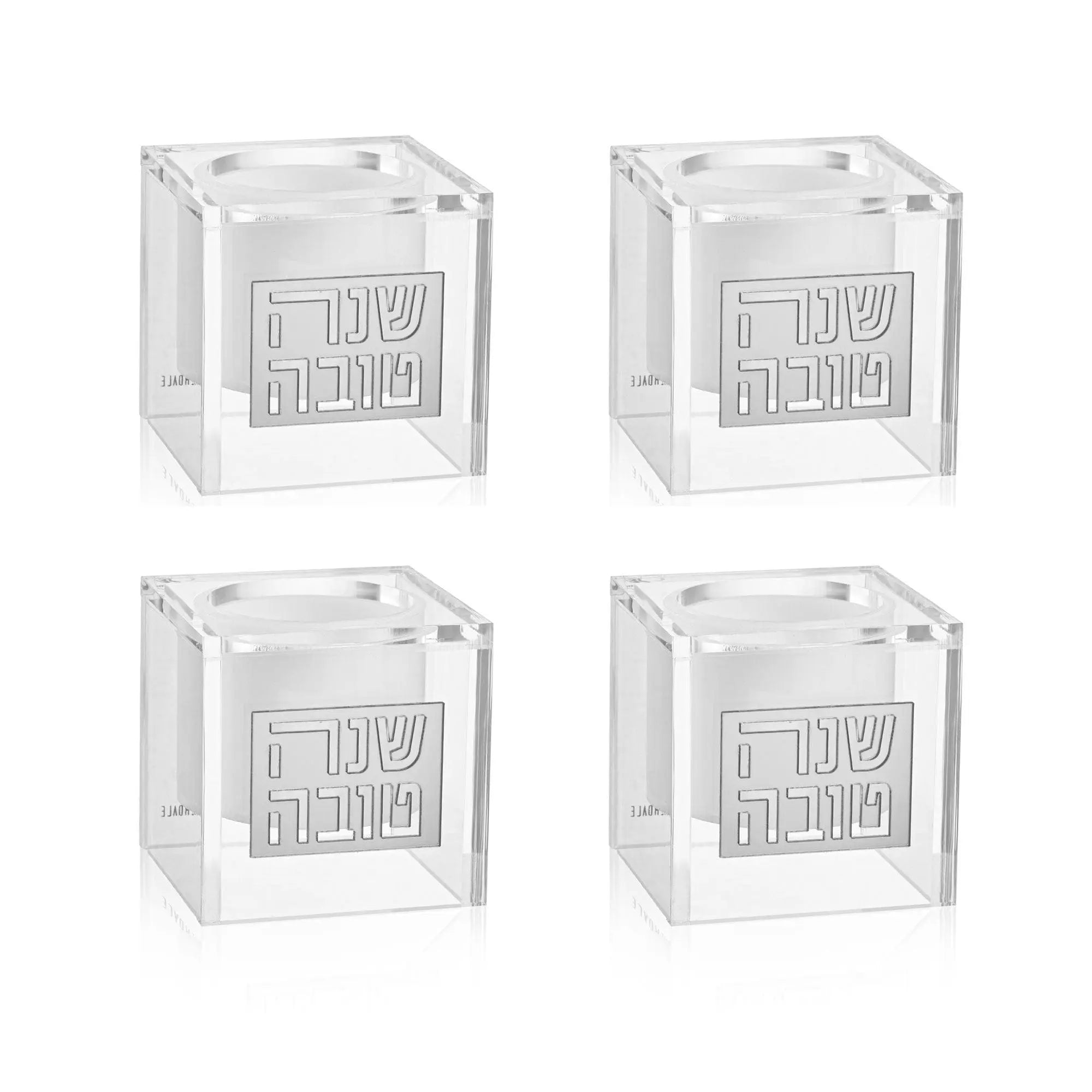
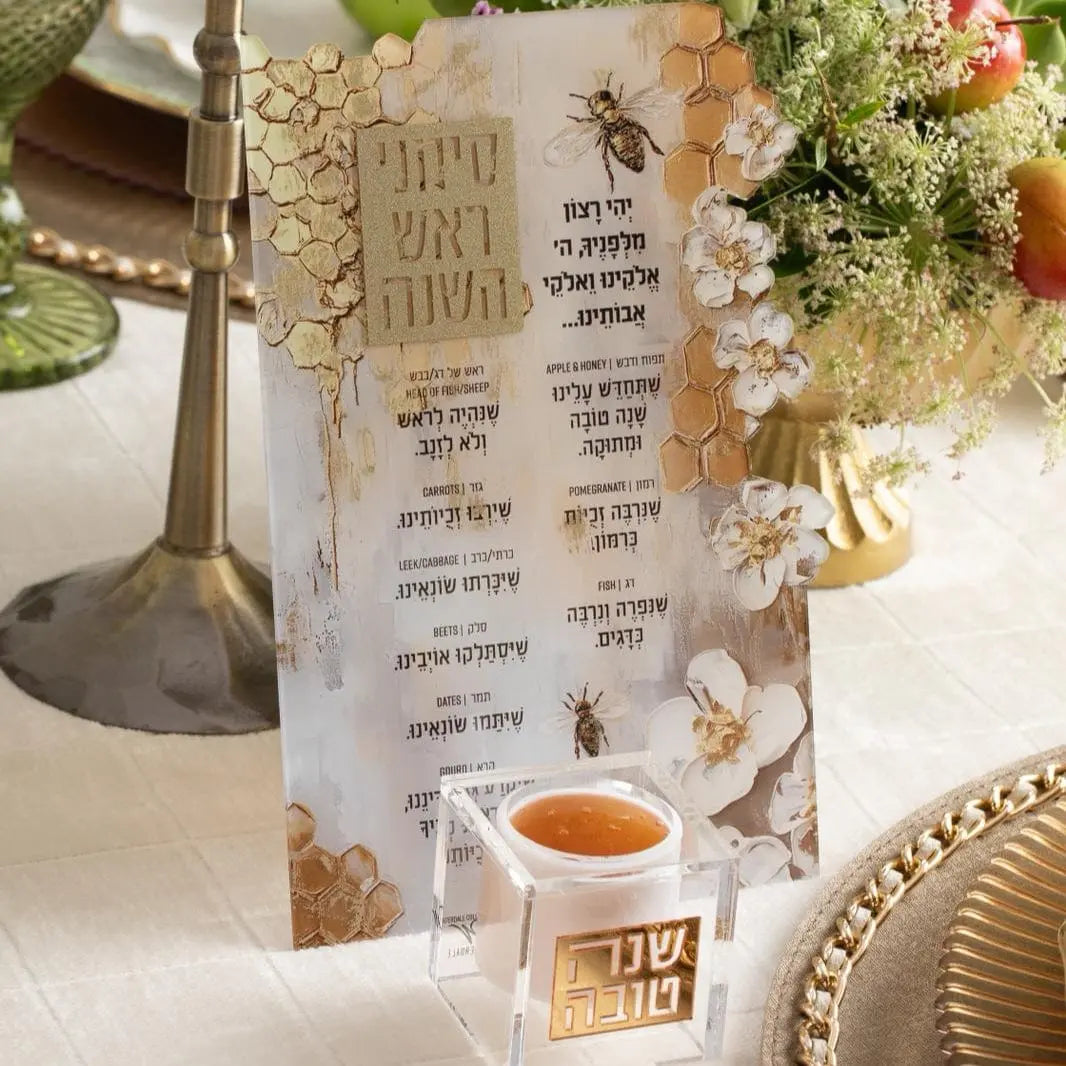
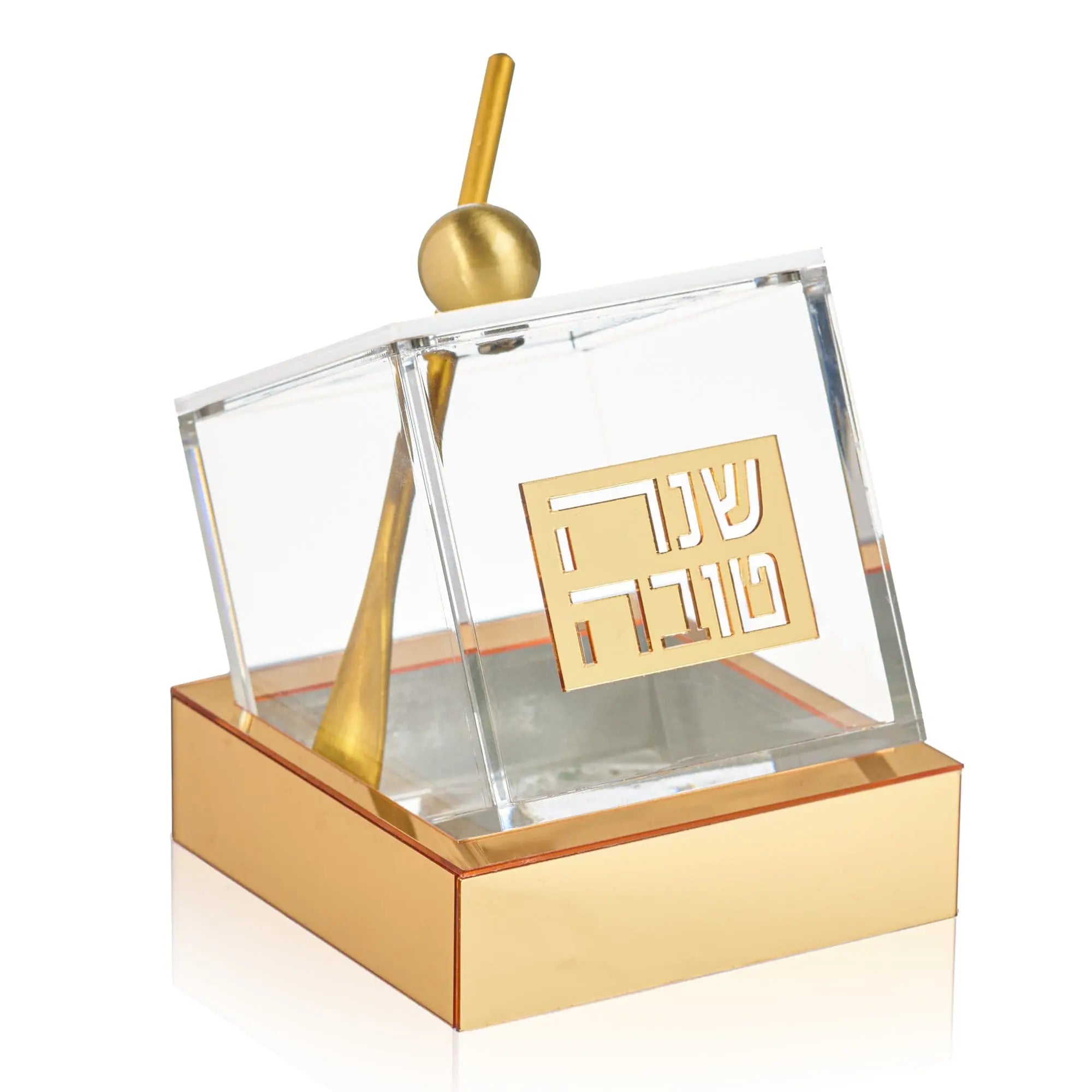
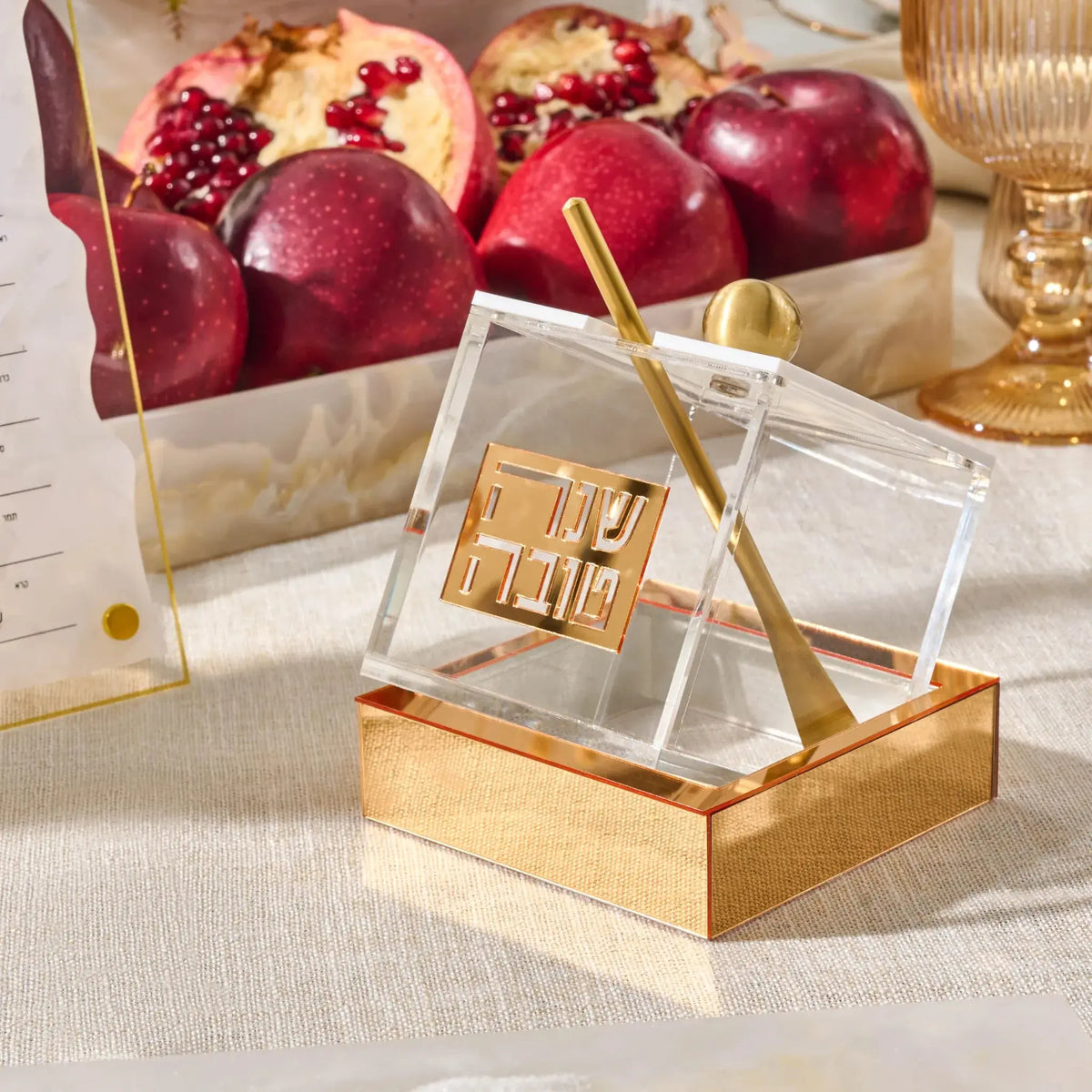
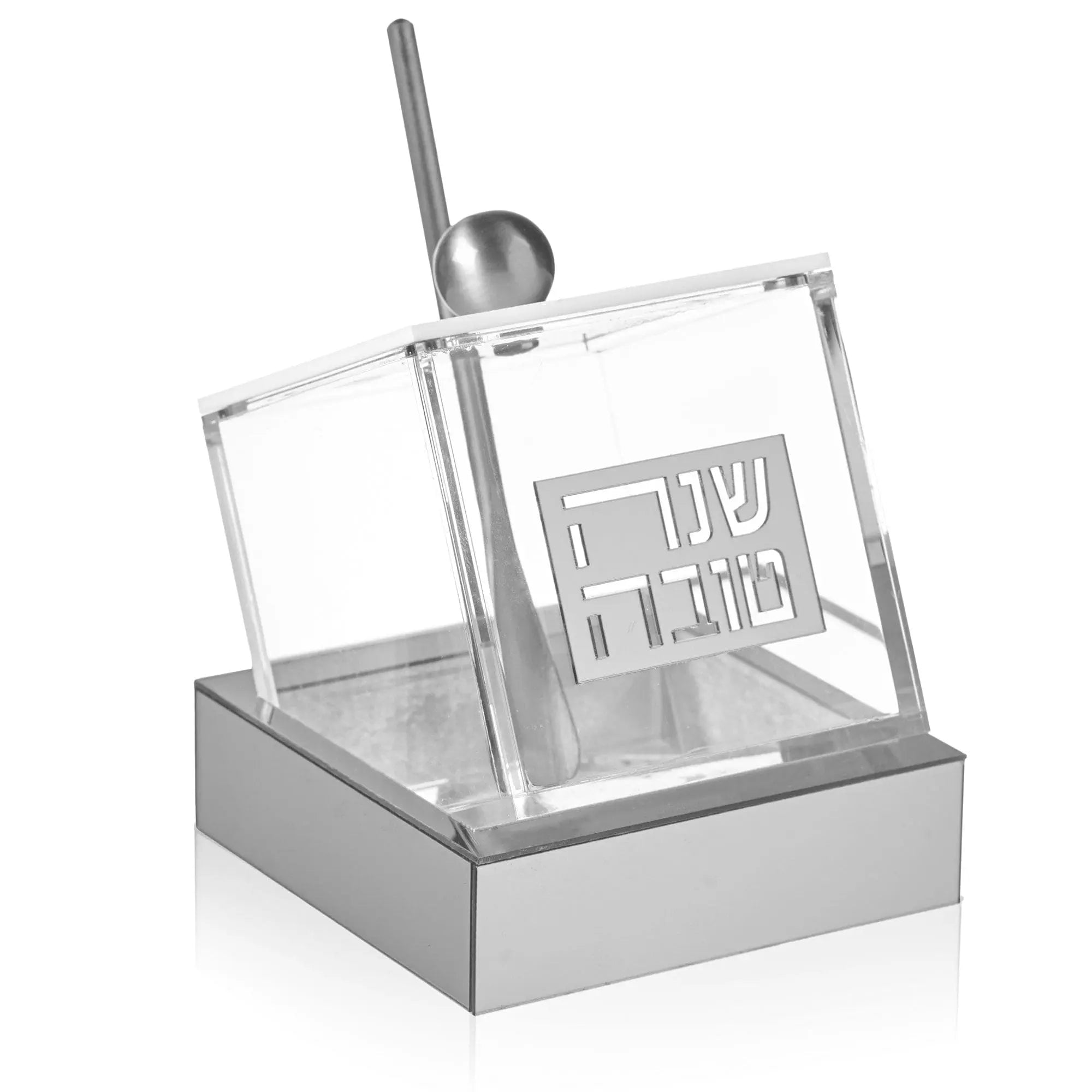
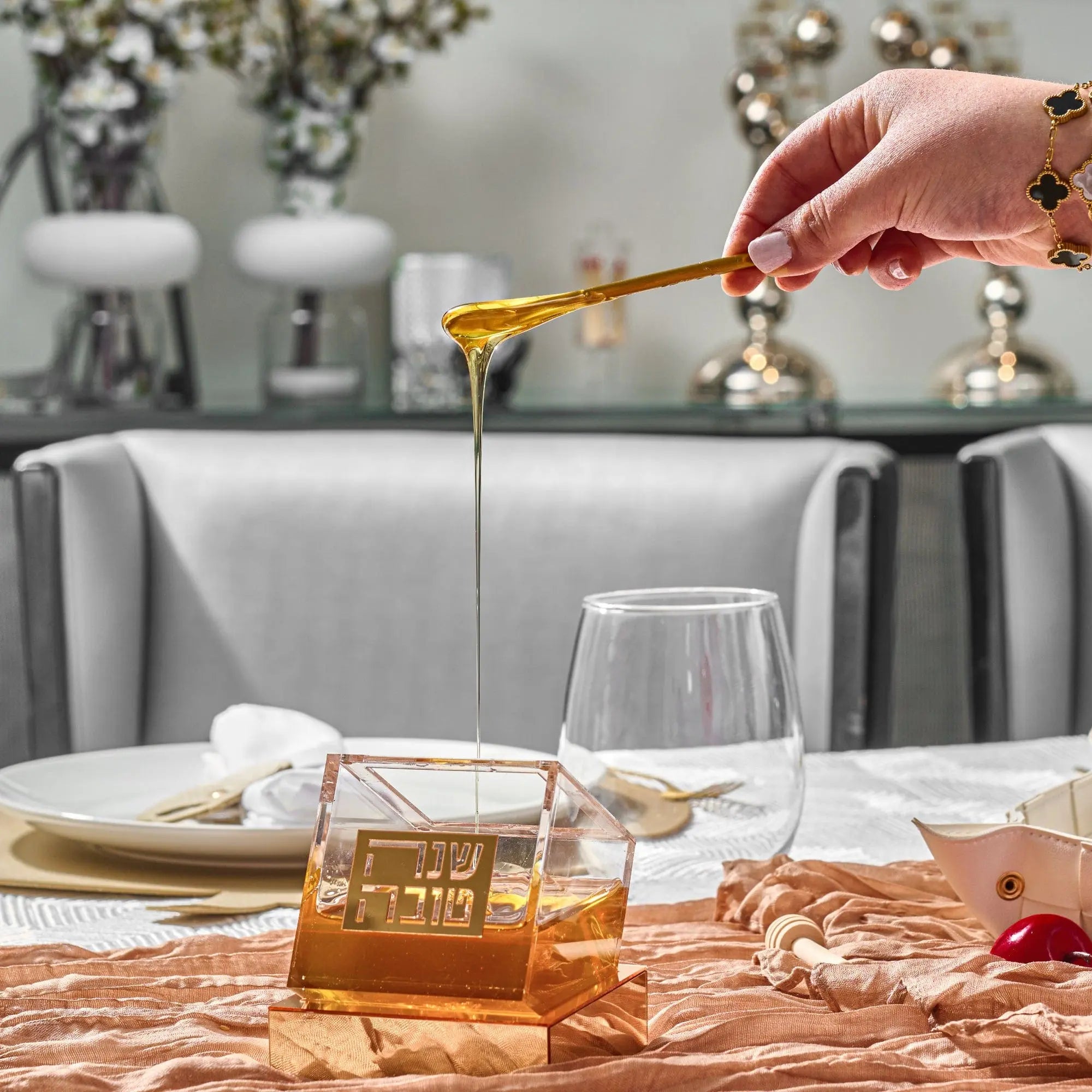
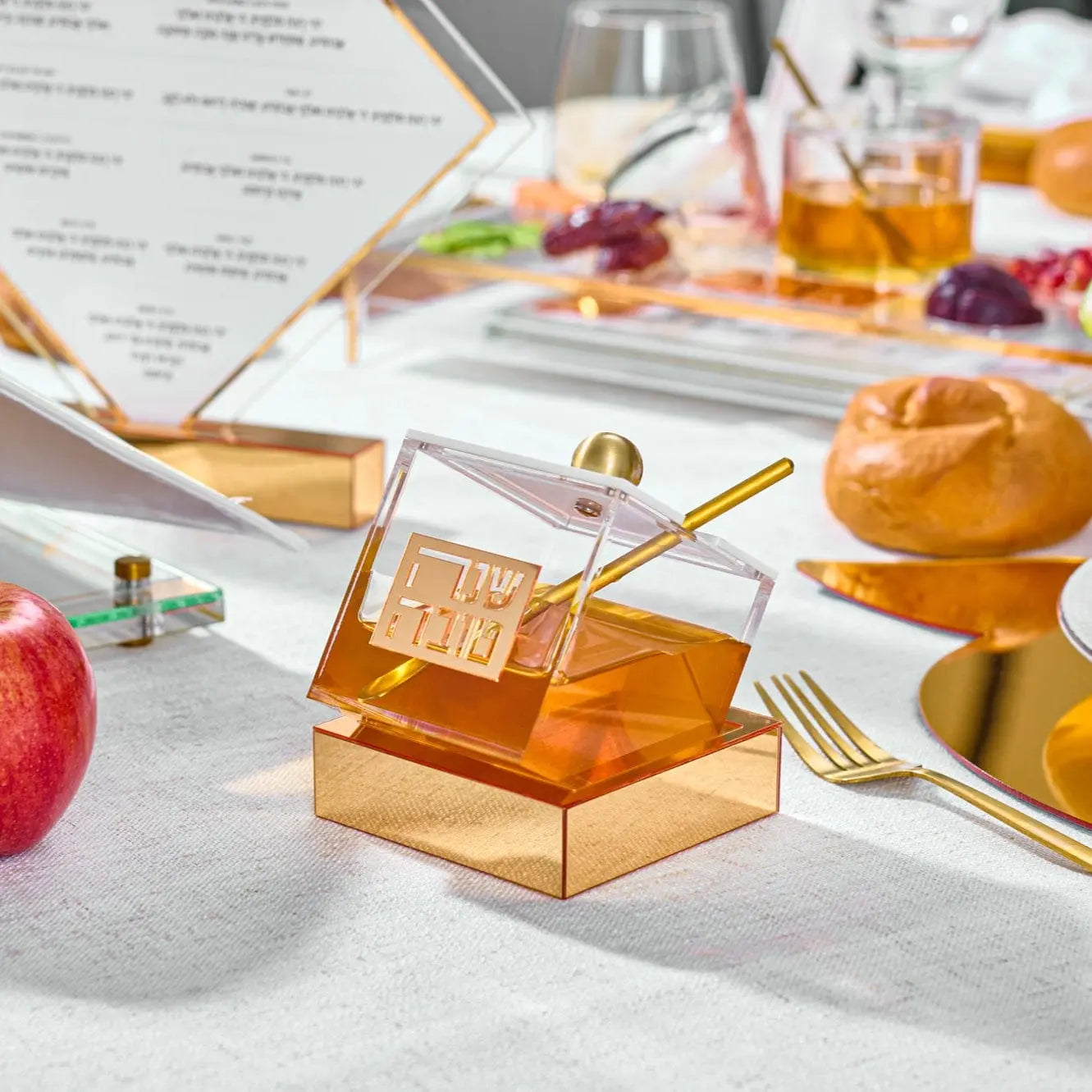
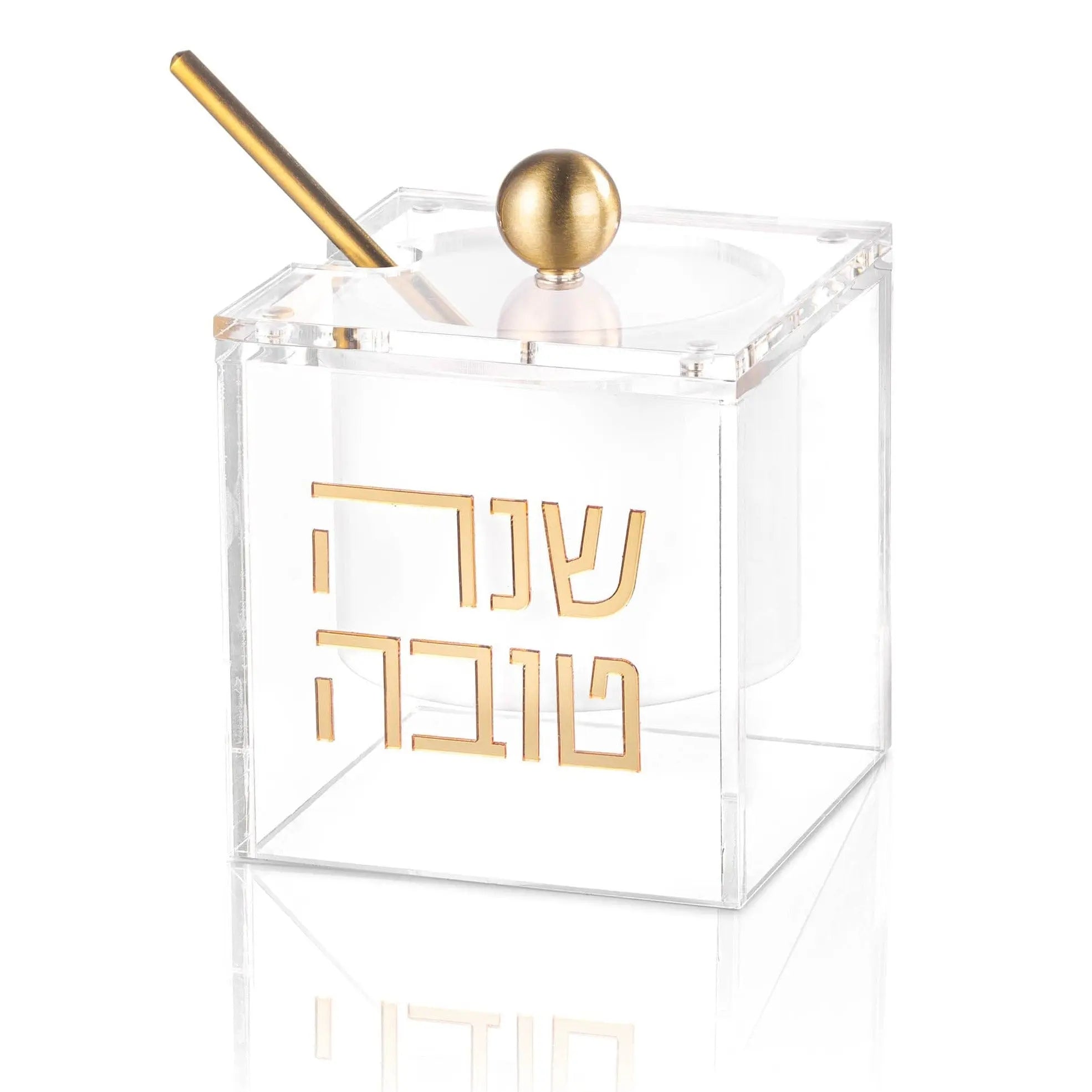
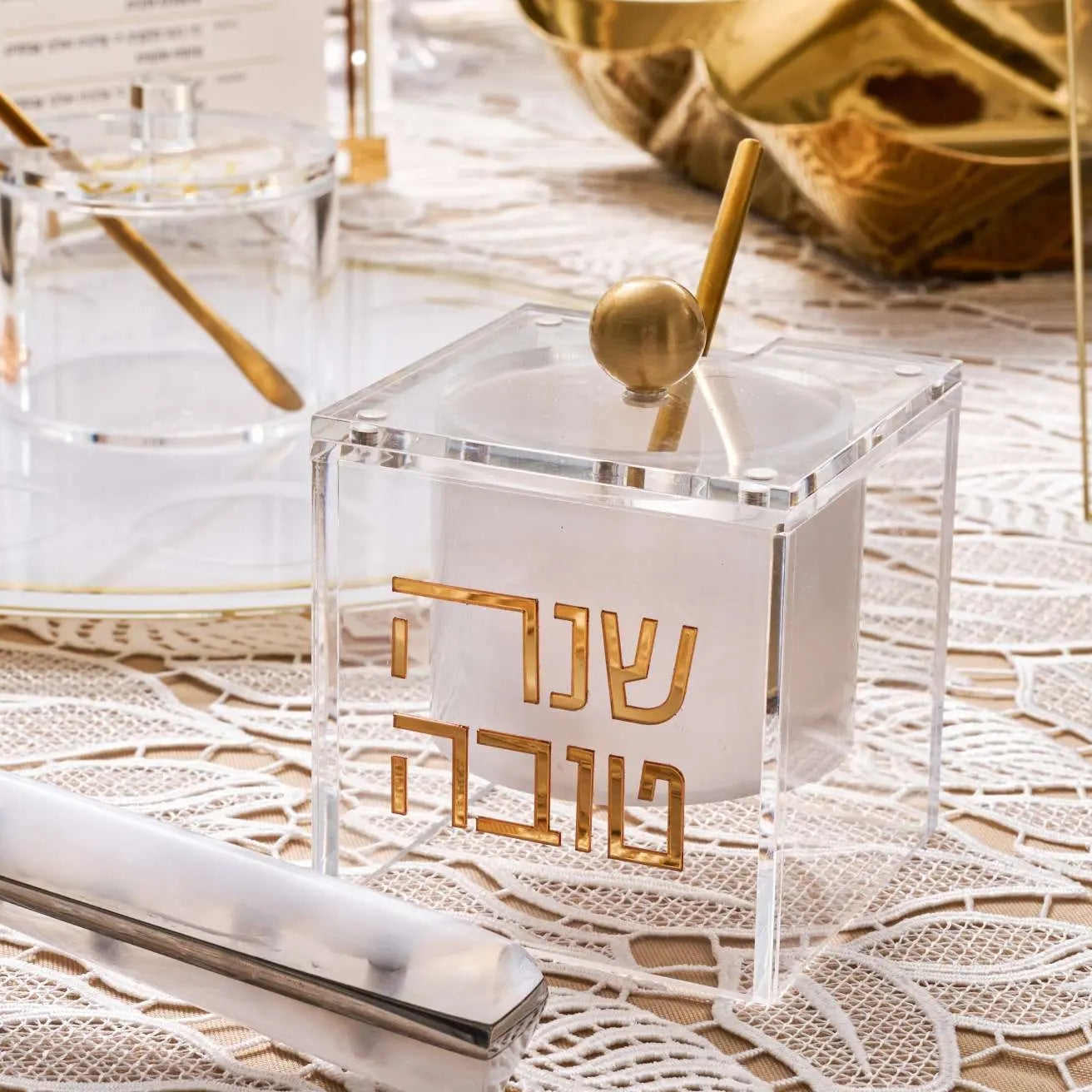
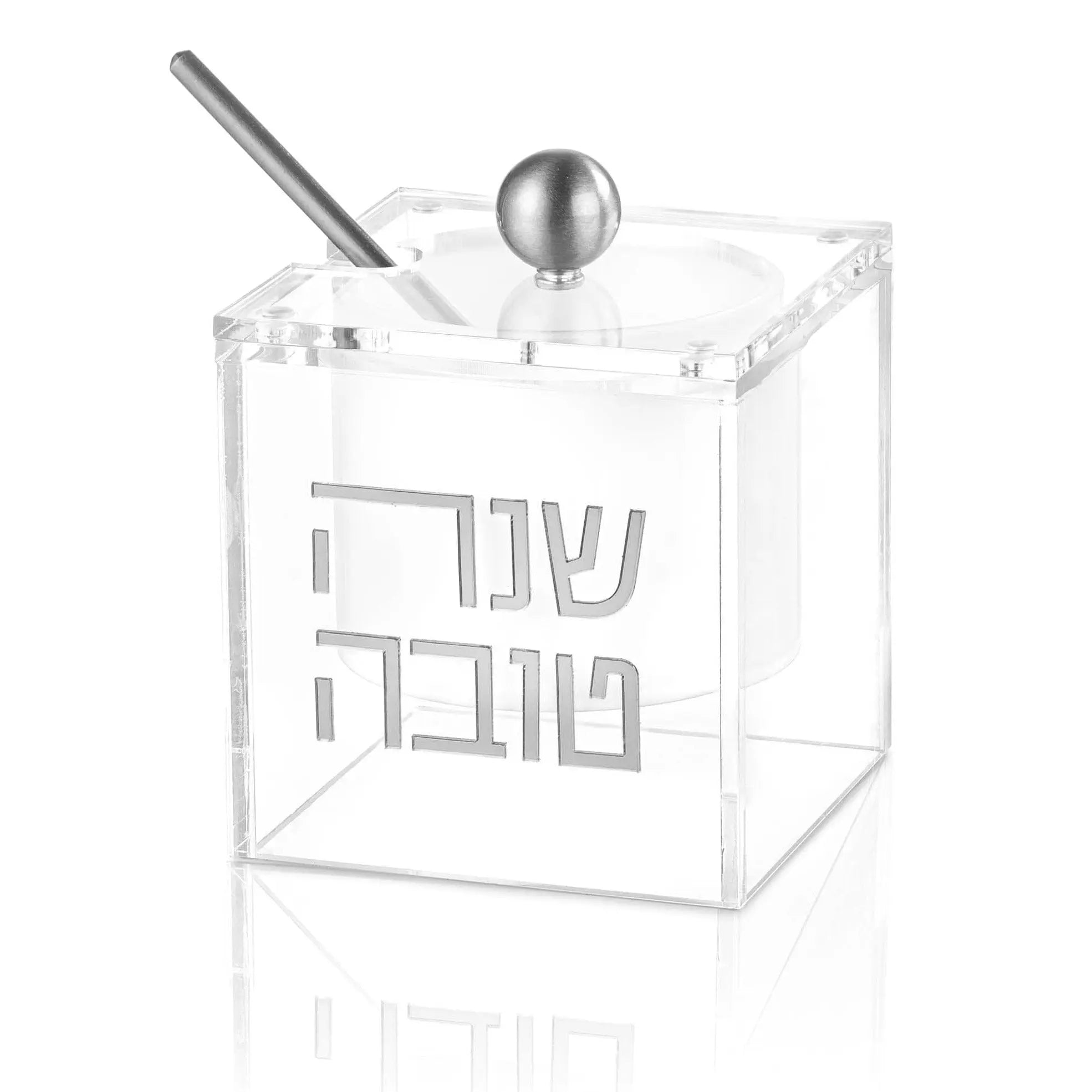
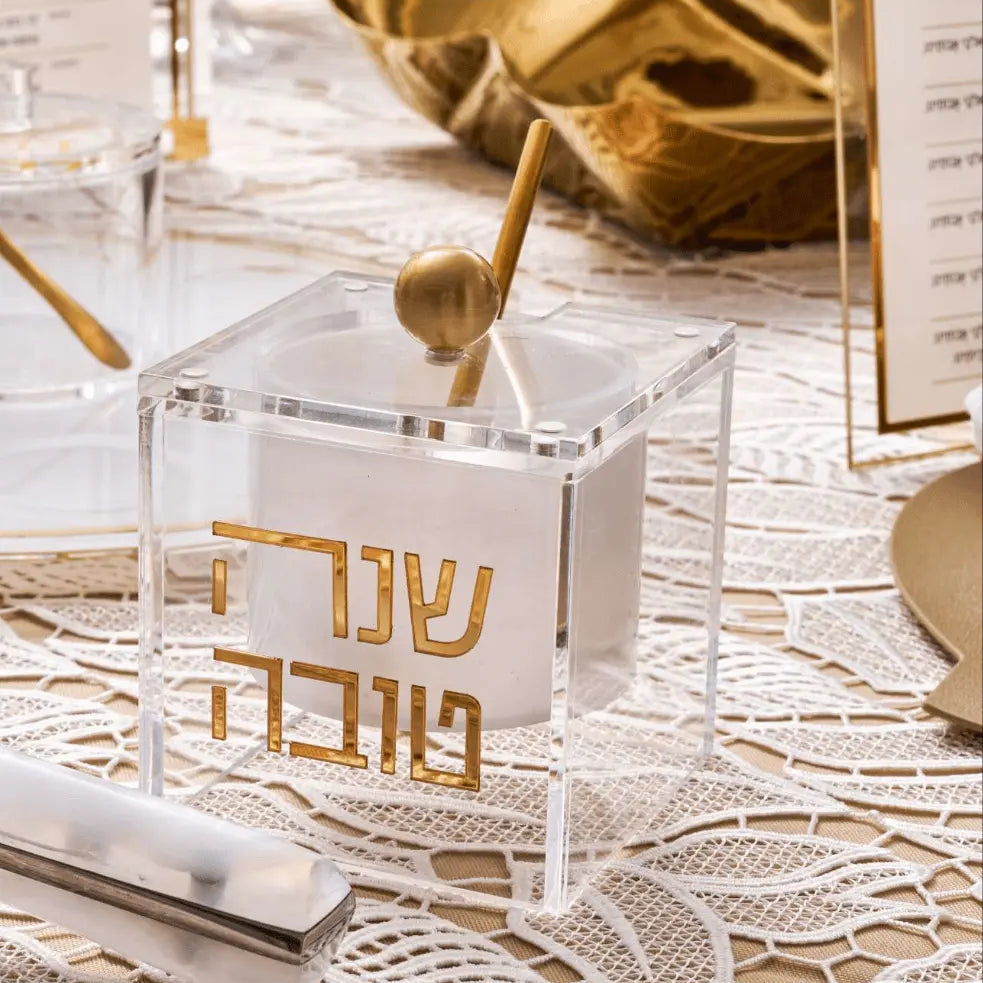
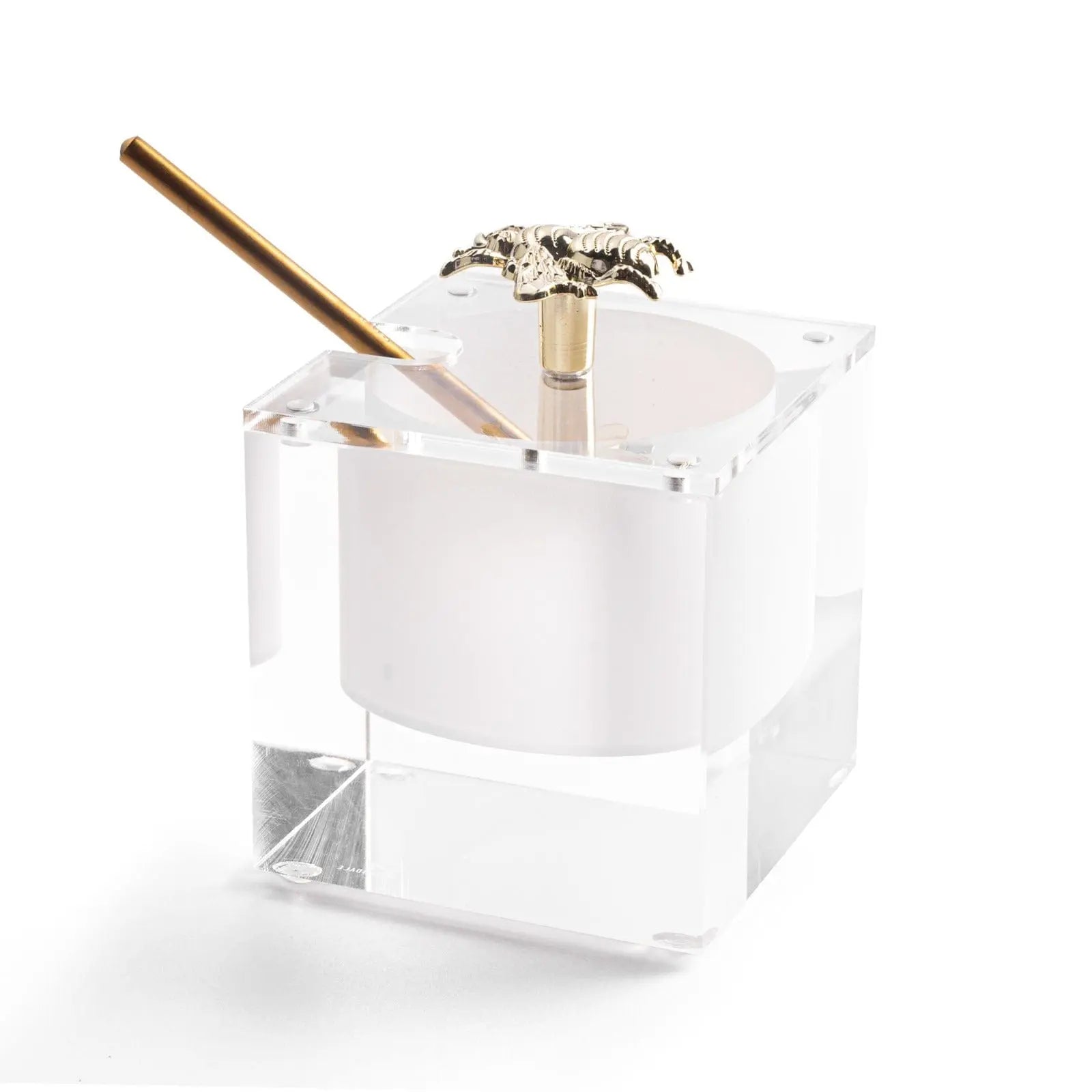
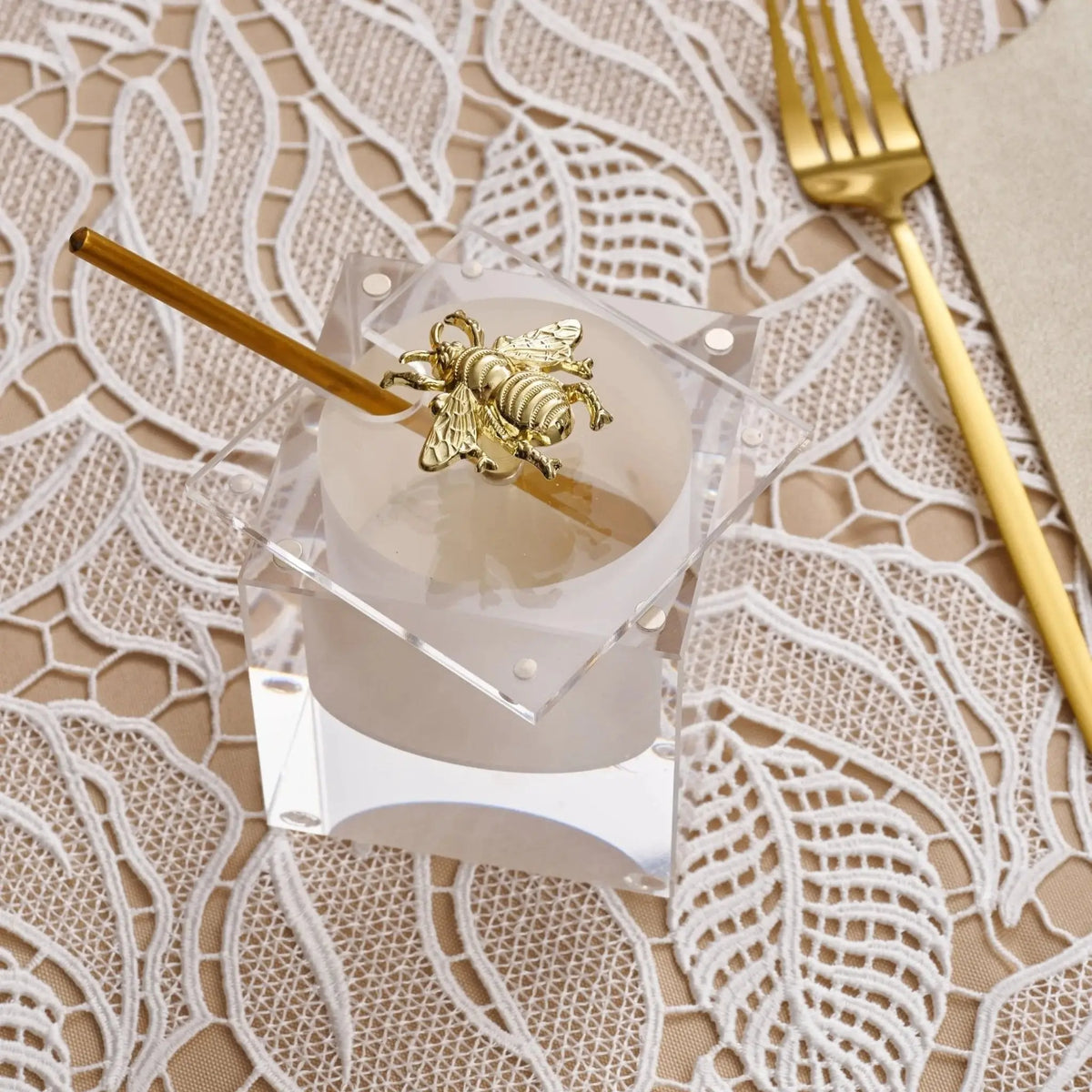
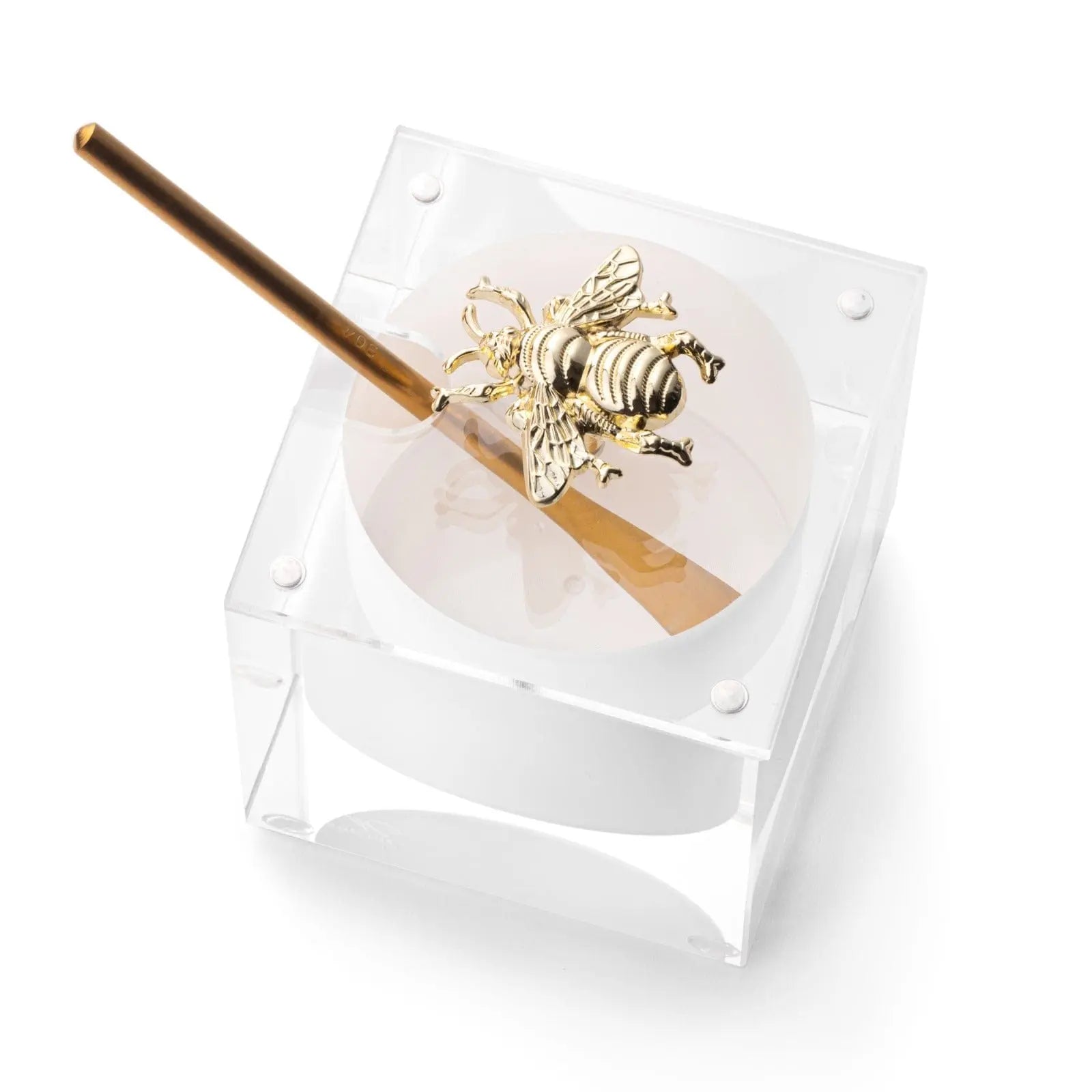
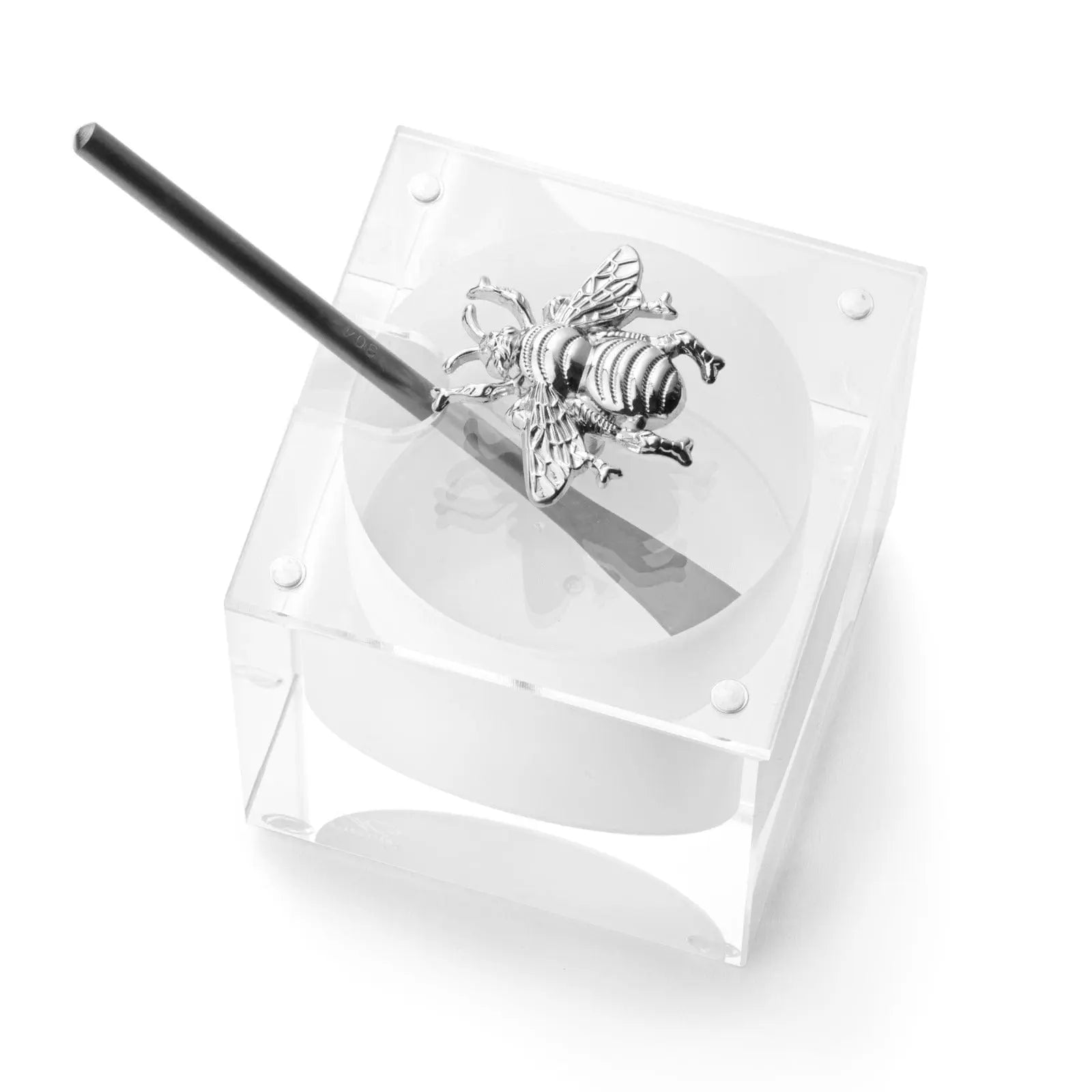
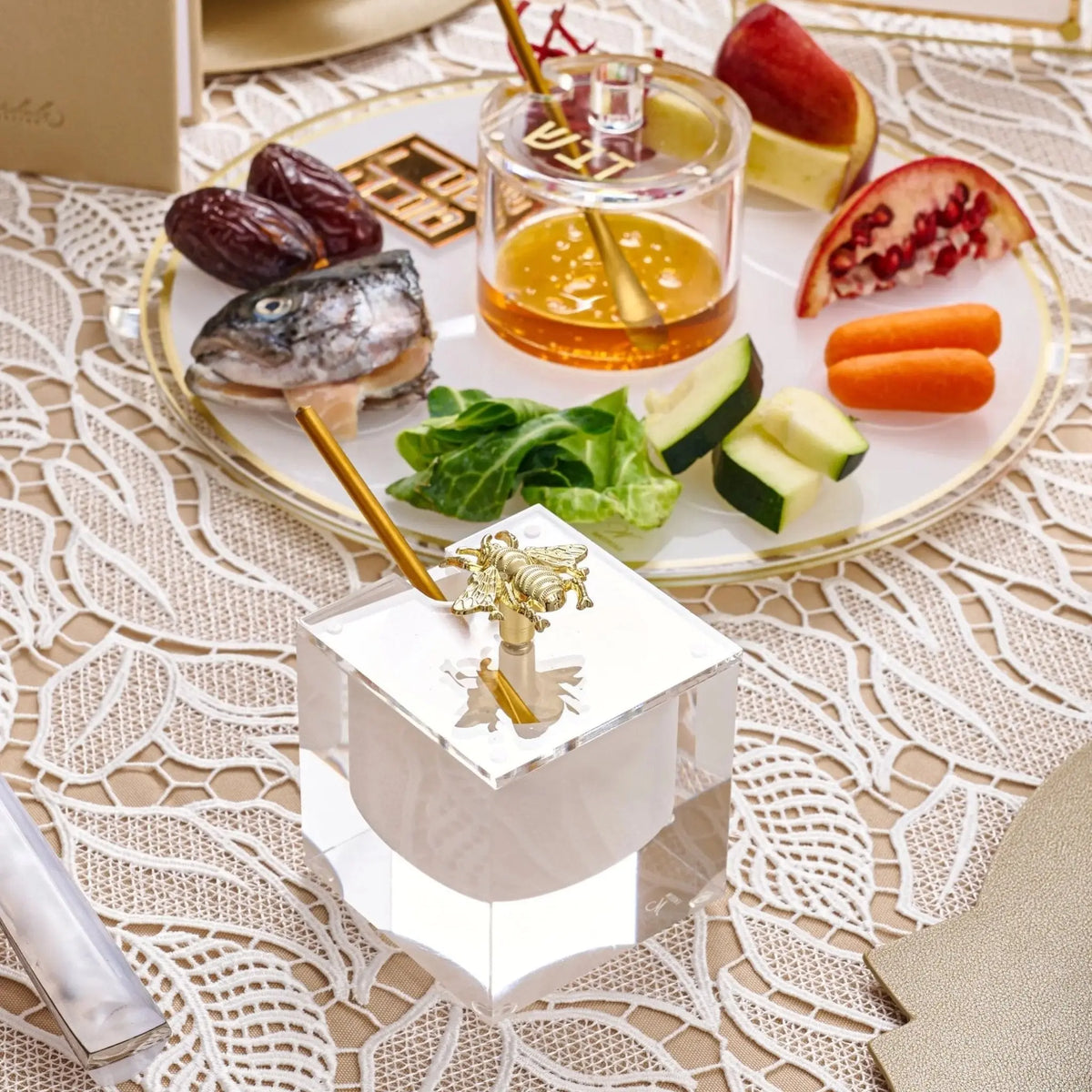
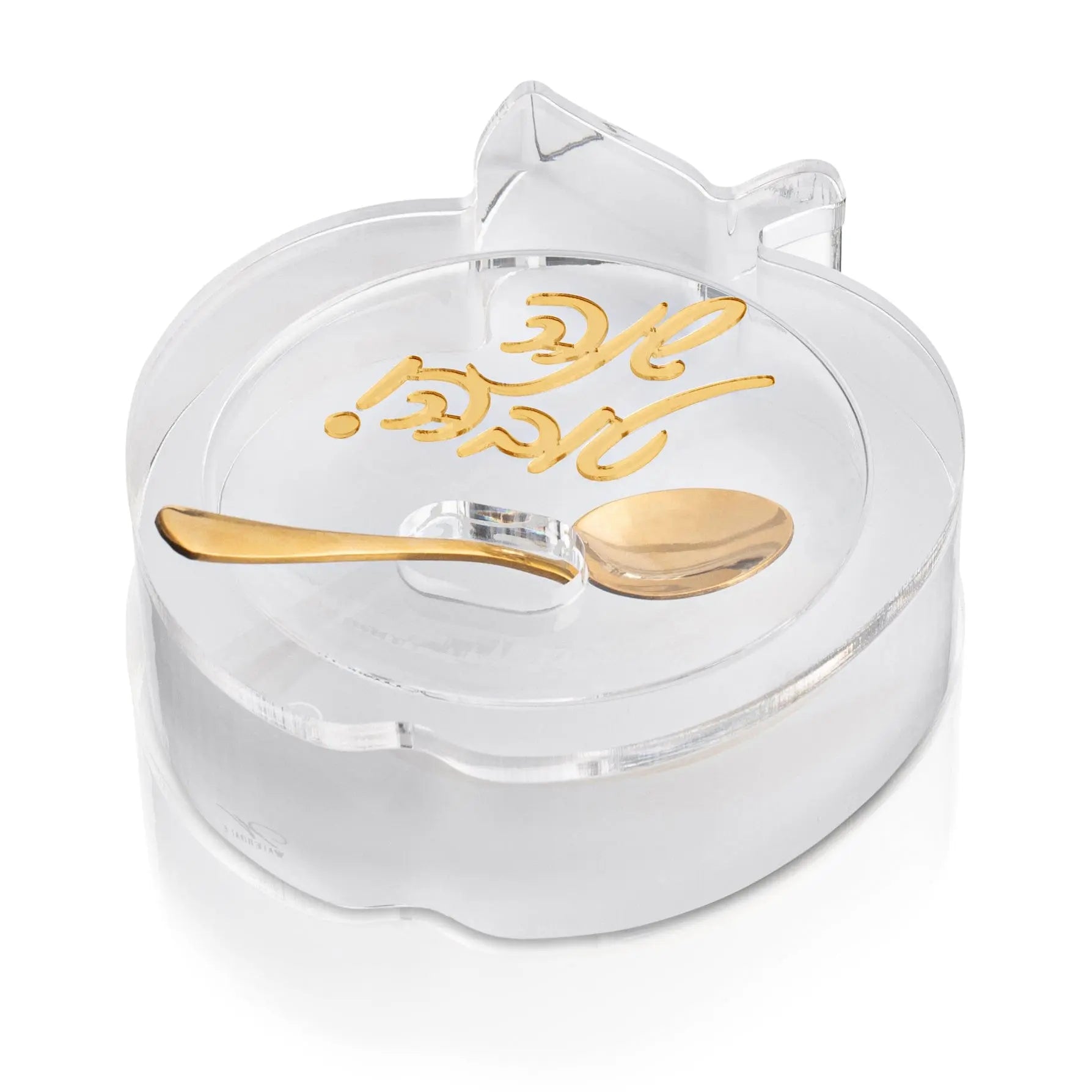
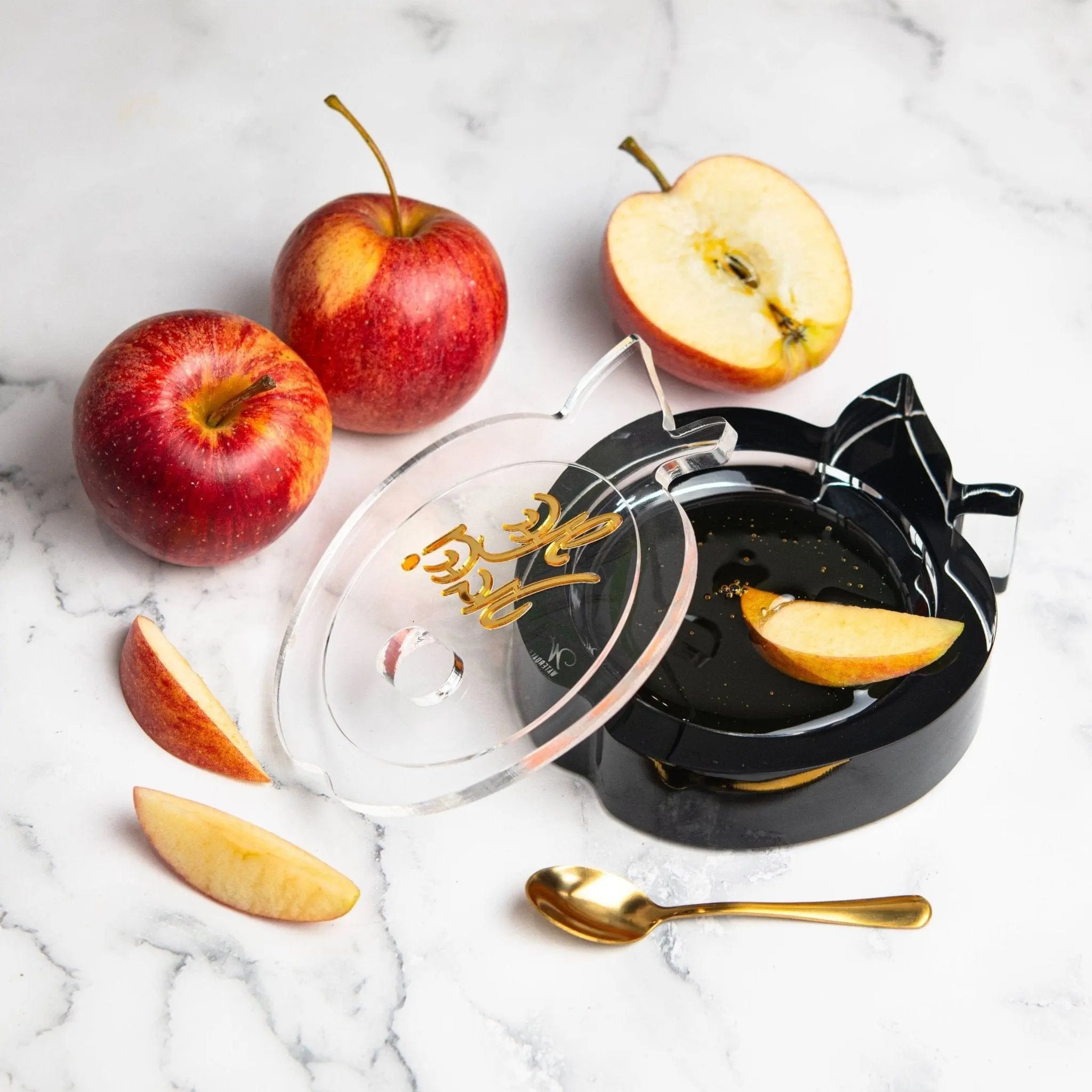
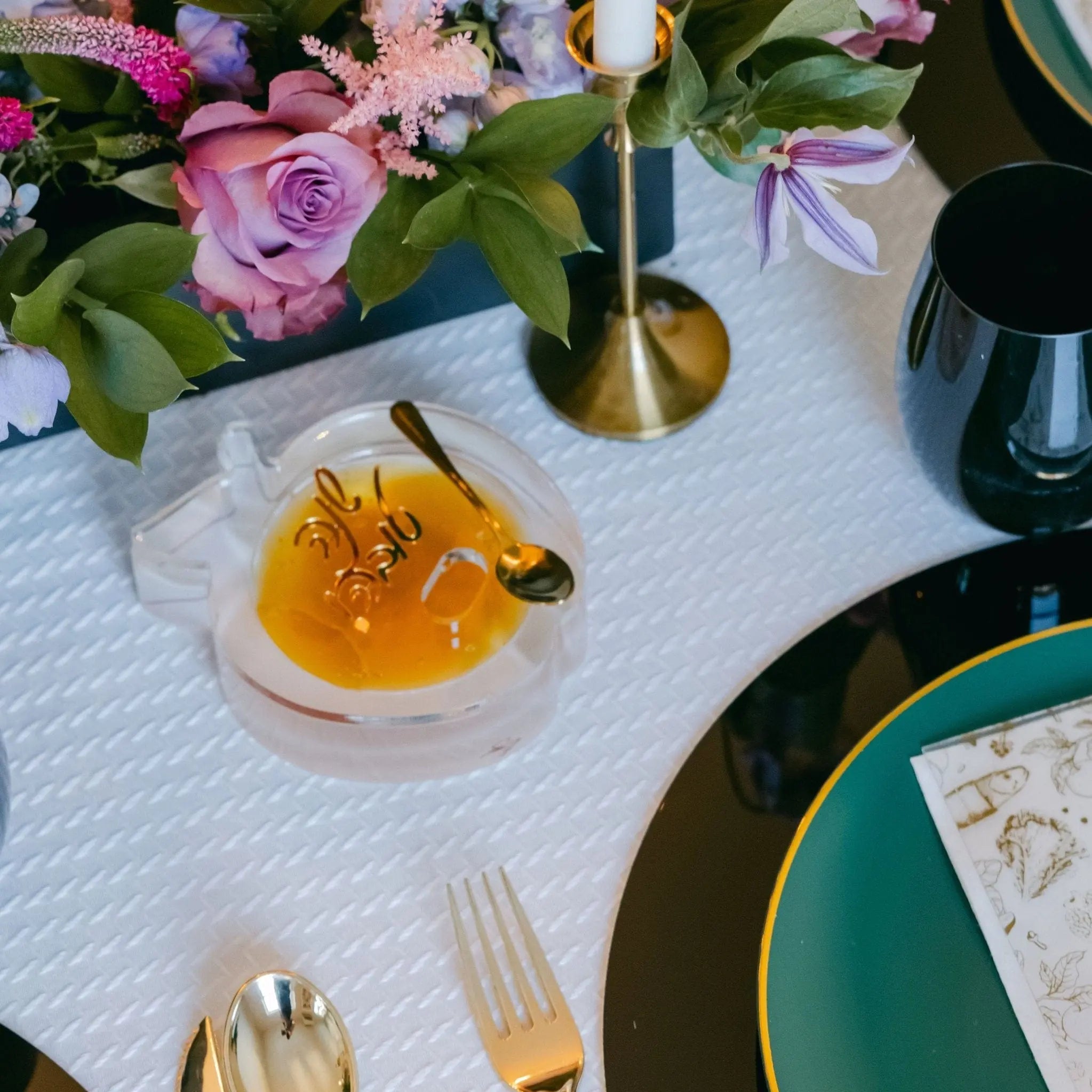
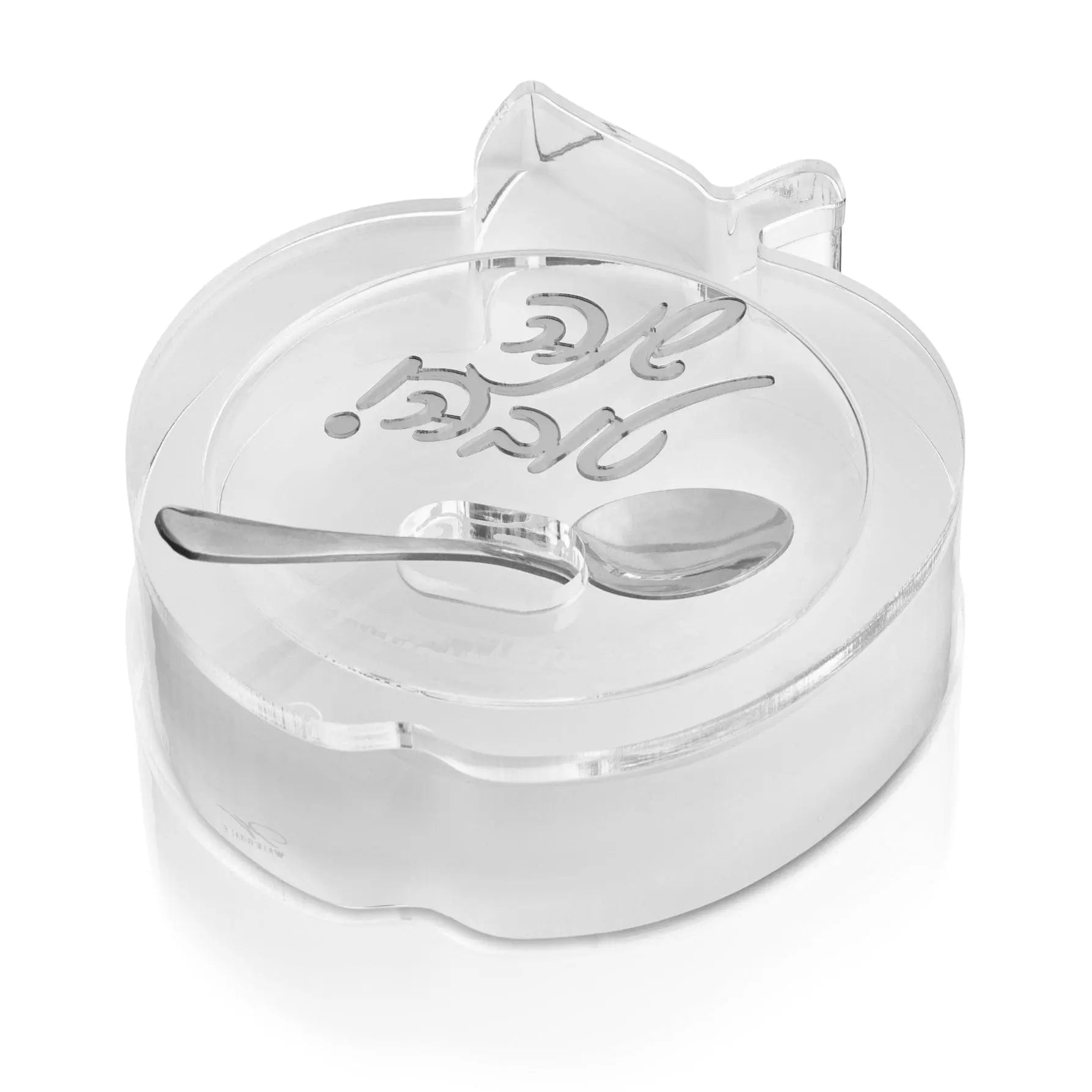
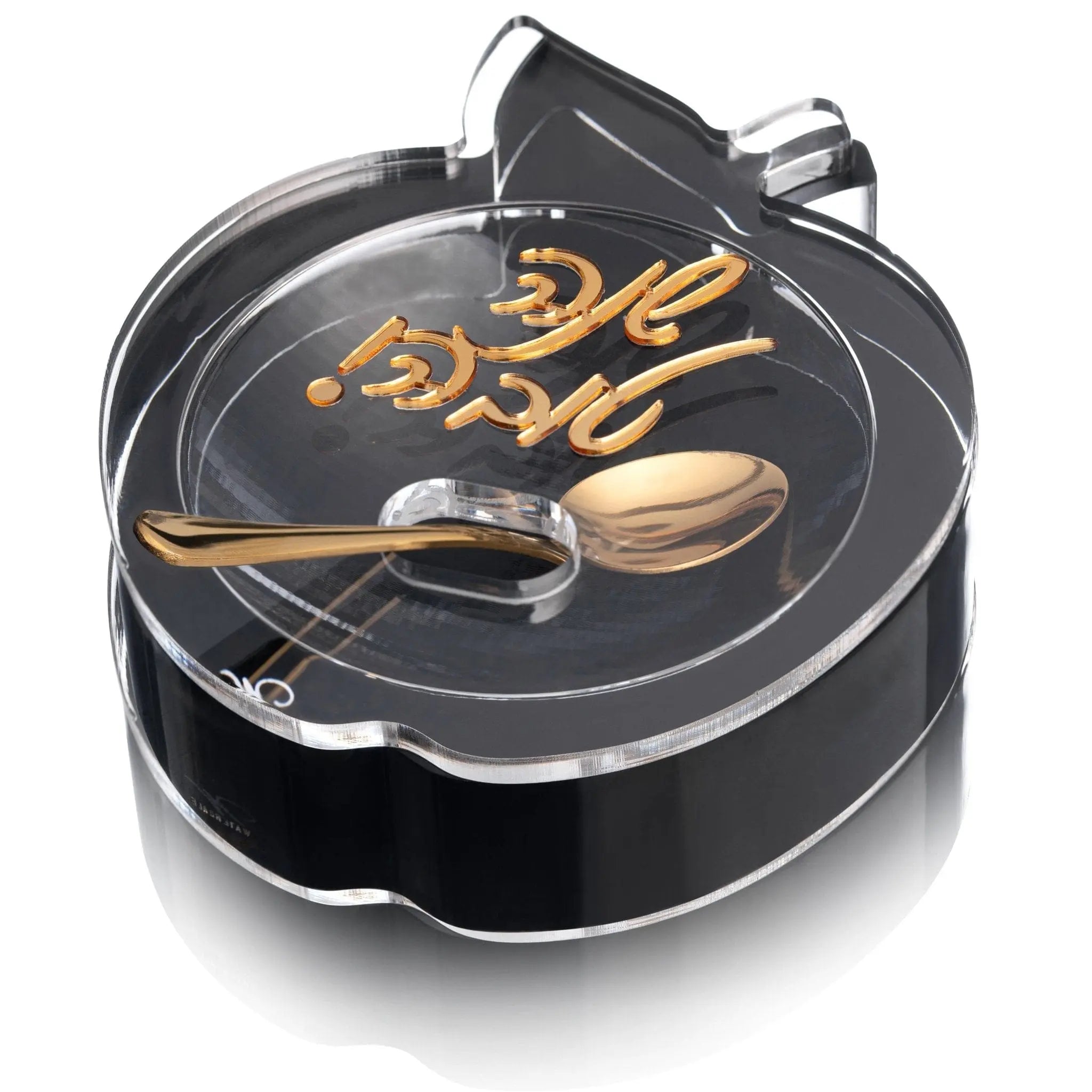
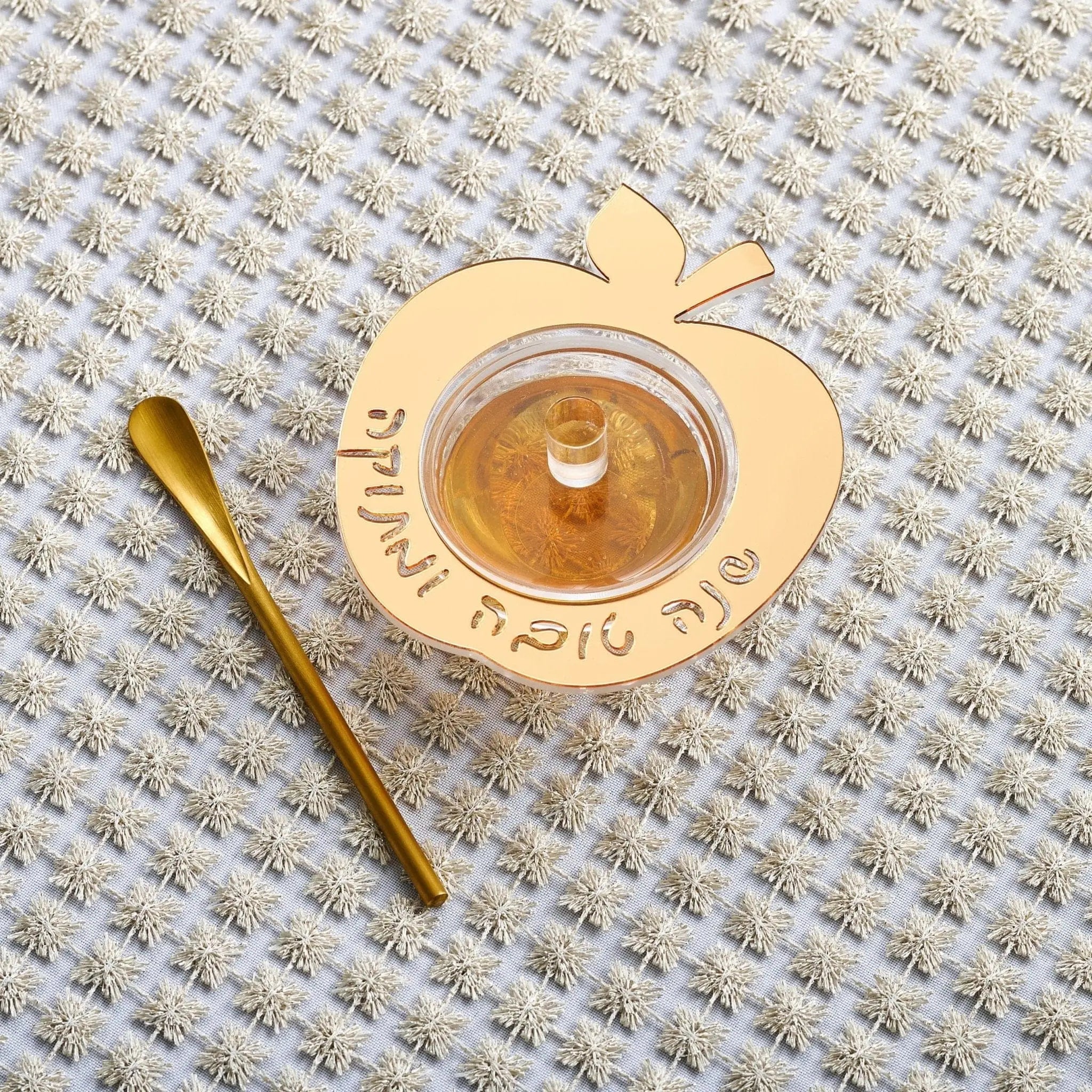
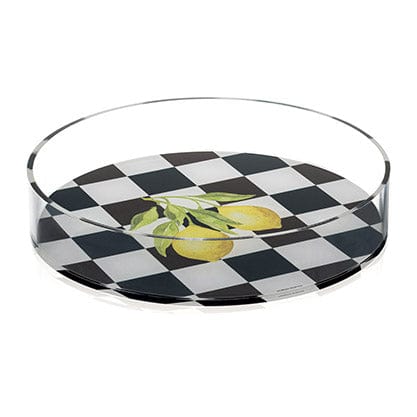
Dipping an apple in honey is the most famous of the Rosh Hashanah simanim — the symbolic foods eaten on the night of the Jewish New Year. The Talmud teaches that eating symbolic foods at the start of the year is a siman tov, a good omen, and the apple's natural sweetness doubled by honey expresses our prayer for a shanah tovah u'metukah, a good and sweet new year. That's why a dedicated honey dish sits at the center of nearly every Rosh Hashanah table.
What are the simanim — the symbolic foods eaten on Rosh Hashanah?
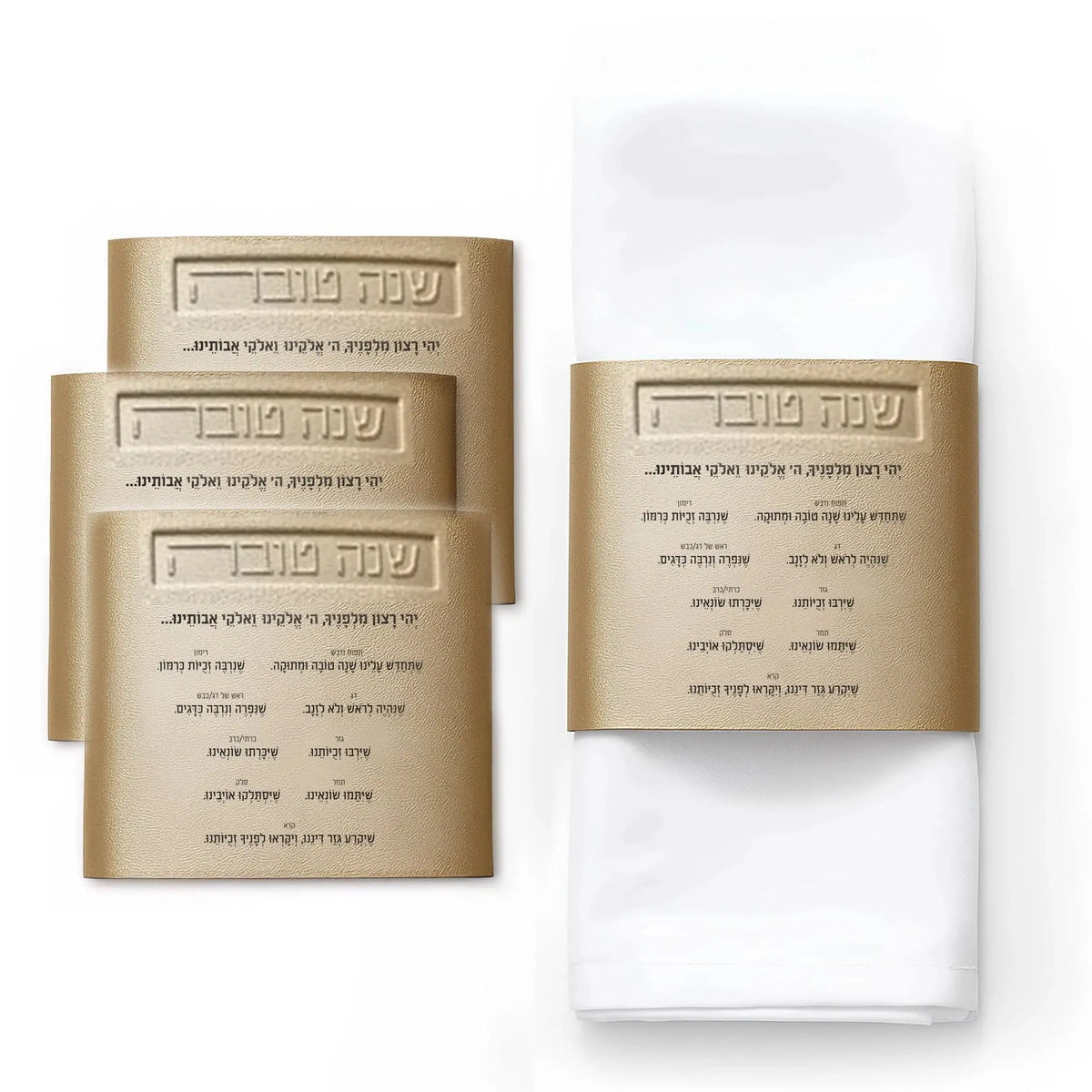
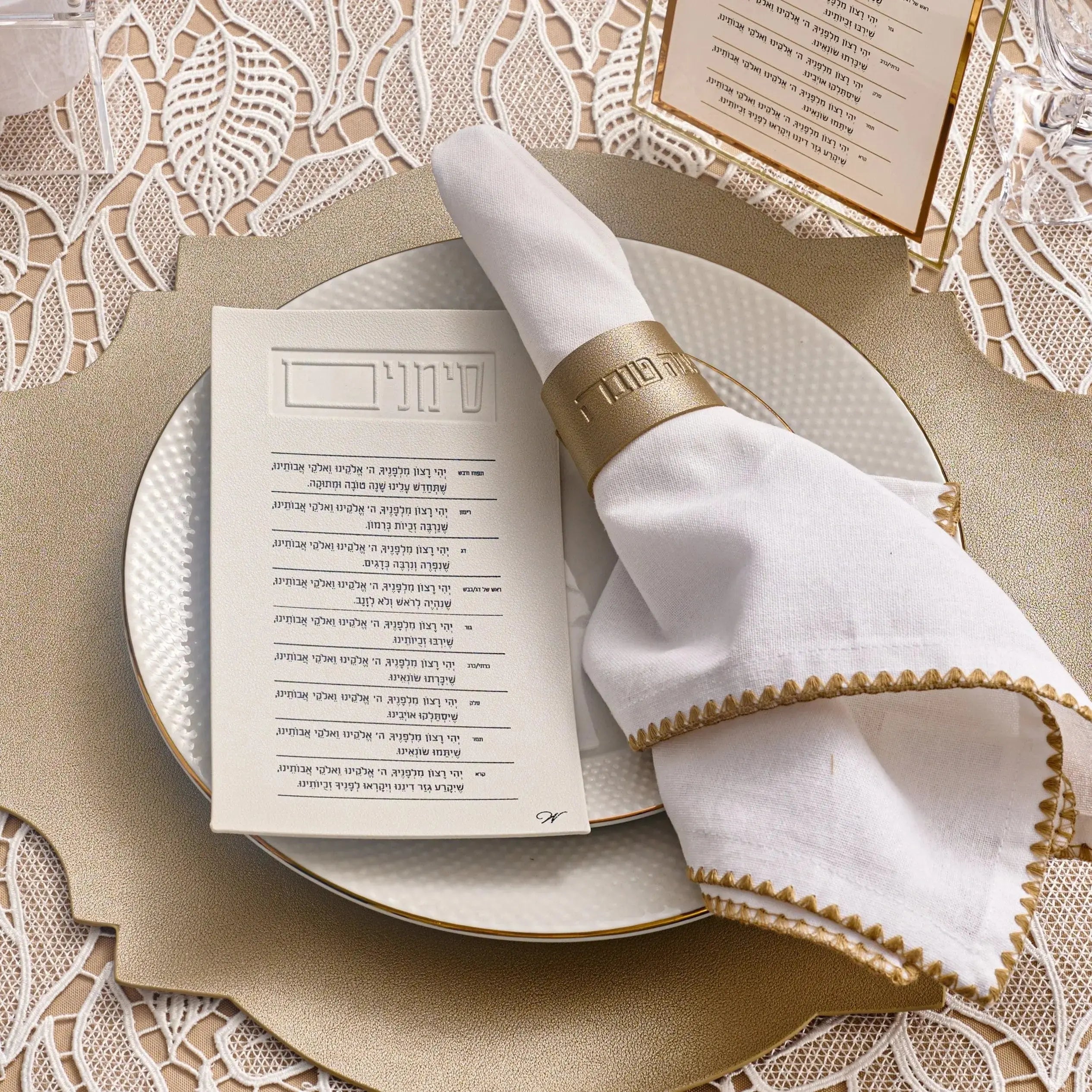
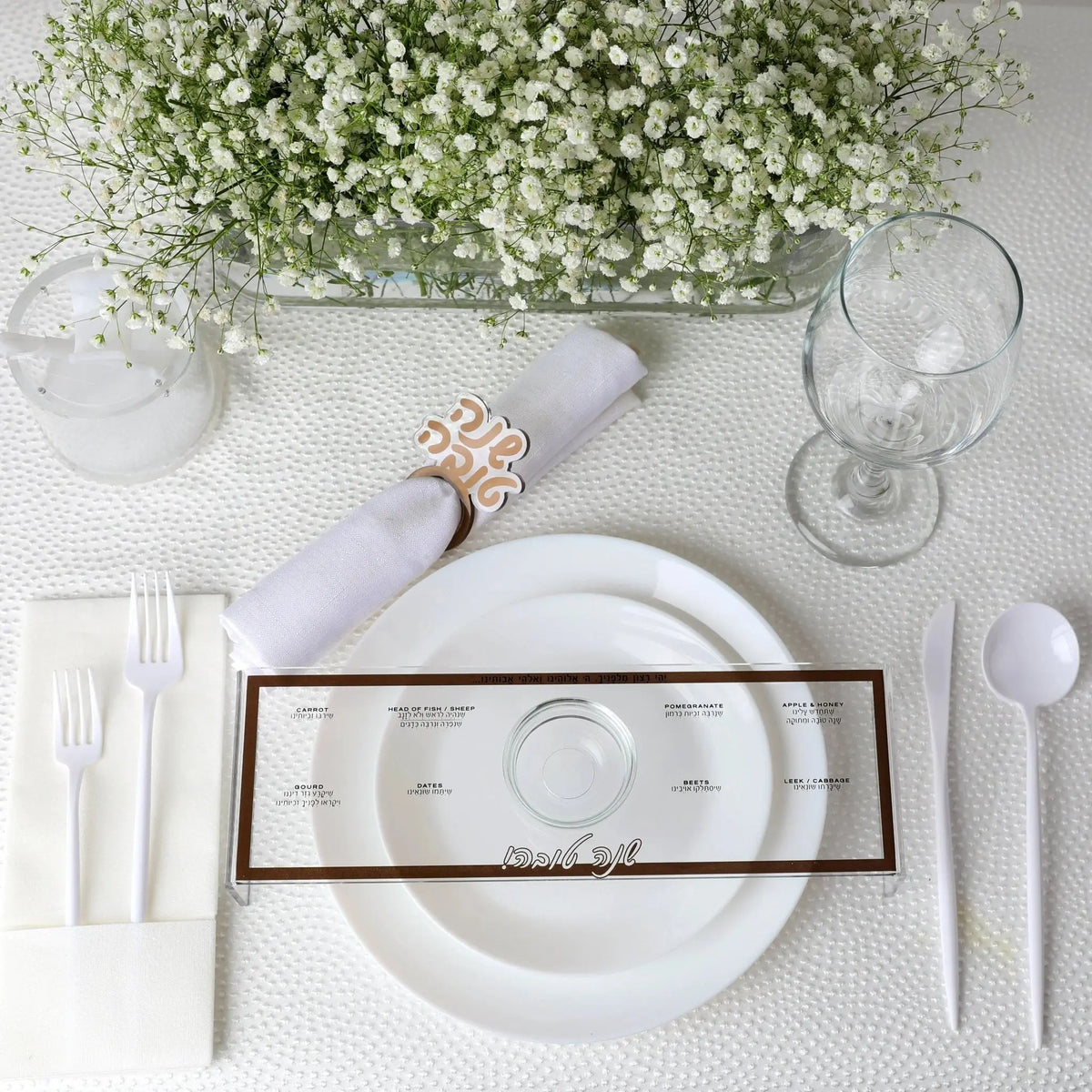
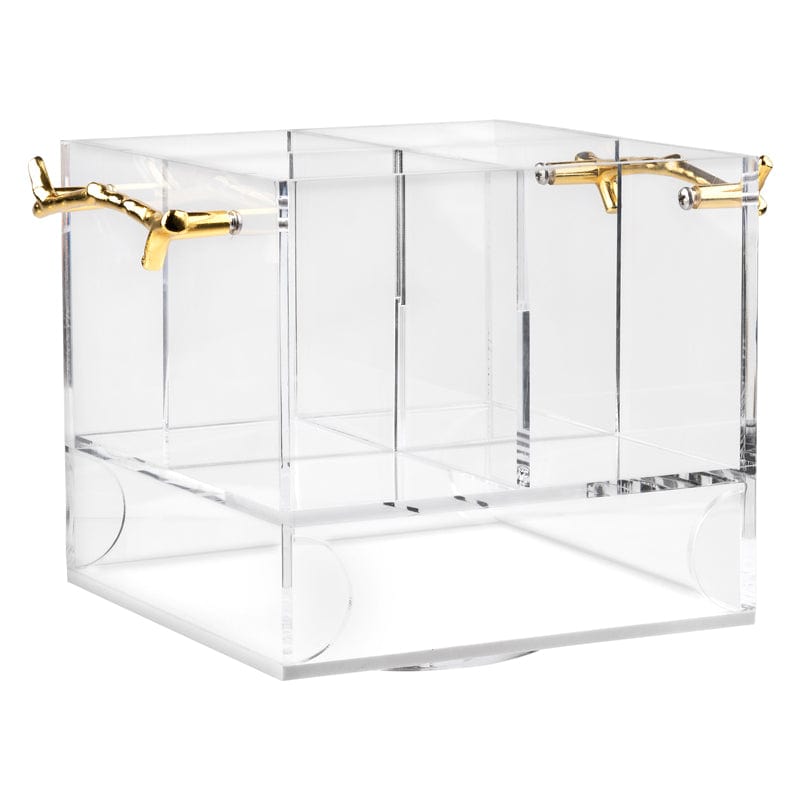
The classic simanim listed in the Talmud include apple dipped in honey, pomegranate, dates, gourd (kara), fenugreek or black-eyed peas (rubia), leeks (karti), and beets (silka), and many tables add a fish head or ram's head. Each food is eaten with a short Yehi Ratzon prayer that plays on its Hebrew or Aramaic name — a wish for merit, blessing, and protection in the new year. A simanim tray with separate compartments keeps all the foods organized so the seder flows smoothly at a full table.
Why do we eat pomegranate on Rosh Hashanah — and does it really have 613 seeds?
The pomegranate is eaten during the simanim with the prayer that our merits multiply like the seeds of a pomegranate. Tradition famously associates the fruit with 613 seeds, matching the 613 mitzvot — actual counts vary, but the symbolism has endured for centuries. The pomegranate (rimon) is also one of the seven species of the Land of Israel, which is why it has become the single most recognizable motif in Rosh Hashanah tableware and Judaica.
Why is challah round on Rosh Hashanah, and why do we dip it in honey instead of salt?
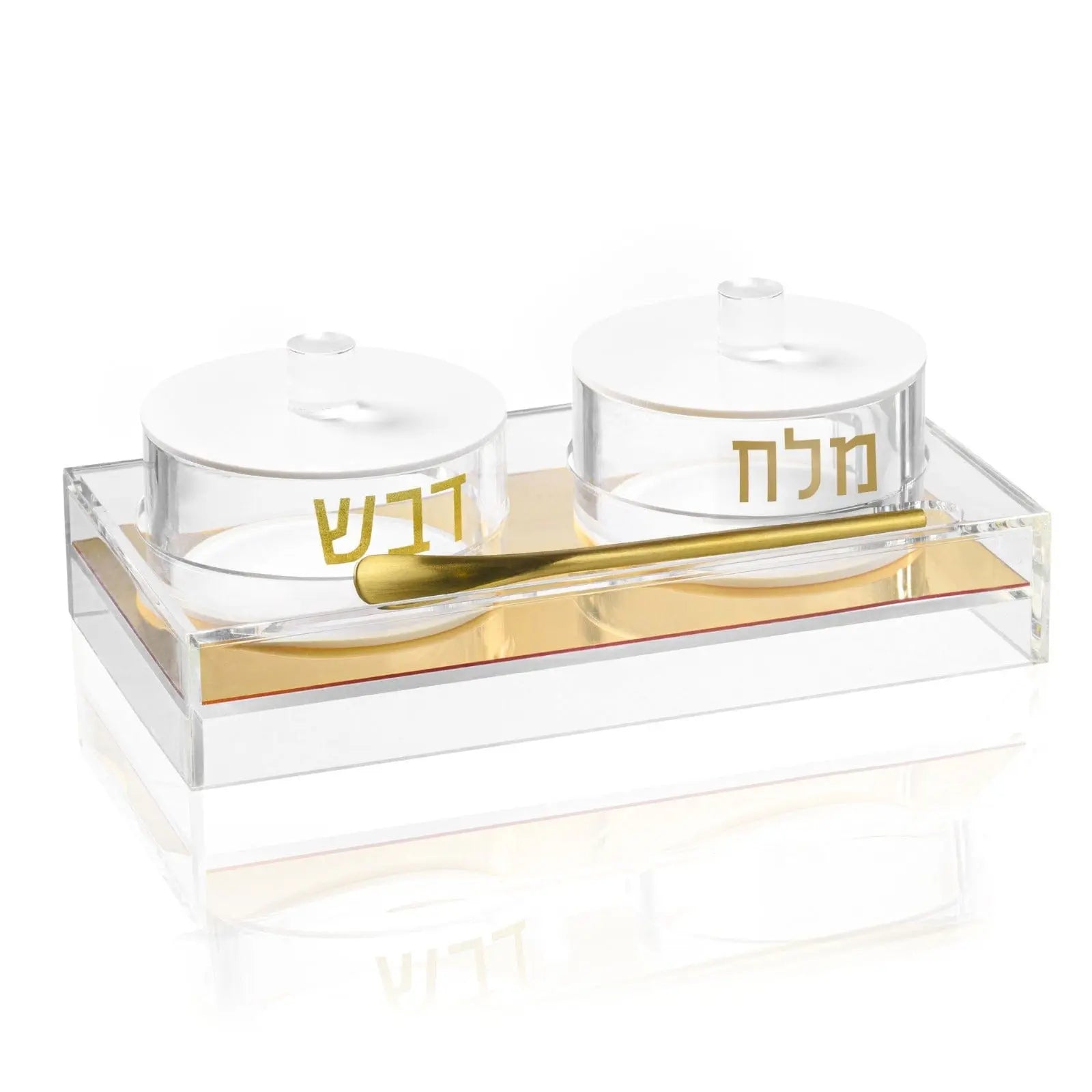
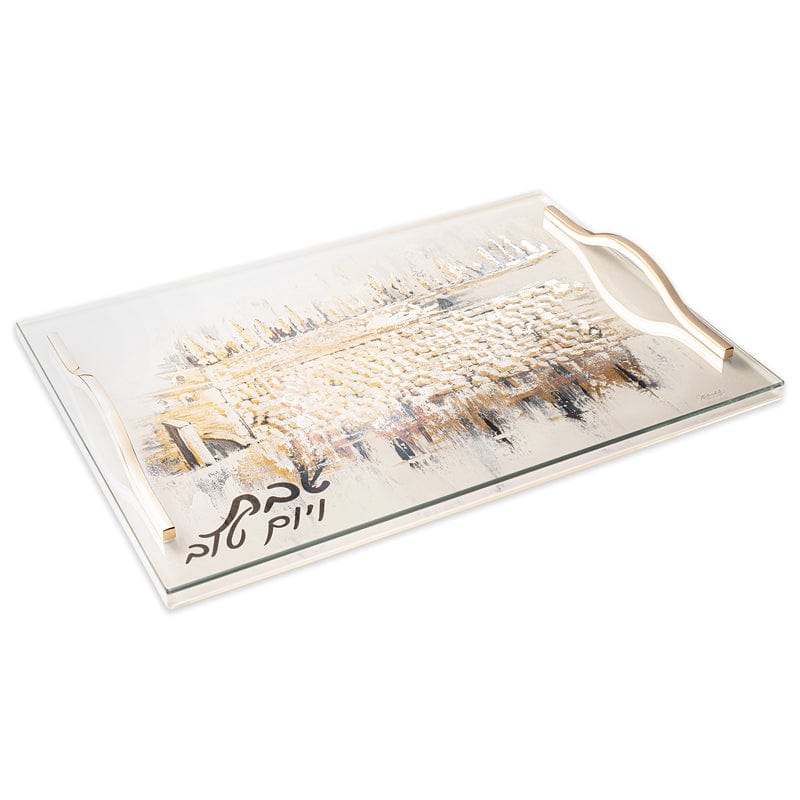
Round challah symbolizes the cycle of the year and, according to many explanations, a crown — a nod to Rosh Hashanah as the day we proclaim Hashem King. Instead of the usual salt, the challah is dipped in honey to open the year with sweetness, and many families continue dipping challah in honey at Yom Tov and Shabbos meals through Hoshana Rabbah at the end of Sukkos. A challah board paired with a matching honey dish makes this sweet switch part of the table's look.
What tableware do I need for a Rosh Hashanah meal?
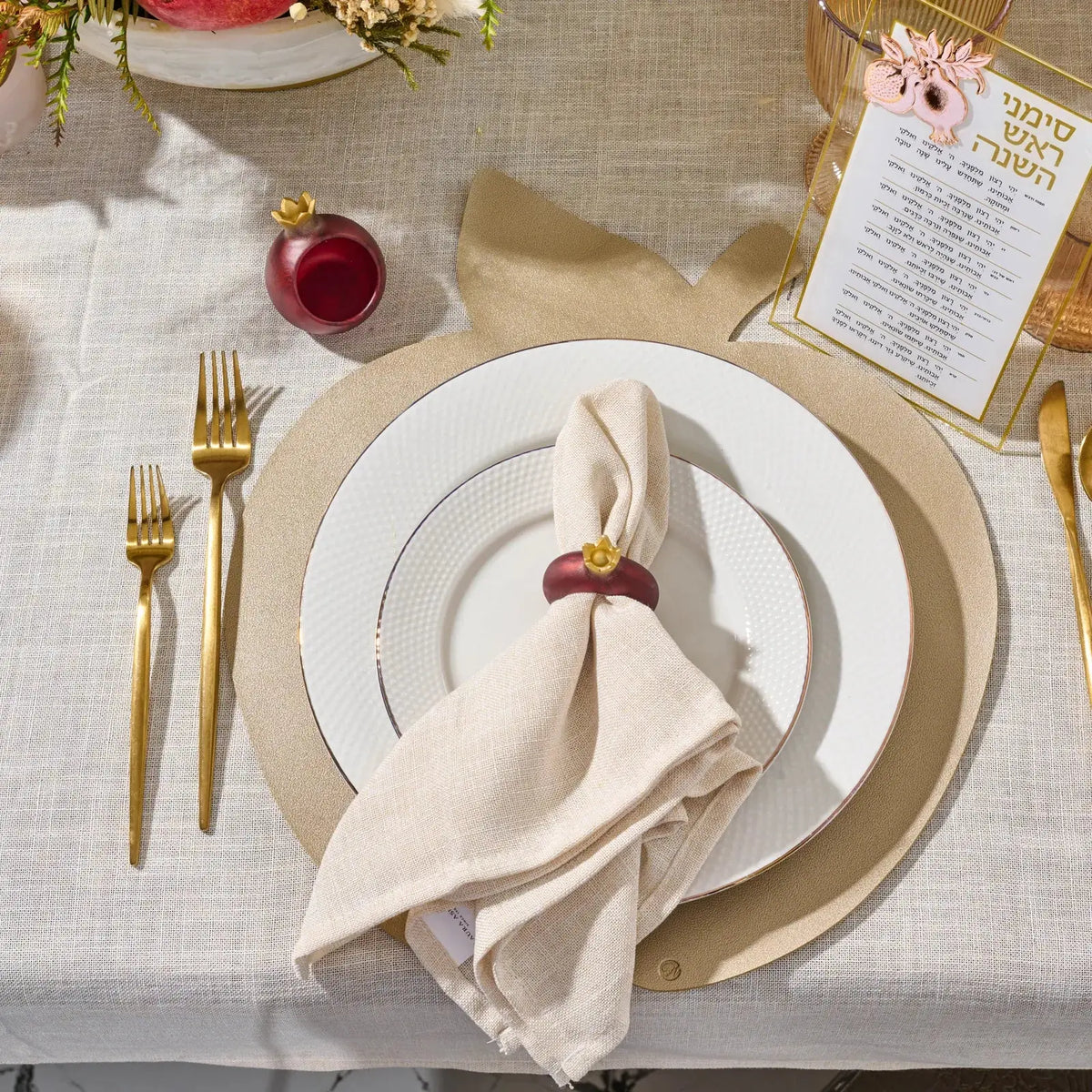
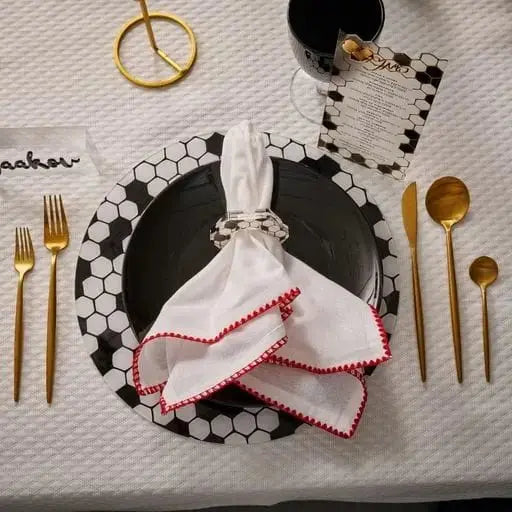
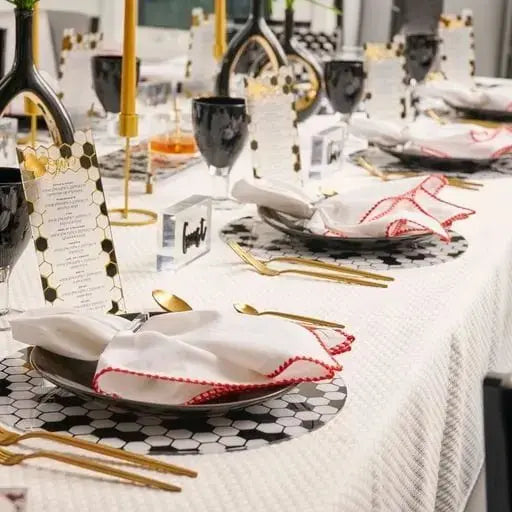
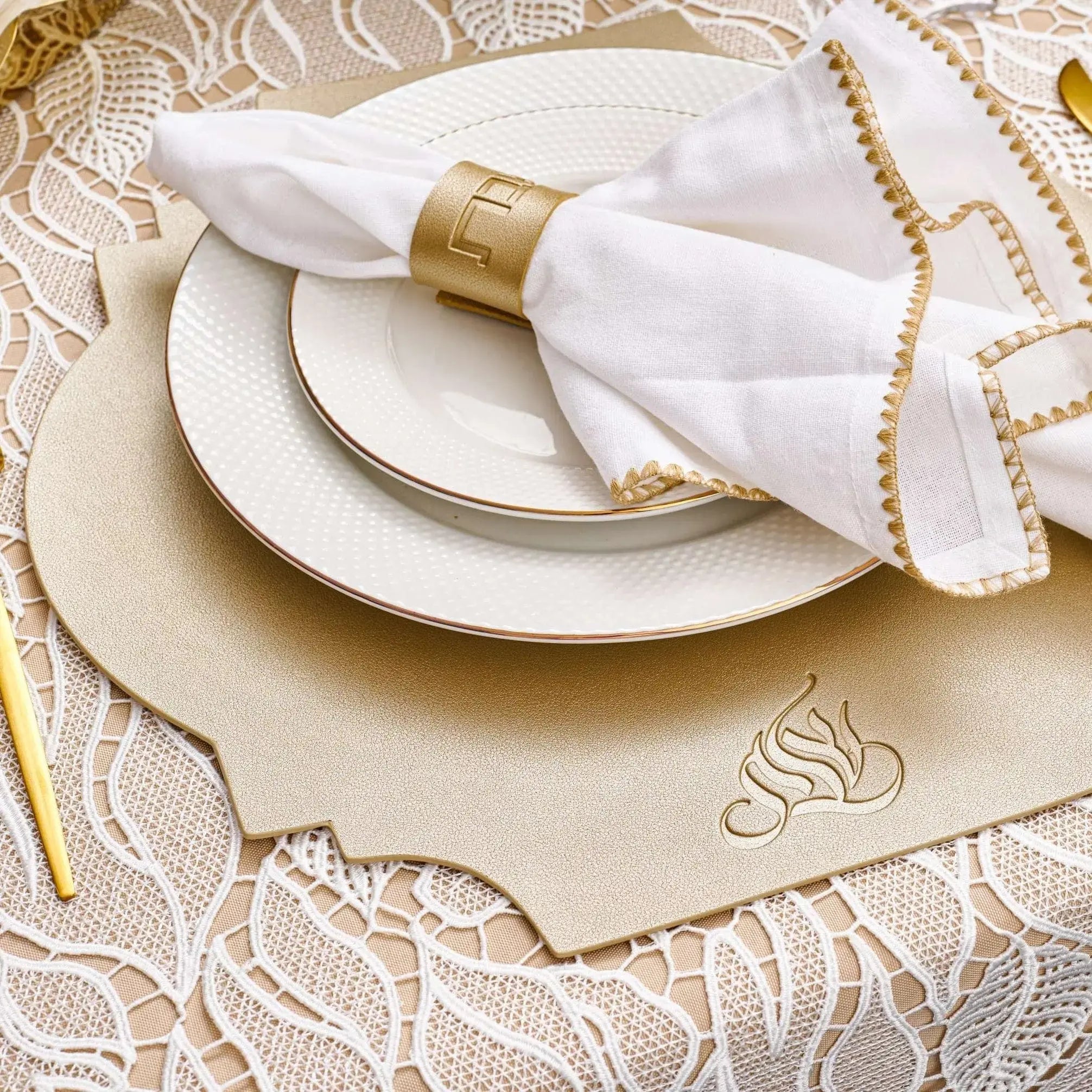
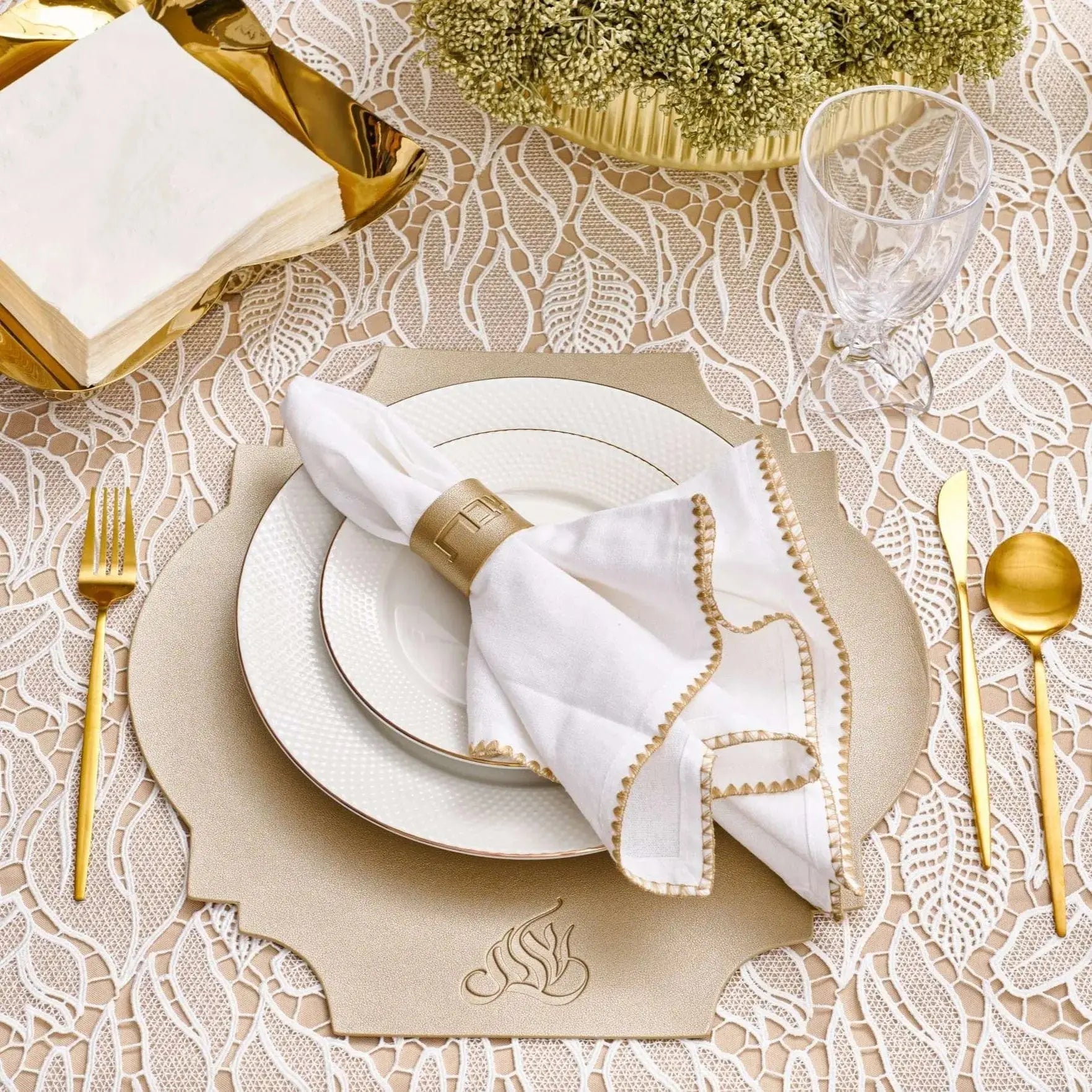
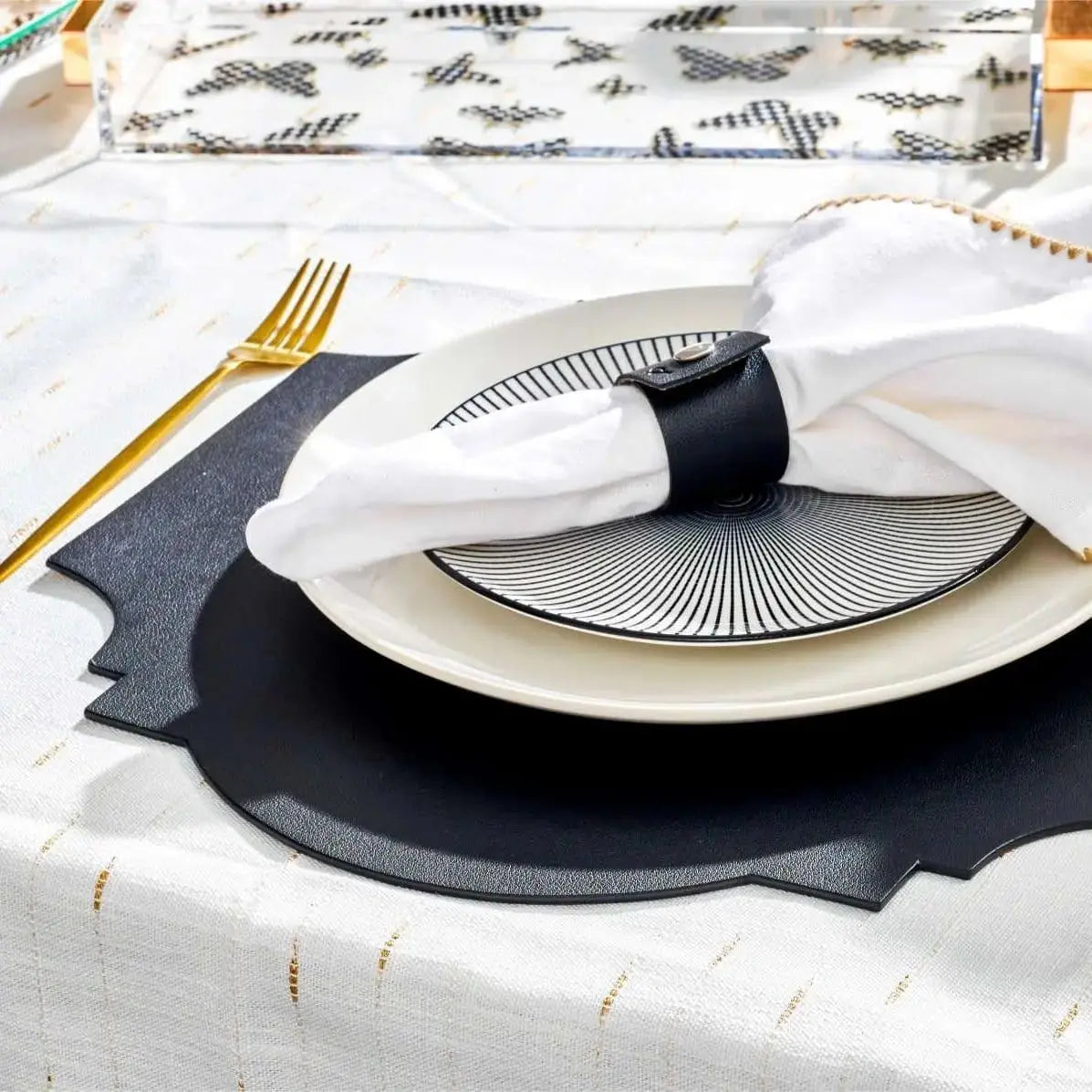
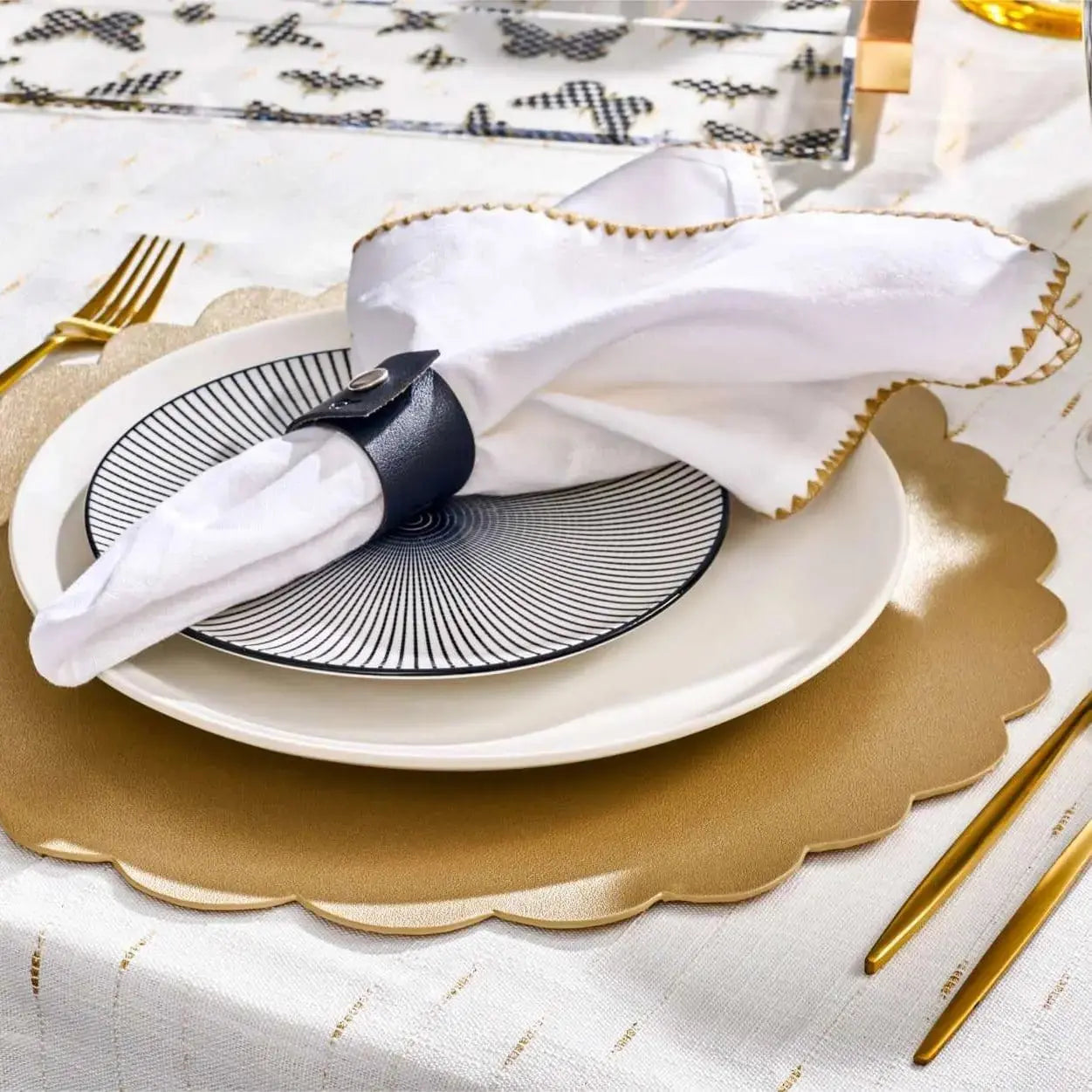
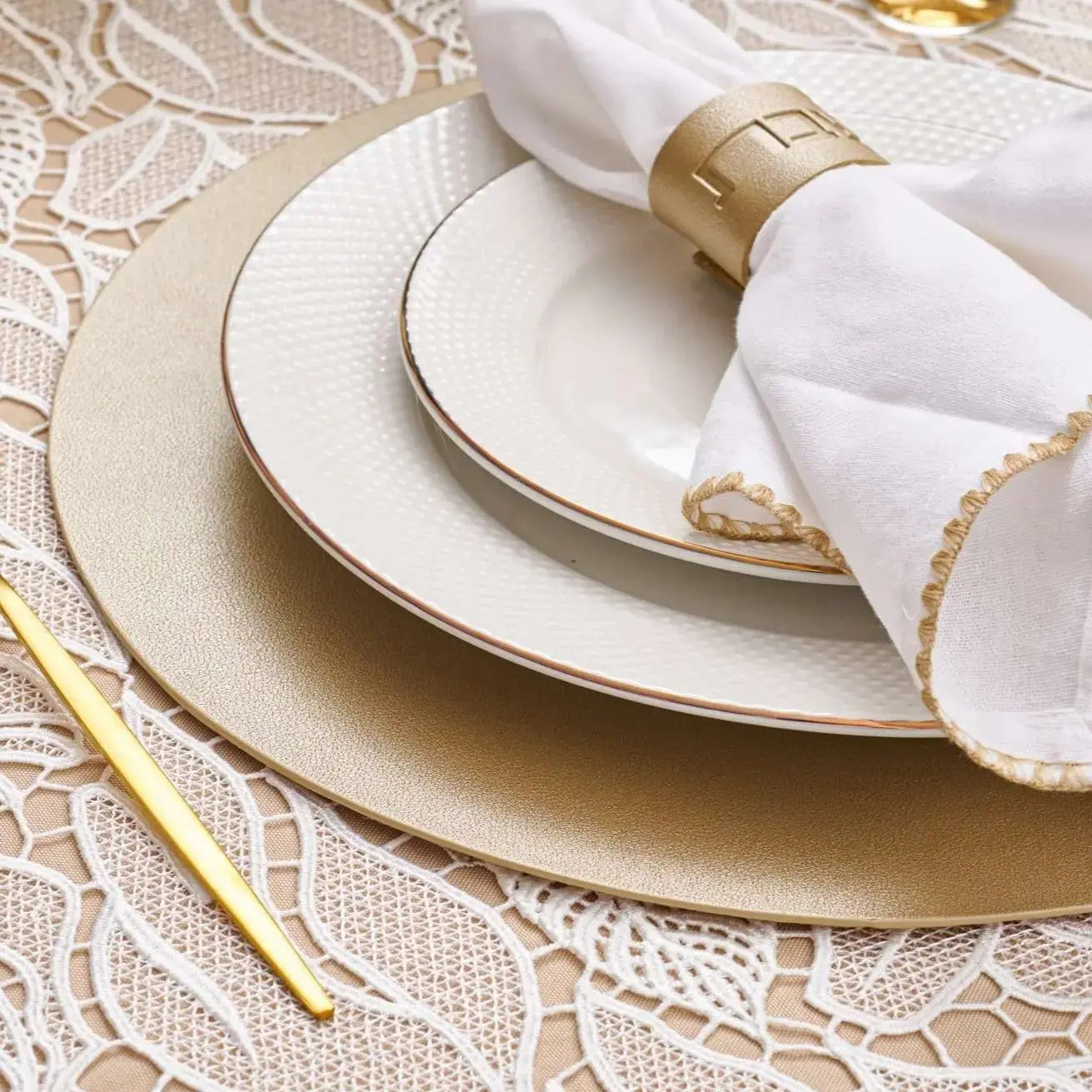
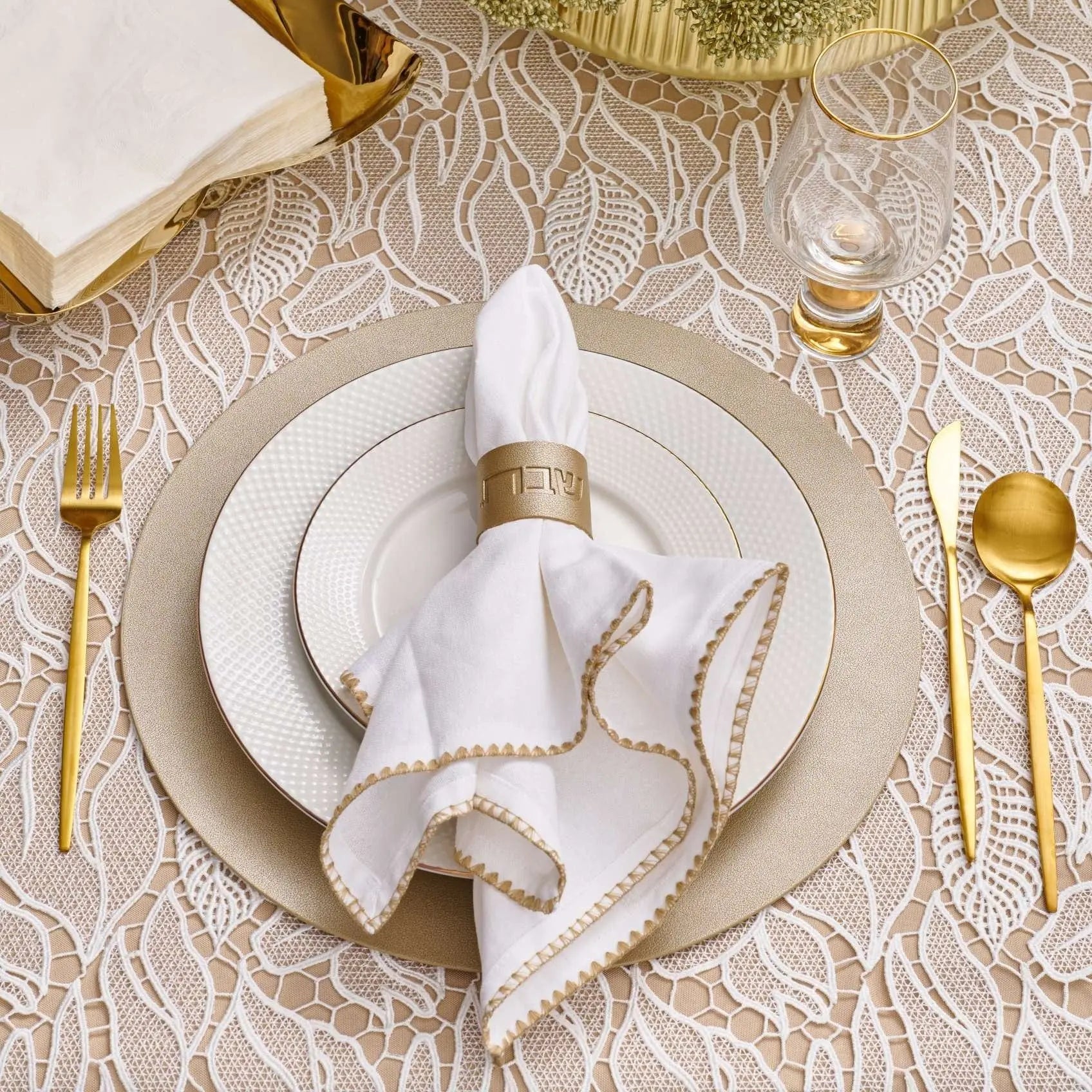
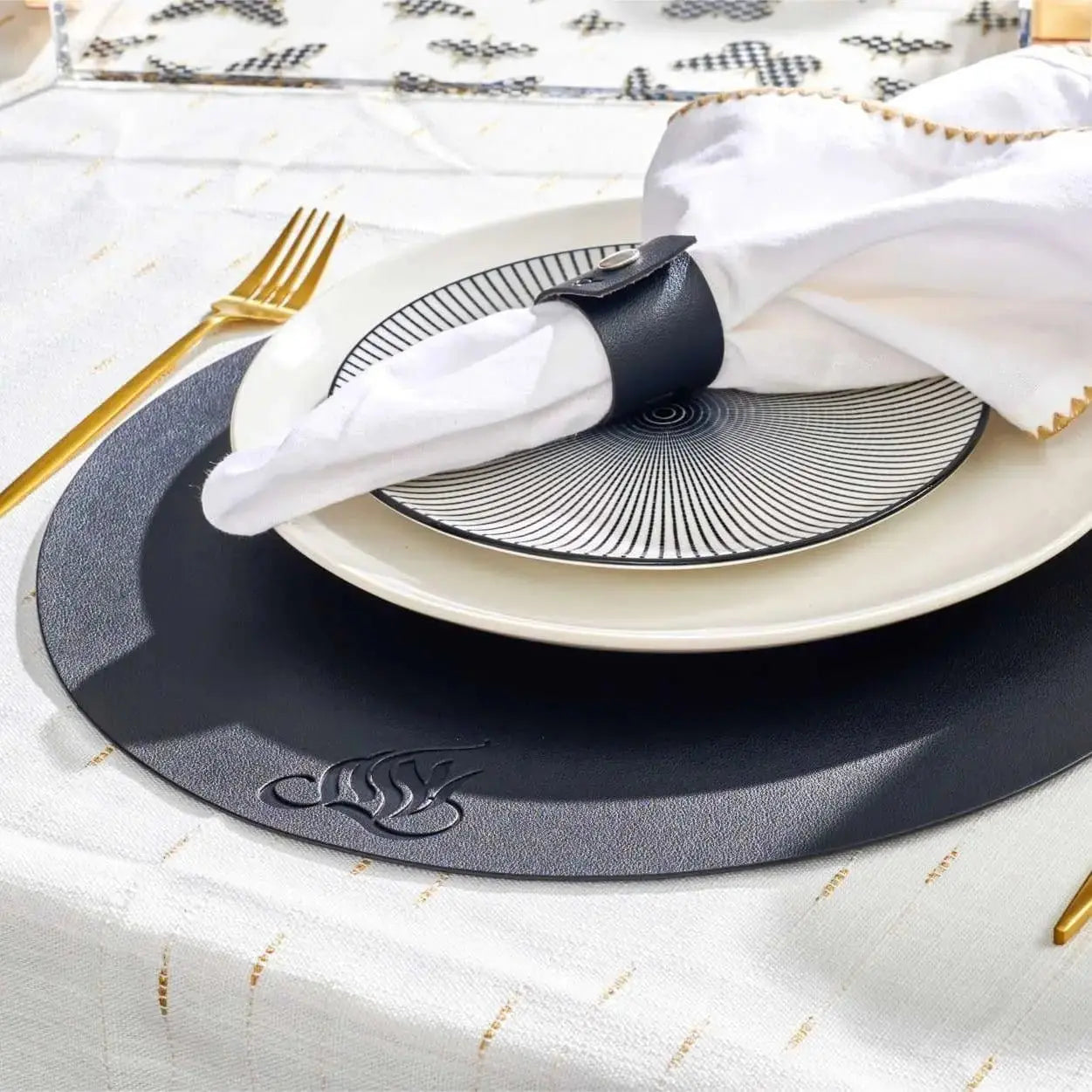
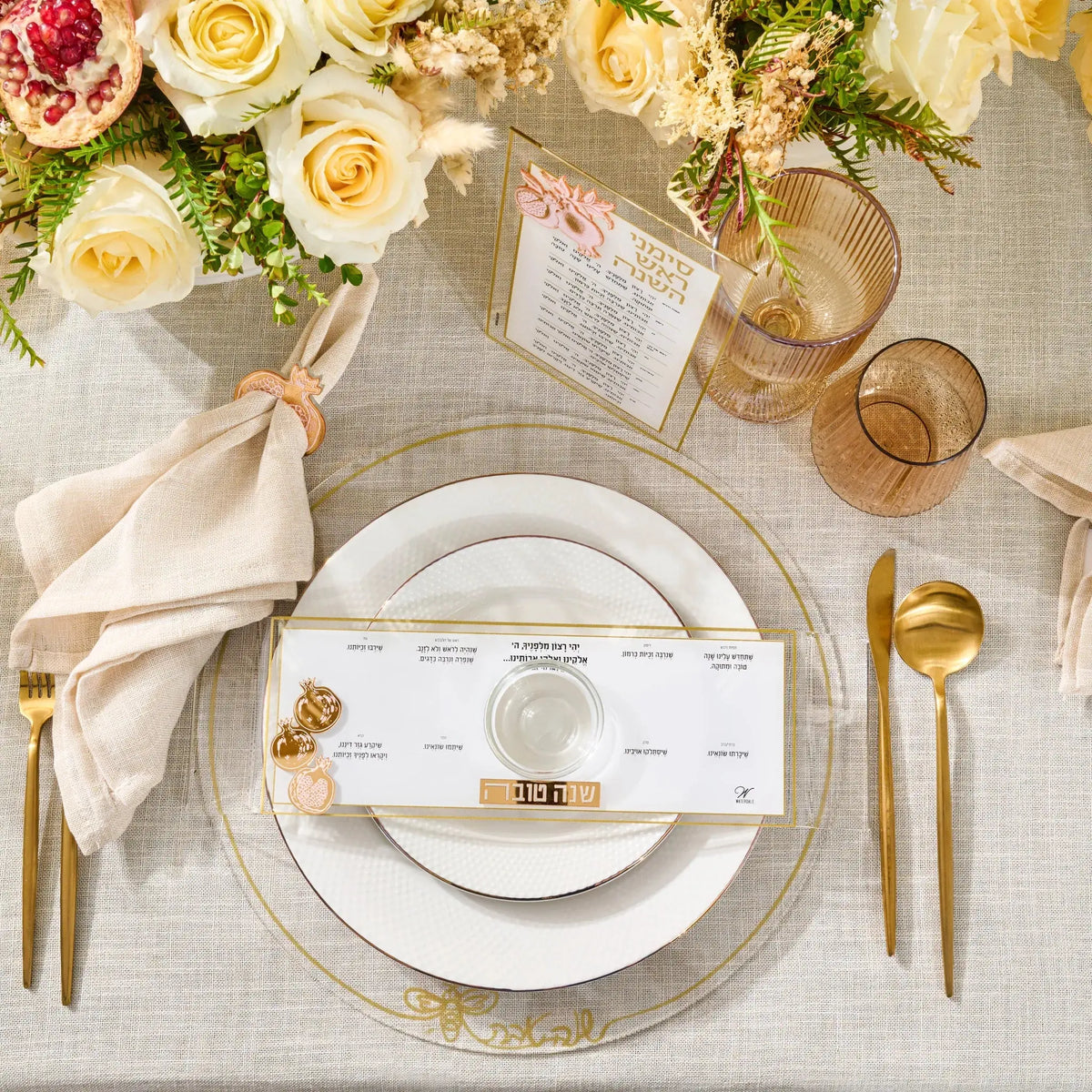
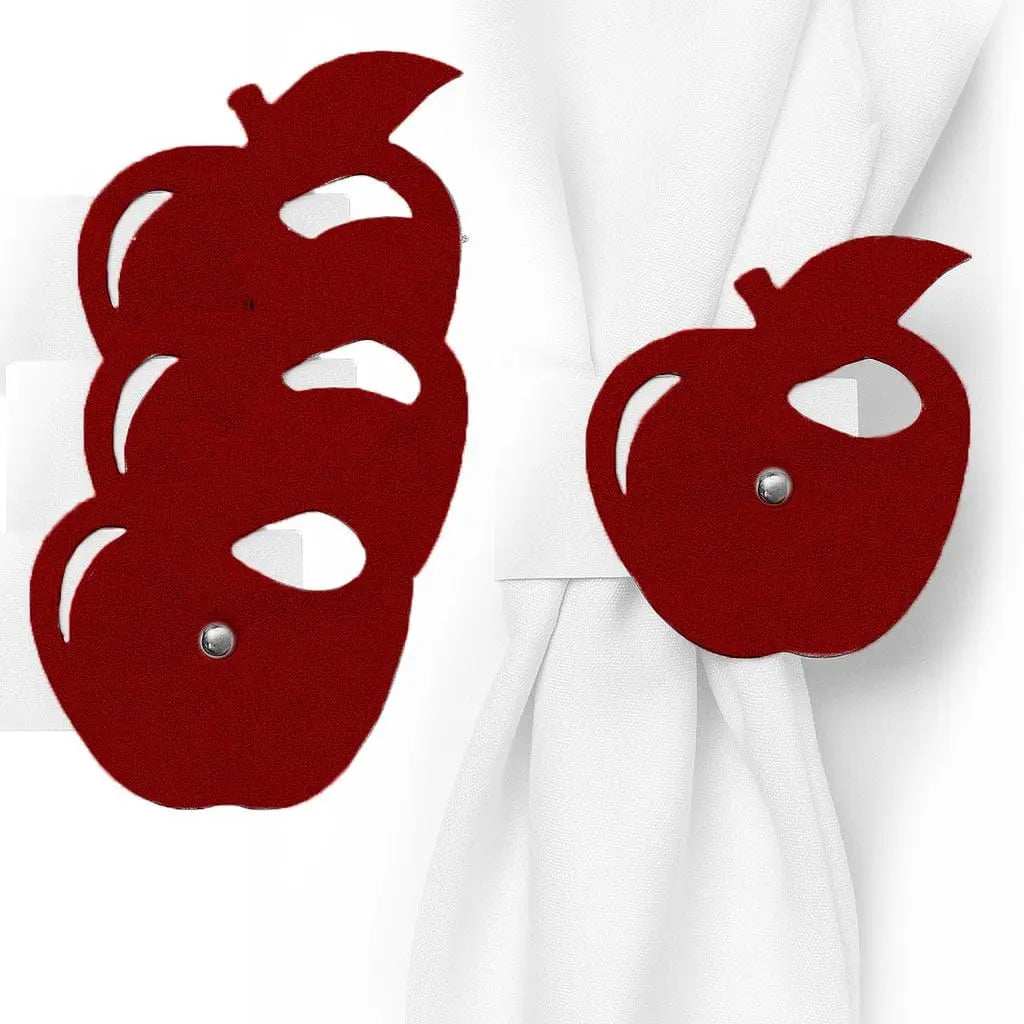
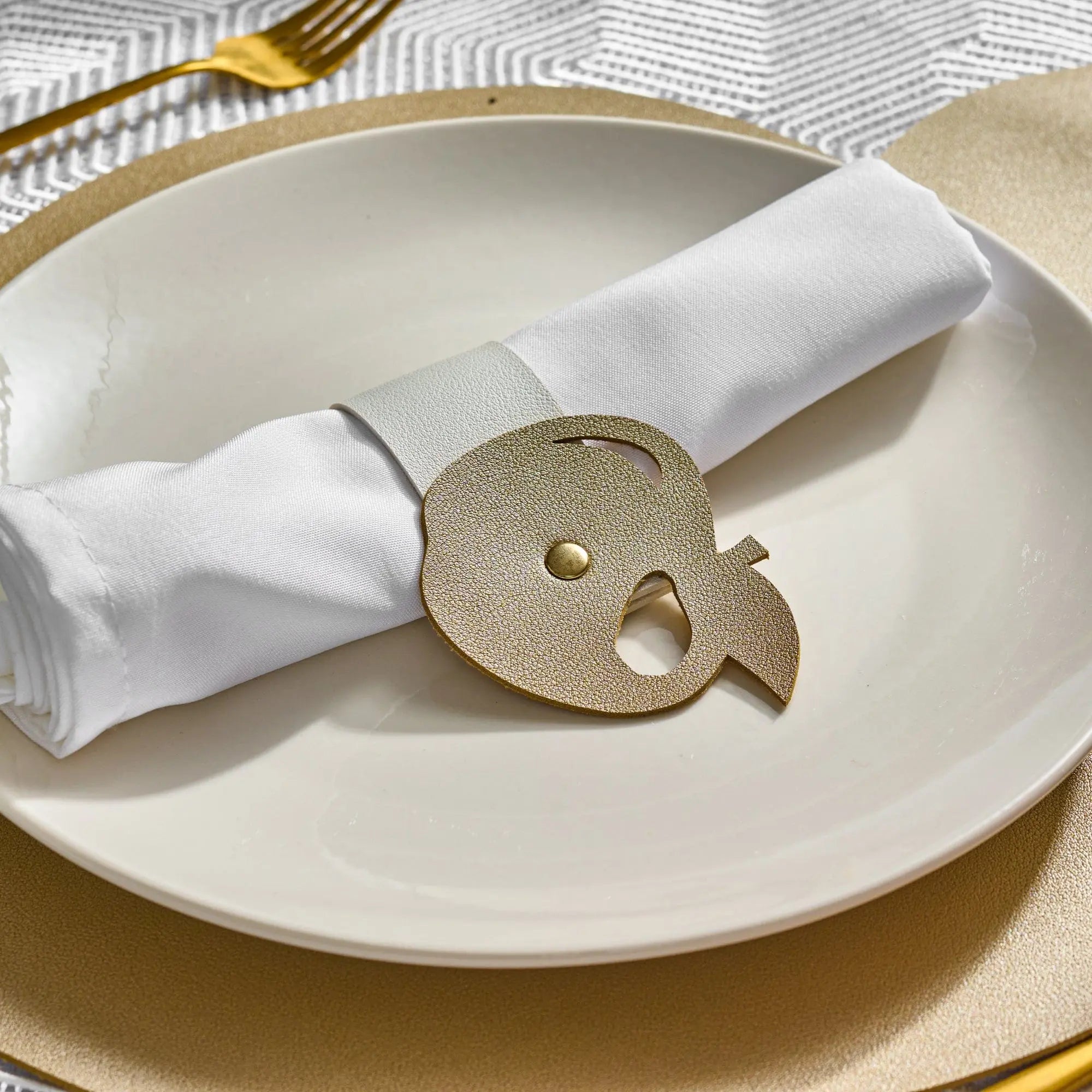
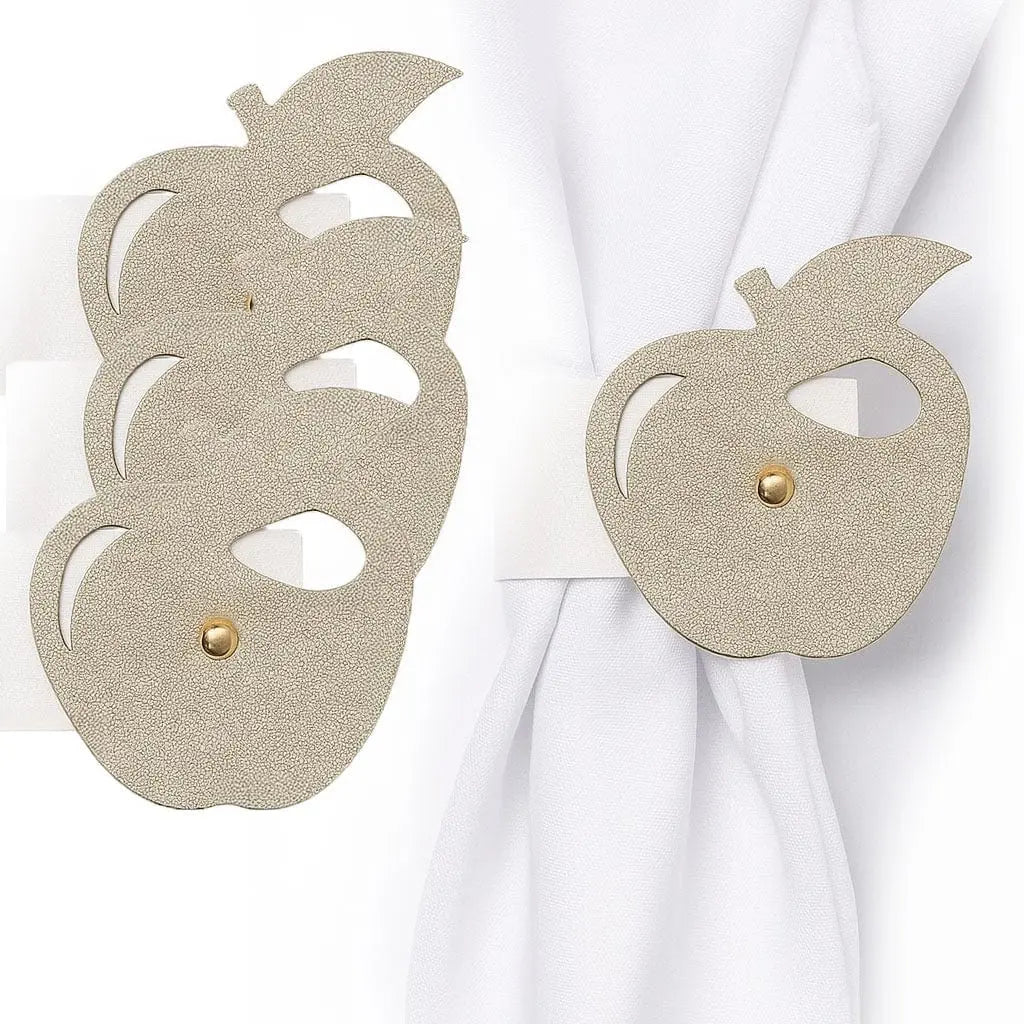
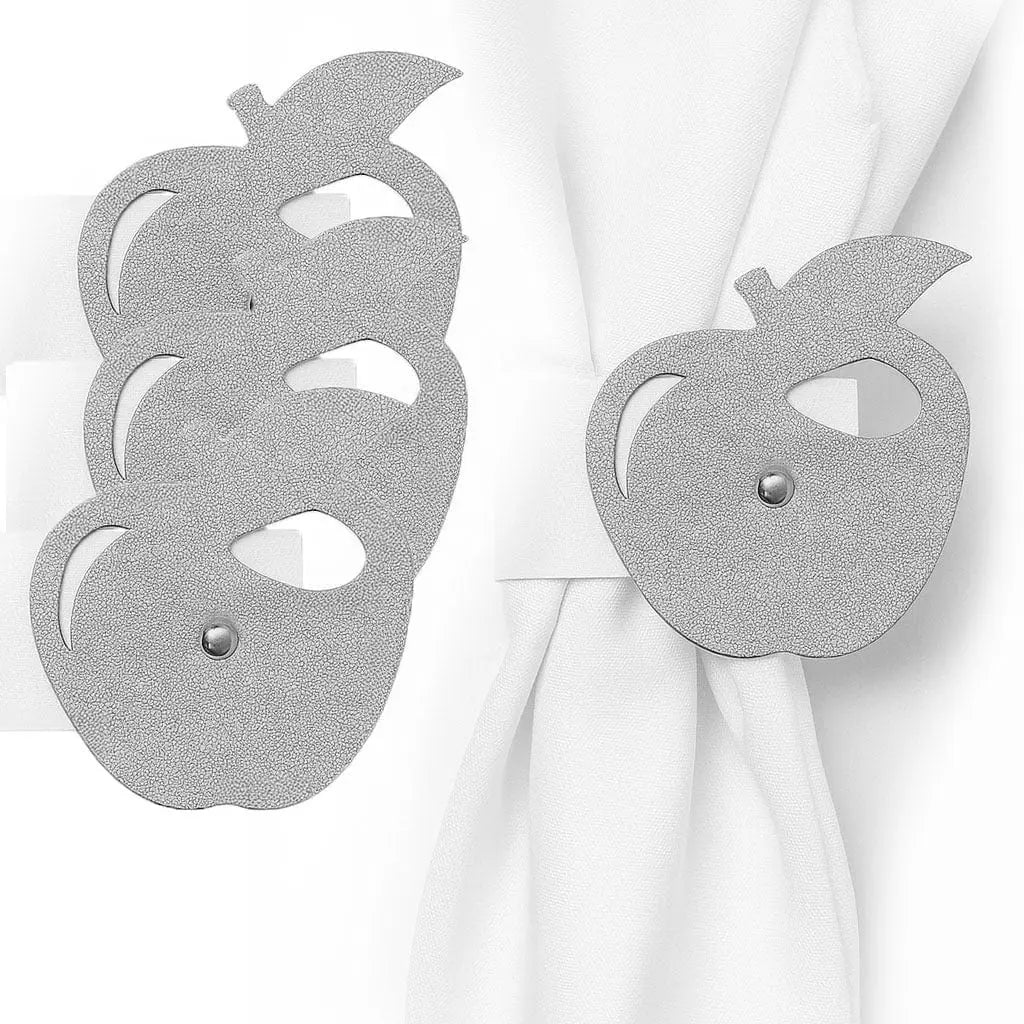
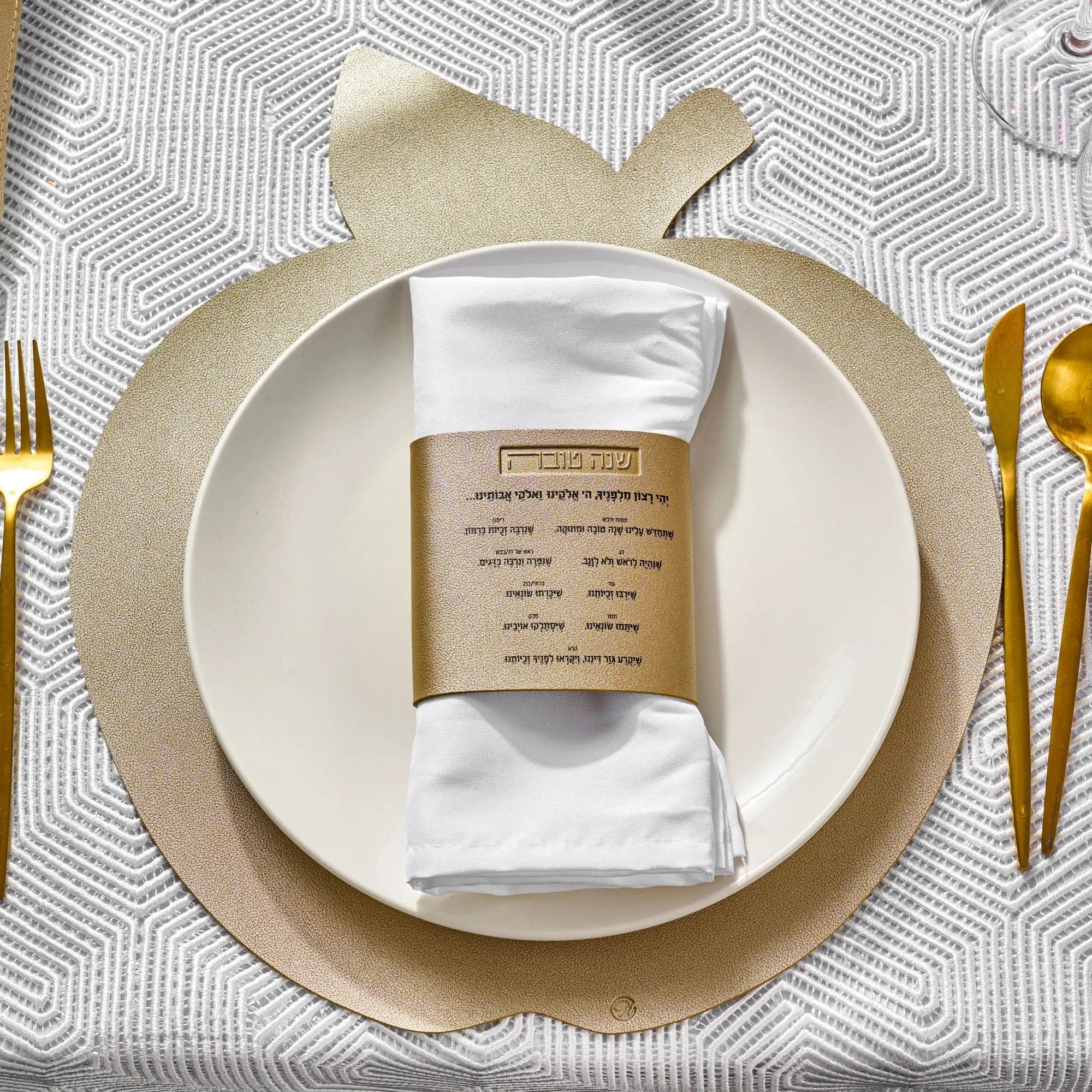
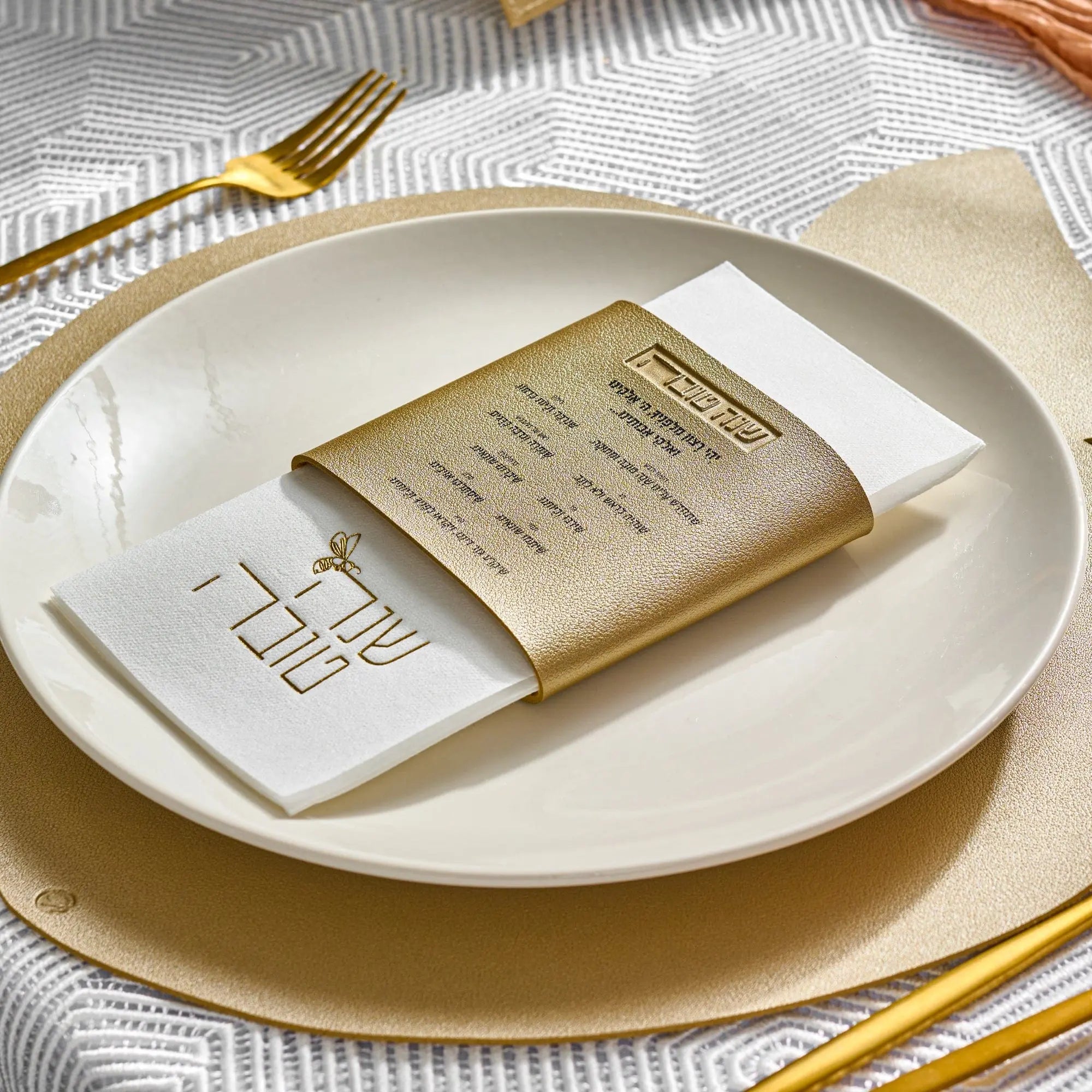
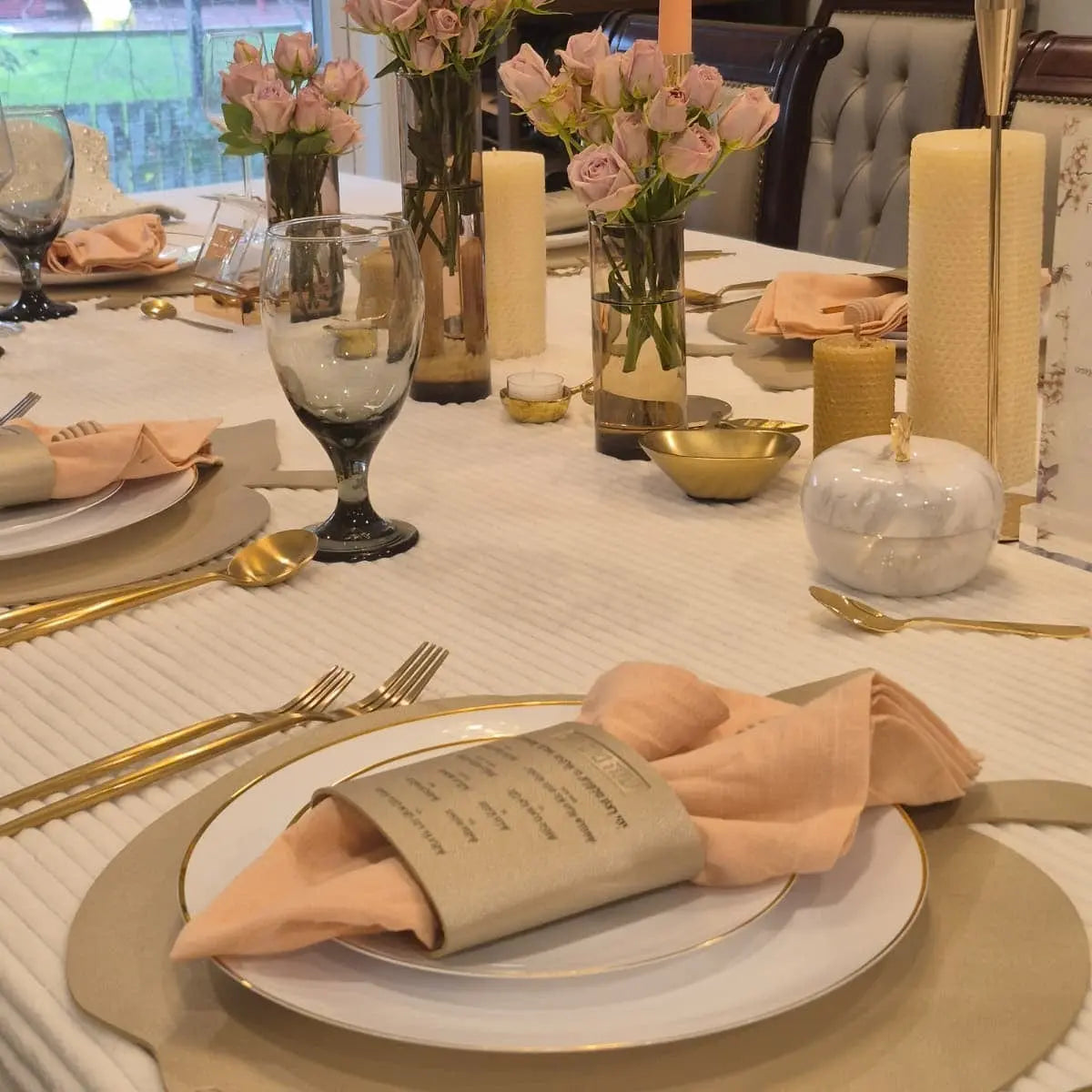
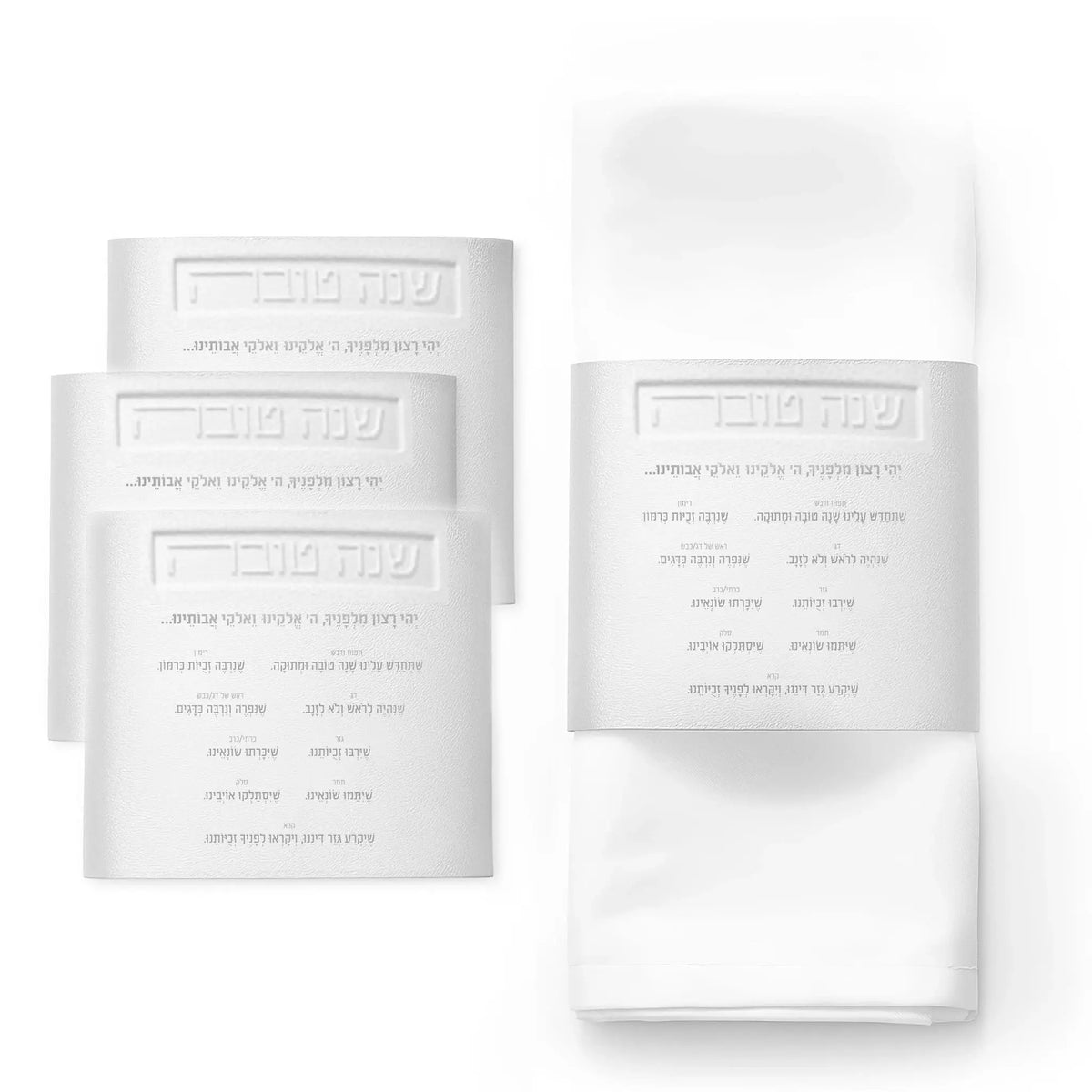
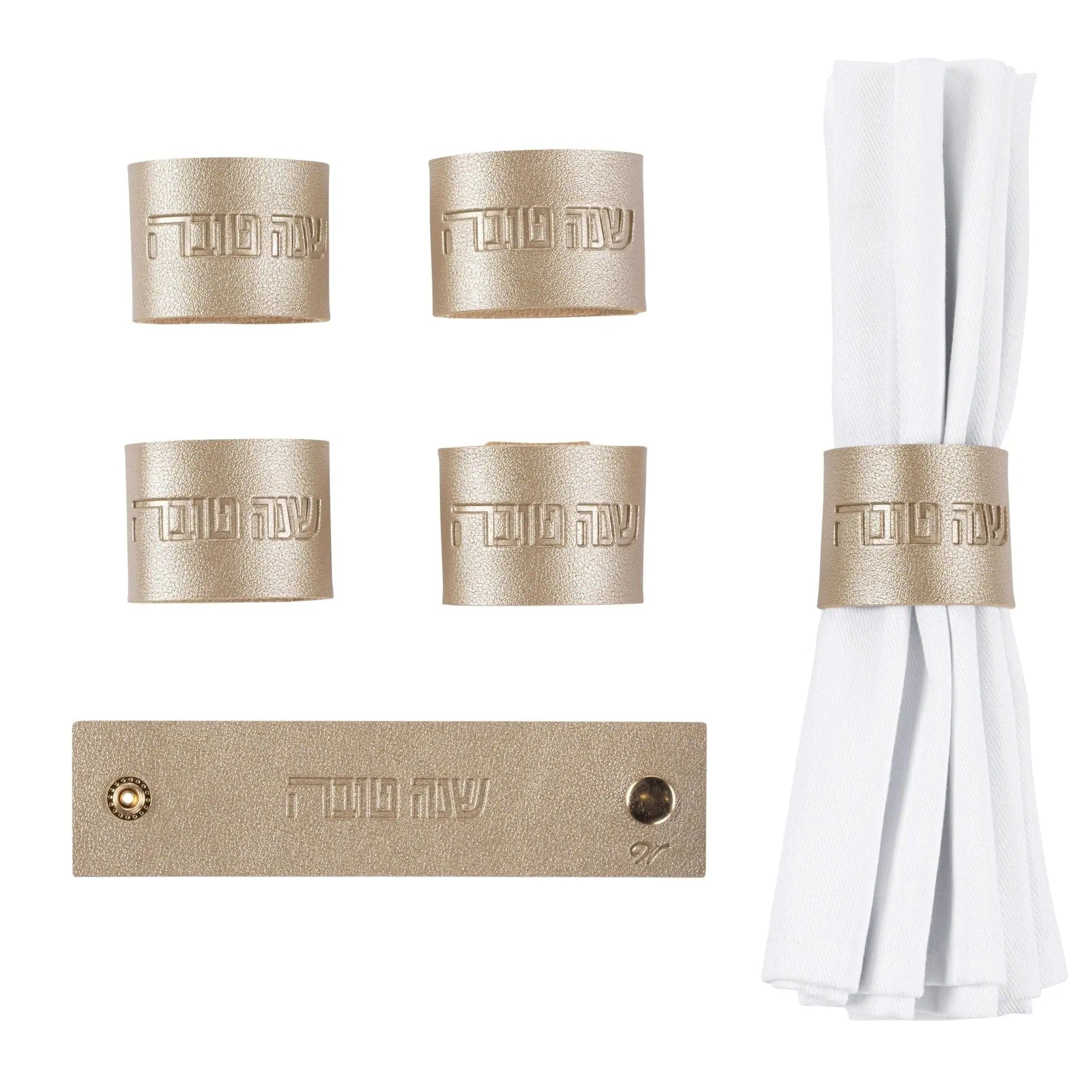
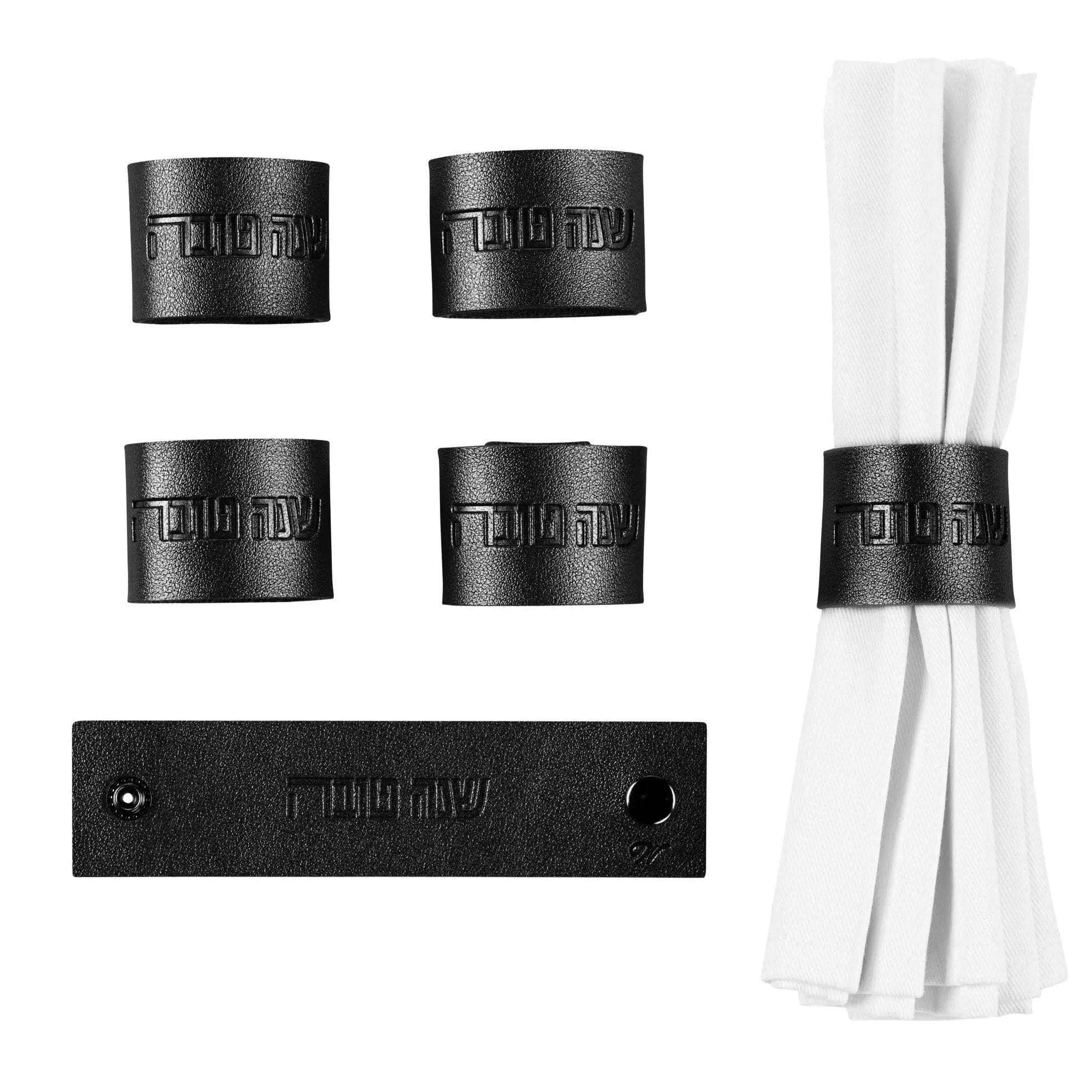
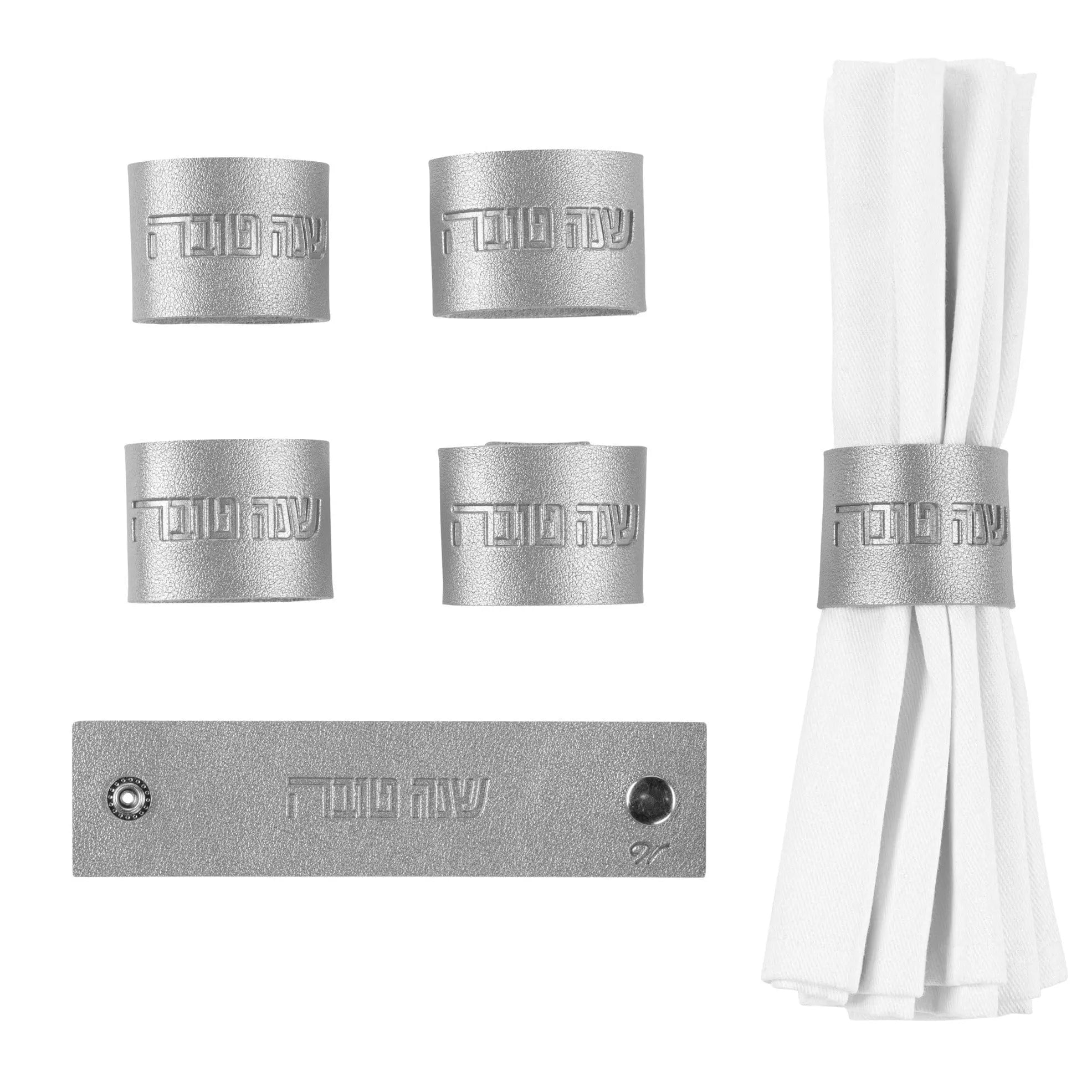
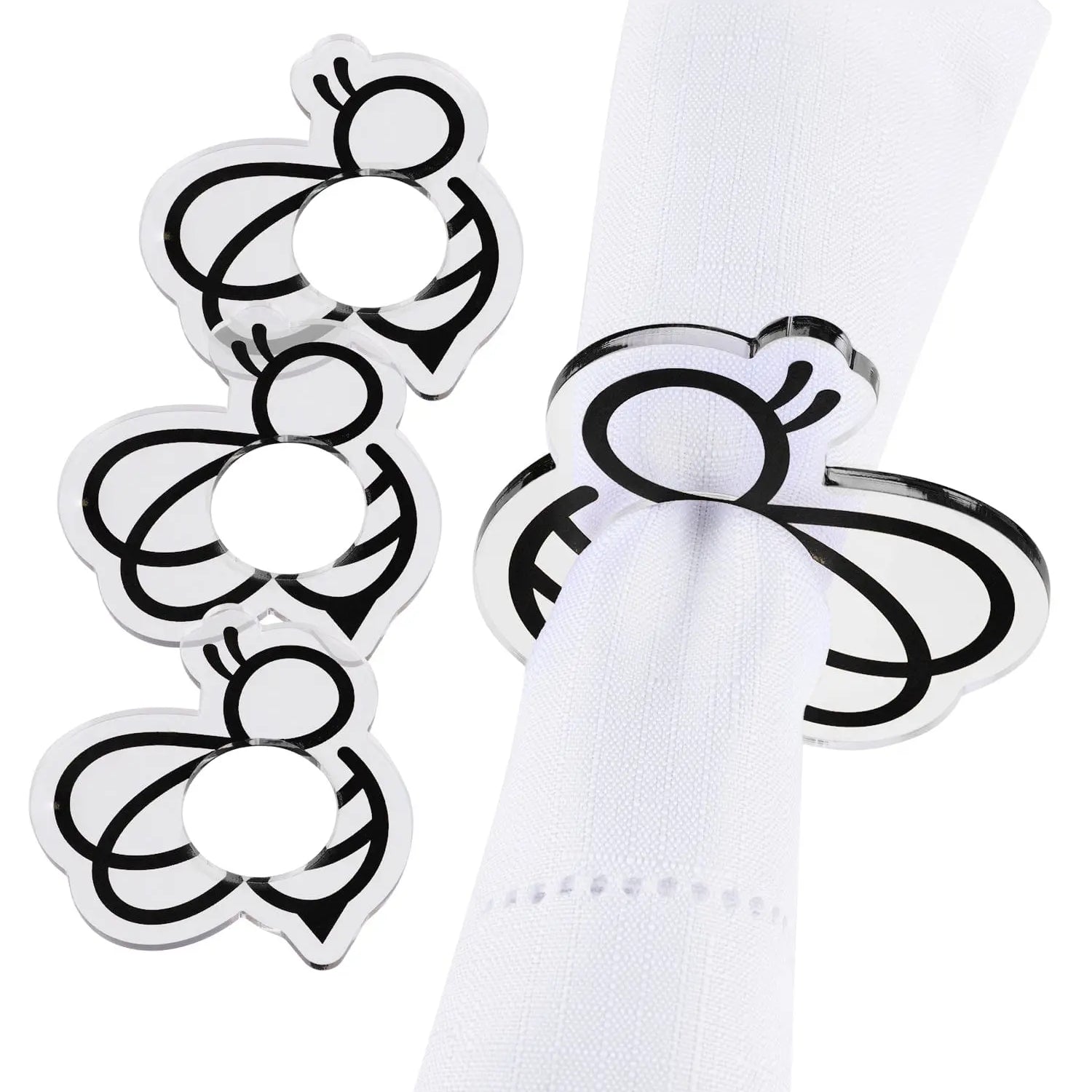
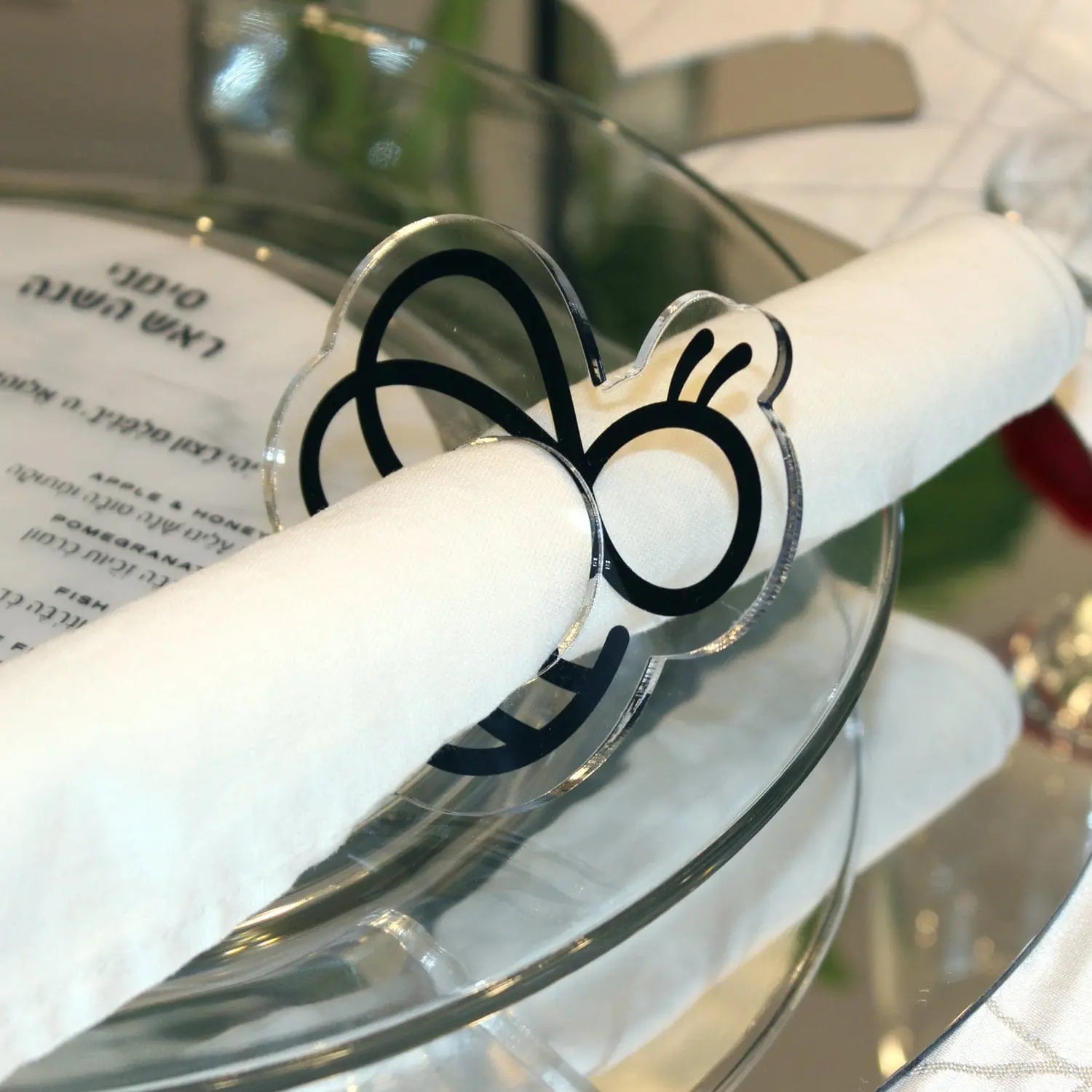
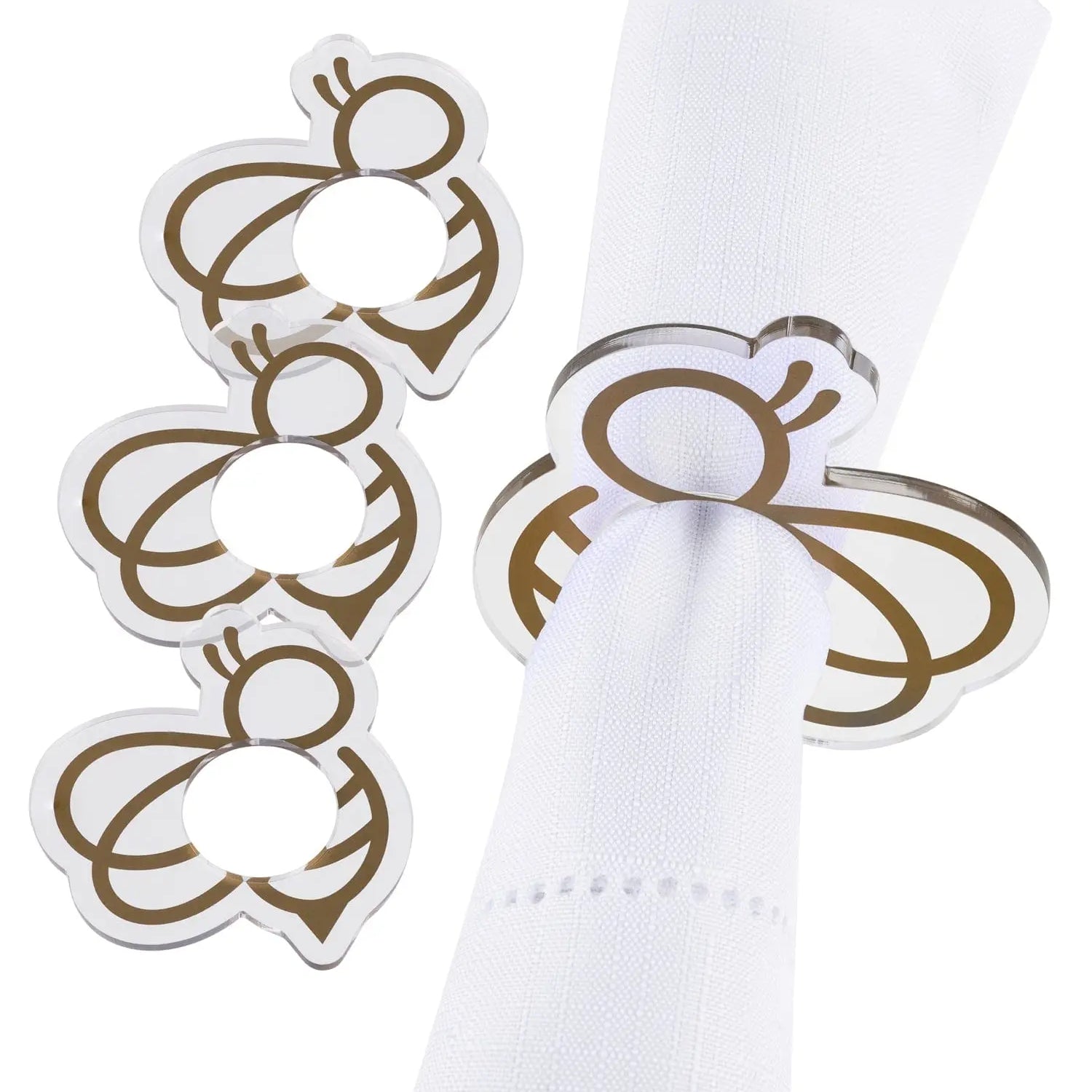
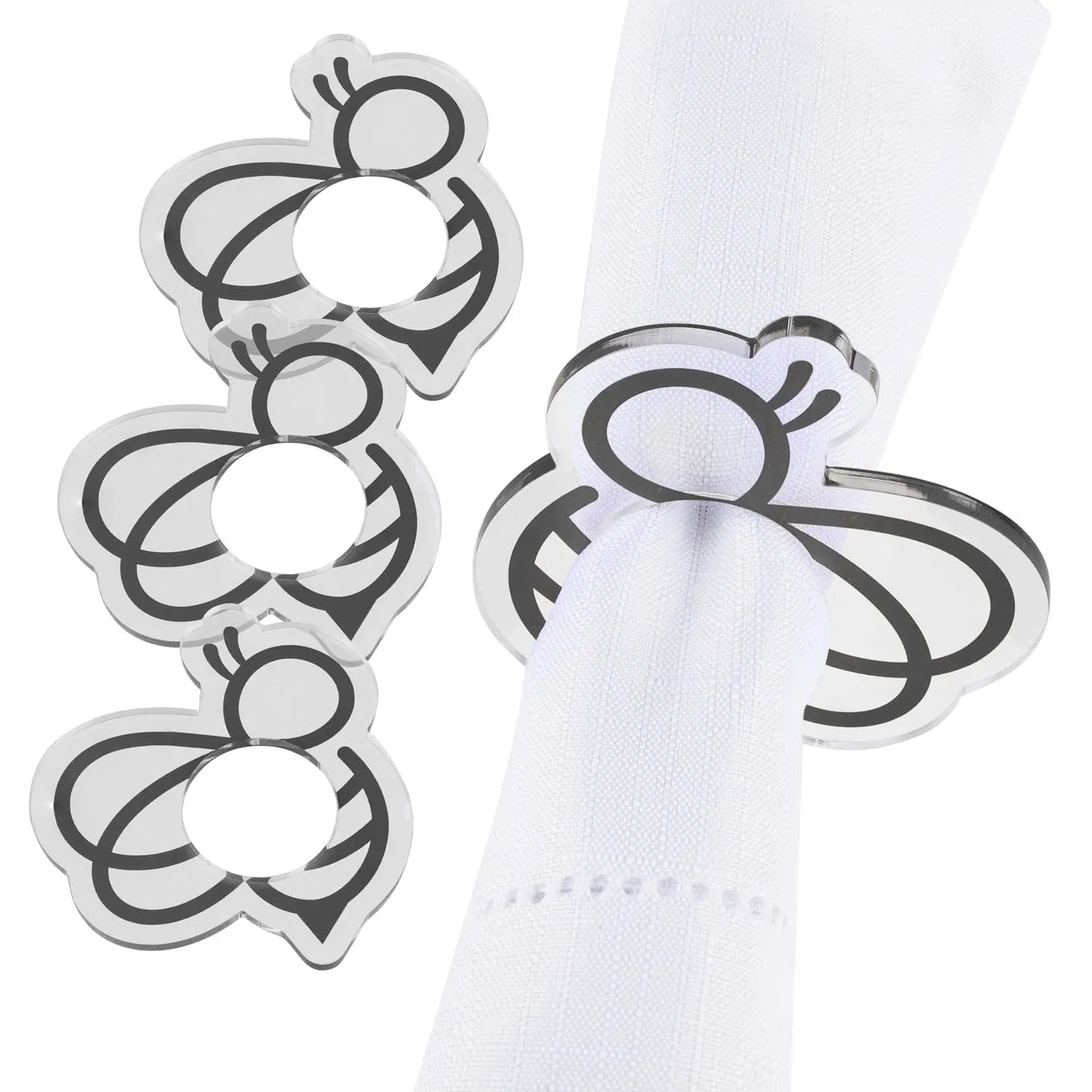
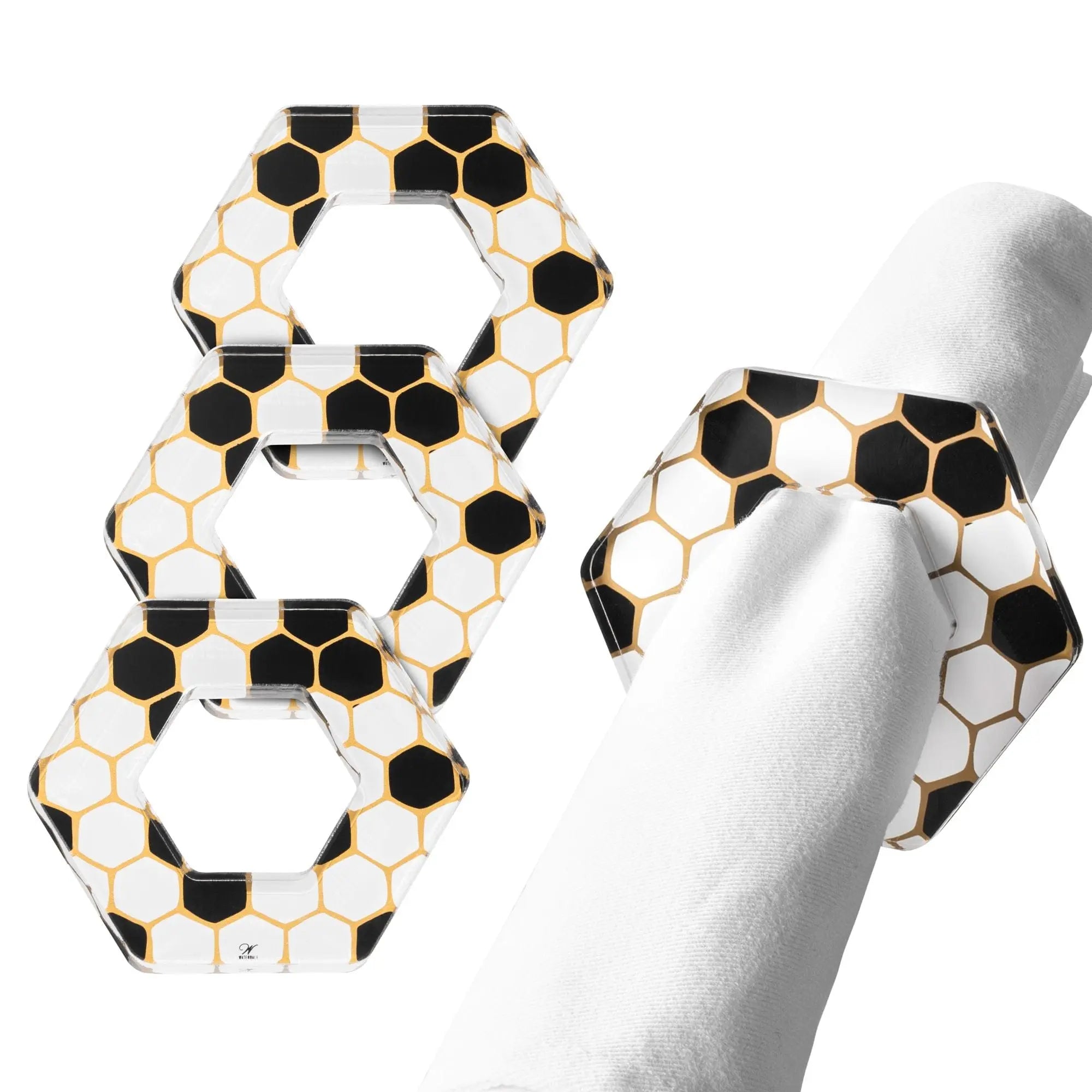
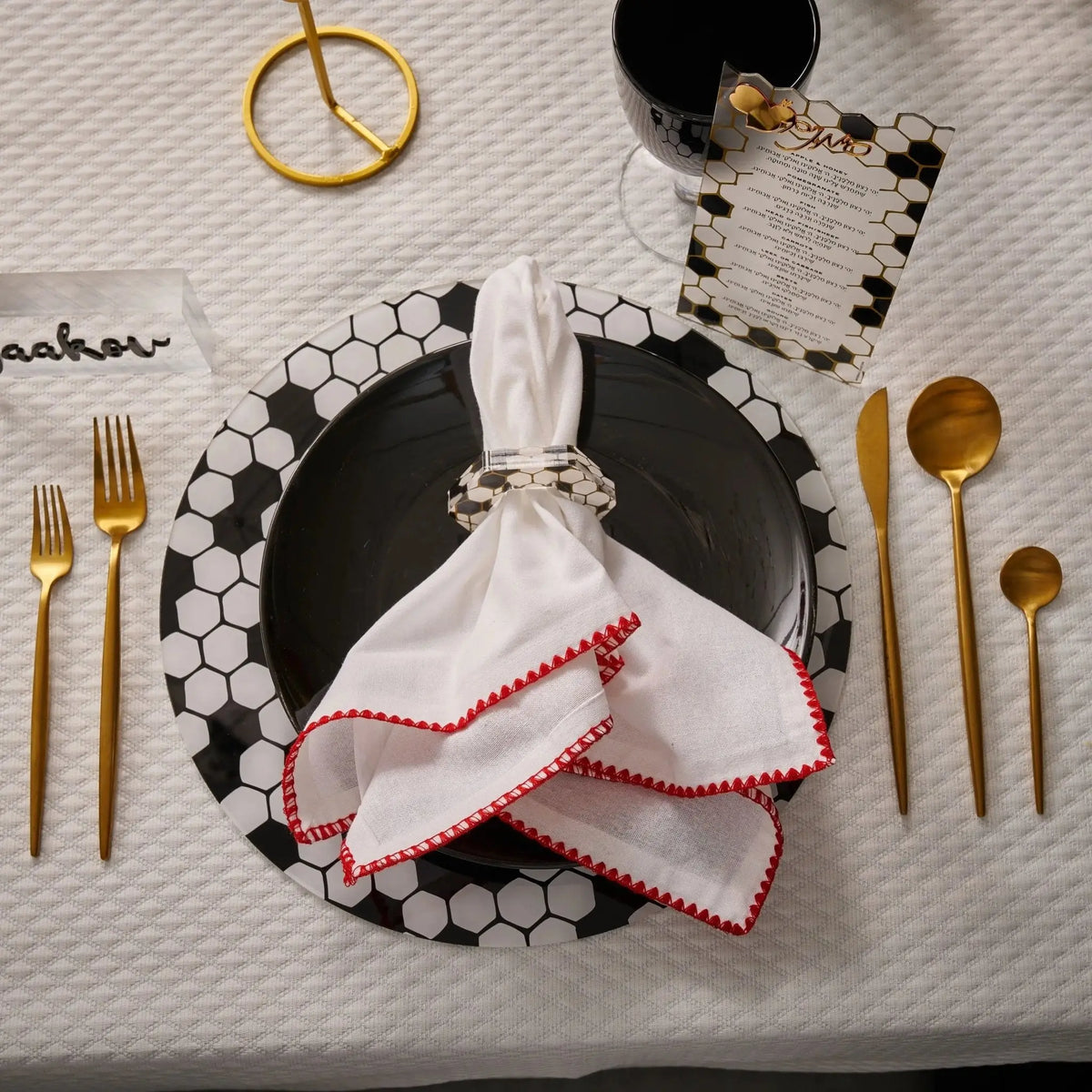
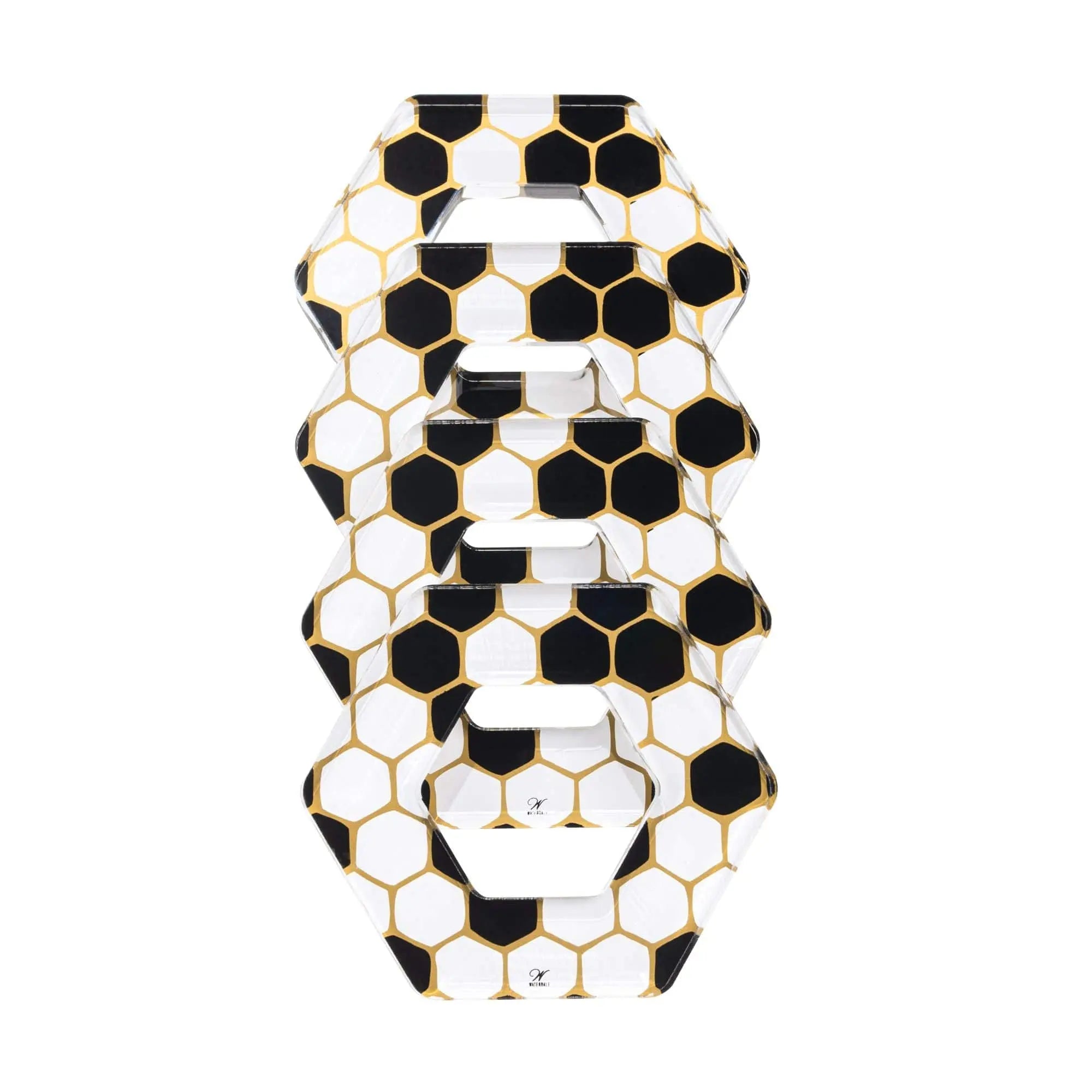
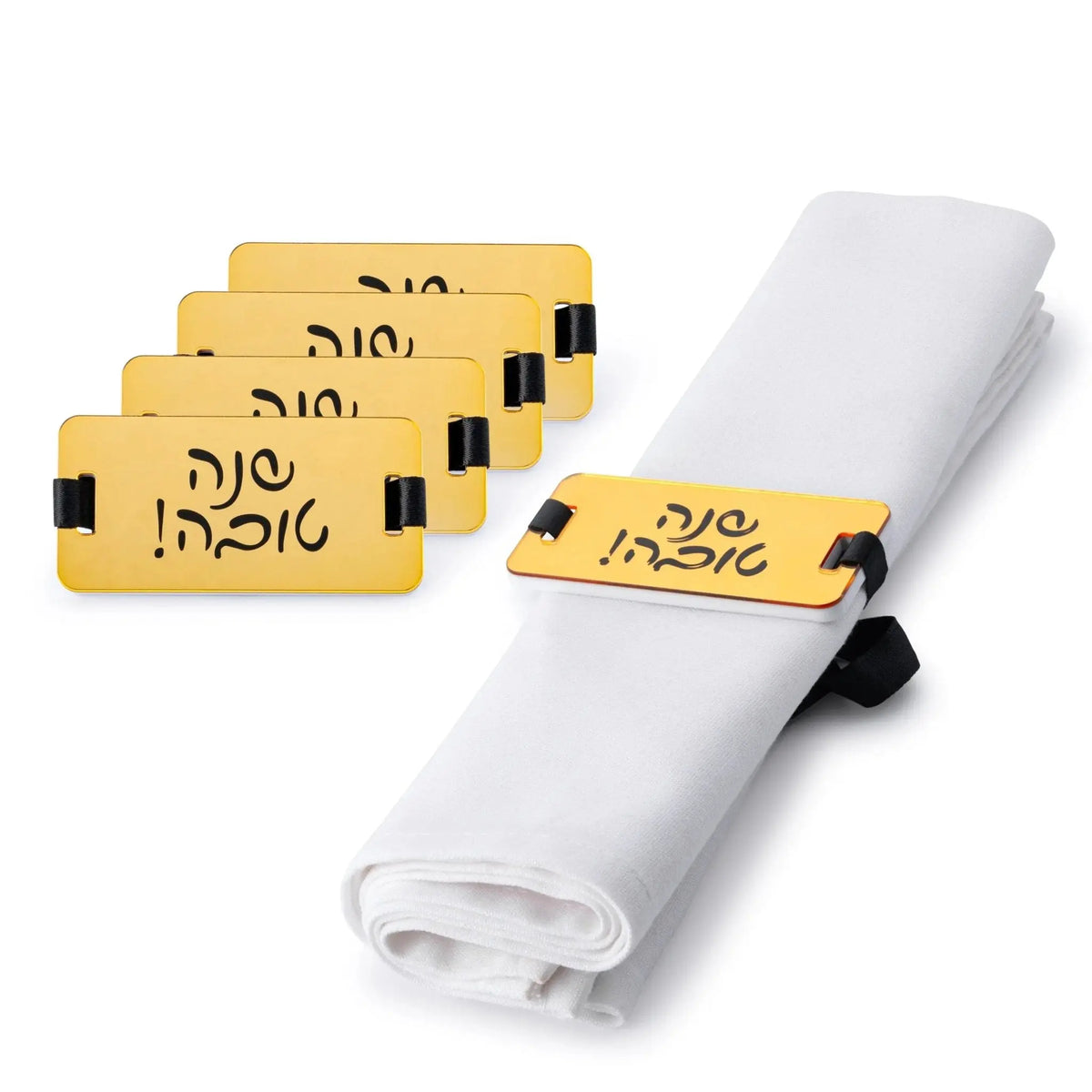
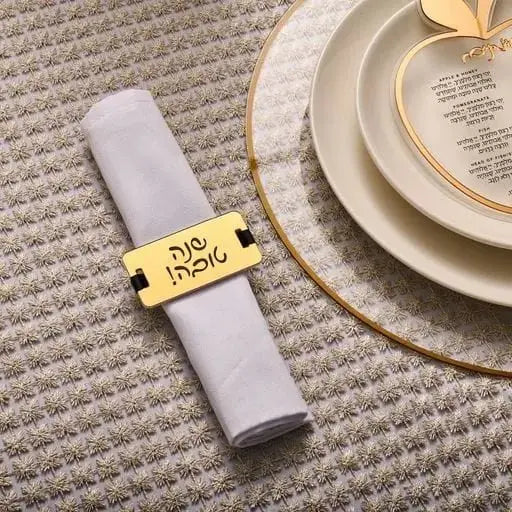
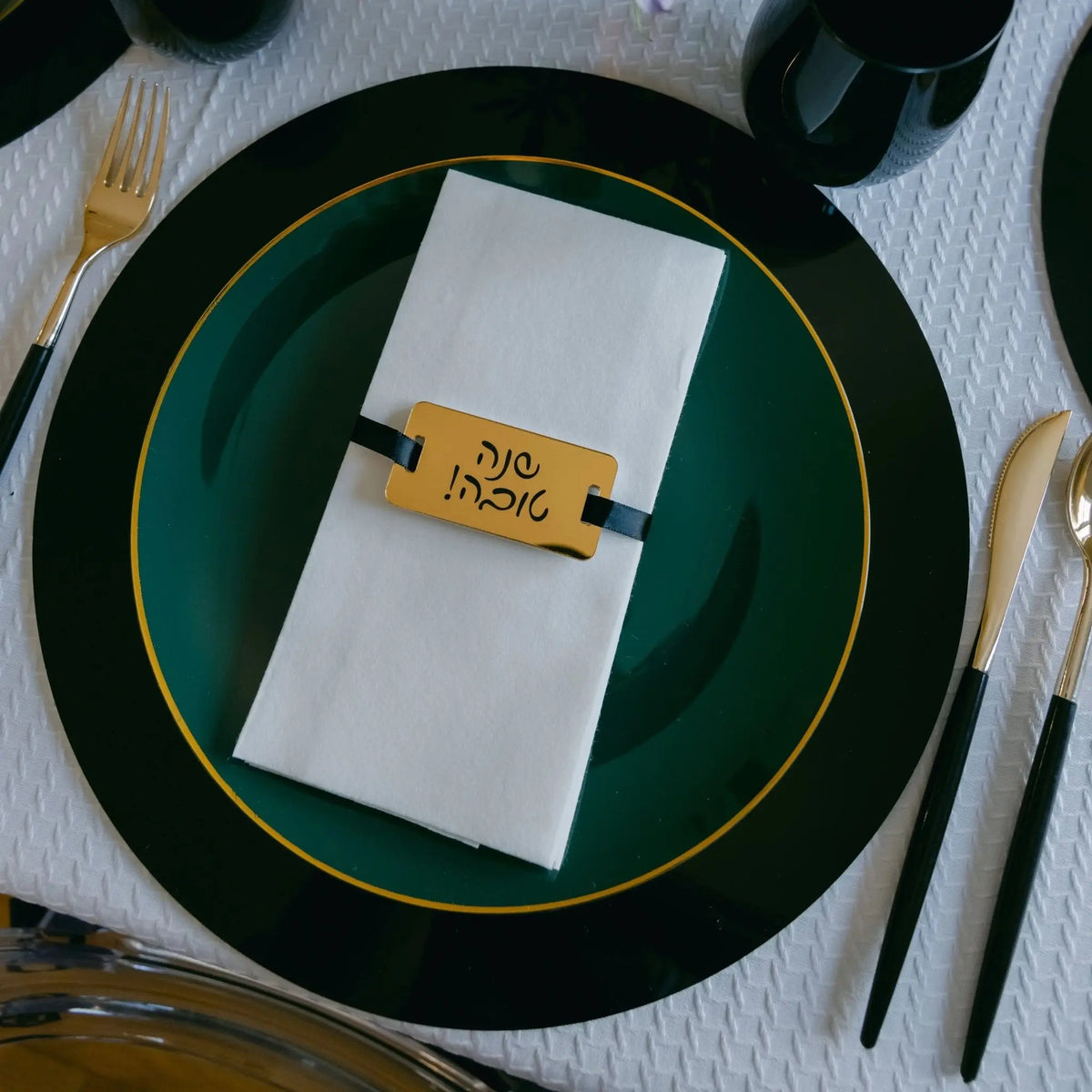
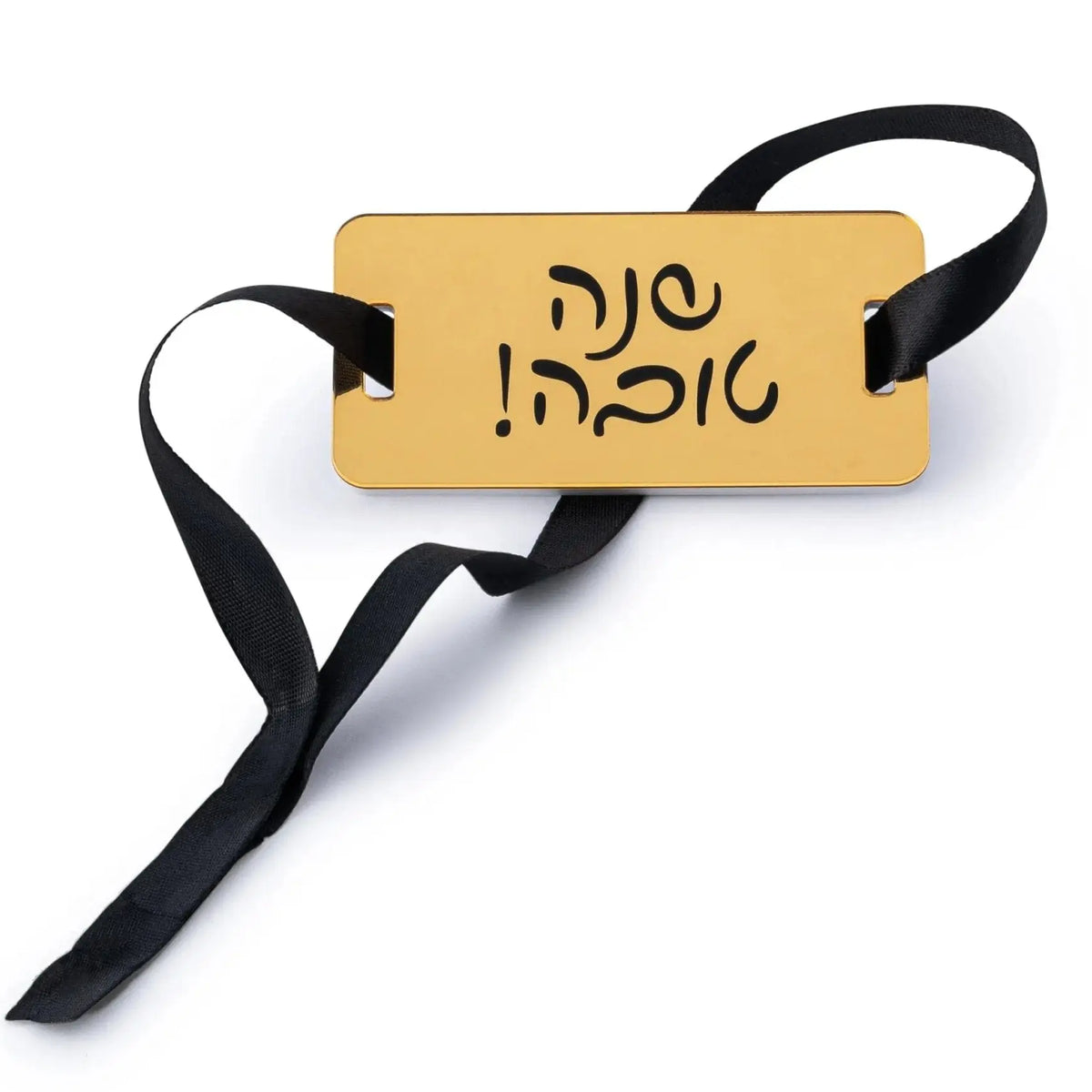
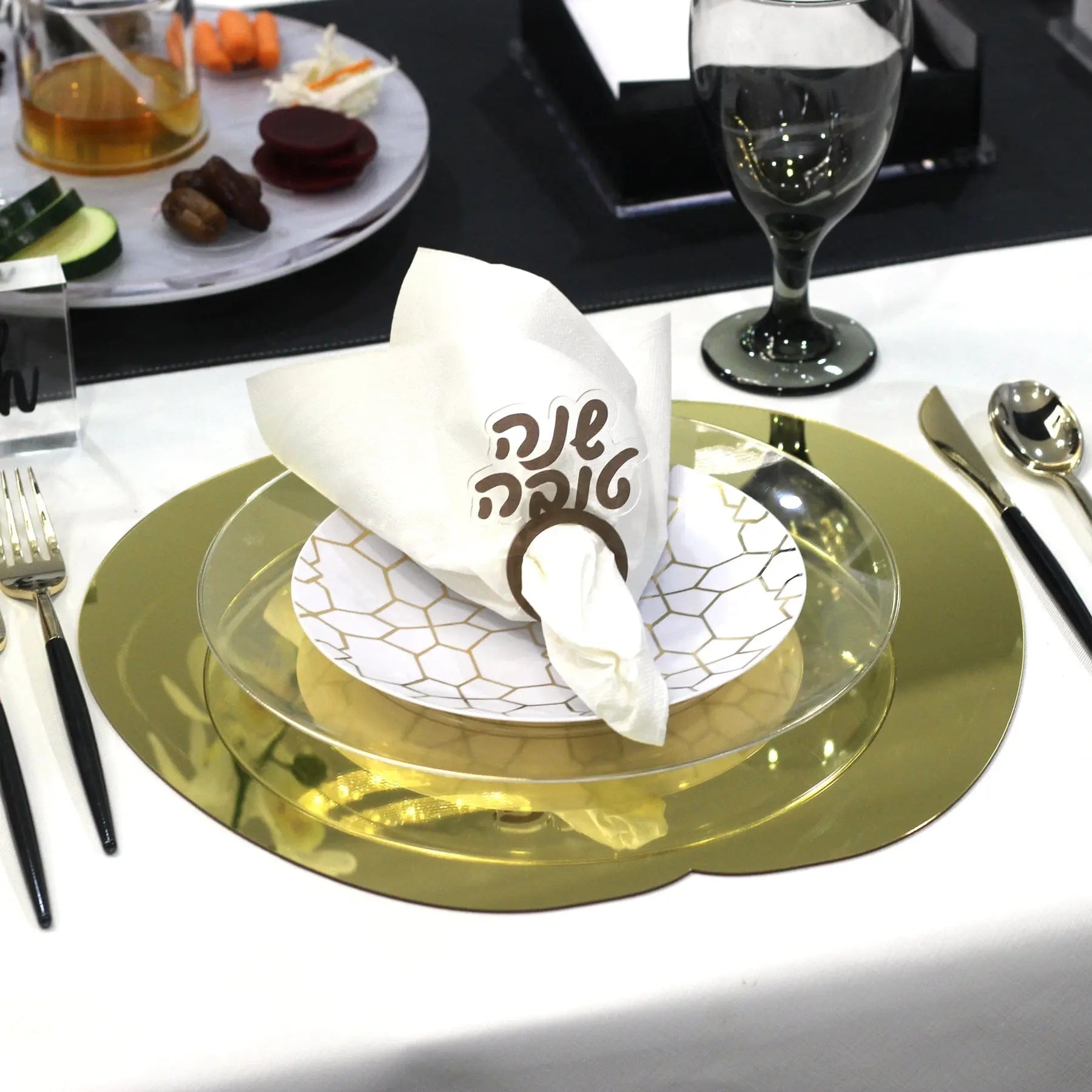
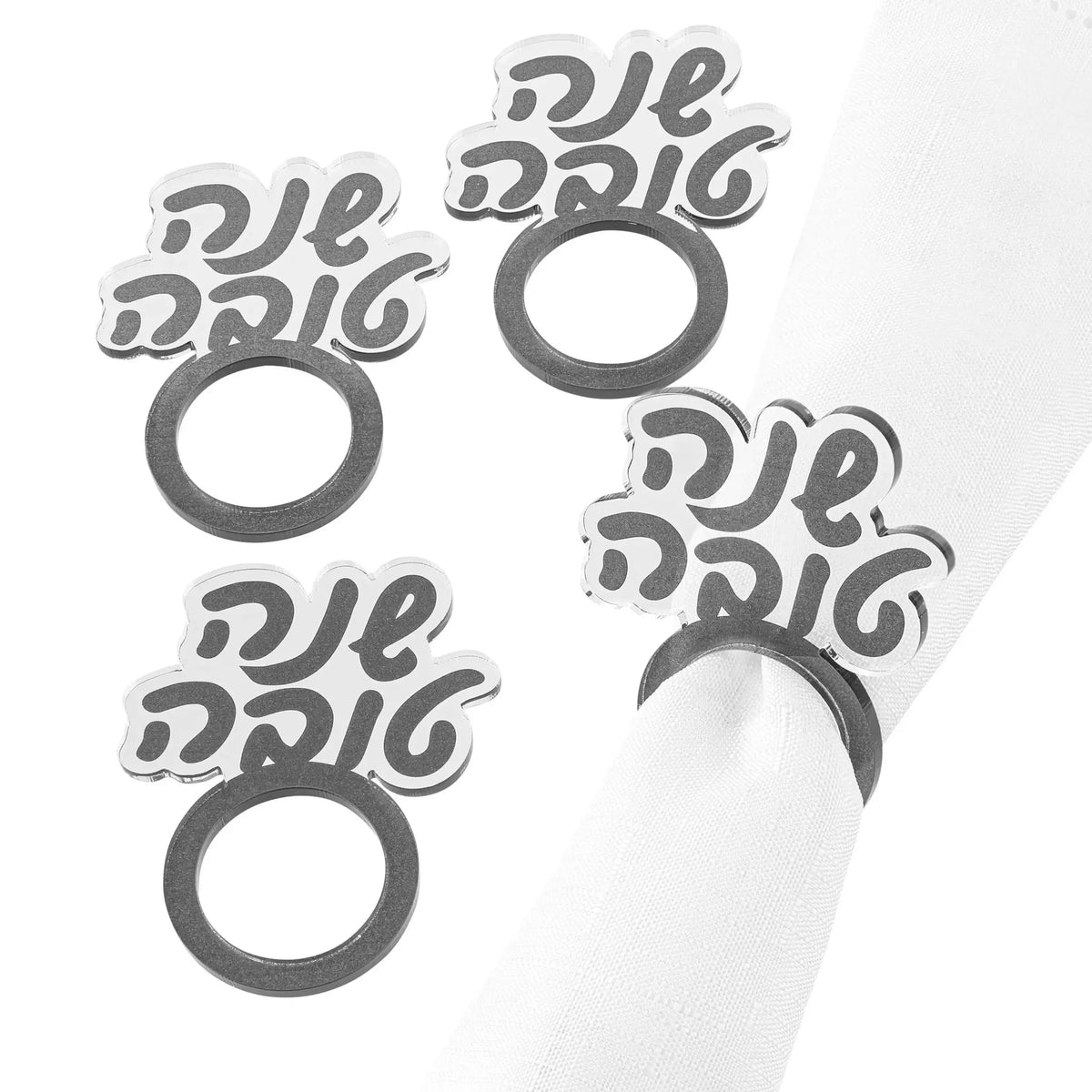
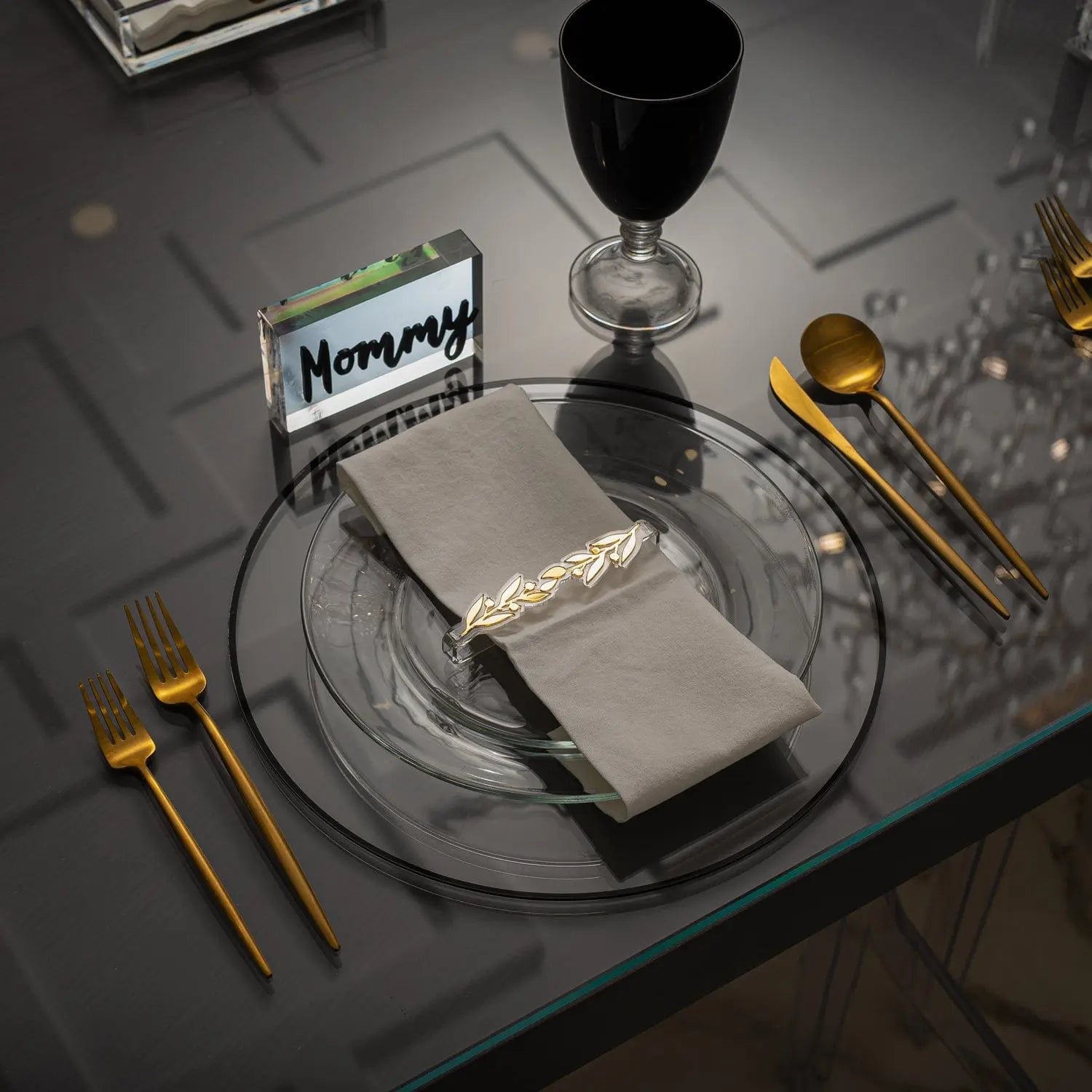
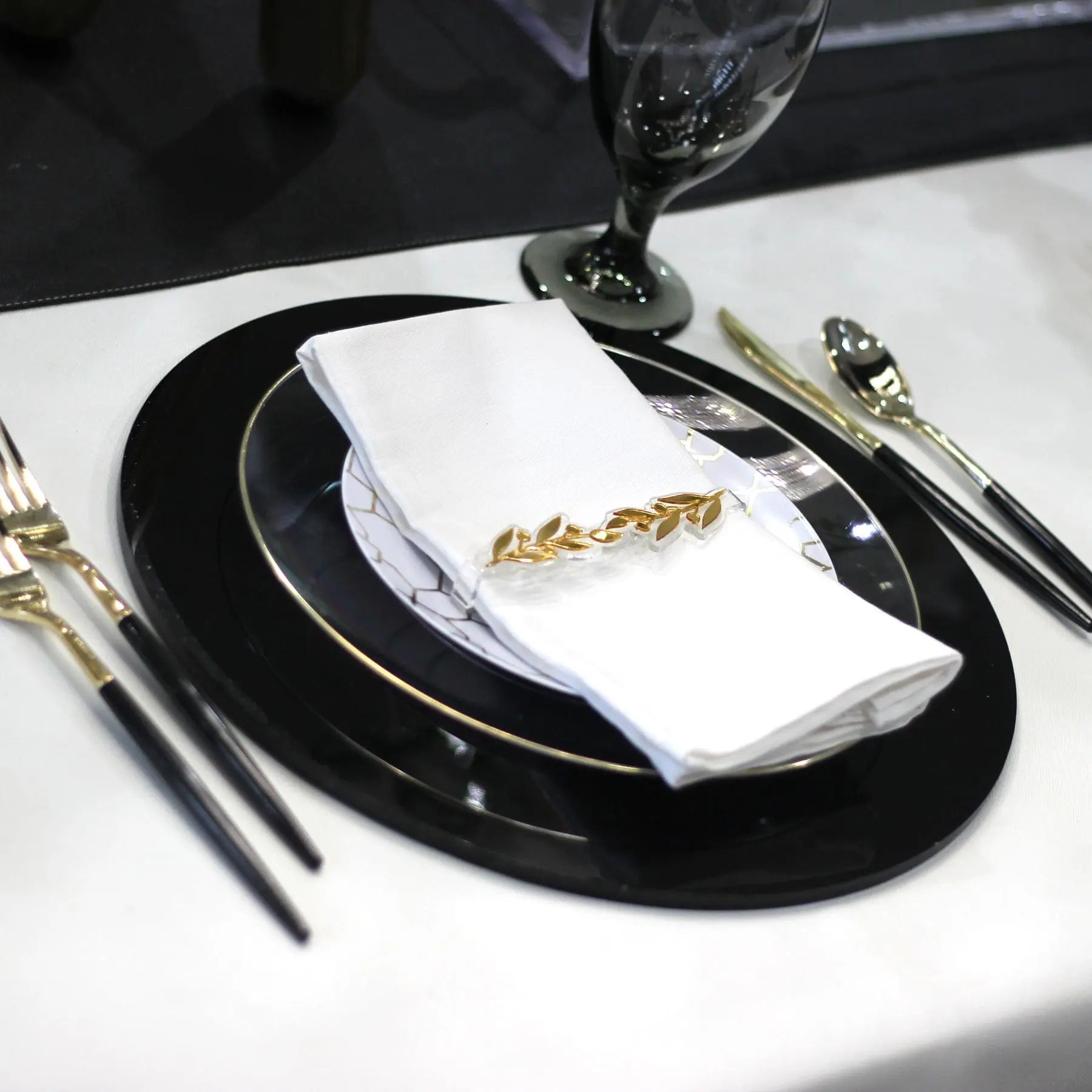
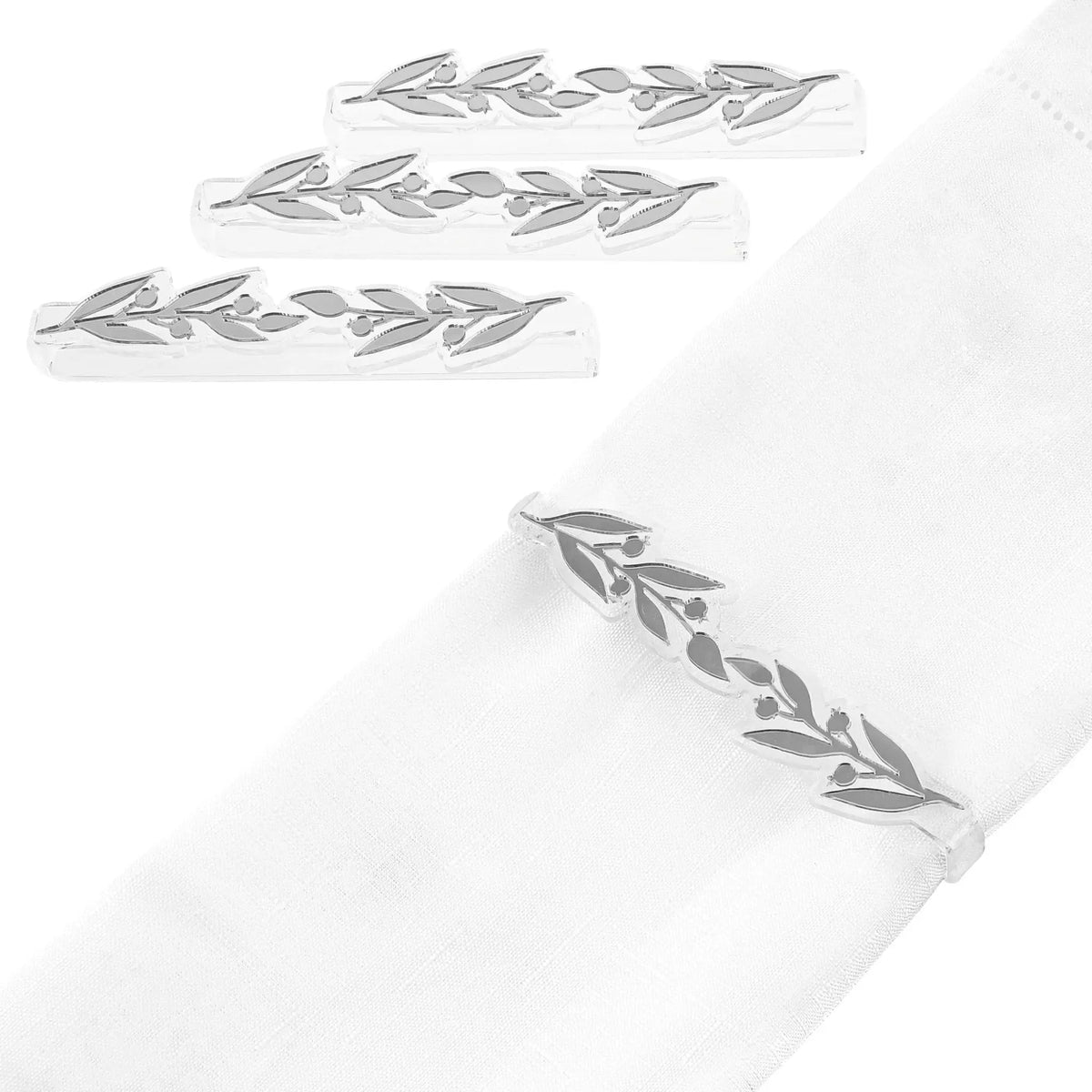
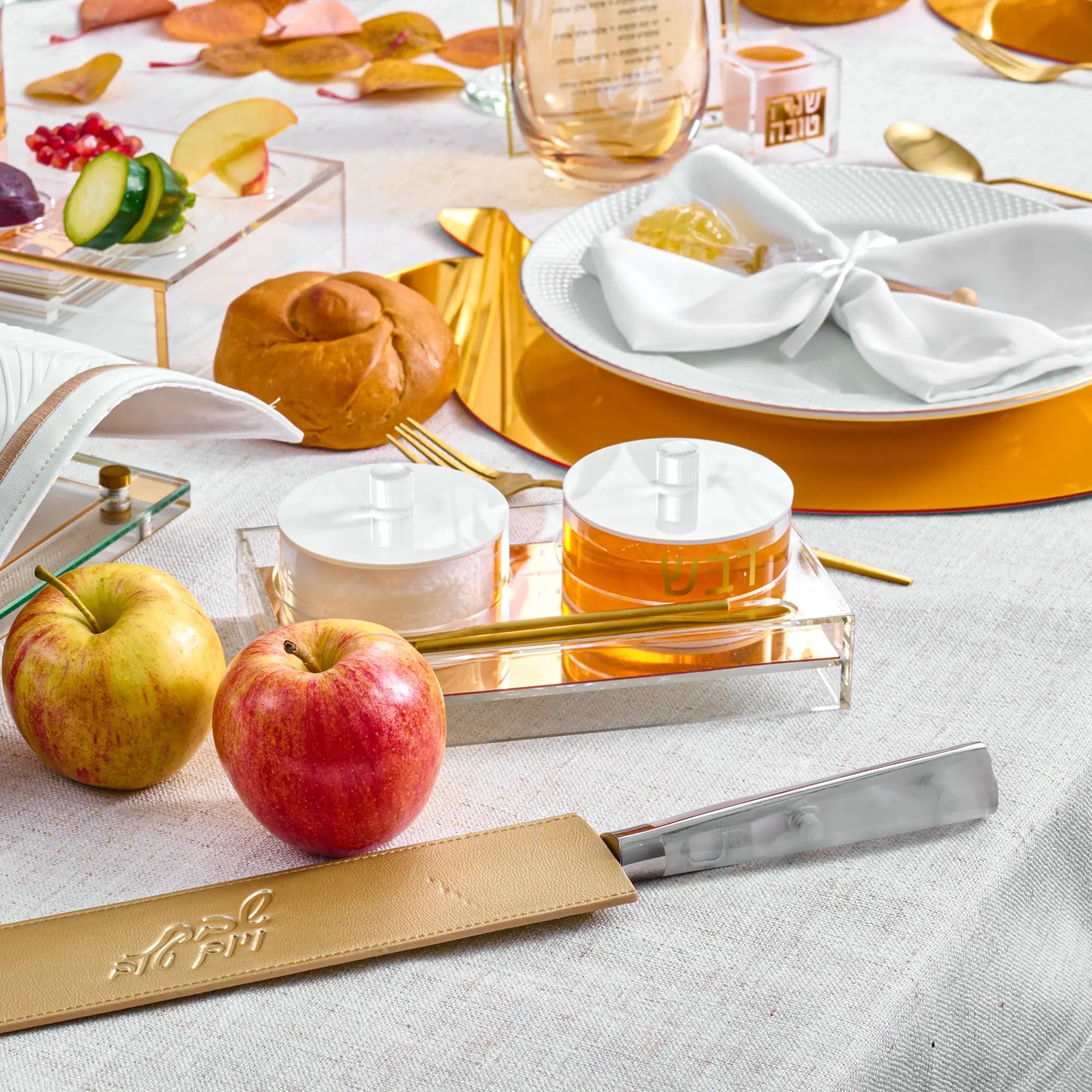
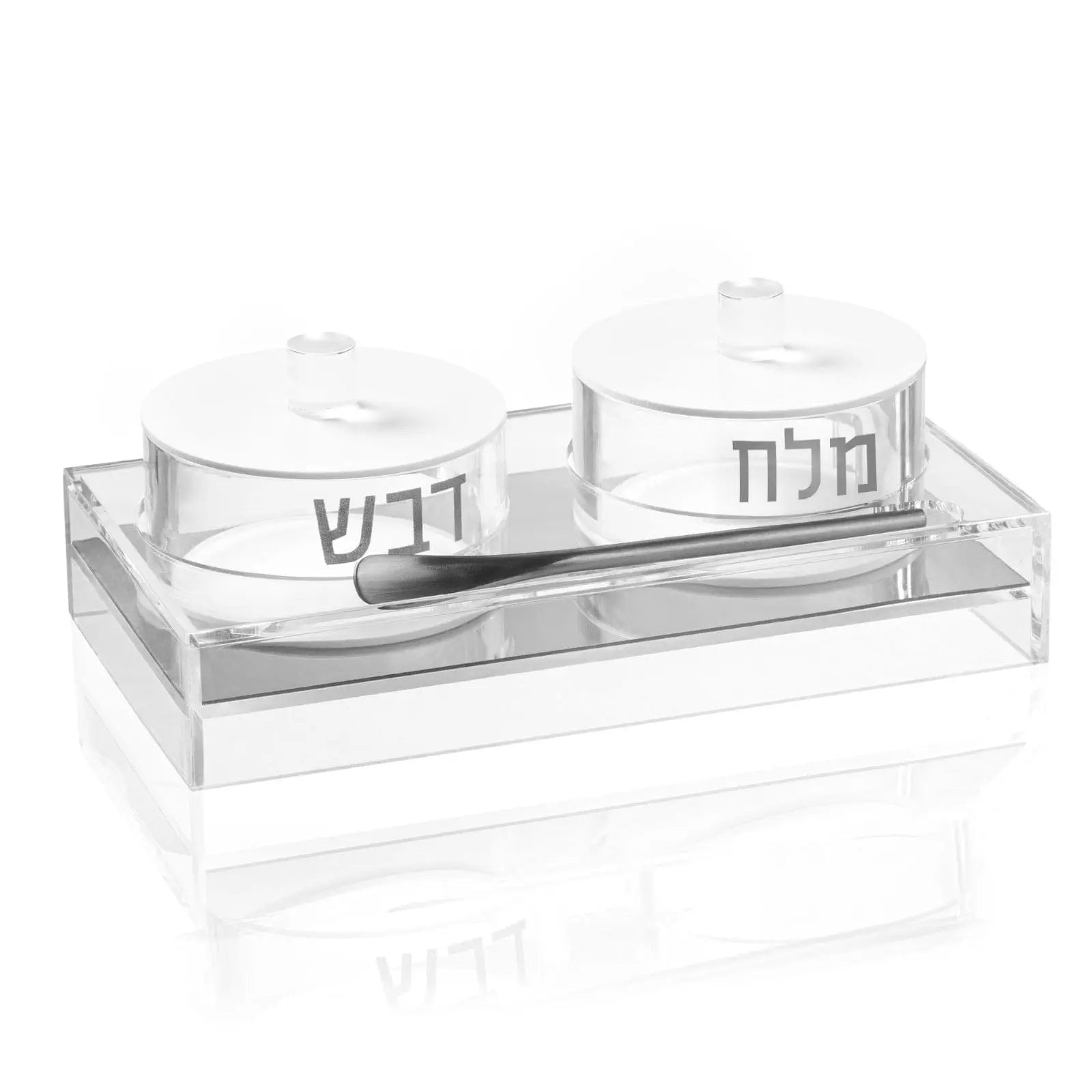
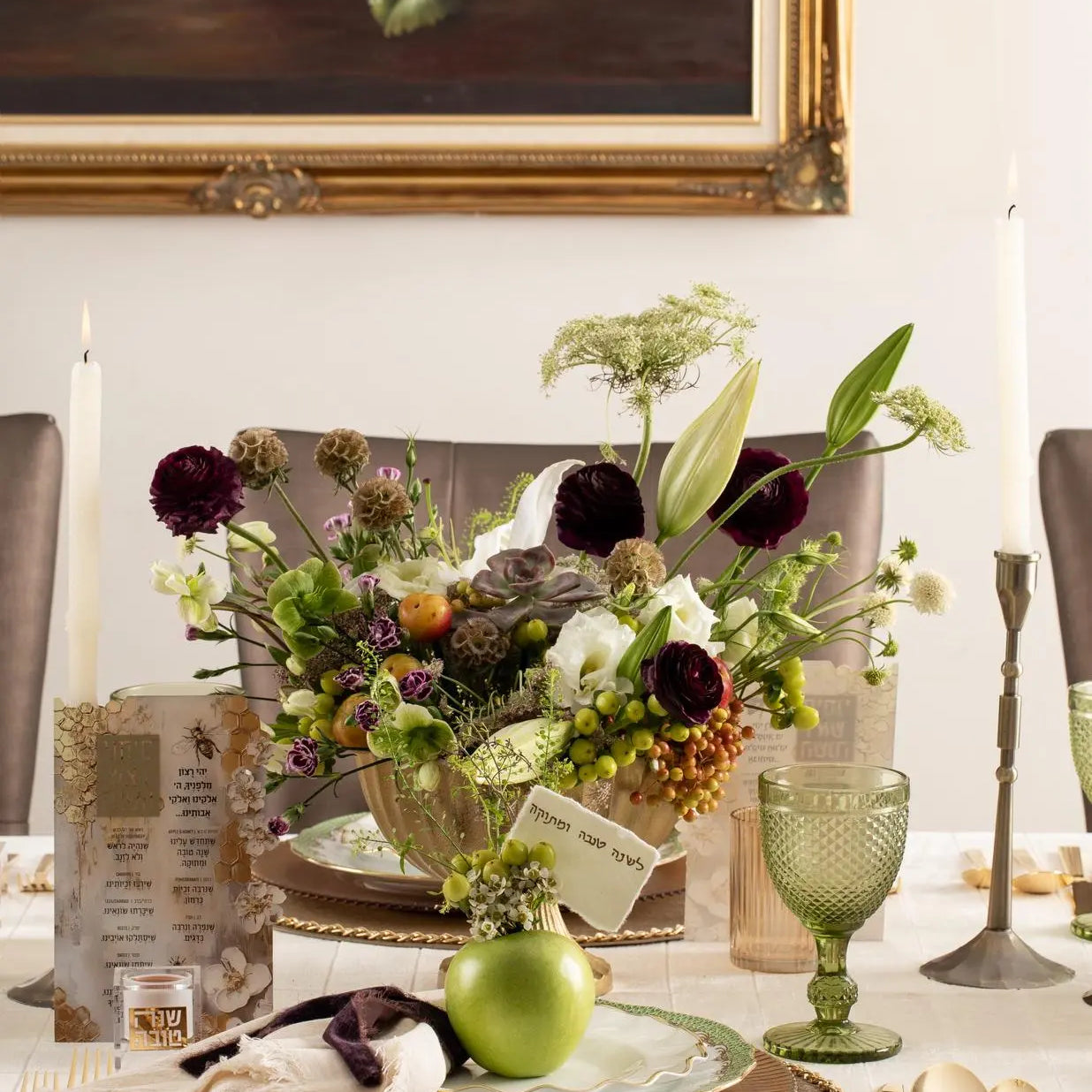
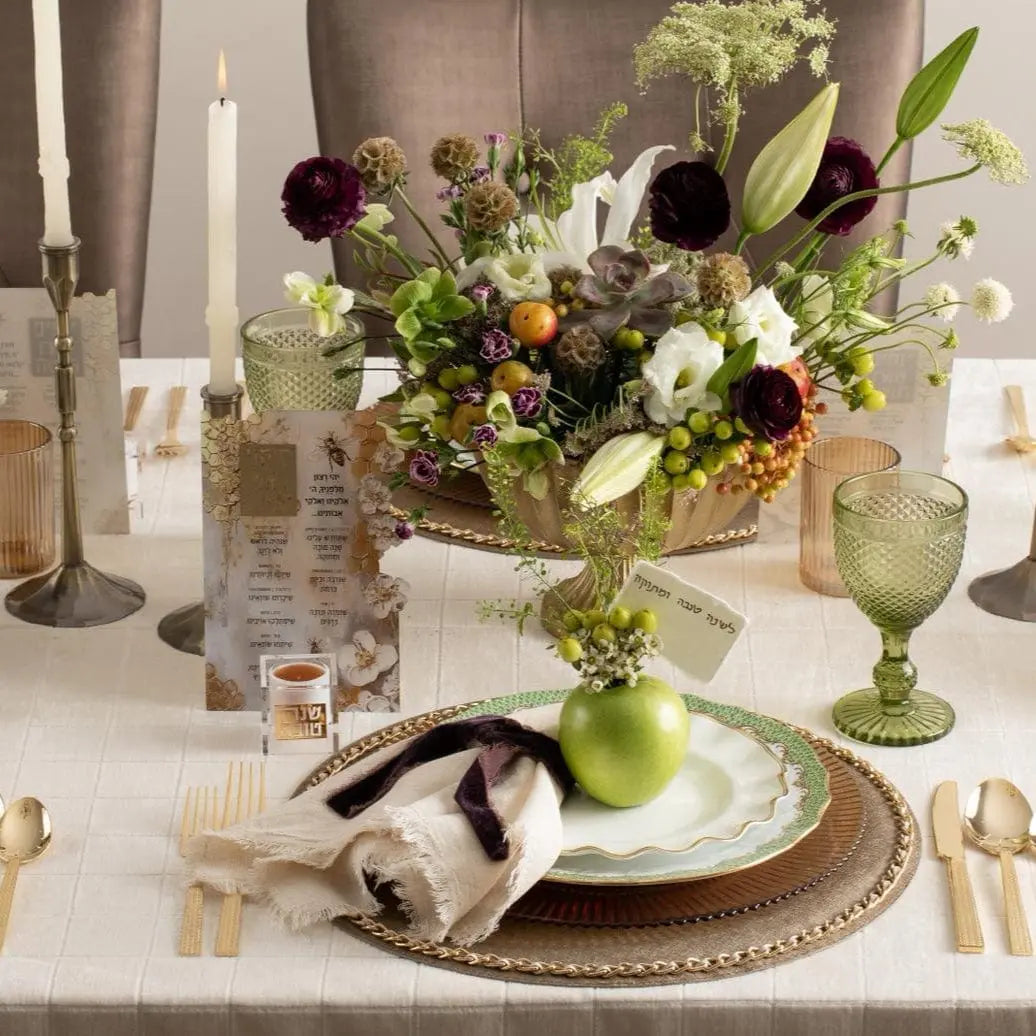
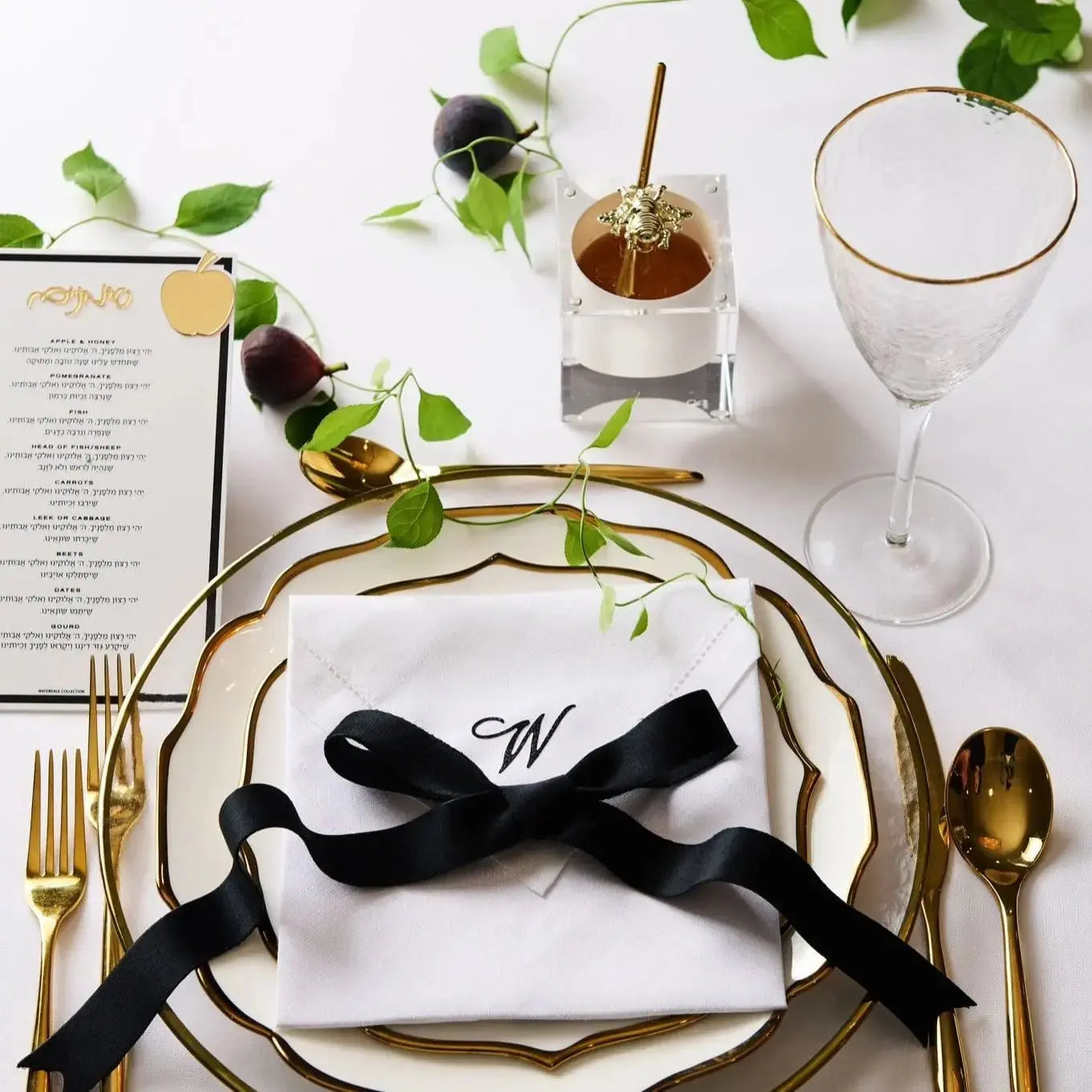
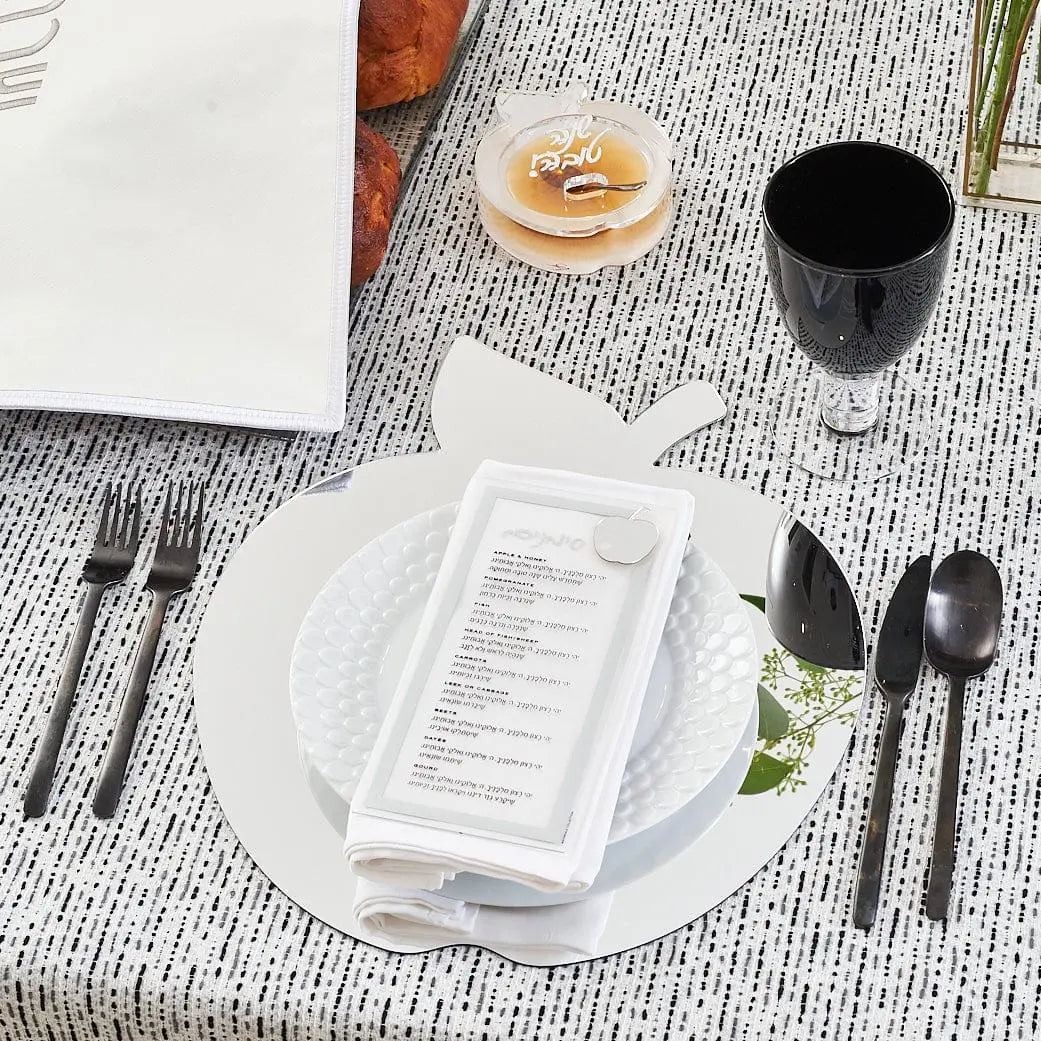
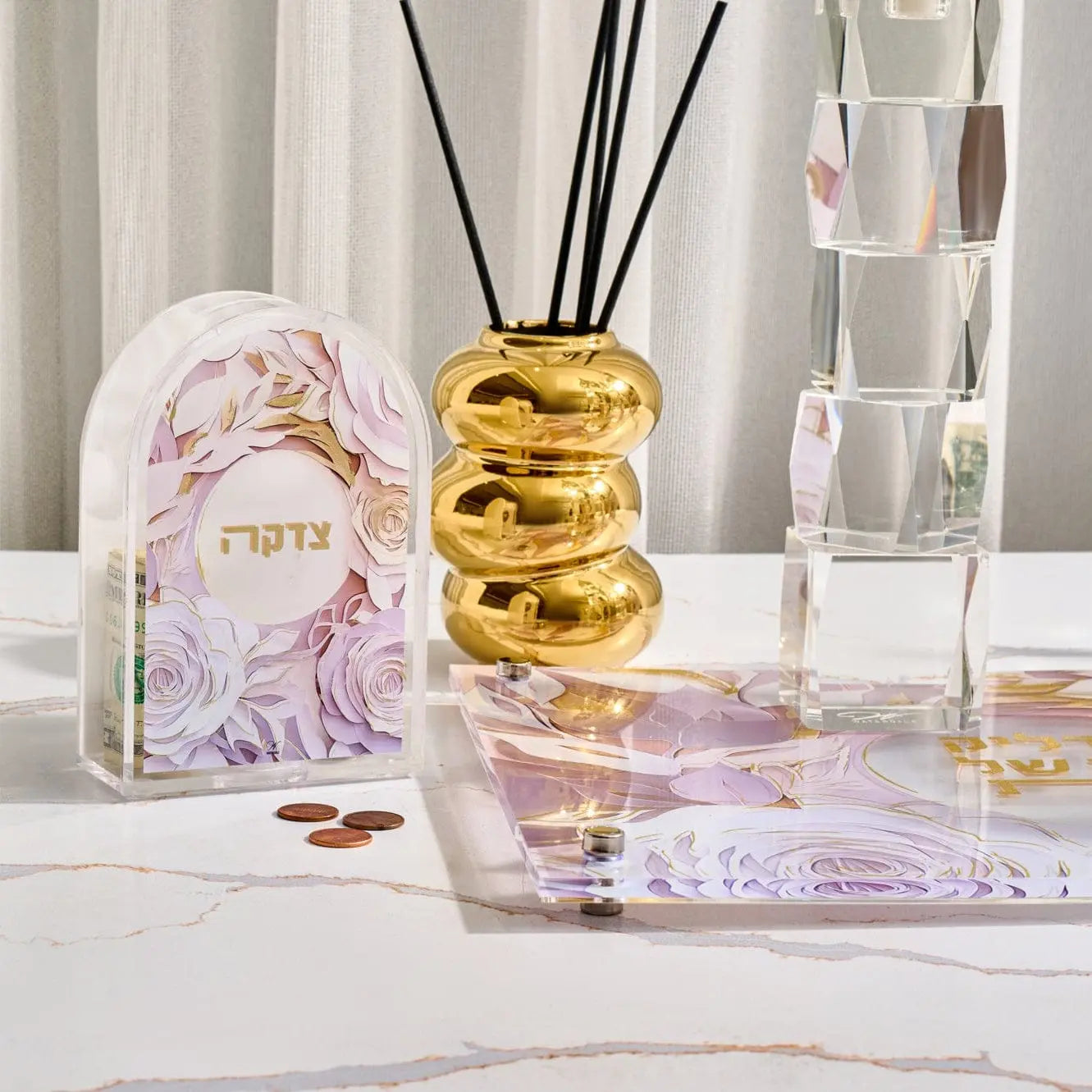
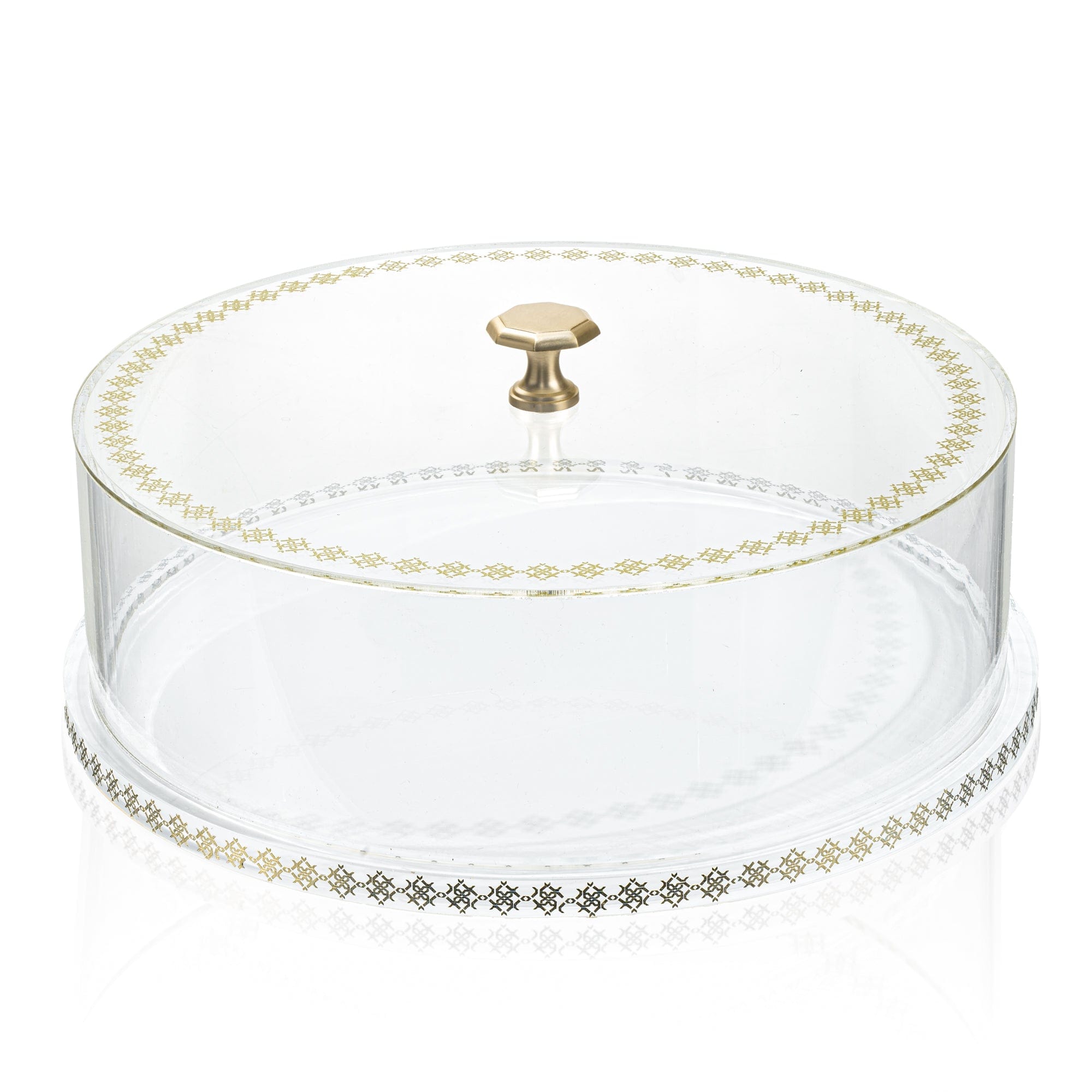
The core Rosh Hashanah tableware checklist: a honey dish for the apple and challah dipping, a simanim tray for the symbolic foods, a Kiddush cup, a challah board or tray for the round challah, and serving pieces for the Yom Tov meal — plus holiday dinnerware, chargers, and napkin rings if you're dressing the full table. Many households build the set gradually, adding a piece or two each year. Every item gets reused annually, so quality pieces pay for themselves over time.
Do I need special dishes for Rosh Hashanah, or can I use everyday ones?
There's no halachic requirement for special Rosh Hashanah dishware — everyday dishes are perfectly acceptable. That said, many families bring out holiday-specific pieces such as gold-rimmed plates or pomegranate-patterned serving ware in the spirit of hiddur mitzvah, beautifying the mitzvah of the Yom Tov meal and making the day feel distinct from a regular Shabbos. It's part of what makes the night feel like the start of a new year.
What colors and motifs are traditional for Rosh Hashanah tableware?
Gold and white are the classic Rosh Hashanah palette, joined by pomegranate red and motifs drawn straight from the holiday's symbols: pomegranates, apples, honeybees, and honeycomb. Some tables lean into deeper jewel tones for an autumnal look while others stay light and classic. The palette is a style tradition rather than a formal custom, so there's plenty of room for personal taste.
How do I care for gold-rimmed or decorated holiday dishes?
Hand-wash gold-rimmed and hand-decorated pieces rather than running them through the dishwasher, since heat and detergent dull metallic trim and painted finishes over time — and keep gold-rimmed dishes out of the microwave. When packing pieces away after the season, layer felt or paper between them to prevent scratching. Stored well, holiday tableware stays beautiful for decades of Yamim Tovim.
Early access to new releases, limited restocks, and occasional updates.