

We're closed for Shabbos. We reopen [[opentime]]. Time until we reopen: [[countdown]]. Thanks for understanding.
What pieces are included in the Rosh Hashana Classic Collection?
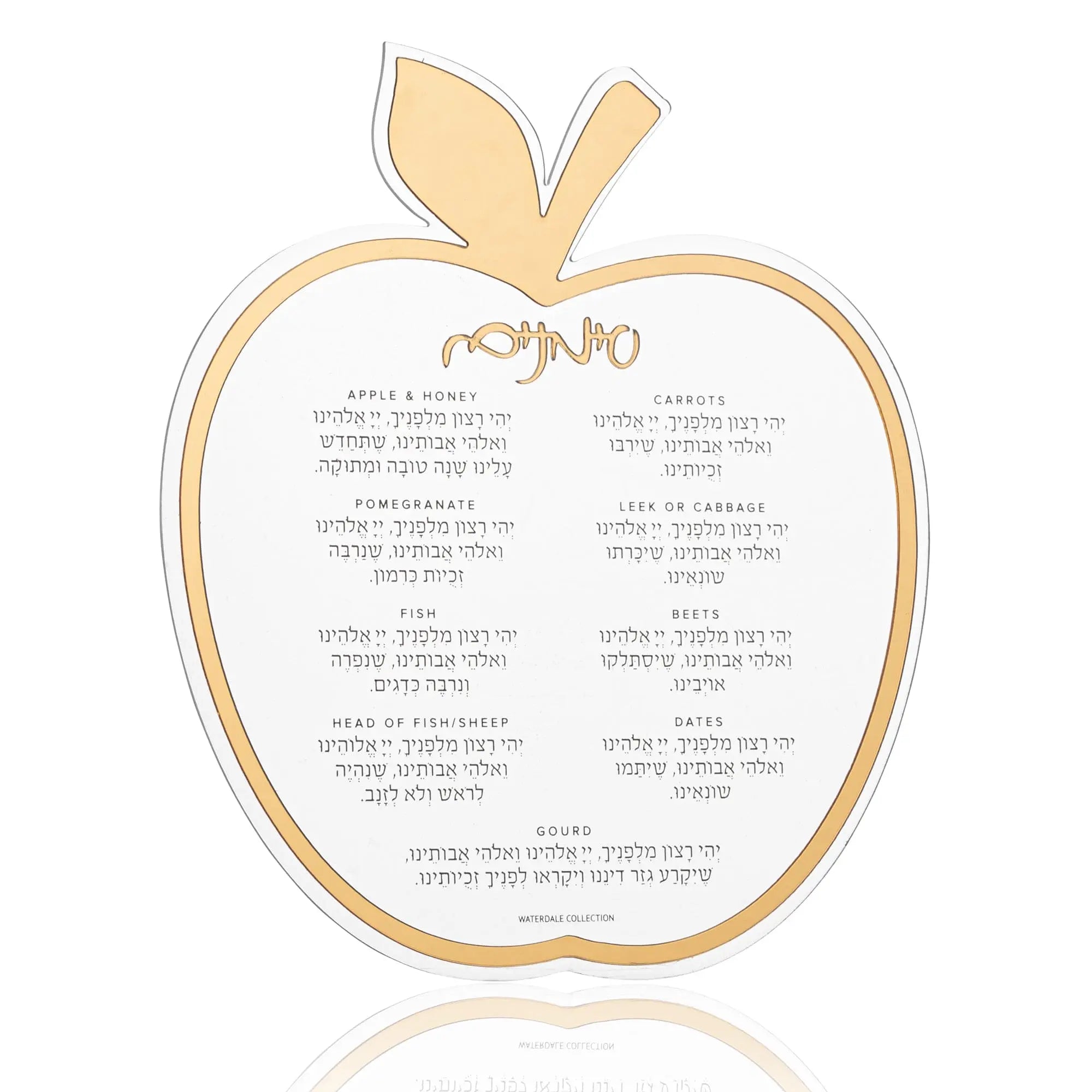
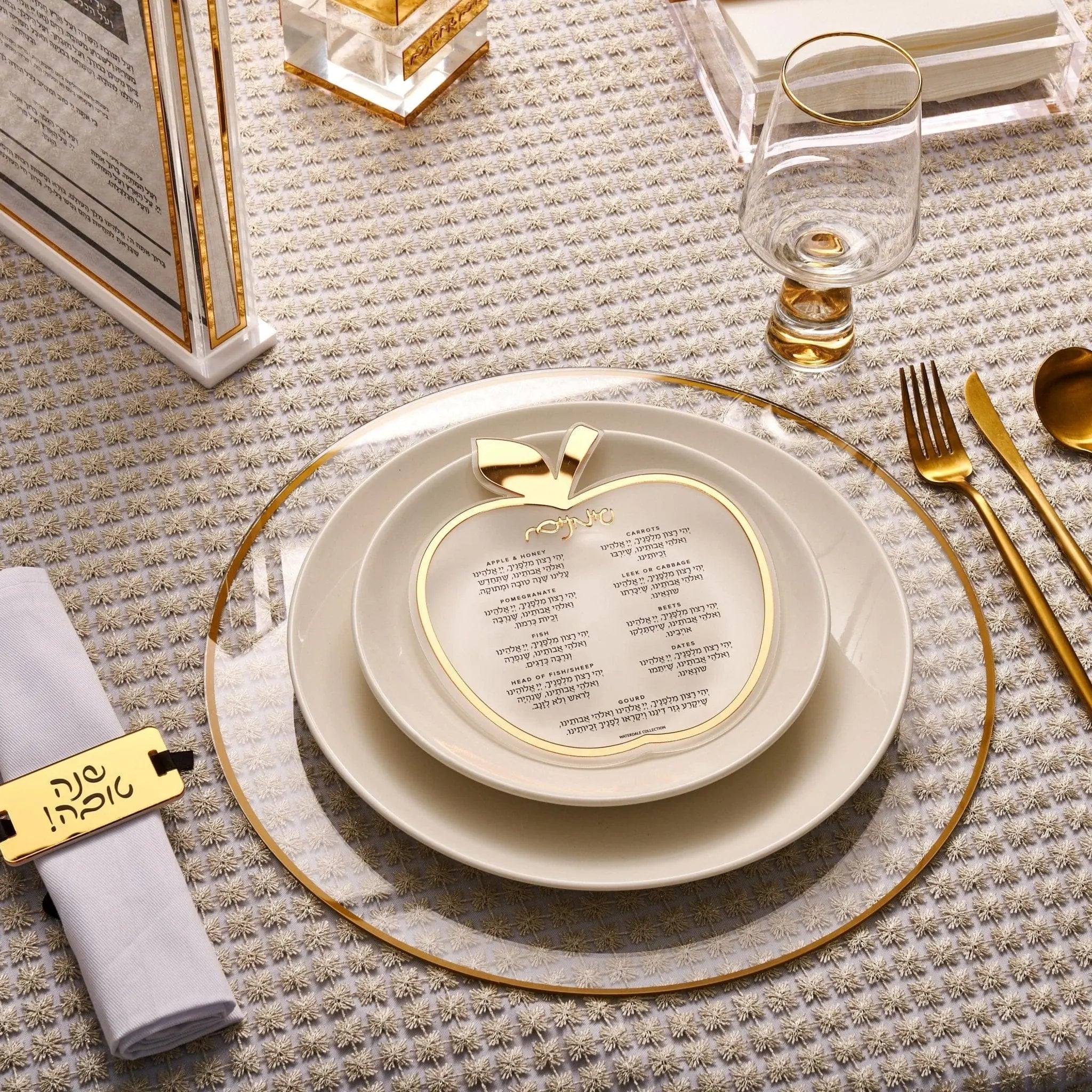
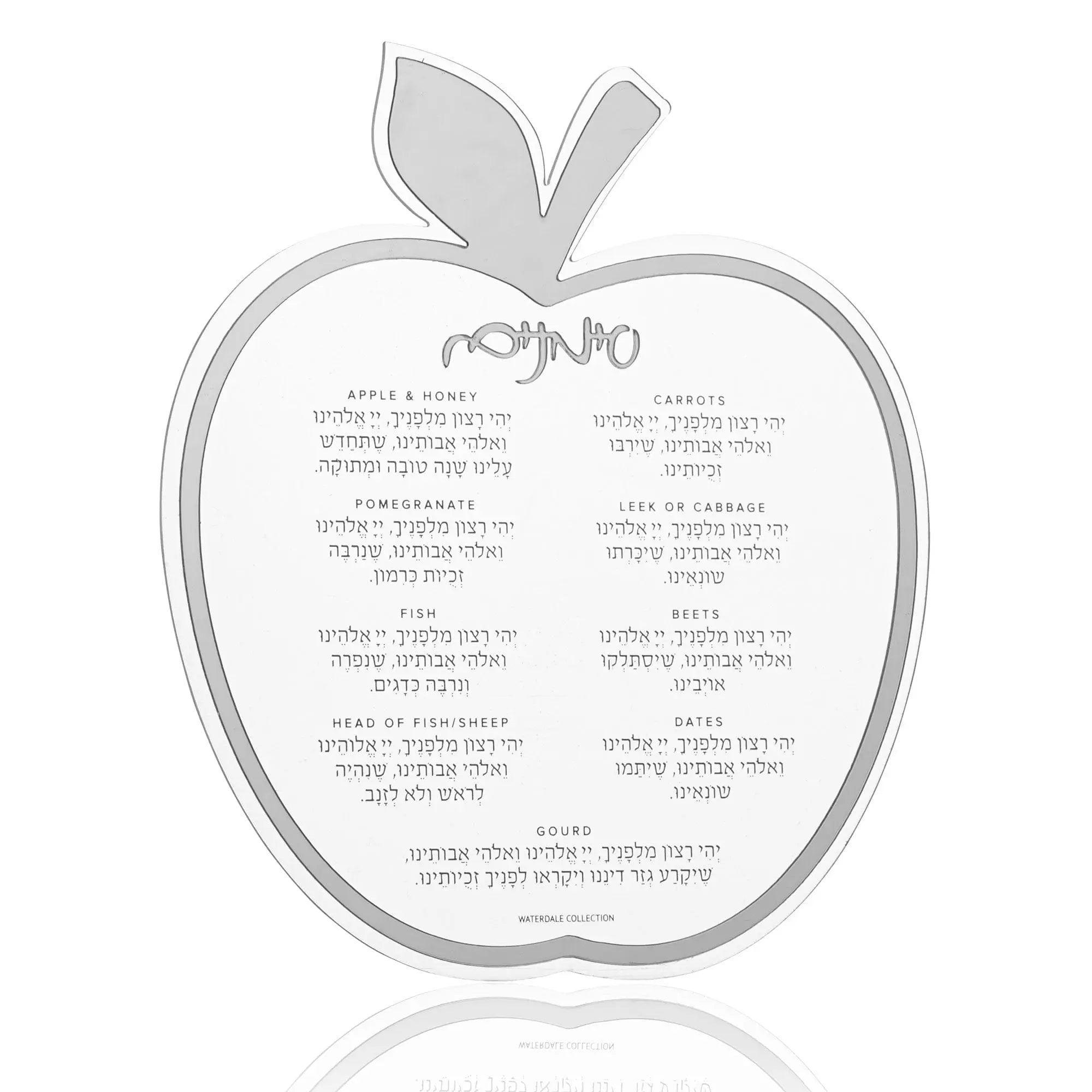
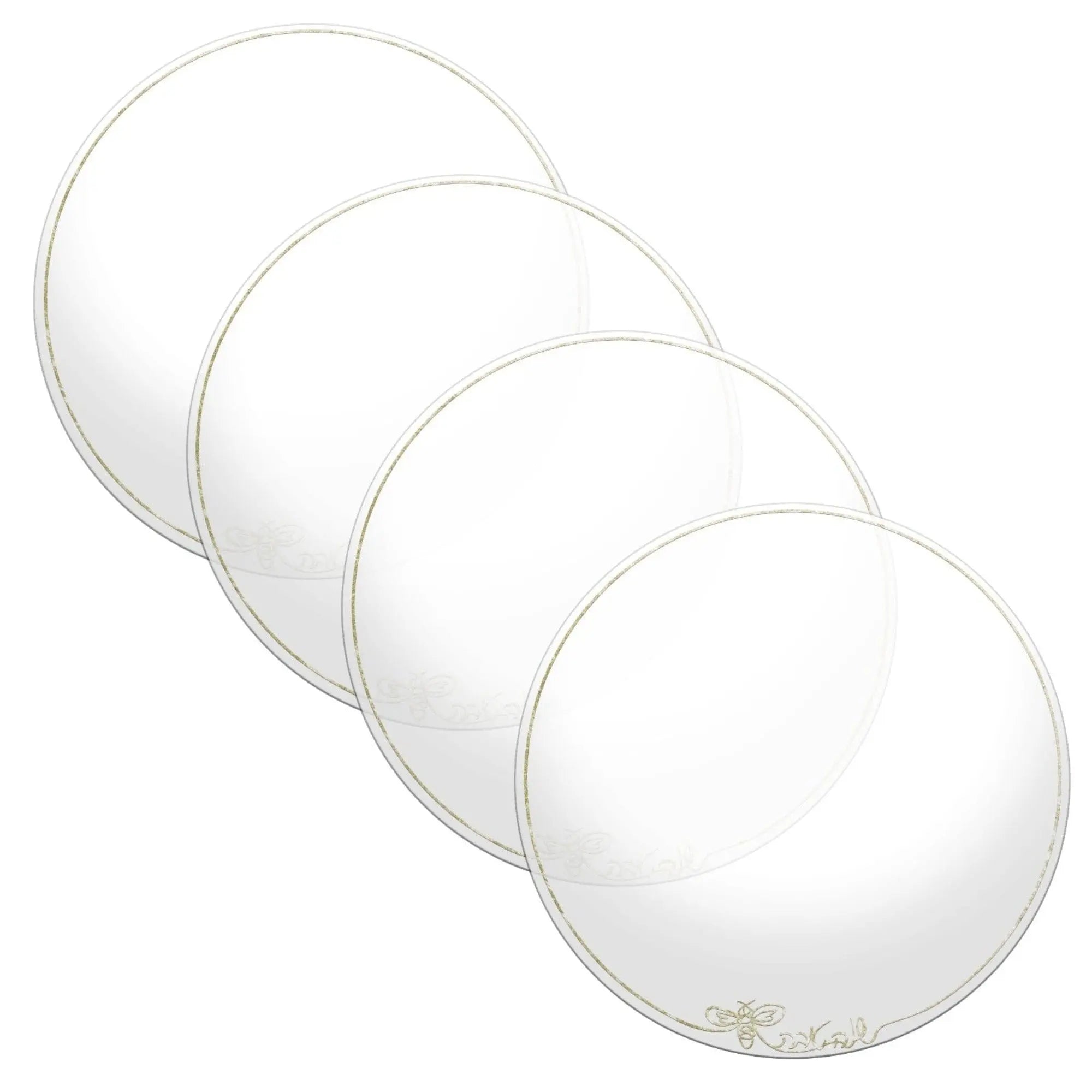
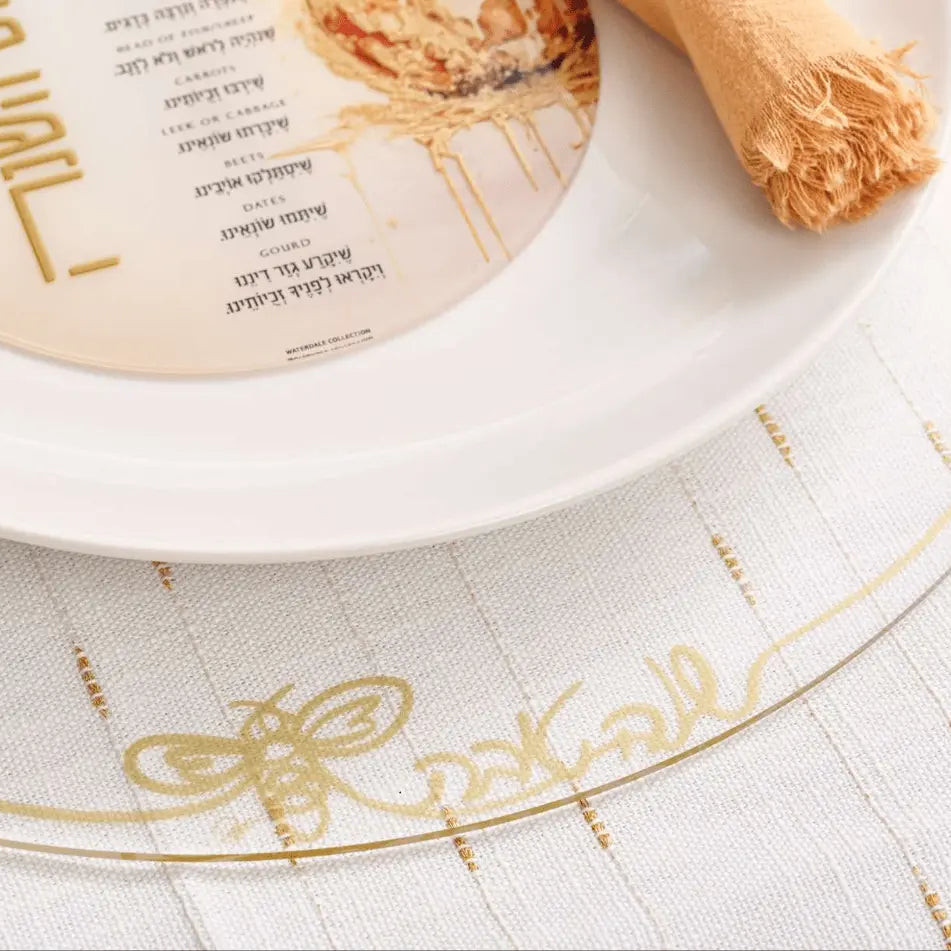
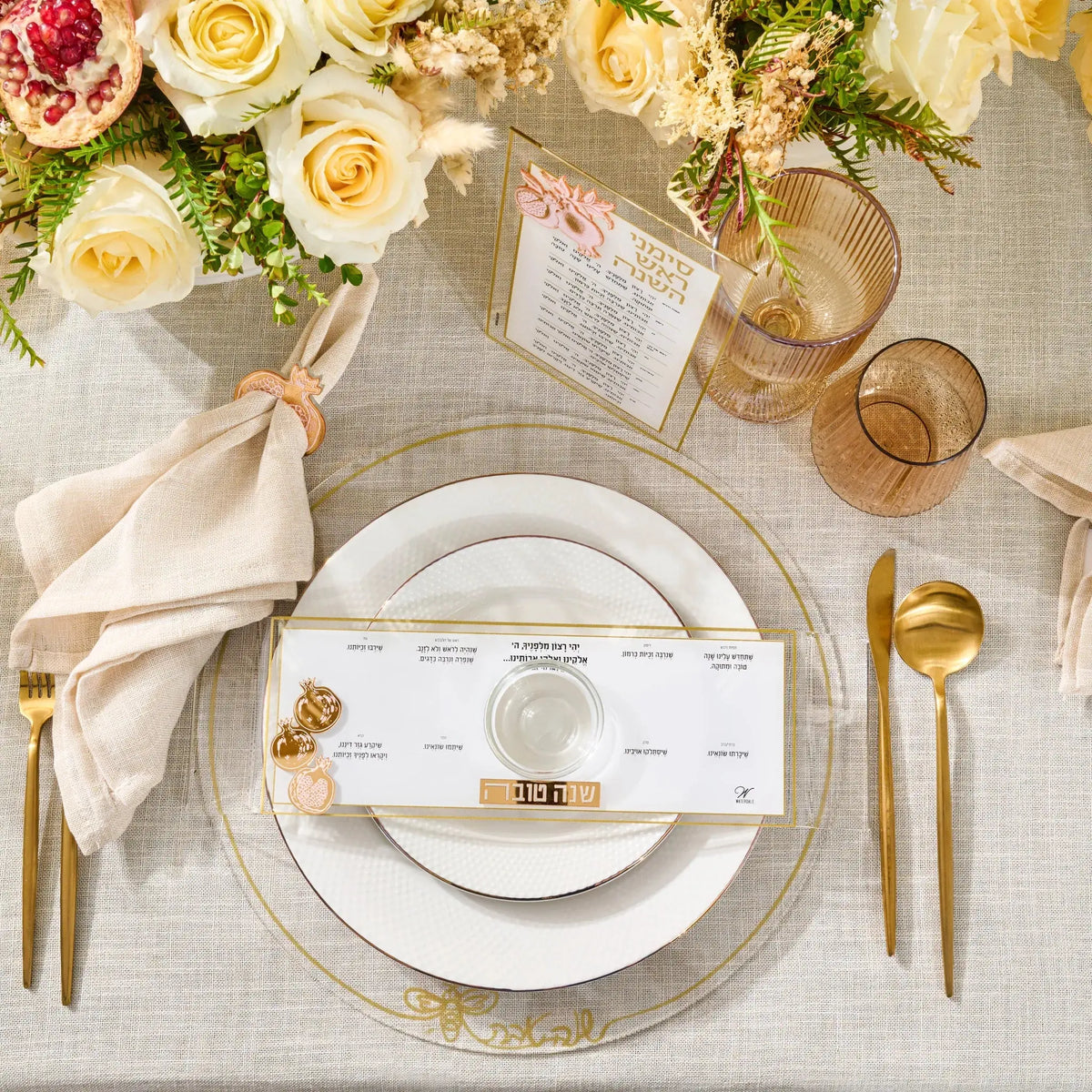
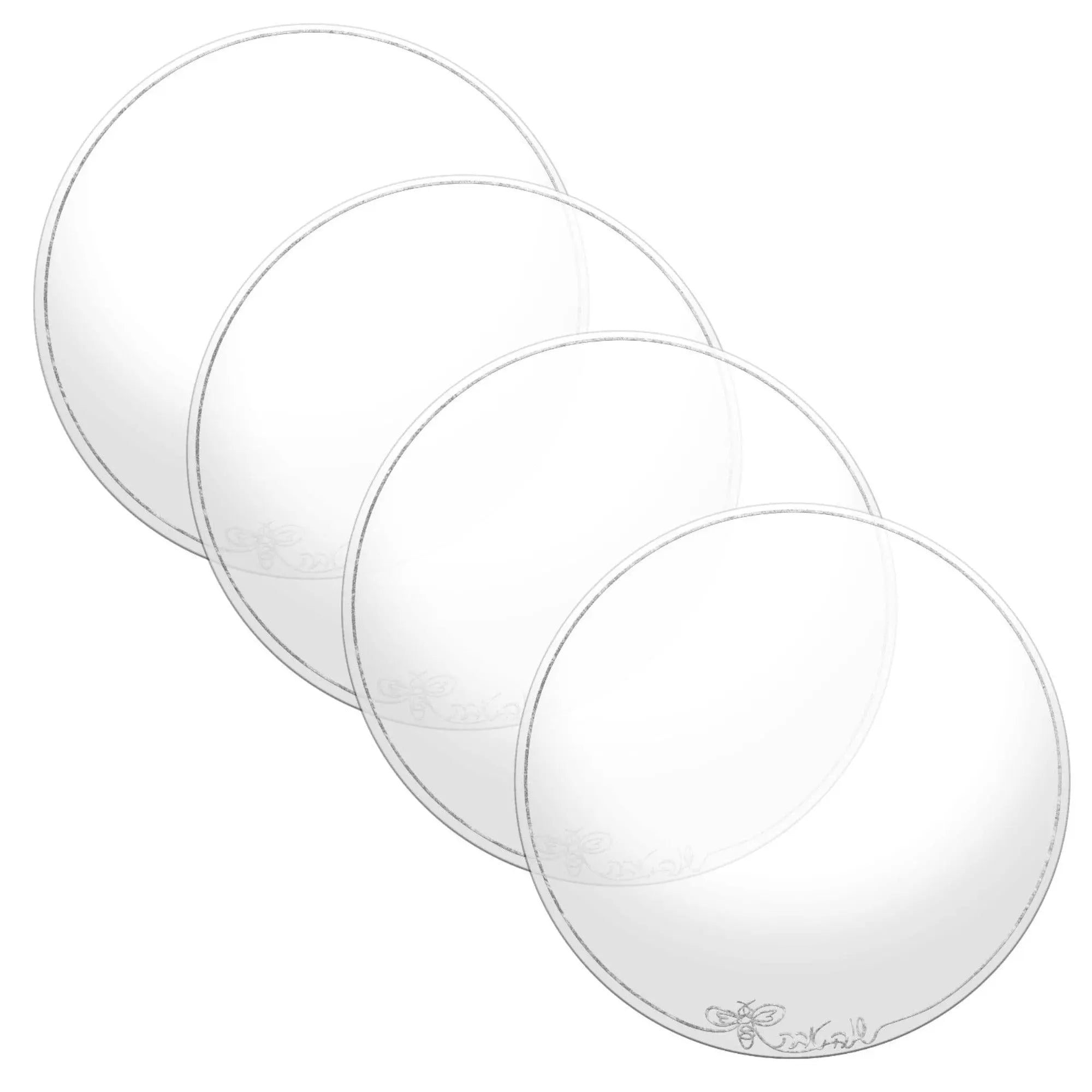
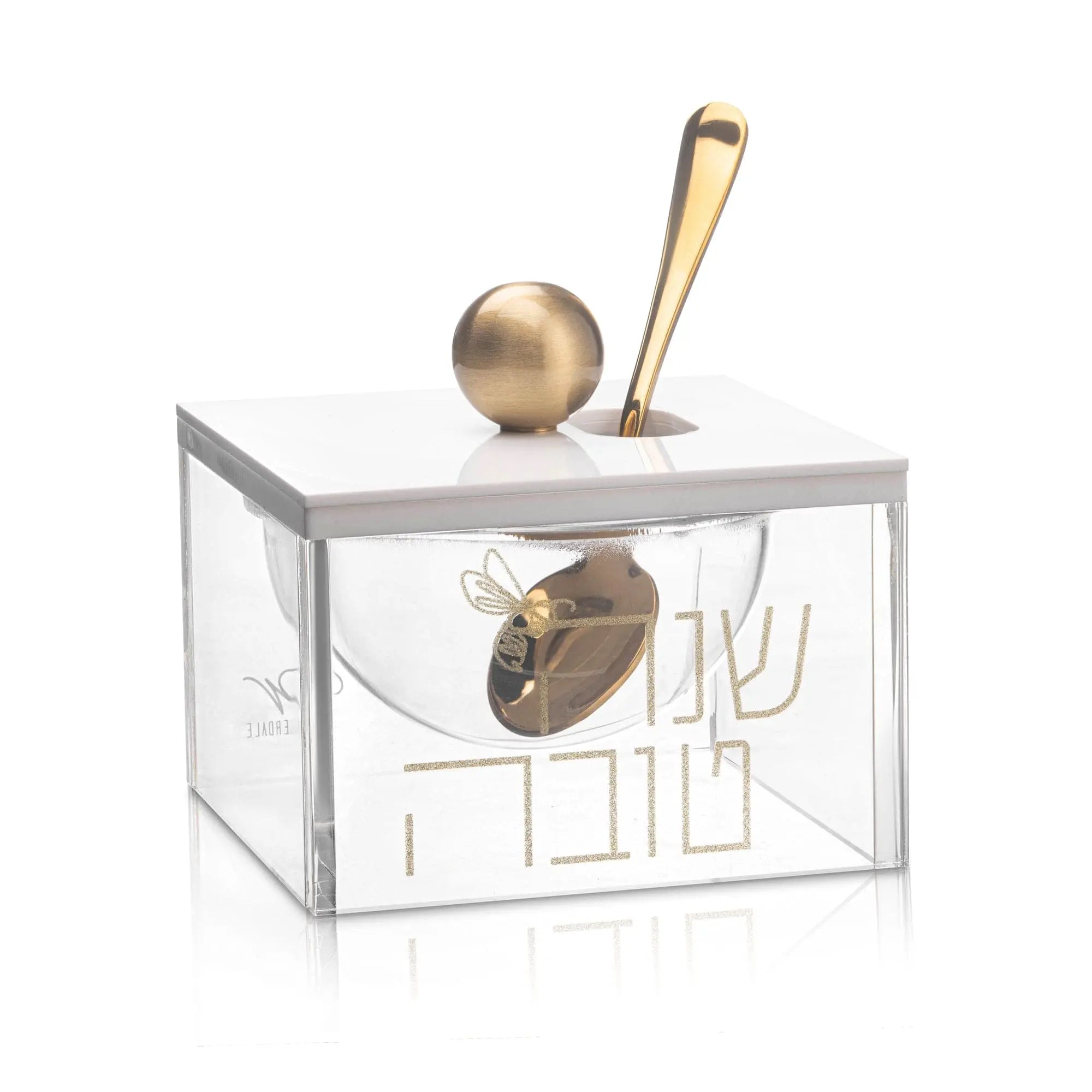
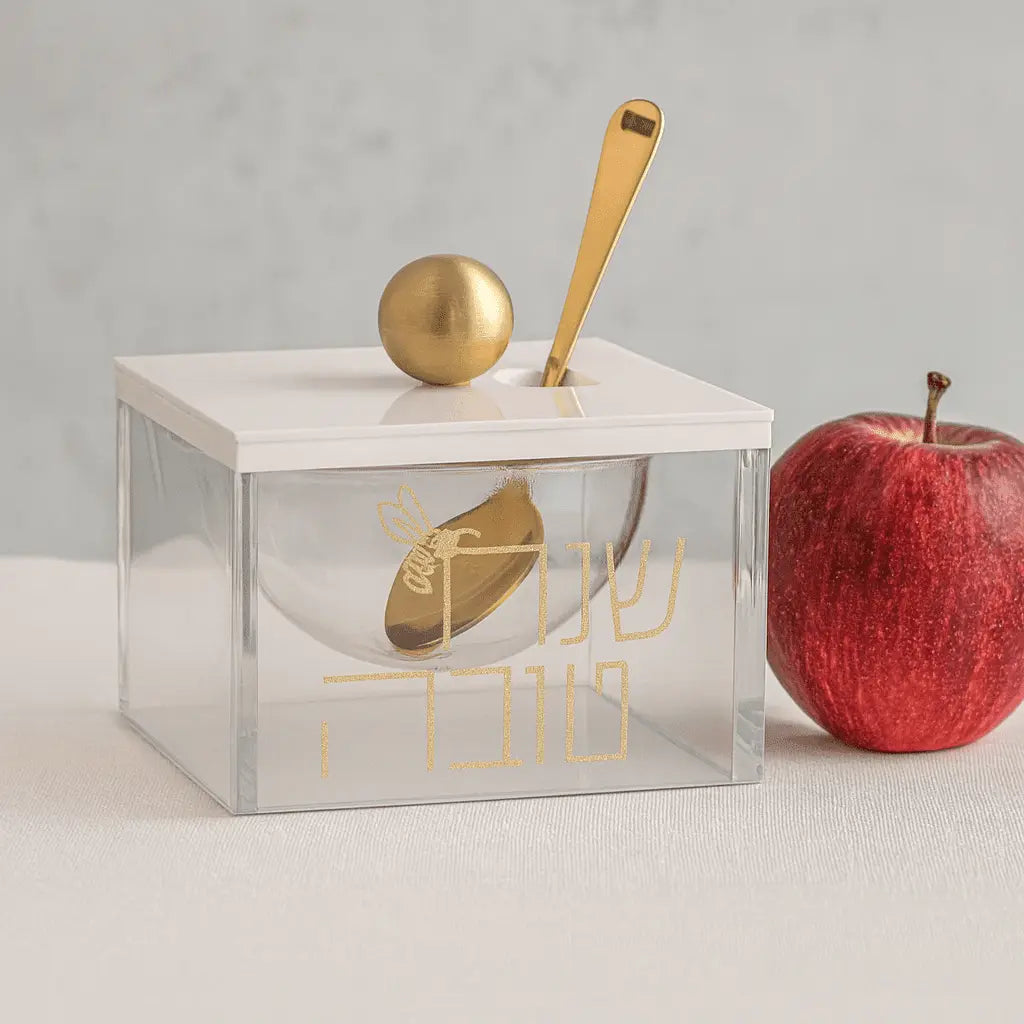
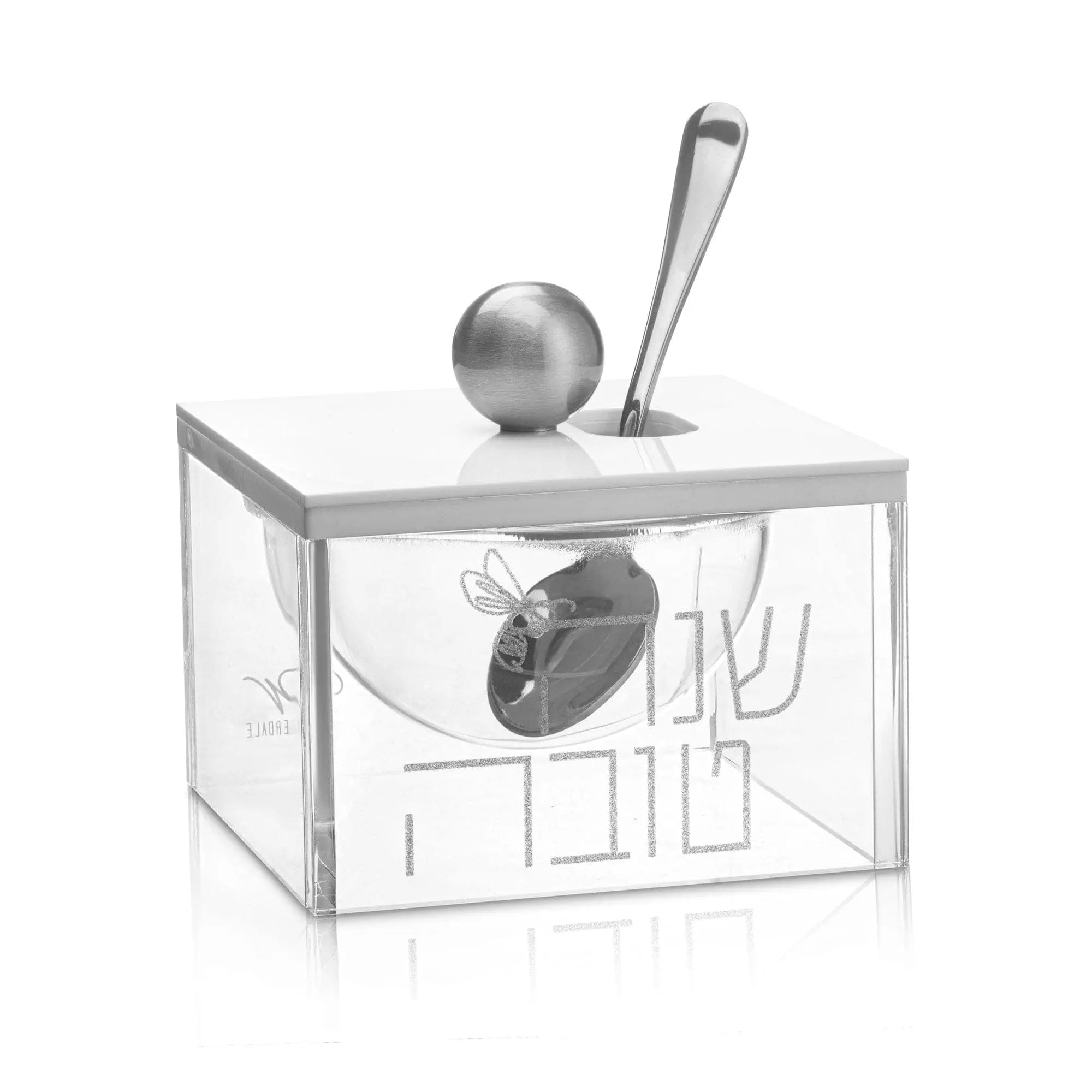
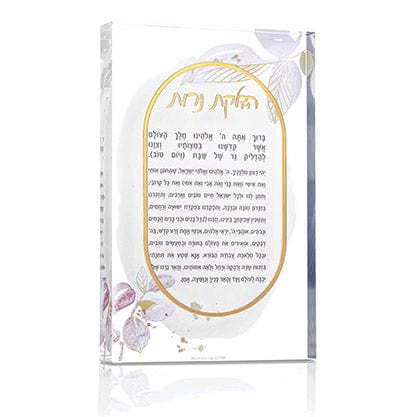
The Classic line centers on three coordinating pieces: the Classic Apple Simanim Card, the Classic Rosh Hashana Chargers (a set of four 13.5" lucite rounds), and the Block Honey Dish with "Shana Tova" engraved along the front. All three share the same clean clear lucite with polished, mirrored accents, so they style together as one cohesive tablescape. Each piece also offers an engraving option for personalization.
Why do we dip apples in honey on Rosh Hashanah?
Dipping an apple in honey is one of the best-known Rosh Hashanah customs, expressing the hope for a sweet new year ahead. On the first night, after Kiddush and the blessing over bread, the apple is dipped in honey and a short Yehi Ratzon is recited asking that the year be renewed "good and sweet." Many families set out a dedicated honey dish just for this moment, so the honey has its own place of honor on the table.
What is a Simanim card and how is it used at the Rosh Hashanah meal?
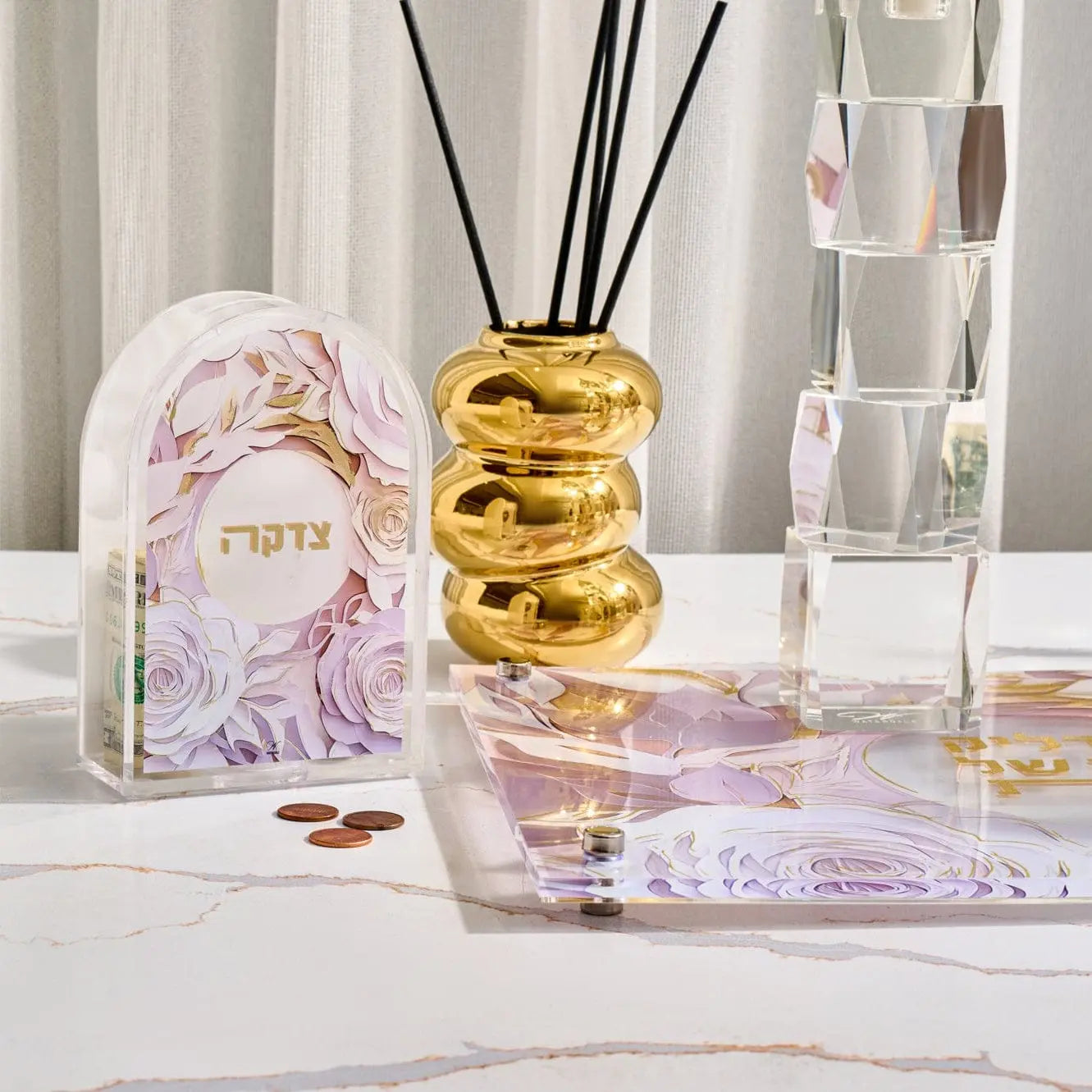
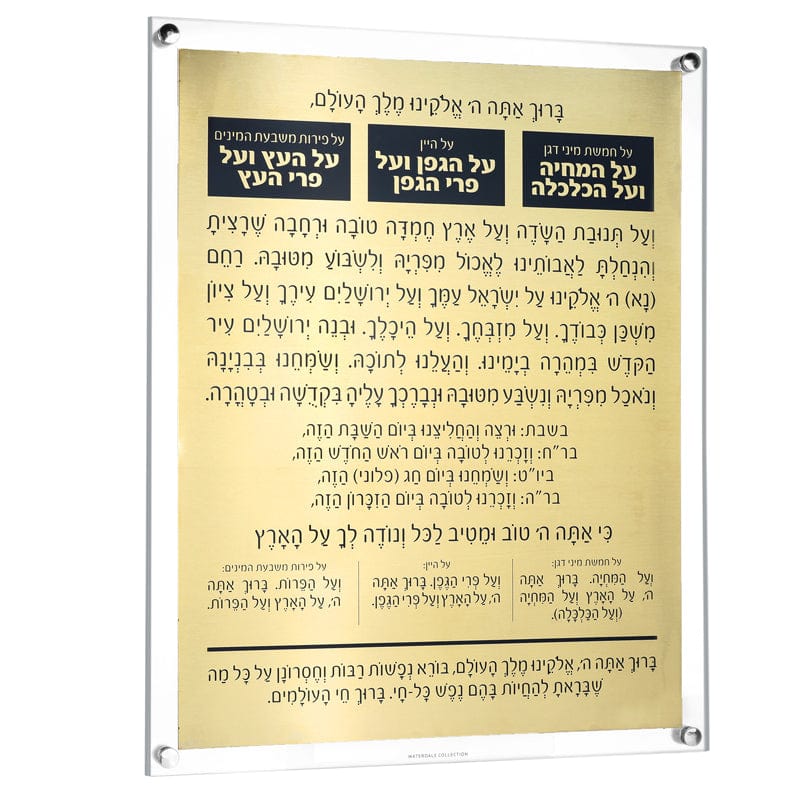
A Simanim card displays the Yehi Ratzon blessings recited over the symbolic foods eaten at the start of the Rosh Hashanah evening meal, so guests can follow along without passing a machzor around the table. Set one by the head of the table or beside the Simanim platter where everyone can see it. The Classic Apple Simanim Card is honey-proof and wipes clean, so it can sit right next to the dipping dishes.
How long do families continue dipping challah in honey after Rosh Hashanah?
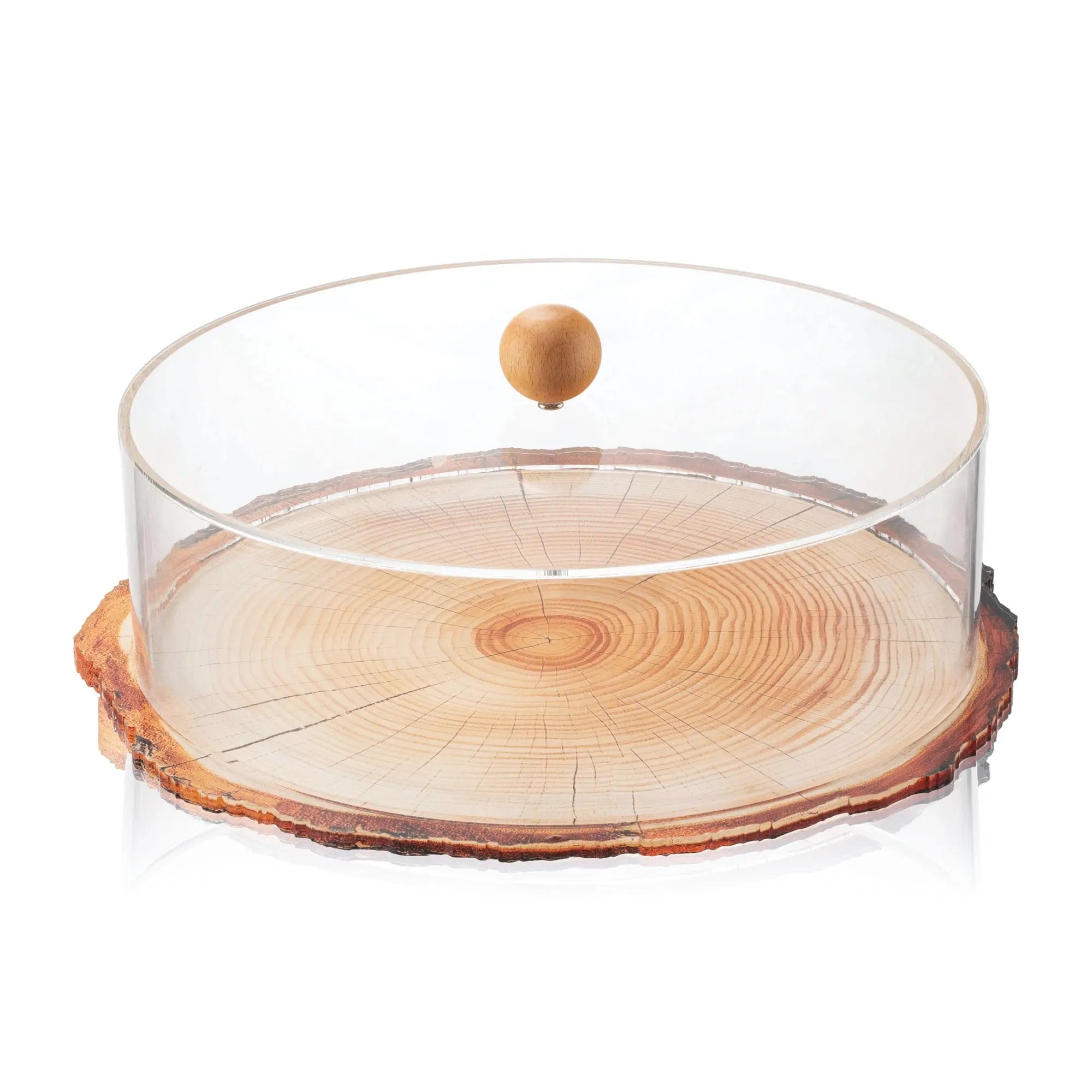
While honey is essential on Rosh Hashanah itself, many households — especially in Ashkenazi communities — continue dipping challah in honey instead of salt throughout the Aseret Yemei Teshuva, and a widespread custom extends it until Hoshana Rabbah at the end of Sukkot. That adds up to several weeks of regular use, which is why a honey dish with its own cover and spoon earns a real place on the table rather than serving for a single night.
Can lucite chargers double as serving trays or platters?
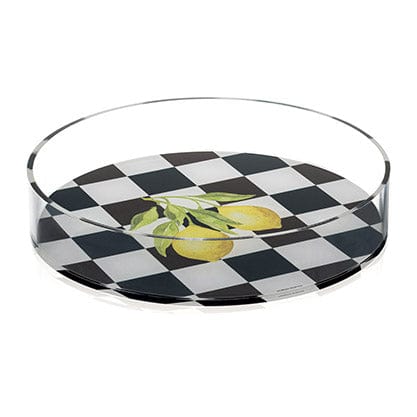
Yes — the Classic Rosh Hashana Chargers are thick lucite rounds that work equally well under a dinner plate, as a serving platter, or as a display base for apples and honey. Because lucite is waterproof and wipes clean in seconds, honey drips and wine rings come off easily between courses. With a set of four, many hosts mix roles across the same table.
What does "Shana Tova" mean?
"Shana Tova" is Hebrew for "a good year" — the traditional Rosh Hashanah greeting, often expanded to "Shana Tova U'Metuka," a good and sweet year. The phrase is exchanged from Rosh Hashanah through the days that follow, and it appears on holiday Judaica as a visual blessing over the table, like the engraving across the front of the Block Honey Dish.
How do you clean lucite Judaica after honey and wine spills?
Wipe lucite with a soft cloth and warm water with a drop of mild dish soap, then dry with a microfiber cloth to avoid streaks. Skip ammonia-based glass cleaners and abrasive sponges, which can cloud or scratch acrylic over time. Cared for this way, lucite pieces look just as clear after several seasons of holiday use.
Is the Classic Collection a good Rosh Hashanah hostess gift?
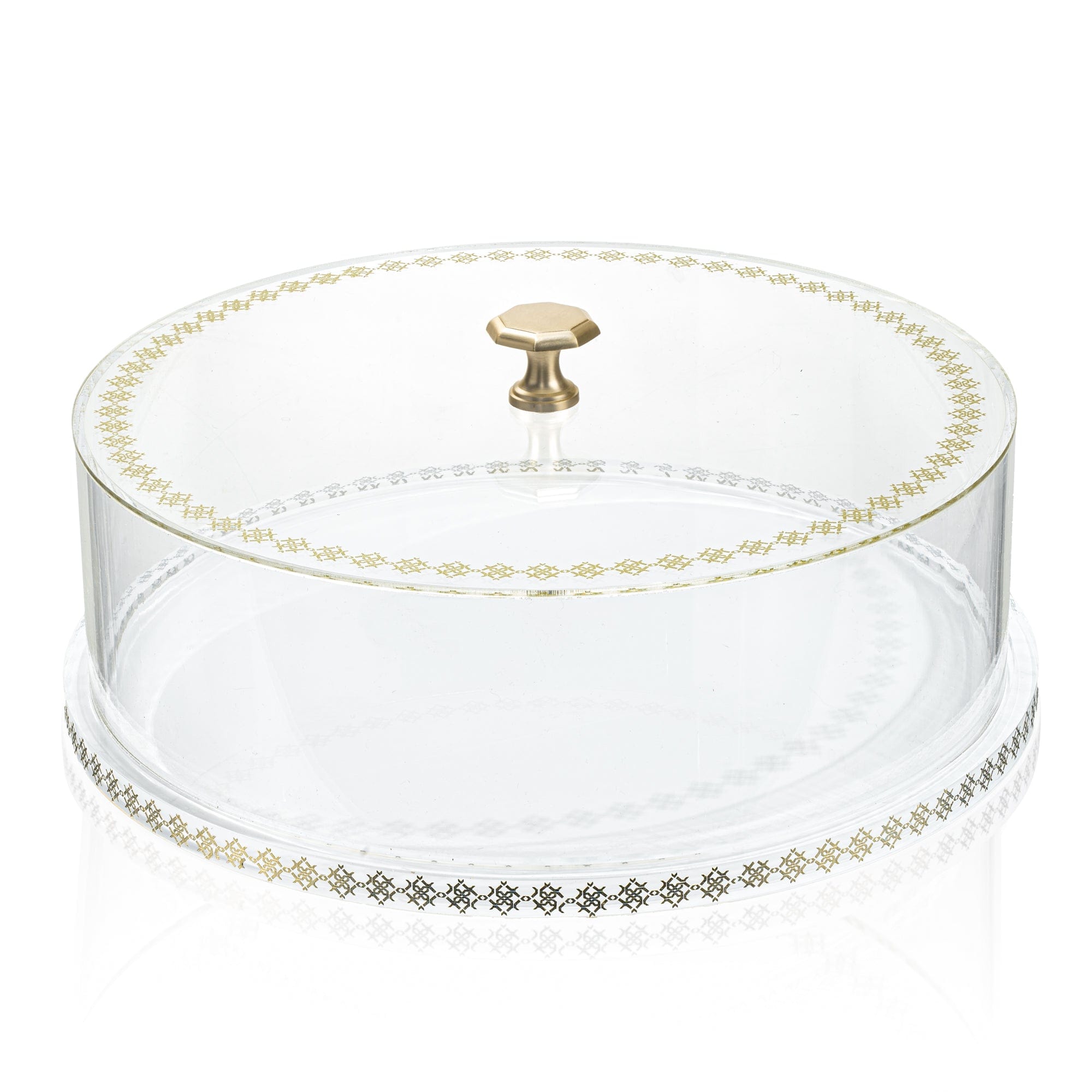
The Block Honey Dish is a natural hostess gift — it arrives complete with a click-in cover and metal spoon, and the engraving option makes it personal. For a more substantial gift, the set of four chargers dresses an entire table in one box. Unlike consumable gifts, these return to the Yom Tov table year after year.
Early access to new releases, limited restocks, and occasional updates.