


We're closed for Shabbos. We reopen [[opentime]]. Time until we reopen: [[countdown]]. Thanks for understanding.
Why do we dip an apple in honey on Rosh Hashanah?
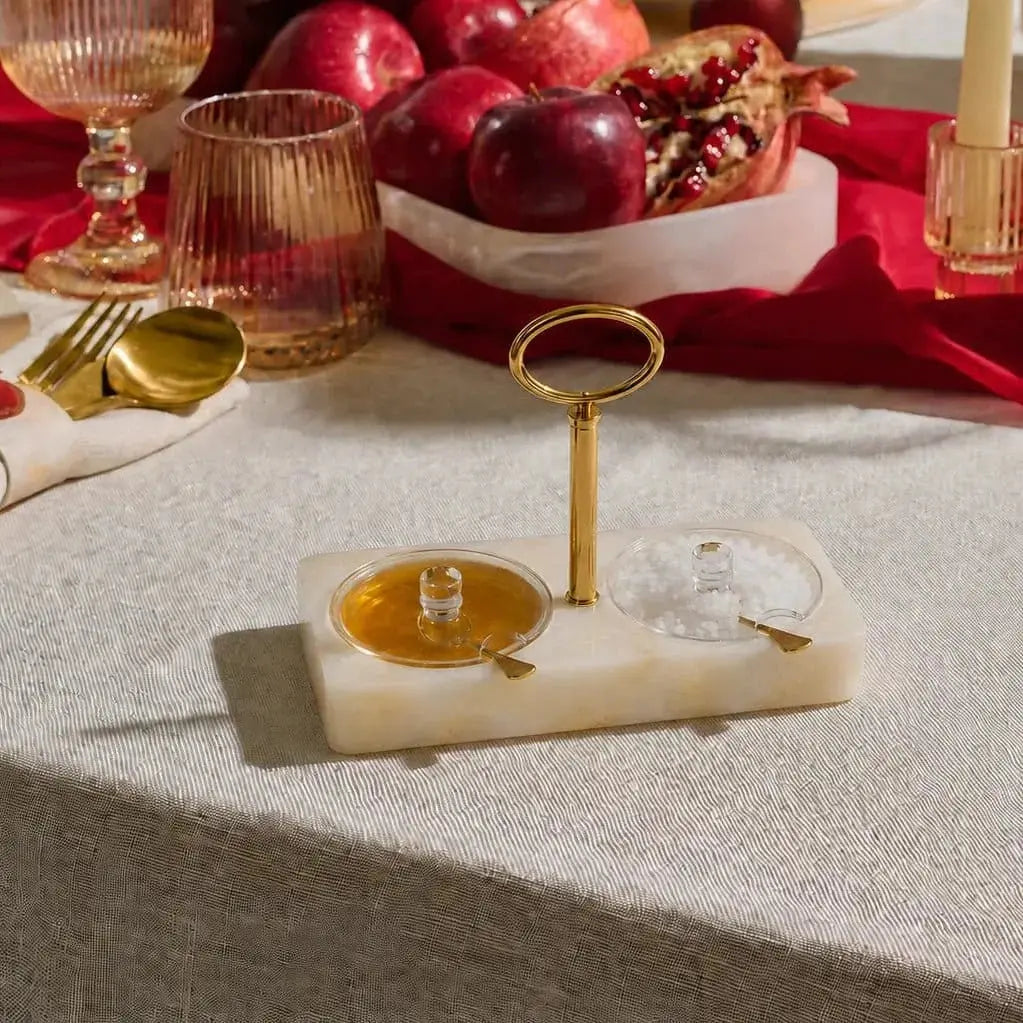
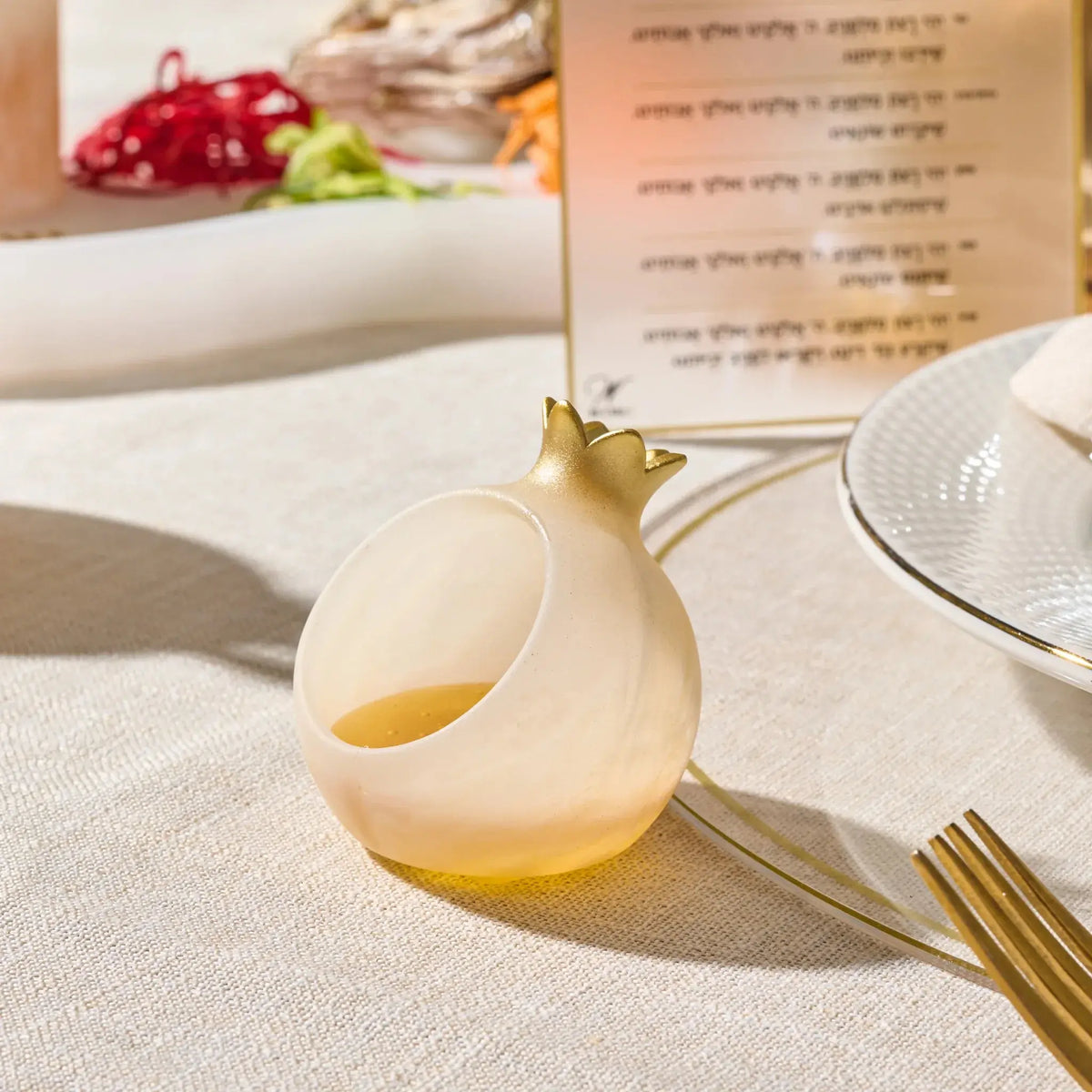
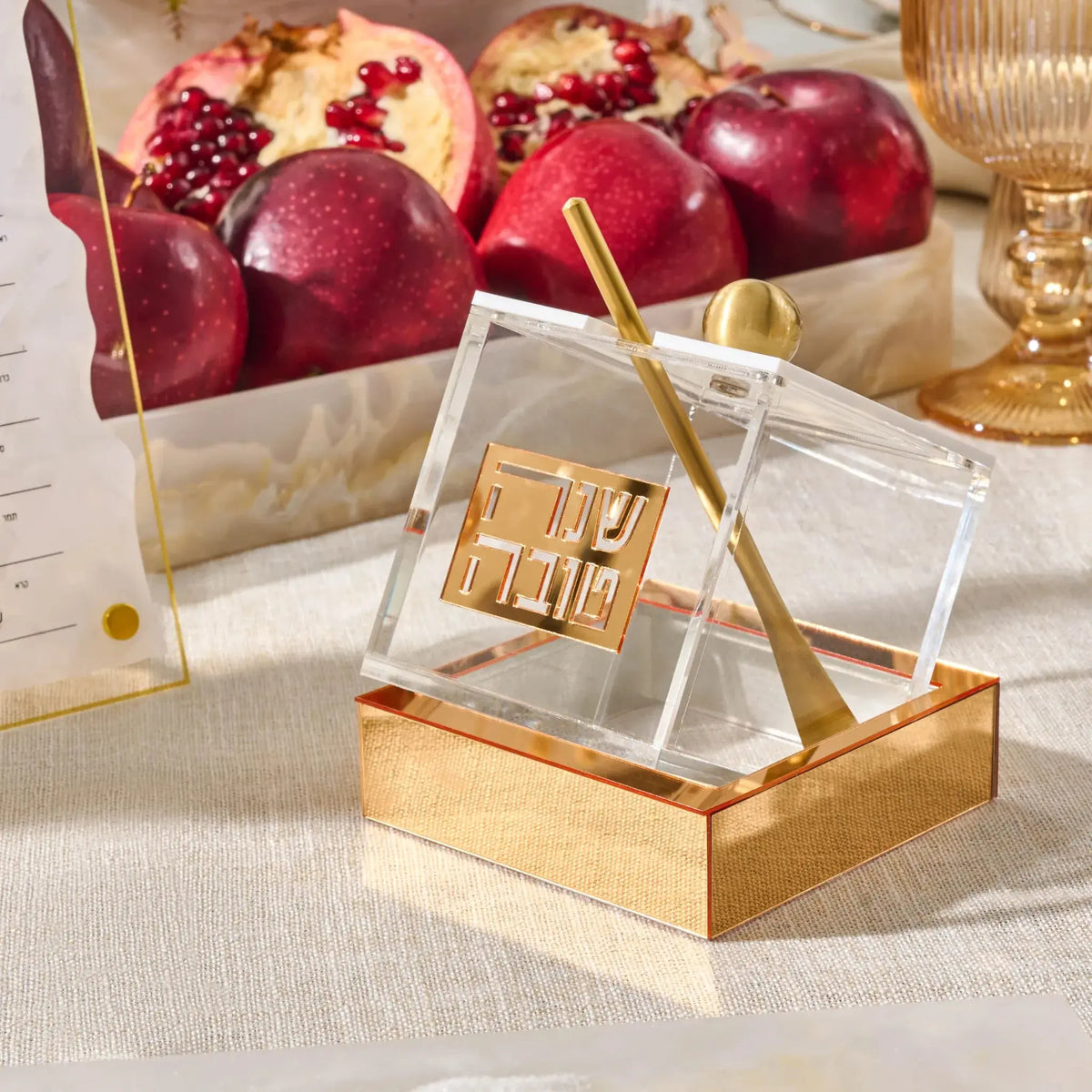
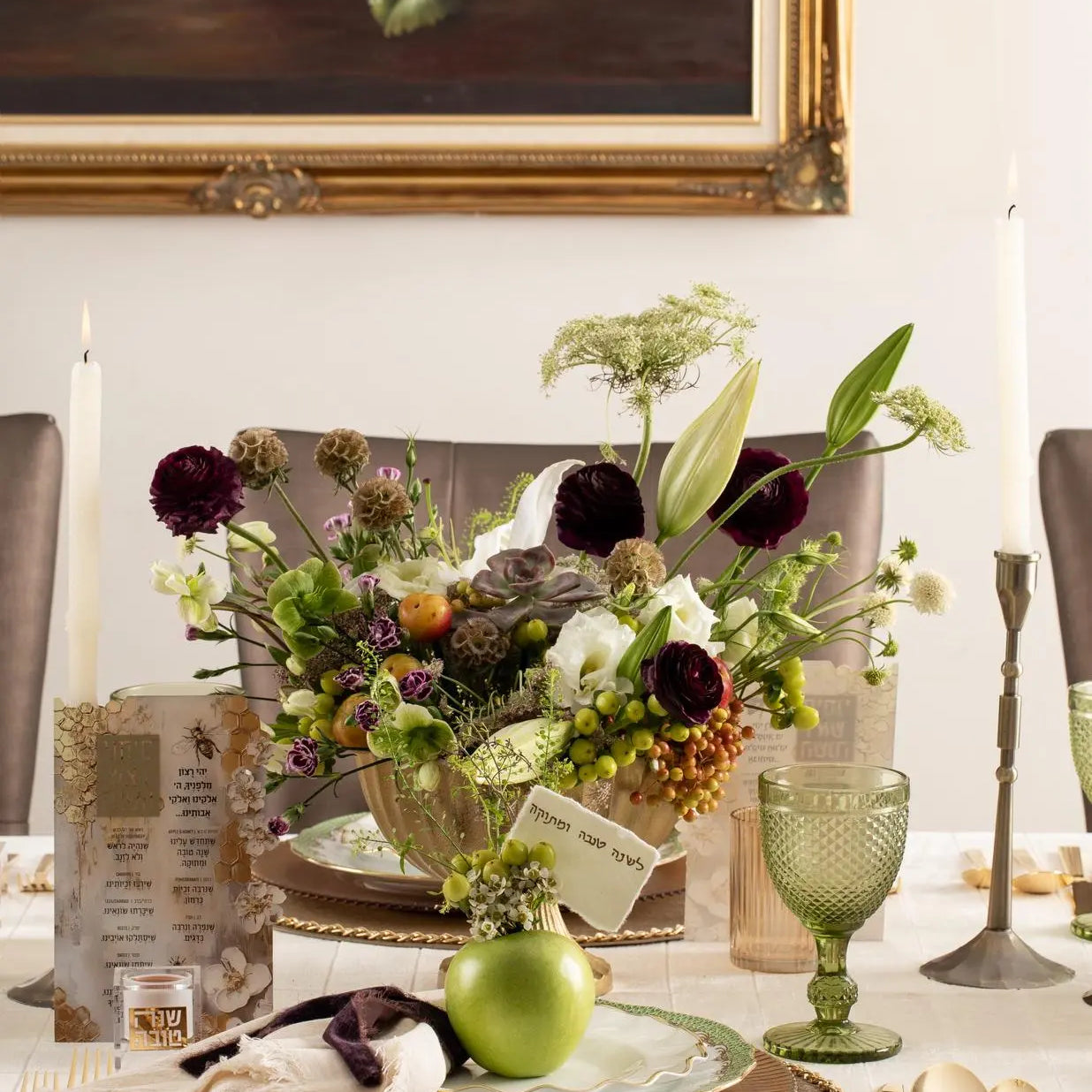
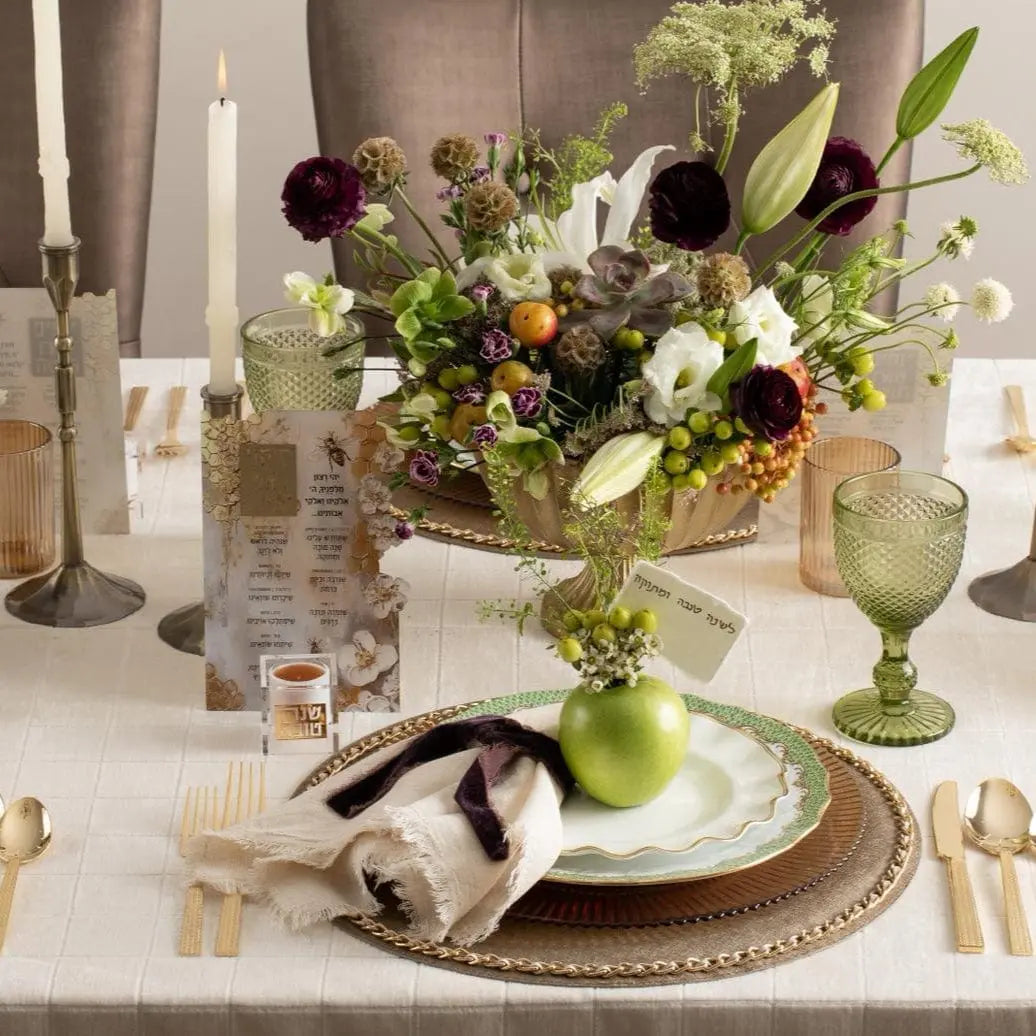
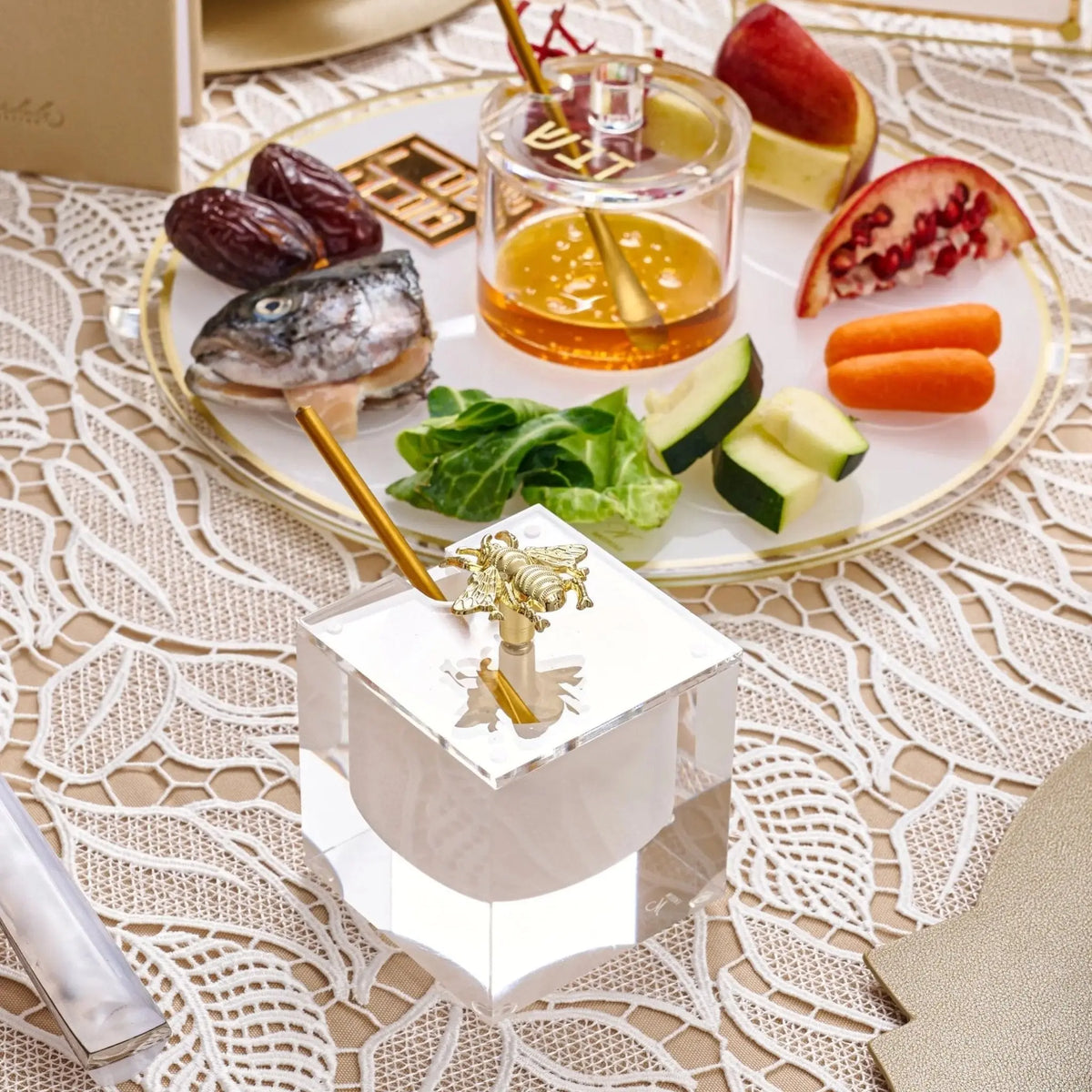
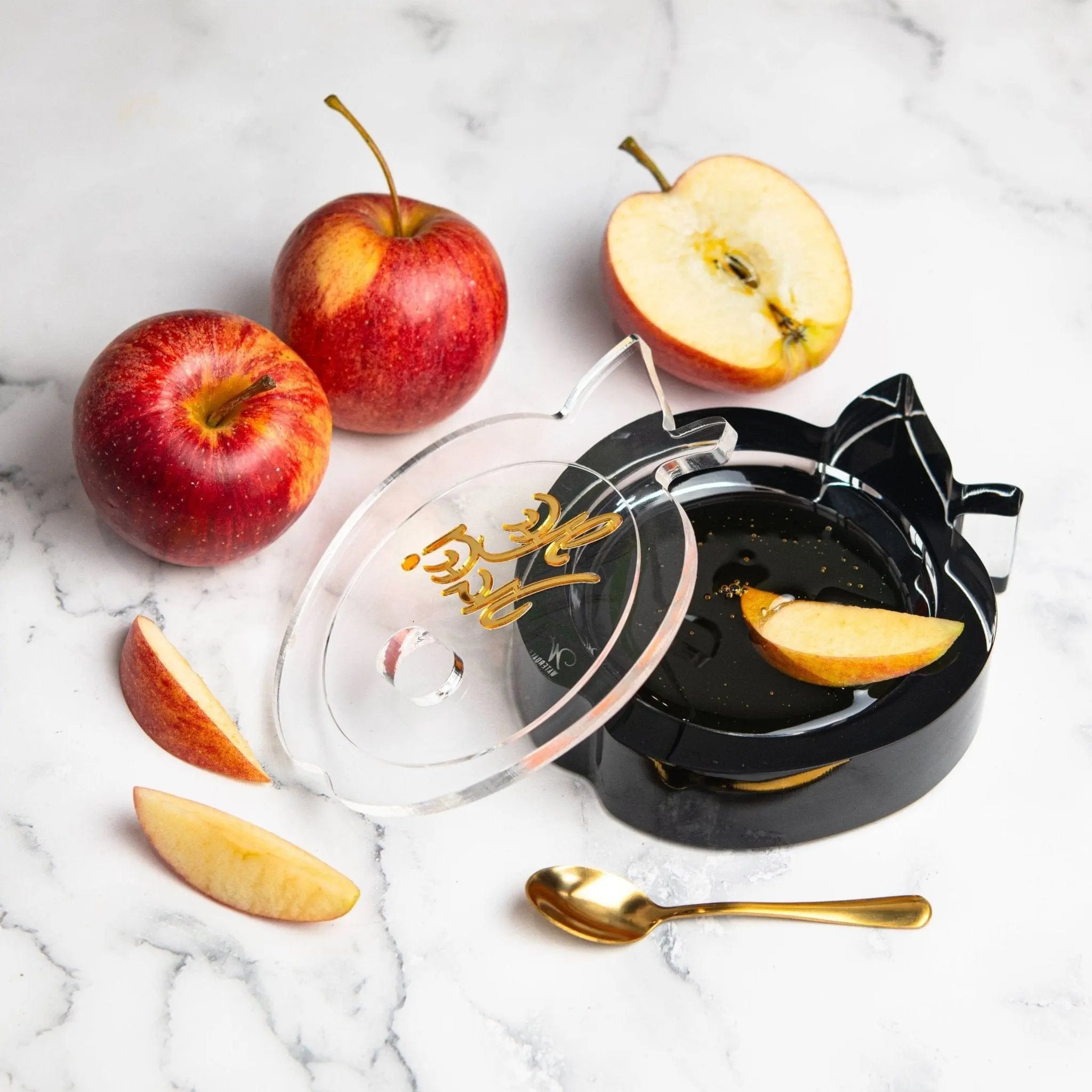
Dipping an apple in honey is the most famous of the Rosh Hashanah simanim — the symbolic foods eaten on the night of the Jewish New Year. The Talmud teaches that eating symbolic foods at the start of the year is a siman tov, a good omen, and the apple's natural sweetness doubled by honey expresses our prayer for a shanah tovah u'metukah, a good and sweet new year. That's why a dedicated honey dish sits at the center of nearly every Rosh Hashanah table.
What bracha (blessing) do we say on the apple and honey?
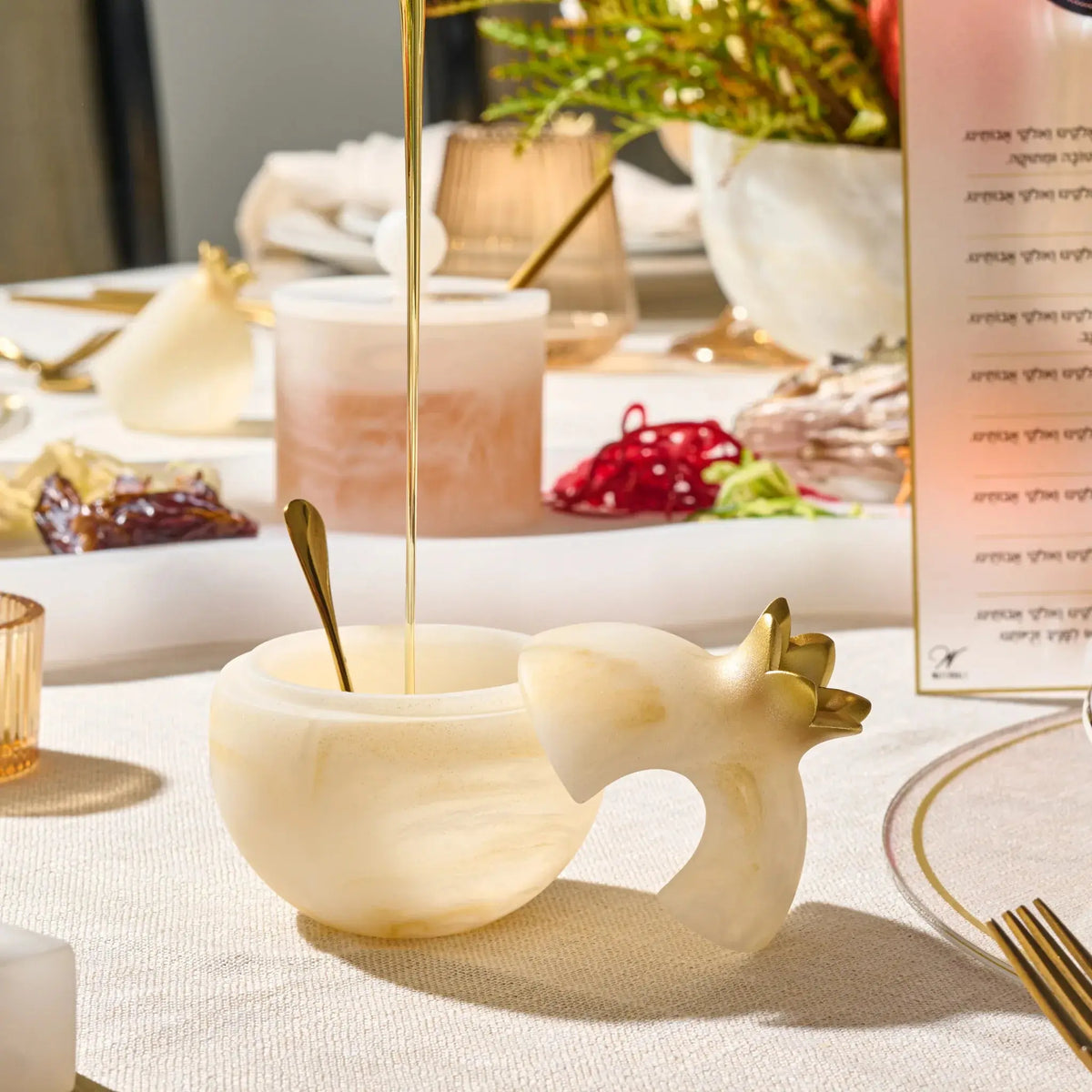
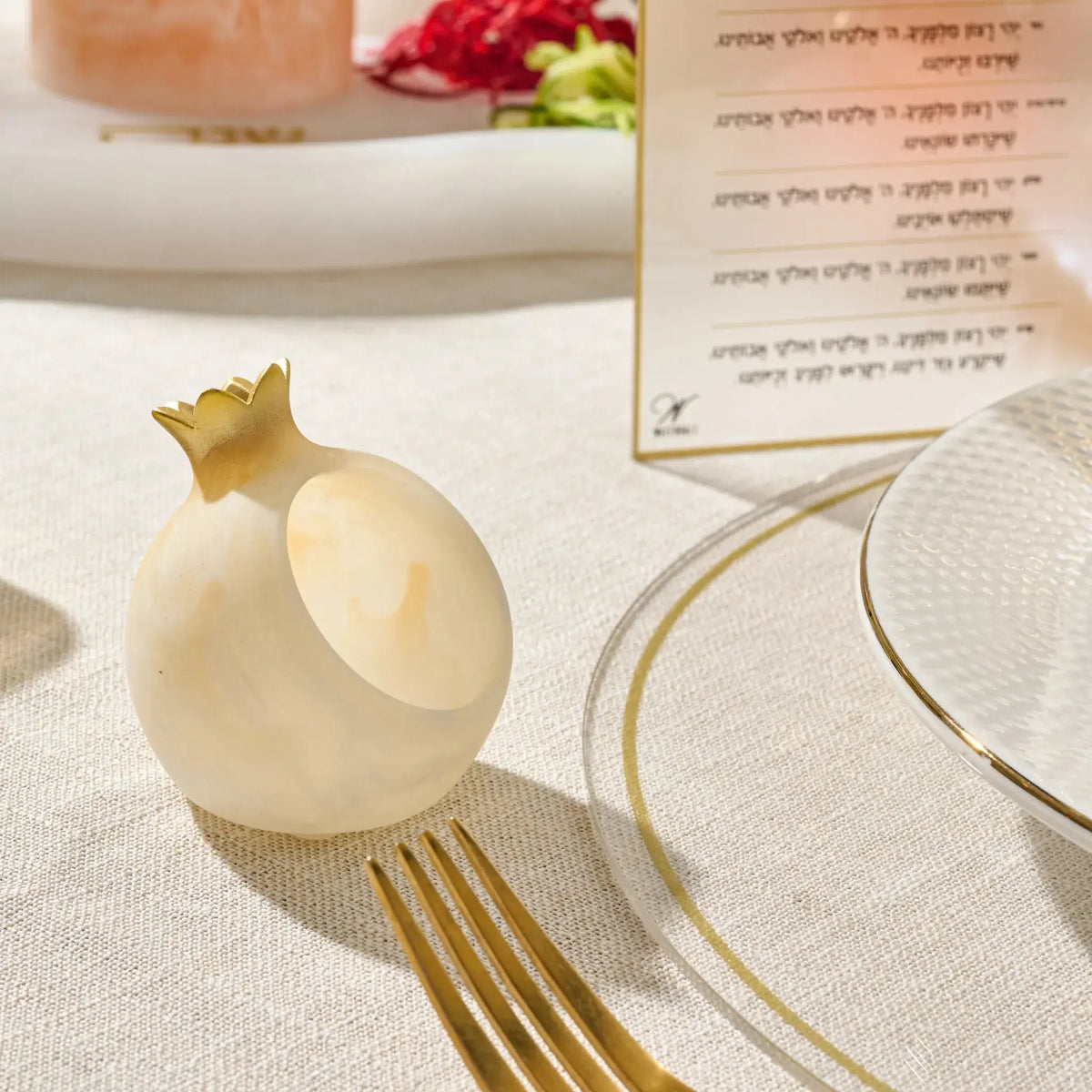
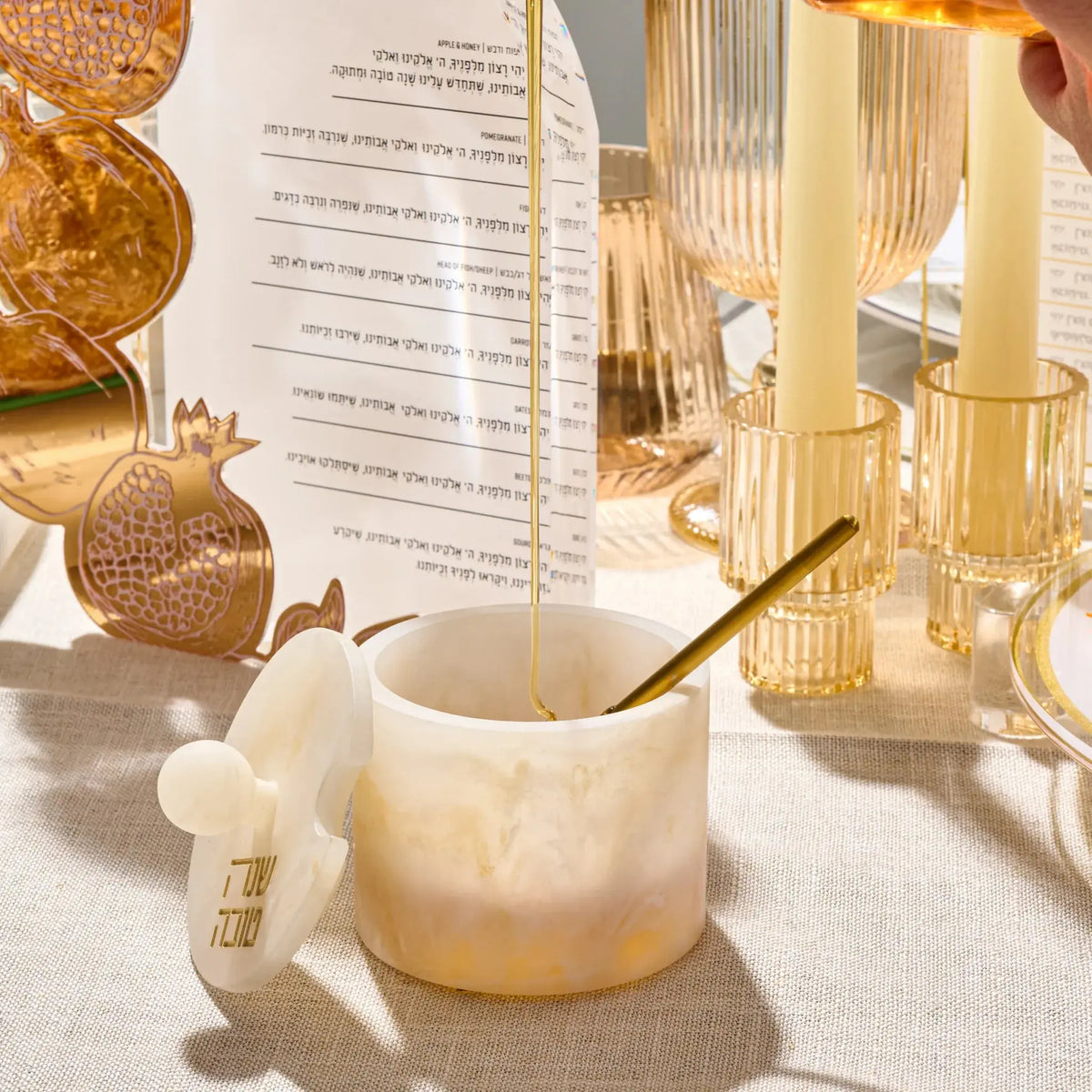
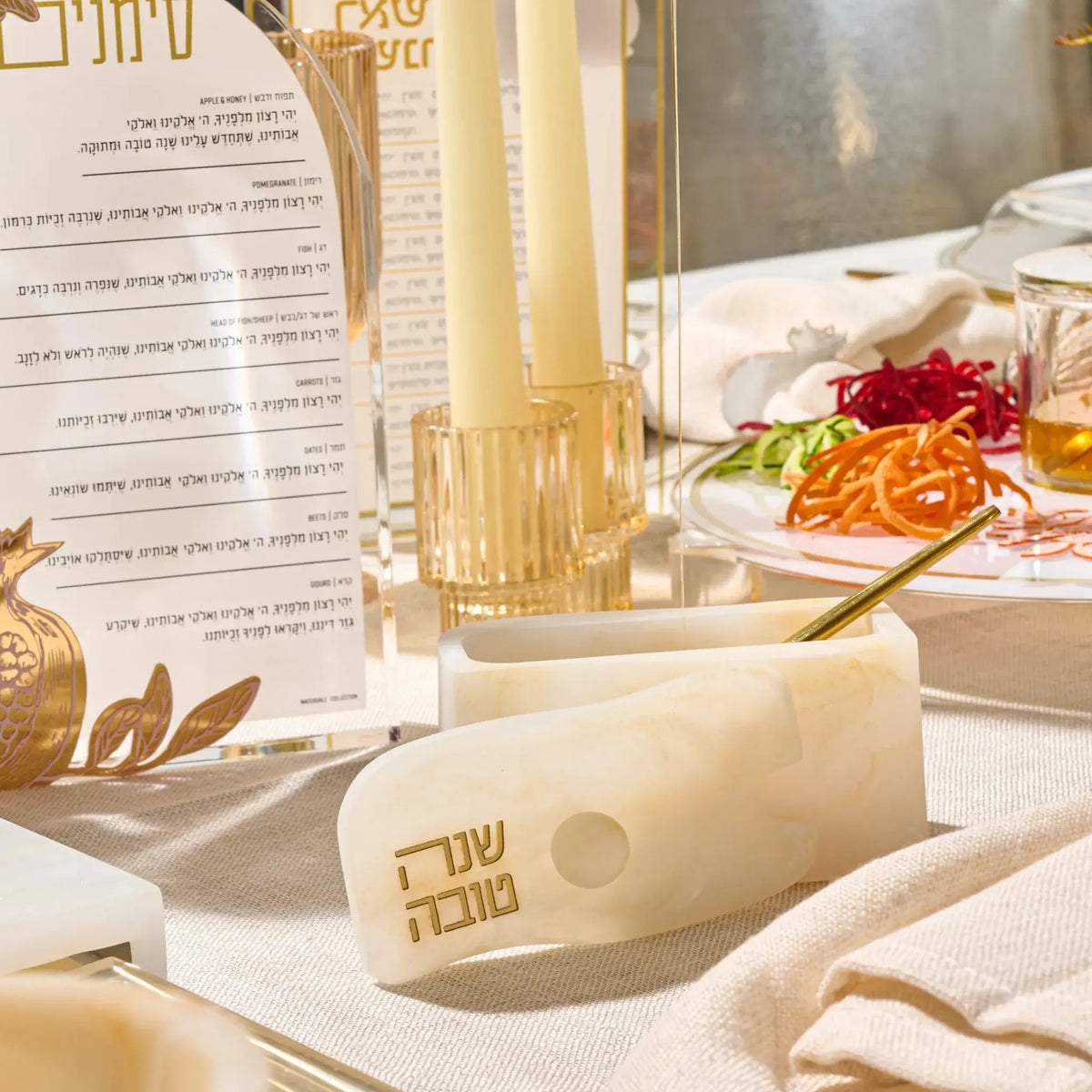
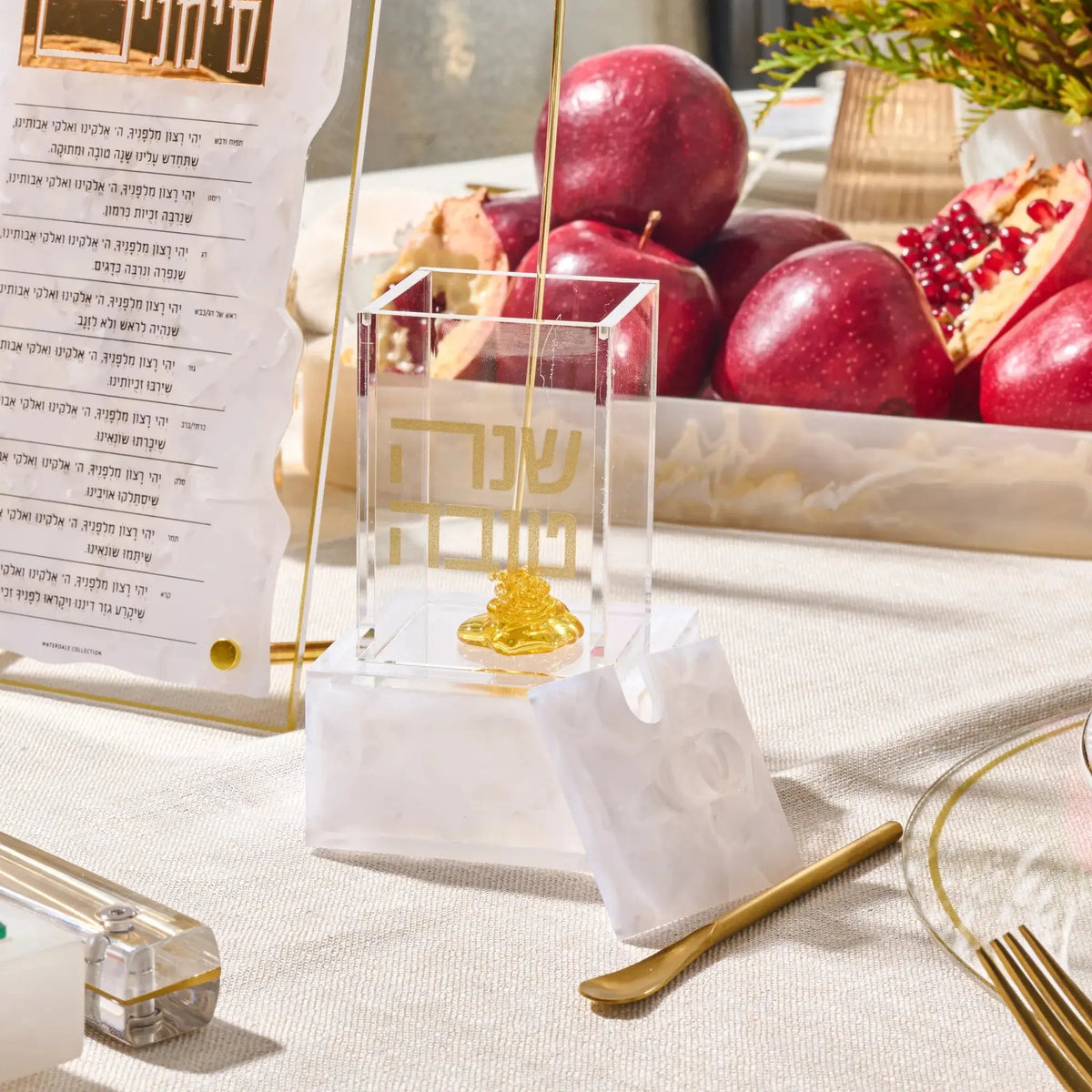
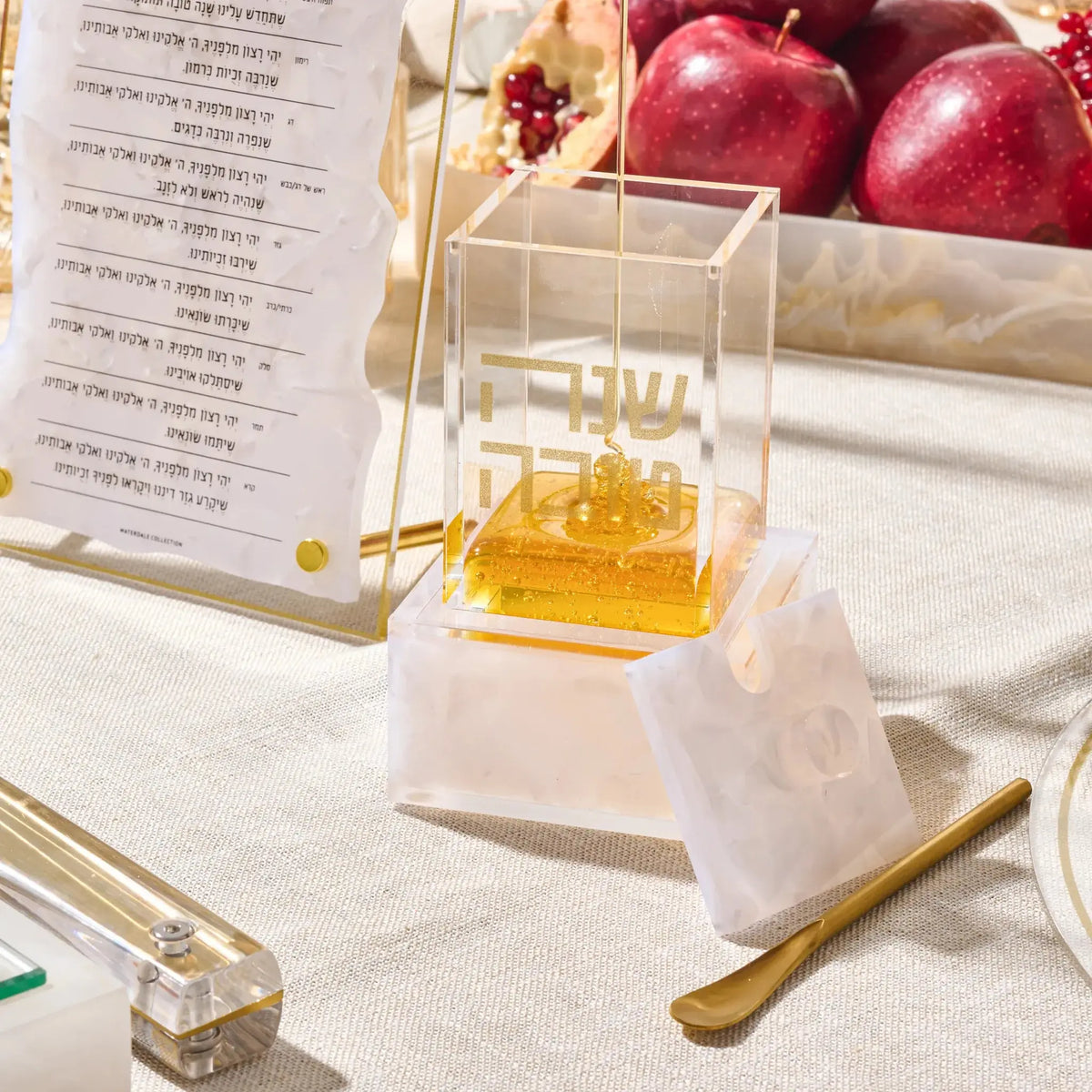
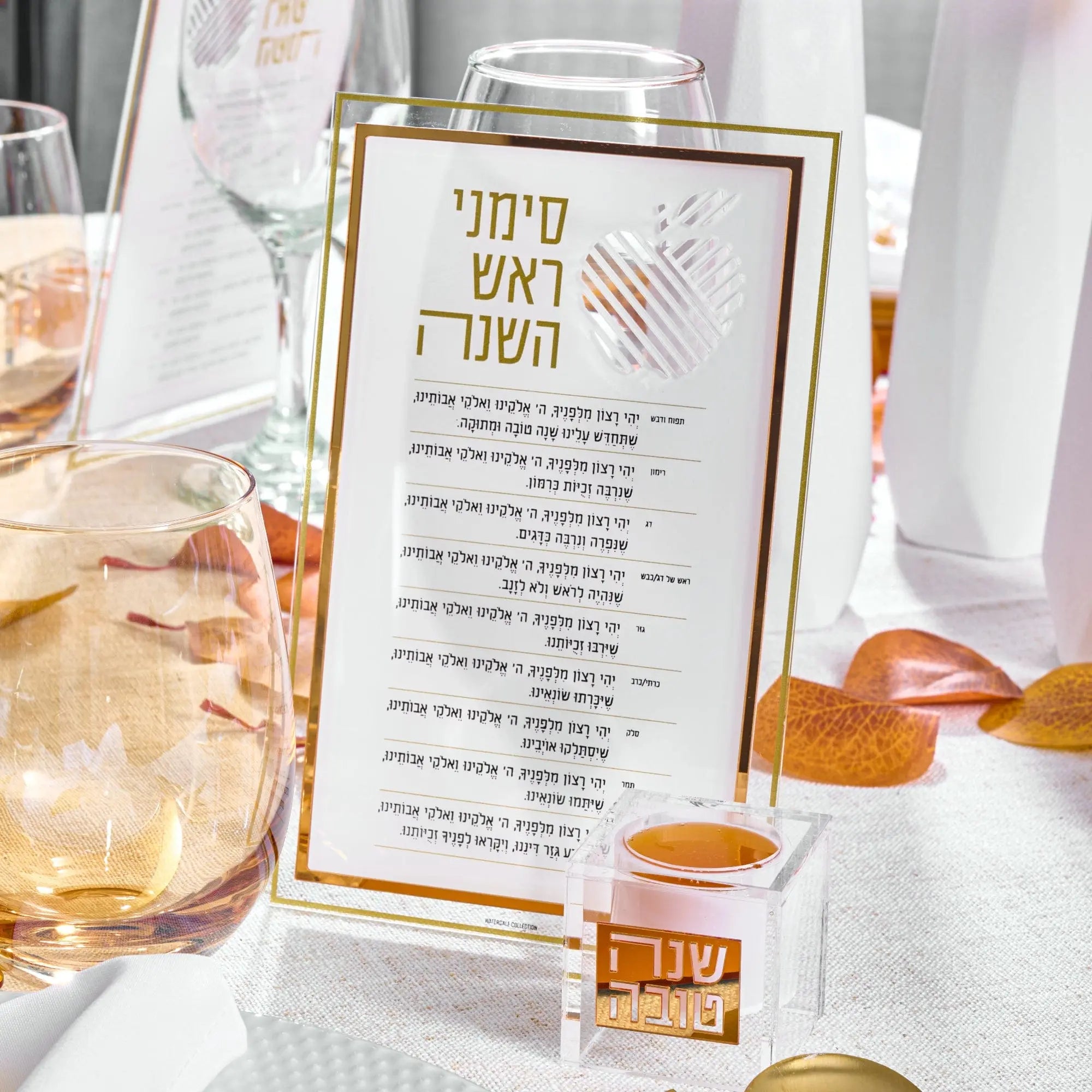
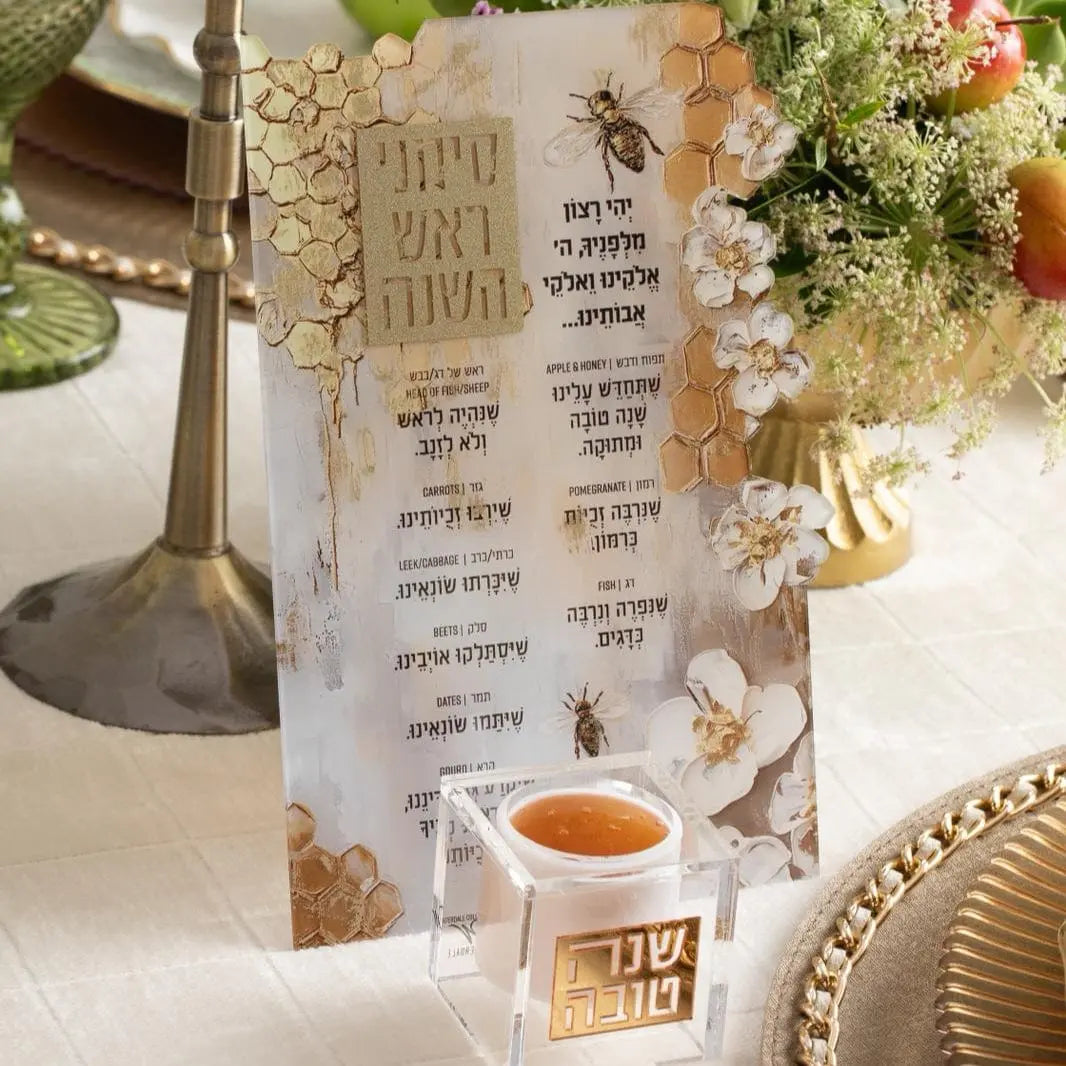
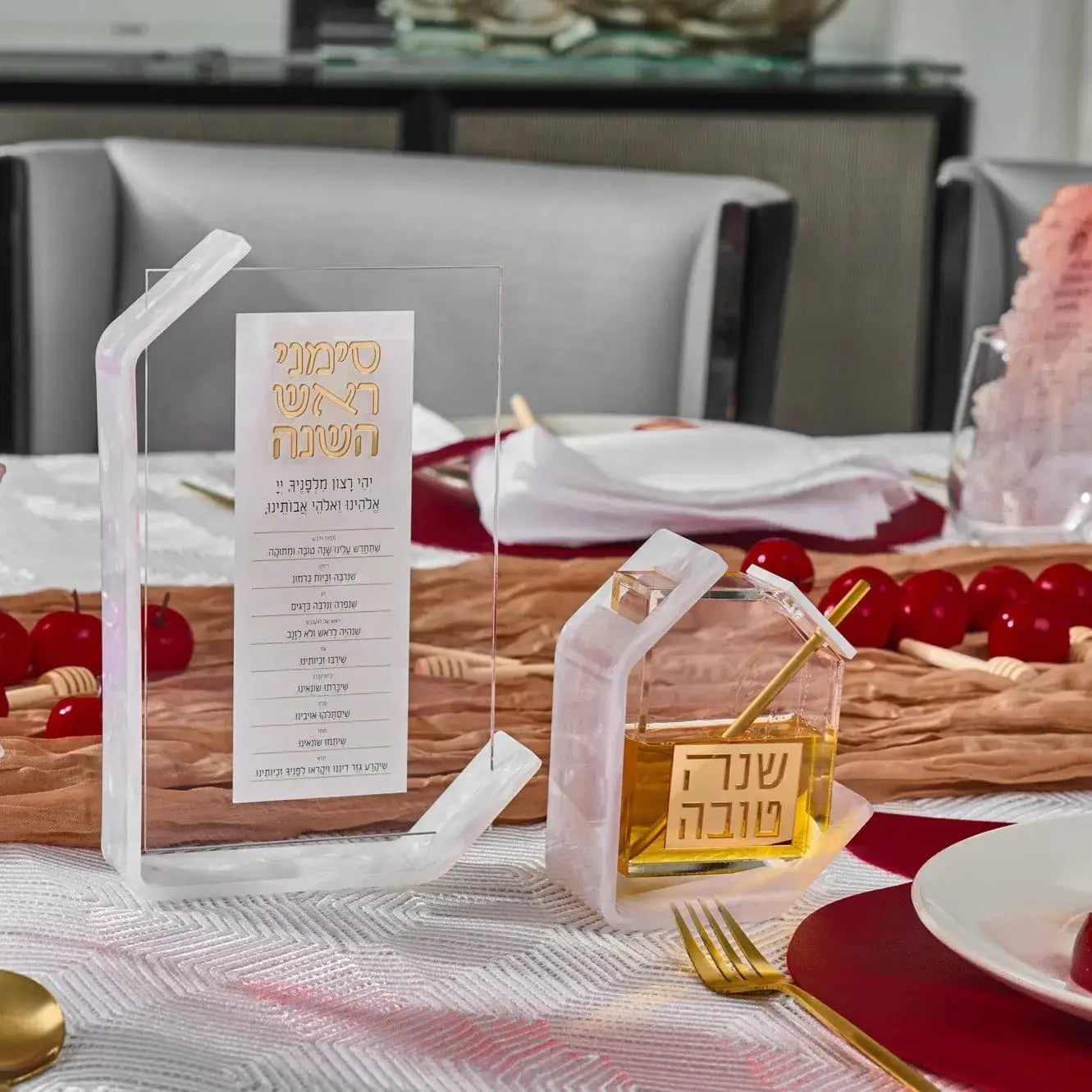
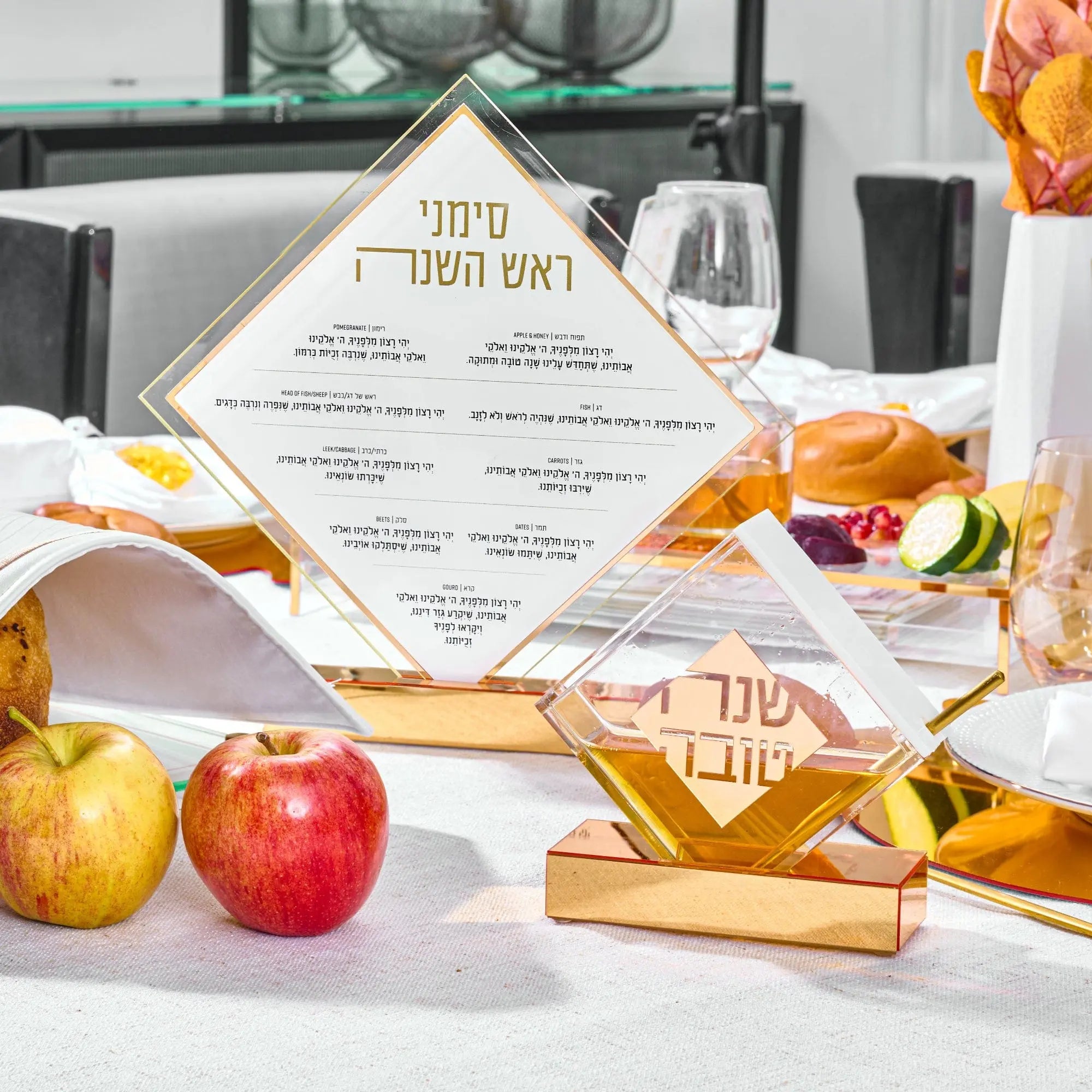
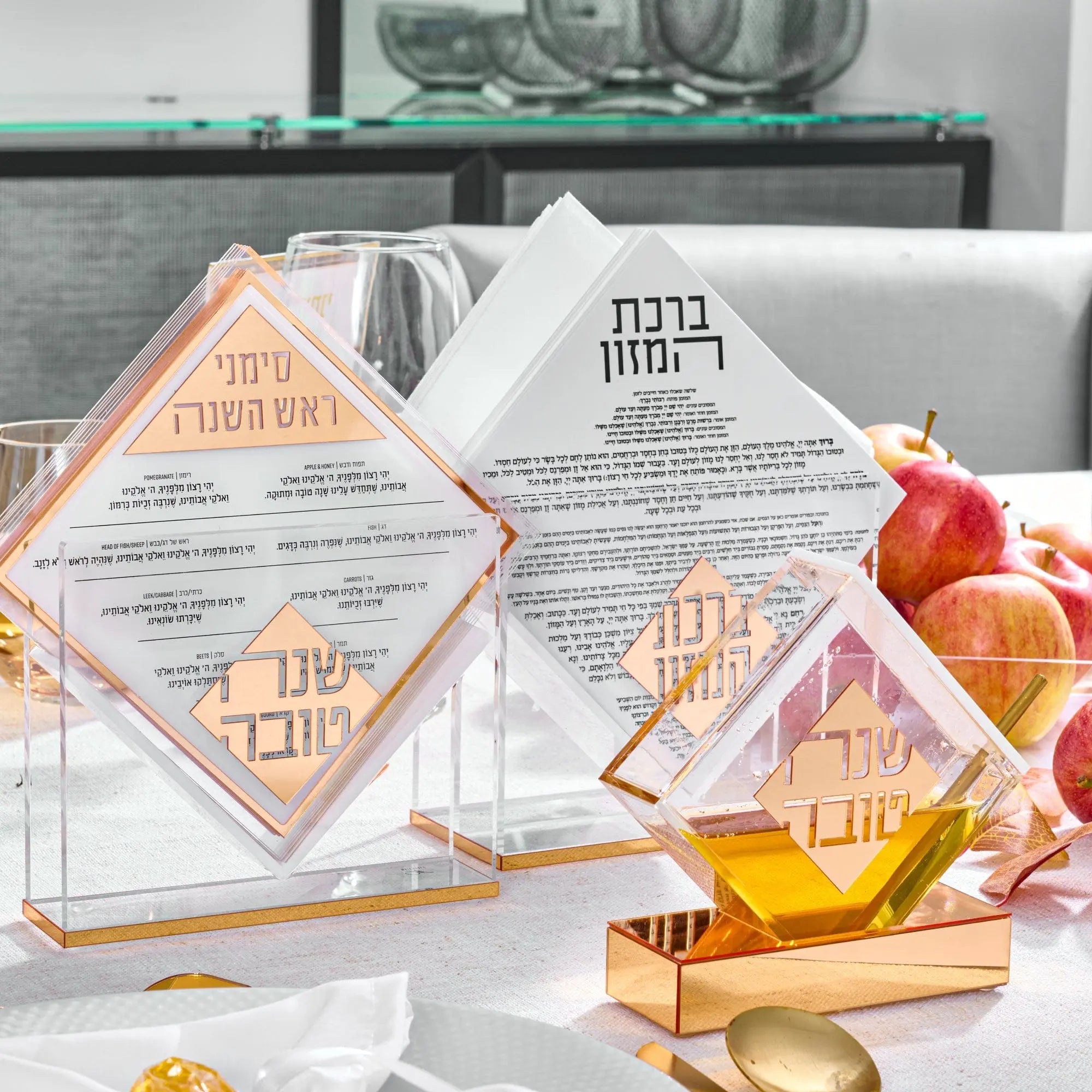
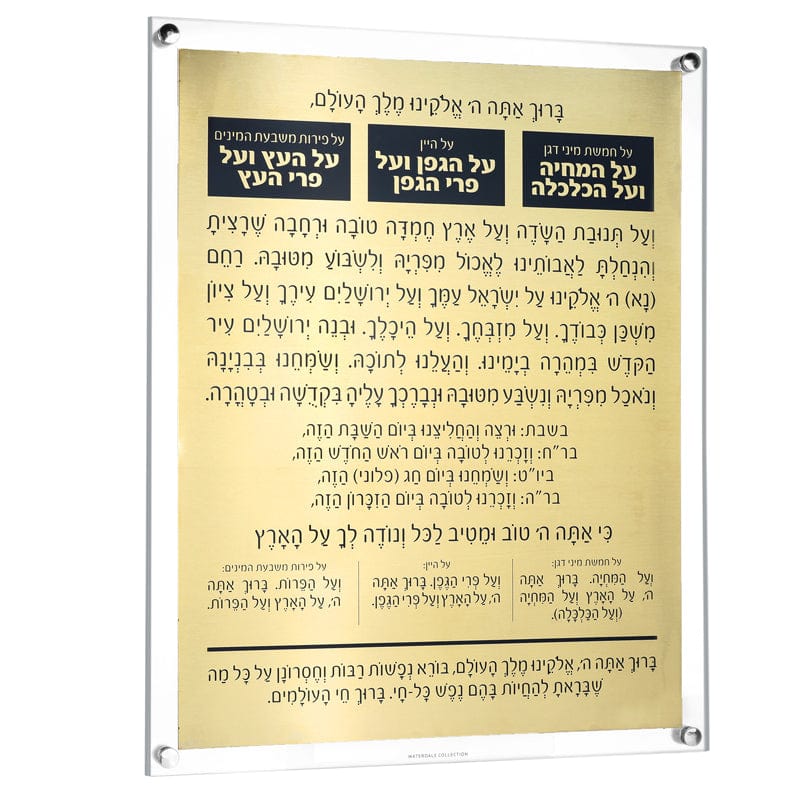
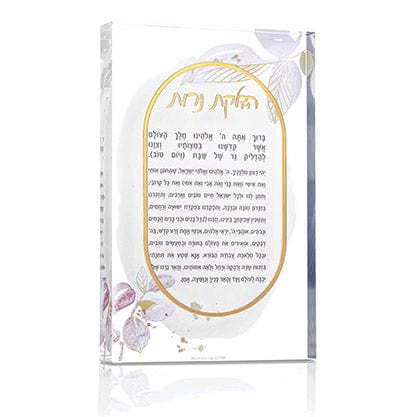
Before eating the apple we recite Borei Pri Ha'etz, the blessing on tree fruit. After taking a bite, we add the Yehi Ratzon prayer: May it be Your will that You renew for us a good and sweet year — shetechadesh aleinu shanah tovah u'metukah. The honey does not get its own blessing, since it is secondary to the apple. Many families keep the text printed on a simanim card or next to the honey dish so everyone at the table can say it together.
What is a honey dish and why is it the centerpiece of the Rosh Hashanah table?
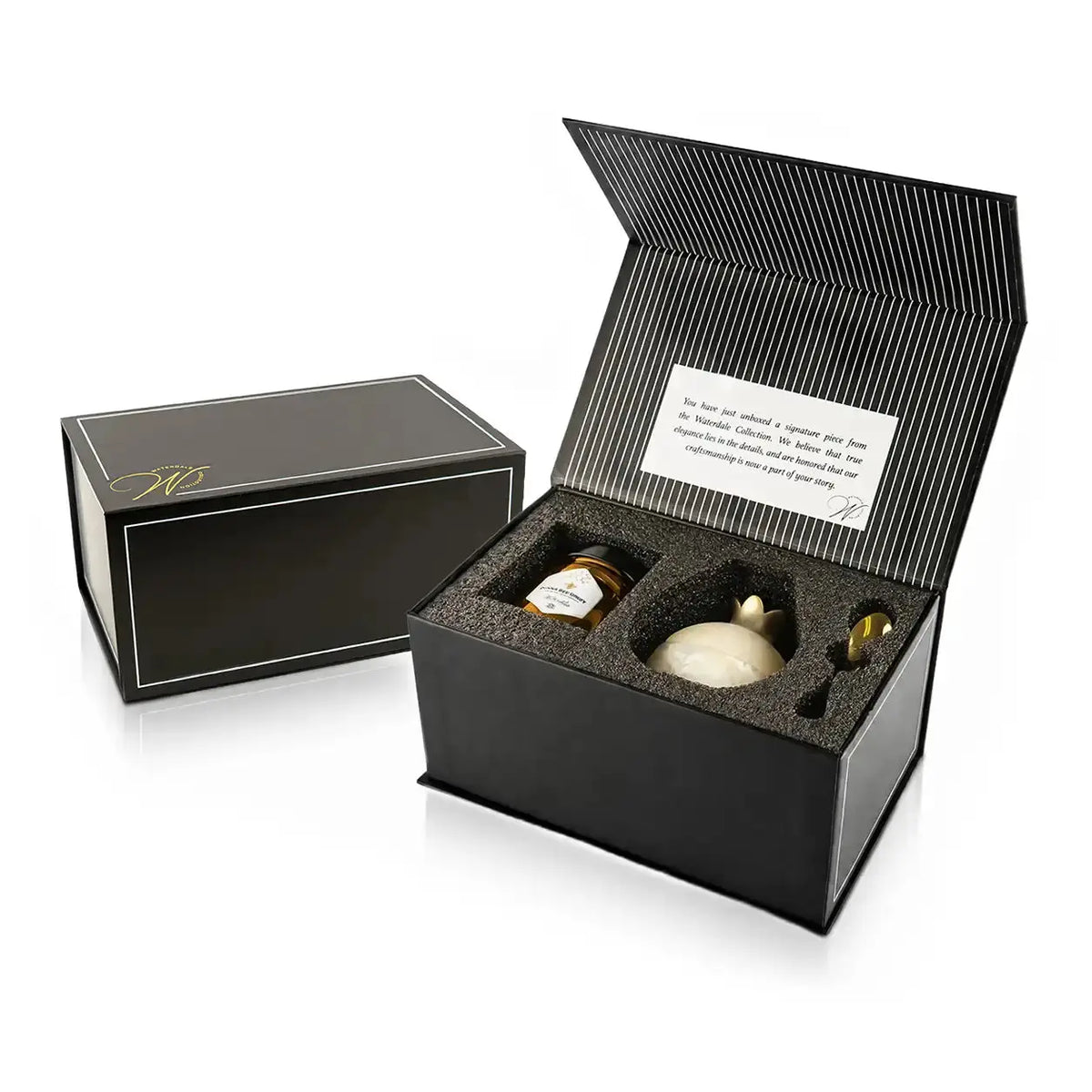
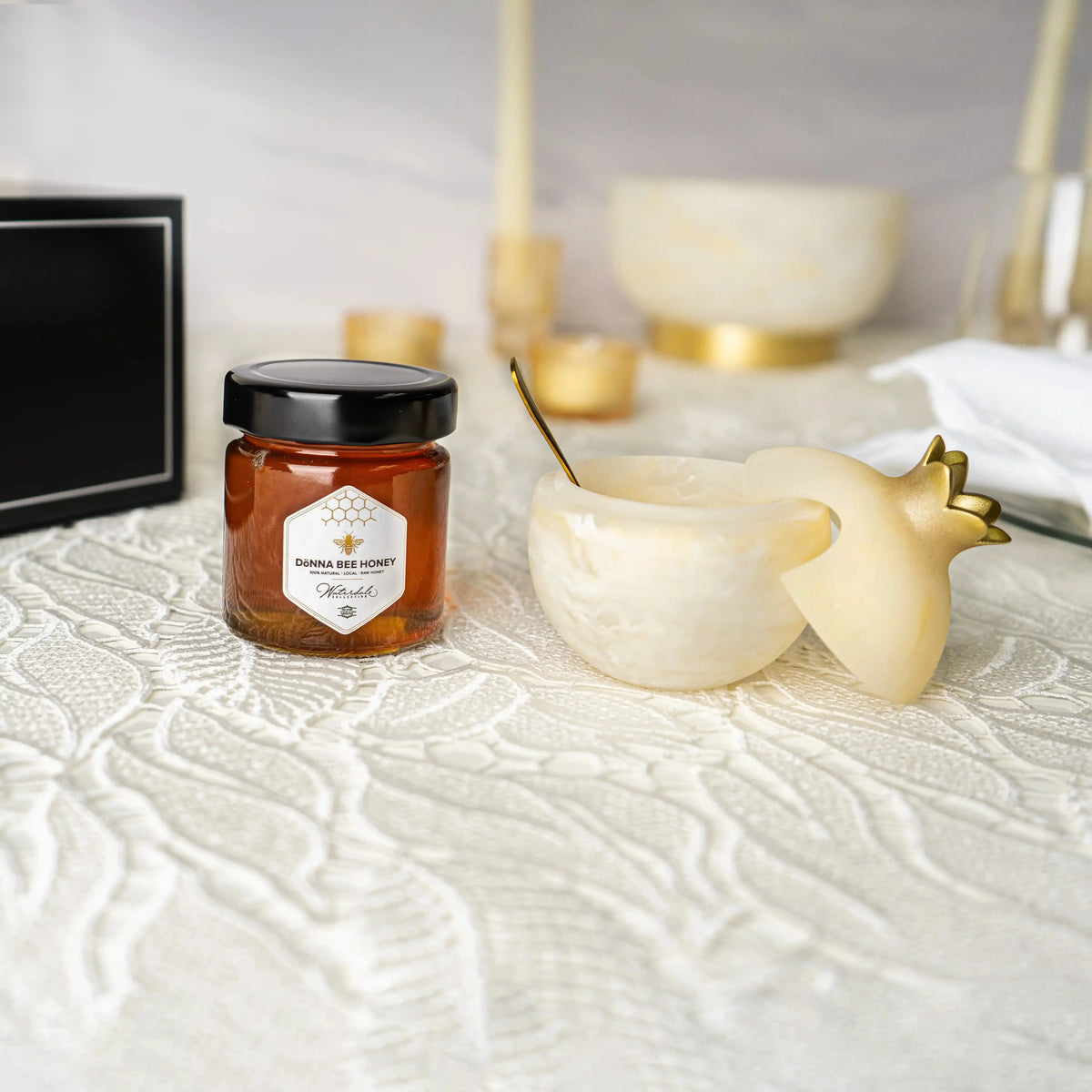
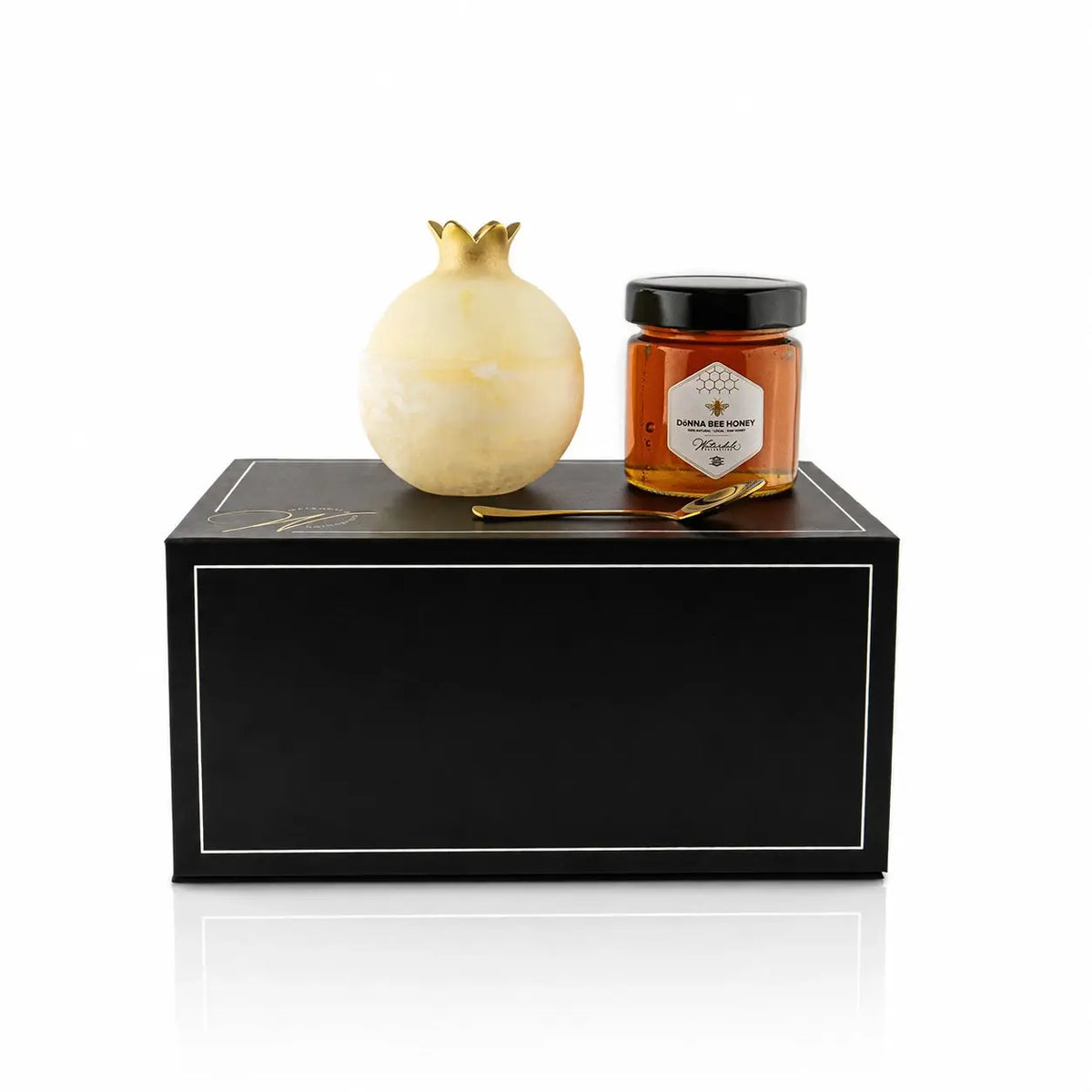
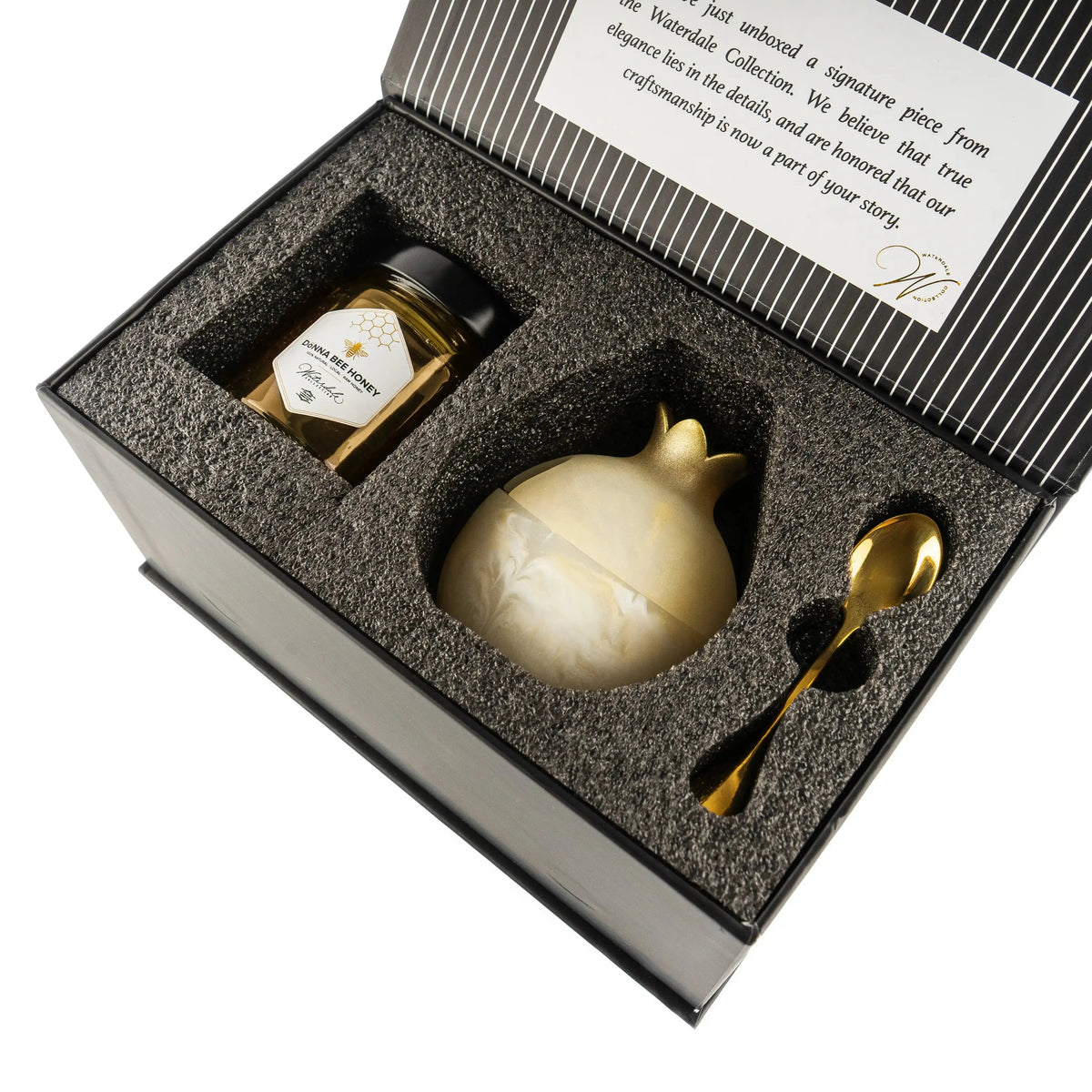
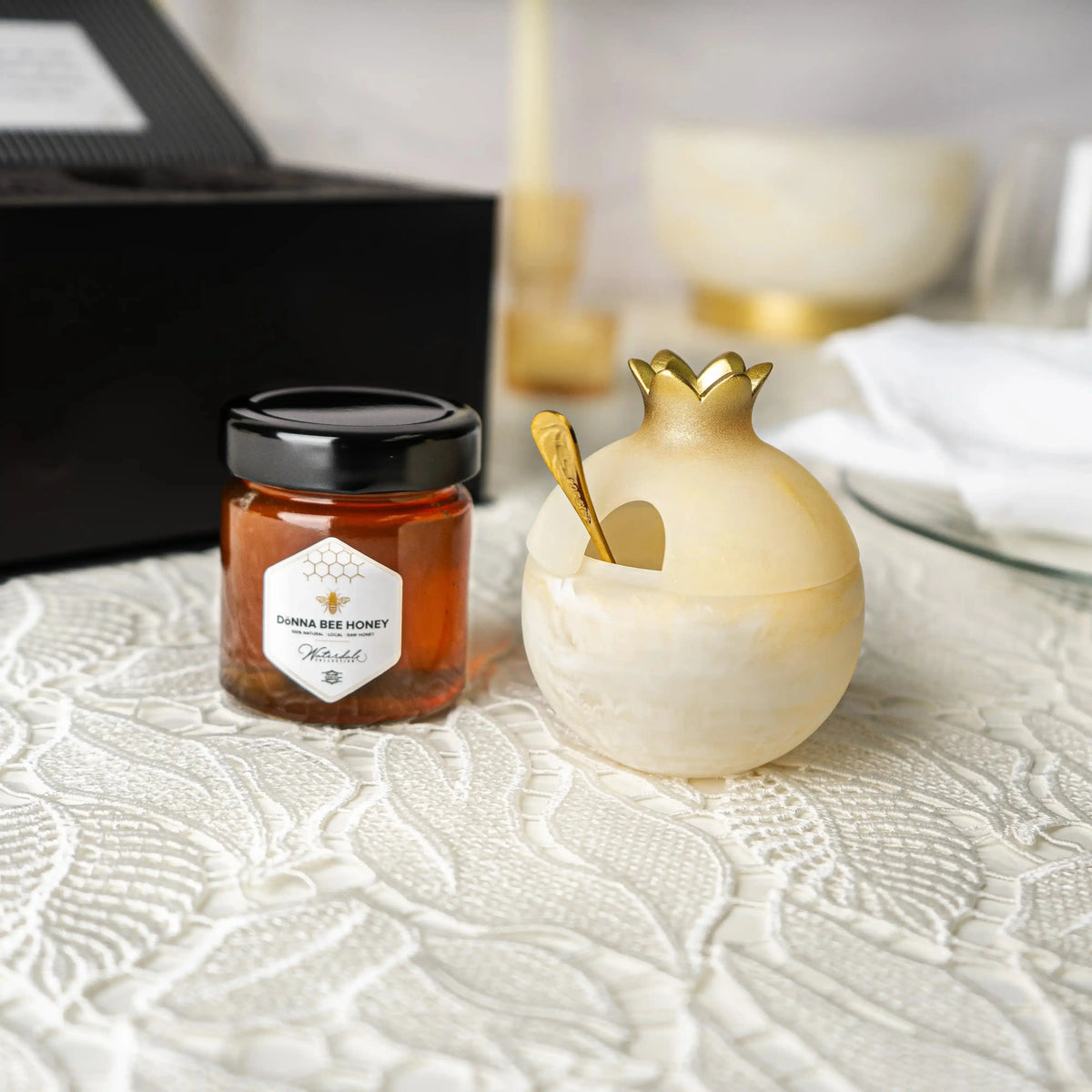
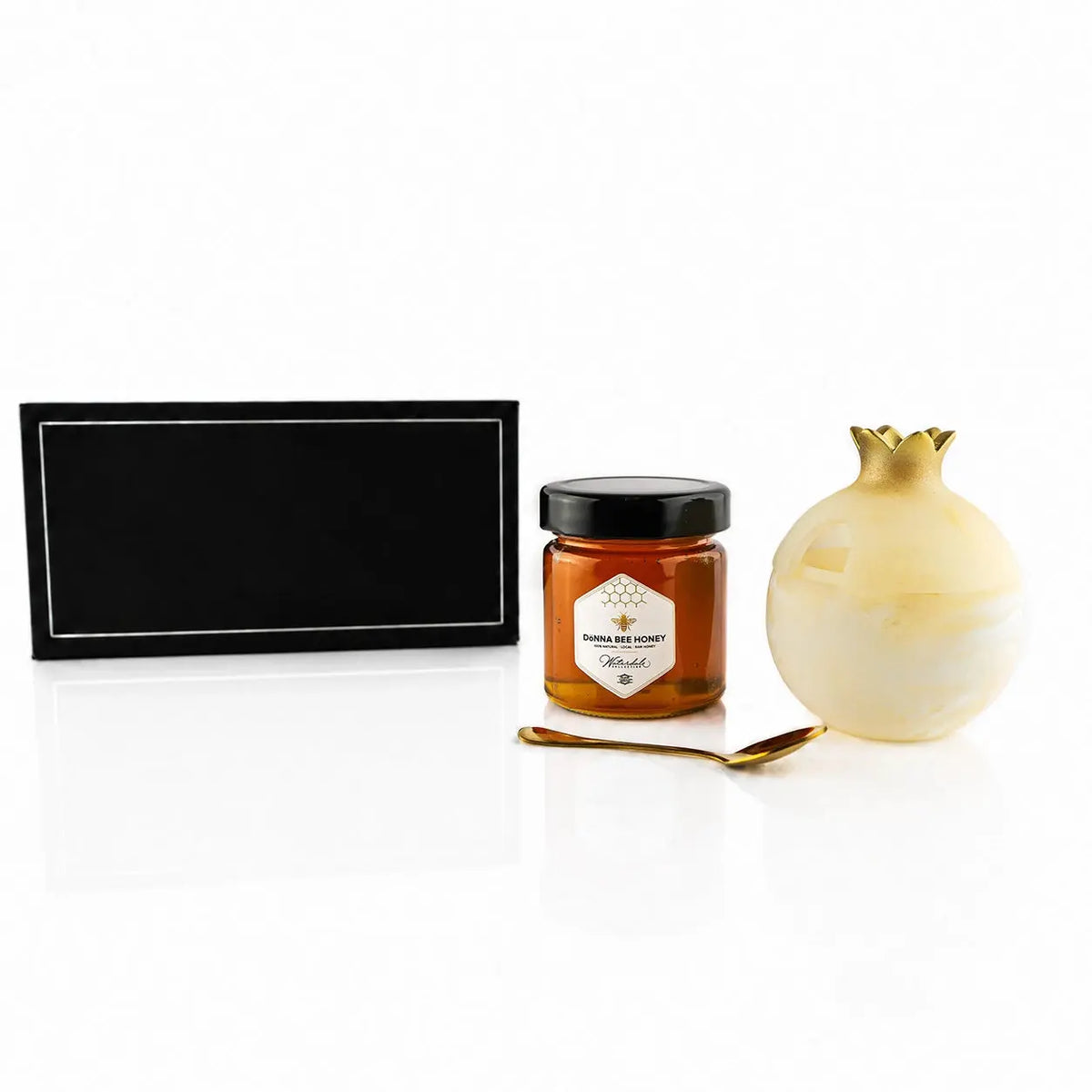
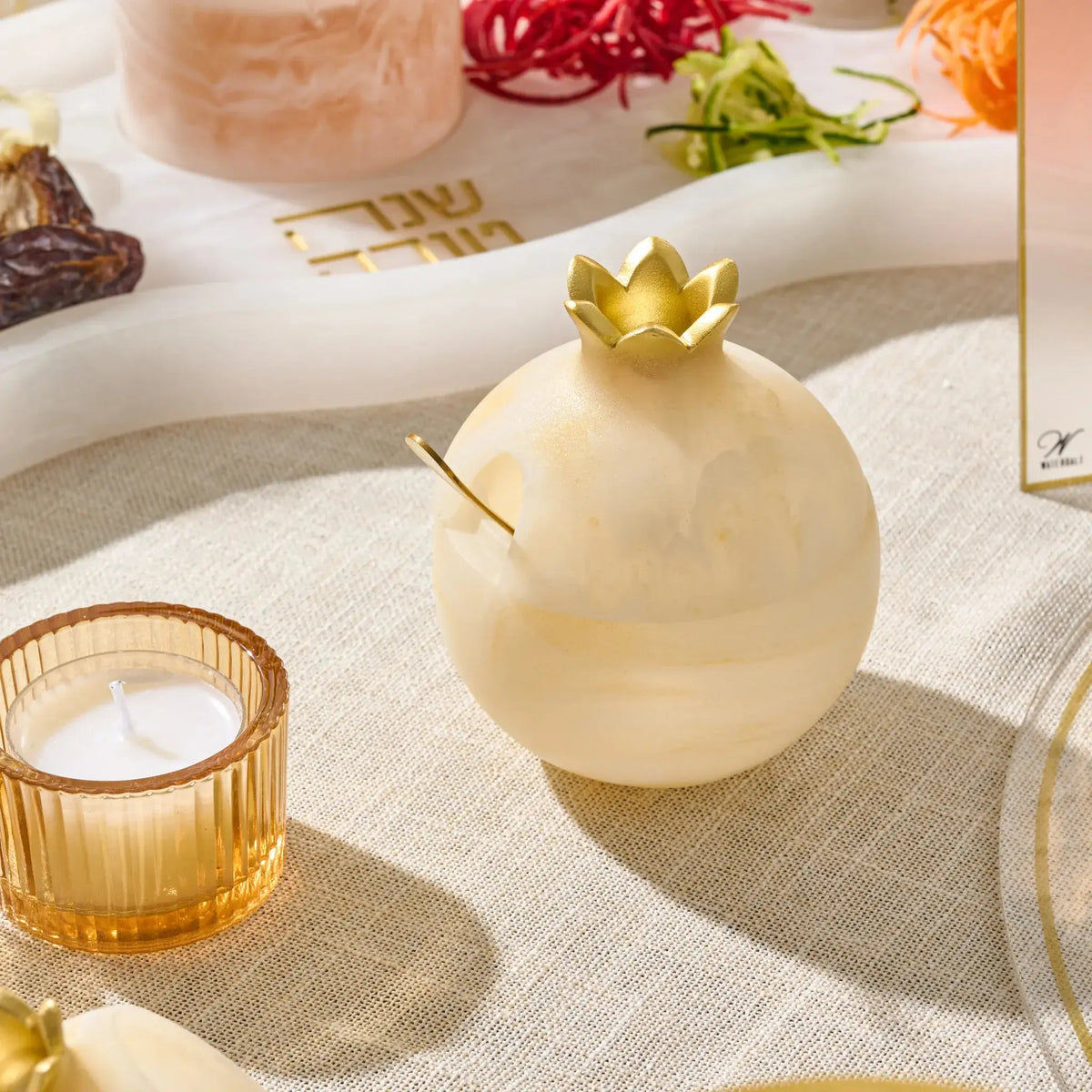
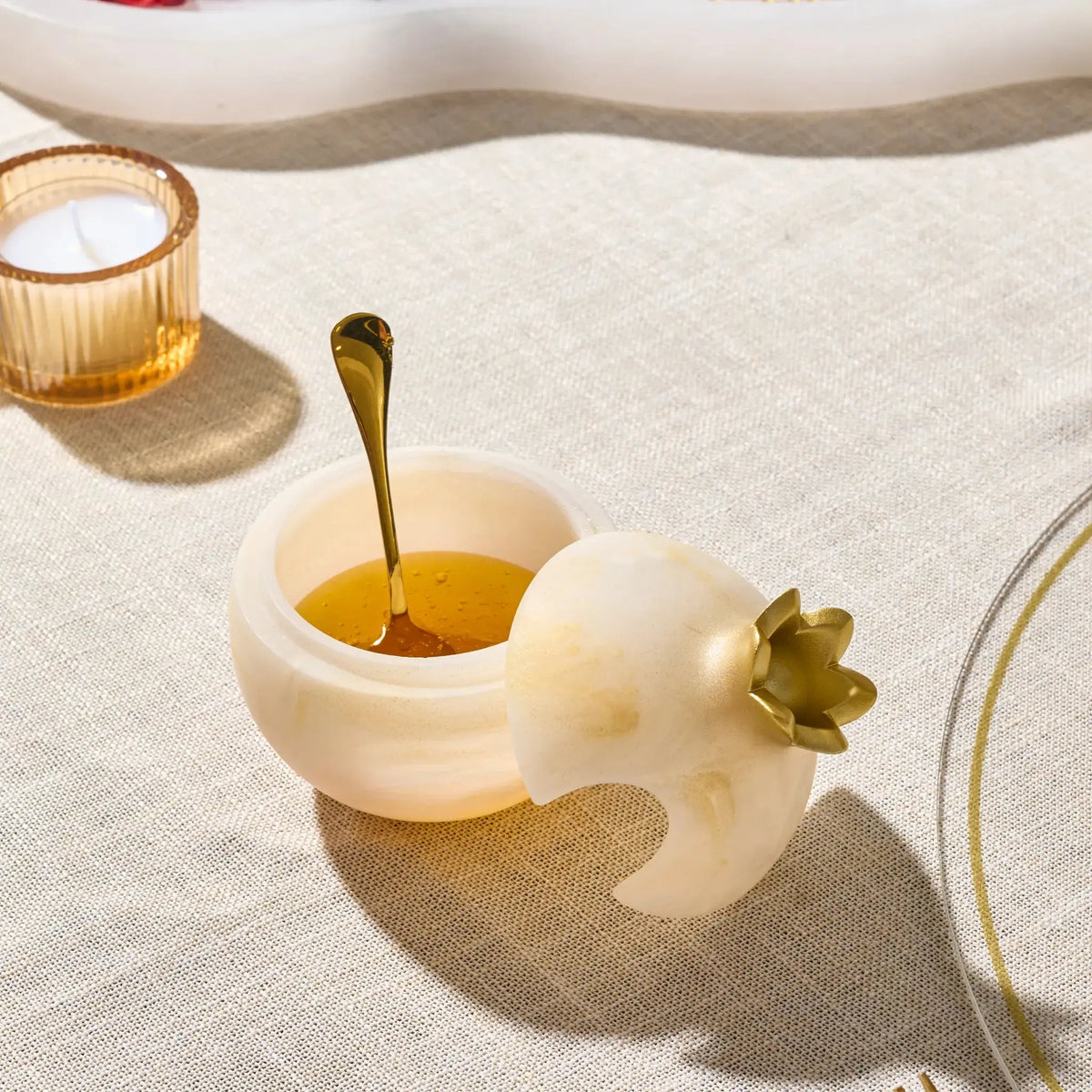
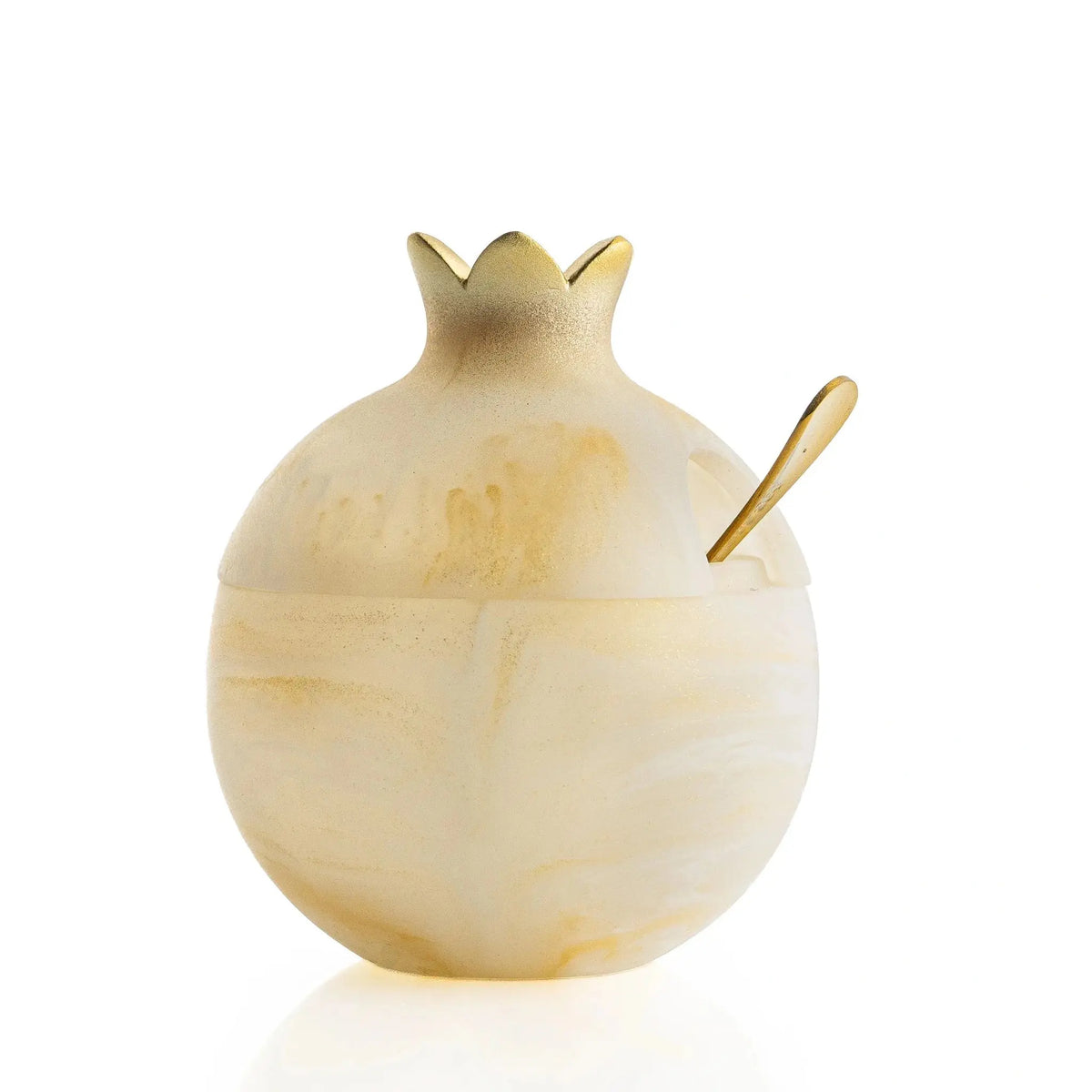
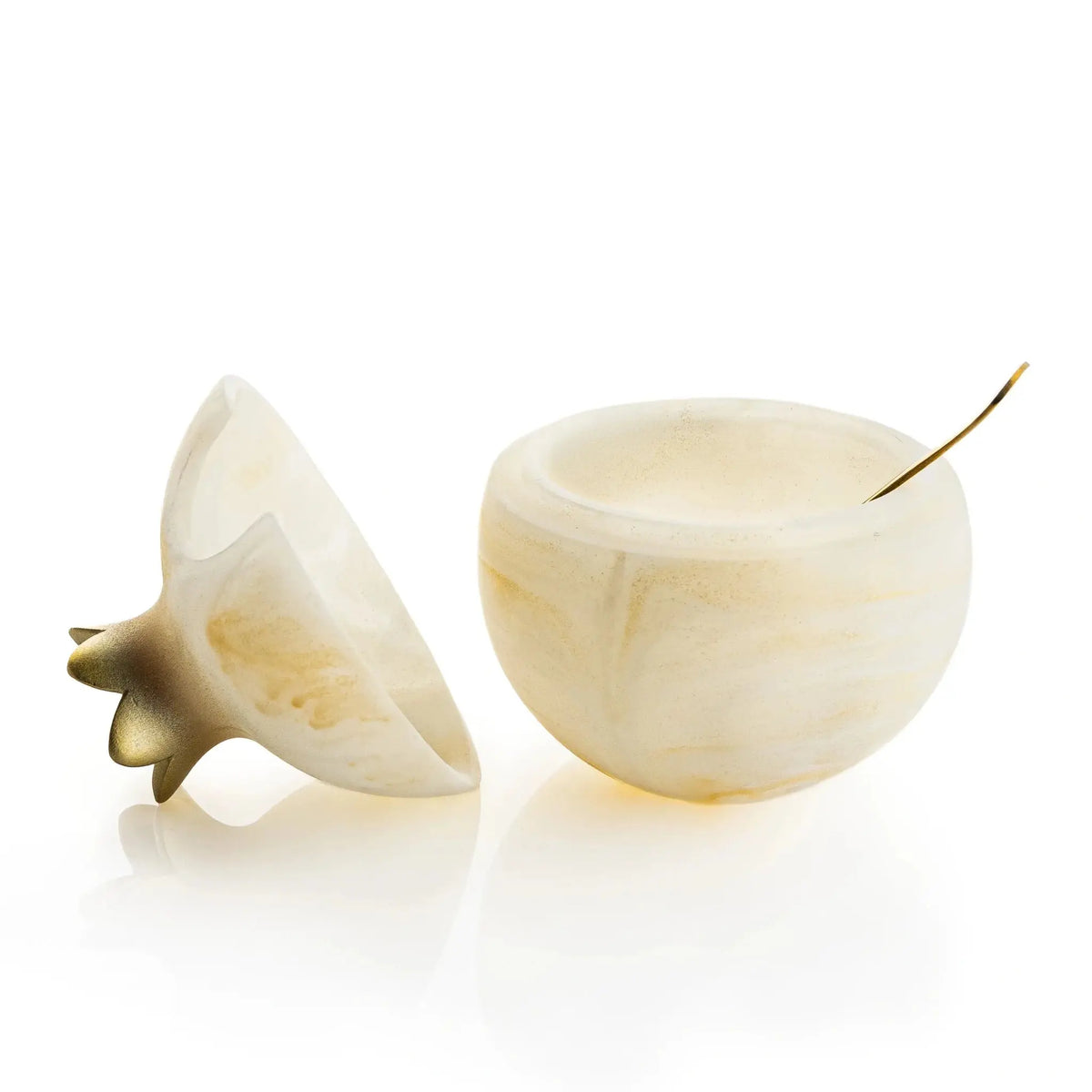
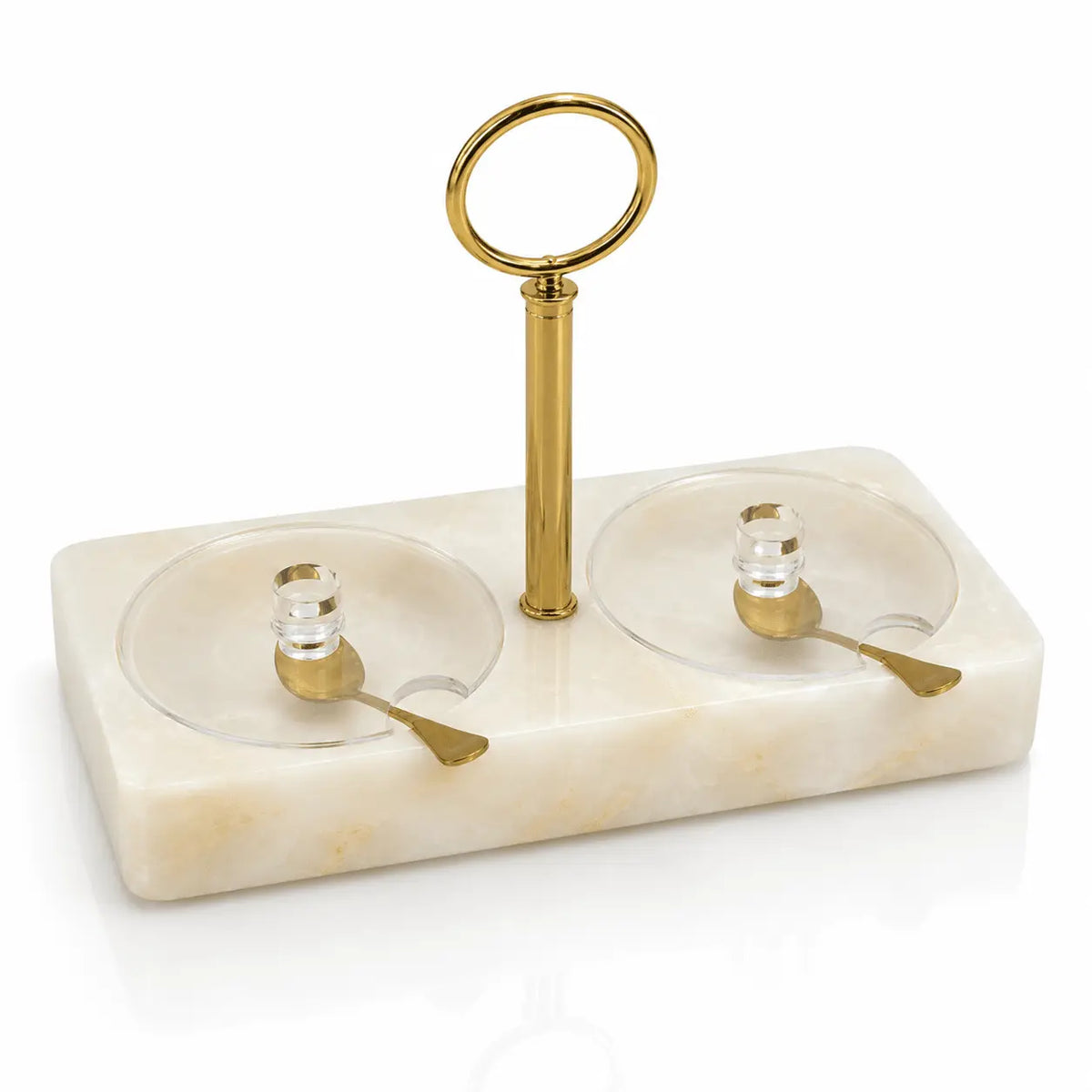
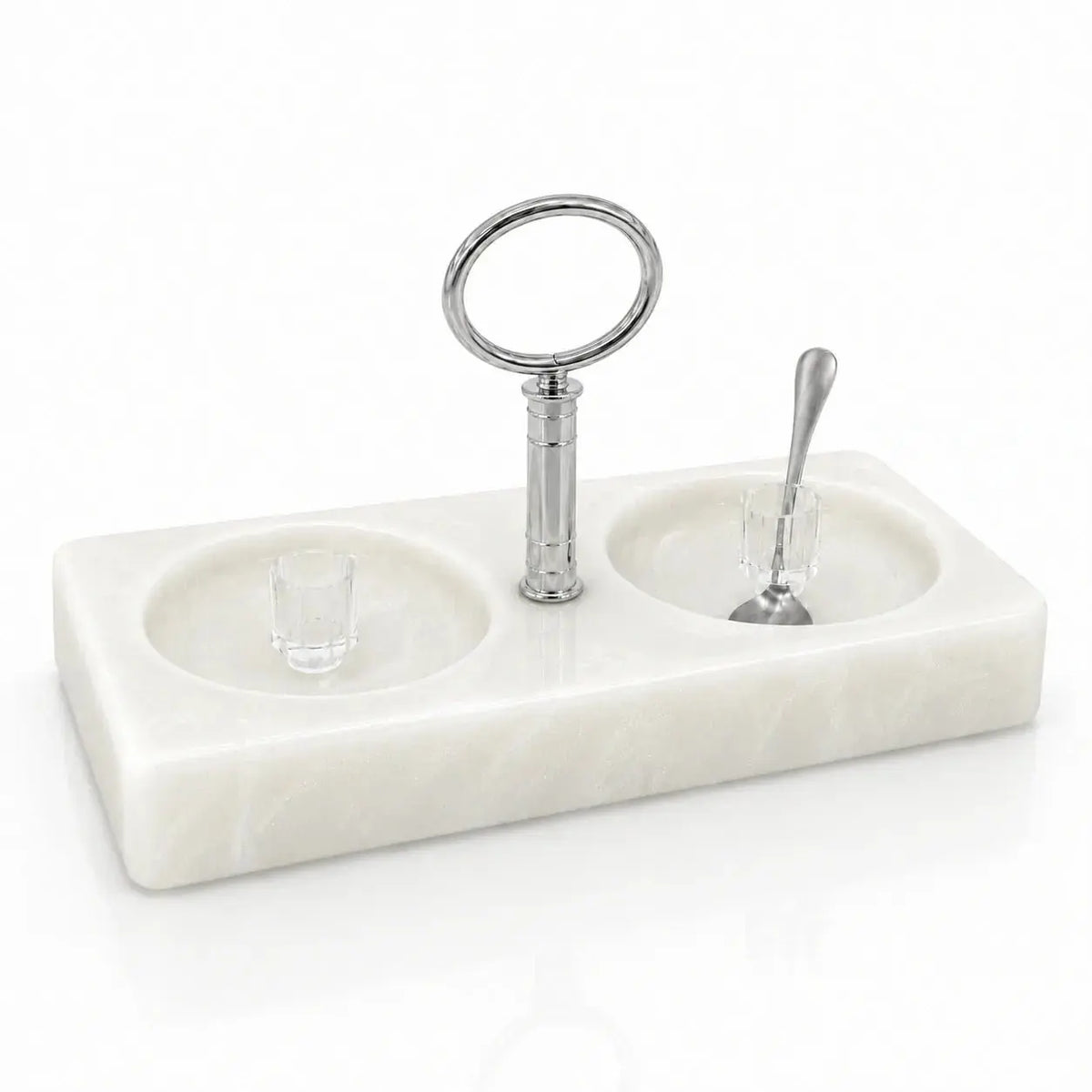
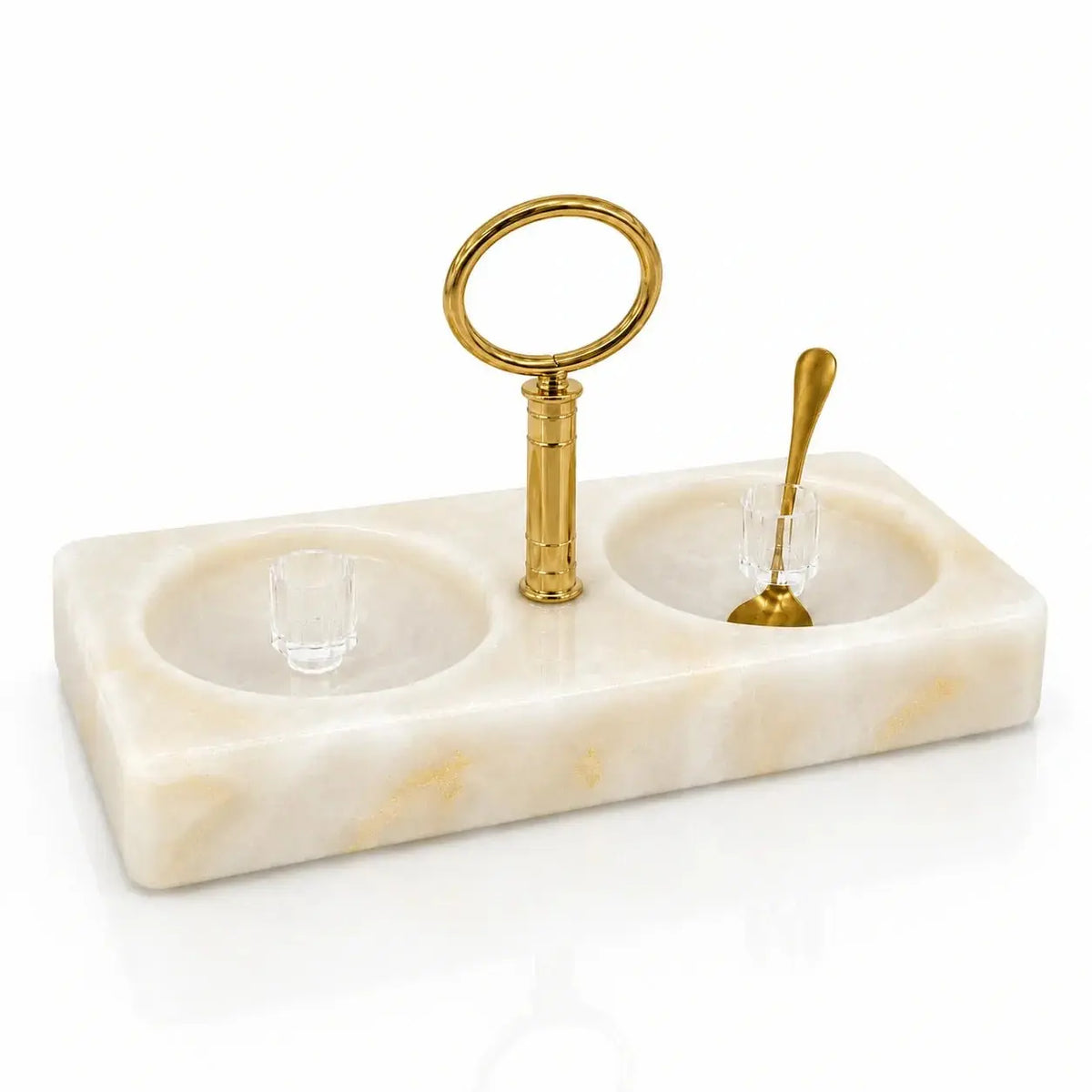
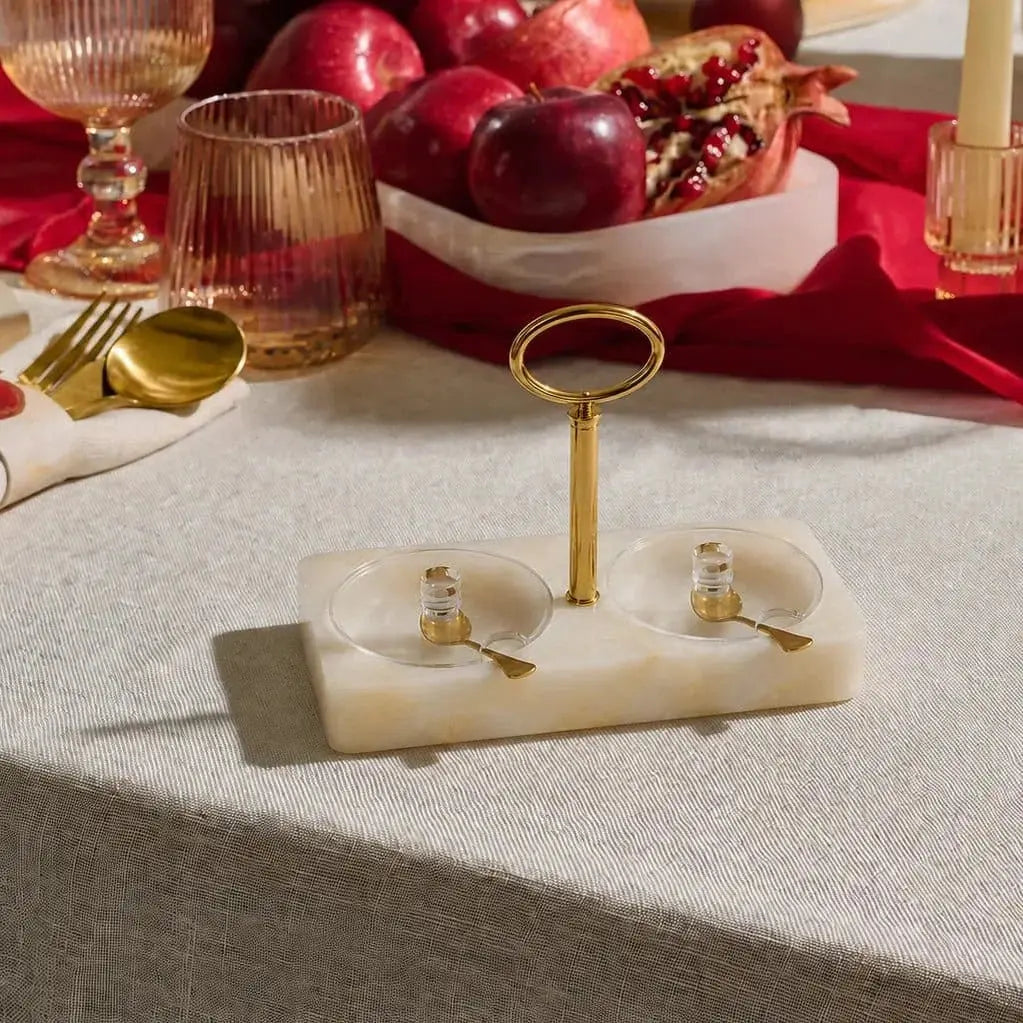
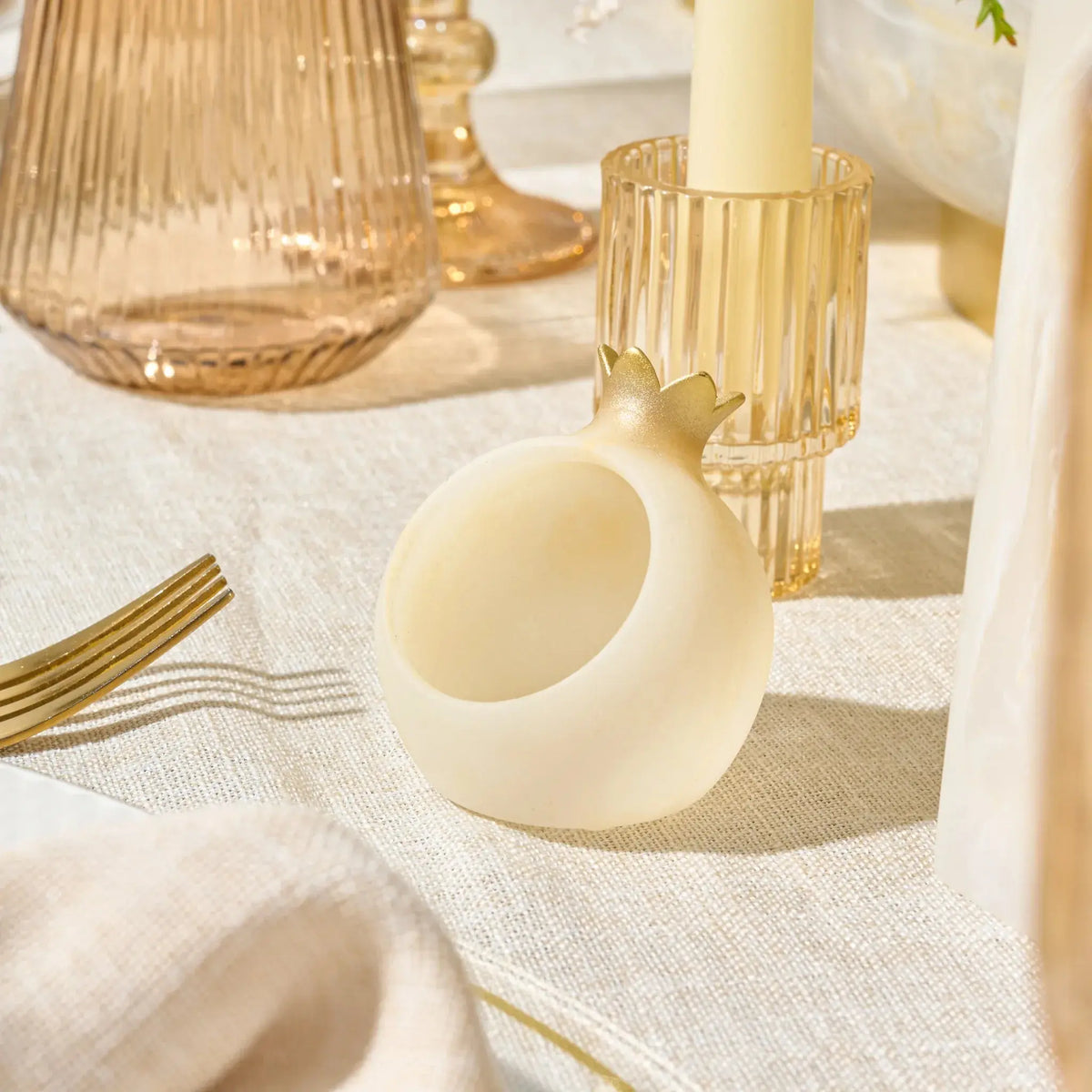
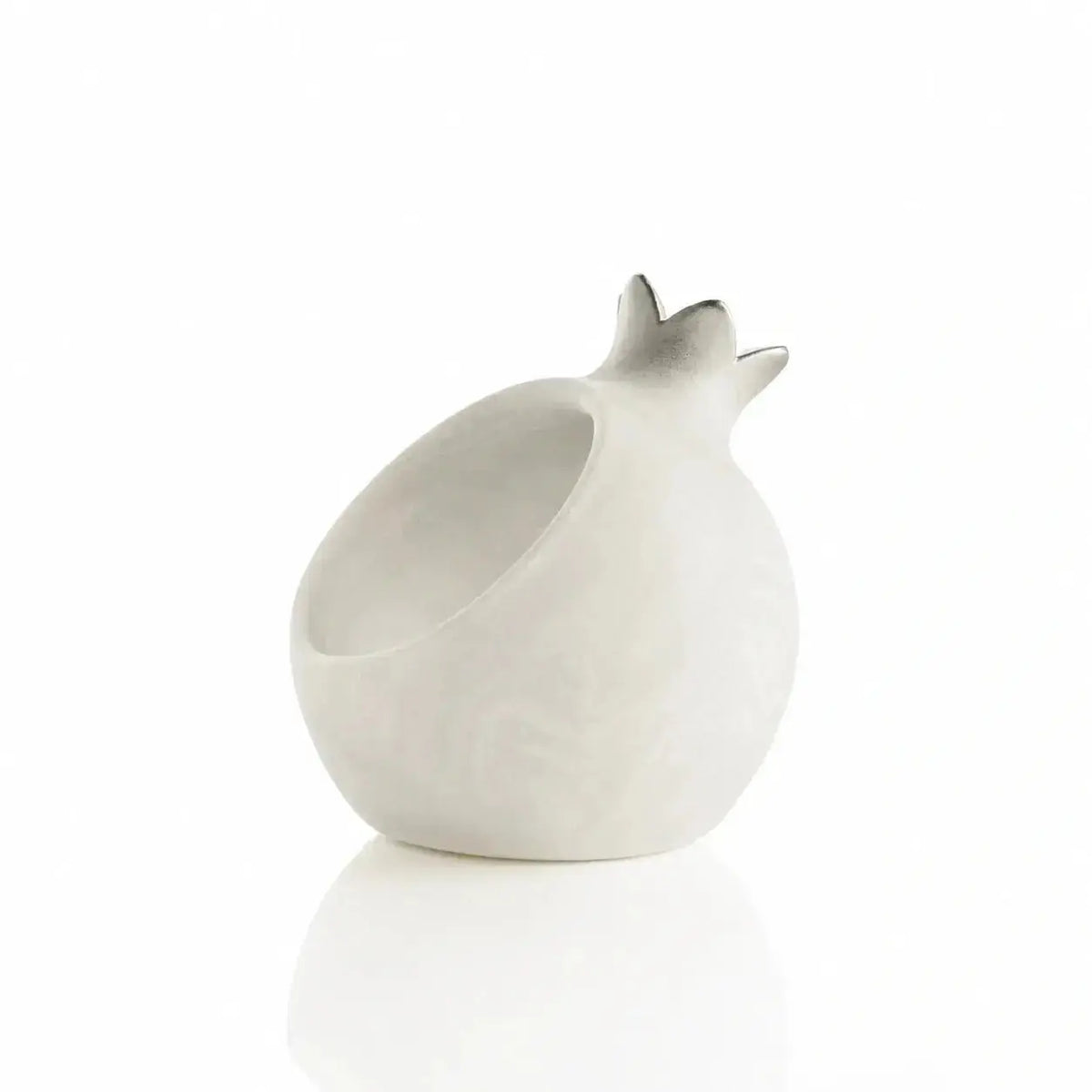
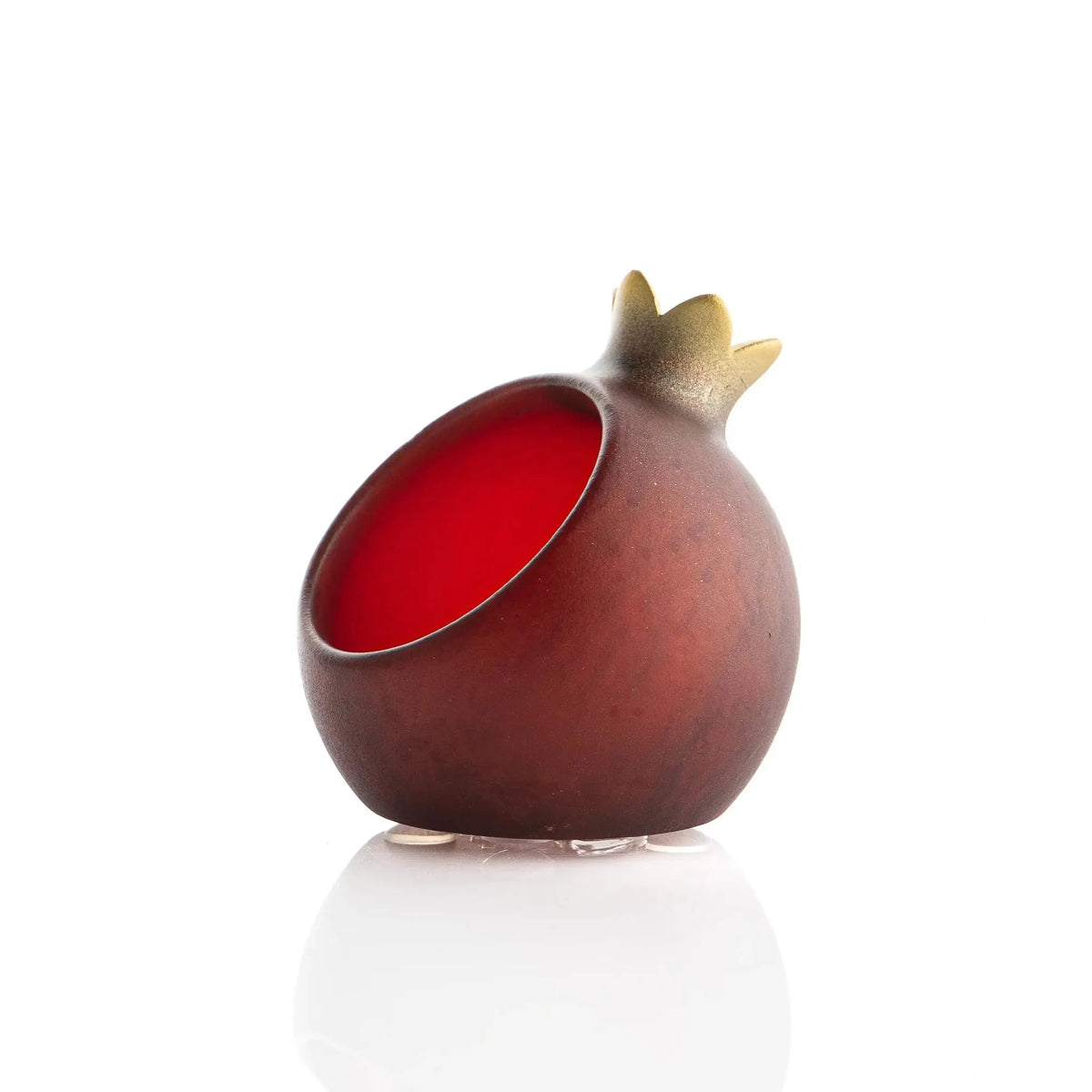
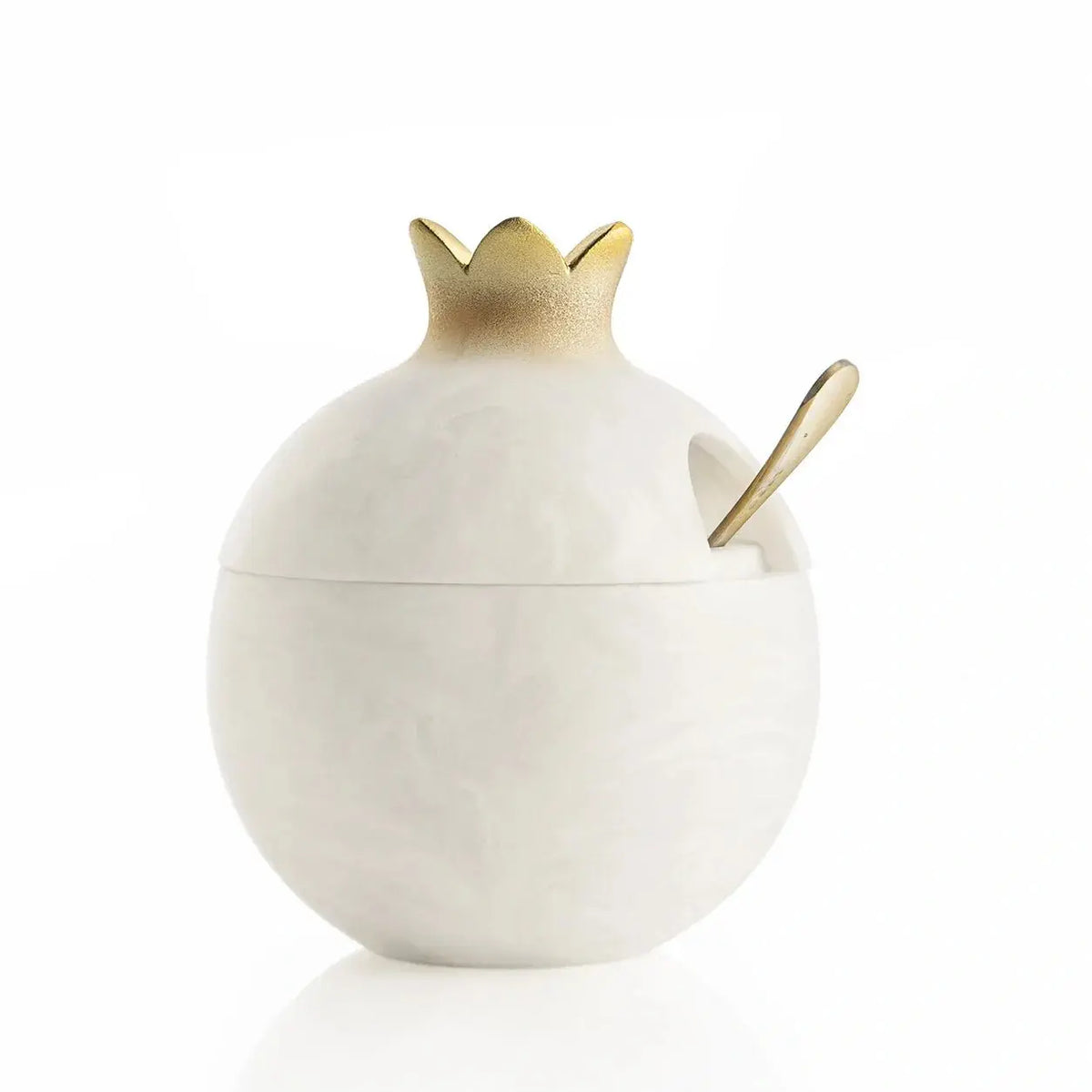
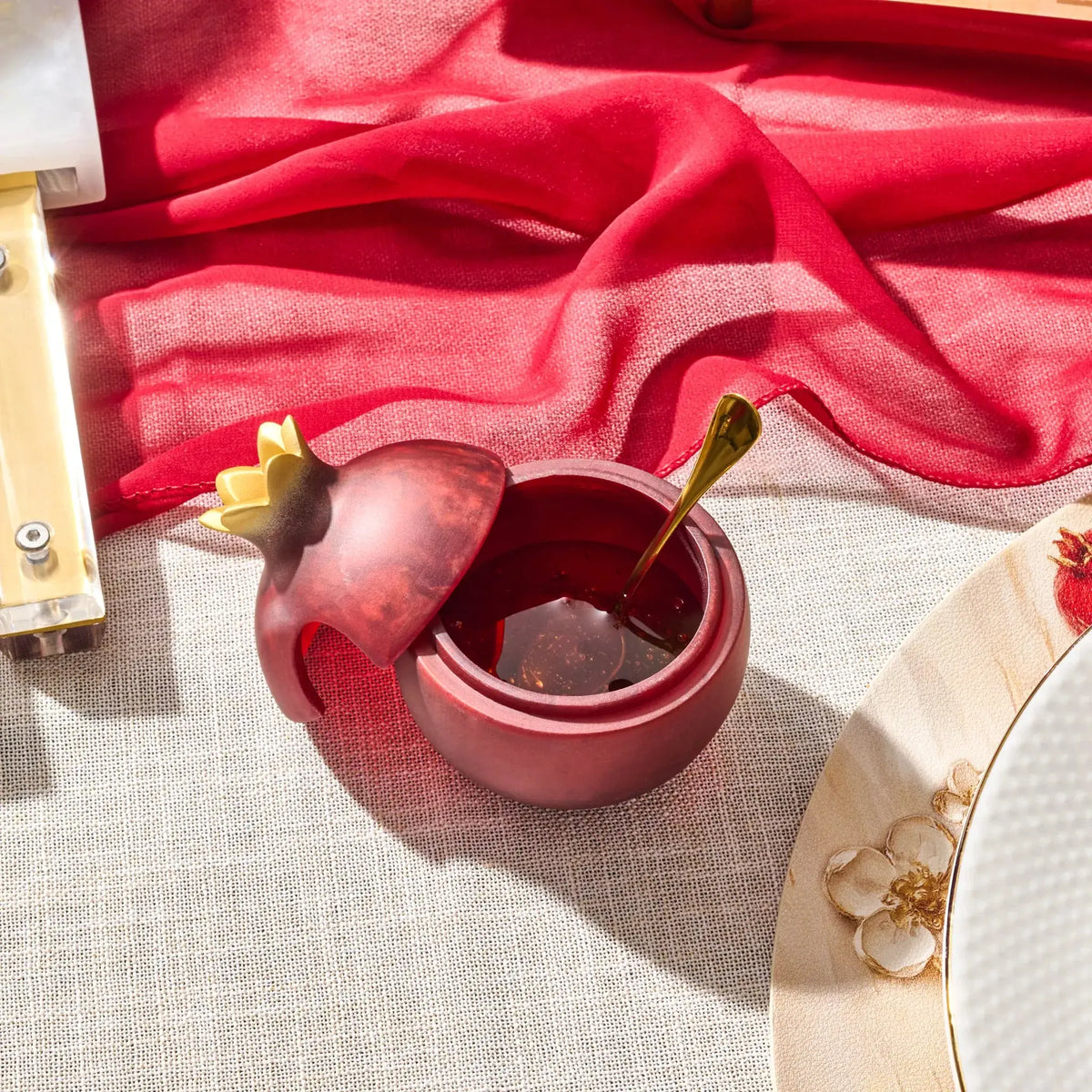
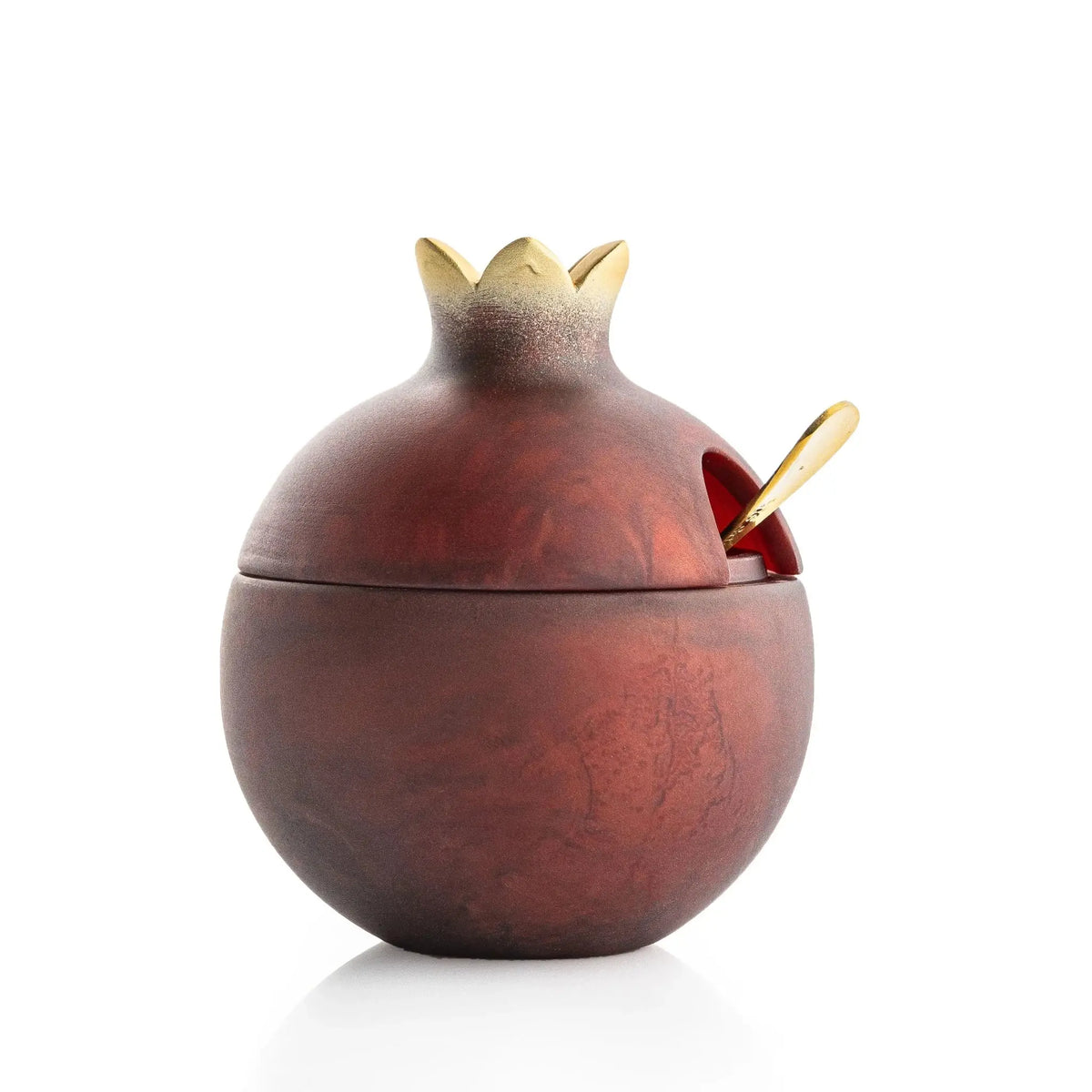
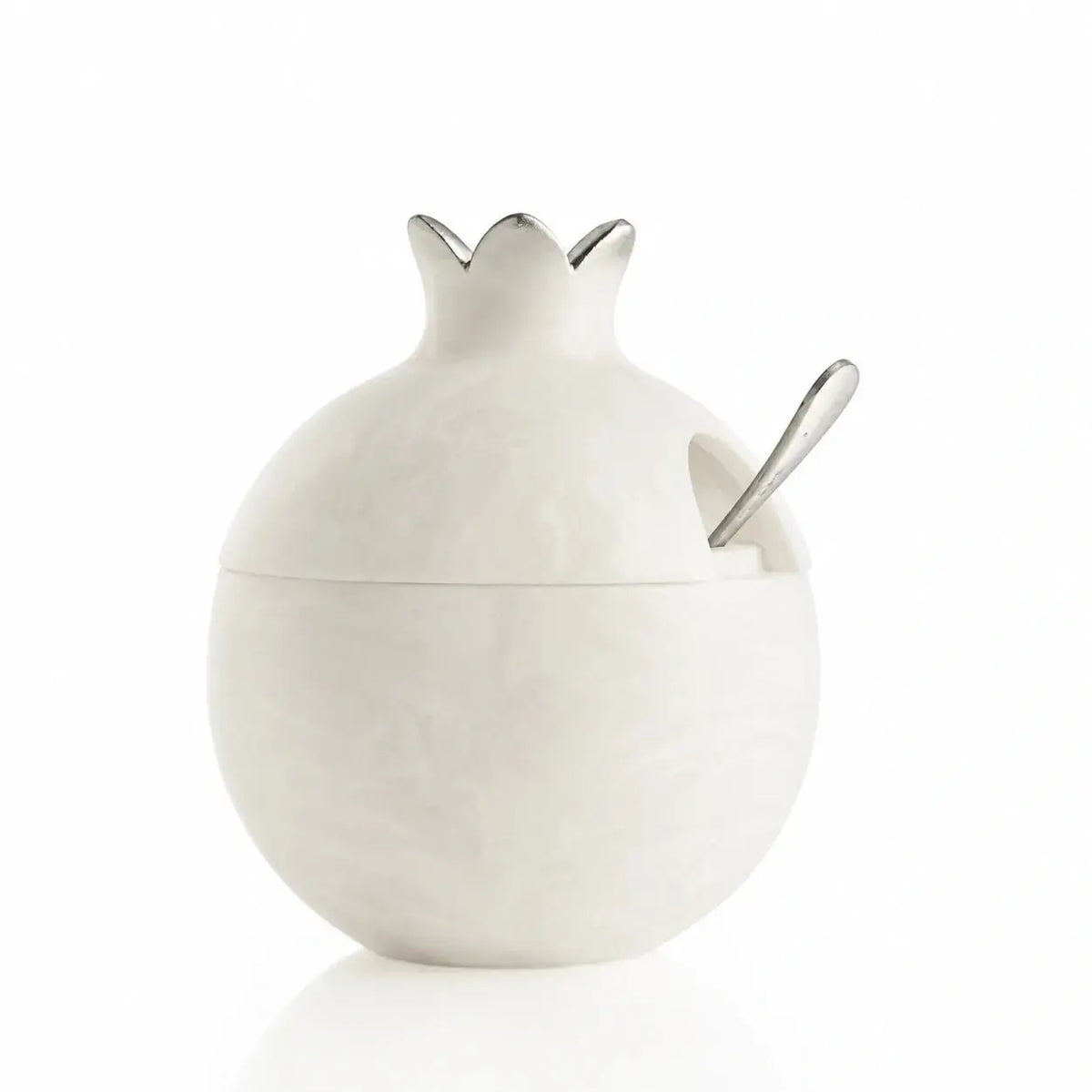
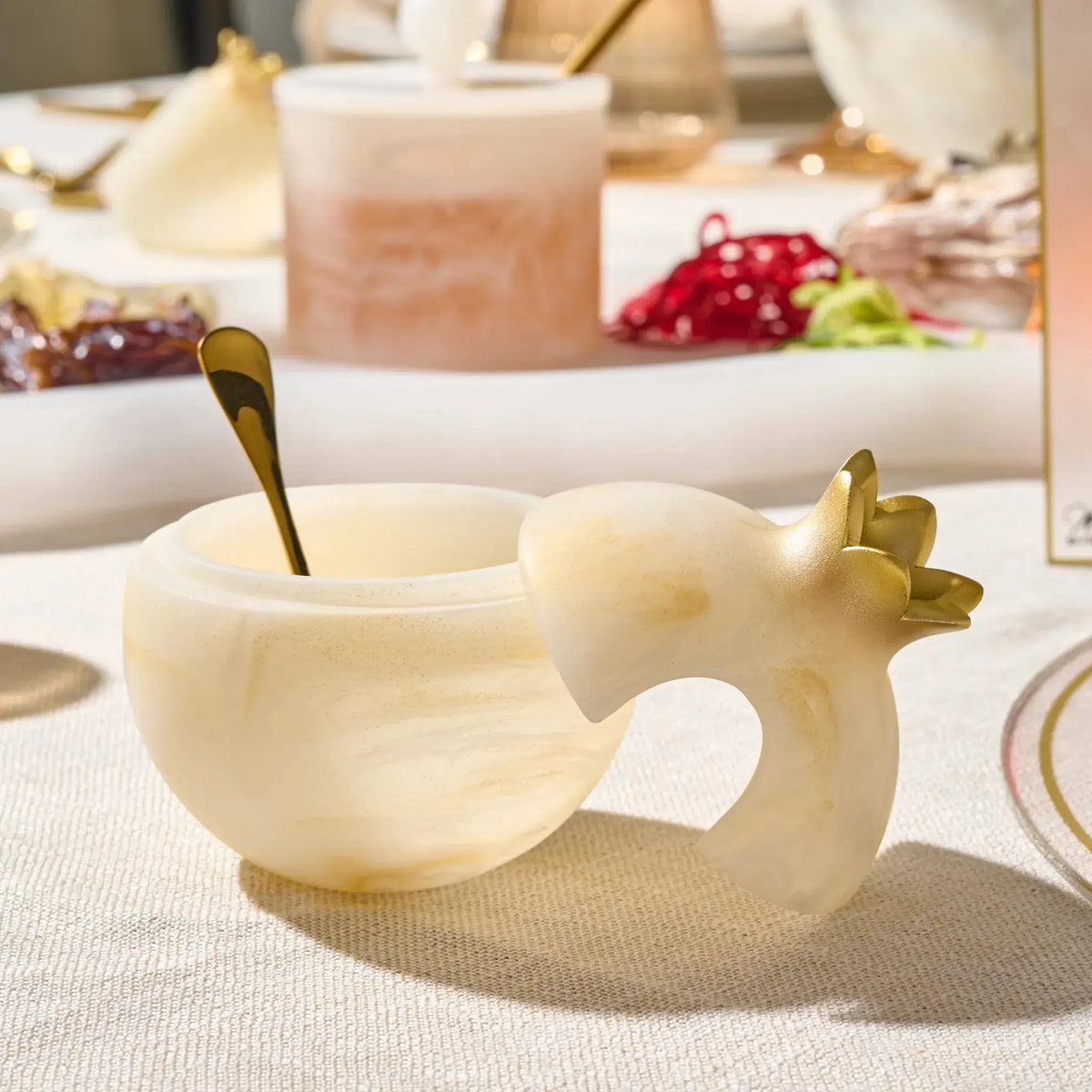
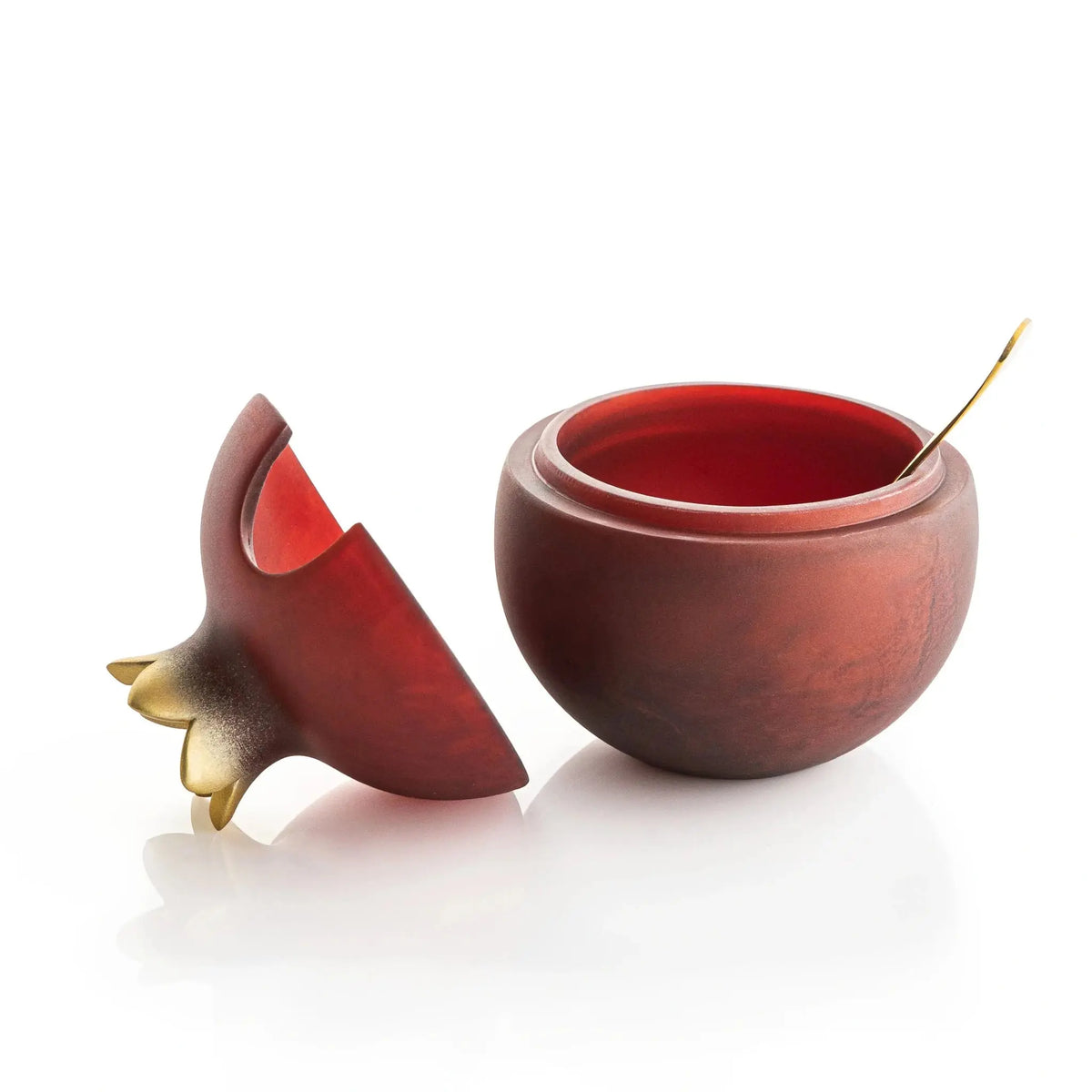
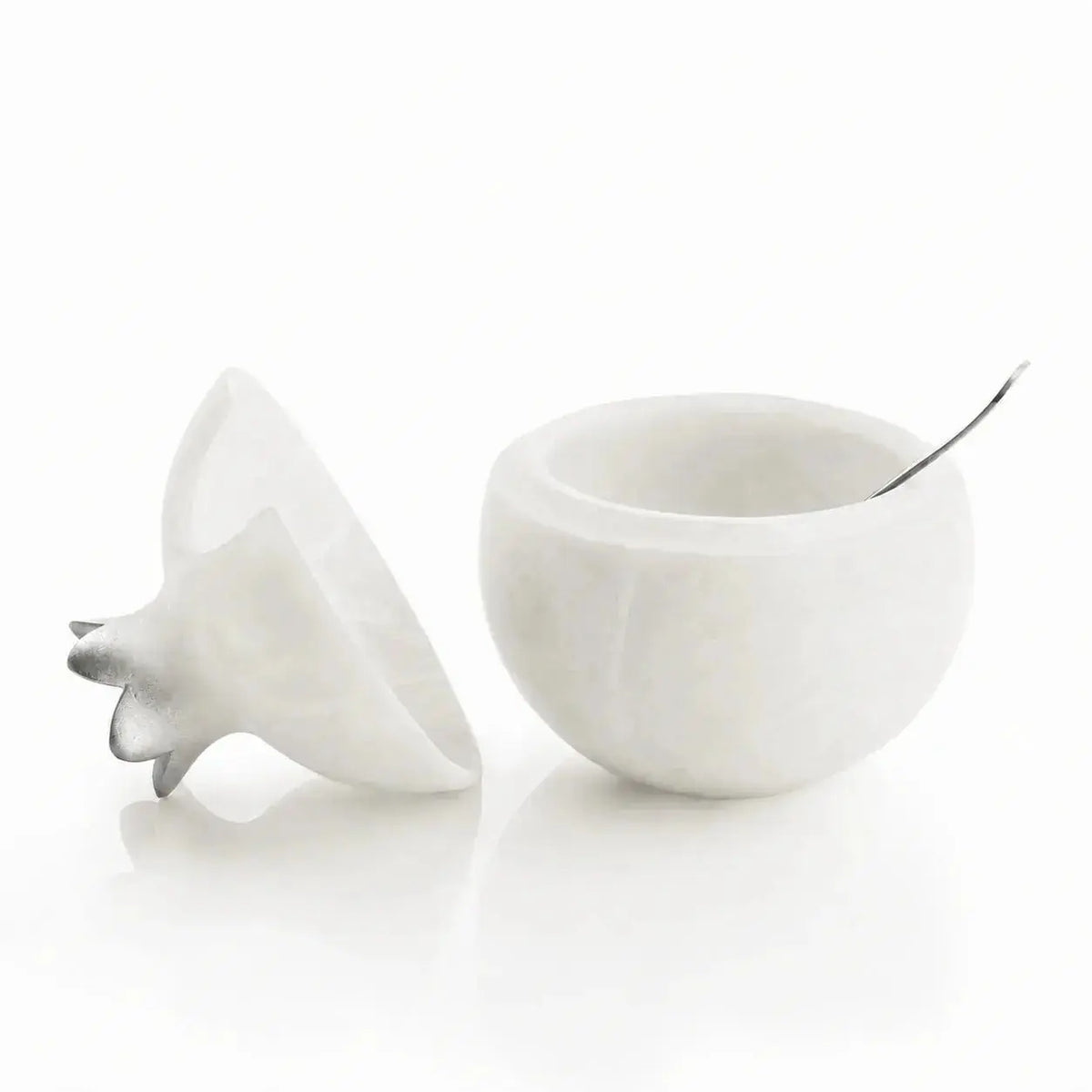
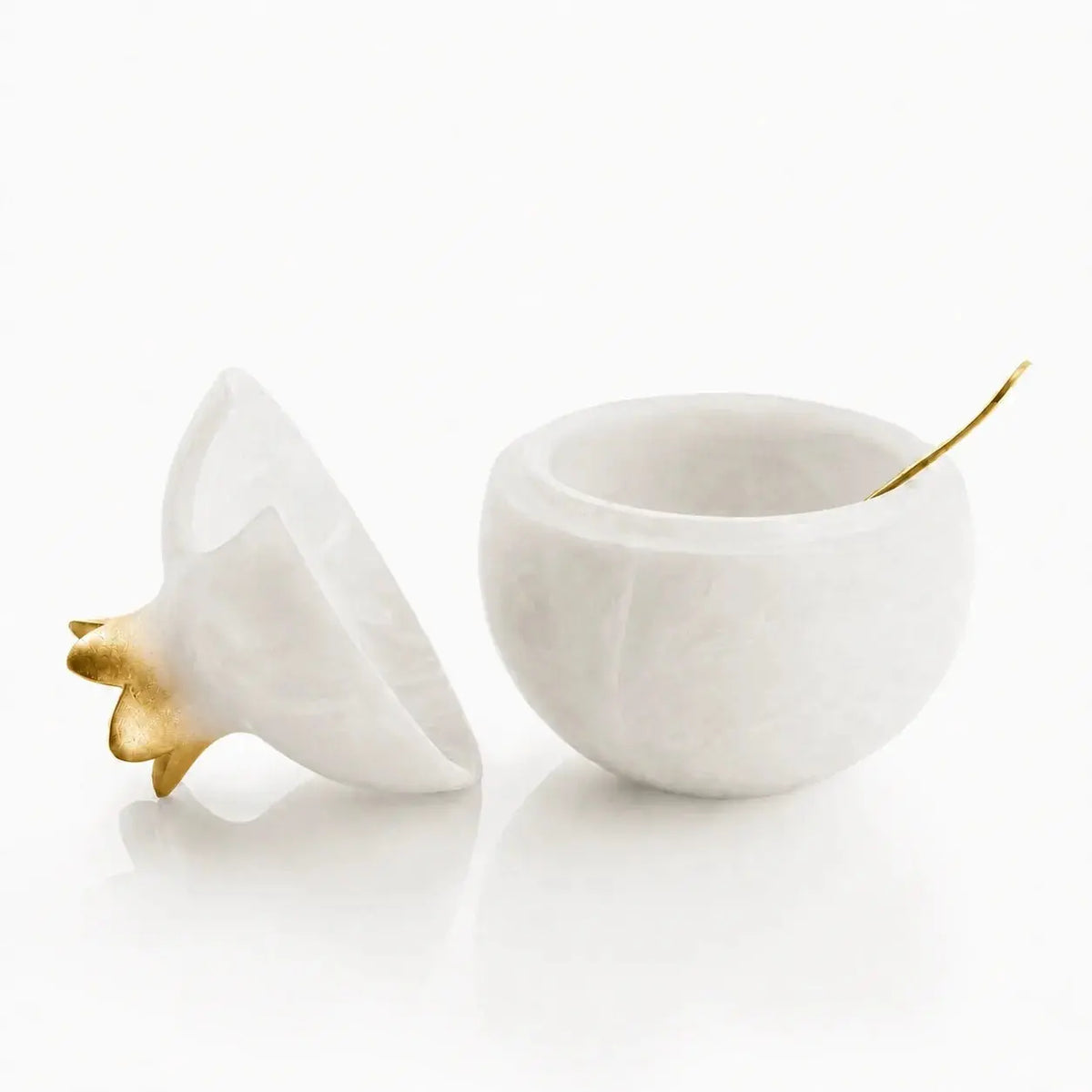
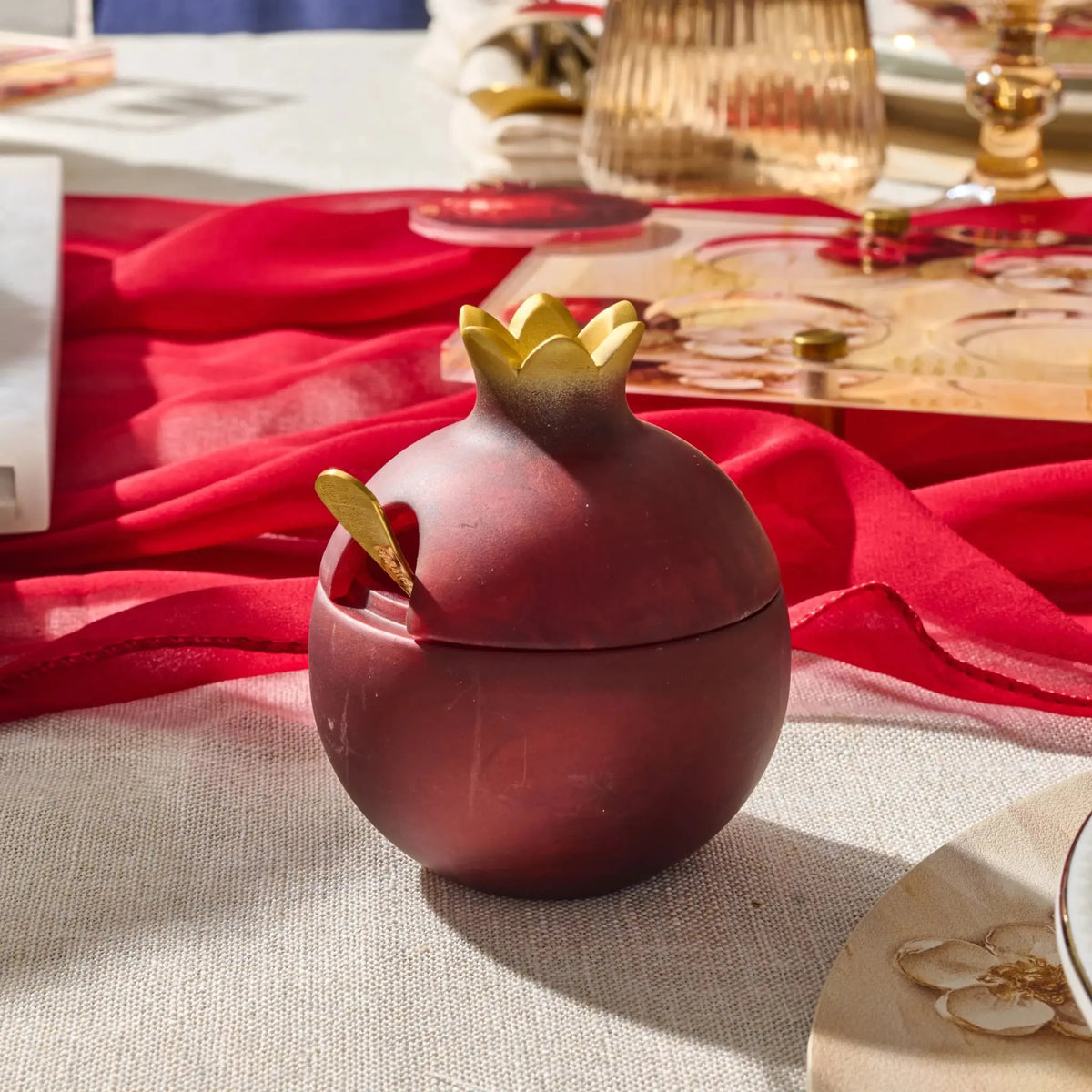
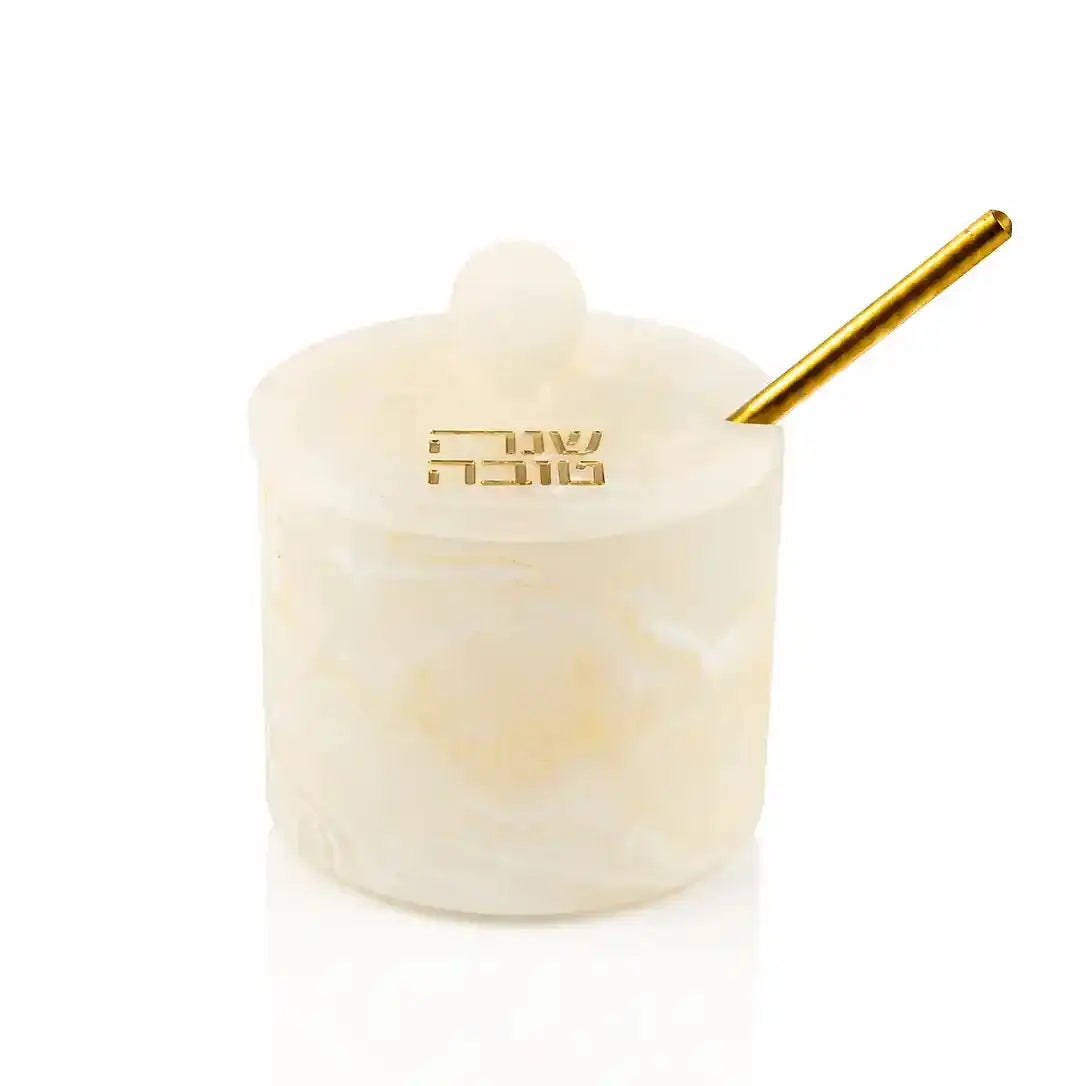
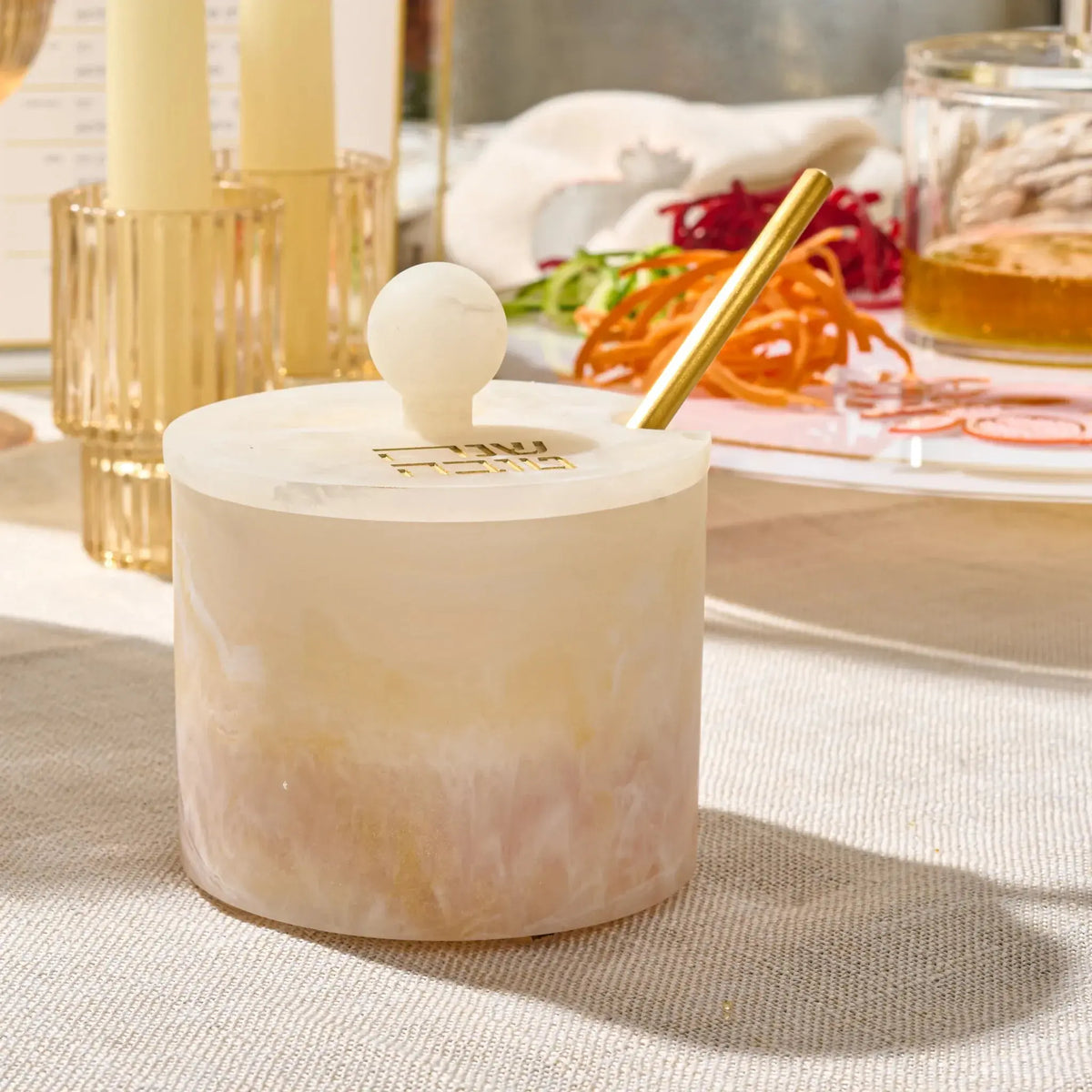
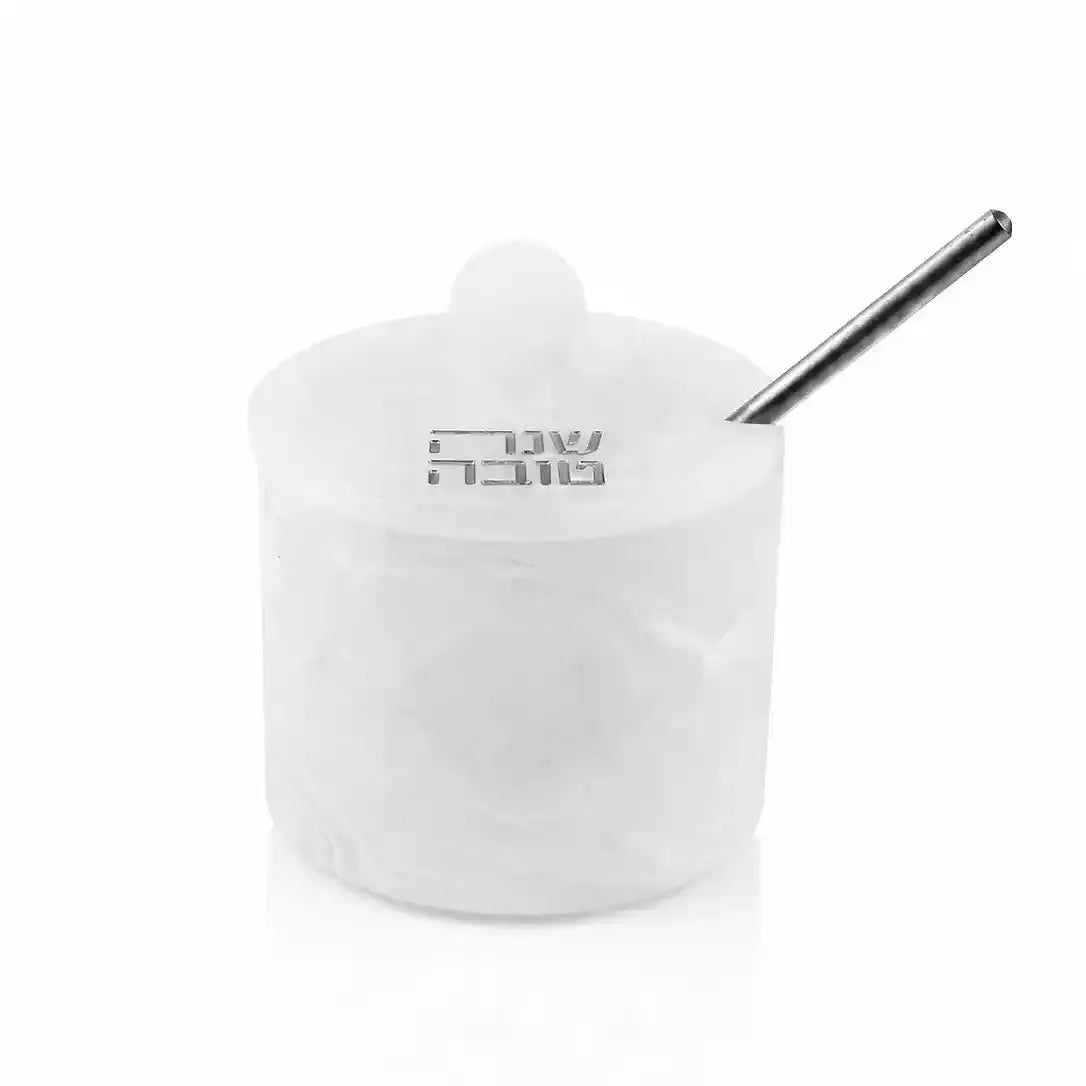
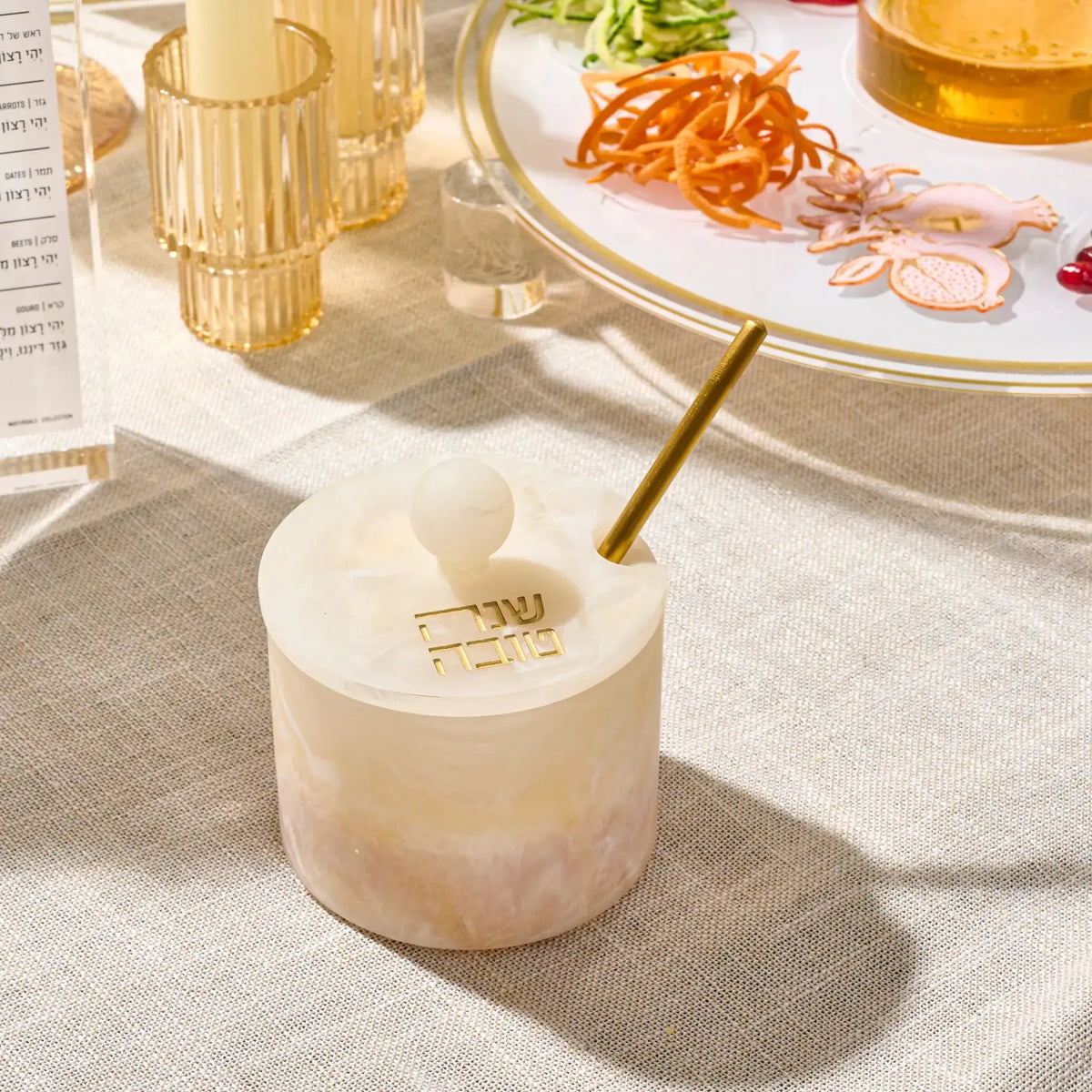
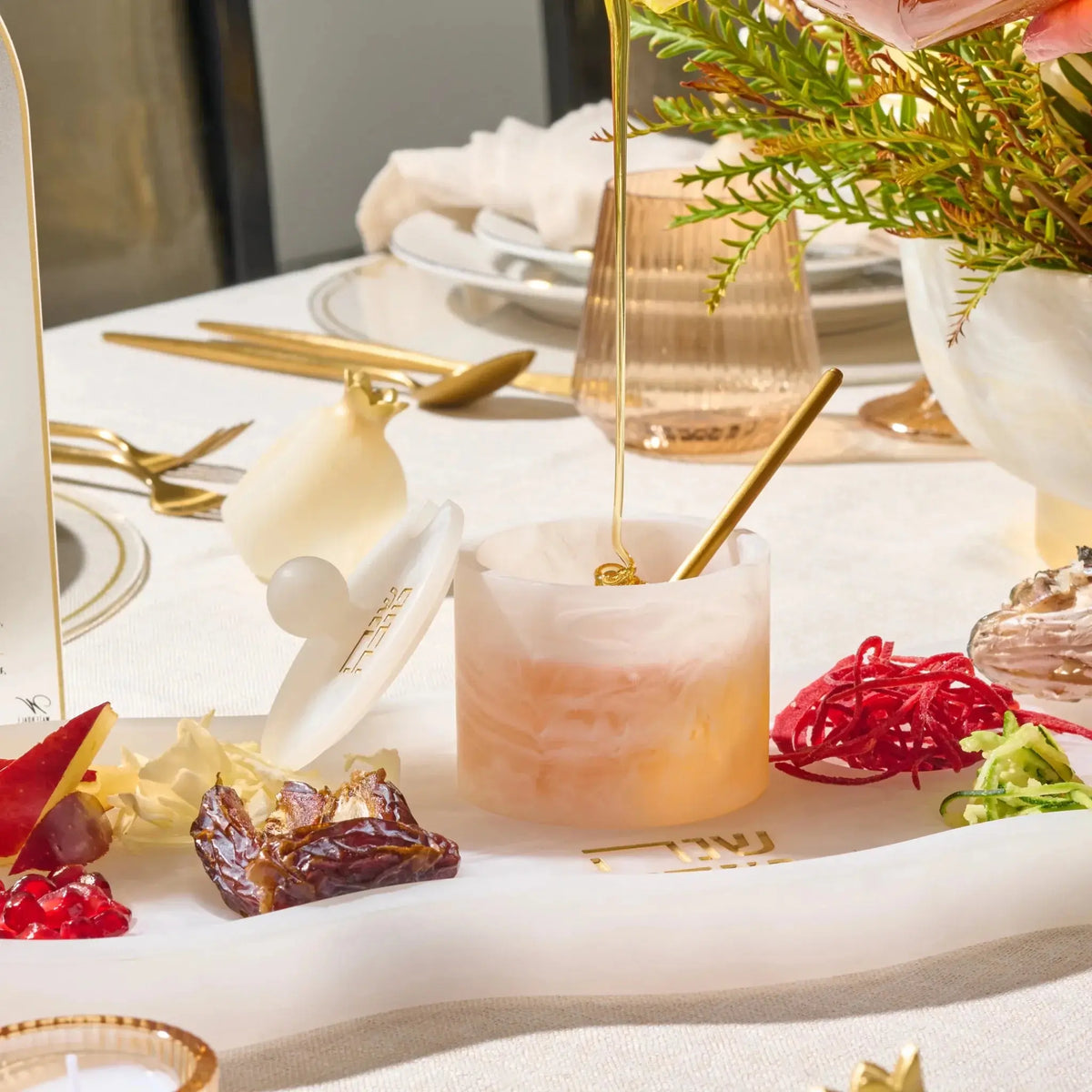
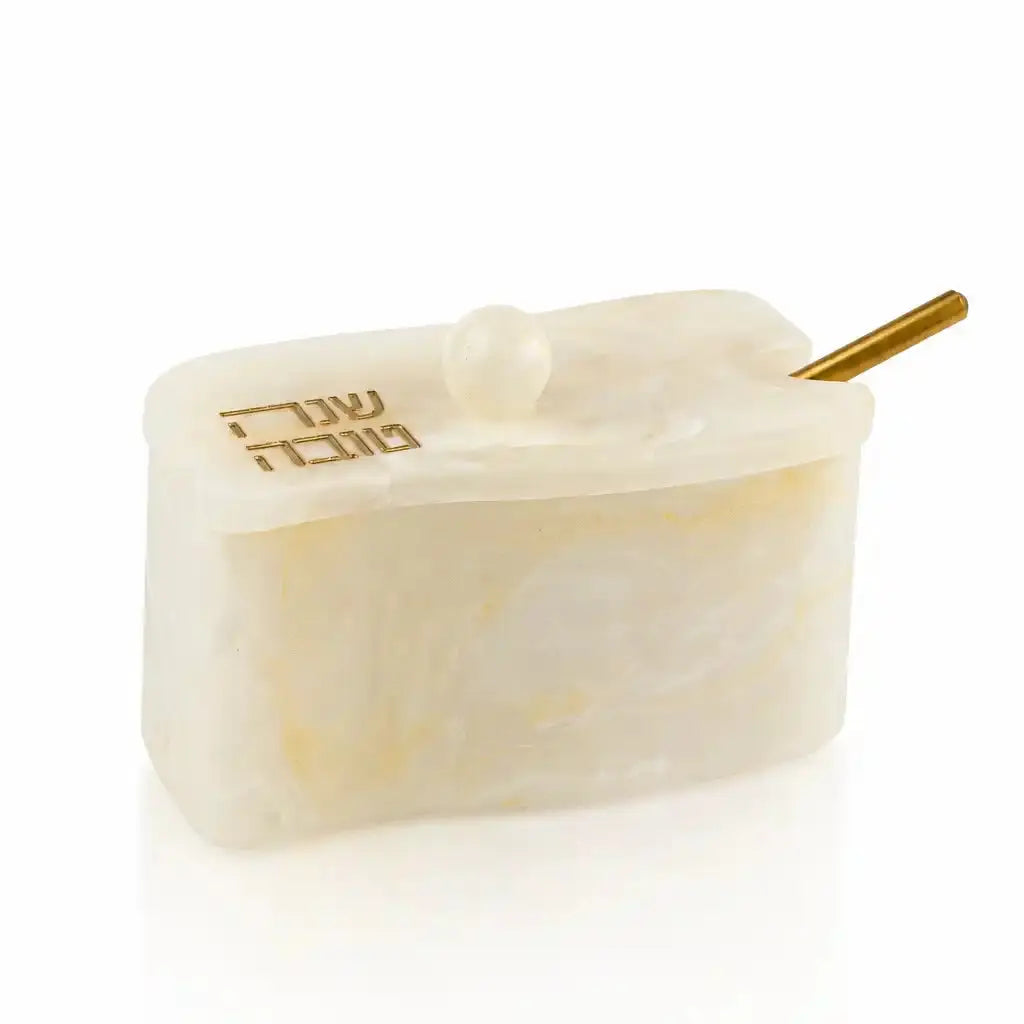
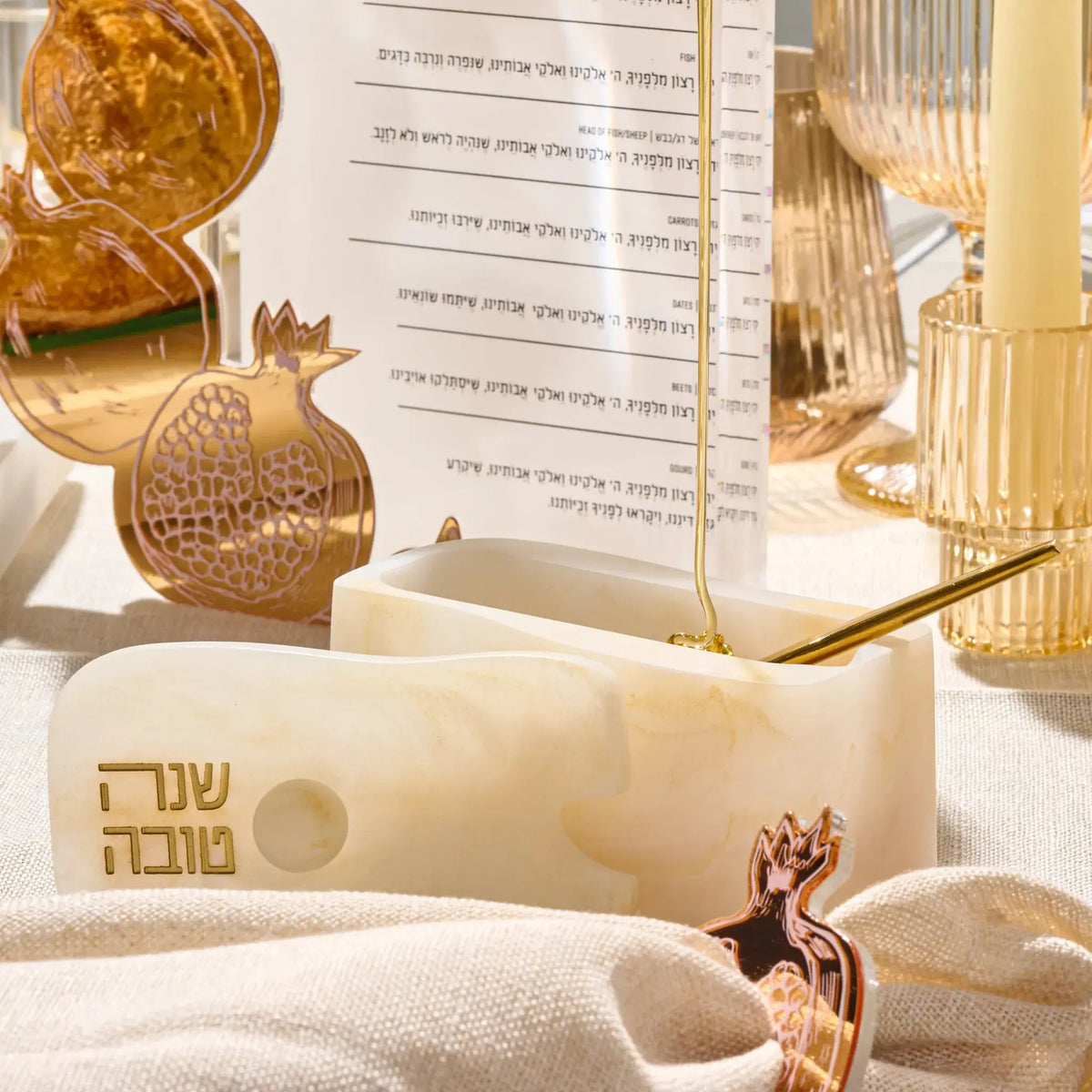
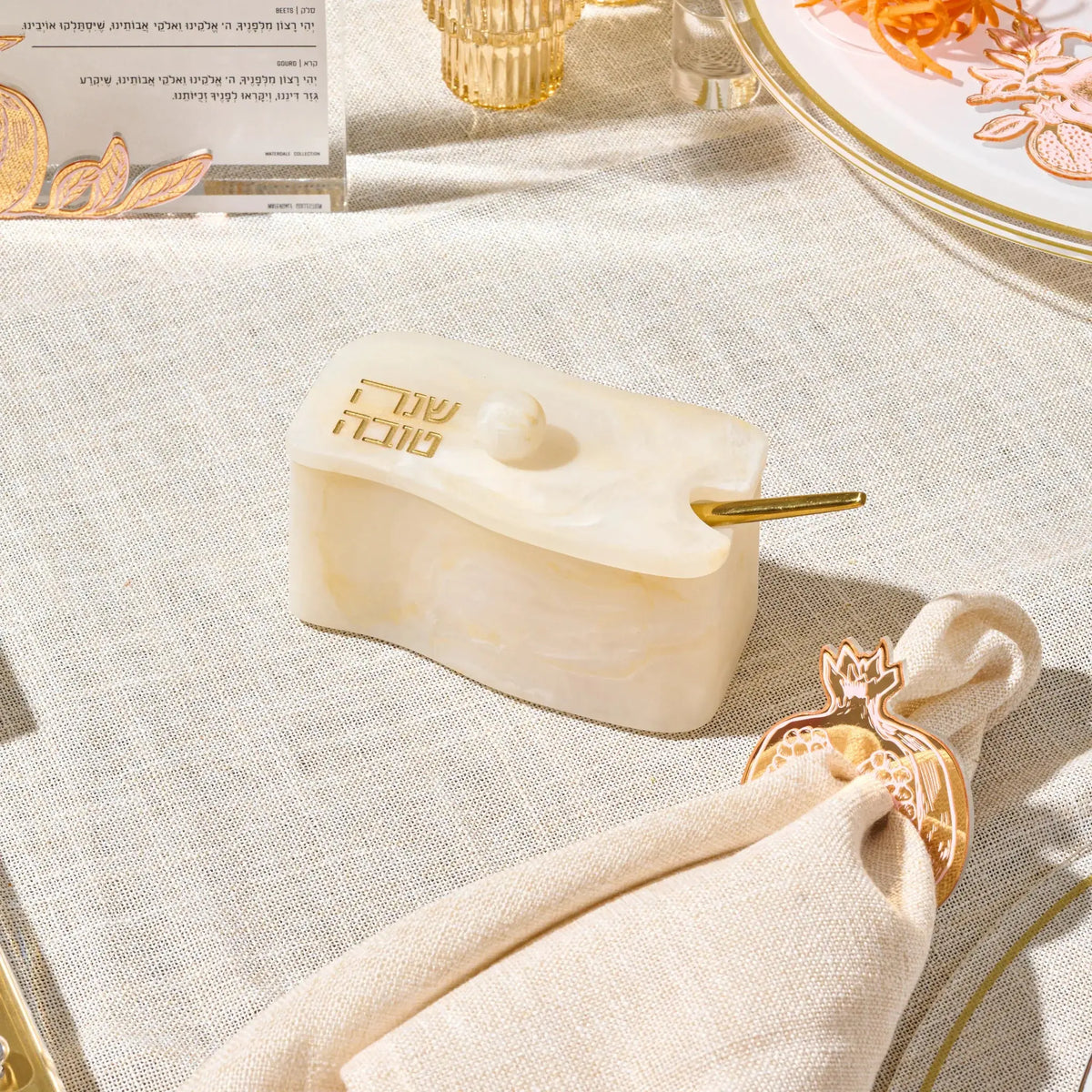
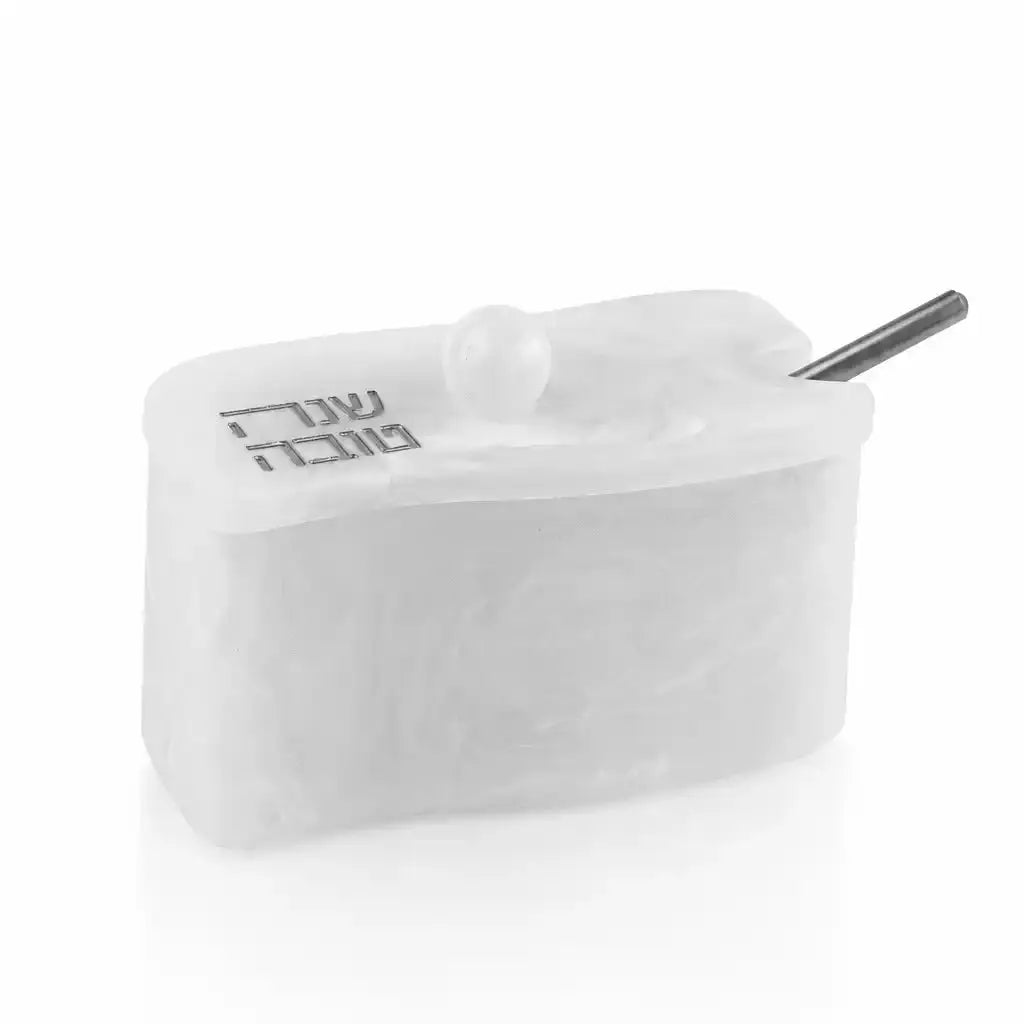
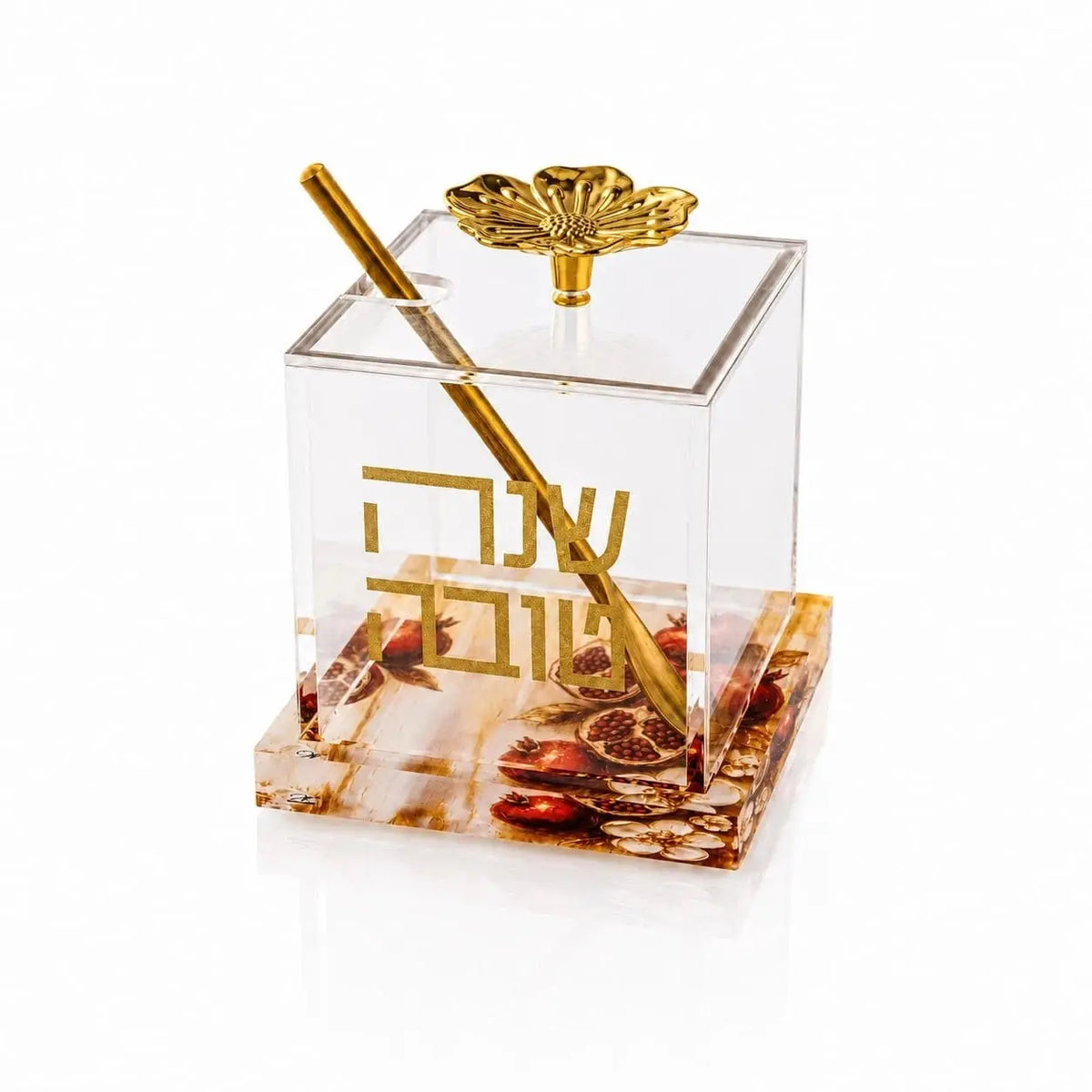
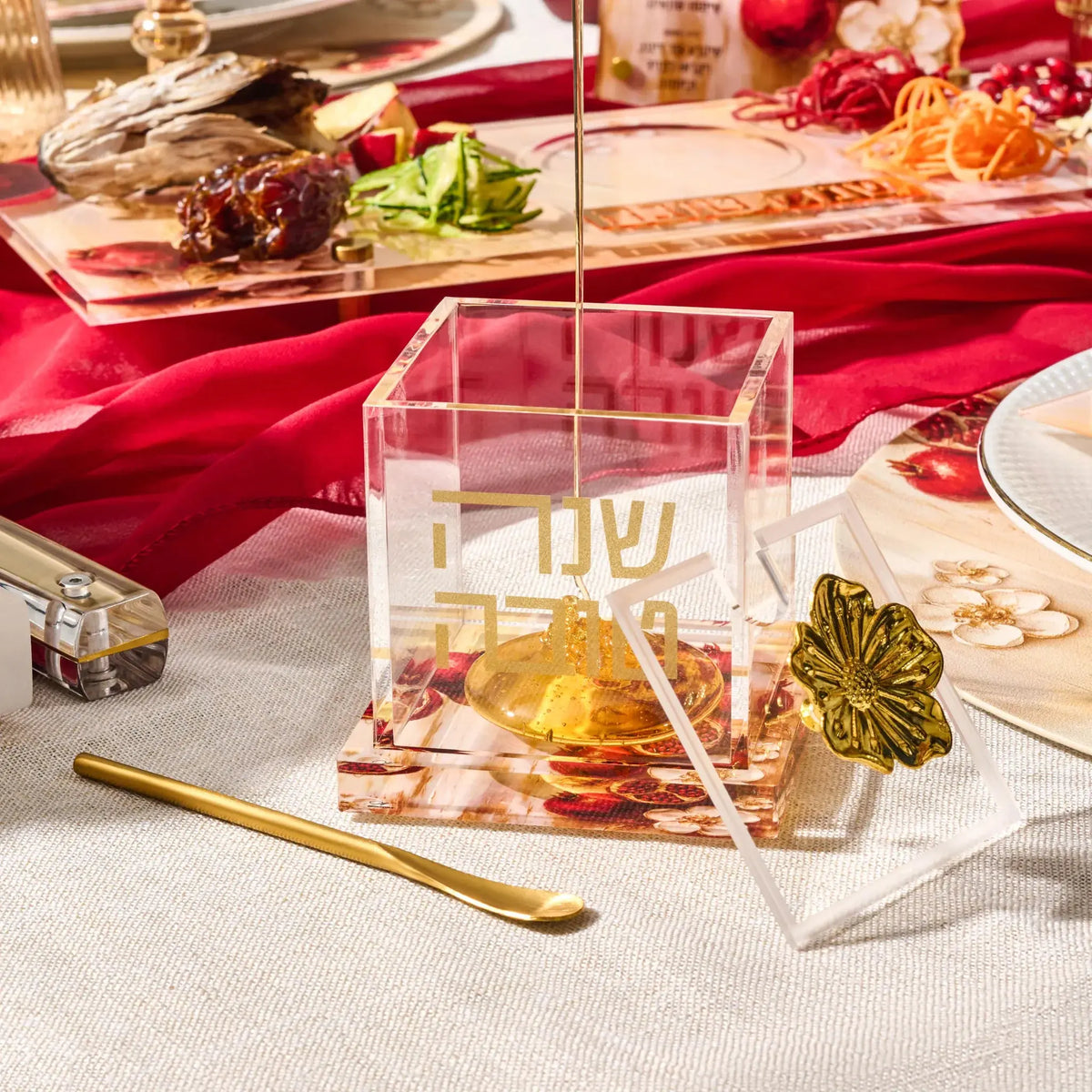
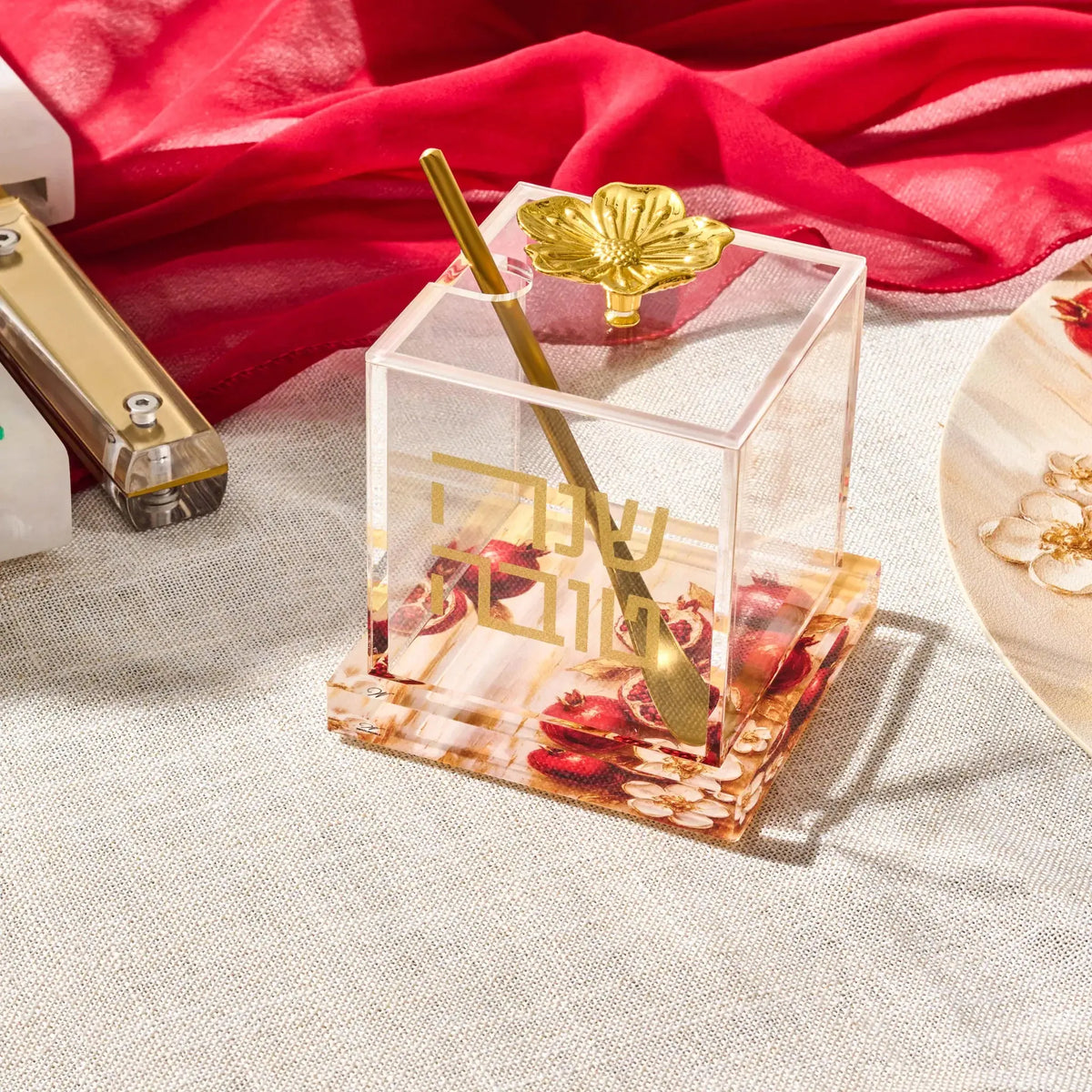
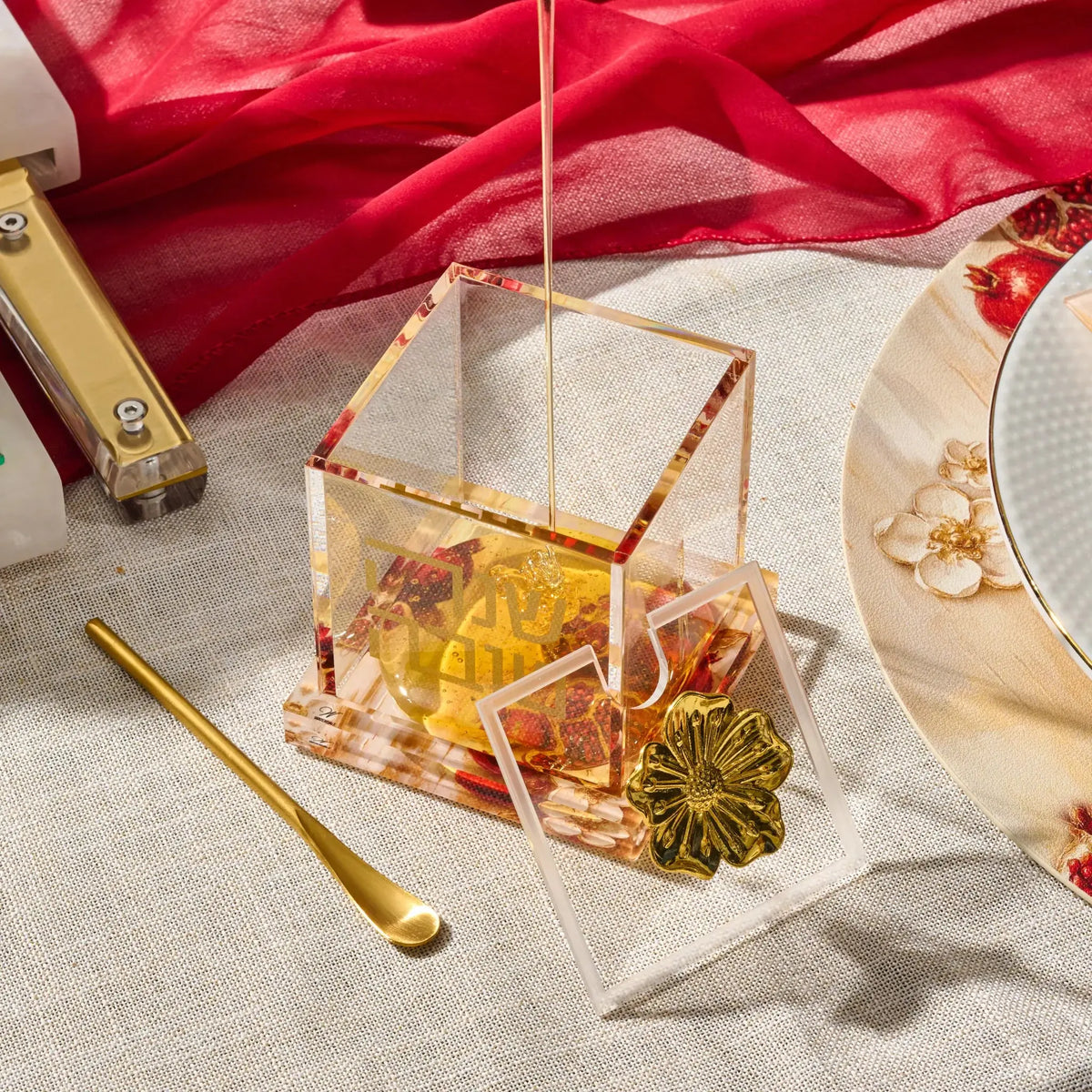
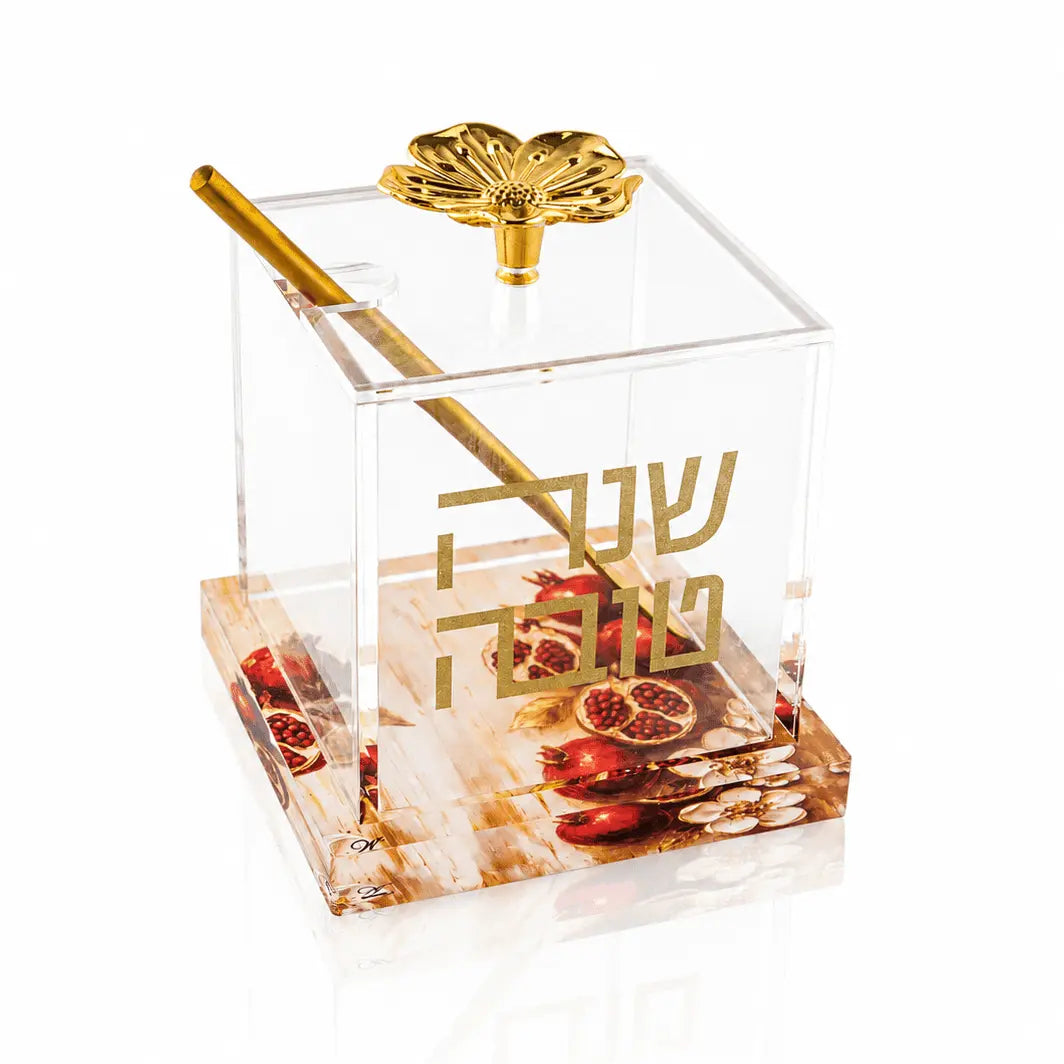
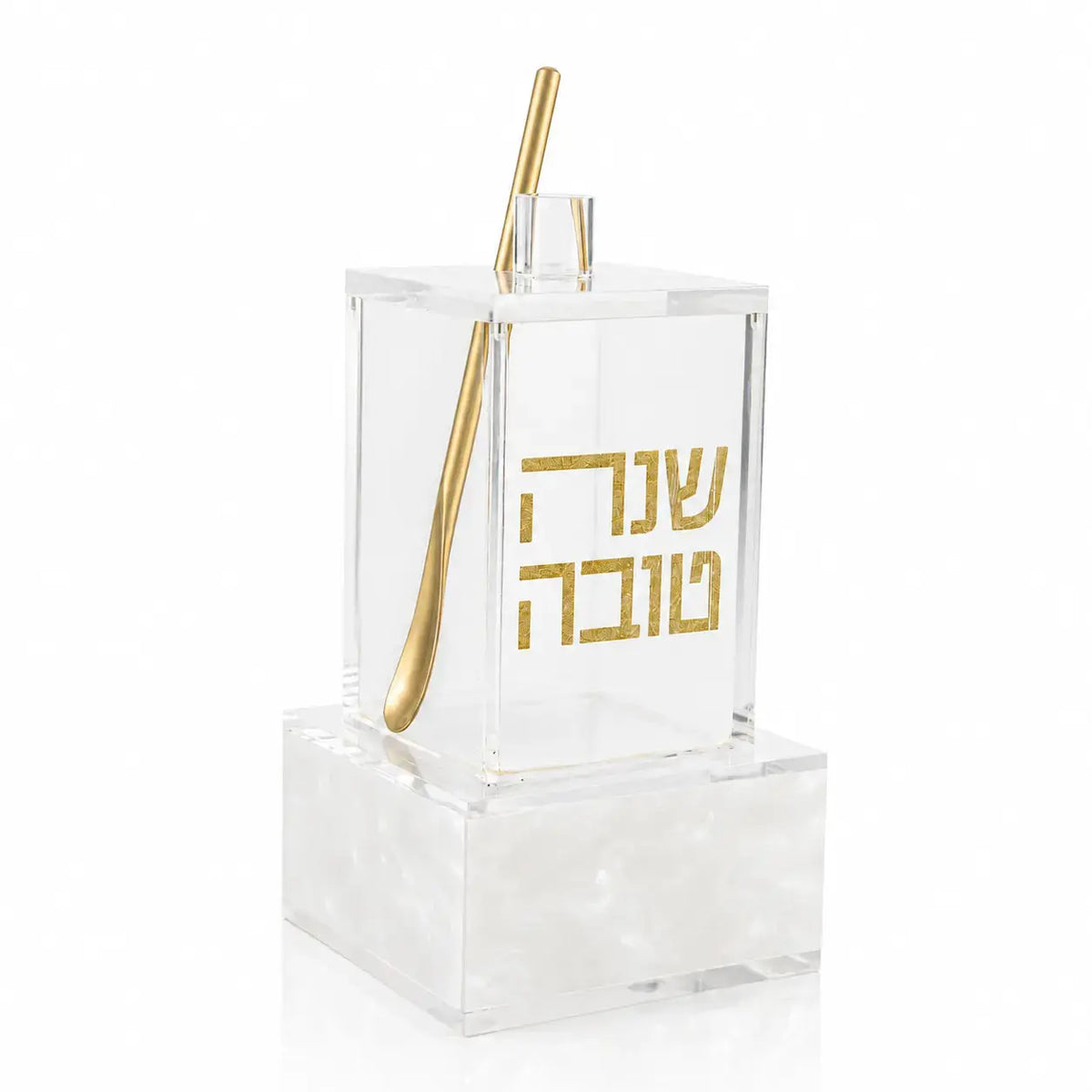
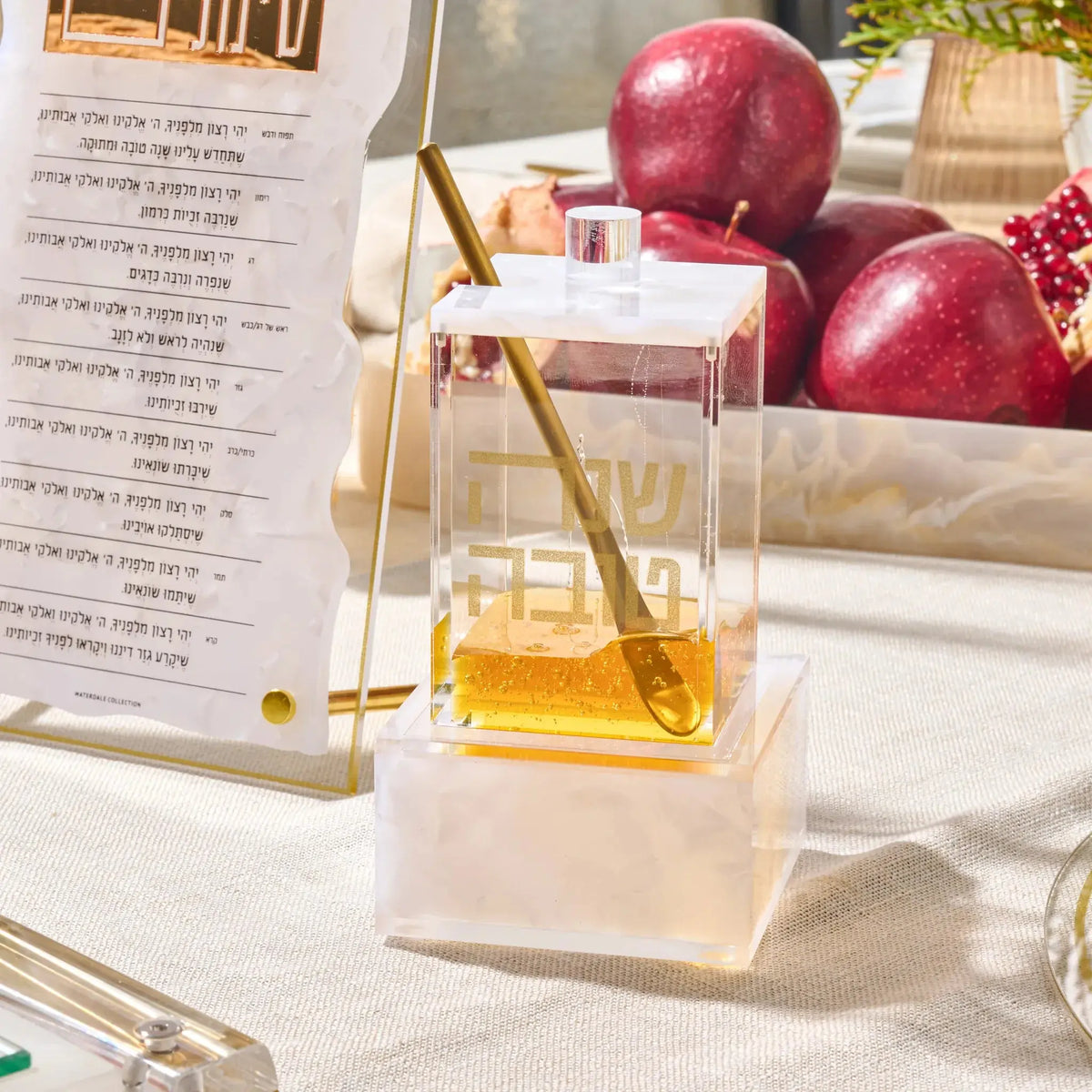
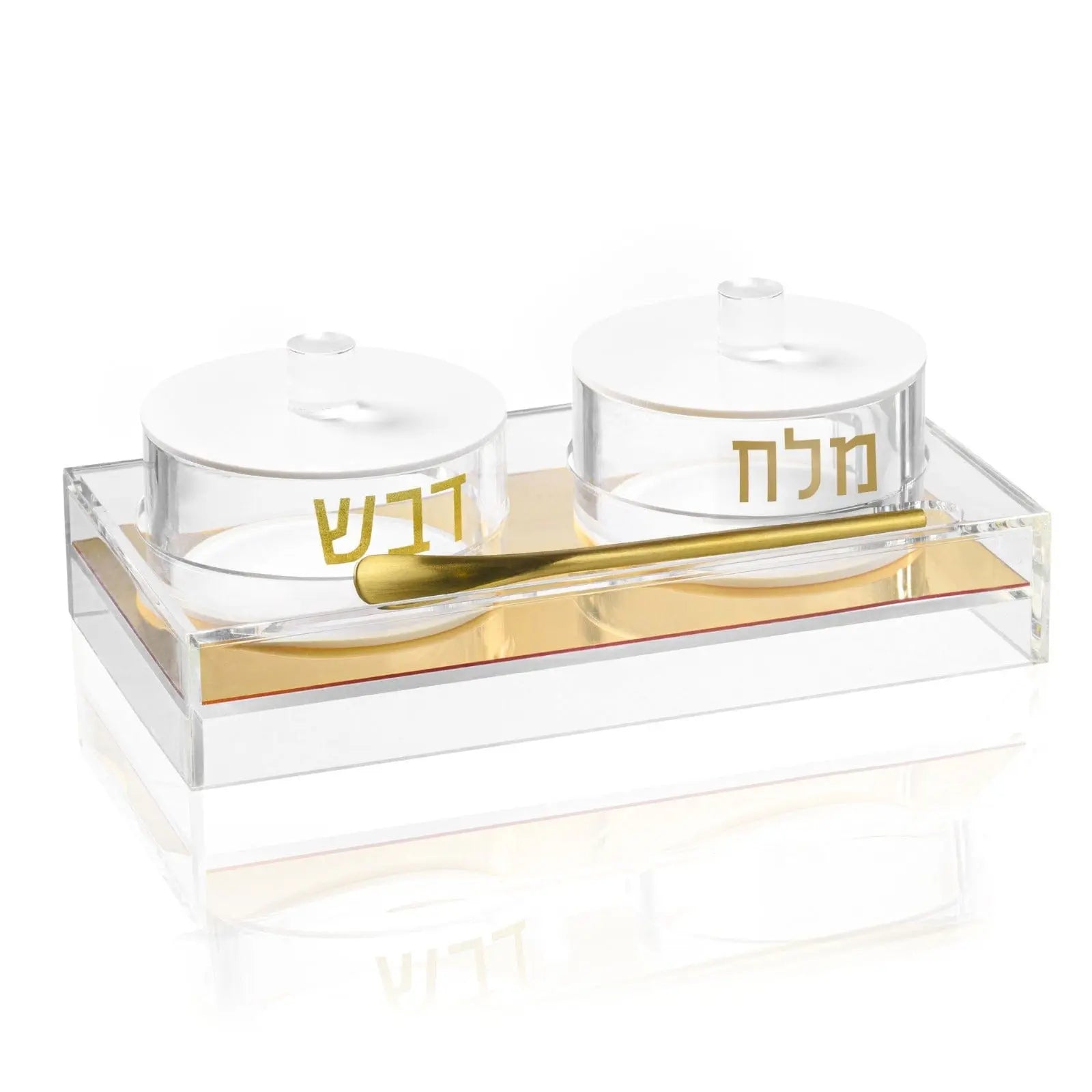
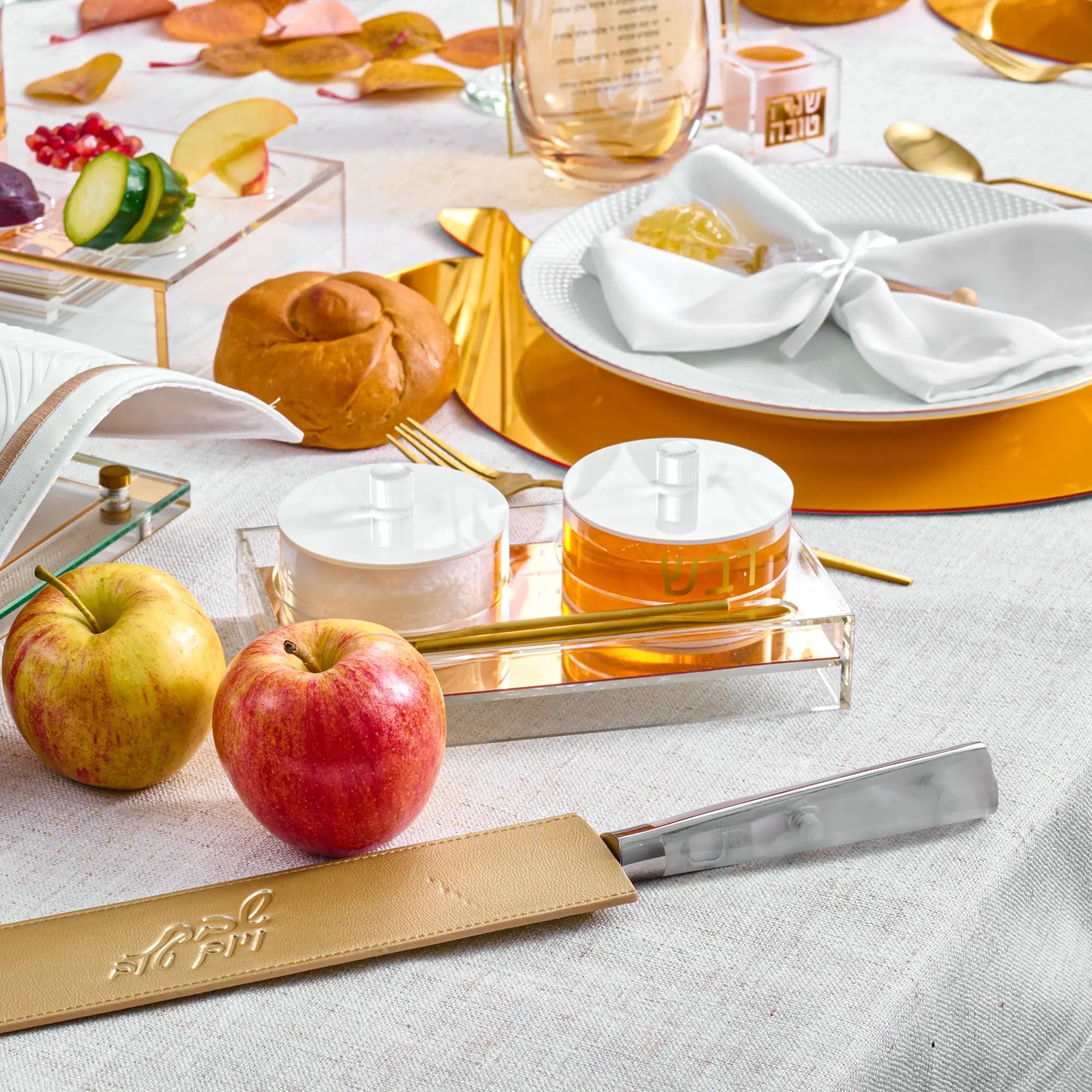
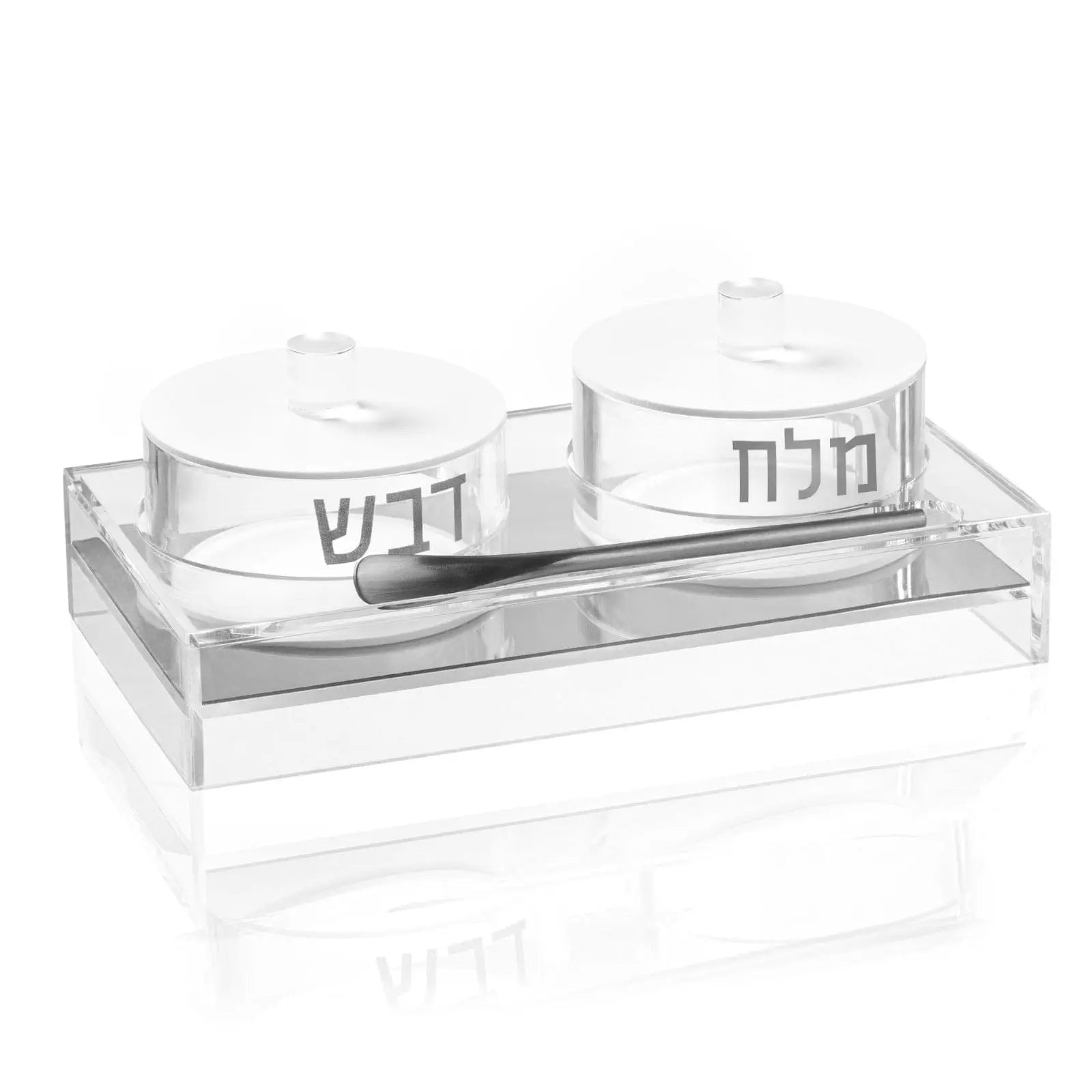
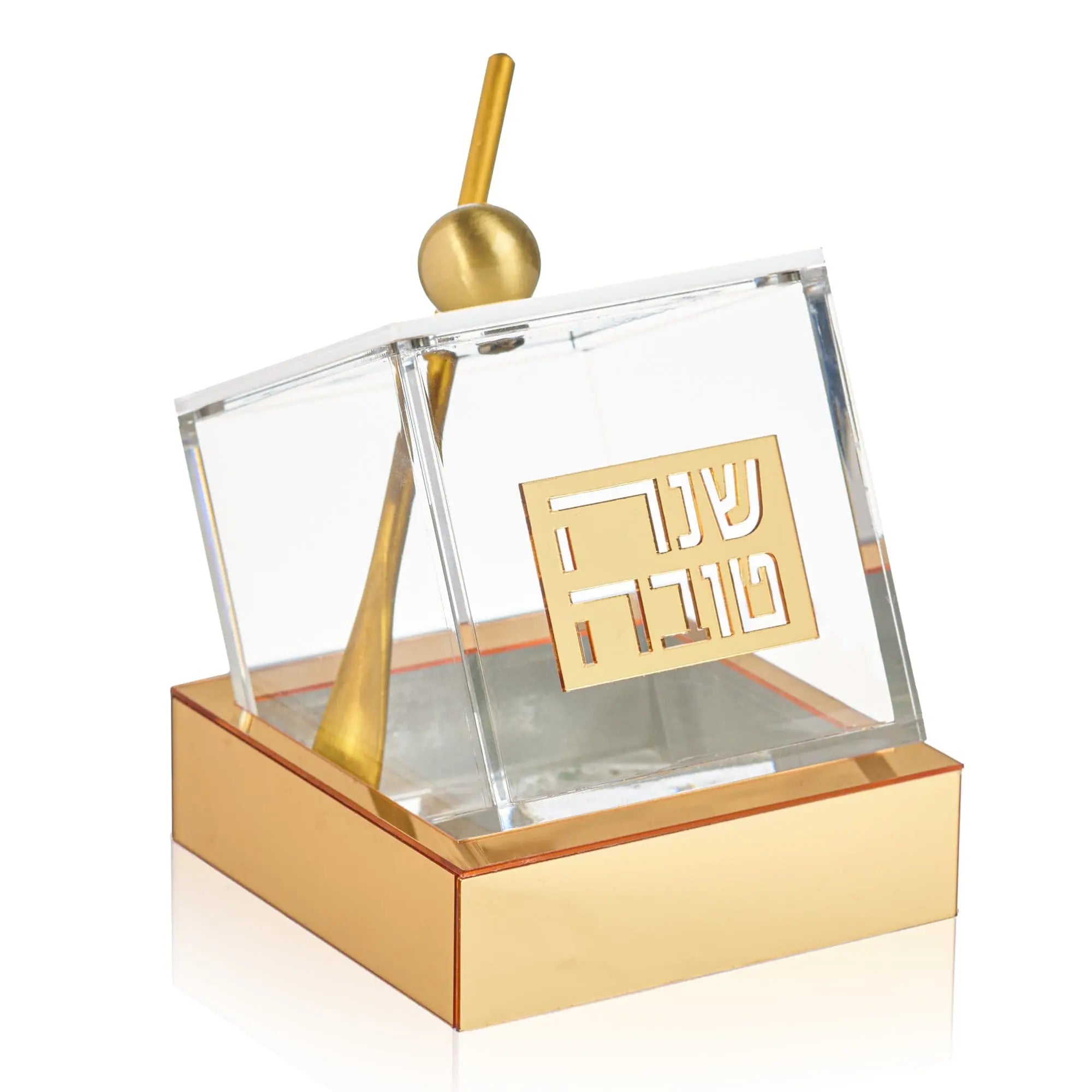
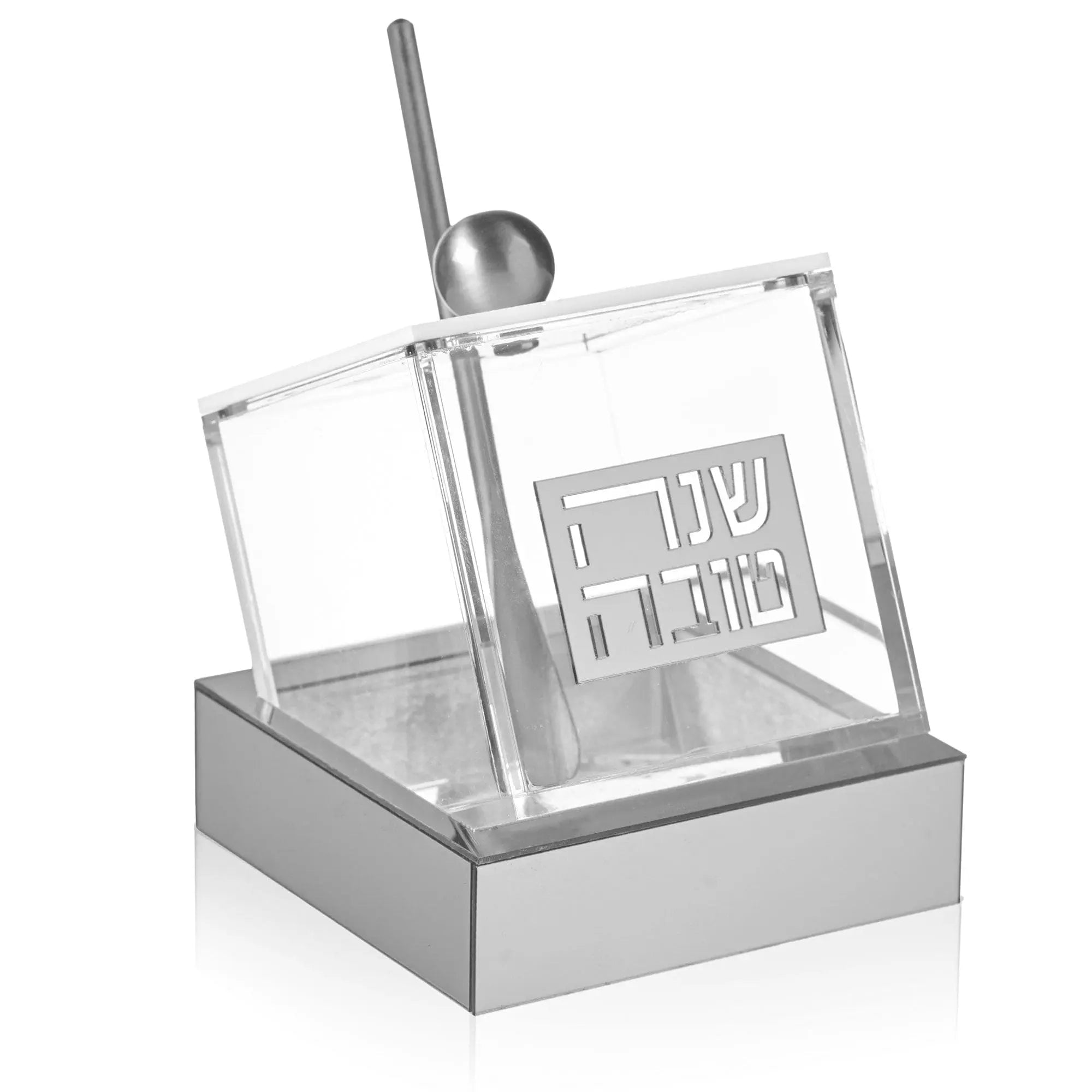
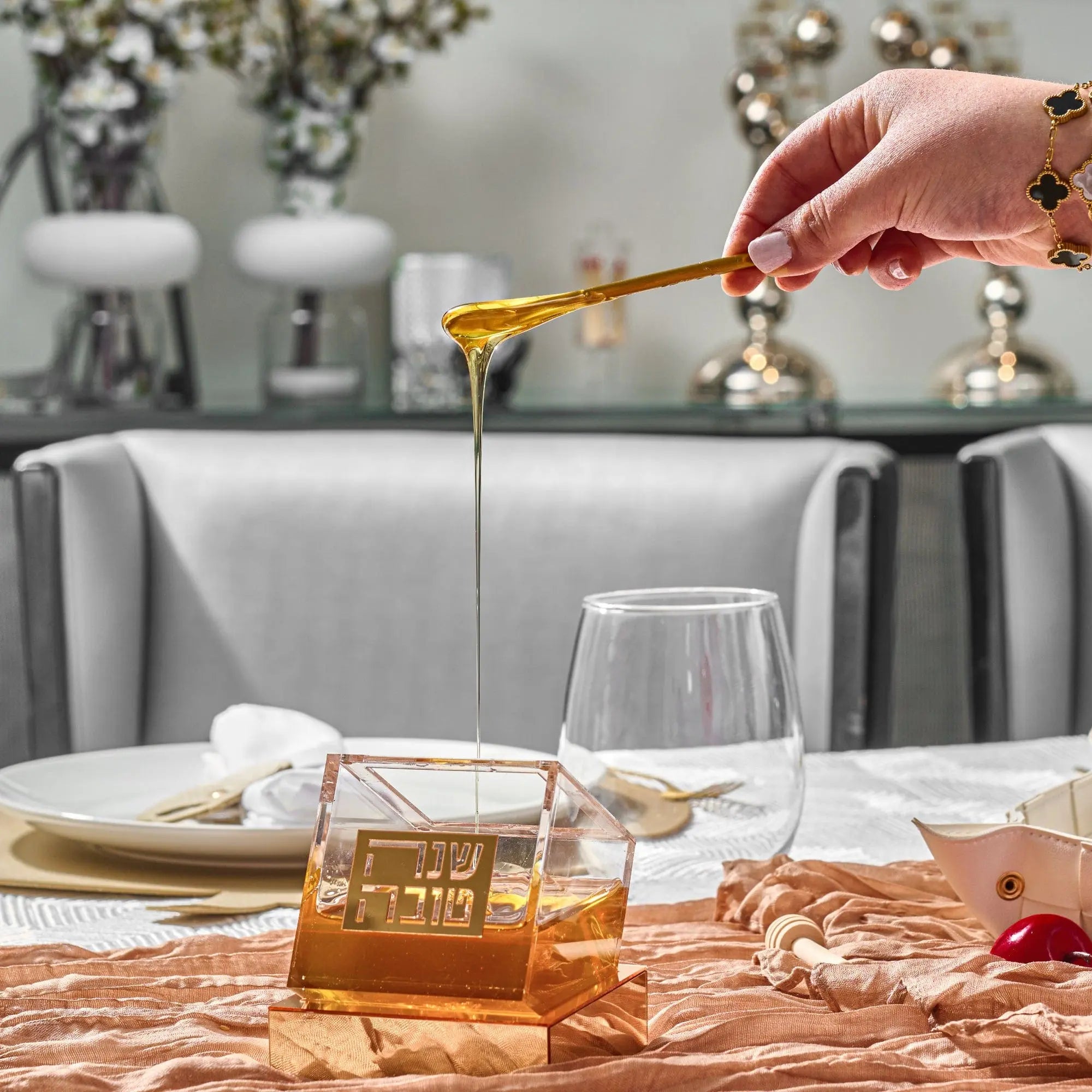
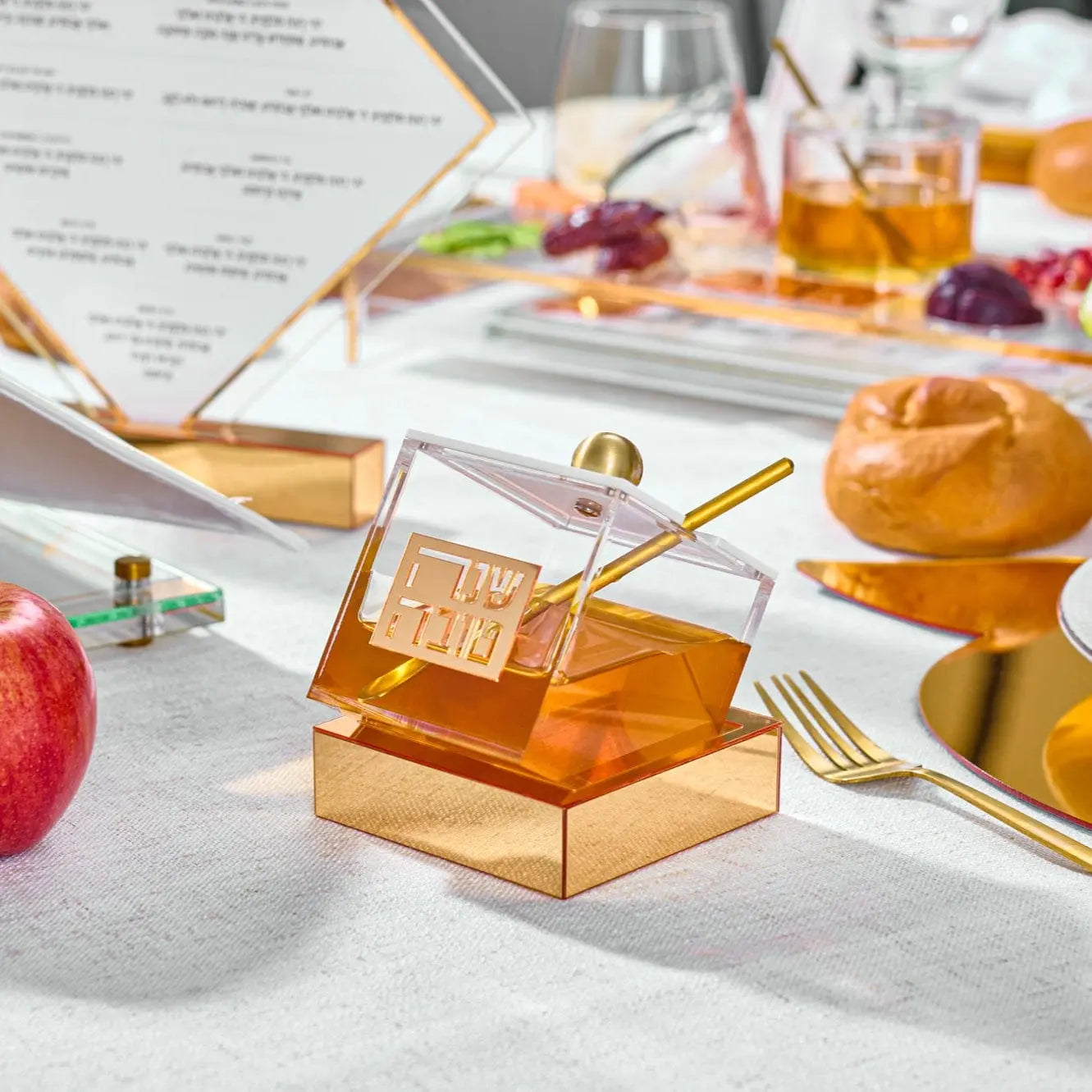
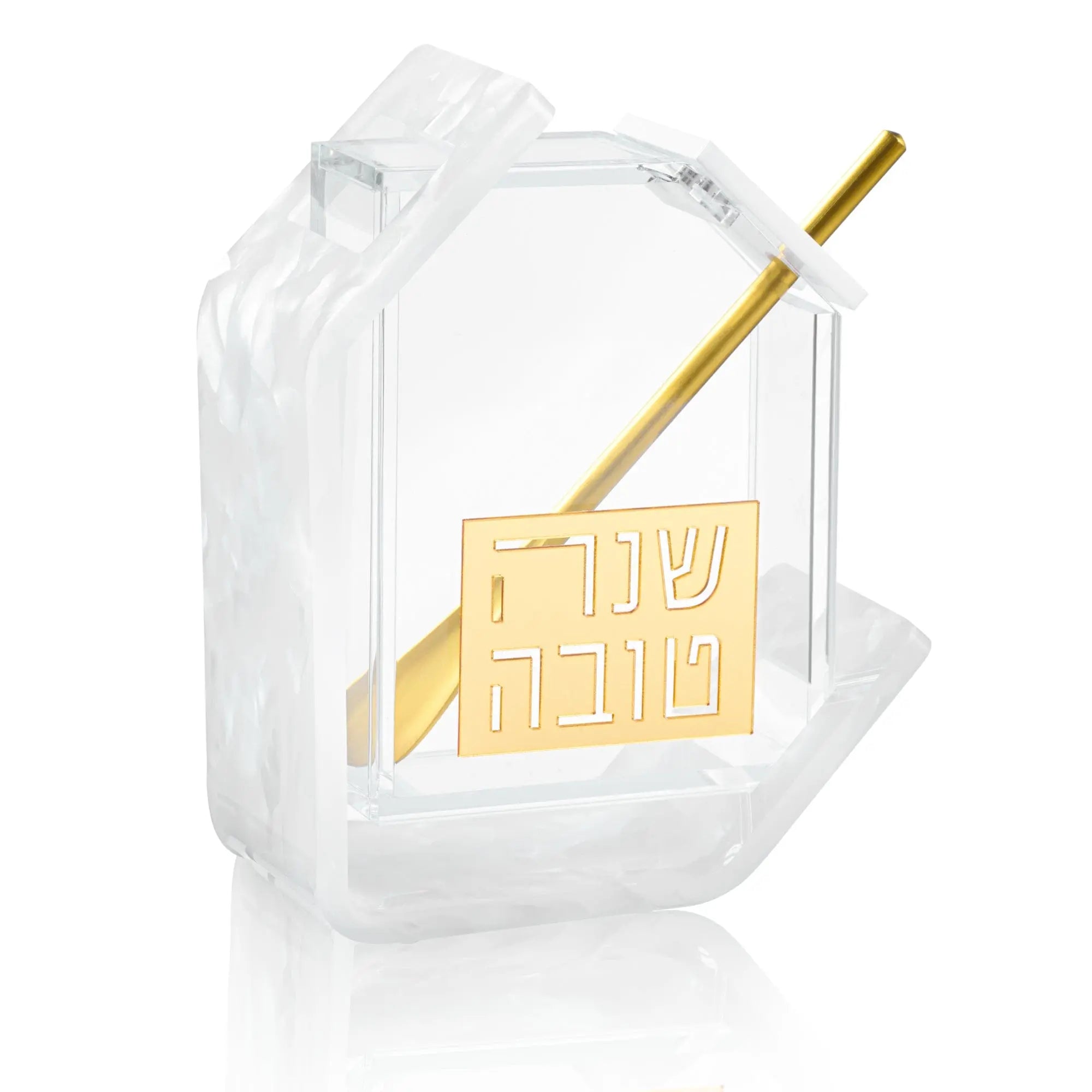
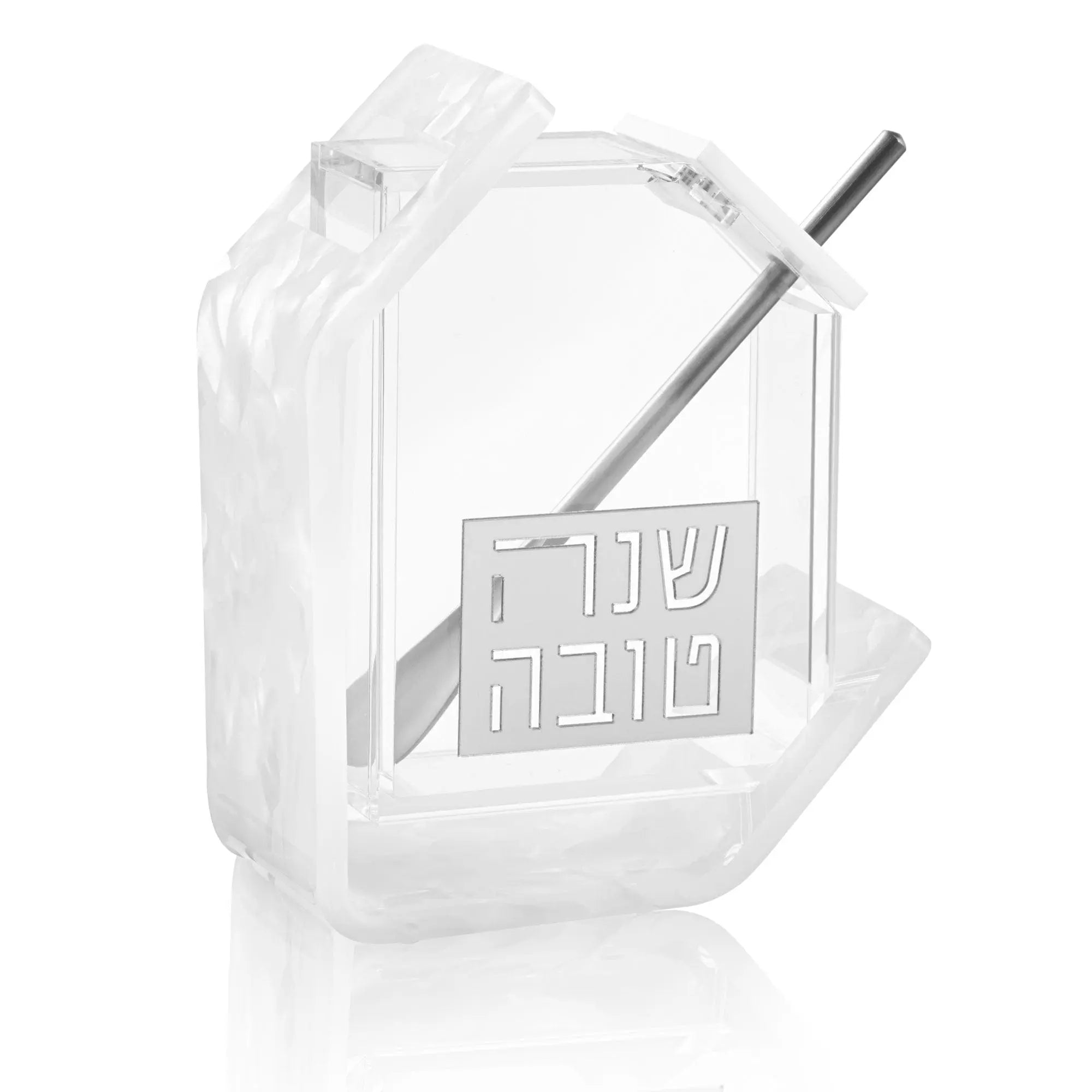
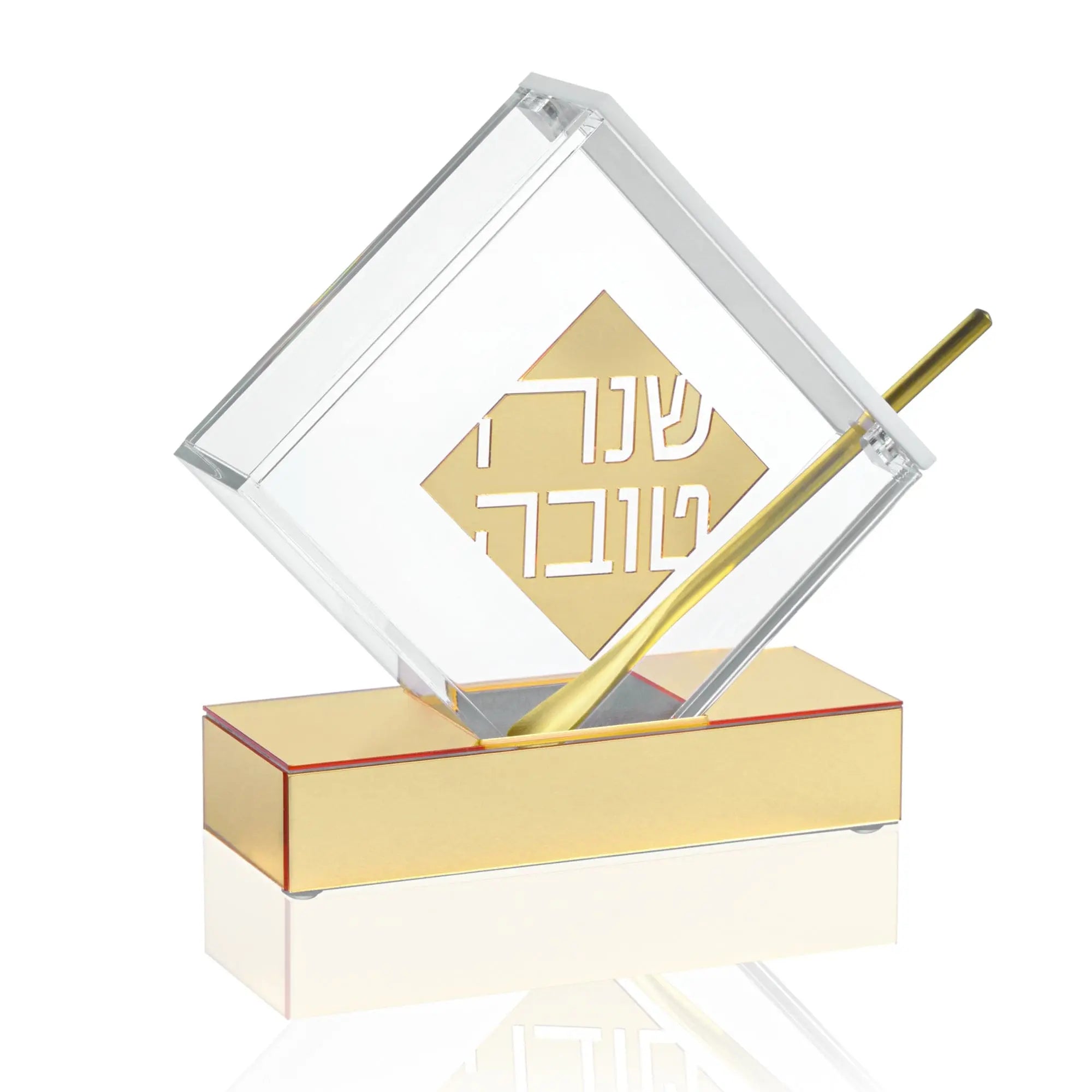
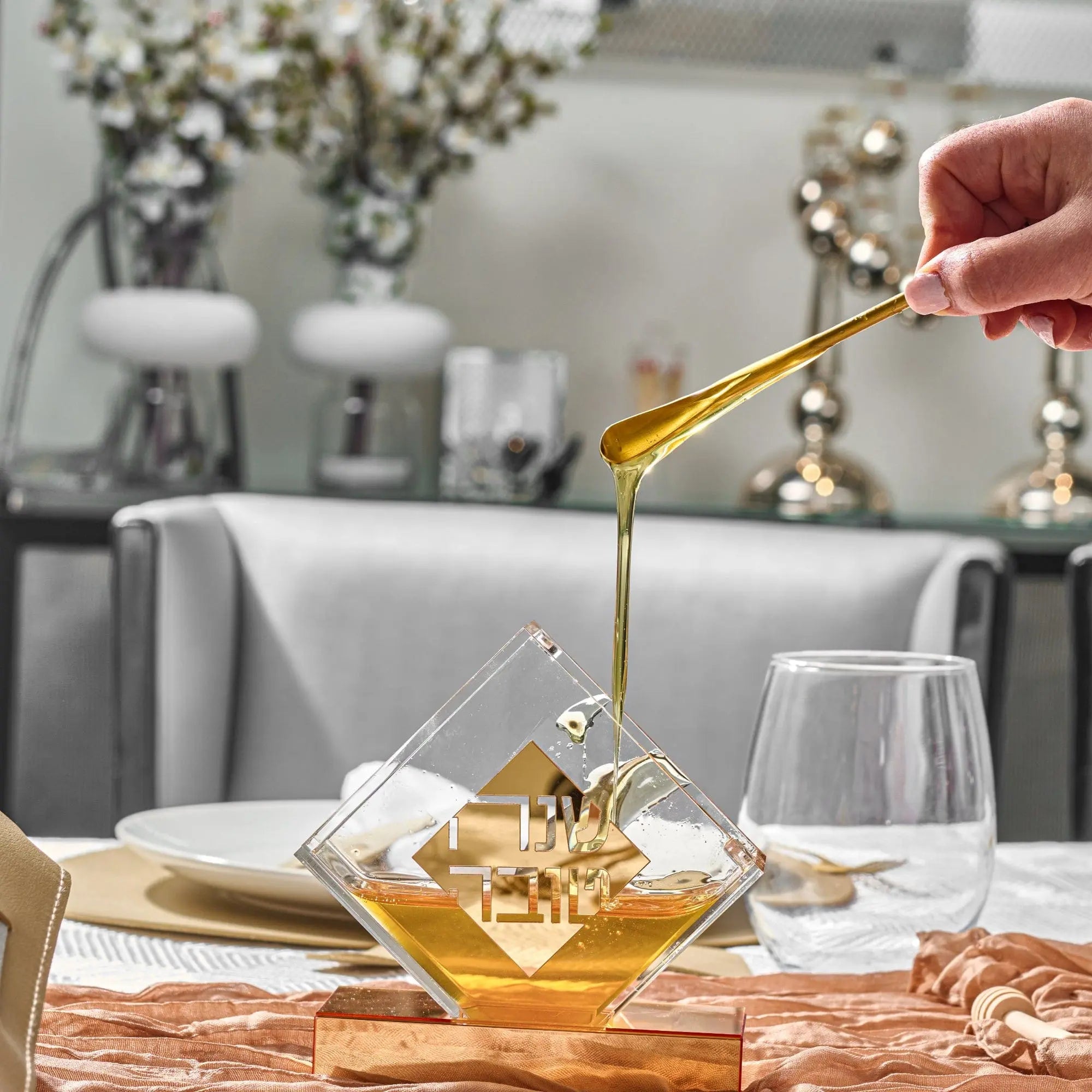
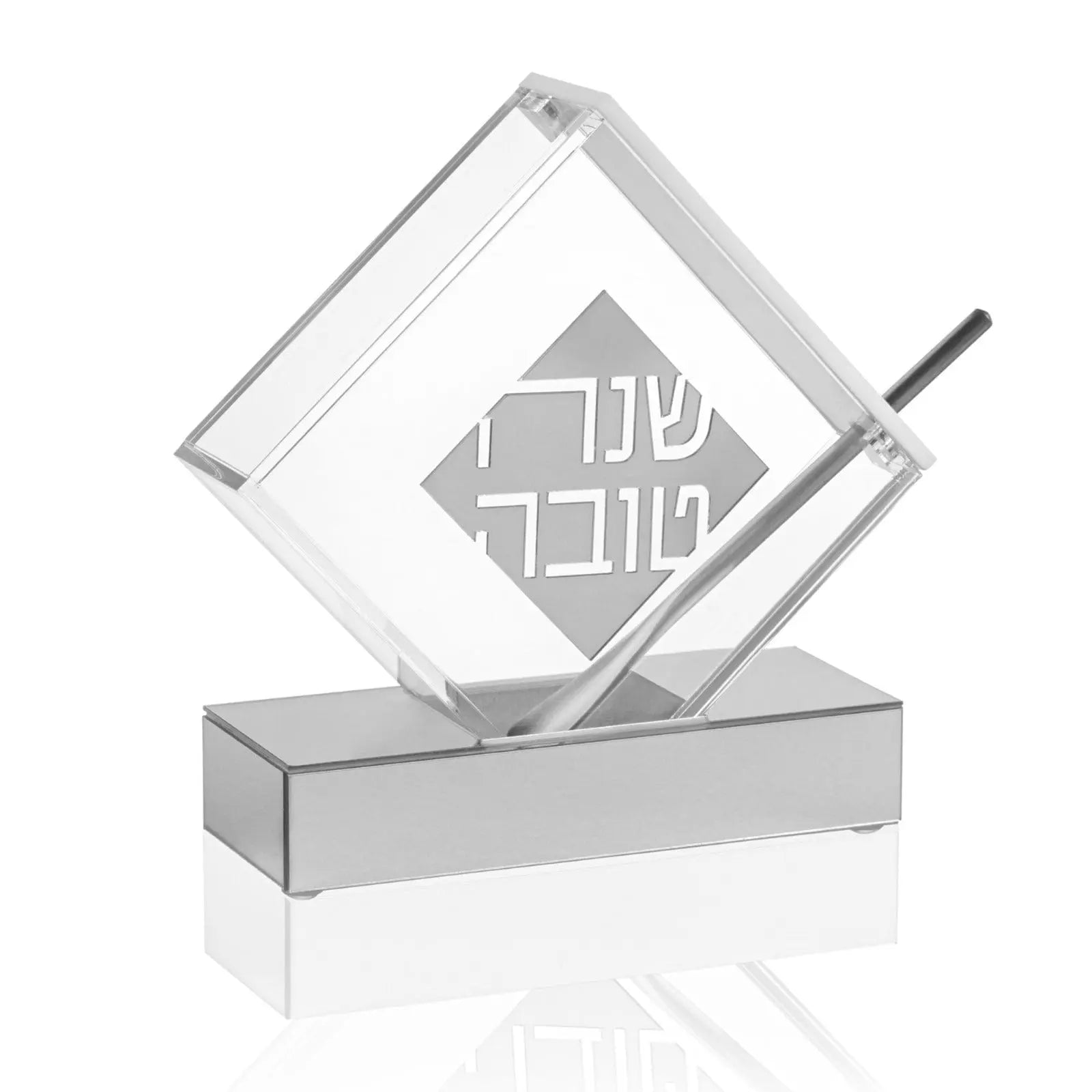
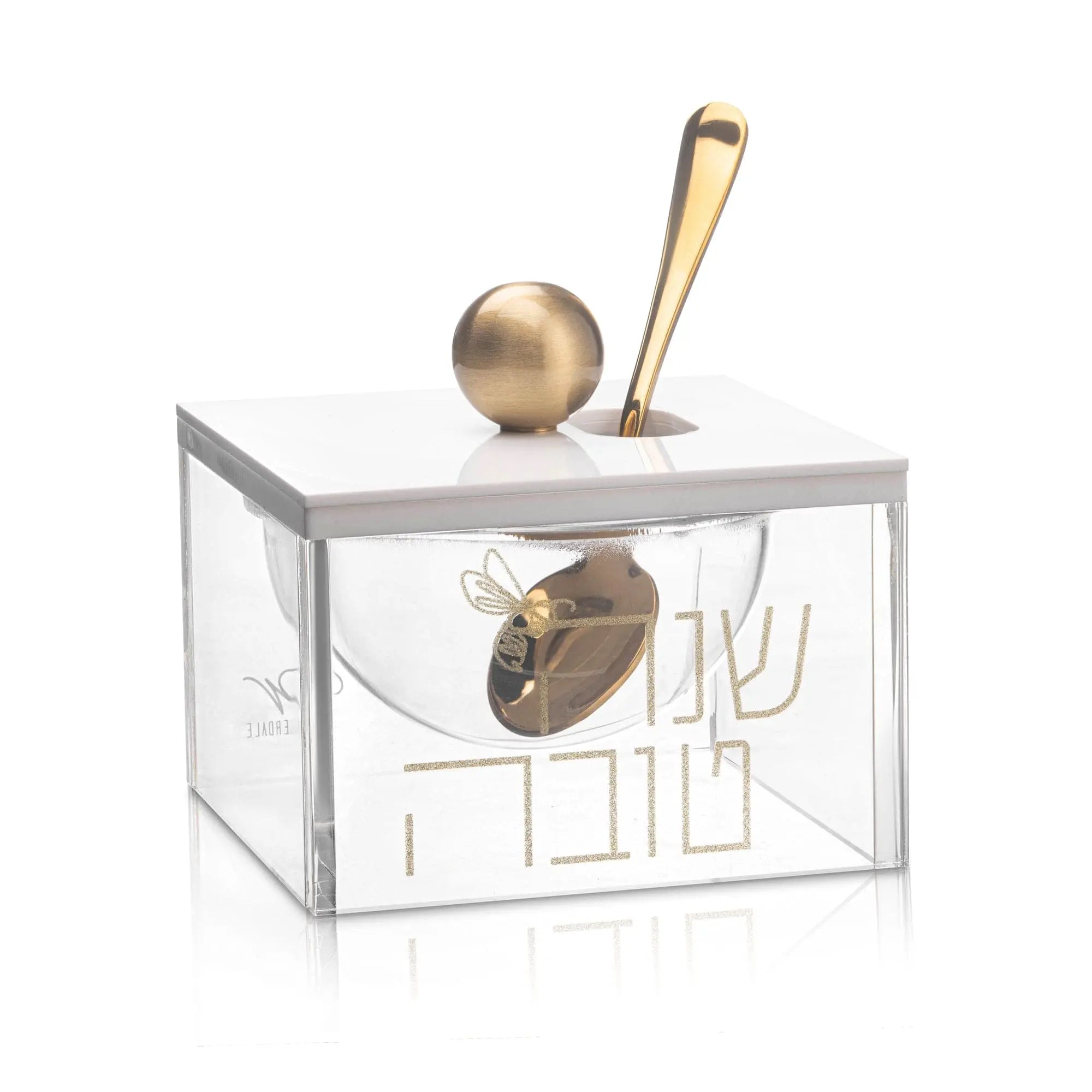
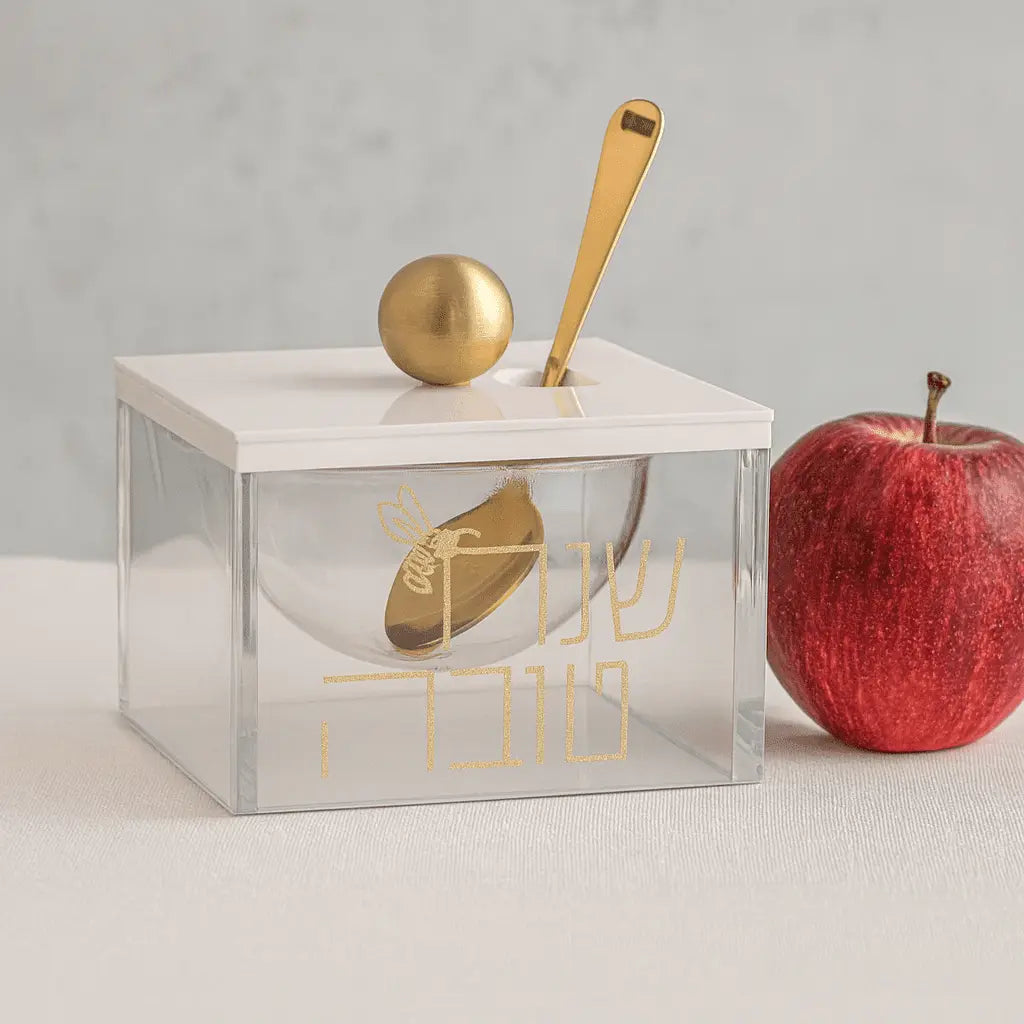
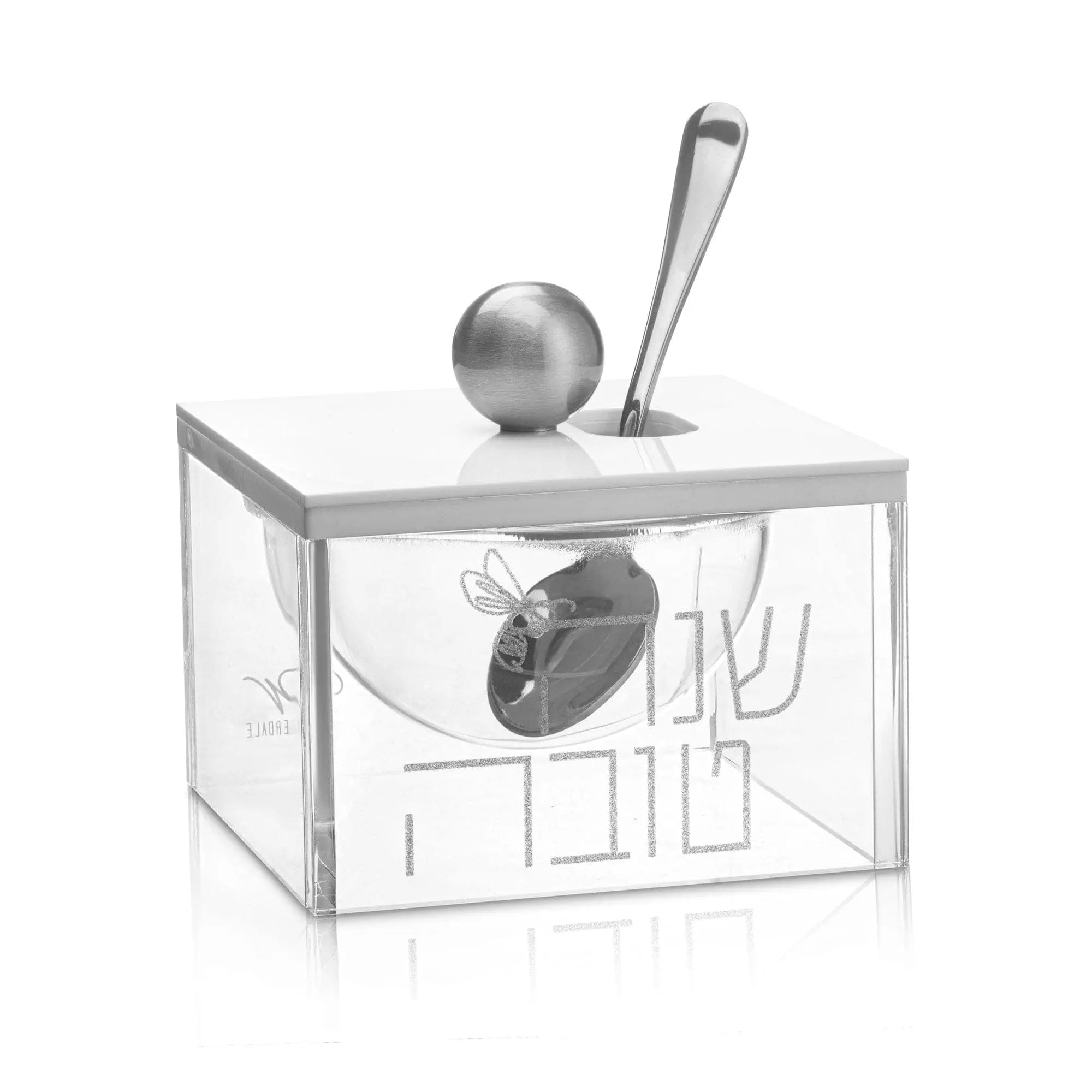
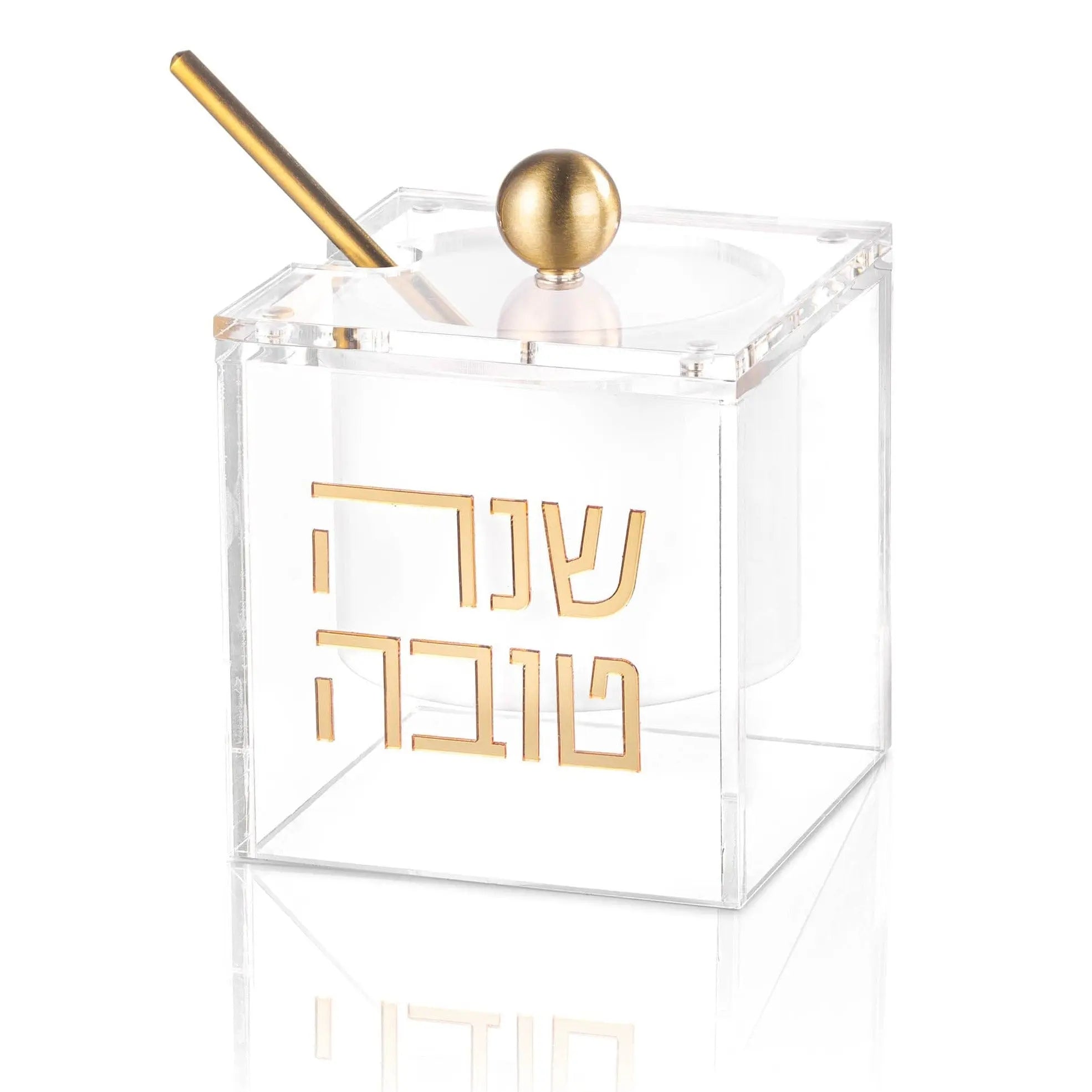
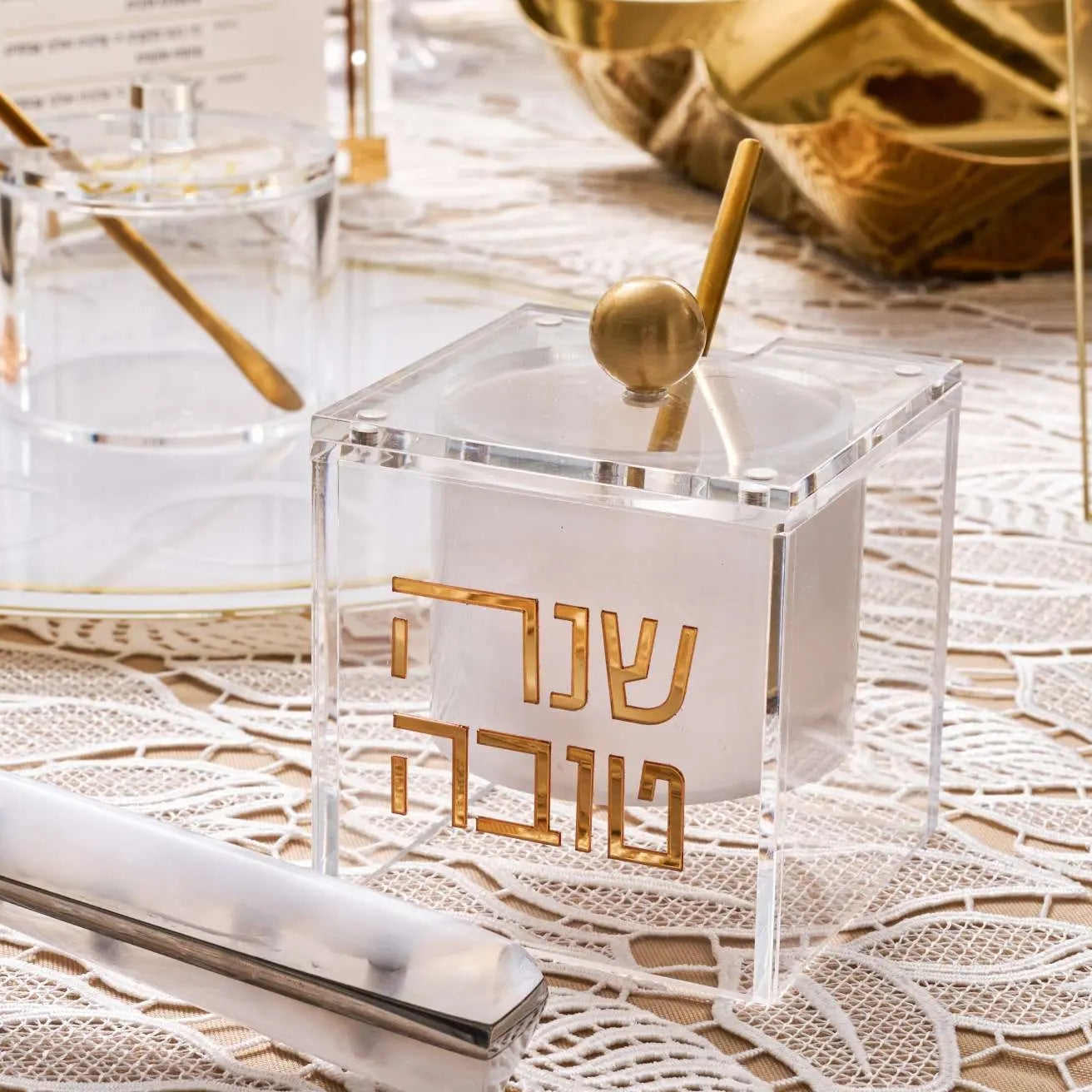
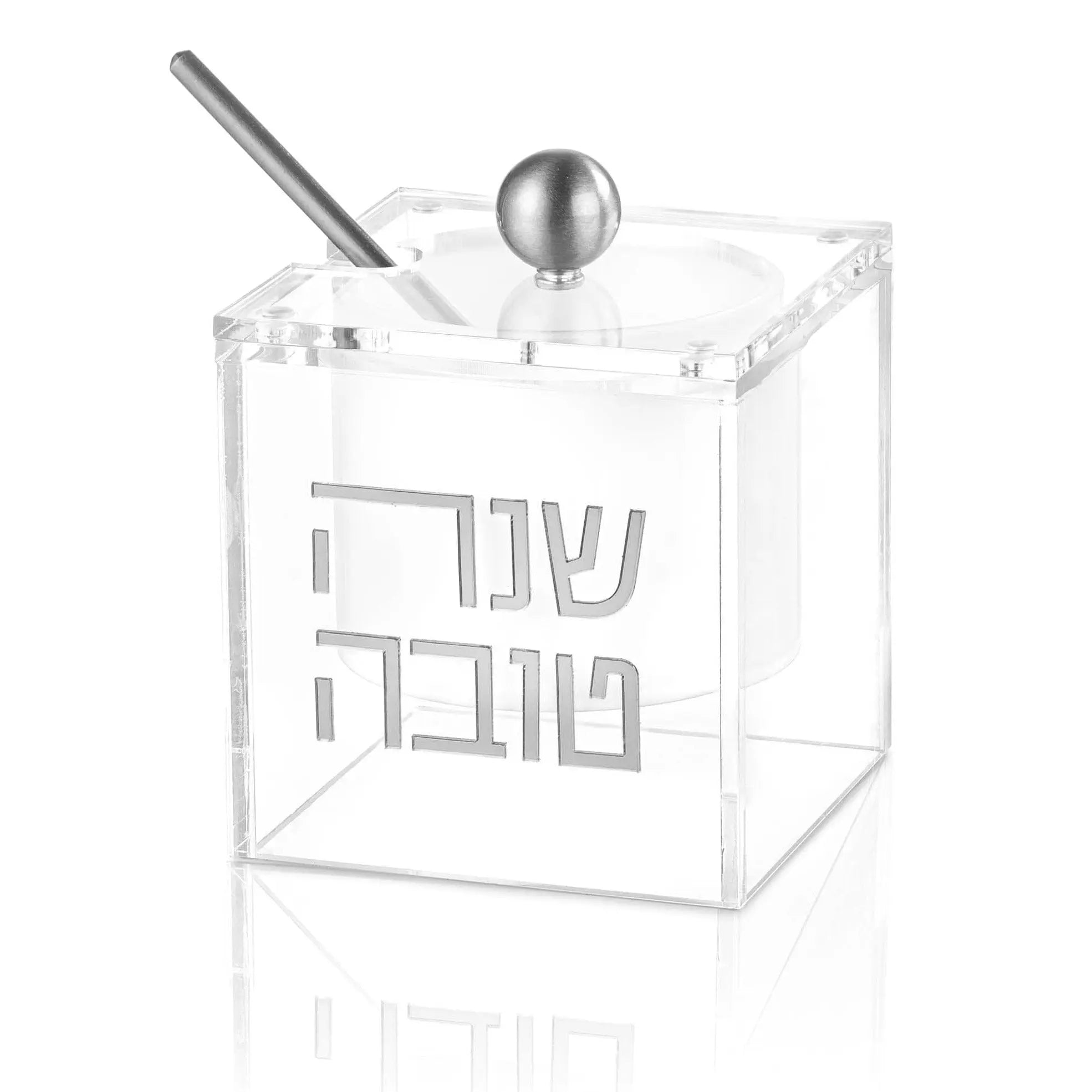
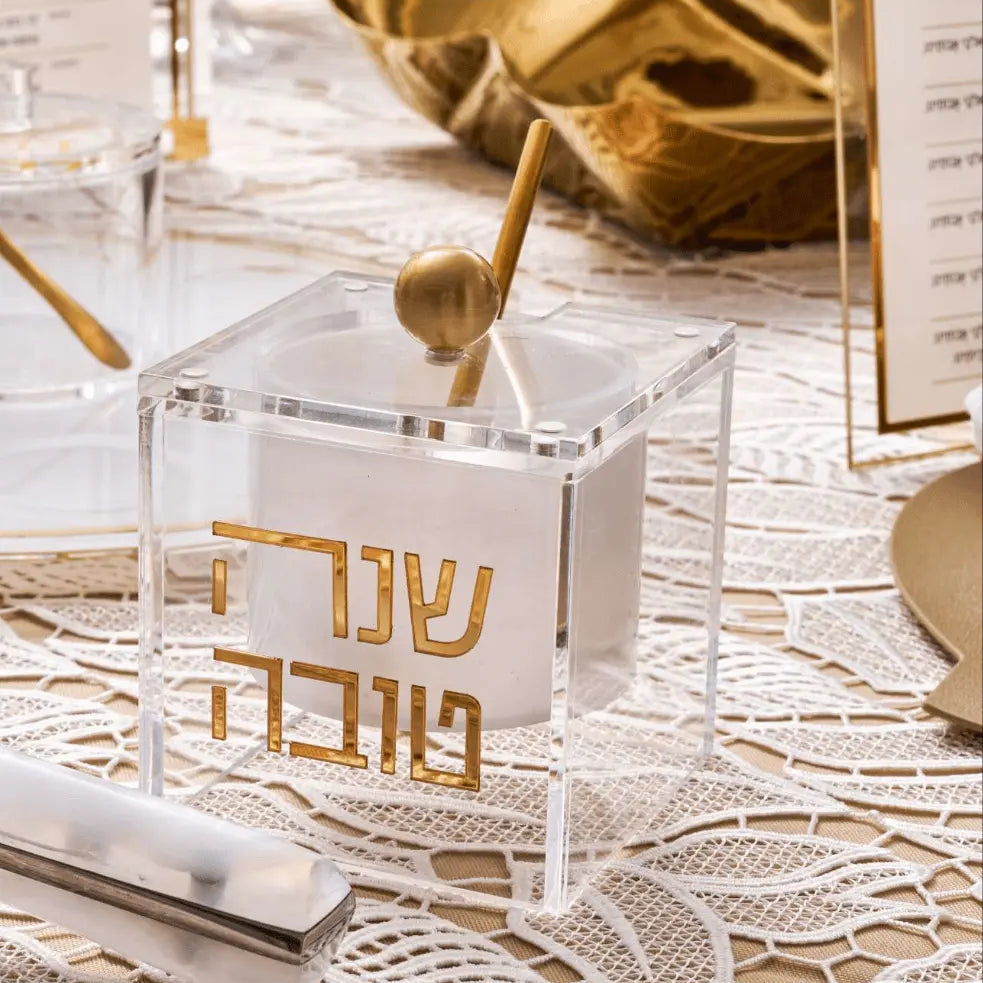
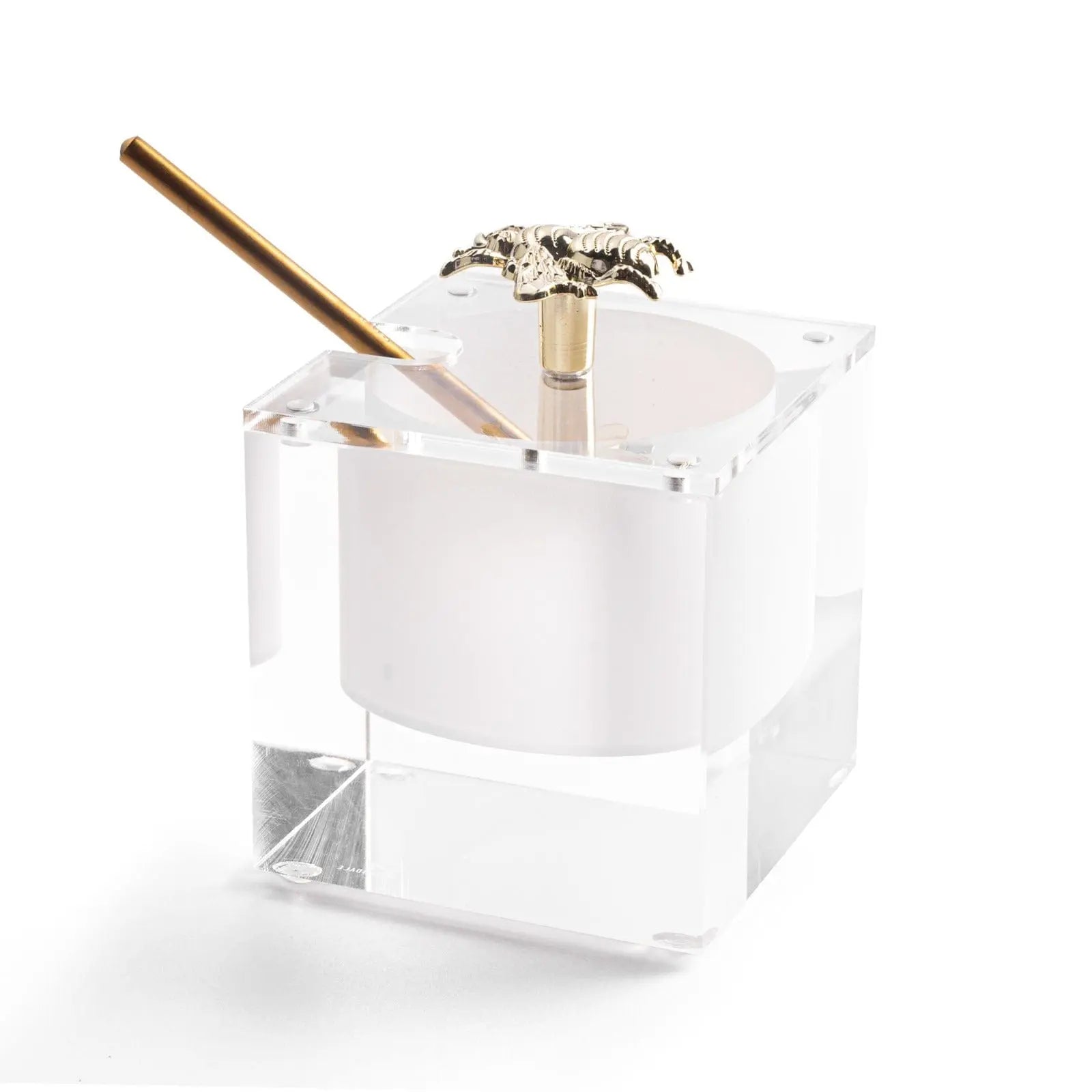
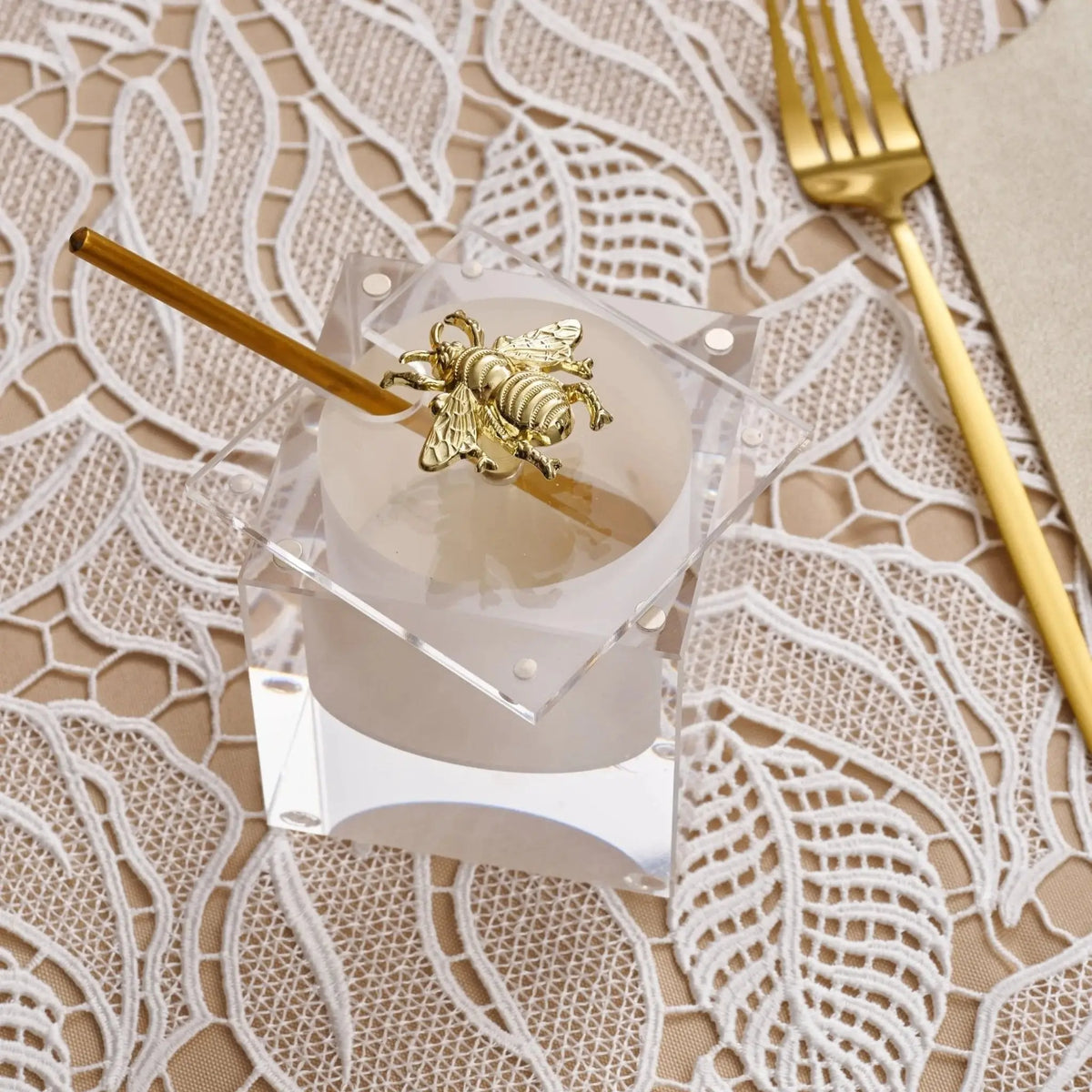
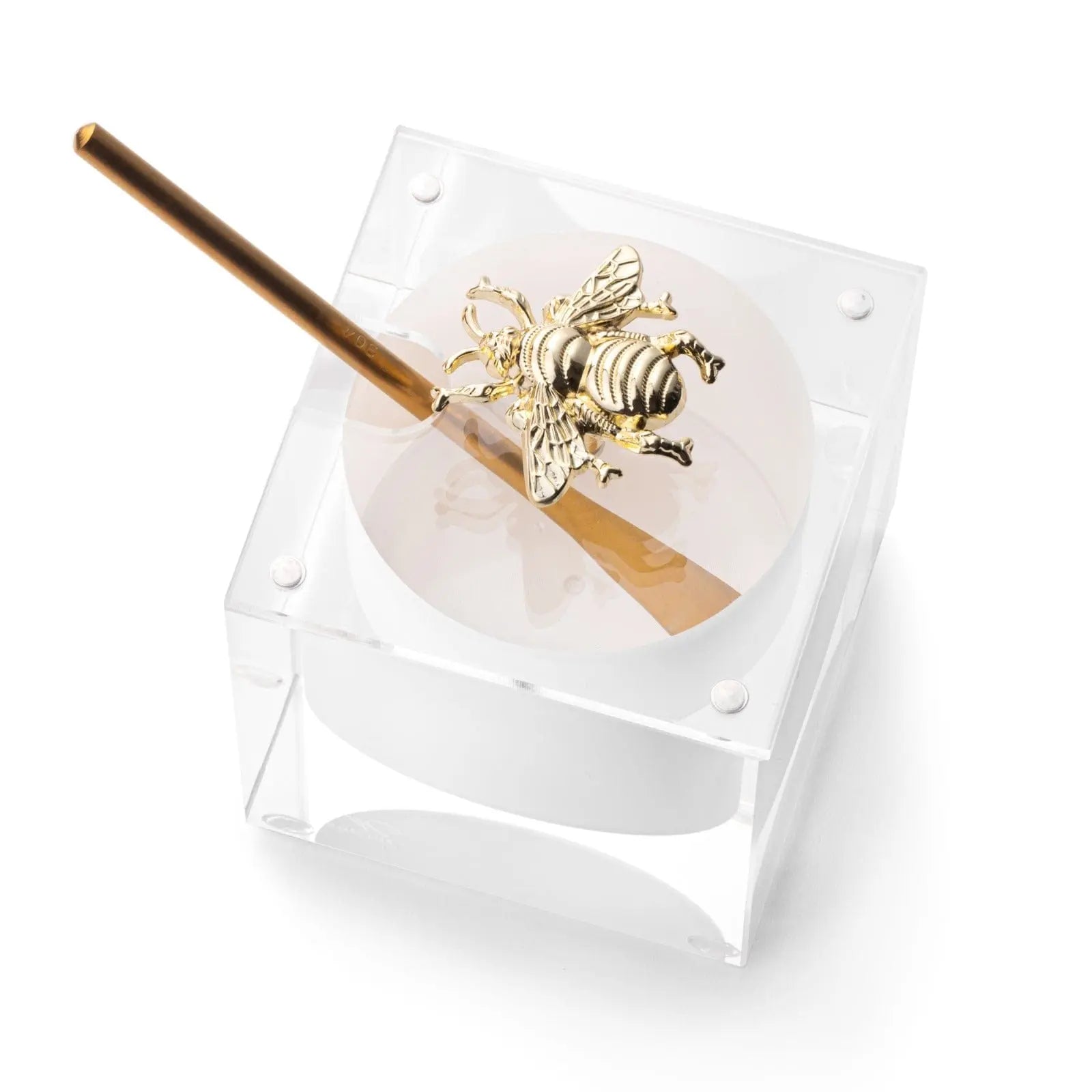
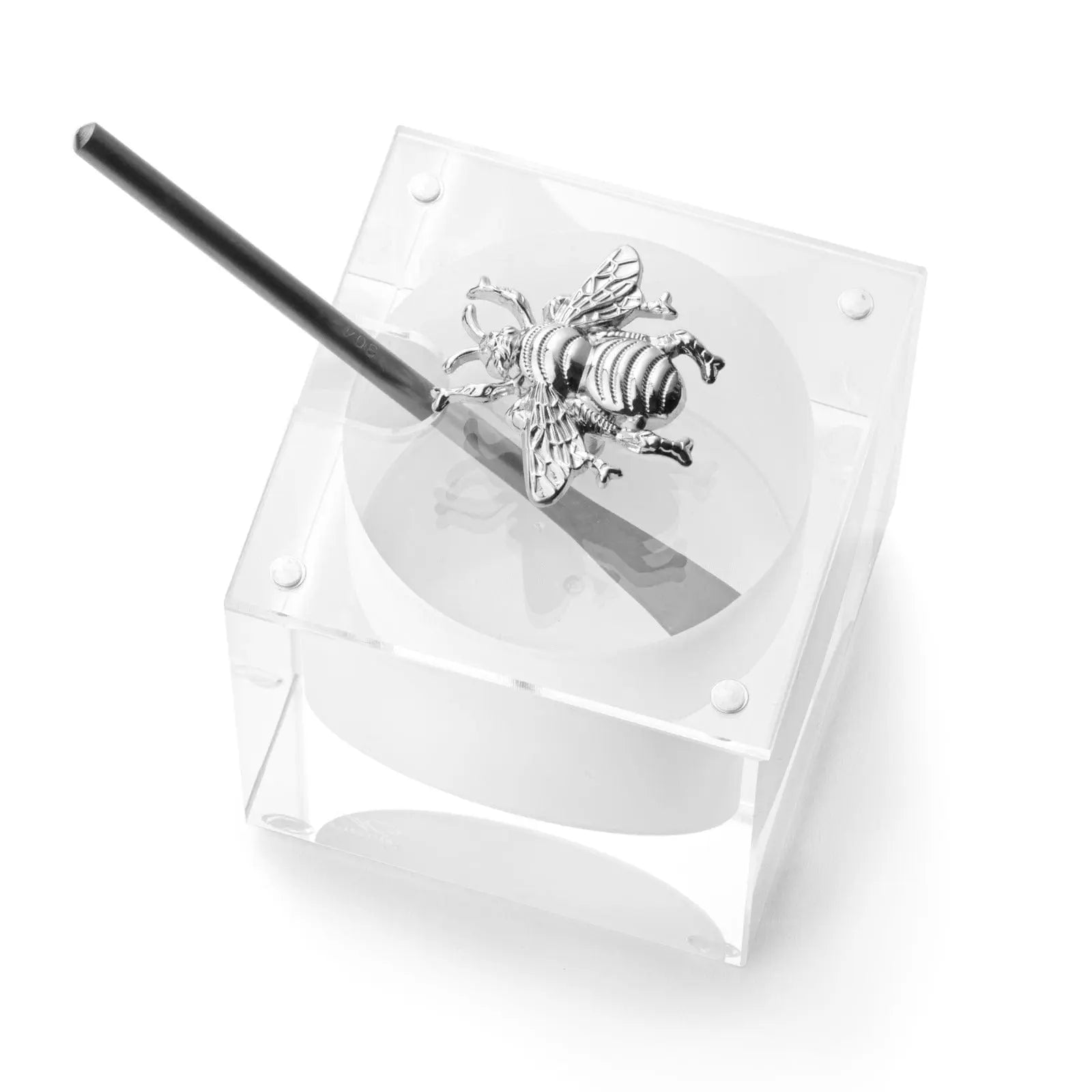
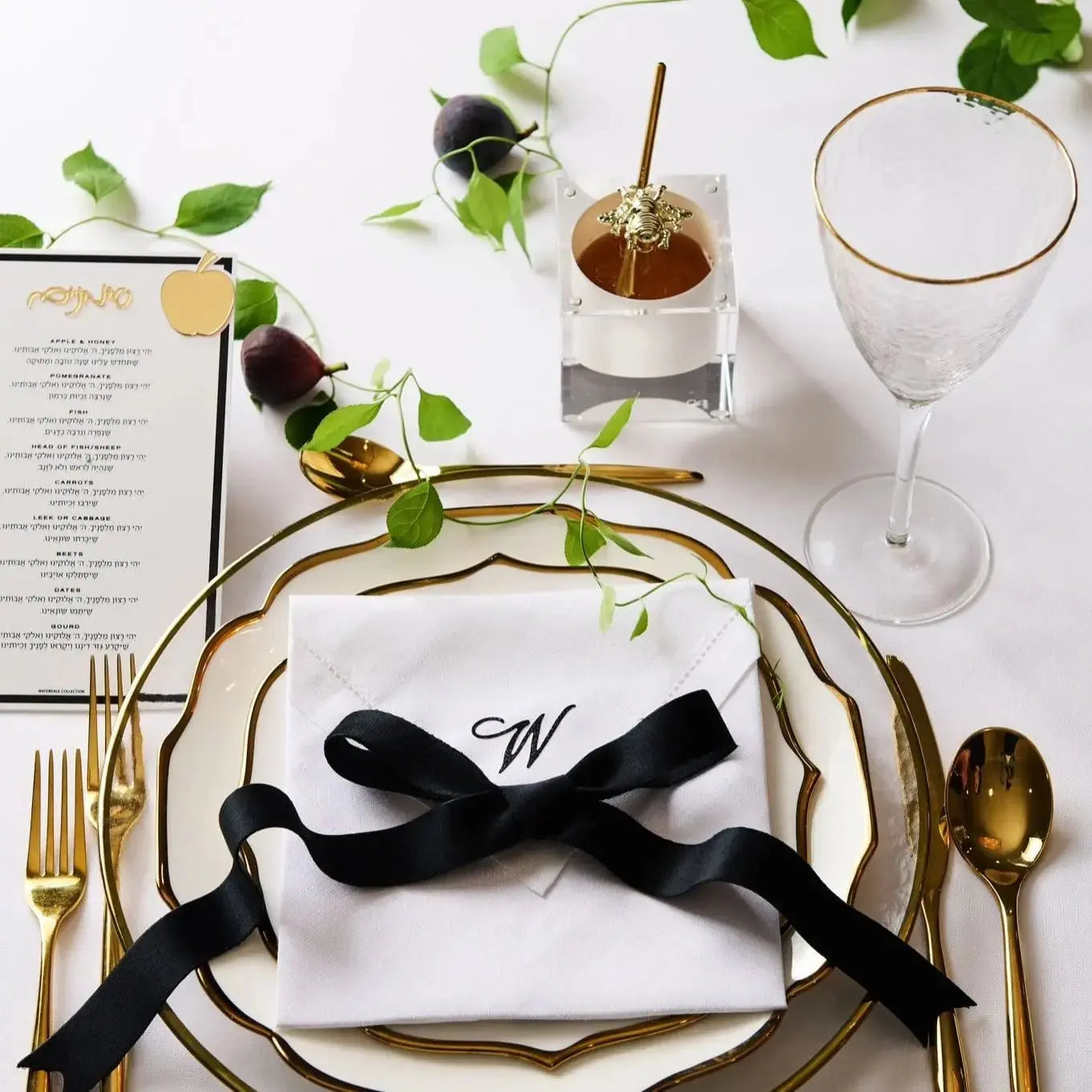
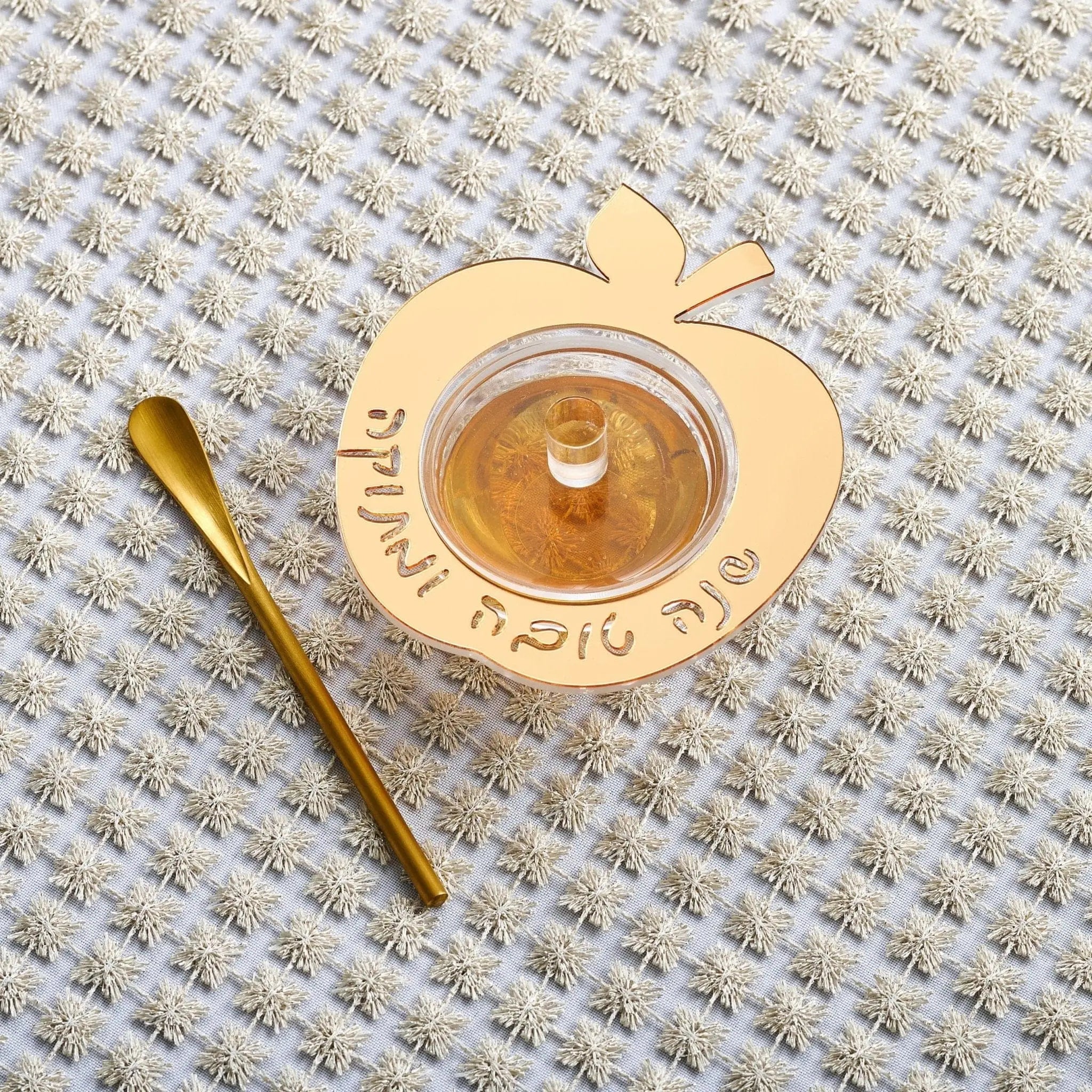
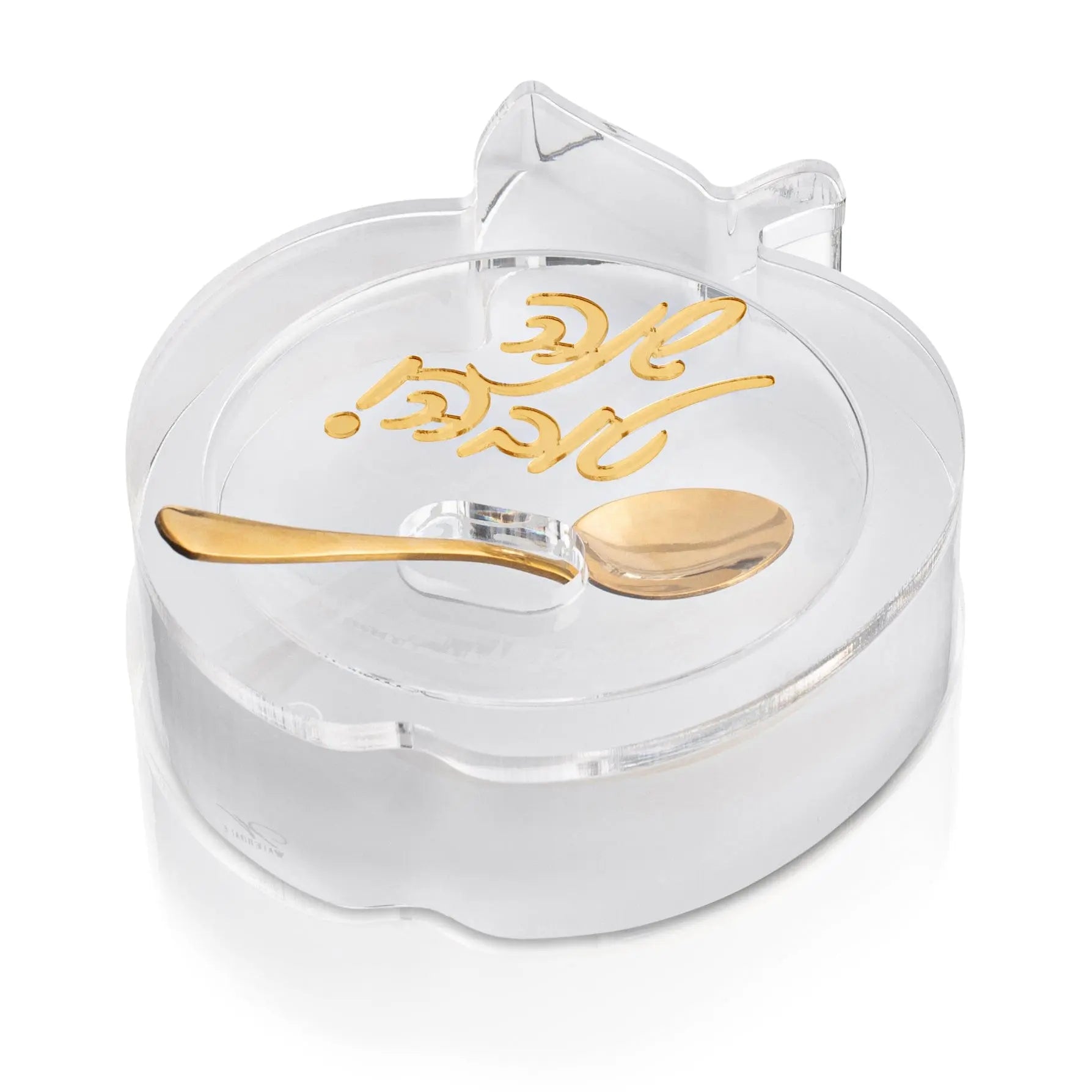
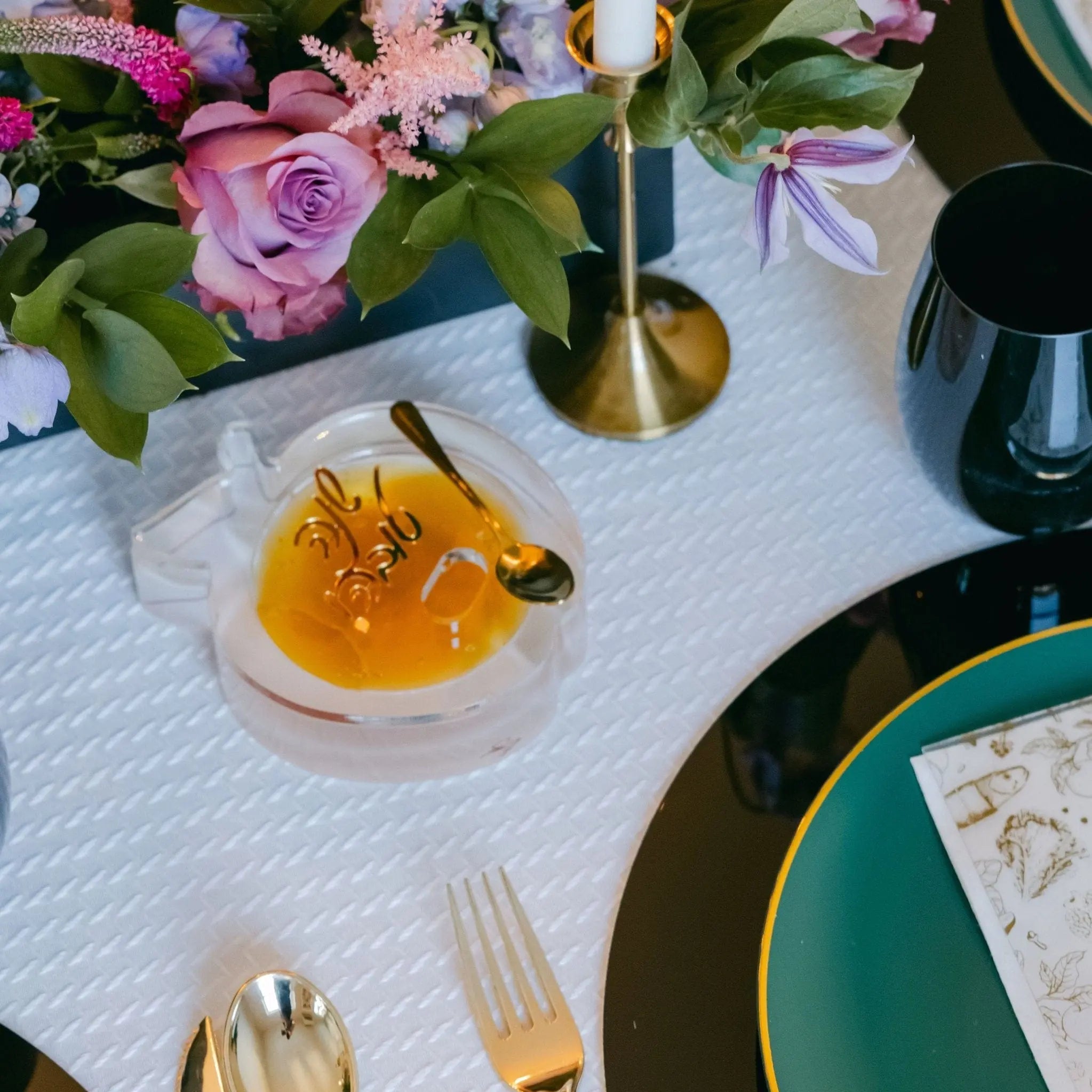
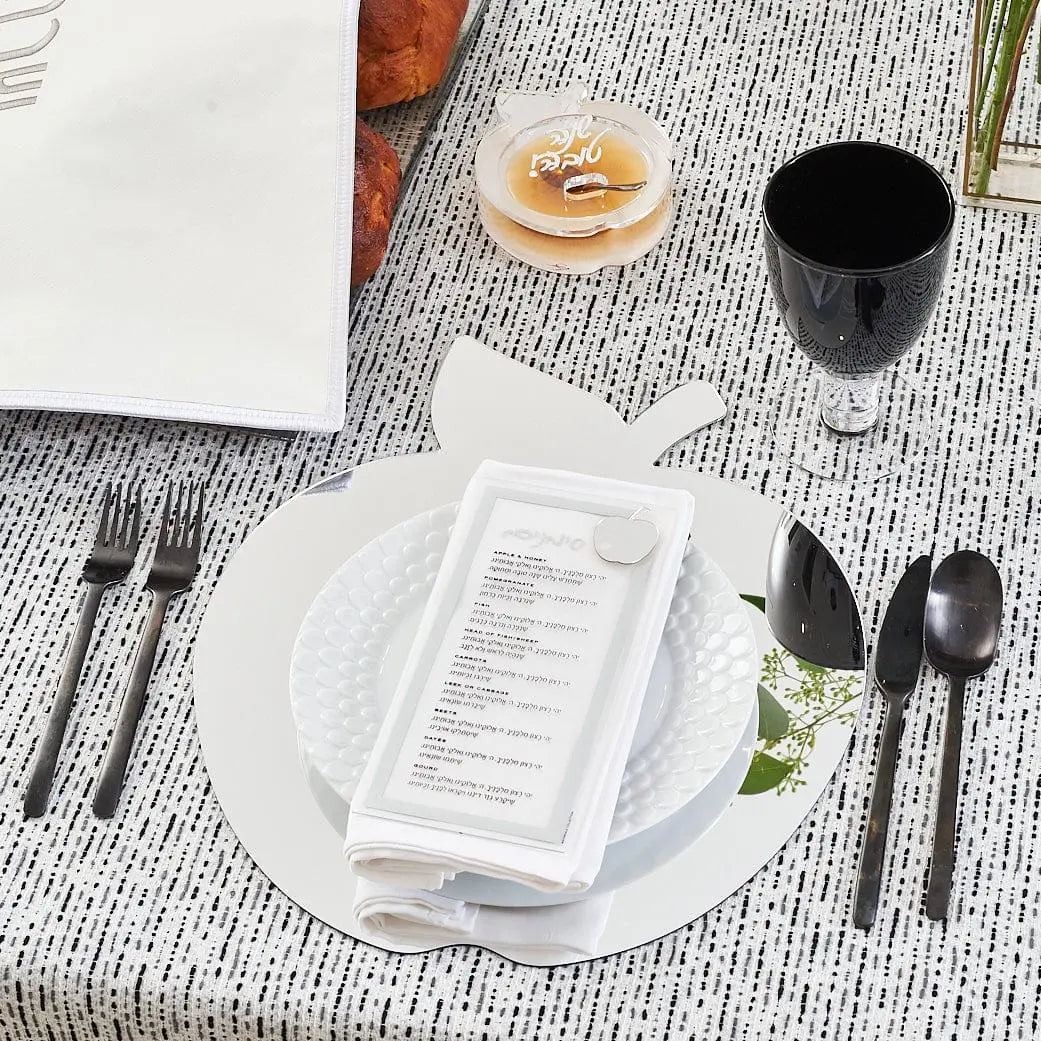
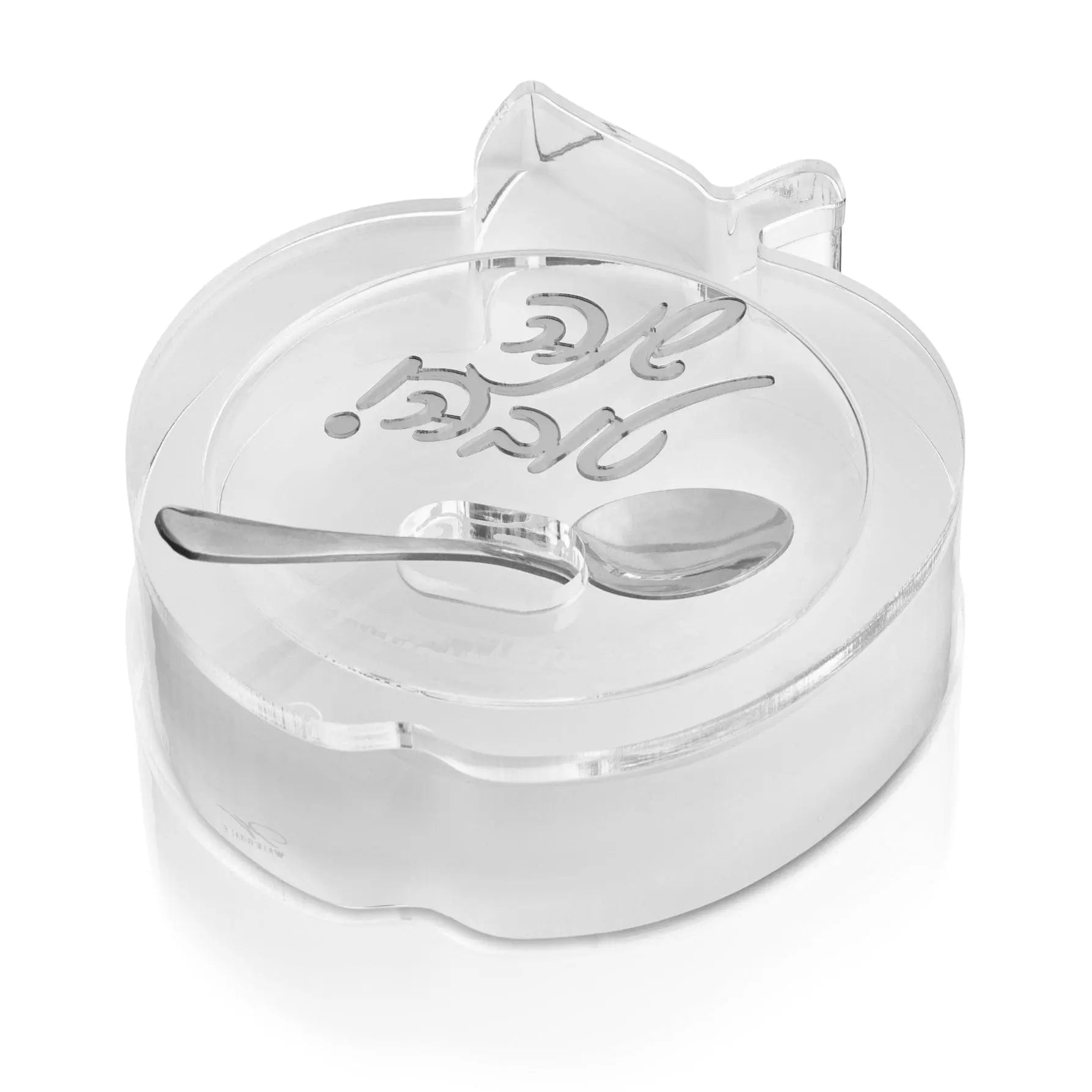
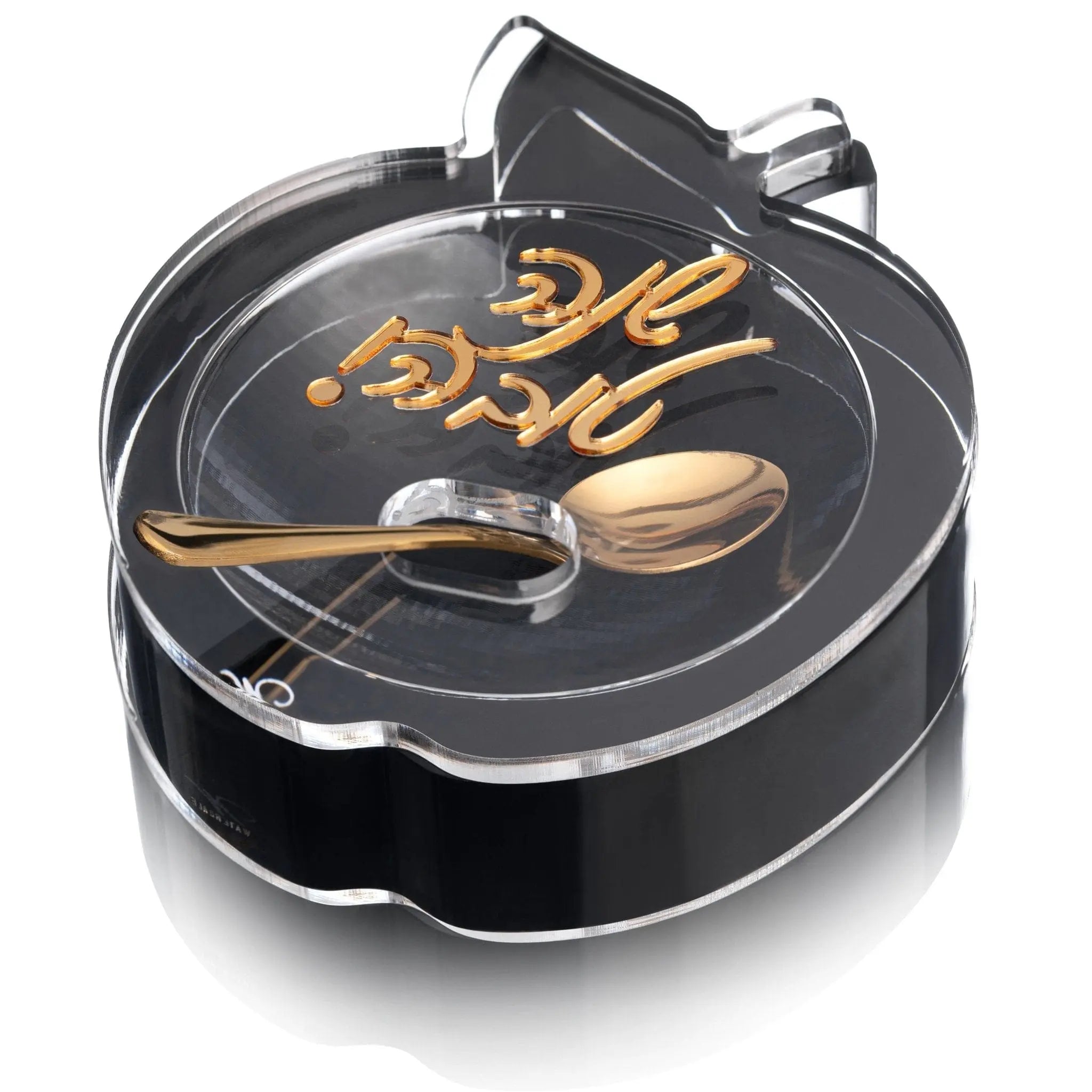
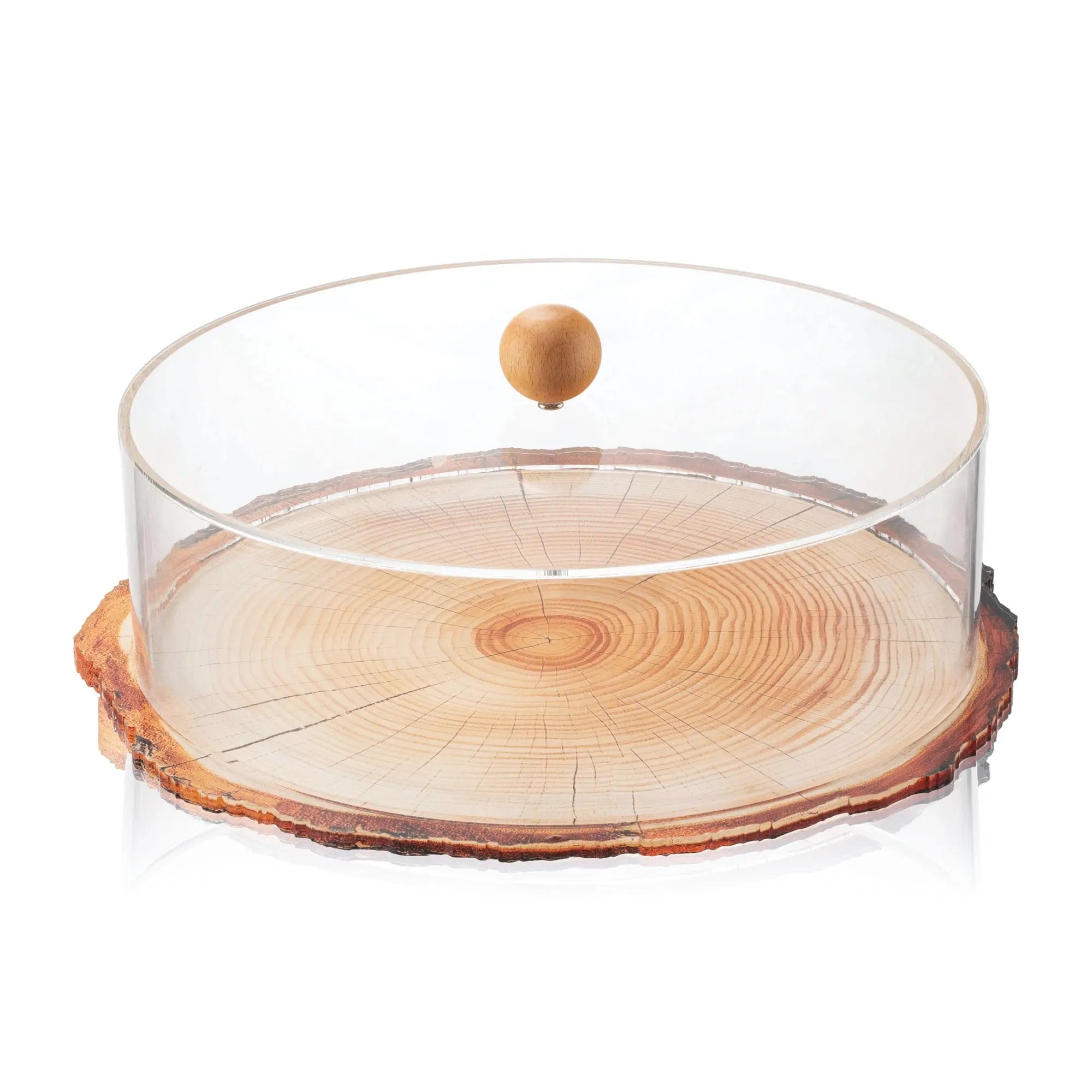
A honey dish is a small serving dish — often lidded, with a matching spoon or dipper — that holds the honey for dipping the apple and the challah on Rosh Hashanah. Because the apple-in-honey custom is the holiday's most beloved ritual, the honey dish naturally takes pride of place at the center of the table. Many families use a dedicated honey dish set aside just for the Yamim Tovim.
How long do we keep dipping challah in honey — only on Rosh Hashanah?
Customs vary: some families dip challah in honey only on Rosh Hashanah itself, while many continue at every Yom Tov and Shabbos meal through Hoshana Rabbah, the last day of Sukkos, extending the prayer for a sweet year across the whole holiday season. Either way, the honey dish stays on the table well beyond the two days of Rosh Hashanah. That extended season of use is part of why a beautiful honey dish is such a worthwhile piece.
Should a honey dish have a lid and a spoon?
A lidded honey dish keeps the honey clean between servings and protects it if the table is set hours before candle-lighting, while a matching spoon or dipper makes serving neater and easier to pass — especially with children at the meal. An open dish looks elegant and works fine when apple slices are dipped directly. Many hosts keep the lid on until Kiddush and set it aside once the meal begins.
What size honey dish do I need — and should each guest get their own?
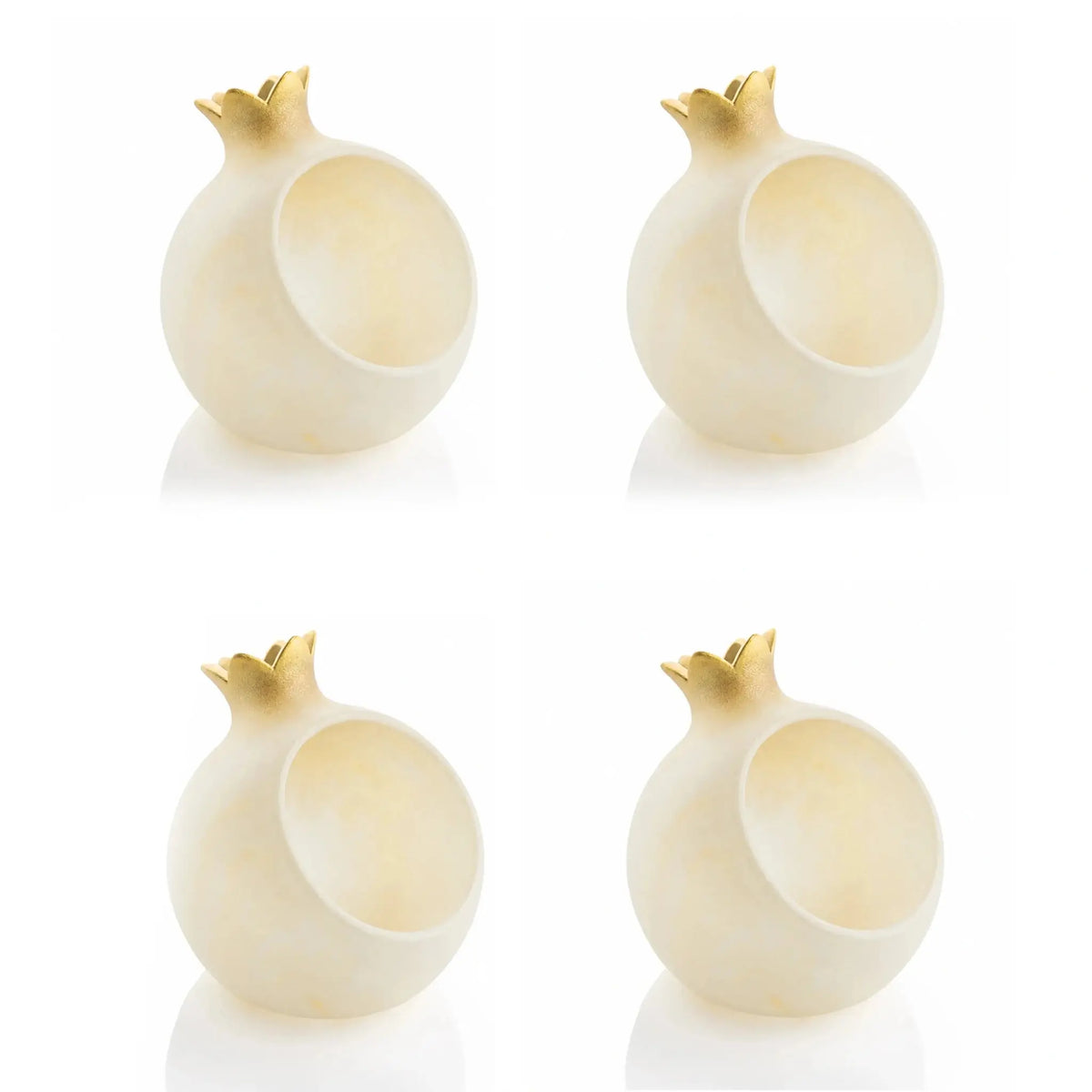
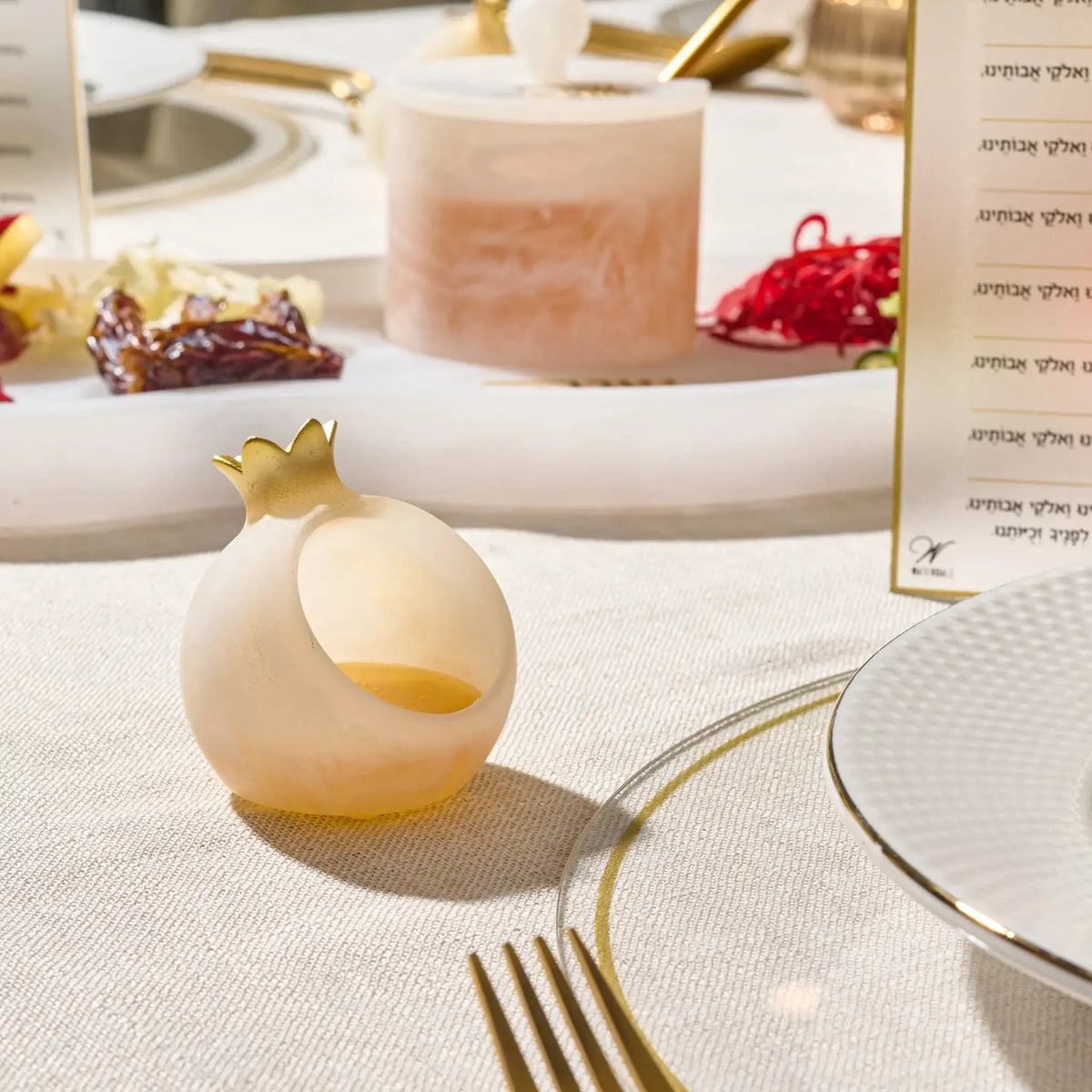
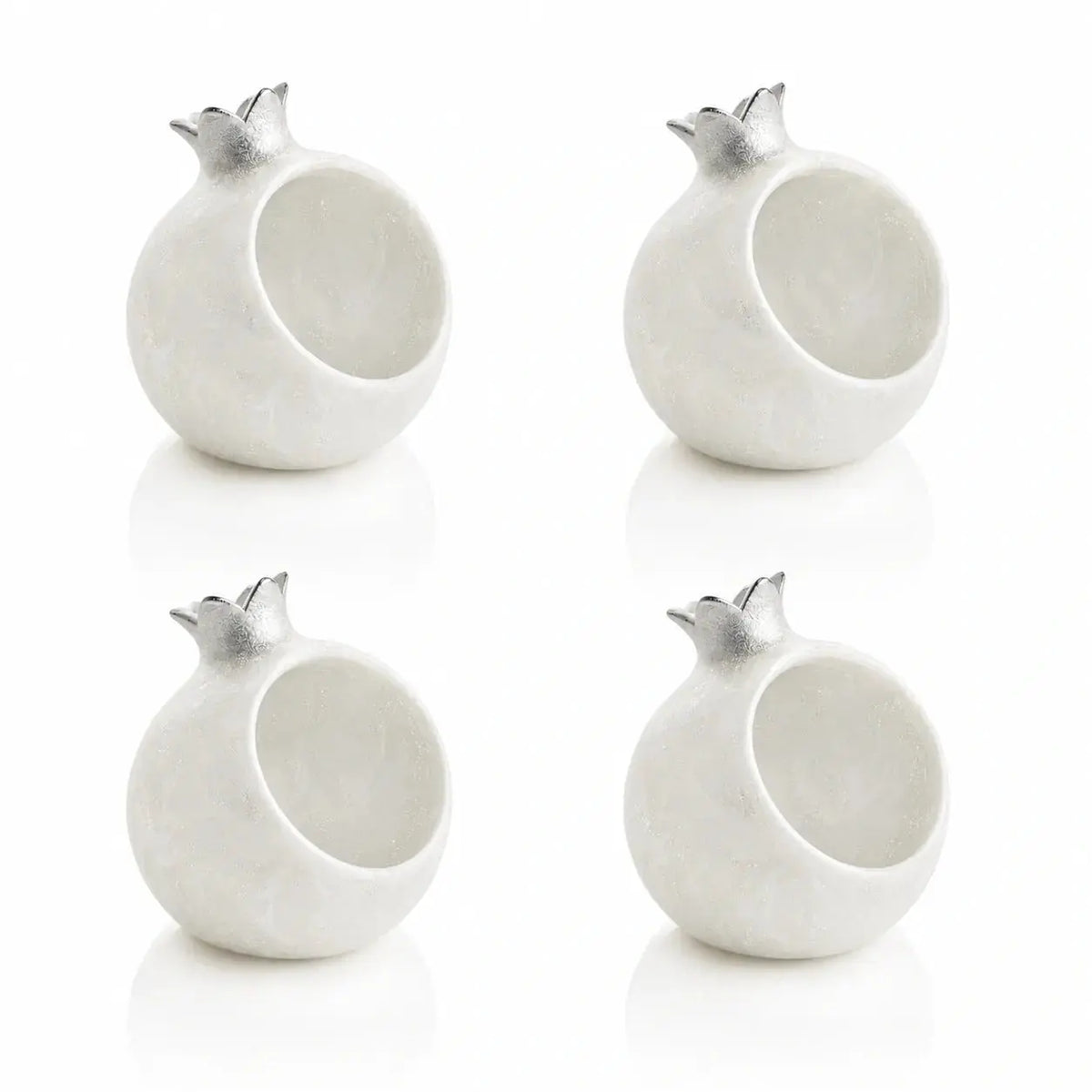
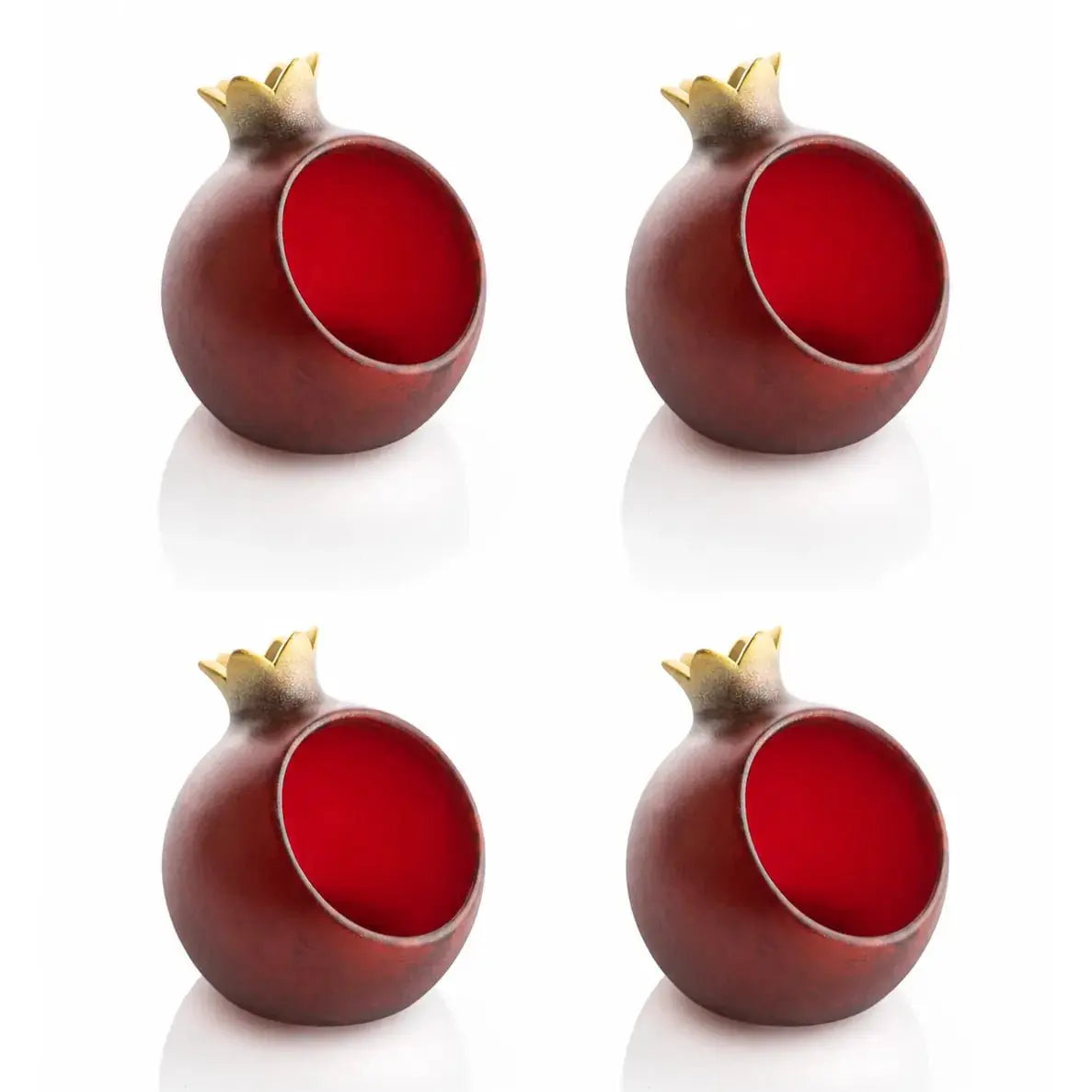
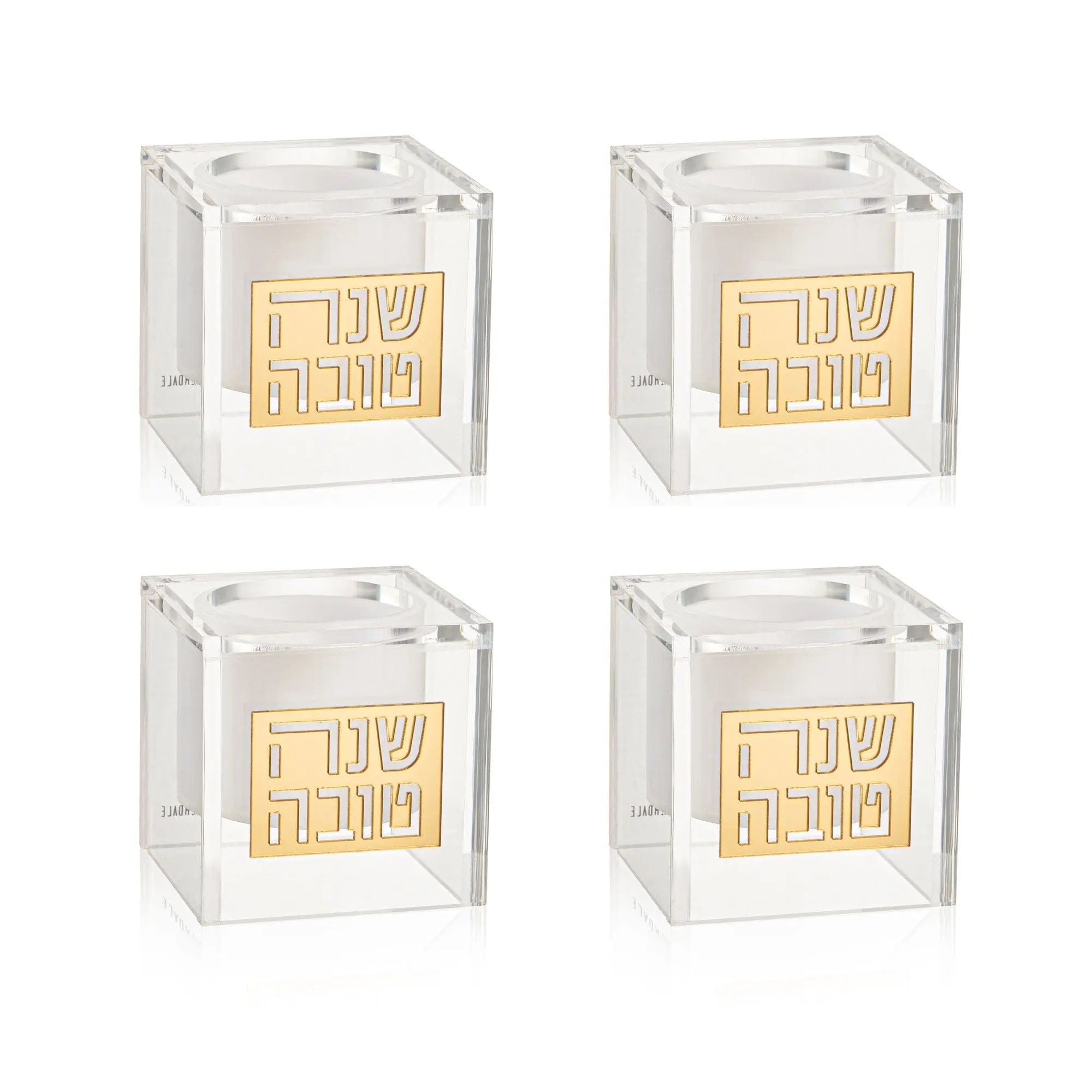
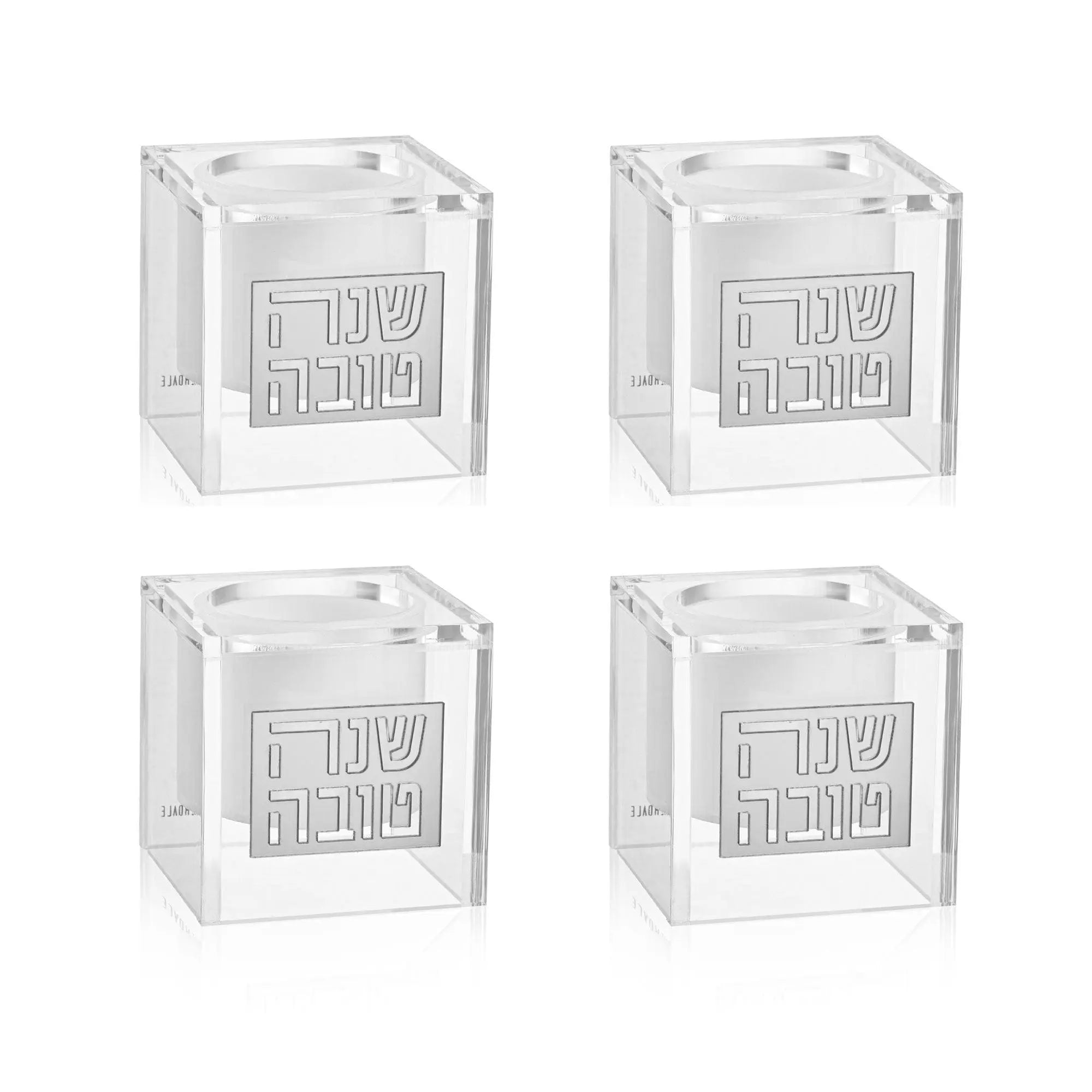
A standard family-size honey dish holding a few ounces, passed around the table, suits most homes. For larger or more formal sedarim, individual mini honey dishes at each place setting have become popular, letting every guest dip without waiting. Some hosts use one central dish plus a few smaller ones spaced down a long table — it's entirely a matter of table size and style.
Is a glass, ceramic, or silver honey dish better?
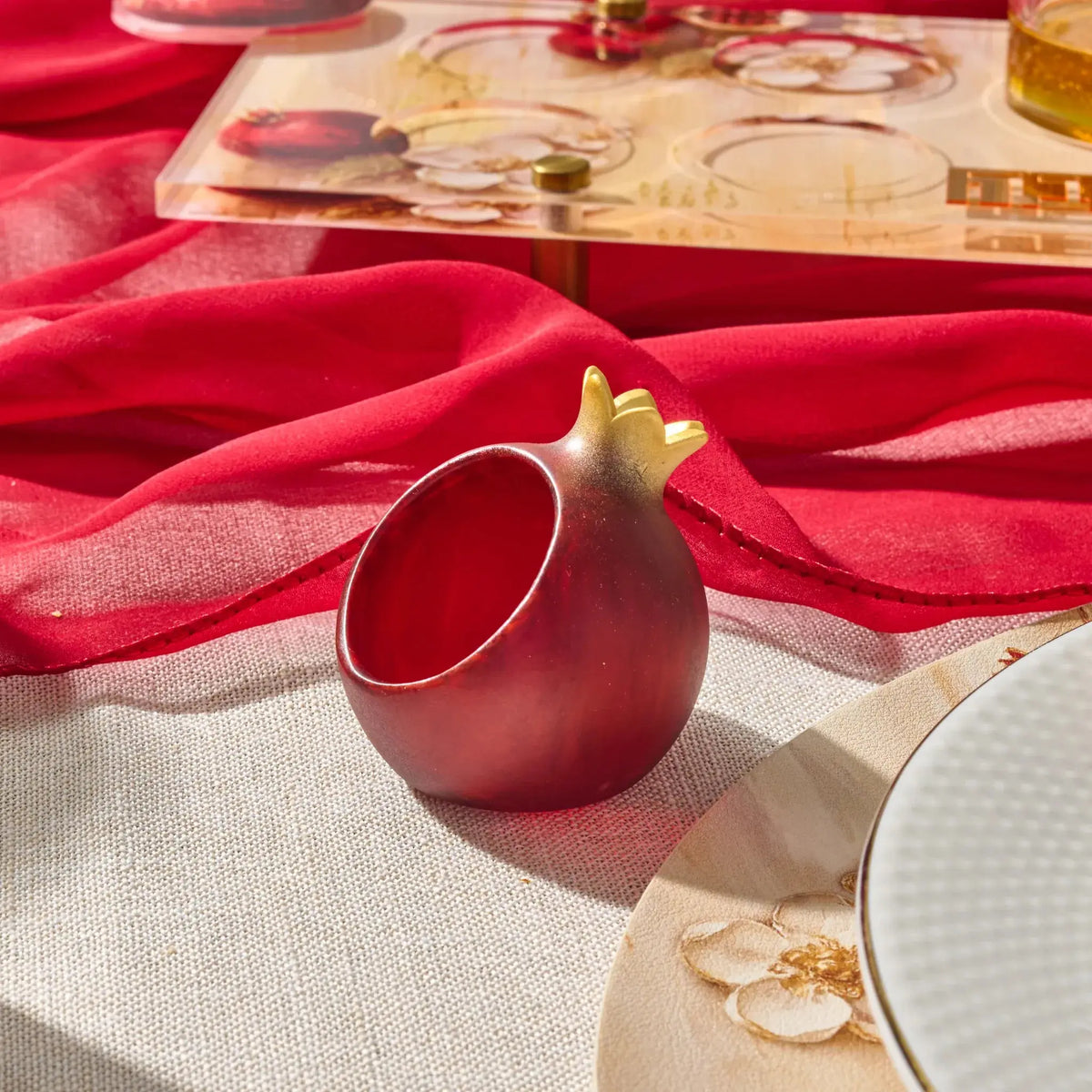
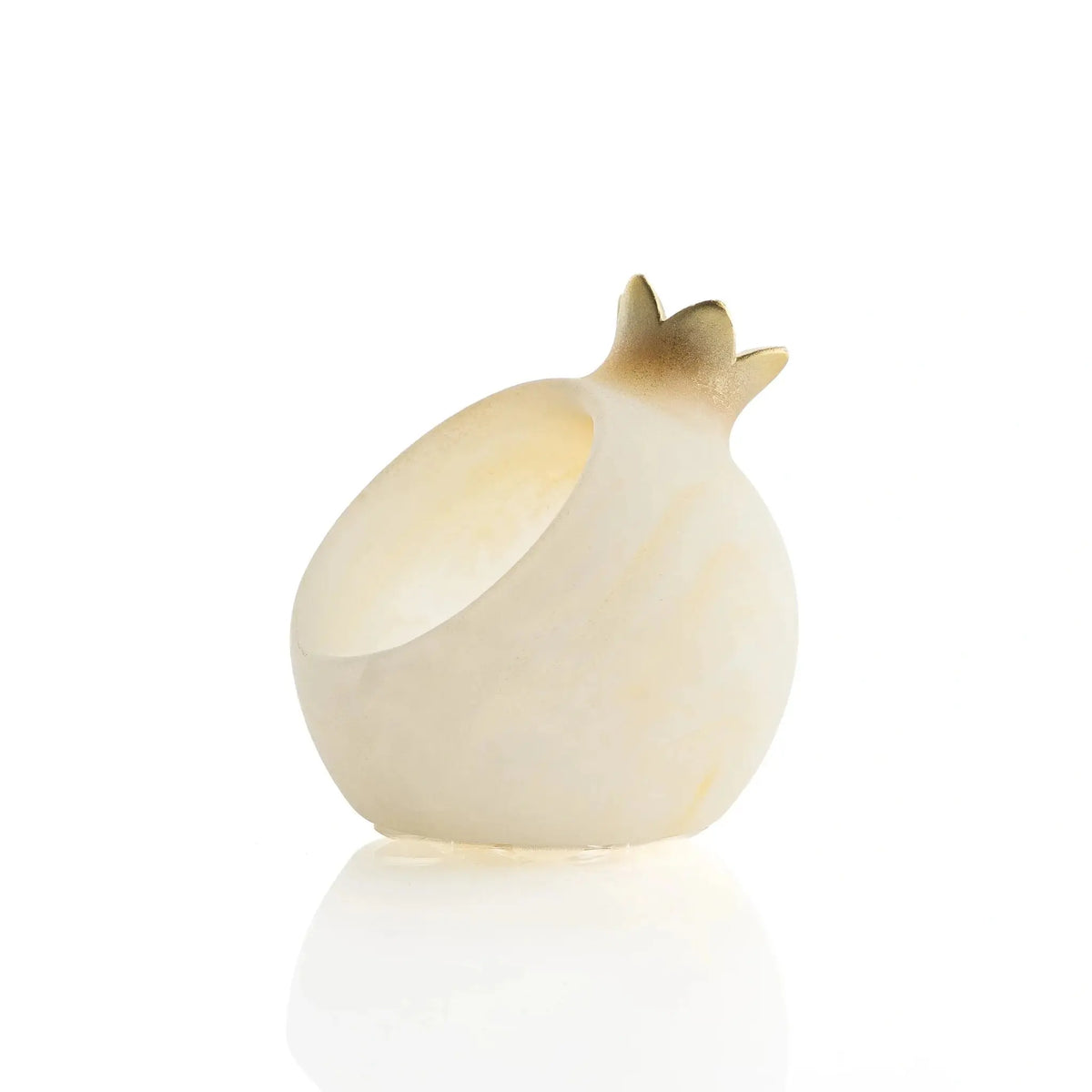
Glass honey dishes show off the honey's golden color and rinse clean easily; ceramic and enamel pieces bring color and often feature apple or pomegranate motifs; silver and silver-plated dishes read as the most formal and traditional. There's no religious requirement — coordinate with your Kiddush cup, candlesticks, or the rest of your Rosh Hashanah tableware. Hand-wash decorated and silver pieces to protect the finish.
Is a honey dish a good wedding, housewarming, or Rosh Hashanah gift?
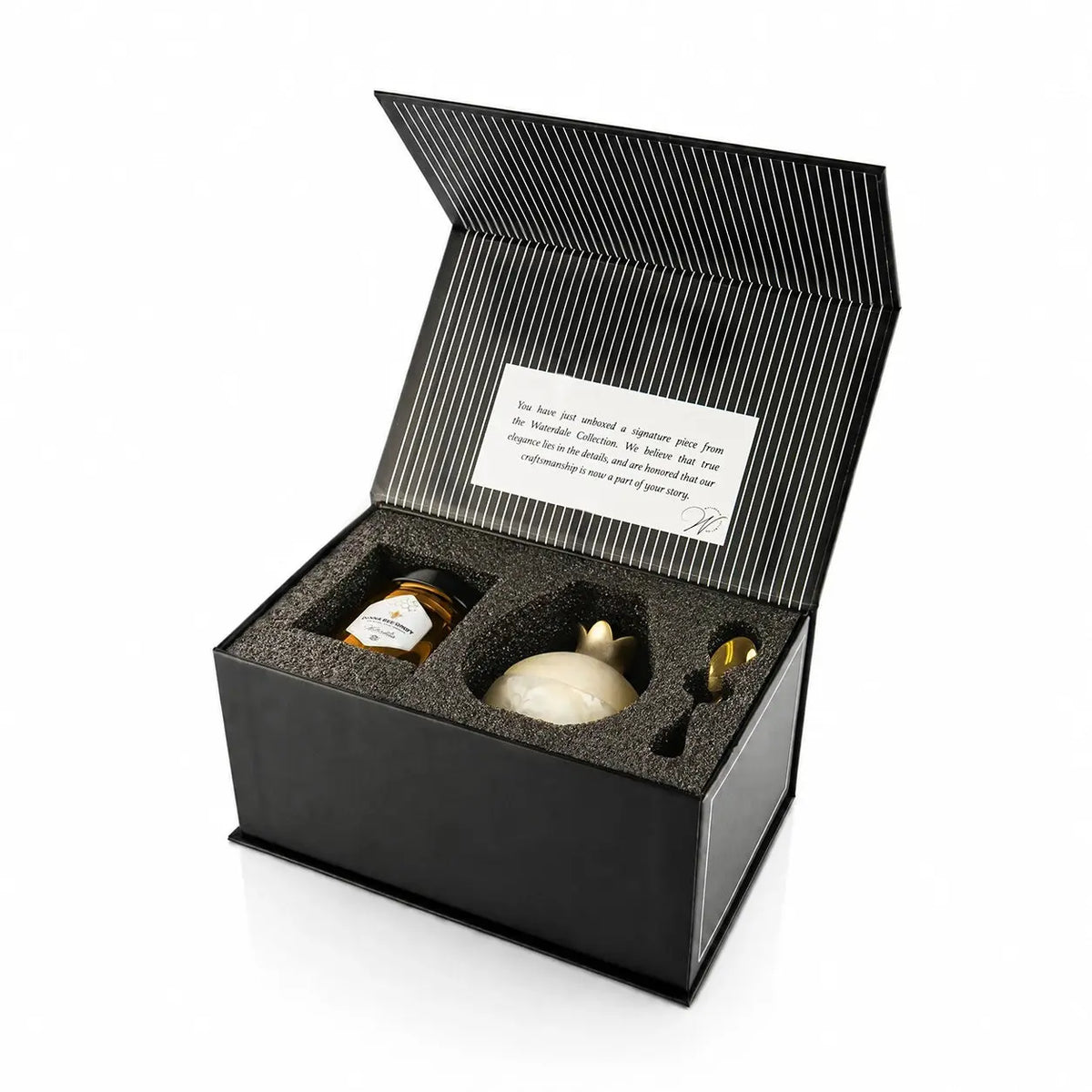
A honey dish is one of the most popular Judaica gifts precisely because it's used every single year — a couple setting up their first Yom Tov table will bring it out each Rosh Hashanah for decades. Pairing it with a jar of quality honey or a card explaining the apple-and-honey custom makes the gift feel complete. A silver-plated or artisan glass dish reads as a substantial, lasting present.
Can a honey dish be used for anything besides honey?
Absolutely — a honey dish works year-round for jam, dips, sauces, or condiments at Shabbos and weekday meals, making it a practical everyday piece rather than a once-a-year item. Some families still prefer to reserve one dish exclusively for Rosh Hashanah to keep it looking pristine for the holiday. Both approaches are common in different households.
Early access to new releases, limited restocks, and occasional updates.