


















Simanim Accessories
Rosh Hashanah Blessings, Prayer Cards & Plaques
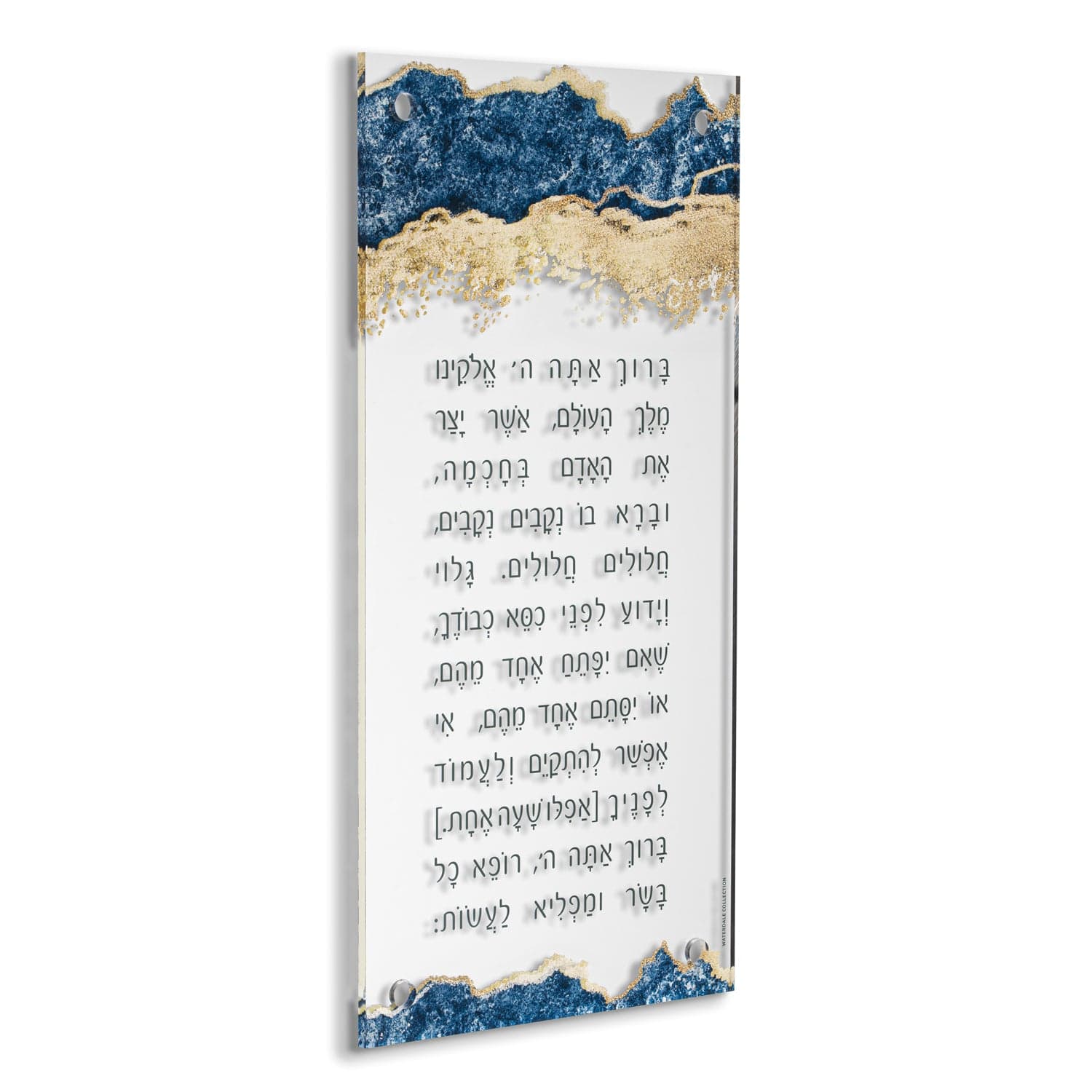
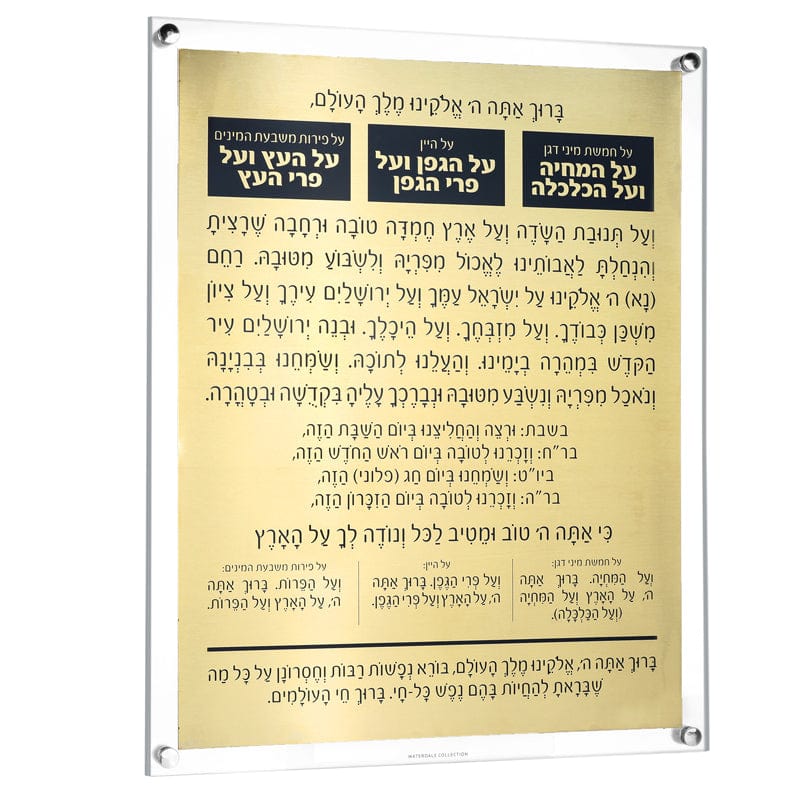
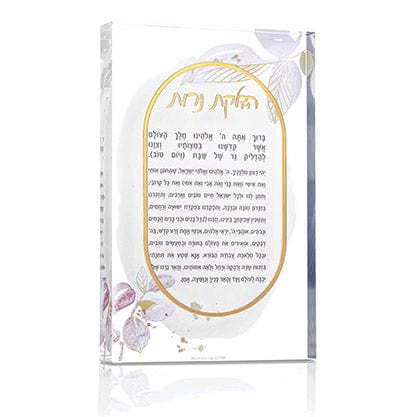
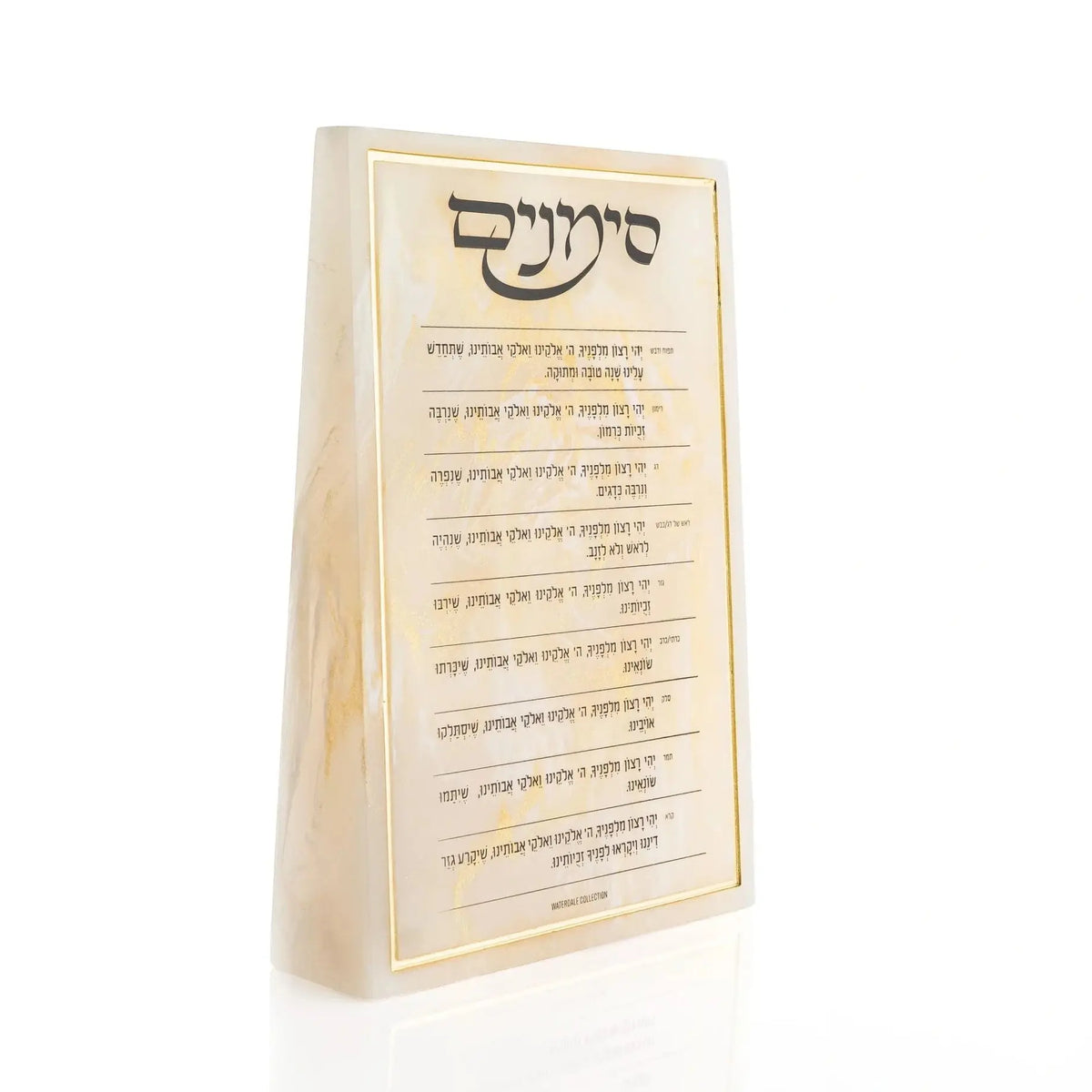
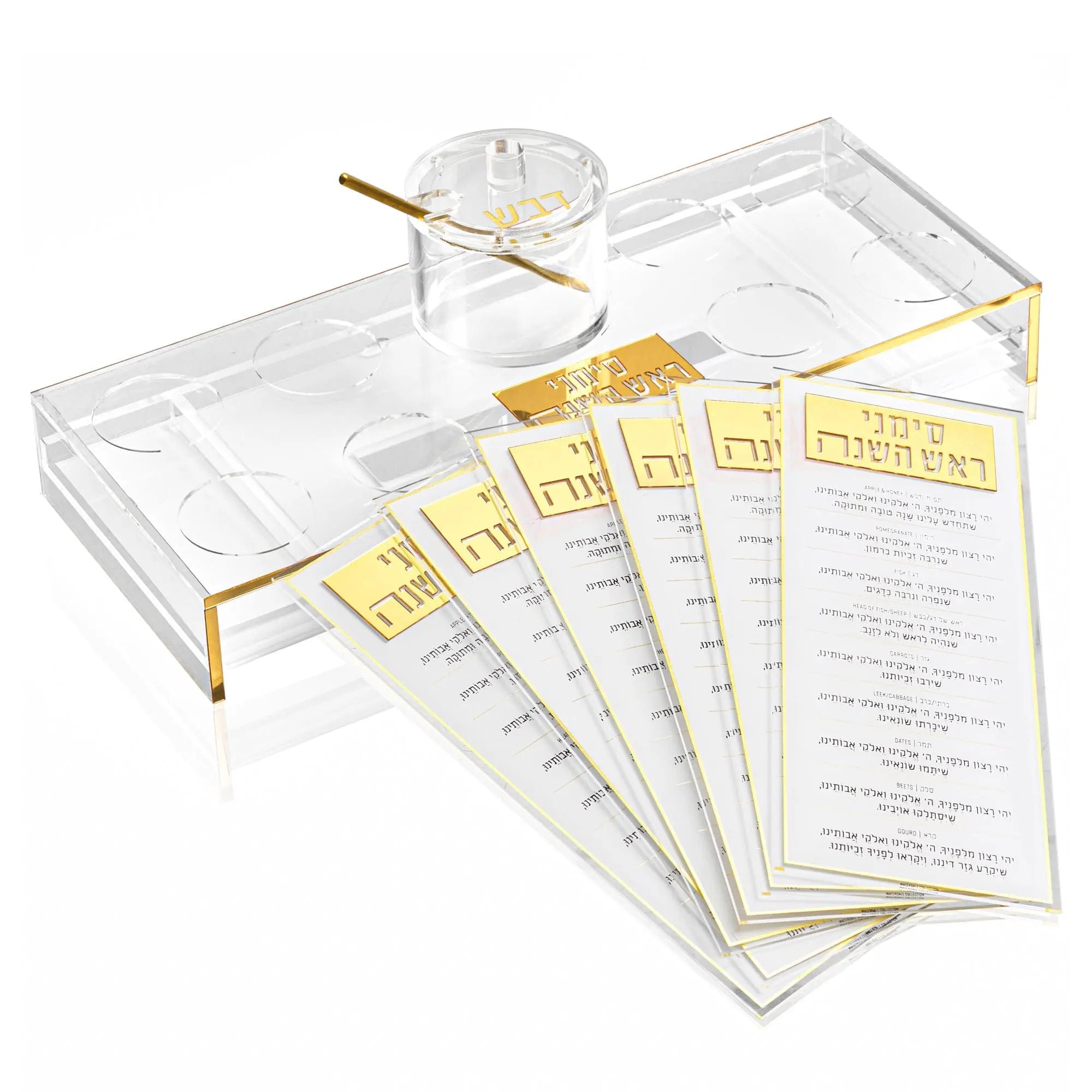
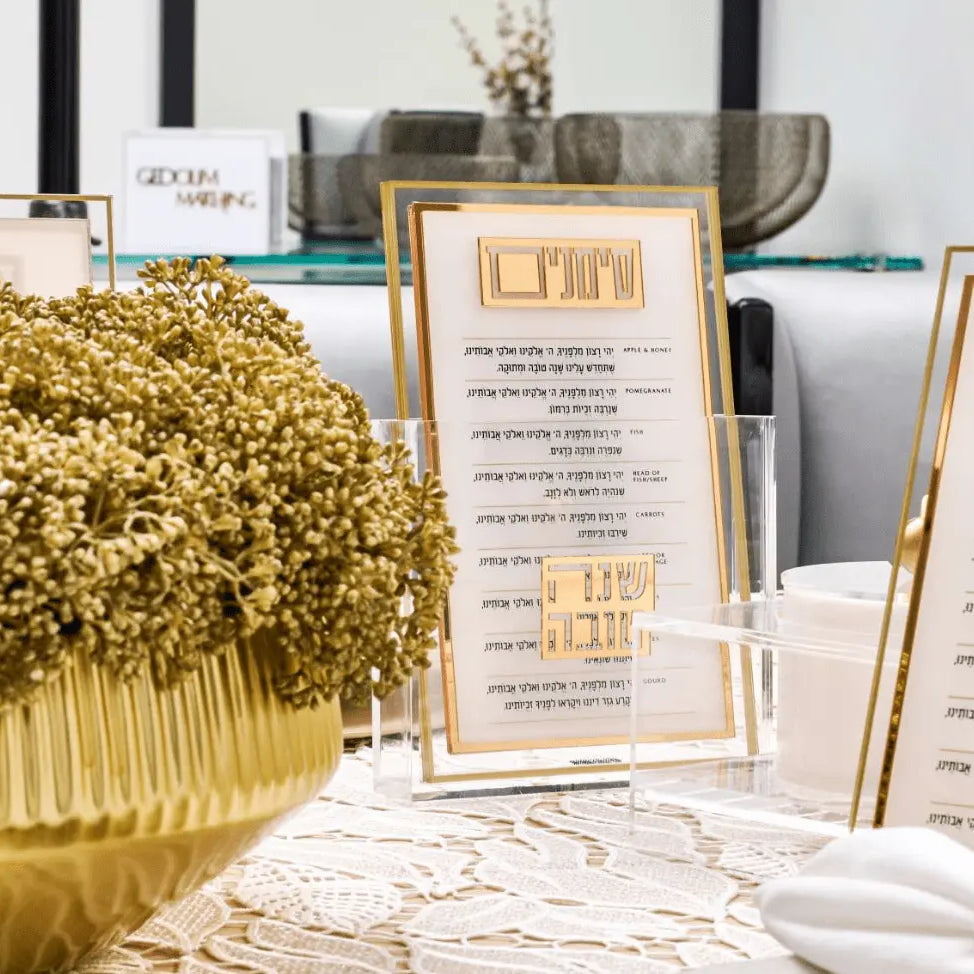
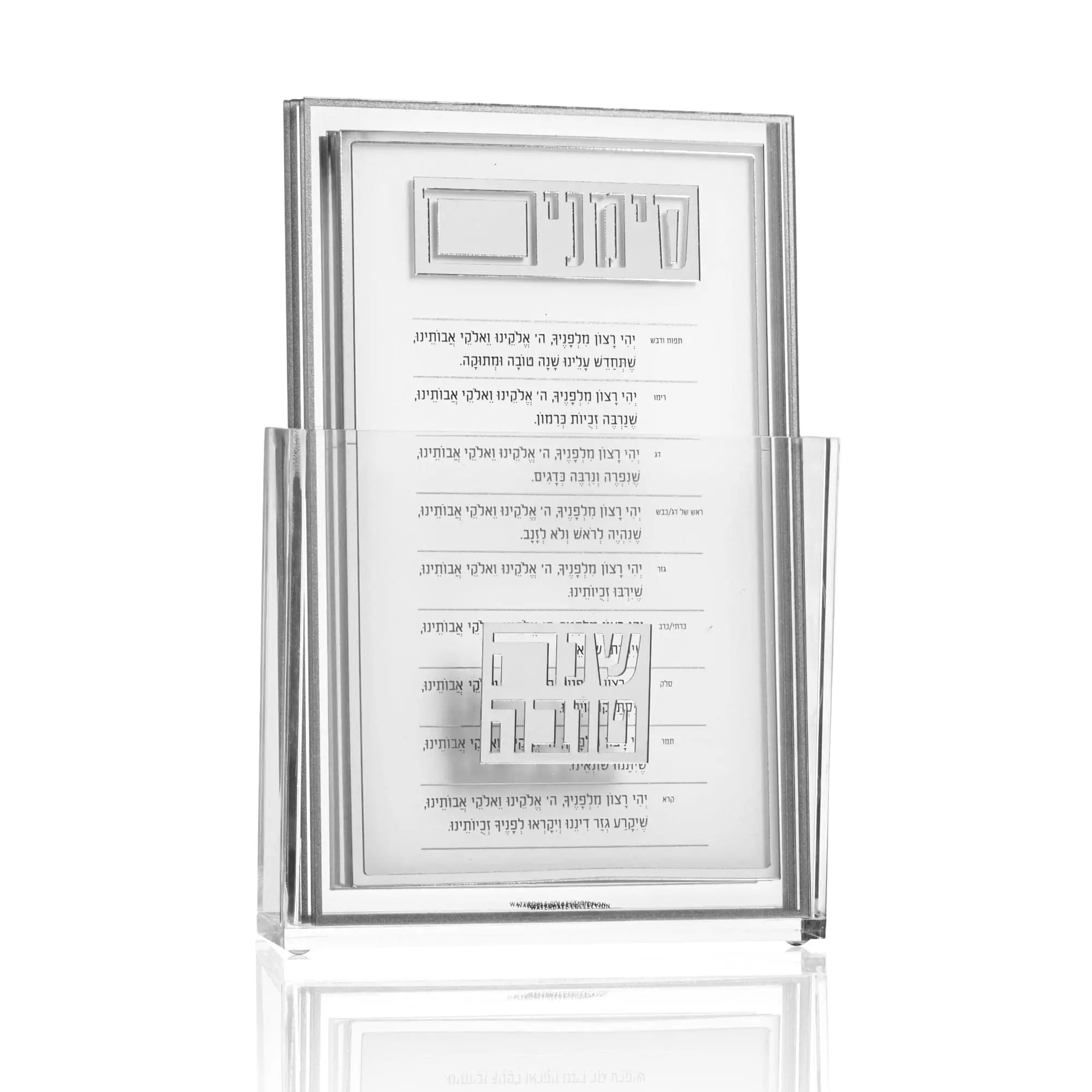
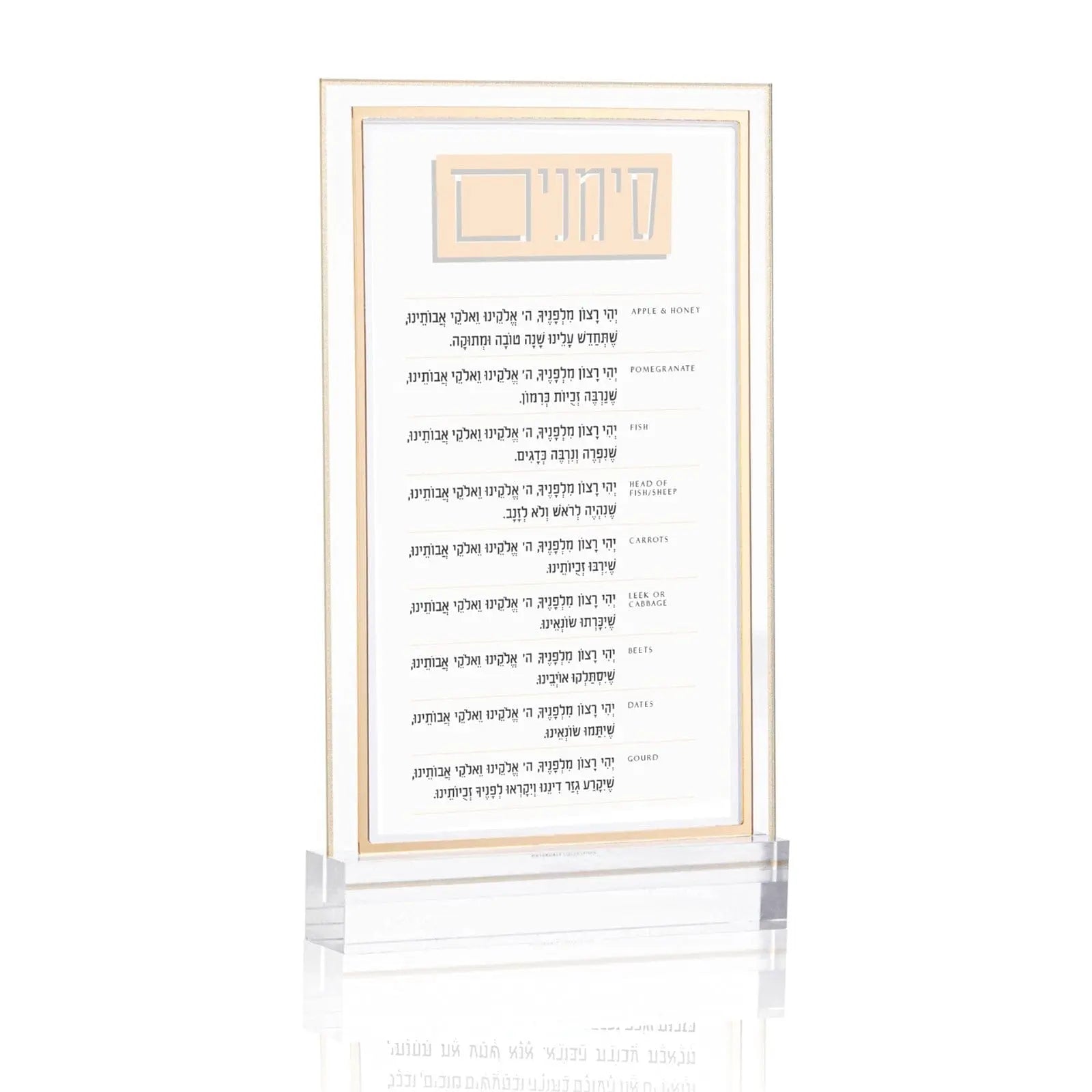
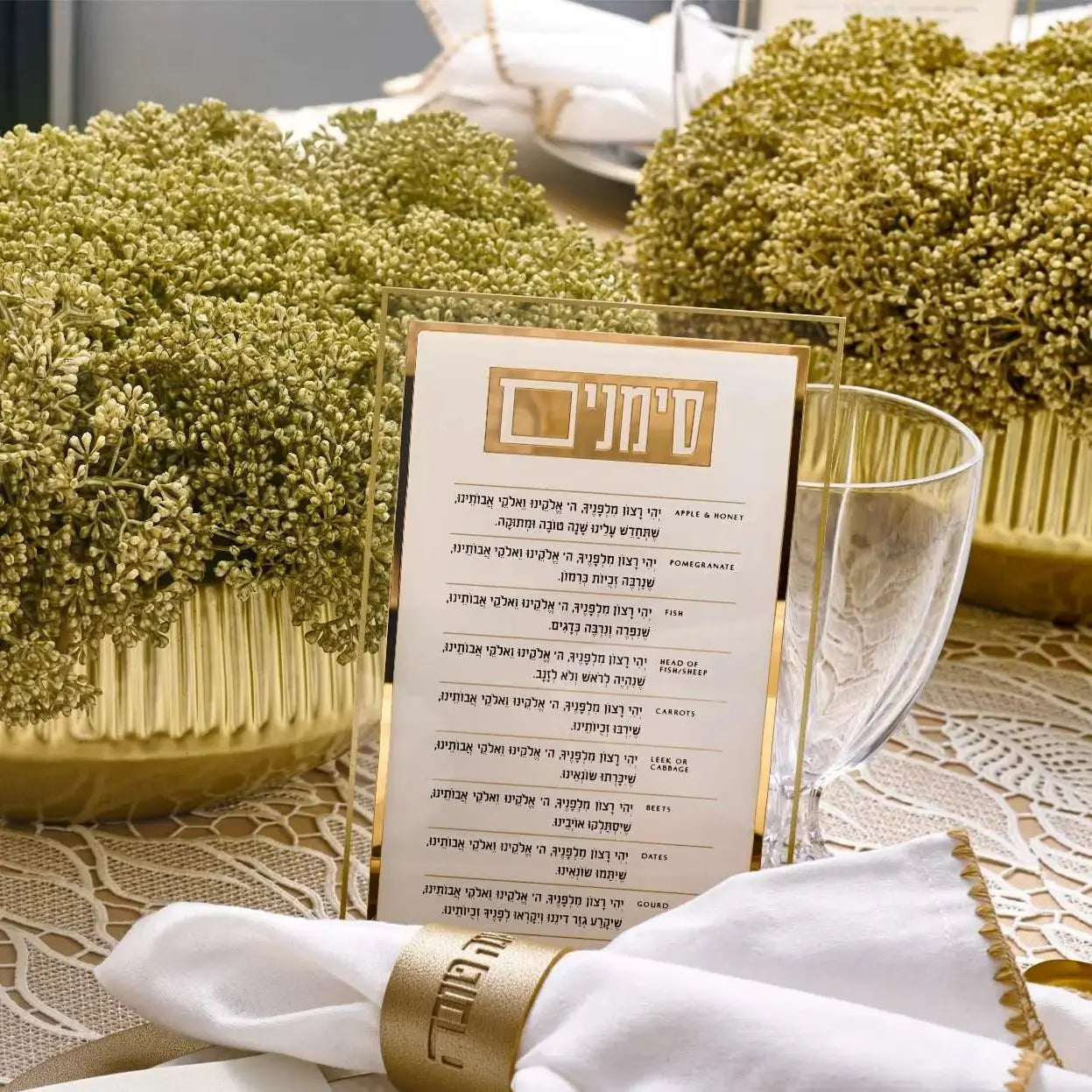
Simanim cards and prayer plaques for the Rosh Hashanah table, featuring the traditional Yehi Ratzon blessings recited over apple and honey, pomegranate, and the head of the fish. Available across Sephardic, Mizrahi, and Ashkenazi nusach variations, each piece brings the New Year blessing to your table in an elegant, giftable card or plaque.

Havdalah Gift Box
Regular price
$90.00
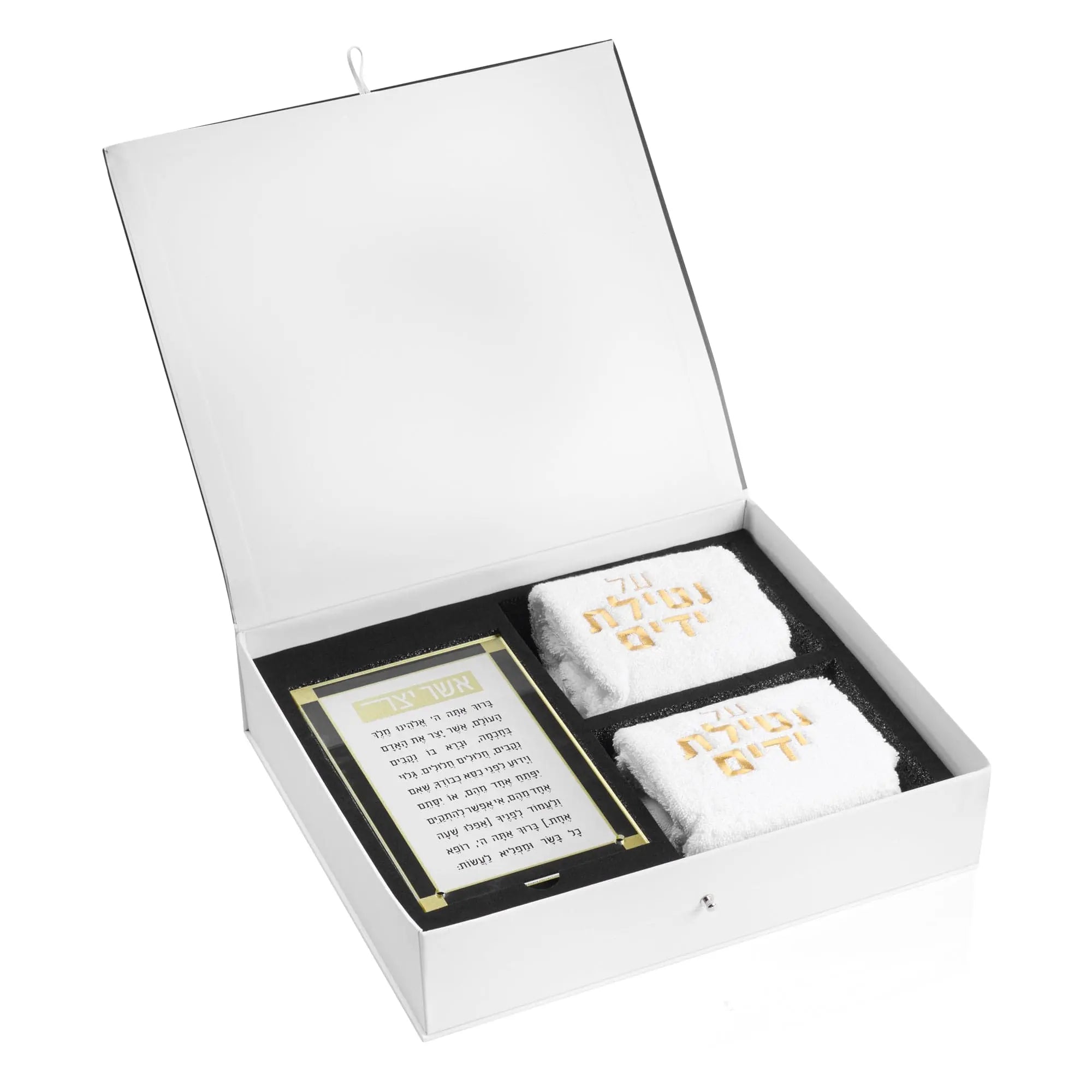
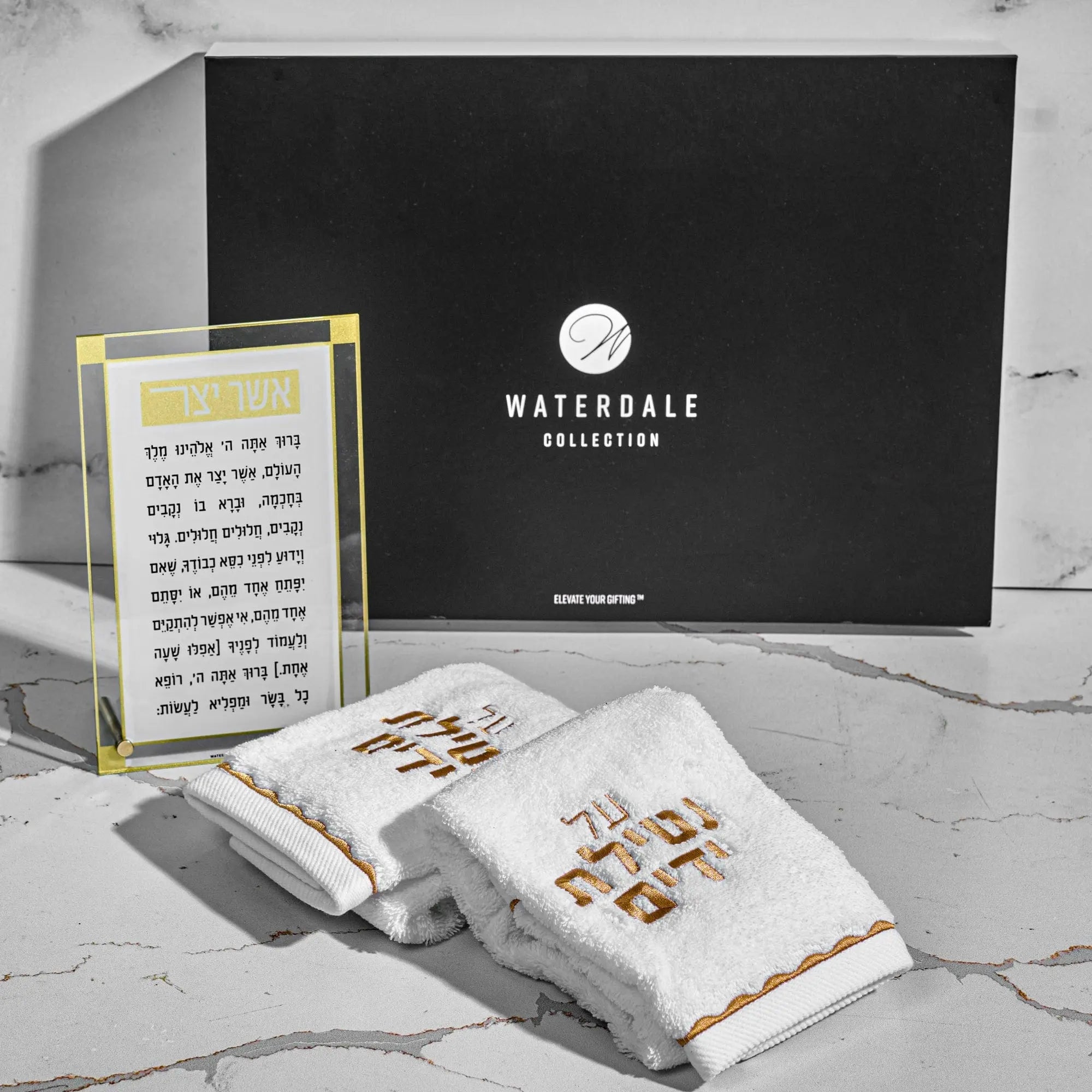
Netilas Yadayim Gift Box
Regular price
$62.00
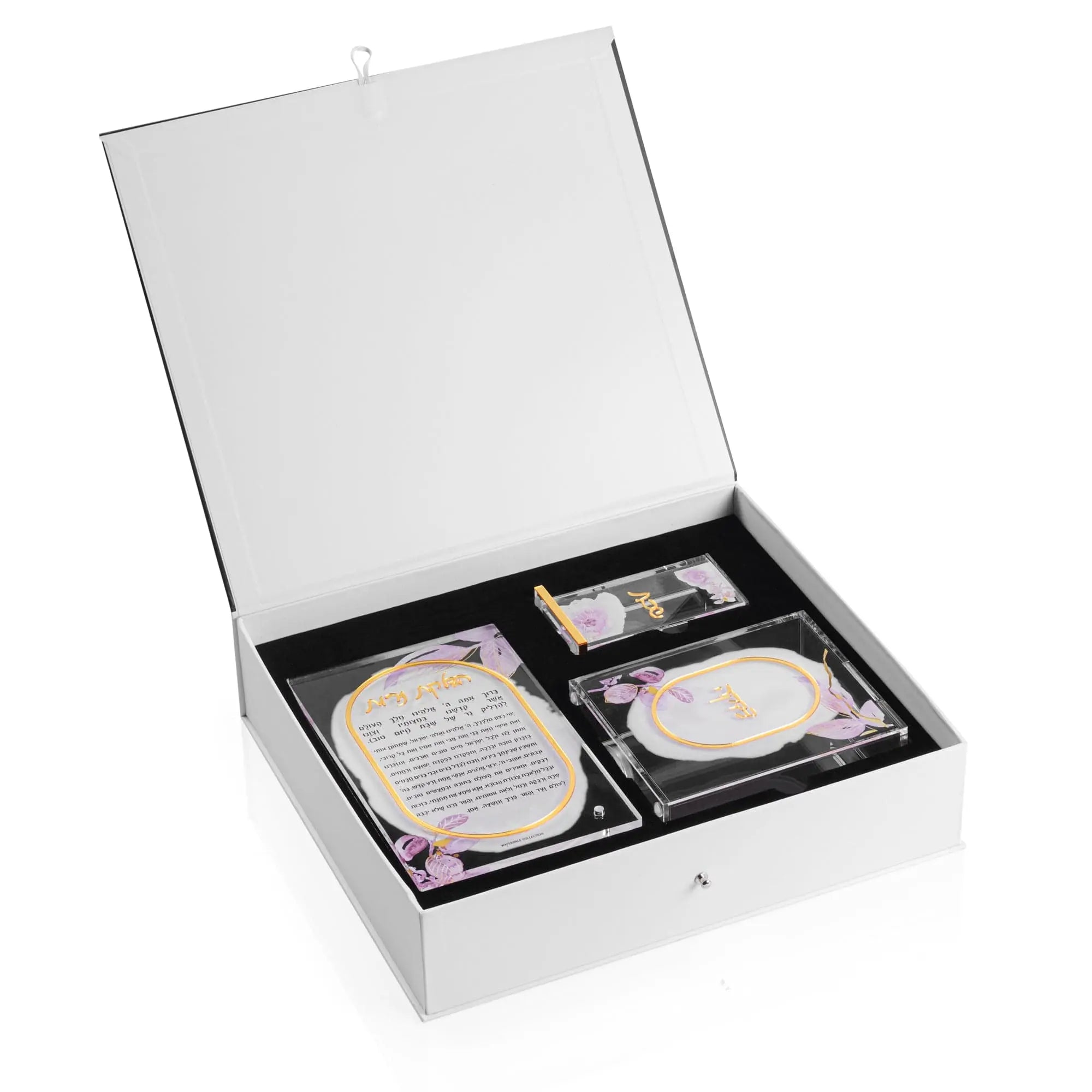
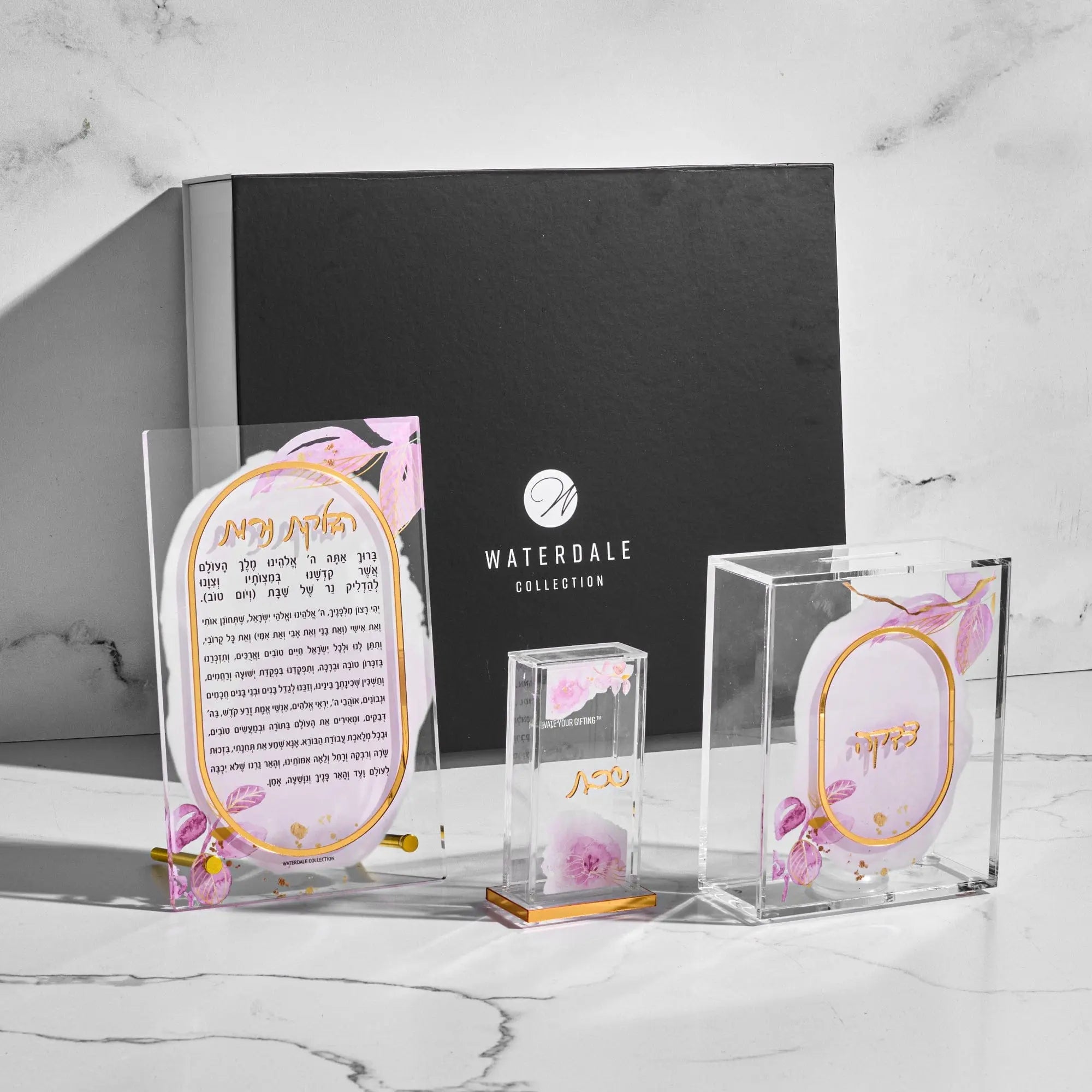
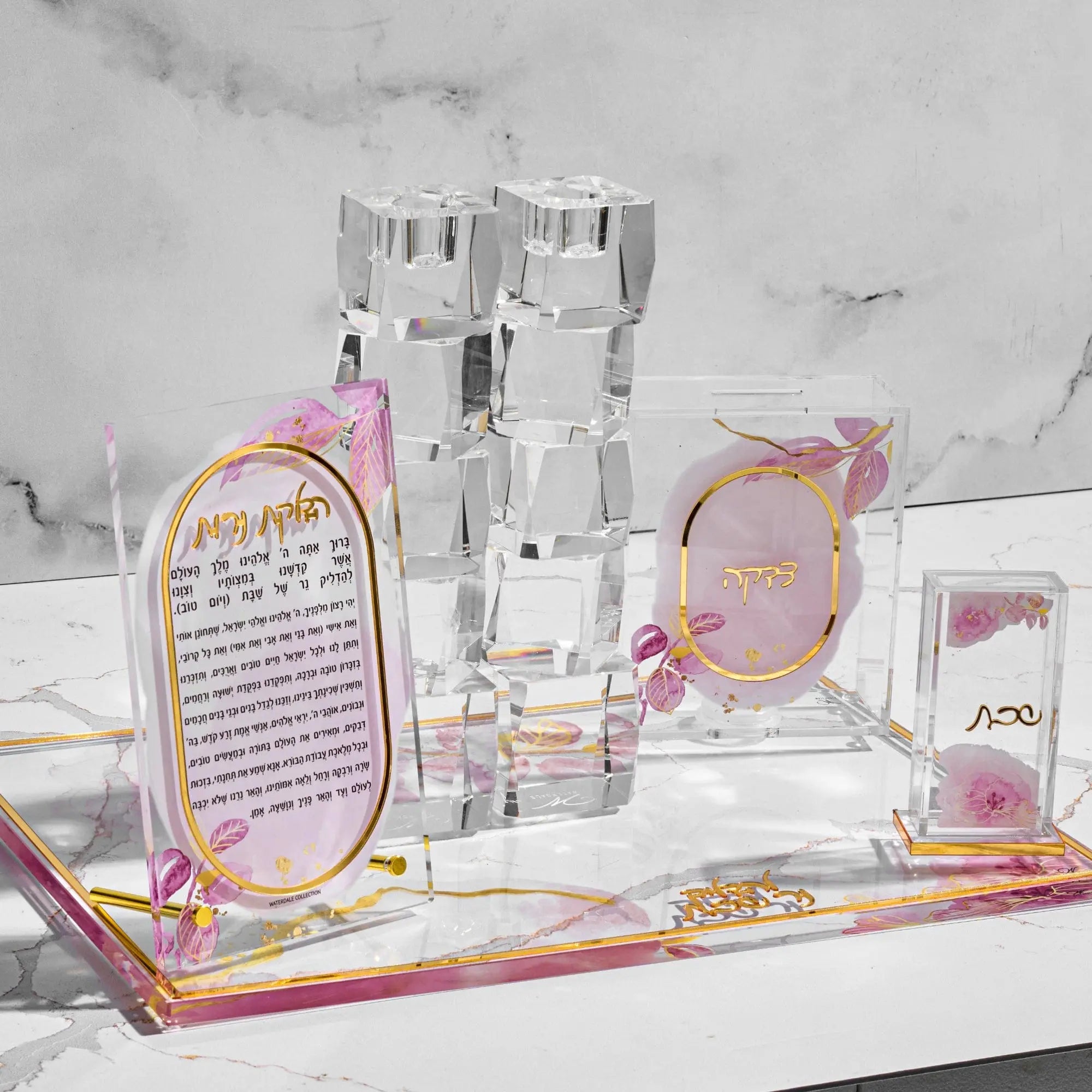

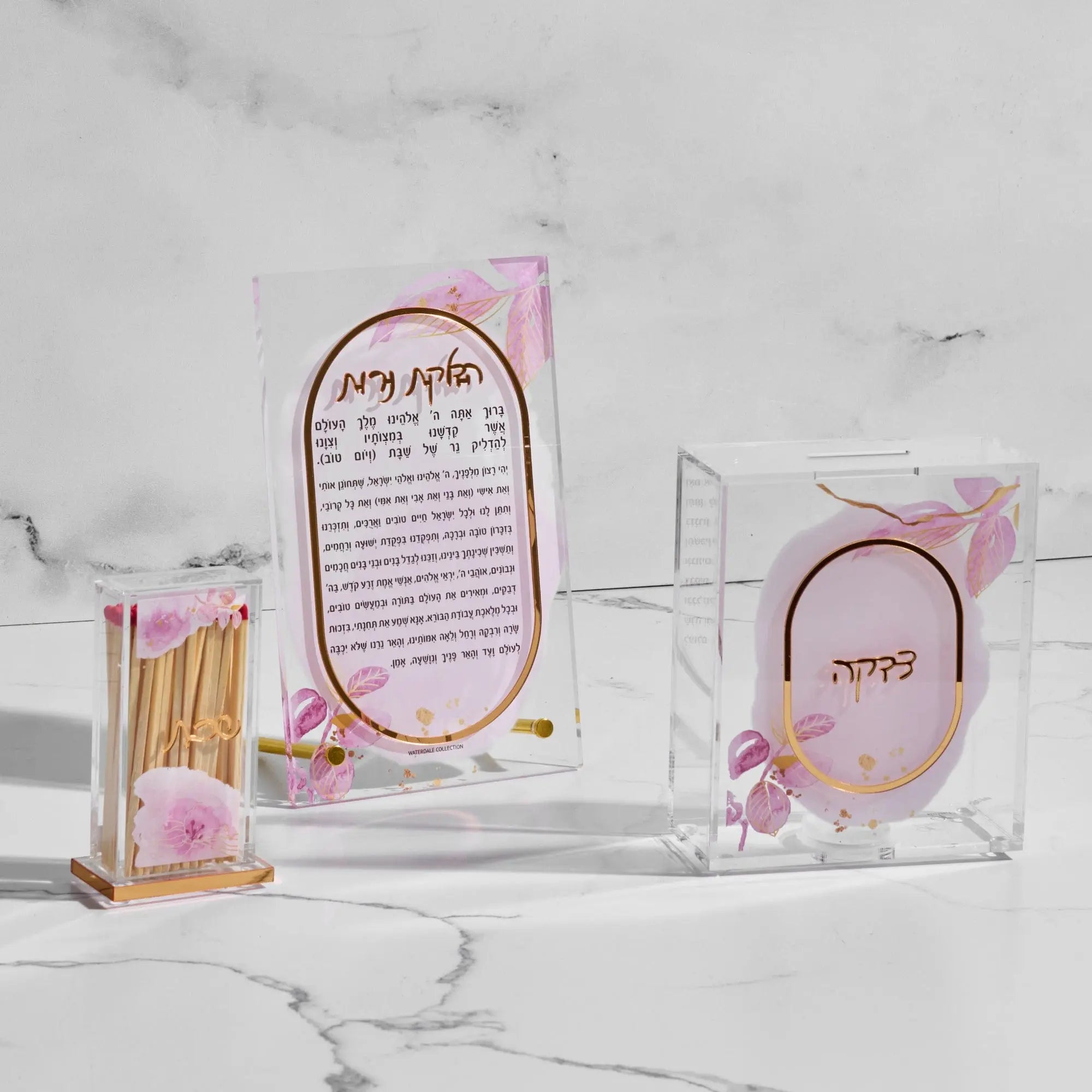
Watercolor Hadlokas Neiros Gift Box
Regular price
$130.00
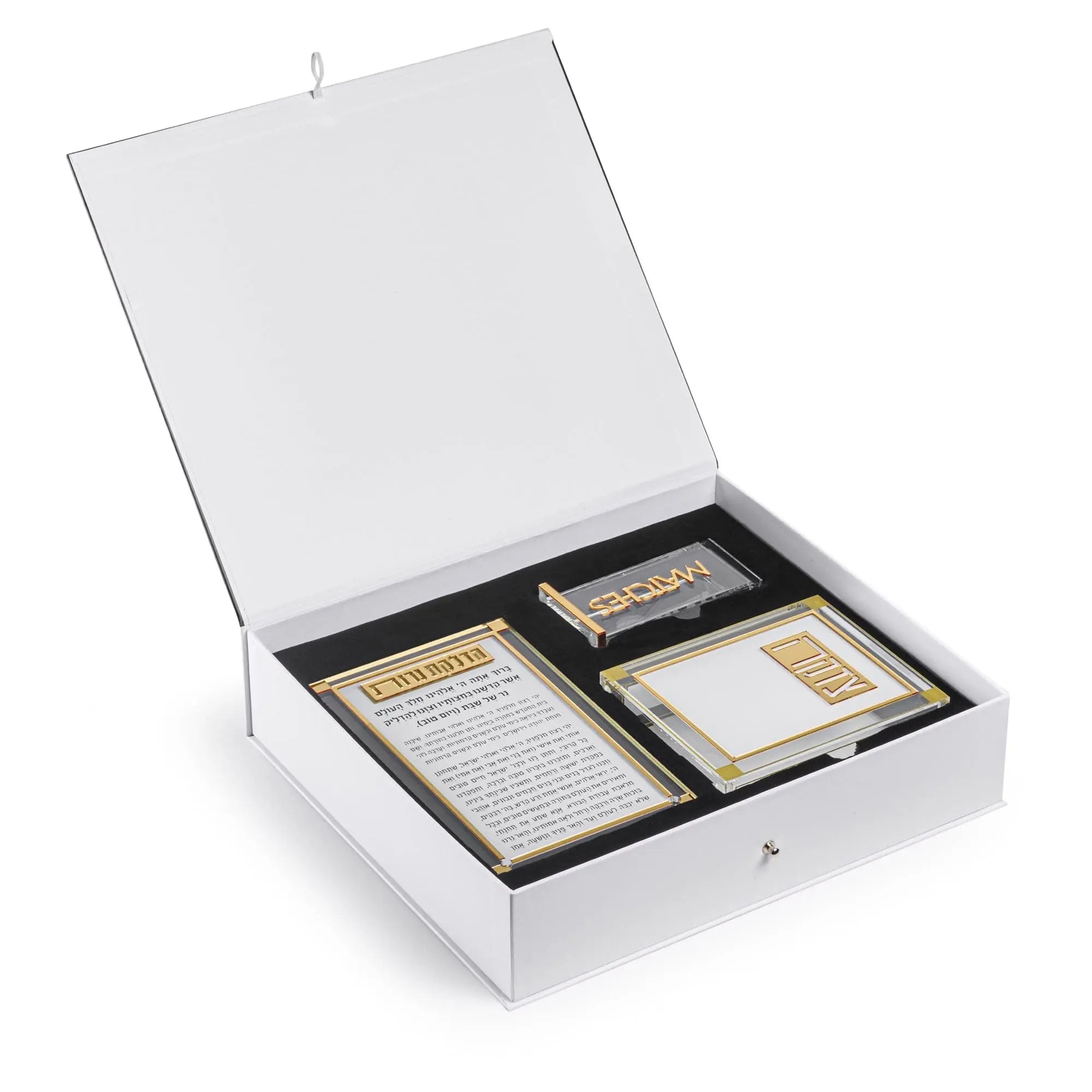
Classic 2.0 Hadlokas Neiros Gift Box
Regular price
$98.00
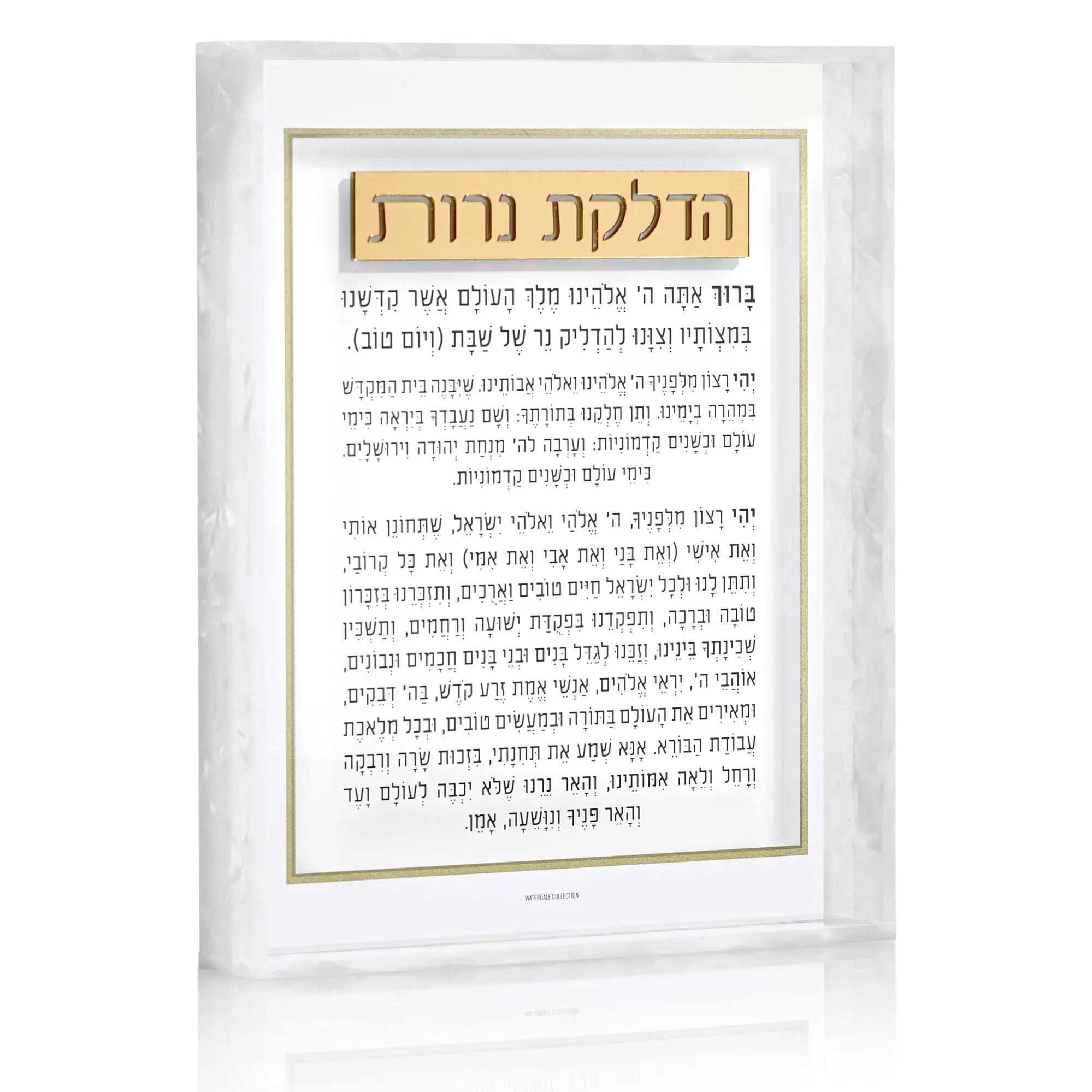
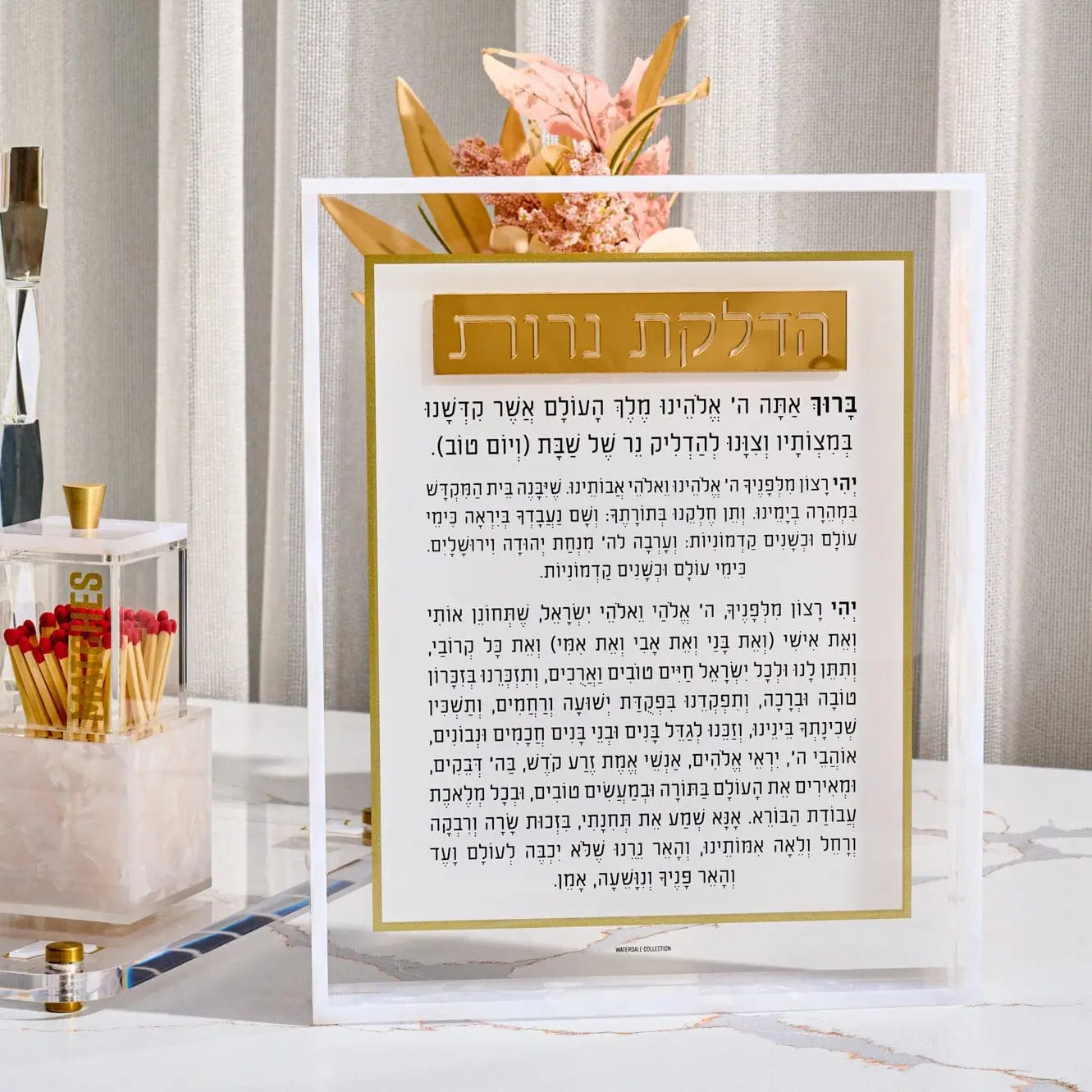
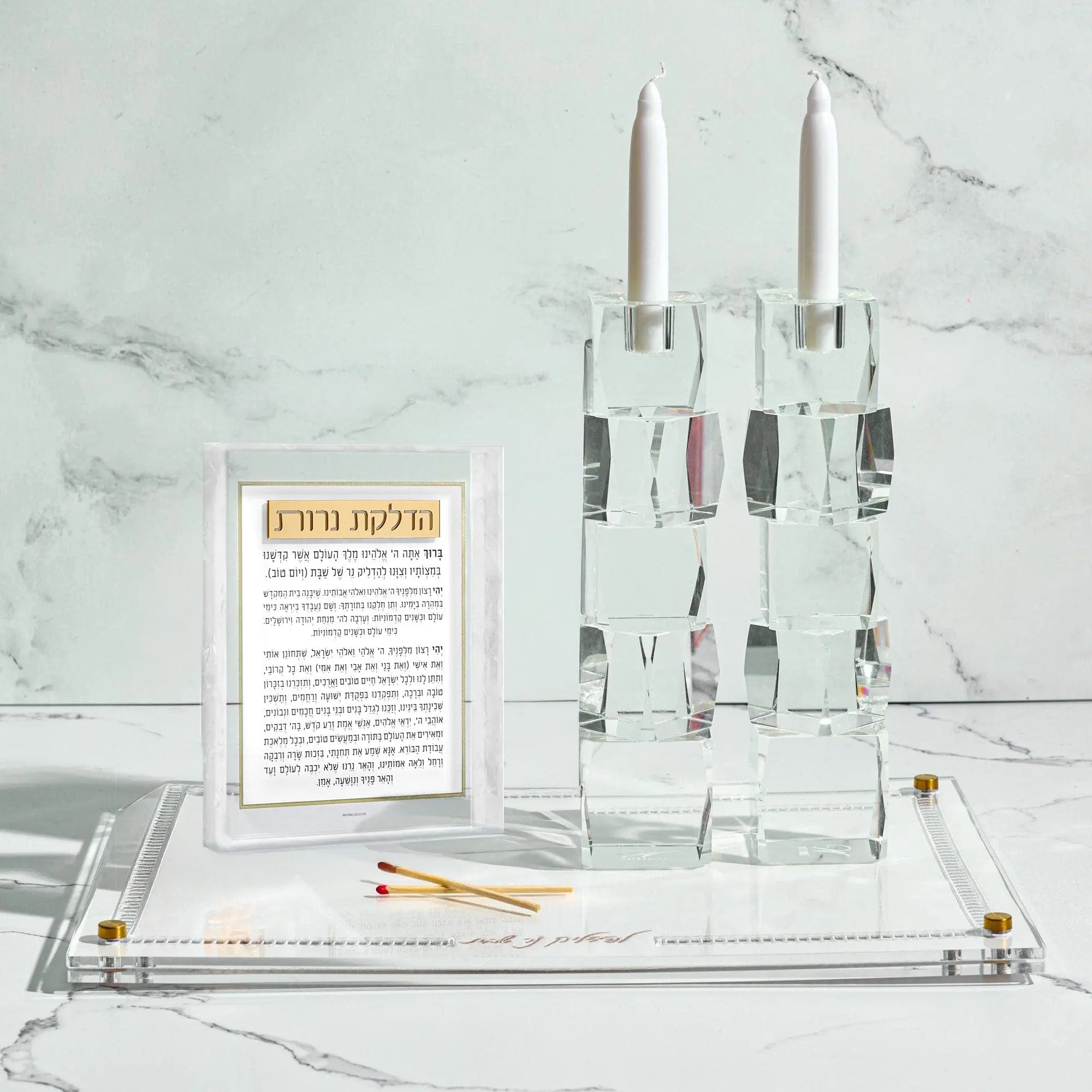
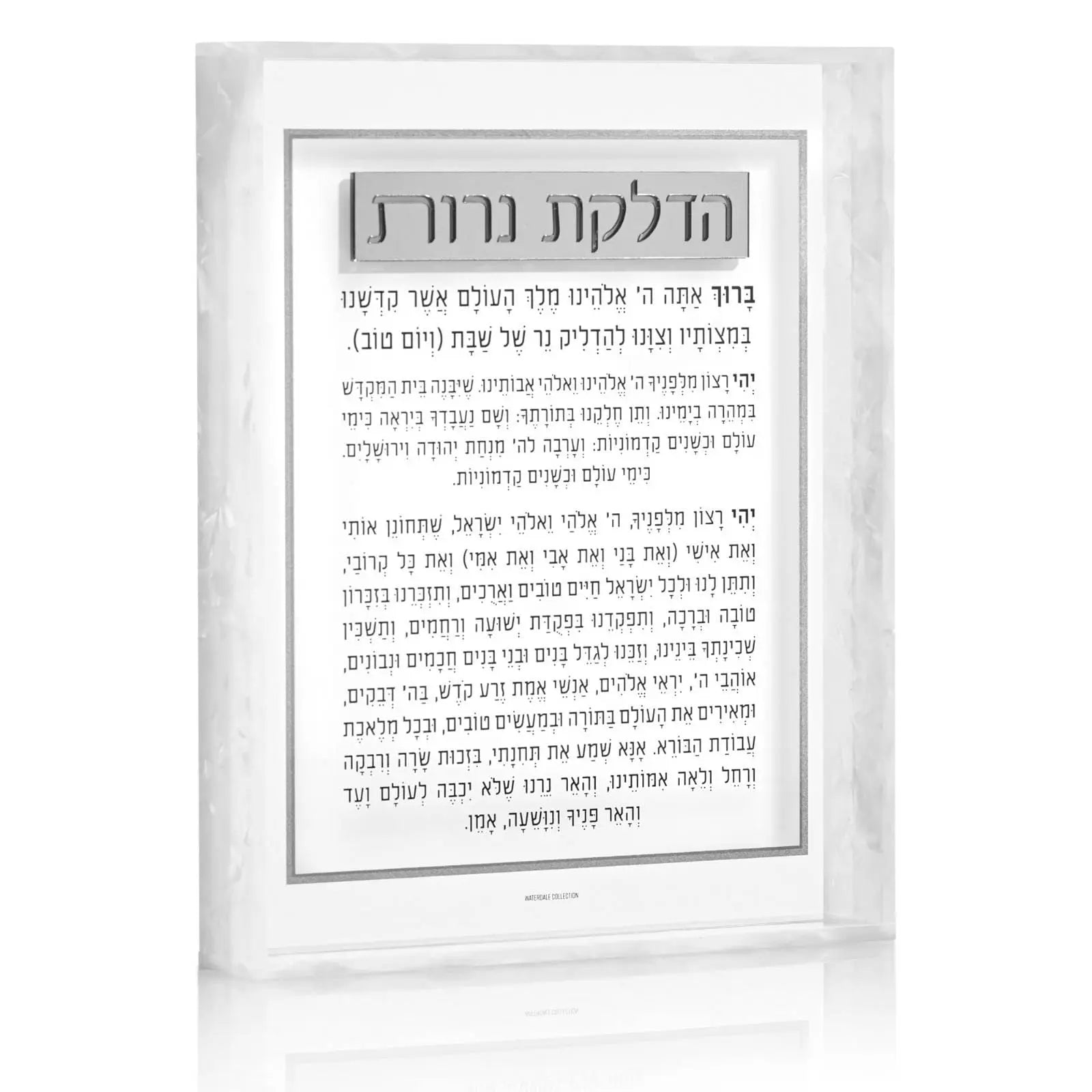
Pearlstone Frame Hadlokas Neiros
Regular price
$50.00
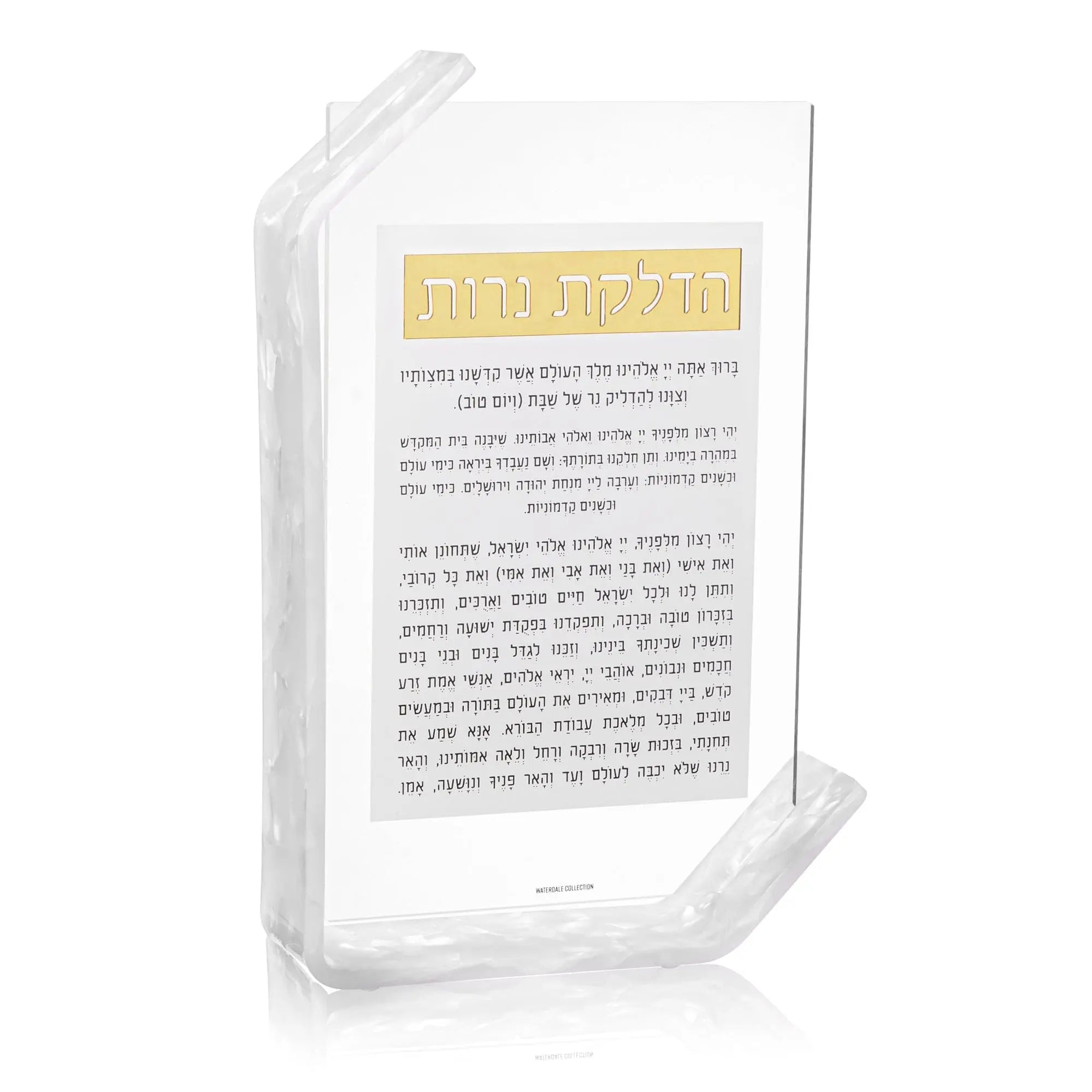
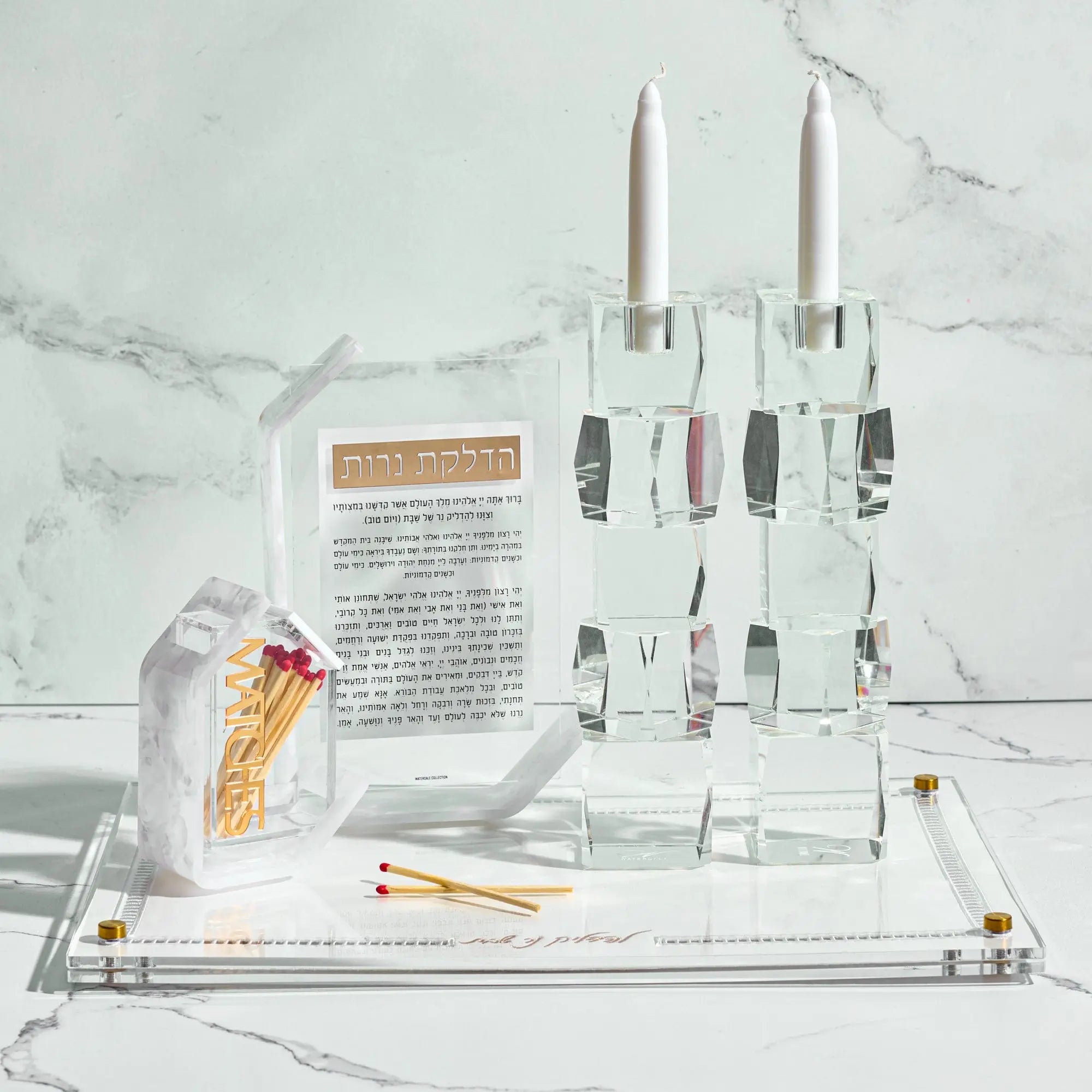
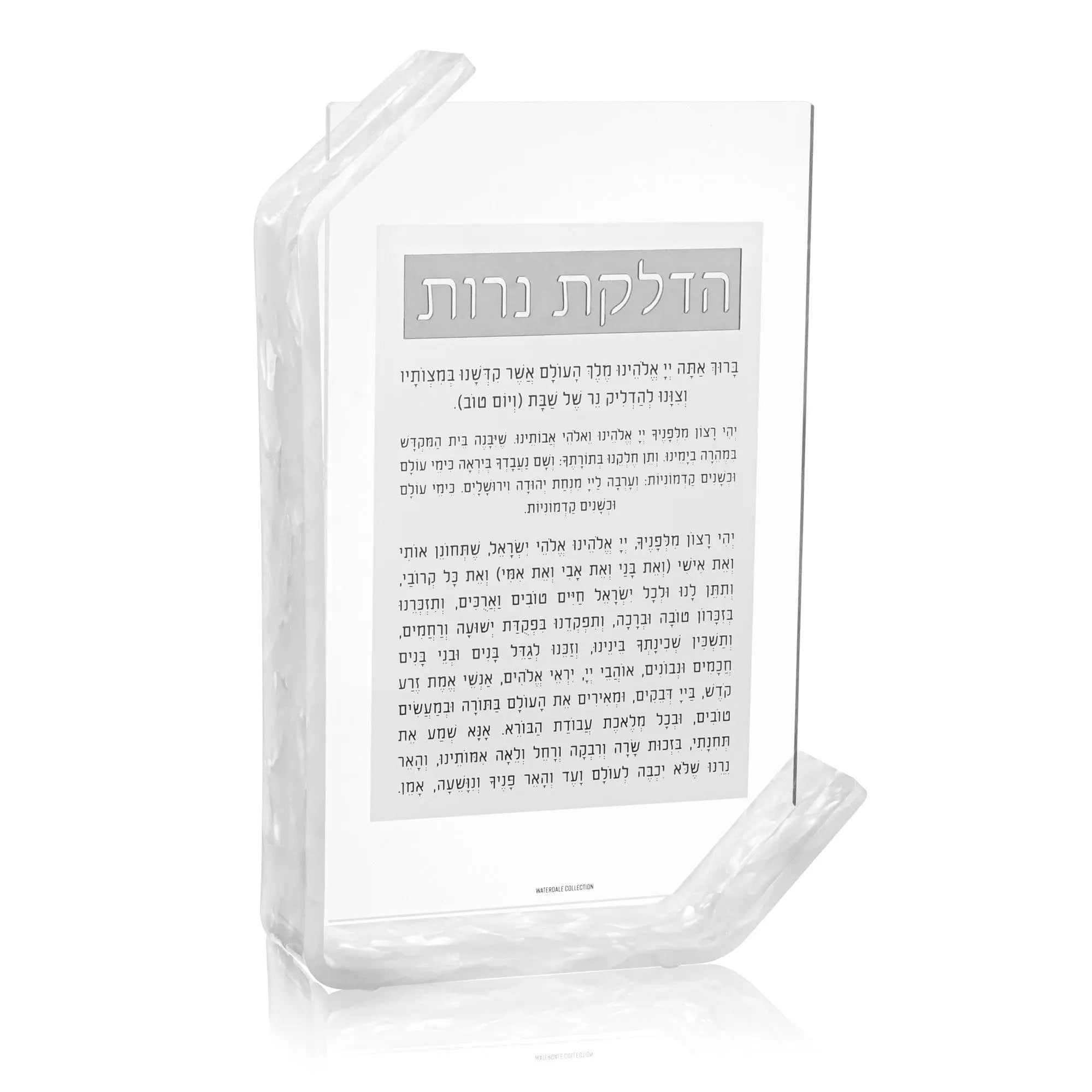
Pearlstone Hadlokas Neiros Tabletop
Regular price
$28.00
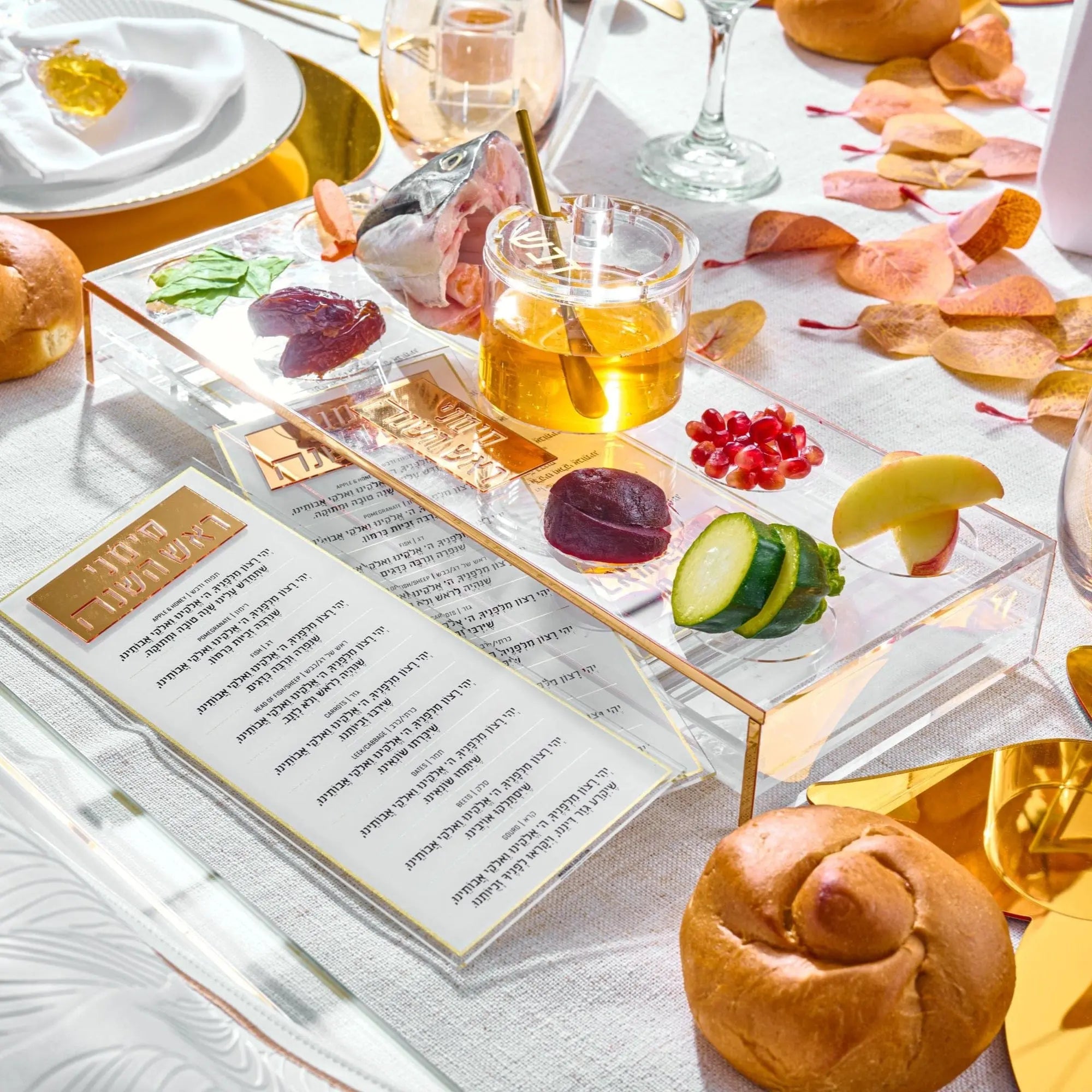
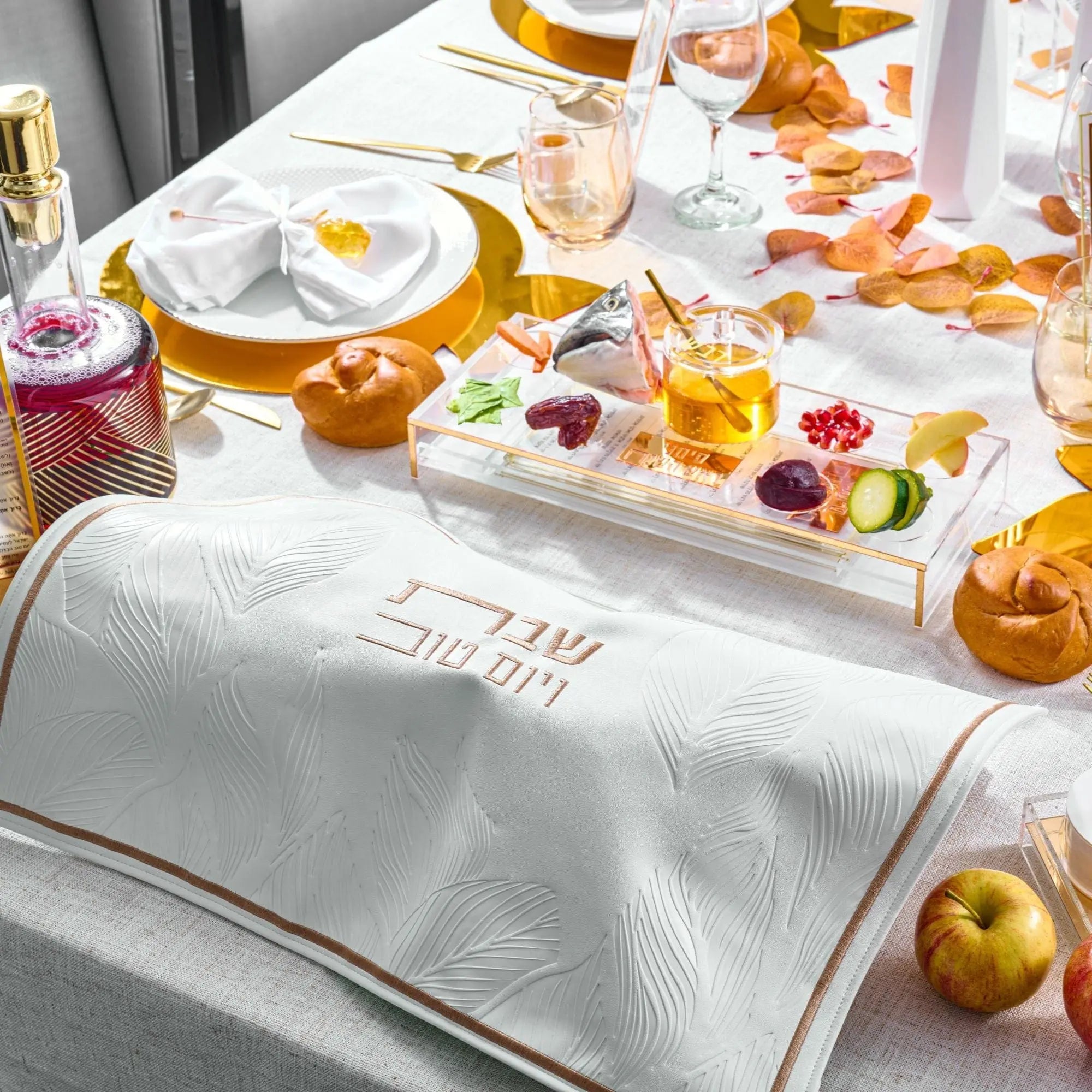
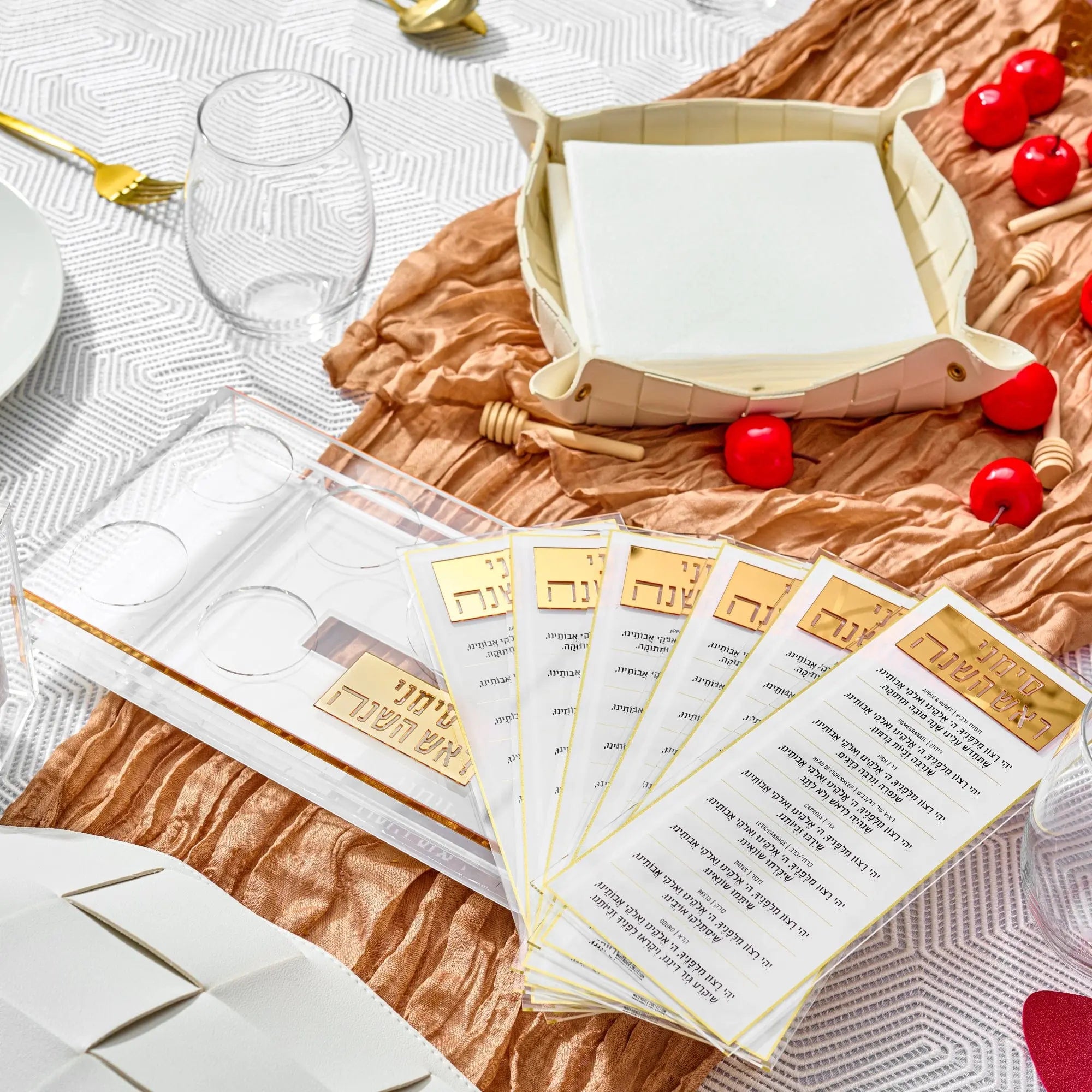
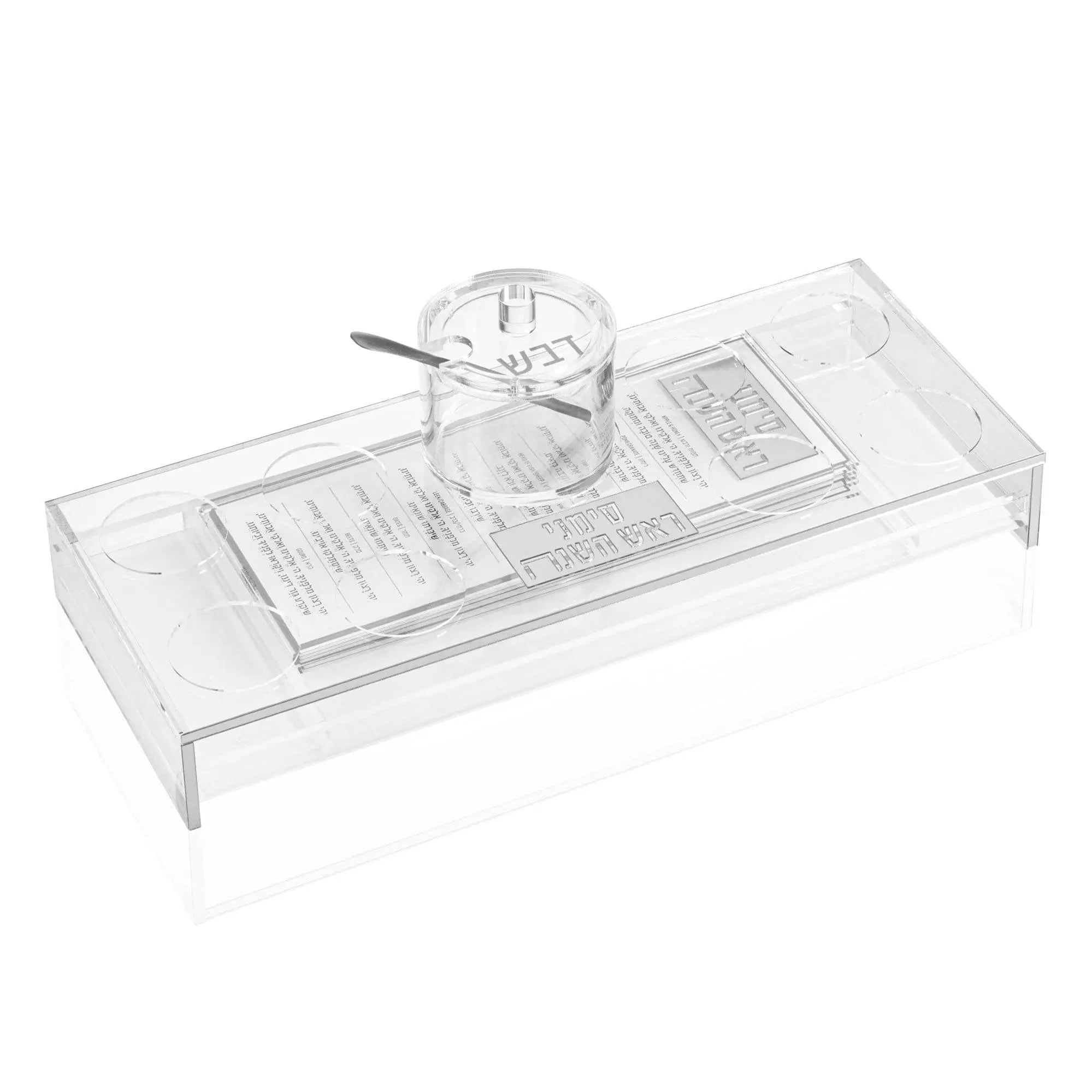
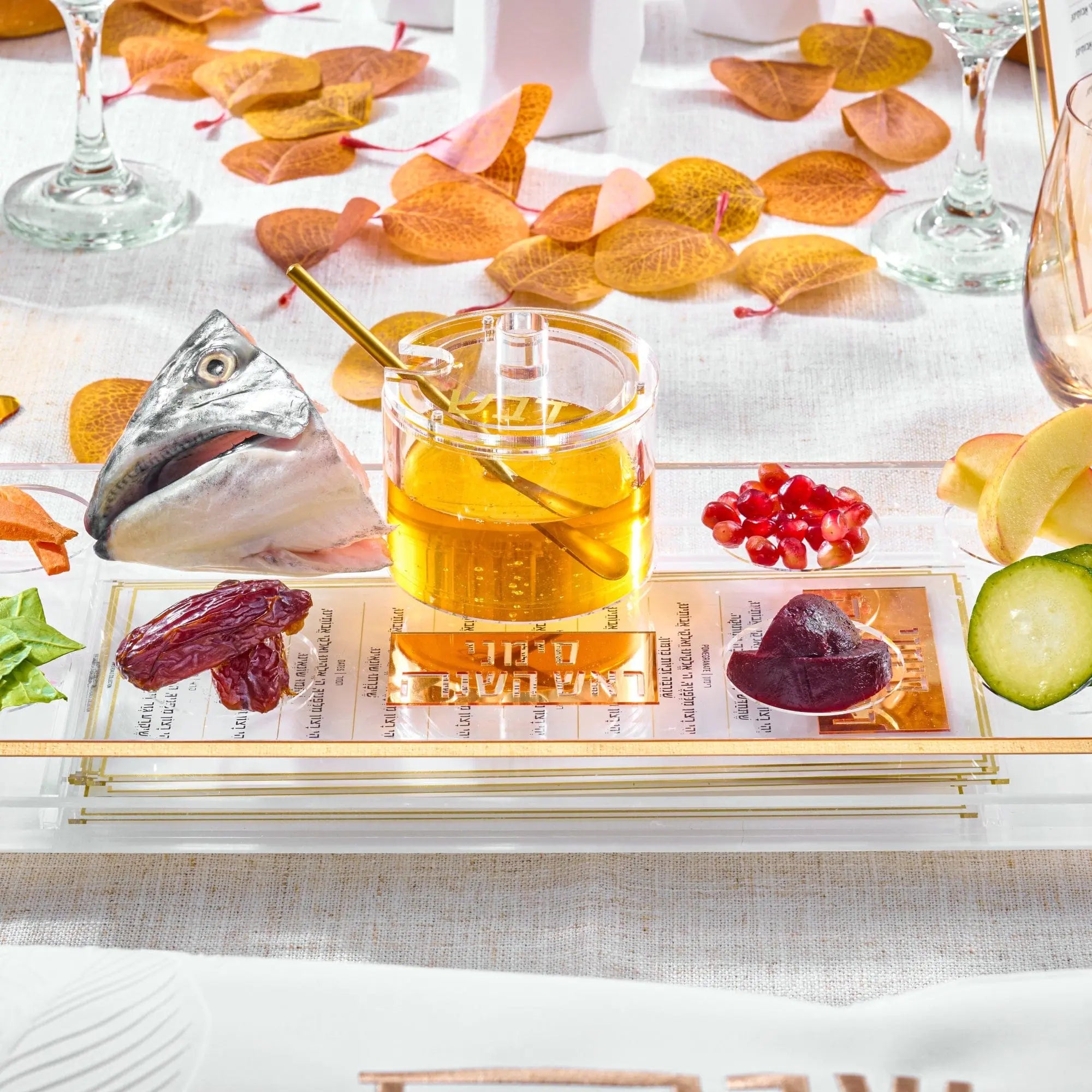
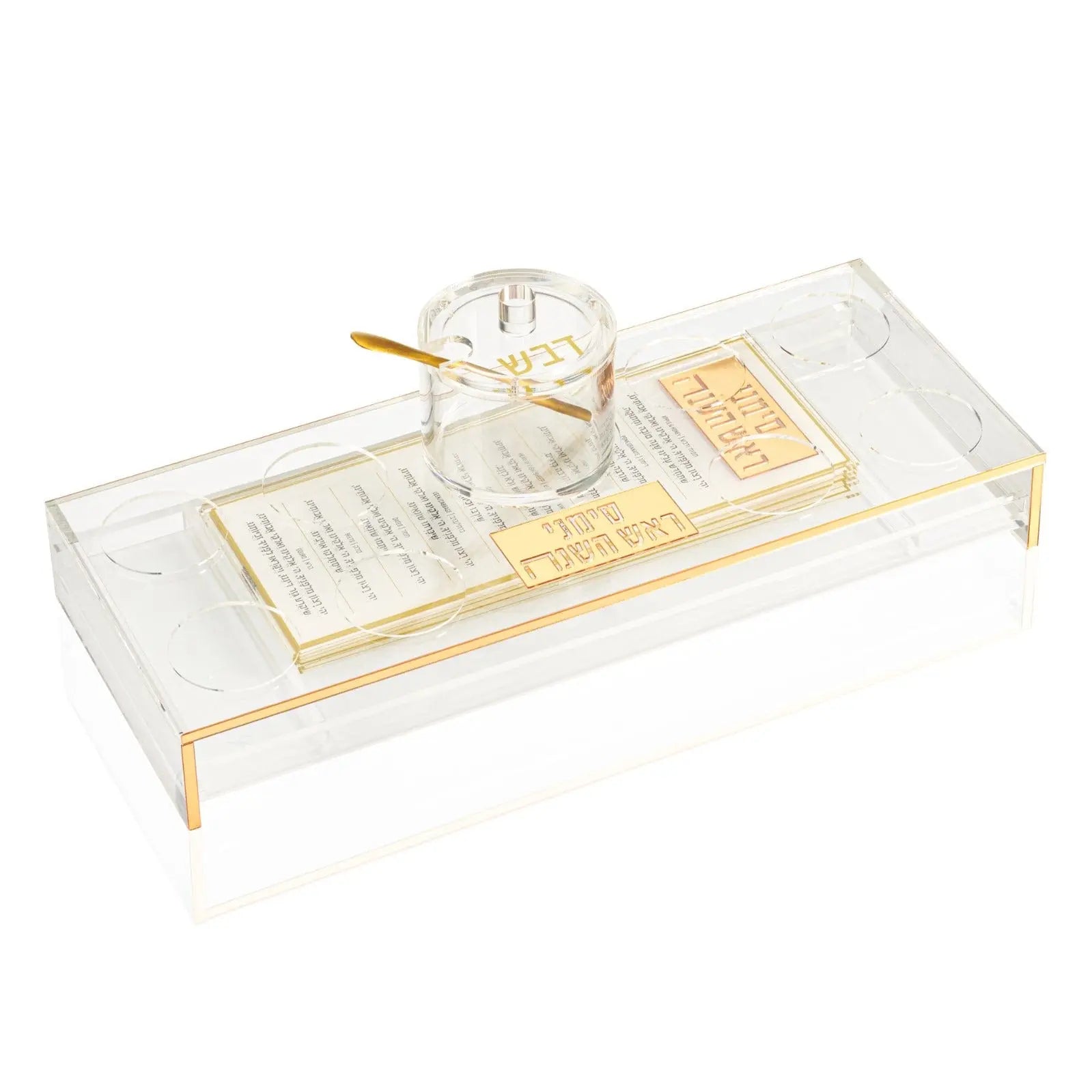
Suspended Simanim Tray Card Set
Regular price
$150.00
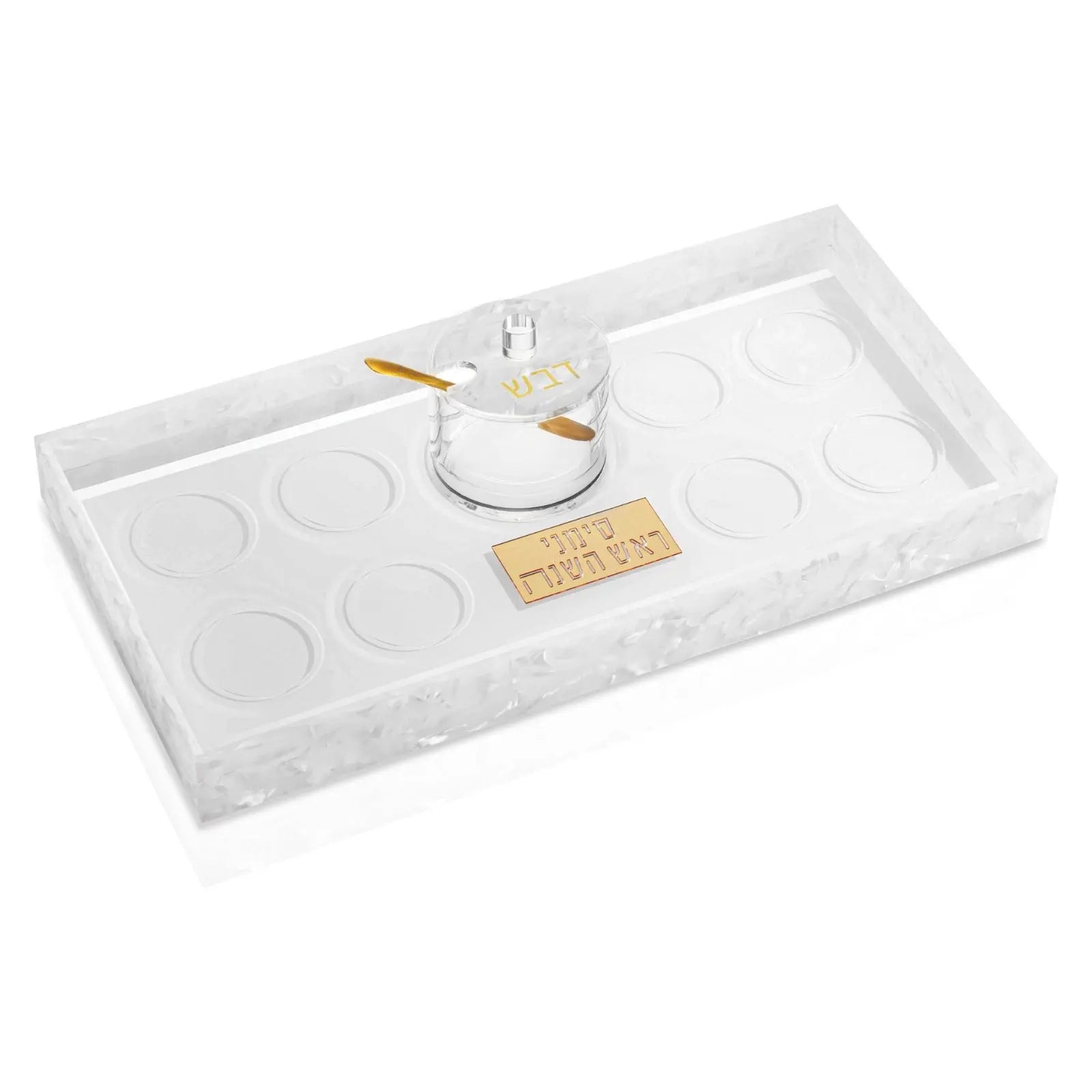
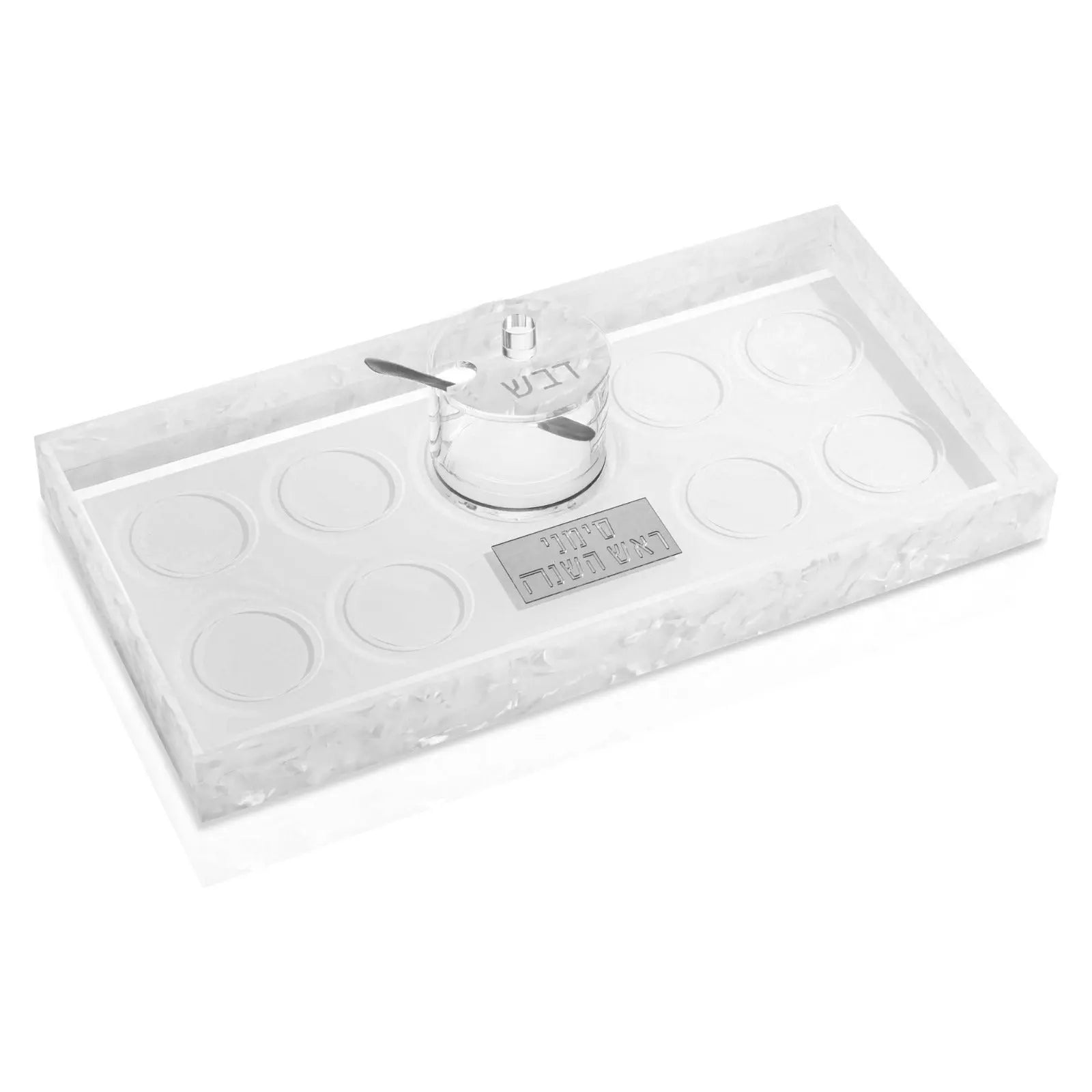
Pearlstone Simanim Tray
Regular price
$74.00
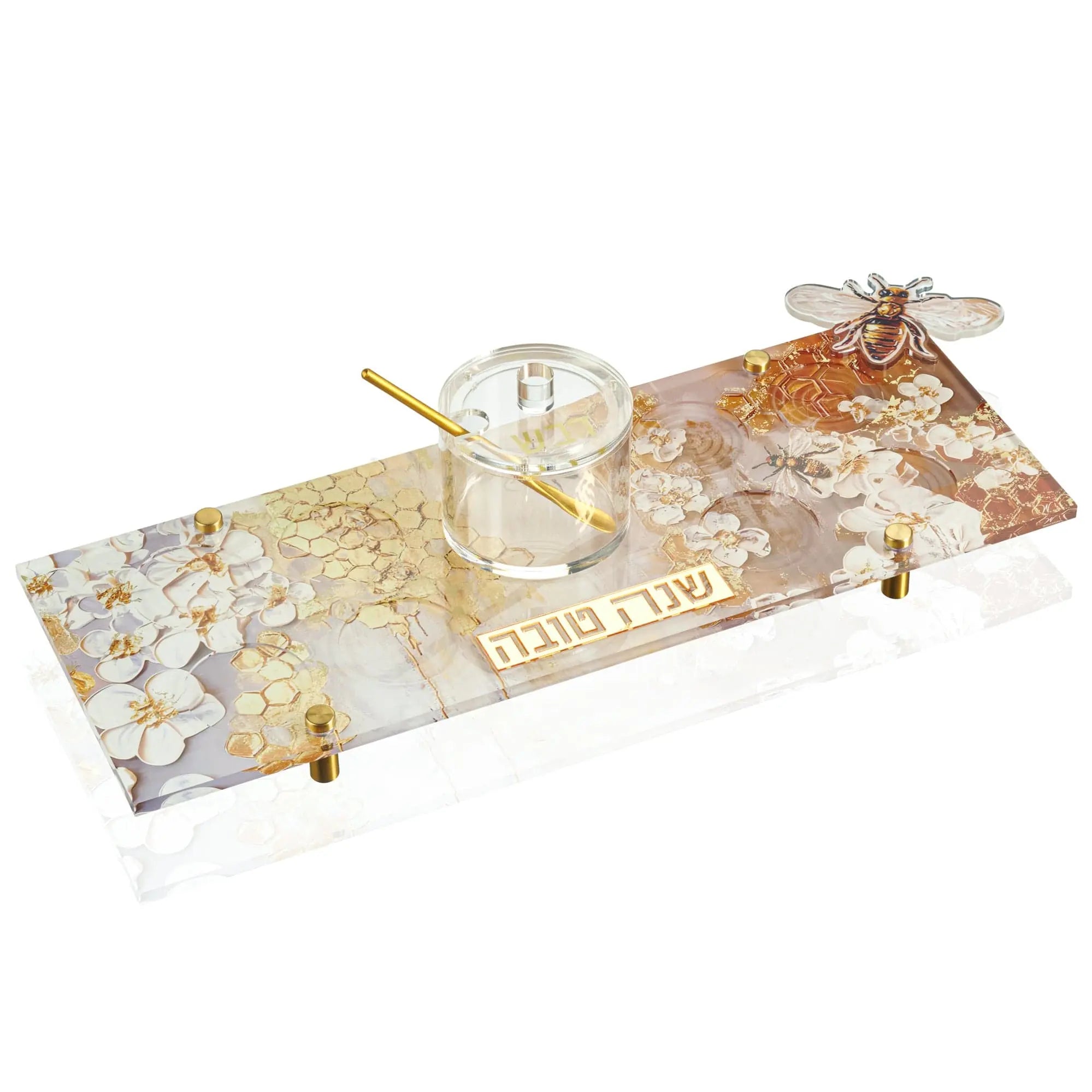
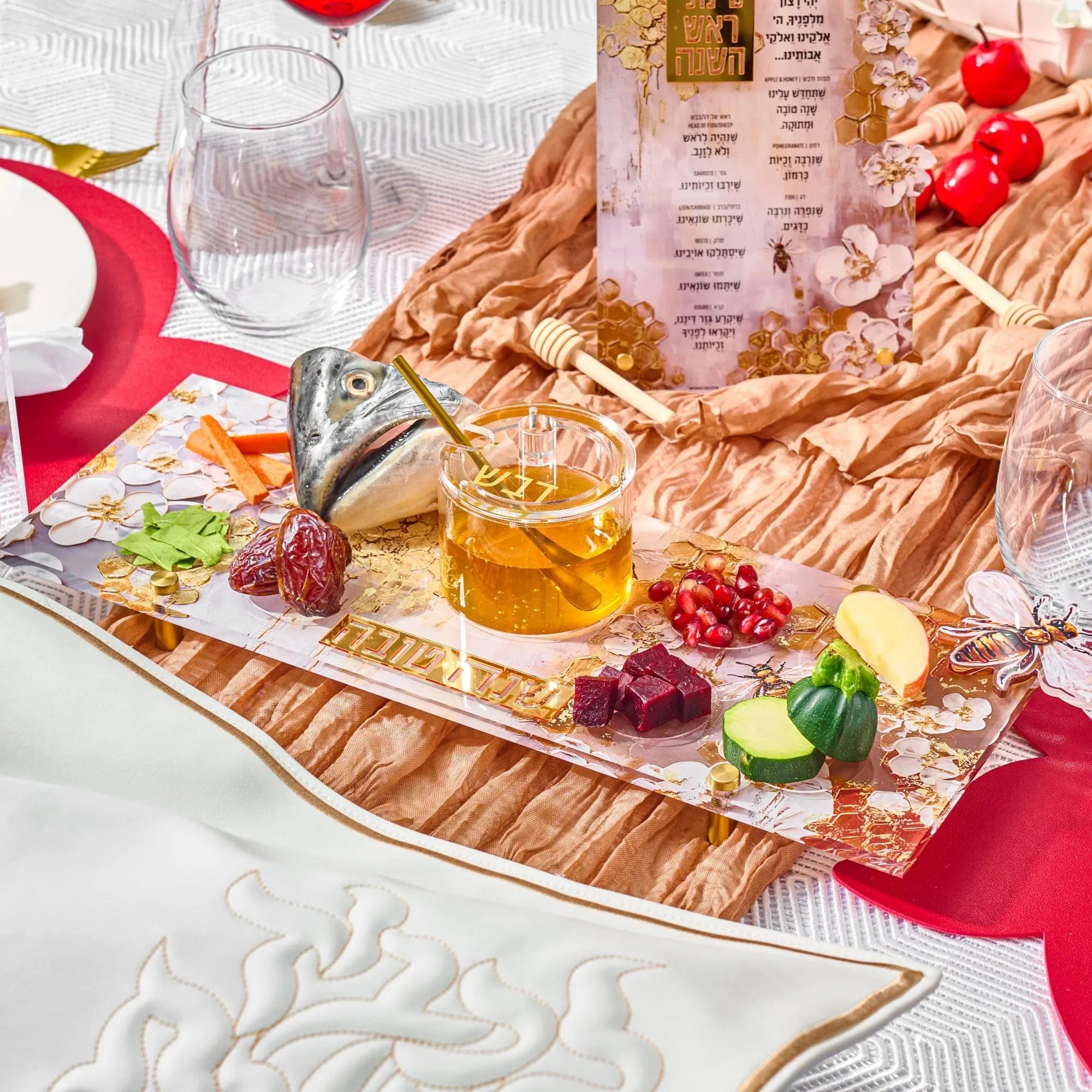
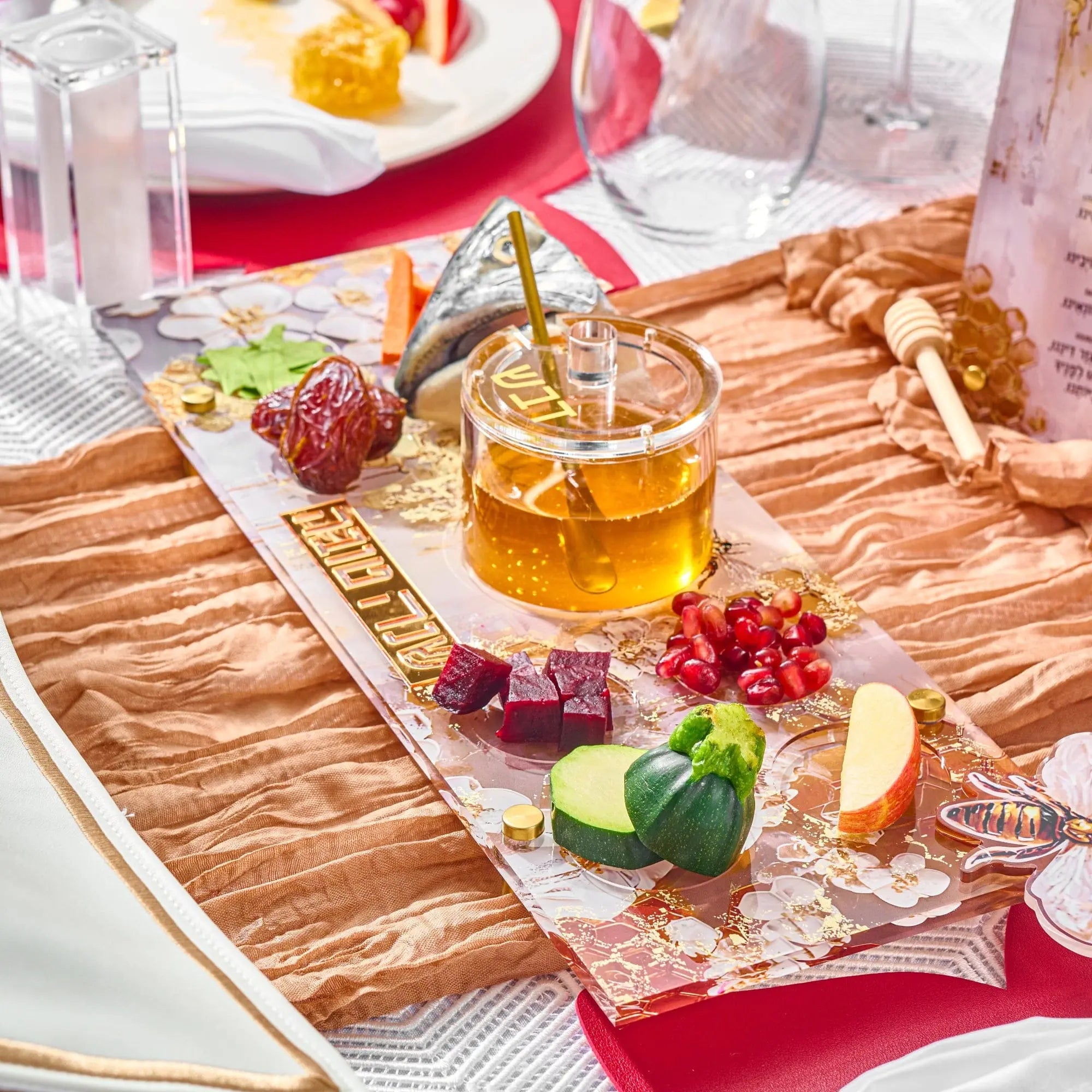
Honeycomb Simanim Tray
Regular price
$84.00
Sold out
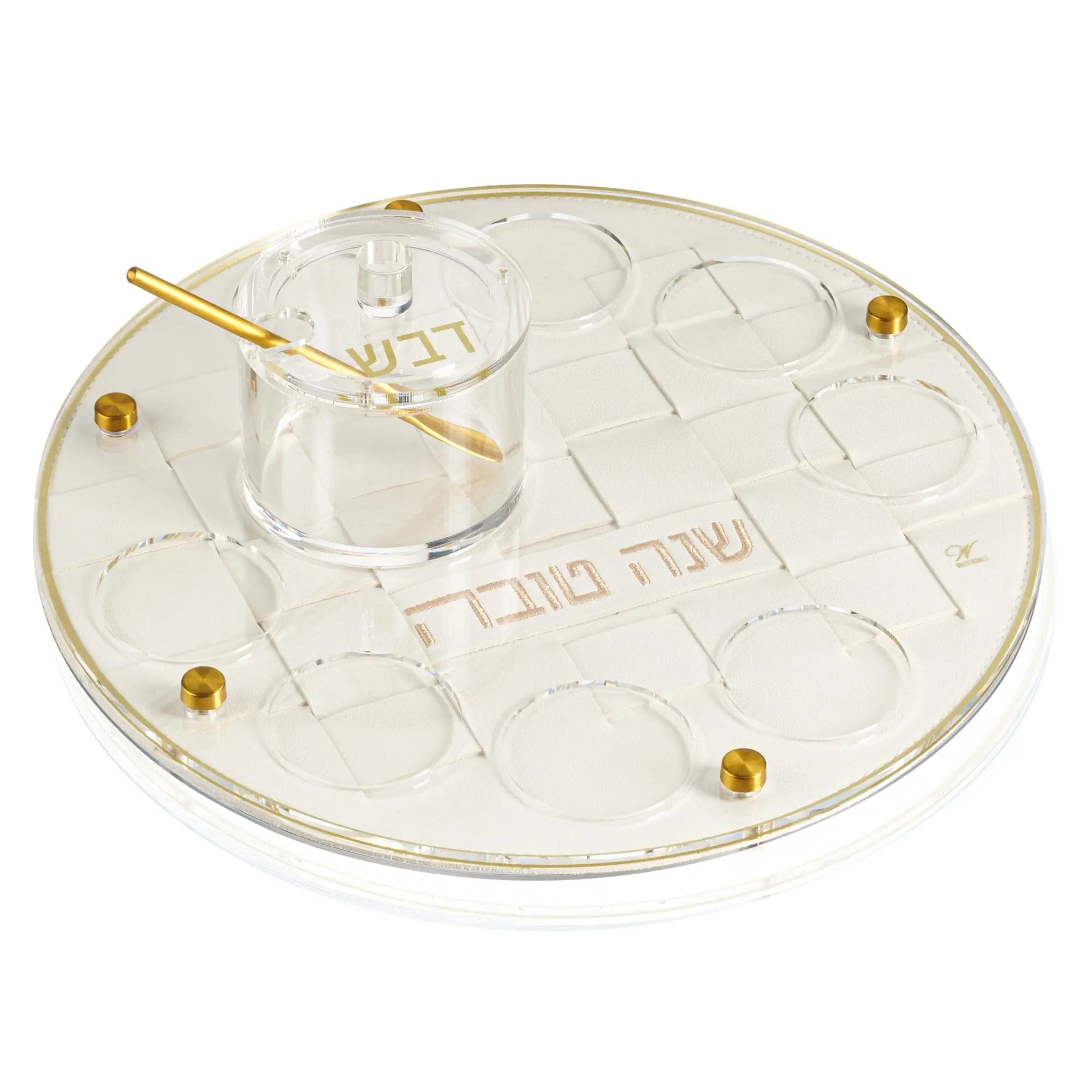
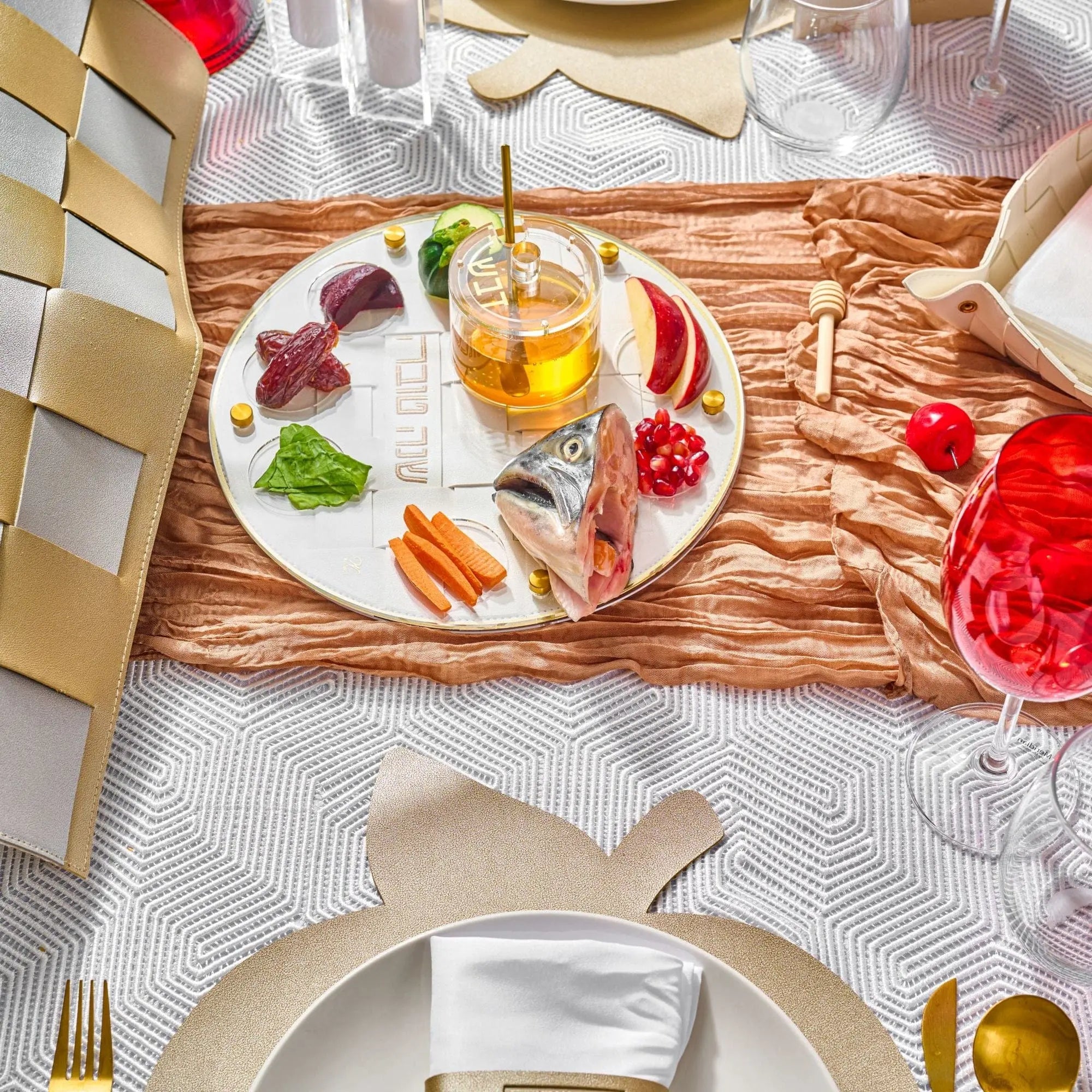
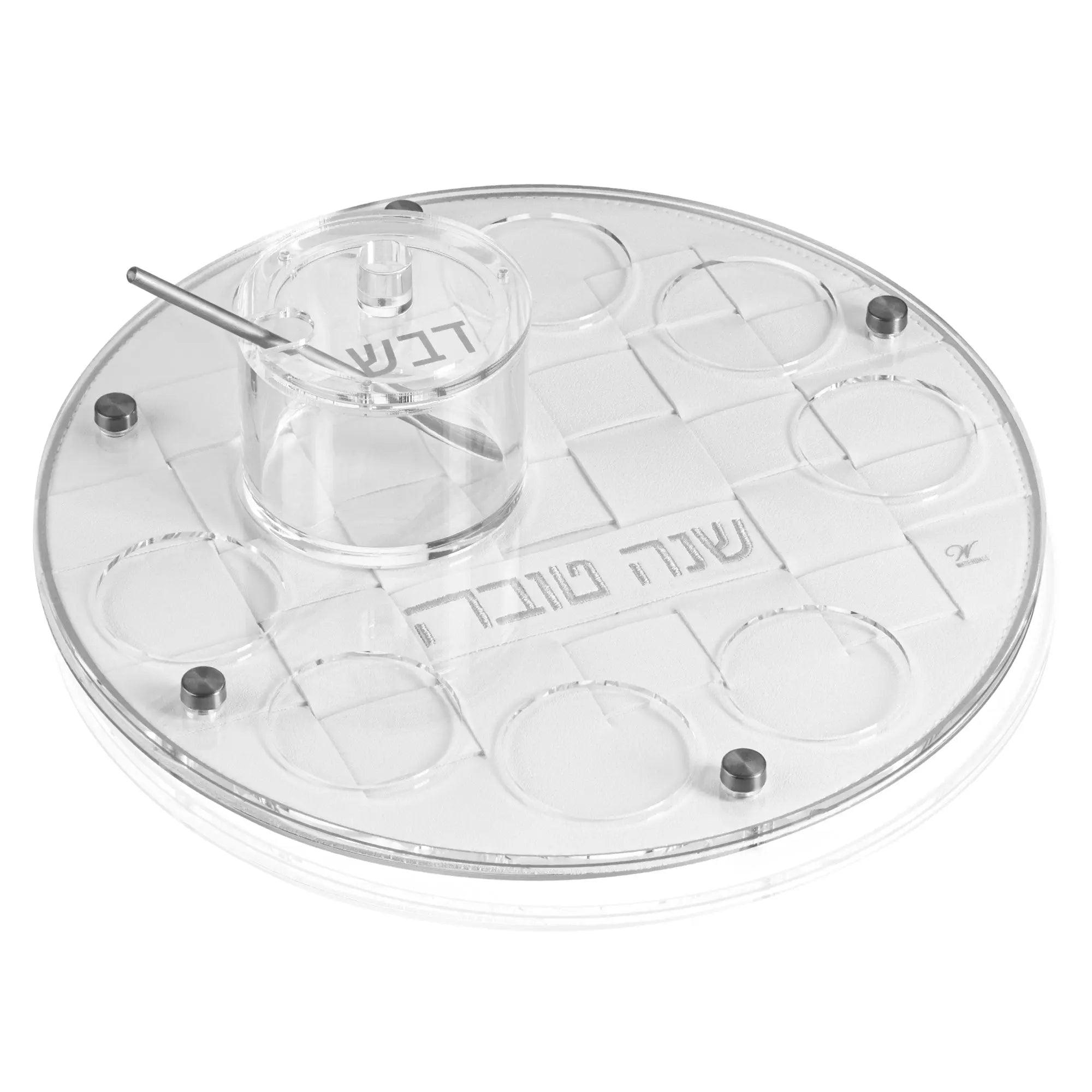
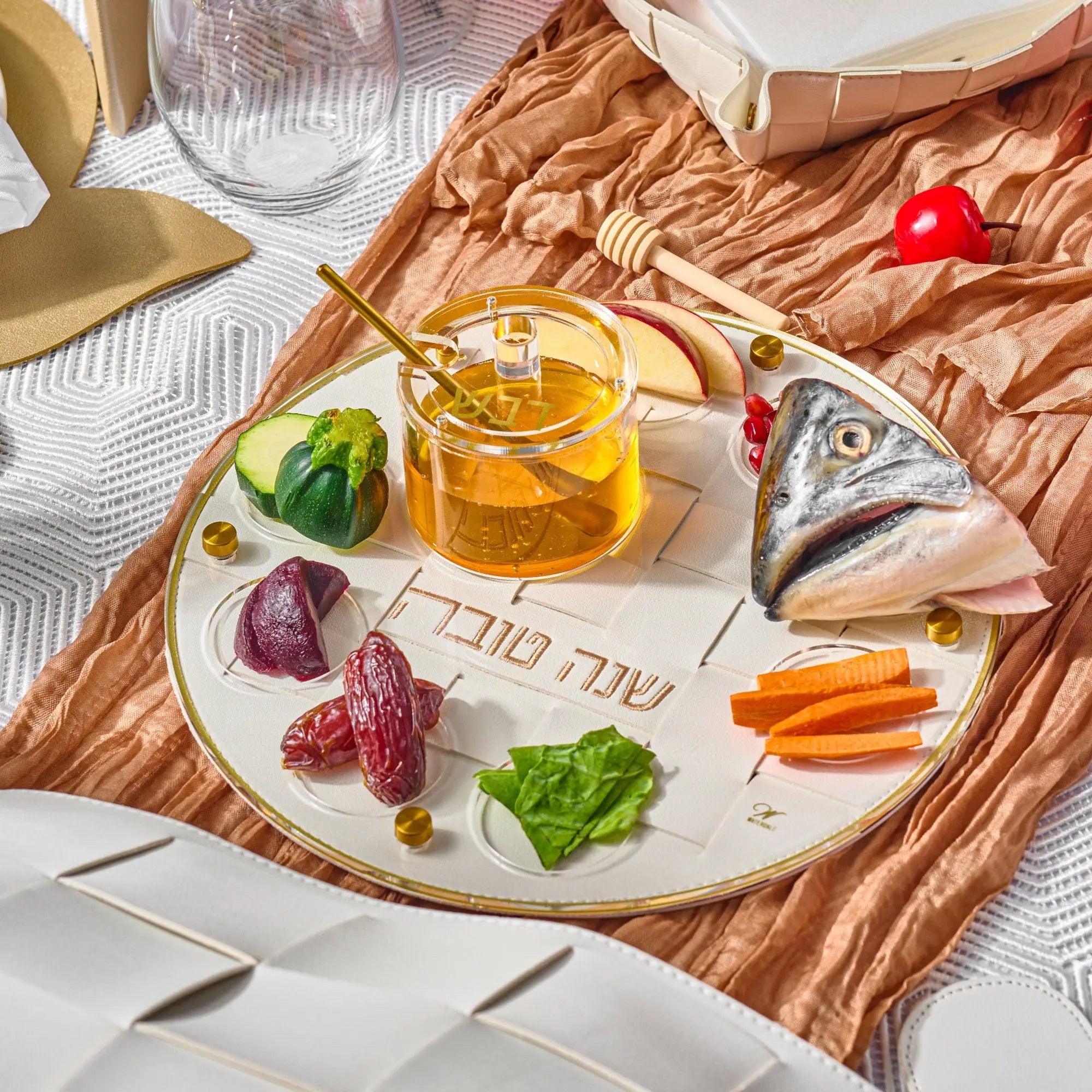
Woven Simanim Tray
Regular price
$84.00
Sold out
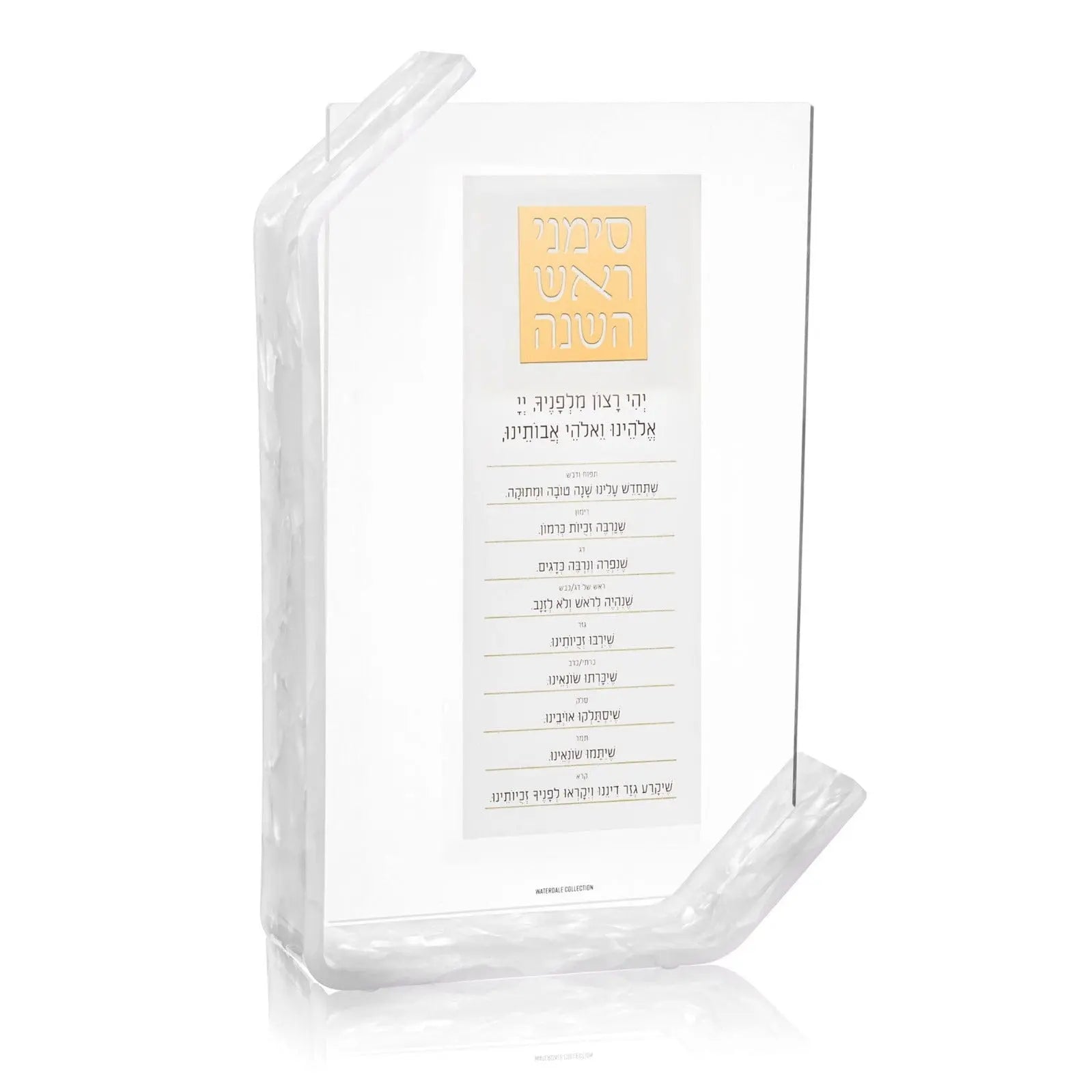
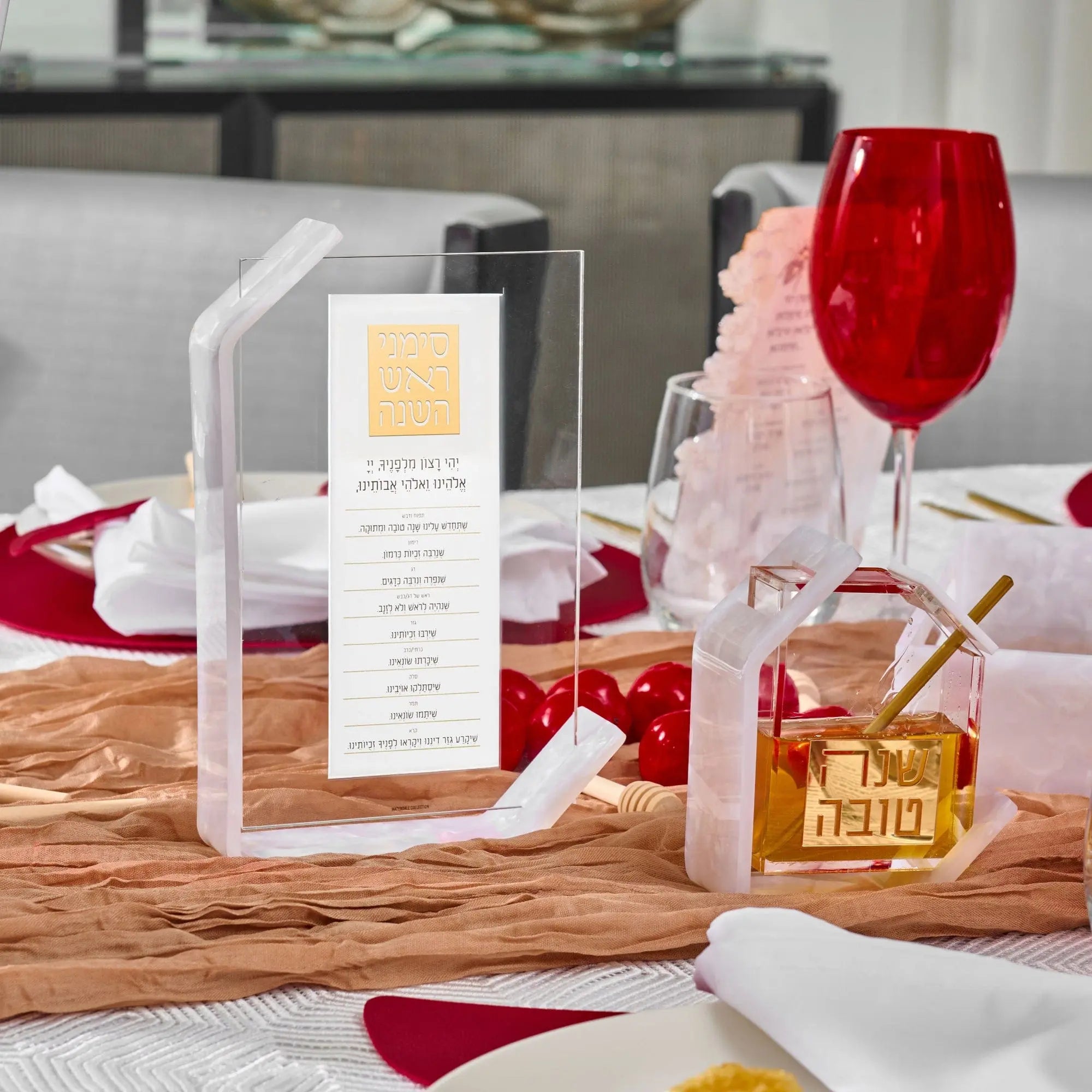
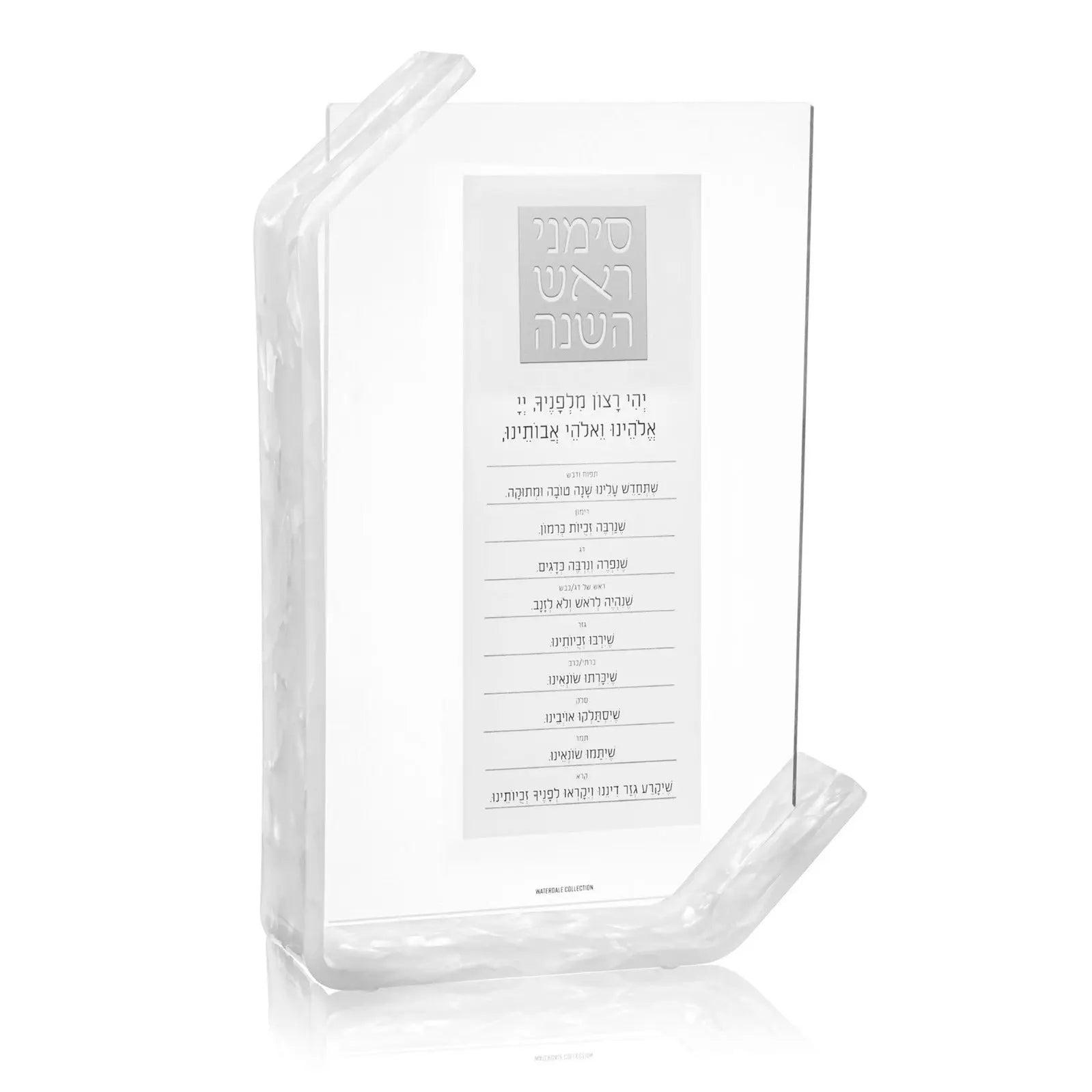
Pearlstone Simanim Tabletop
Sale price
$18.00
Regular price
$28.00
Sale
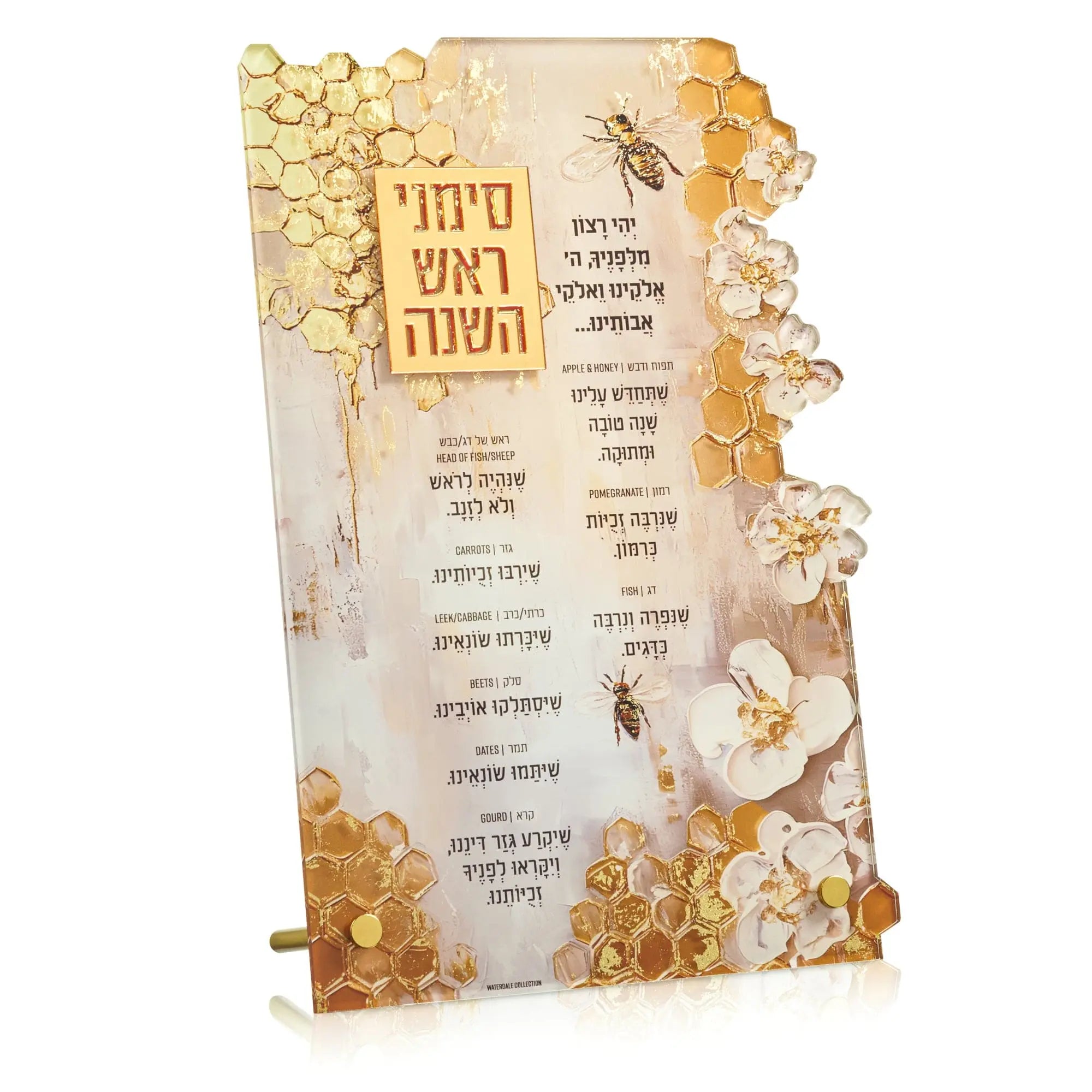
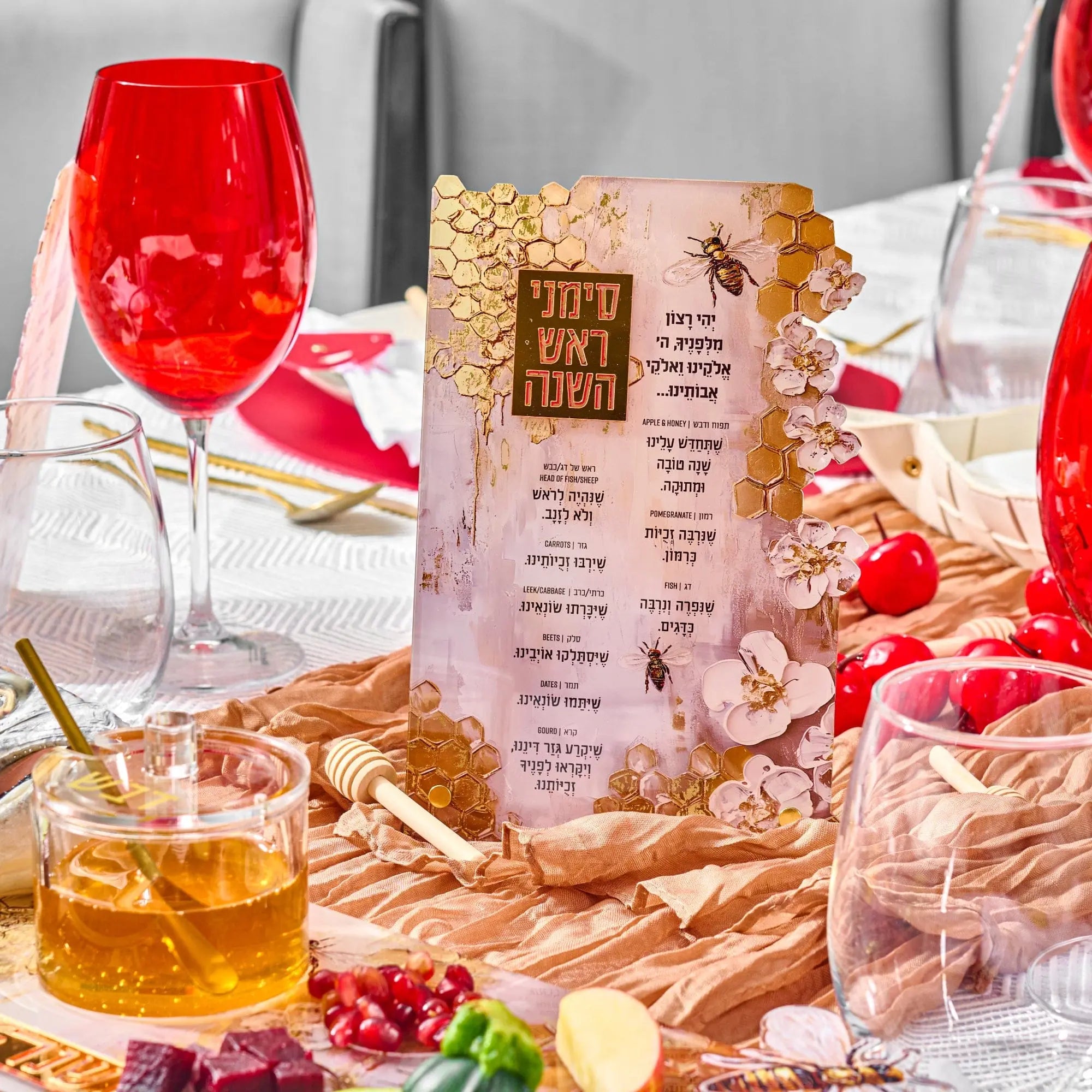
Honeycomb Simanim Tabletop
Regular price
$32.00
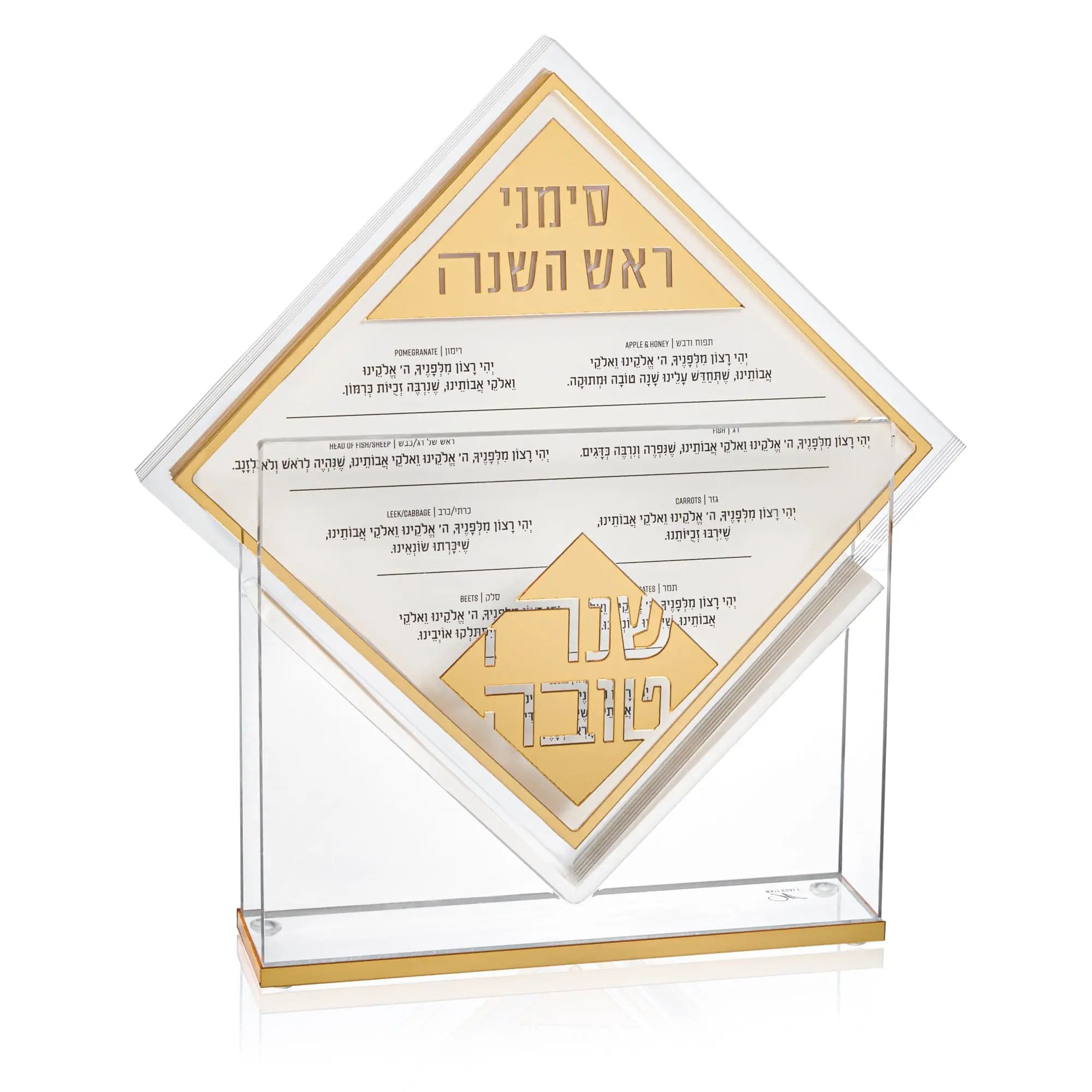
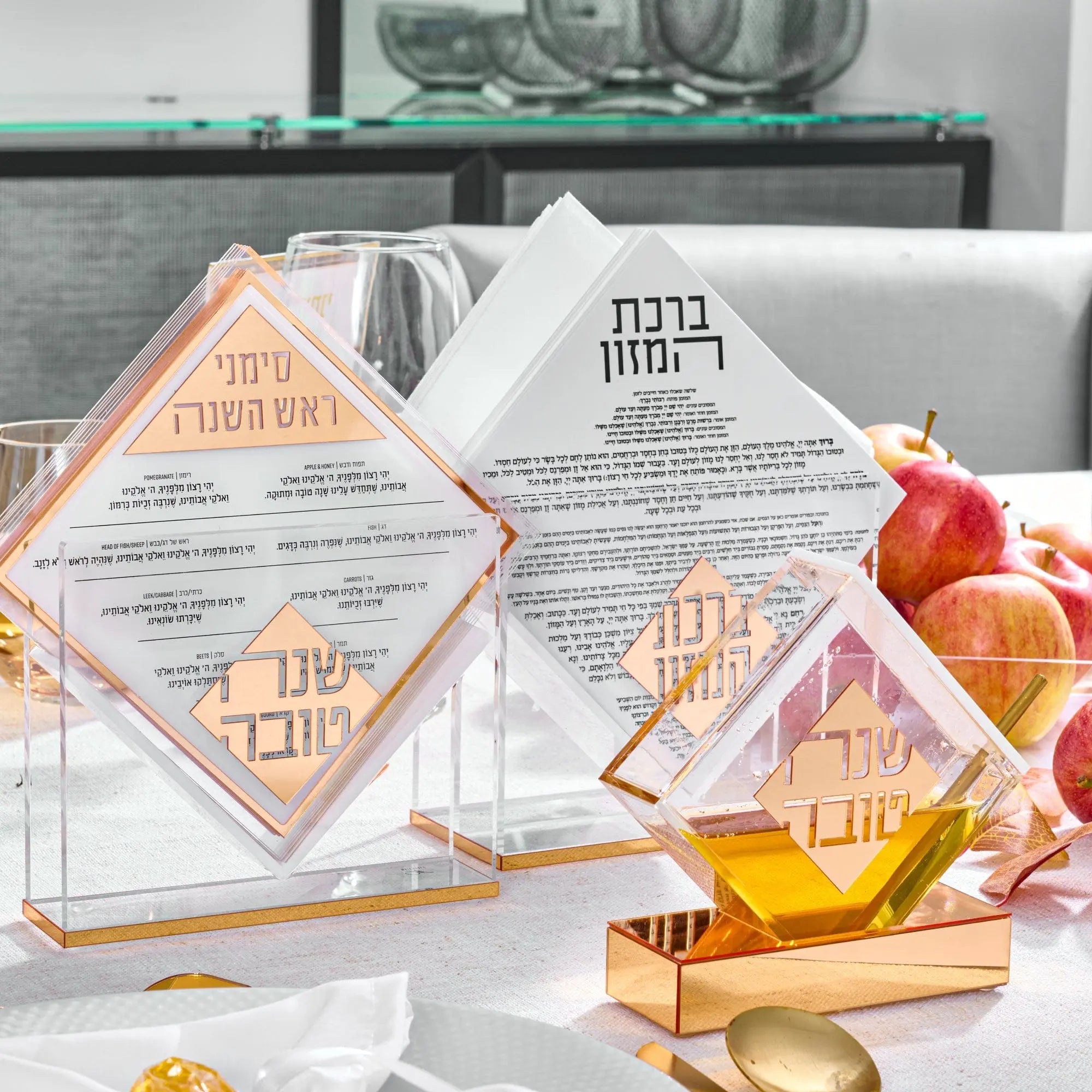
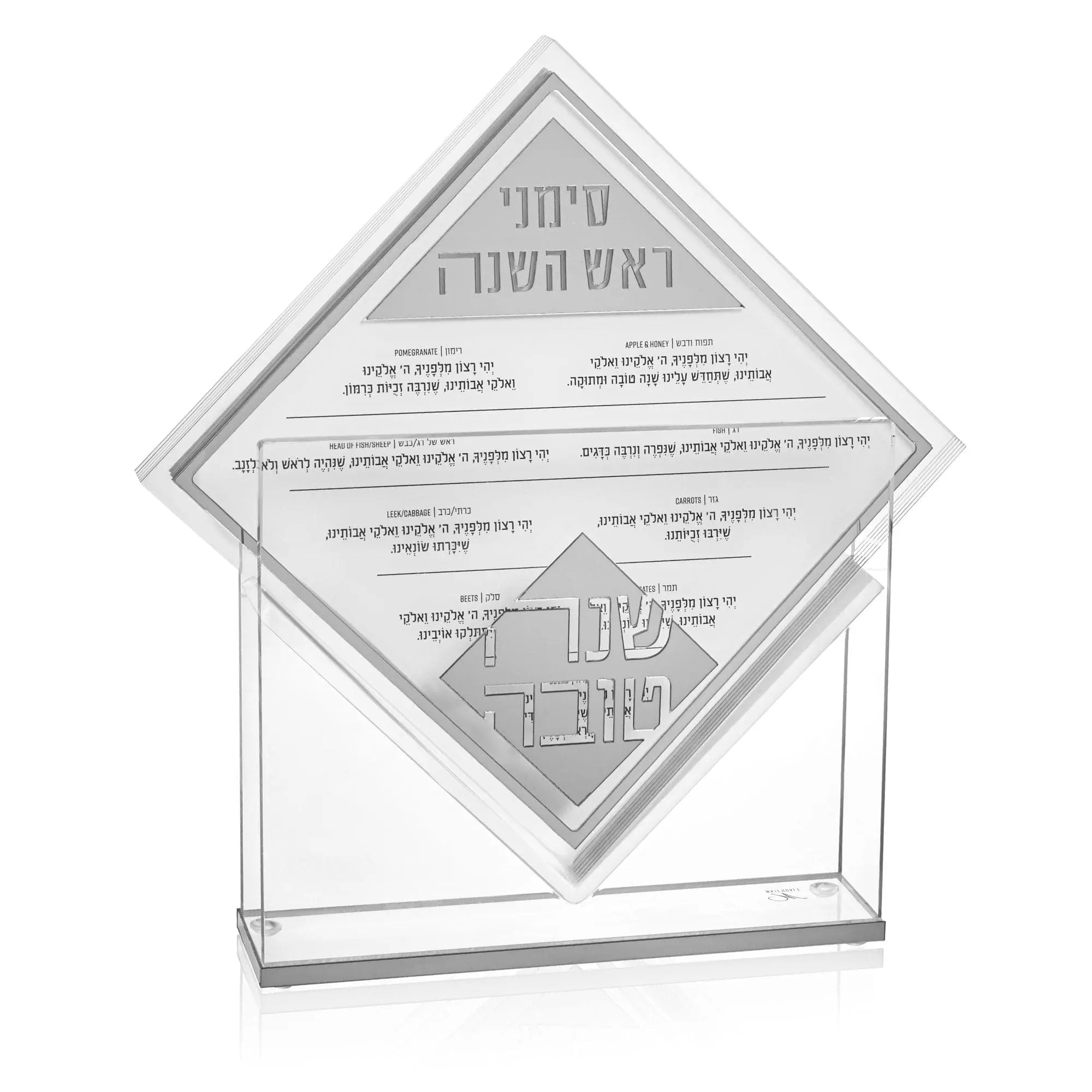
Diamond Simanim Card Set
Regular price
$70.00
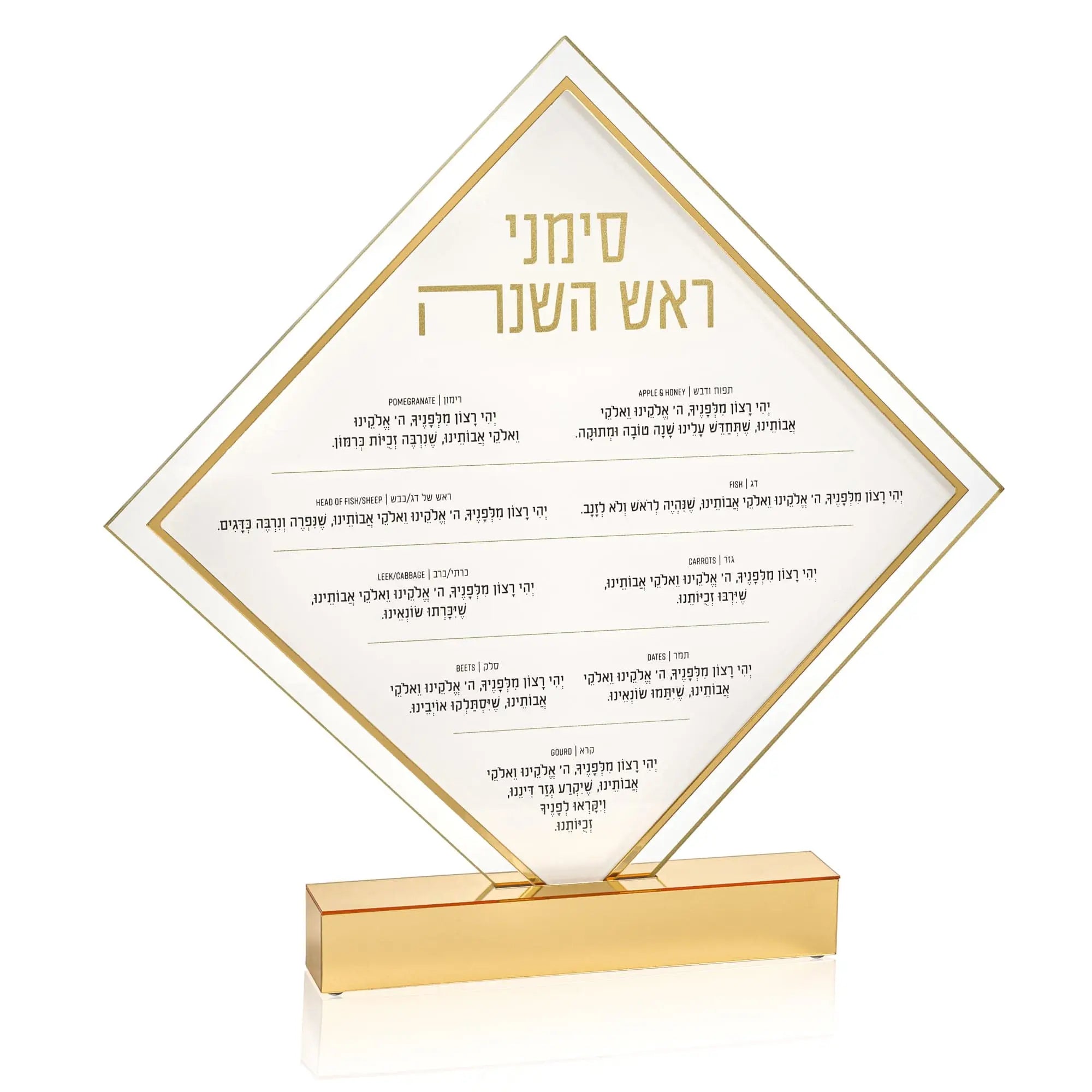
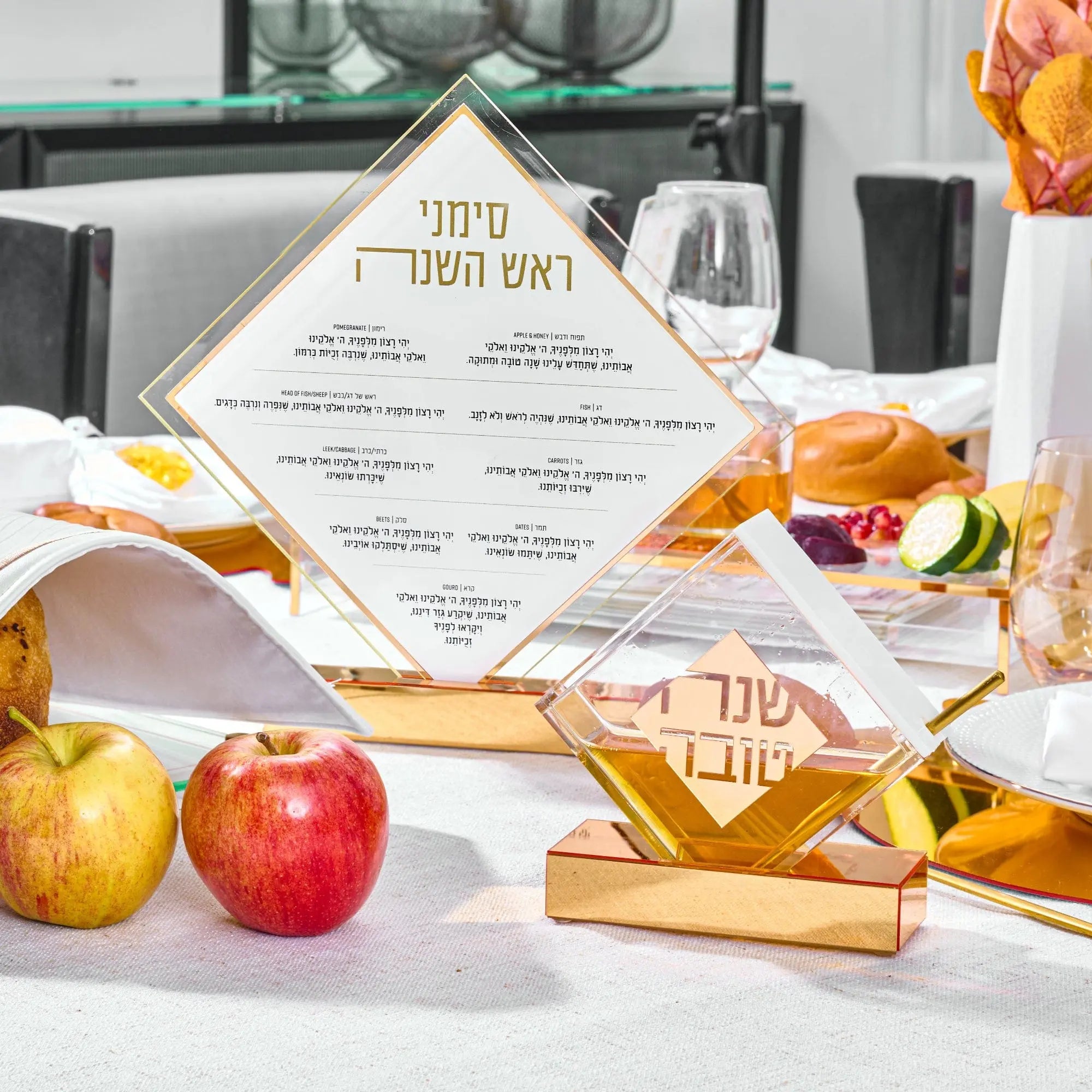
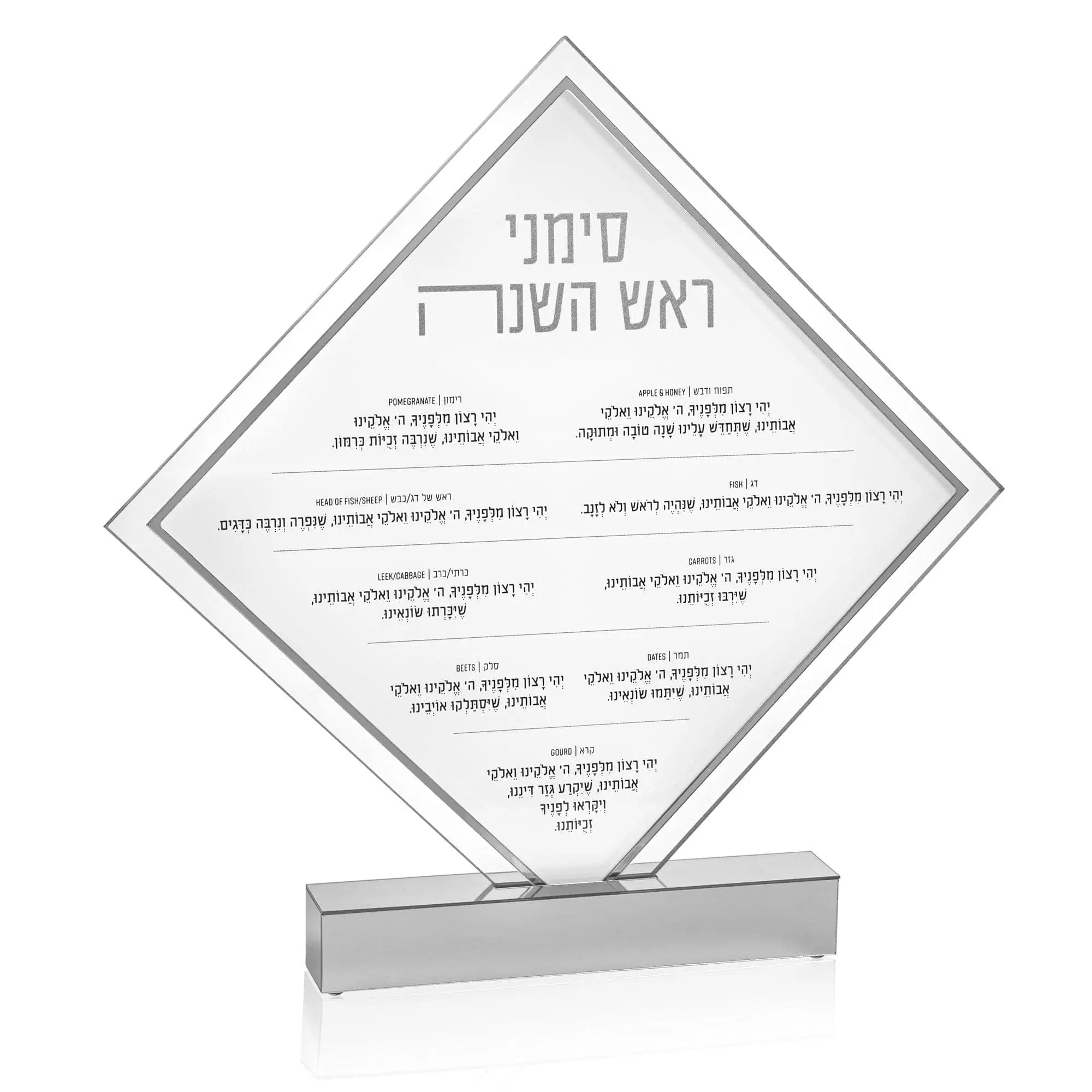
Diamond Simanim Tabletop
Regular price
$36.00
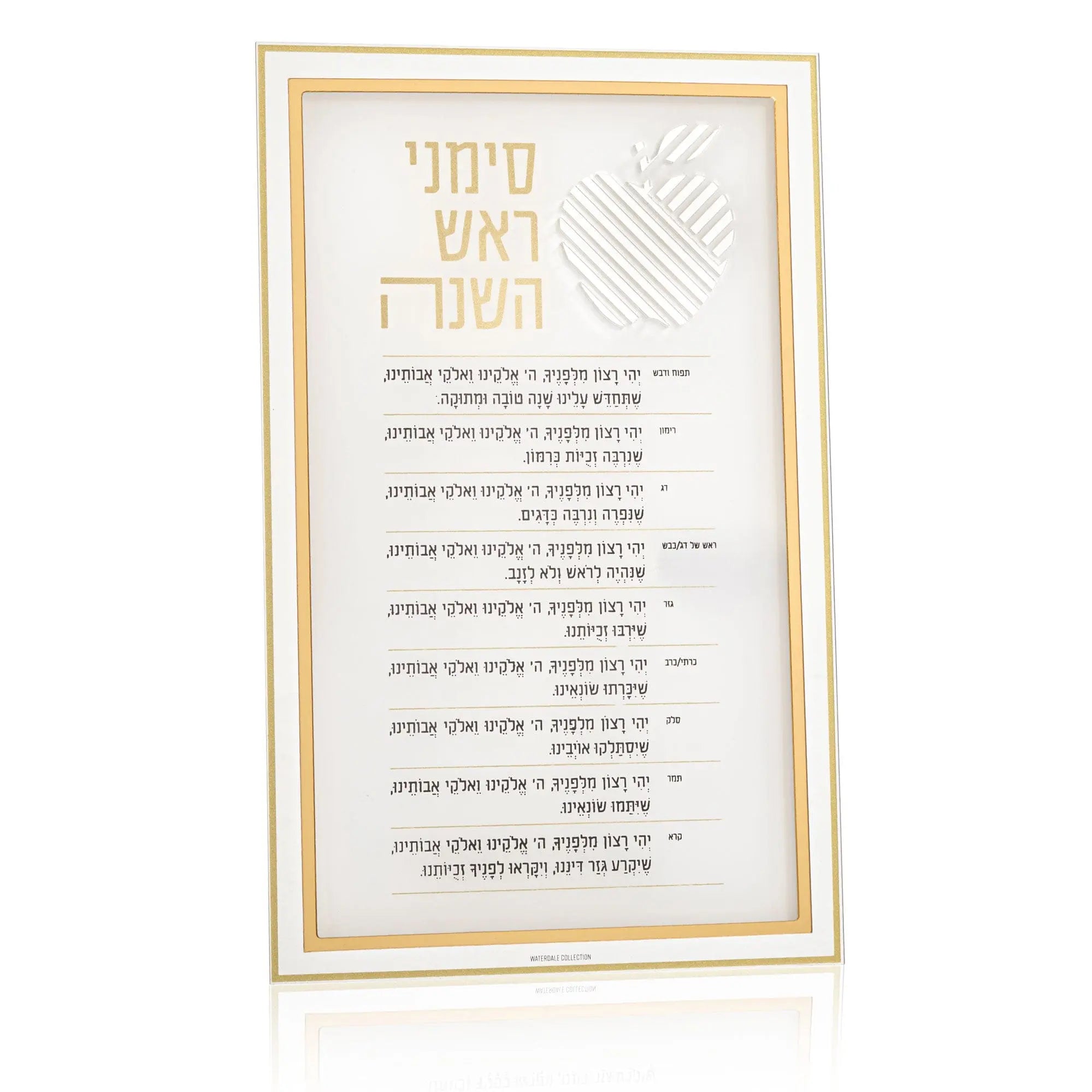
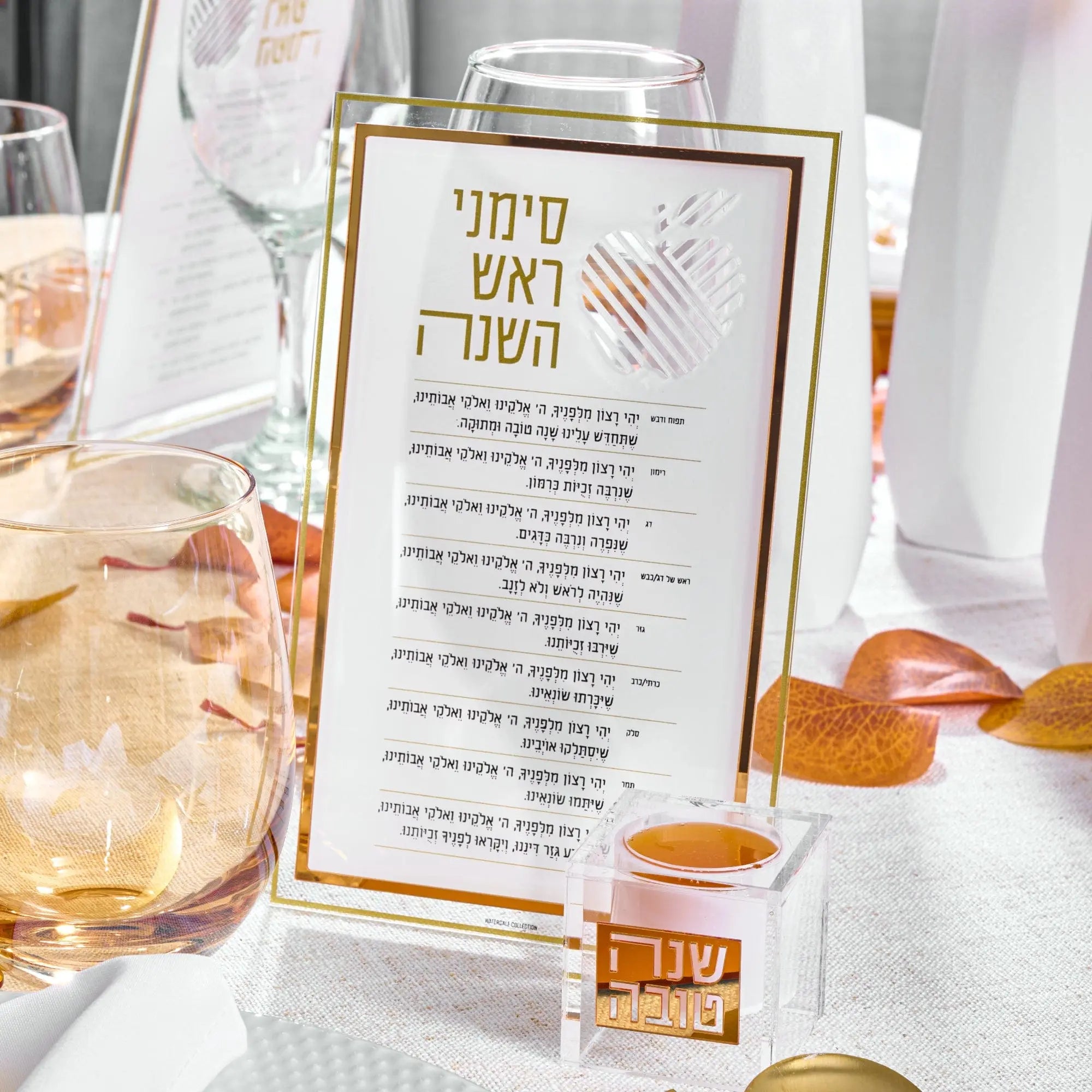
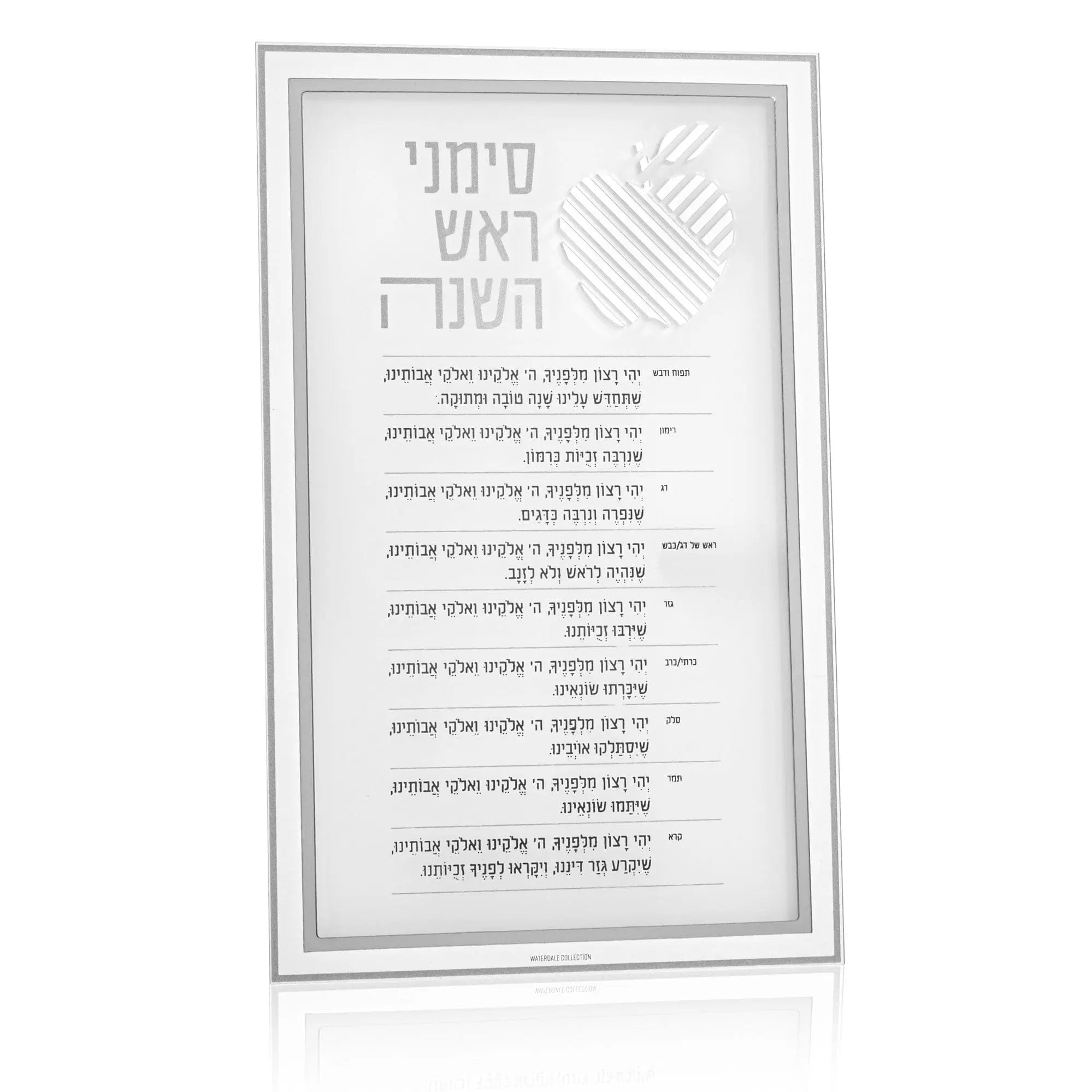
Classic 2.0 Apple Simanim Card
Sale priceFrom
$12.00
Regular price
$14.00
Sale
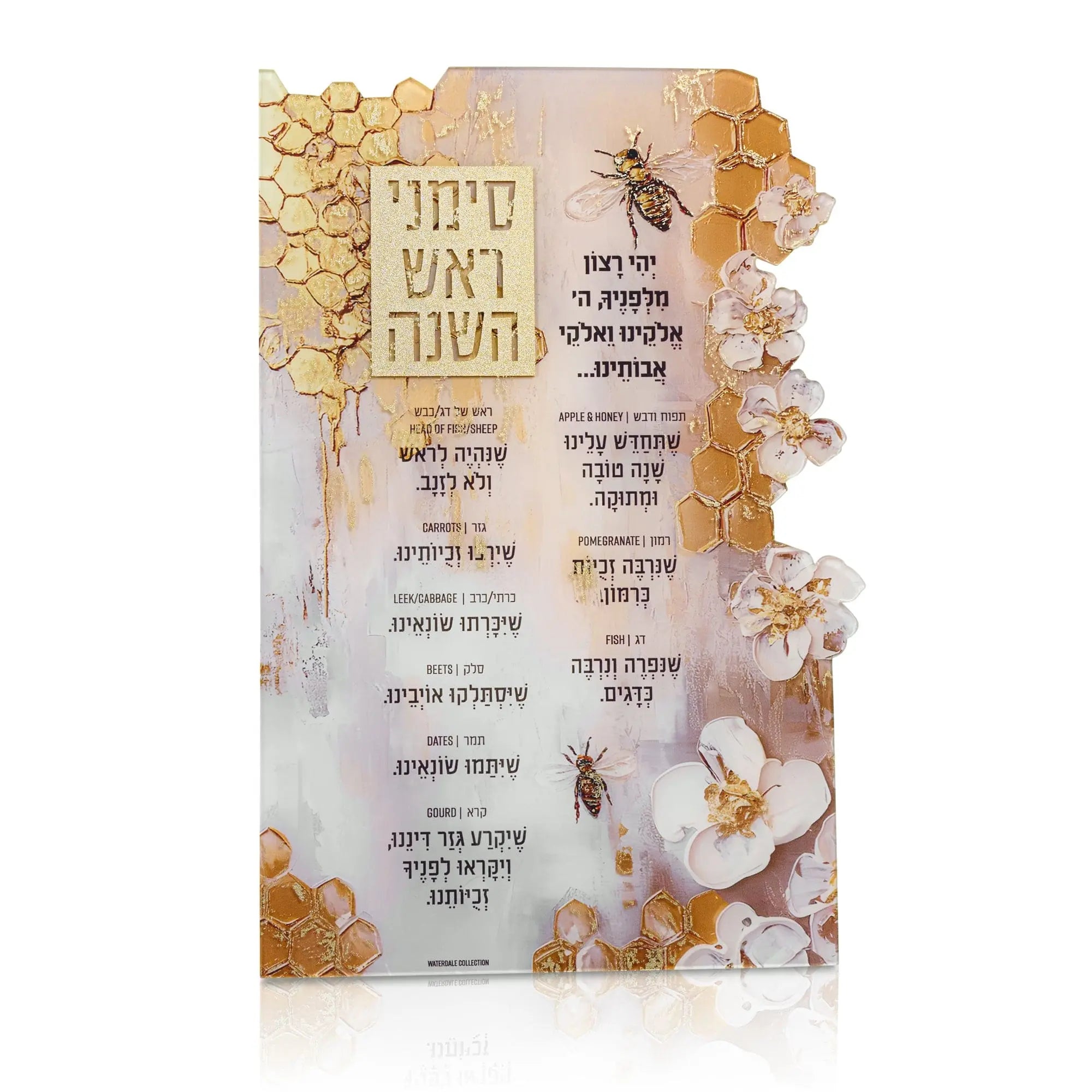
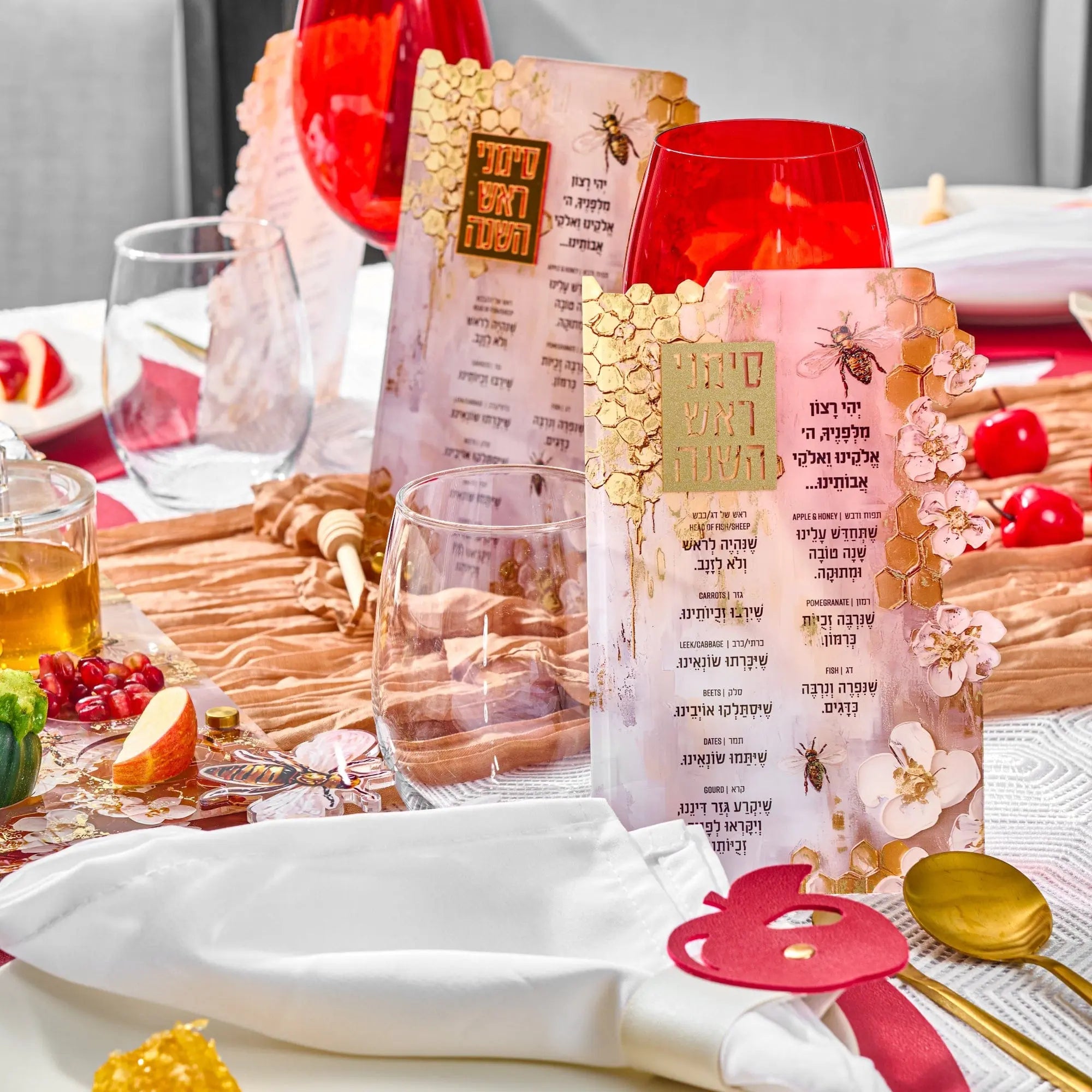
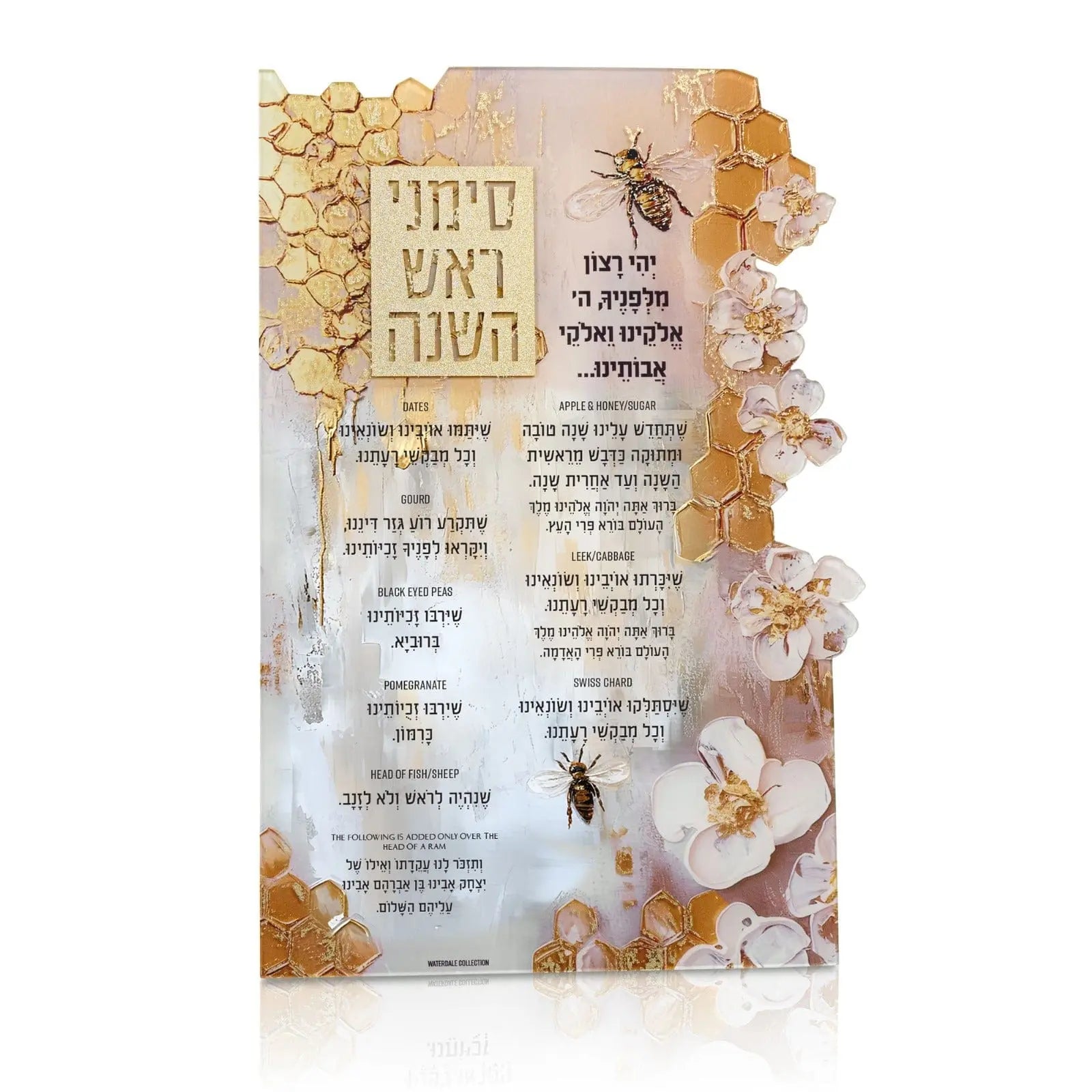
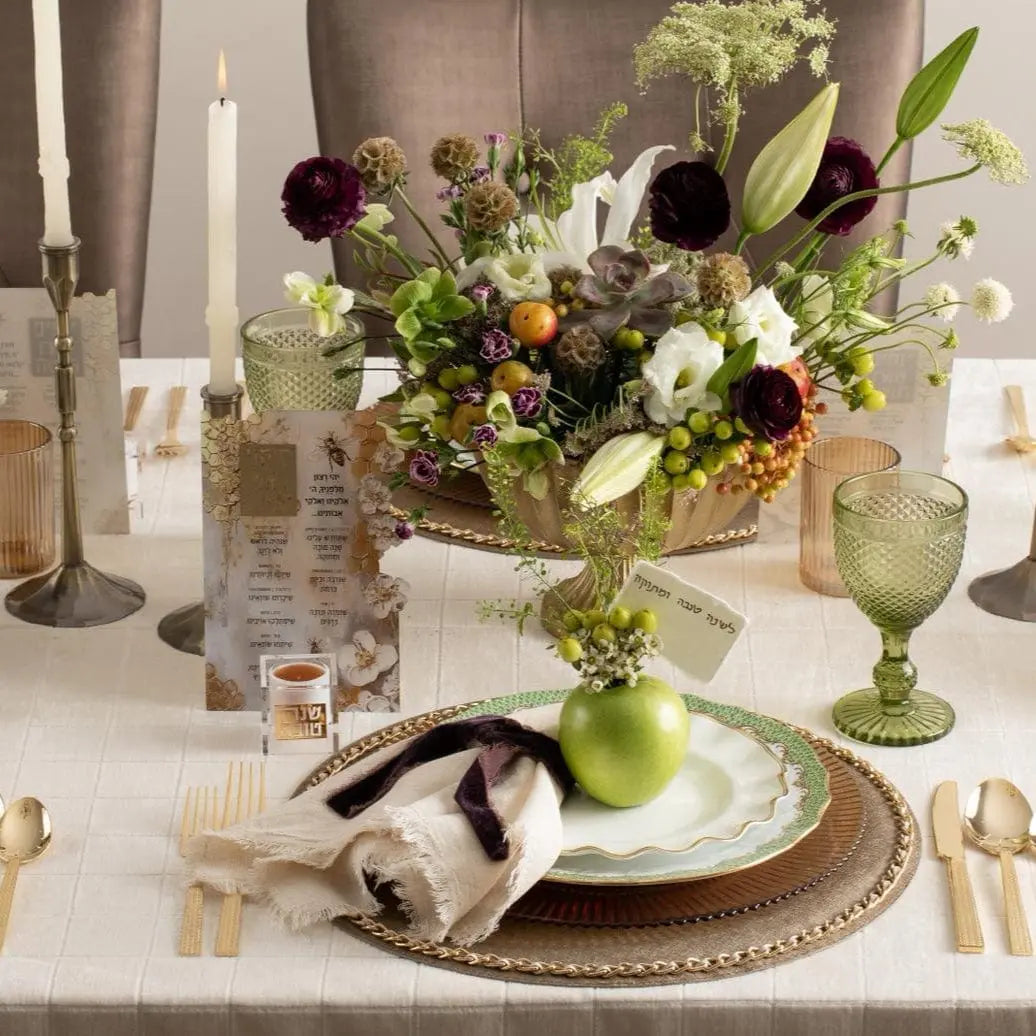
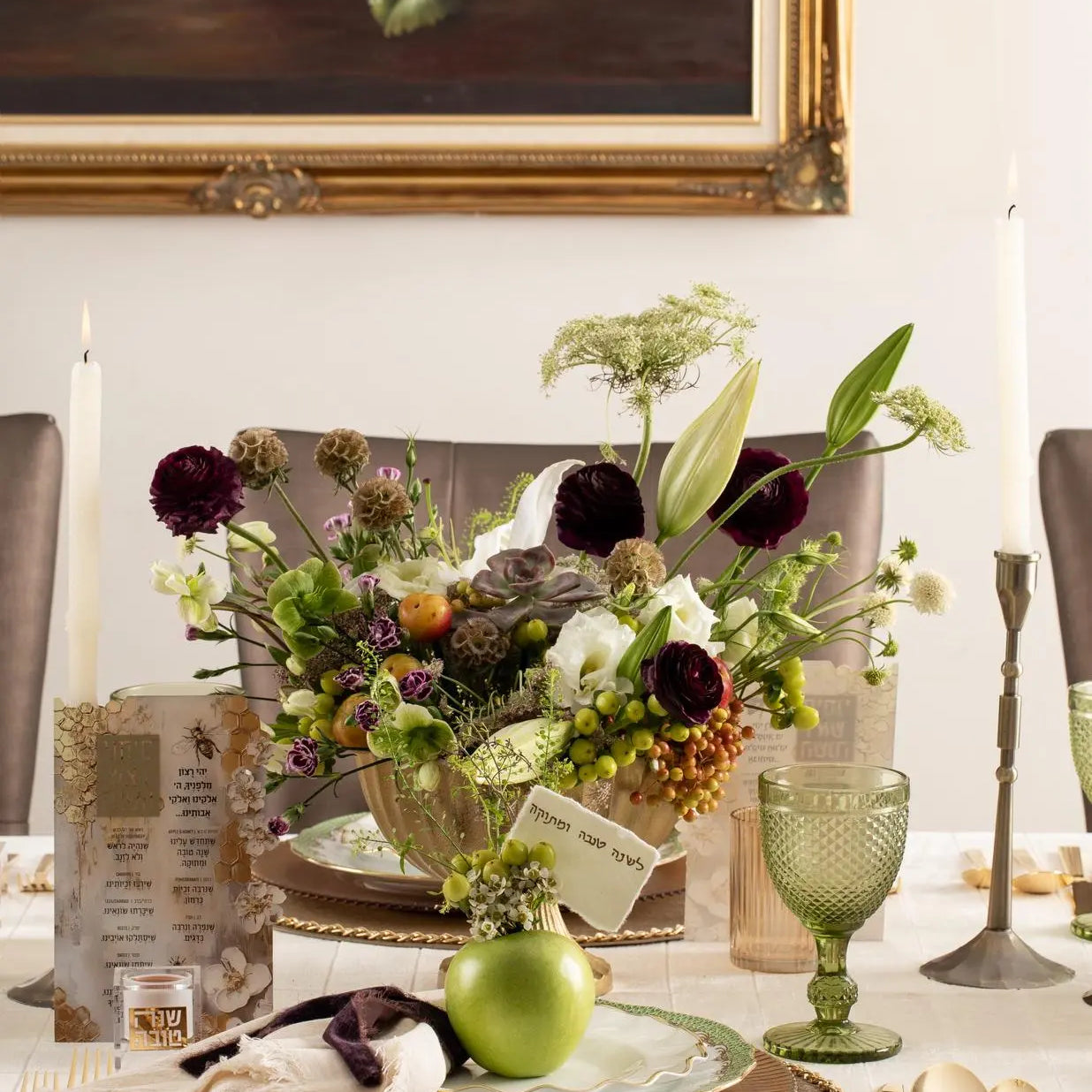
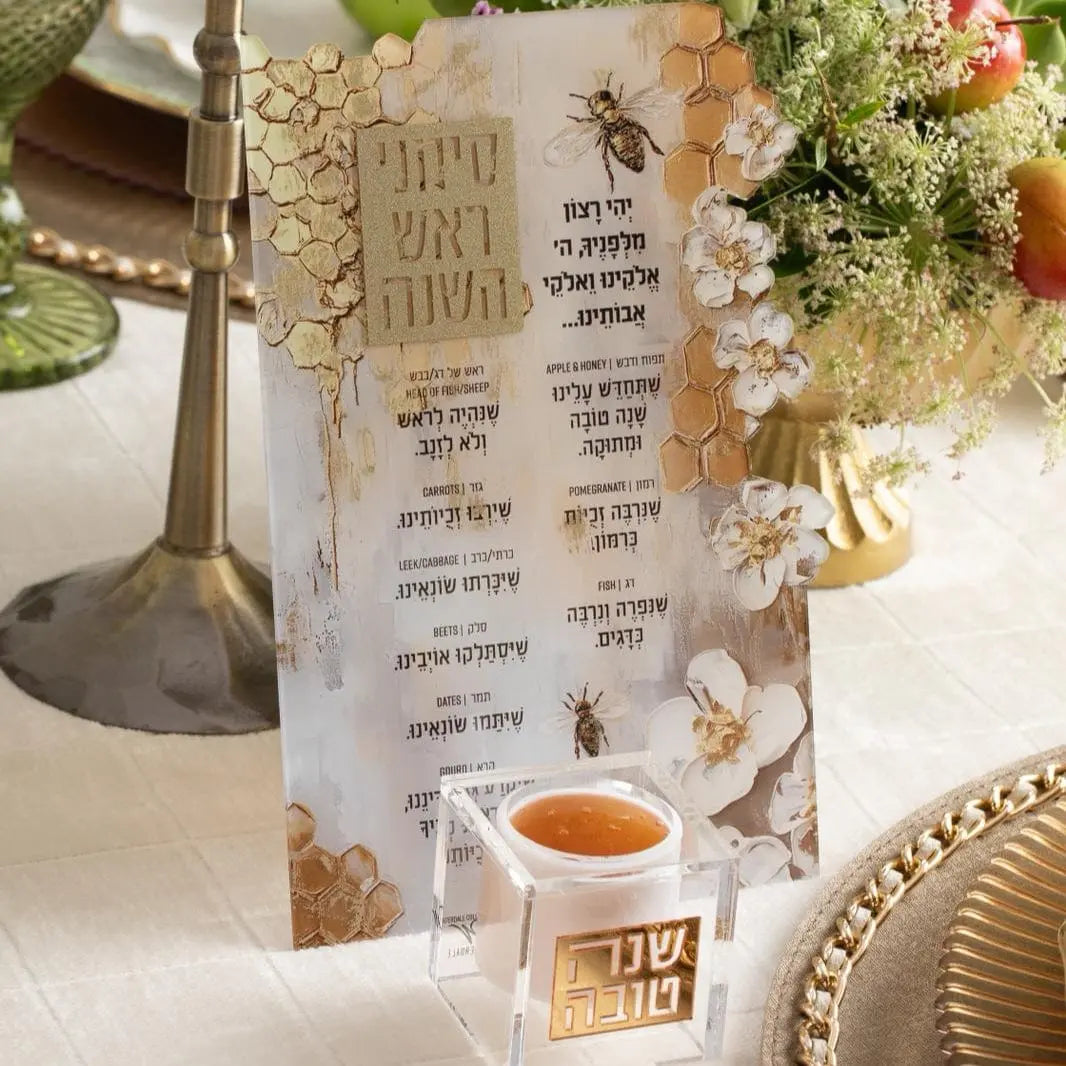
Honeycomb Simanim Card
Regular price
$14.00
Sold out
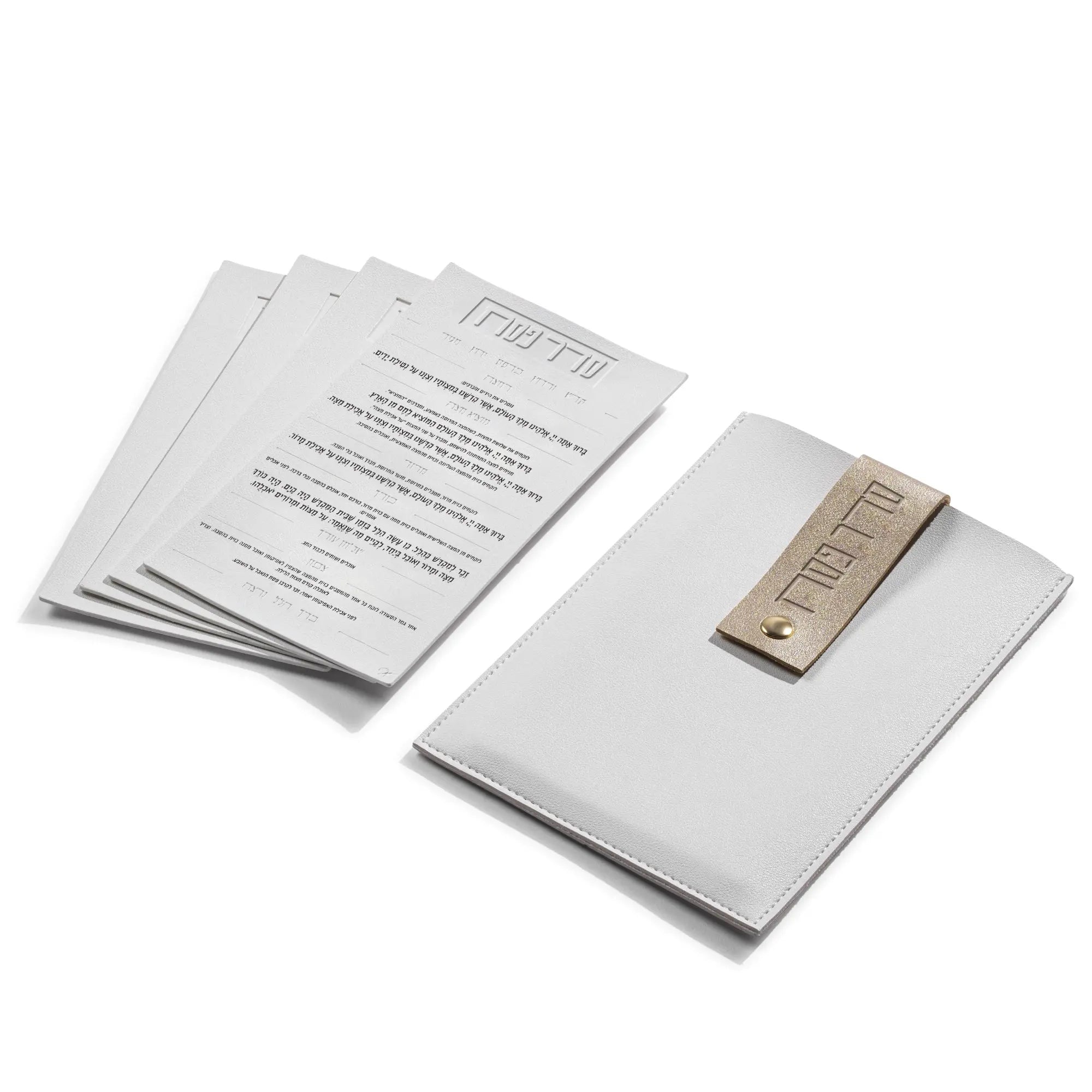
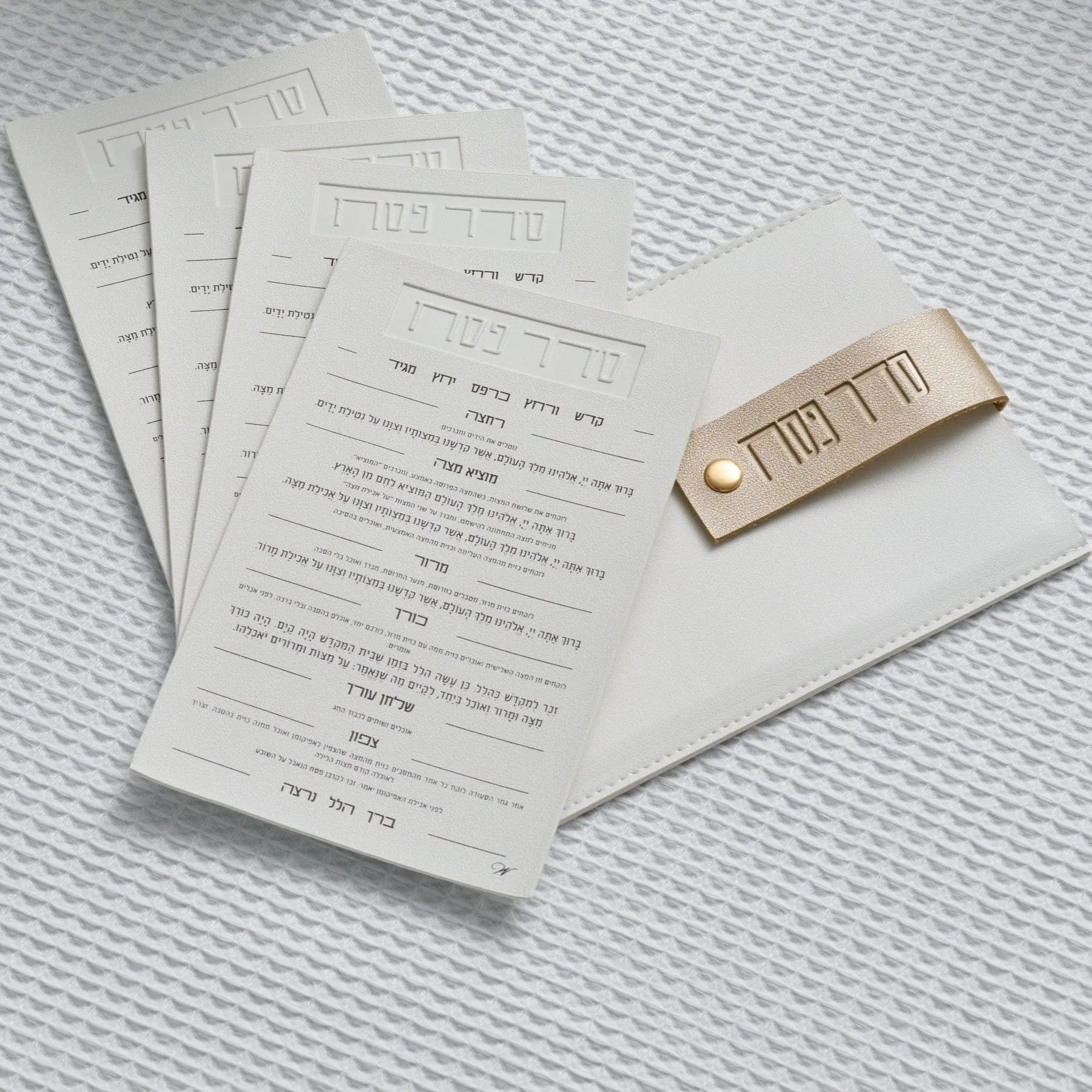
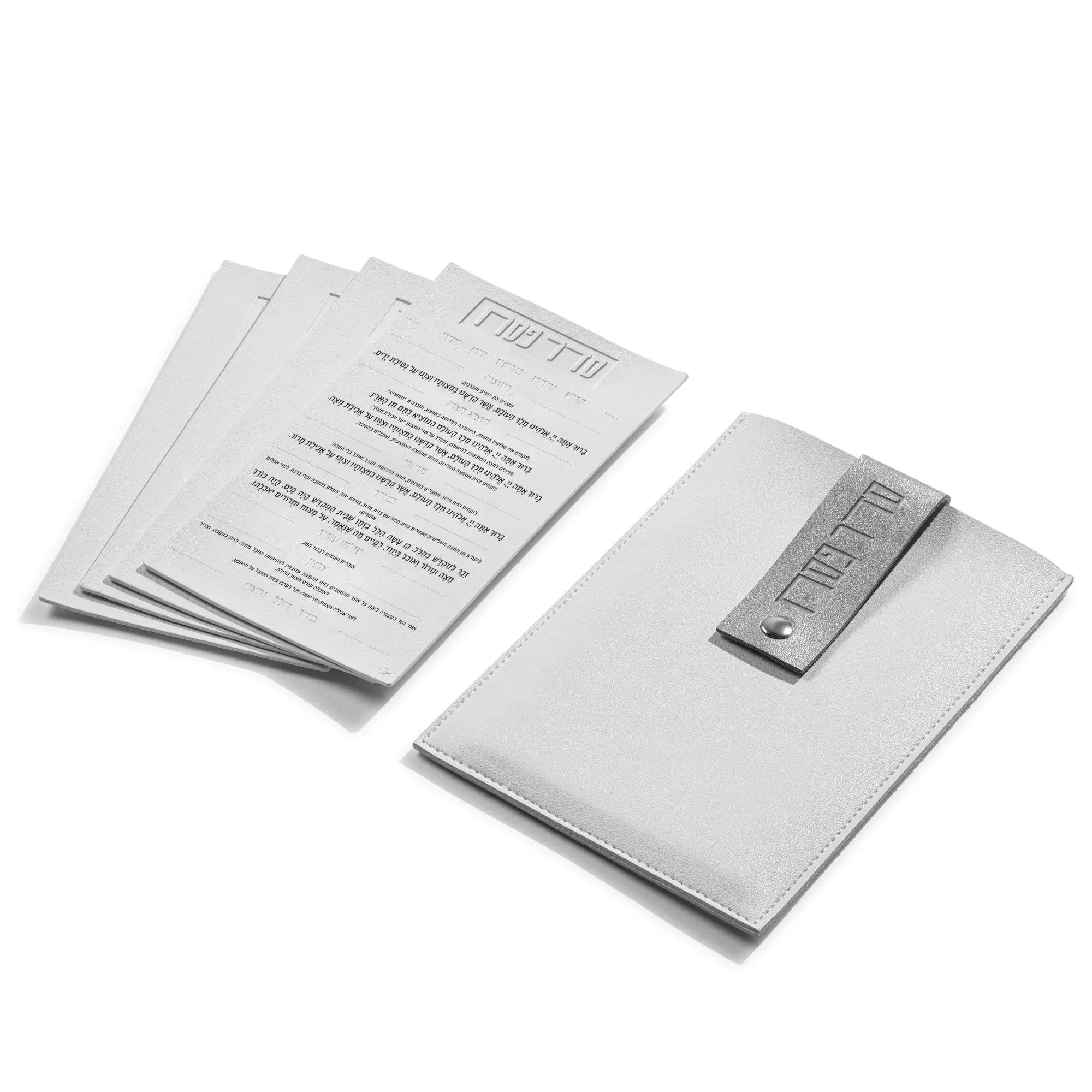
Leather Seder Pouch & Card Set
Regular price
$18.00
Sold out
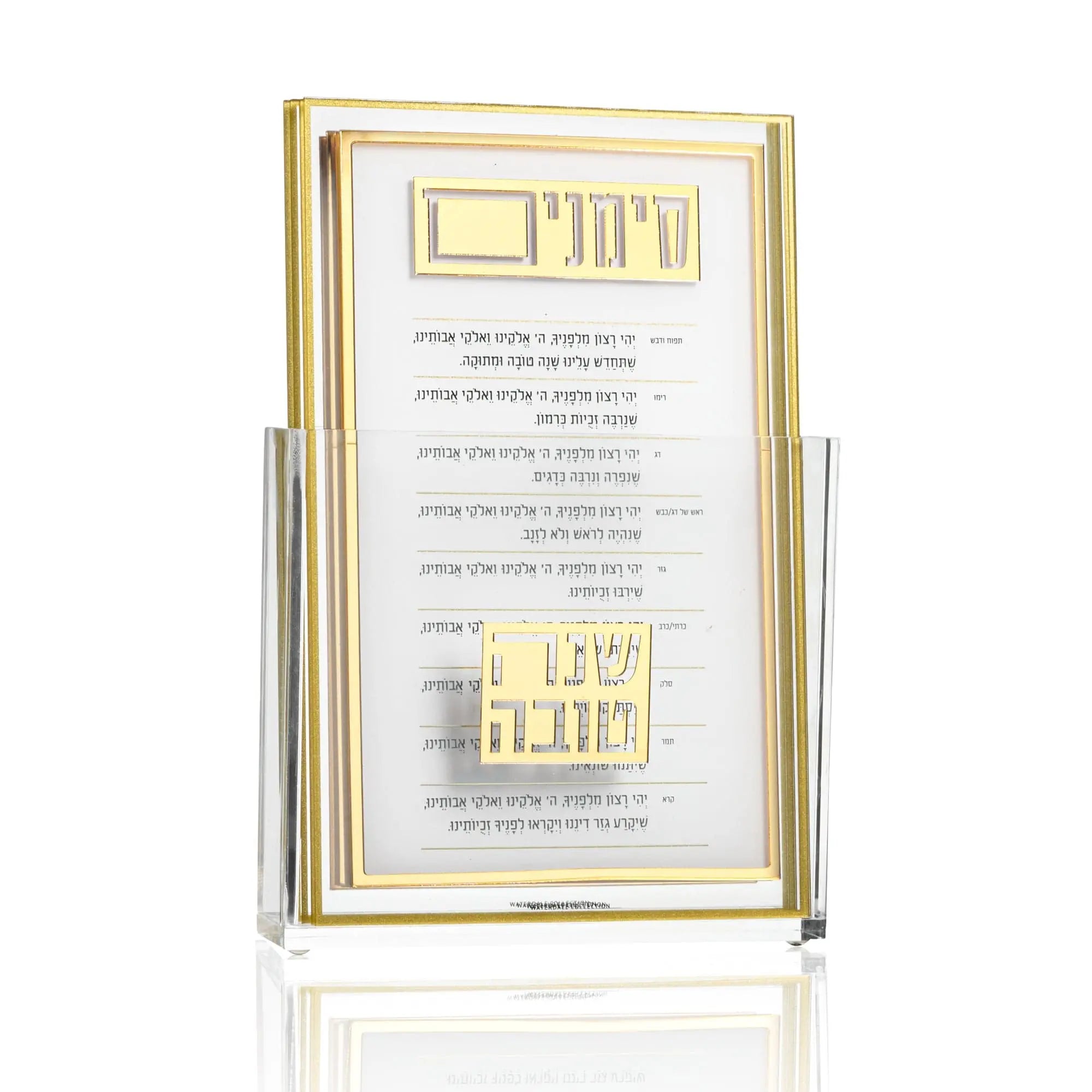
Classic 2.0 Simanim Card Set
Regular price
$64.00
Sold out
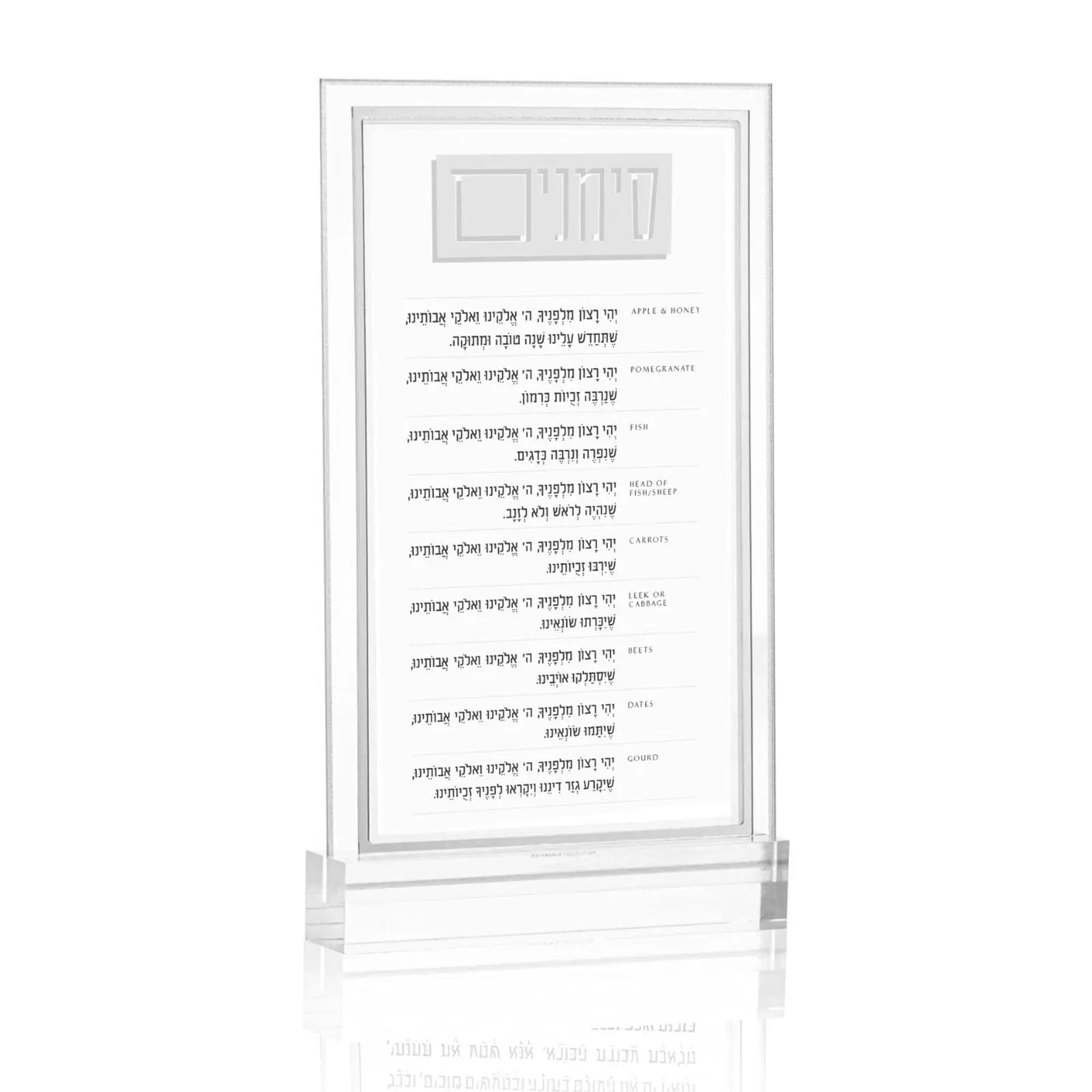
Classic 2.0 Simanim Card
Regular price
$14.00
Sold out
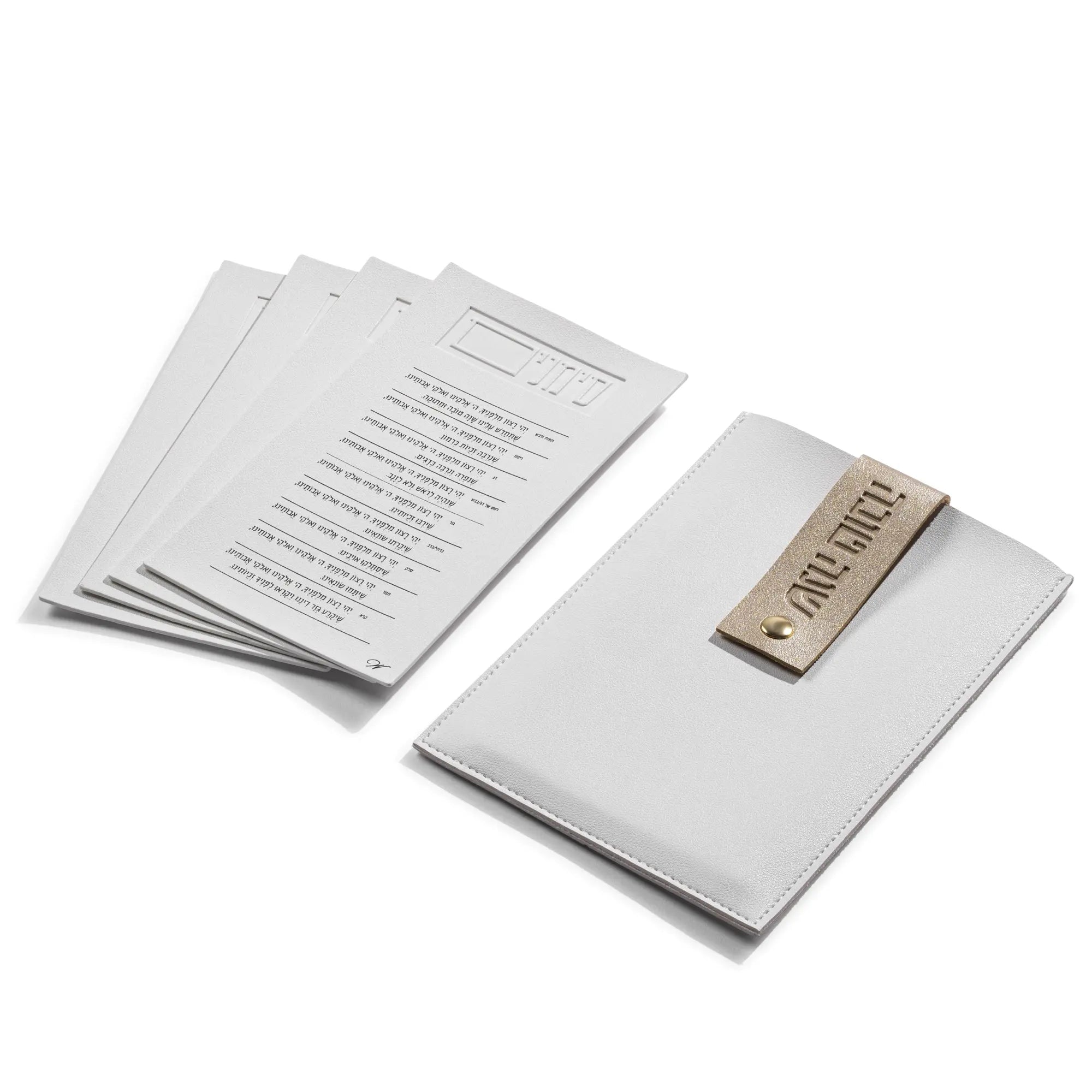
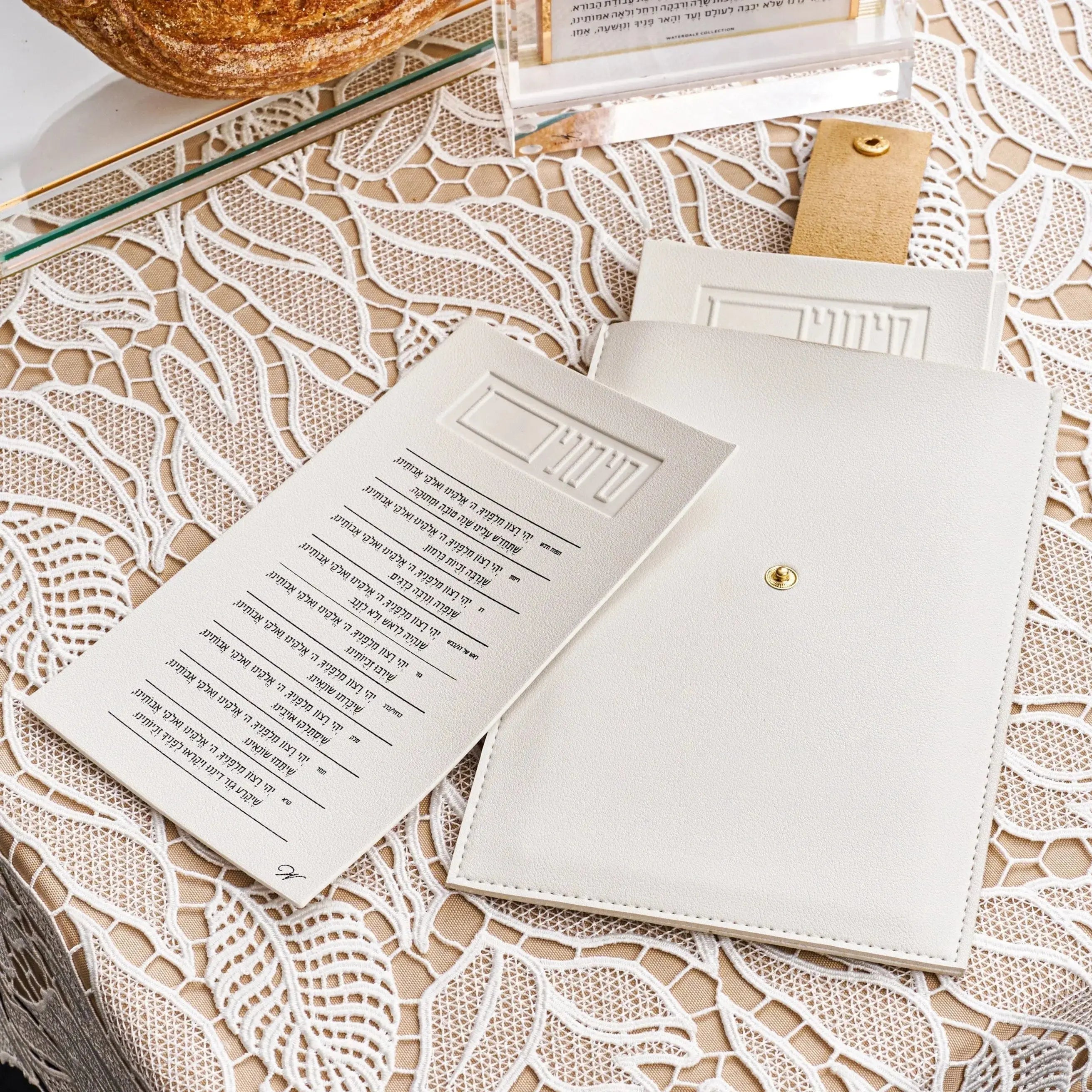
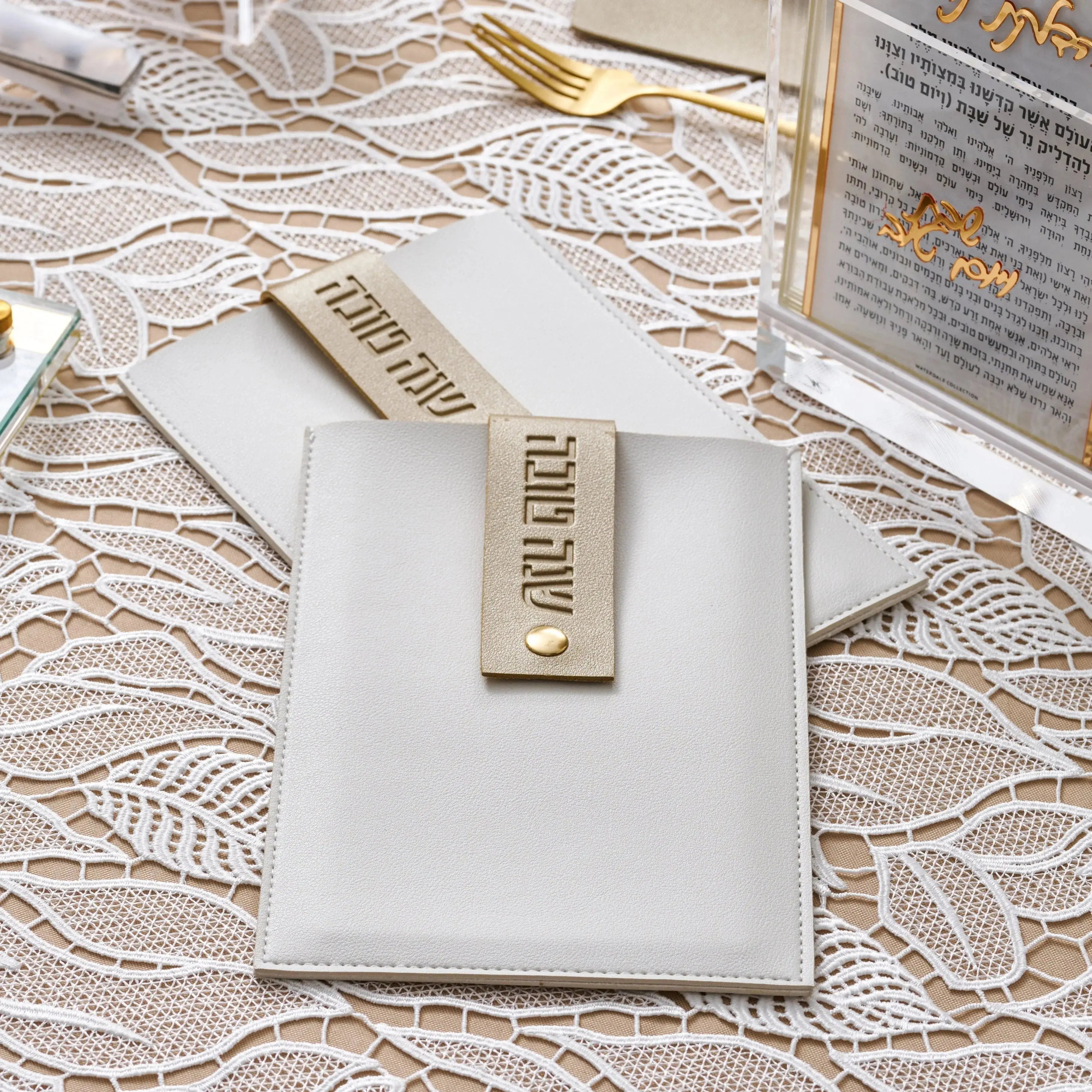
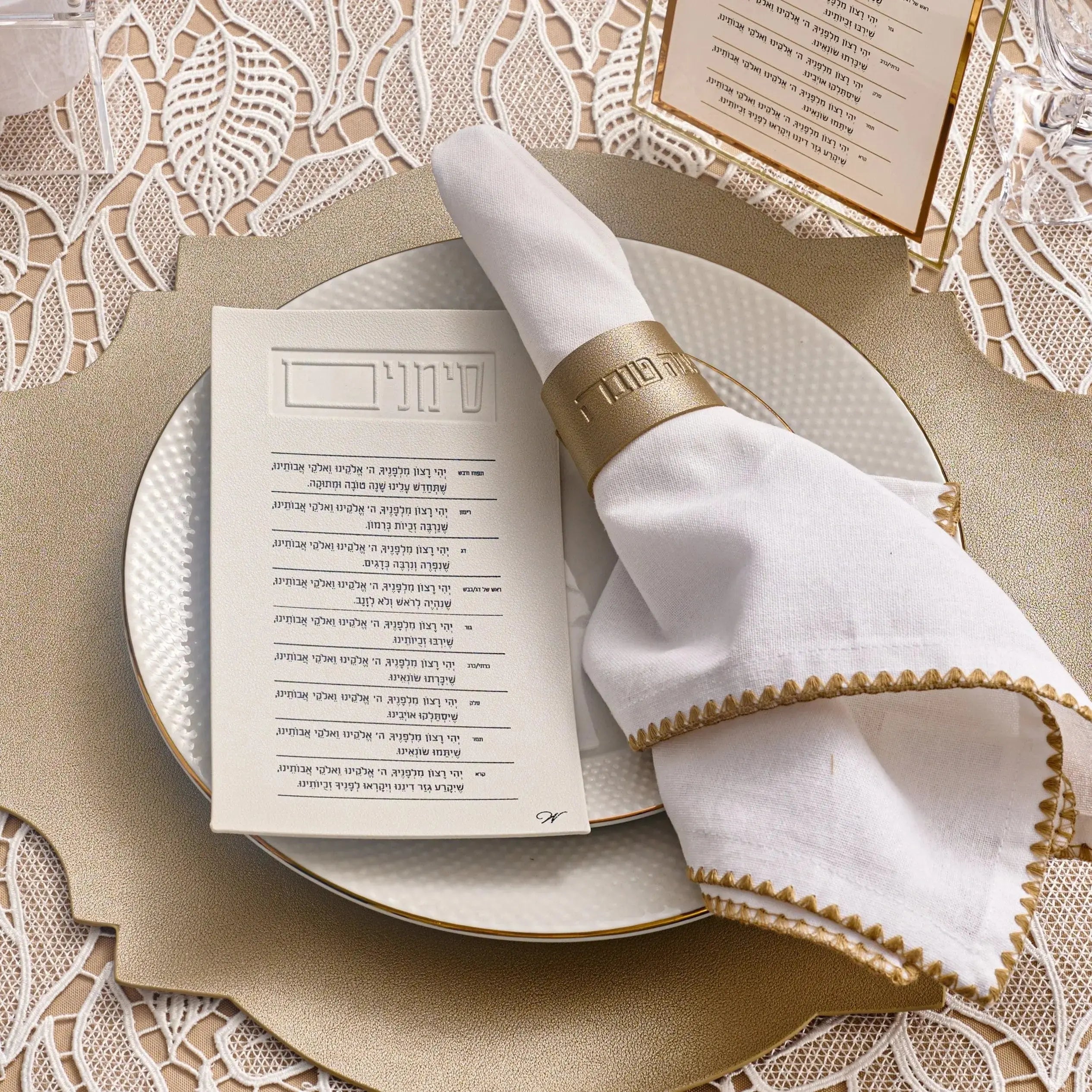
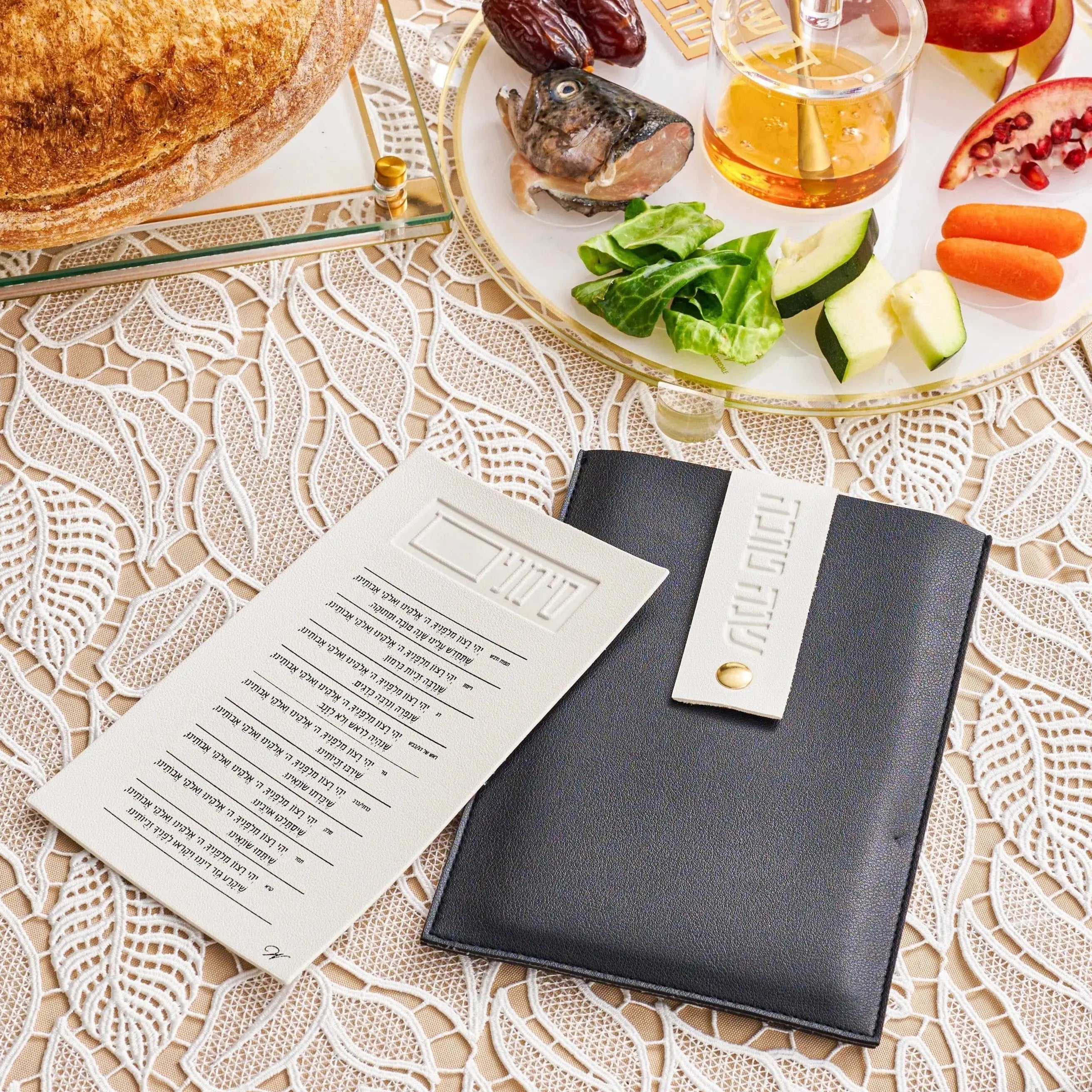
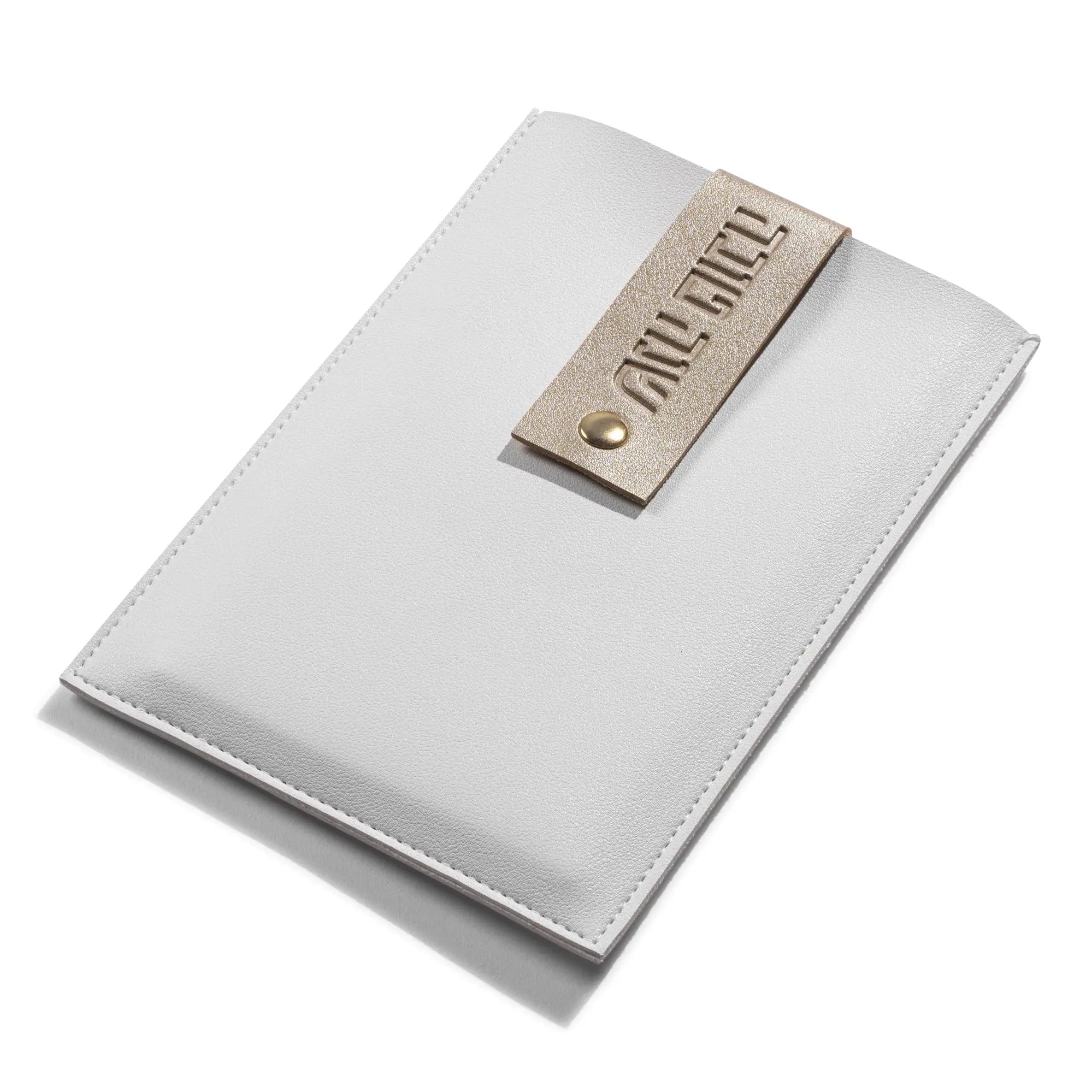
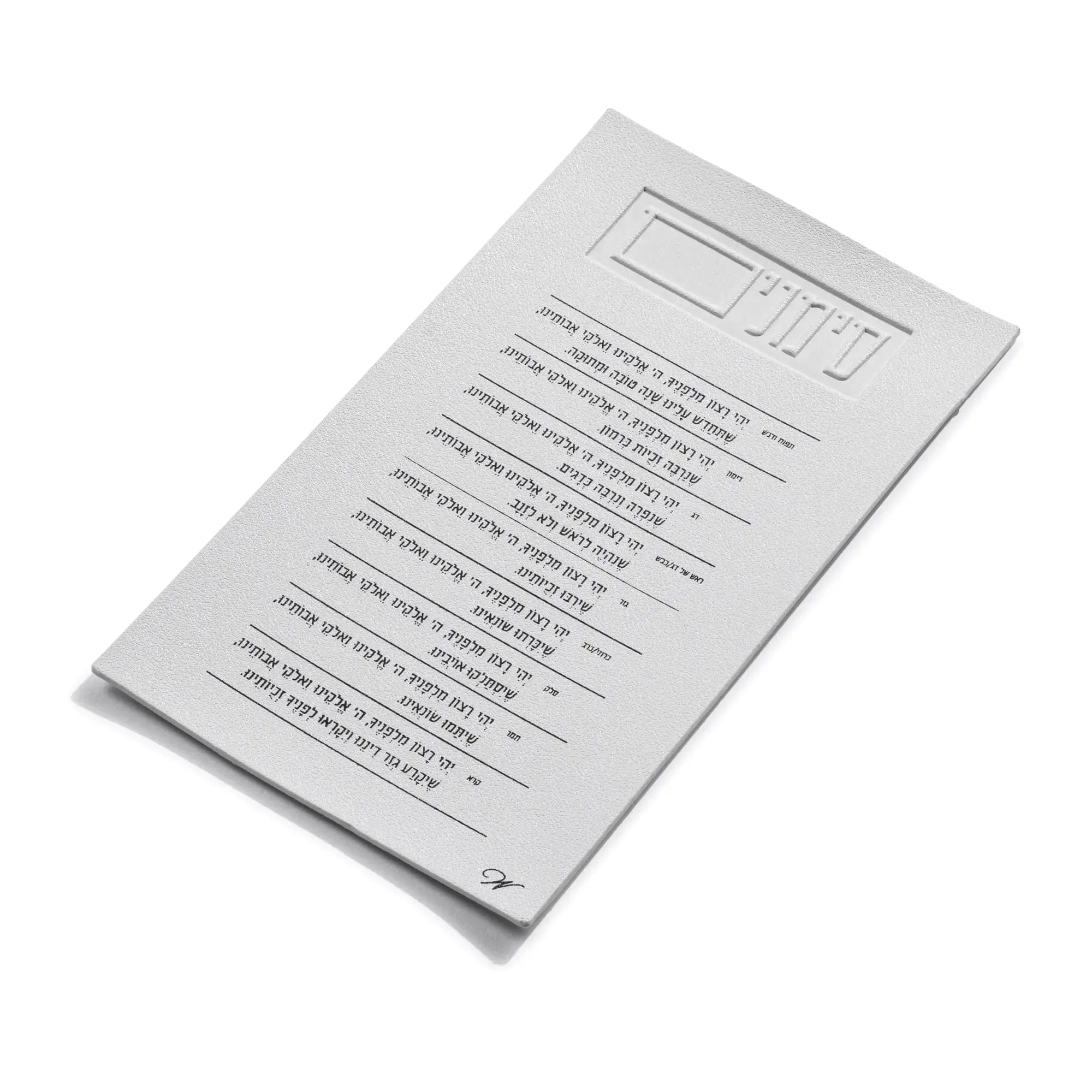
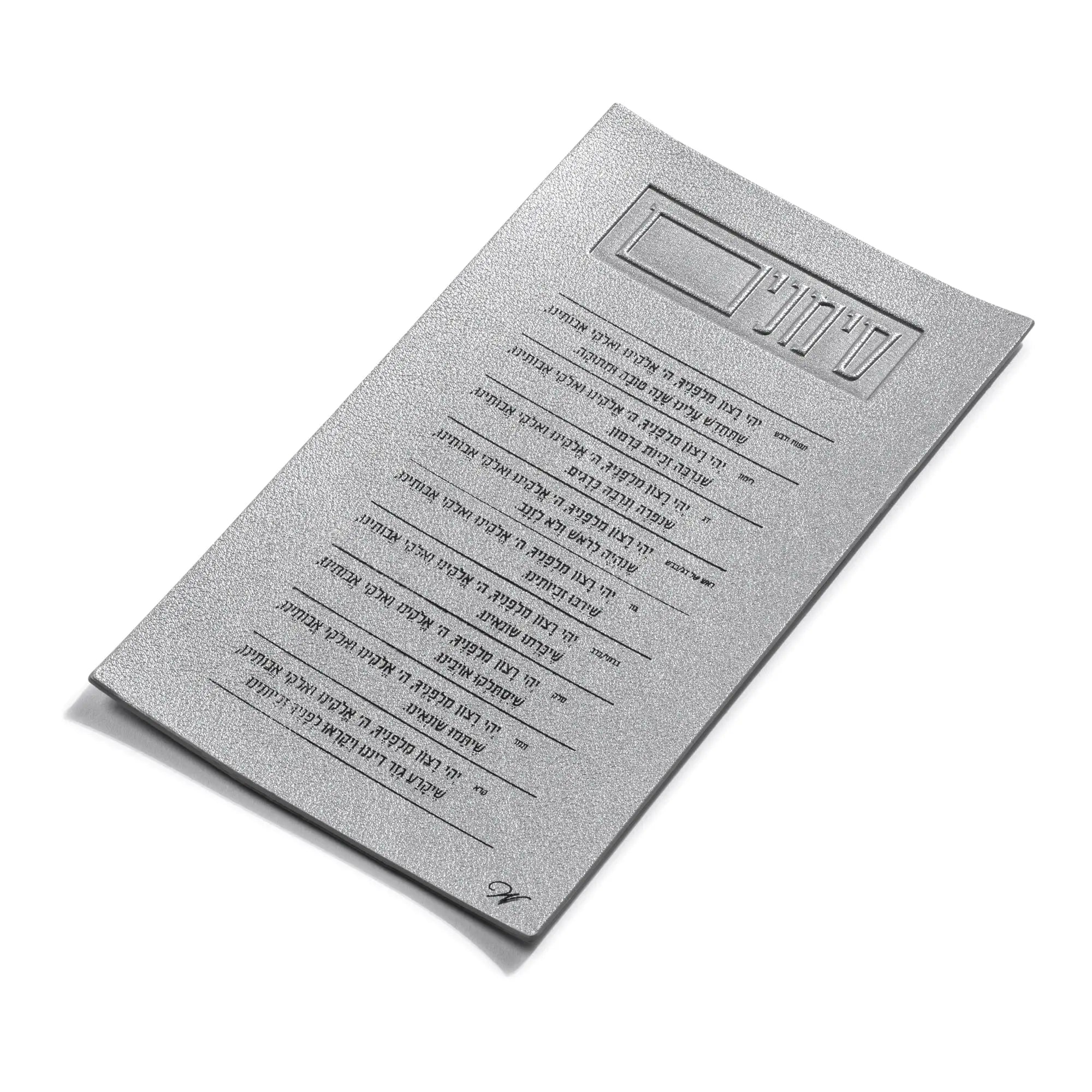
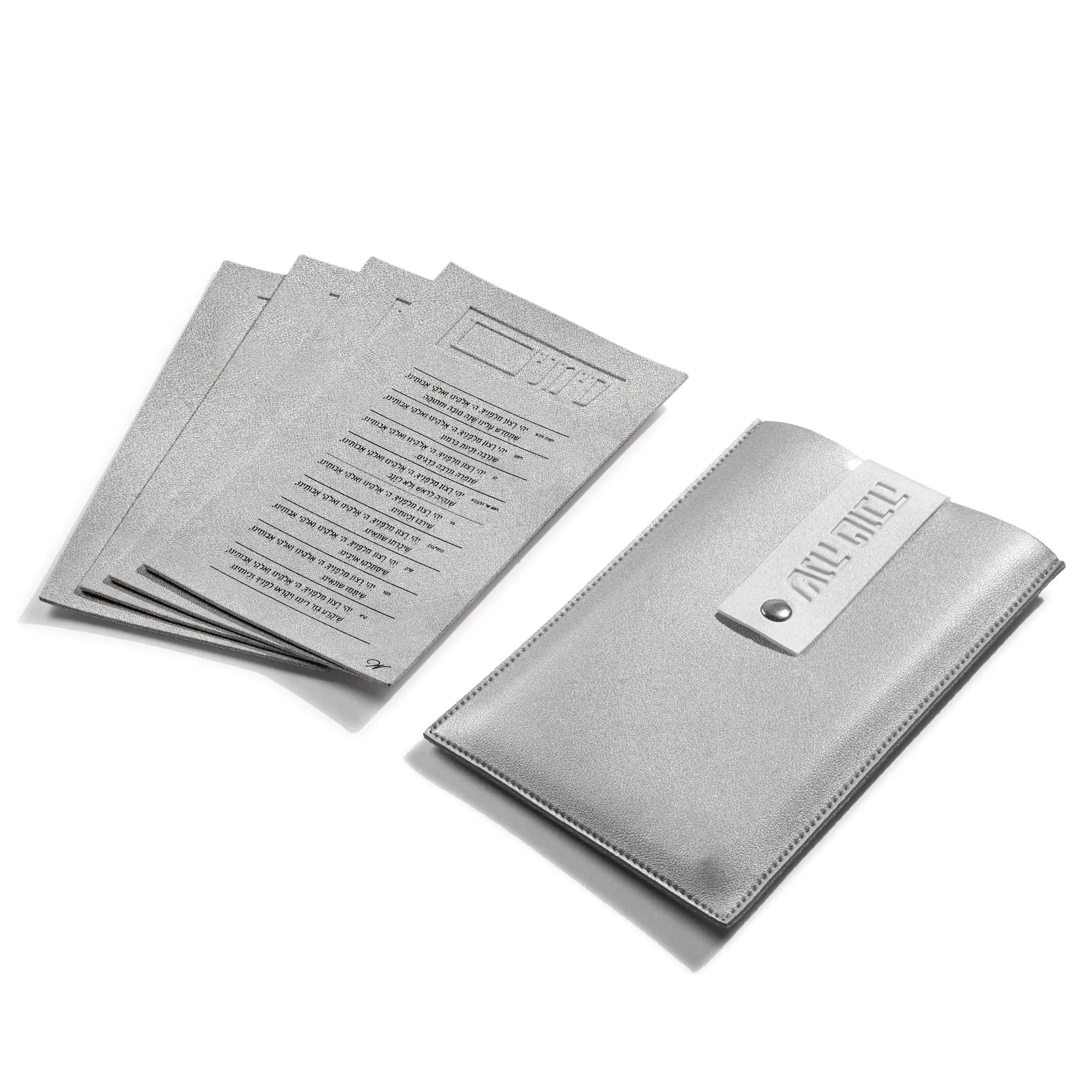
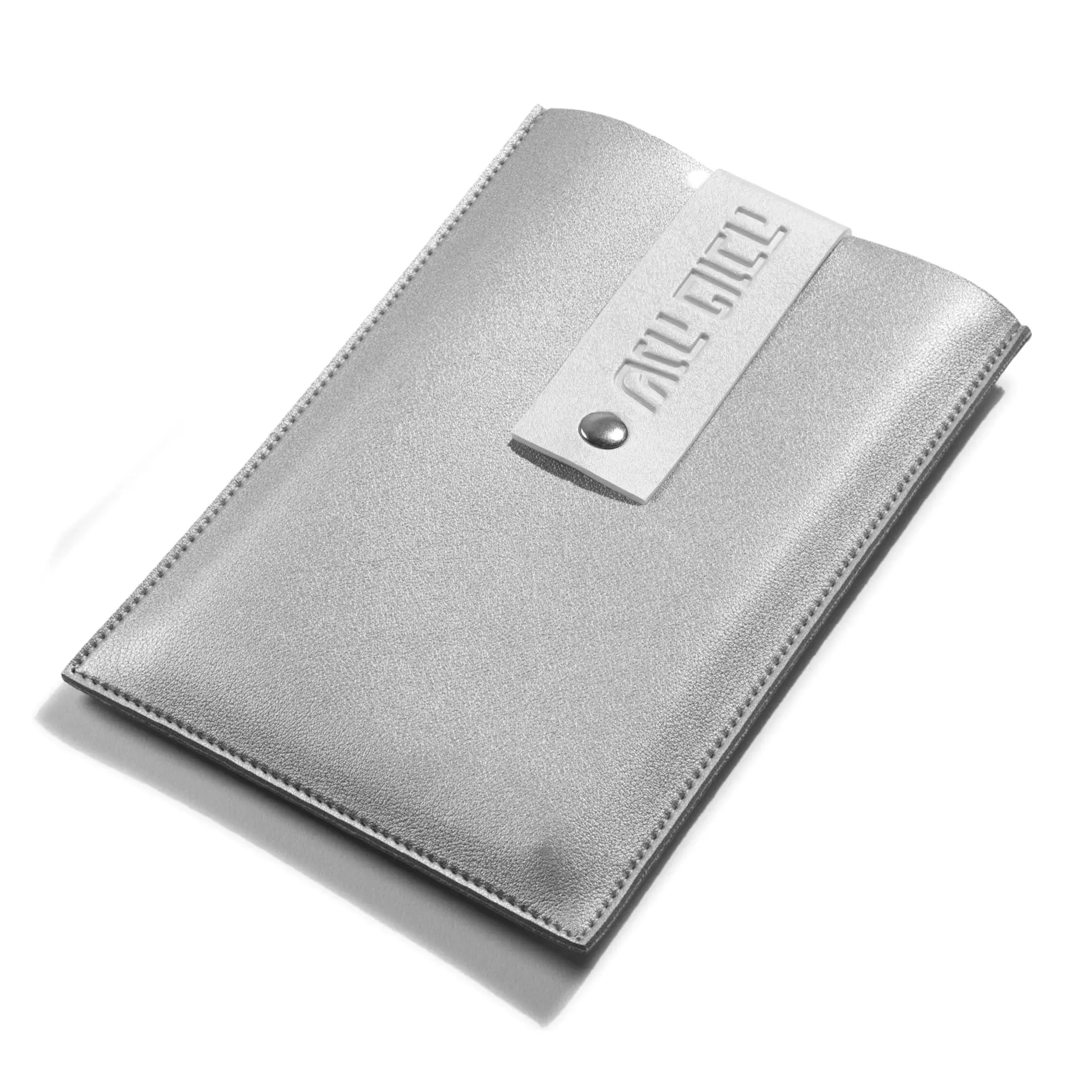
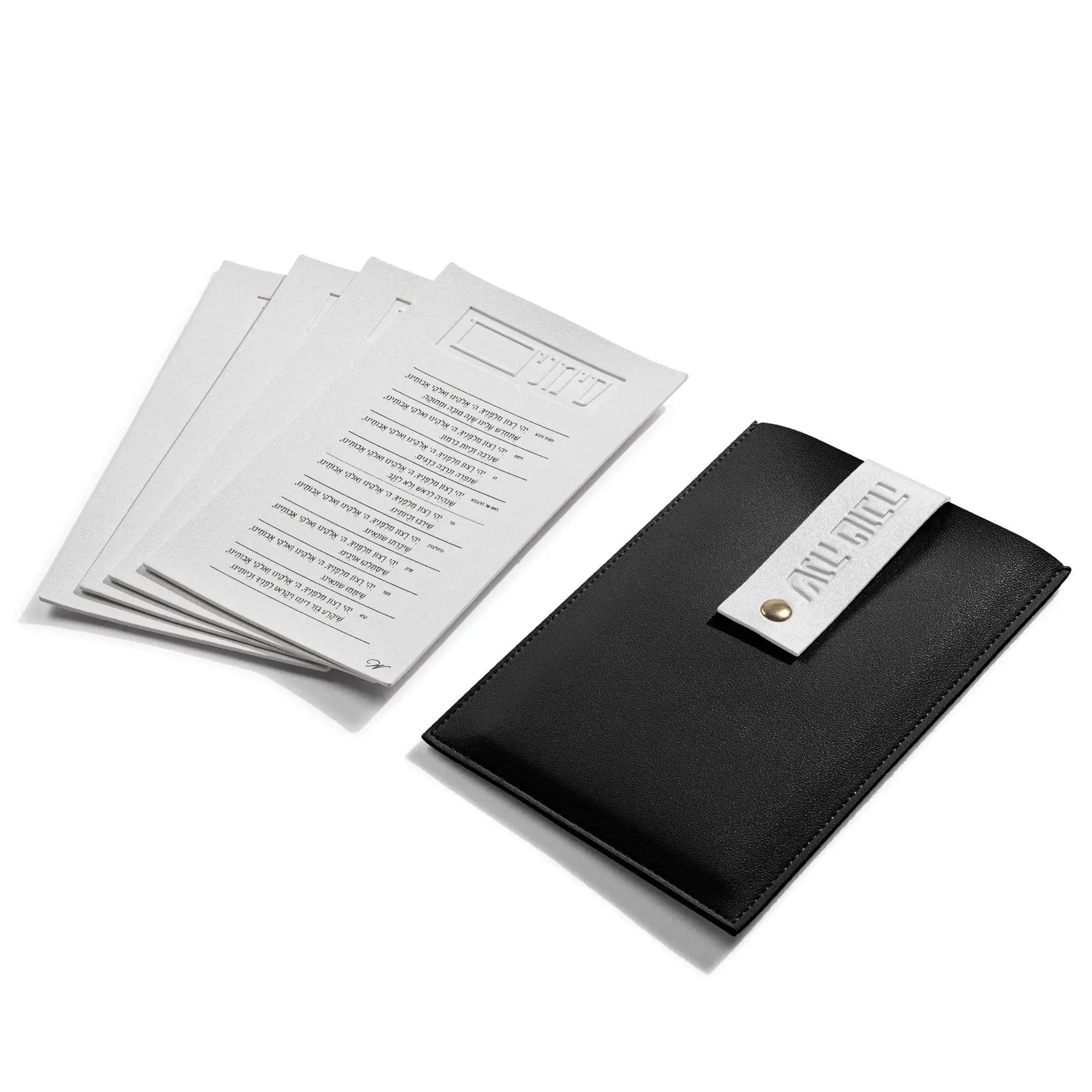
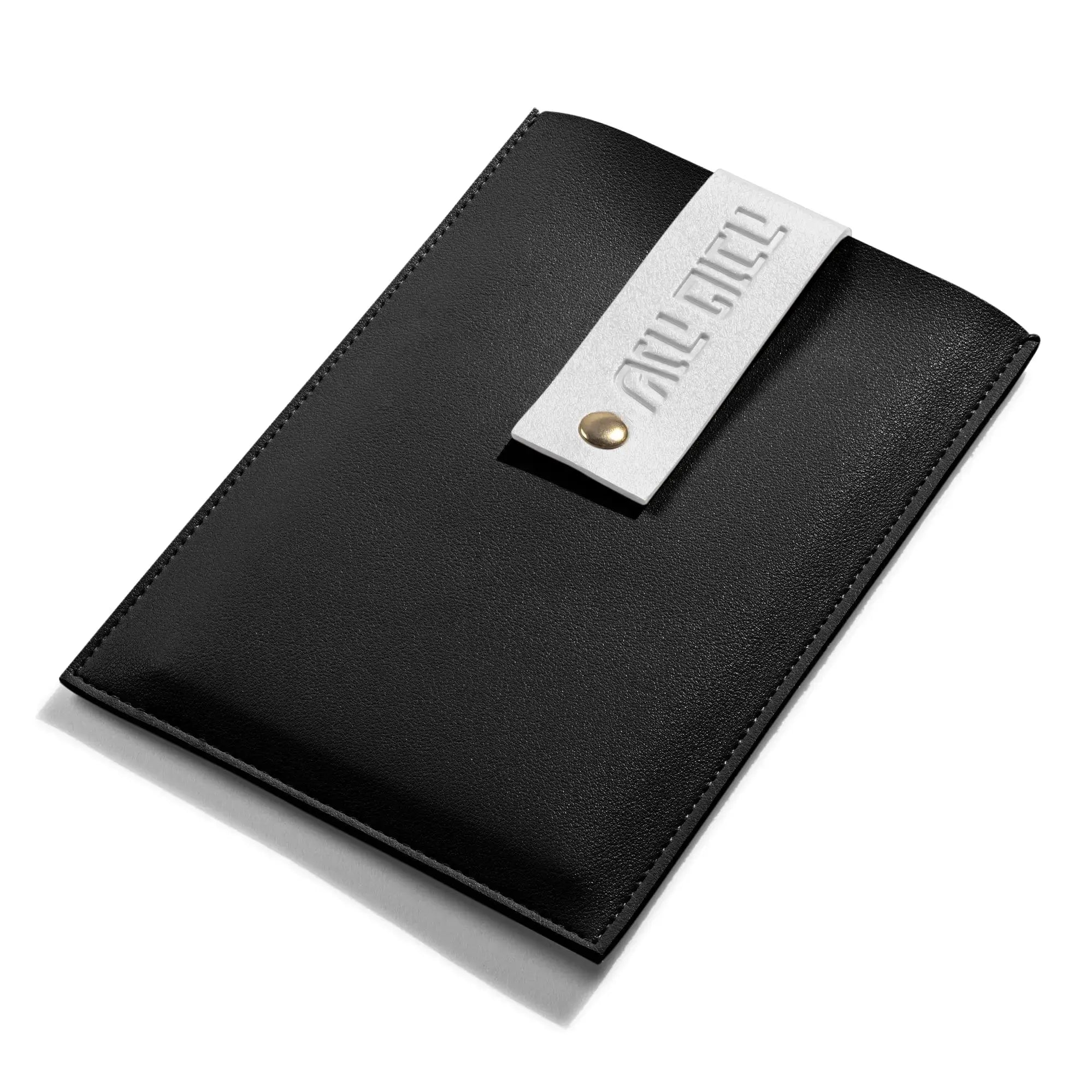
Leather Simanim Pouch & Card Set
Sale priceFrom
$18.00
Regular price
$24.00
Sale
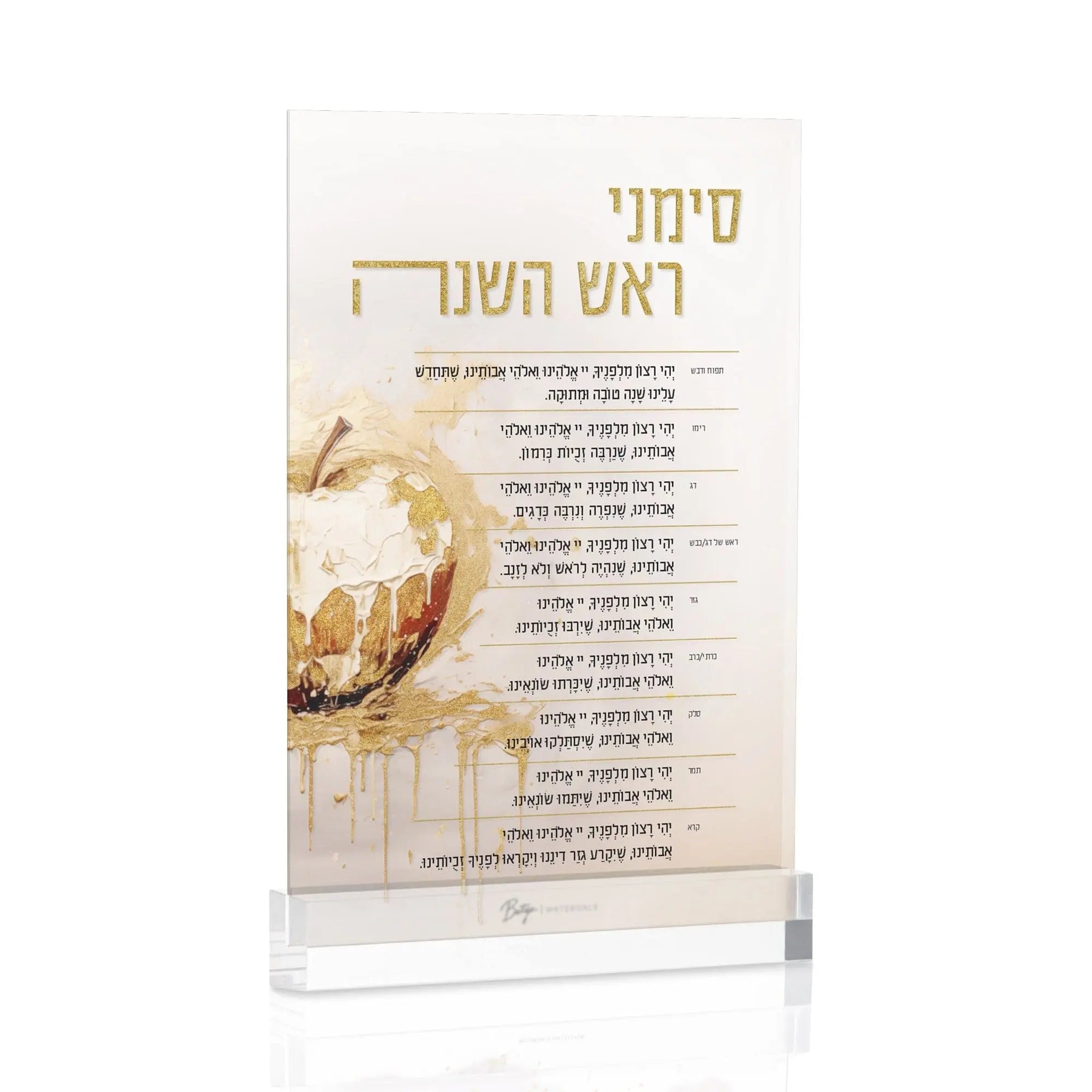
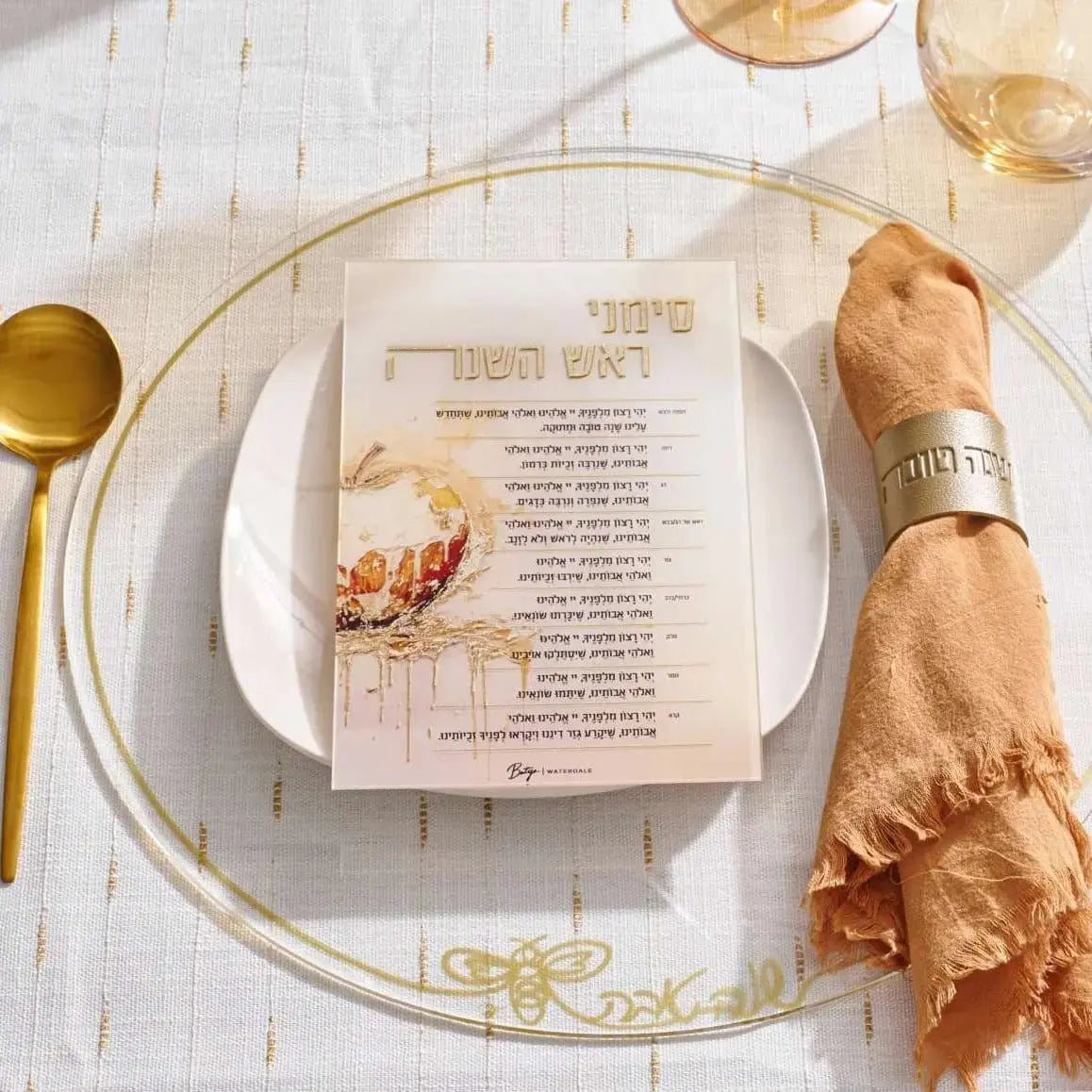
Painted Simanim Card by Batya
Regular price
$14.00
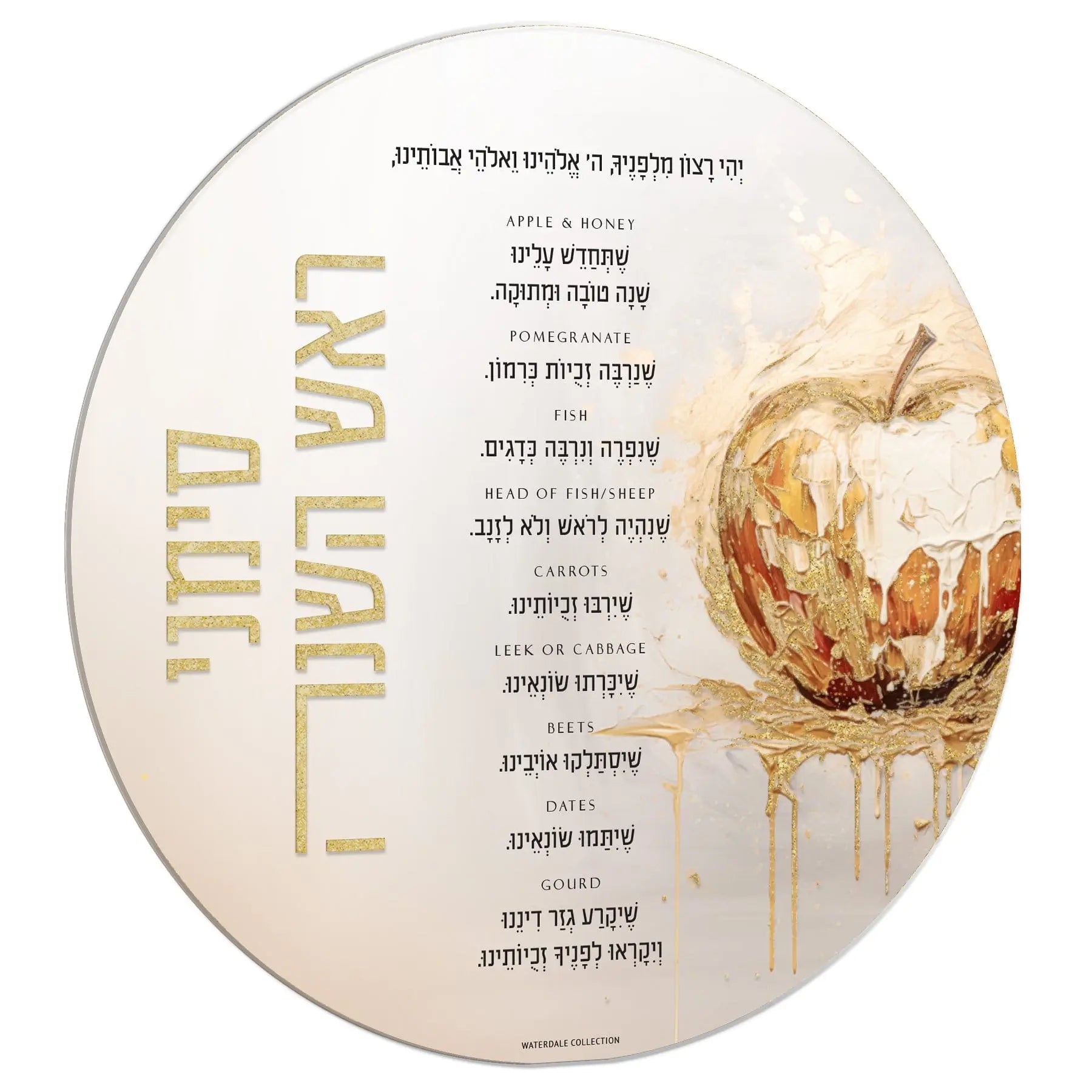
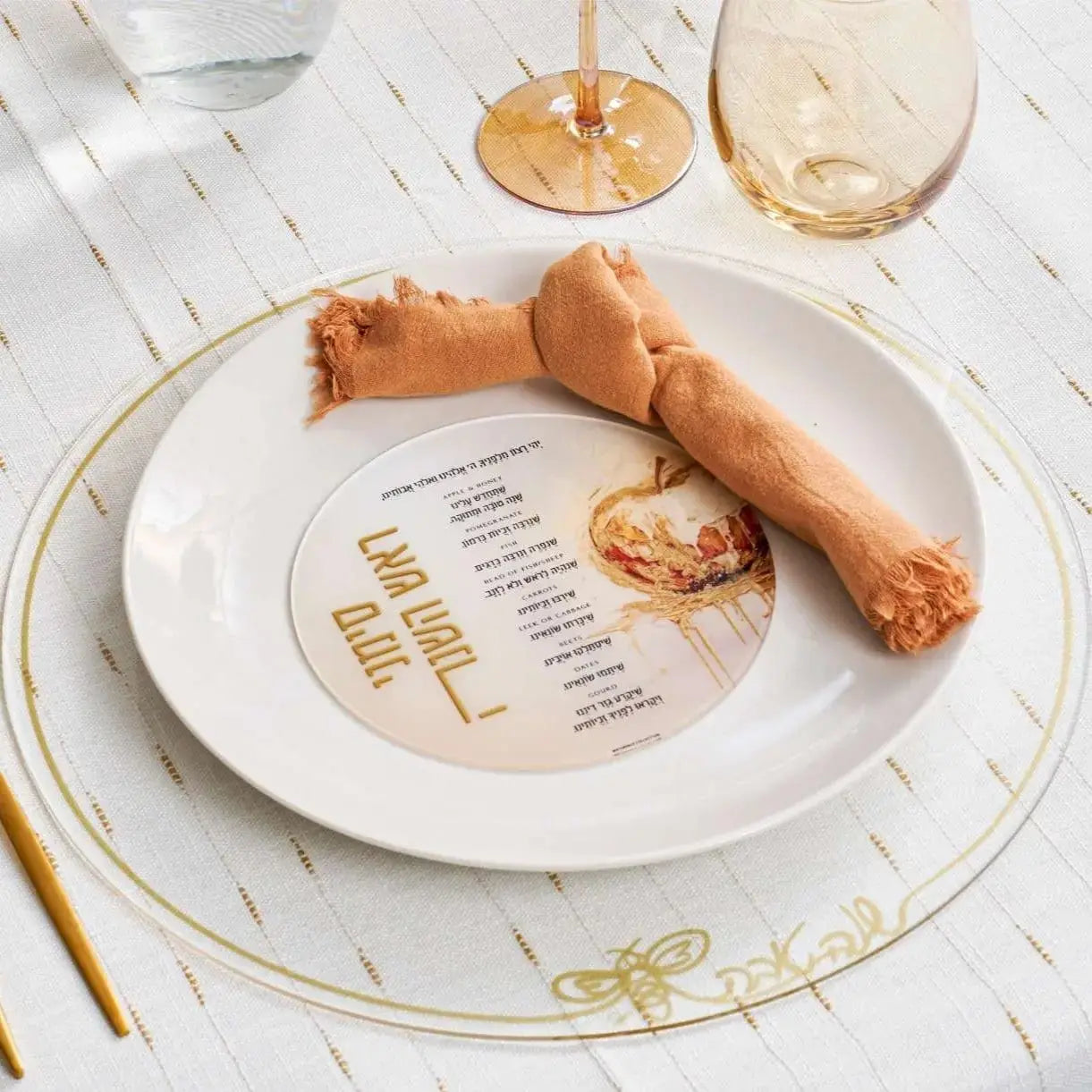
Round Painted Simanim Card by Batya
Regular price
$12.00
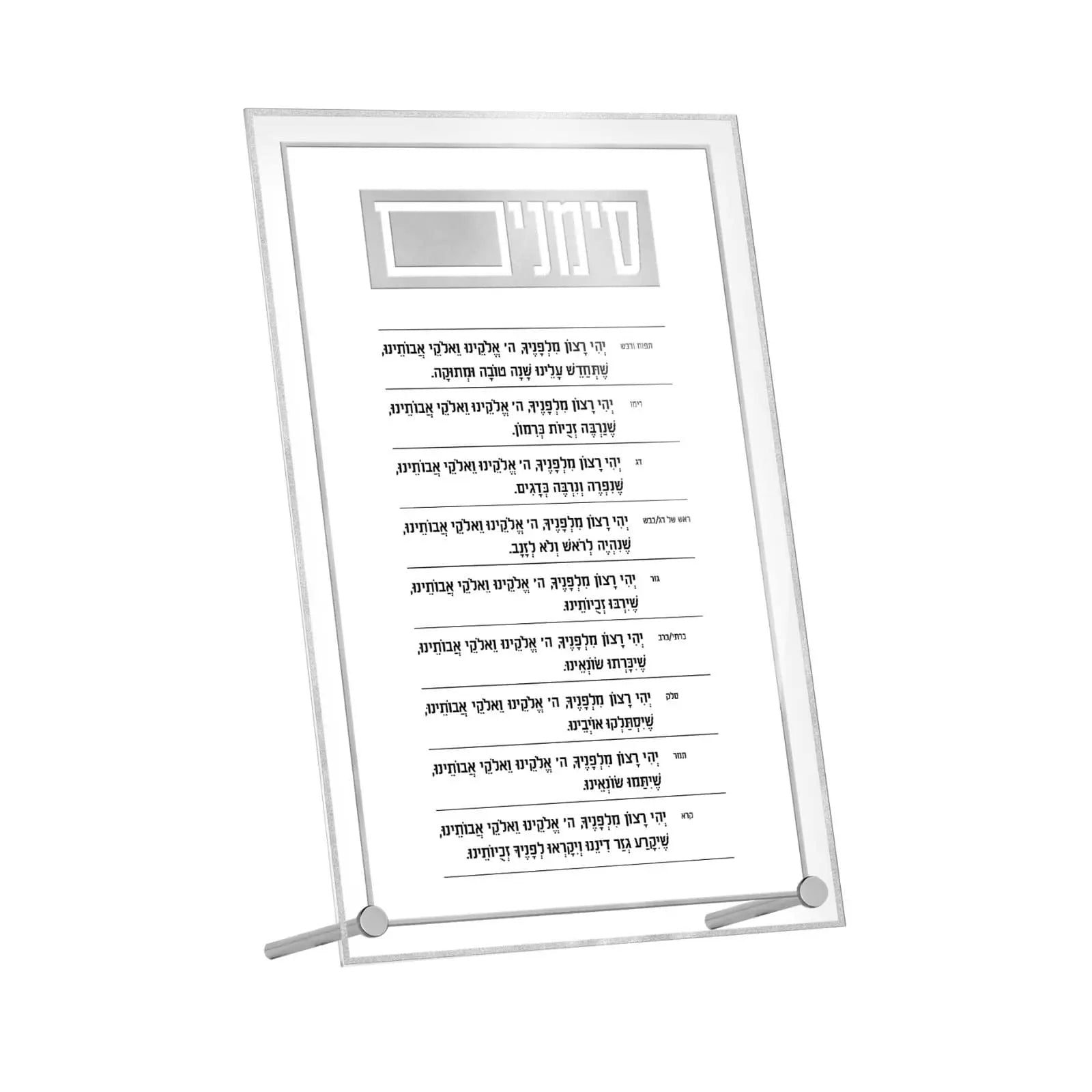
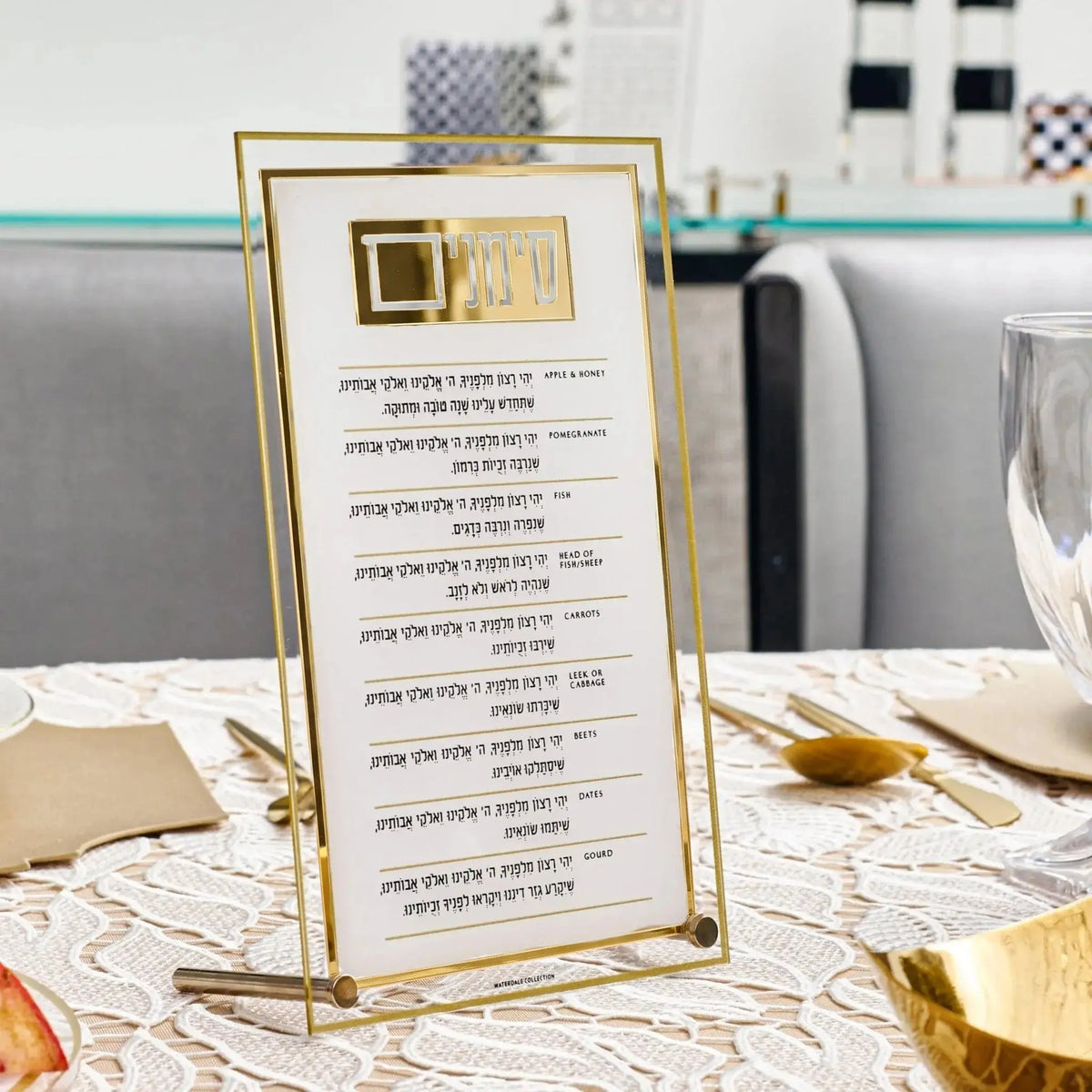
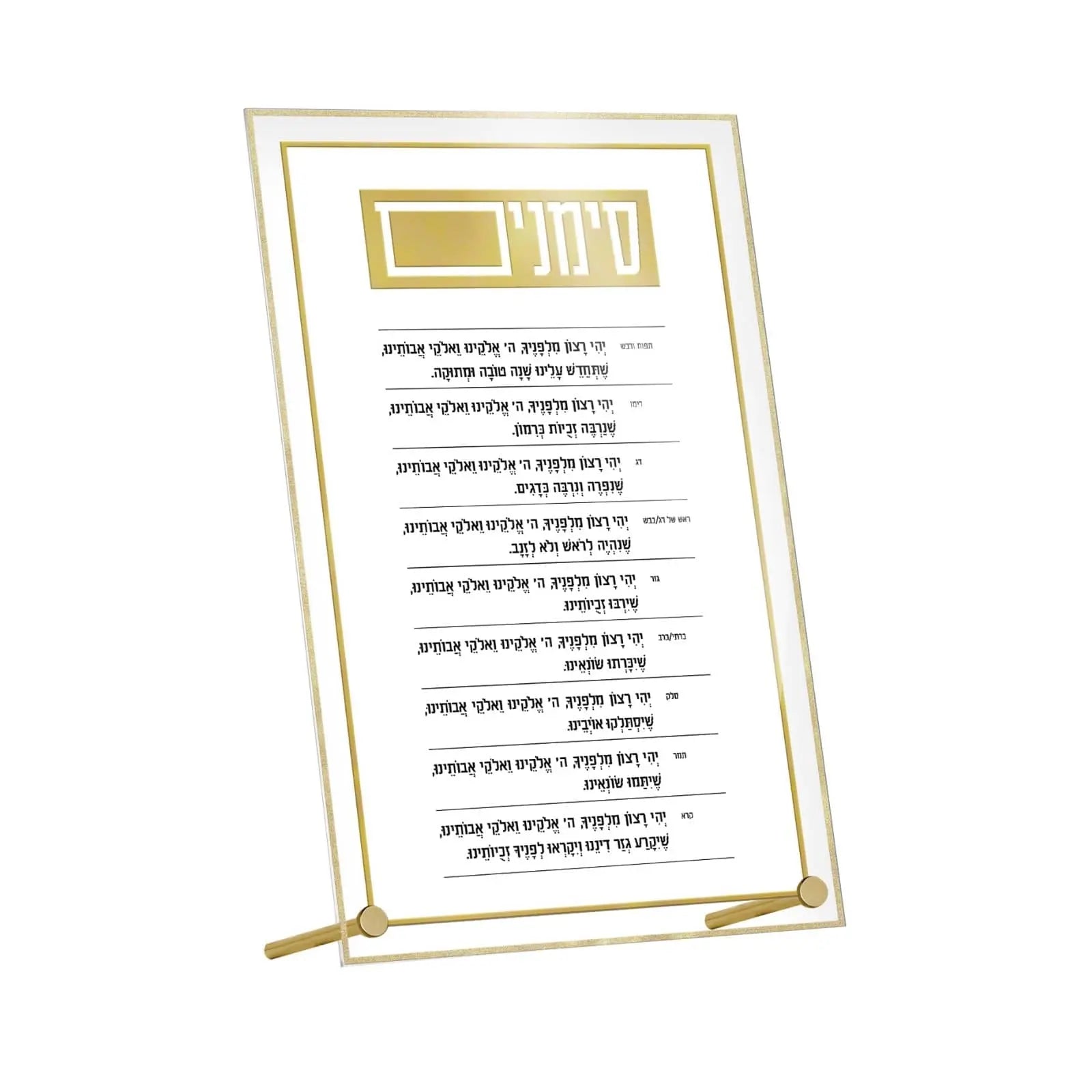
Classic 2.0 Simanim Tabletop Plaque
Regular price
$26.00
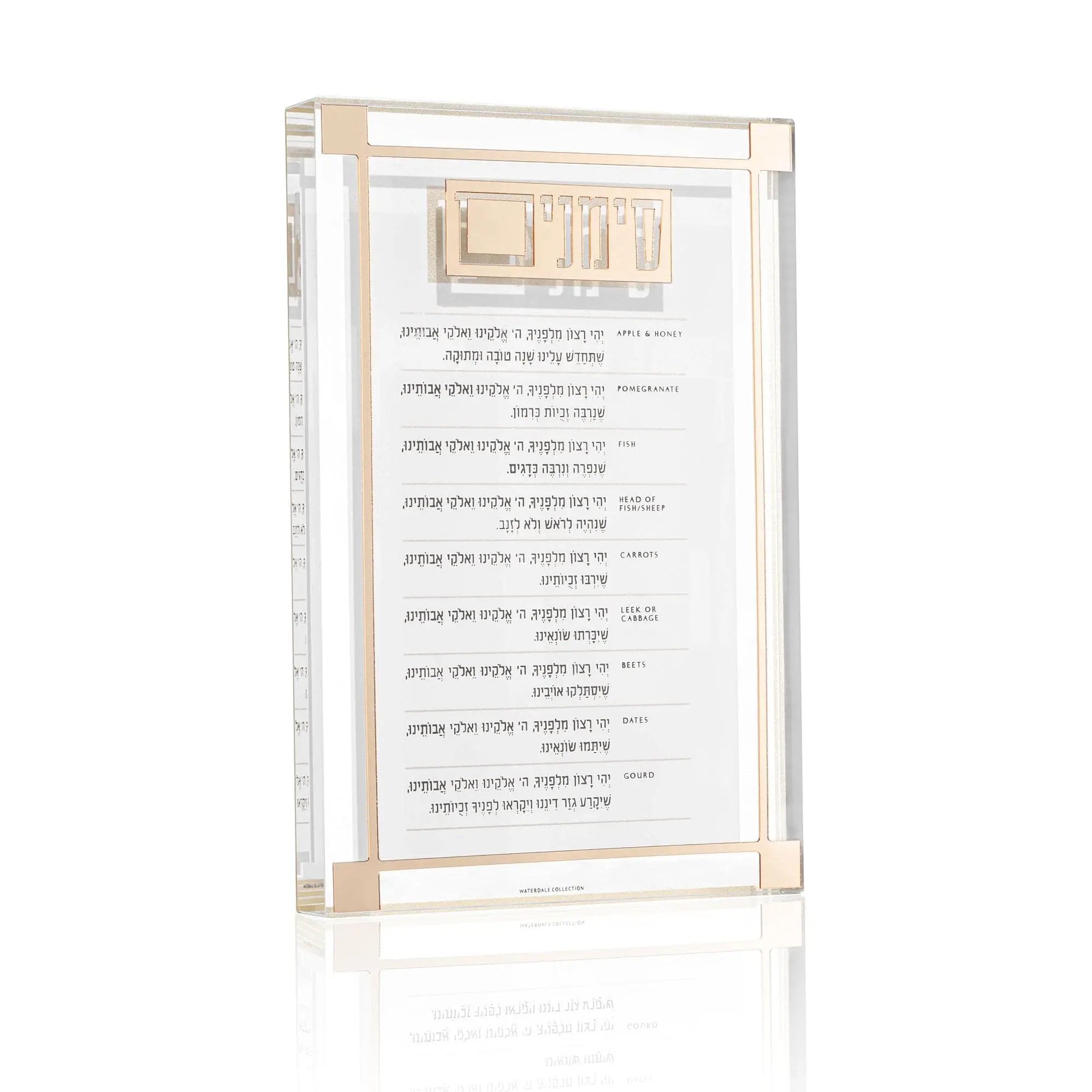
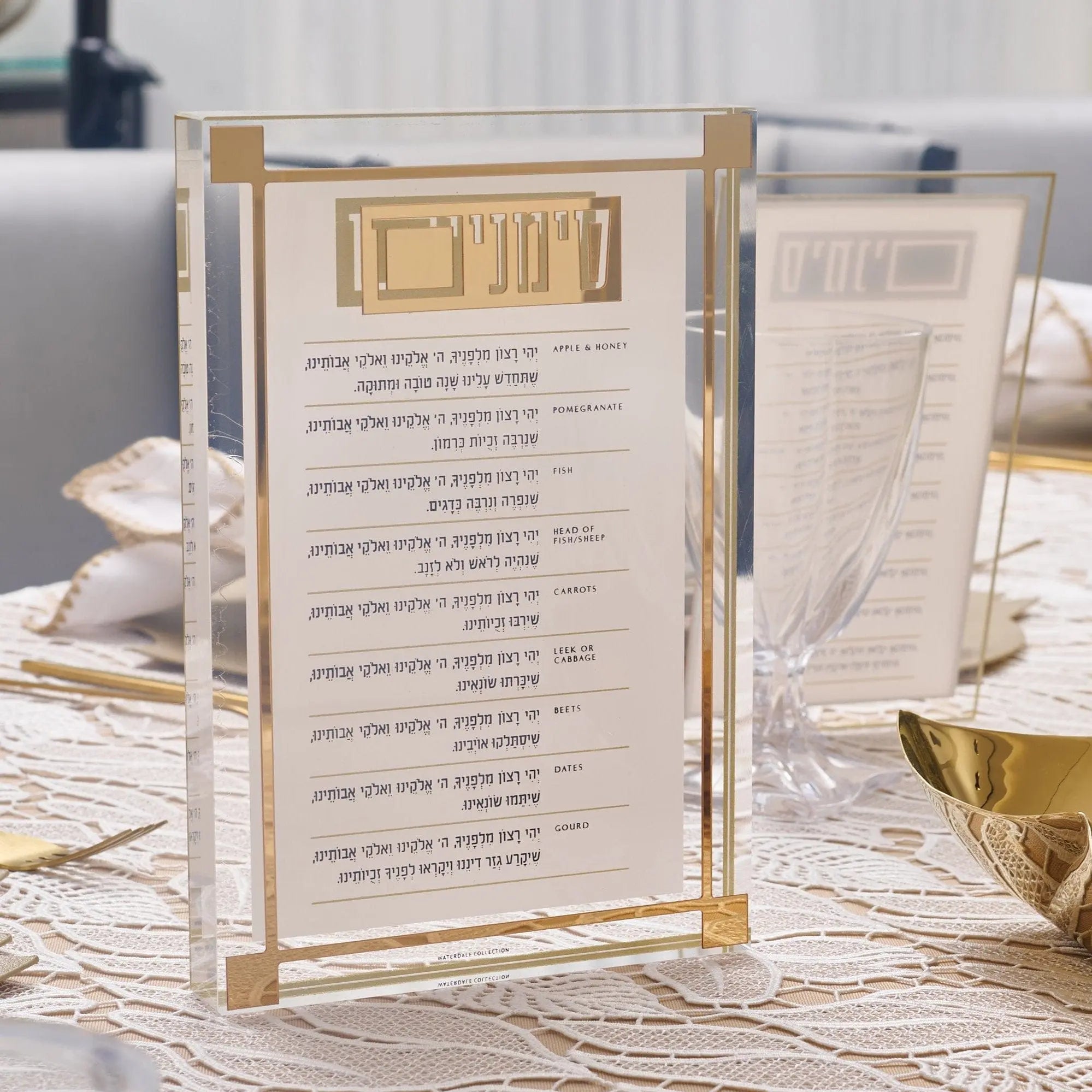
Classic 2.0 Simanim Block
Regular price
$60.00
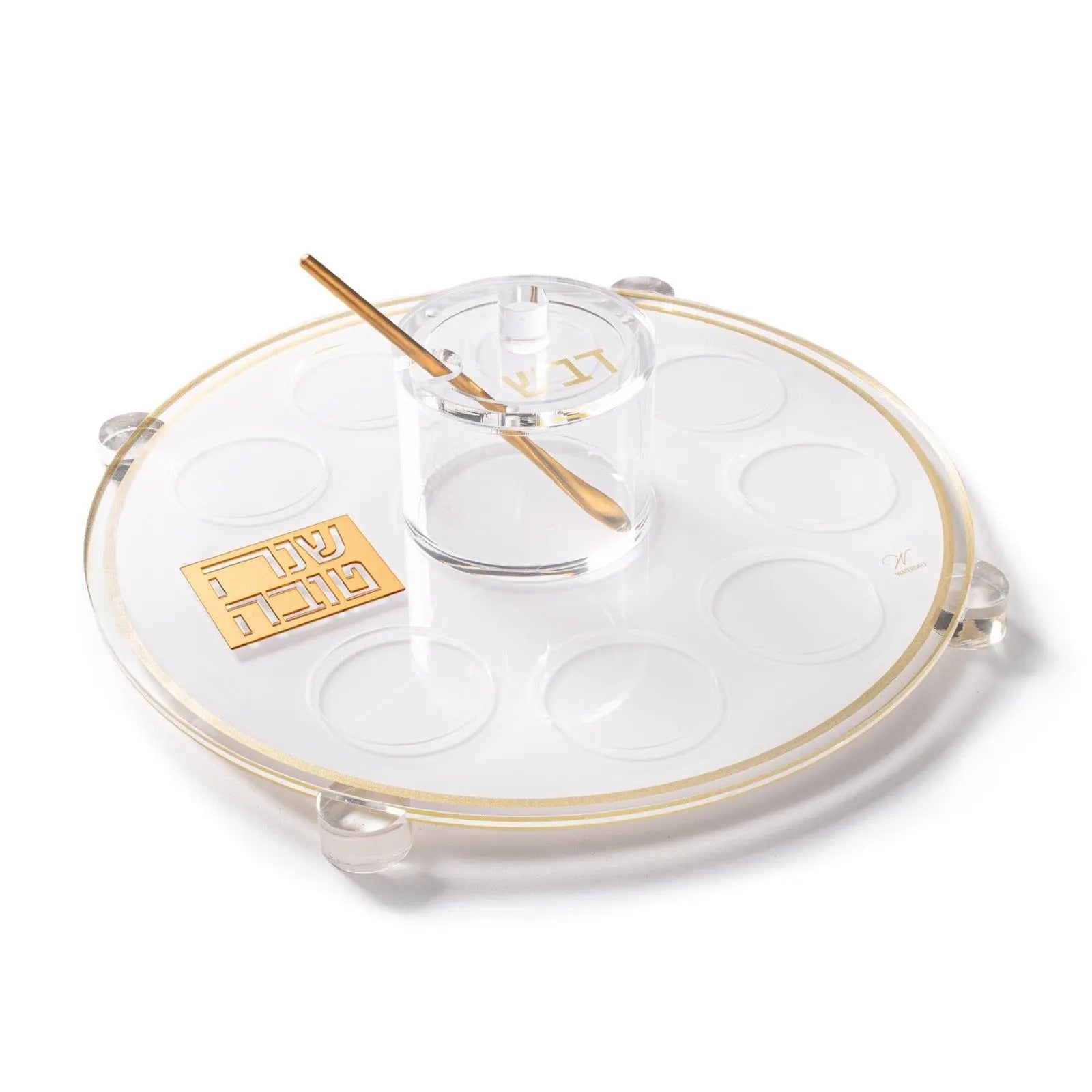

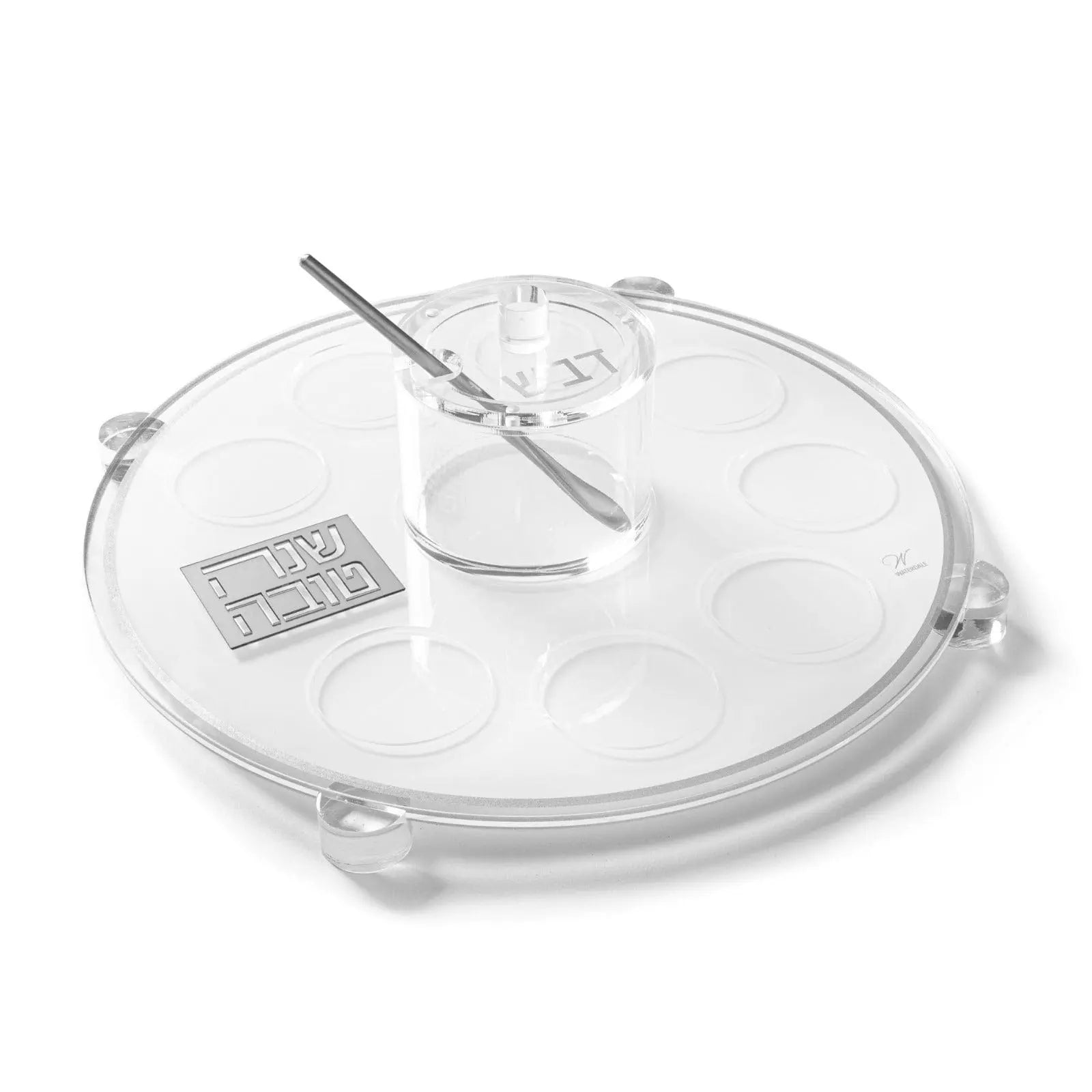
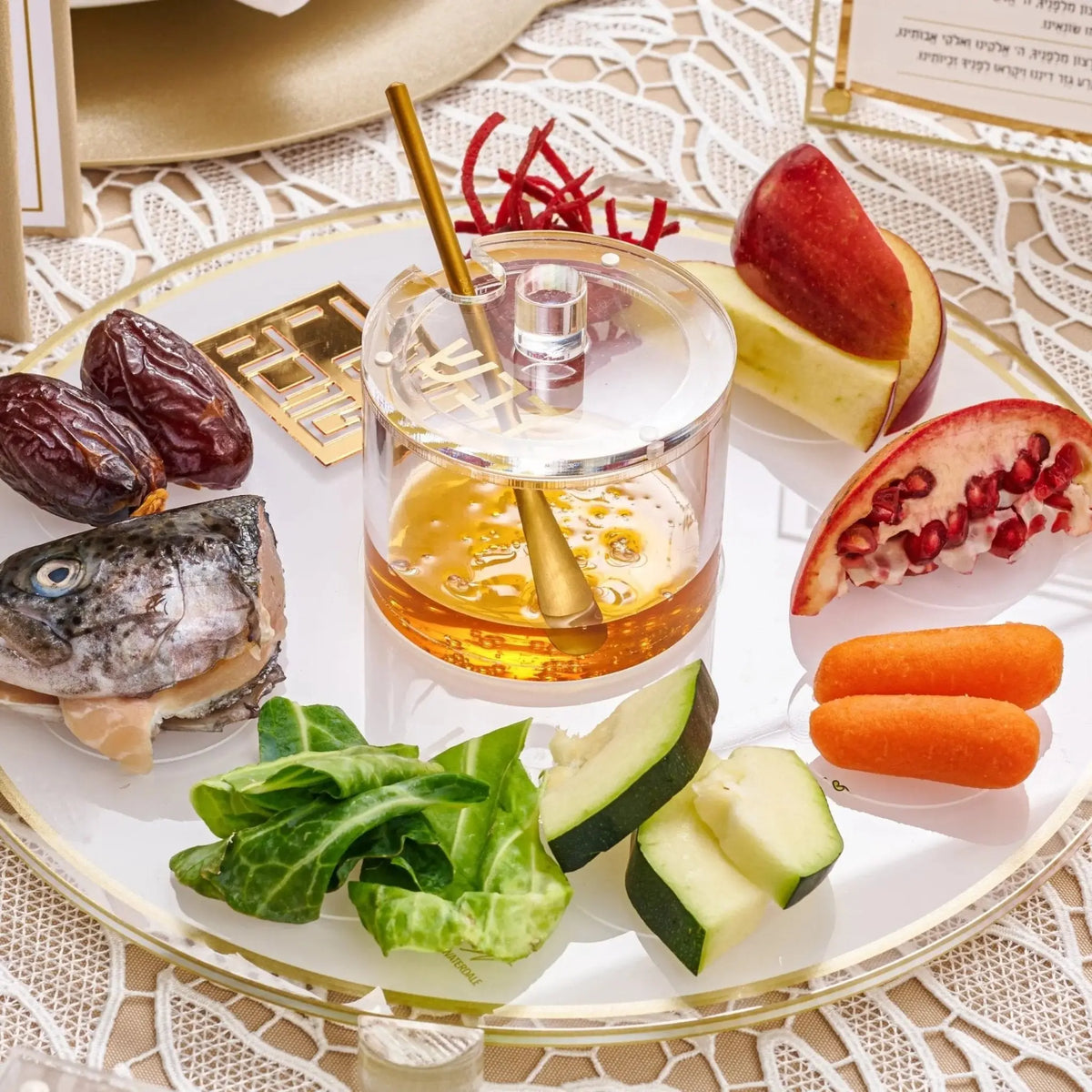
Classic 2.0 Simanim Tray
Regular price
$78.00
Sold out
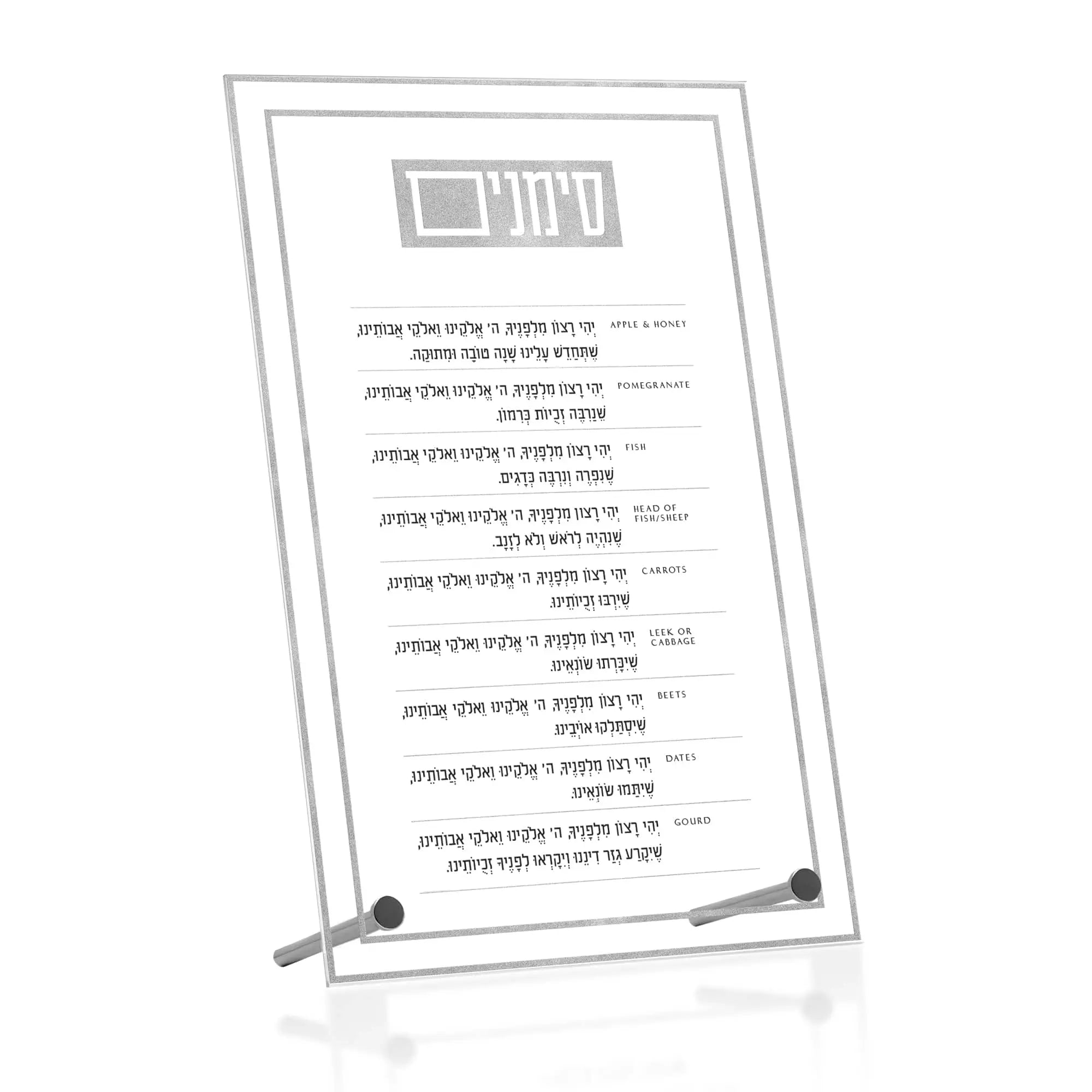
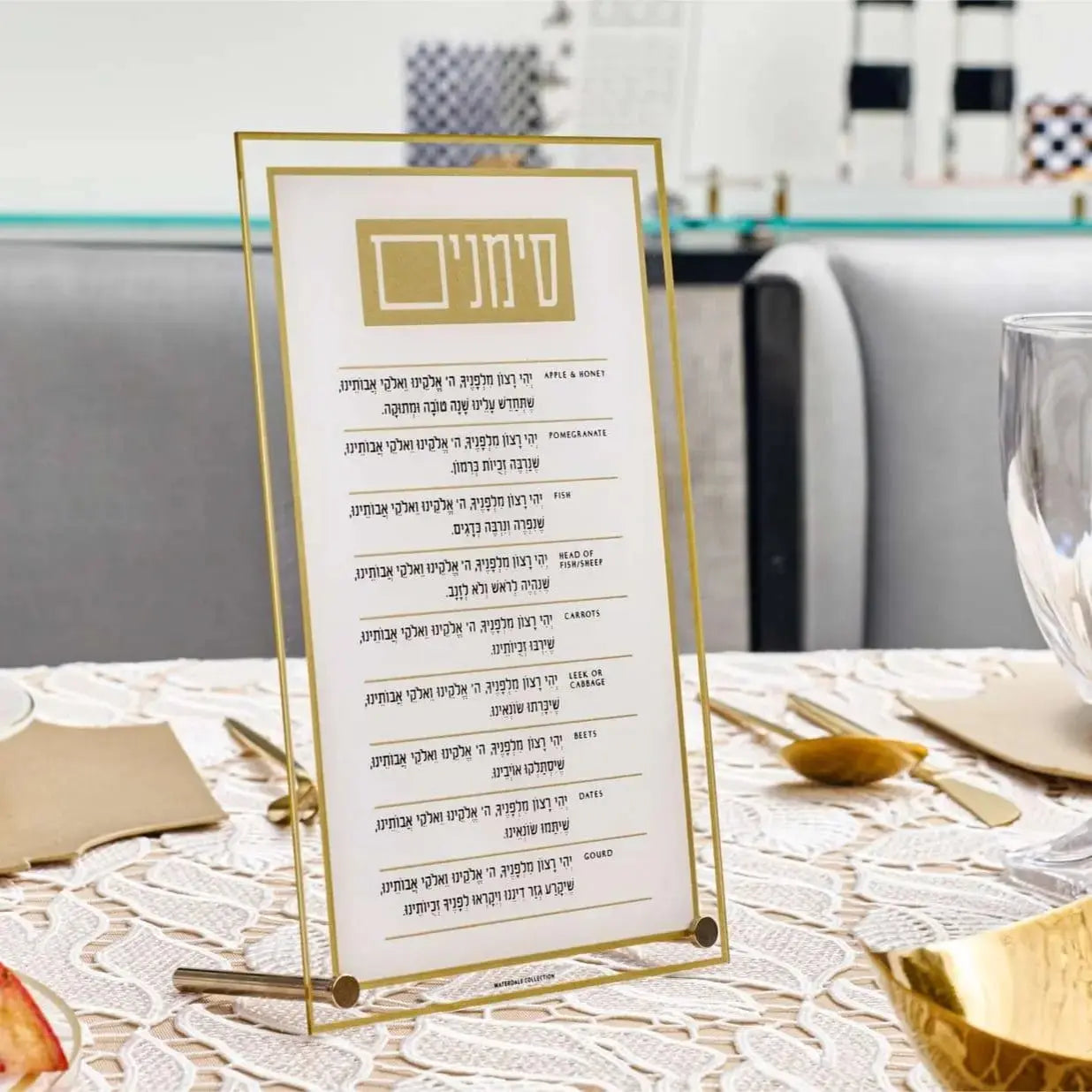
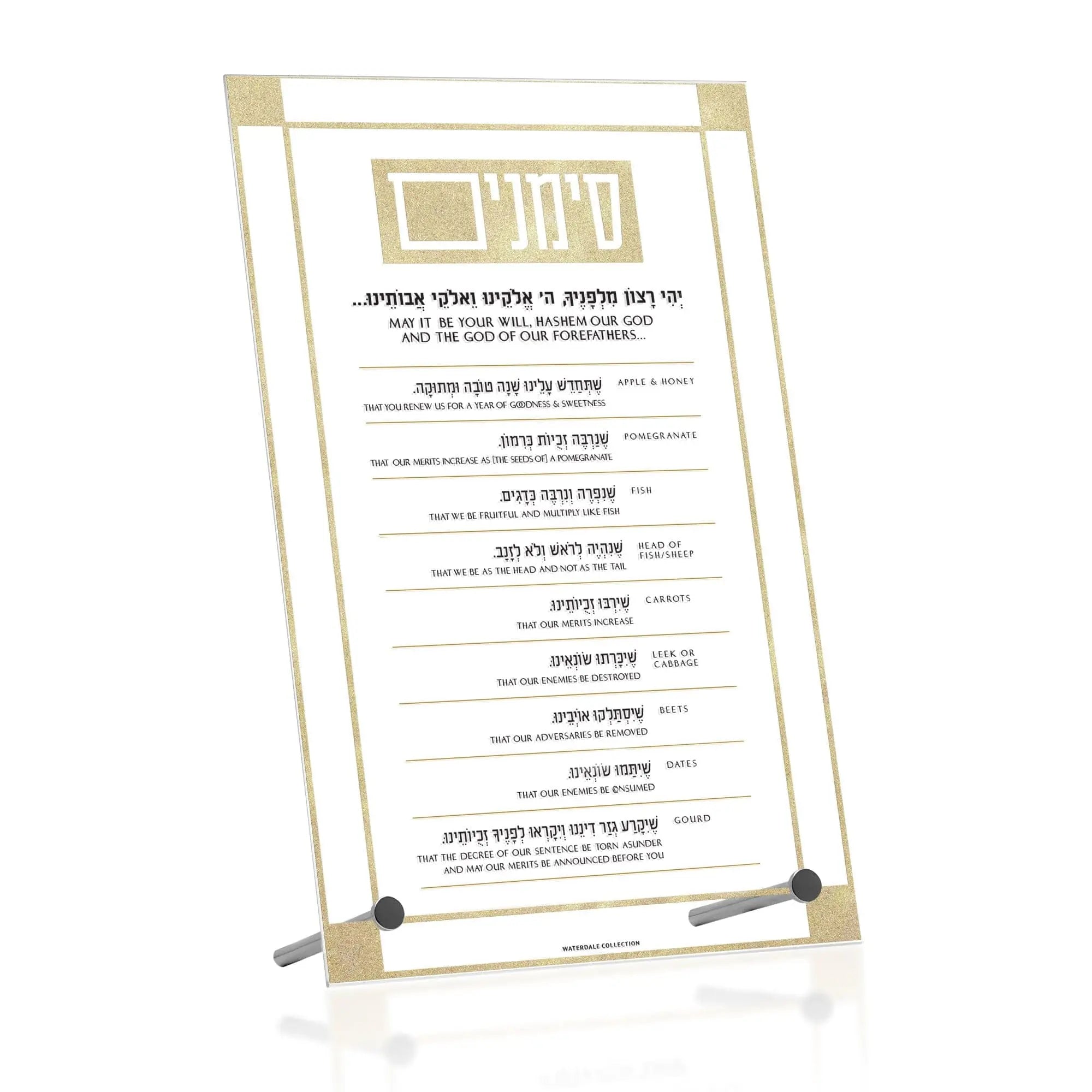
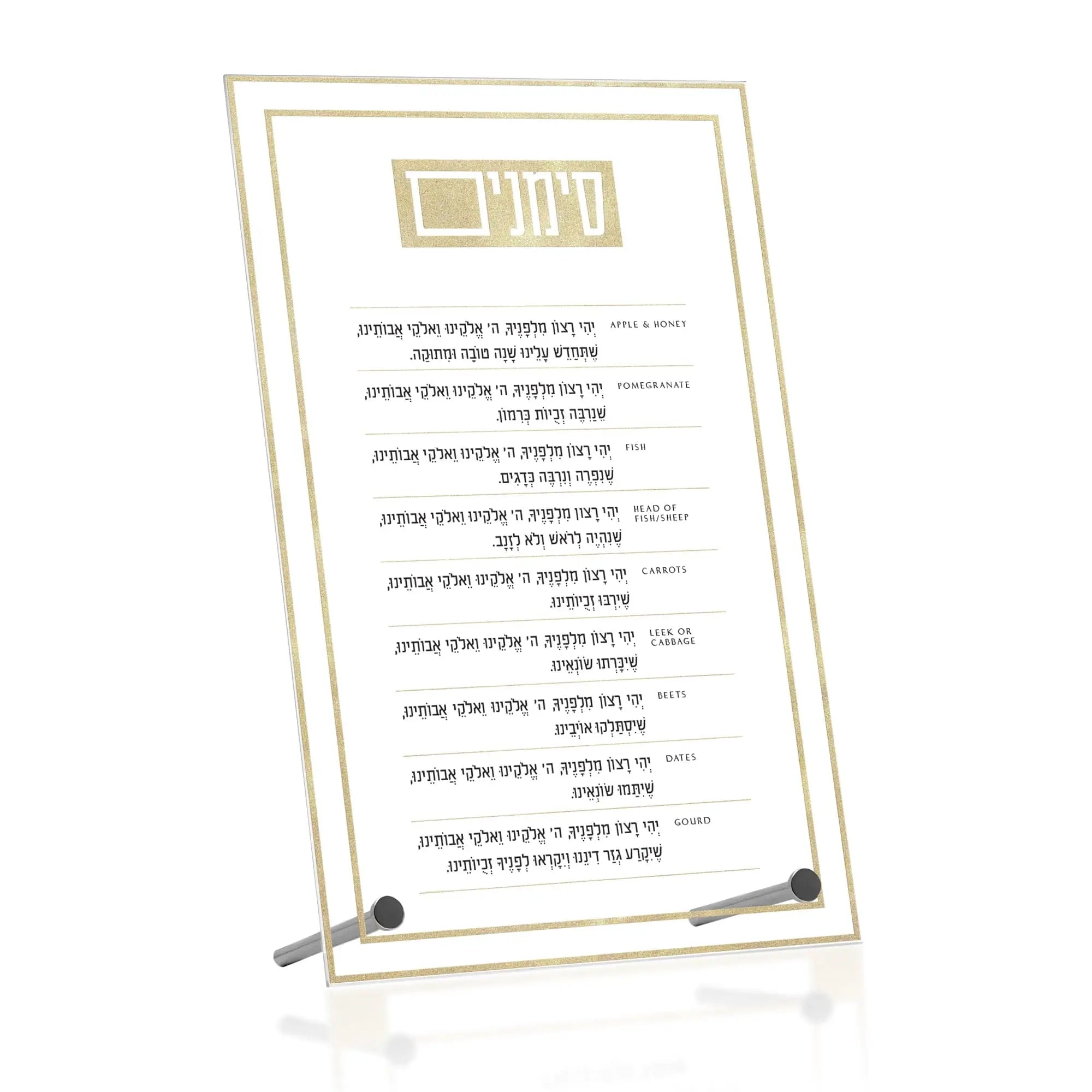
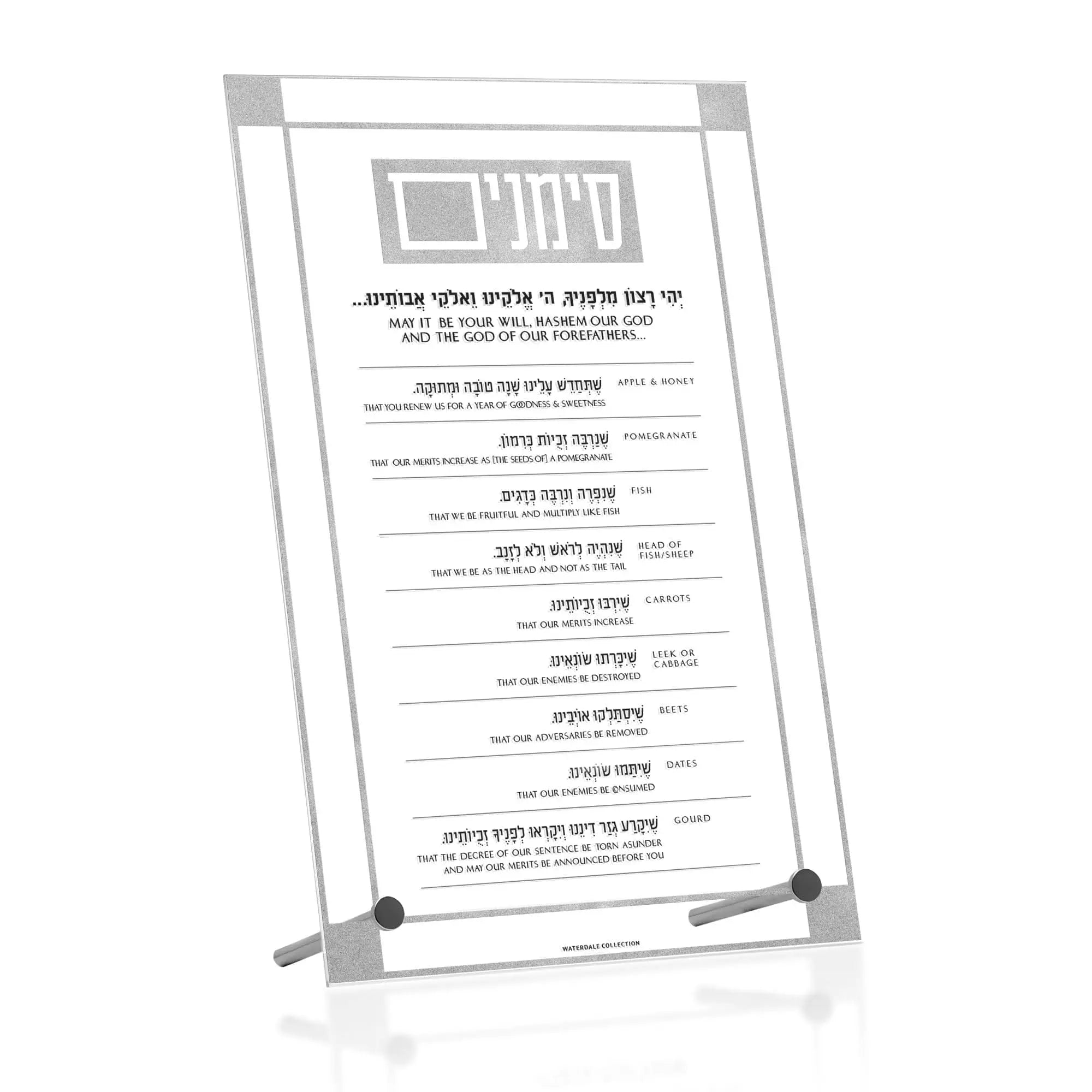
Classic 2.0 Basic Simanim Tabletop
Regular price
$16.00
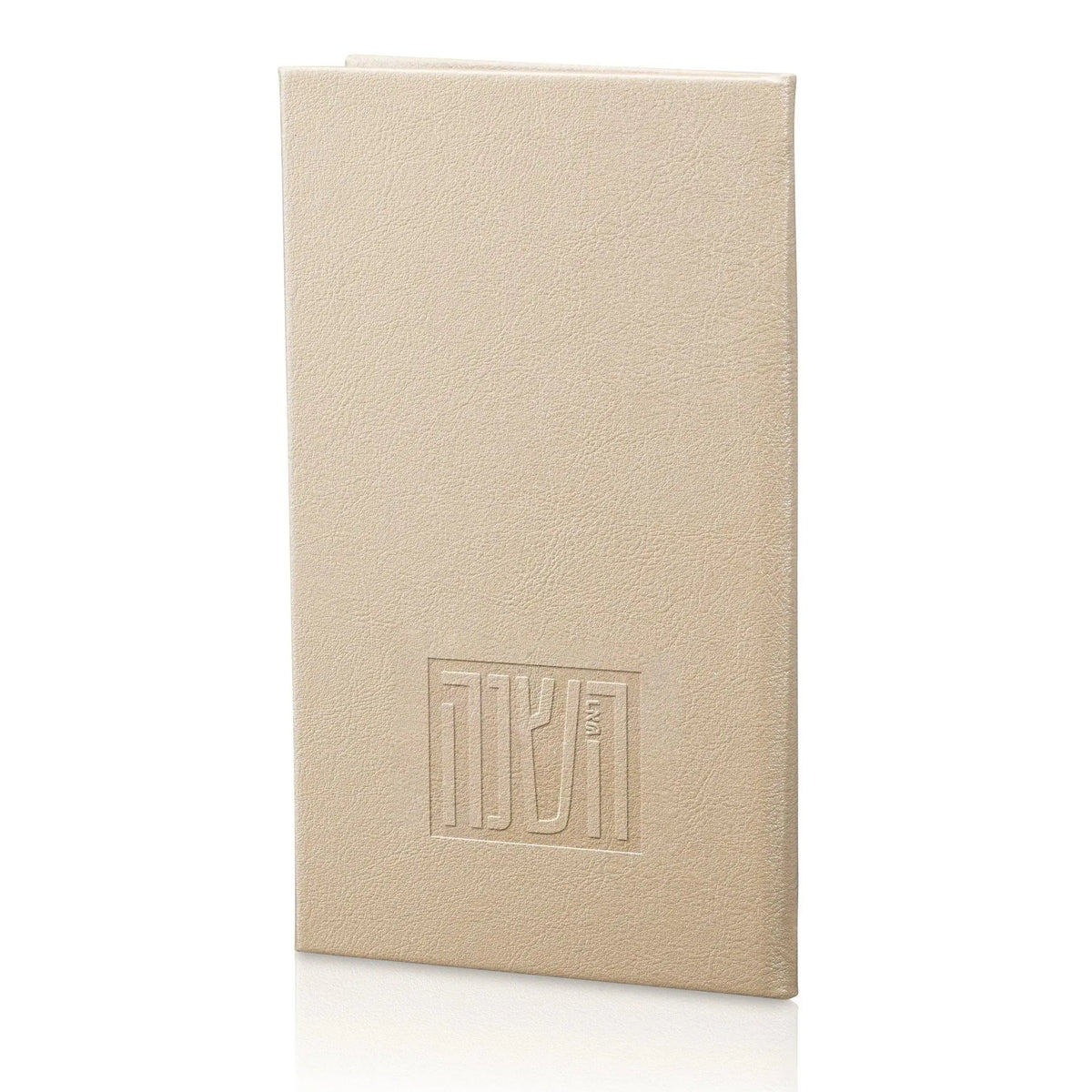
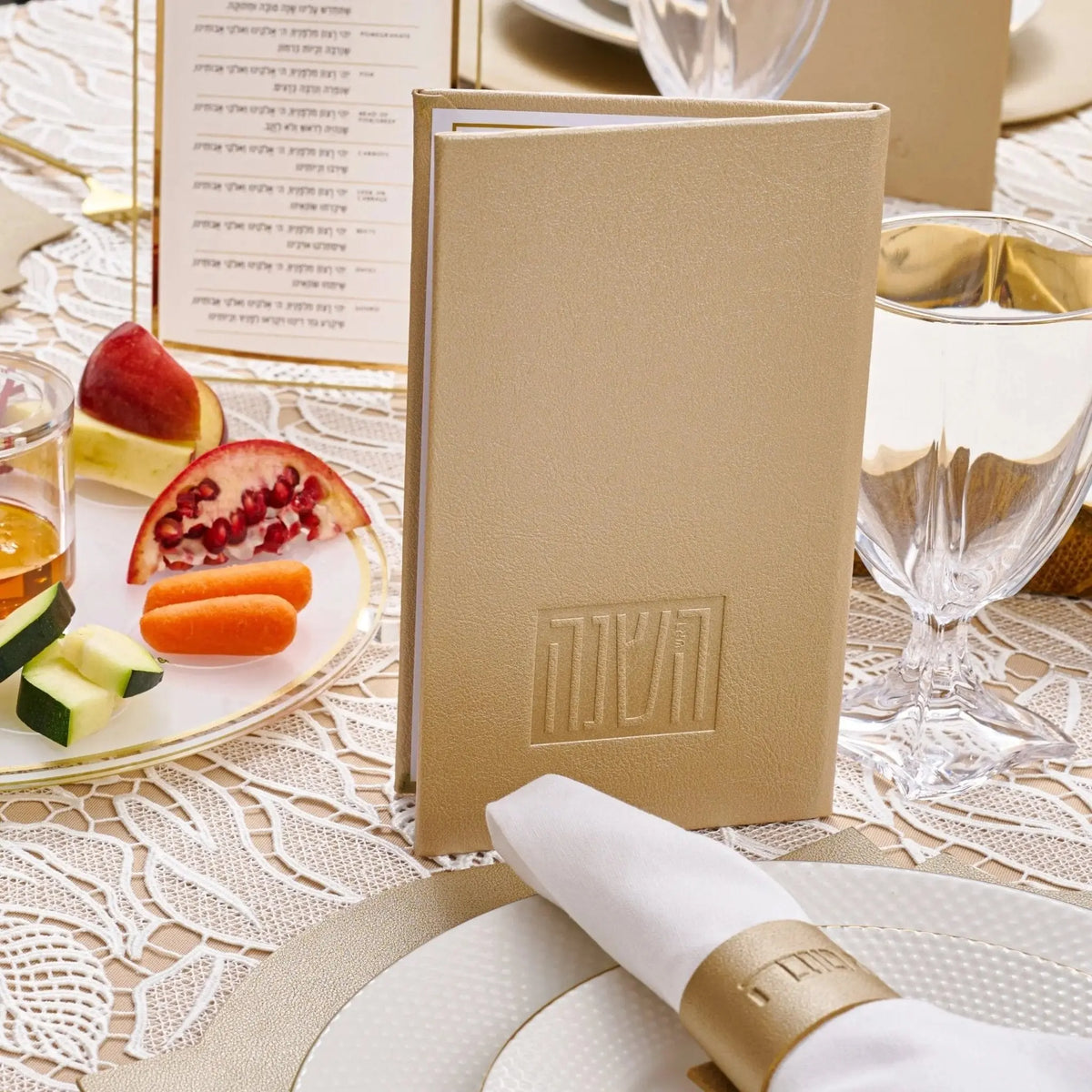
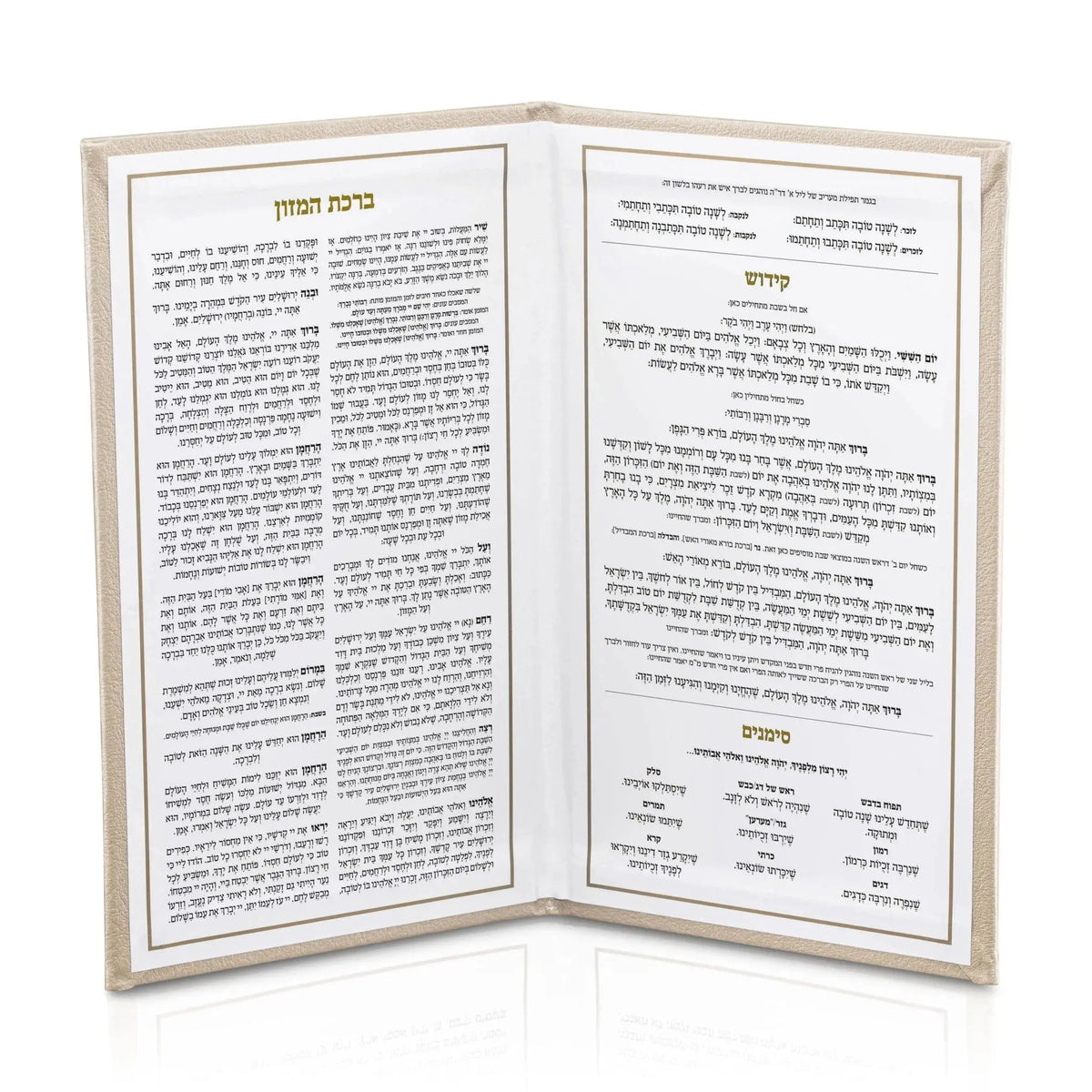
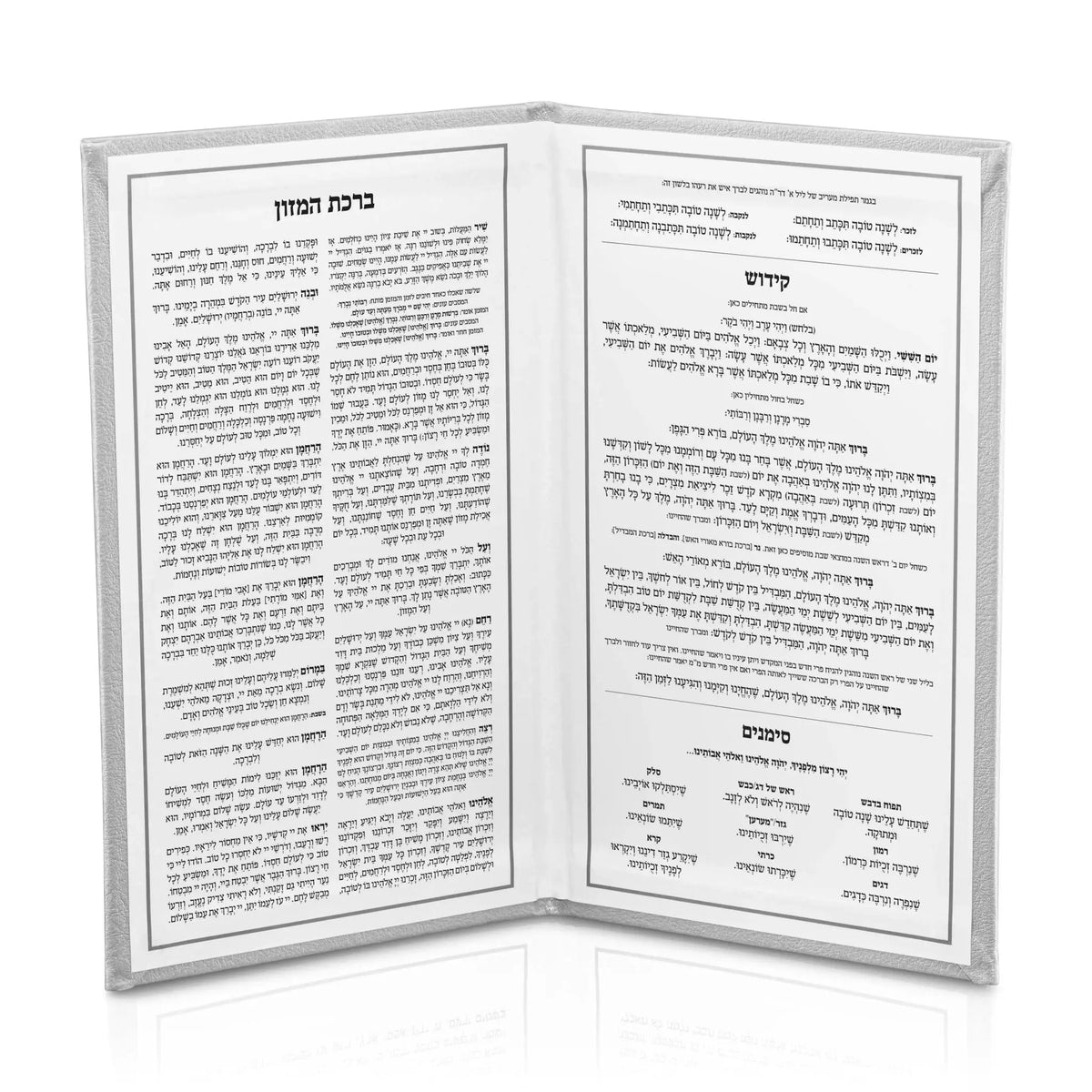

Leather Rosh Hashanah Booklet
Regular price
$14.00
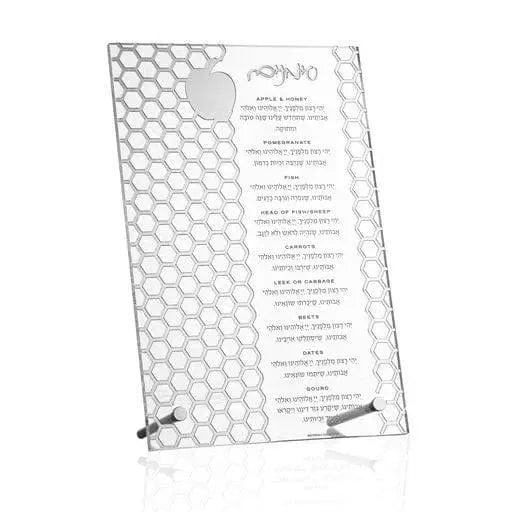
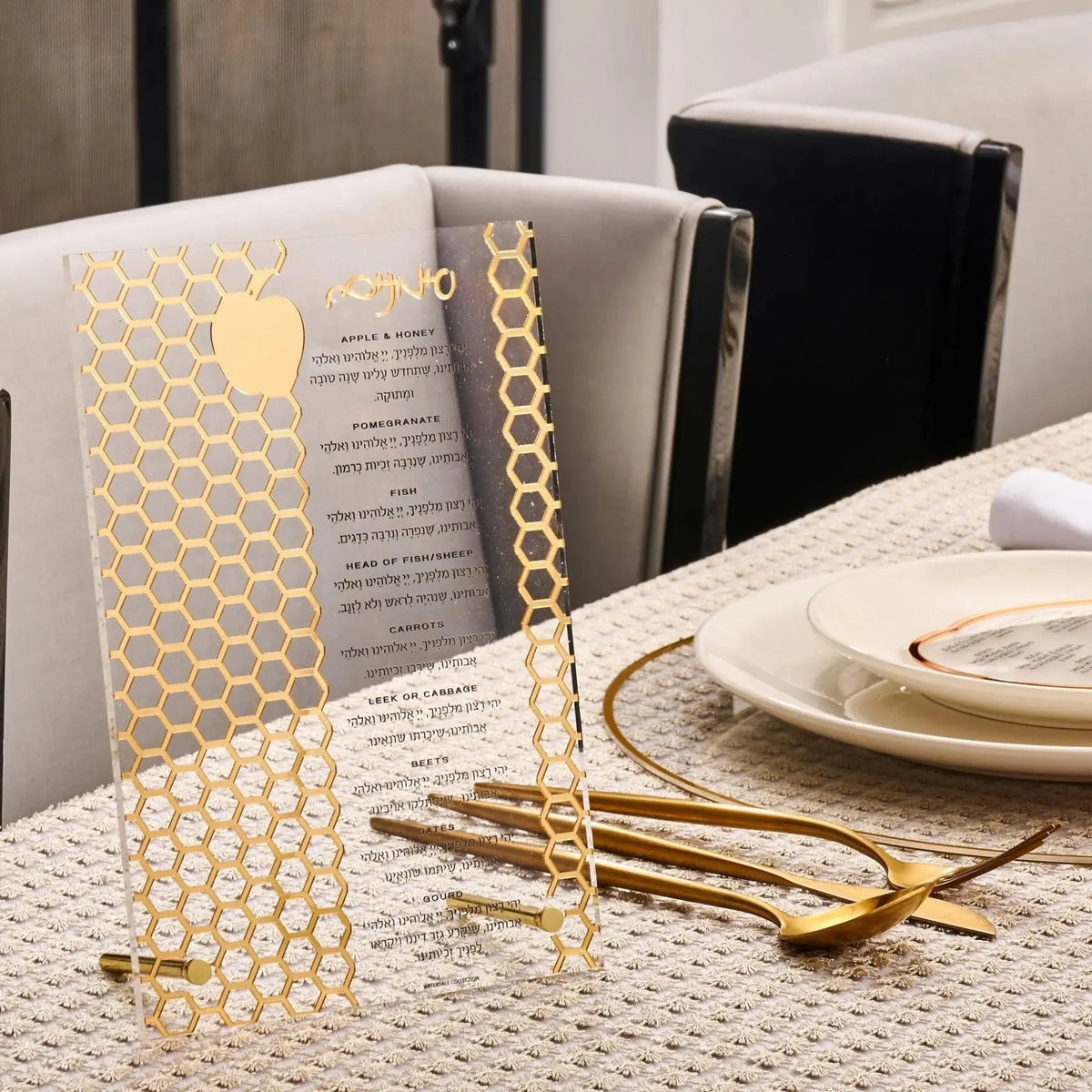
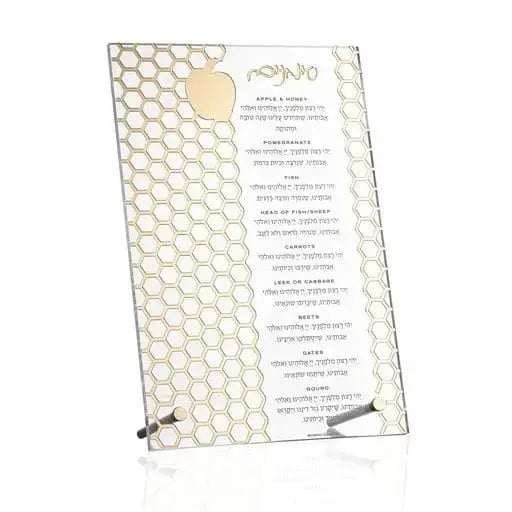
Laser Cut Tabletop Simanim
Sale price
$22.00
Regular price
$60.00
Sold out
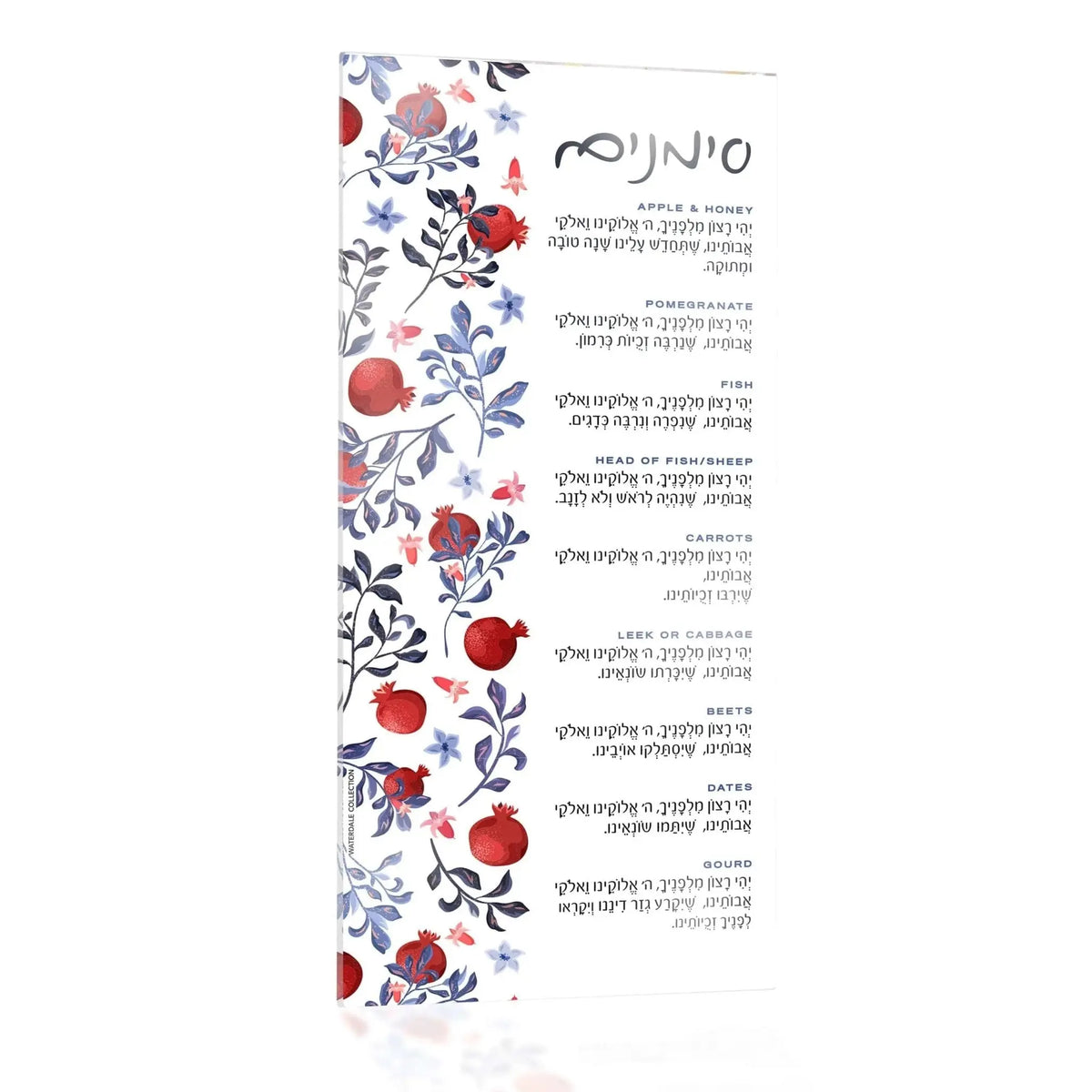
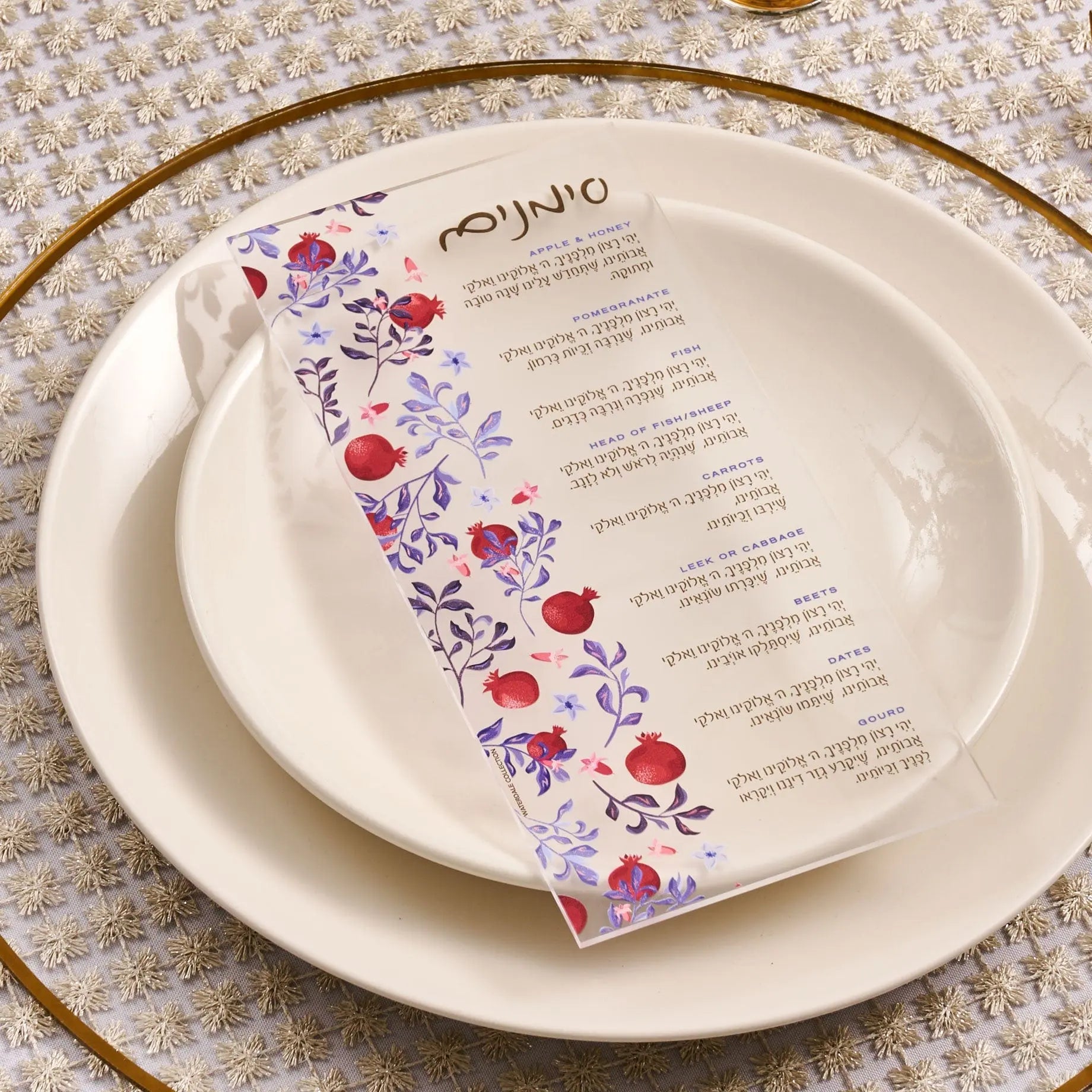
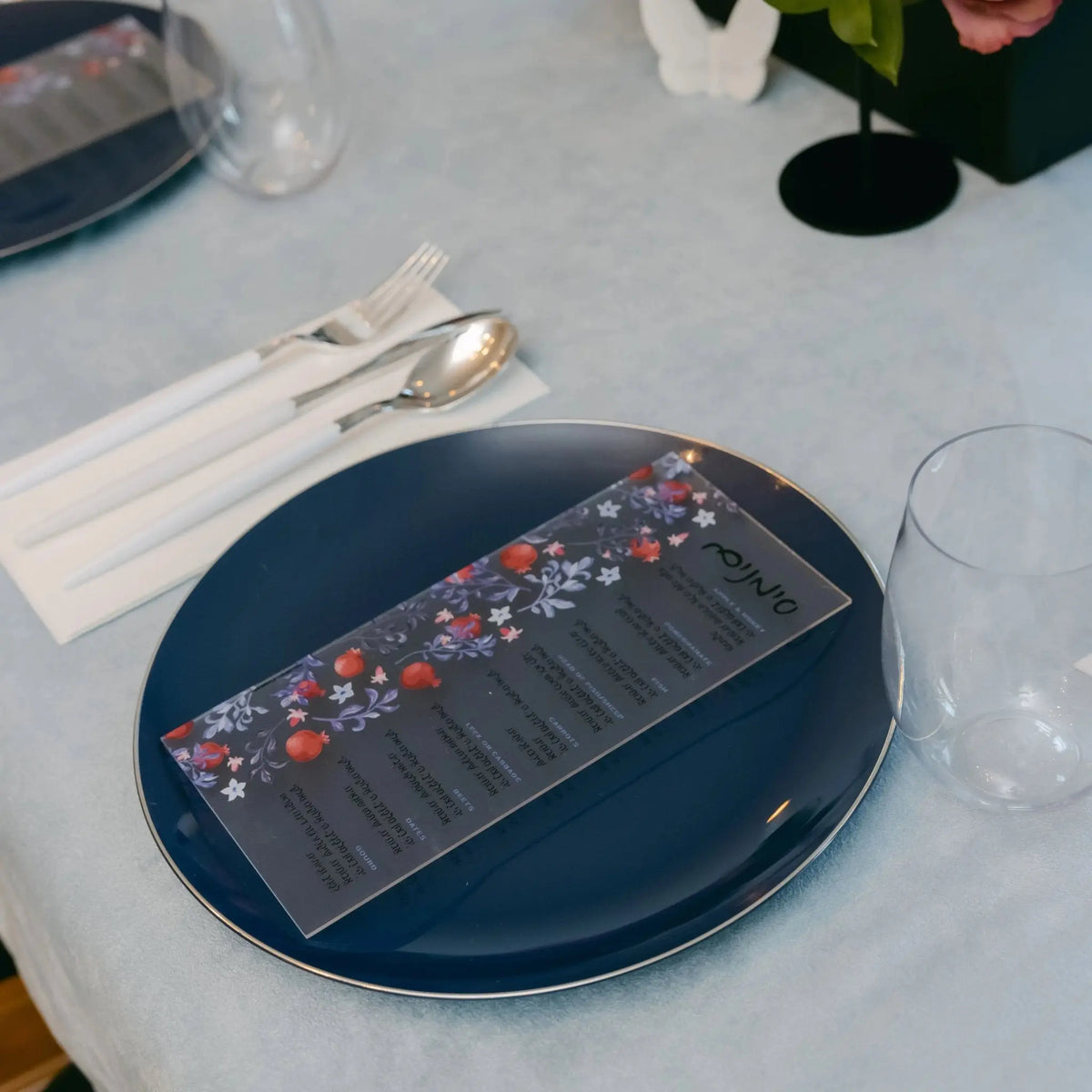
Pomegranate Simanim Card
Regular price
$12.00
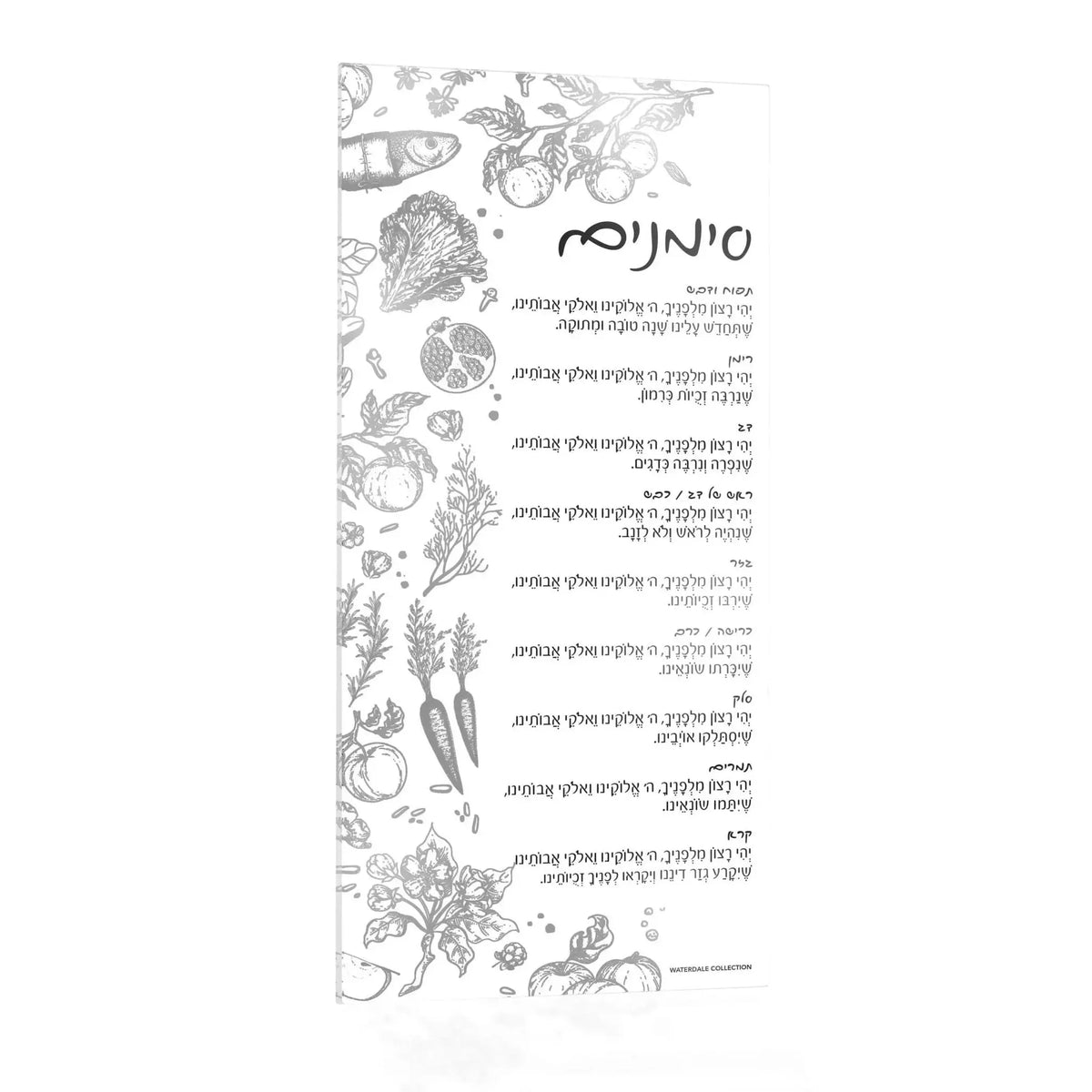
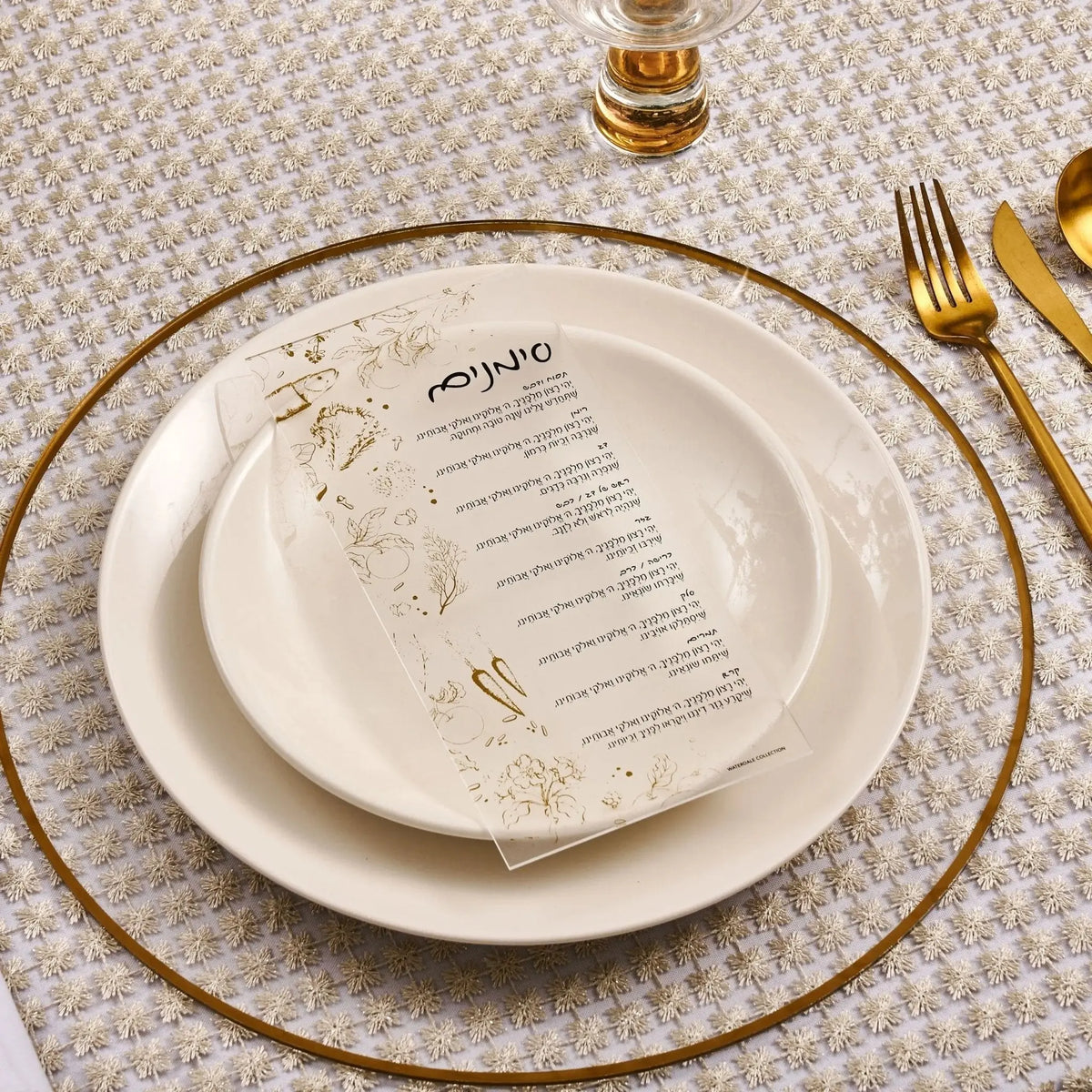
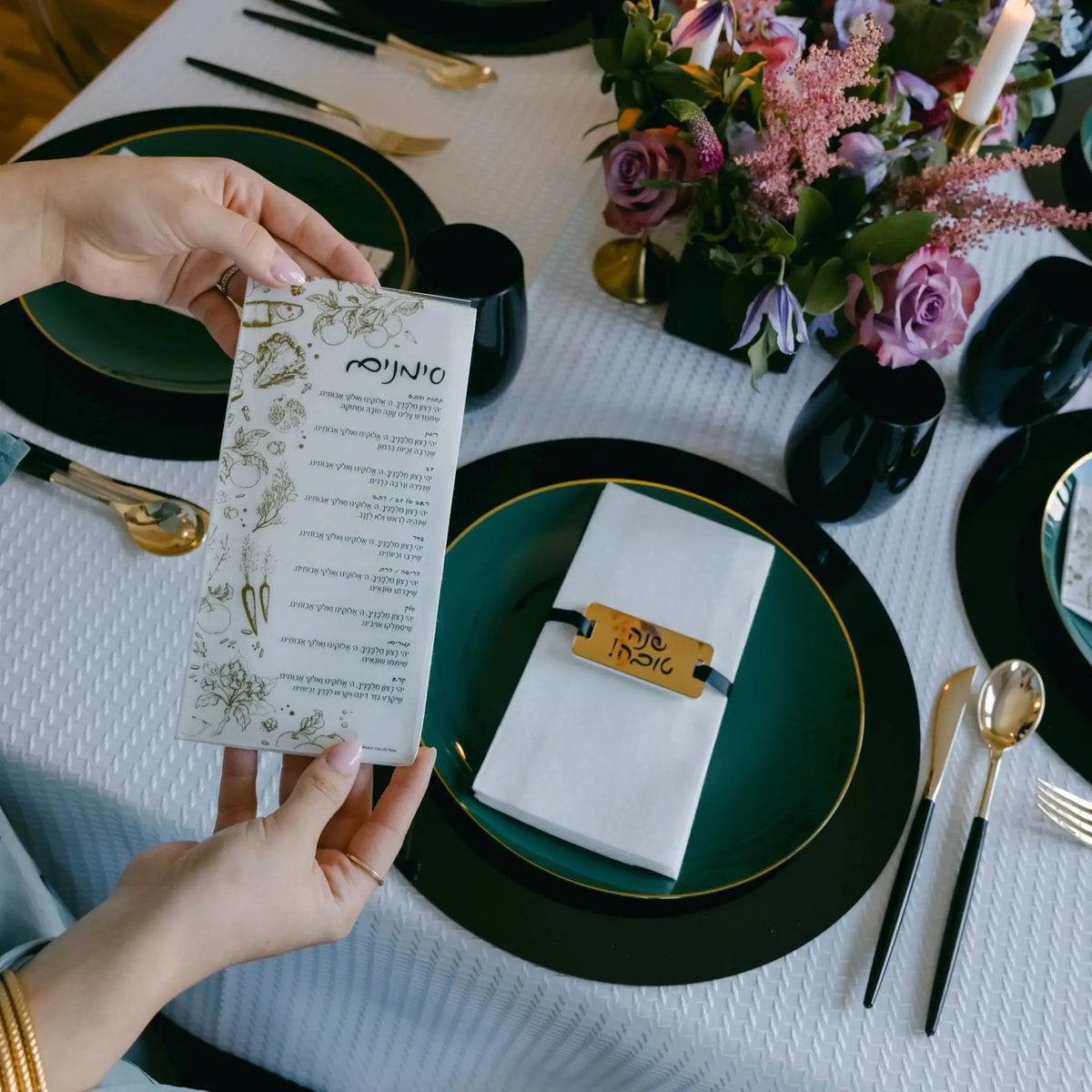
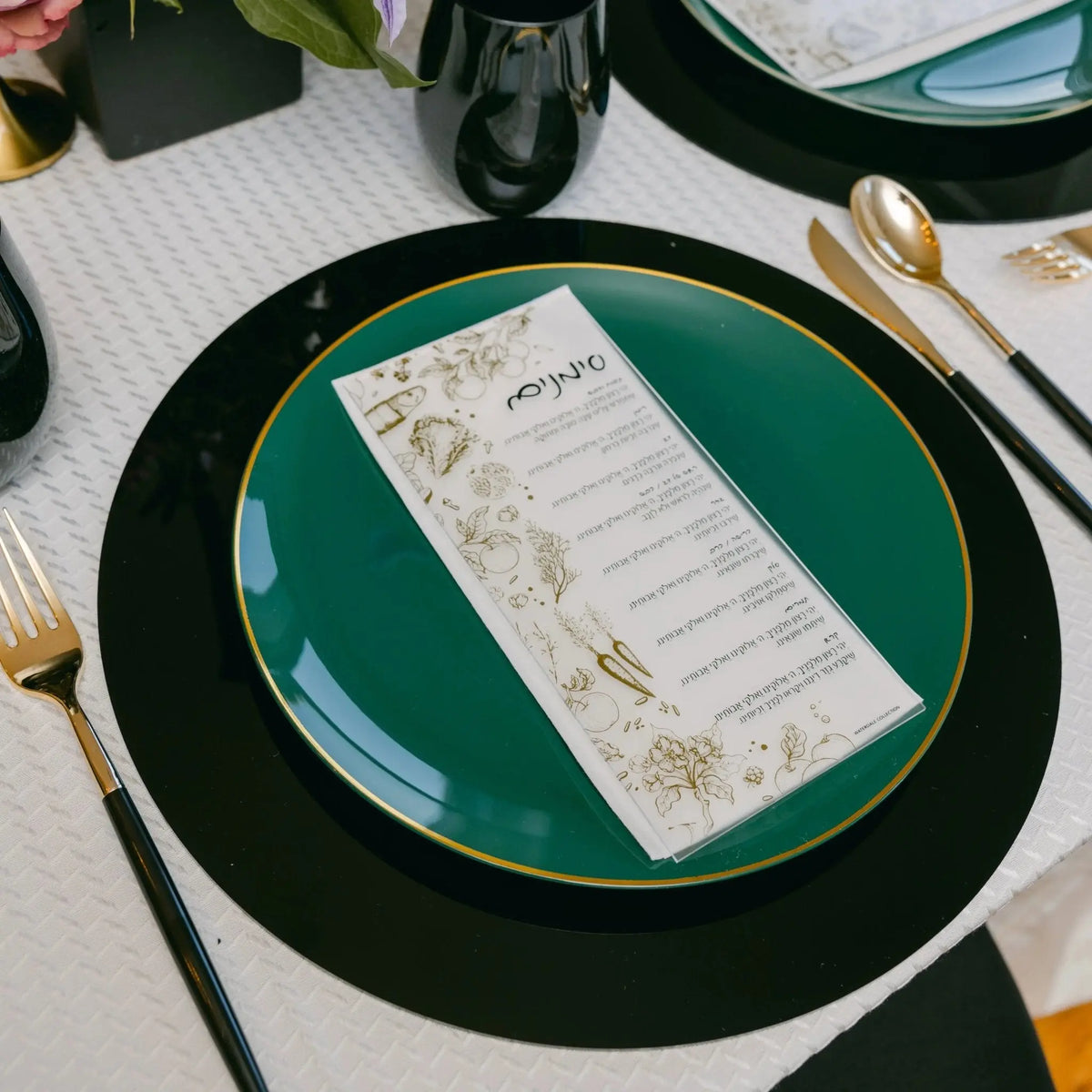
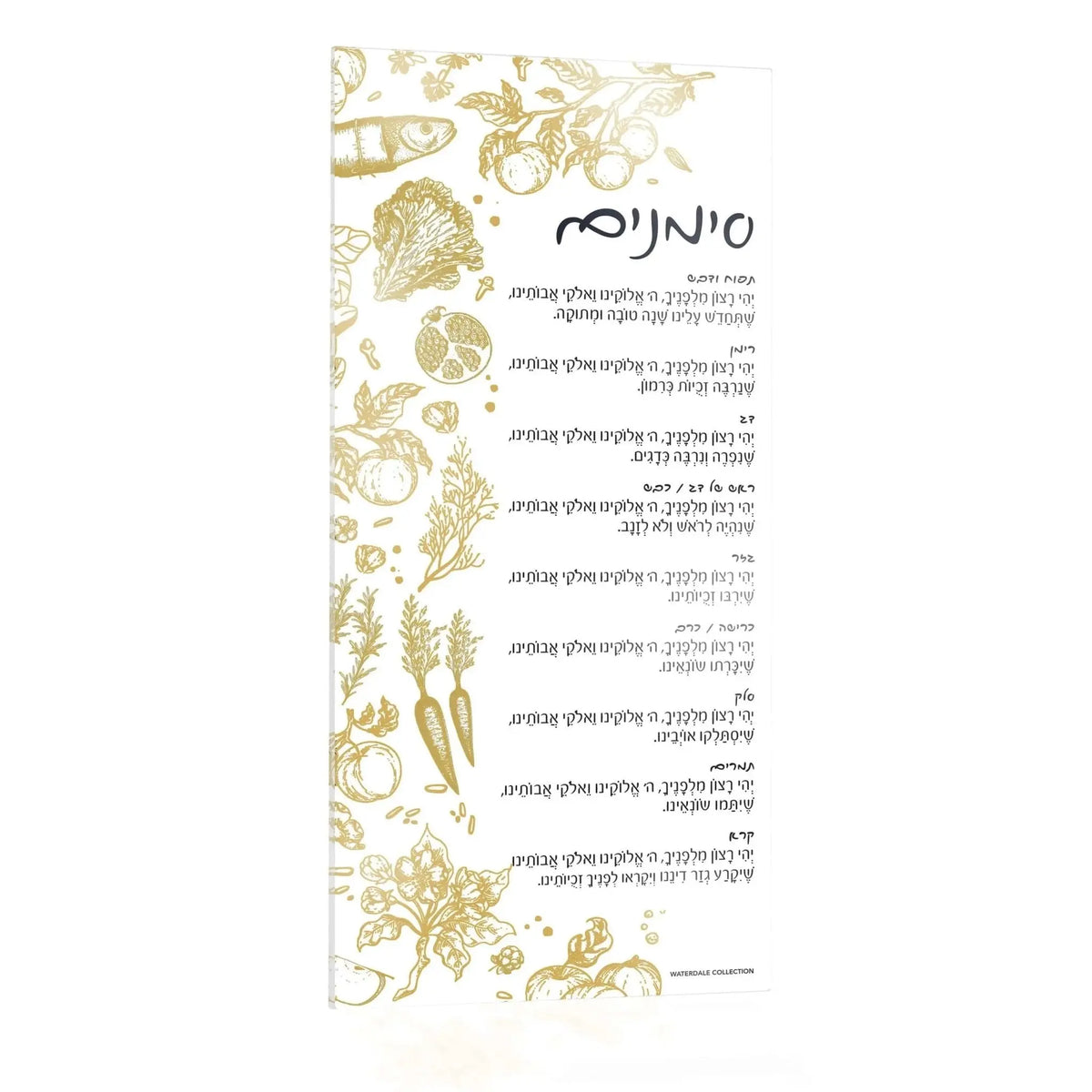
Toile Simanim Card
Regular price
$8.00
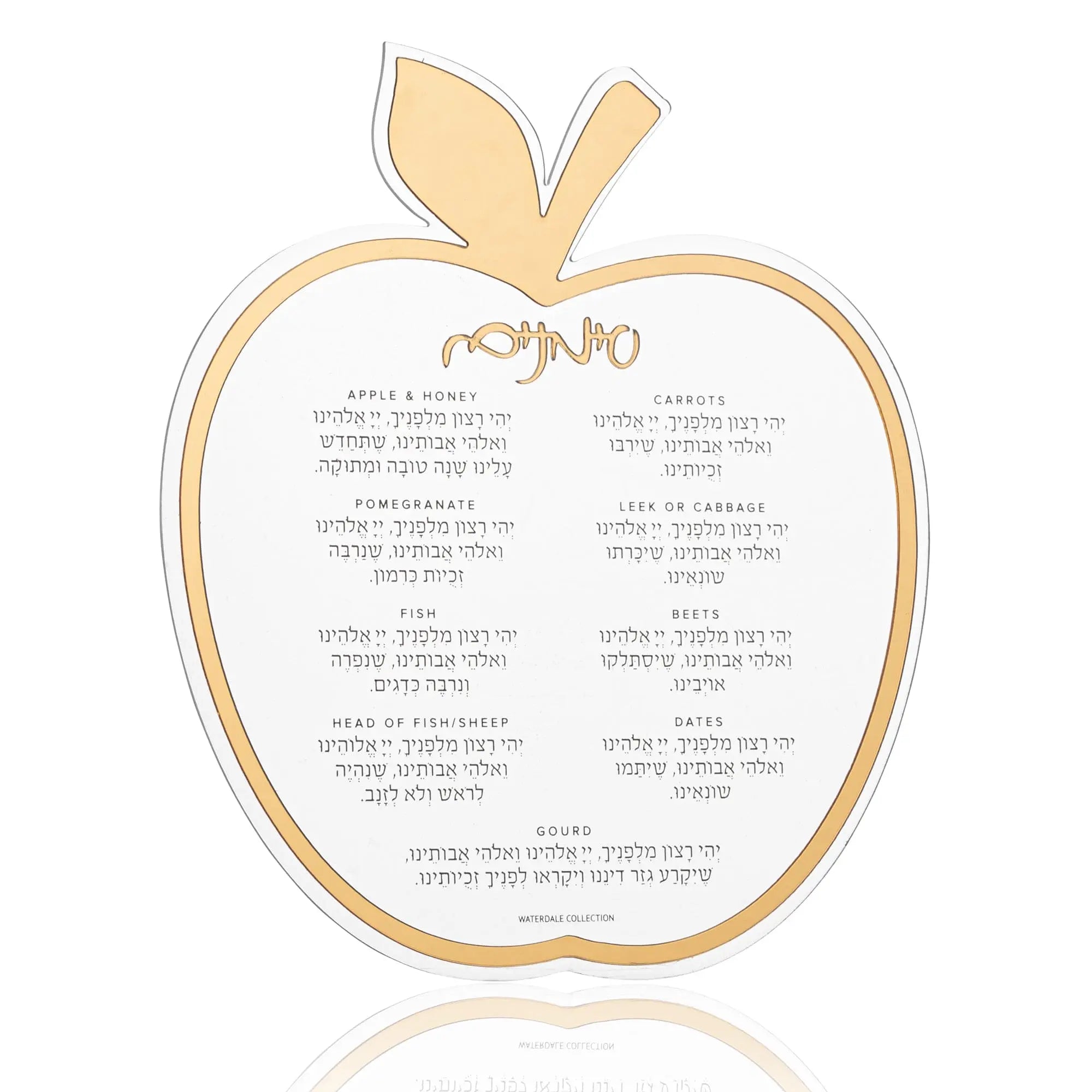
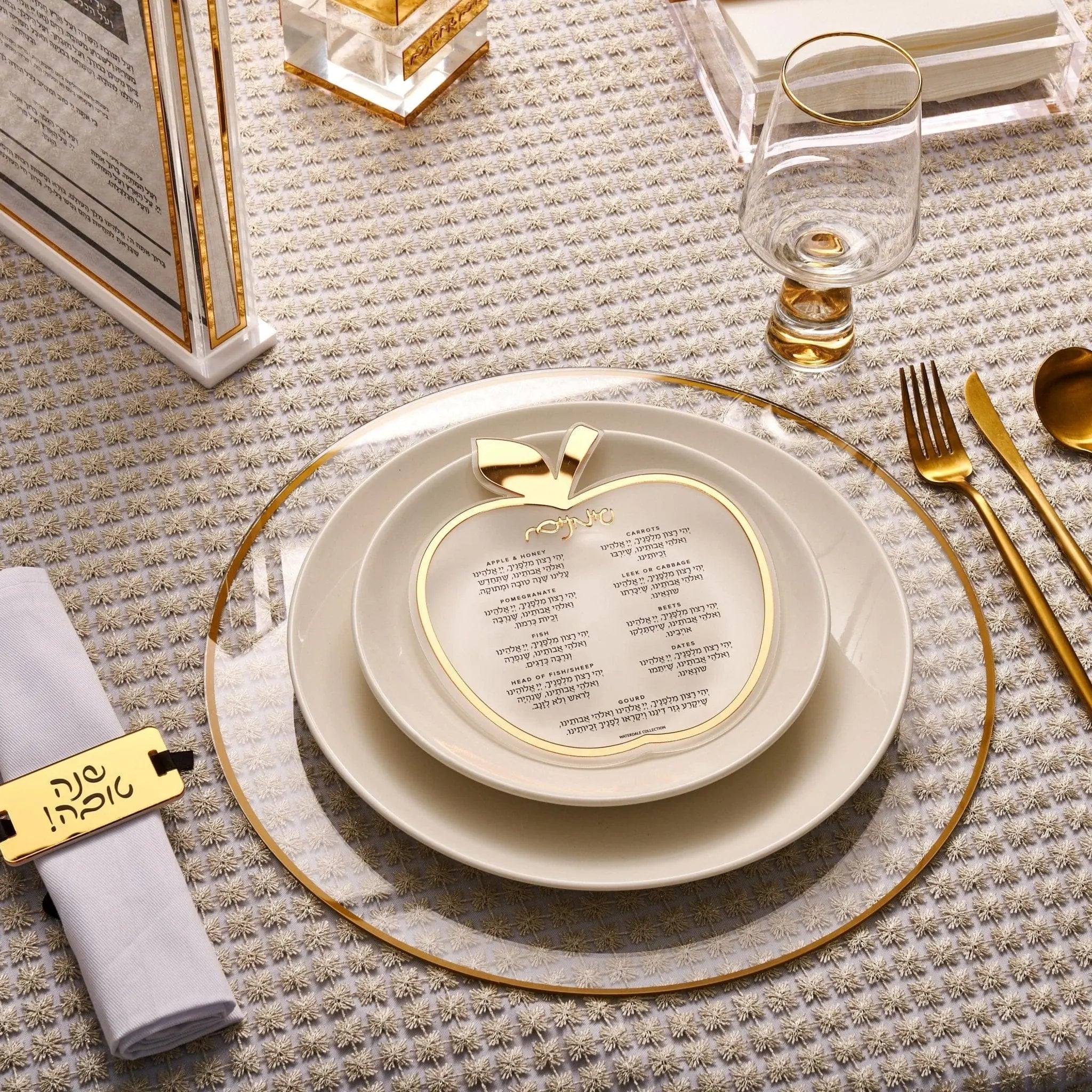
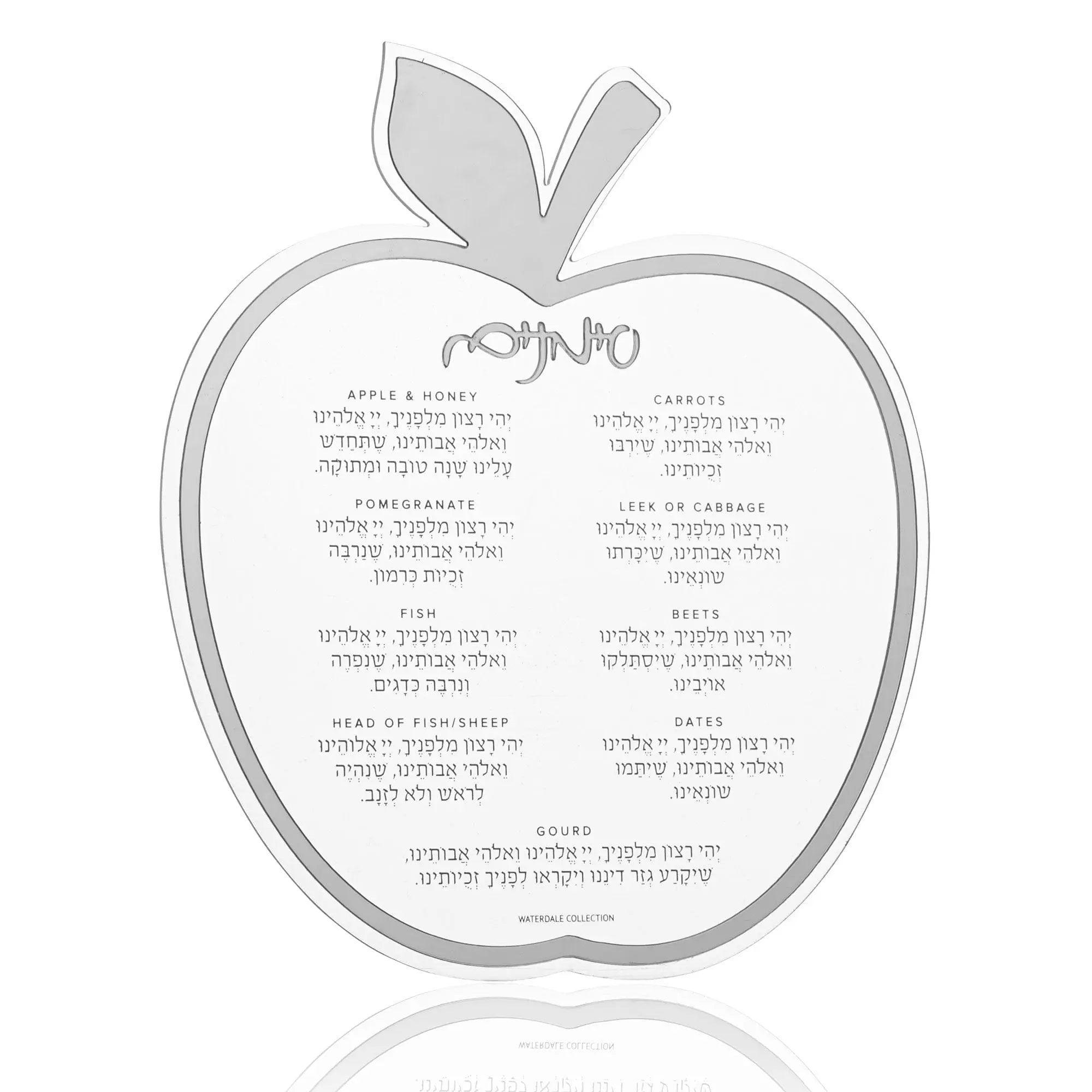
Classic Apple Simanim Card
Regular price
$13.00
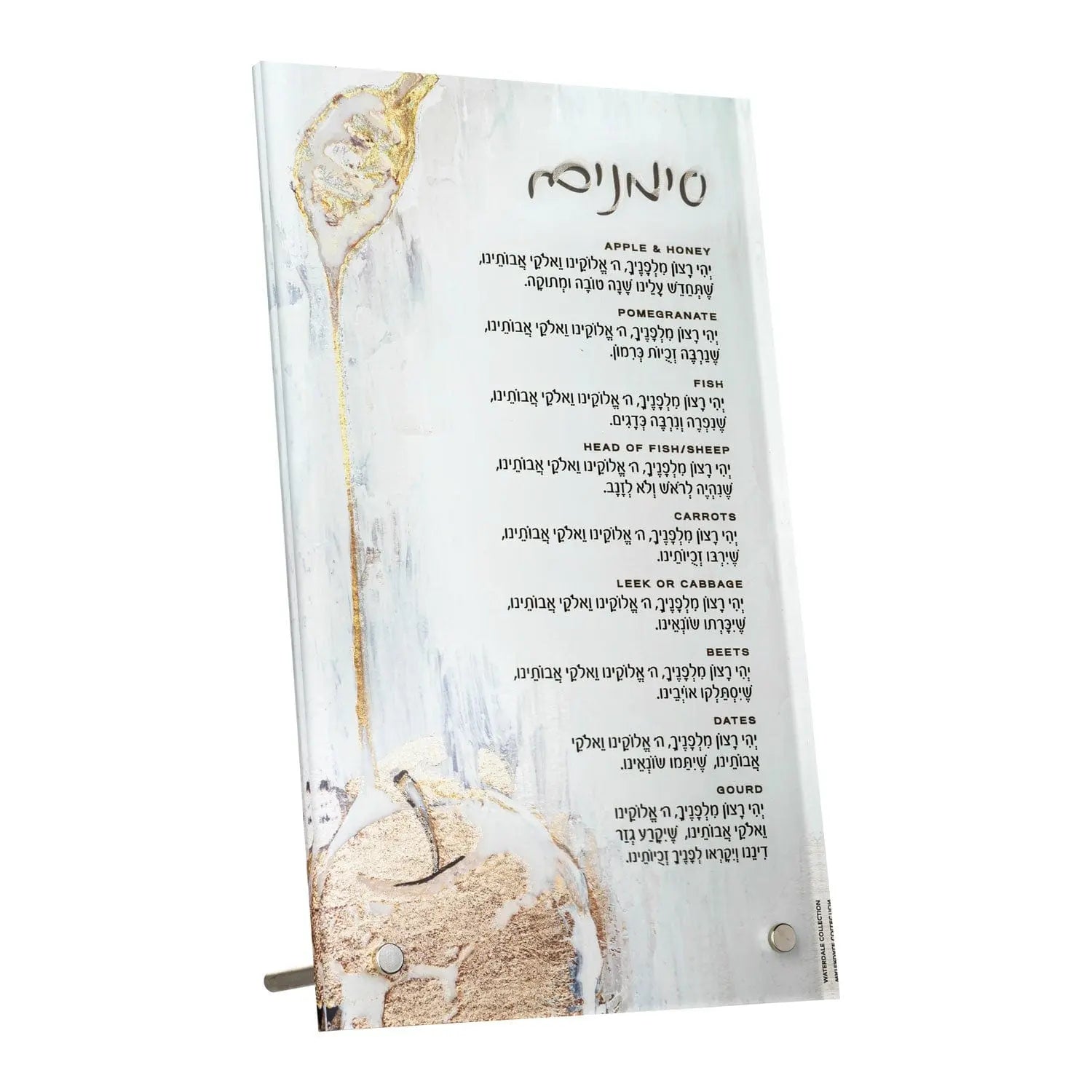
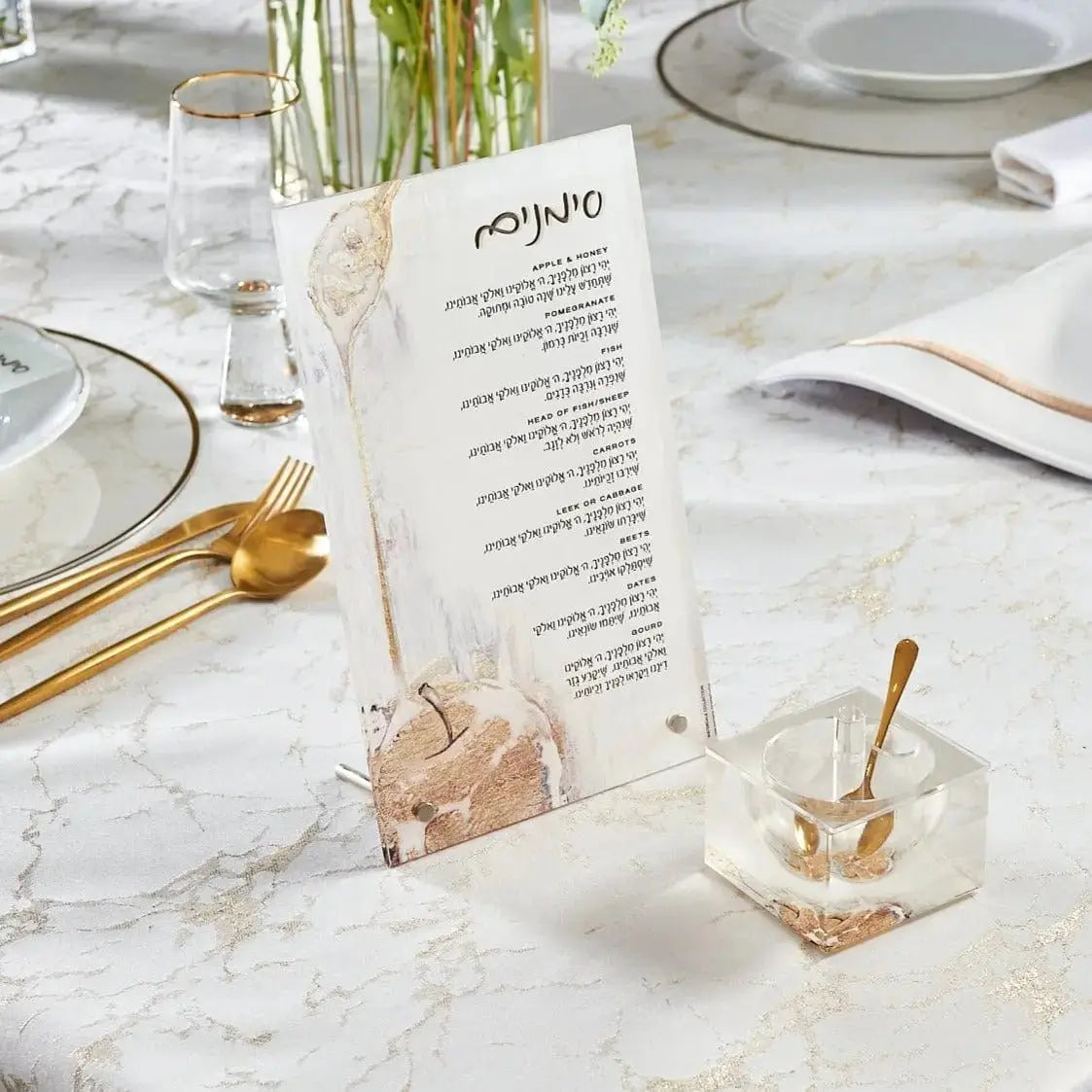
Painted Gold Simanim Tabletop by Zelda
Regular price
$28.00
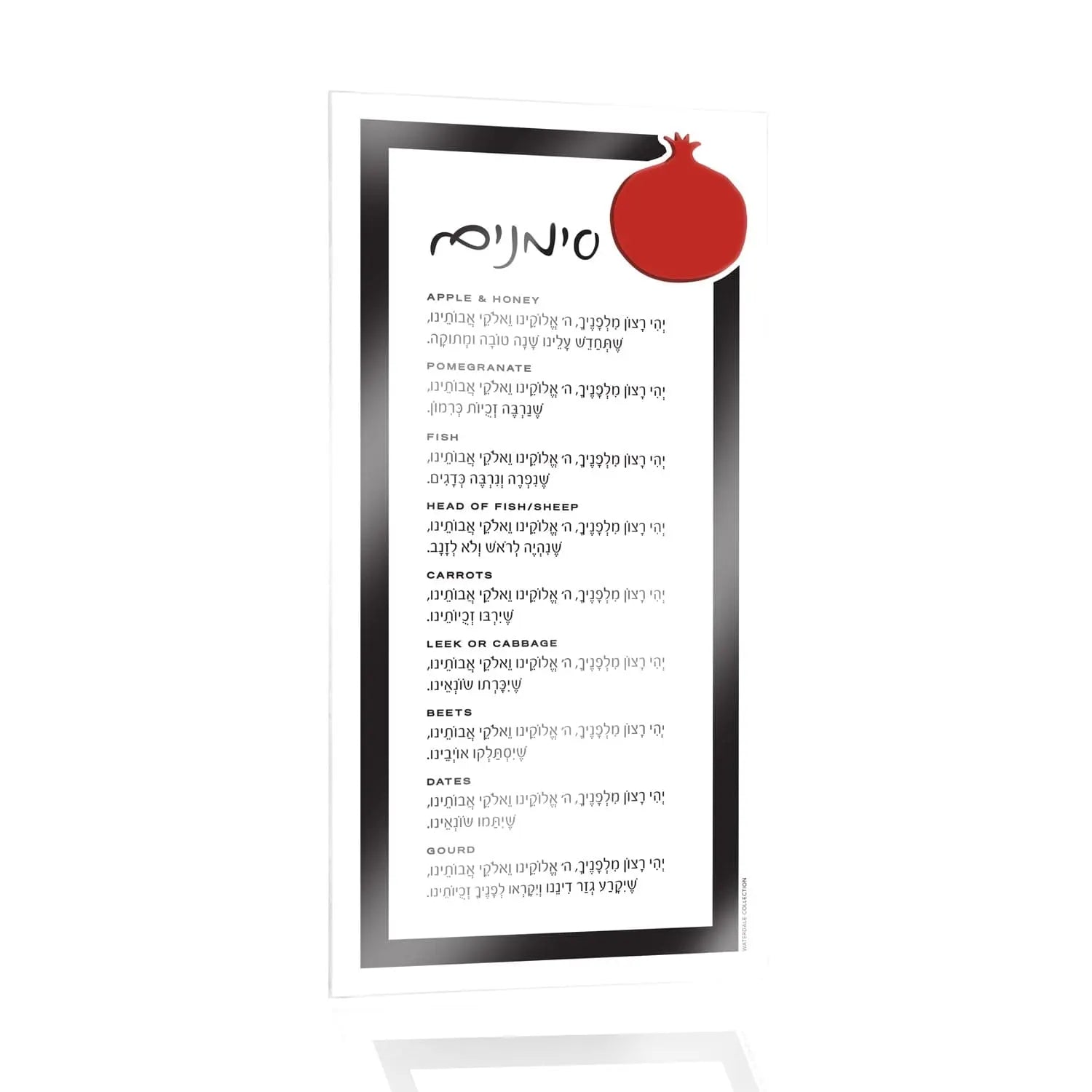
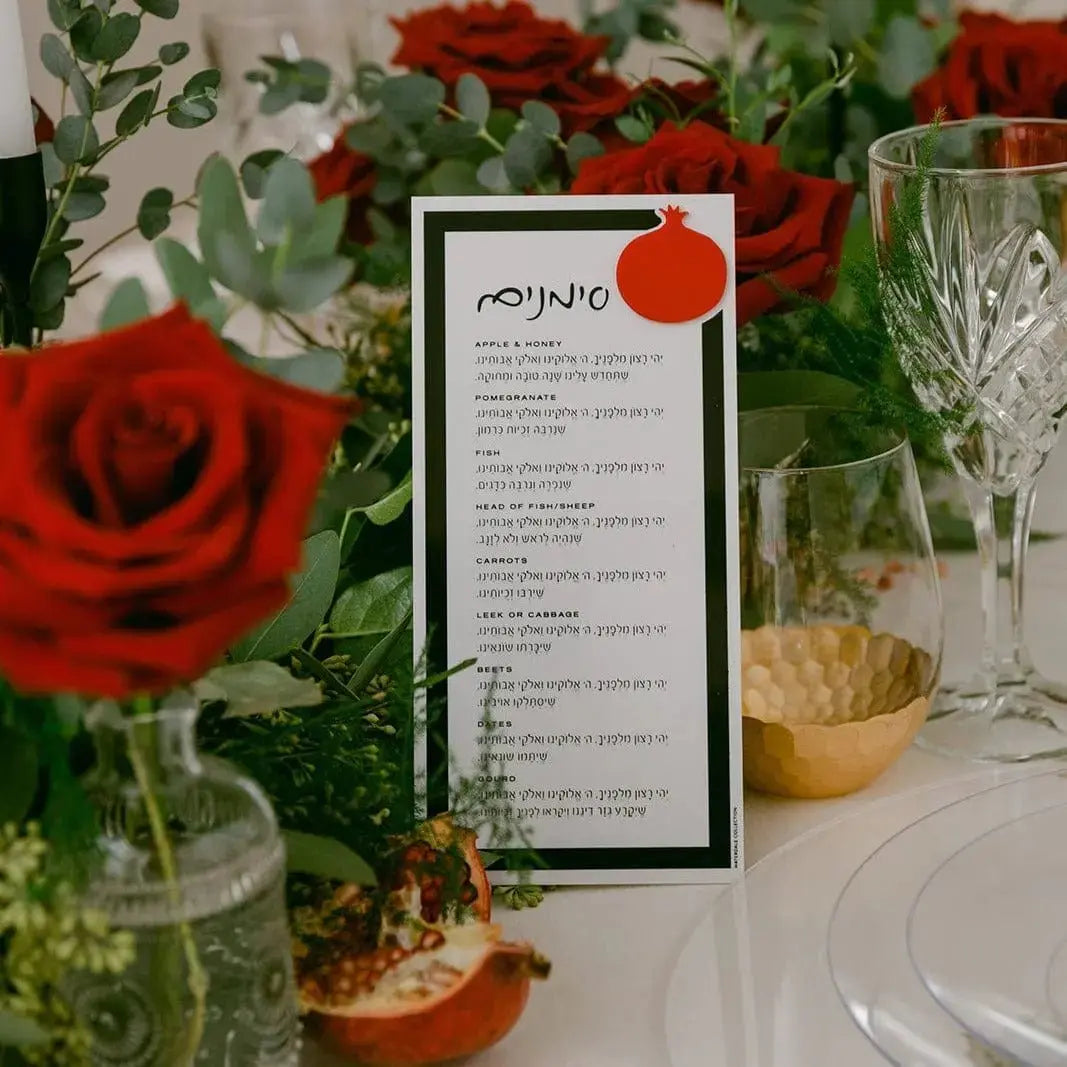
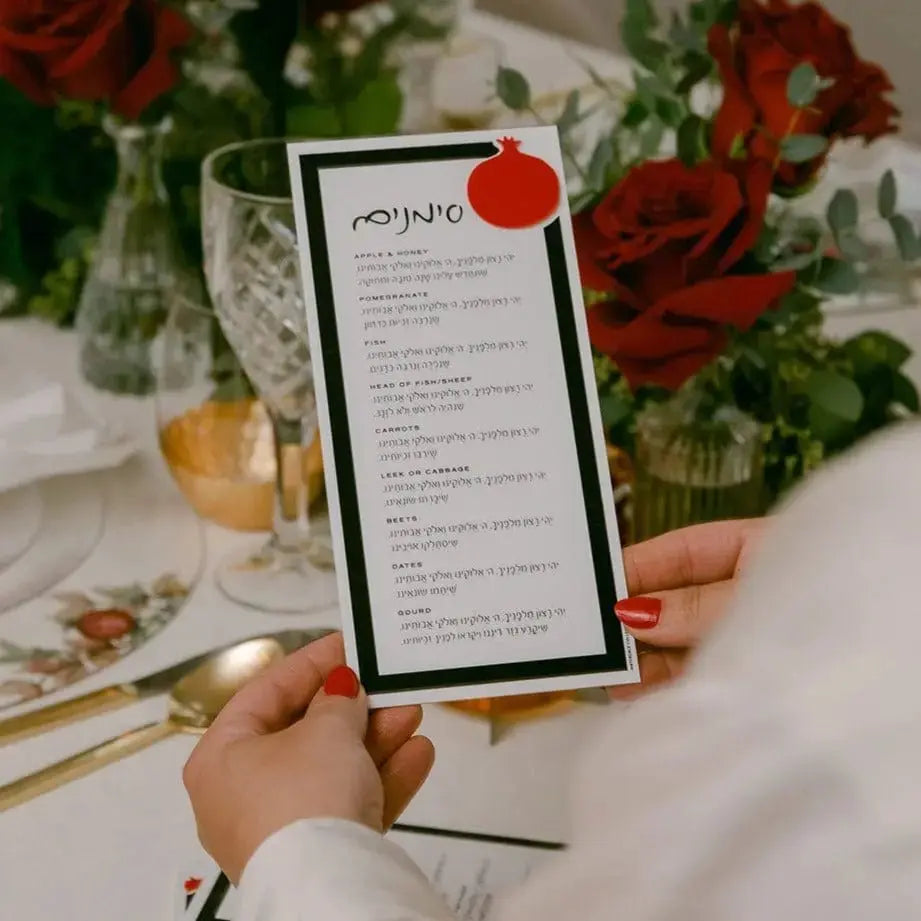
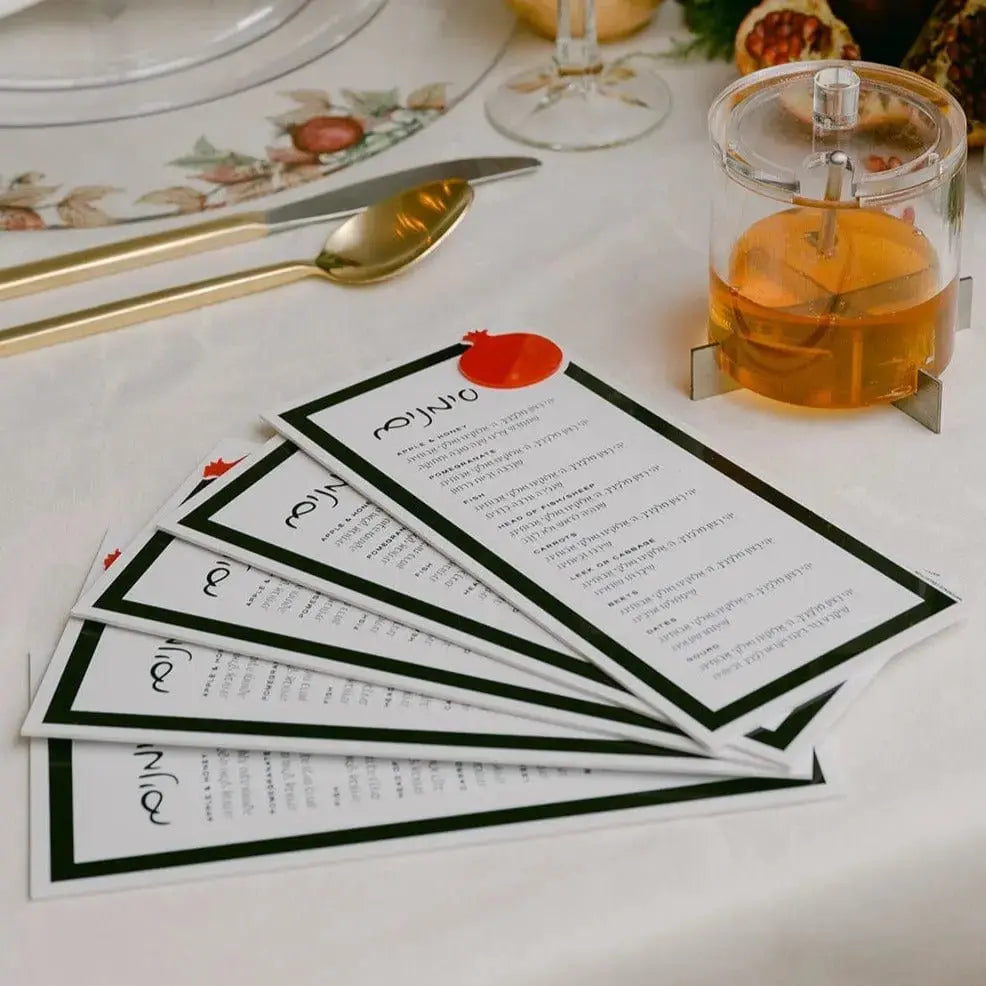
Die-Cut Pomegranate Simanim Card
Regular price
$8.00
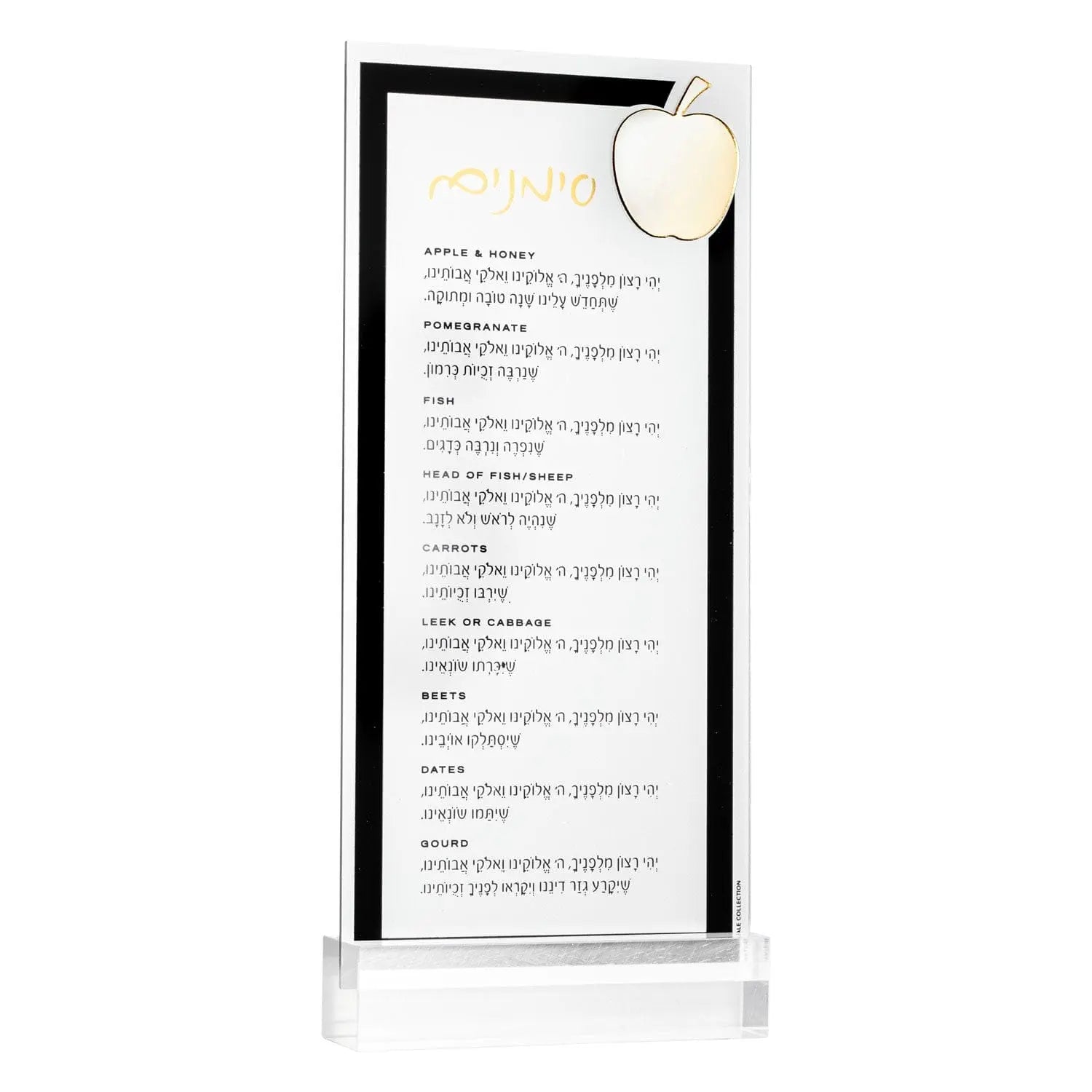
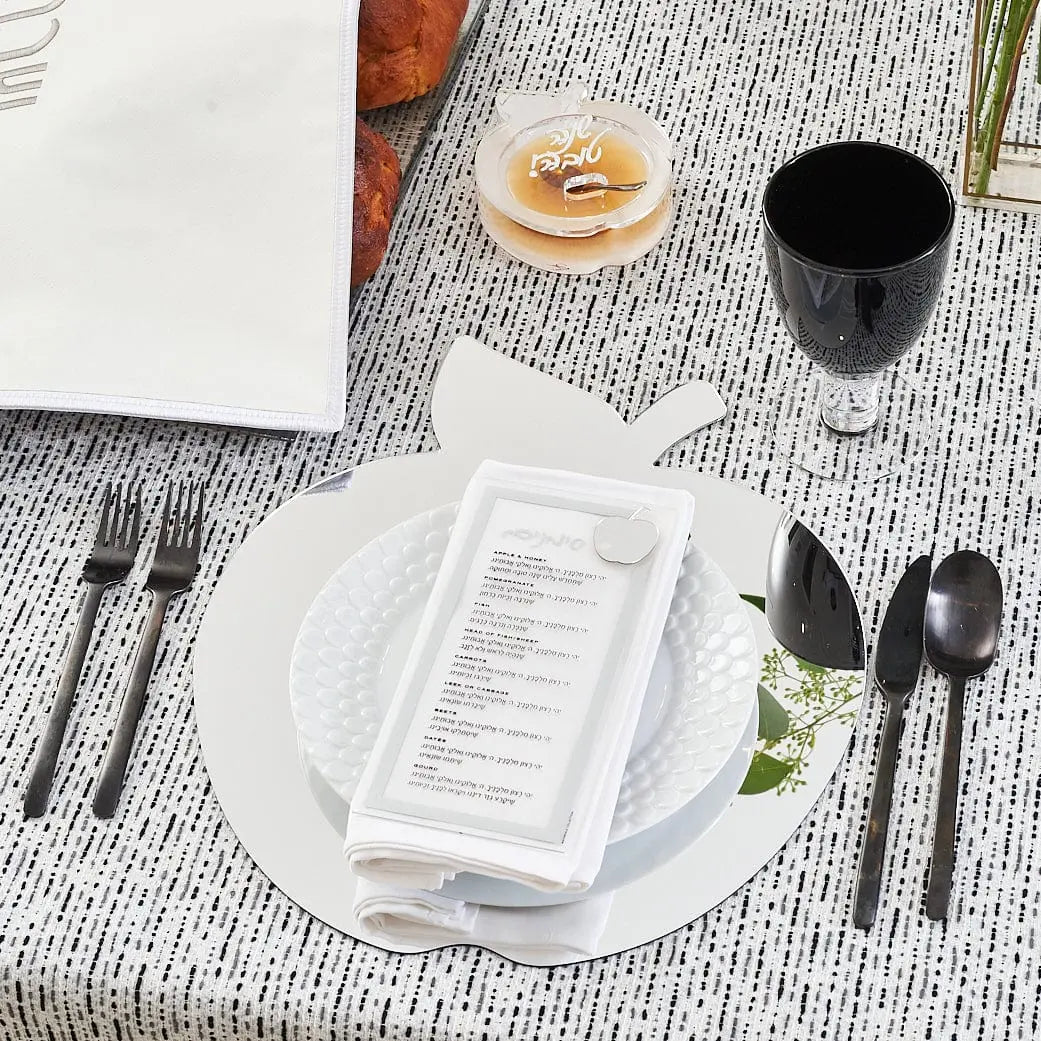
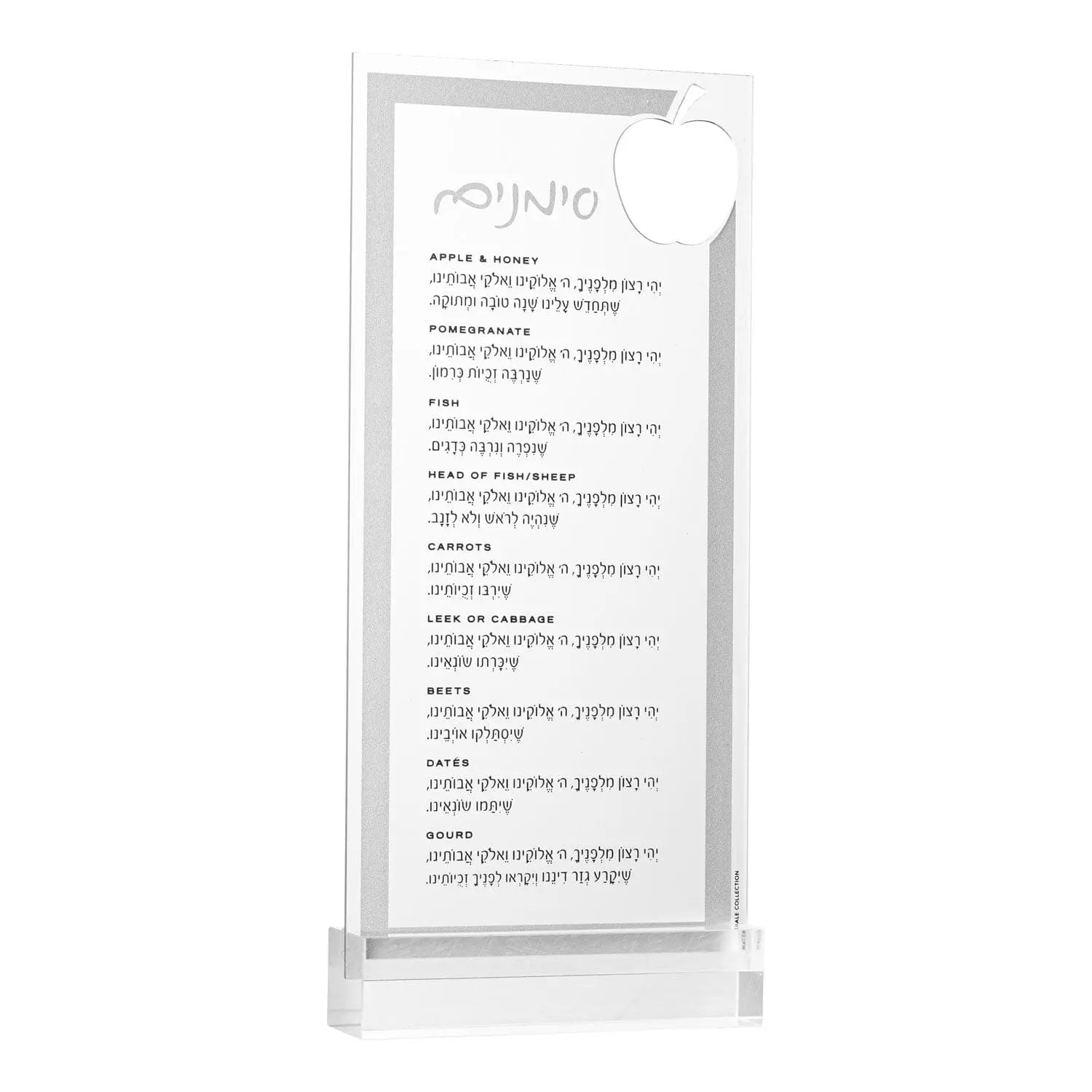
Die-Cut Apple Simanim Card
Sale priceFrom
$8.00
Regular price
$12.00
Sale
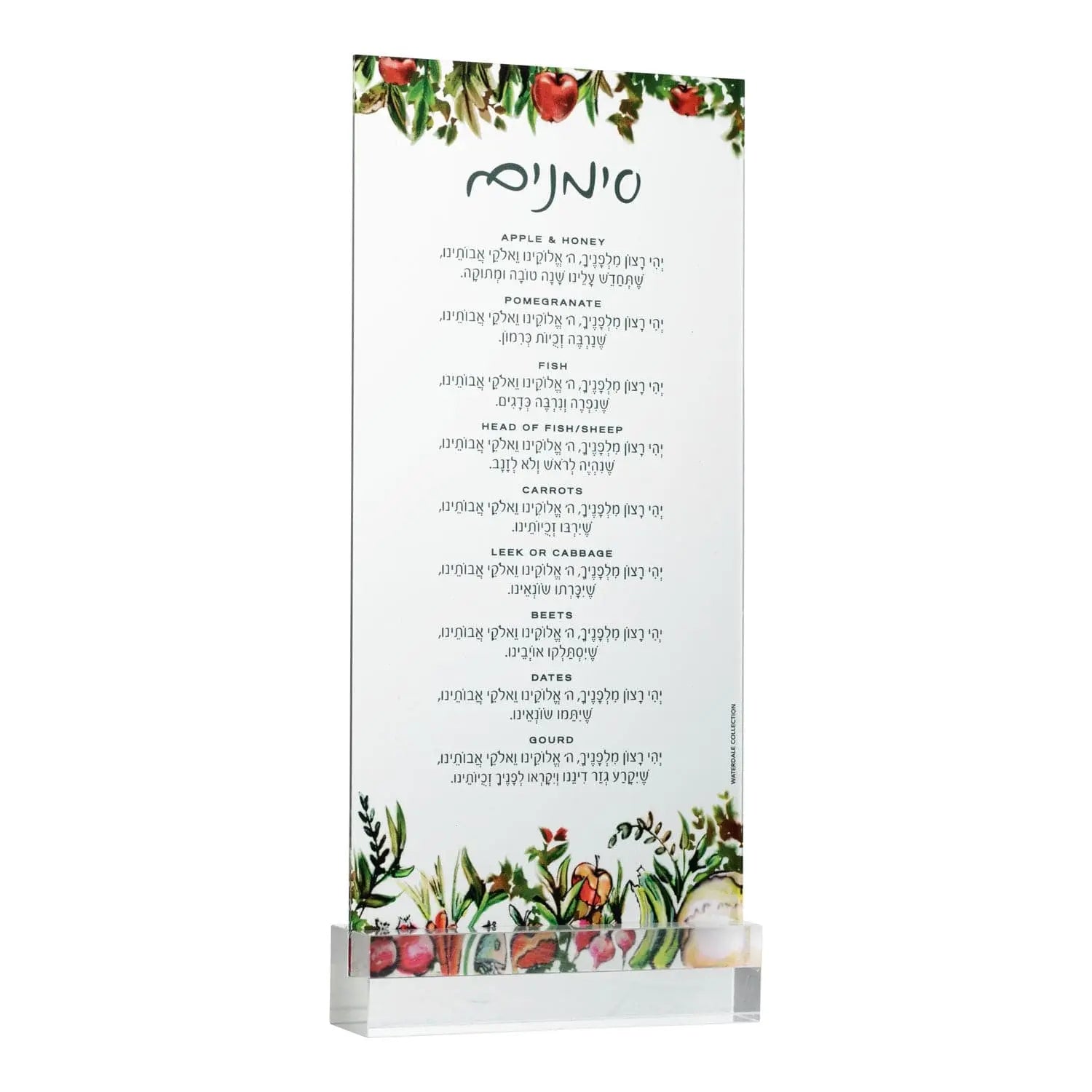
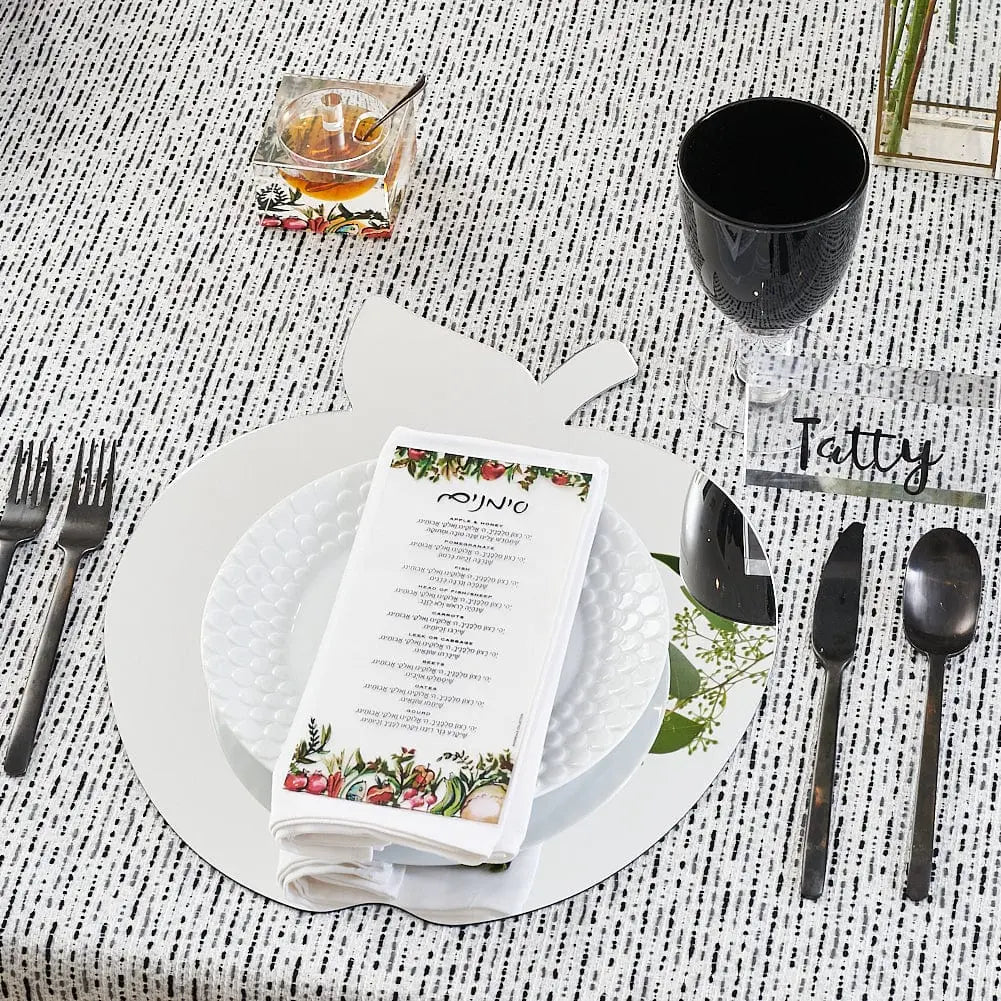
Painted Colored Simanim Card by Zelda
Regular price
$10.00
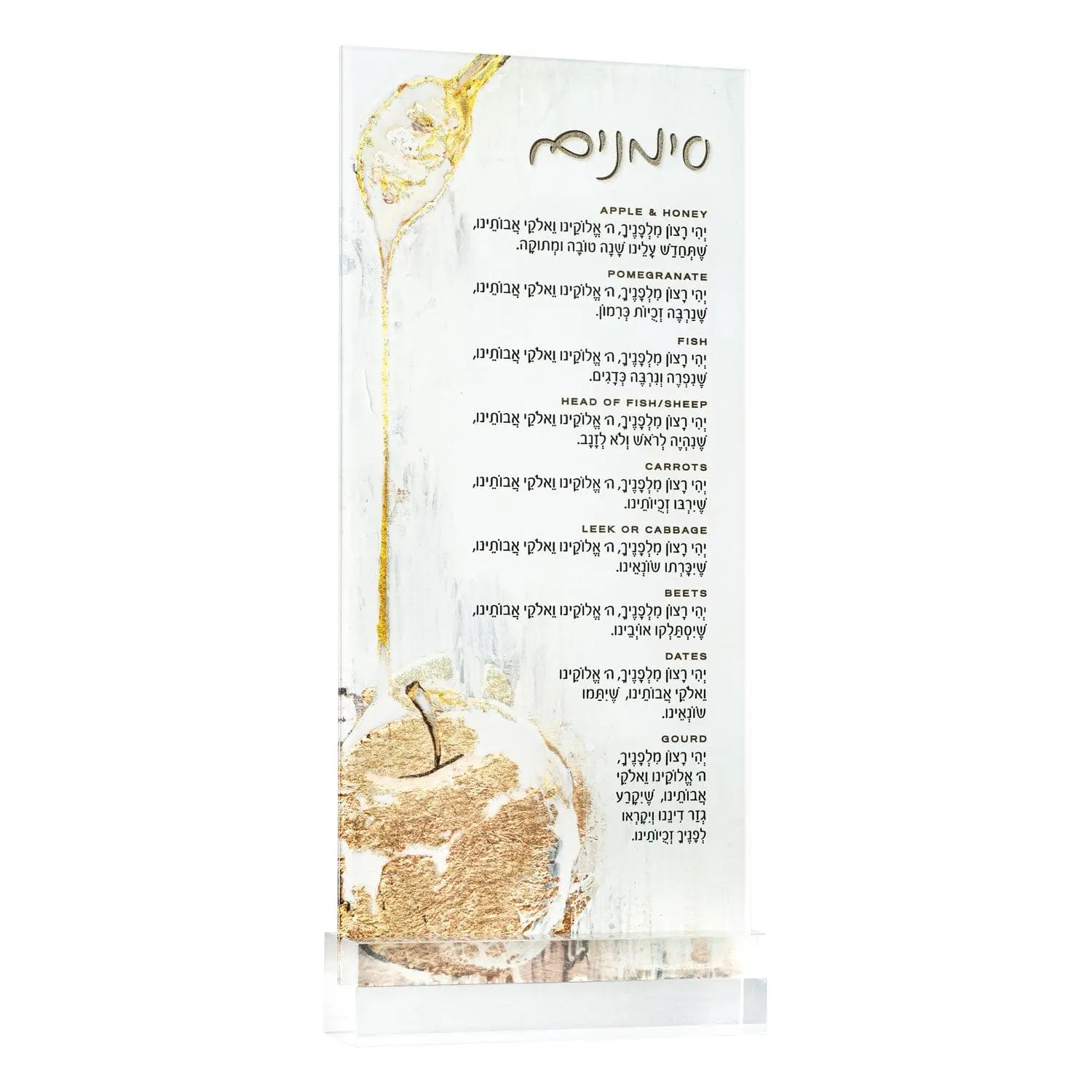
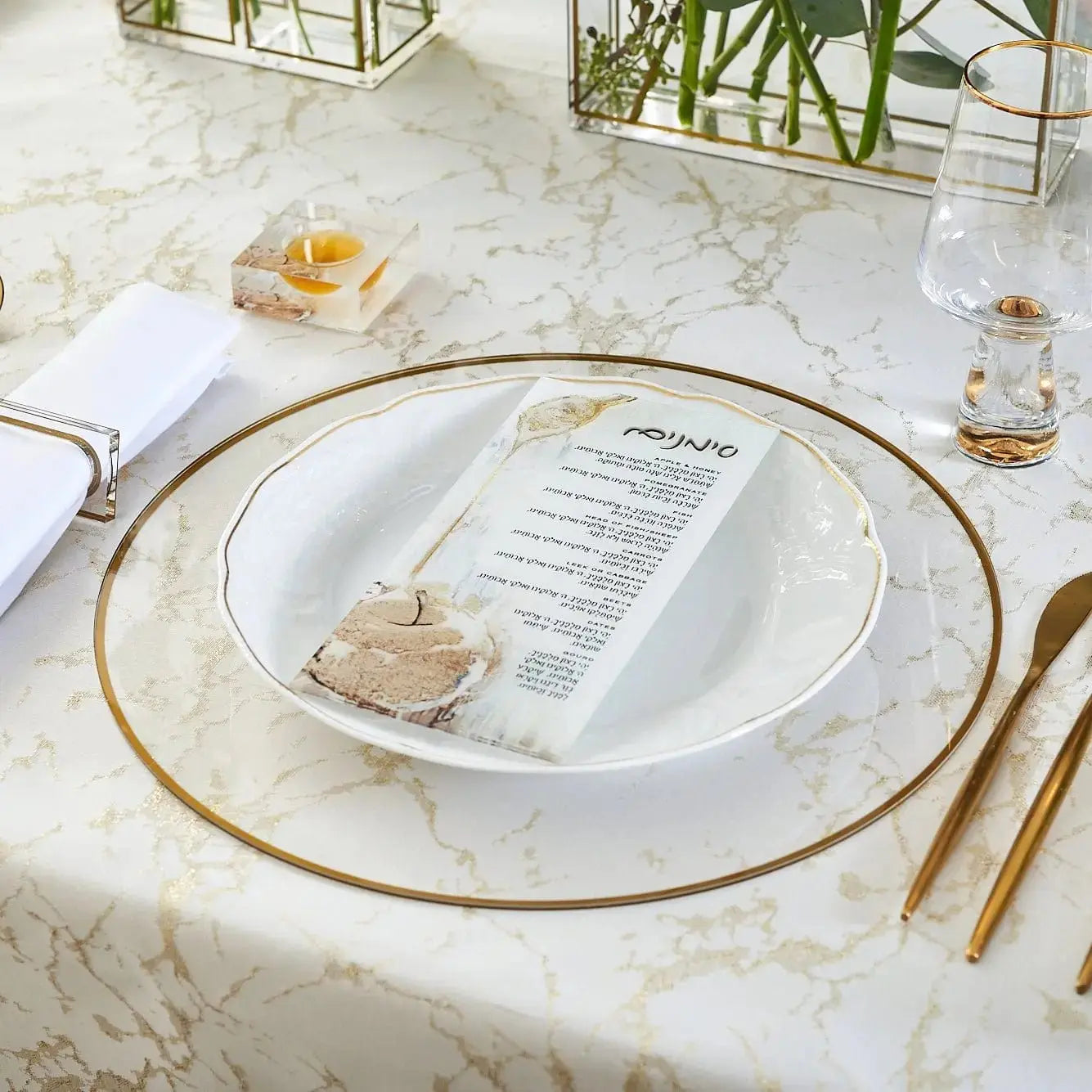
Painted Gold Simanim Card by Zelda
Regular priceFrom
$12.00
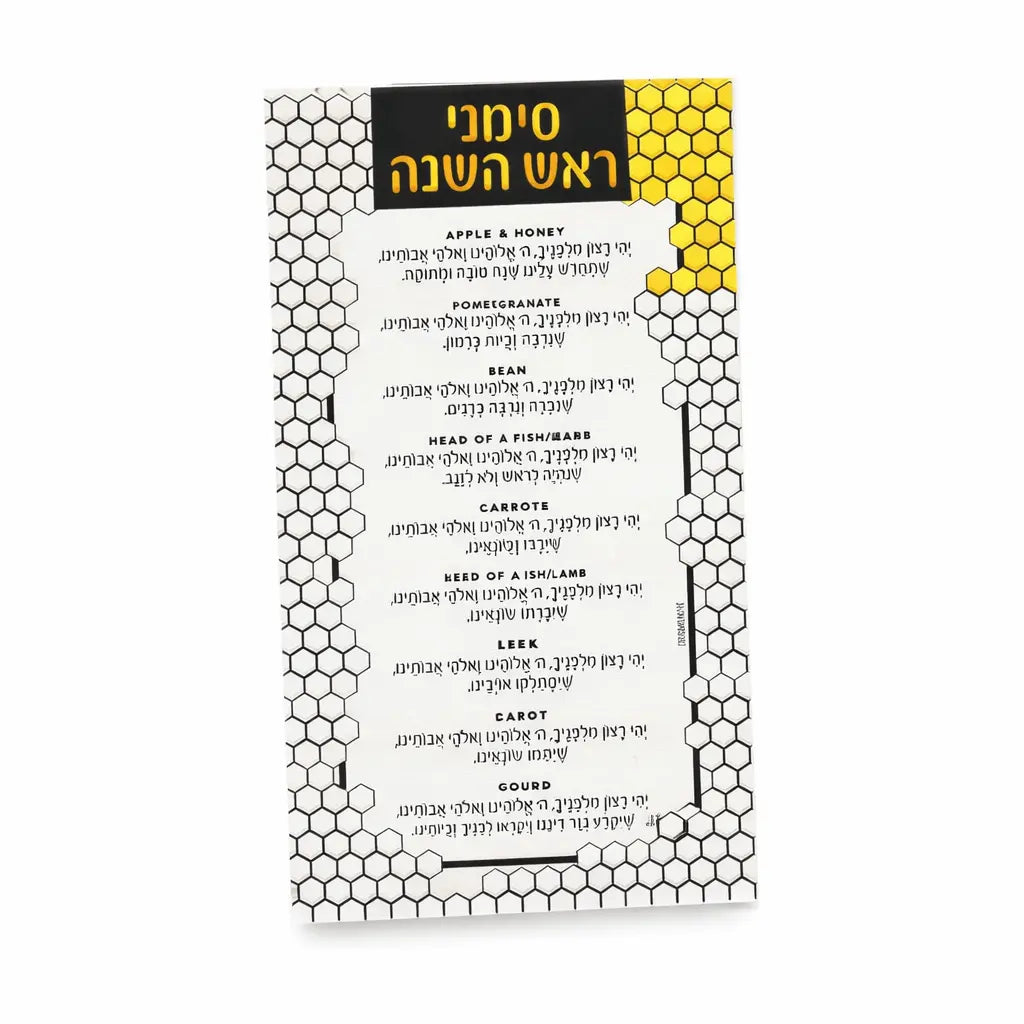
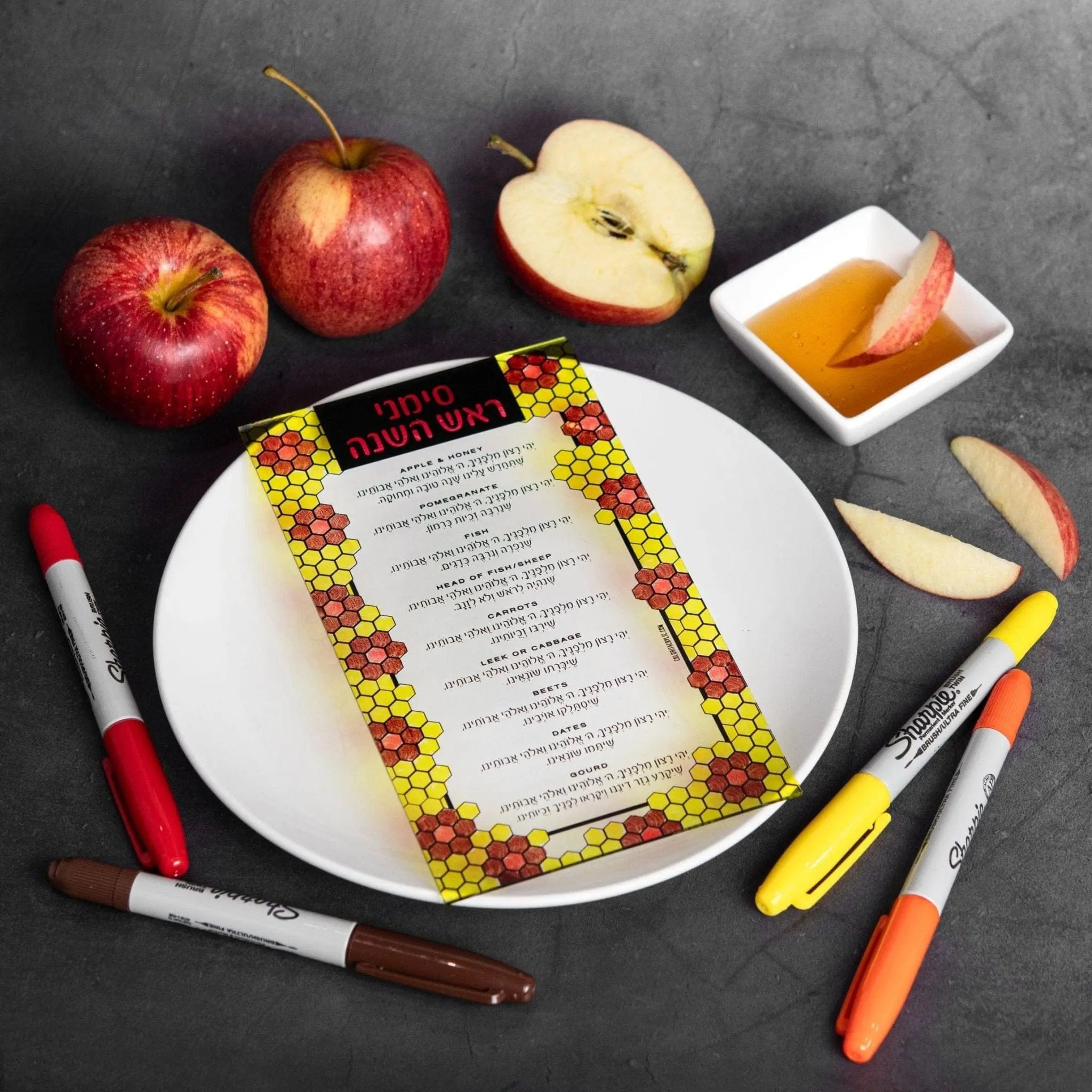
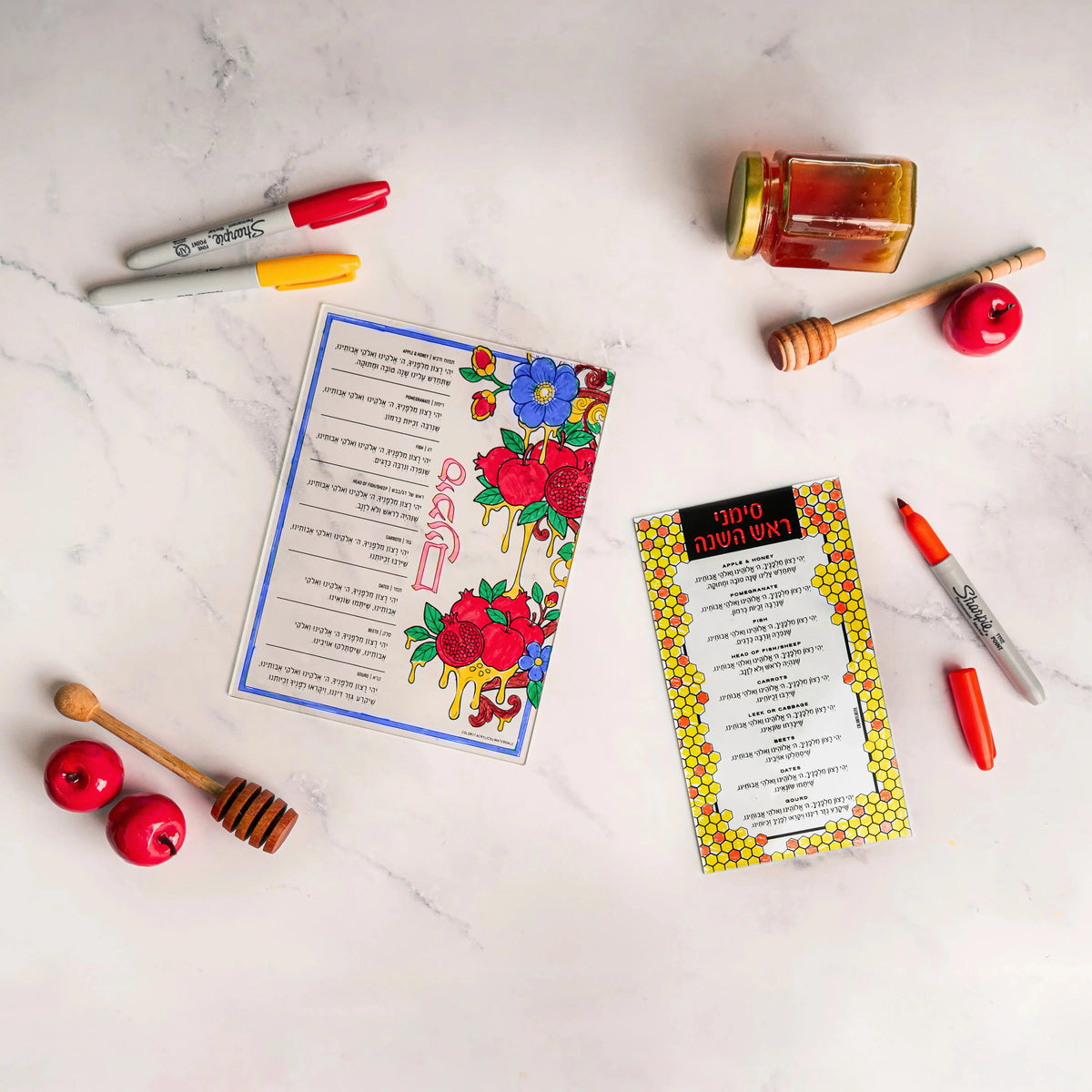
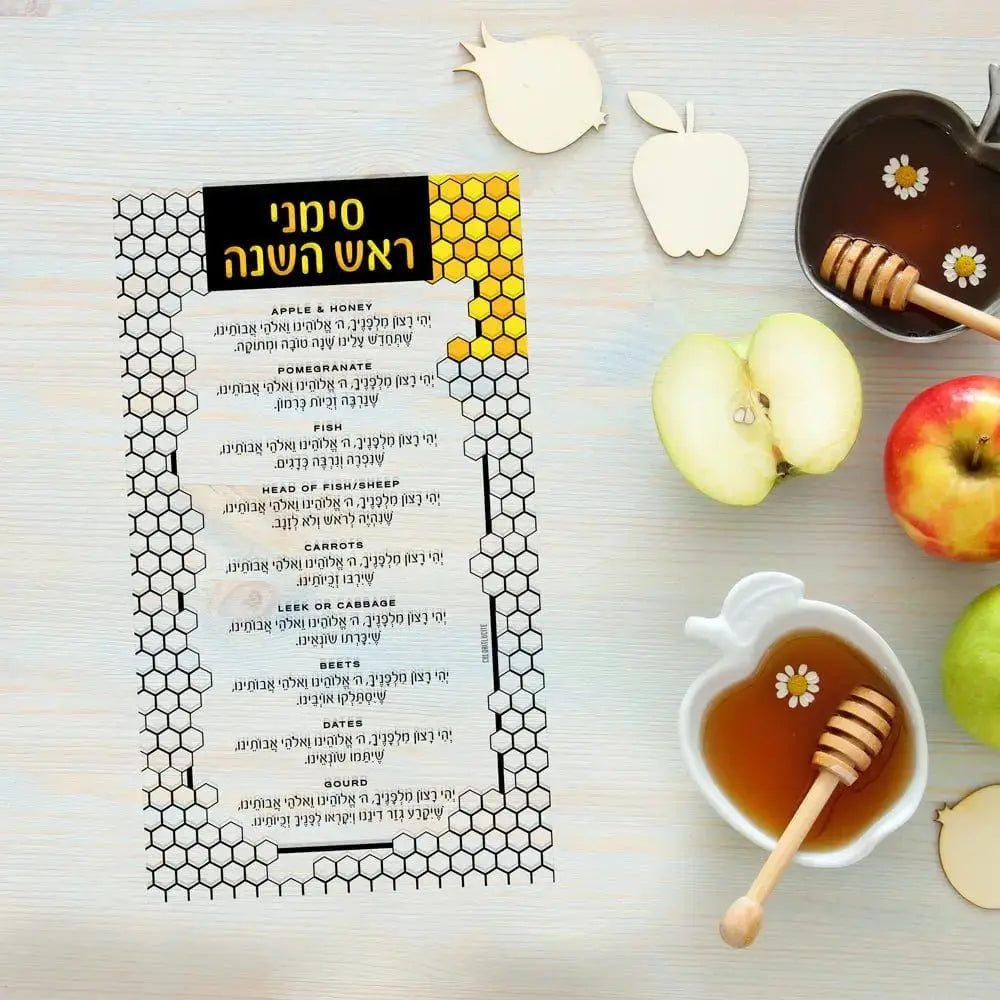
Color it Acrylic Simanim Card
Regular price
$5.50
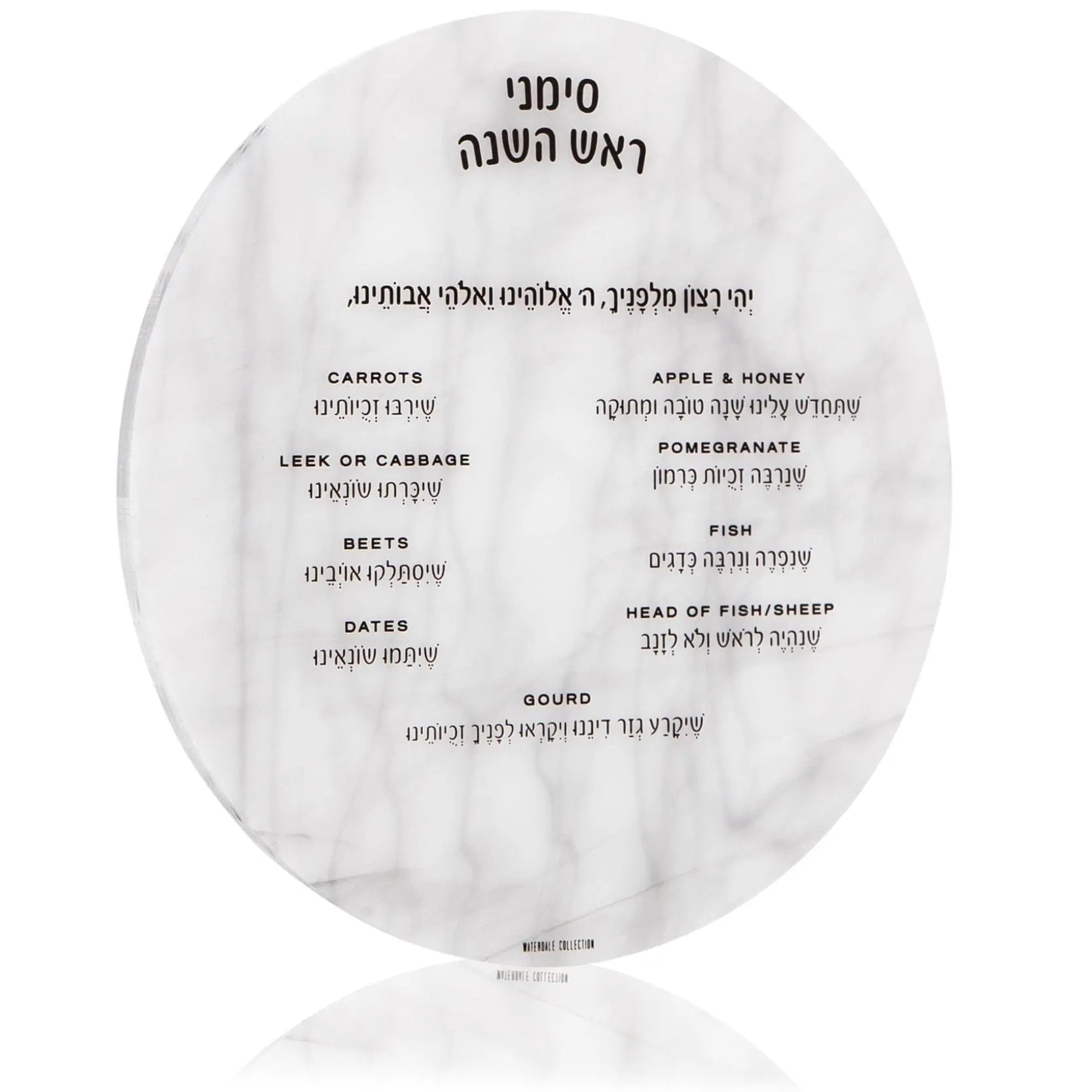
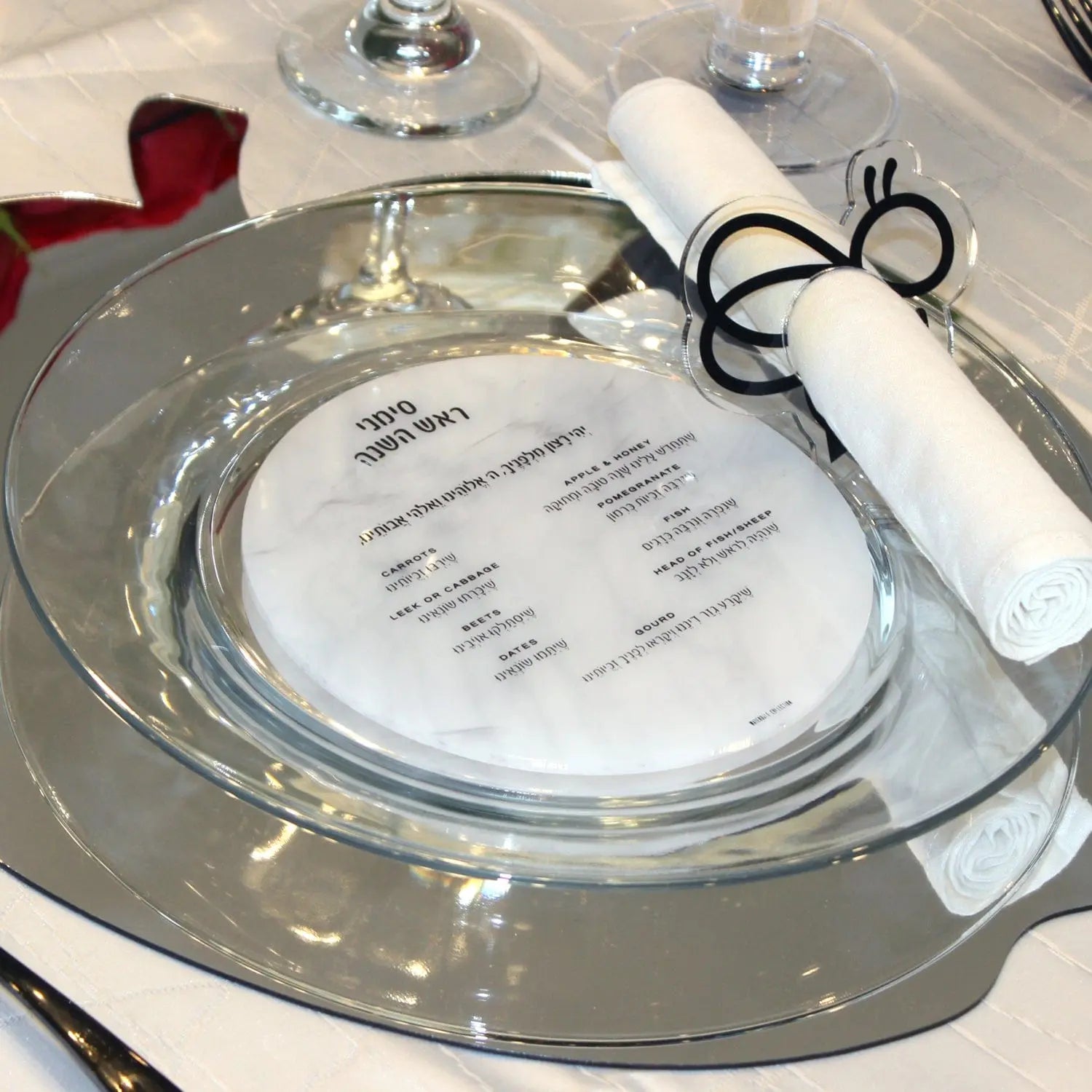
Marble Round Simanim Card
Regular price
$6.00
Sold out
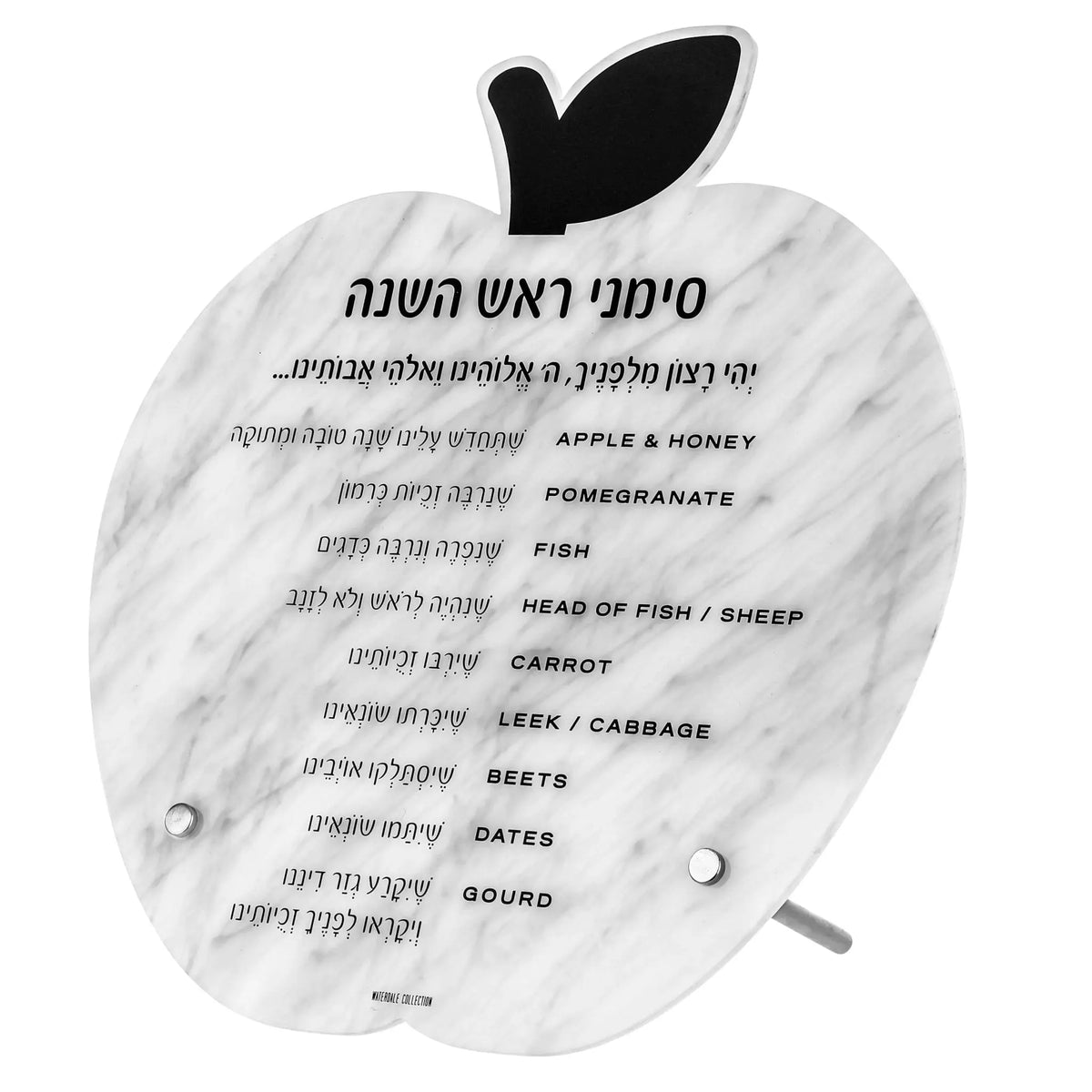
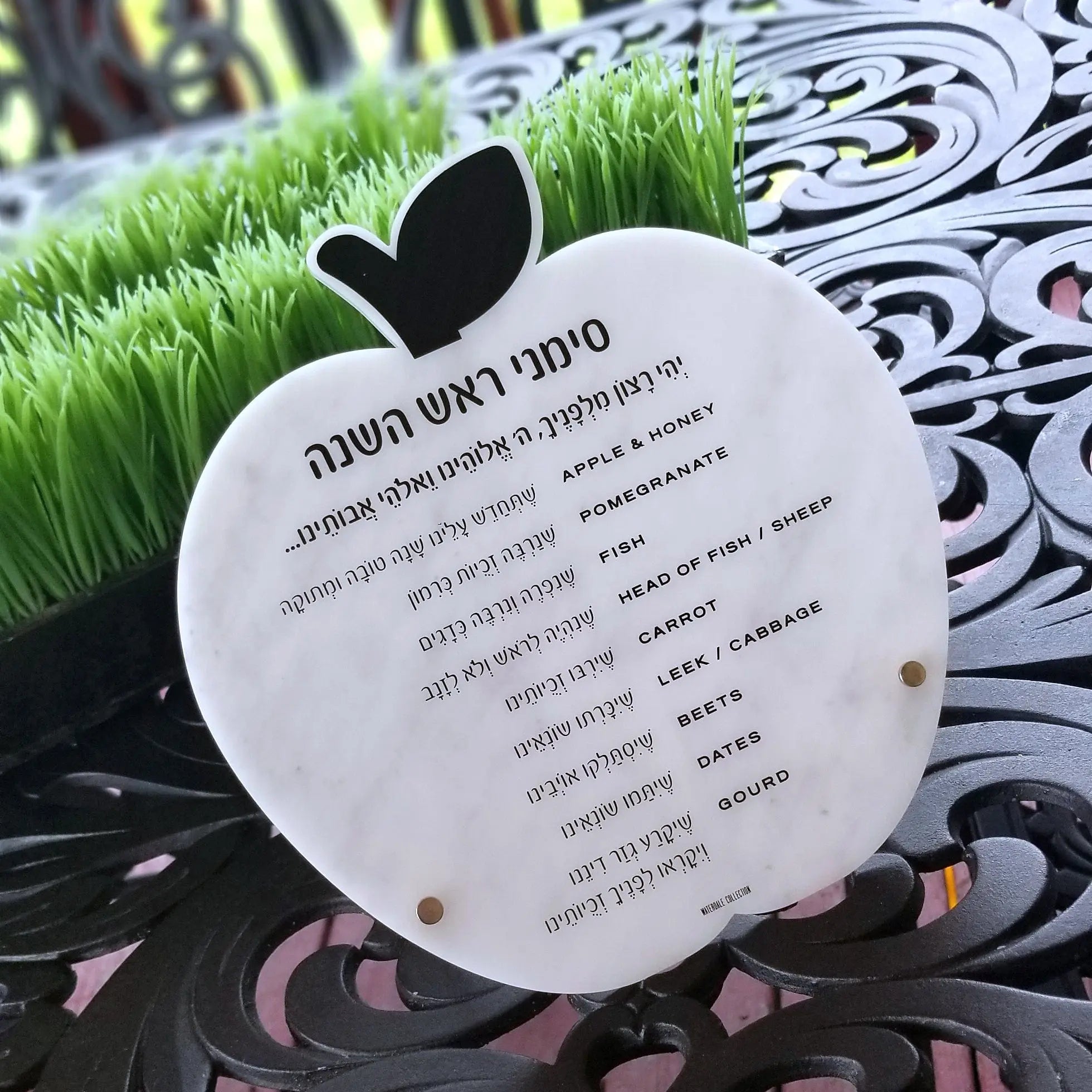
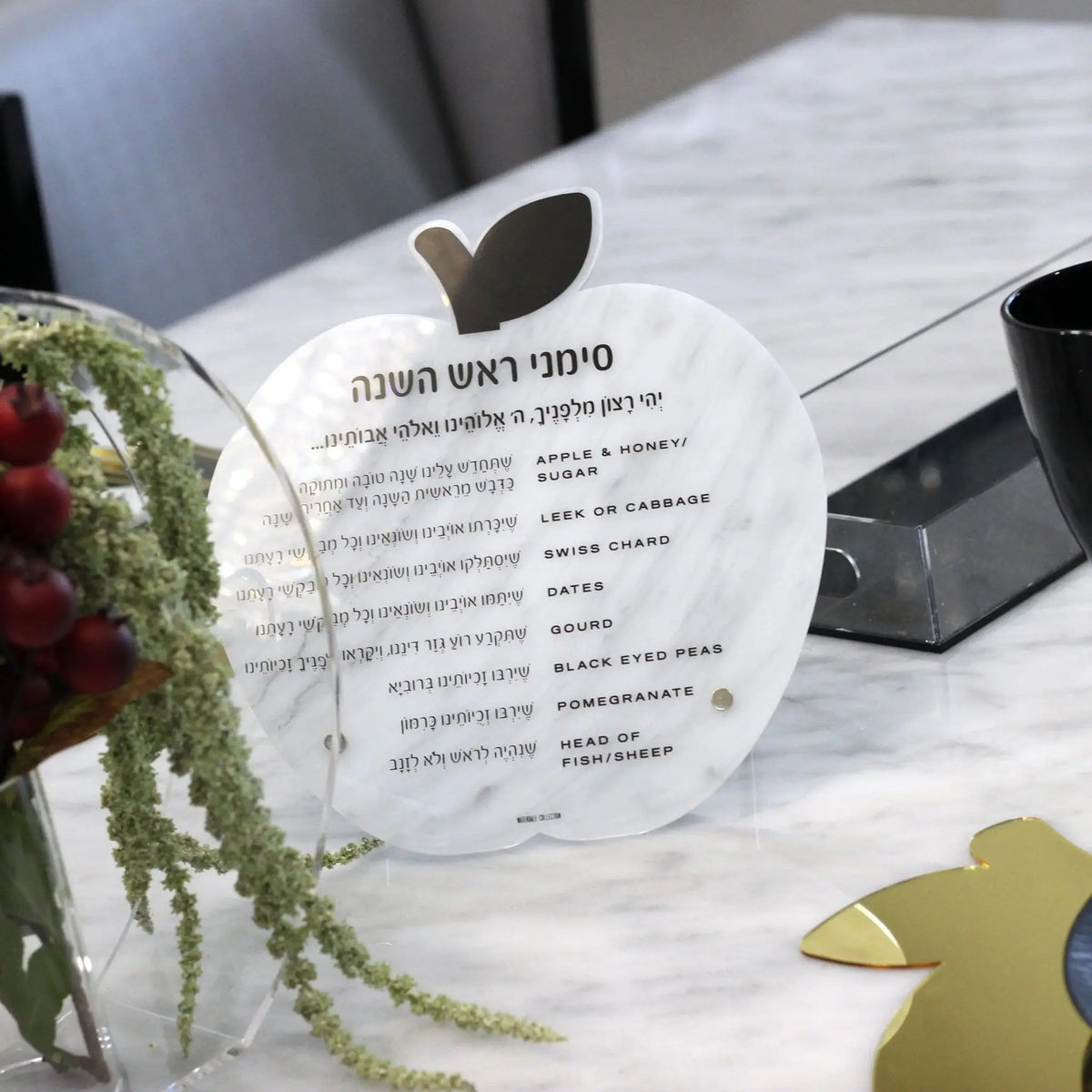
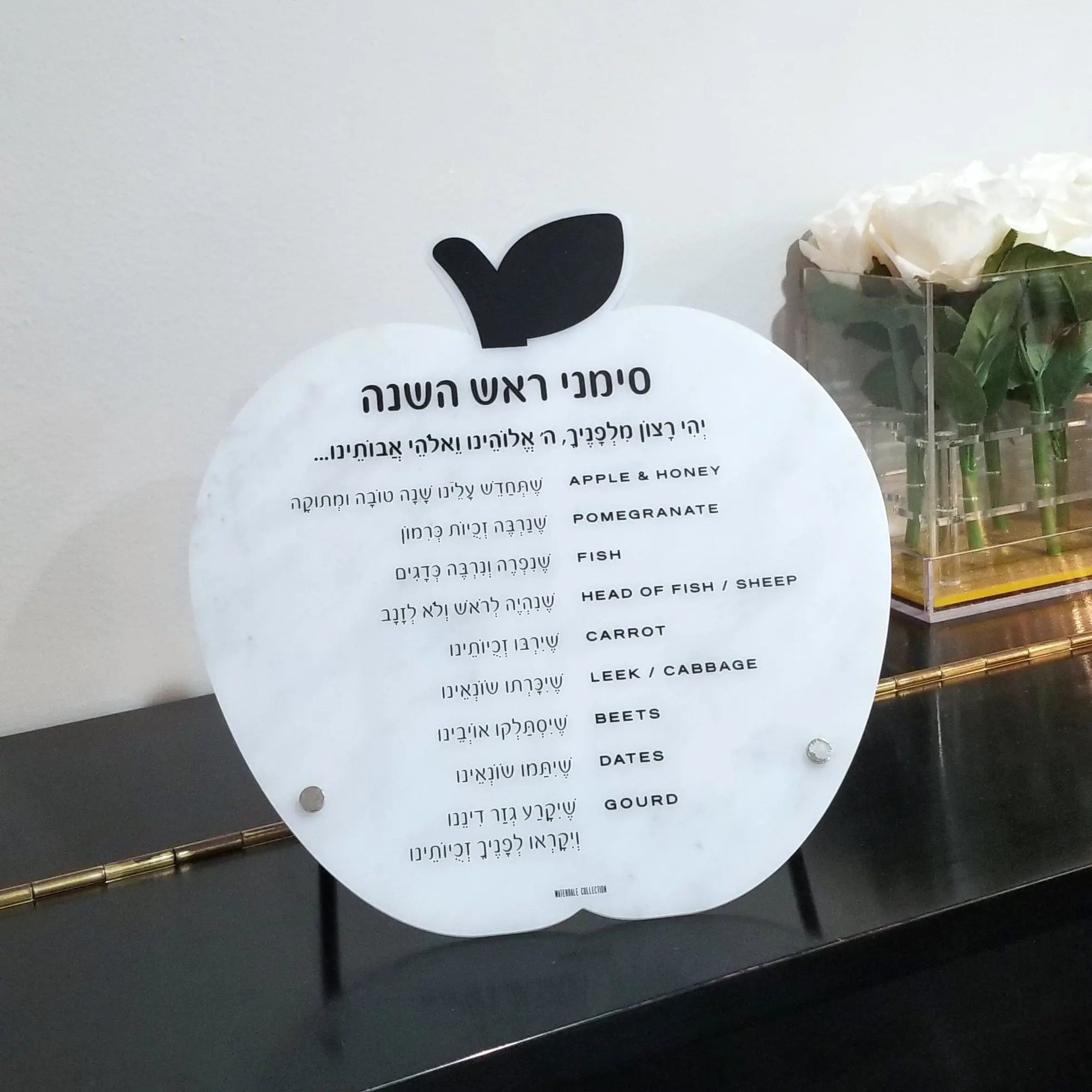
Marble Apple Tabletop Simanim
Sale price
$16.00
Regular price
$32.00
Sold out
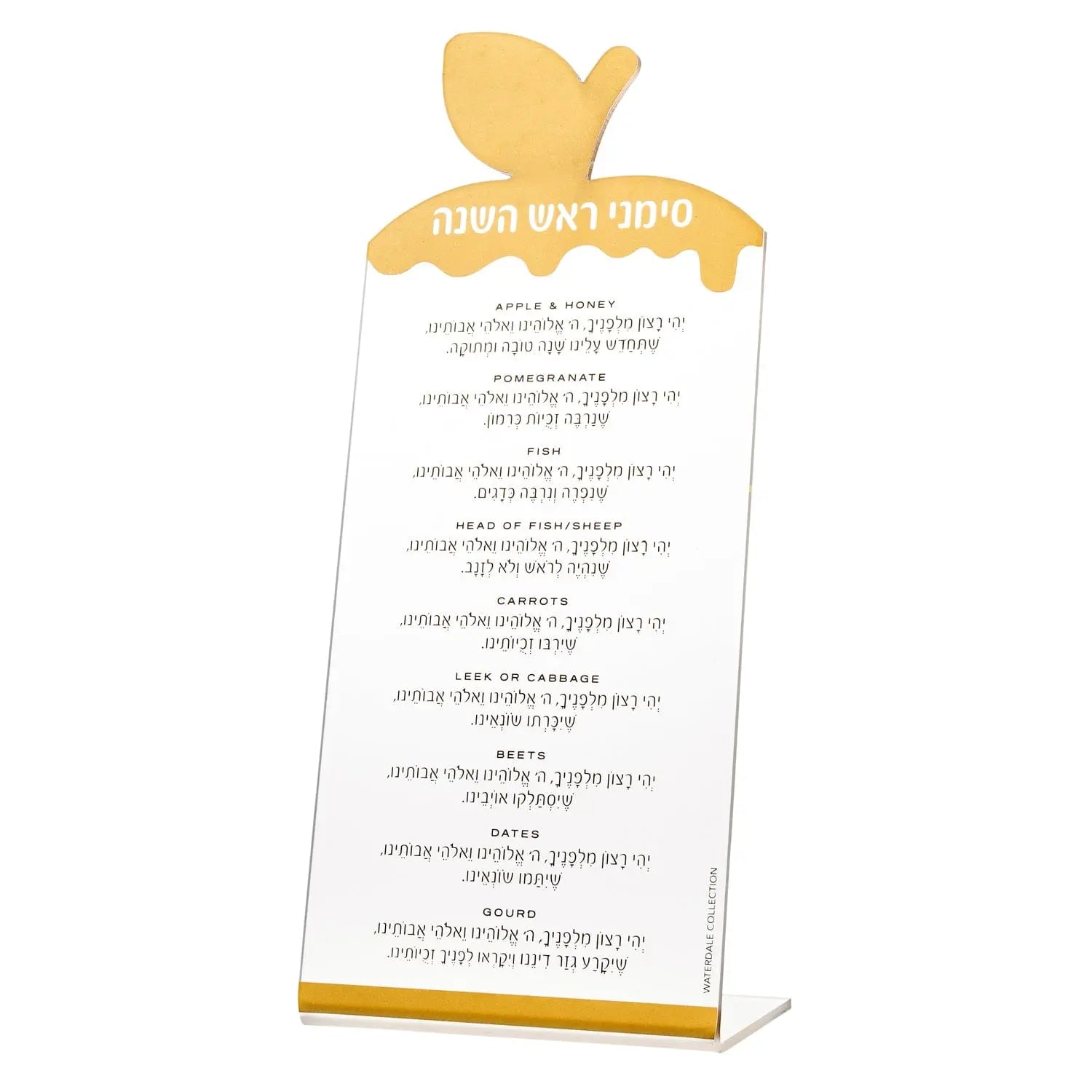
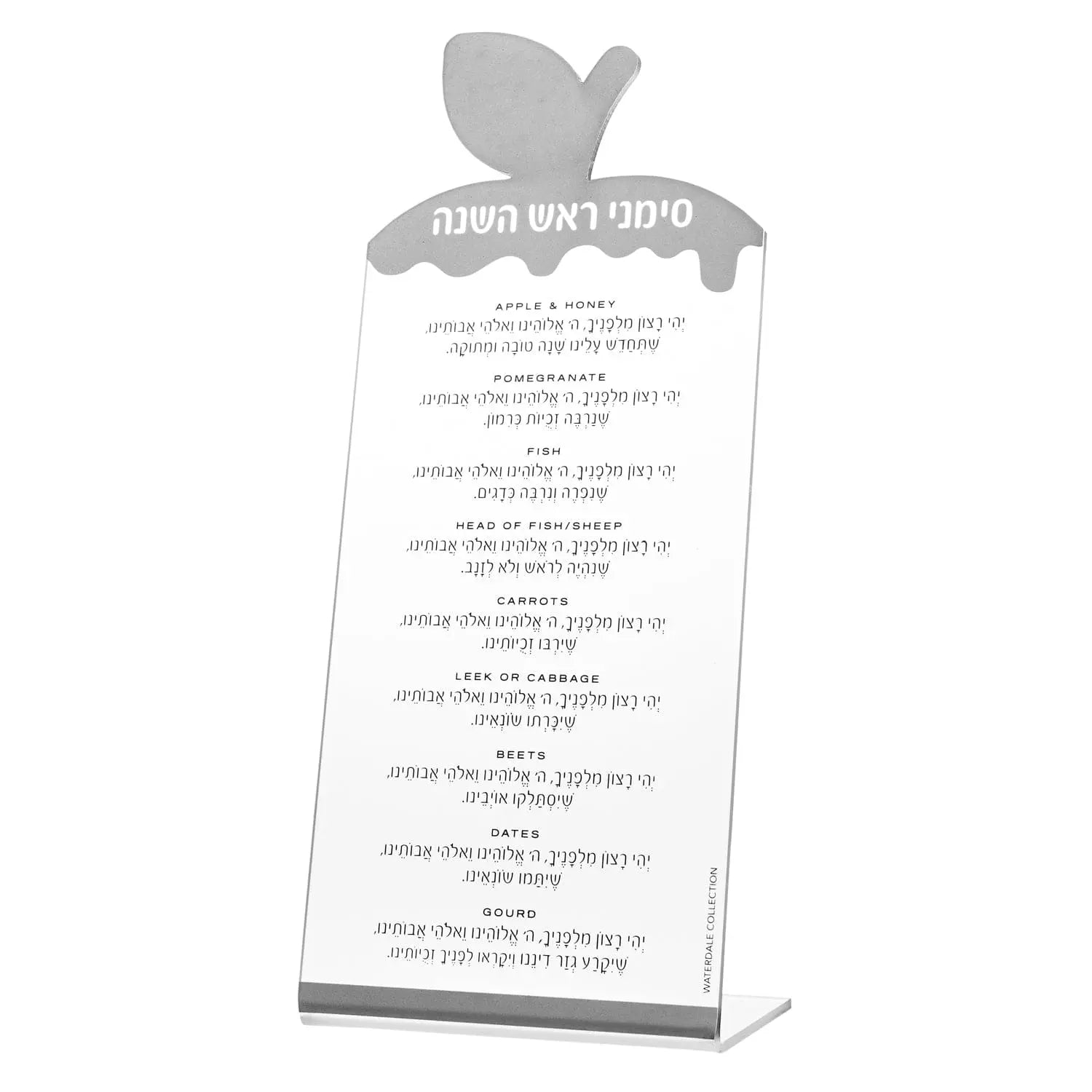
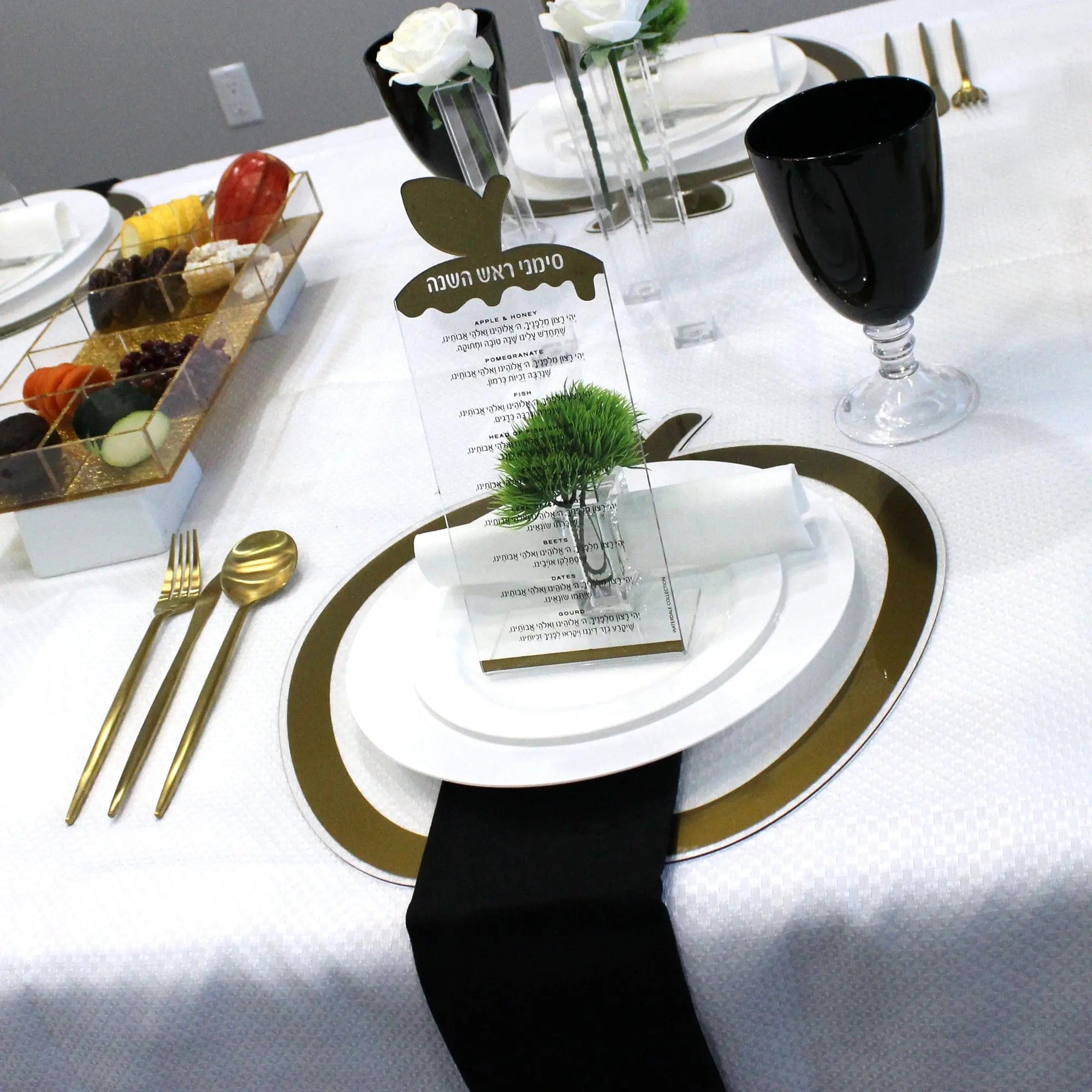
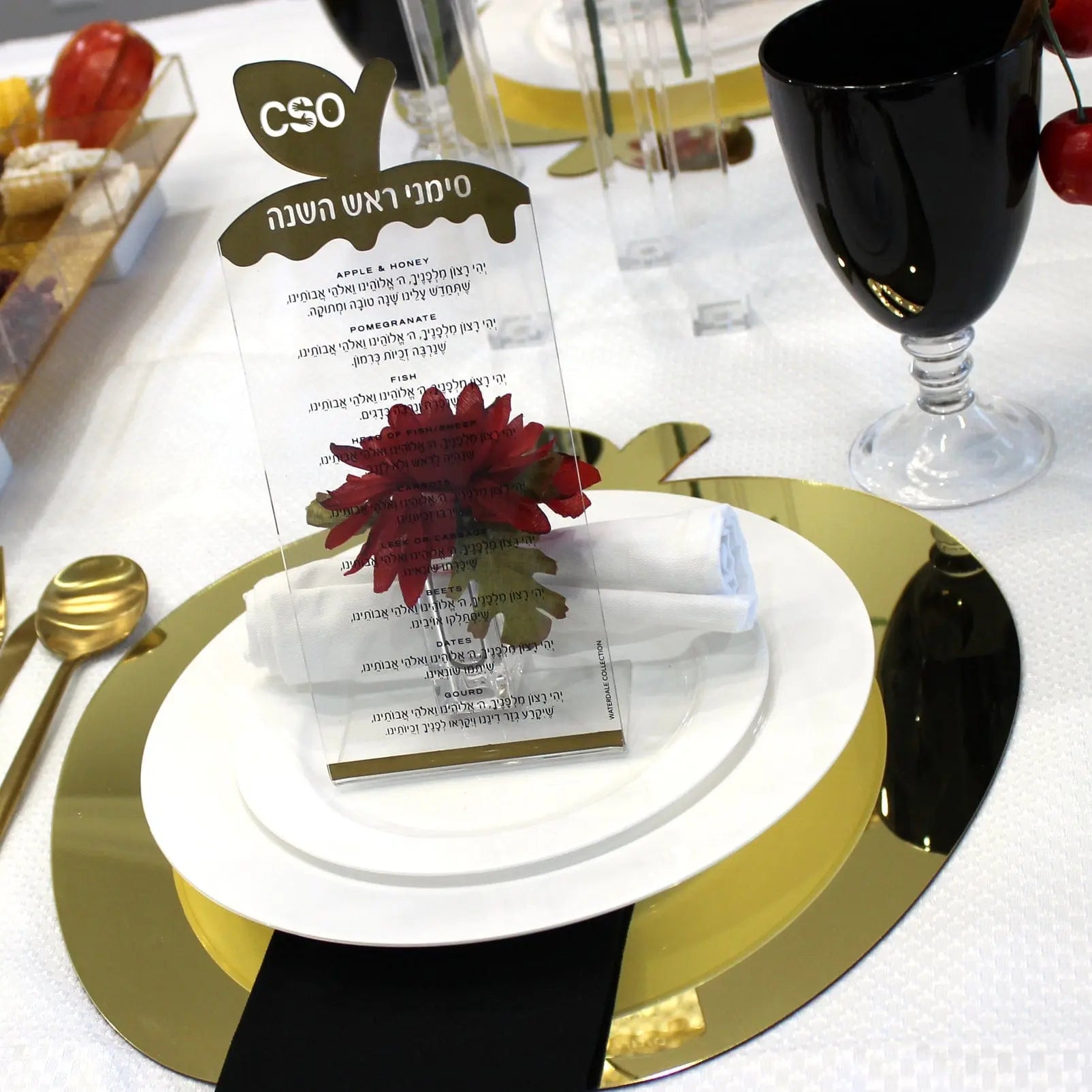
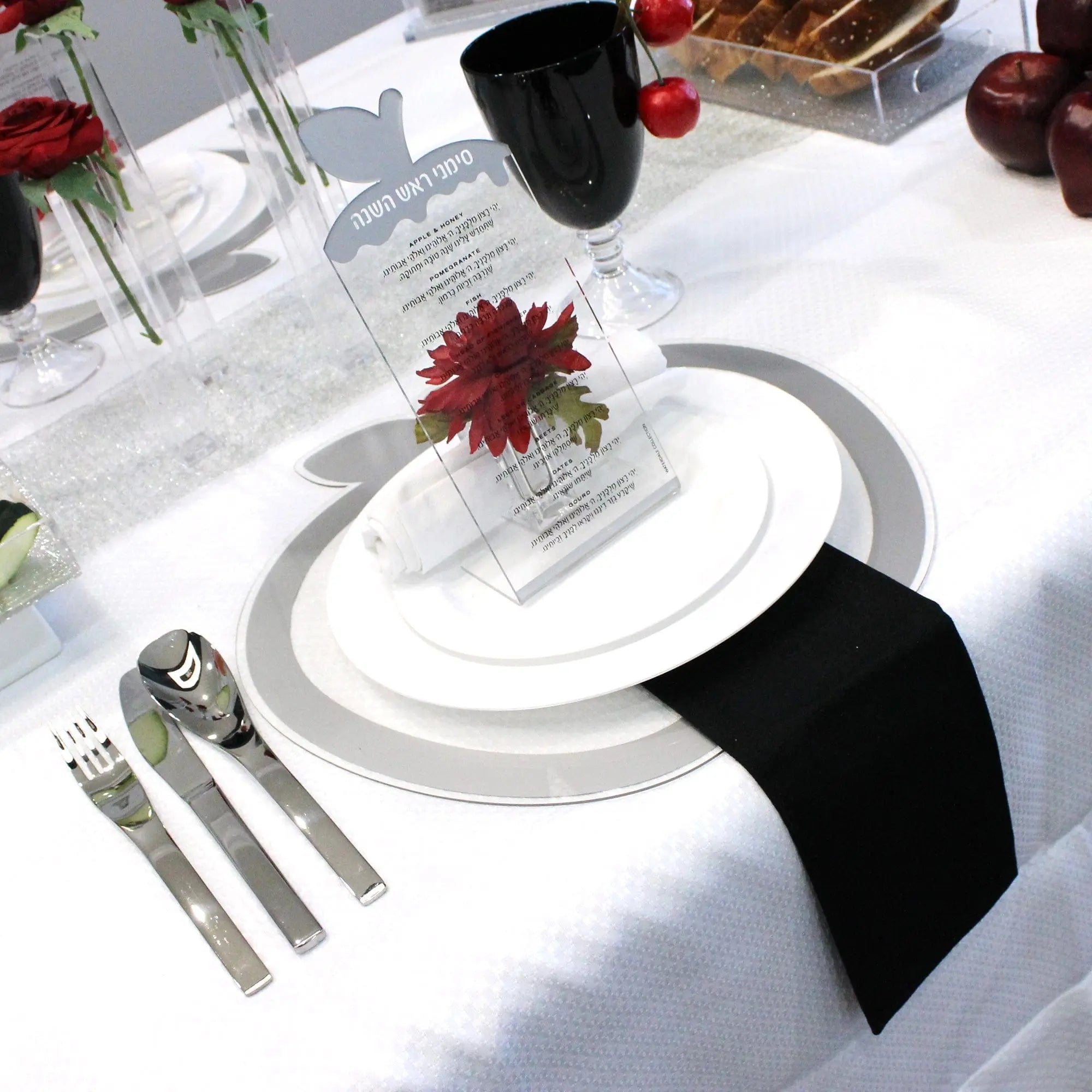
Apple Tabletop Simanim
Sale price
$40.00
Regular price
$70.00
Sale