


We're closed for Shabbos. We reopen [[opentime]]. Time until we reopen: [[countdown]]. Thanks for understanding.
Why do we eat pomegranate on Rosh Hashanah — and does it really have 613 seeds?
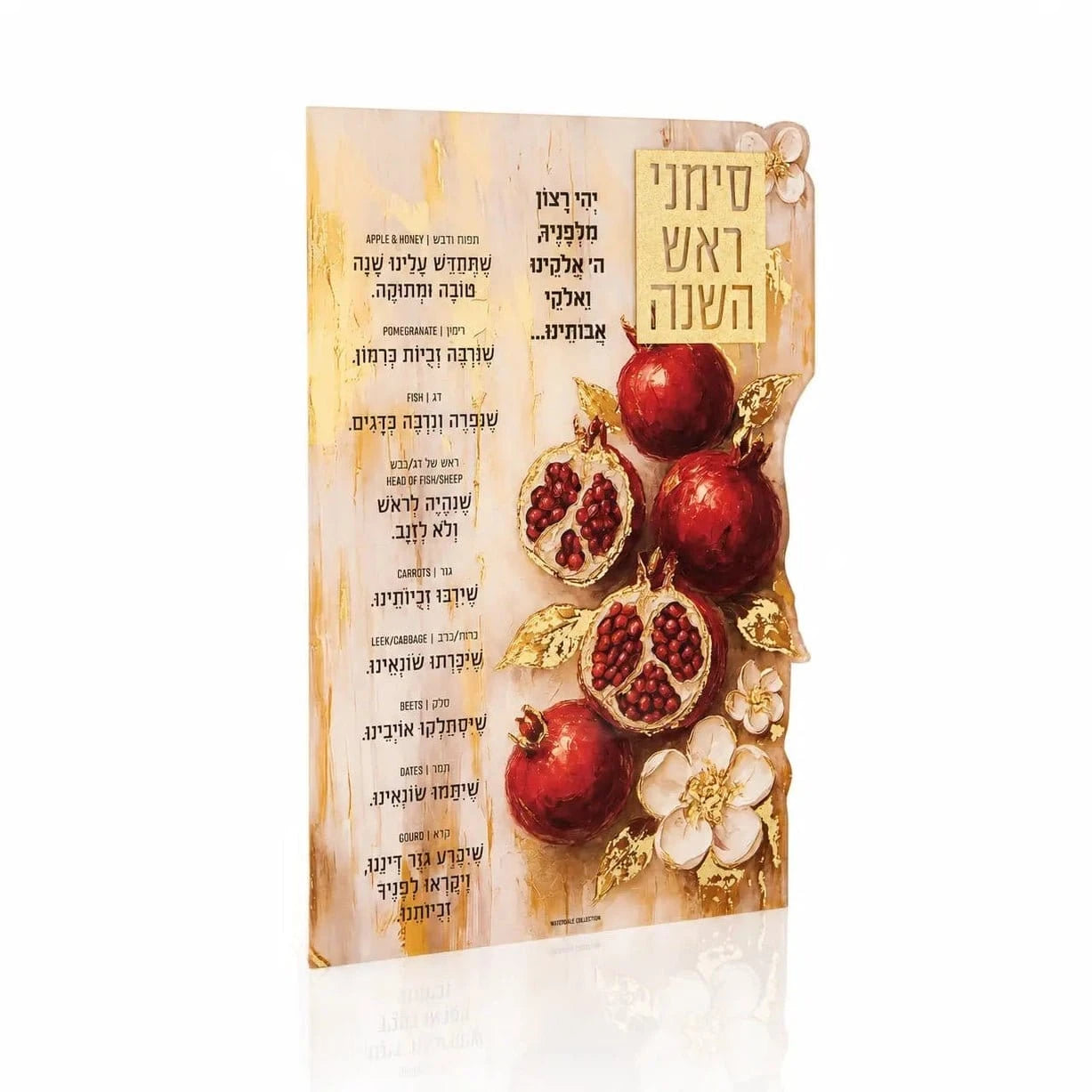
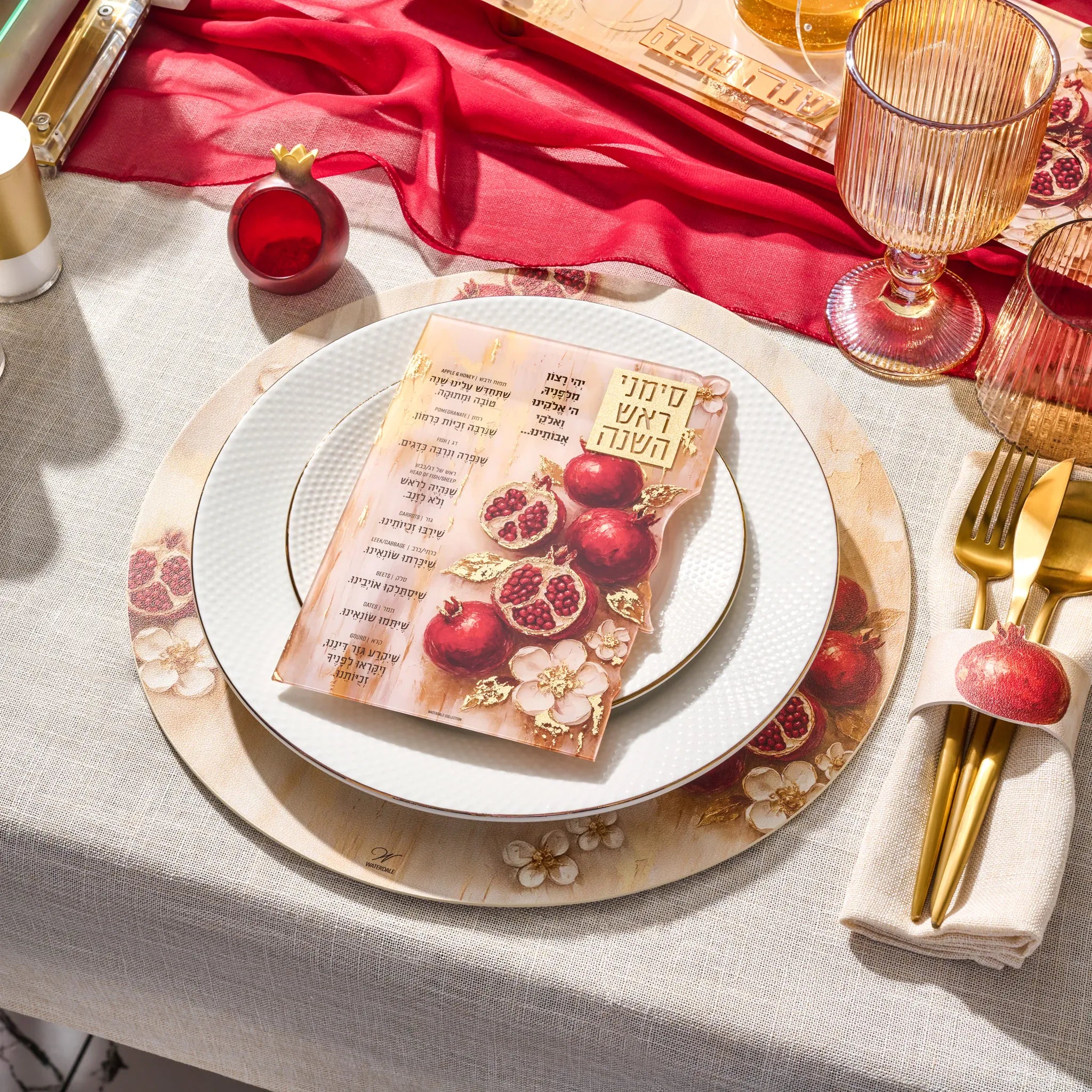
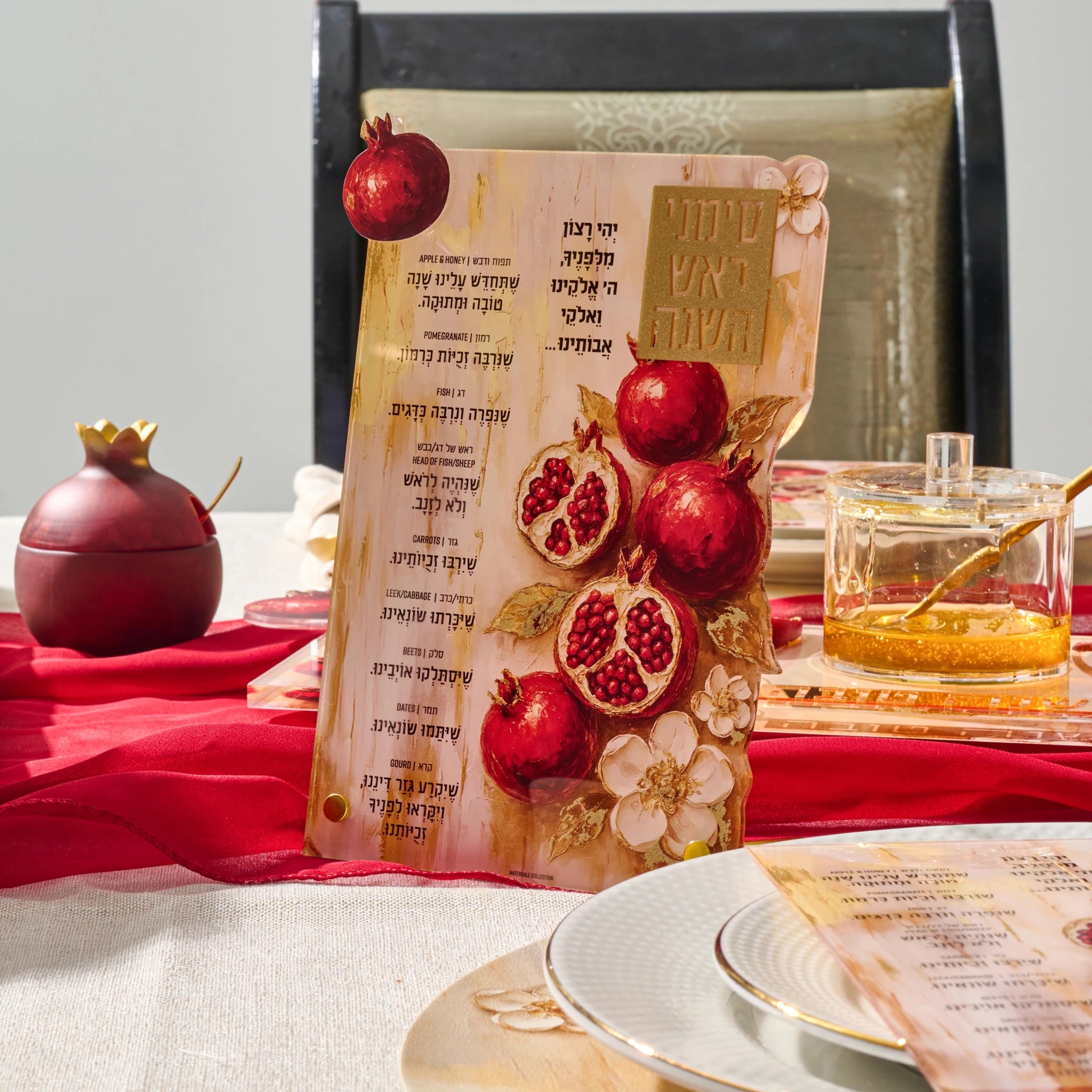
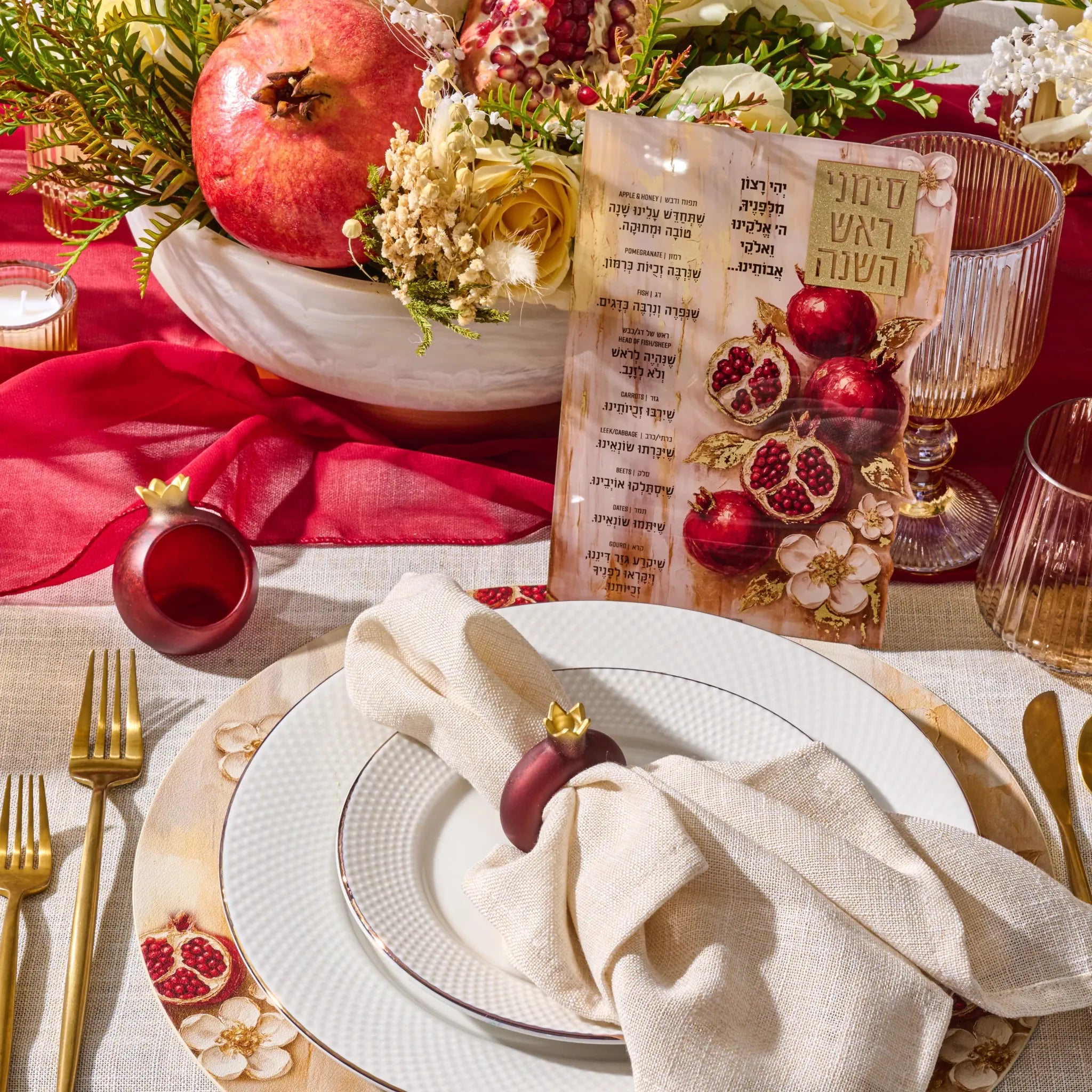
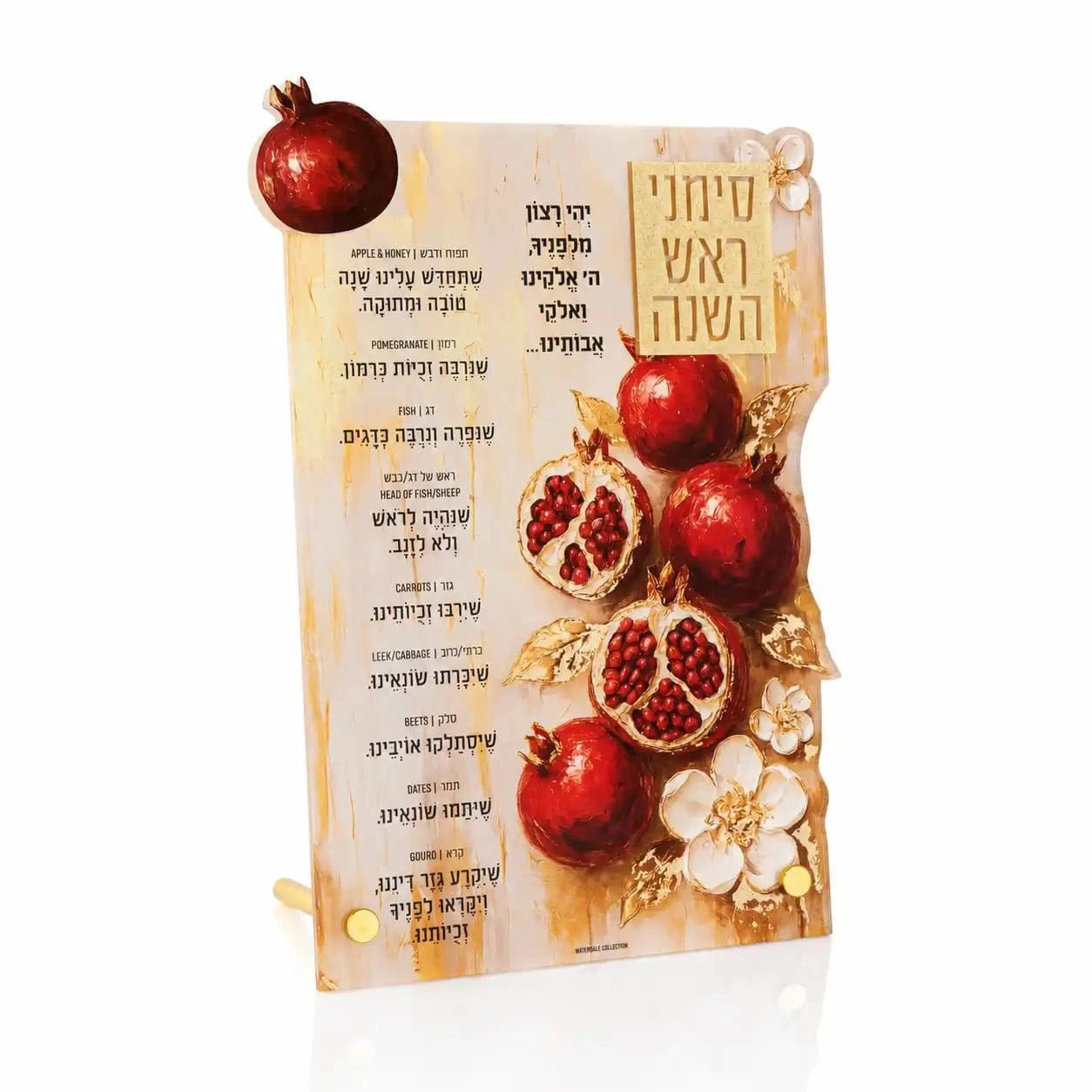
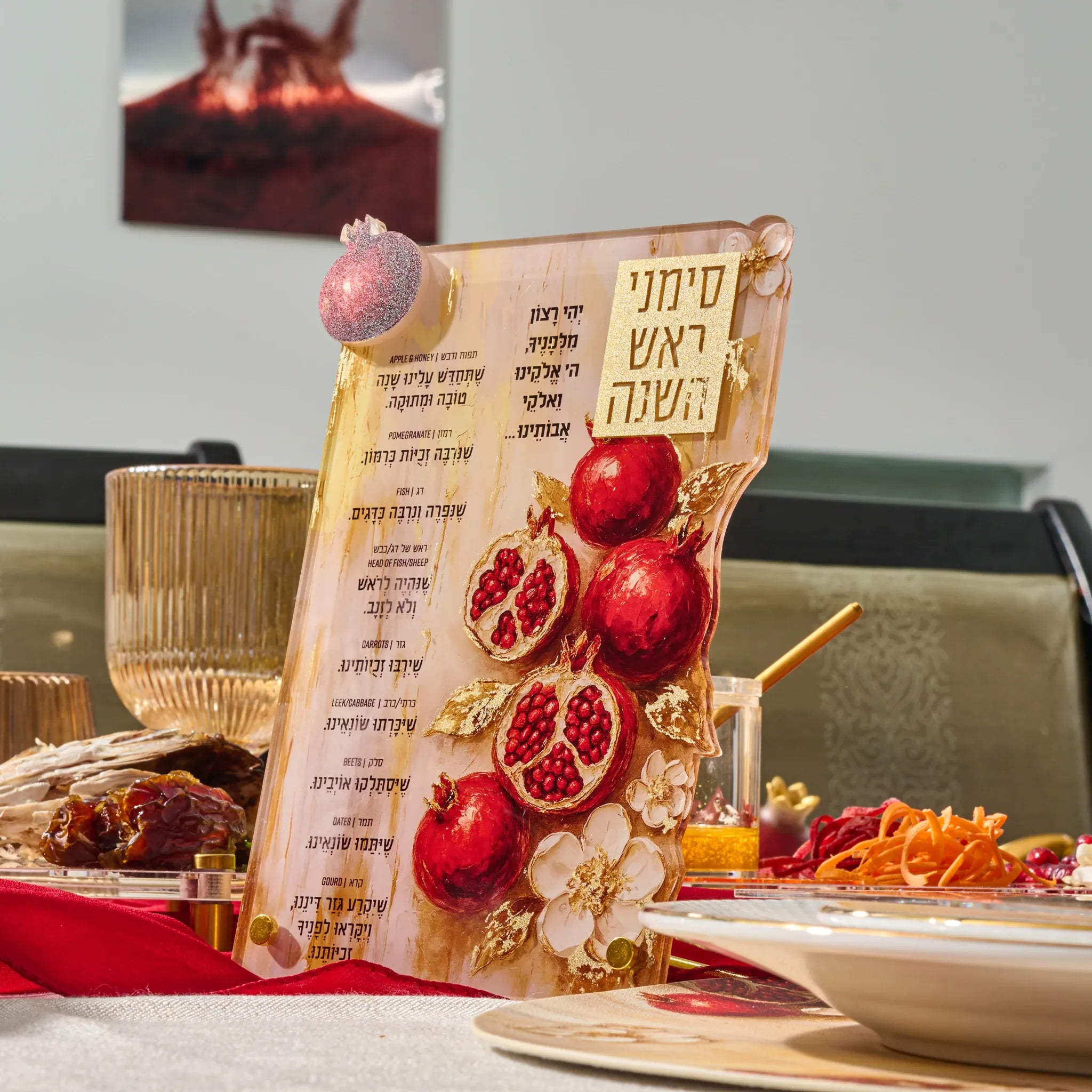
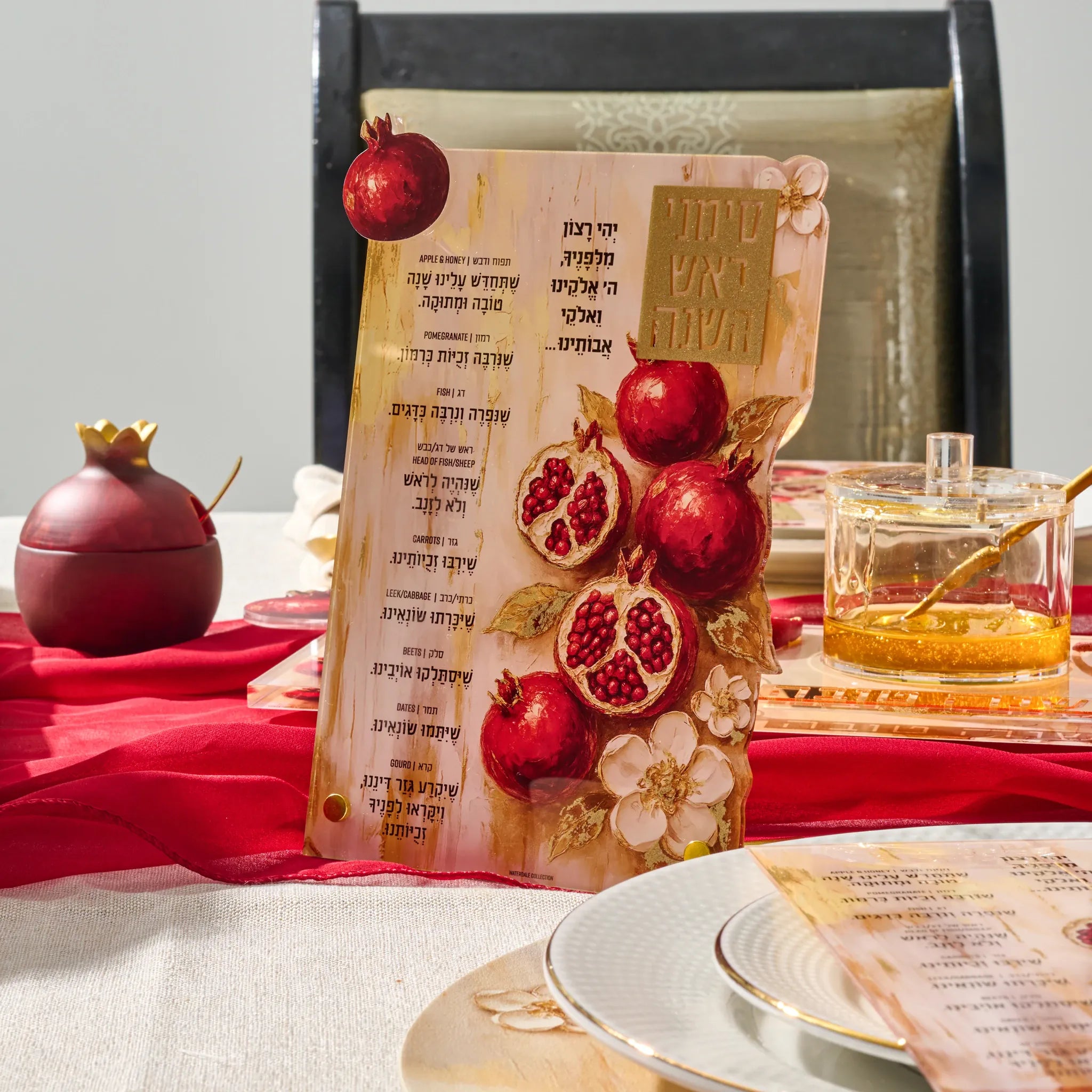
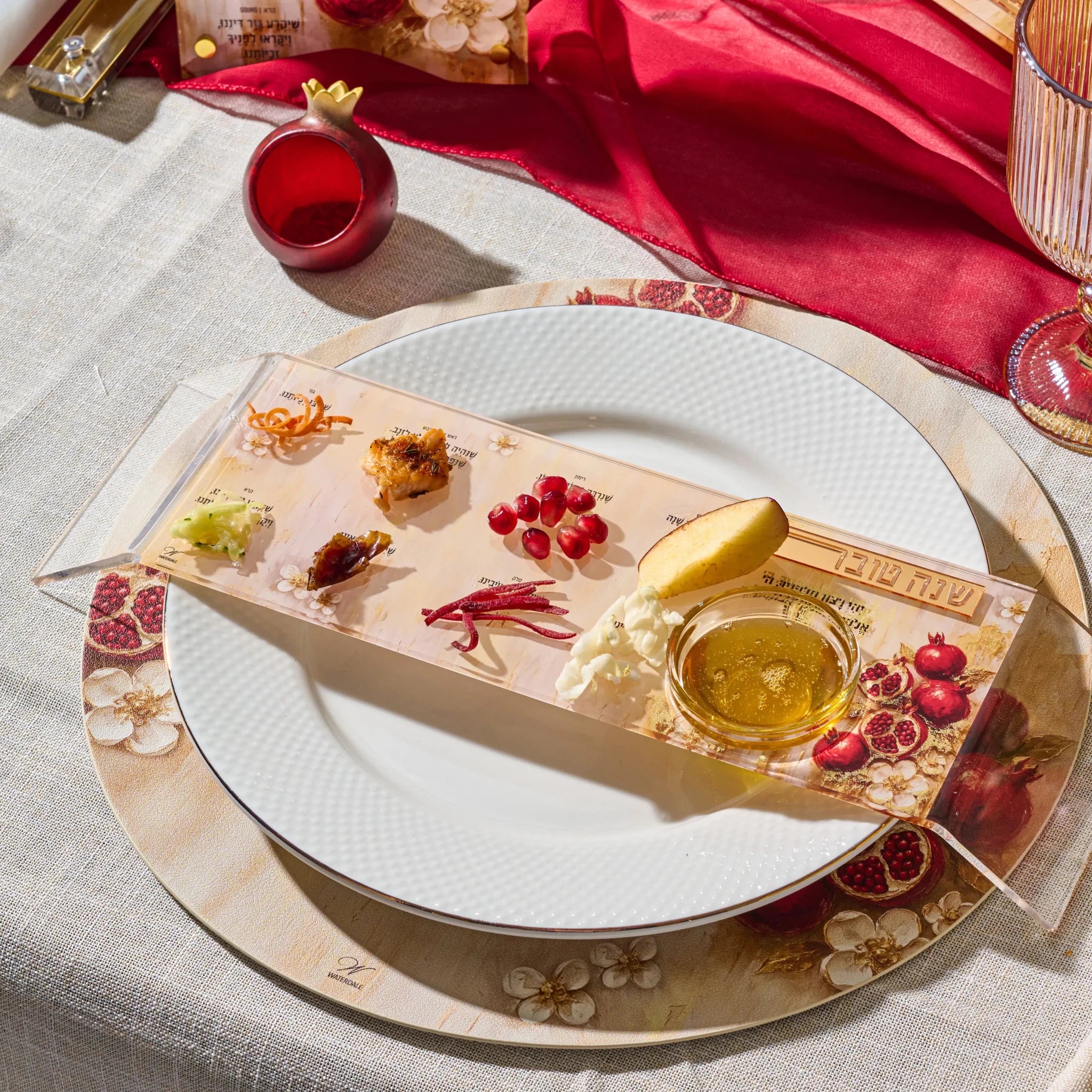
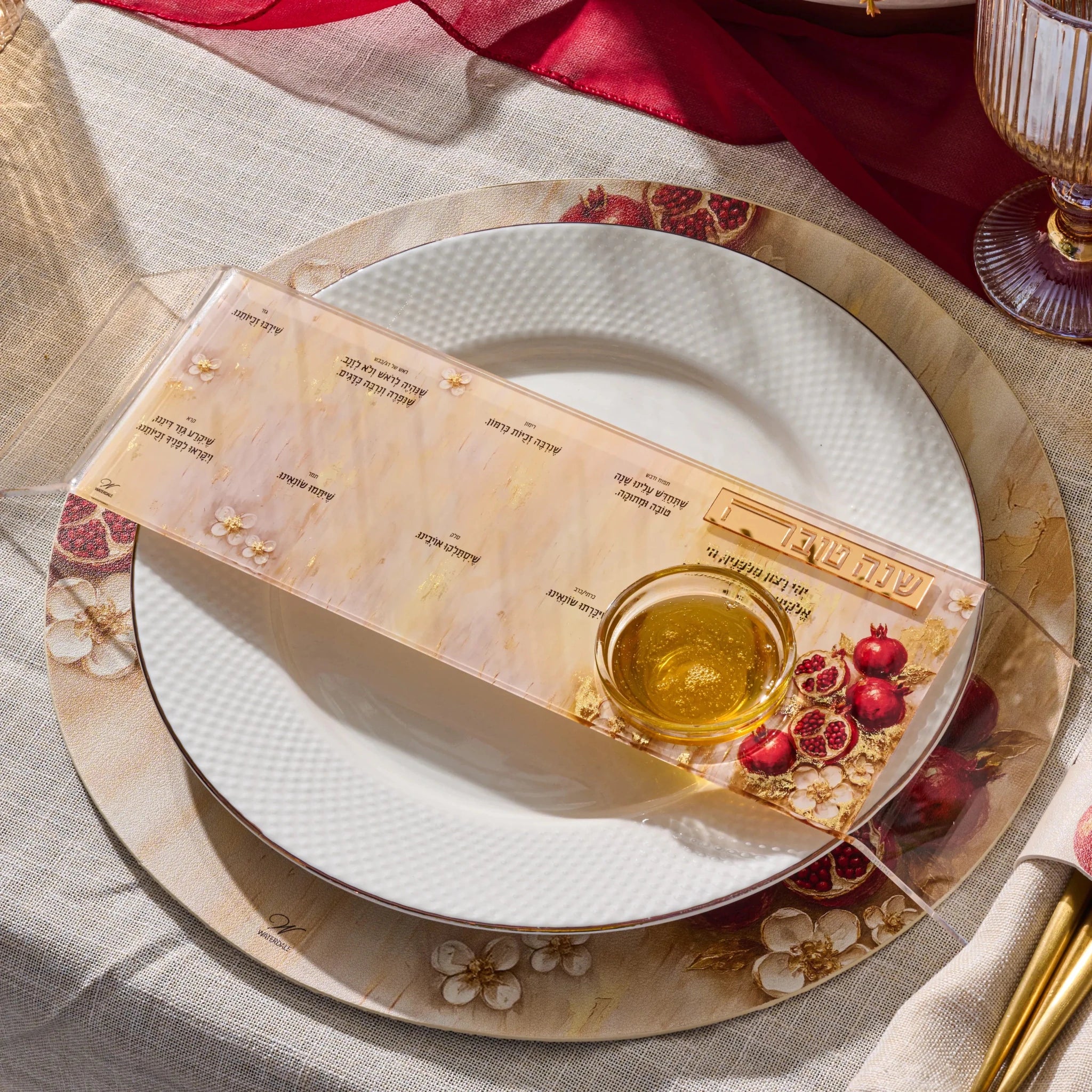
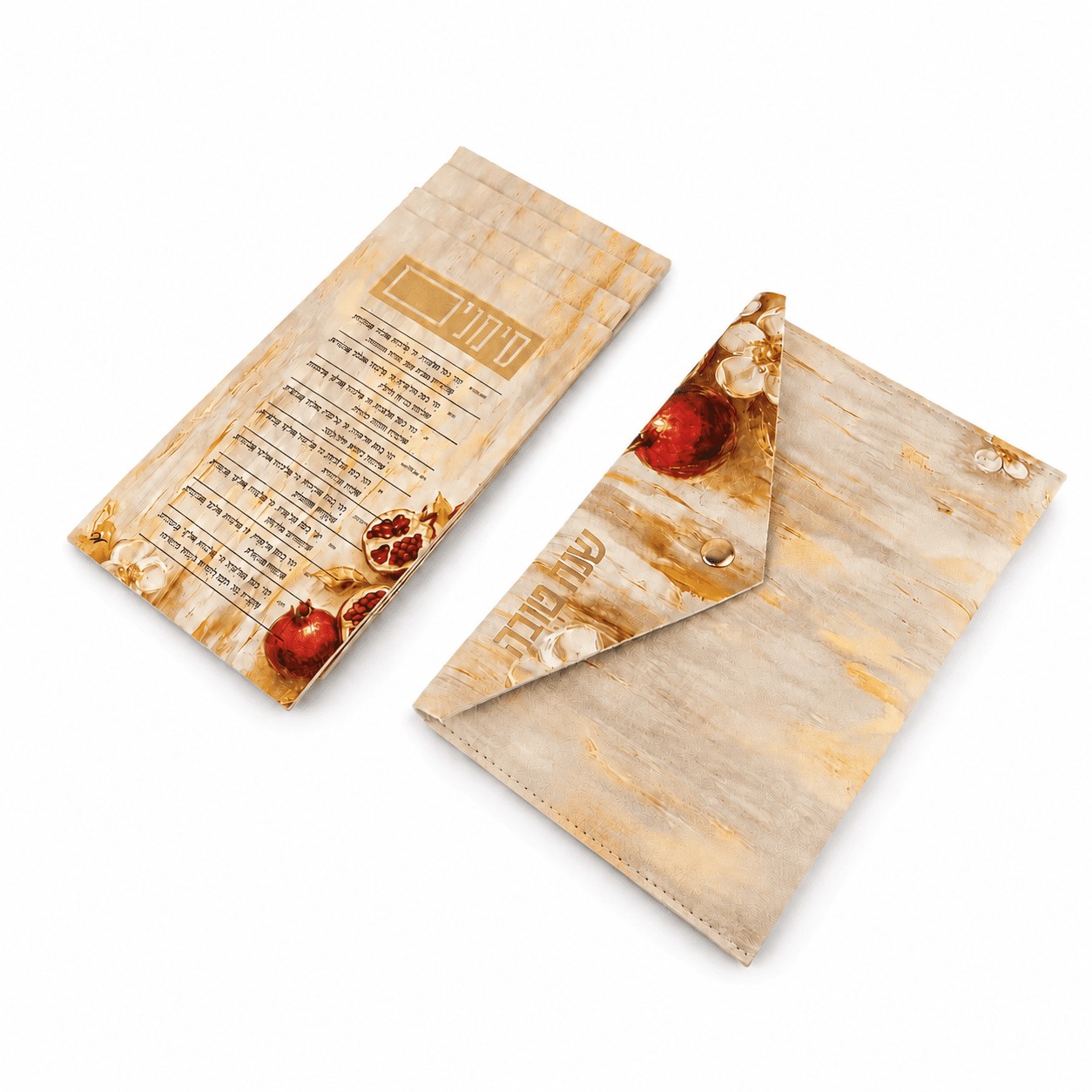
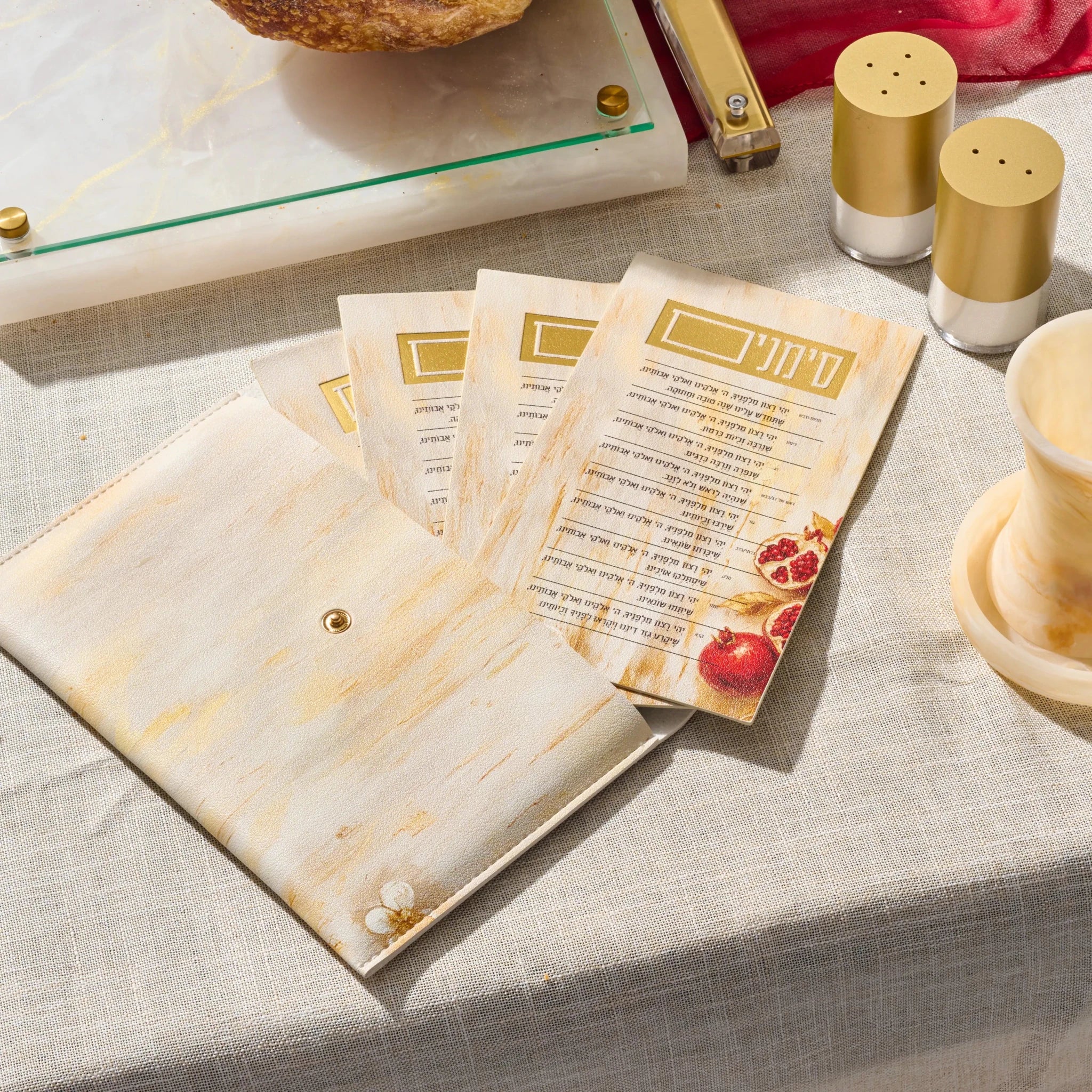
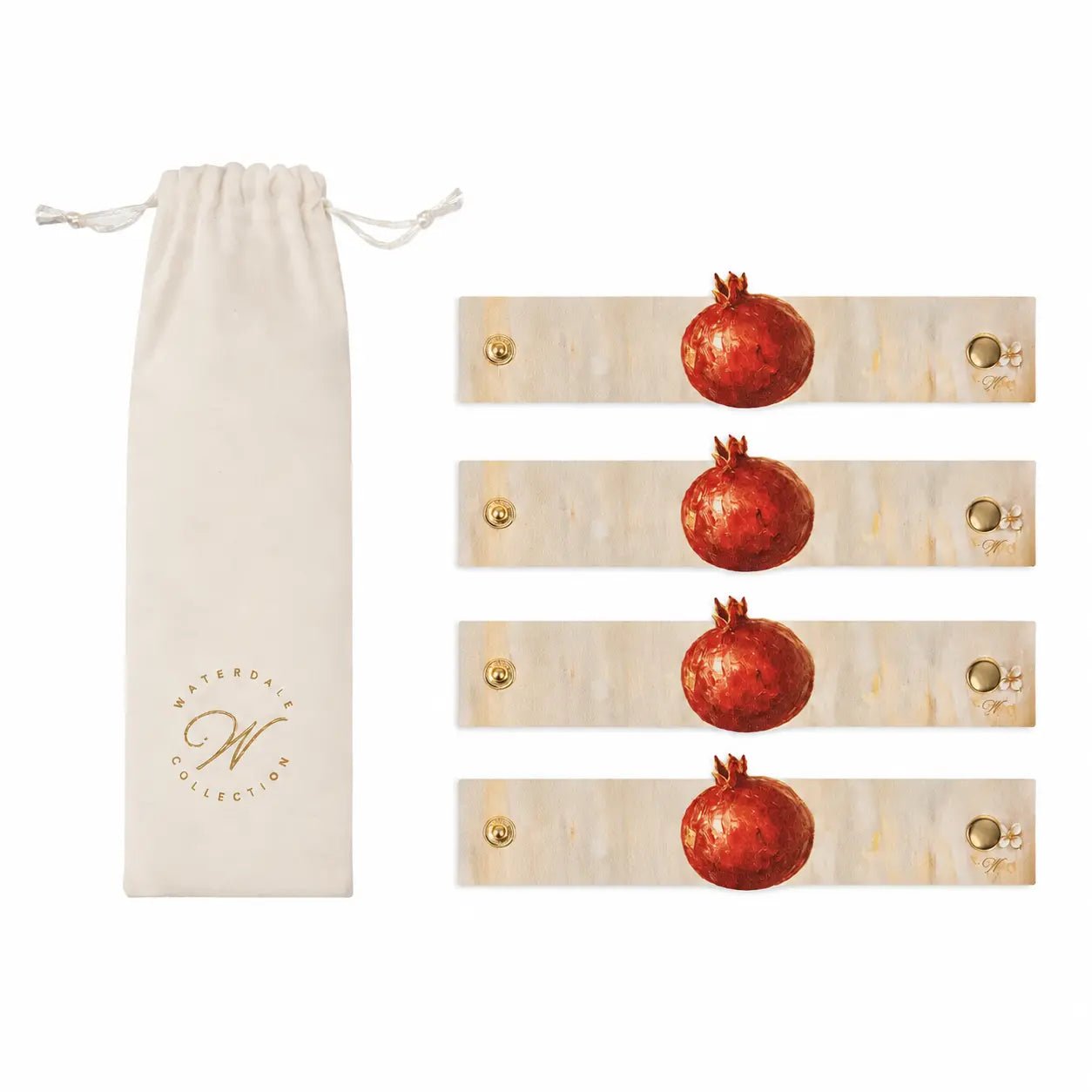
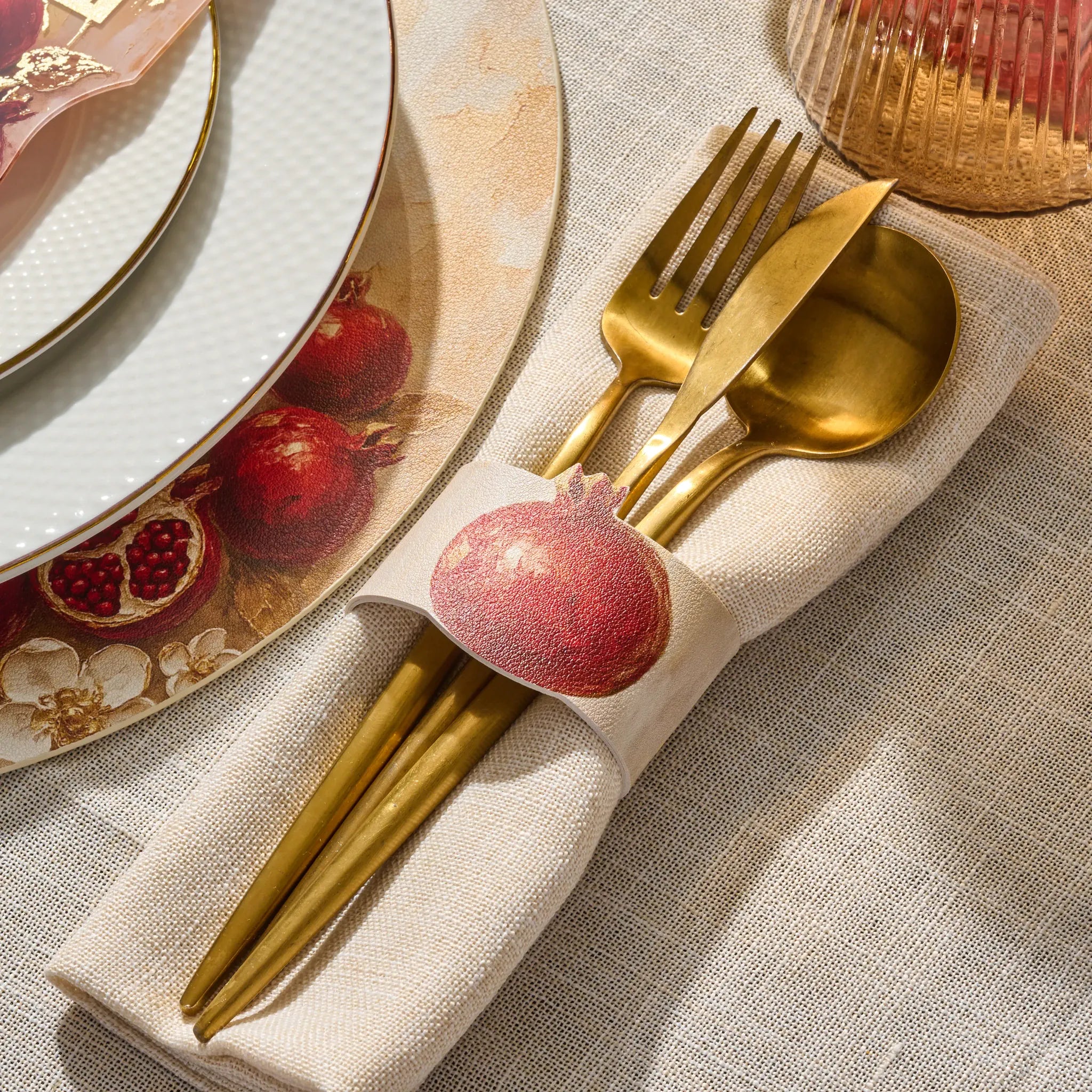
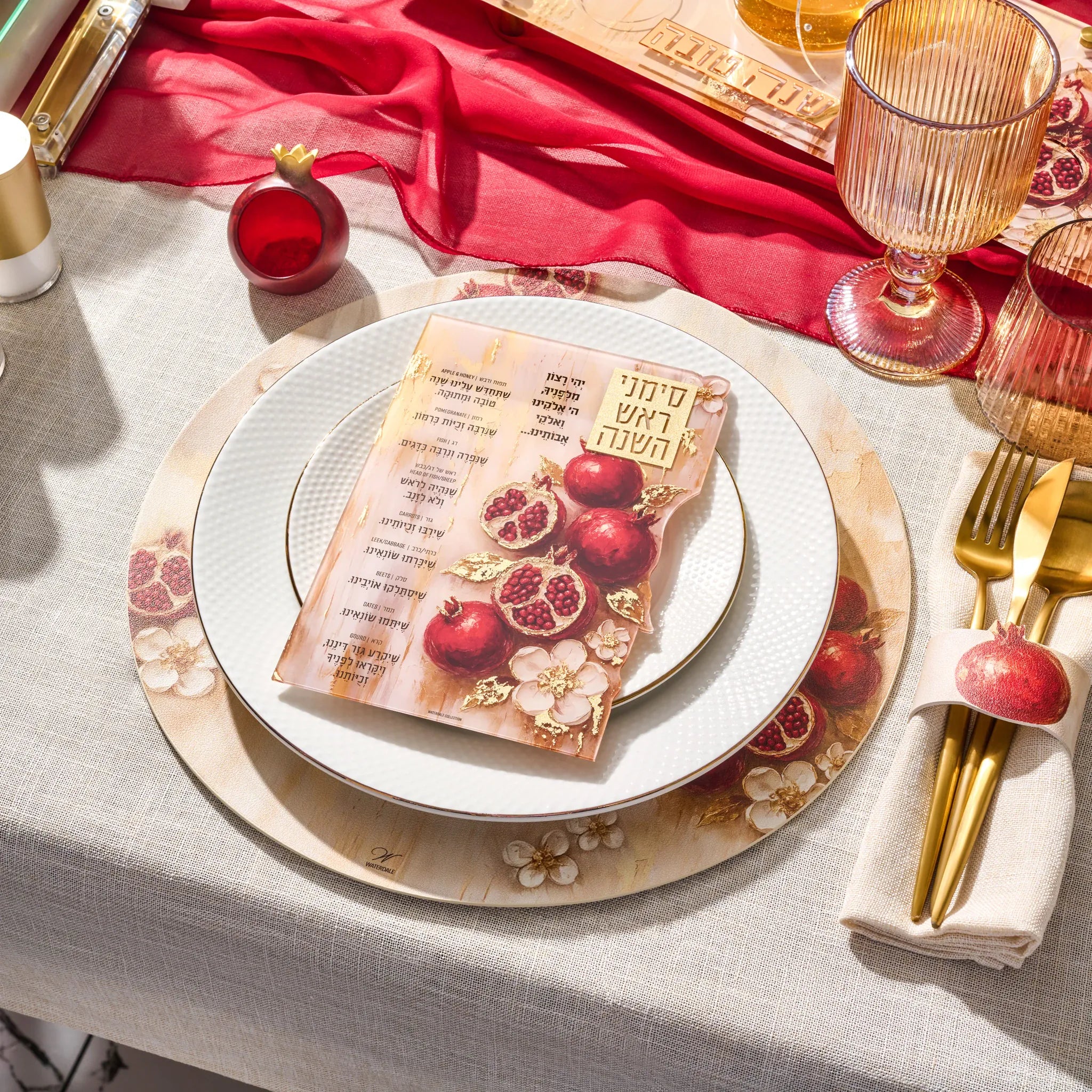
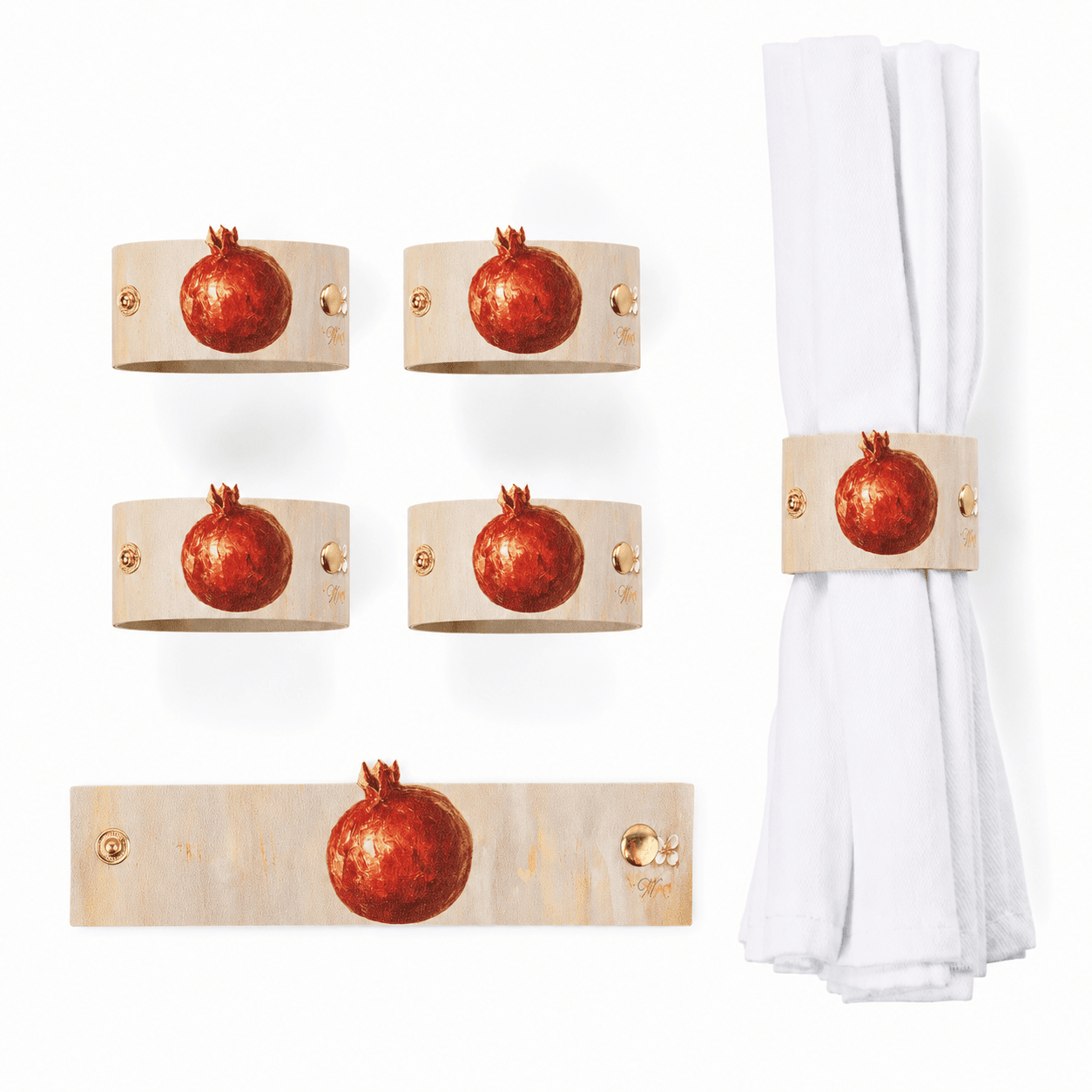
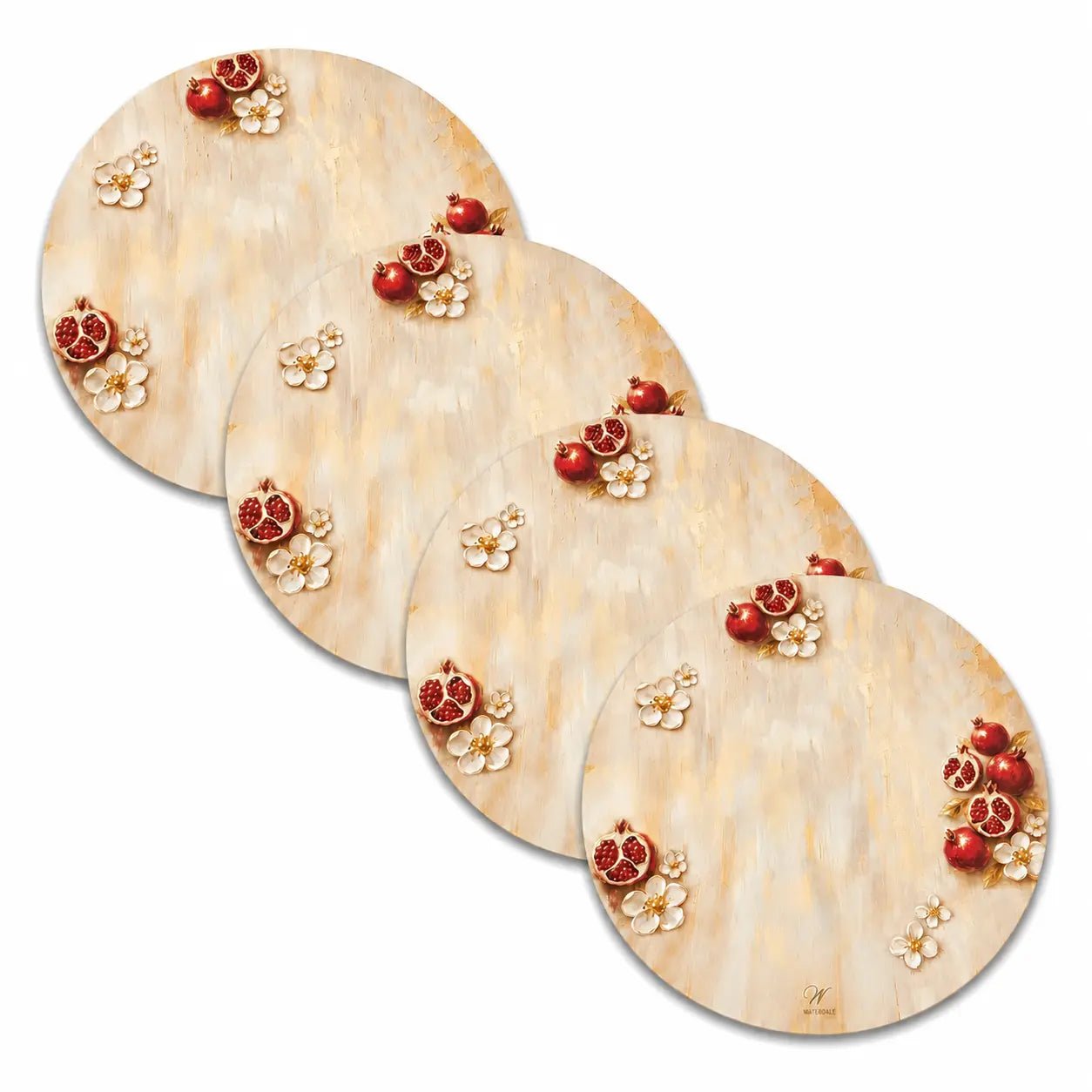
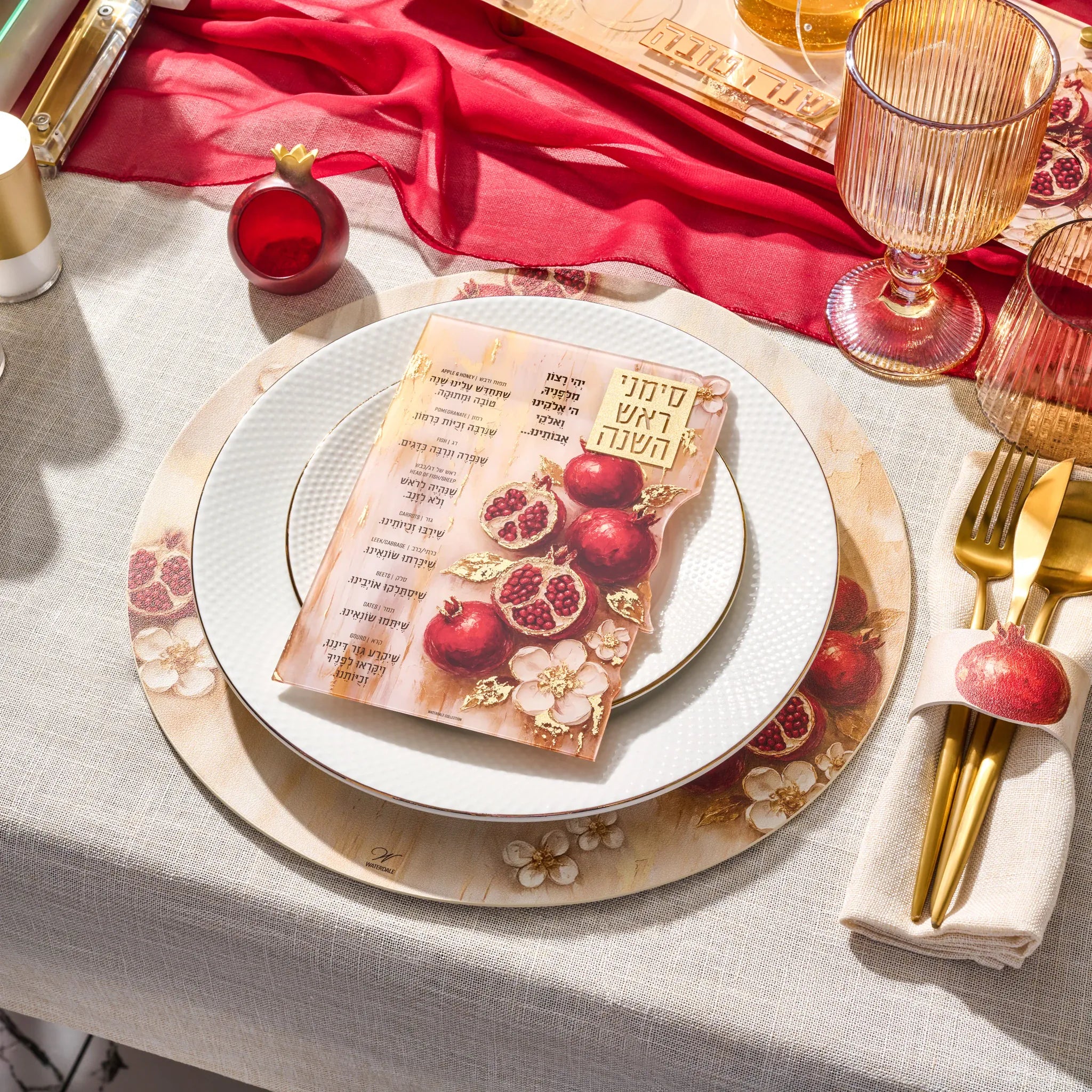
The pomegranate is eaten during the simanim with the prayer that our merits multiply like the seeds of a pomegranate. Tradition famously associates the fruit with 613 seeds, matching the 613 mitzvot — actual counts vary, but the symbolism has endured for centuries. The pomegranate (rimon) is also one of the seven species of the Land of Israel, which is why it has become the single most recognizable motif in Rosh Hashanah tableware and Judaica.
What is the difference between the Classic and Painted Pomegranate collections?
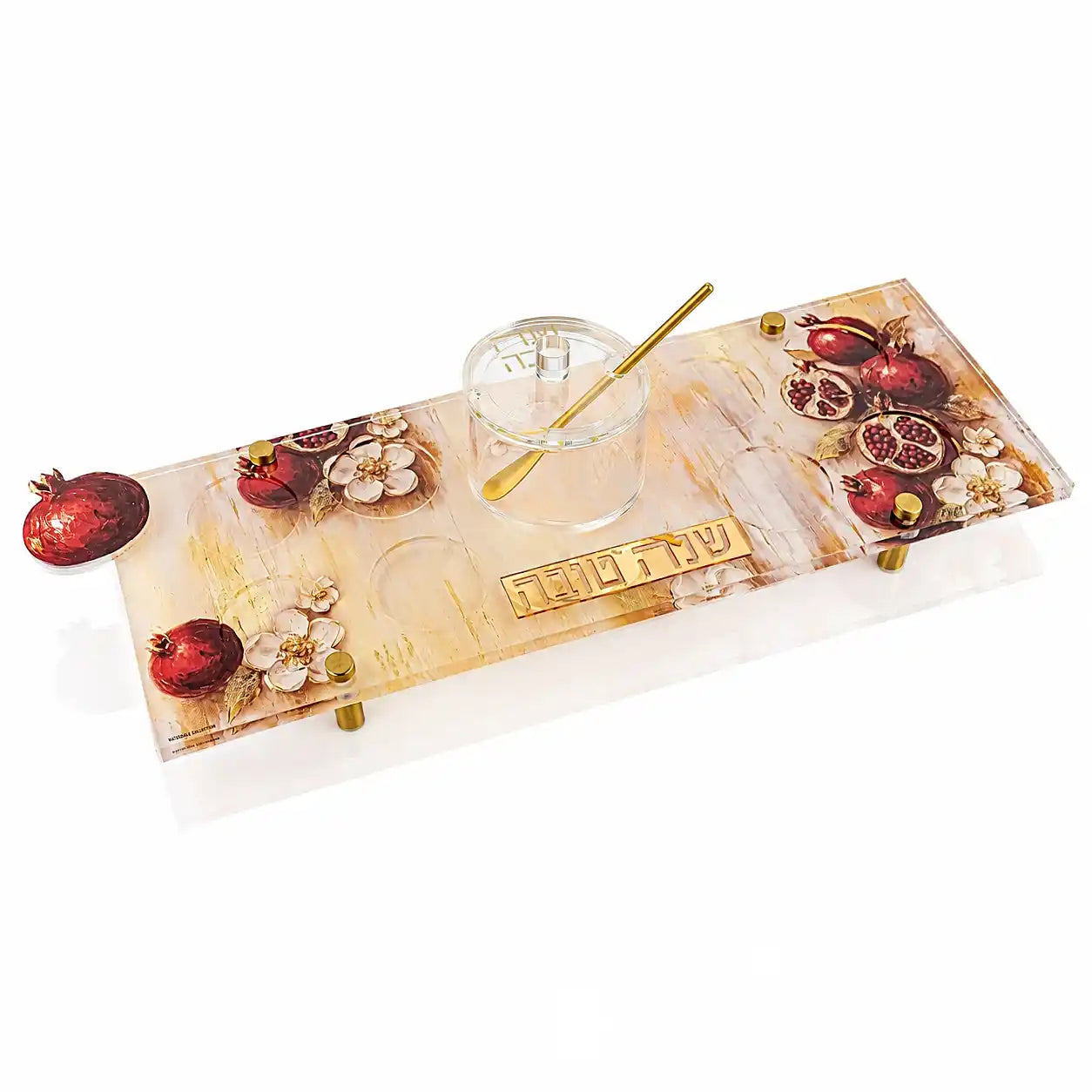
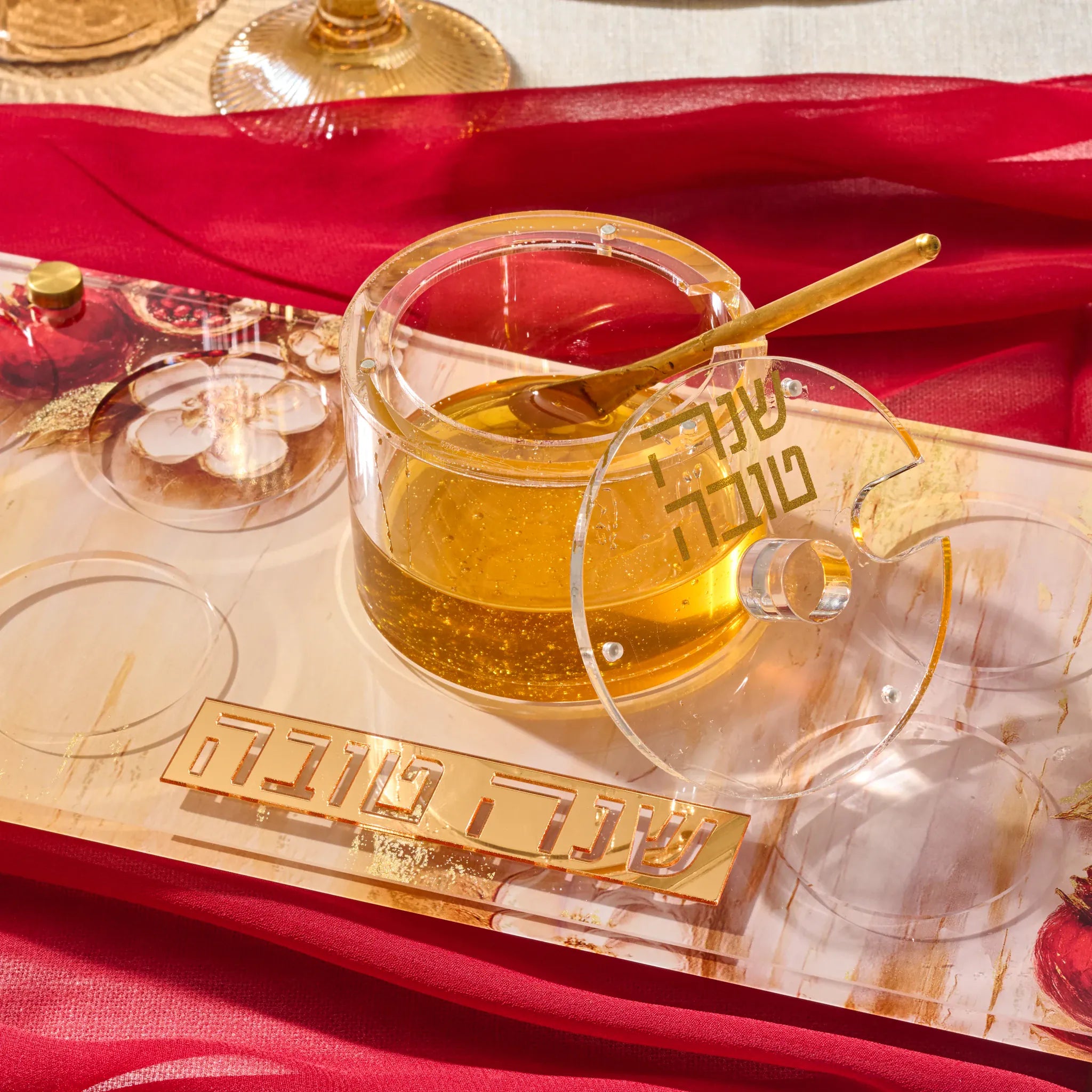
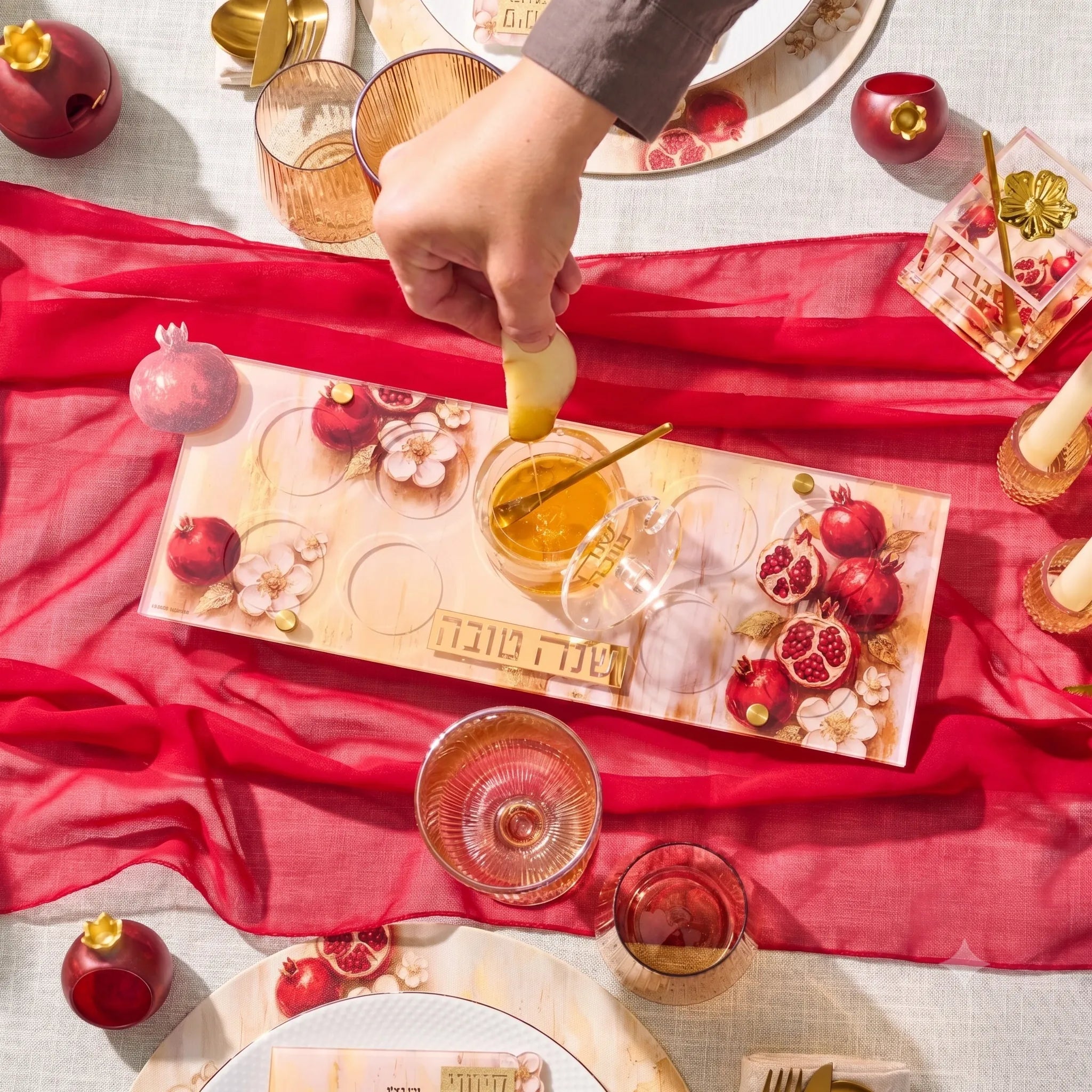
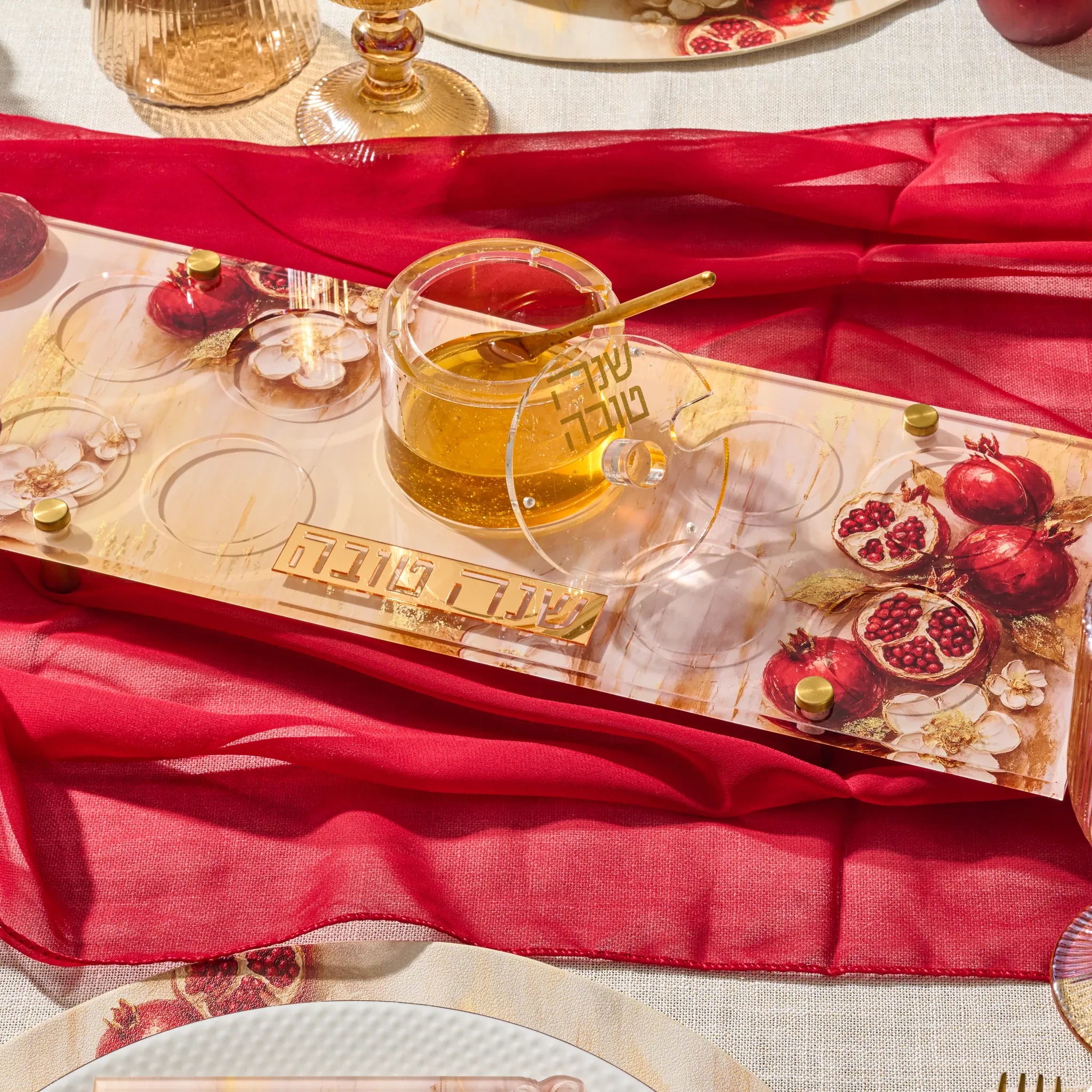
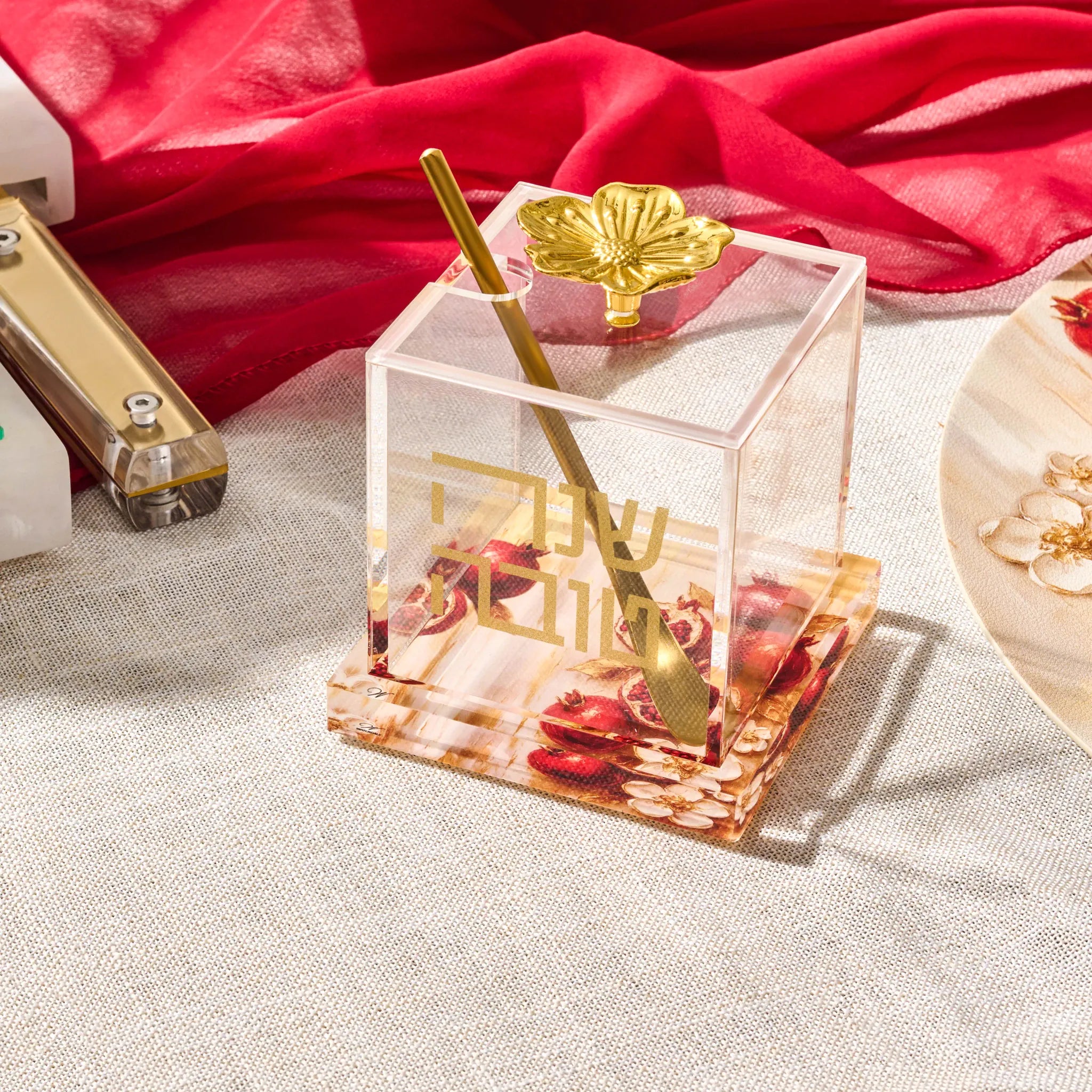
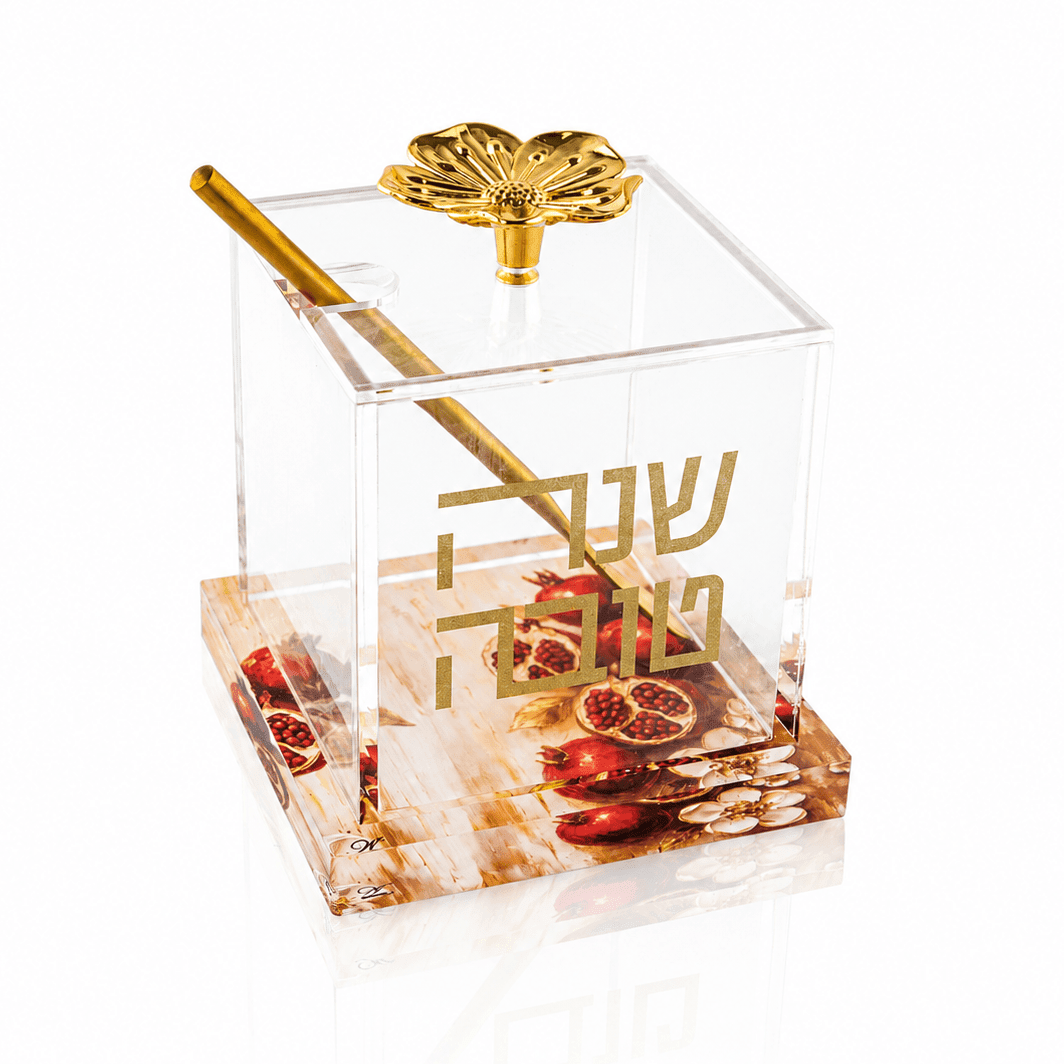
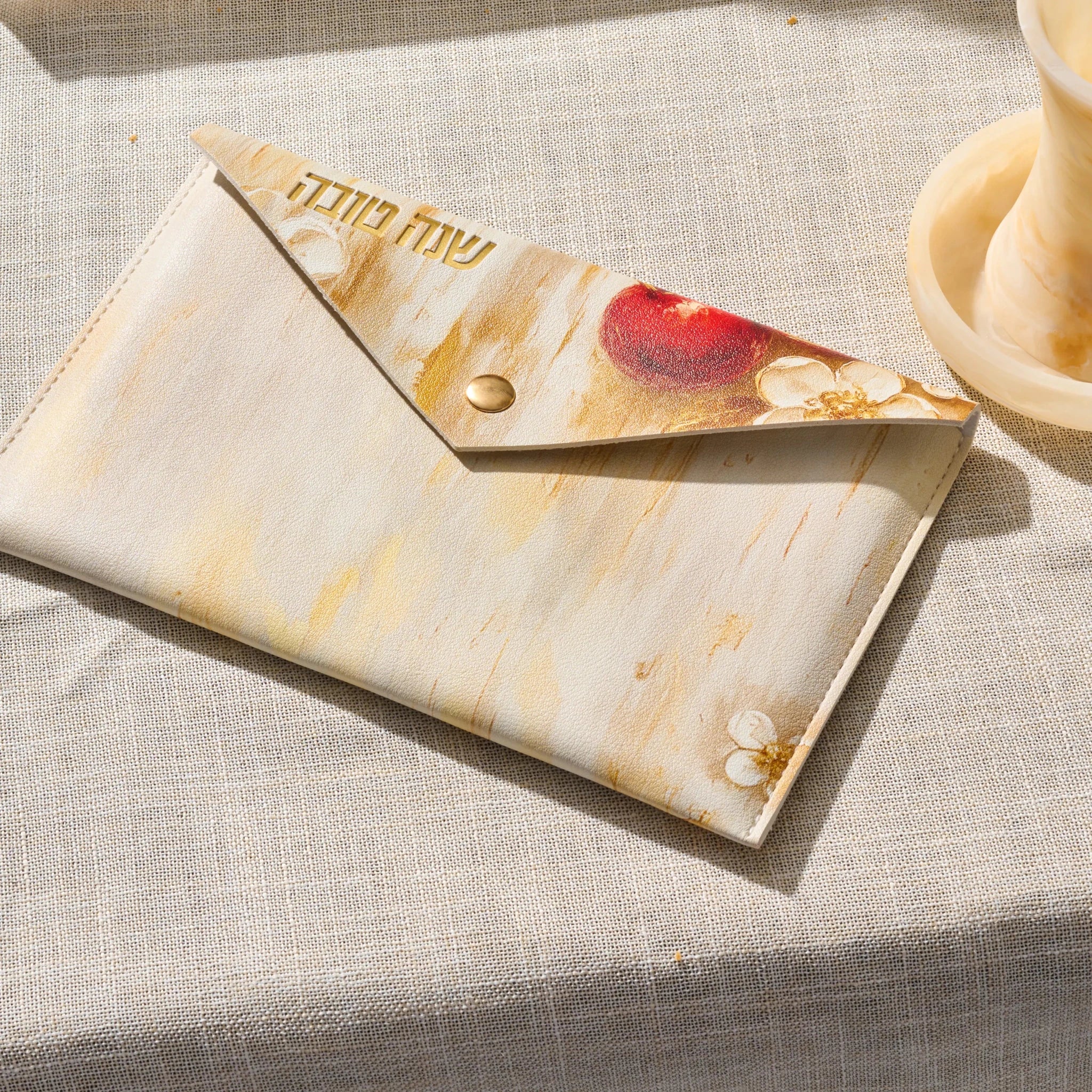
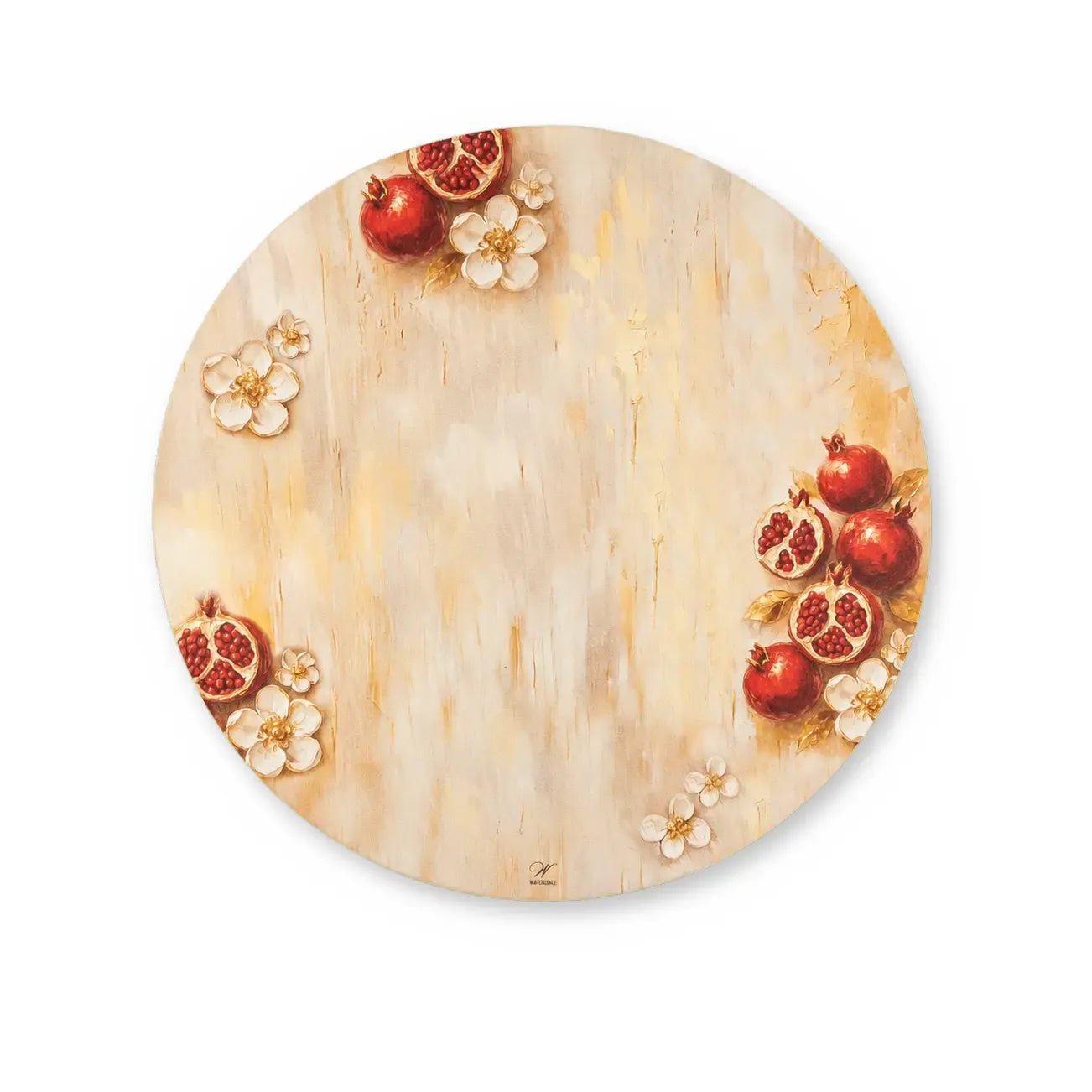
The Classic Pomegranate collection features etched, embossed, and carved pomegranate designs for a timeless, understated table, while the Painted Pomegranate collection uses hand-applied color with visible brushwork for a bolder, more artisanal look. Both build on the same Rosh Hashanah symbolism, and pieces from the two collections mix easily on one table. Choose classic for a formal, neutral tablescape and painted for a table with more warmth and color.
How are the pomegranate designs hand-painted?
Each piece is painted in layers by hand — a base coat, then the pomegranate's color and shading built up brushstroke by brushstroke — before the design is sealed or fired to set it. Hand application gives the fruit dimension and texture no printed transfer can match. Small variations between pieces are the signature of the process, not a flaw.
Is painted pomegranate tableware dishwasher safe?
No — hand-painted pieces should be hand-washed, since dishwasher heat and detergent fade and chip painted designs over repeated cycles. A soft, damp cloth handles most cleanup between uses. Check each piece's care notes, as sealants vary.
Will each hand-painted pomegranate piece look exactly the same?
No two will be perfectly identical — brushwork, shading, and placement vary subtly from piece to piece because each is painted by hand. That individuality is considered the appeal of hand-painted Judaica rather than a defect. If you need a closely matched set for a large table, it's worth asking customer service before ordering in bulk.
What occasions suit painted pomegranate pieces besides Rosh Hashanah?
Painted pomegranate pieces carry beautifully into Sukkos — the pomegranate is one of the seven species — and work for Shabbos entertaining, engagement and wedding gifts, and housewarmings year-round. Many owners keep them in regular rotation or on open display rather than storing them for eleven months. The motif reads as Jewish art, not just holiday gear.
Is a painted pomegranate piece a good Rosh Hashanah gift?
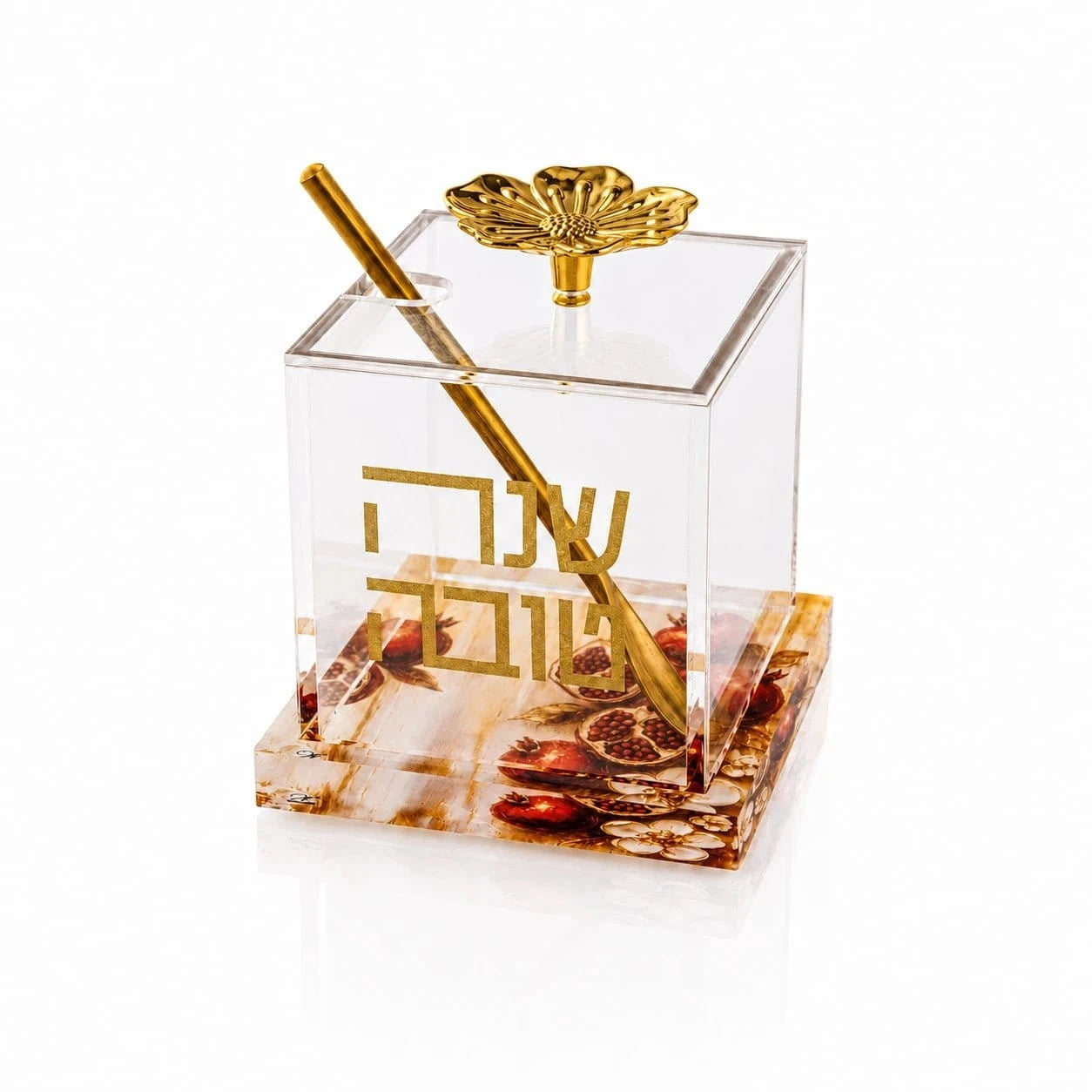
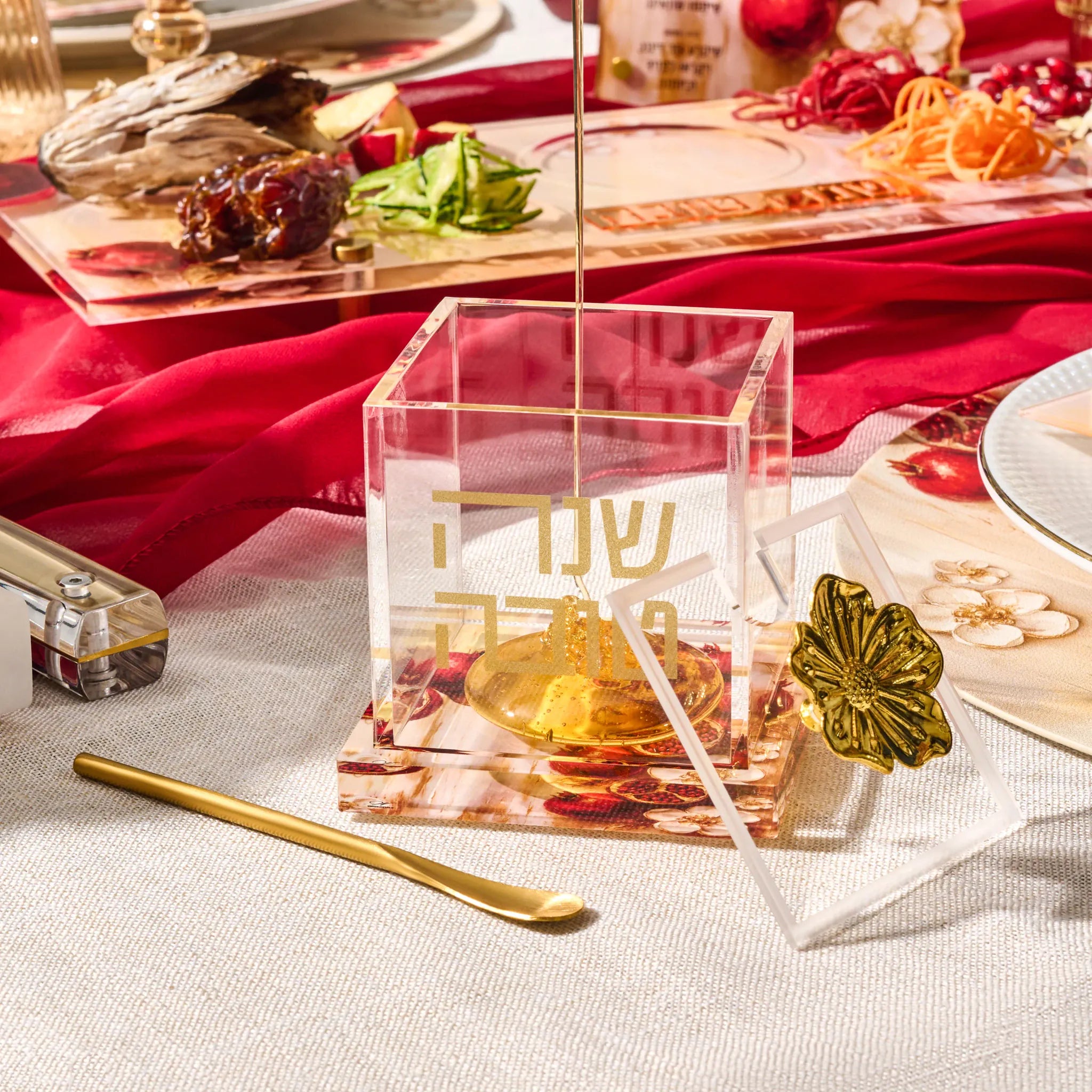
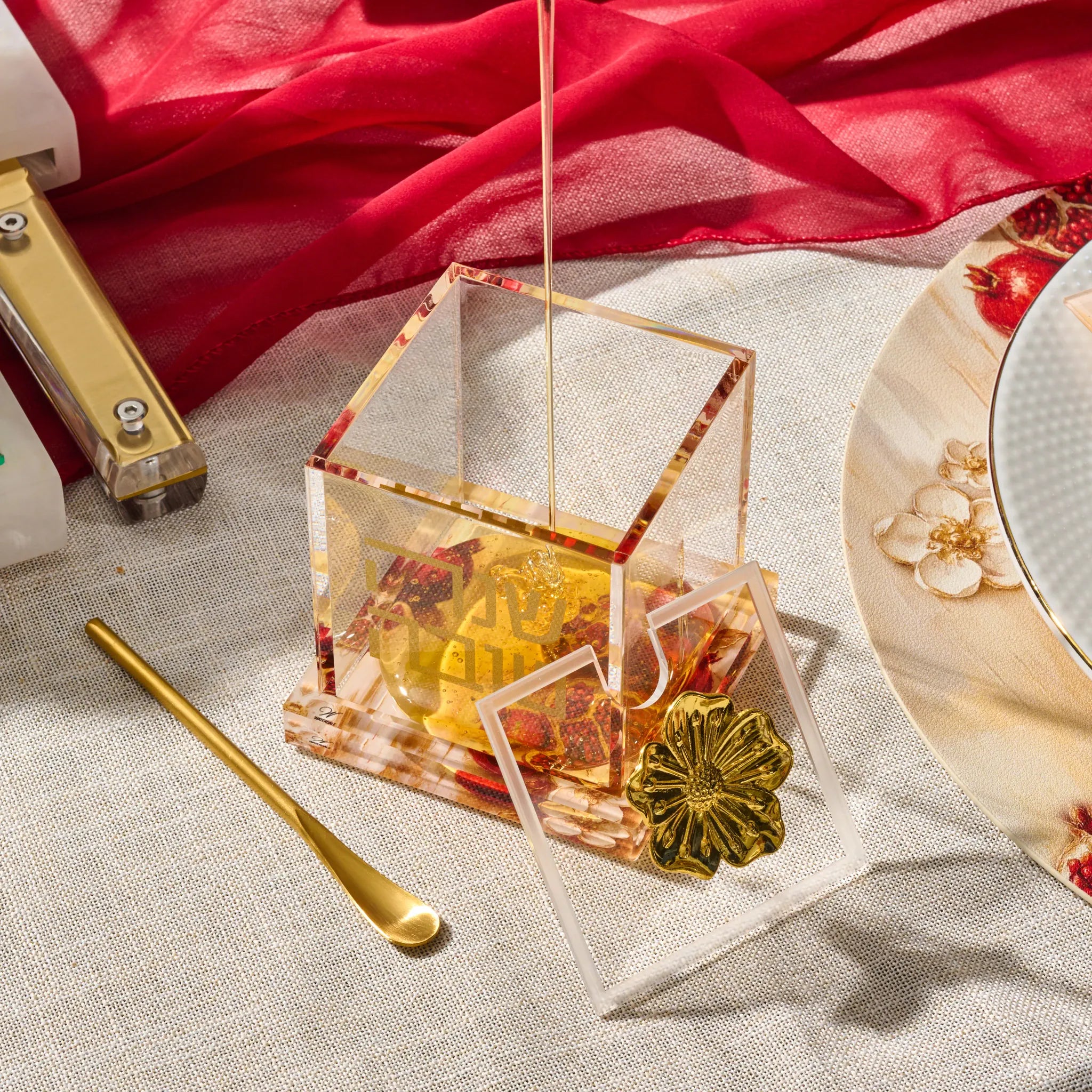
A hand-painted pomegranate piece is among the most-loved Rosh Hashanah gifts: it's meaningful (merits like seeds, seven species), visibly artisanal, and returns to the recipient's table every Tishrei. Because each piece is individually painted, the gift is literally one of a kind. Pair it with honey or dates for a complete presentation.
Early access to new releases, limited restocks, and occasional updates.