We're closed for Shabbos. We reopen [[opentime]]. Time until we reopen: [[countdown]]. Thanks for understanding.
Why is challah round on Rosh Hashanah, and why do we dip it in honey instead of salt?
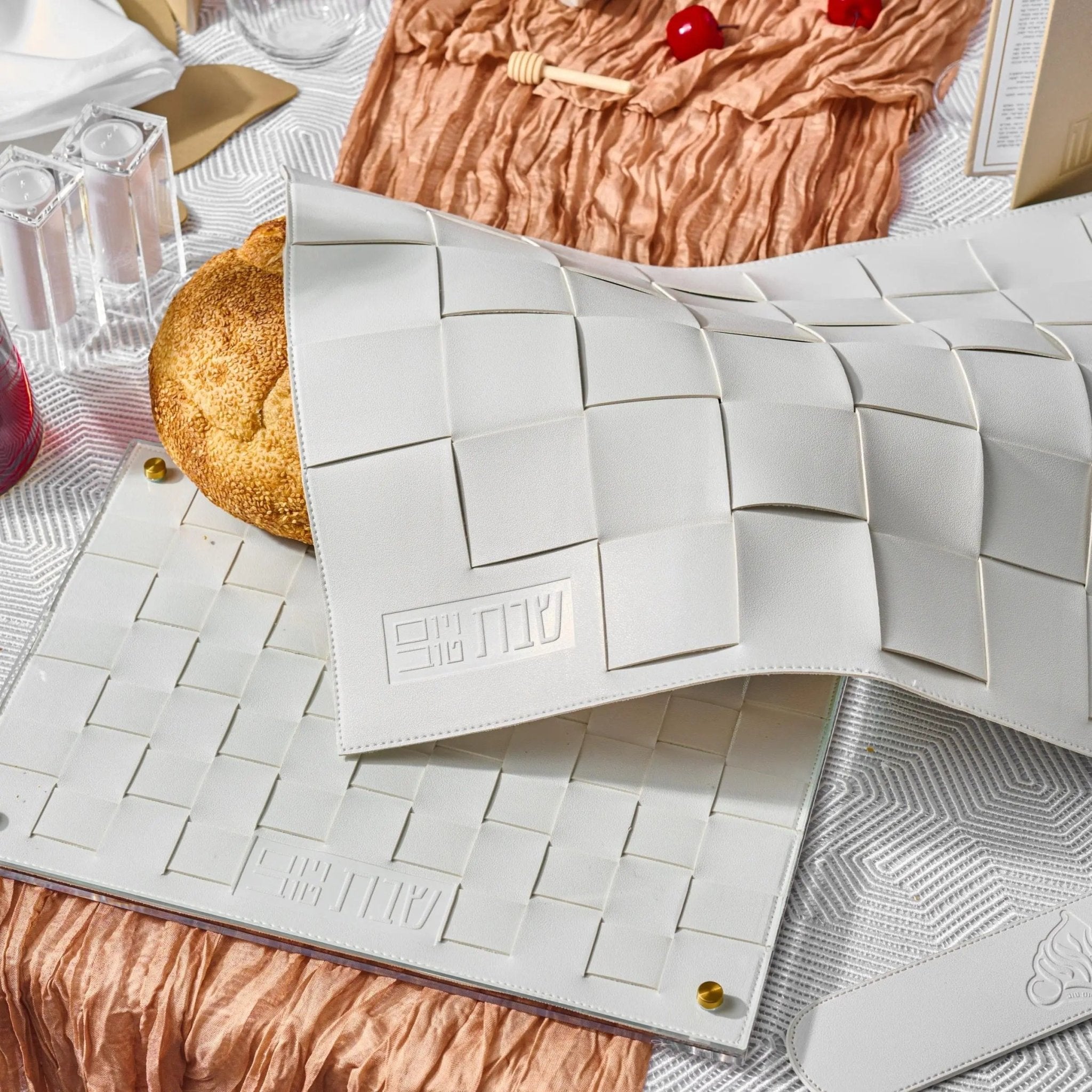
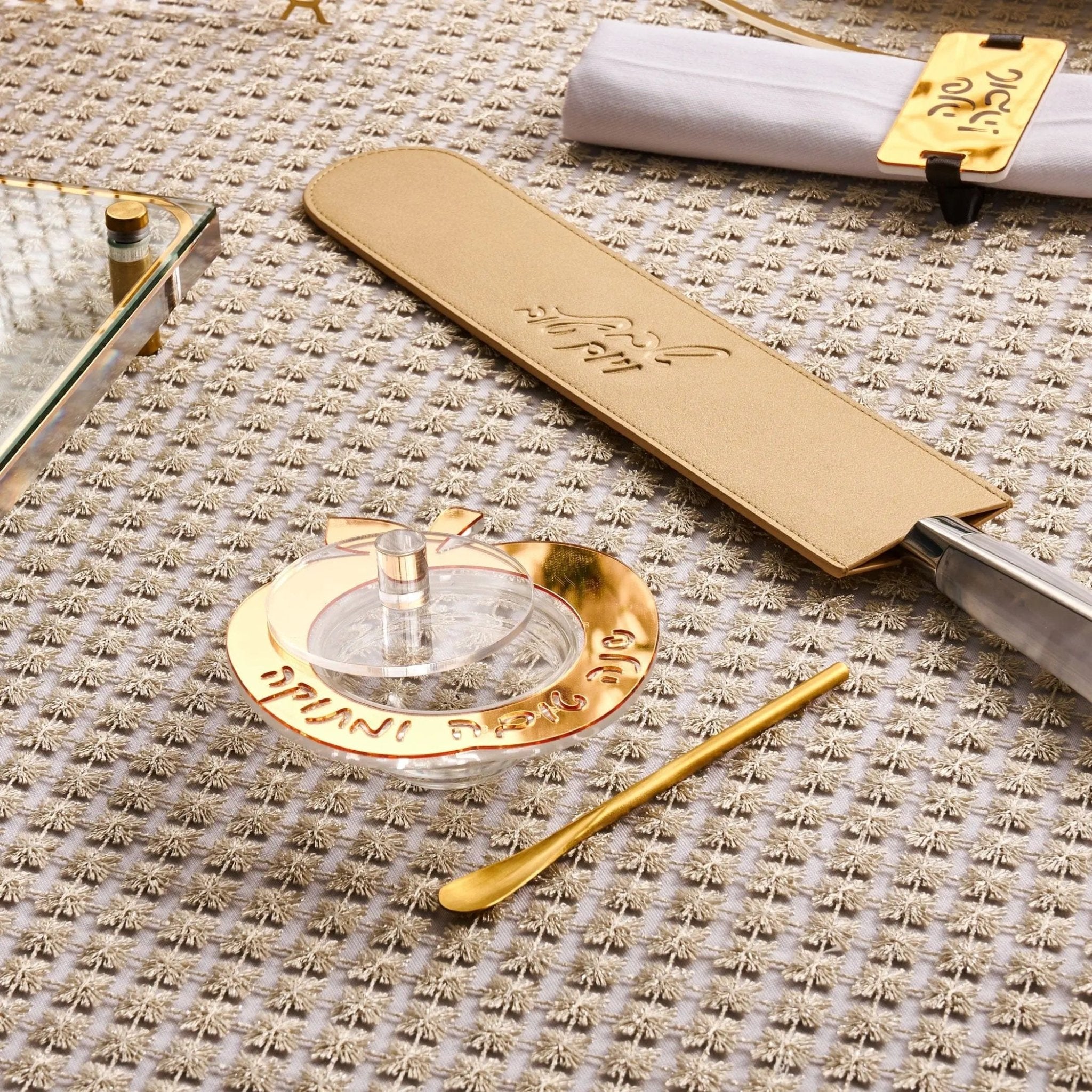
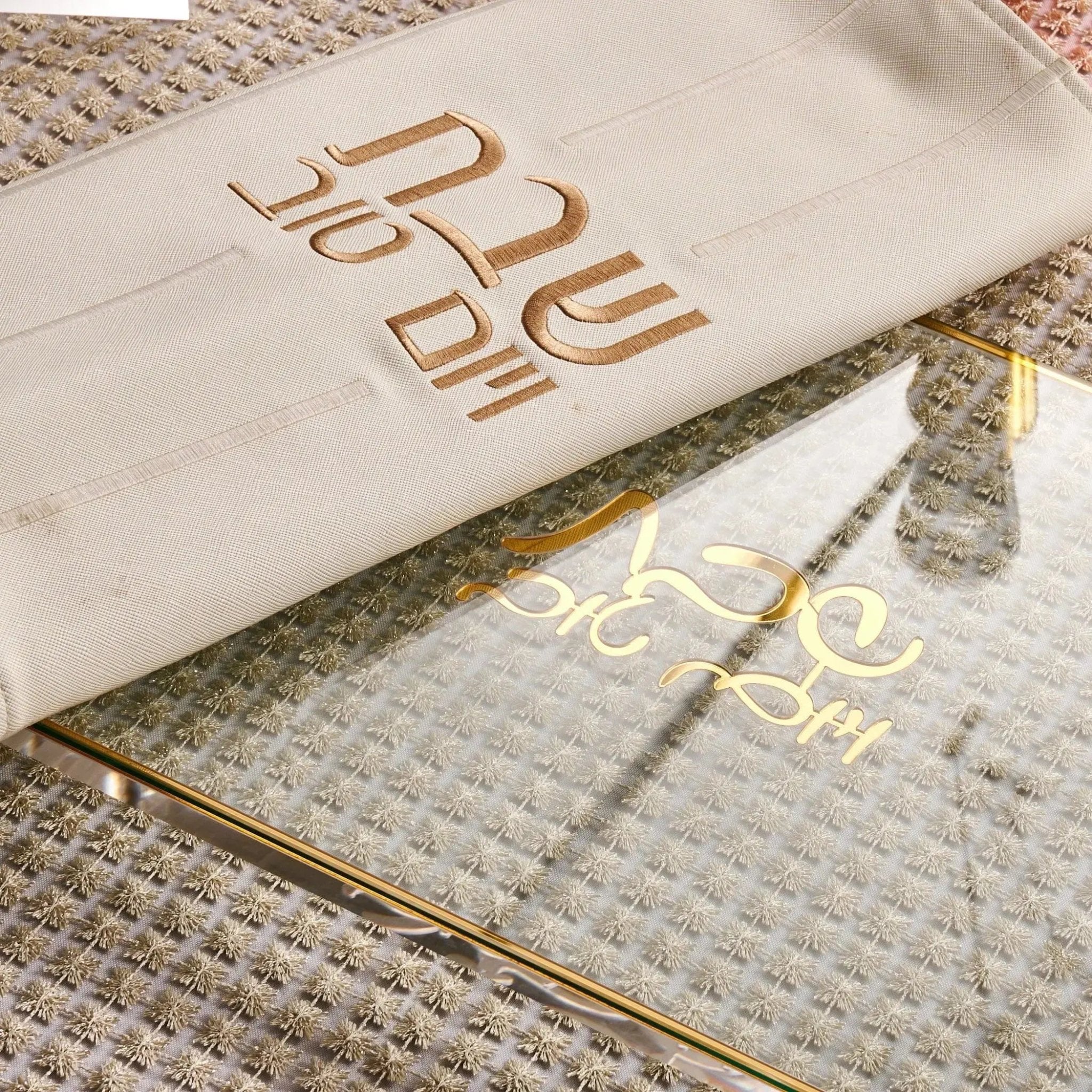
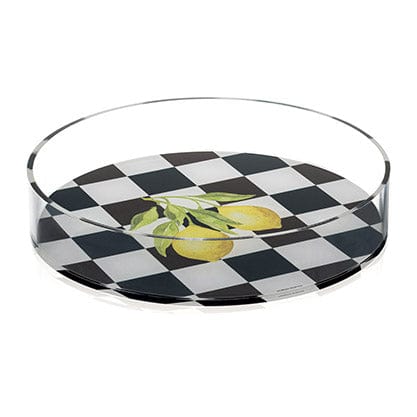
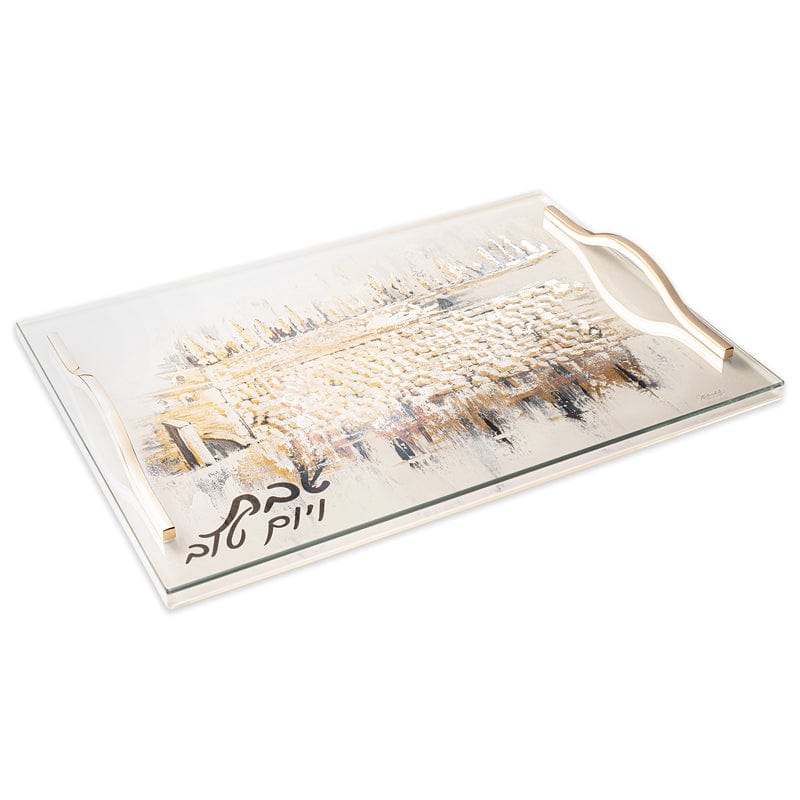
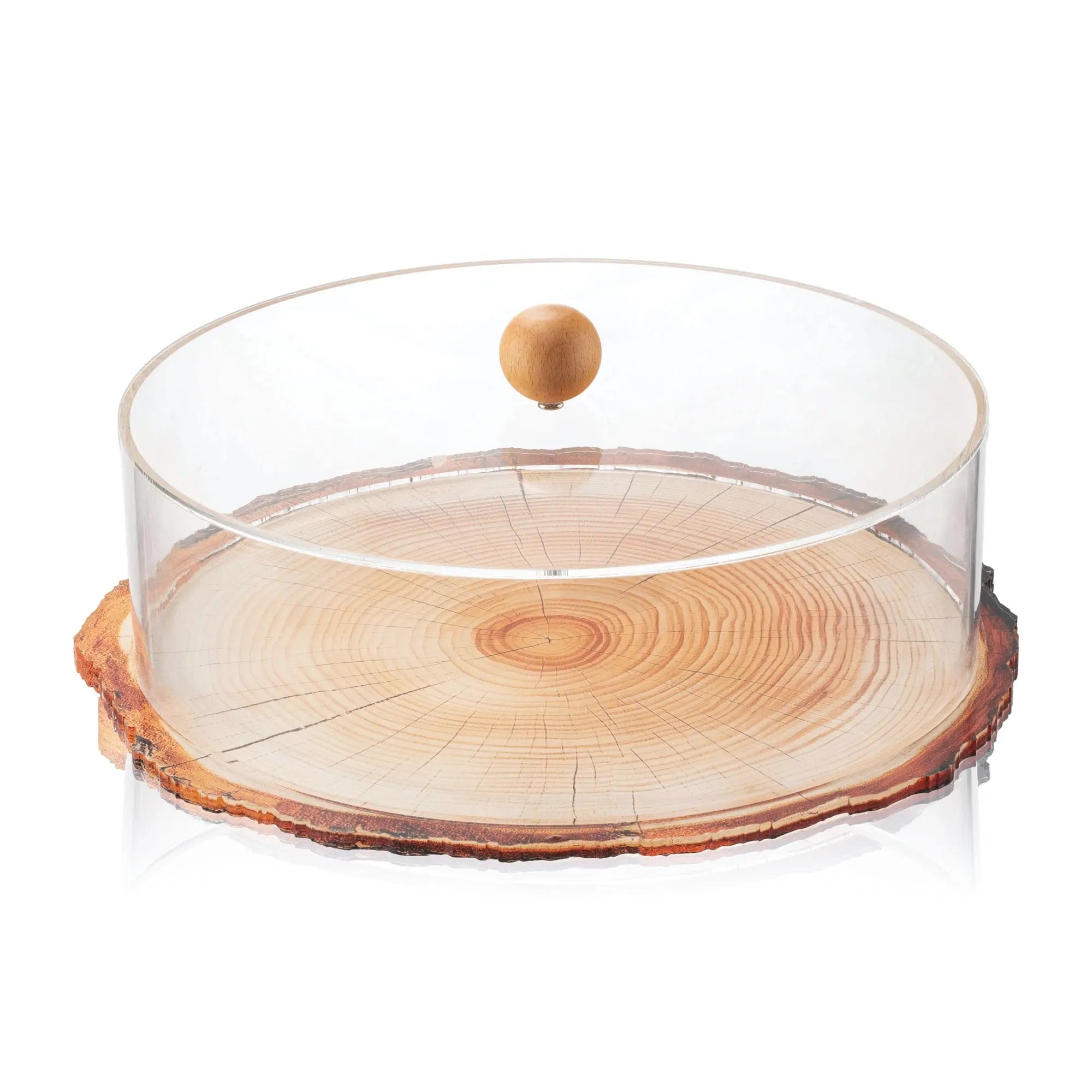
Round challah symbolizes the cycle of the year and, according to many explanations, a crown — a nod to Rosh Hashanah as the day we proclaim Hashem King. Instead of the usual salt, the challah is dipped in honey to open the year with sweetness, and many families continue dipping challah in honey at Yom Tov and Shabbos meals through Hoshana Rabbah at the end of Sukkos. A challah board paired with a matching honey dish makes this sweet switch part of the table's look.
How do you set a Rosh Hashanah table?
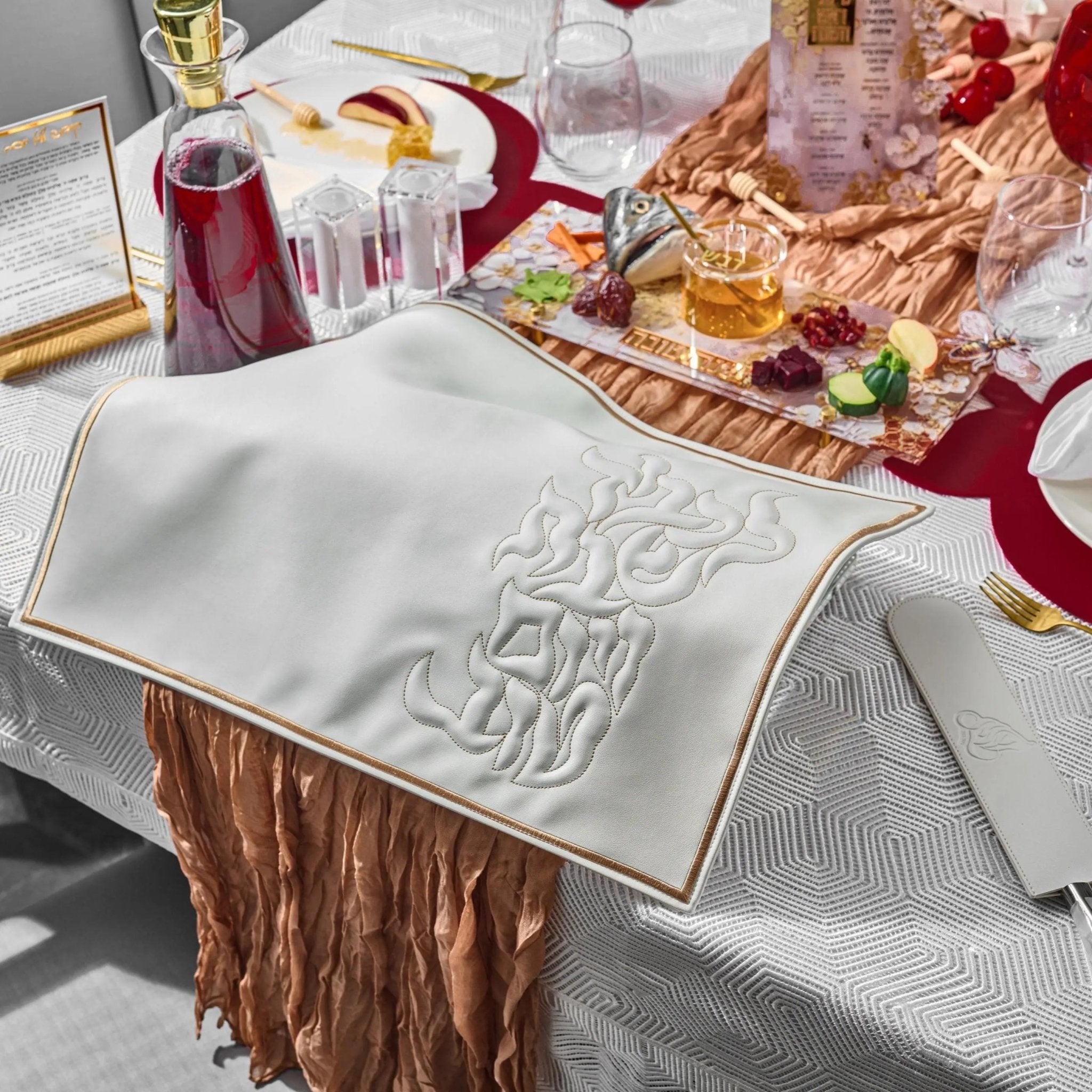
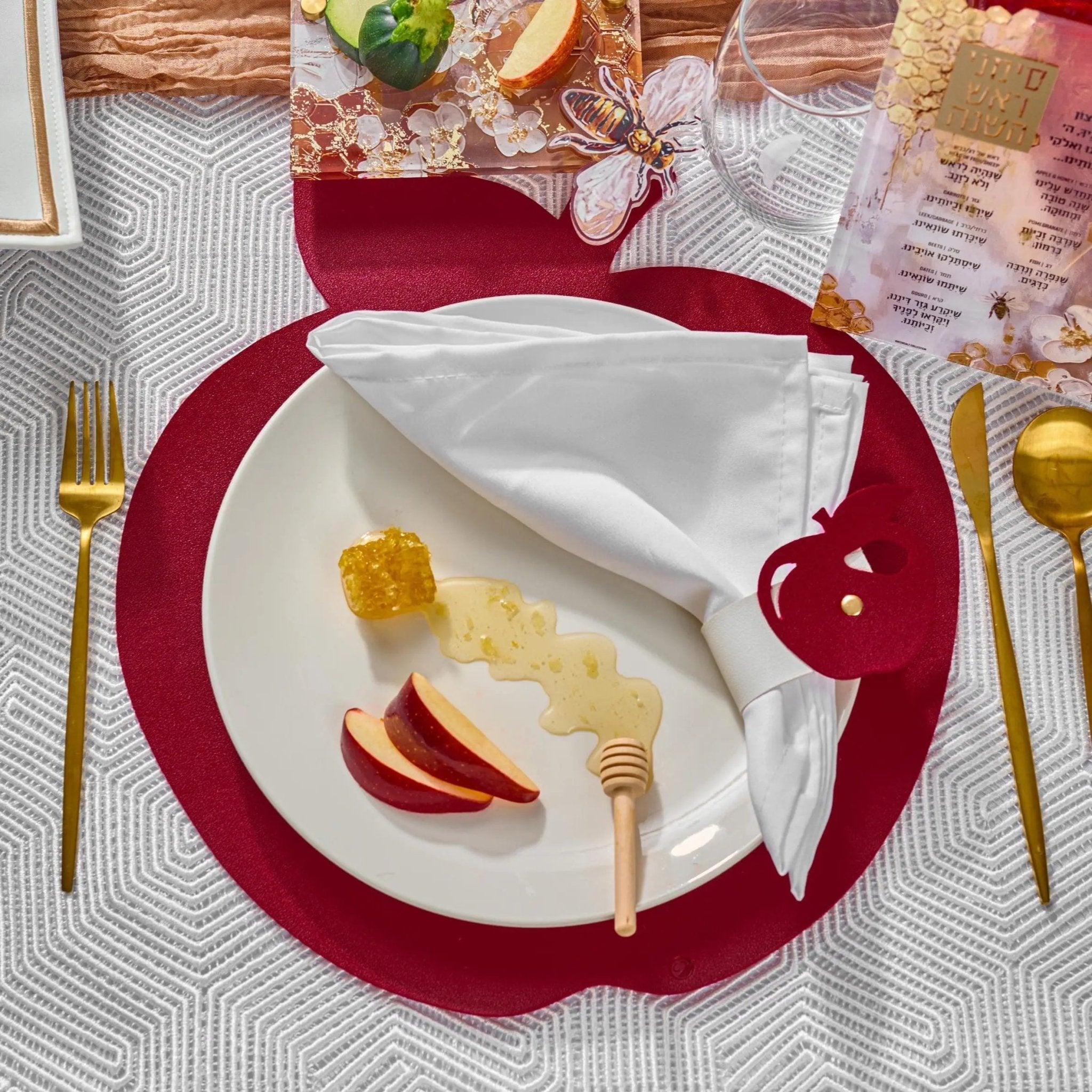
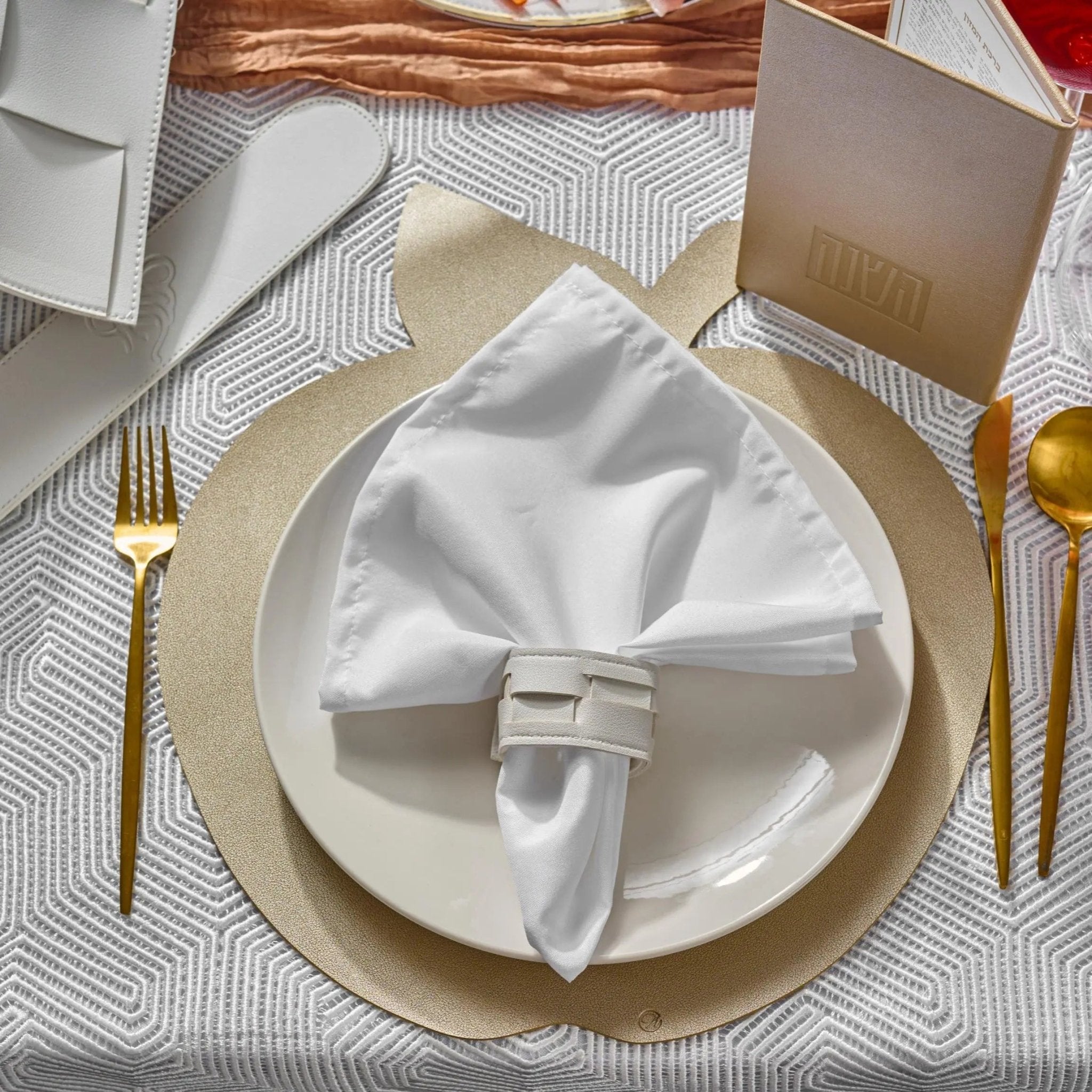
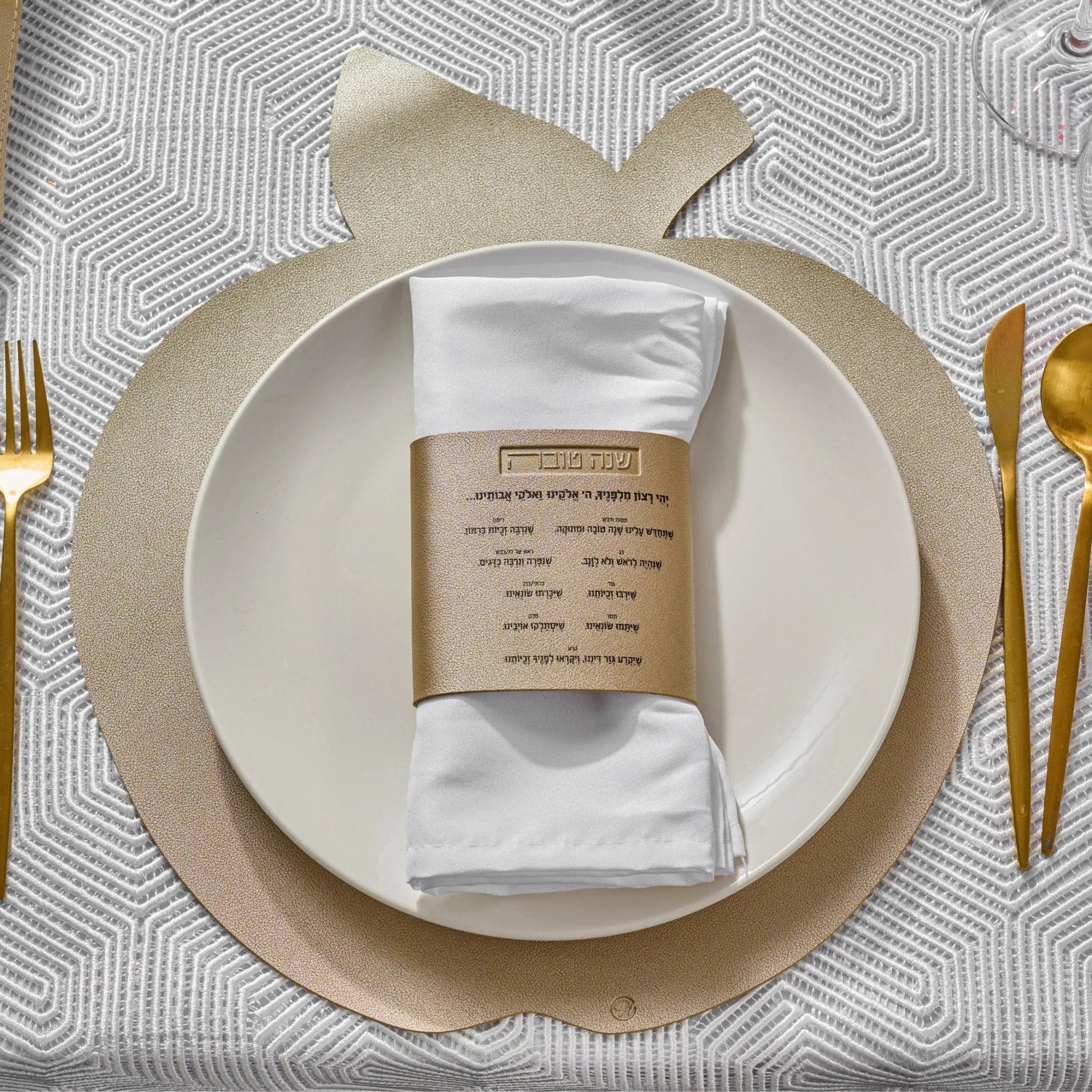
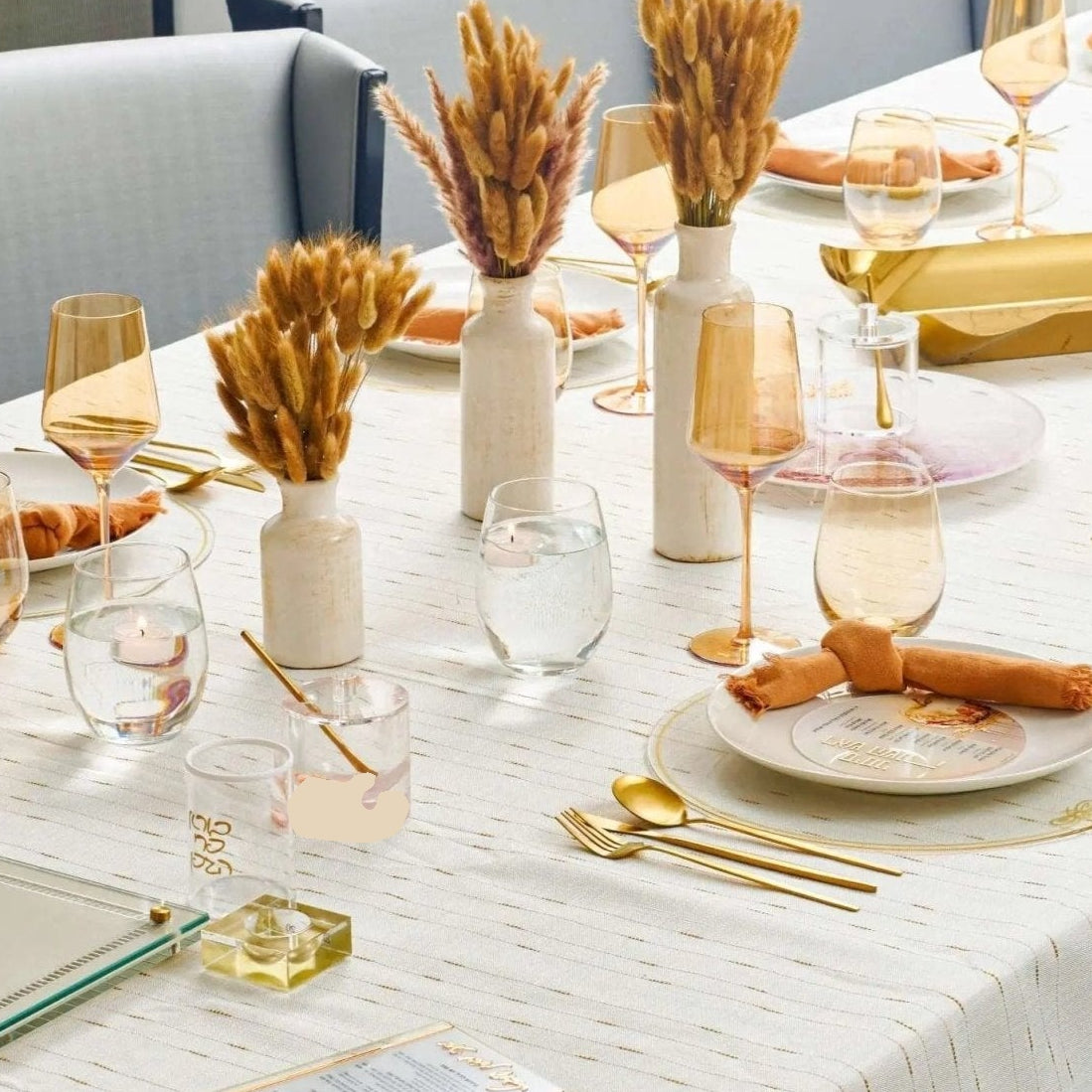
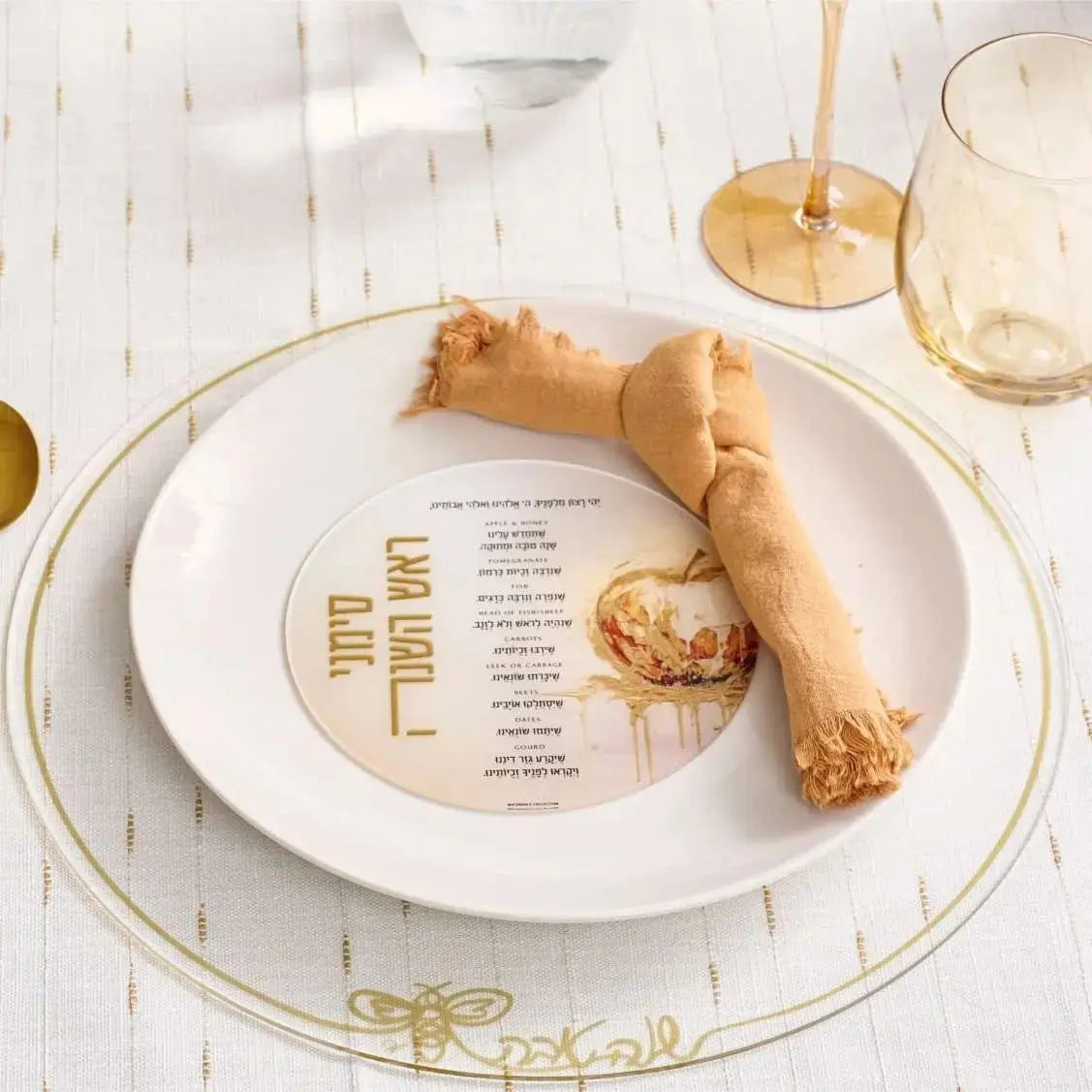
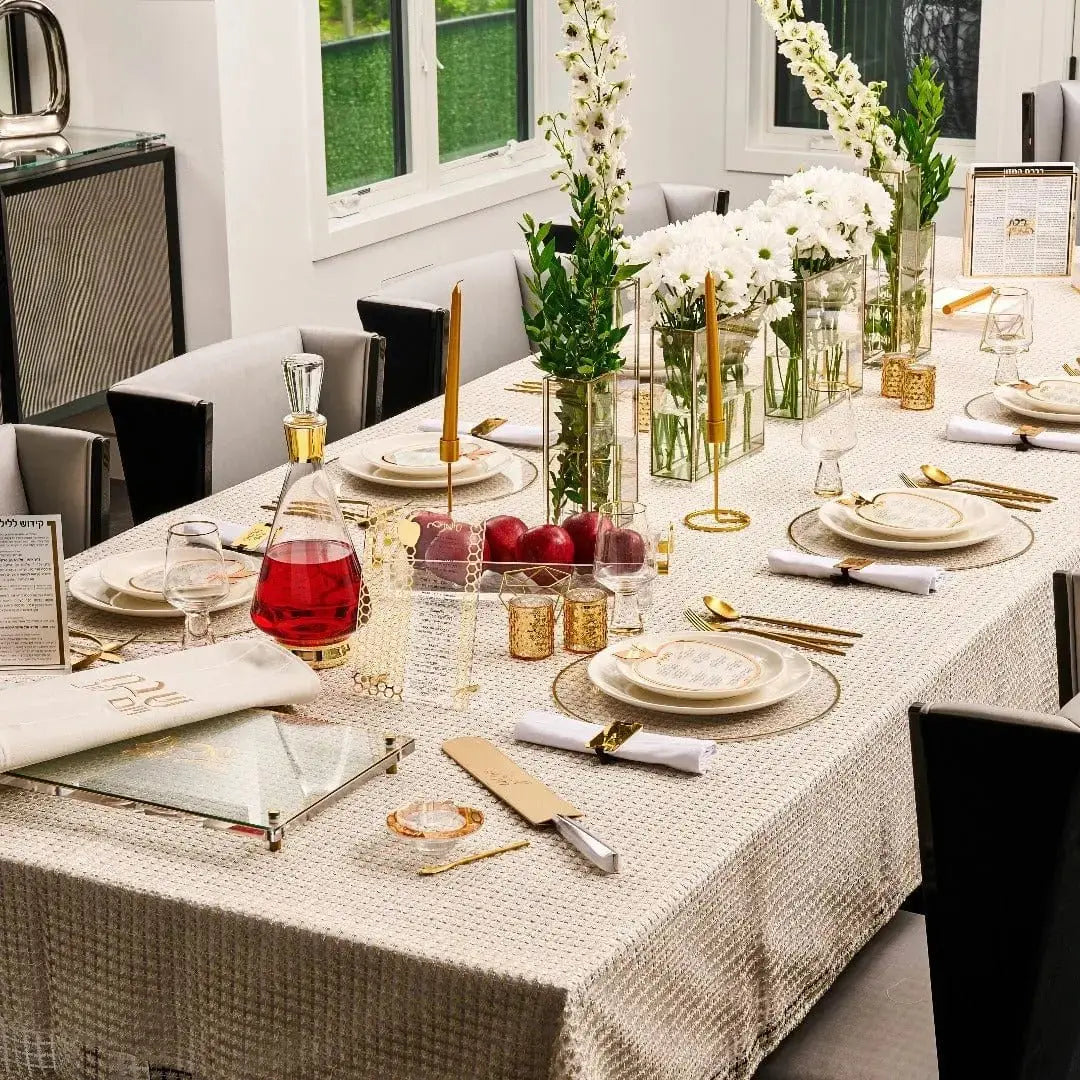
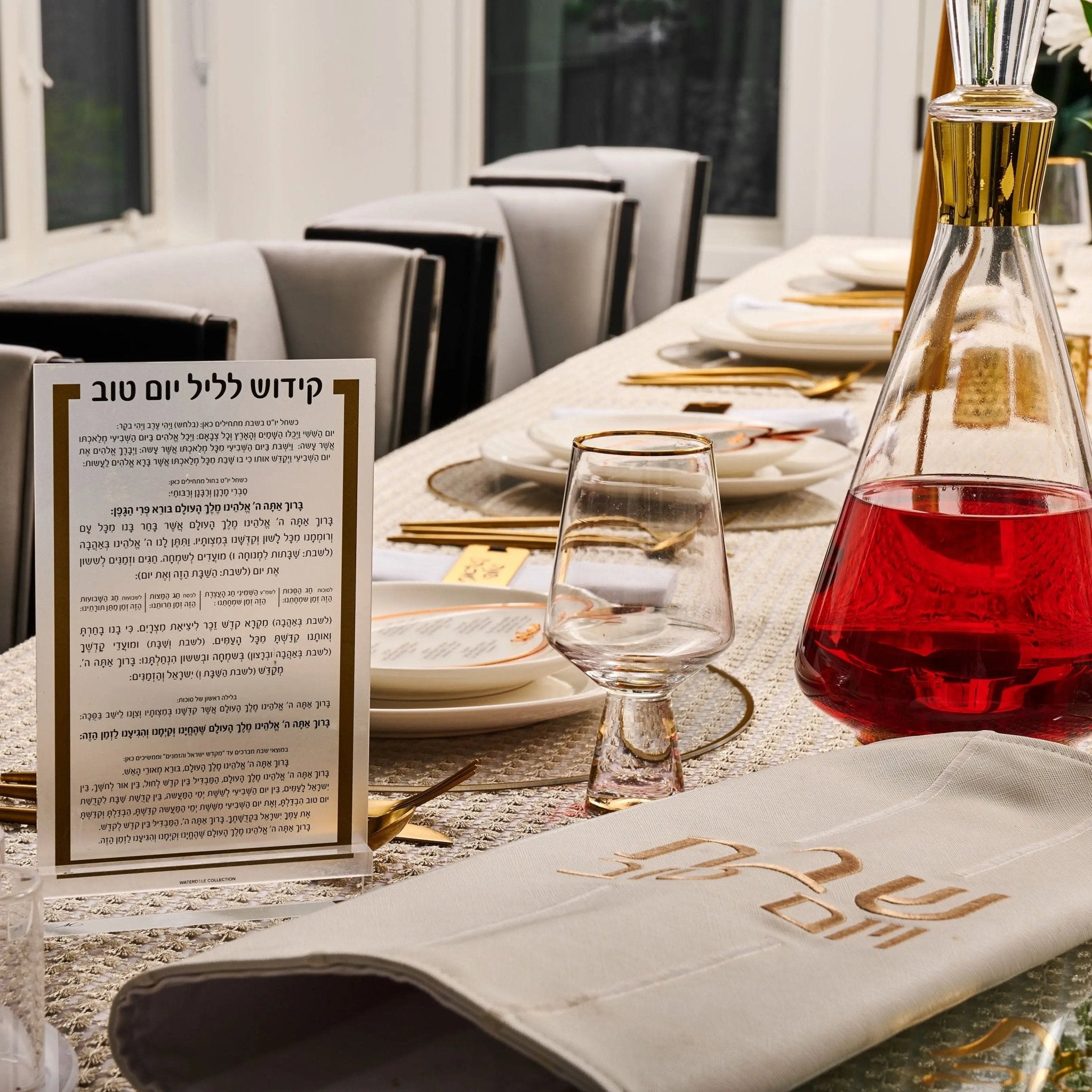
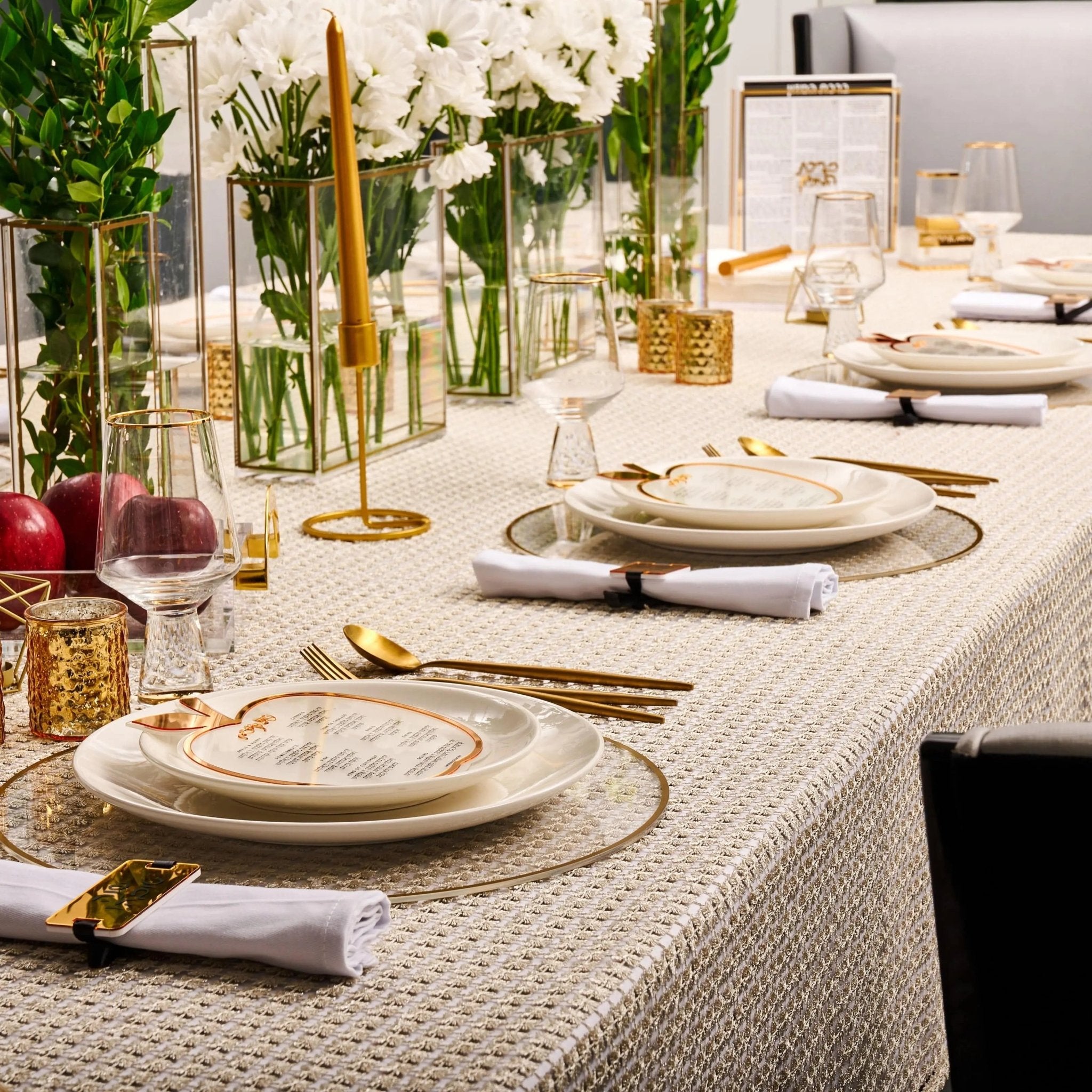
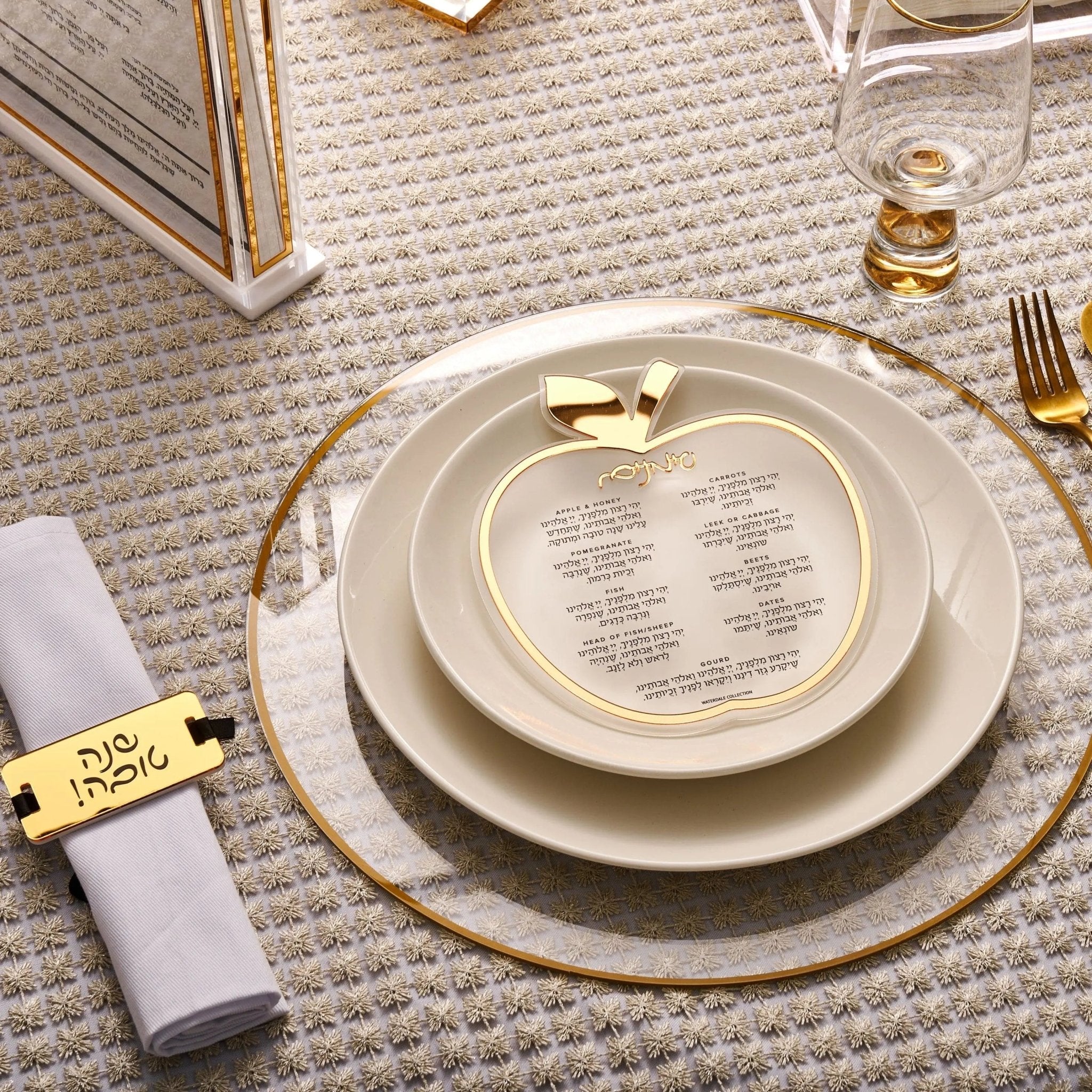
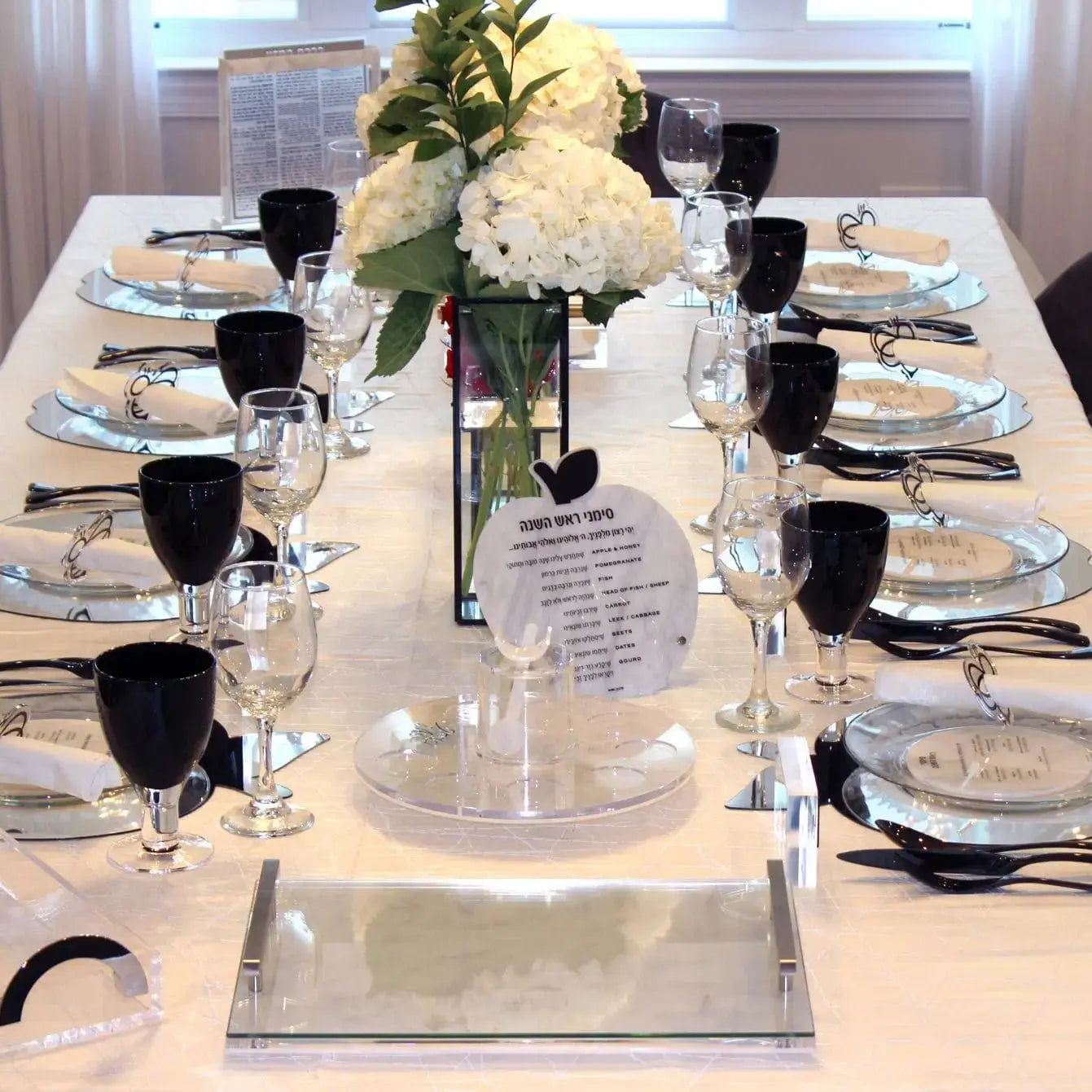
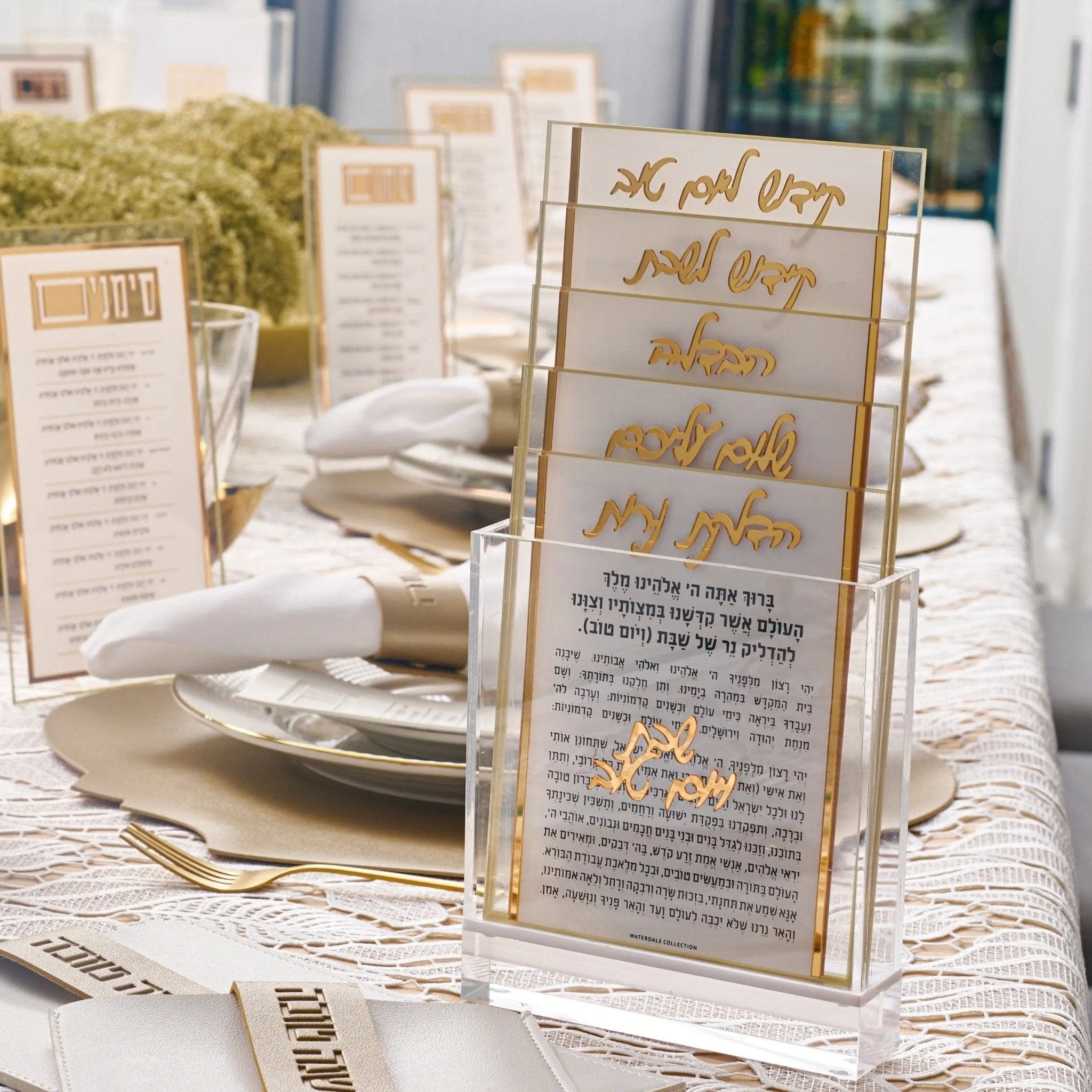
A traditional Rosh Hashanah table setting layers a charger under each dinner plate with a cloth napkin and coordinating napkin ring, while the honey dish, simanim tray, round challah, and Kiddush cup sit centrally where they can be reached right after Kiddush. Most hosts build the tablescape around a gold-and-white or pomegranate-red palette that echoes the holiday's symbols. Set the non-perishable elements the day before Yom Tov, and add the honey and fresh fruit close to candle-lighting.
What is a Rosh Hashanah tablescape?
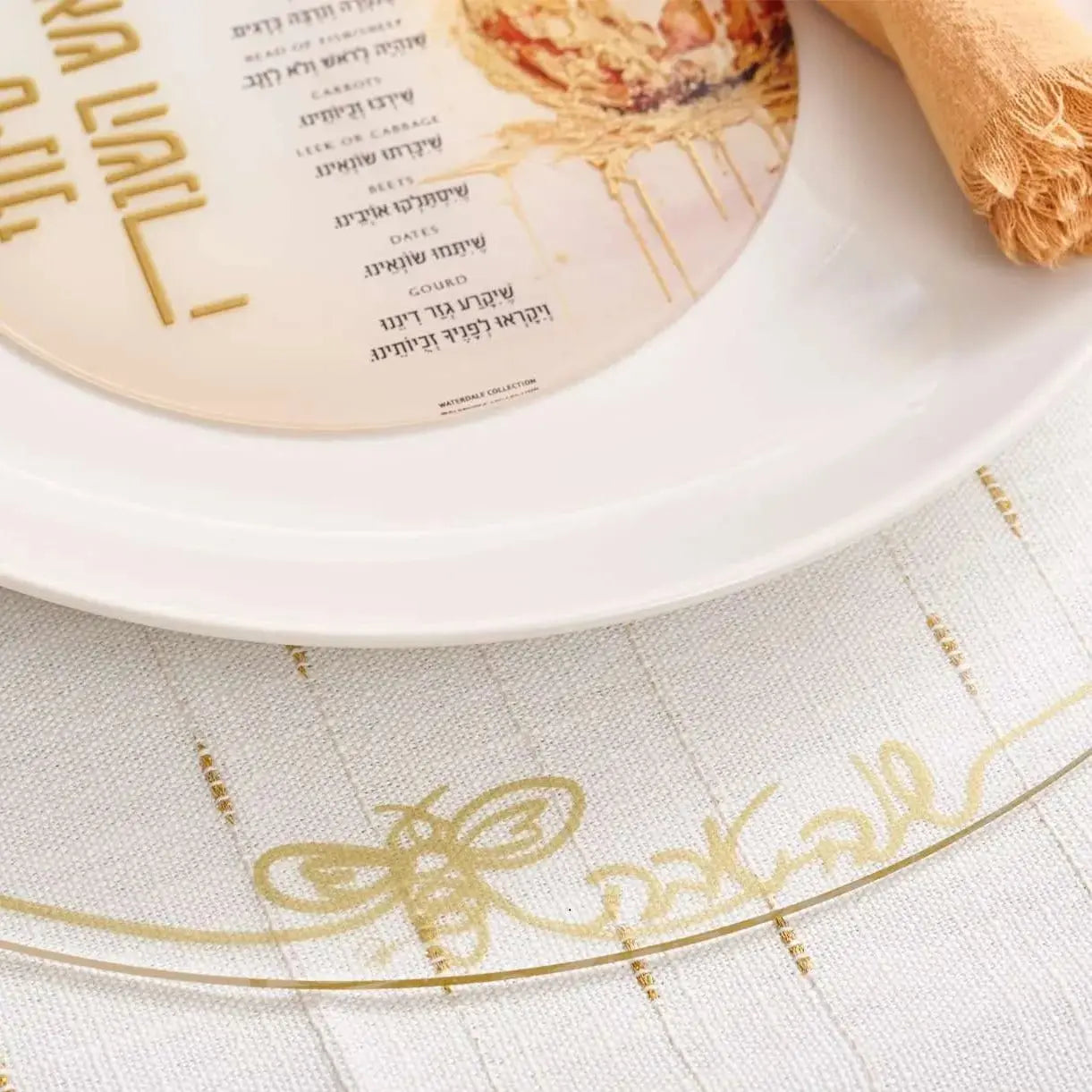
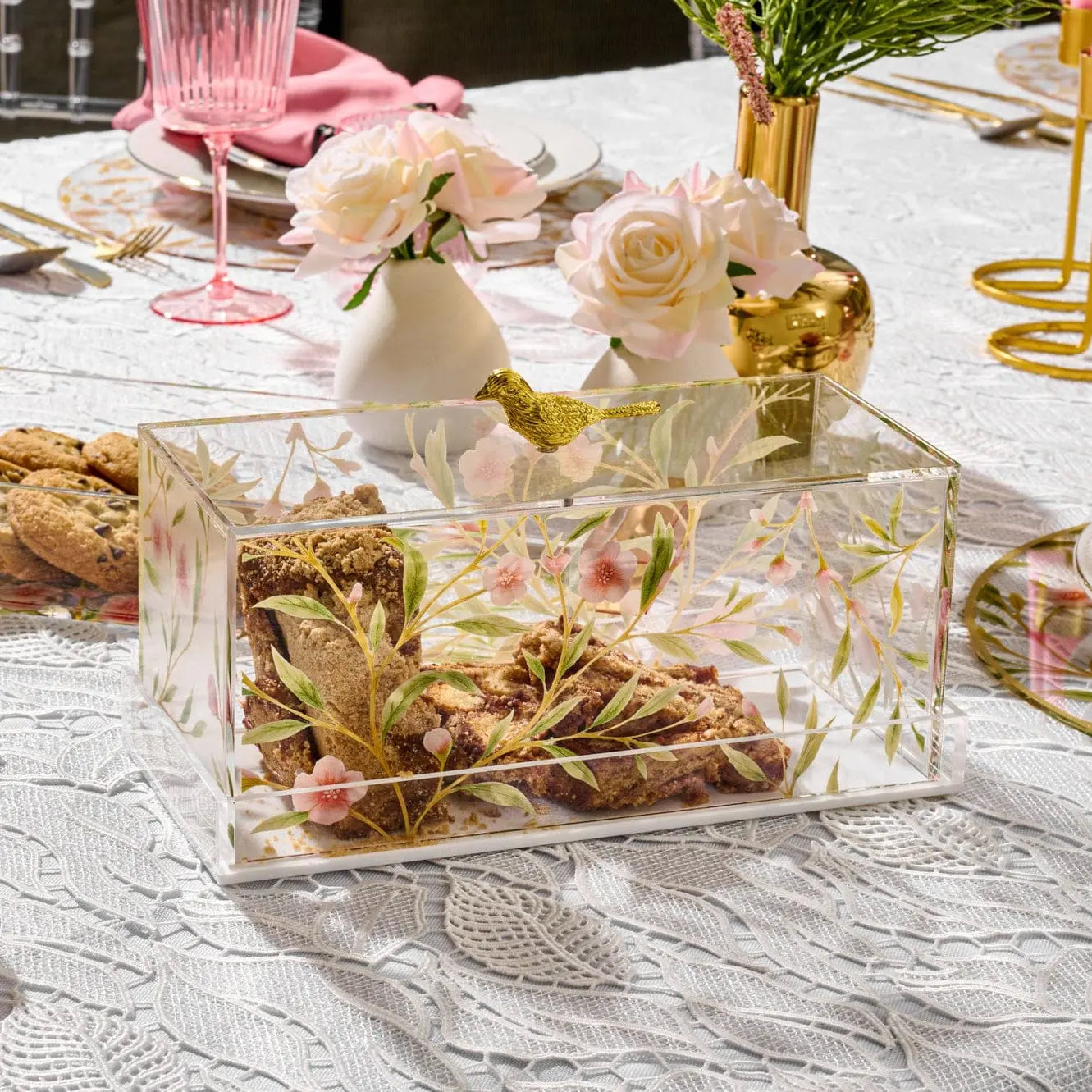
A tablescape is the composed overall look of the table — linens, centerpiece, dinnerware, chargers, and small accents working together as one design rather than as separate purchases. For Rosh Hashanah that usually means building from a base layer of cloth or runner, up through chargers and plates, to a centerpiece and finishing touches like napkin rings and place cards. Working from the table up produces a far more coordinated result than buying pieces at random.
What are the best Rosh Hashanah tablescape colors and themes?
Gold and white is the timeless Rosh Hashanah scheme, while deeper pomegranate red, burgundy, and autumnal palettes have become popular matches for the holiday's early-fall timing. Mixing metallics — gold with touches of copper or brass — adds warmth without looking mismatched. The one thing to avoid is too many competing colors, which turns festive into busy.
What makes a good Rosh Hashanah centerpiece?
A low arrangement of pomegranates, apples, or seasonal flowers ties the table to the holiday's symbols without blocking sightlines across the table — key when conversation flows over a long seuda. Some hosts skip a separate centerpiece and let the simanim tray or a beautiful honey dish be the focal point instead. Height is the main thing to watch: keep it low or very narrow.
When should I set the Rosh Hashanah table?
Most hosts set the table the day before Yom Tov, once the cooking is largely done — linens, chargers, dinnerware, and centerpiece can all sit ready overnight. Perishables like the honey and fresh fruit go out close to candle-lighting. In 2026 Rosh Hashanah begins Friday evening, September 11, so tables will be set Thursday night or Friday alongside regular Shabbos preparations.
Table runner or full tablecloth for a Rosh Hashanah table?
A full tablecloth in white or ivory is the traditional Yom Tov base and the safer choice for a formal seuda, while a runner — often gold, woven, or pomegranate-accented — layers beautifully over a cloth or dresses down a more casual meal. Many hosts use both: white cloth underneath, decorative runner down the center under the simanim tray and honey dish. Spill-friendly fabrics earn their keep at a honey-heavy meal.
Early access to new releases, limited restocks, and occasional updates.