





















Rosh Hashana Place Settings
Elegant Place Settings for the Yom Tov Table
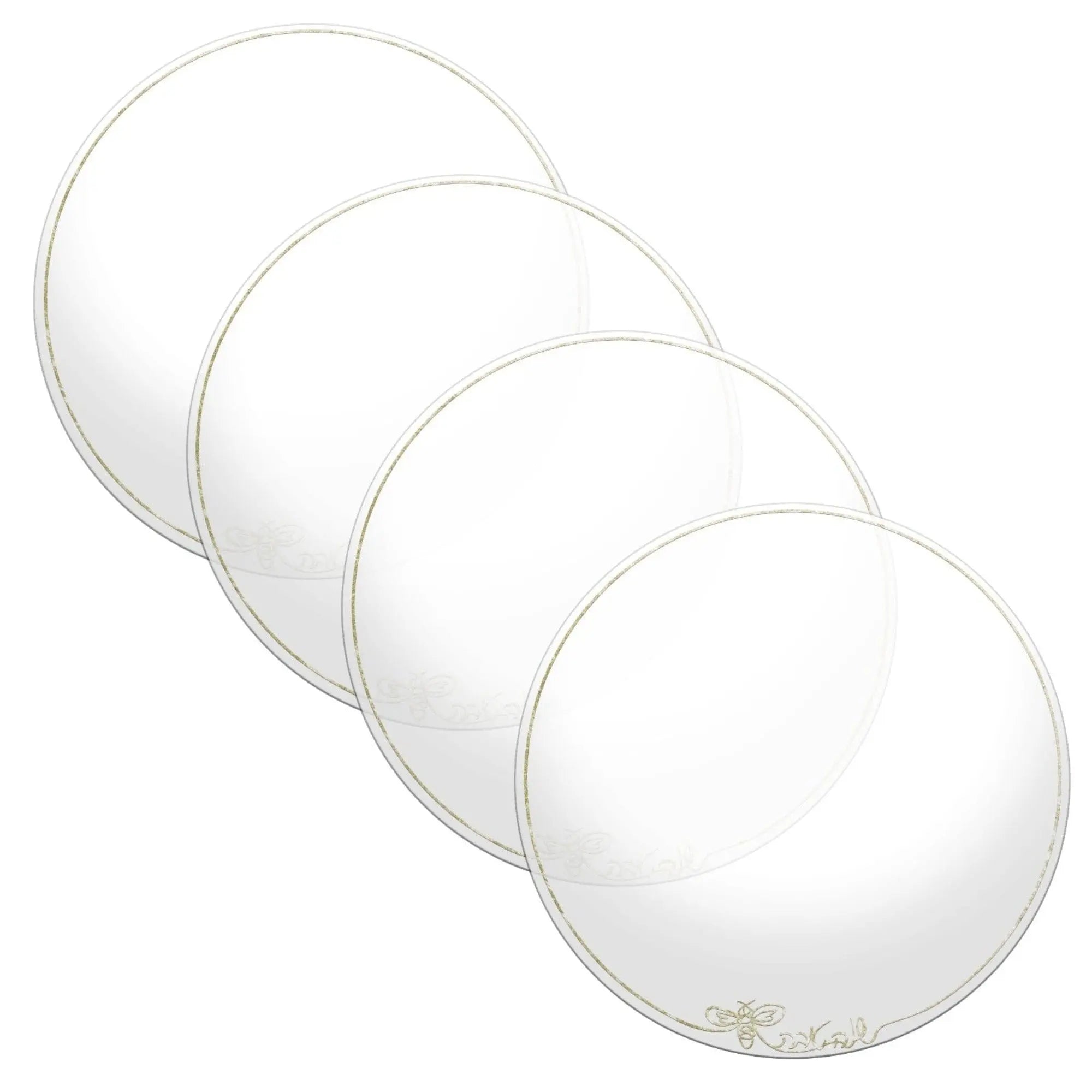
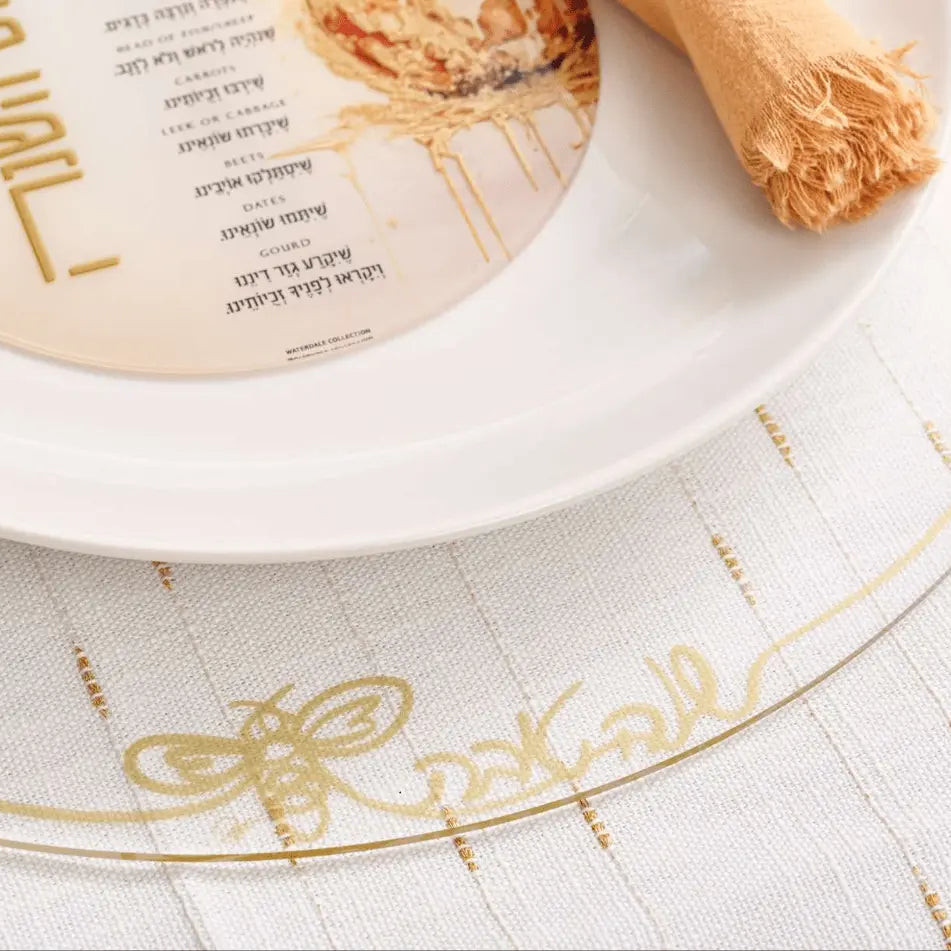
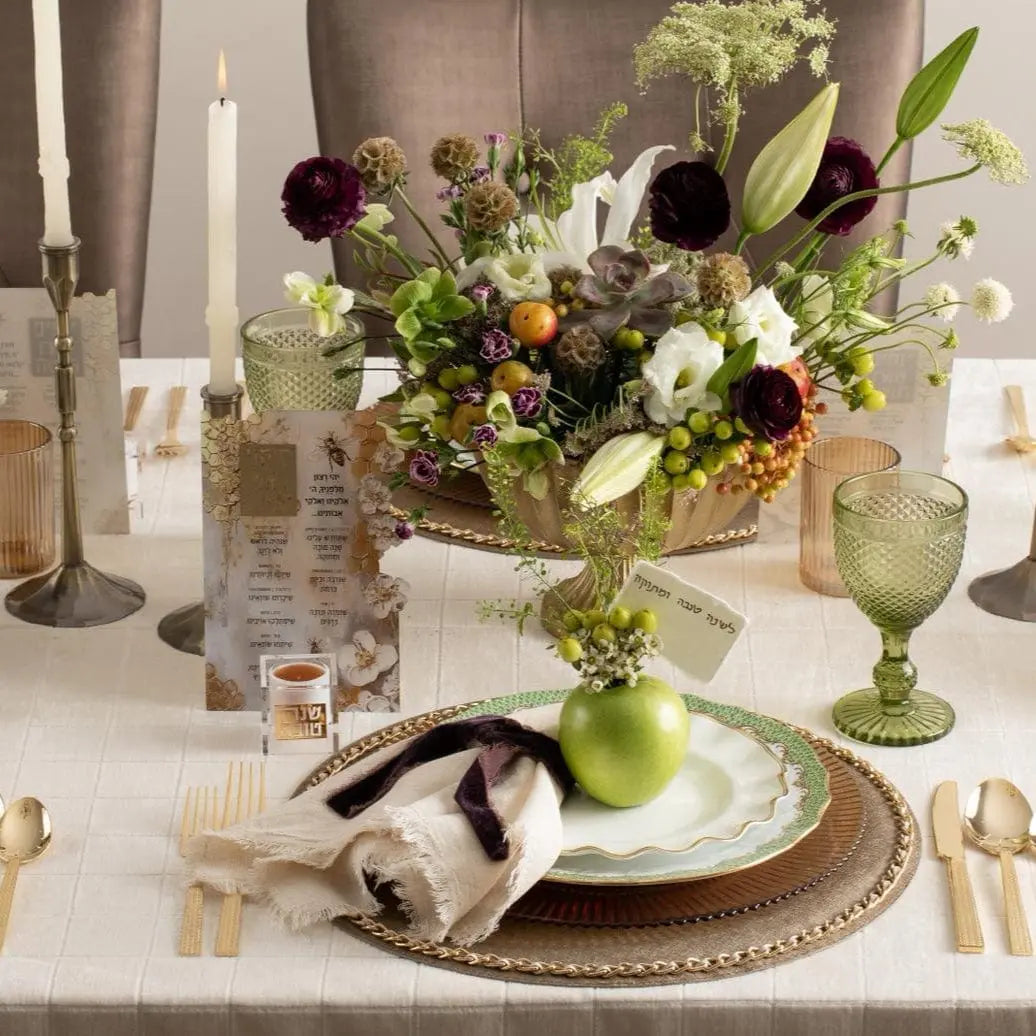
Set a beautiful Rosh Hashanah table with coordinated plates, chargers, and accent pieces designed to mix and layer with ease. This collection helps hosts create a polished, cohesive place setting from the first course to the last of the Jewish New Year meals.
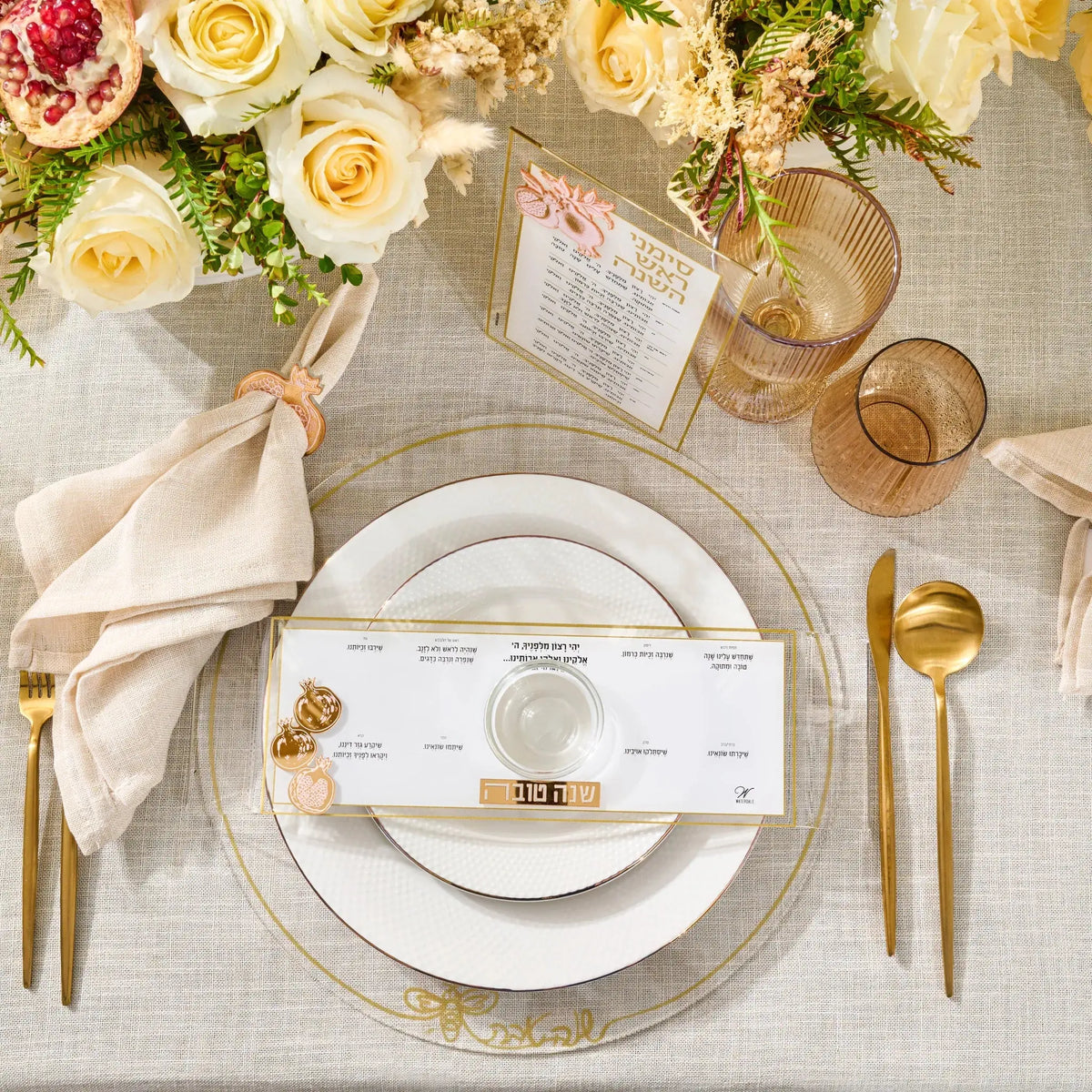
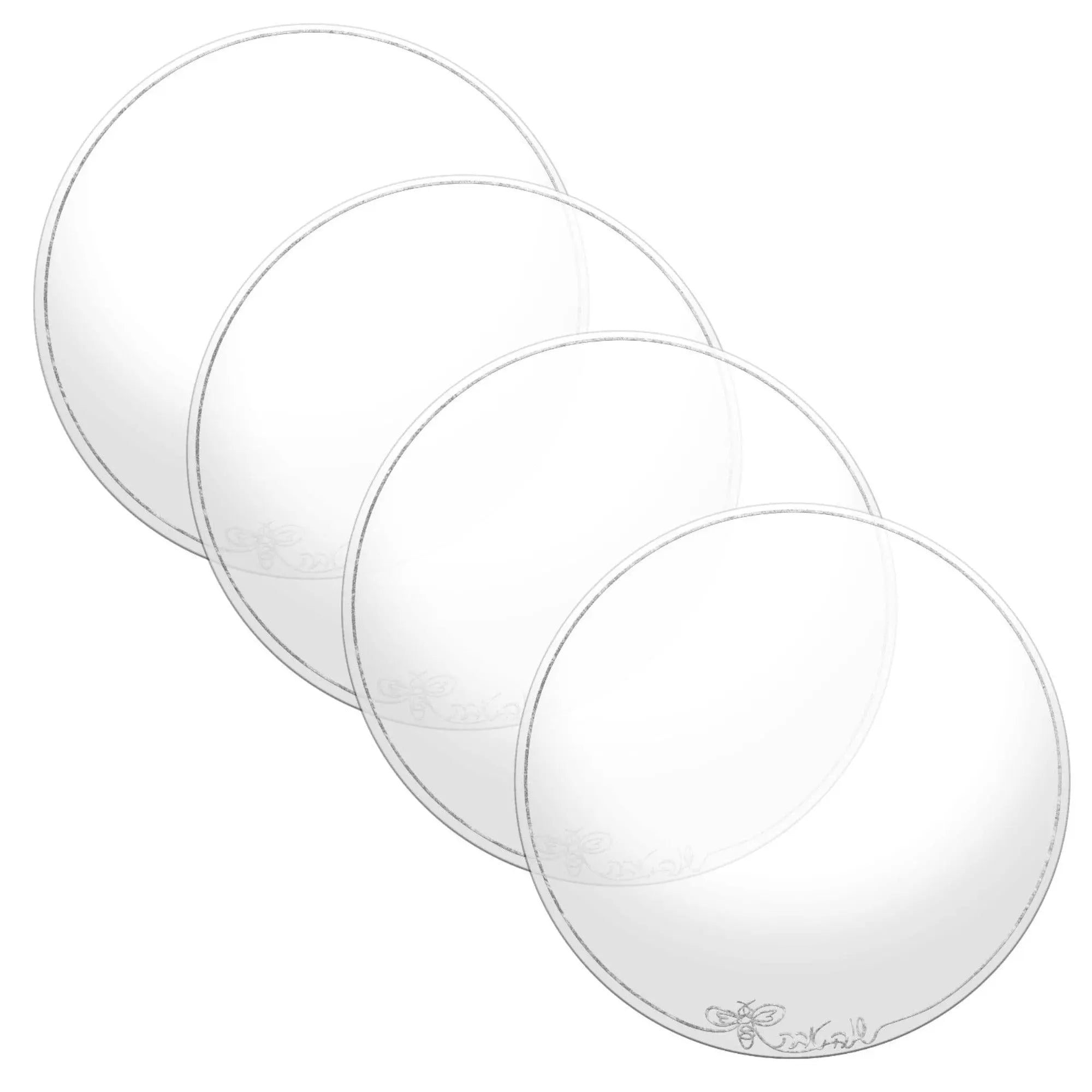
Classic Rosh Hashanah Chargers
Regular price
$48.00


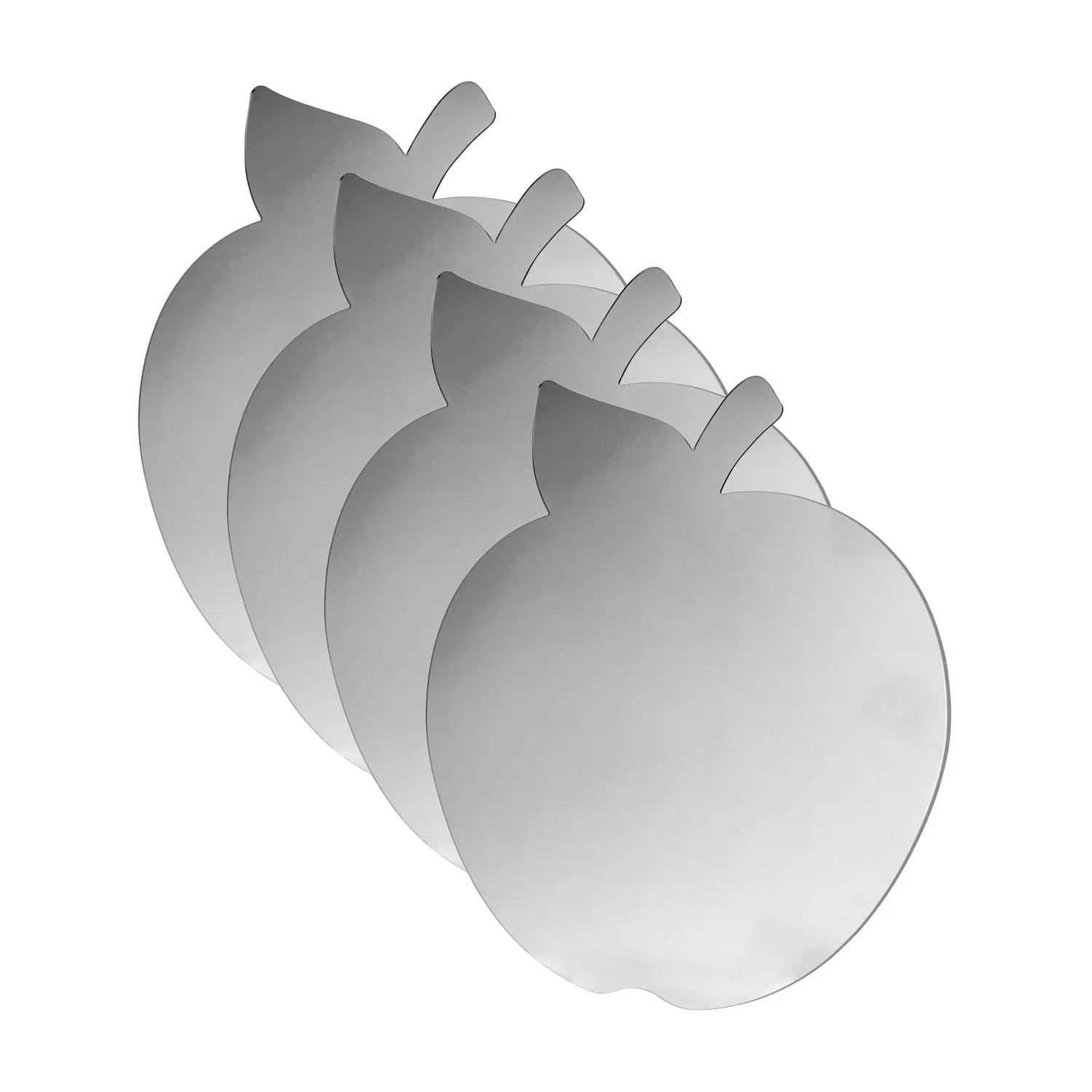
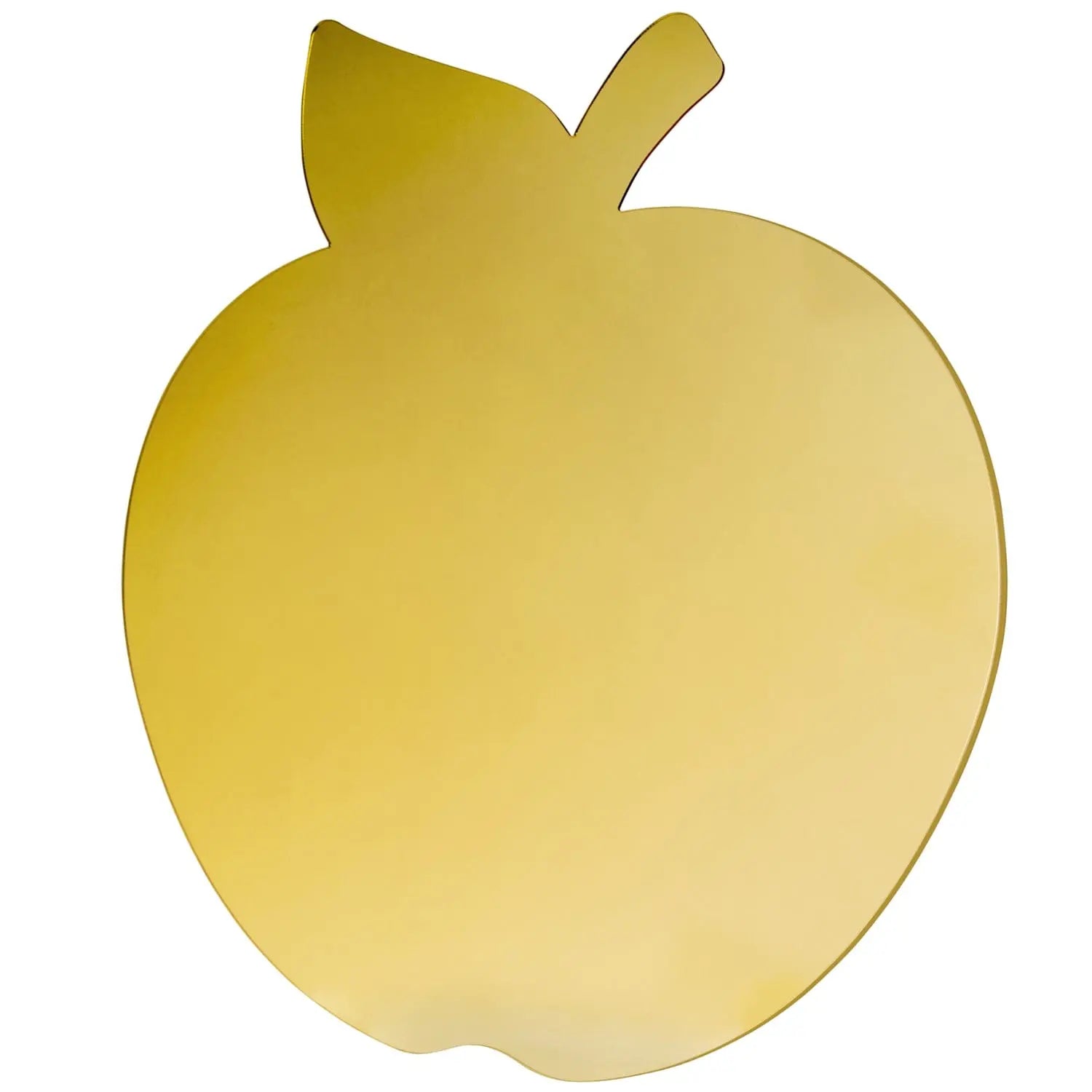
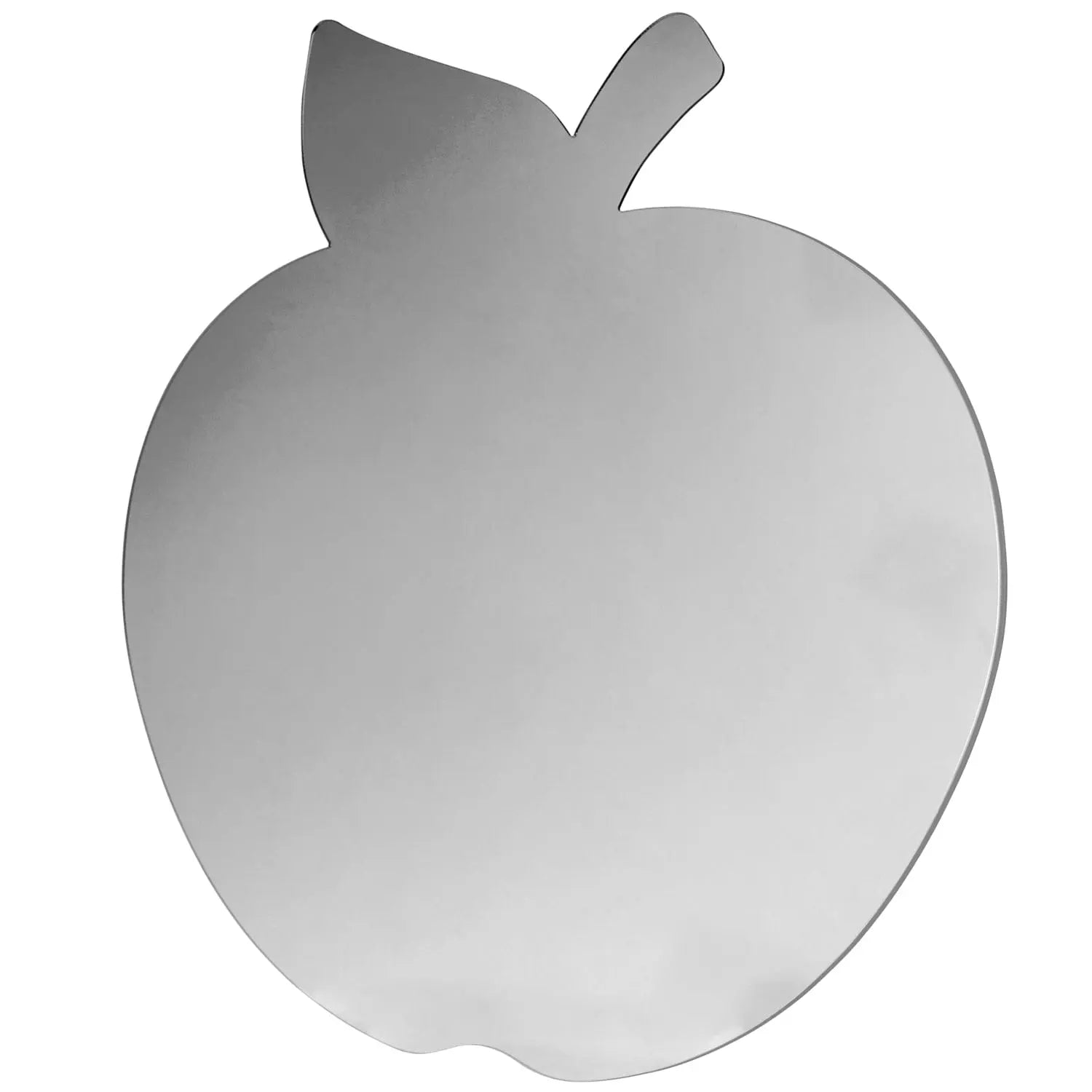

Apple Mirrored Chargers
Regular price
$54.00
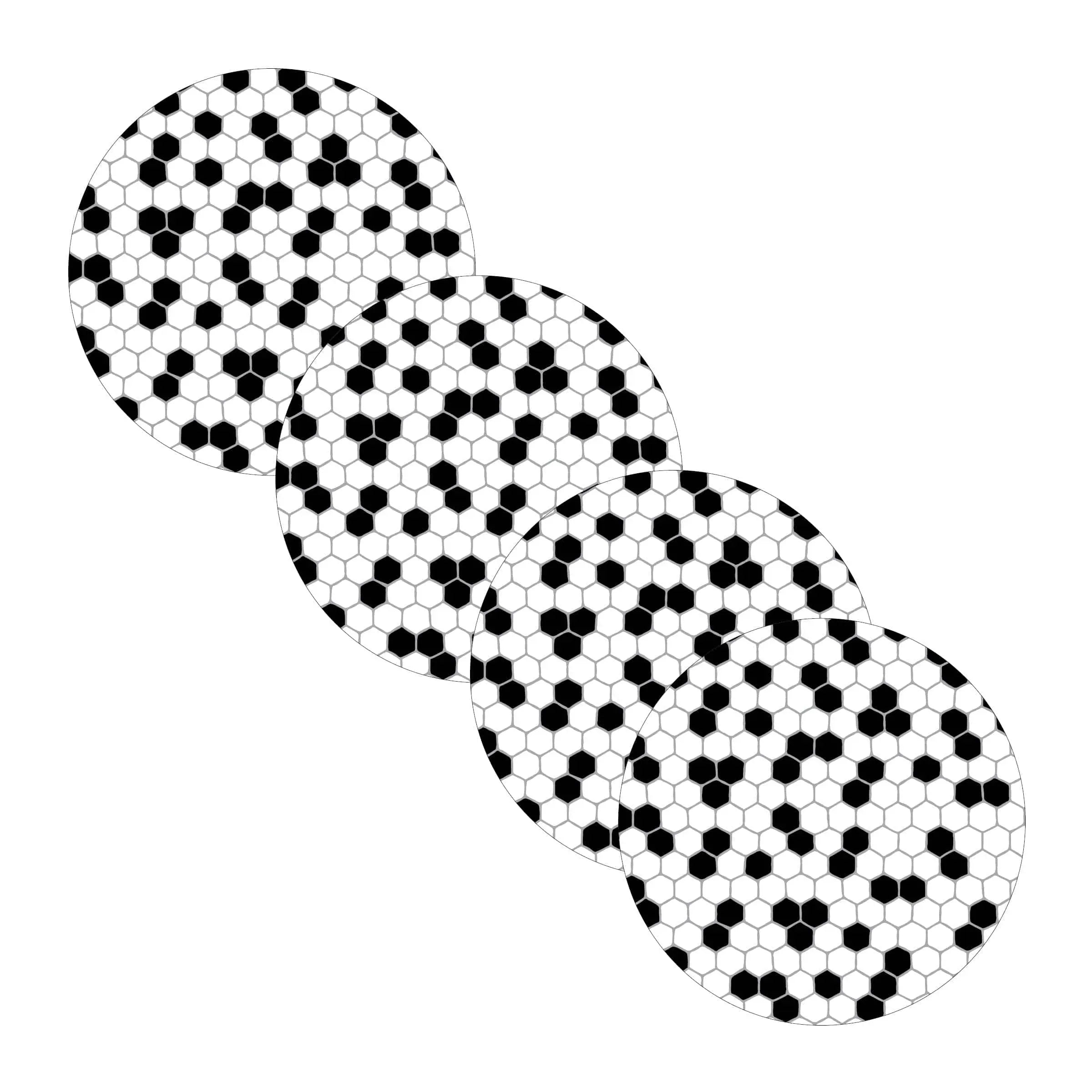
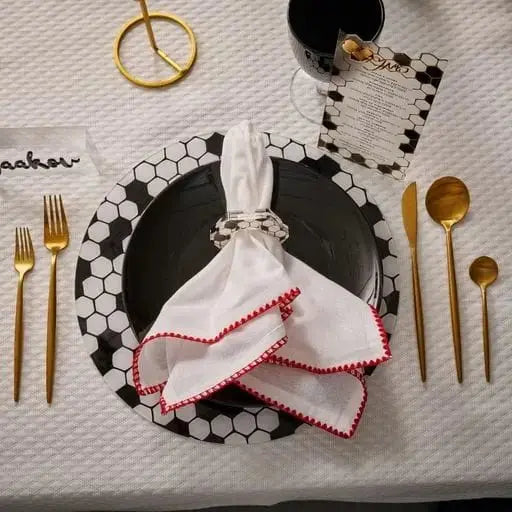

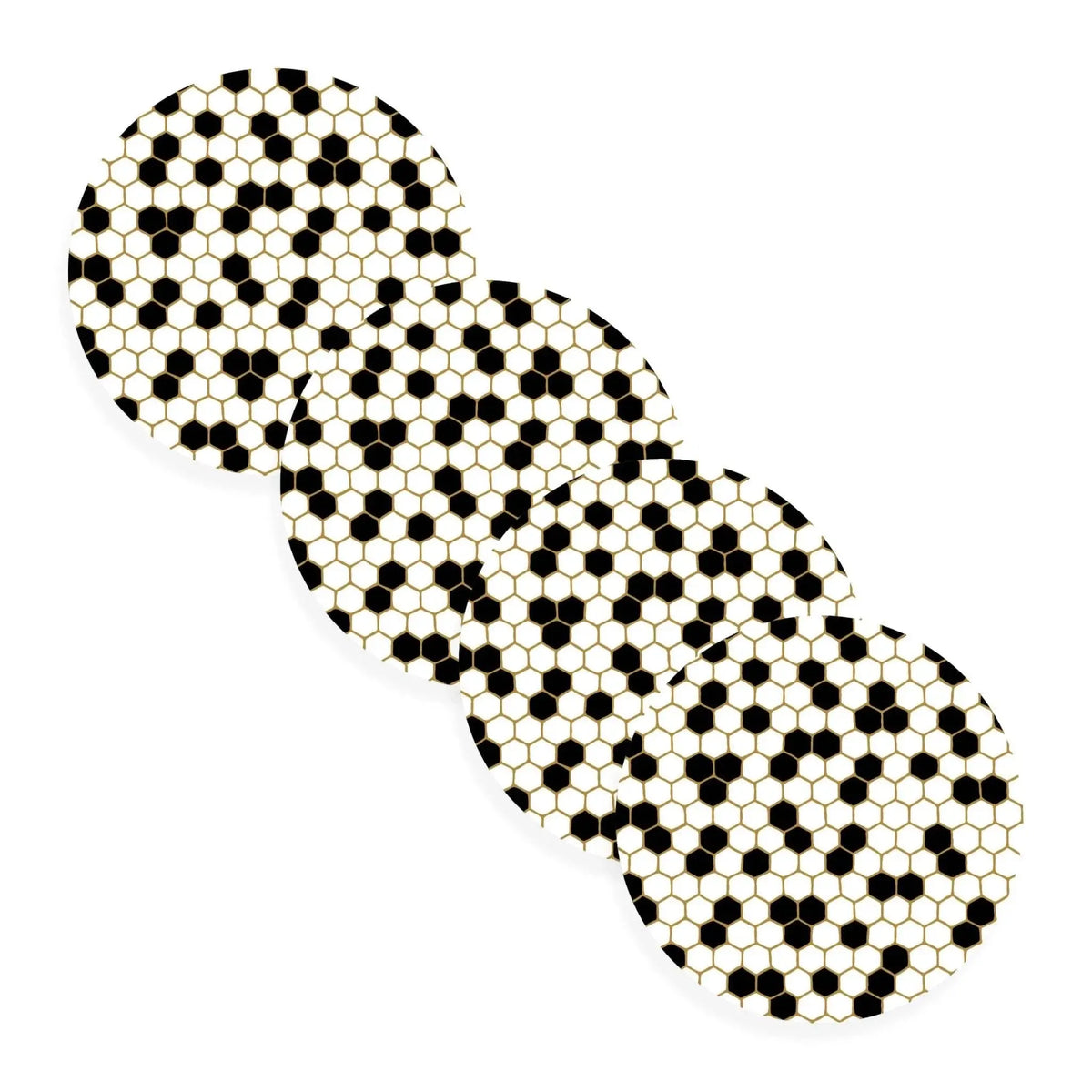
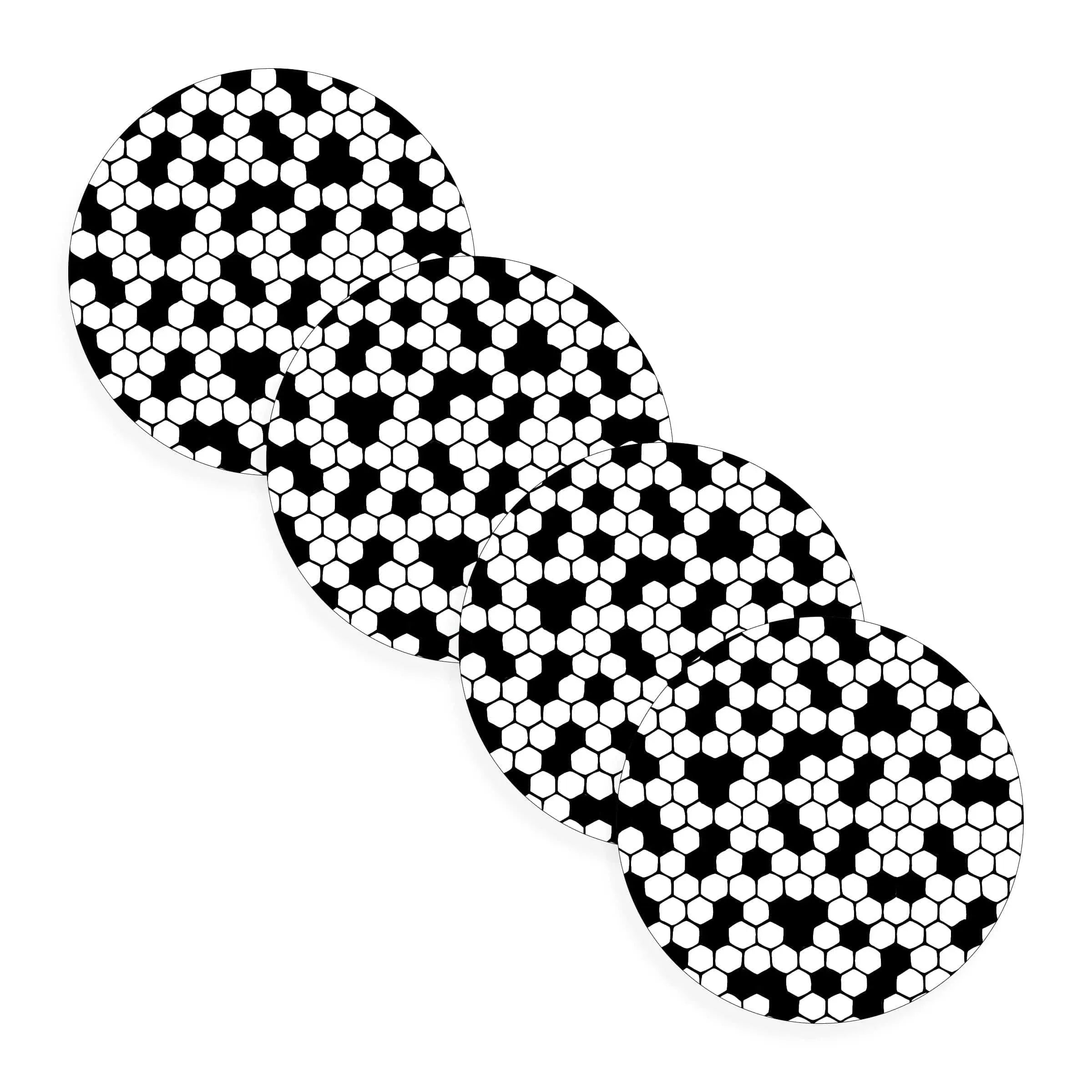
Onyx Chargers
Sale price
$24.00
Regular price
$70.00
Sale
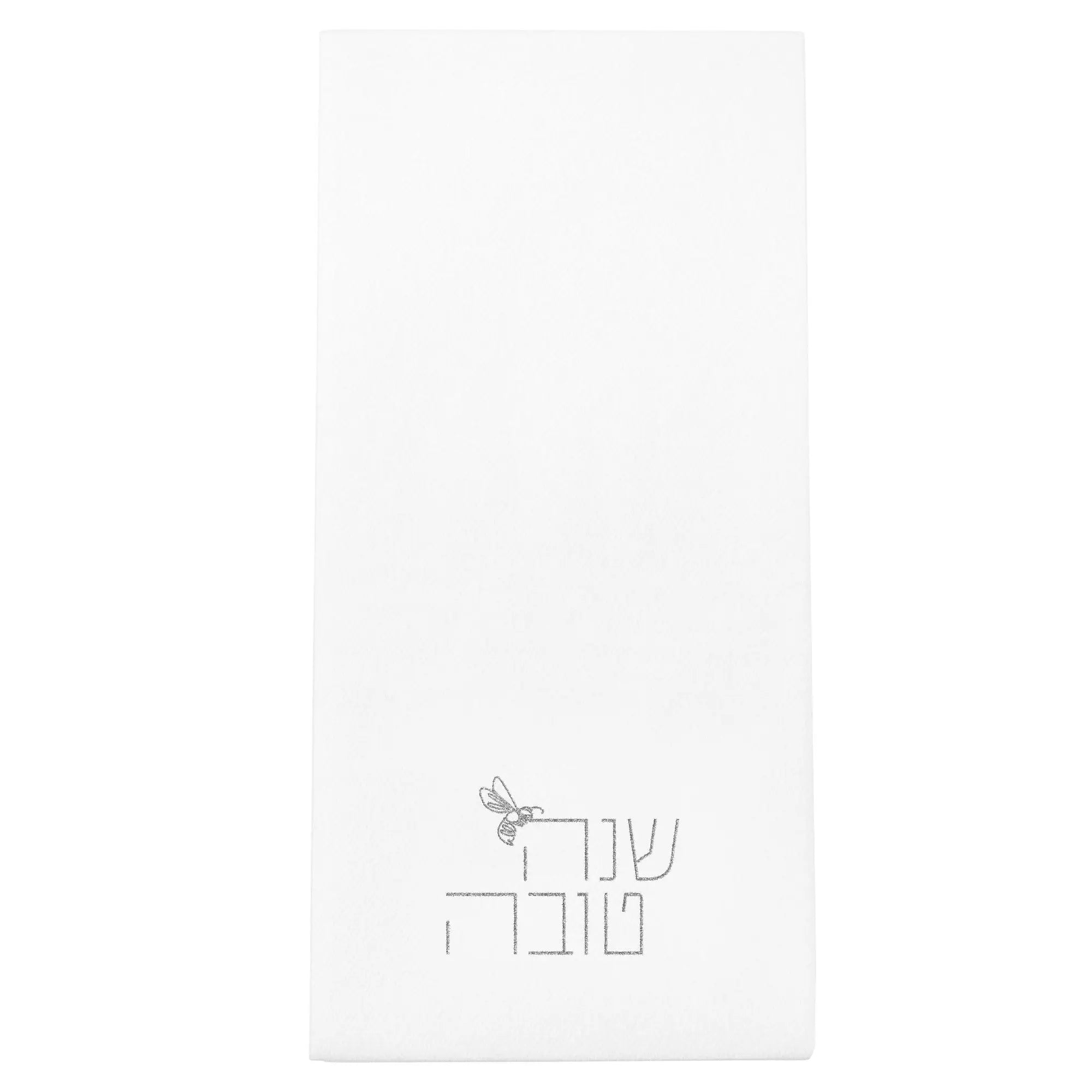
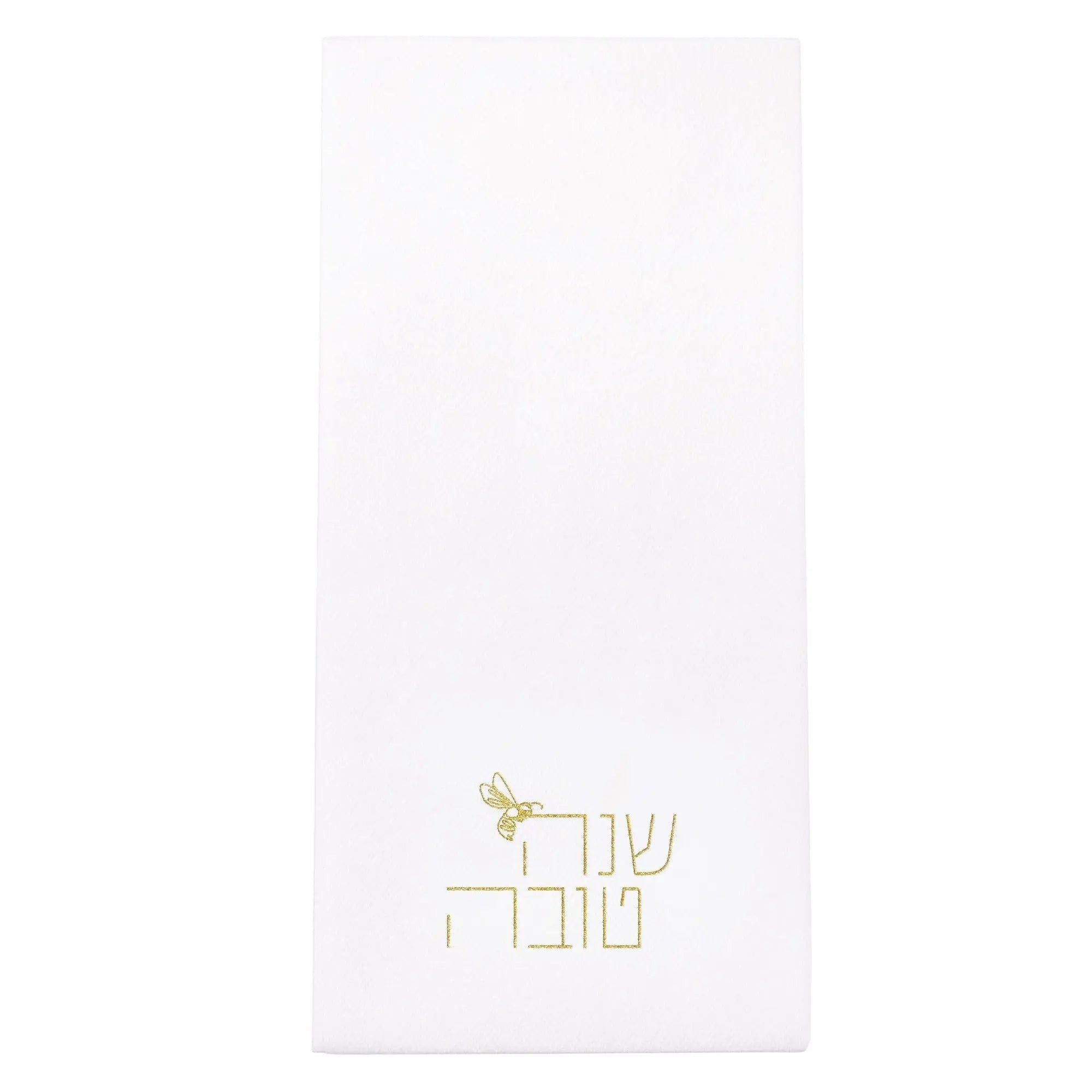
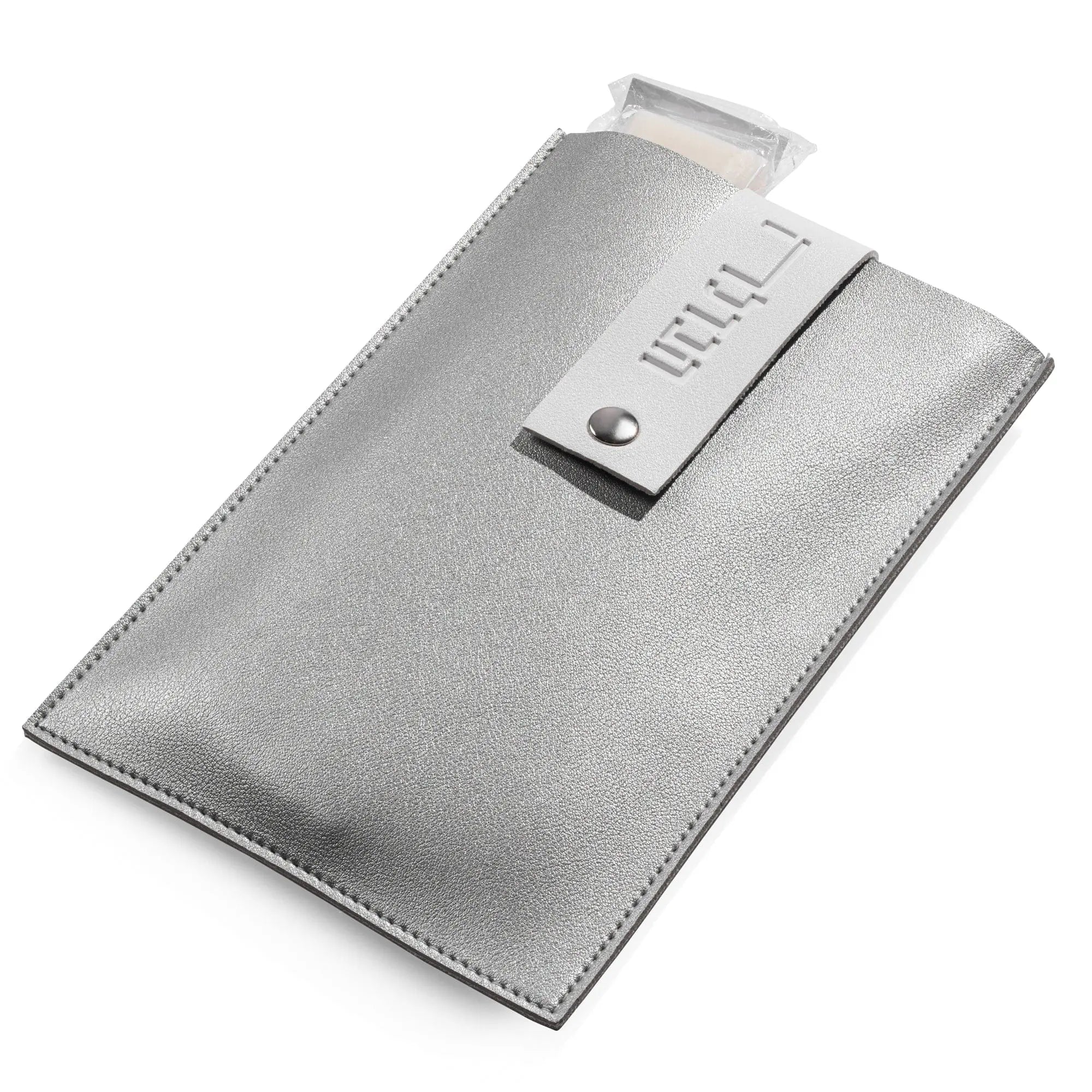
Rosh Hashanah Guest Towelettes
Sale price
$8.00
Regular price
$10.00
Sold out
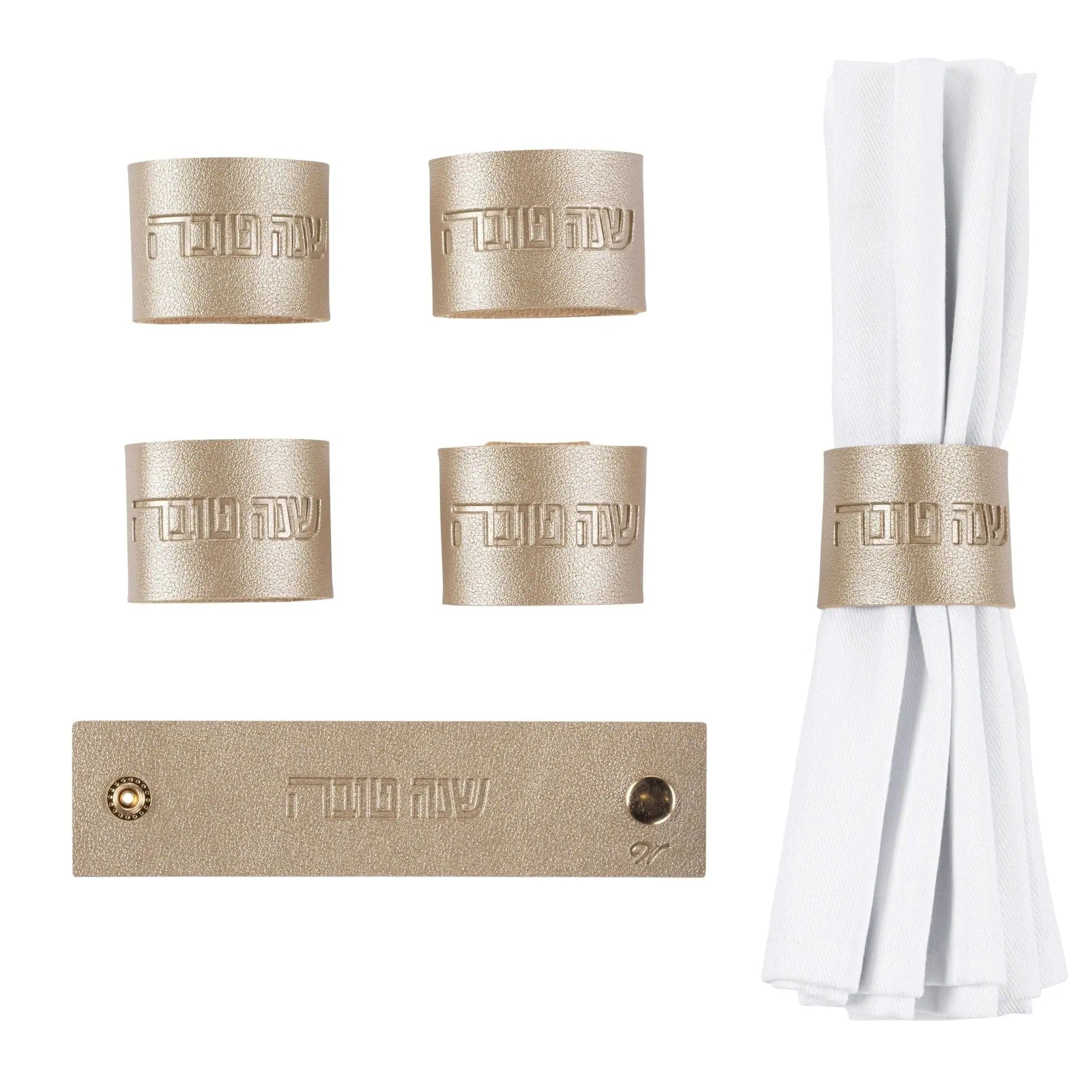
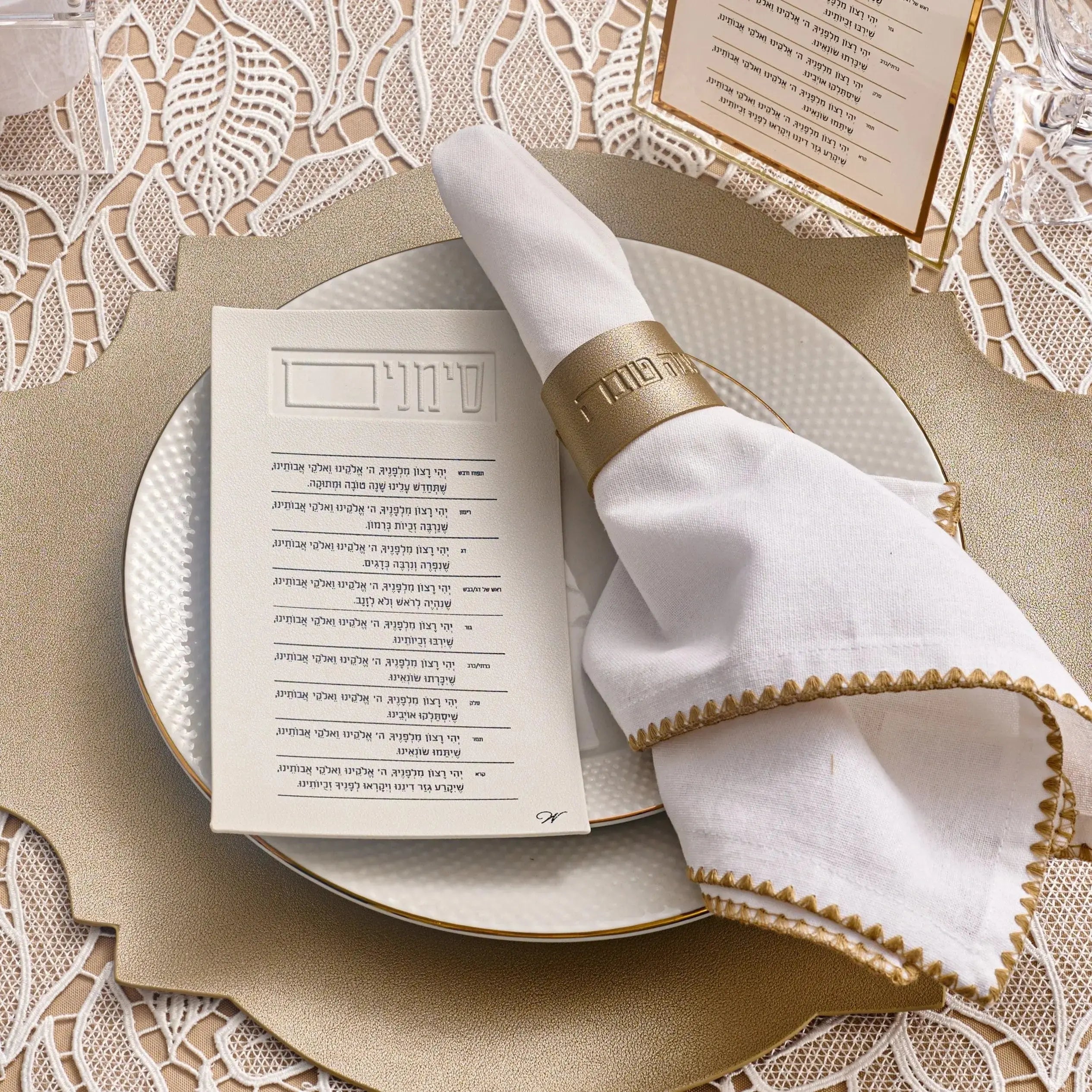
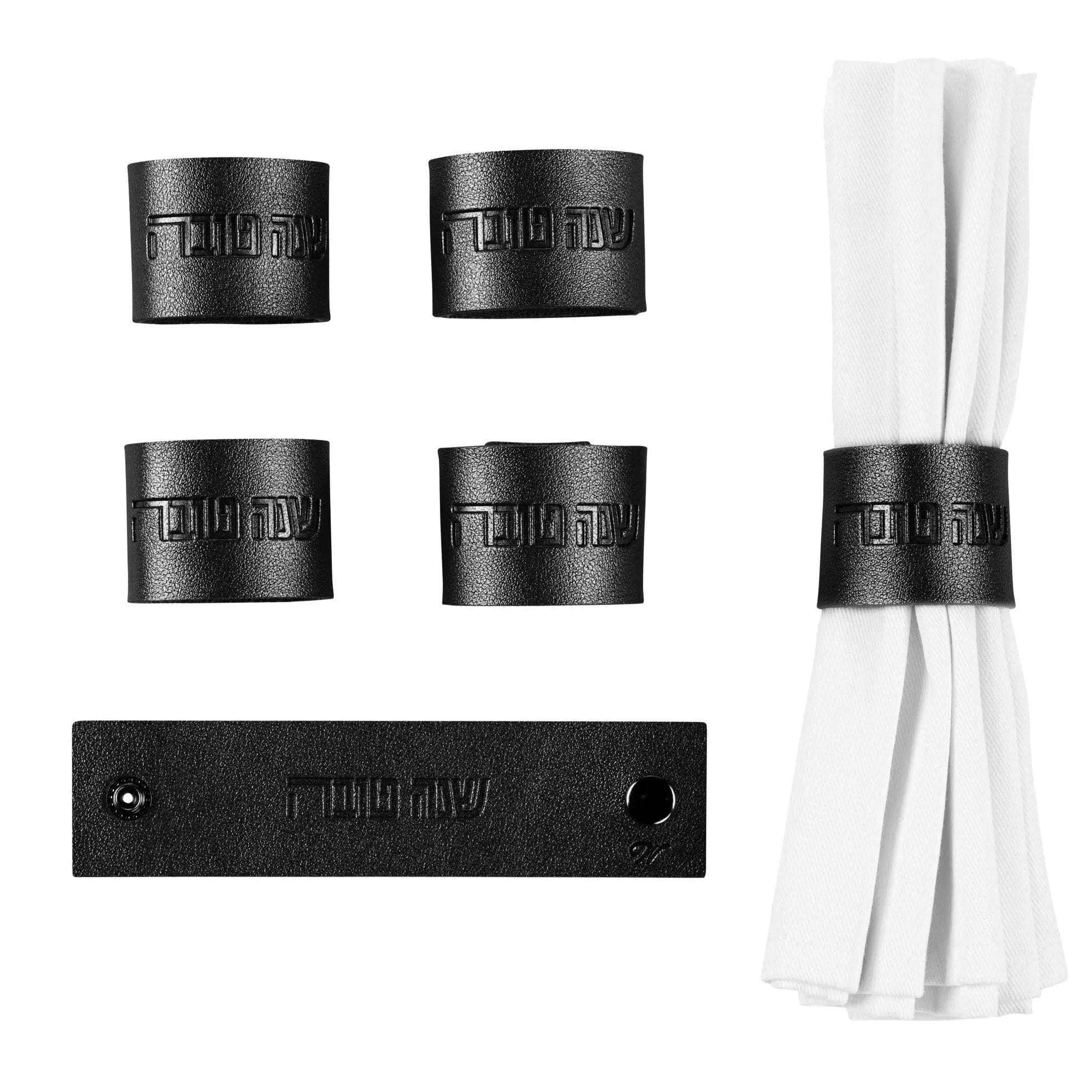
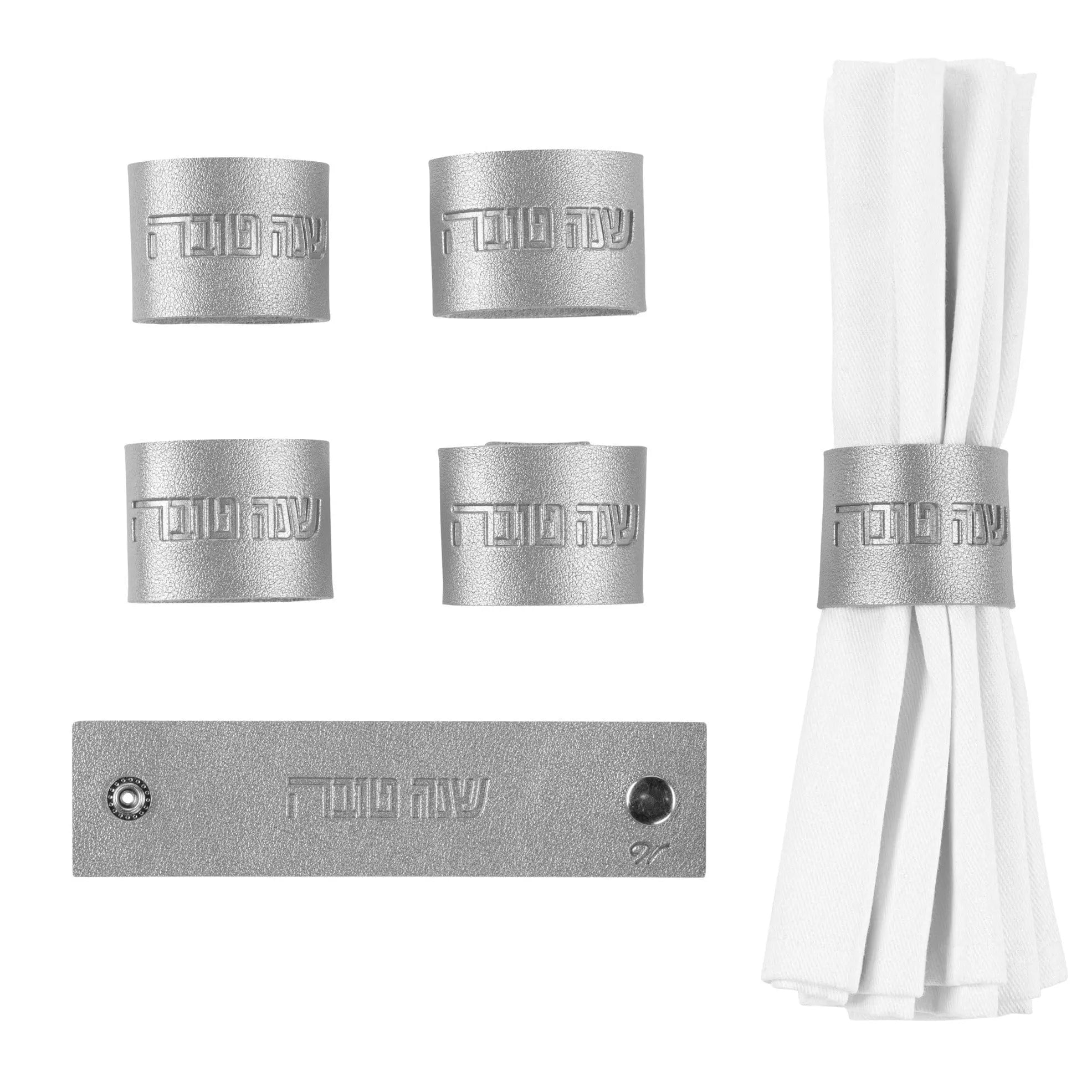
Rosh Hashanah Leather Napkin Wraps
Sale priceFrom
$10.00
Regular price
$14.00
Sale
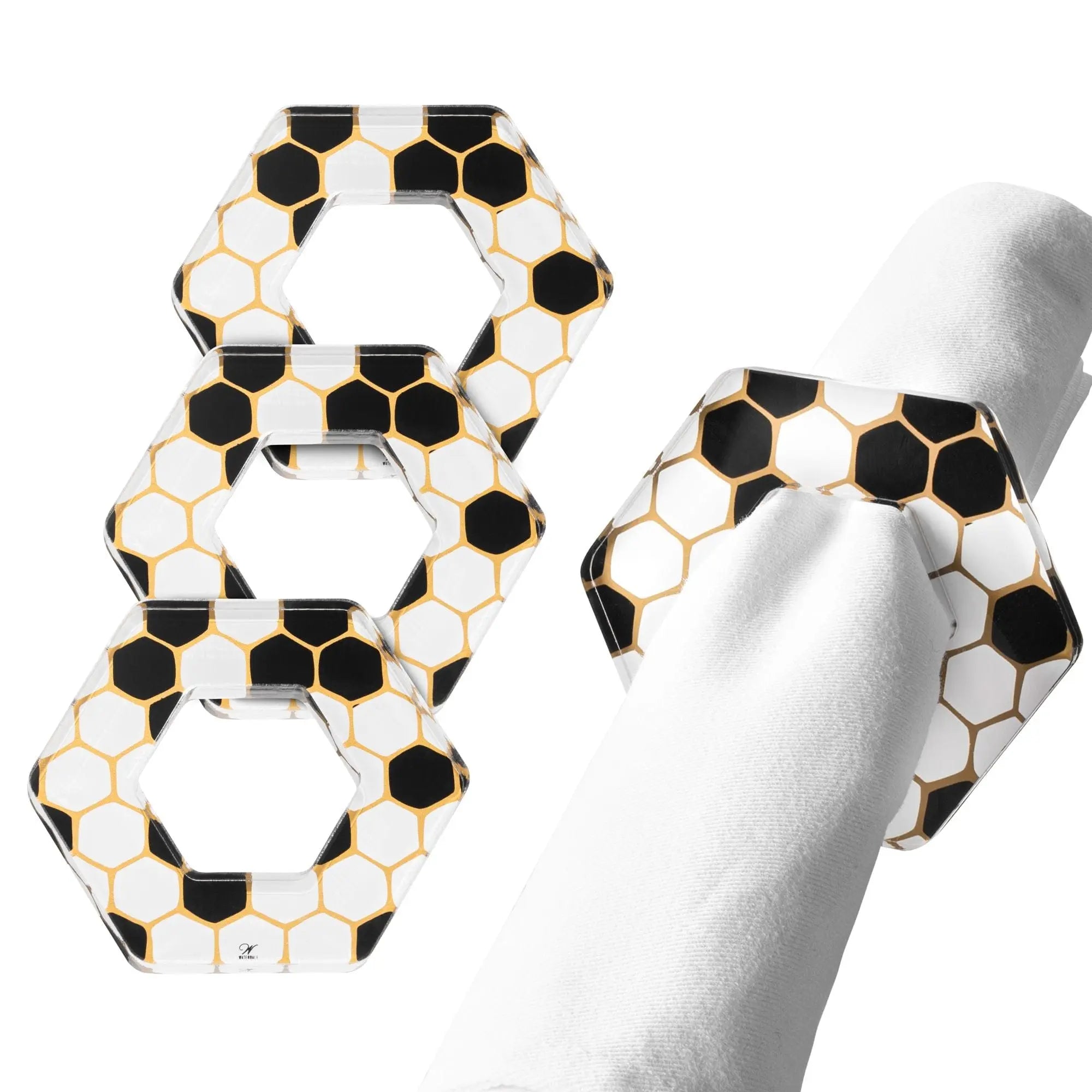
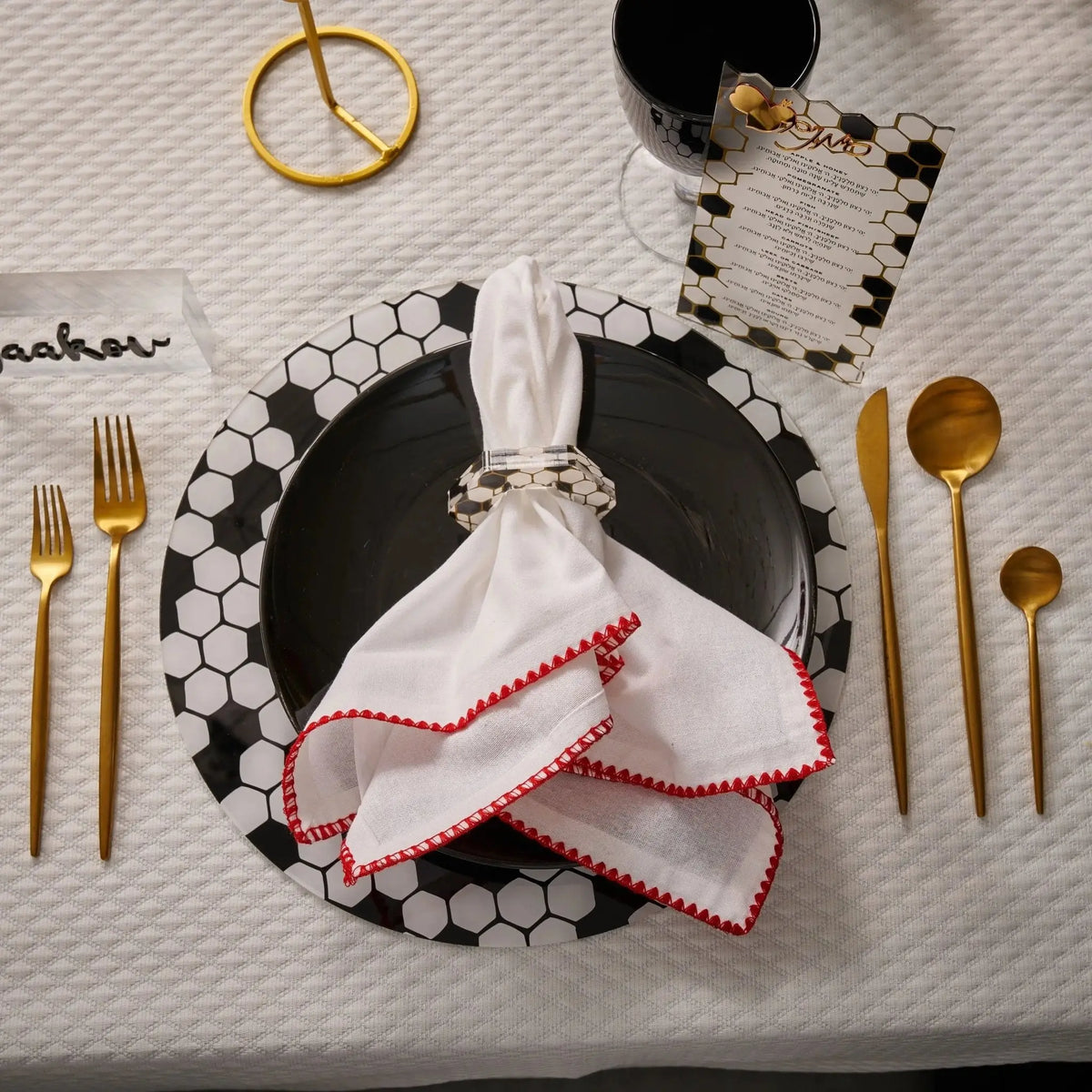
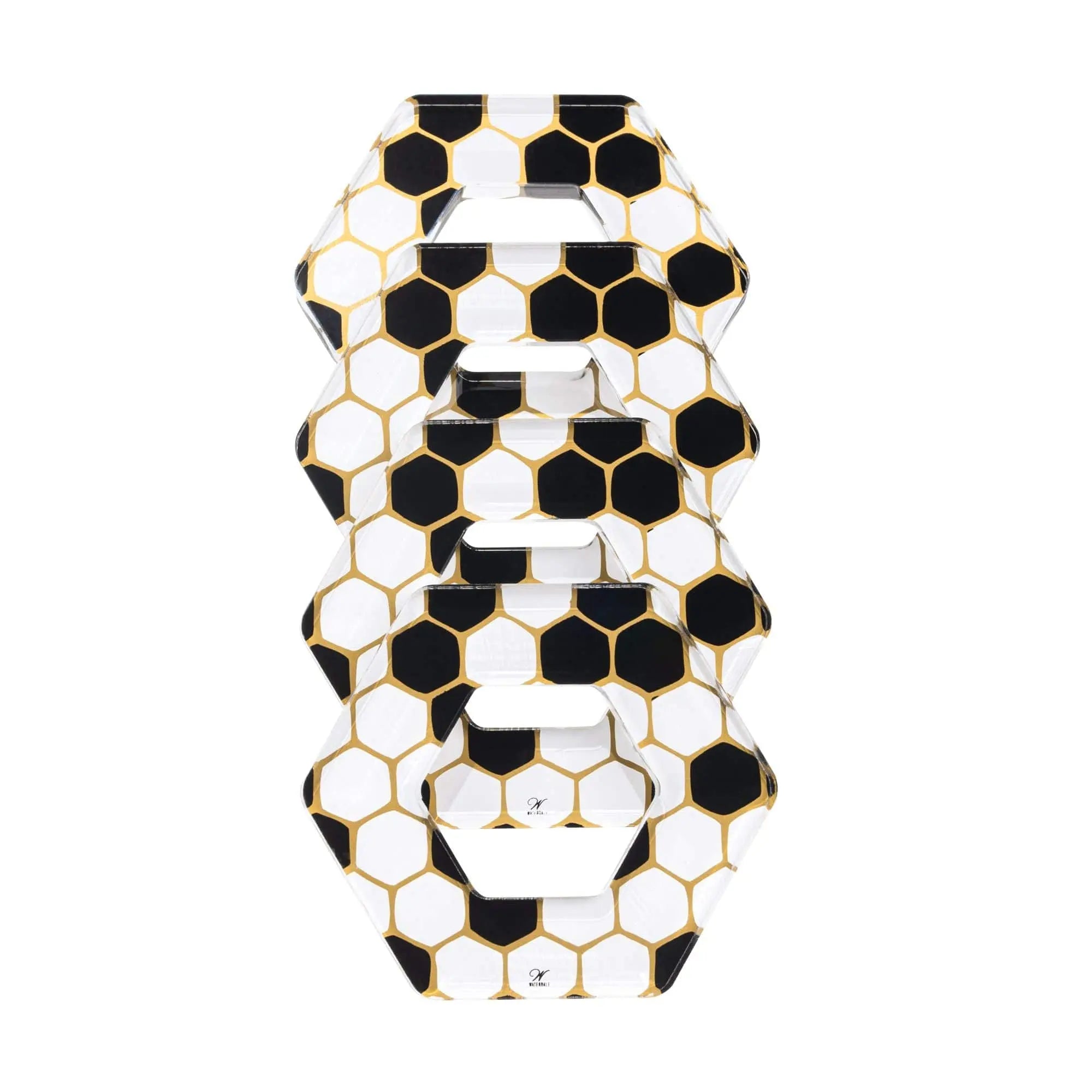
Onyx Napkin Rings
Sale price
$8.00
Regular price
$24.00
Sold out

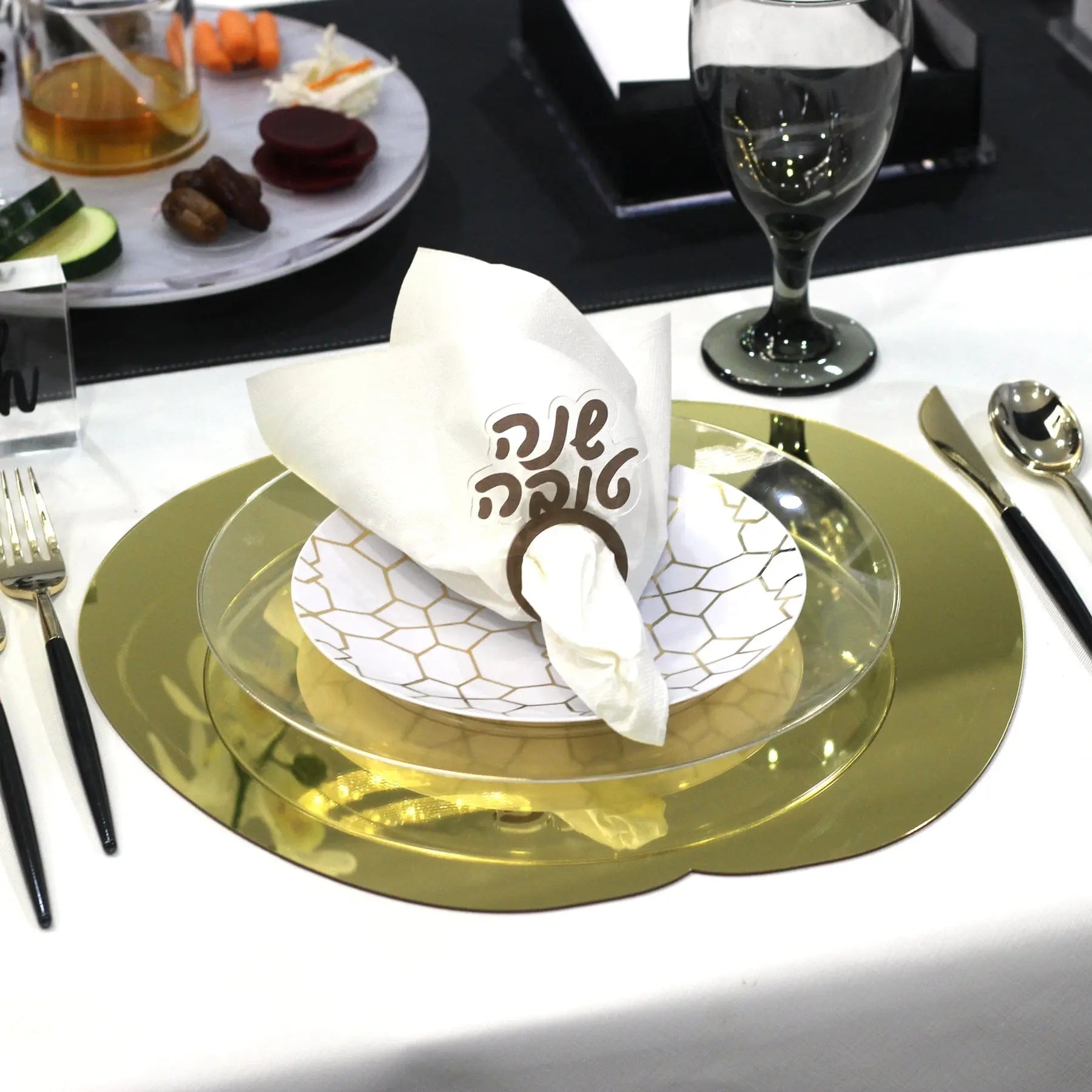
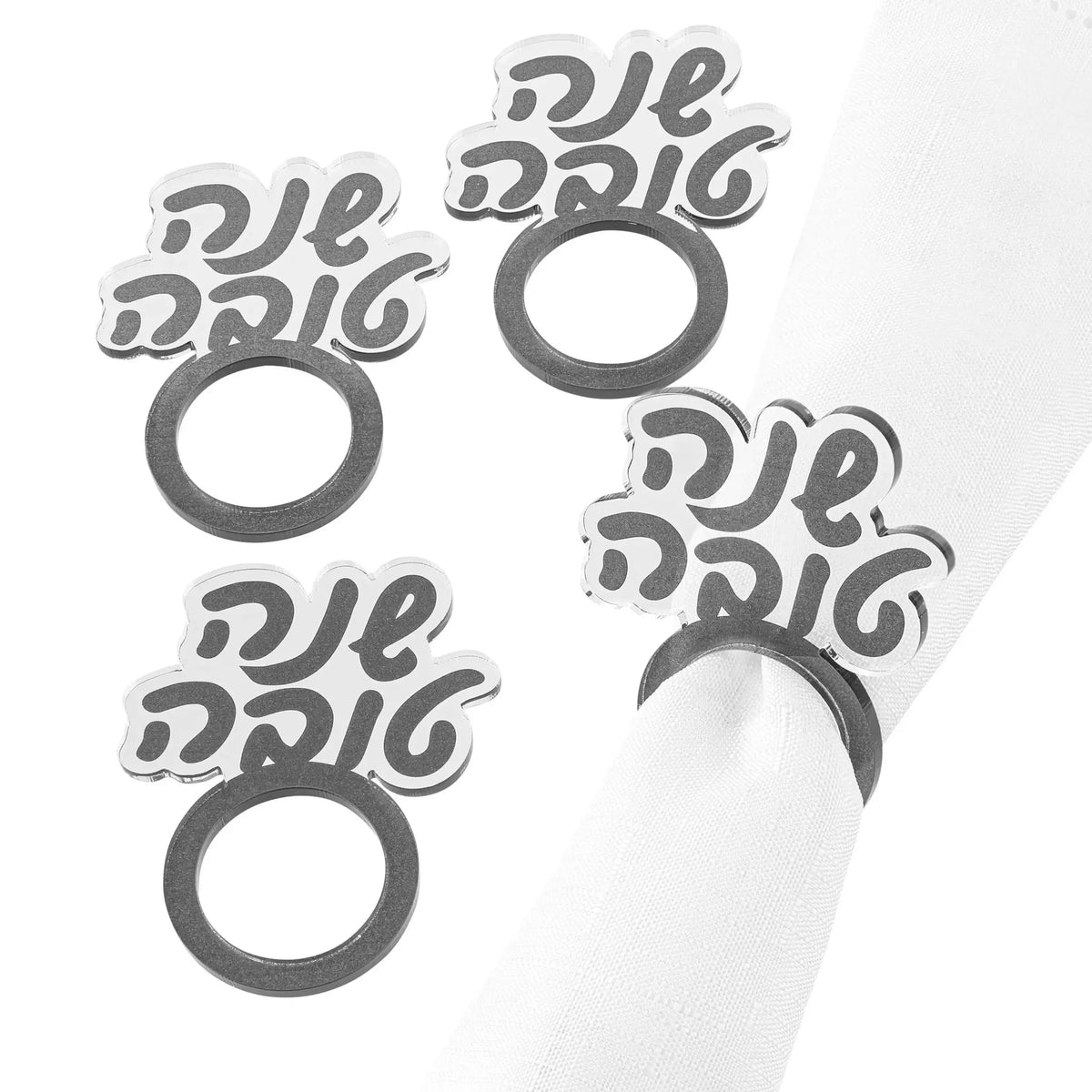
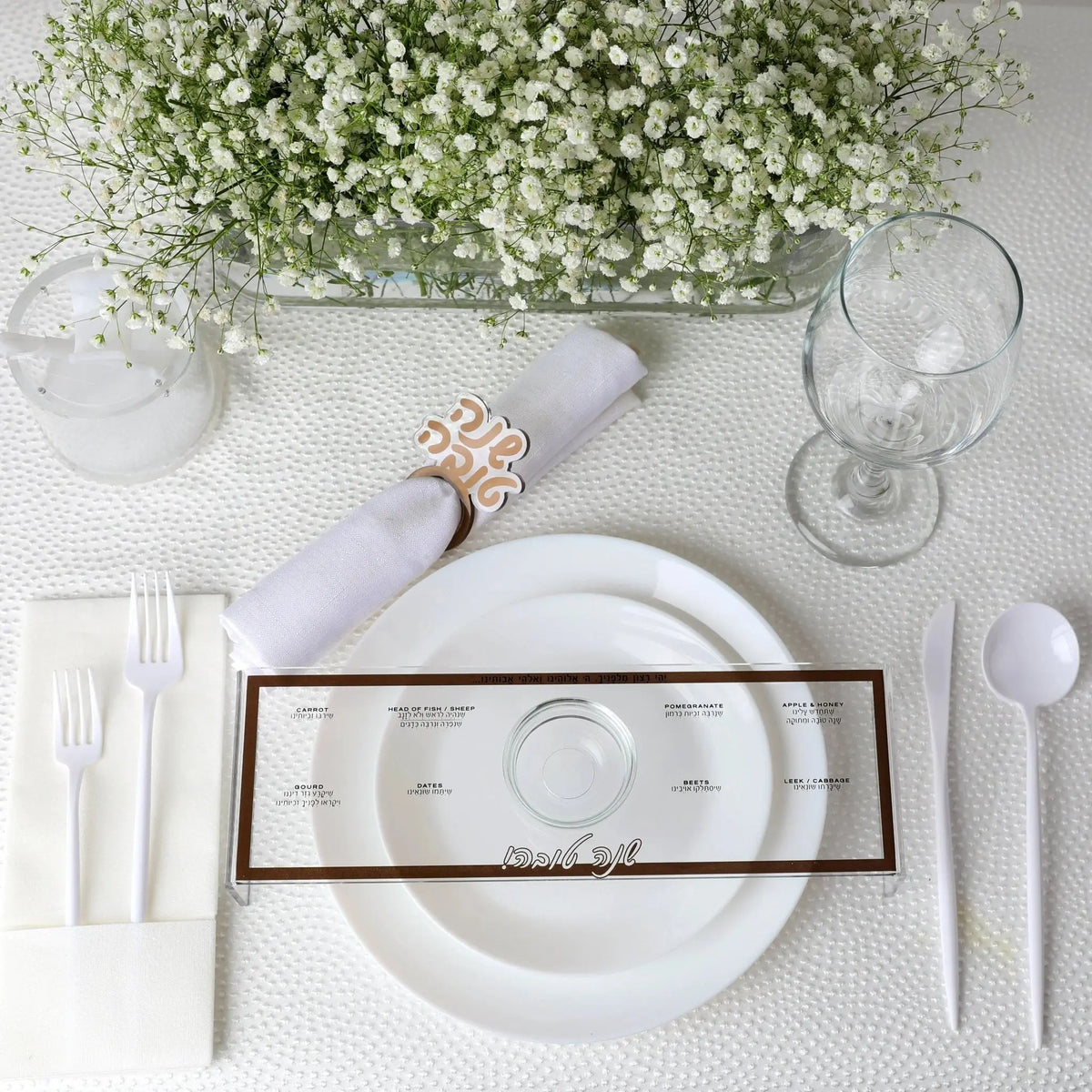
Shana Tova Napkin Rings
Sale priceFrom
$12.00
Regular price
$24.00
Sold out
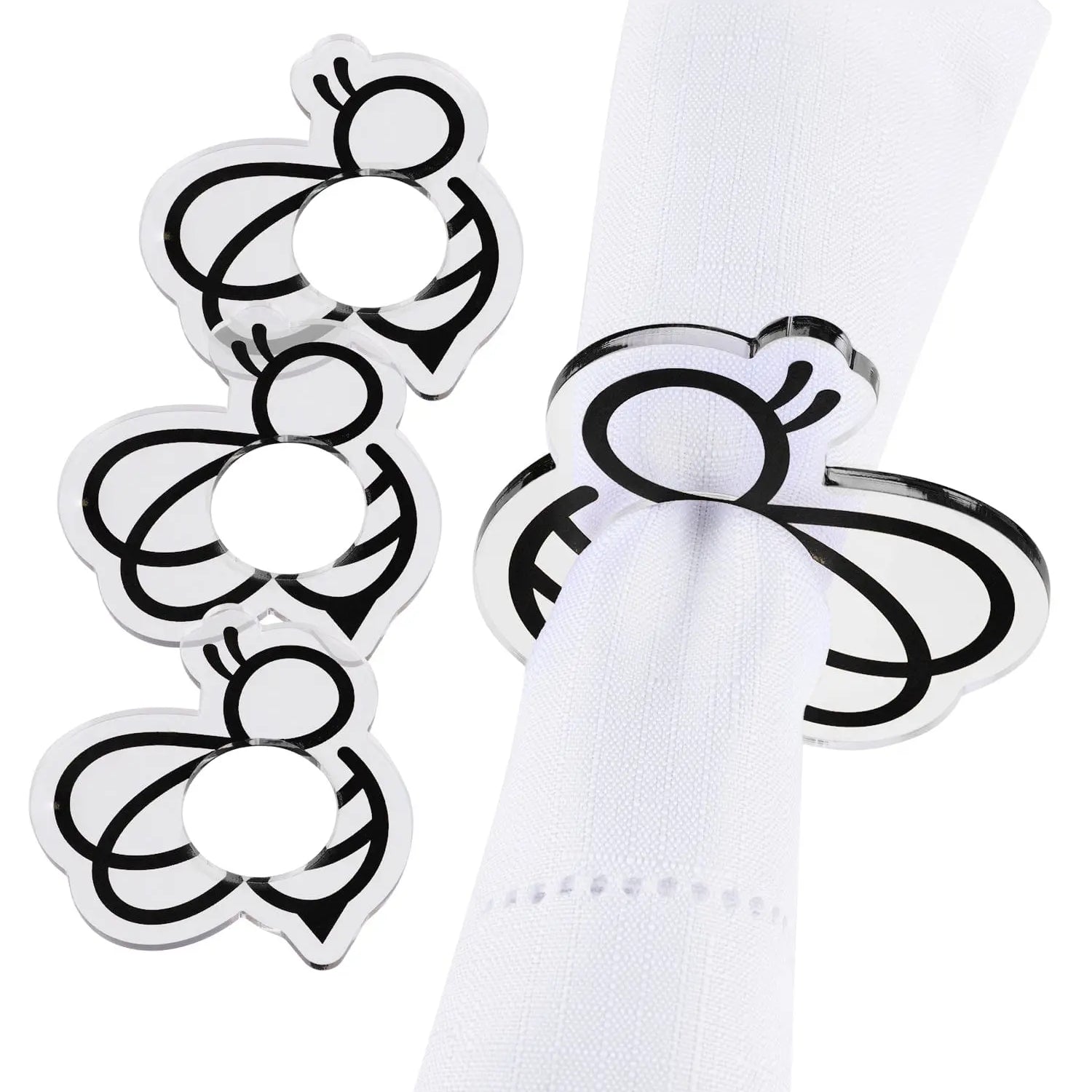
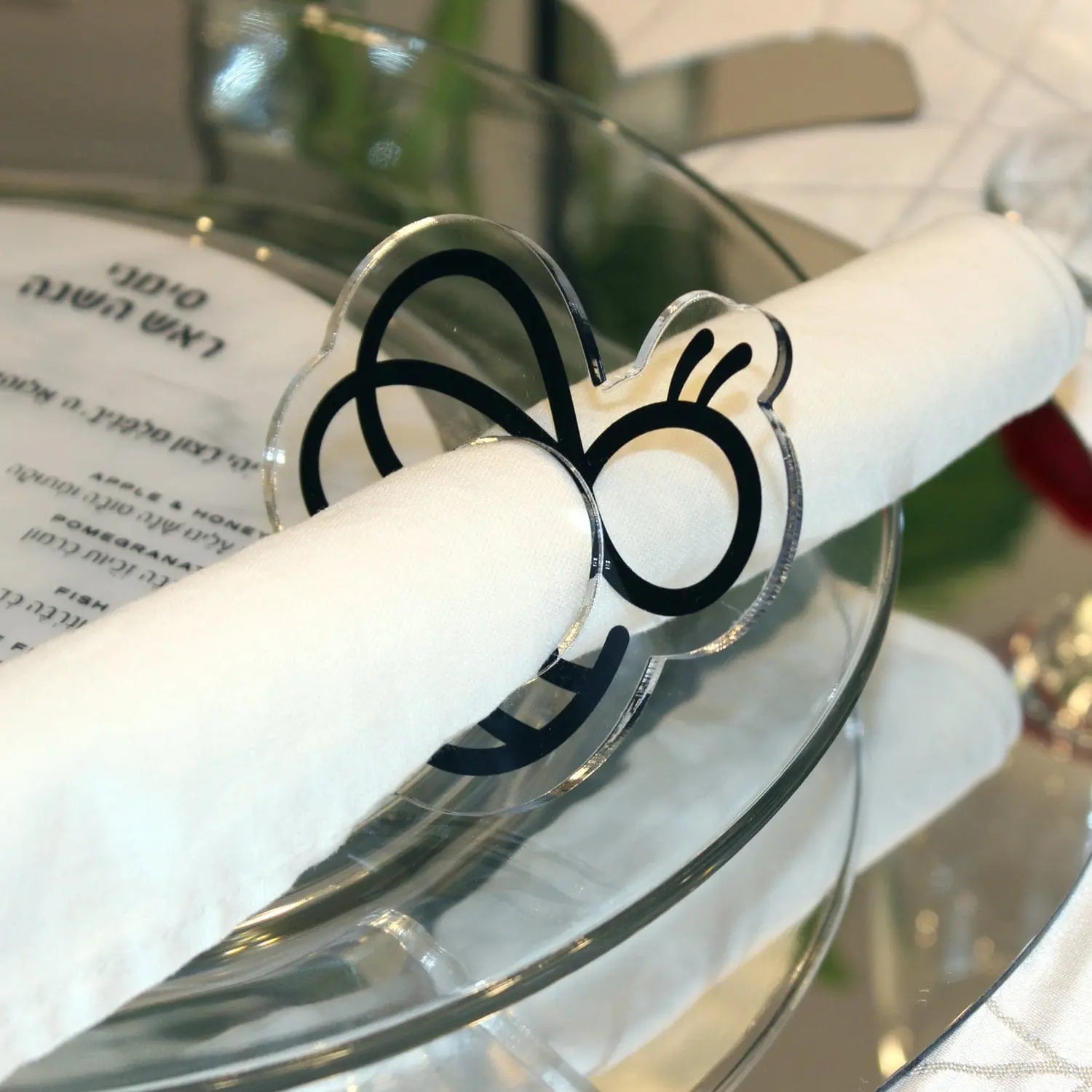
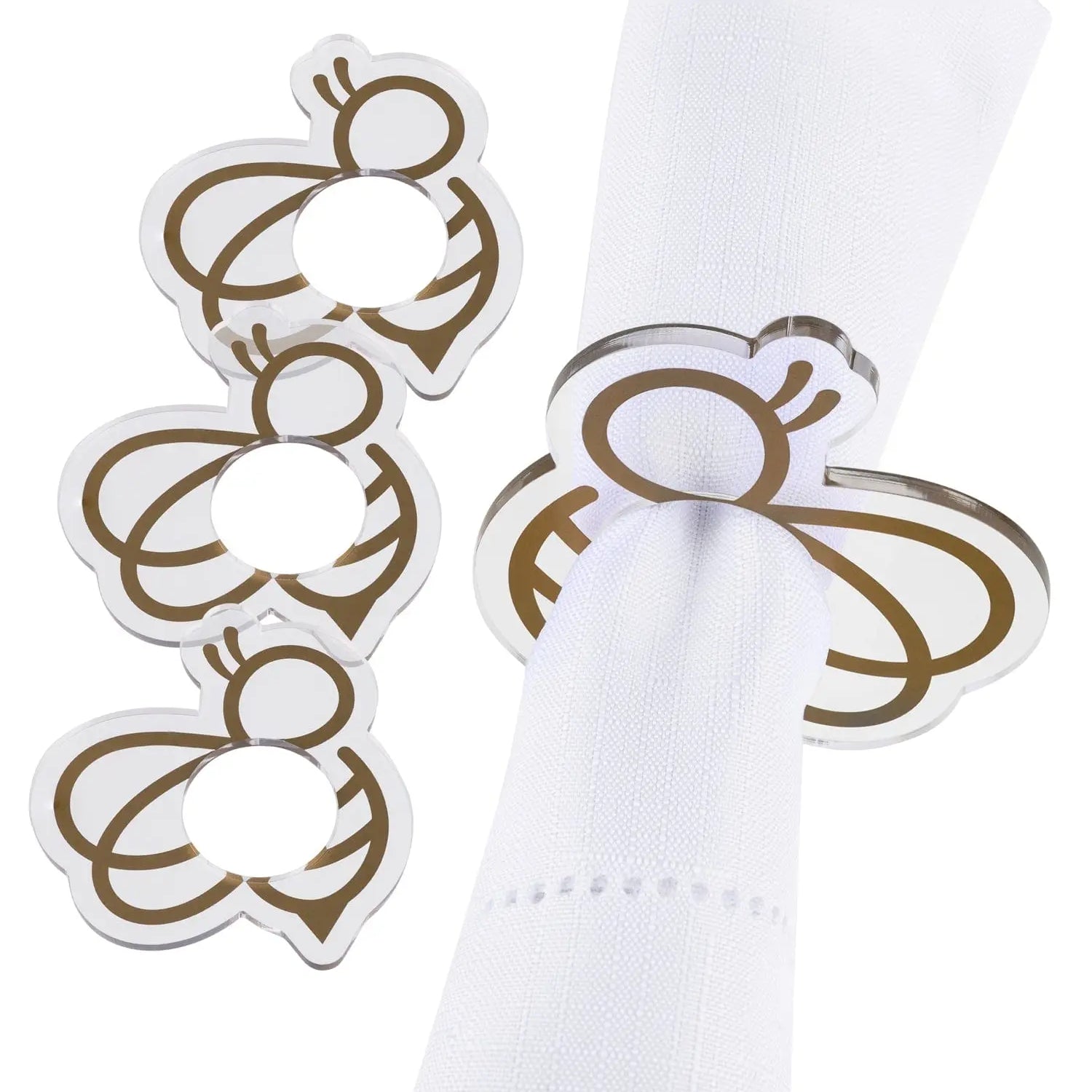
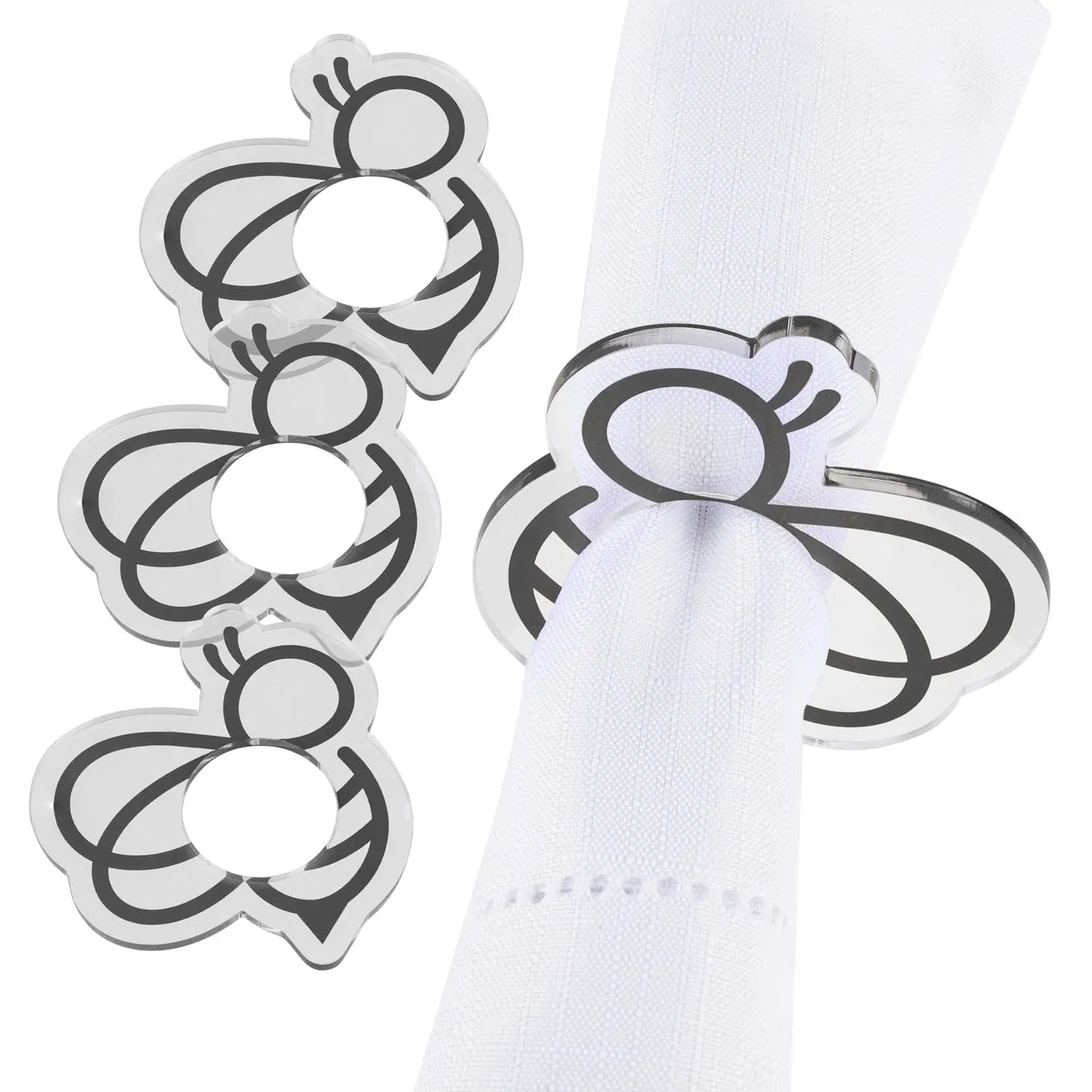
Bee Napkin Rings
Sale priceFrom
$8.00
Regular price
$20.00
Sale

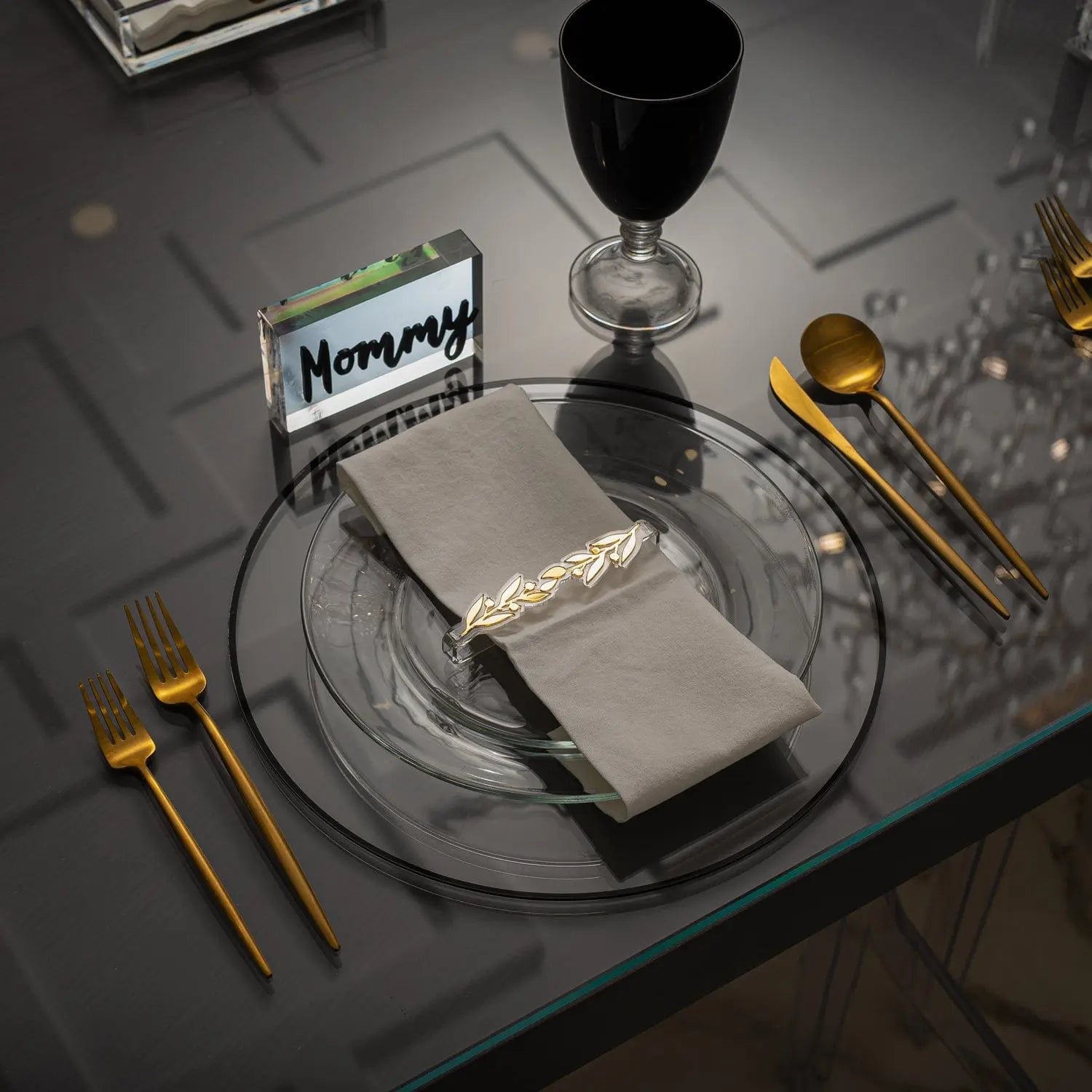
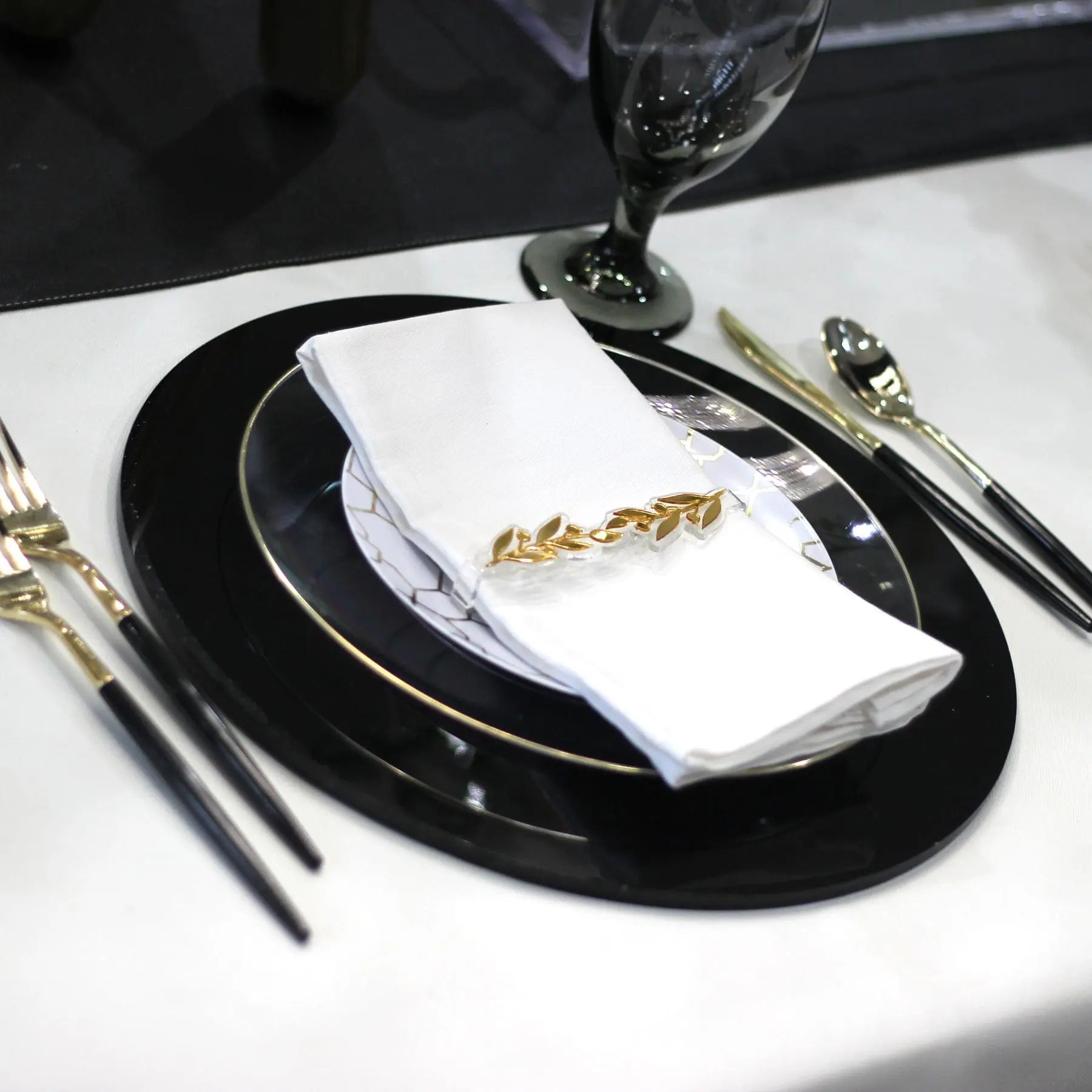
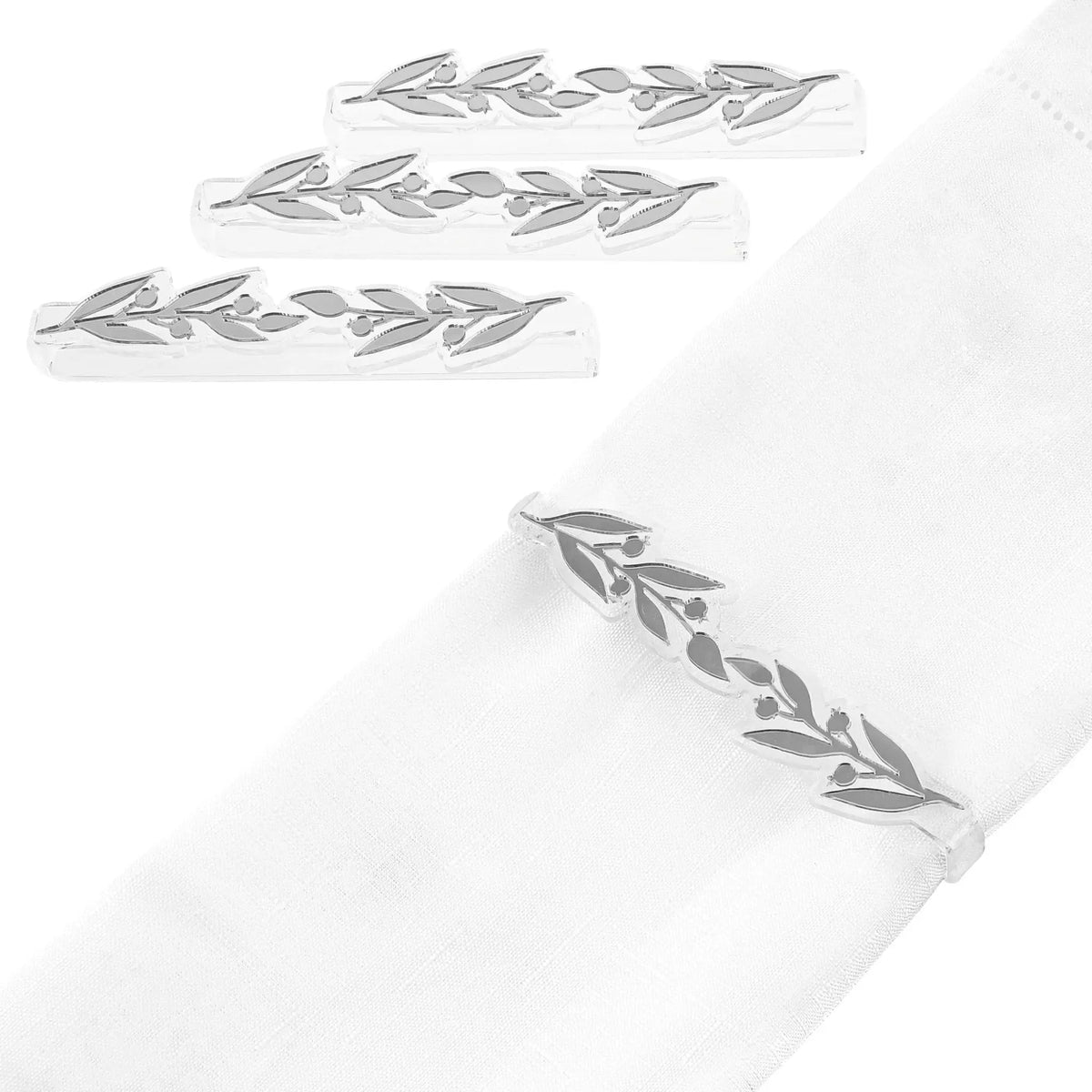
Pomegranate Leaf Napkin Wraps
Sale price
$12.00
Regular price
$24.00
Sale
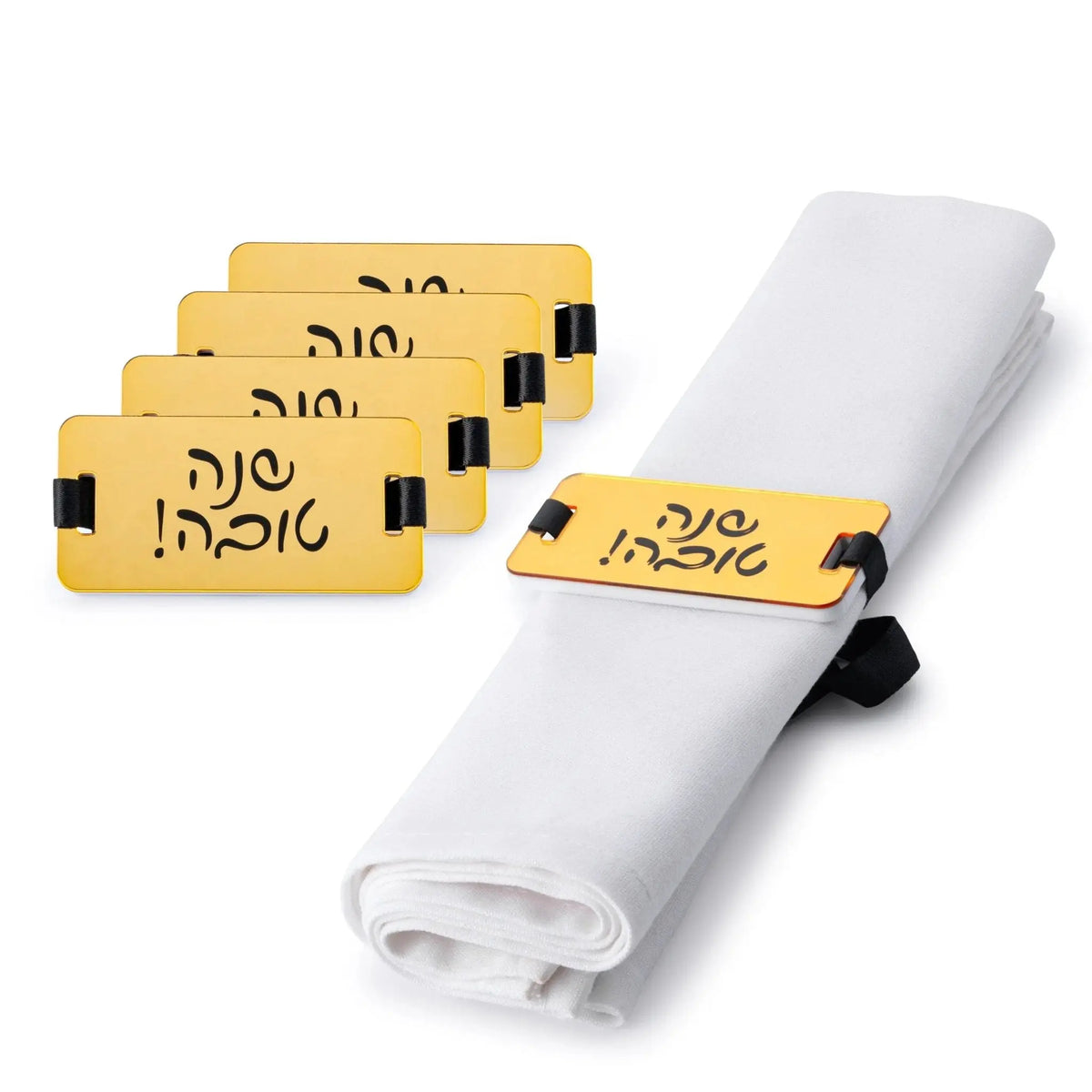
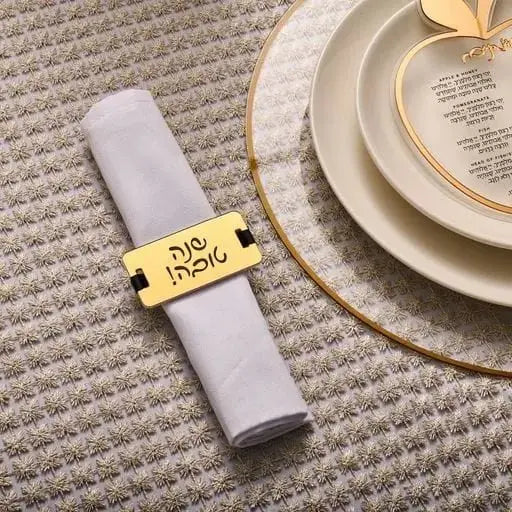
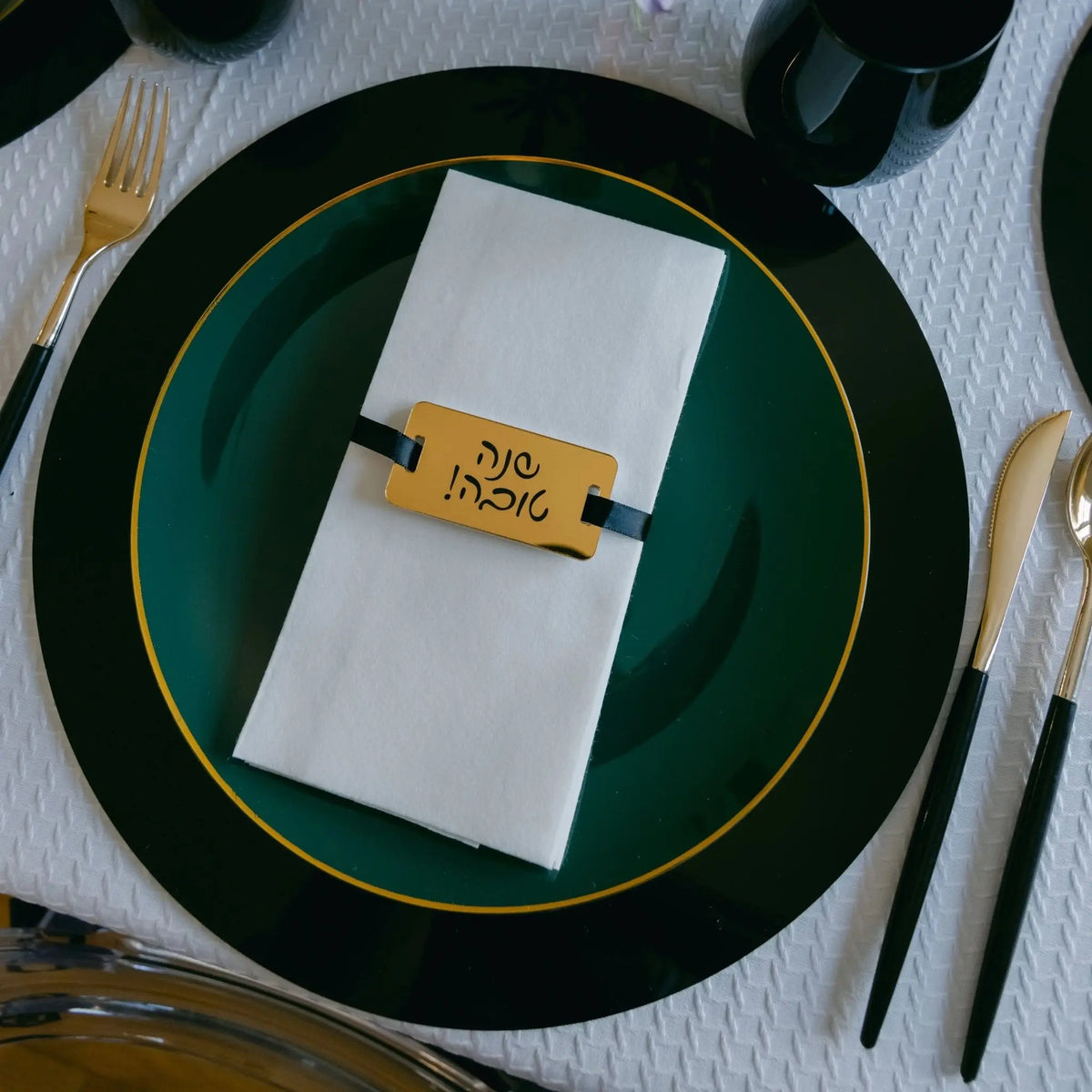
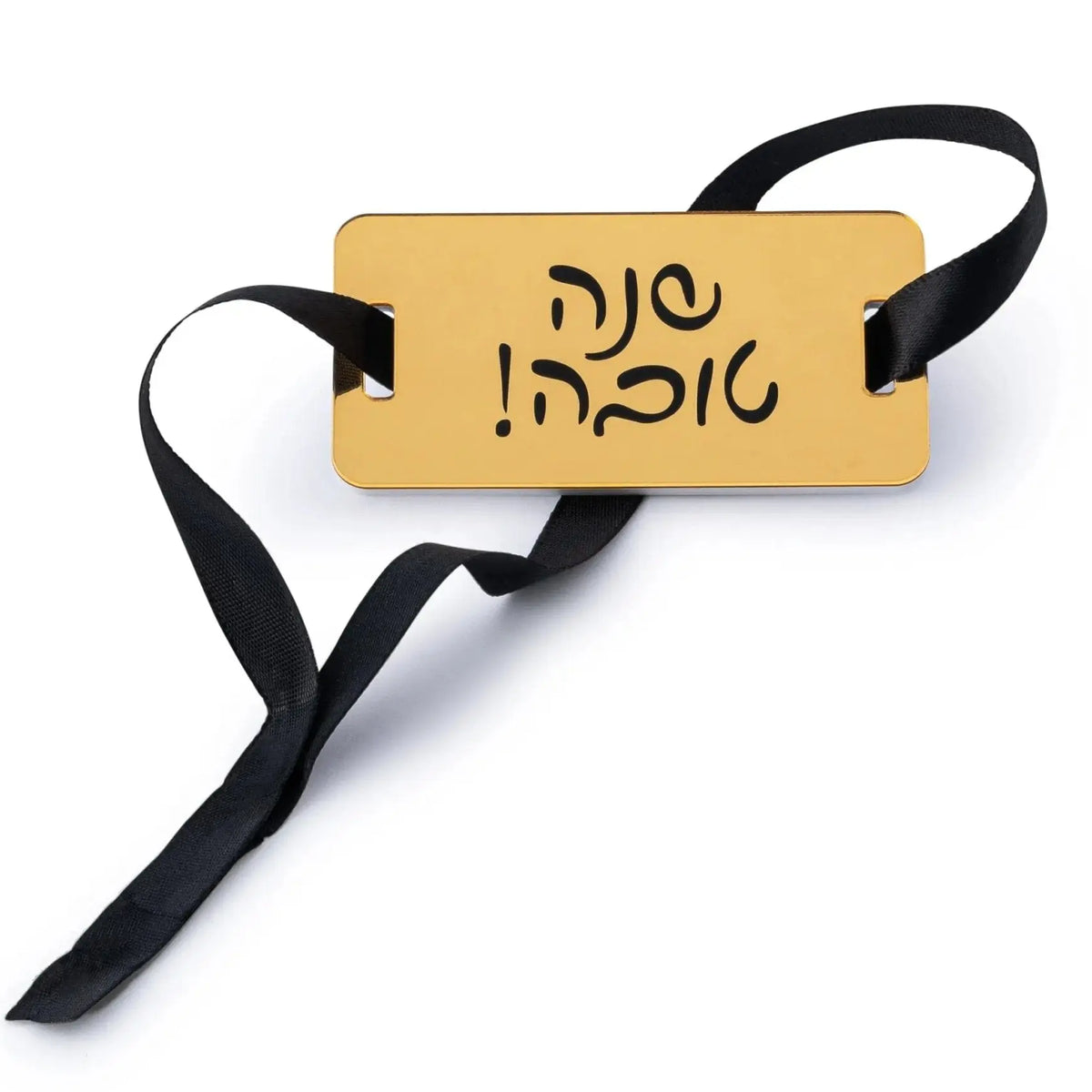
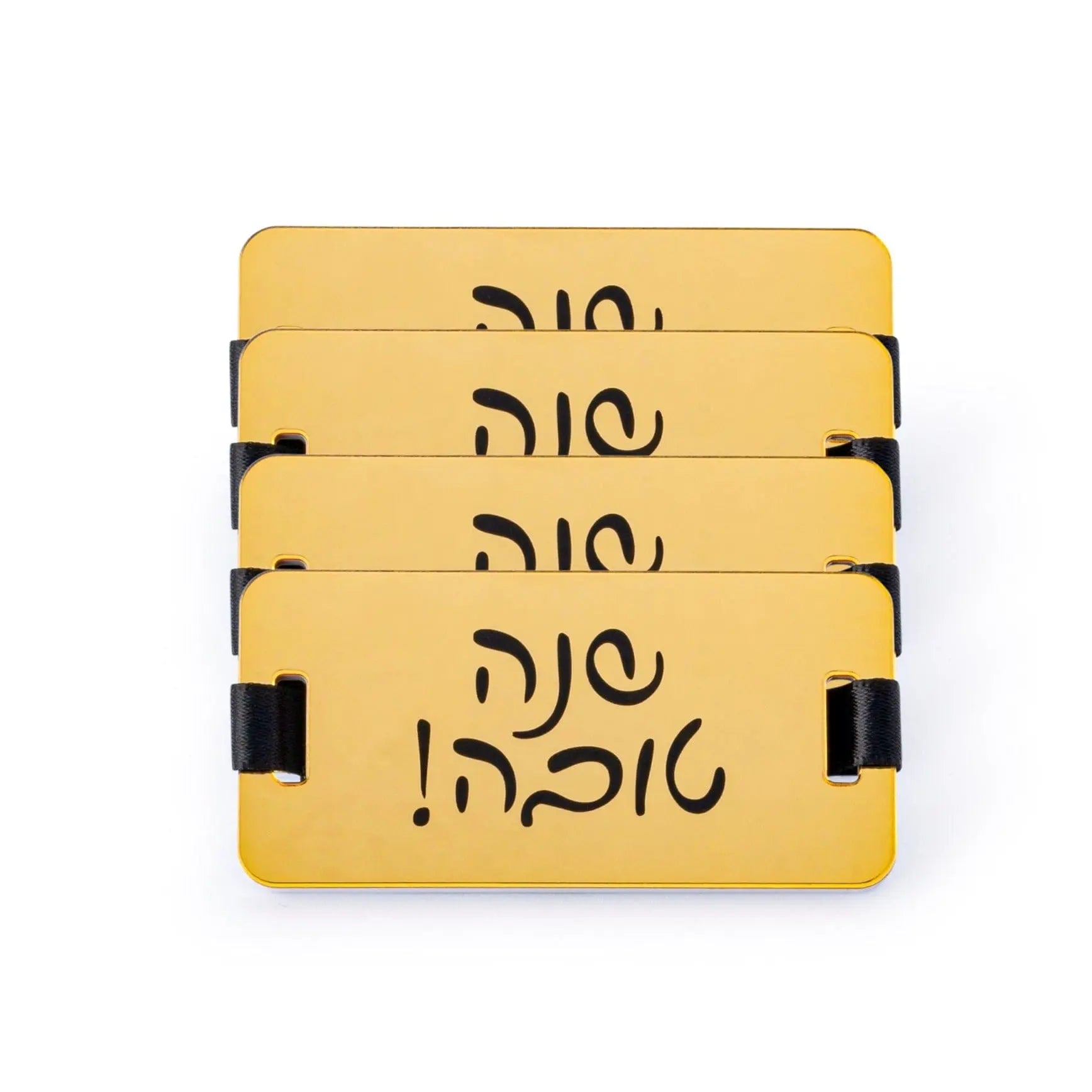
Shana Tova Napkin Wraps
Sale price
$18.00
Regular price
$24.00
Sale
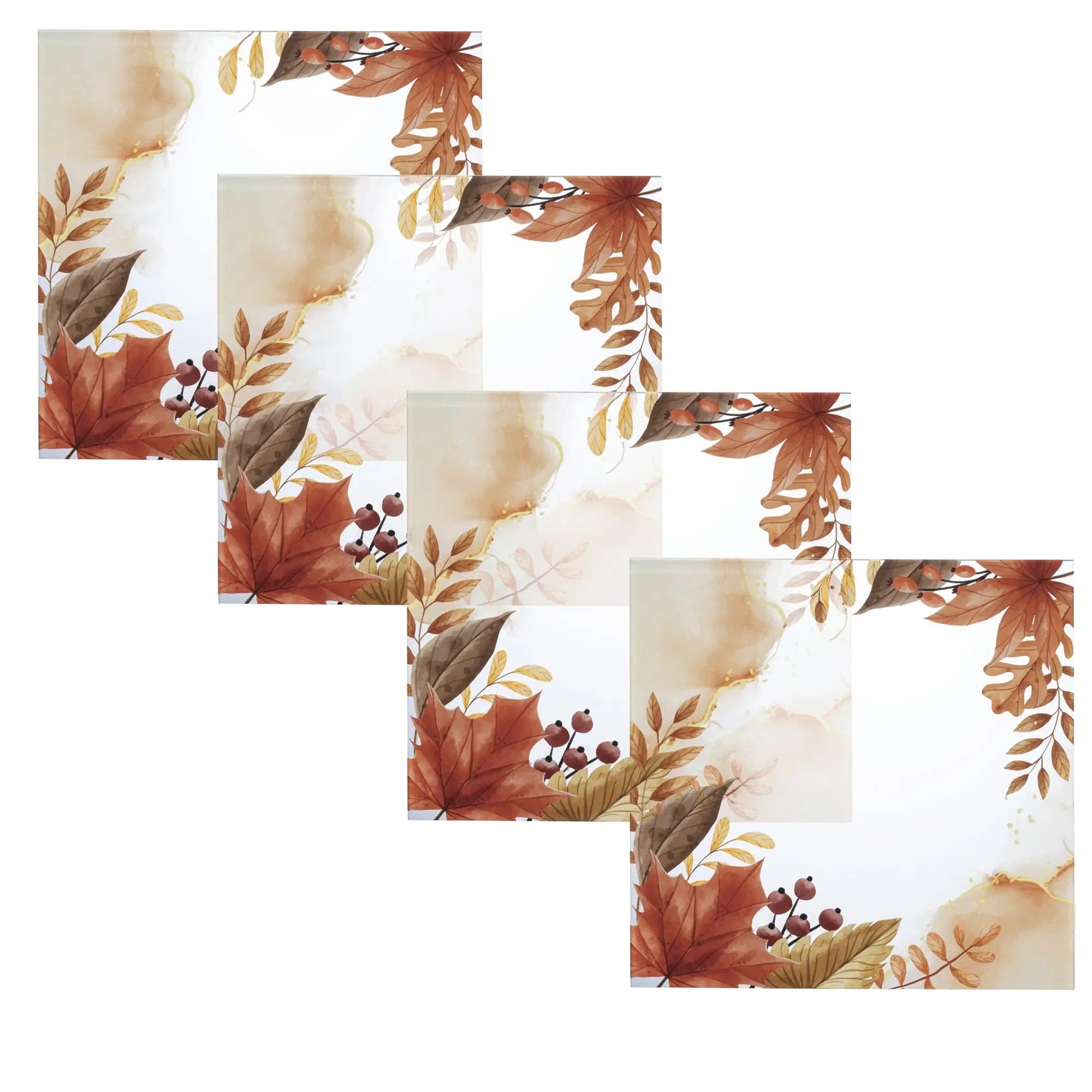
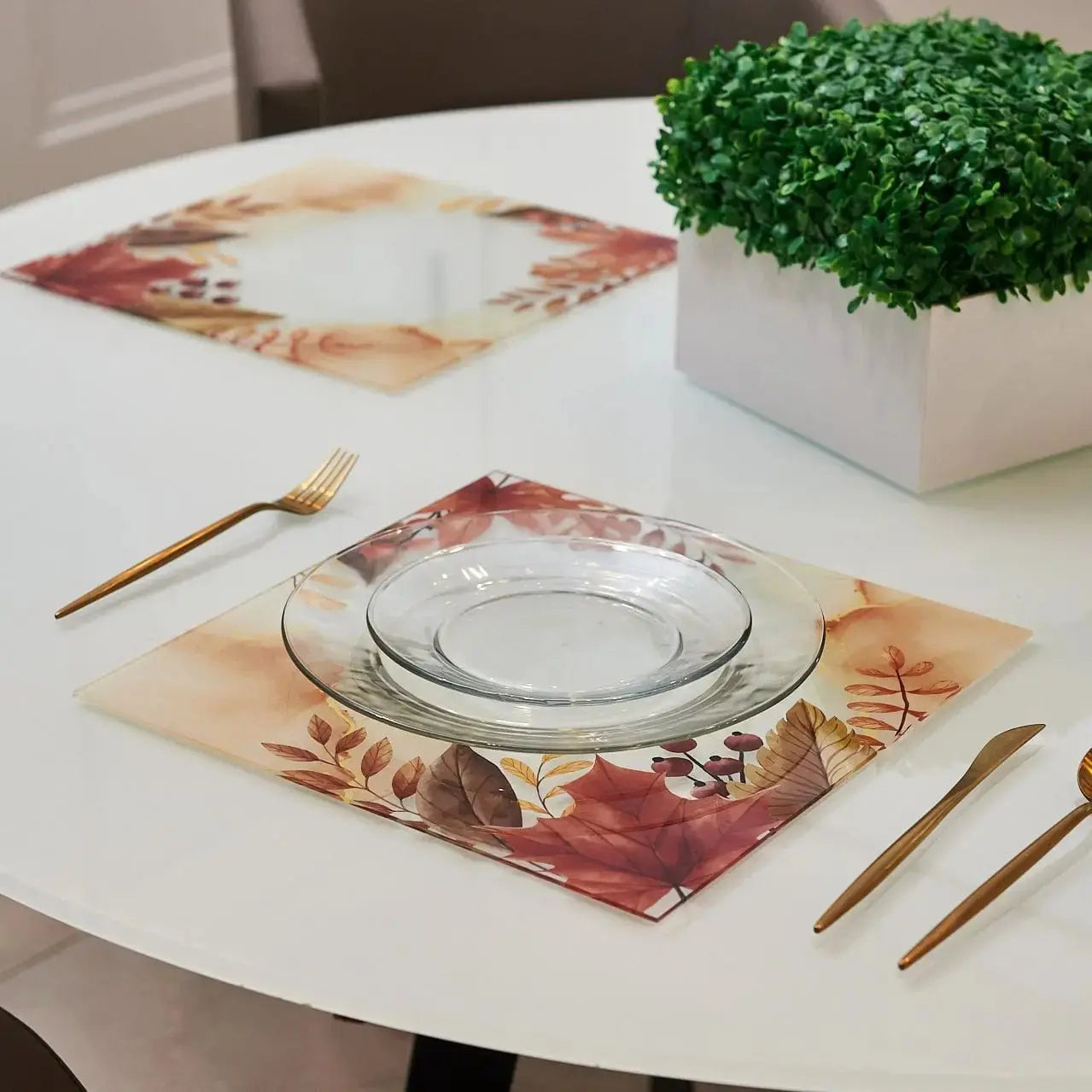

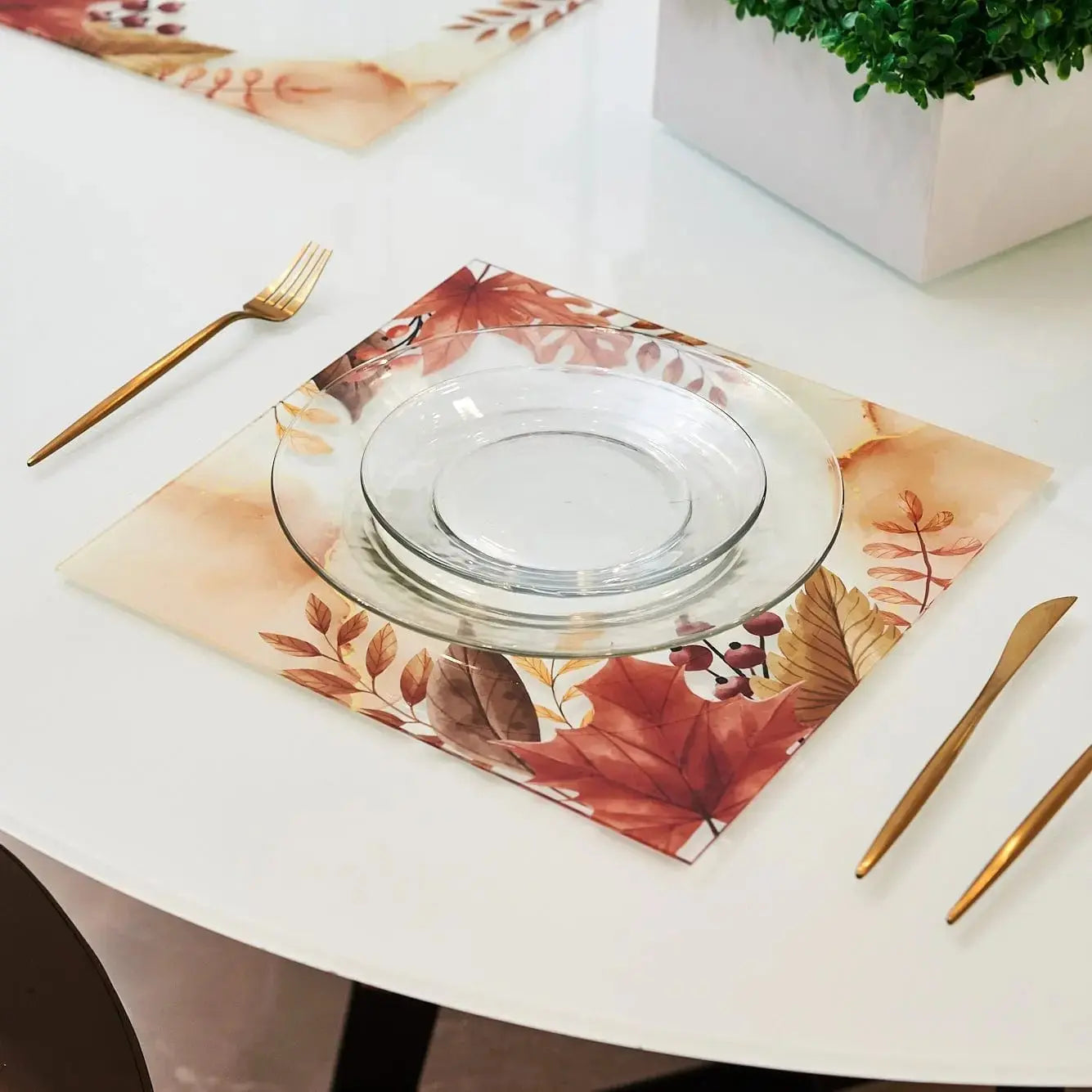
Autumn Chargers
Sale price
$30.00
Regular price
$72.00
Sale
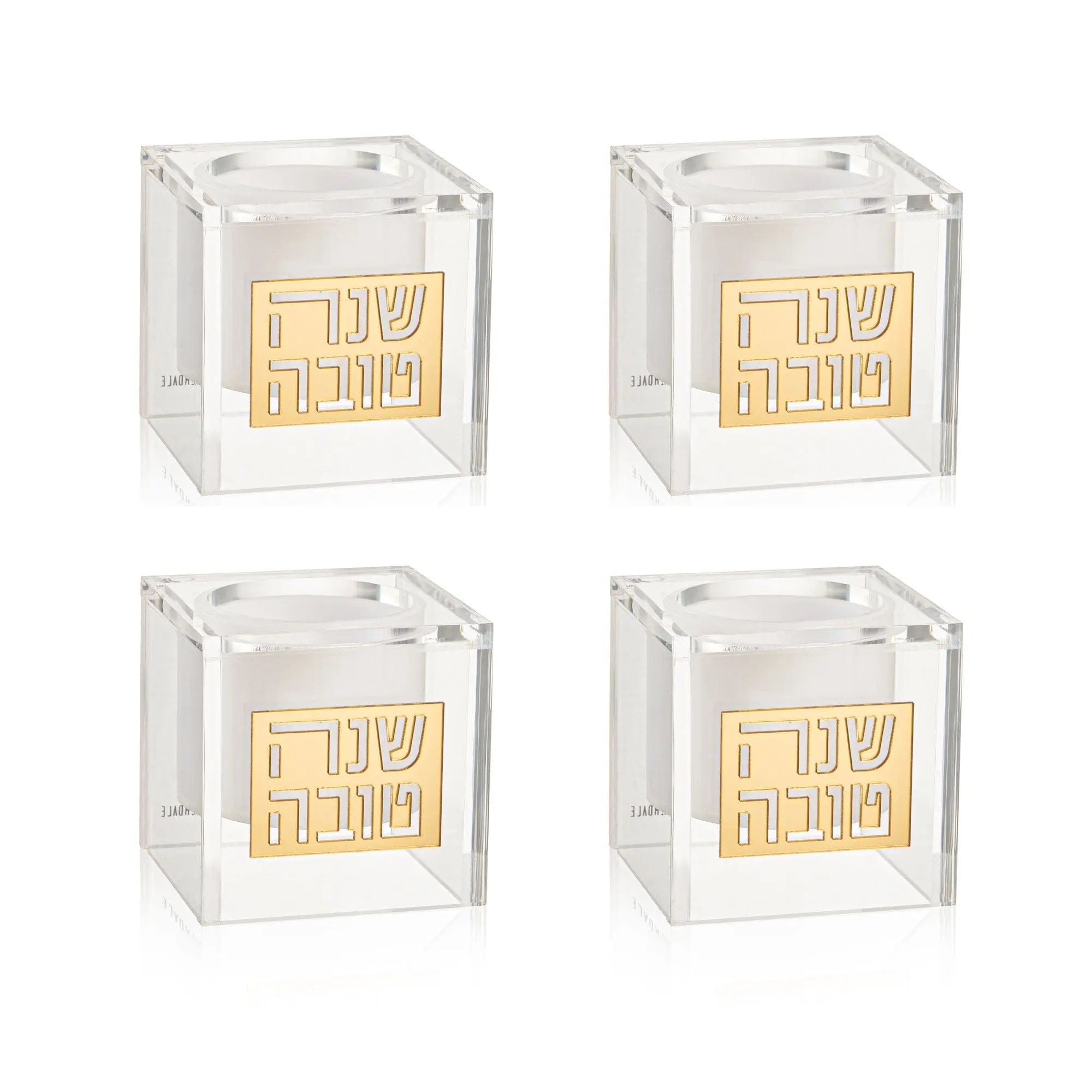
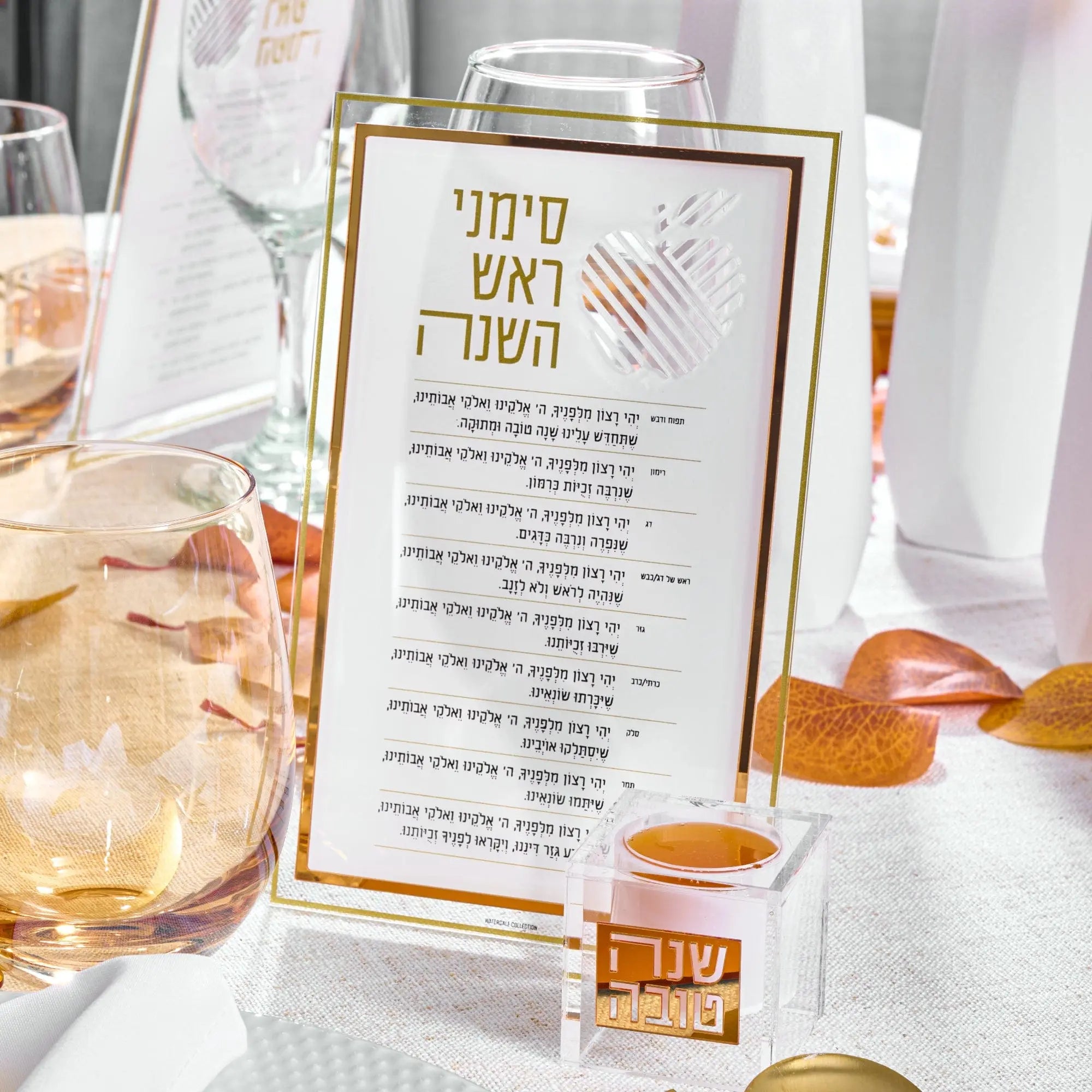
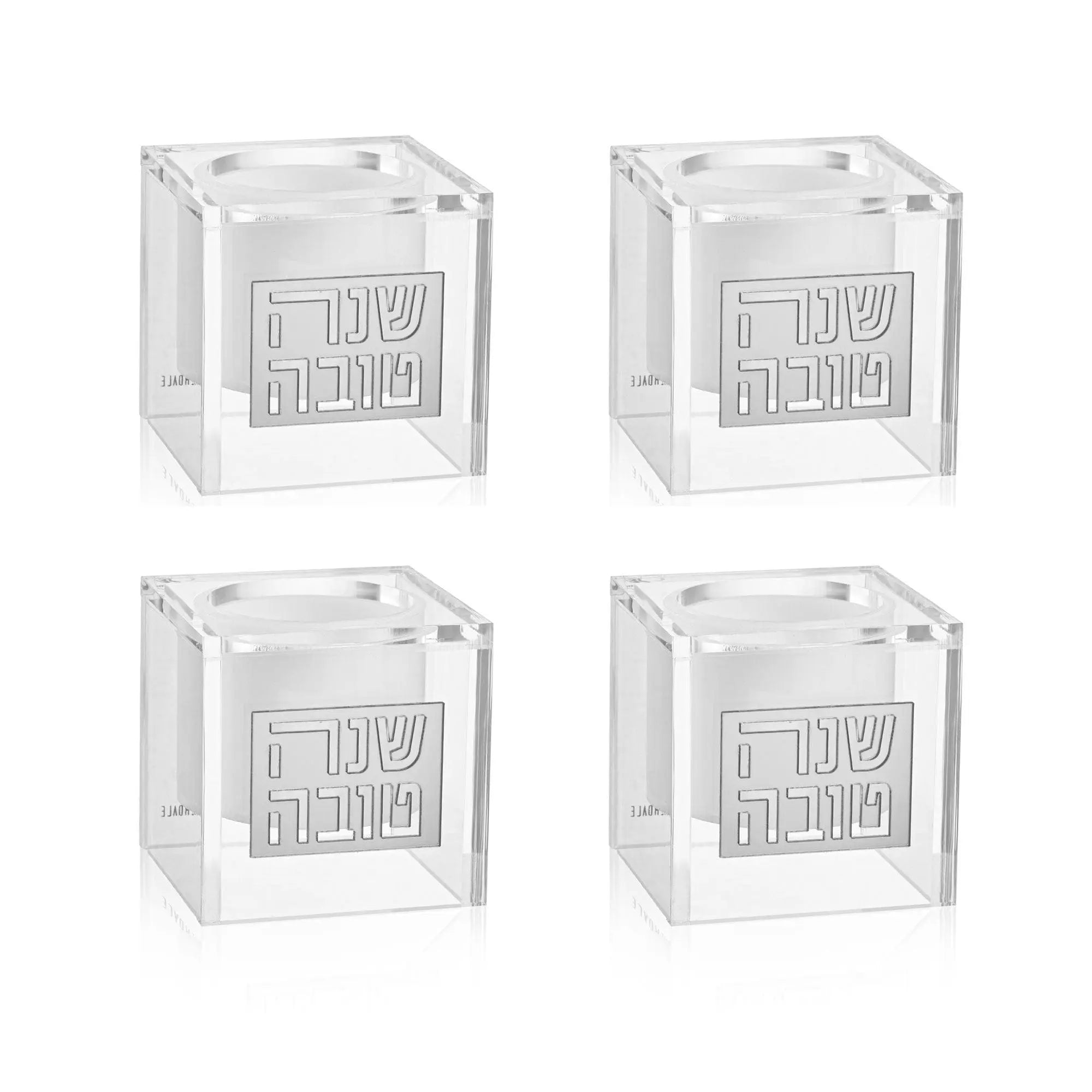


Personal Suspended Honey Dishes
Regular price
$48.00
Sold out
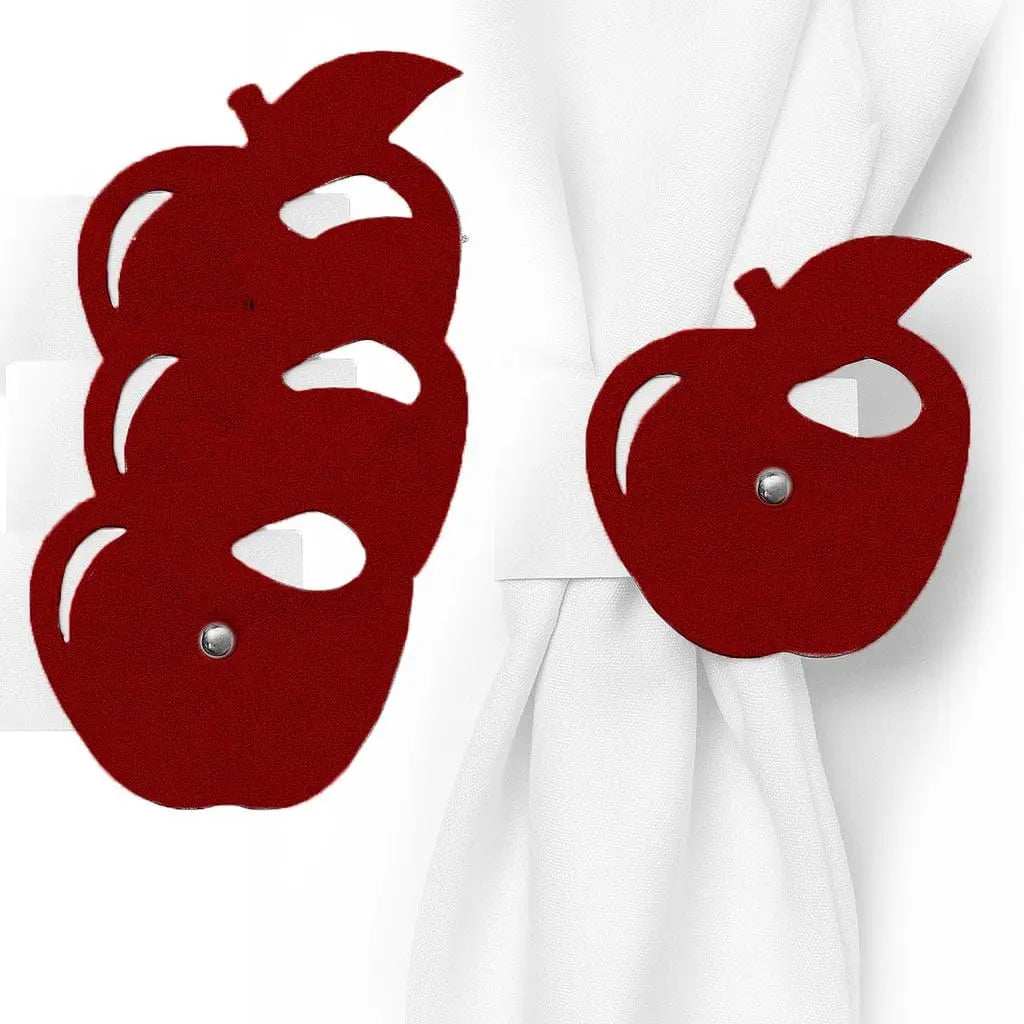
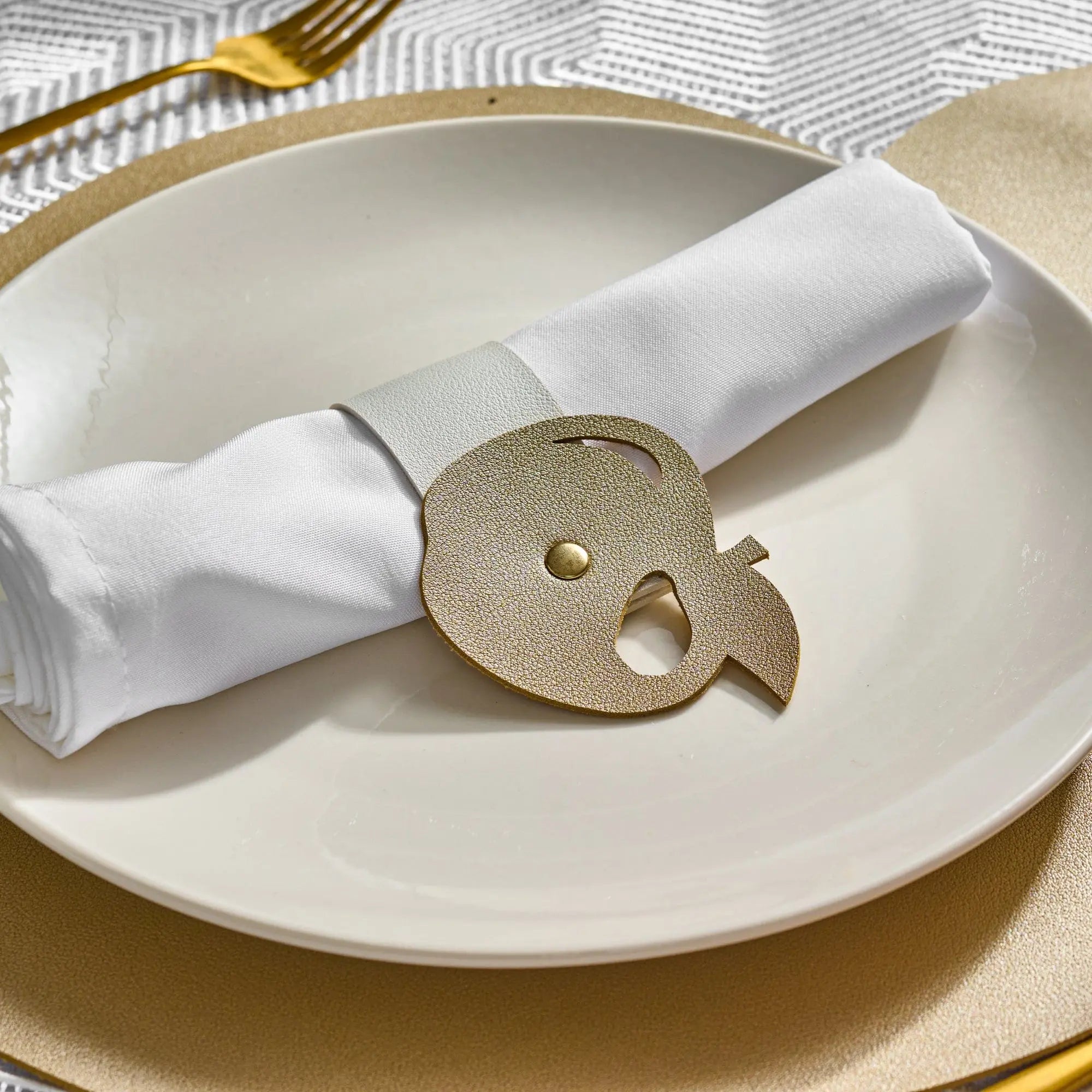
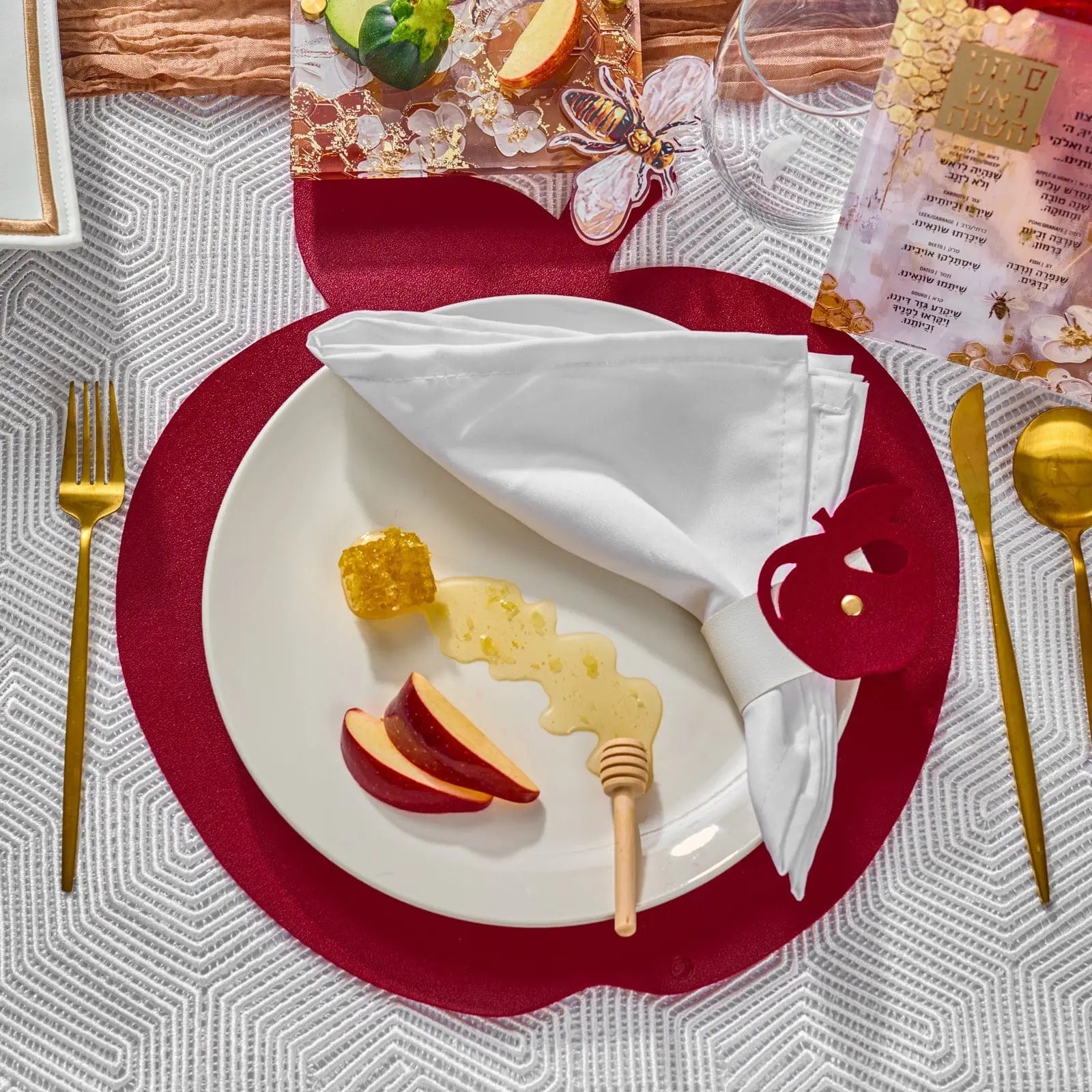
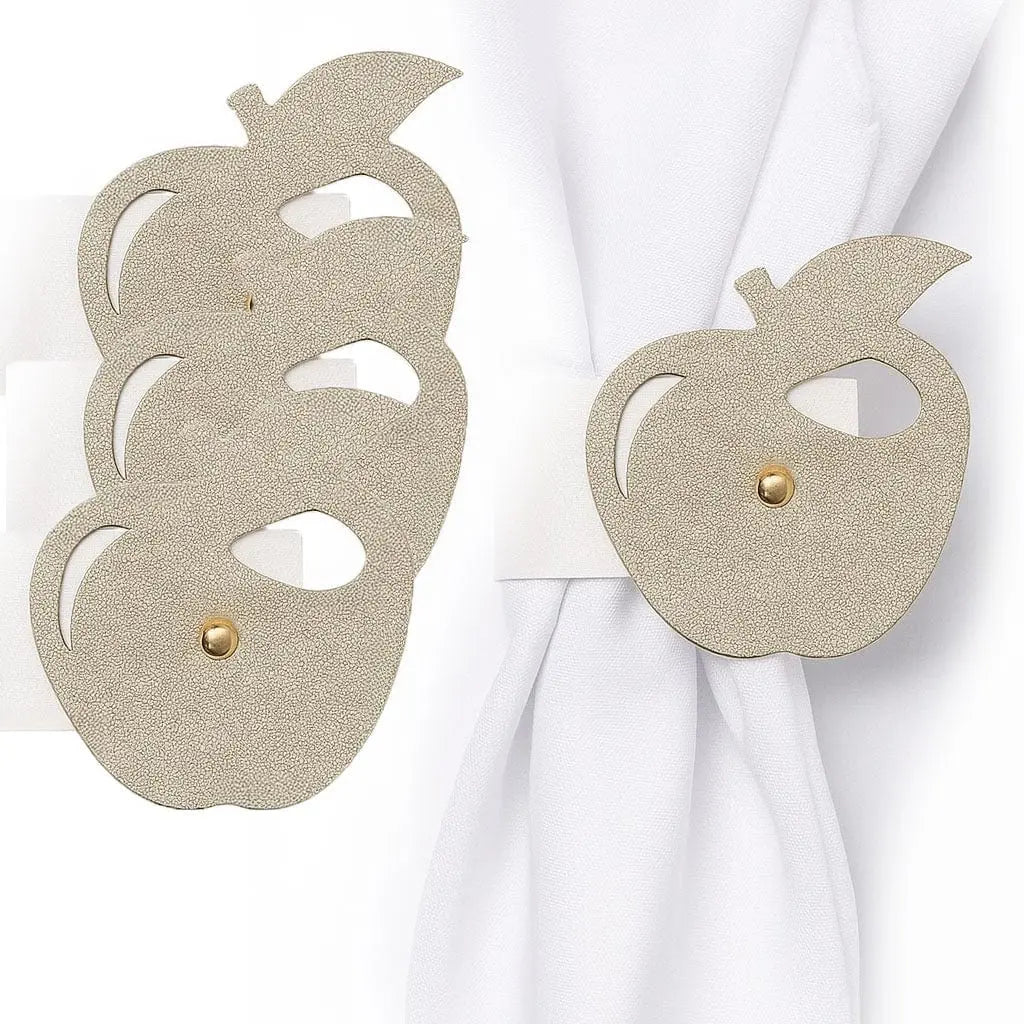
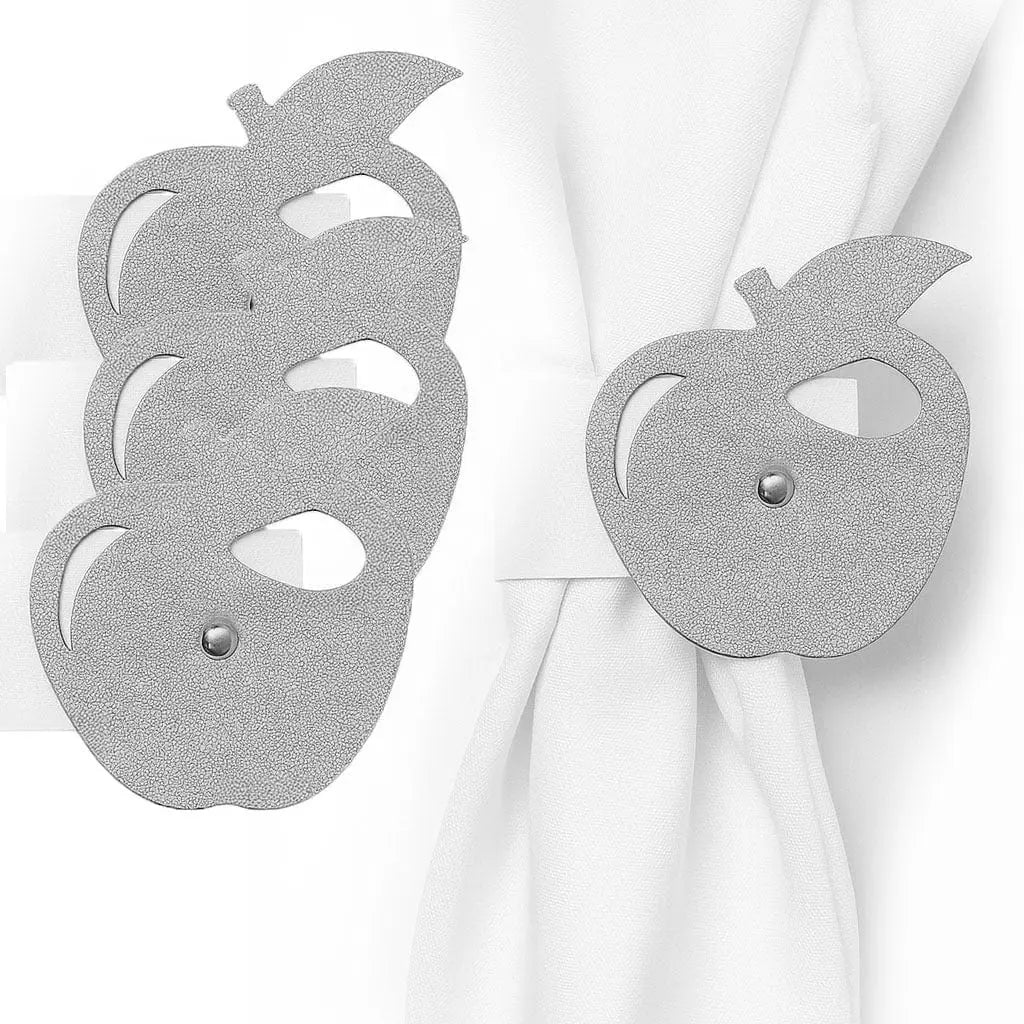
Leather Apple Napkin Wraps
Sale price
$10.00
Regular price
$14.00
Sale
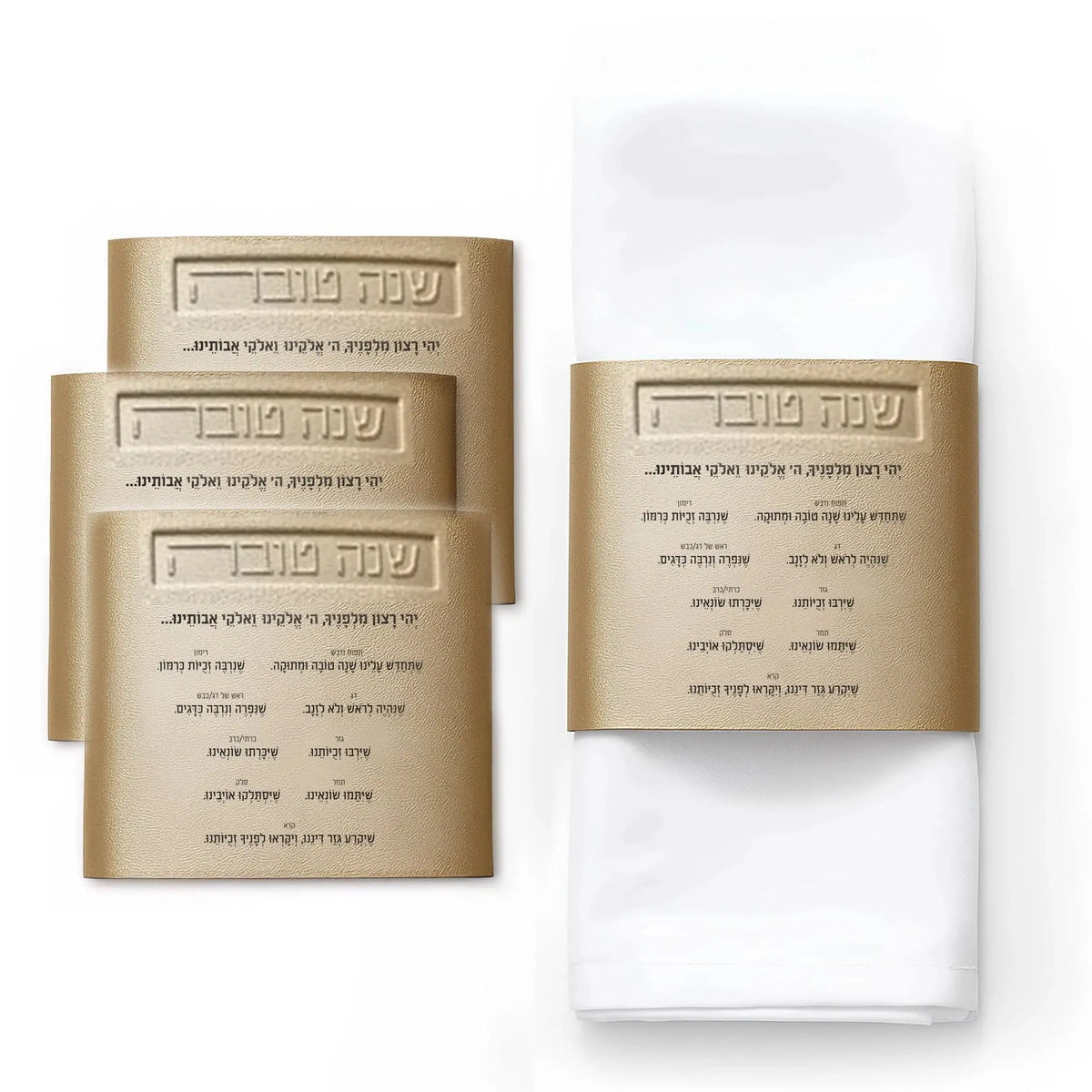
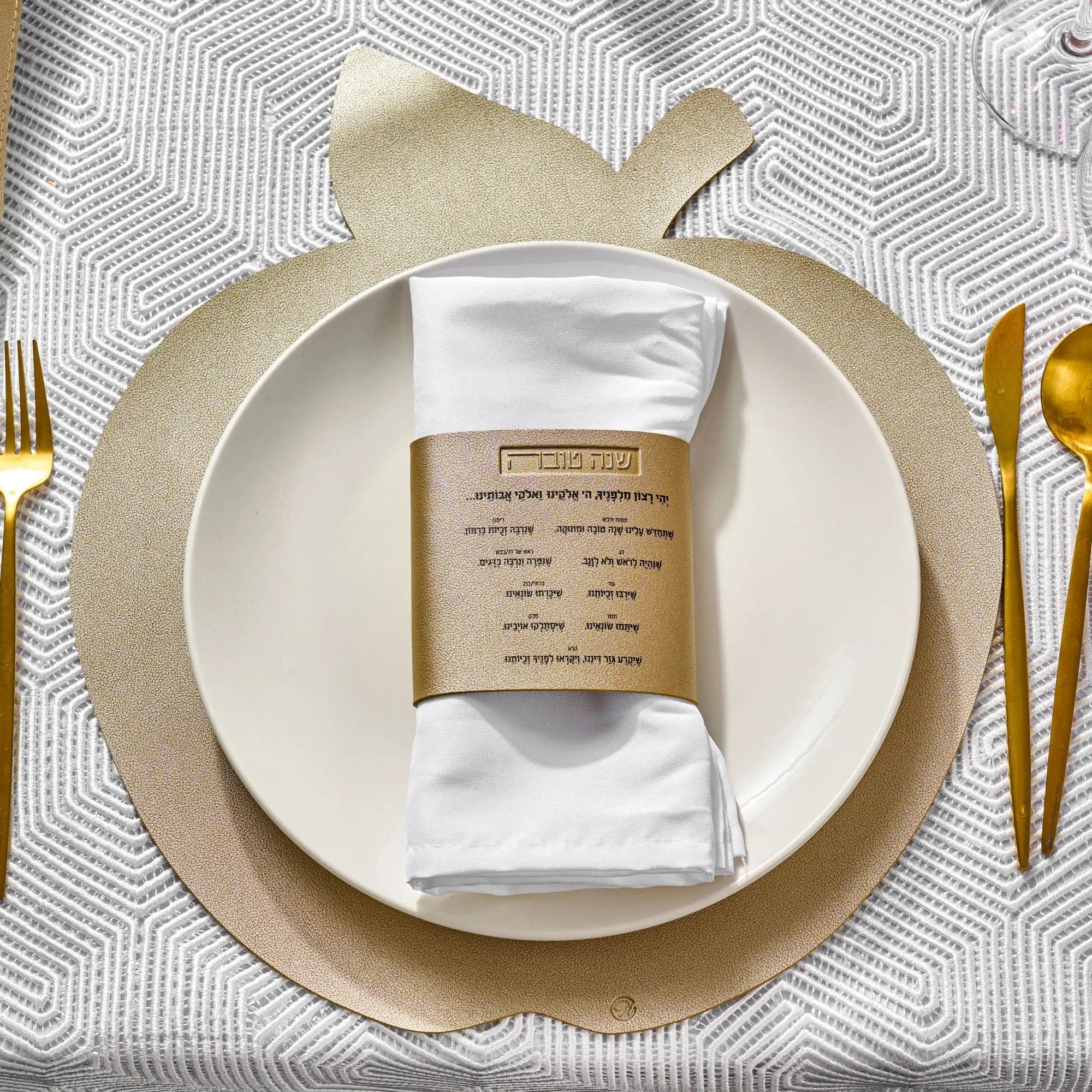
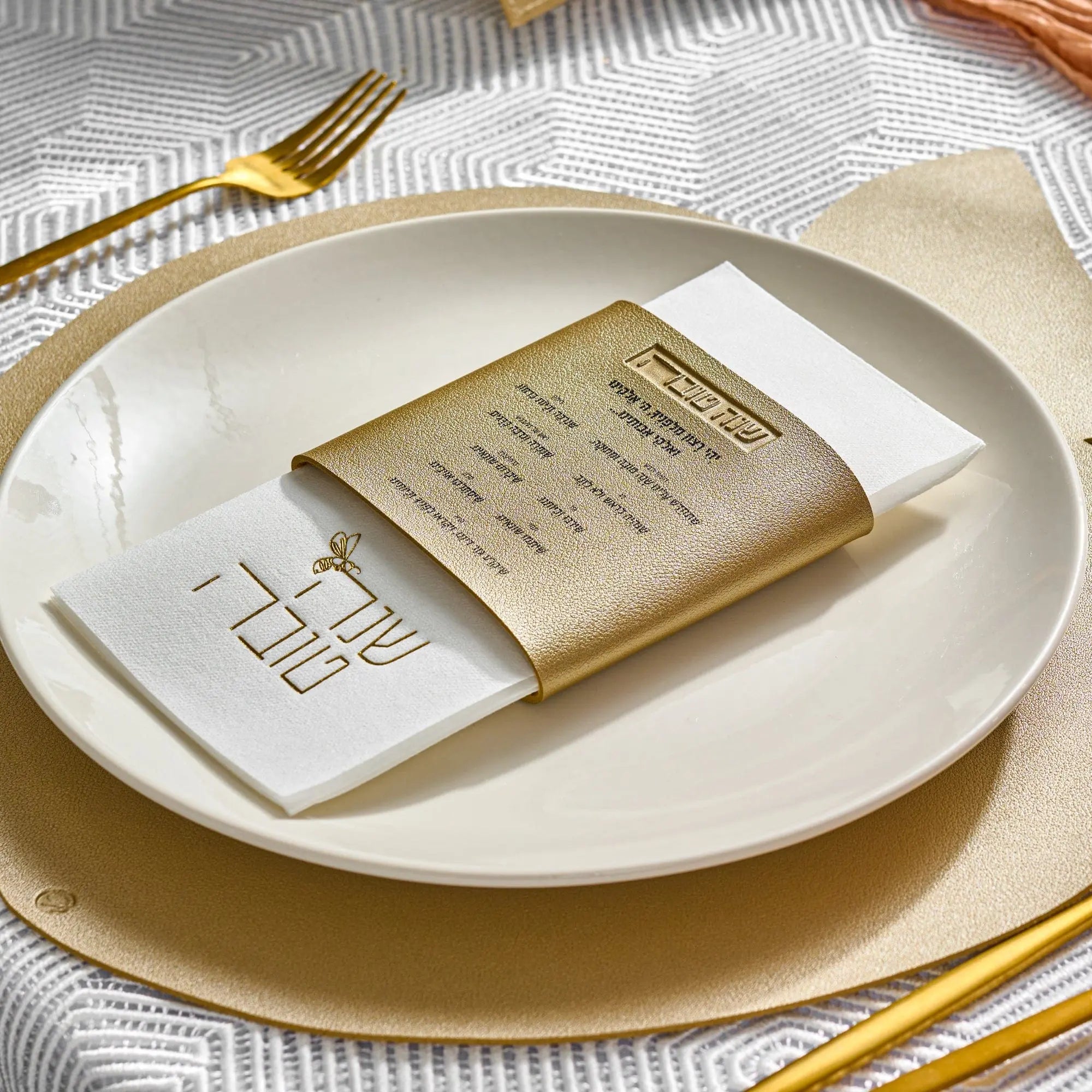
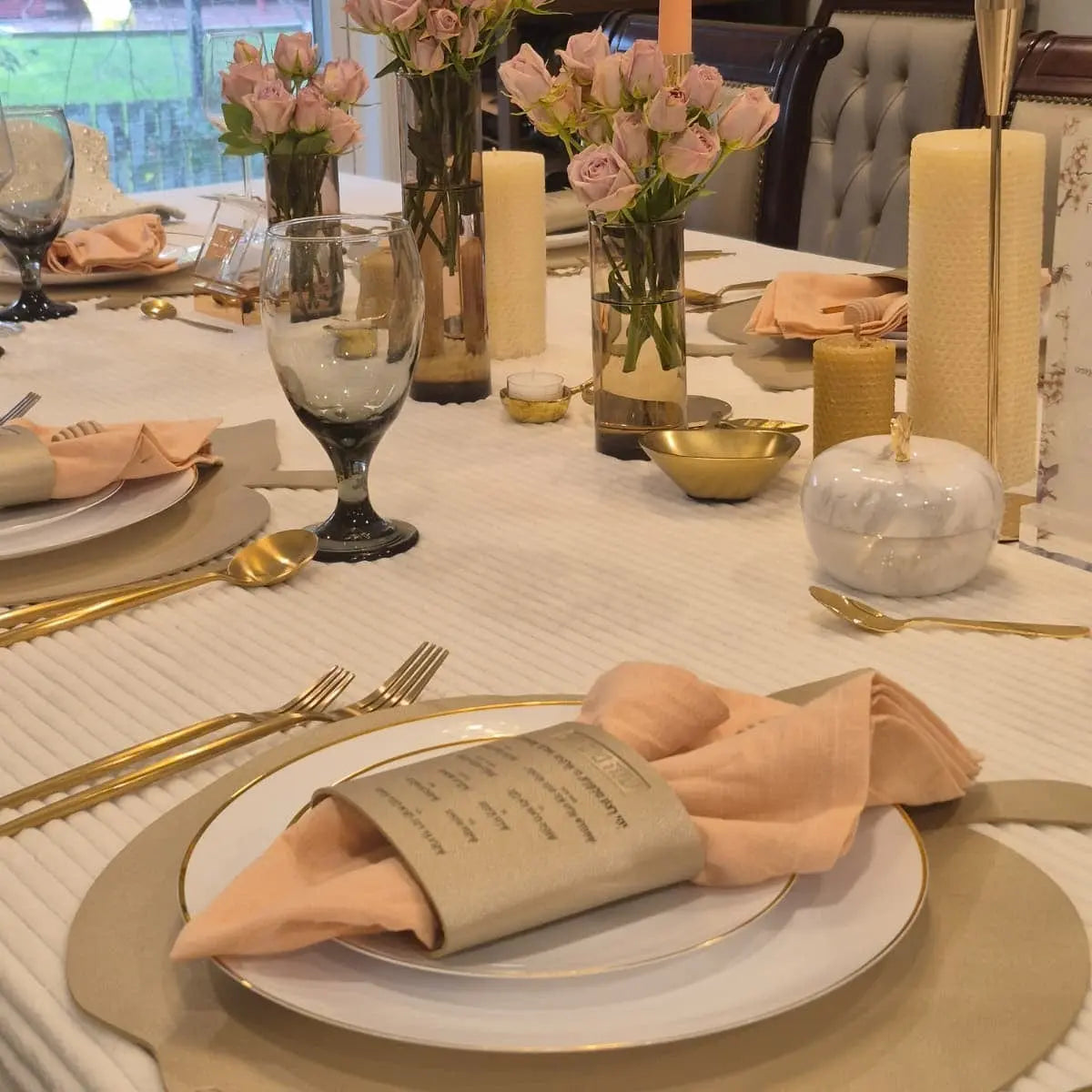

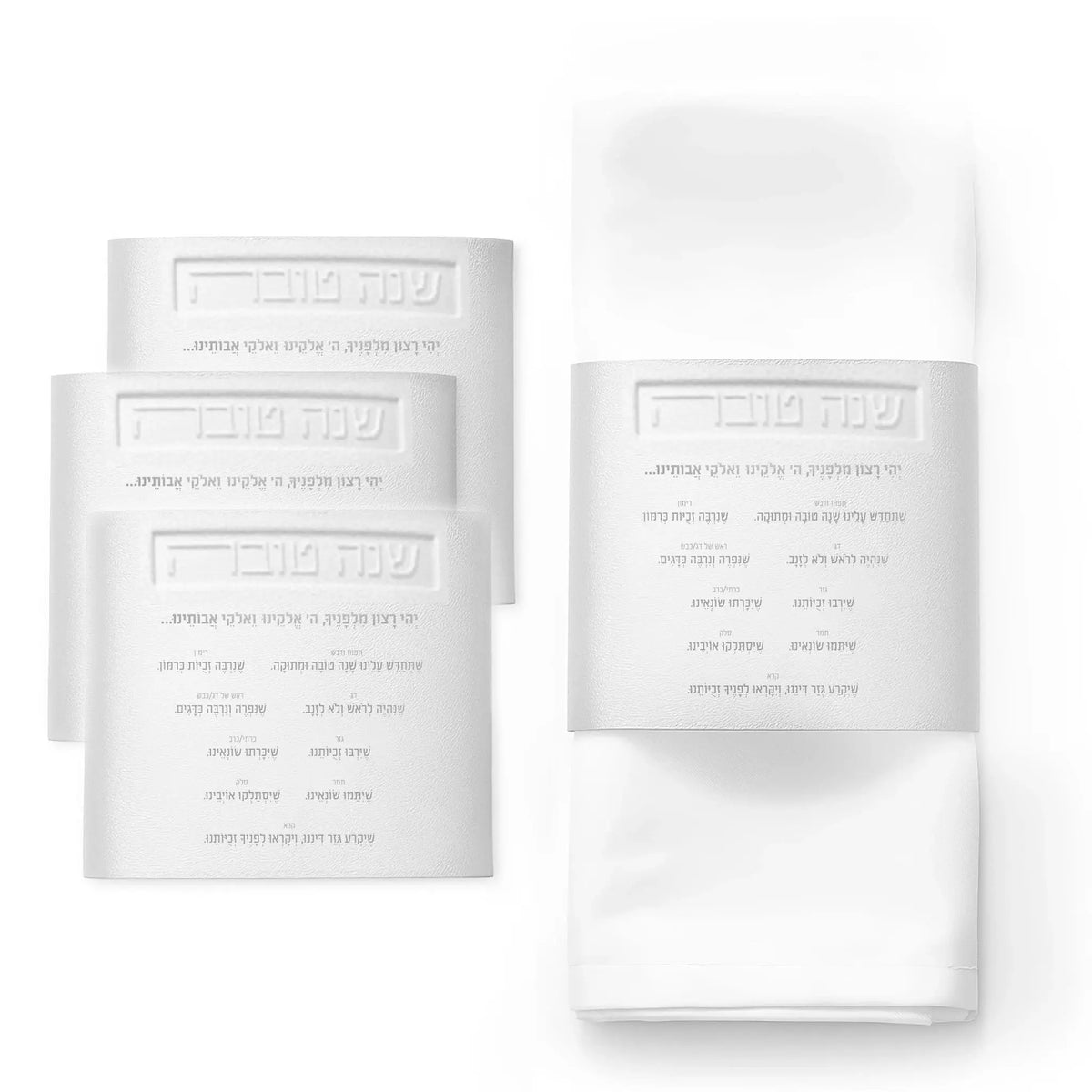
Leather Simanim Napkin Wraps
Sale price
$14.00
Regular price
$20.00
Sale
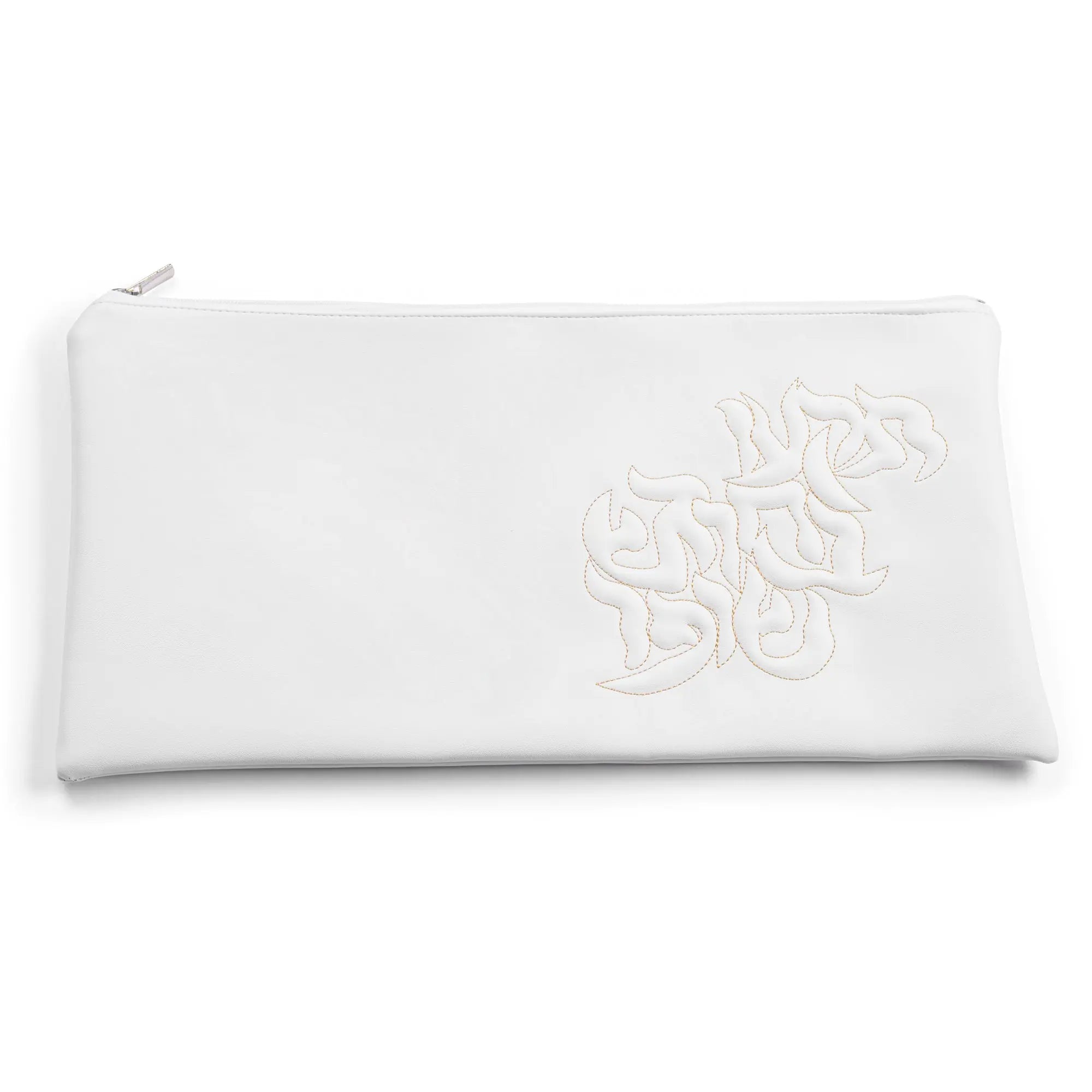
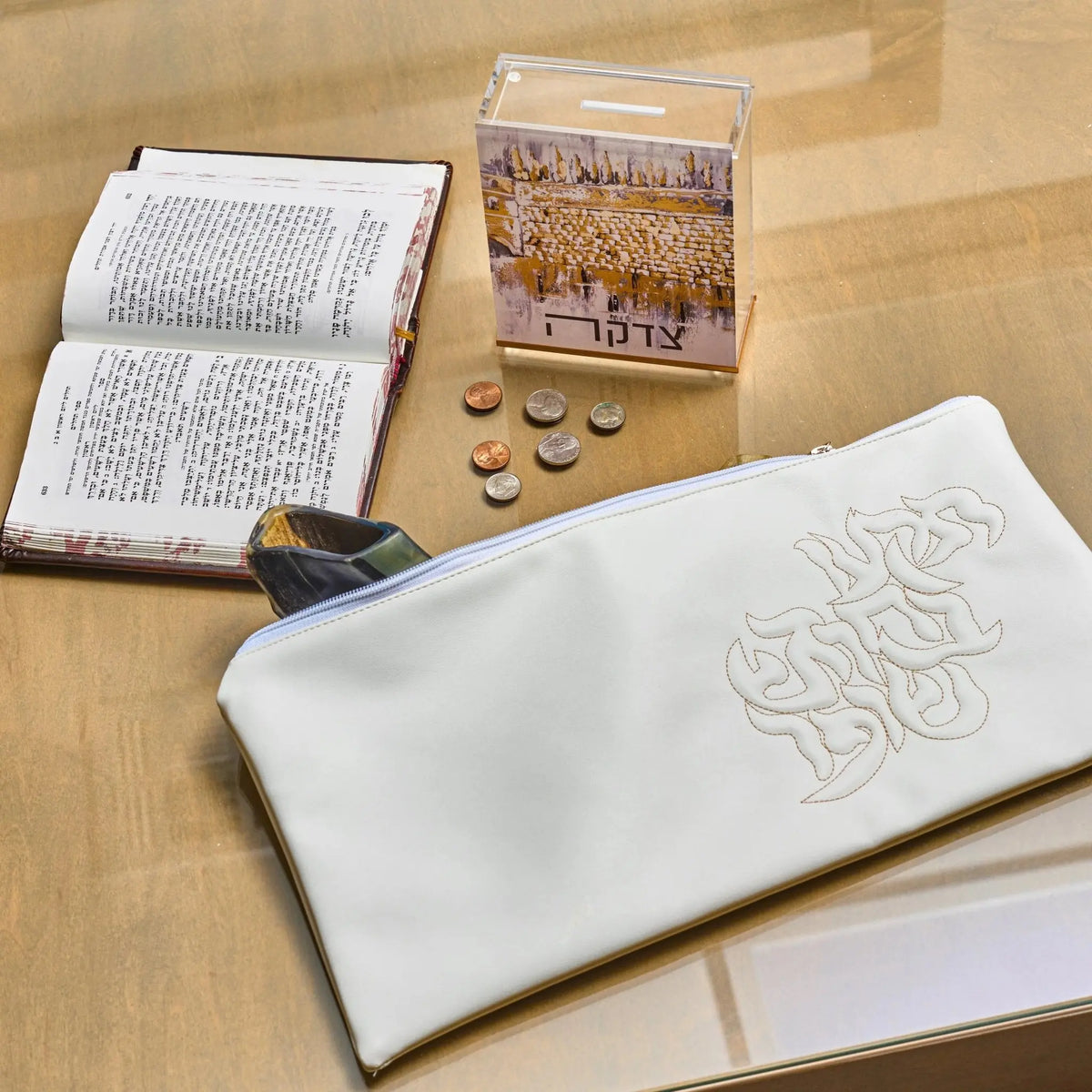
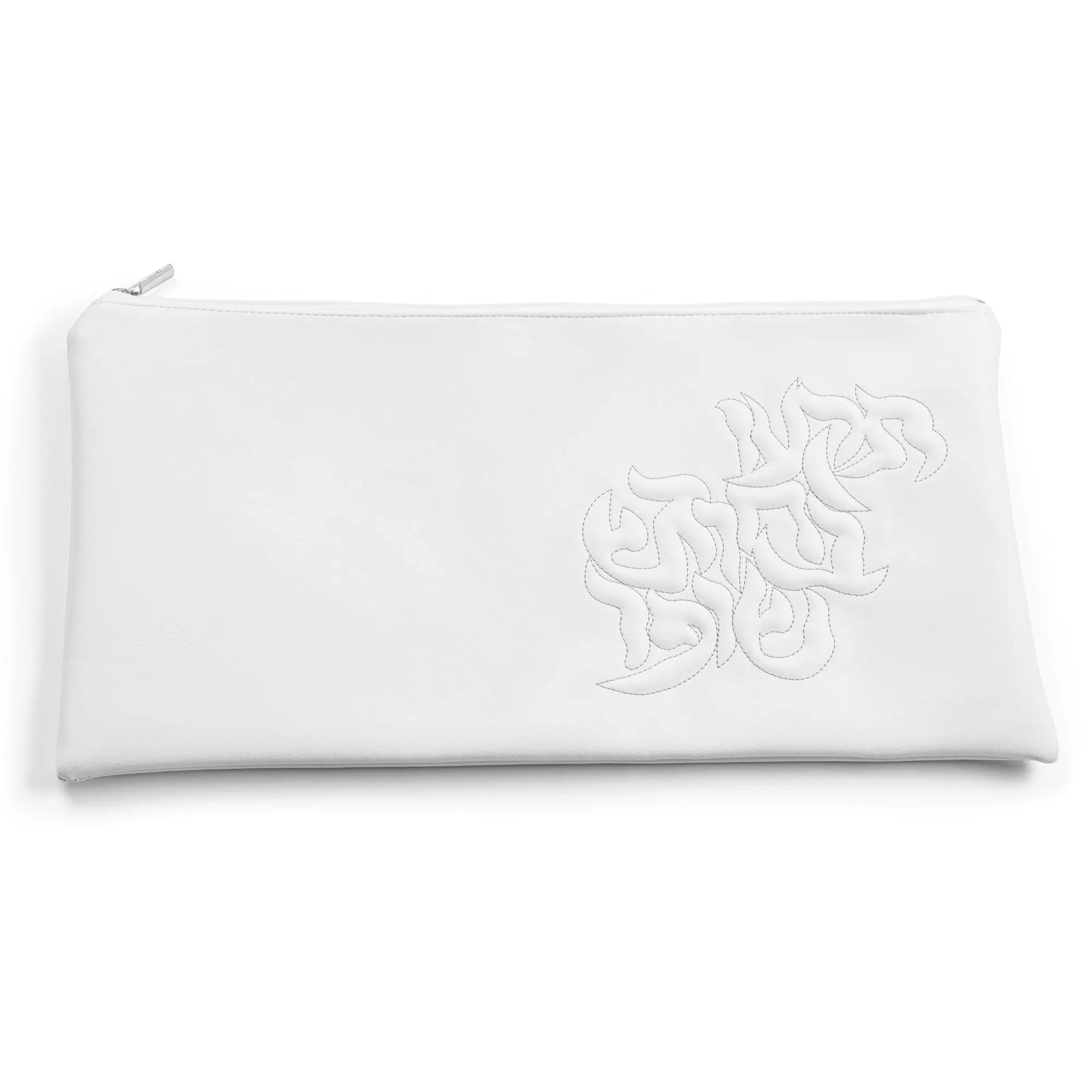

Leather Pillow Script Shofar Bag
Regular price
$36.00

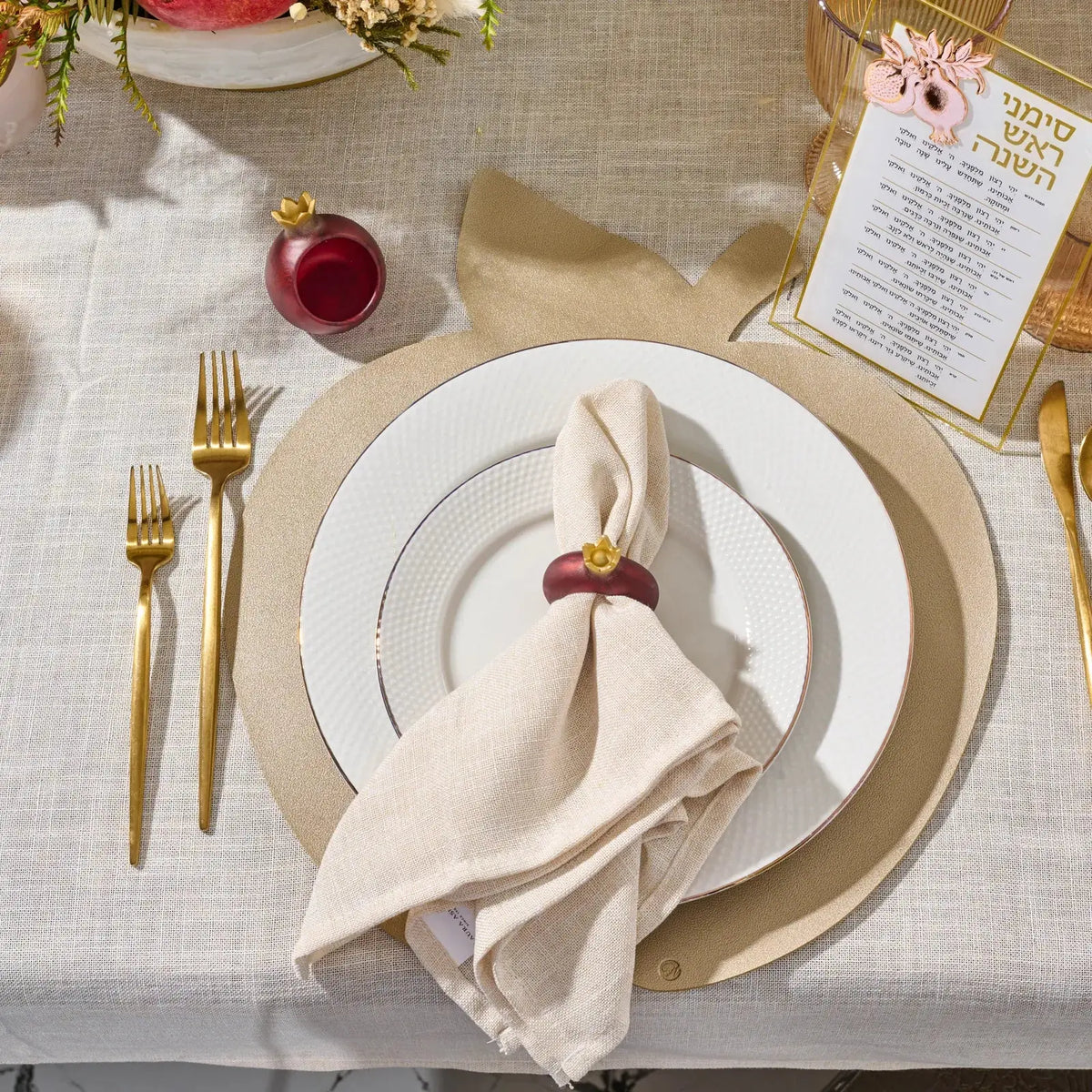


Leather Apple Chargers
Regular price
$30.00
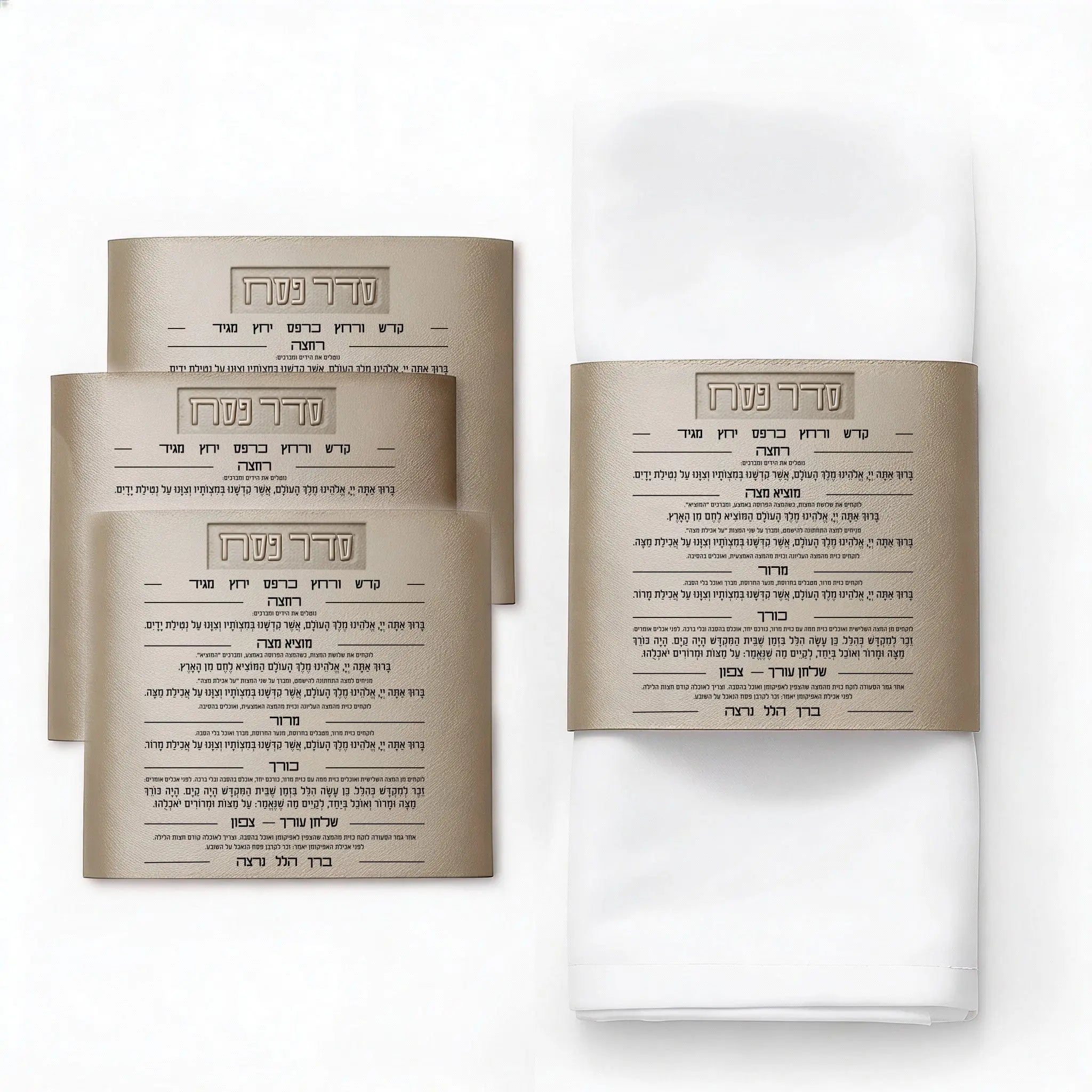
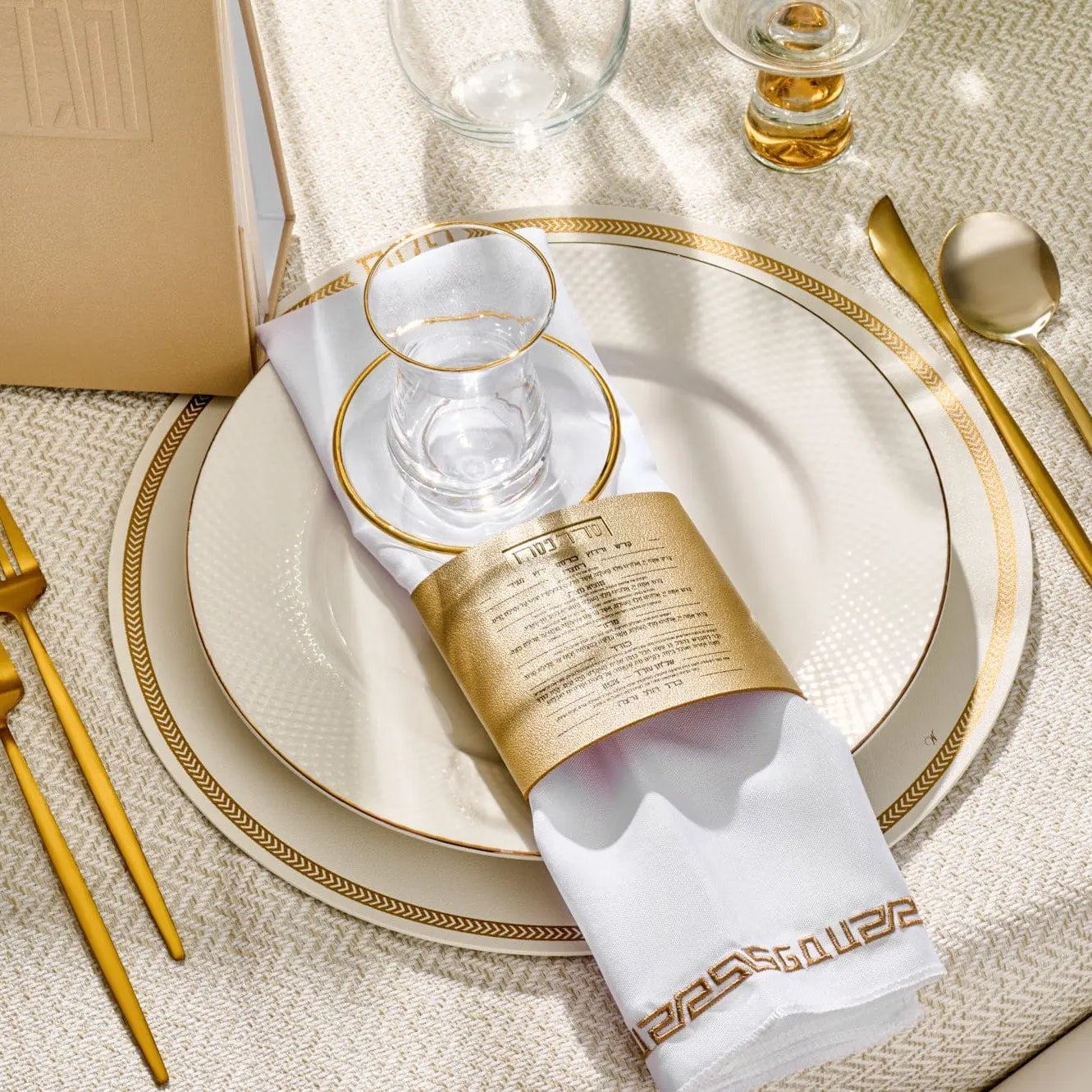
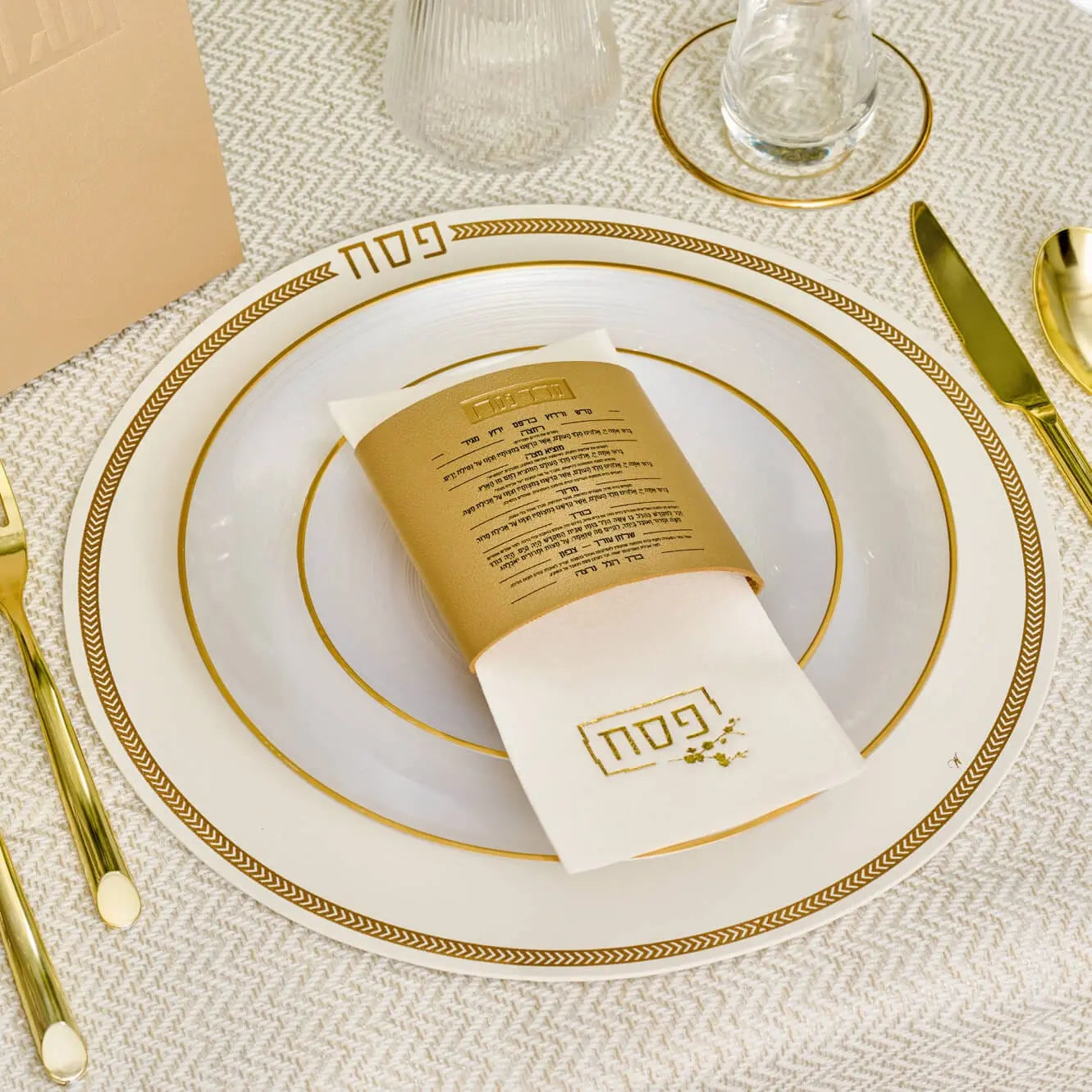
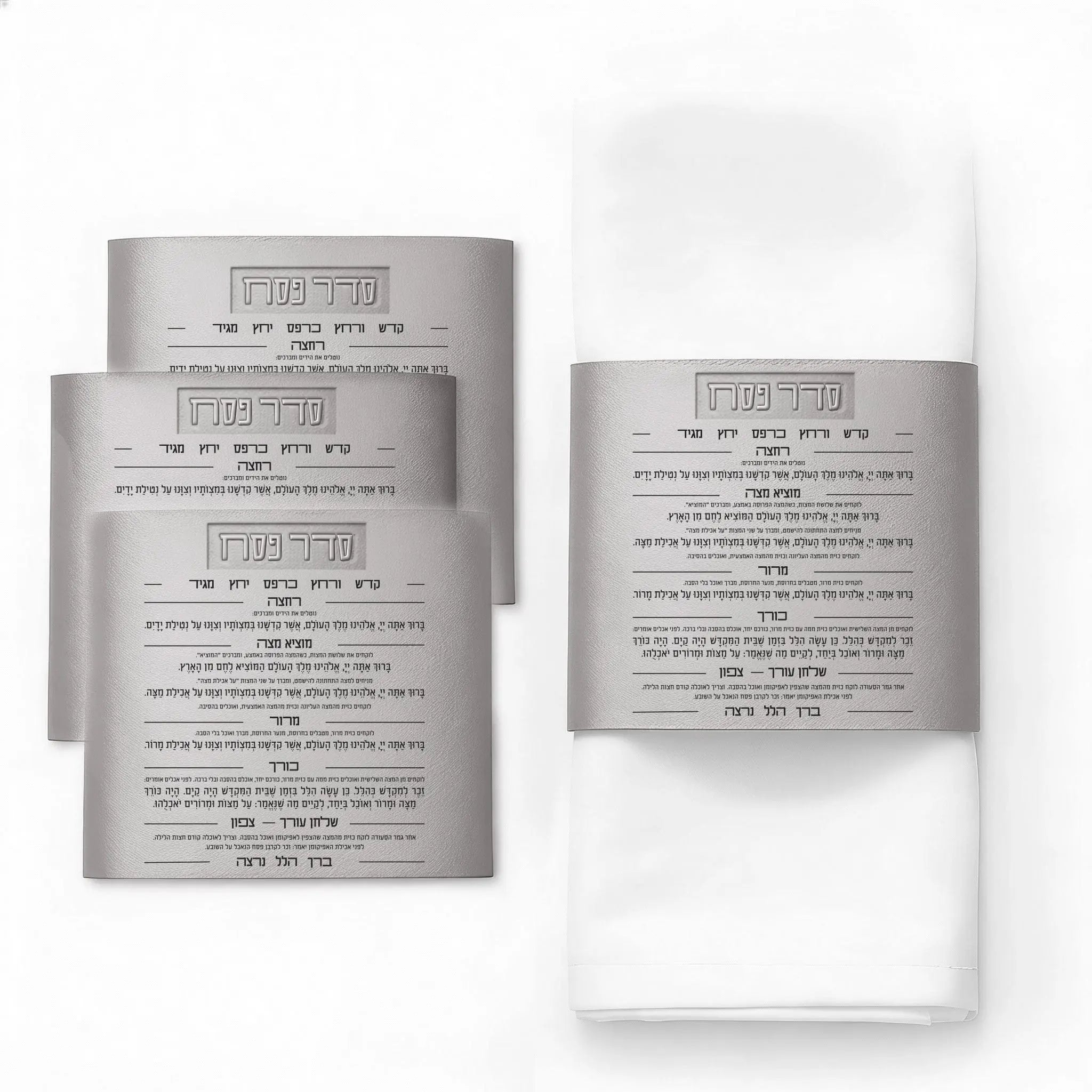
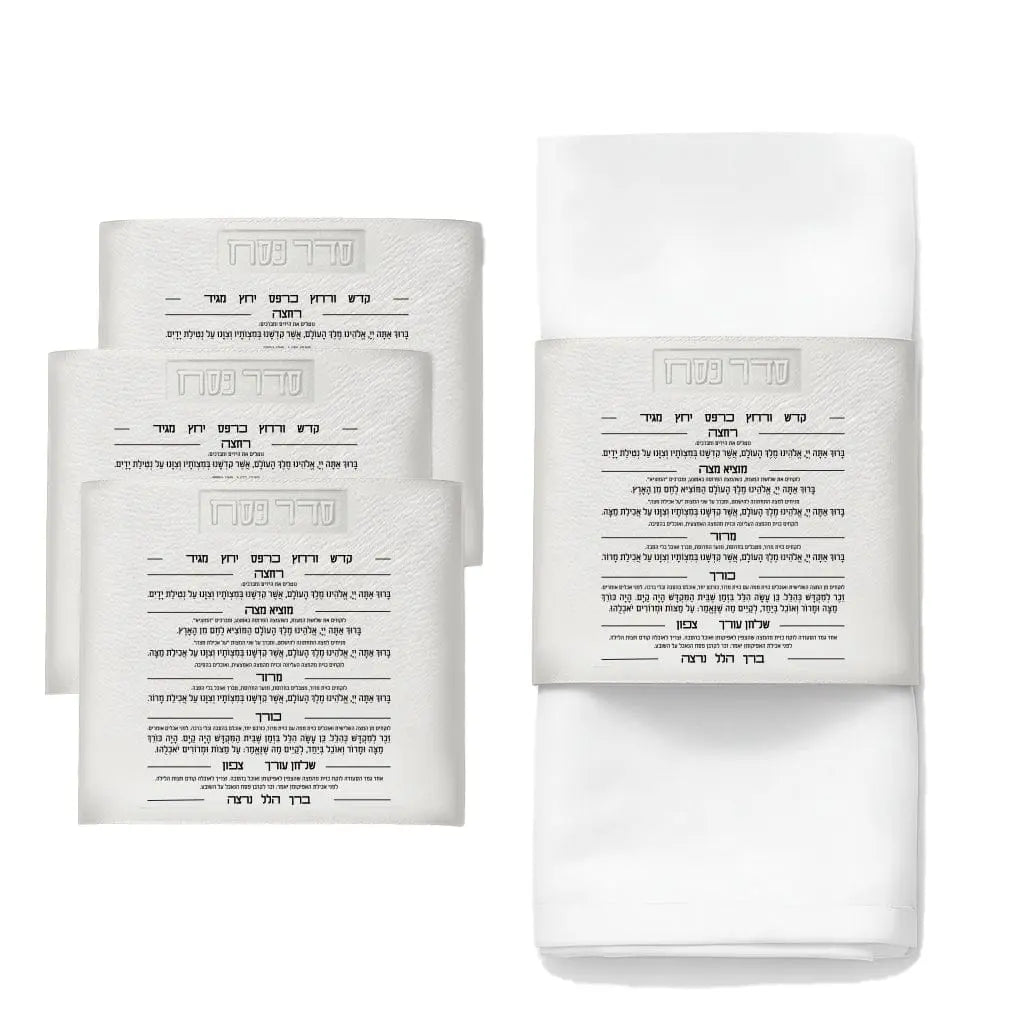

Leather Seder Card Napkin Wraps
Regular price
$18.00
Sold out