We're closed for Shabbos. We reopen [[opentime]]. Time until we reopen: [[countdown]]. Thanks for understanding.
| BUY | GET |
|---|---|
| 8-14 | 10% OFF |
| 15+ | 15% OFF |
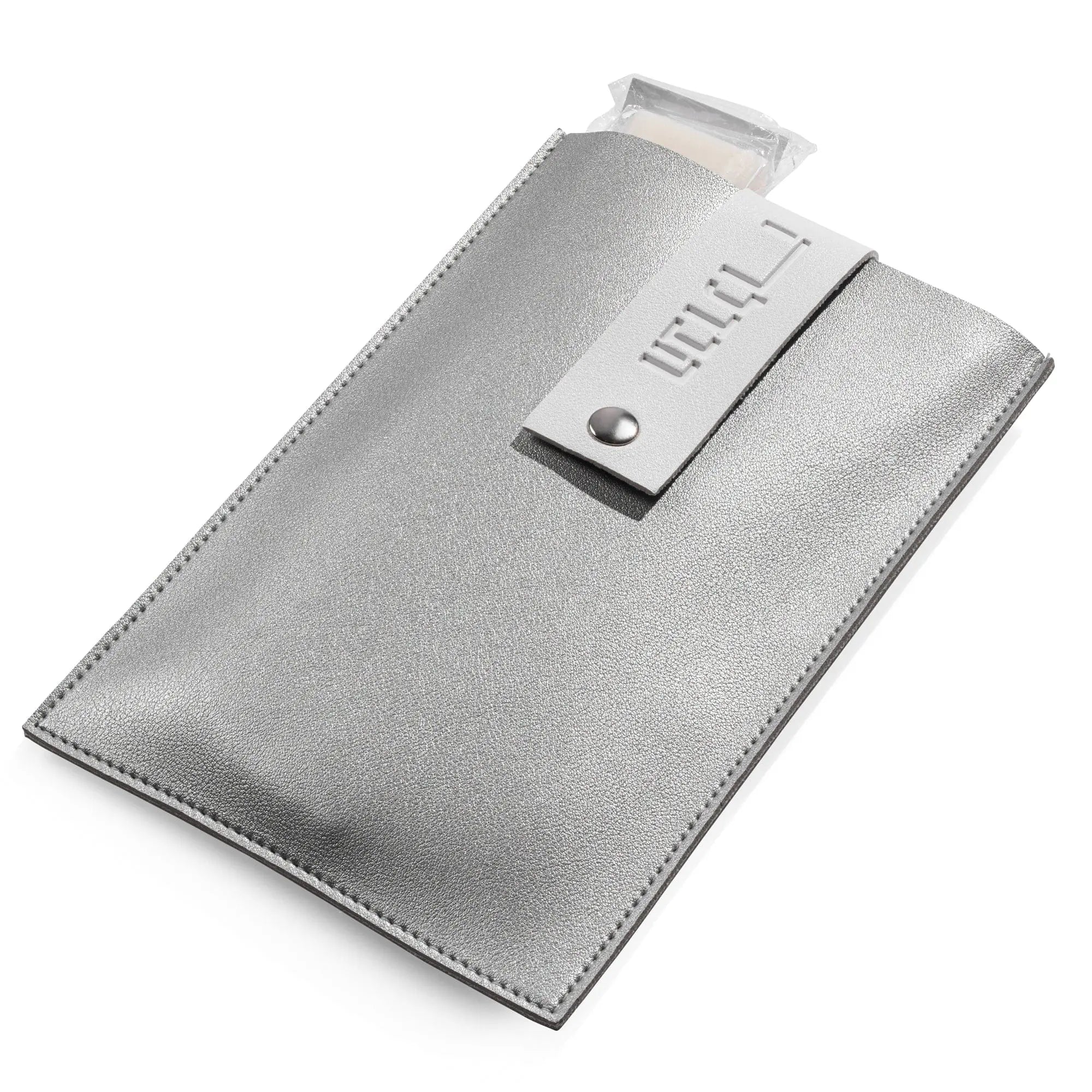
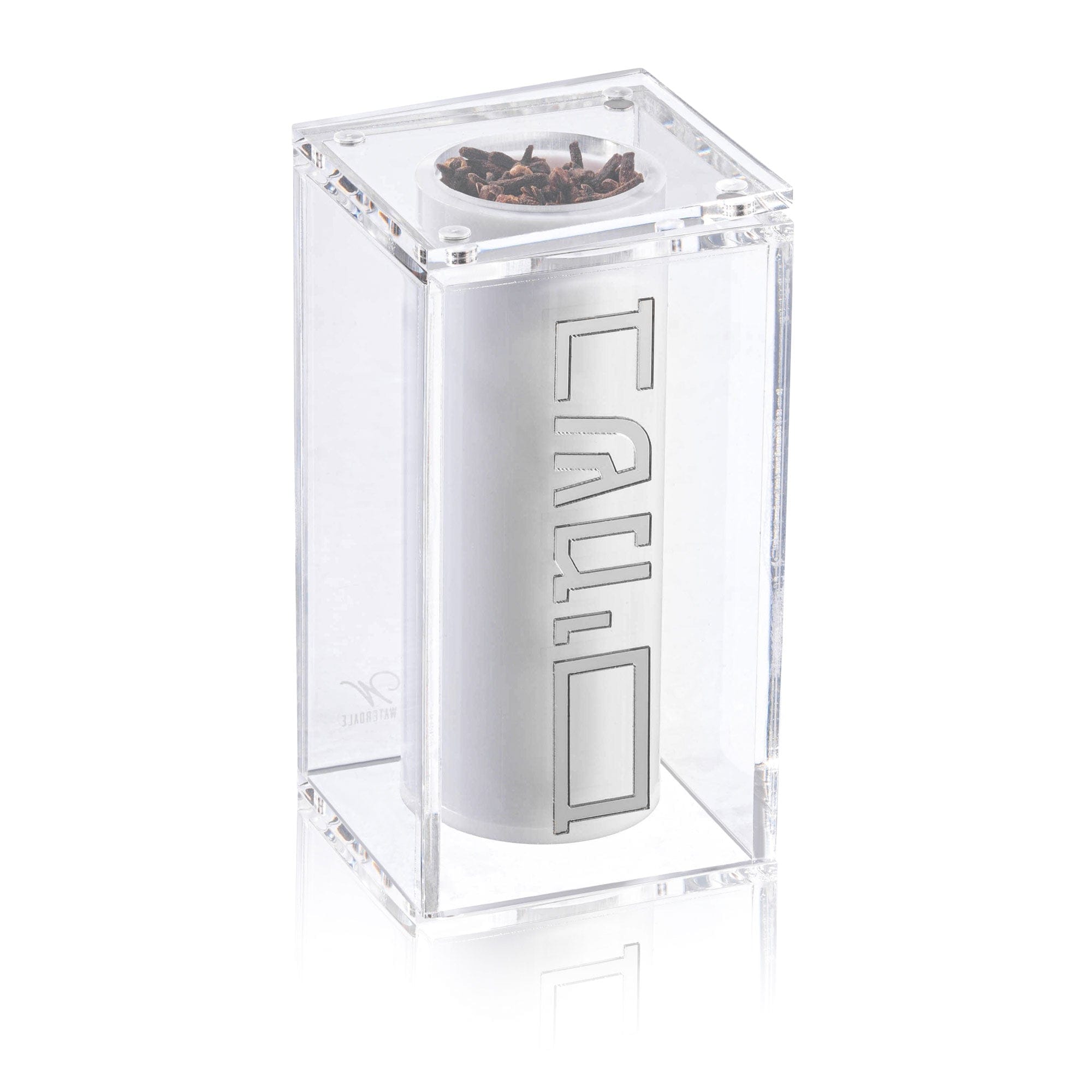
The Leather Pillow Script Shofar Bag from the Waterdale Collection is the ultimate shofar bag for both refined beauty and protection. The soft faux leather holds the shofar securely, and the pillow-script lettering reads תקעו בחודש שופר – 'Sound the shofar' – the verse from Tehillim famously associated with the mitzvah of shofar.
A stylish way to honor the mitzvah of blowing the shofar (תקיעת שופר), it's an ideal accessory for the High Holidays and a thoughtful Rosh Hashanah (ראש השנה) gift.
The white shofar bag is available with gold or silver lettering. It makes a meaningful gift for a bar mitzvah bachur or any baal tokea who treasures a beautiful piece of Judaica.
A traditional Rosh Hashanah table setting layers a charger under each dinner plate with a cloth napkin and coordinating napkin ring, while the honey dish, simanim tray, round challah, and Kiddush cup sit centrally where they can be reached right after Kiddush. Most hosts build the tablescape around a gold-and-white or pomegranate-red palette that echoes the holiday's symbols. Set the non-perishable elements the day before Yom Tov, and add the honey and fresh fruit close to candle-lighting.
Because of a halachic question over whether the Shehecheyanu blessing should be repeated on the second night of Yom Tov, the widespread custom is to place a new fruit — one not yet tasted that season, often a pomegranate or an exotic fruit — on the table during candle-lighting and Kiddush so the blessing clearly applies. The new fruit is then eaten at the start of the meal. Many families give it its own small dish or a dedicated spot on the simanim tray.
A full Rosh Hashanah place setting layers a charger, dinner plate, cloth napkin with a coordinating ring, and glassware — with an individual mini honey dish or a place card added for a more formal table. Plenty of households simplify to a charger and napkin ring over their regular dinnerware. The goal is making each seat feel festive for the start of the new year, not checking every box.
Individual honey dishes at each place setting are a popular touch for larger or more formal Rosh Hashanah meals — every guest dips their apple without waiting for a shared dish to make its way down the table. At a smaller family meal, one central honey dish passed around remains the classic approach. Both are perfectly acceptable; it's a question of table size and style.
Place cards shaped like pomegranates or apples, or printed with each guest's name beside a short shana tova wish, tie the seating right into the holiday's themes. They're especially useful at large multi-family or multi-generational sedarim where seating is planned in advance. A place card can be as simple as a folded card or as lasting as a small painted tile guests take home.
A place setting is everything arranged at a single seat — charger, plate, napkin, glassware — while a tablescape is the composed look of the entire table, including linens, centerpiece, and how the settings work together. Most hosts shop place settings first, then layer in tablescape elements like a runner and centerpiece. The two terms travel together when planning a full Rosh Hashanah table.
Early access to new releases, limited restocks, and occasional updates.