


















The Rosh Hashanah table is not just a meal — it's a seder of tefillah, where every food becomes a quiet brachah for the year ahead. But if you've ever tried to run a simanim seder with mismatched bowls, a missing honey dish, and half the table asking "wait, what do we say for this one," you know the meaning can get lost in the logistics.
Here are five of the most common questions about Rosh Hashanah simanim, answered simply, with real pieces from Waterdale Collection to help you set a table that stays organized and feels like Yom Tov.
1. What Are the Rosh Hashanah Simanim, and Why Do We Eat Them?
The simanim are symbolic foods eaten at the start of the Rosh Hashanah seudah, each one carrying its own Yehi Ratzon — a short tefillah asking Hashem for sweetness, abundance, leadership, or protection in the year ahead. The custom traces back to the Talmud, and while it began as a Sephardic and Mizrahi practice, it has been adopted by more and more Ashkenazic homes in recent years — as My Jewish Learning notes of the growing trend toward a full simanim seder.
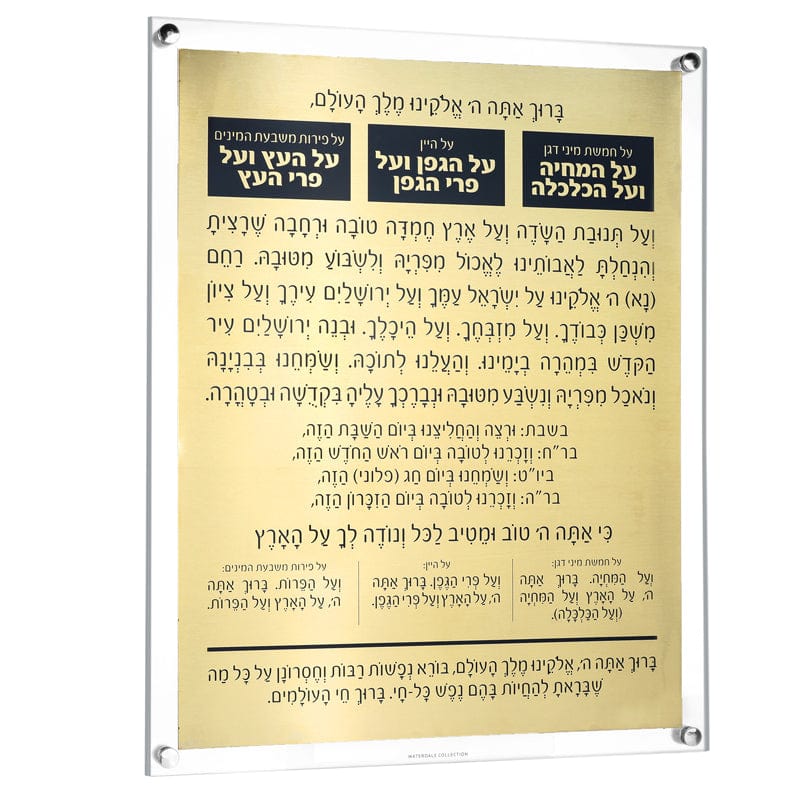
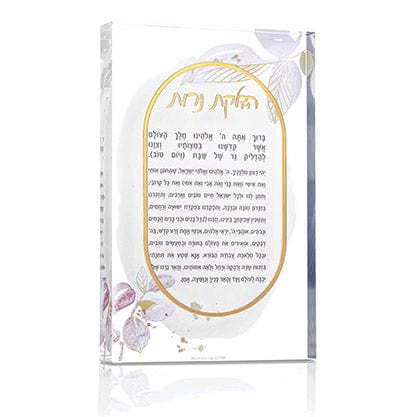
Practically, it's not only about the food — it's about starting the year with intention. A Rosh Hashana Classic Pomegranate Simanim Card keeps the full text of the blessings at the table, so no one is fumbling for a machzor between courses. For a version that travels — to a host's home, a hotel room, or a child's dorm for Yom Tov — the Rosh Hashana Pomegranate Leather Simanim Card & Pouch holds the same text in a compact leatherette case.
2. What Are the Most Common Simanim on the Table?
Minhagim vary by kehillah, but most tables include some version of:
- Apple dipped in honey
- Dates
- Pomegranate
- Leeks
- Beets
- Squash or gourd
- Fish (or a fish or sheep's head, depending on minhag)
Each one carries its own Yehi Ratzon and its own reason for being there — sweetness, abundance, removal of negativity, growth. The pomegranate in particular gets its own moment, since its many seeds are tied to a wish for as many zechuyos as the fruit holds.
That's part of why Waterdale's newest Rosh Hashanah pieces lean into the pomegranate motif so heavily this year. The Rosh Hashana Painted Pomegranates Simanim Tray features hand-painted pomegranates and gold leaf detailing across a clear Lucite base, with individual wells built in so each siman has its place before anyone sits down.

For a larger table or a seder that includes every guest, the Rosh Hashana Raised Pomegranate Simanim Tray (4) is a set of four individual trays, so the simanim can move around the table instead of being passed hand to hand.
3. How Do You Serve Simanim in a Way That Feels Special but Still Practical?
The most elegant simanim table is usually the most organized one. A setup that works well:
- One main tray or card holding the Yehi Ratzon text
- Individual bowls for each siman
- A dedicated honey dish at the center
- Clear spacing so nothing feels cluttered
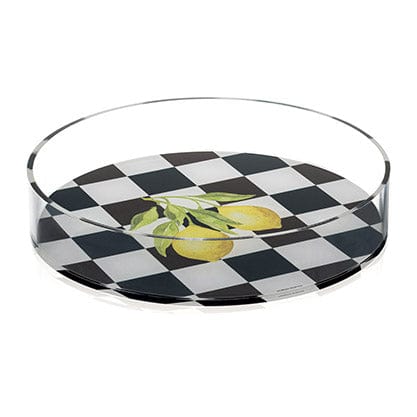
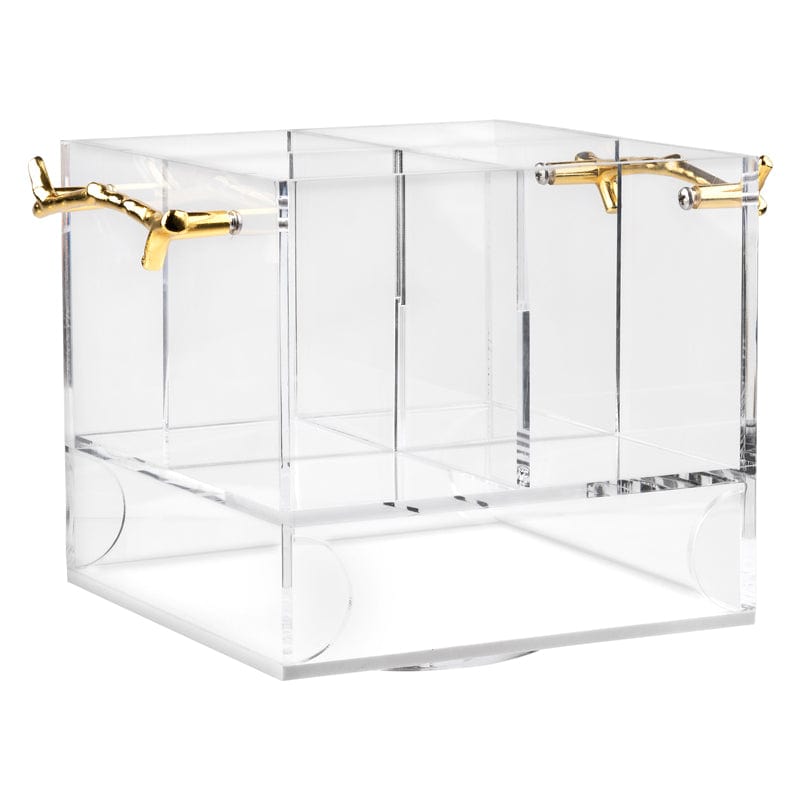
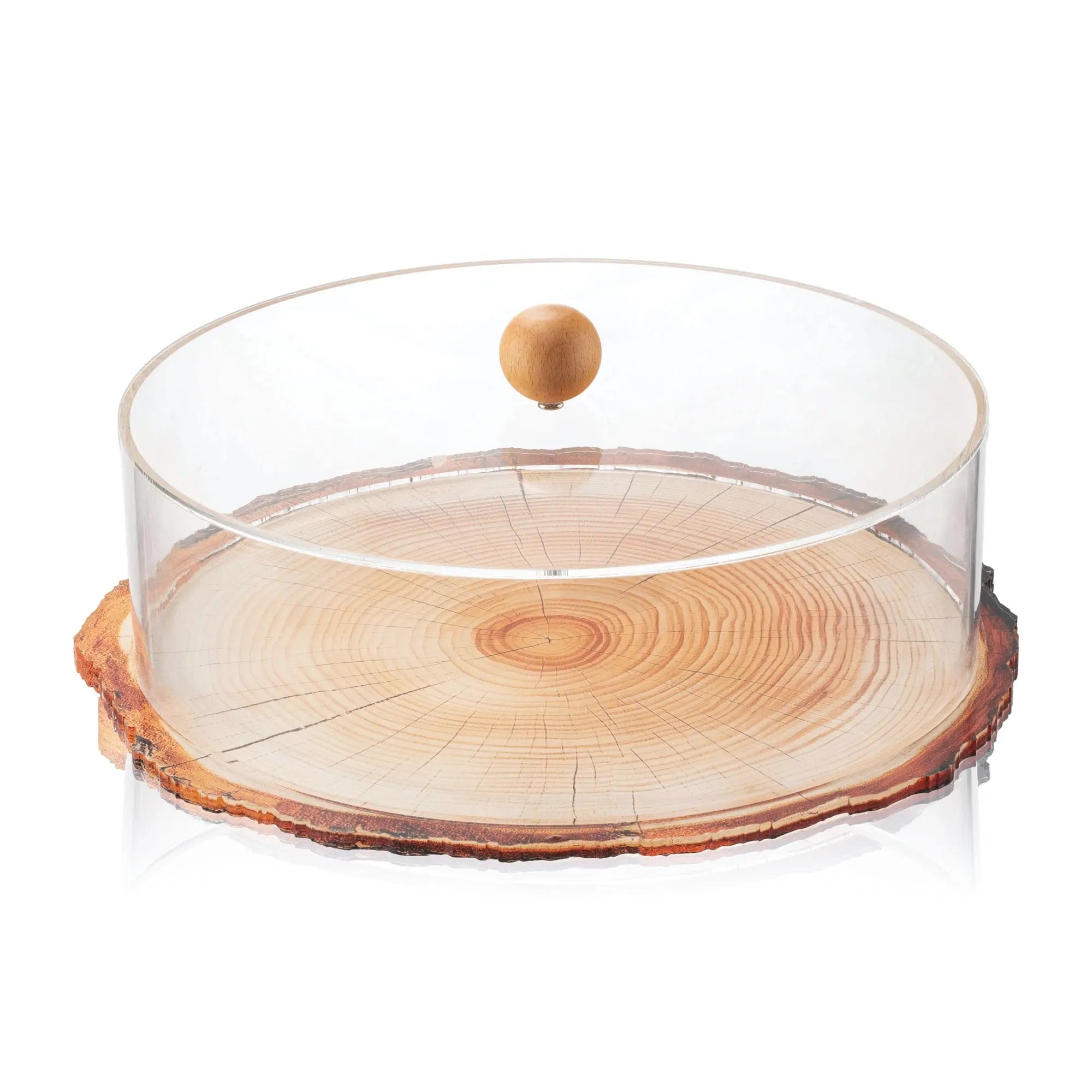
For the dips and small simanim themselves, the Classic Dip Bowl Set keeps everything sectioned and covered until it's needed, in 3- or 6-bowl configurations starting at $68. The Onyx 3 Sectional Dip Bowl Set does the same job with a black-and-white onyx base for a table that leans more modern.
And for honey specifically — the real focal point of the night — the newly arrived Rosh Hashana Painted Pomegranate Honey Dish pairs a hand-painted pomegranate motif with a clear Lucite jar and matching gold spoon, so it can sit at the center of the table as its own centerpiece rather than a side dish.

If your table leans toward a cleaner, more architectural look, the Tilt Honey Dish sits at an angled base for effortless, drip-free dipping — a small detail that matters when the honey dish gets passed around all night.
4. Do You Need Special Serveware for Simanim?
Technically, no. But using designated pieces changes the experience — instead of fruit and vegetables scattered across mismatched bowls, the table itself reflects the kavod of the night.
The newly arrived Rosh Hashanah Pomegranate Simanim Block is a solid acrylic block with a dimensional pomegranate design, engraved with the blessing text — a piece that works as both a centerpiece and a functional simanim card in one. Layer in a Rosh Hashana Pomegranate Painted Leather Charger under each place setting and a Rosh Hashana Leather Painted Pomegranate Napkin Wrap (4) at each seat, and the pomegranate theme carries from the center of the table out to every guest.
It's not luxury for its own sake. It's giving the mitzvah a proper presentation — the same reason a Shabbos table gets a tablecloth and not just a bare counter.
5. How Do You Prepare the Simanim Table Ahead of Time?
Erev Rosh Hashanah is always busy — this year, the first Yom Tov meal falls Friday night, September 11, 2026, going into Shabbos, so there's even less margin than usual to pull a table together at the last minute.
Here's what experienced hosts typically do:
- Slice and arrange apples close to Yom Tov, to prevent browning
- Cook beets, leeks, and squash one to two days ahead
- Pre-portion each siman into its designated bowl or tray well
- Build the full display on a tray before Yom Tov begins, so it can simply be carried to the table
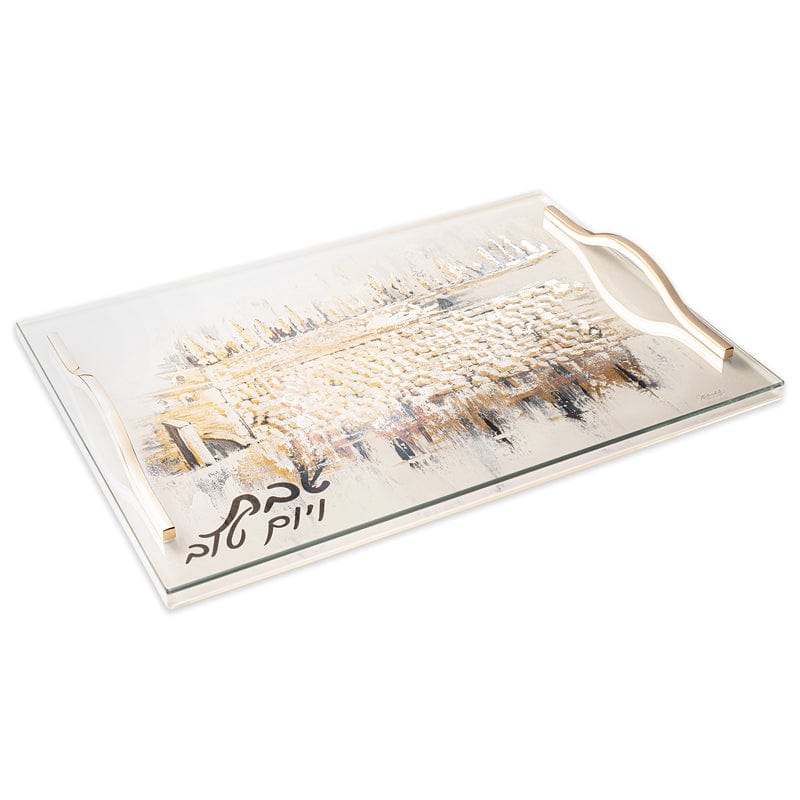
A sturdy serving base makes this step much easier. The Pearlstone Serving Tray — a clear acrylic base with a pearl marble frame — holds up well as a staging tray for pre-portioned simanim, so the entire spread can be assembled the day before and simply brought out when the seudah begins.
How to Choose Your Simanim Pieces
- Just getting started: A single simanim card, like the Classic or Painted Pomegranate Simanim Card ($14), covers the Yehi Ratzon text without committing to a full serveware set.
- Hosting the extended family: A simanim tray with built-in wells (Classic or Painted Pomegranate Tray, Raised Pomegranate Tray of four, $78–$84) keeps a larger table organized without extra bowls to wash.
- Building a full tablescape: Pair a tray or block ($68–$84) with a leather charger and napkin wrap ($18–$48) so the pomegranate motif carries across the whole place setting, not just the center of the table.
A Final Thought
The simanim are not about presentation alone — they're about direction. Each food is a reminder that we're entering a year where we're asking for clarity, brachah, and sweetness.
But when the table itself reflects that intention — organized, elevated, and thoughtful — it becomes easier for everyone at the table to feel it.
Explore the full Rosh Hashanah collection, or shop by piece in Simanim Trays & Boards, Simanim Cards, and Honey Dishes.
May we all be zocheh to a year of simcha, shalom, and berachah meruba.