



















Apple, Honey & Simanim Done Beautifully

There's a particular kind of pressure that comes before Rosh Hashanah — the table has to say something. Not loud, not showy, just right. The honey dish sitting in the center of it carries more weight than its size lets on: it's the first thing a guest reaches for, the piece everyone photographs before the meal even starts, and the one object on the table that's doing double duty as ritual and décor. Choosing the right honey dish for Rosh Hashanah means finding something that holds the apple-and-honey tradition with the same care you put into everything else on your table.
This guide walks through our favorite honey dishes for Rosh Hashanah, why apple and honey carry so much meaning on the Jewish New Year, and how to round out your table with simanim pieces that make the whole tableau feel intentional.
Why Apple and Honey Take the Center of the Table
The custom of dipping apple in honey on Rosh Hashanah is Ashkenazi in origin, and it's simple by design: a sweet food, eaten with a spoken hope, at the start of a new year. Before the apple is dipped, the blessing over fruit of the tree is recited, followed by a request that the year ahead be renewed for good and for sweetness. The Hebrew word simanim means signs, and the custom of eating these symbolic foods together is meant to carry good fortune into the year ahead — apple and honey are simply the most universal of them, as explained in My Jewish Learning's guide to Rosh Hashanah's symbolic foods.
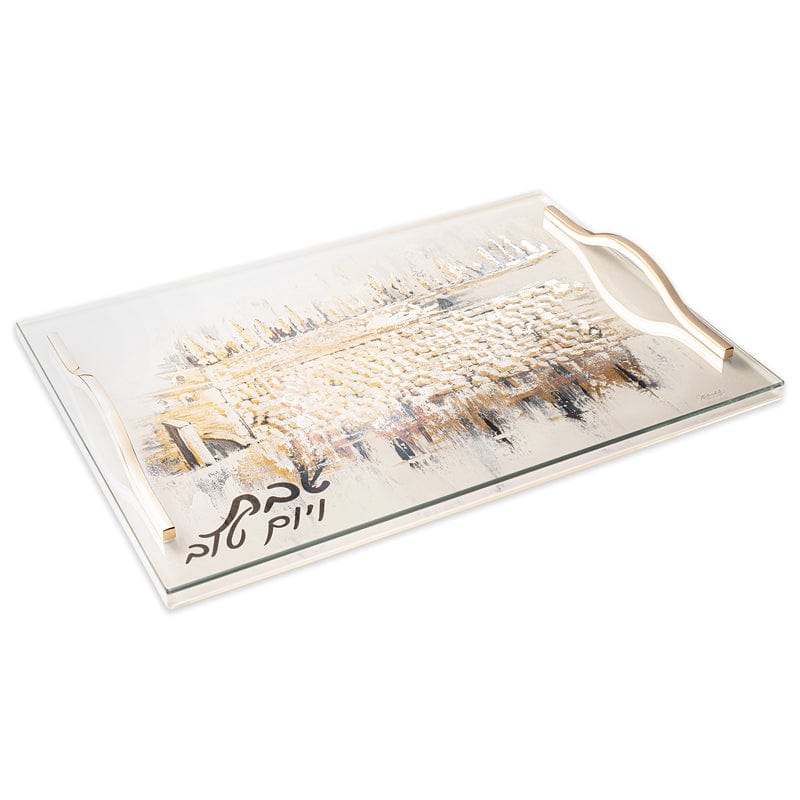
Round challah, dipped in honey instead of the usual salt, follows the same logic — its circular shape is widely understood as a nod to renewal and the turning of the year, which is why so many Waterdale hosts pair a honey dish with a matching challah board for the full effect.
None of this requires elaborate staging. A well-chosen honey dish, set where guests can reach it easily, does the symbolic and the aesthetic work at once — which is exactly why it's worth choosing carefully.
Why Lucite Is the Smartest Material for a Honey Dish
Every honey dish in this guide is crafted from premium Lucite acrylic, and that's not incidental — it's the material that makes the most sense for the way this piece actually gets used.
It cleans up in seconds. Honey is sticky by nature, and a Lucite dish wipes clean with warm water in a way that carved wood or porous ceramic simply can't match. No soaking, no staining, no lingering honey scent in the grain — just rinse and it's back in the cabinet, ready for next year.
It's built to last. Lucite doesn't chip like ceramic or tarnish like silver plate, which means the honey dish you set out this Rosh Hashanah is the same one you'll reach for a decade from now — no touch-ups, no replating, no careful handling required.
It looks far more luxurious than the price suggests. Crystal-clear Lucite catches light the way fine crystal does, giving these pieces a polished, glass-like presence on the table without the fragility — or the price tag — of actual crystal or hand-forged silver.
It's accessible without looking it. Because Lucite production doesn't carry the labor and material costs of silversmithing or hand-blown glass, these pieces land in a $20–$70 range that makes it easy to build out a full simanim table — honey dish, tabletop plaques, and cards — without any one piece feeling like an indulgence.
Our Favorite Honey Dishes for Rosh Hashanah
Die-Cut Apple Honey Dish
Shaped like a crisp apple and cut from thick, crystal-clear Lucite, this honey dish reads as sculpture as much as tableware. It's available in Black & Gold and White & Silver, and it holds its own as a centerpiece even before the honey goes in — not a piece you tuck away after Rosh Hashanah. At $36, it's an easy entry point for a first honey dish or a hostess gift that will get used every year.
Shop the Die-Cut Apple Honey Dish
Bee Honey Dish
The bee accent — offered in gold or silver — sits atop a click-in Lucite well, giving the whole piece a finished, jewelry-like quality that photographs beautifully against a white tablecloth. Where the apple dish leans literal, the Bee Honey Dish leans a little more abstract, which makes it a natural pick for a host who already has an apple-shaped piece and wants a second dish for the buffet or the kids' table. Starting at $40.

Suspended Honey Dish
This one earns its name: a white inner form appears to float inside the clear Lucite shell, with "Shana Tova" die-cut along the edge. It's a quieter, more architectural take on the honey dish — the kind of piece that fits a minimalist table without feeling like it's missing the holiday altogether. A statement piece that still reads as understated. $40, and the silver colorway is the one to reach for while it's well stocked.

Beyond the Honey Dish: Simanim Pieces for the Full Table
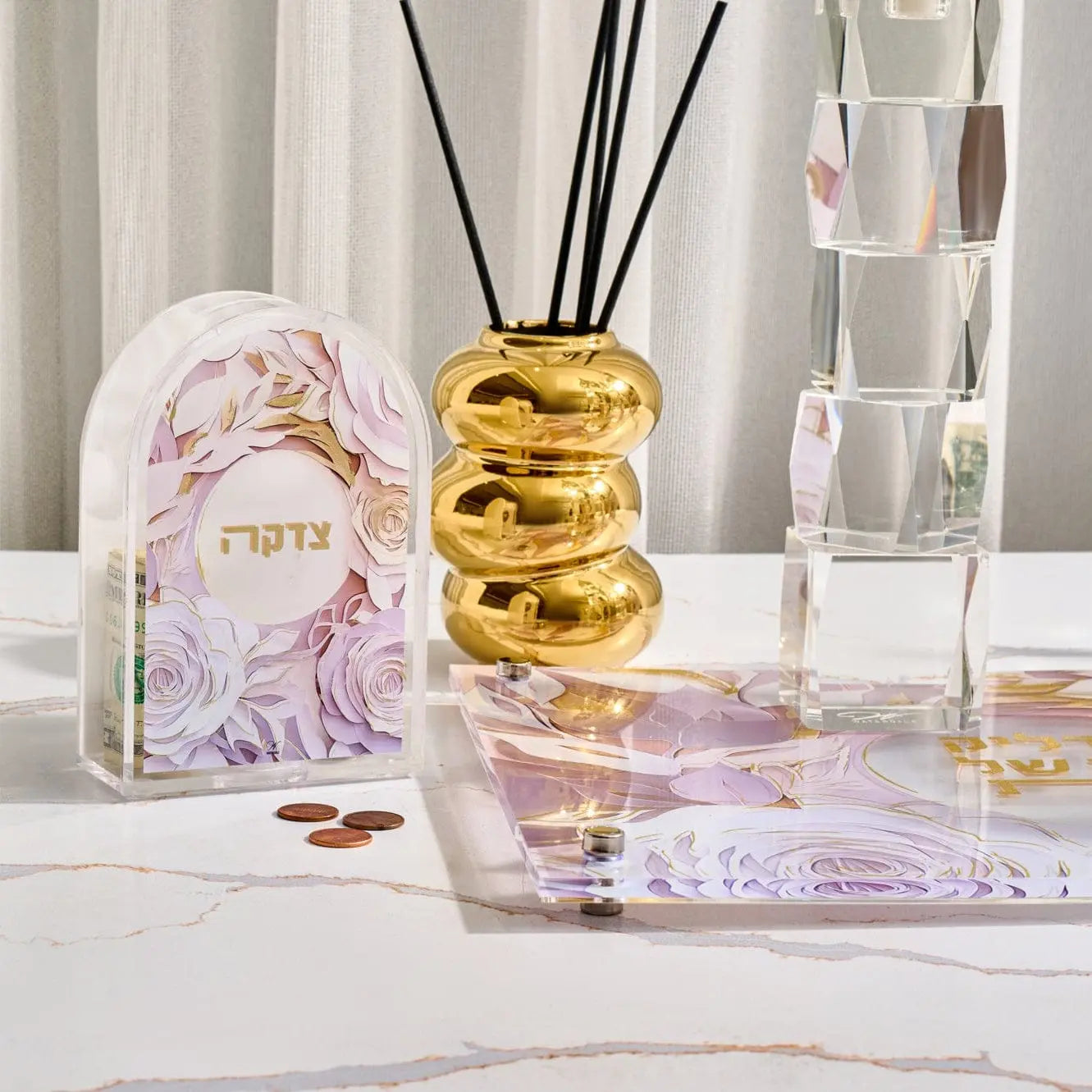
Simanim — the other symbolic foods eaten alongside apple and honey — deserve their own place at the table, not a paper plate pulled out at the last minute. These pieces are built to hold that role permanently.
Apple Tabletop Simanim (4)
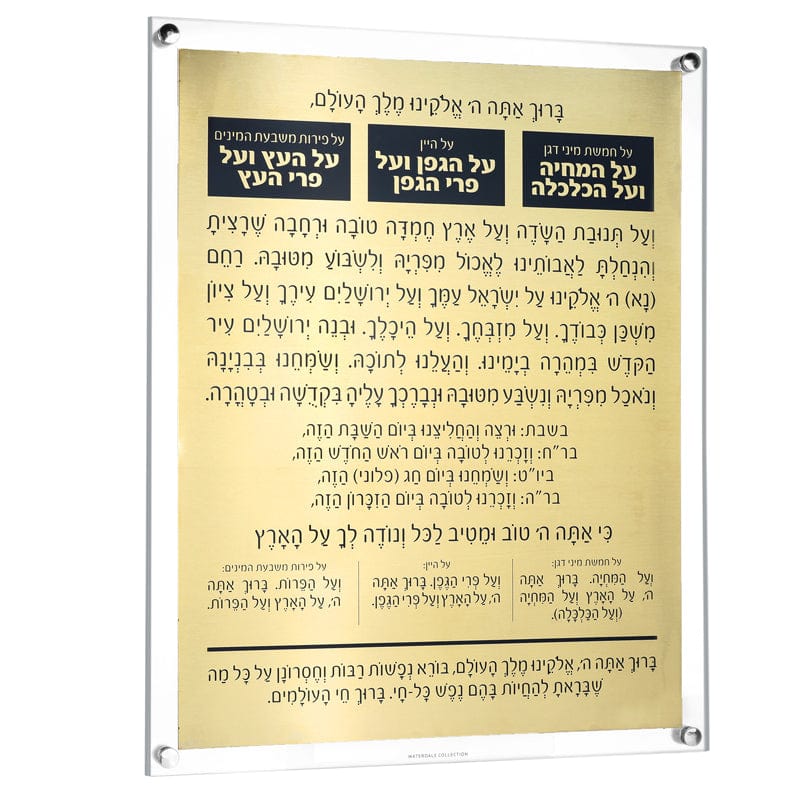
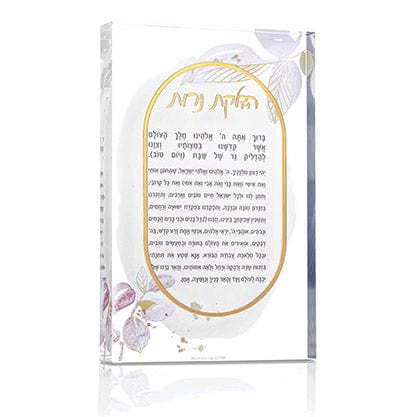
A freestanding, frosted Lucite piece that lists out the simanim blessings in an elegant tabletop format — no need to hunt for a laminated card or read off a phone. Available in gold or silver, this is the kind of piece that becomes a fixture of your Rosh Hashanah table for years, not just this one. $70.
Shop the Apple Tabletop Simanim

Marble Apple Tabletop Simanim
The most accessible entry point in this category — a sleek, marble-finished Lucite apple simanim piece at $20, ideal for setting one at every place or gifting in bulk to guests hosting their own tables this year. Small enough to fit anywhere, substantial enough to matter.
Shop the Marble Apple Tabletop Simanim

Laser Cut Tabletop Simanim
For a table that leans a little more modern, this laser-cut design in gold or silver catches light differently than the painted pieces — reflective, precise, and a little more architectural. At $22, it pairs naturally with the Suspended Honey Dish above for a cohesive, minimalist look.
Shop the Laser Cut Tabletop Simanim

Classic 2.0 Simanim Block
A freestanding sculptural block that anchors the table rather than sitting flat on it — this is the piece for a host who wants the simanim presence to feel weighty and permanent, closer to a piece of tableware than a printed card. A current favorite in this line, and worth grabbing early. $60.
Shop the Classic 2.0 Simanim Block

How to Choose the Right Honey Dish for Your Table
By budget: Under $25, a place-setting simanim card or the Marble Apple Tabletop Simanim covers the essentials without a major investment. $30–$70 is the range where most Waterdale hosts land for a primary honey dish — enough presence to anchor the table, not so much that it feels like overkill for one meal a year.
By table style: A marble or minimalist finish (Suspended Honey Dish, Laser Cut Tabletop Simanim) suits a quiet, modern table. A more literal apple or bee shape (Die-Cut Apple Honey Dish, Bee Honey Dish) suits a warmer, more traditional setting.
By recipient: For your own table, invest in the piece you'll set out every year. For a hostess gift, the $20–$40 range hits the sweet spot — meaningful, useful well past the holiday, and never mistaken for an afterthought.
By household size: Hosting a large Yom Tov meal? Consider two honey dishes — one for the main table, one for a buffet or overflow seating — rather than passing a single dish around a crowded table.
Frequently Asked Questions
What is a honey dish used for on Rosh Hashanah? A honey dish holds the honey used for dipping apple slices and challah at the start of the Rosh Hashanah meal, symbolizing the wish for a sweet new year. Most are designed to sit at the center of the table so every guest can reach it easily during the blessing.
Why do we dip apples in honey on Rosh Hashanah? The custom expresses a hope for sweetness in the year ahead — a wish for good, and for it to come easily rather than through hardship. It's typically observed at the start of both festive Rosh Hashanah meals, and it's one of the most beloved Rosh Hashanah food traditions passed down in Jewish homes.
What are simanim? Simanim are the symbolic foods — most commonly apple and honey, pomegranate, and round challah — eaten on Rosh Hashanah, each carrying a spoken hope for the year ahead. They're a custom, not an obligation, but they're deeply embedded in how most Jewish homes mark the holiday.
When is Rosh Hashanah 2026? Rosh Hashanah 2026 begins at sundown on Friday, September 11, and ends at nightfall on Sunday, September 13, marking the start of the Hebrew year 5787.
Bringing It All Together
A honey dish for Rosh Hashanah doesn't need to be complicated — it needs to be beautiful, functional, and meaningful enough to set out year after year. Whether you're building your own table from scratch or picking a hostess gift for someone hosting more religious guests than she's used to, the right piece does both jobs at once: it honors the apple-and-honey tradition and it looks like it belongs on a well-set table.
Shop the full Honey Dishes collection and Simanim Trays & Boards collection for more ways to bring apple, honey, and simanim to your Rosh Hashanah table this year — and may it be a sweet one.