

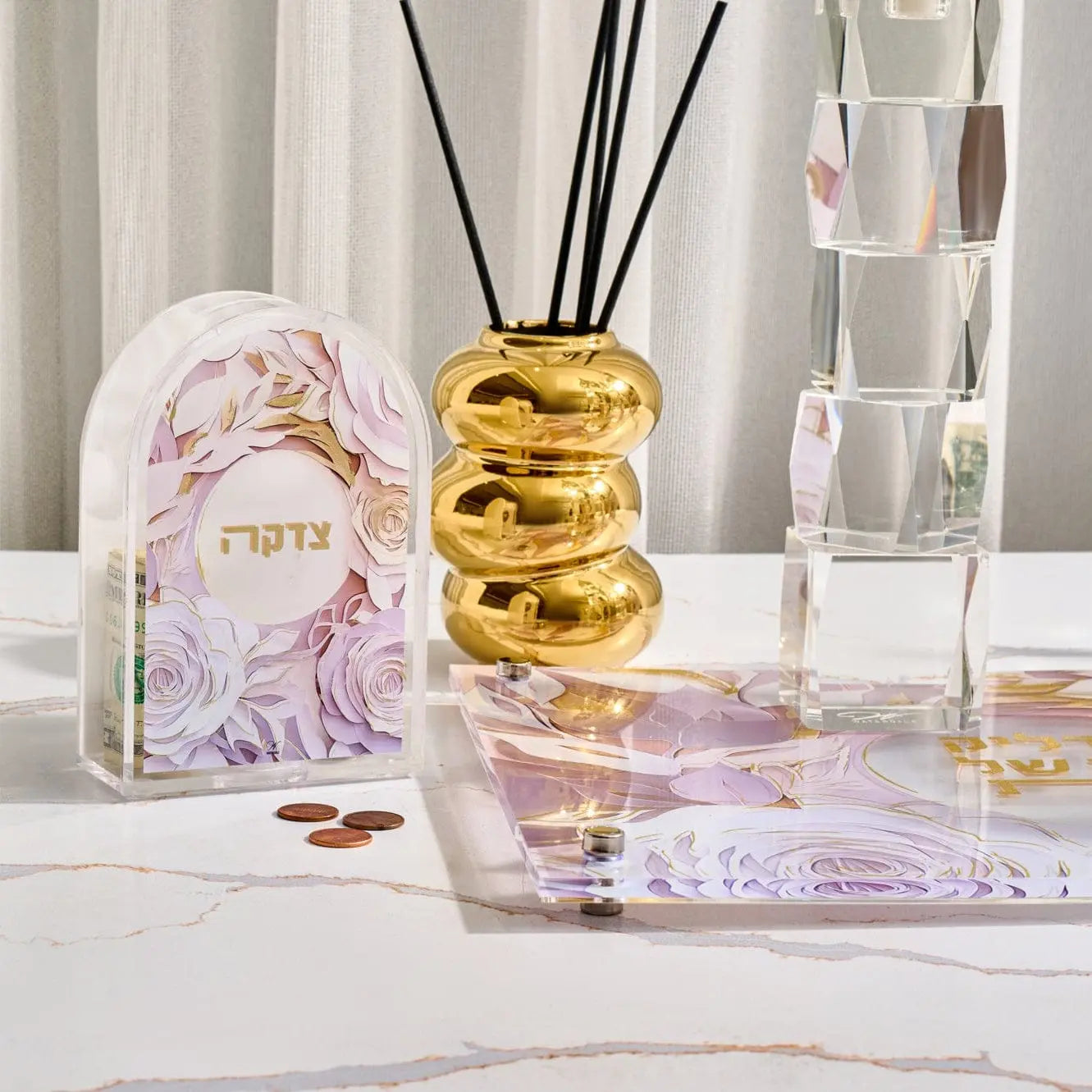

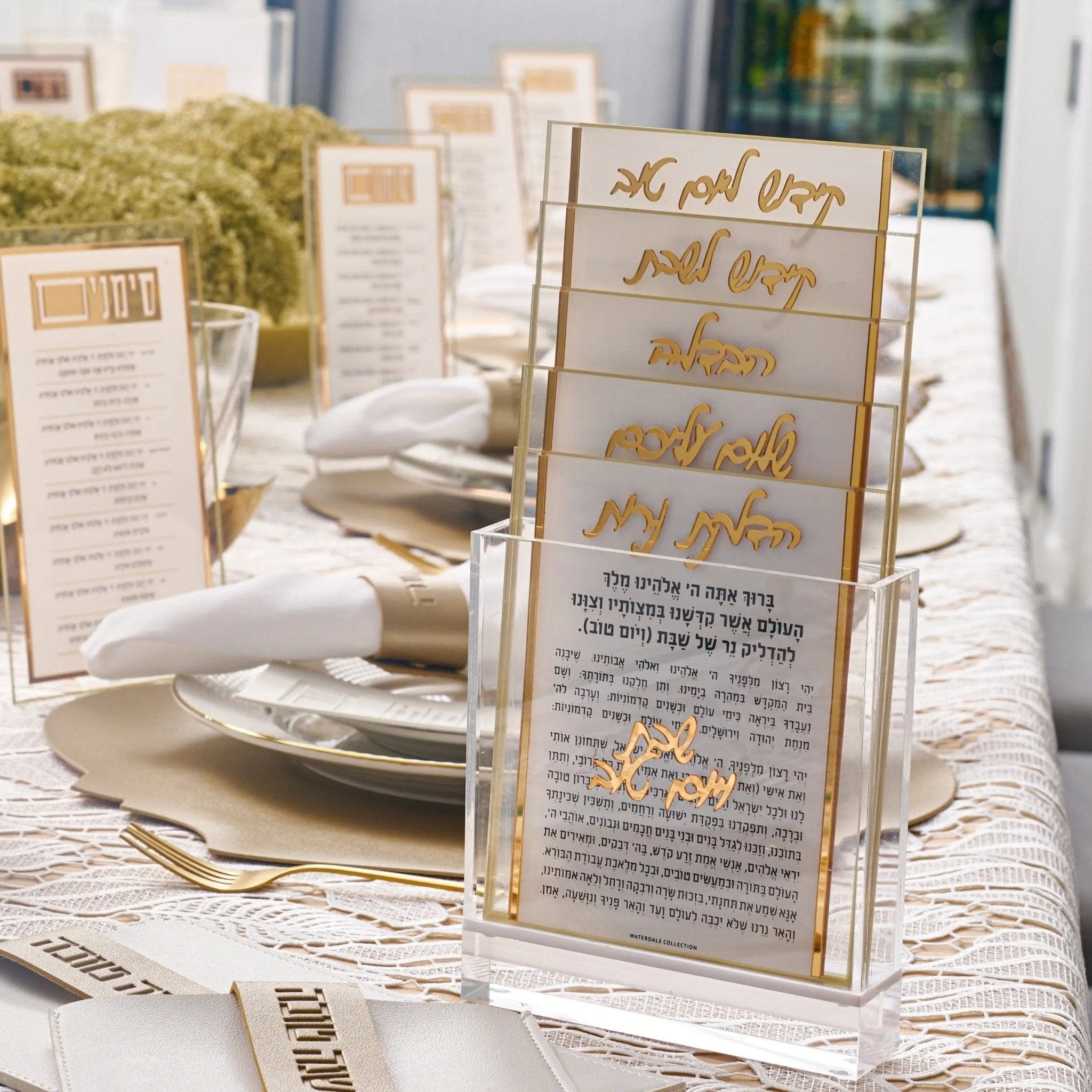











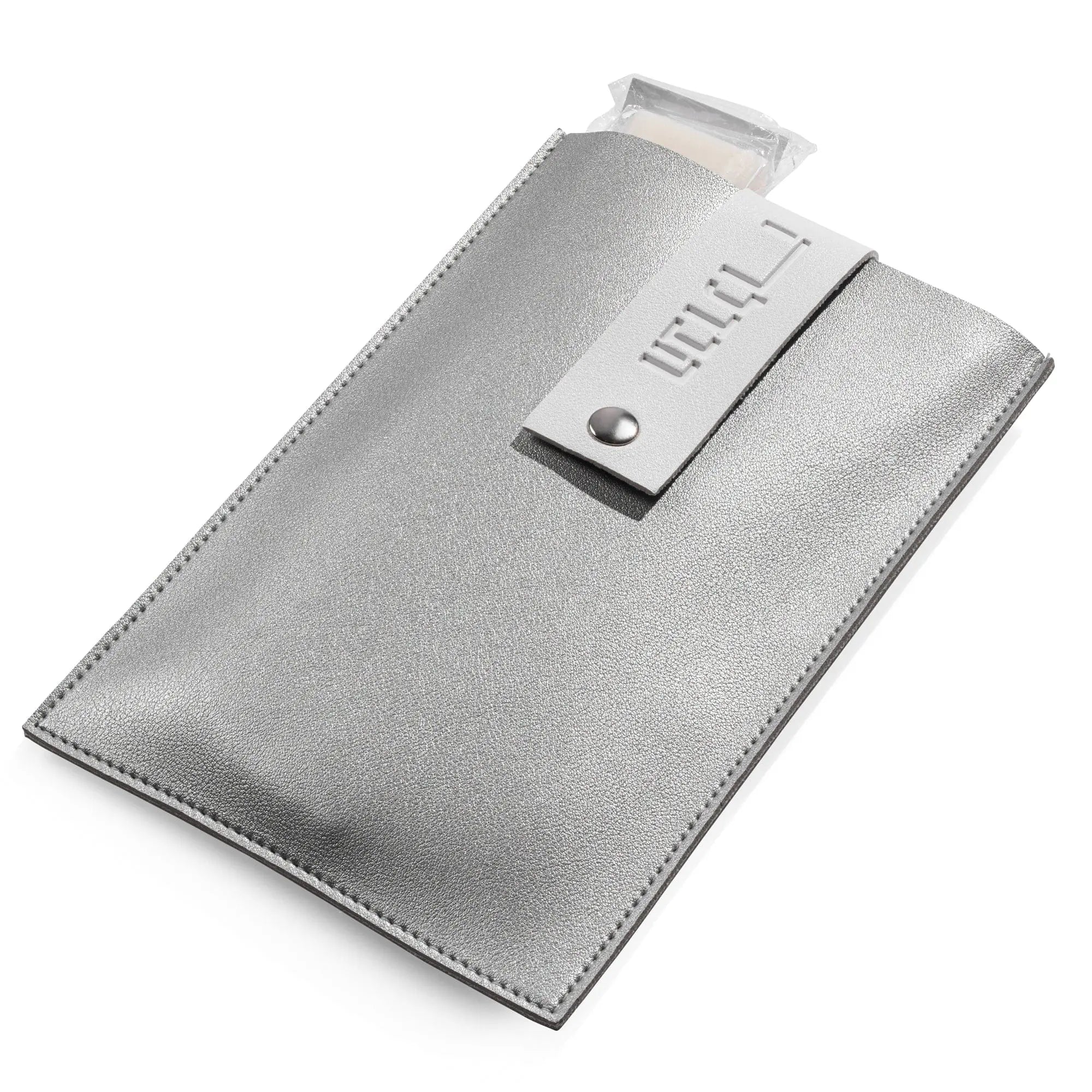
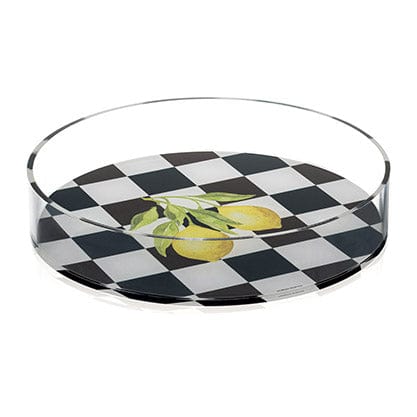



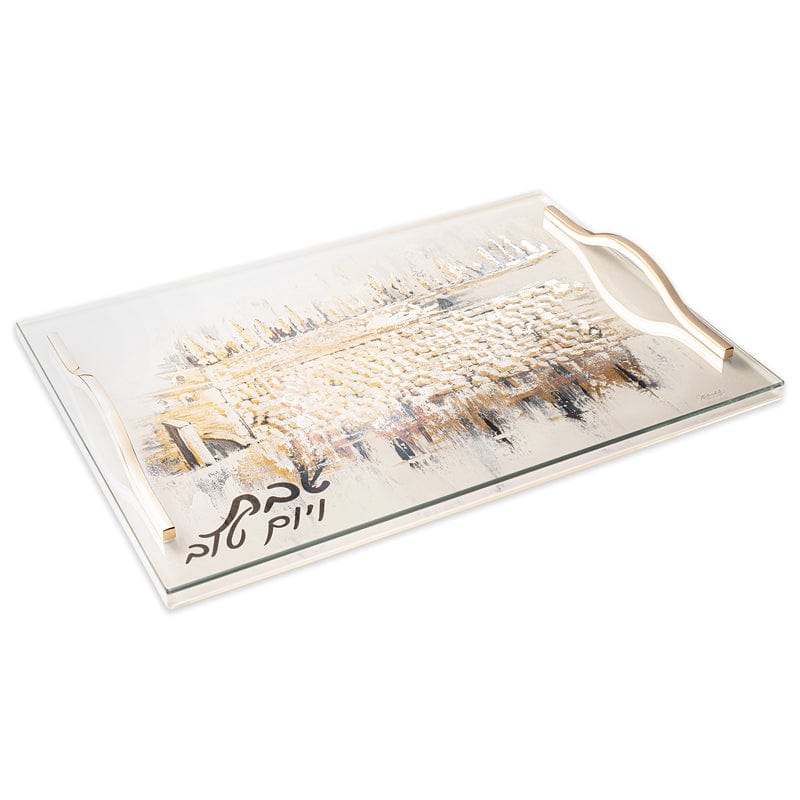





Walking into a Rosh Hashanah meal empty-handed — or worse, with another bottle of wine that will sit in a cabinet until Pesach — isn't really the risk. The real worry is showing up with something that says you didn't think about it. Rosh Hashanah gifts carry more weight than an average hostess gift because the holiday itself is about tefillah, hakaras hatov, and starting the year with intention. A gift that becomes part of the seudah — something the family reaches for every year — says all of that without a card.
This year, Rosh Hashanah 5787 begins at sundown on Friday, September 11, 2026, and ends at nightfall on Sunday, September 13 — a two-day Yom Tov, with the first day falling on Shabbos itself. That means all the cooking has to be finished before candle lighting on Friday, since there's no erev Yom Tov in between to fall back on. A gift that lightens that prep or adds beauty to the table is worth more than food that adds to the pile. Below are the pieces worth bringing this year, starting with Waterdale's newest arrivals for 5787, along with the real reasoning behind each Rosh Hashanah tradition they support.
Why Rosh Hashanah Gifts Are Different
Rosh Hashanah opens the Ten Days of Repentance and is treated in Jewish tradition as a day of judgment — which is why so much of the holiday's imagery is about hope for the year ahead rather than celebration for its own sake. That's the reasoning behind the custom of eating simanim, symbolic foods blessed at the start of the meal with a short prayer beginning "Yehi ratzon milfanecha" — "may it be Your will." Apples in honey, a round challah, and pomegranate aren't decorations; each one carries a specific hope for the year. Pomegranate in particular is eaten as the "new fruit" of the season, and the custom of counting its seeds as a stand-in for the 613 mitzvos is exactly why it's become the defining motif of this year's newest Rosh Hashanah pieces. A gift tied to these customs feels more meaningful than a general one, and it fits the mood of teshuvah — quiet, intentional, built to last — better than something festive and disposable.
1. New for 5787: The Pomegranate Collection
Waterdale's newest Rosh Hashanah arrivals landed just weeks ago, and the theme running through nearly all of them is pomegranate — in resin, in leather, and in hand-painted lucite. It's the most requested "new fruit" symbol on the Rosh Hashanah table, and this year it's woven into everything from the honey dish to the napkin rings.
The Resin Pomegranate Honey Dish is crafted in the iconic pomegranate silhouette with a soft marbleized resin finish, available in gold, silver, deep red, and marble. For a hostess who likes to host two traditions at once, the Rosh Hashana Resin Honey Salt Dish pairs the honey dip with the salt used for hamotzi in a single coordinated piece — a detail most tables don't have and every host will notice.
2. A Ready-Made Gift for When You're Short on Time
Not every gift needs to be assembled at home. Waterdale's newest arrival, released just this month, solves the "I need something today" problem without it looking last-minute.
The Gourmet Honey & Resin Honey Dish Pomegranate Gift Set pairs the pomegranate resin honey dish with real gourmet honey in one curated presentation — ready to hand over as-is, no wrapping required.

3. Personal Honey Dishes for Every Guest
Giving each guest an individual honey dish is one of the newer hosting trends, and it solves a real logistical problem — passing a single dish around a full table slows down the meal right when everyone is hungry and the blessings are still being said. It's a small upgrade that makes a big table feel considered.
The Resin Pomegranate Honey Dish Set (4) brings four individual pomegranate-shaped dishes in one set — a gift a hostess wouldn't think to buy for herself, but will notice immediately at her next Yom Tov meal.

4. A Simanim Tray That Keeps the Seder Moving
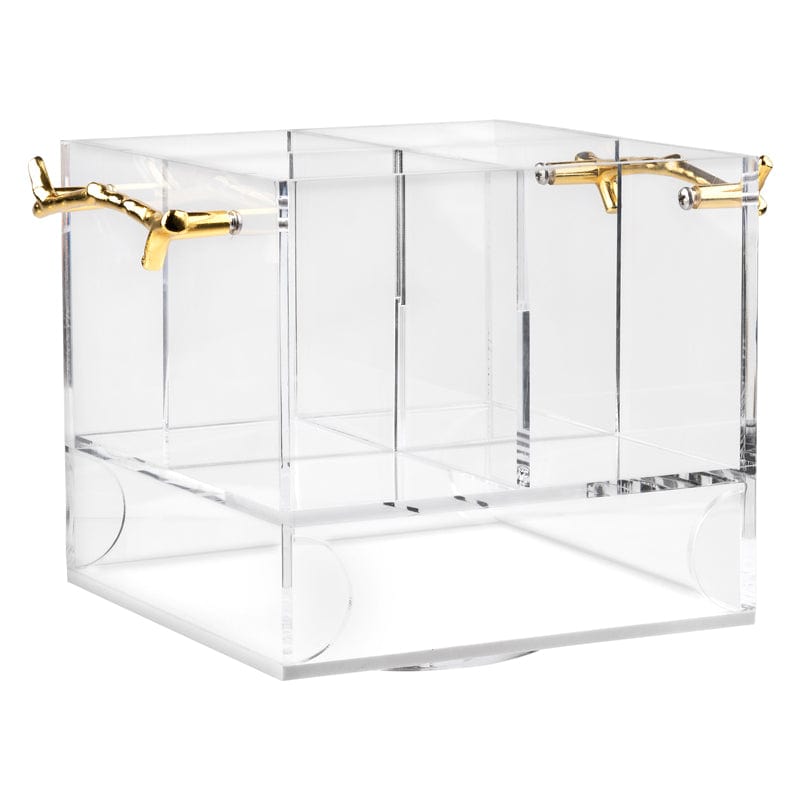
The beginning of the Rosh Hashanah meal can feel rushed — there are several simanim to get through, each with its own blessing, before the meal itself even starts. Each blessing over the simanim opens with the same line — "Yehi ratzon milfanecha Hashem eloheinu v'elohei avoteinu," "May it be Your will, God and God of our ancestors" — followed by a specific hope for the coming year. A designated tray with built-in spaces for each food keeps the order straight and lets every siman get the kavod it deserves, instead of guests passing dishes around the table mid-blessing.
The Rosh Hashana Curve Resin Simanim Tray is one of this year's newest pieces, expertly crafted from marbled resin with a sculptural curved silhouette. Pair it with the Resin Simanim Card Set — printed blessing cards in a matching marbled resin finish — so guests from children to first-time attendees can follow along without needing to remember the order from last year.

5. A Simanim Plaque for the Table
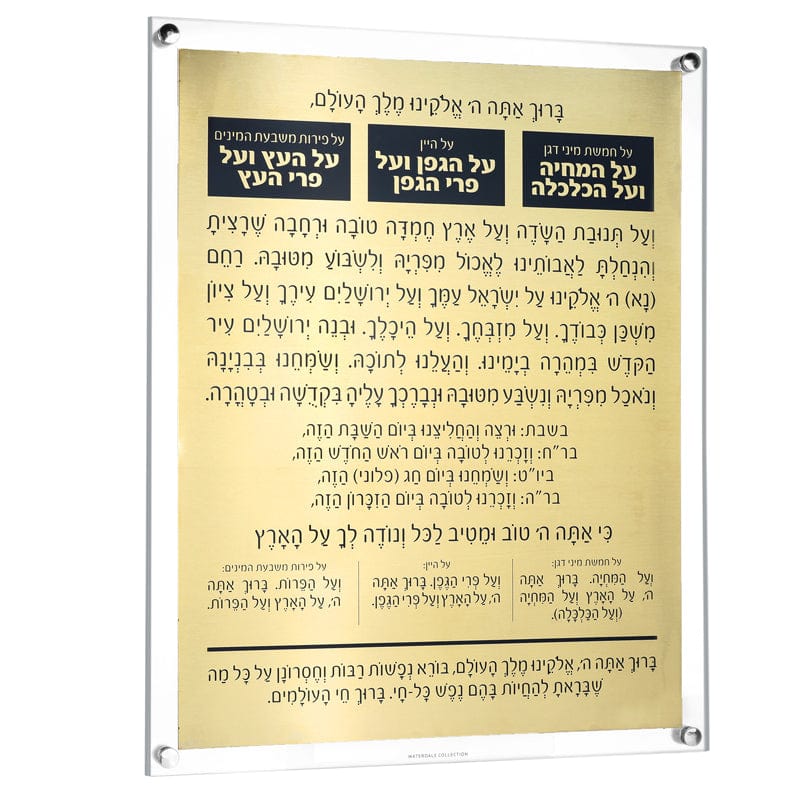
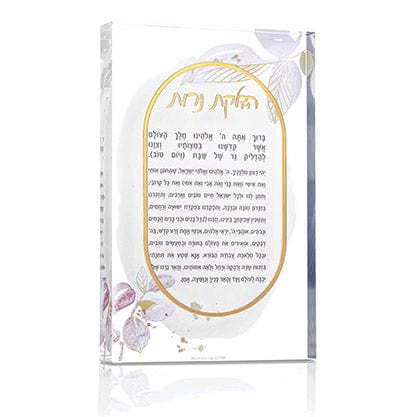
Even families who have hosted Rosh Hashanah for decades sometimes lose track of the exact order of the Yehi Ratzon prayers — the custom varies somewhat by community, and it's easy to blank when everyone is waiting. A printed simanim plaque is a gift people rarely buy for themselves, yet it becomes indispensable the moment it's on the table.
The Rosh Hashana Painted Pomegranate Simanim Tabletop Plaque features elegant hand-painted pomegranate detailing and is one of the newest additions to the line — a detail worth checking against your recipient's minhag before gifting, since the order and wording of the blessings differ by community.

6. A Finishing Touch: Pomegranate Napkin Rings
Not every meaningful gift needs to carry the full weight of the meal. A well-chosen napkin ring is a small, affordable way to round out a Rosh Hashanah tablescape, and it's a detail that shows up in every photo of the table.
The Resin Pomegranate Napkin Rings bring the same pomegranate motif to the place setting in gold, deep red, marble, or silver. For a lower price point, the Gold Pomegranate Napkin Rings offer the same symbolism in classic lucite.

7. The Resin Collection, Beyond the Holiday
Unlike the pomegranate pieces above, Waterdale's core Resin Collection isn't holiday-specific — it's the kind of gift a family reaches for every Shabbos and Yom Tov, not just once a year. That's what makes these pieces work well as Rosh Hashanah gifts in particular: they extend the sentiment of the holiday well past Tishrei.
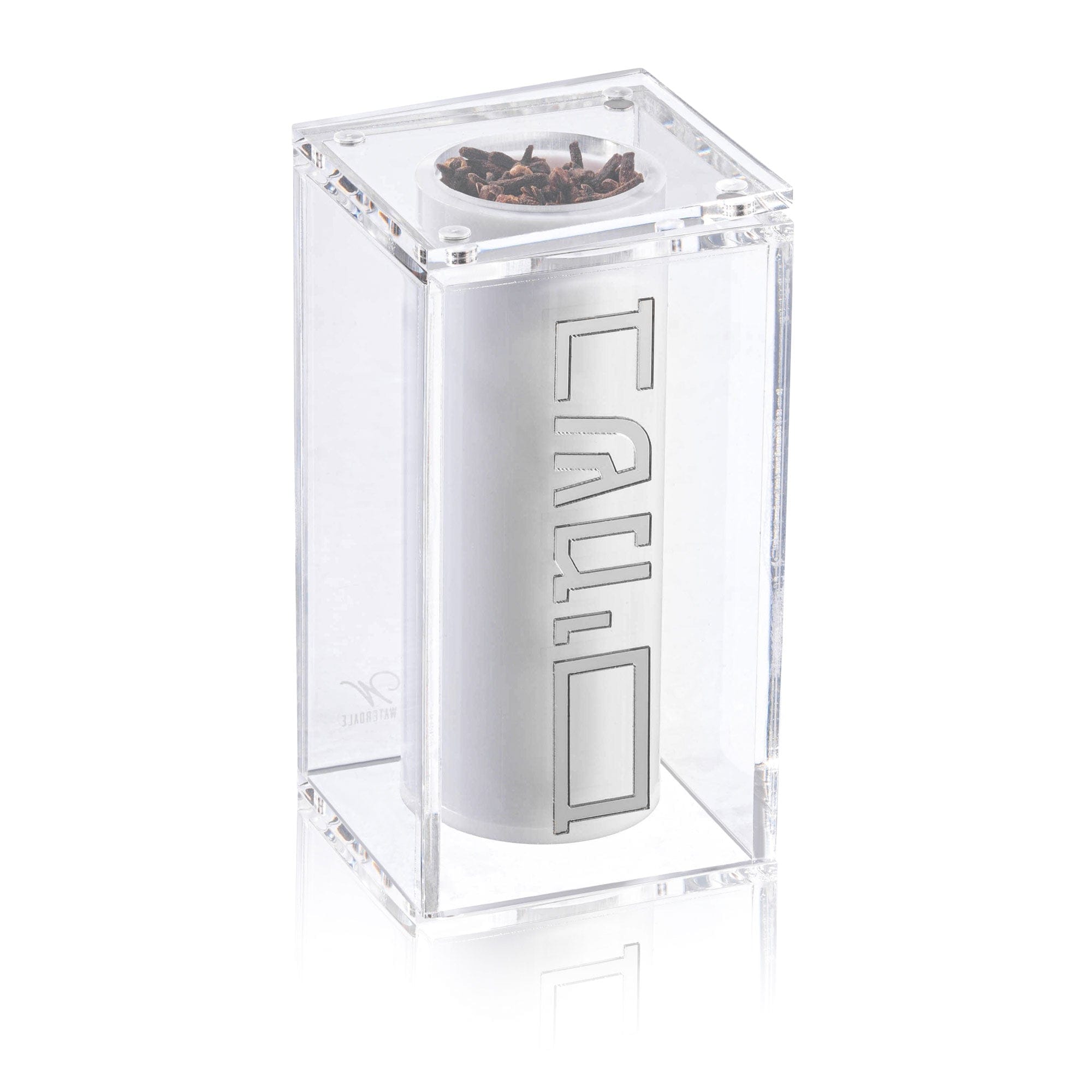
The Resin Pitcher has a tall, streamlined silhouette that works equally well holding water at a weekday dinner or juice at the Yom Tov table. The Resin Washing Cup elevates the daily mitzvah of netilas yadayim with two sturdy handles designed for easy pouring — not a cabinet item.

How to Choose the Right Rosh Hashanah Gift
The right gift depends less on budget and more on who's receiving it and how they host.
- For a hostess you're close with: A honey dish or simanim tray in the $40–$90 range reads as thoughtful without overshadowing the meal she's already planning.
- For a rebbi, morah, or someone you want to thank simply: A simanim plaque or the ready-made gift set (under $75) is appropriate and won't feel like it's competing with gifts from other families.
- For someone hosting their first Rosh Hashanah as a couple or in a new home: A piece from the core Resin Collection works well because it isn't holiday-specific — it becomes part of their everyday table, not just something stored away after Tishrei.
- For a home more observant than your own: When in doubt, choose a functional piece over a decorative one. A washing cup or honey-and-salt dish is never the wrong call, since it supports a mitzvah rather than a preference.
Frequently Asked Questions
What are simanim on Rosh Hashanah? Simanim are symbolic foods eaten at the start of the Rosh Hashanah meal, each paired with a short blessing expressing a hope for the coming year. Common simanim include apples in honey, pomegranate, and a fish or ram's head, and the custom is rooted in a teaching from the Talmud.
Why do we dip apples in honey on Rosh Hashanah? Apples and honey represent a wish for a sweet new year. The custom has become nearly universal across Jewish communities, even though the specific simanim on a full seder table can vary by minhag.
Why is pomegranate a Rosh Hashanah symbol? Pomegranate is eaten as the customary "new fruit" of the season, and its many seeds are traditionally likened to the 613 mitzvos, making it a natural symbol for a year of increased merit.
When is Rosh Hashanah 2026? Rosh Hashanah 5787 begins at sundown on Friday, September 11, 2026, and ends at nightfall on Sunday, September 13, 2026 — a two-day Yom Tov, with the first day coinciding with Shabbos this year.
What's an appropriate Rosh Hashanah hostess gift? Something that becomes part of the table — a honey dish, simanim tray, or serving piece — is generally more appreciated than food or wine, which adds to what the host is already managing. The $40–$90 range fits most hostess situations.
A Gift That Creates Memories
The best Rosh Hashanah gifts aren't the biggest ones — they're the ones that quietly become part of a family's Yom Tov, year after year. A honey dish that sits at the center of the table, a simanim tray that comes out before Kiddush, a resin pitcher passed around at Shabbos long after the holiday ends — those are the gifts that actually last.
Browse the full Rosh Hashanah Collection, this year's new arrivals in Rosh Hashana Tableware, or shop Honey Dishes and Simanim Trays & Boards directly. Kesivah v'chasimah tovah!