


We're closed for Shabbos. We reopen [[opentime]]. Time until we reopen: [[countdown]]. Thanks for understanding.
Why do we blow the shofar on Rosh Hashanah?
Sounding the shofar is the central mitzvah of Rosh Hashanah — the Torah calls the day Yom Teruah, a day of shofar blasts. The shofar's cry is a wake-up call to teshuvah (repentance), proclaims Hashem's kingship, and recalls the ram offered in place of Yitzchak at the Akeidah. The widespread custom is to hear 100 blasts on each day of the holiday, sounded in patterns of tekiah, shevarim, and teruah.
Is the shofar blown when Rosh Hashanah falls on Shabbos?
No — when the first day of Rosh Hashanah coincides with Shabbos, as it does in 2026, the shofar is not blown that day. The Sages instituted this as a safeguard against carrying a shofar in the public domain on Shabbos. Instead, the full set of blasts is heard on the second day of Yom Tov, and tashlich is likewise commonly deferred to the second day in such years.
What is a shofar bag and do I need one?
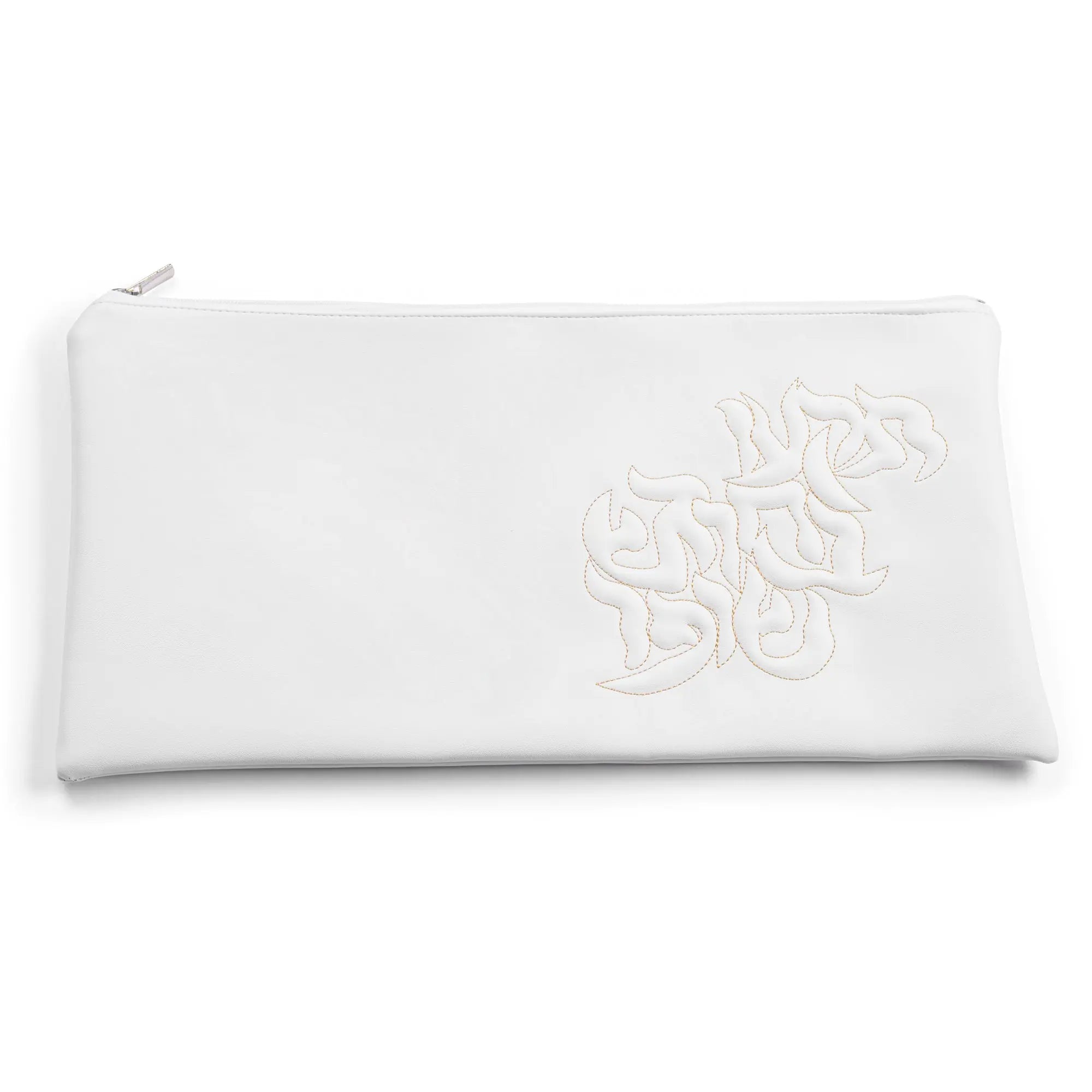
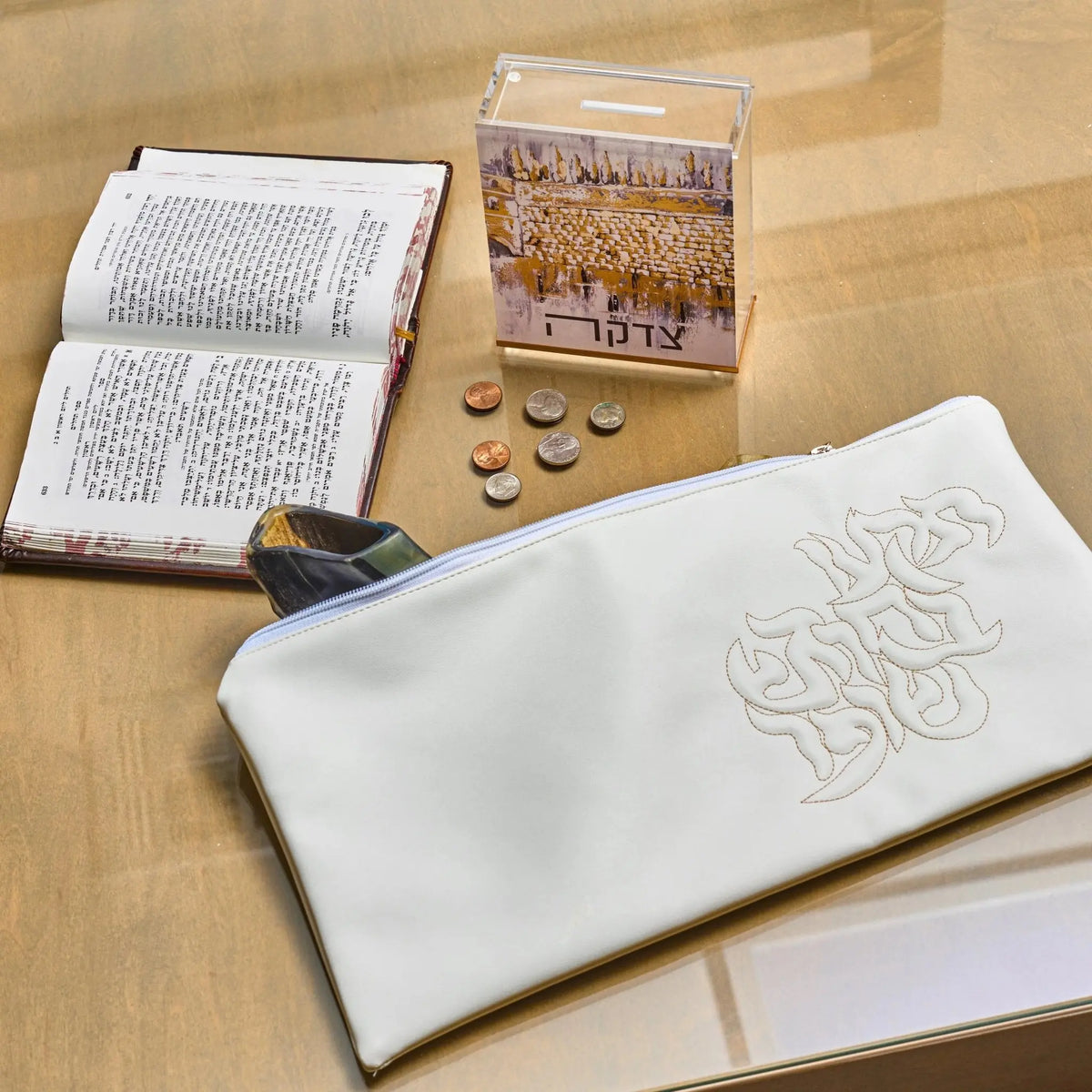
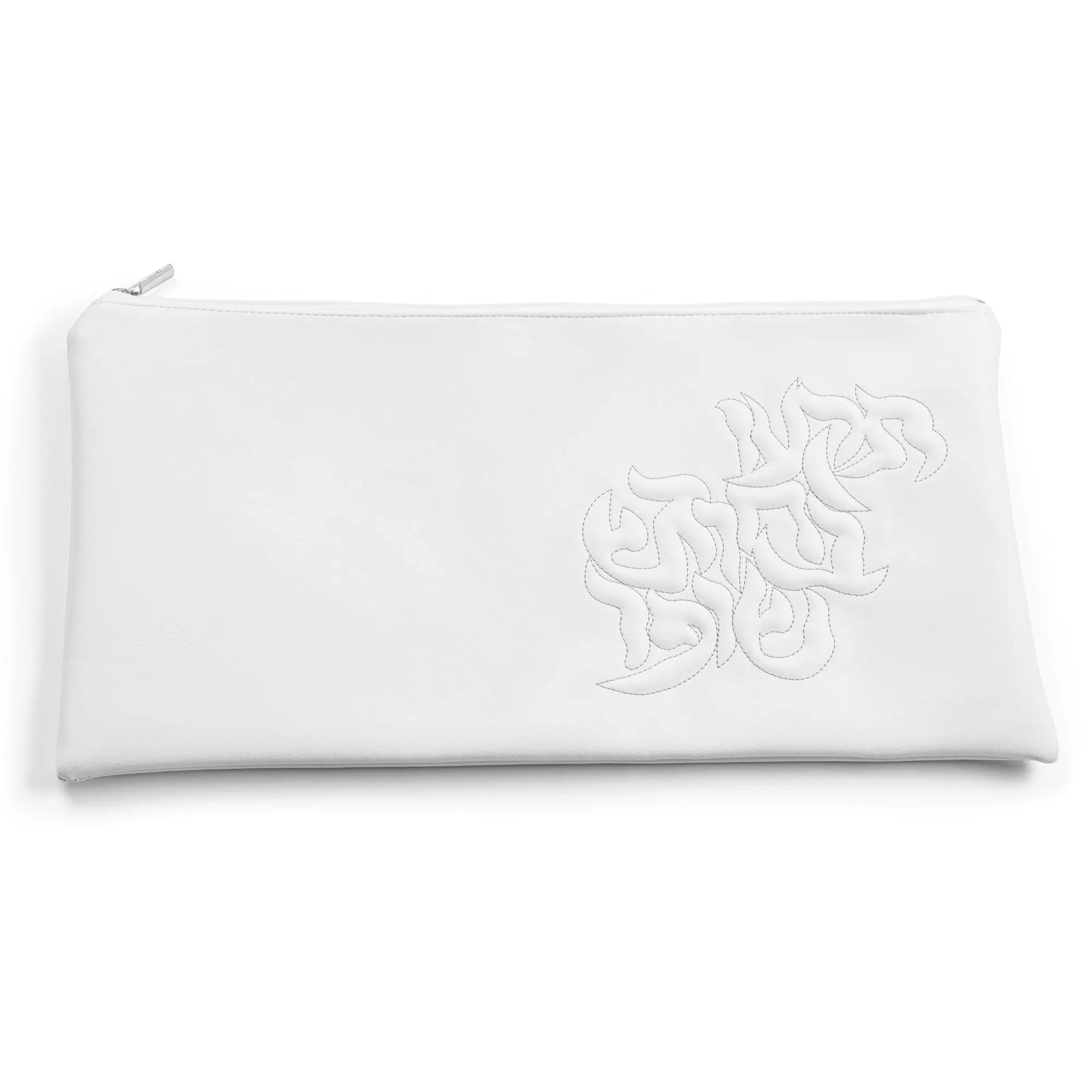
A shofar bag is a padded, fitted case that stores and transports a shofar safely — protecting the natural ram's horn from cracks, dust, and drops during the eleven months it sits in storage and on every trip to shul during Elul and the Yamim Noraim. A shofar is a significant purchase, and an unprotected horn cracks far more easily than most people expect. A quality bag is the simplest insurance for it.
What size shofar bag fits my shofar?
Measure the shofar's length along its curve and its widest point at the bell, then compare against the bag's listed interior dimensions — bags are generally sized for small, medium, or large shofars. Too snug makes the shofar hard to remove; too loose sacrifices protection. Yemenite kudu shofars, with their long spiral, usually need a dedicated large size.
How many times is the shofar blown — and what do tekiah, shevarim, and teruah mean?
The widespread custom is 100 shofar blasts on each day of Rosh Hashanah, built from three sounds: tekiah, one long unbroken blast; shevarim, three medium broken sounds; and teruah, a rapid series of at least nine staccato notes — capped by the extended tekiah gedolah. The sequences are sounded during and after the Torah reading and throughout Musaf. Hearing them is the day's central mitzvah.
Are shofar bags padded to protect against cracking?
Quality shofar bags have interior padding or a soft velvet lining that cushions the horn against bumps and pressure — the main causes of cracks in natural ram's horn. Padding also prevents surface scratches during regular handling. It matters most for a shofar that travels daily to shul through Elul.
Is a shofar bag a good bar mitzvah gift — and can it be personalized?
A shofar bag makes a meaningful bar mitzvah gift, especially embroidered with the young man's name or bar mitzvah date, and pairs perfectly with the gift of a shofar itself. Personalization is arranged at order time, so check production schedules against the simcha date. It's also a thoughtful, affordable way to contribute to a group gift.
Velvet, leather, or fabric — which shofar bag material is best?
Velvet bags offer a soft, traditional look with a gentle interior; leather and leatherette stand up best to frequent travel and daily Elul use; simple fabric bags provide basic dust protection at the lowest cost. Match the material to how often the shofar leaves the house. For a ba'al tokea who blows daily through Elul, durable leather with real padding earns its price.
How should a shofar be stored during the rest of the year?
Keep the shofar in its bag in a cool, dry spot away from direct sunlight and temperature swings — damp basements and hot attics dry out and crack horn over time. Checking it once or twice mid-year takes a minute and catches problems early. Stored properly, a good shofar serves a family for generations.
Early access to new releases, limited restocks, and occasional updates.