


















The Gap Between Traditional and Contemporary Judaica Aspirations
Many Jewish households find themselves caught between two worlds. On one hand, there's a deep commitment to observance and tradition. On the other, there's a desire for home decor that reflects modern aesthetic sensibilities. The challenge has always been finding ritual items and tabletop pieces that honor both values without compromise.
We've observed this tension firsthand. Families walk into homes decorated with beautiful contemporary furnishings, and then approach the holiday season facing a choice: arrange traditional items that feel visually mismatched, or abandon meaningful ritual objects altogether. Neither option feels right.
The problem isn't new, but the solution hasn't existed until recently. Historically, Judaica design prioritized religious authenticity over visual harmony with modern interiors. If you wanted a Seder plate, a Havdalah set, or candle holders that matched your aesthetic, you were looking at precious metals, heavy ornamental designs, or dated styling.
We built Waterdale Collection to resolve this gap entirely. Our premise is straightforward: observance and sophistication aren't mutually exclusive. You shouldn't have to choose between honoring Jewish tradition and creating a cohesive, elegant home environment.
The market for contemporary Judaica reflects real demand. Growing numbers of Jewish households recognize that their ritual items are also design objects, visible throughout homes during holidays and daily life. These pieces communicate identity, values, and taste to guests and family members. They deserve the same design attention we give to everything else in our spaces.
What to do next: Assess your current holiday décor. Which ritual items feel visually out of place in your home? Those are your priority pieces for upgrading.
What Modern Jewish Households Actually Need in Holiday Decor
The functional requirements of holiday Judaica haven't changed in centuries. A Seder plate still needs to hold maror, charoses, and other symbolic foods. Candlesticks still need to securely hold candles. Wine cups still need to contain liquid safely.
What has changed is context. Modern homes feature clean lines, minimalist sensibilities, and carefully curated color palettes. Holiday décor needs to integrate seamlessly rather than stand out as separate "religious" elements.
Here's what we consistently hear from customers:
Pieces that work across multiple holidays rather than single-use items. A Havdalah set that also functions as everyday tabletop décor saves space and justifies investment. Seder plates we design can transition to serving pieces for year-round entertaining. This multi-purpose approach appeals to people with finite space and budget.
Functional beauty that doesn't sacrifice usability. A stunning Judaica wall art piece is wonderful, but a Seder plate must perform its purpose flawlessly. Every item we create maintains rigorous standards for both aesthetics and function. Our lucite construction means you can actually use these pieces during meals without worry.
Flexibility in color and material to match individual homes. Not every household favors the same palette or style direction. We offer variations in our core pieces, recognizing that one customer's sophisticated minimalism differs from another's warm, eclectic approach.
Pieces that photograph well for digital sharing. Contemporary Jewish life includes documenting and sharing holiday moments across social platforms. Our designs hold up beautifully in photographs, allowing you to capture and celebrate these moments authentically.
Gifts that feel personal, not generic. Corporate clients need Judaica gifting options that convey thoughtfulness and cultural awareness. Individual customers want pieces for milestones that feel specific to the recipient, not mass-produced.
The intersection of these needs defines what we create. You need ritual objects that enhance rather than interrupt your home environment while serving their intended purposes beautifully.
Our Design Philosophy Bridging Observance and Contemporary Elegance
Our approach starts with deep respect for Jewish tradition, combined with uncompromising standards for contemporary design. These aren't competing values in our process; they're mutually reinforcing.
Every piece begins with research into the historical and religious context of its function. What makes a Seder plate meaningful? Why are certain symbols essential? How has design evolved across different Jewish communities? We study these questions thoroughly before sketching a single line.
Simultaneously, we ask design questions that have nothing to do with tradition: What materials best express modern aesthetics while ensuring durability? How can form follow function without excess ornamentation? What color and texture palettes resonate with contemporary interiors? How do proportions create visual balance?
The creative tension between these two inquiry streams produces our signature aesthetic. We don't make "modern Judaica" by stripping tradition bare. We honor observance through precision, quality, and attention to symbolic detail. We honor contemporary design through restraint, material innovation, and visual sophistication.
Our design team includes Jewish craftspeople and secular designers, religious scholars and engineers. This diversity prevents either value from dominating. When a design proposal prioritizes tradition at the expense of usability, our engineers push back. When a concept sacrifices meaningful symbolism for aesthetic purity, our cultural advisors intervene.
This process takes longer than conventional product development. We don't rush designs to market because someone had a clever idea. Instead, we live with prototypes, test them during actual holidays, and refine based on real-world use. A Havdalah set might go through eight iterations before we're satisfied it meets both our functional and aesthetic standards.
The result feels inevitable rather than novel. When you hold one of our pieces, you immediately understand it. There's no learning curve, no sense of using something unusual. It simply works, both functionally and visually.

What to do next: Consider which holiday items most deserve this level of thoughtful design. Which pieces do you use repeatedly or prominently display?
Premium Lucite and Leather Craftsmanship as Standard
We chose lucite and leather as our primary materials deliberately, not by default. Both substances allow us to achieve our design goals in ways that traditional materials cannot.
Lucite offers extraordinary flexibility. It's durable enough for everyday use while remaining optically beautiful. Unlike metal, lucite can be colored throughout or combined with other materials seamlessly. It allows for transparency where needed and opacity where preferable. Most importantly, lucite can be crafted with the precision required for contemporary design while maintaining the warmth that metal sometimes lacks.
Our lucite work involves techniques ranging from hand-finishing to laser precision. Edges are beveled and polished to a quality standard that rivals fine optical glass. Colors are saturated throughout the material rather than applied as finishes, so they won't chip or fade with use. Thickness and weight feel premium in your hands without becoming unwieldy.
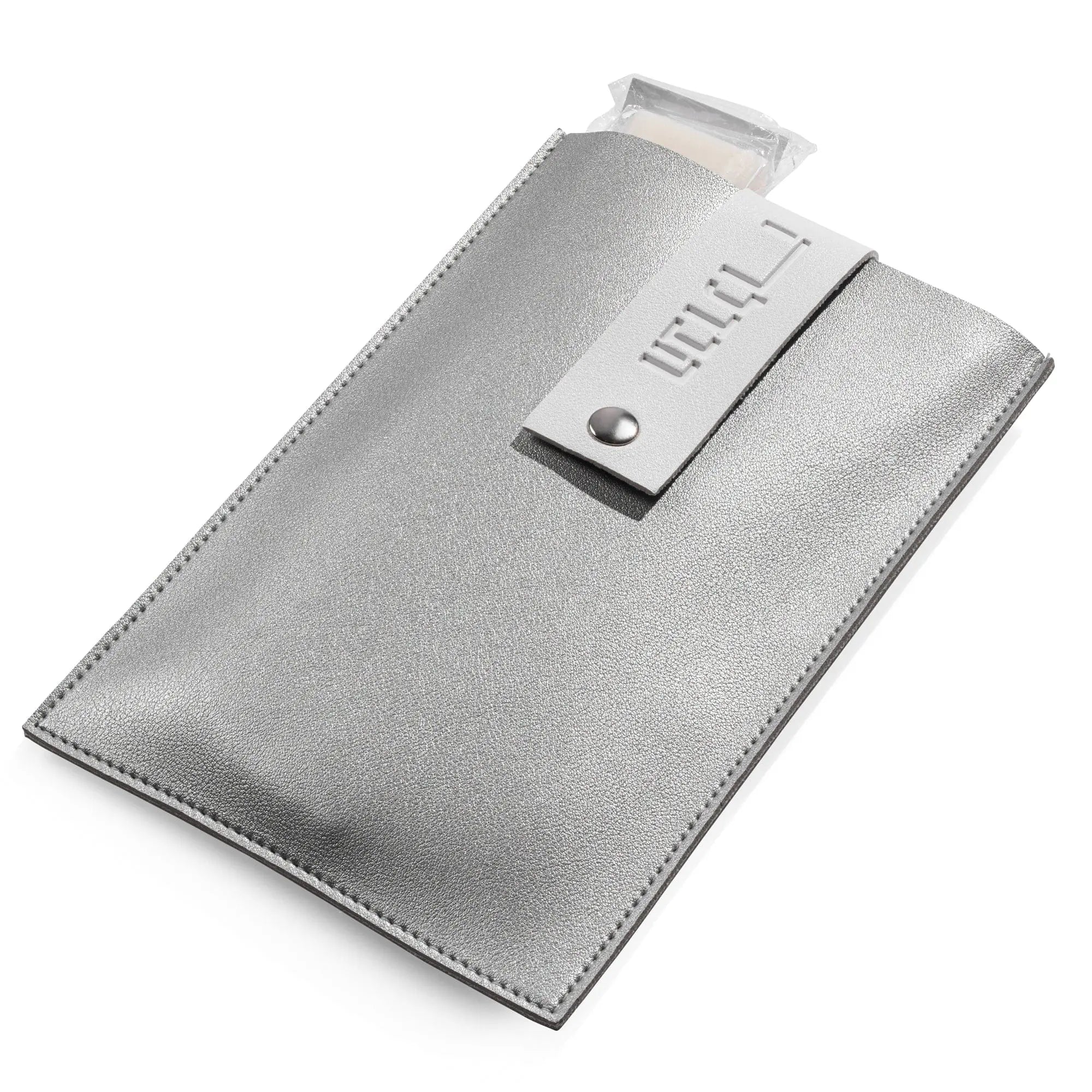
Leather introduces warmth and tactile quality that lucite alone cannot achieve. We select leather for its color, texture, and durability. Handles on serving pieces, base accents on tabletop items, and wrapping on gifts all feature leather because it communicates luxury and care through feel as much as appearance.
Our leather work respects the material's natural variations. Unlike mass production that demands uniformity, we celebrate the subtle differences that prove genuine craftsmanship. Each piece's grain pattern is unique. Leather patinas beautifully with use, aging in ways that enhance rather than diminish its beauty.
The combination of lucite and leather solves several practical problems simultaneously. Lucite's translucency creates visual interest without visual clutter. Leather's warmth prevents the collection from feeling cold or sterile. Together, they're dishwasher-safe (without harsh chemicals), resistant to staining, and forgiving of everyday use in ways that precious metals and ceramics are not.
These material choices also reflect our commitment to functionality. Lucite won't corrode from wine or lemon juice. It won't develop patina spots from salt water or ceremonial salt. Leather, properly treated, resists water damage while improving with age. For items you're actually going to use during meaningful meals and celebrations, these practical considerations matter as much as visual ones.
Many customers tell us they were skeptical about lucite at first, expecting something cheap or plastic-feeling. After holding and using our pieces, they recognize the quality immediately. The optical clarity, the weight, the feel of polished edges, the way light moves through colored lucite—these details accumulate into an unmistakable sense of craftsmanship.
What to do next: Request samples or visit our collection in person if possible. Material quality is something hands-on evaluation reveals better than photographs.
The Waterdale Approach to Functional Judaica Art
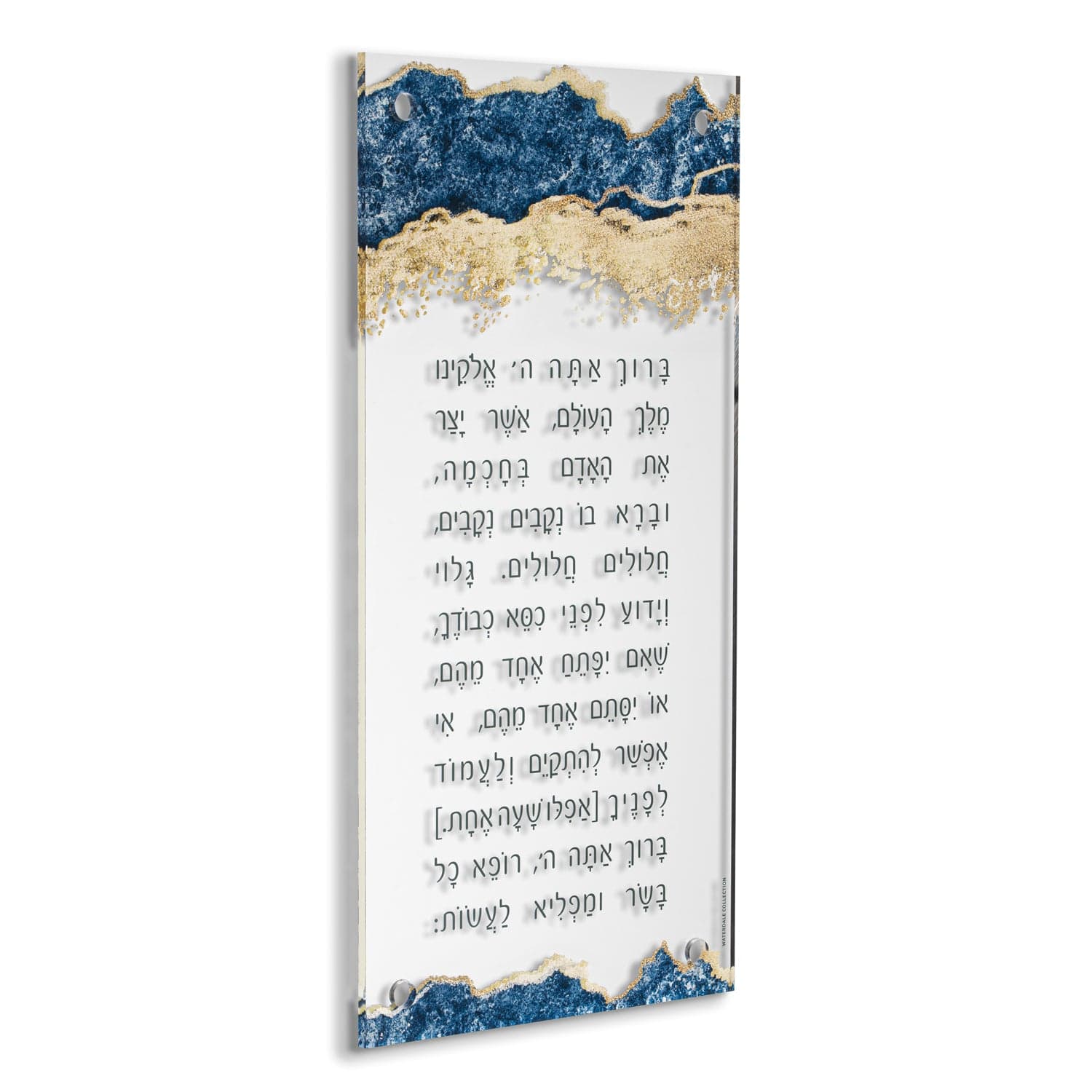
The distinction between "functional Judaica" and "Judaica art" is increasingly blurred, and we embrace that ambiguity. Our pieces serve specific religious or ceremonial purposes while functioning as visual art that enhances your space.
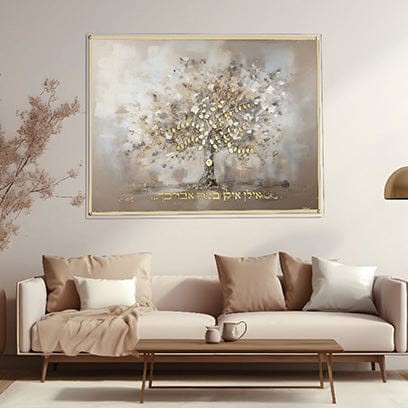
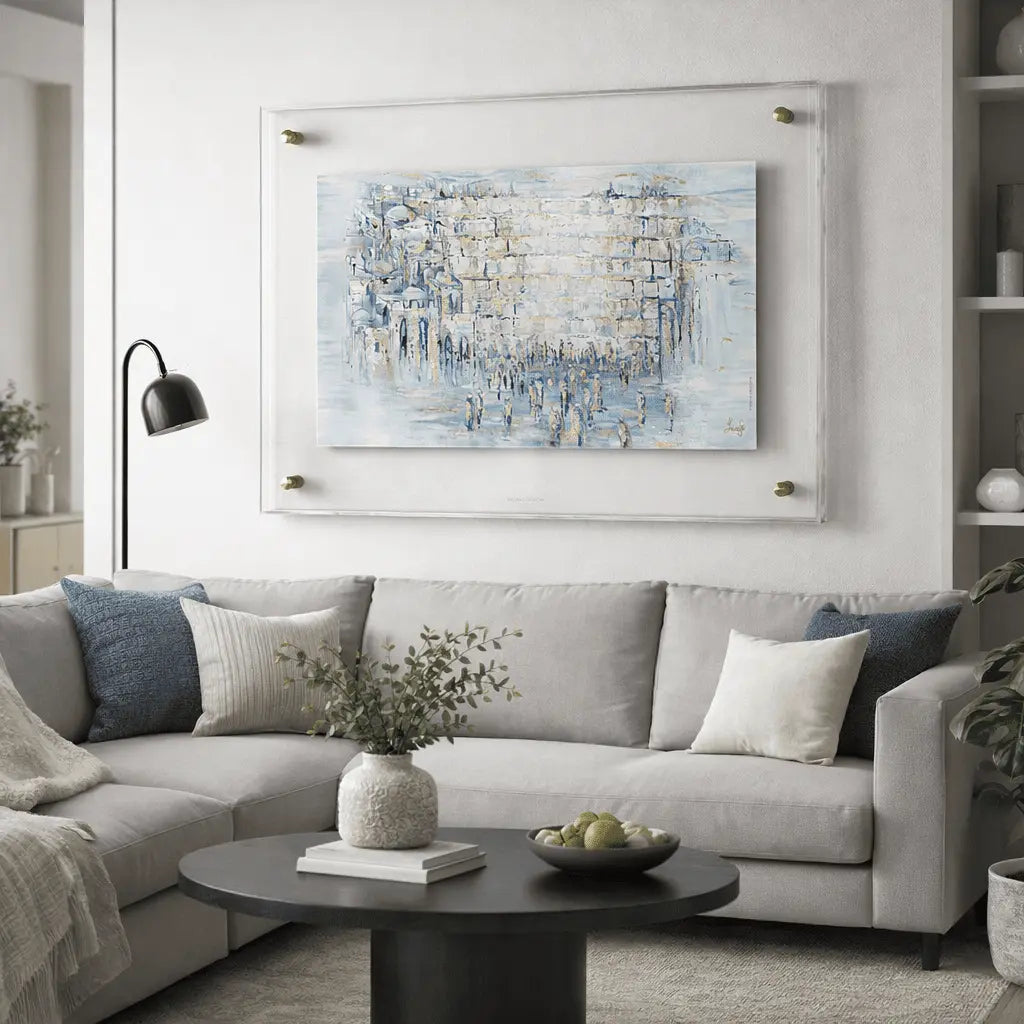
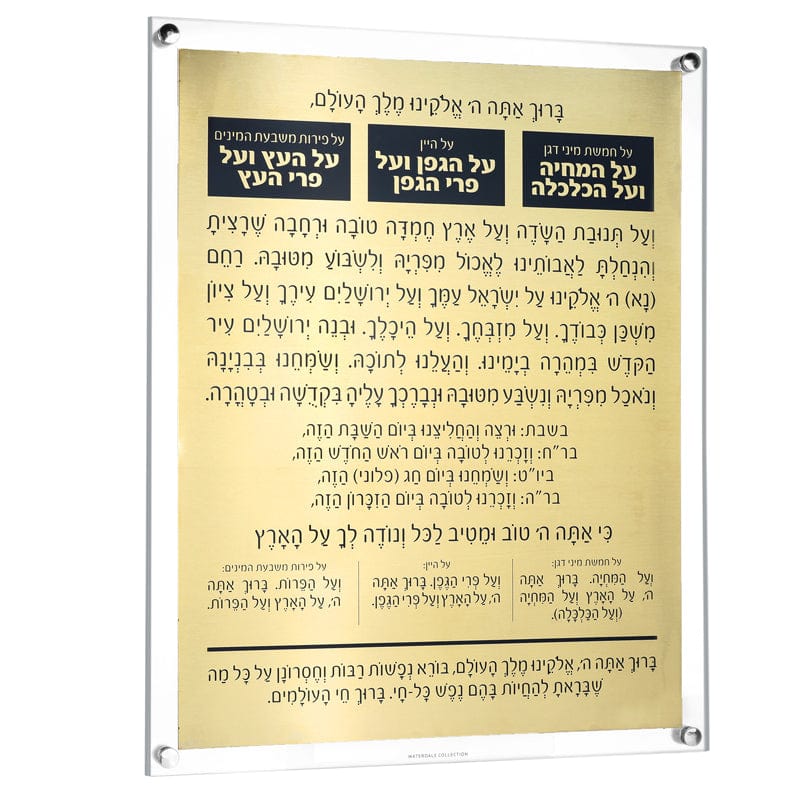
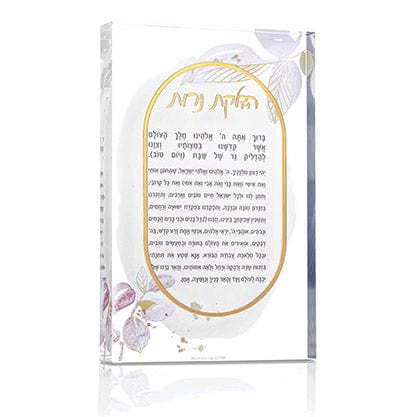
Take our Judaica wall art collection as an example. These pieces communicate Jewish identity and values through visual language, but they're not decorative in the ornamental sense. Many incorporate meaningful symbols or blessings. Some are designed to work with specific observances or holidays. You might display a particular piece during Shabbat or only during Passover, creating visual rhythm across your year.
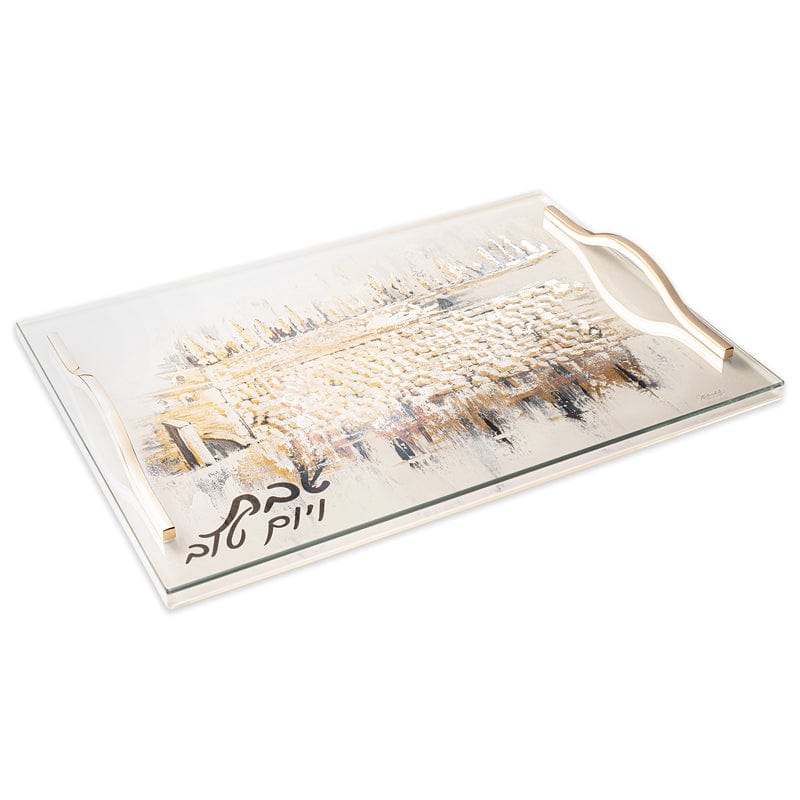
Similarly, Judaica tabletop pieces do real work. A Seder plate holds food. Candlesticks hold candles safely. Wine cups contain liquid. But each piece also makes an aesthetic statement about your home and values. They're visible to guests. They photograph well. They communicate taste and intention.
This dual purpose allows these pieces to command serious investment. You're not buying decorative objects that sit unused most of the year. You're acquiring tools for observance that simultaneously enhance your interior design. That justifies attention to material quality, design precision, and craftsmanship.
Our approach differs fundamentally from how most ritual objects are currently marketed. Traditionally, Judaica is sold either as precious religious art (extremely expensive, often ornate) or as functional religious items (utilitarian, visually ordinary). We've created a third category: sophisticated, functional objects that work equally well as art and ritual tools.
This means every piece needs to perform multiple functions simultaneously. It must serve its religious purpose reliably. It must integrate visually with contemporary home design. It must photograph well in natural light. It must feel beautiful in your hands. It must withstand actual use without degradation. These aren't competing requirements; they're all non-negotiable.
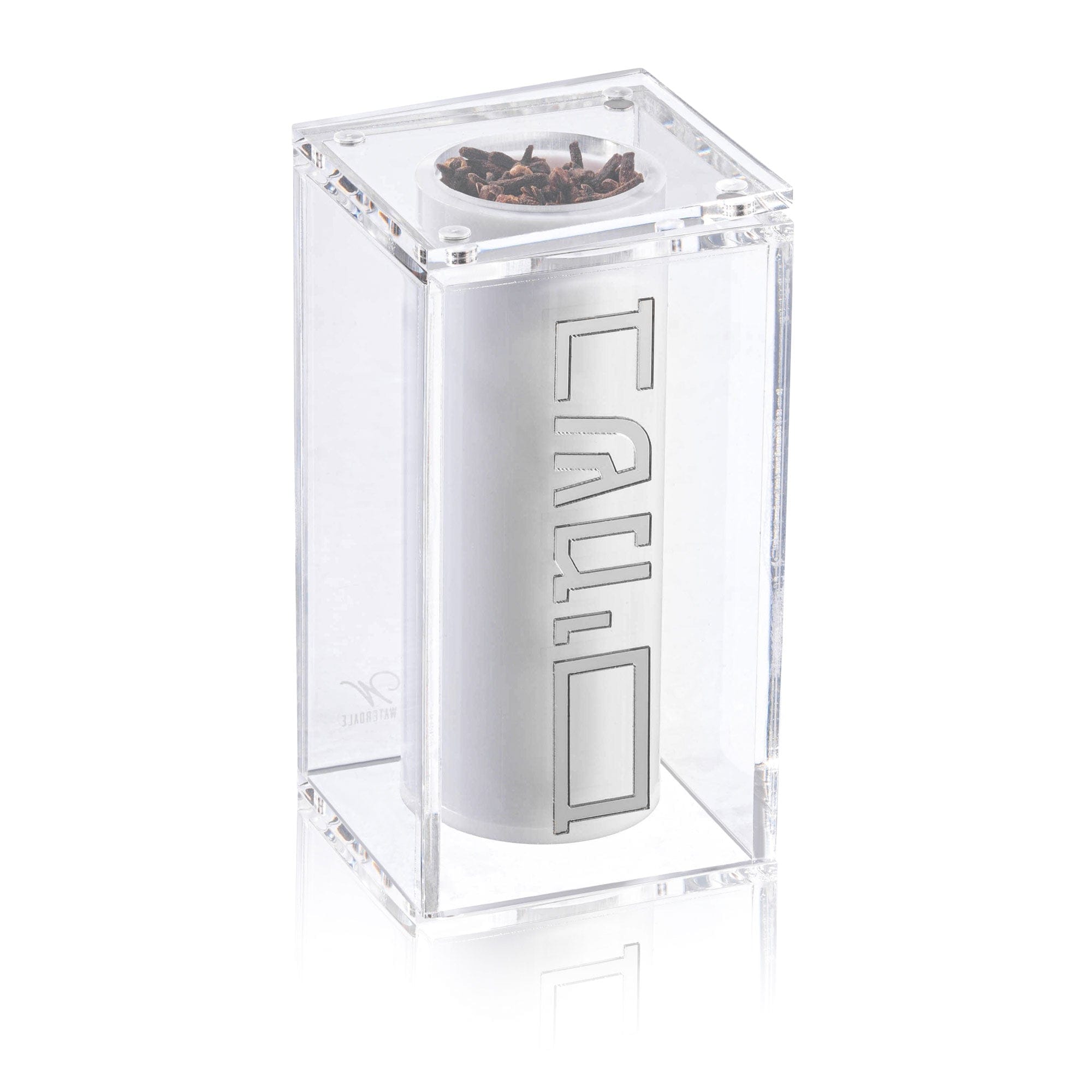
When we design a Havdalah set, we're thinking about the visual moment of the ceremony. The way candlelight interacts with lucite. The proportion of the cup relative to the spice holder. The stability and weight that creates satisfying, intentional movement. The clarity that lets you see the ceremony's elements while honoring their symbolic importance.
This integration of beauty and function also extends to how pieces relate to one another. Our collections work as systems. Individual items stand alone beautifully, but they're designed to coordinate if you collect multiple pieces. A customer might build a collection across several holidays, and all pieces create visual harmony together.
What to do next: Think about which pieces you'd display year-round versus seasonally. That distinction often reveals which items deserve your investment.
Customization for Corporate Gifts and Personal Milestones
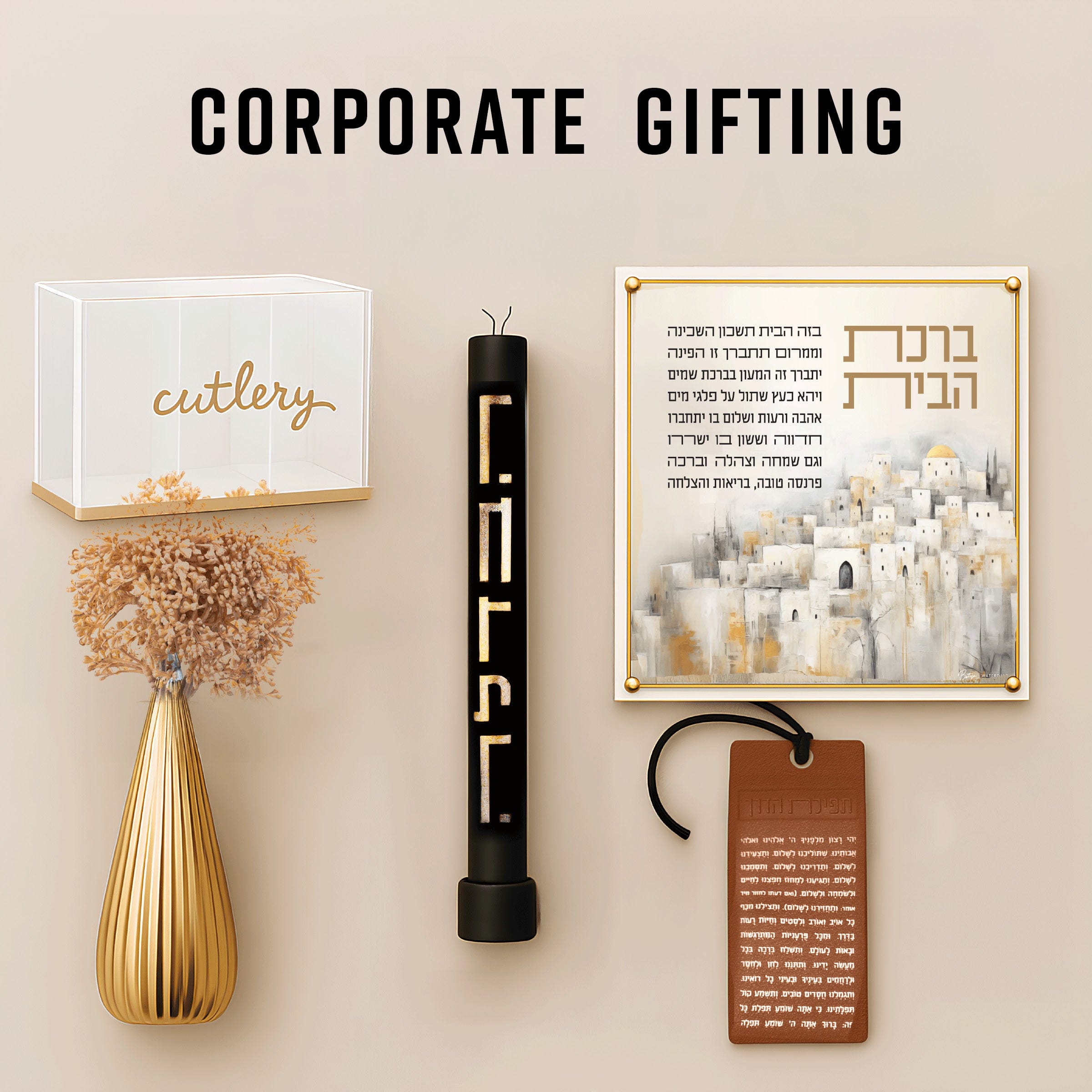
Corporate gifting within the Jewish community requires genuine cultural literacy and quality execution. Too often, companies attempt Judaica gifting with pieces that feel either tacky or generically "ethnic." Neither approach communicates respect or appreciation.
We've built comprehensive customization options because we understand that meaningful gifts require personalization. A corporate Judaica gift shouldn't look identical to hundreds of others sent across the industry. It should reflect the company's values and the recipient's identity.
Our customization options include engraving, monogramming, and custom color selections. For larger corporate orders, we can develop branded variations that maintain our design integrity while incorporating company identity. We've created pieces for tech companies, law firms, medical practices, and nonprofit organizations, each reflecting specific community values and aesthetic preferences.
The gifting experience matters as much as the physical object. We offer gift messaging, custom ribbon work, and premium packaging that transforms a Judaica piece into a meaningful present. A client sending Chanukah gifts to 50 business partners receives pieces that feel personal rather than bulk-ordered.

For personal milestones, customization serves different purposes. A Bar or Bat Mitzvah gift might incorporate the student's Hebrew name. An engagement gift could be monogrammed with initials or custom-engraved with the couple's names and date. A circumcision gift might include the baby's Hebrew name and birth date.
These personal touches transform functional objects into keepsakes. Twenty years later, the recipient doesn't remember the monetary value of a Seder plate, but they remember who gave it to them, when, and what the inscription says. The object becomes a record of significant life moments.
We've also created custom pieces for specific organizational needs. A synagogue might commission matching pieces for a ritual object. A Jewish organization might develop a commemorative piece for an anniversary or campaign. These projects allow us to serve broader community needs while producing truly unique pieces.
The customization process is straightforward but thorough. You select your base piece, choose any options or modifications, and provide text or design elements you'd like incorporated. We review your customization request to ensure it's technically feasible and aesthetically sound. Then our craftsmanship team executes the work with the same precision we bring to our standard collection.
Customization does extend timelines slightly. A standard piece ships within days. A customized piece typically ships within two to three weeks, depending on complexity. For corporate orders, longer lead times are normal, and we accommodate them accordingly.
What to do next: If you're considering a Judaica gift, start by identifying the recipient's style preferences and the occasion's significance. That clarity will guide customization choices.
Holiday Collections That Elevate Your Seasonal Observance
Each major Jewish holiday presents distinct opportunities for beautiful, functional Judaica. We've developed collections around key observances that give you curated options rather than overwhelming choice.
Passover requires multiple pieces. A thoughtfully designed Seder plate becomes the visual and functional centerpiece of your meal. Charoset dishes, salt bowls, and wine cups each serve specific purposes. Together, they create a cohesive, beautiful ritual experience. Our Passover collection features pieces that honor the holiday's significance while integrating seamlessly with contemporary dining aesthetics.
Chanukah offers different design possibilities. Menorahs are sculptural objects that sit prominently in homes, often for weeks. They're visible to guests, displayed in windows, and photographed frequently. Our Chanukah pieces balance sculptural presence with the functional reality of holding eight candles safely and securely. We've created variations for different aesthetic preferences, from minimalist designs to more elaborate compositions.
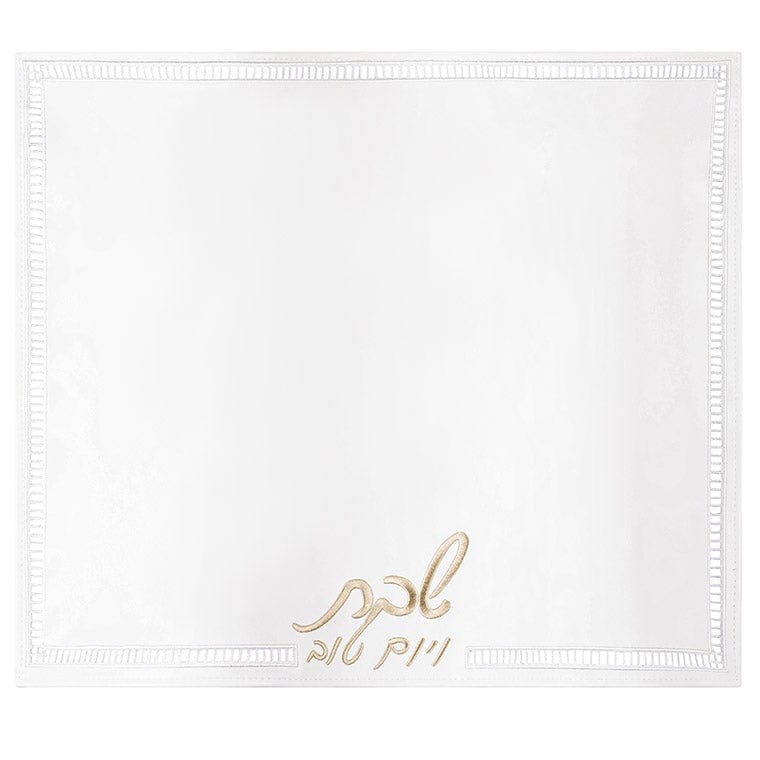
Shabbat generates ongoing need. Unlike holidays that come annually, Shabbat recurs weekly. A beautiful candlestick set, wine cup, or Havdalah collection sees regular use. This consistent visibility justifies investment in quality pieces that will endure years of use while aging beautifully.
High Holidays (Rosh Hashanah and Yom Kippur) inspire pieces around themes of renewal, reflection, and hope. Apple dishes for Rosh Hashanah honey rituals, honey jars, and pieces featuring meaningful symbols create visual language for these profound observances.
Our Purim gifting collection addresses a growing interest in beautiful Purim observance. Traditionally, Purim gifting emphasizes abundance and celebration. Our pieces support that spirit while maintaining the design sophistication that defines the Waterdale approach.
Each holiday collection includes items at different price points and scales. You might start with a single signature piece and build gradually. A customer might acquire a Seder plate immediately, add matching wine cups the following year, and expand further as budget and occasion warrant.
We refresh these collections seasonally, introducing new designs while maintaining beloved classics. A piece you love becomes available each year, so you can coordinate pieces across multiple holidays if desired.
The holiday-specific approach also allows deeper design exploration. Rather than creating generic Judaica, we can dive into visual themes, symbolic languages, and ceremonial purposes specific to each observance. A Chanukiah design tells a different story than a Havdalah set, and our collection reflects those distinctions.
What to do next: Identify which holidays you observe most meaningfully and which currently lack beautiful ritual objects. That's your starting point for building a cohesive Waterdale collection.
Why Designer Tabletop Accessories Matter for Holiday Hosting
Holiday hosting for Jewish families involves specific functional and ceremonial needs. Beyond the ritual pieces that define observance, you need tabletop accessories that support entertaining while reflecting your aesthetic.
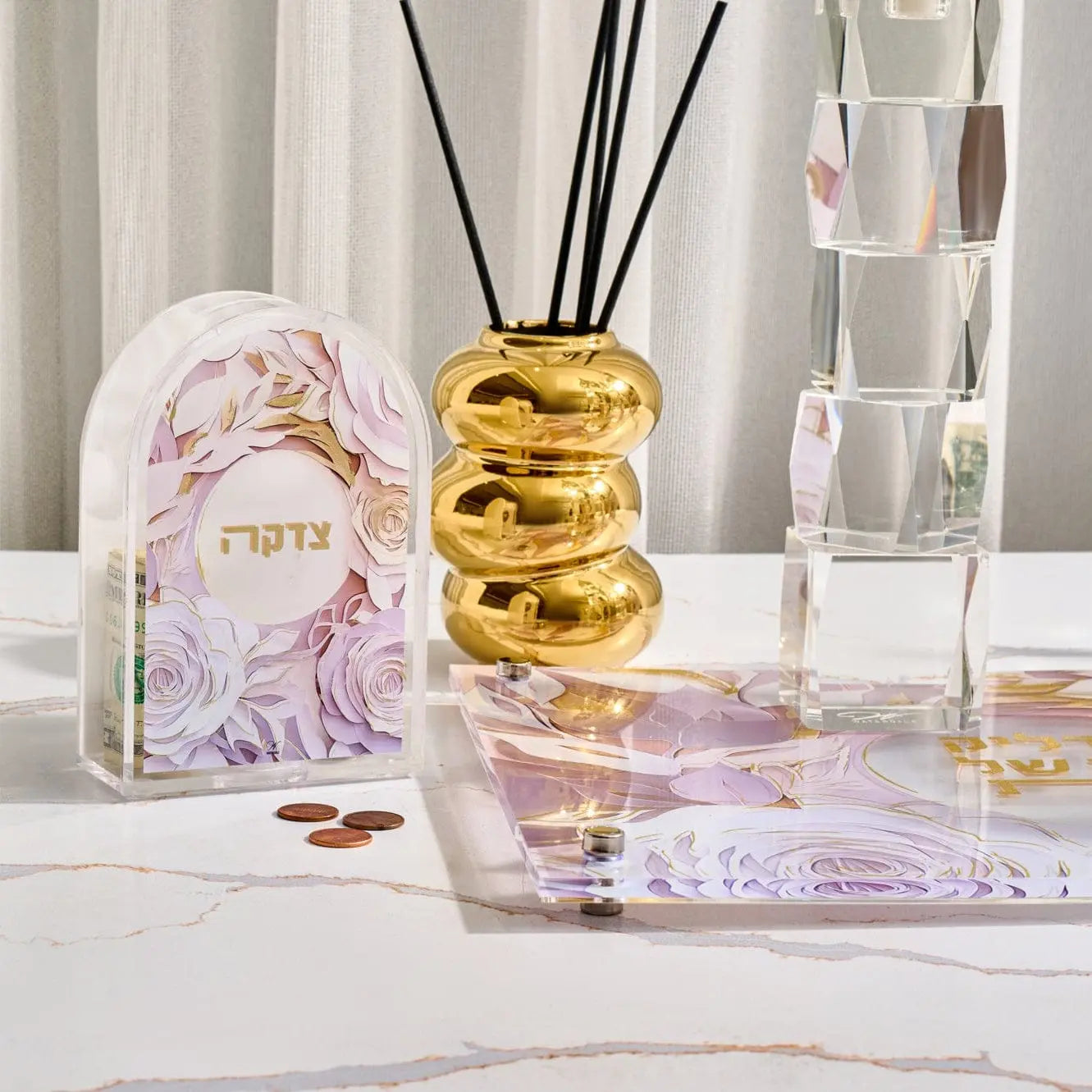
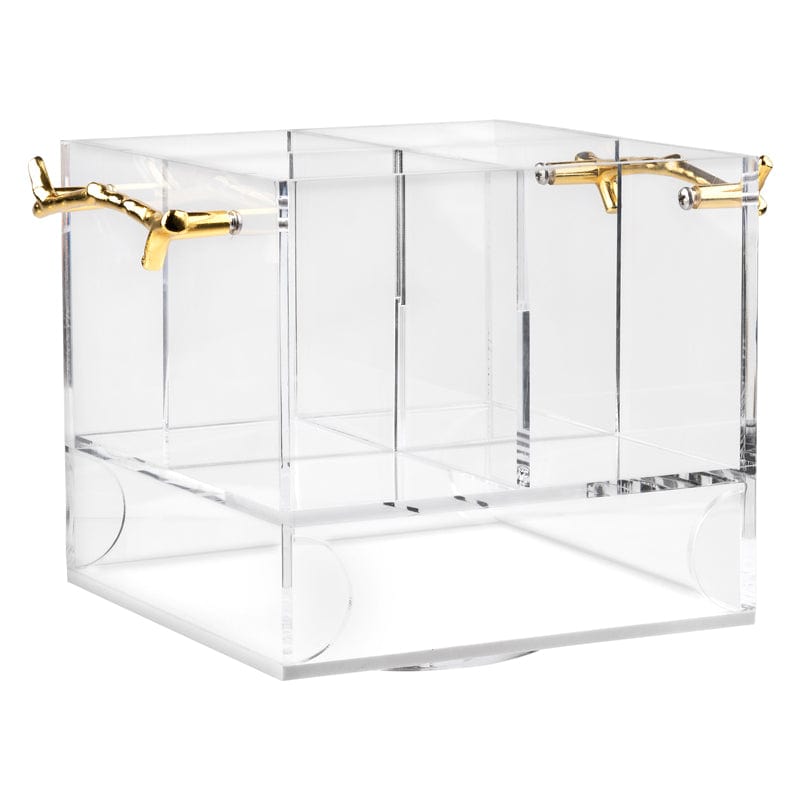
Our tabletop accessories collection bridges Judaica and sophisticated entertaining. These pieces aren't exclusively religious but work beautifully in Jewish home settings. Serving pieces, napkin holders, place card holders, and accent pieces create visual coherence while supporting the practical demands of hosting.
Beautiful tabletop design serves multiple purposes simultaneously. It makes the meal itself feel intentional and celebrated. Guests perceive care and thoughtfulness through table presentation. The experience of sharing food becomes elevated by the objects surrounding it. For Jewish entertaining, where meals carry both practical and ceremonial significance, this matters considerably.
Consider the visual moment of a holiday meal. You've prepared food thoughtfully. Your guests are seated. The table speaks before anyone tastes anything. The candlesticks set the mood. The serving pieces communicate your aesthetic. The wine glasses and cups suggest what the meal will feel like. These visual cues create anticipation and establish tone.
Our tabletop accessories allow you to create that intentional visual language consistently. Rather than assembling pieces from multiple sources with varying aesthetics, you can build a coordinated table where every element reflects the same design sensibility. This isn't about matching sets in the traditional sense. It's about achieving visual harmony through thoughtful material and design choices.
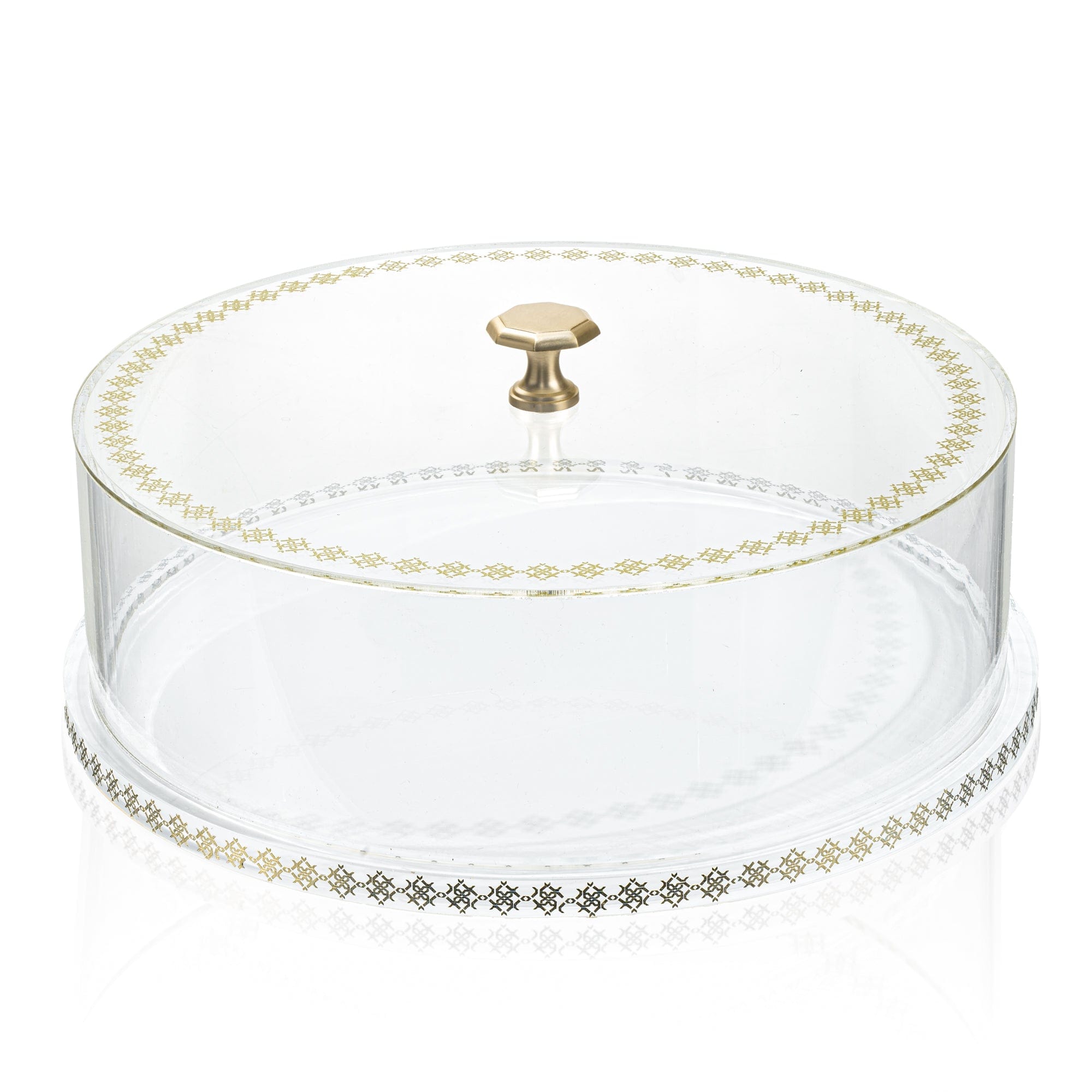
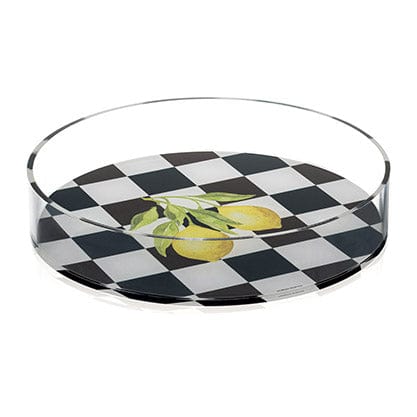
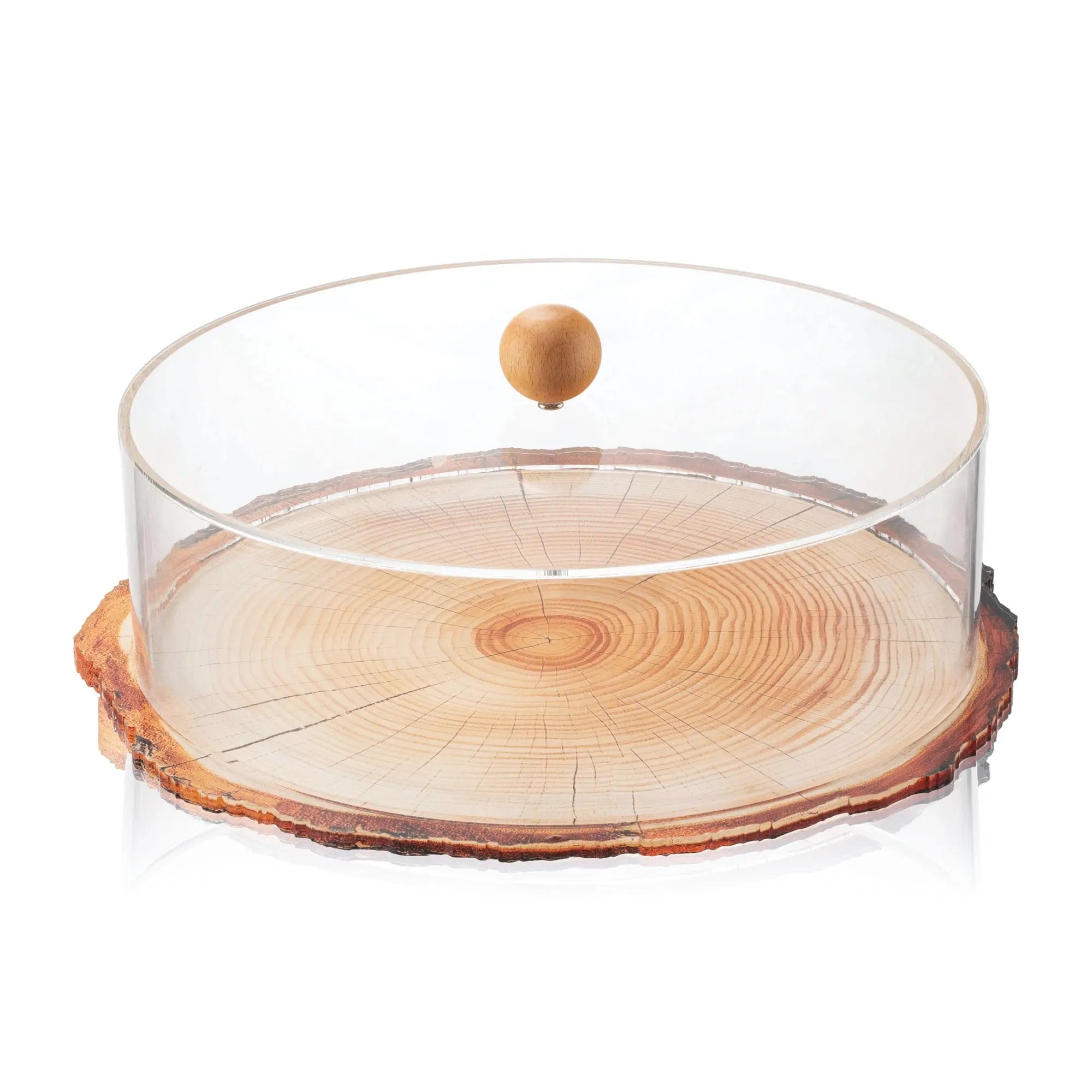
The lucite and leather materials we use for Judaica work equally well for tabletop accessories. A lucite serving bowl coordinates naturally with a lucite Seder plate. A leather-handled server feels similar to a leather-accented Havdalah set. You're building a collection that feels intentional and curated rather than assembled from disparate sources.
Holiday hosting also means these accessories see actual use, not occasional display. They need to be dishwasher-safe (or easy to clean). They must withstand the heat of serving dishes and the moisture of dining. They should resist staining from wine or food. Our tabletop pieces meet all these practical demands while maintaining aesthetic standards.
Guests notice tabletop quality. Whether consciously or subconsciously, beautiful serving pieces communicate respect for the meal and the people sharing it. They signal that you've invested thought and care into the experience. For cultural and religious observance, this attention to beauty becomes an extension of the ritual itself.

What to do next: Walk through your dining space and identify which tabletop moments feel incomplete visually. Start there when adding tabletop accessories.
The Gifting Experience We Create for You
We understand that Judaica gifts carry specific weight within Jewish culture. You're not simply giving an object. You're acknowledging relationship, honoring occasions, and communicating shared values. The gift-giving experience needs to reflect that significance.
From the moment you select a piece through receiving your package, we've designed the experience to communicate thoughtfulness. Our website helps you navigate collections by holiday, occasion, and aesthetic preference. Descriptions provide context about function and symbolism so you can make informed choices that resonate with the recipient.
When customization is involved, our team works closely with you to ensure the final piece reflects your intention. We ask clarifying questions about the recipient's style, the occasion's significance, and your vision for how the gift will be used. These conversations often reveal important details that shape customization decisions.
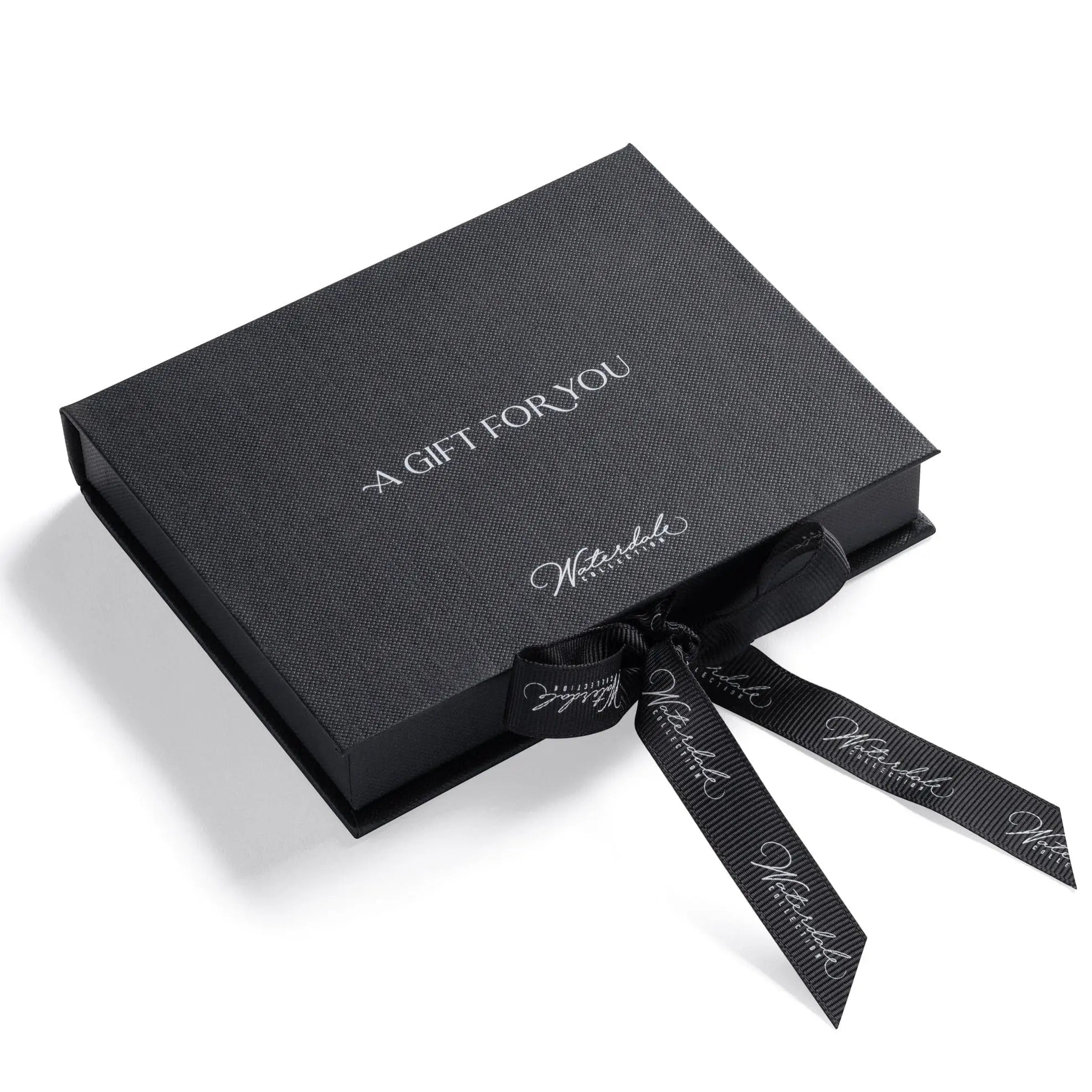
Packaging transforms the unboxing experience. Your gift arrives in presentation-quality boxes that feel appropriate for the object inside. Premium tissue, custom ribbon options, and thoughtful presentation create a moment when the recipient opens the package. That moment matters. It's part of the gift.
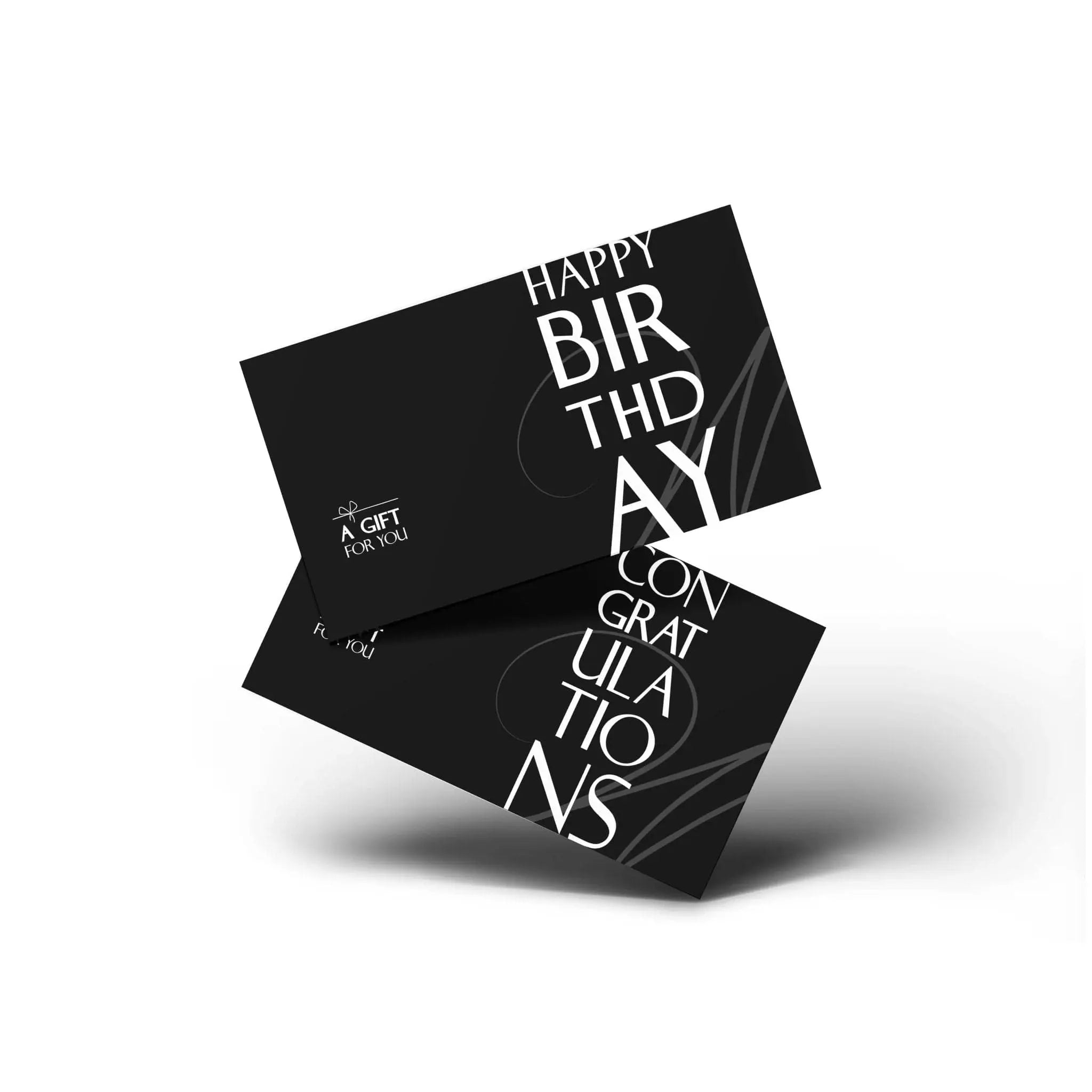
Gift messaging services allow you to include personal notes that contextualize the present. "For your first Shabbat in your new home," or "May this bring you joy on many holidays to come." These messages transform an object into a memory, connecting the gift to the specific relationship and occasion.
For corporate gifting, we've streamlined the process further. You provide recipient names and details. We handle customization, packaging, and sometimes direct shipping to multiple recipients. Your clients receive thoughtfully presented Judaica gifts that reflect your organization's values without requiring you to manage logistics.
We also recognize that some customers prefer the experience of discovering and selecting pieces themselves. Our physical locations (when available) and our online experience both support browsing, learning, and making selection choices at your own pace. Some people know exactly what they want; others enjoy exploring collections and asking questions before deciding. Both approaches are equally valid, and we support both.
The post-purchase experience continues through care guidance. You'll receive information about maintaining your pieces, caring for lucite and leather appropriately, and storing items thoughtfully. These instructions ensure your pieces age beautifully and serve you for decades.
What to do next: If you're selecting a gift, start by thinking about the recipient's home aesthetic and the occasion's emotional significance. That clarity guides every subsequent decision.
Investment Value in Heirloom-Quality Modern Judaica
Unlike many contemporary design objects that feel dated within five to ten years, heirloom-quality modern Judaica retains value across decades. Your investment becomes part of your family's Jewish heritage.
This longevity stems from several factors. First, our design approach avoids trendy elements that age quickly. We're not following design fashion; we're creating work that responds thoughtfully to both tradition and timeless contemporary principles. A piece we create in 2026 will feel equally beautiful in 2040 because we've avoided temporary stylistic flourishes.
Second, the material quality means pieces improve with age. Lucite maintains its optical clarity indefinitely if cared for properly. Leather ages into deeper, richer tones that communicate authenticity and use. Unlike pieces with applied finishes, our materials don't diminish visually over time.
Third, these pieces serve ongoing functional purposes. Your Seder plate will be used for Seders across decades. Your Havdalah set will be brought out weekly. Your Chanukiah will appear annually. Unlike decorative objects, functional pieces remain relevant and visible throughout life.
This functionality also means pieces can pass between generations with purpose. A Seder plate your parents give you doesn't become a curiosity in decades; it's the actual plate your family uses for Passover. It accumulates family history and meaning through use. Future generations will use it the same way, adding their own stories to the object's significance.
The investment perspective also considers monetary value. Quality Judaica pieces appreciate or hold value as craftsmanship becomes increasingly rare. Handcrafted items made from premium materials by skilled artisans gain value even as mass-produced alternatives proliferate. You're not buying something that will become worthless; you're acquiring something that will retain or appreciate in value.
We've had customers tell us they've given Waterdale pieces as major gifts for life milestones specifically because they represent lasting value. A generous wedding gift that becomes part of a couple's Jewish home practice across decades offers enduring value far beyond the initial monetary investment.
The environmental aspect of longevity also matters. When you acquire something that will serve you beautifully for fifty years rather than five, you're making an ecologically intelligent choice. You're not replacing items frequently or disposing of worn-out pieces. You're investing in permanence.
For many Jewish families, objects become part of your heritage's physical expression. Your children won't remember the monetary value of a piece you give them, but they will remember using it, the occasions on which it appeared, and the care with which you treated it. Those memories accumulate into meaning that far exceeds any price.
What to do next: View Judaica pieces as lasting investments rather than temporary purchases. That perspective often changes how you approach selection and care.
---
We believe modern Jewish life doesn't require choosing between honoring tradition and expressing contemporary aesthetic values. Our collection exists at that intersection, creating Judaica pieces that serve religious purpose, function beautifully in your home, and age into deeper meaning across decades.
Whether you're building a complete collection, selecting a specific piece for an occasion, or exploring what's possible in contemporary Judaica design, we're here to help. Browse our collections, reach out with questions, and discover how functional Judaica art can enhance your Jewish practice and your home.
Shop Now