


















Why Standard Shabbat Accessories Fall Short
Most households approach their Shabbat table with whatever they find available: mismatched candlesticks from different eras, a challah cover that's seen better days, or kiddush cups that lack any visual coherence. While these items serve their functional purpose, they miss an opportunity to create an intentional, cohesive experience that reflects how you actually live today.
Standard mass-produced Judaica often prioritizes affordability over design. The result is pieces that feel dated, overly ornate, or disconnected from contemporary home aesthetics. You might love your modern minimalist living space, only to feel that your Shabbat table clashes with it because the available options lean heavily toward traditional or kitsch interpretations. This disconnect creates a tension between your observance and your personal style.
Beyond aesthetics, typical budget-friendly accessories rarely balance form with genuine function. A candlestick that wobbles, a challah board that doesn't feel substantial enough for a proper blessing, or serving pieces that require constant maintenance pull focus from the meaning of your table. Premium designer pieces solve this by marrying durability with intention.
The practical takeaway: assess whether your current Shabbat accessories feel aligned with how you want to present your home and what you actually want to remember about your table. If they feel like afterthoughts rather than chosen elements, it's worth reconsidering.
What Sets Premium Designer Pieces Apart
Premium designer Shabbat accessories distinguish themselves through three core attributes: intentional design, superior materials, and lasting durability. These aren't luxury items added for show; they're investments in pieces you'll actually use and treasure for decades.
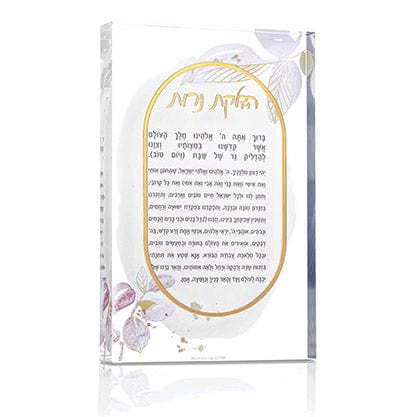
When we craft designer pieces, we focus on the tension between form and function. A candlestick isn't just something that holds a candle; it should have visual weight, stability, and proportions that feel right in your hand and on your table. The materials matter profoundly. Premium lucite provides clarity and light-play that standard glass can't match, while high-quality leather develops character and patina over time.
The difference becomes apparent the moment you handle the piece. A premium kiddush cup has heft. A designer candlestick stands without wobbling. A curated serving board feels substantial and intentional, not like something picked up at a generic home goods store.
Thoughtful design also means reducing visual clutter on your table. Rather than needing five different pieces to accomplish one function, a well-designed accessory solves multiple needs within a single form. This allows your Shabbat table to feel refined rather than crowded.
Start by examining one piece in detail. Hold it. Consider how it would look among your other tableware and whether it would still appeal to you after a year of regular use. This is the difference between an accessory you'll eventually replace and one that becomes part of your home's identity.
Our Curated Selection of Lucite and Leather
We've built our collection around two materials that bridge traditional observance with modern aesthetics: premium lucite and genuine leather. Each material brings specific qualities to your Shabbat experience.
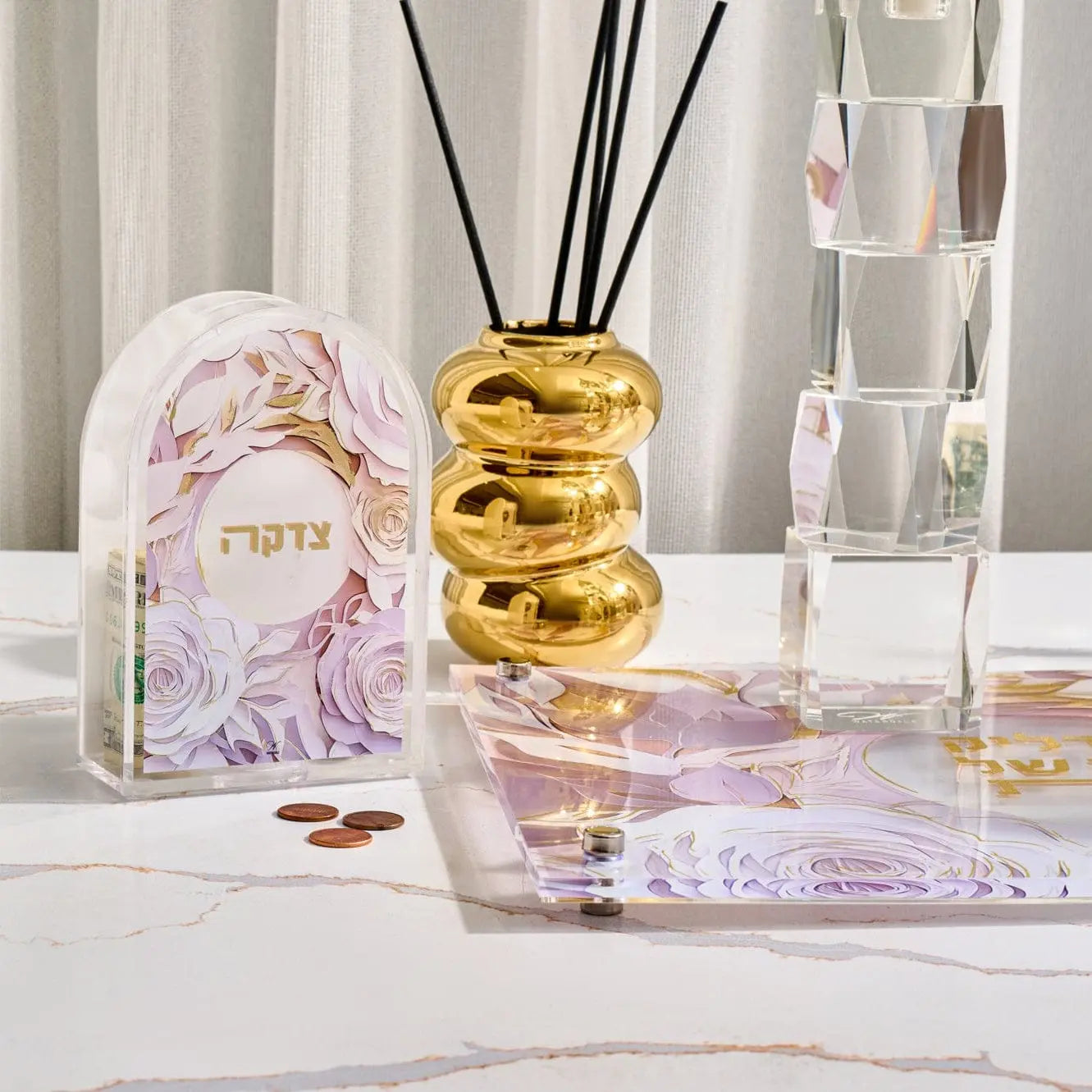
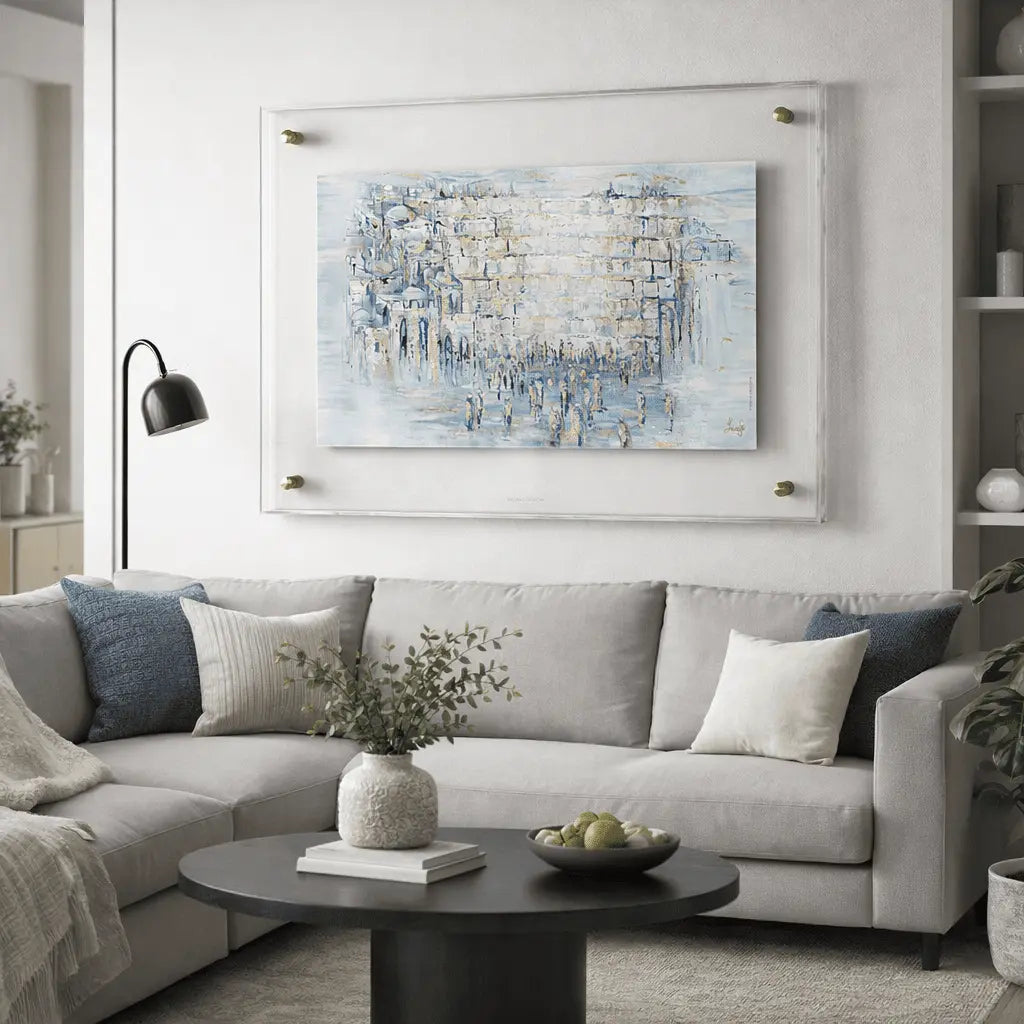
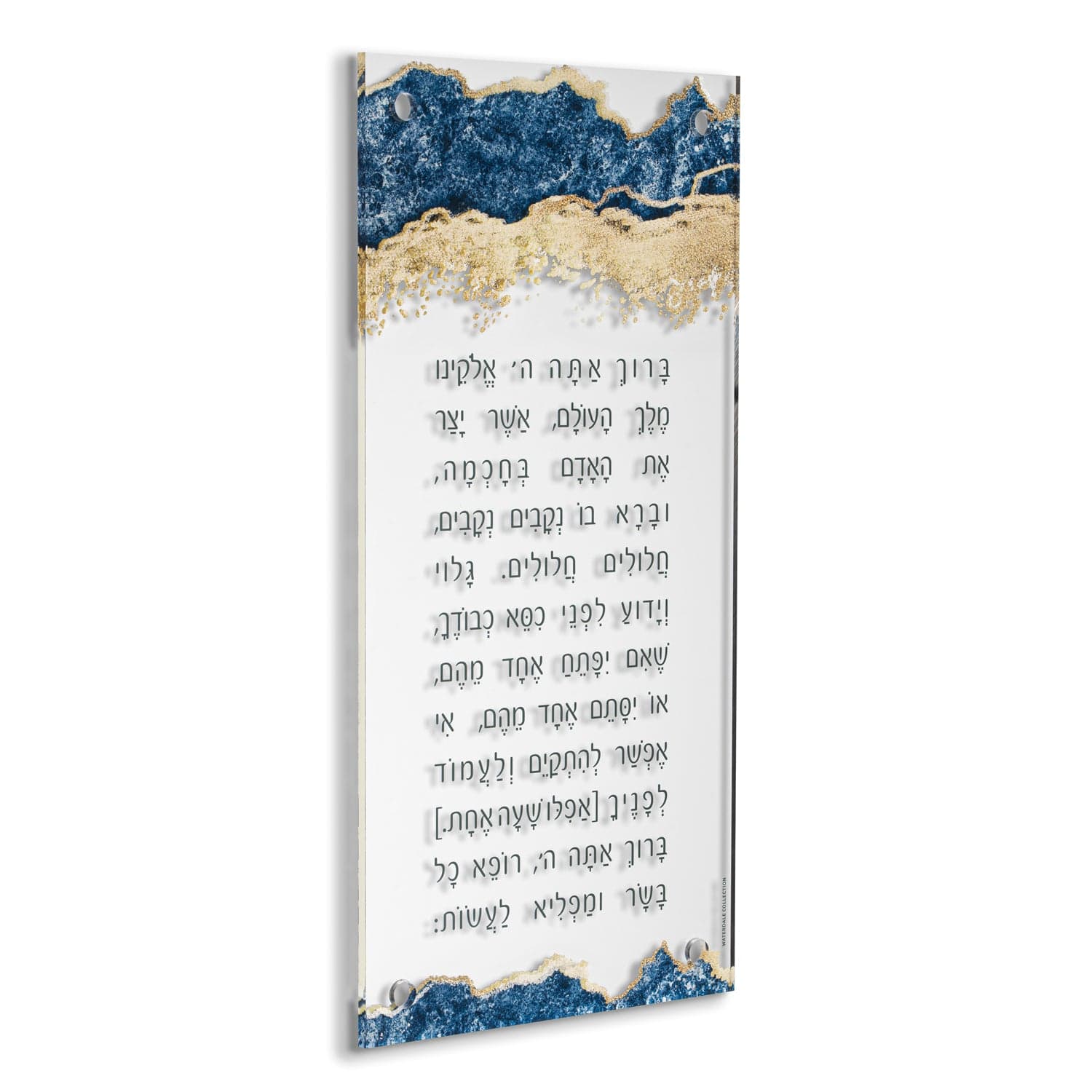
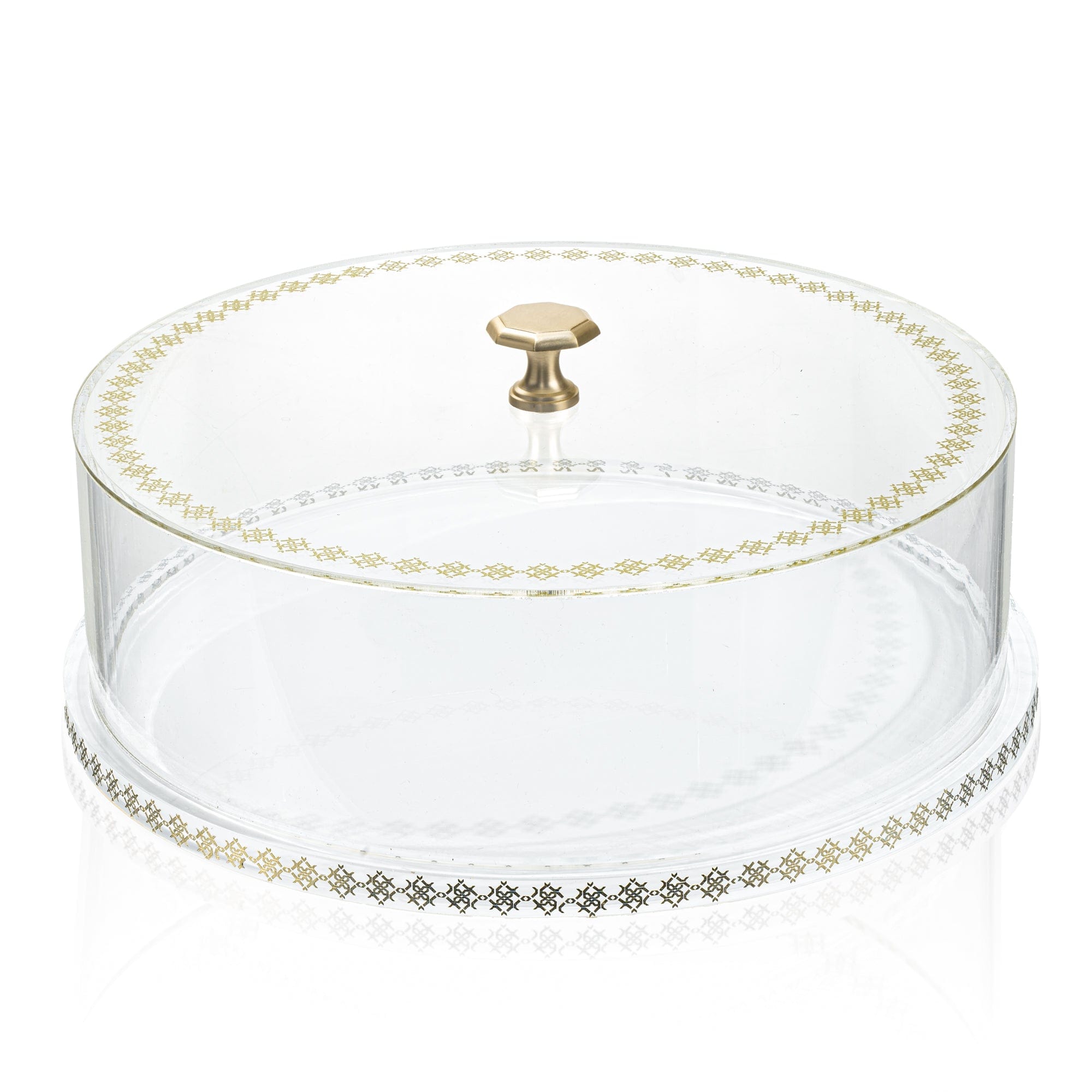
Lucite offers translucency and light. When candlelight filters through a lucite candlestick or serving piece, it creates a quality of illumination that feels both contemporary and reverent. Lucite doesn't yellow or cloud the way lower-quality acrylic does, and it accepts color subtly, allowing pieces to coordinate without matching in an obvious way. Our lucite pieces work equally well on a formal table or a casual weeknight gathering.
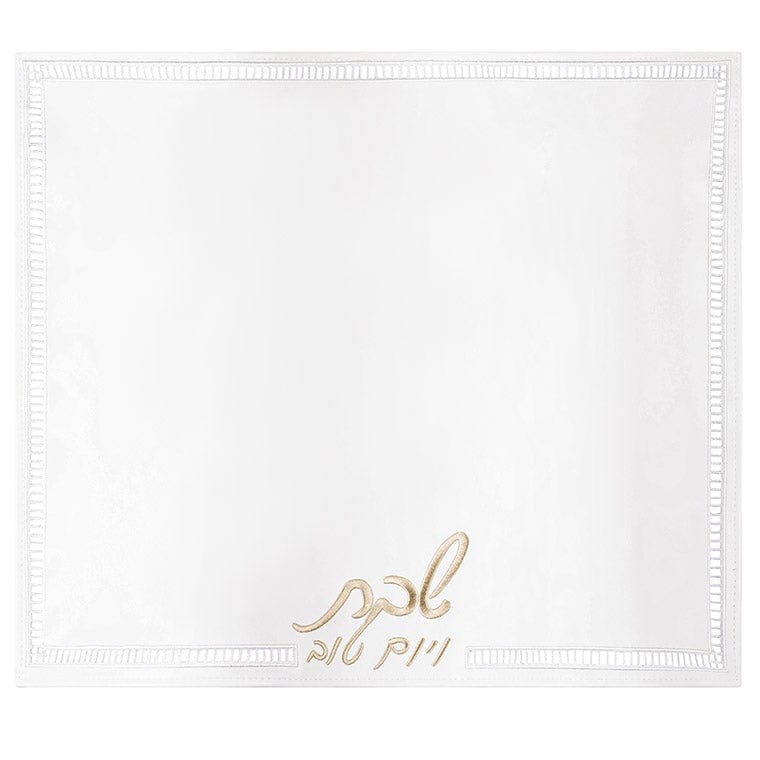
Leather ages beautifully. A leather challah cover or table runner develops a rich patina with use, becoming more personal and intentional over time. Unlike synthetic materials that wear down, genuine leather actually improves through touch and light exposure. It carries warmth that complements metallic accents and lucite without competing.
Our table settings and Judaica tabletop collections combine these materials with thoughtful proportioning. A candlestick might pair a lucite base with a metal stem, creating visual interest through contrast rather than ornamentation. Serving pieces often feature leather handles on lucite bodies, ensuring comfort in function.
The specific takeaway: these materials allow you to create a cohesive table without feeling like you're shopping within a single branded aesthetic. Lucite pairs beautifully with wood, ceramic, linen, and metal. Leather provides warmth and texture that prevents an all-modern table from feeling cold.
Creating a Cohesive Shabbat Table Experience

A cohesive Shabbat table doesn't require matching sets. Instead, it requires intentional choices across your key functional pieces: candlesticks, kiddush cups, challah boards and covers, serving pieces, and table textiles. When these elements share aesthetic principles, they create visual harmony.
Start with one or two anchor pieces that genuinely excite you. Perhaps it's a pair of candlesticks that catch your eye or a challah board whose material and proportions feel right. From there, add complementary pieces rather than identical ones. If your candlesticks feature lucite with brushed metal, your kiddush cups might echo that material combination in a different way.
Color coordination matters more than matching. If your anchors are neutral (clear lucite, natural leather, brushed metal), you have flexibility to add warmer or cooler tones through table linens. If your pieces feature a specific tone (warm honey lucite, cognac leather), your linens and additional accessories should harmonize rather than contrast sharply.
The functional layout of your table also creates coherence. Keep wine-related pieces (kiddush cups, a decanter if you use one) in one visual zone. Position bread-related items (challah board, challah cover) in another area. Candlesticks typically frame the table, anchoring the overall composition. This intentional spacing makes your table feel designed rather than assembled.
When you're building your collection, prioritize pieces you'll actually use weekly or frequently. A beautiful but rarely-used accent adds nothing to your lived experience. Build around the items that appear on your table every Friday night.
Functional Art That Elevates Holiday Entertaining
Premium designer pieces transform your Shabbat table from a functional ritual into an entertaining experience that your guests notice and remember. When hosting, the details signal care and intention. A well-appointed table communicates that this meal, this gathering, and these people matter to you.
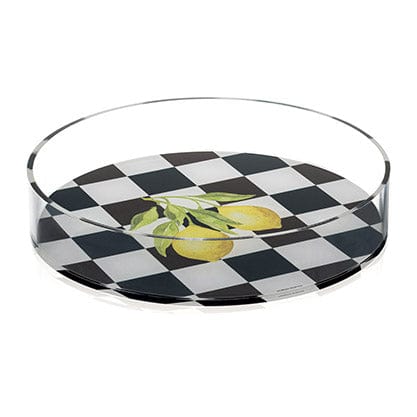
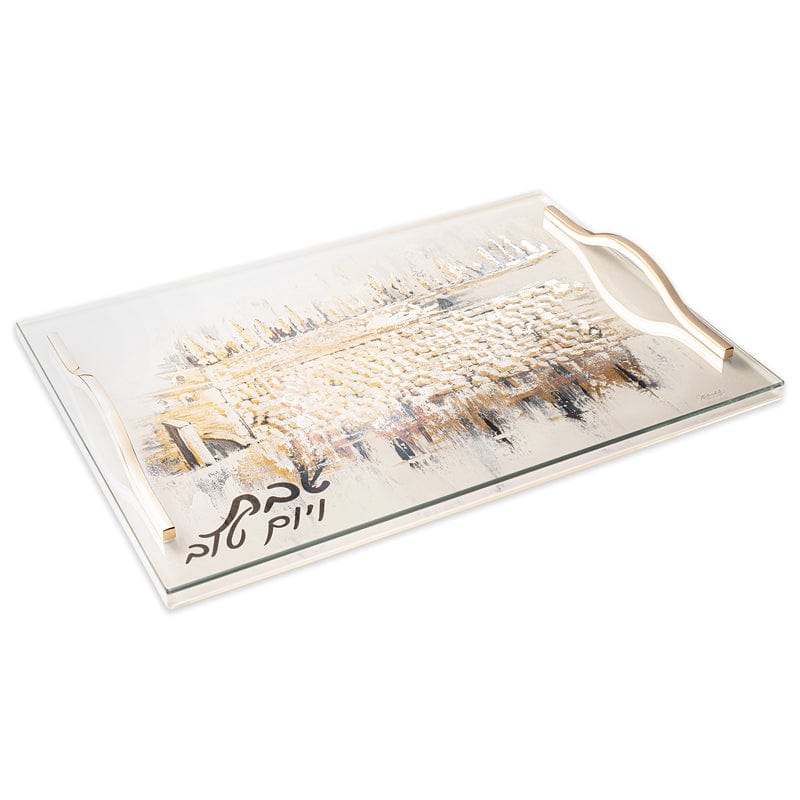
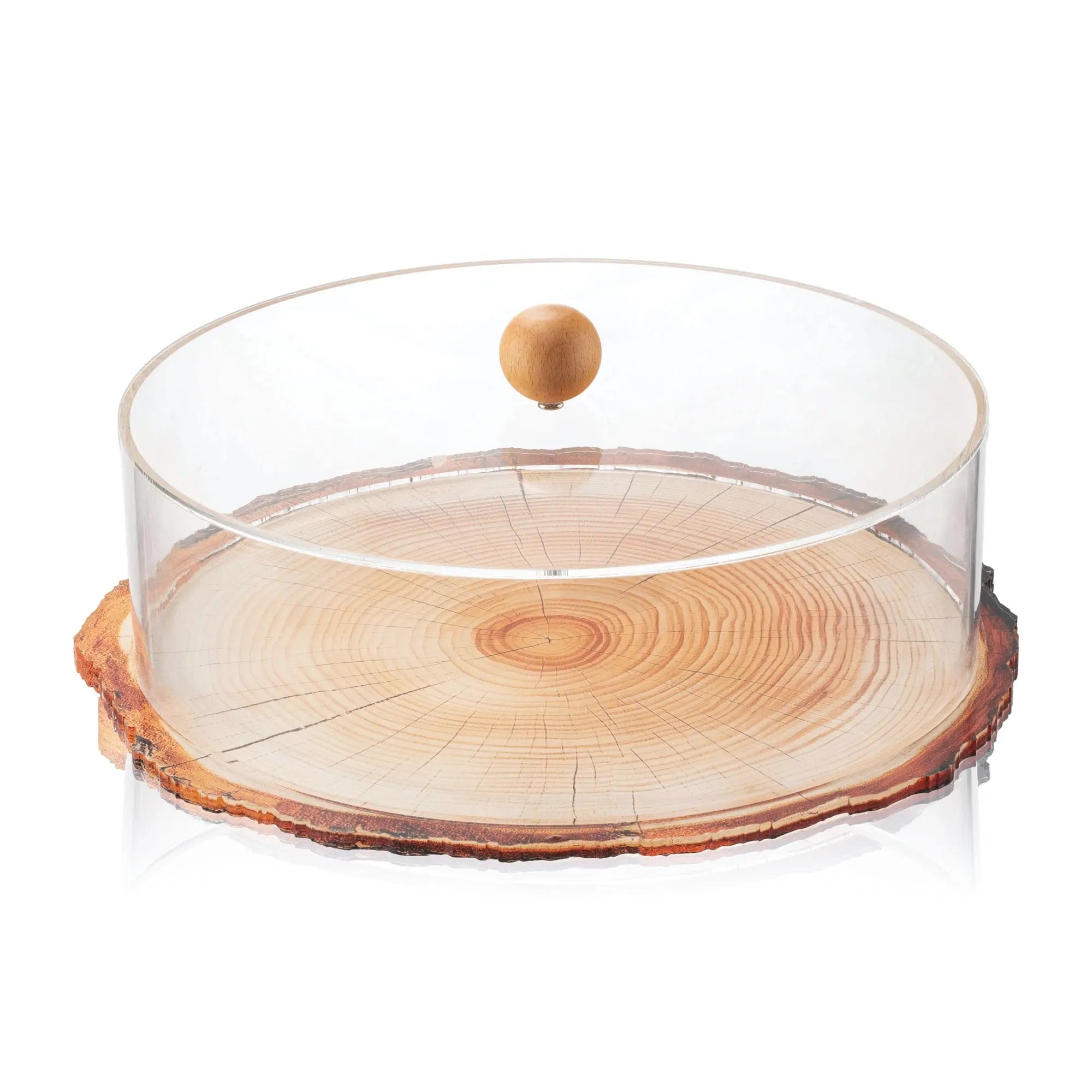
Our tabletop accessories collections include serving pieces that work as functional art. A lucite serving platter does exactly what a ceramic one does, but the material and proportion make it feel intentional. Guests unconsciously perceive this difference. Bread tastes different when it's served on a piece you chose deliberately. Wine feels more significant when poured into a kiddush cup with obvious craft and consideration.
Holiday entertaining benefits particularly from considered accessories. During Passover, for example, serving pieces that reflect the occasion's aesthetic rather than general Jewish aesthetics create a thematic coherence. Same with Sukkot, Chanukah, or holiday entertaining that brings together people outside your usual circle. These moments are when design quality becomes part of your hospitality story.
Consider expanding your accessories seasonally. A holiday-specific piece doesn't need to be used year-round; it exists to create atmosphere and intention during that particular celebration. This approach allows you to build a collection that grows with your entertaining ambitions.
The practical move: choose at least one serving or display piece that's beautiful enough that your guests comment on it. This becomes a conversation starter and signals that your table is genuinely curated.
Customizing Your Shabbat Collection for Personal Style
Your Shabbat table should reflect your aesthetic preferences, not some external standard of what Jewish home decor should look like. We recognize this by offering customization options across many of our pieces. You control materials, finishes, and sometimes proportions.
Customization might mean selecting a specific leather tone for a challah cover that matches your dining chairs. It could mean choosing whether you prefer a matte or polished finish on your lucite pieces. Some customers work with us to adjust piece proportions to fit specific spaces or storage needs. Others commission variations that incorporate family symbols or personal meaningful details.
The key is that customization isn't purely aesthetic. It's the difference between owning something and creating something that's specifically yours. A customized piece feels more intentional than even the most beautifully designed mass-produced alternative.
When considering customization, think beyond color. Material weight, finish quality, and specific dimensions can be adjusted. Some clients request modifications for accessibility or to fit particular table dimensions. Others want subtle personalization that's meaningful to them but invisible to guests.
Start a conversation about what matters most in a piece. If you're deeply particular about wood grain, custom options exist. If you need something that fits a specific shelf or drawer, we can work with those parameters. Customization demonstrates that your Shabbat table is genuinely yours.
Corporate and Personal Gifting Solutions
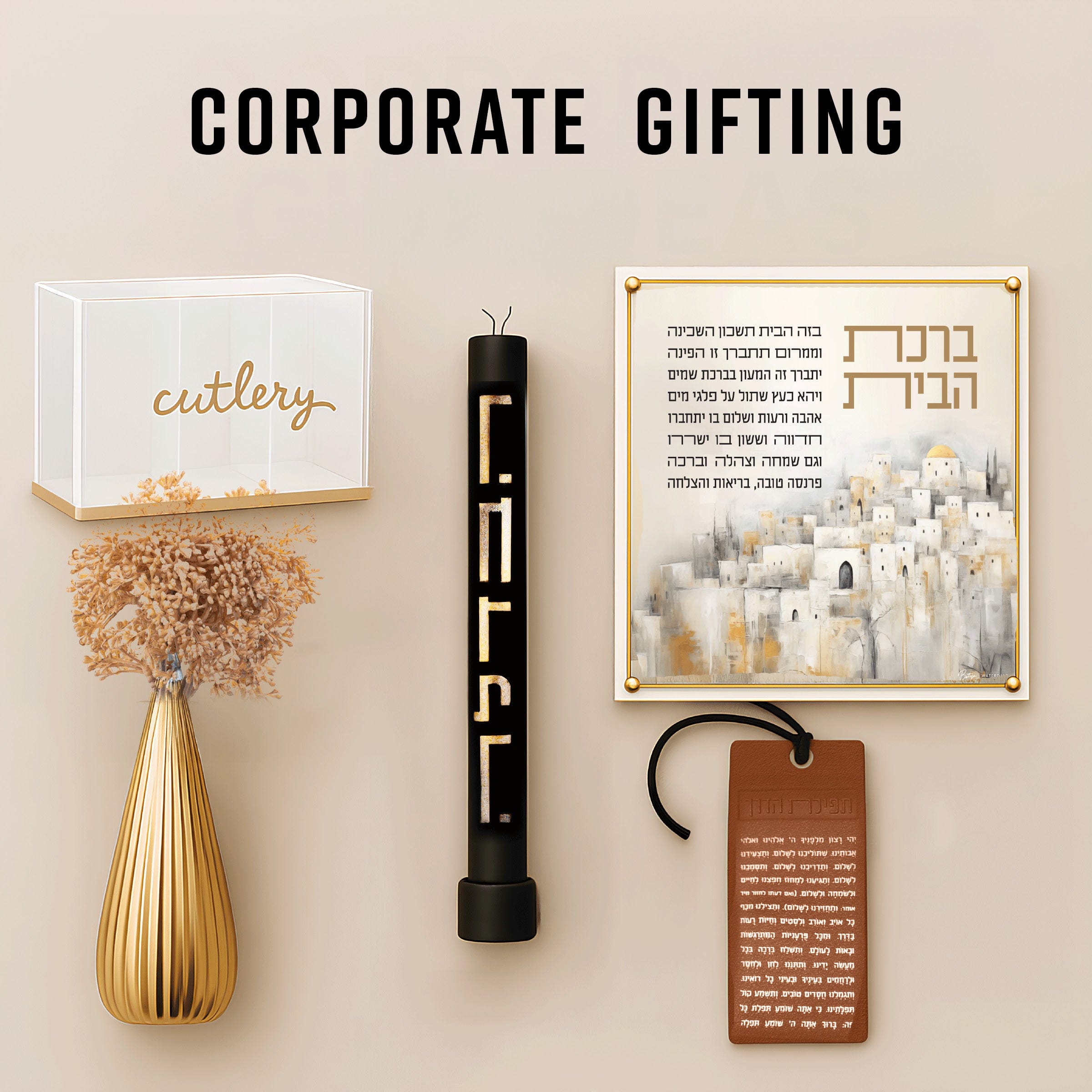
Premium Judaica makes an exceptional corporate gift or personal milestone present. It conveys thoughtfulness and respect while avoiding the generic feel of standard business gifts. Whether you're acknowledging a business relationship, celebrating a Jewish life event, or giving a meaningful housewarming present, Waterdale offers options.

Our corporate gifting collection is designed specifically for this purpose. These pieces must balance professional aesthetic with obvious quality, appeal across different home styles, and represent your company or relationship well. A premium candlestick pair or serving set accomplishes all three while remaining useful and appreciated for years.
Personal gifting is equally important. Perhaps you're marking a significant birthday, engagement, wedding, or the creation of a first independent Jewish home. A carefully chosen designer piece becomes part of someone's new or existing tradition. Unlike consumable gifts, it's present at meaningful moments repeatedly.
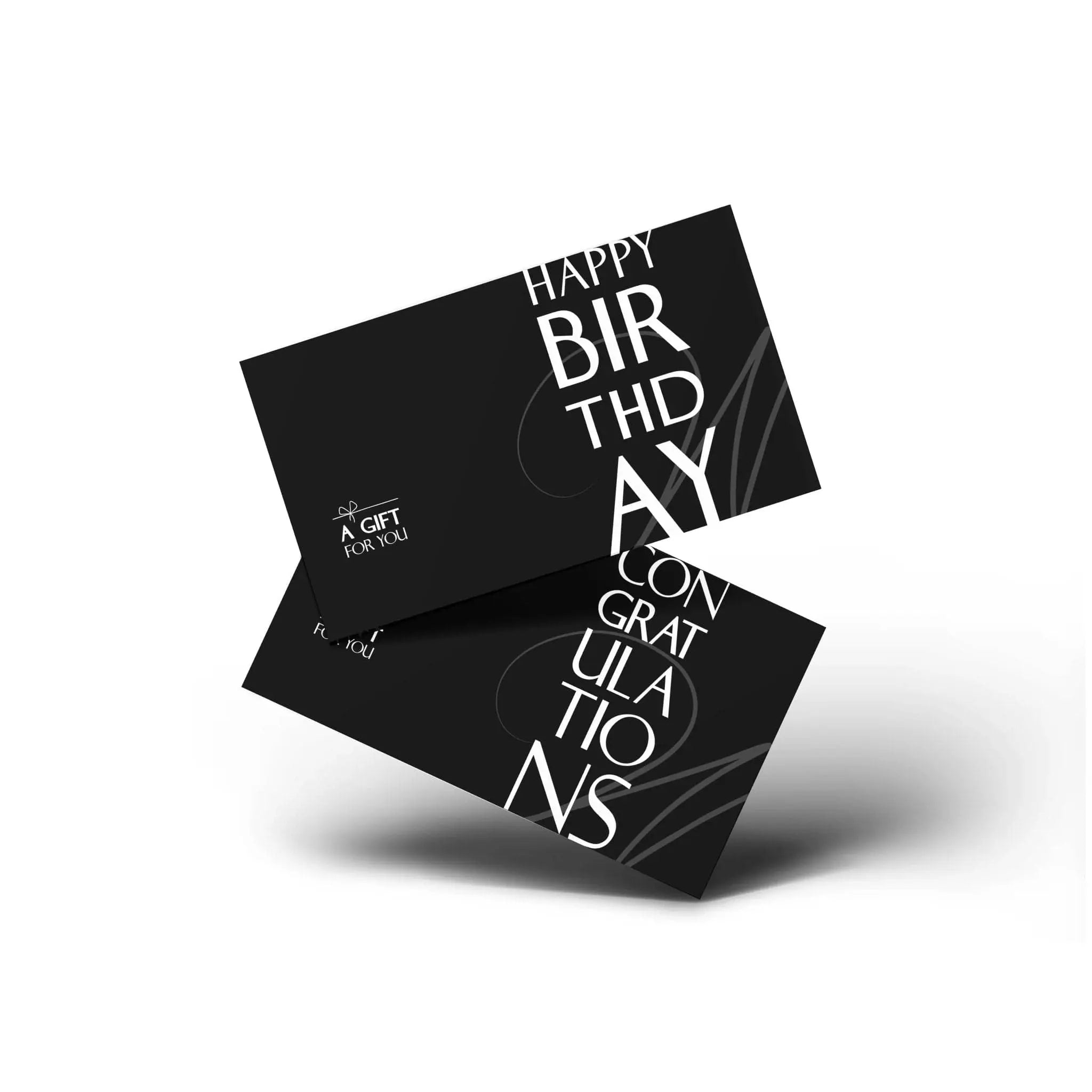
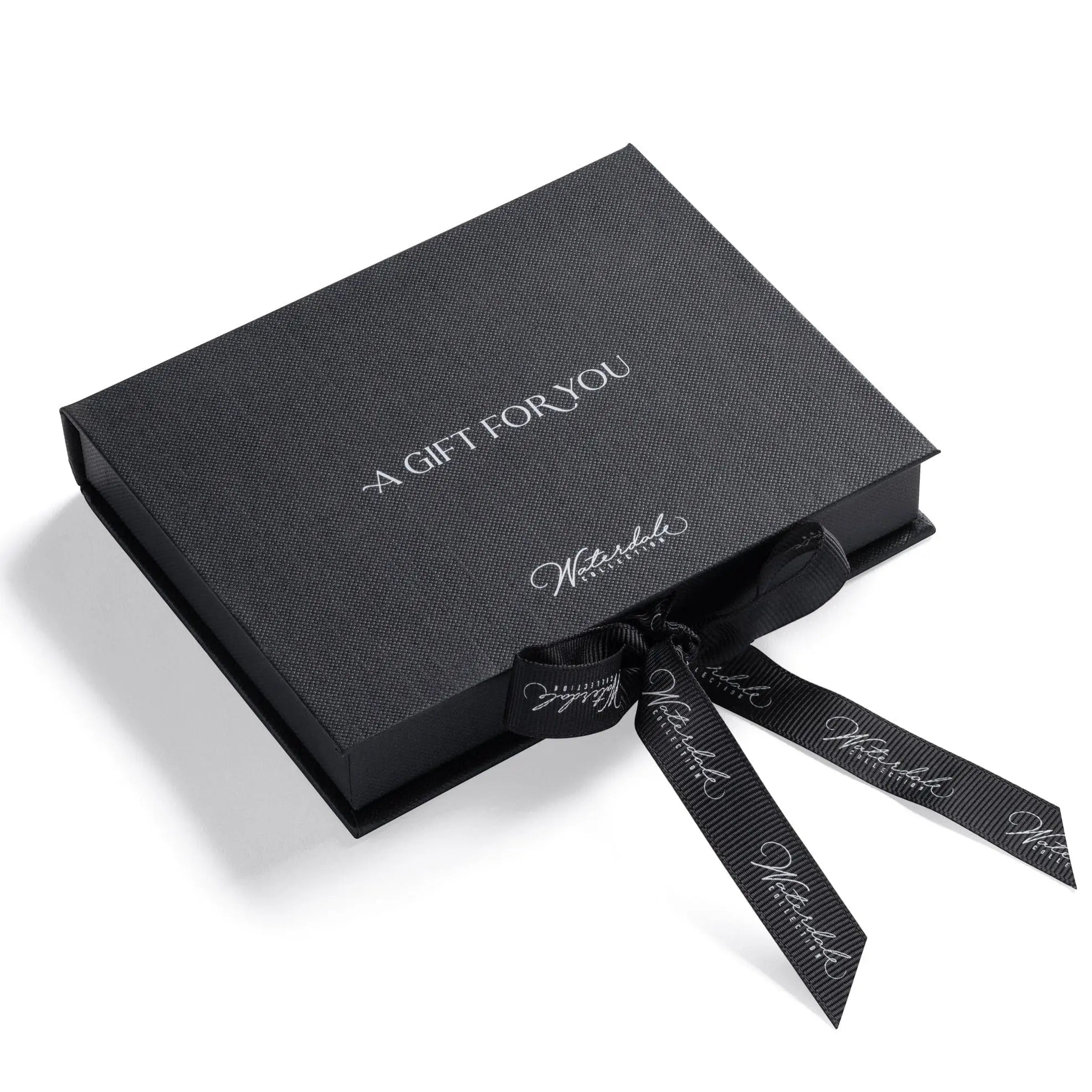
We offer gift messaging and ribboning services that add ceremony to the giving. Including a note about why you selected a particular piece transforms it from an object into a memory. The presentation matters when the gift itself carries cultural and personal significance.
For corporate situations, consider bulk customization options. Small teams receiving matching pieces create cohesion and demonstrate thoughtful gifting. For personal events, matching sets or complementary pieces work beautifully when multiple guests are contributing gifts.
The action step: identify upcoming occasions (yours or someone else's) where a premium piece would be meaningful, then browse our options with that specific context in mind. This approach ensures the gift truly resonates.
The Craftsmanship Behind Our Collections
Waterdale's pieces begin as design concepts grounded in how actual people use their Shabbat tables. We spend time understanding not just what pieces do, but how they're handled, stored, cleaned, and how they age.
Our manufacturing partners share our commitment to premium materials and precision construction. Lucite pieces are hand-finished to achieve clarity and color consistency that machine processes can't match. Leather is selected for weight and tannage, prioritizing pieces that develop character rather than those that merely endure. Metal accents are intentionally chosen and finished for durability and aesthetic coherence.
Craftsmanship also means attention to the details that guests never consciously notice but always feel. A candlestick's weight is engineered so it feels stable and substantial. Kiddush cups are designed with rim proportions that feel right in your hand during the blessing. Challah boards have appropriate thickness so they don't feel flimsy when supporting bread.
Testing is central to our process. New designs are used repeatedly before production, evaluated for function across different table sizes, tested for ease of cleaning and maintenance, and assessed for how they age with actual use.
This level of attention explains why our pieces cost more than mass-produced alternatives. You're purchasing the result of considered design, premium material selection, and precision manufacturing. These pieces are built to be used, not displayed, and they're constructed to outlast trends and frequent use.
When you choose a Waterdale piece, you're supporting this philosophy of craft and intentionality.
Seasonal and Holiday-Specific Pieces
Our collections expand seasonally to offer pieces that feel specifically appropriate for particular holidays and celebrations. Beyond the weekly Shabbat table, these specialty items create thematic cohesion during significant observances.
Passover collections feature designs that honor the holiday's aesthetic while maintaining our core design philosophy. Rather than overtly themed pieces, we offer options that feel appropriate to the season through material choice, proportions, and subtle design details. A Passover serving set might emphasize lucite's clarity or leather's simplicity in ways that feel connected to the holiday without relying on overt symbolism.
Chanukah collections often feature options for menorah displays and serving pieces that feel intentional during the eight-day celebration. These pieces create seasonal atmosphere while remaining beautiful enough to display year-round if desired.
Holiday entertaining requires accessories that feel seasonally appropriate without clashing with your permanent collection. Pieces that emphasize certain materials or finishes from your core collection, but in holiday-appropriate forms, allow you to expand your seasonal entertaining without building entirely separate aesthetic systems.
Seasonal pieces also make excellent gifts, as they mark specific celebrations and carry temporal meaning. Someone receiving a Passover serving set knows it's chosen for a particular moment in their year.

The practical insight: seasonal collections allow you to refresh your table's feeling without replacing your core pieces. A few strategic additions create entirely different atmospheres for different holidays.
Caring for Your Premium Judaica Investments
Premium pieces deserve care that respects their materials and construction. Proper maintenance ensures they serve you beautifully for decades while actually improving with age.
Lucite pieces should be hand-washed with mild soap and warm water, then dried immediately to prevent water spots. Avoid harsh chemicals that can cloud or etch the material. Proper care maintains the clarity and light-play that makes lucite special. Store lucite pieces away from direct sunlight when not in use, as extended exposure can slightly yellow the material over time.
Leather requires different attention. Clean genuine leather with a soft, dry cloth after use. Occasionally condition leather with appropriate leather care products to maintain suppleness and develop patina. Leather naturally develops a rich character with use; this isn't damage, it's aging beautifully. Store leather pieces in a cool, dry place away from direct heat or moisture.
Metal accents on your pieces should be polished occasionally using appropriate polish for the specific metal type. Brushed finishes require different care than polished; we provide guidance specific to each piece.
Candlesticks and serving pieces that hold food should be thoroughly cleaned after each use. This prevents residue buildup and keeps pieces looking intentional and cared-for.
Beyond routine cleaning, periodic professional cleaning is valuable. Many pieces can be carefully restored to near-original appearance through professional care, extending their life and keeping them looking chosen rather than worn.
The key principle: these aren't decorative-only pieces that can be neglected. They're functional art meant for regular use, so develop simple care routines that take minutes but preserve beauty and function.
How to Style Your Complete Shabbat Setting
Creating a beautiful Shabbat table that feels authentically yours involves balancing your core Judaica pieces with surrounding elements: table linens, dinnerware, glassware, and overall table proportion.
Begin with your anchor pieces and build outward. If you've chosen statement candlesticks, let them anchor the table visually. Position them to frame the space appropriately for your table size. Your kiddush cups should be positioned near where you'll stand for the blessing, within easy reach but visually prominent. Challah items (board, cover, knife) should create their own visual zone, separate from but balanced with wine elements.
Table linens provide color and texture that grounds your Judaica pieces. A neutral linen in cream or white allows your premium accessories to star without competition. If you prefer more color, choose tones that harmonize with your pieces rather than contrast sharply. A warm cream linen complements cognac leather beautifully. A pale gray or taupe provides cool balance to warm metal tones.
Dinnerware should either echo your accessories' aesthetic or provide subtle contrast. If your accessories emphasize modern minimalism, your dinnerware should be simple and refined rather than patterned or busy. If you prefer more traditional elements, ensure they harmonize in scale and color with your pieces.
Glassware matters more than many realize. If you're using beautiful kiddush cups, water glasses should be simple enough not to compete. Stemmed glasses create different visual proportion than tumblers; choose based on your overall table's formality and balance.
Proportion across the entire table creates coherence. A tiny candlestick on a large table looks lost. An oversized serving piece on a small gathering table feels overwhelming. Walk around your table after setting it, viewing it from different angles and distances. Adjust spacing and positioning until it feels balanced and intentional.
The final touch: step back and consider whether your table tells a story about how you celebrate. Does it feel thoughtfully composed? Does it reflect your aesthetic and values? A successful Shabbat setting shouldn't require explanation; its intentionality should be apparent to anyone who sees it.
Start by evaluating one area of your current table setting and replacing or adding a single premium piece. Observe how that changes the entire feeling. Then build from there, letting your preferences guide each addition.
Shop Now