


















The Challenge of Balancing Tradition and Modern Design
Creating a Shabbat table that honors Jewish tradition while reflecting contemporary aesthetics presents a genuine tension. Many who love modern design worry that sleek materials and minimalist arrangements will feel disconnected from the spiritual significance of the meal. Conversely, those drawn to traditional silverware and classic presentations sometimes find these pieces clash with their home's overall style.
The real opportunity lies in recognizing that tradition and modernity aren't opposing forces. A Shabbat table should feel purposeful and beautiful to the people gathering around it. When your tabletop reflects who you are and how you live now, the meal becomes more meaningful, not less. Premium materials and thoughtful design choices can actually deepen the ritual by making it feel intentional and personal rather than obligatory or dusty.
We've designed our collections with this exact balance in mind. Contemporary doesn't mean cold or irreverent; it means choosing pieces that work with your lifestyle while maintaining the heart of what Shabbat represents.
Why Premium Lucite Transforms Your Shabbat Presentation
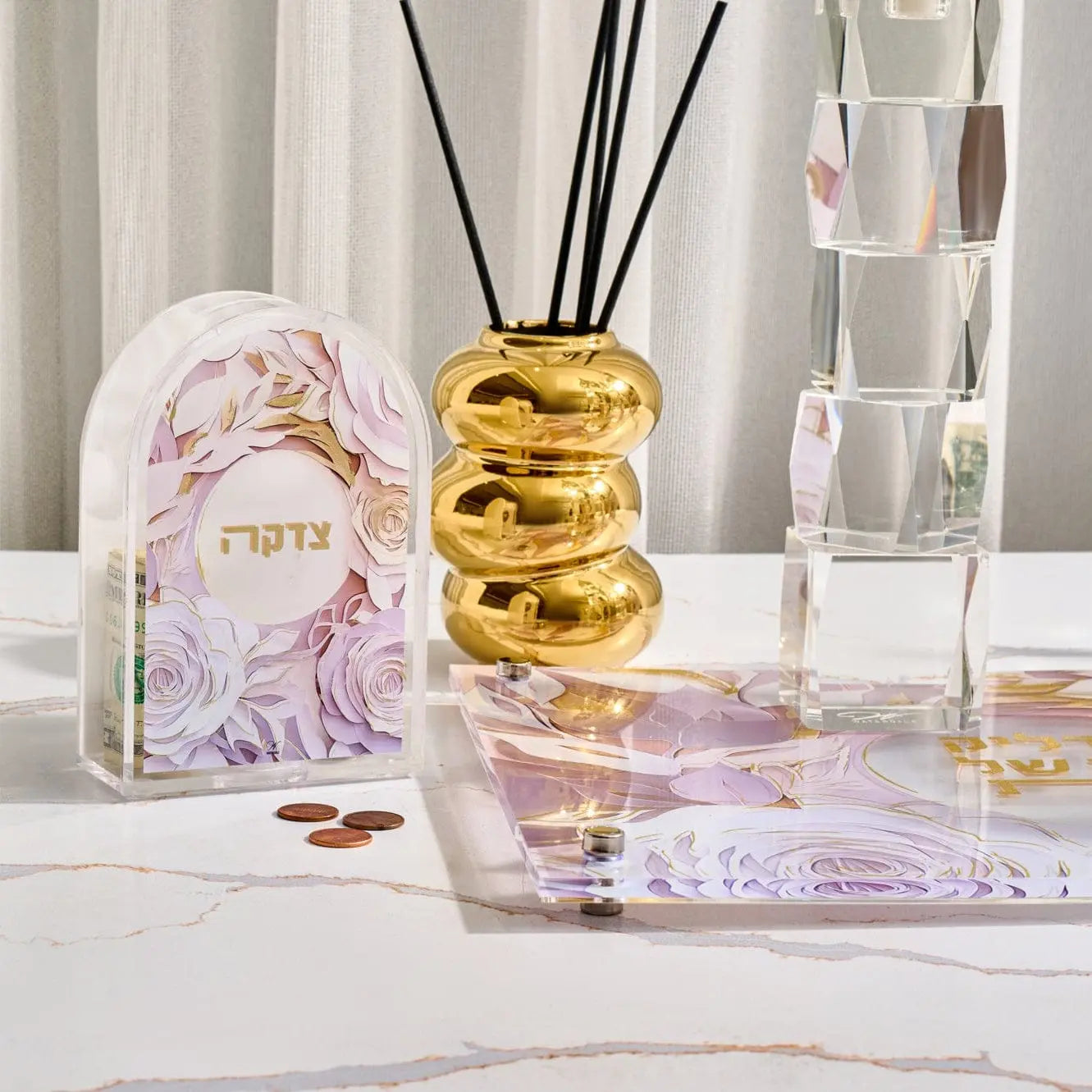
Lucite offers something traditional materials simply cannot: clarity combined with substance. When you pour wine into a lucite Kiddush cup, the light passes through the liquid itself, creating an almost luminous quality that draws the eye and invites attention. This material feels modern without feeling impersonal, elegant without requiring formal table settings.
Beyond aesthetics, lucite functions exceptionally well for regular use. It resists staining better than porous materials, doesn't require the careful maintenance of silver, and pairs visually with almost any tabletop arrangement. A lucite candle holder, for instance, doesn't compete with your china or linens; it enhances them by adding depth and structure.
Premium lucite also brings durability. Unlike lighter acrylic alternatives, quality lucite maintains its clarity over years of use and occasional dishwashing. For pieces you'll use 52 times annually, this matters significantly.
What to do next: Evaluate one piece you currently use for Shabbat. Consider how a premium lucite alternative might simplify your setup while enhancing visual impact.
Selecting the Right Lucite Pieces for Your Table Foundation
Your table foundation typically consists of the essential ritual items: Kiddush cup, candle holders, challah board or cover, and blessing cup. Rather than replacing everything at once, we recommend starting with one statement piece that sets the tone for your entire table aesthetic.
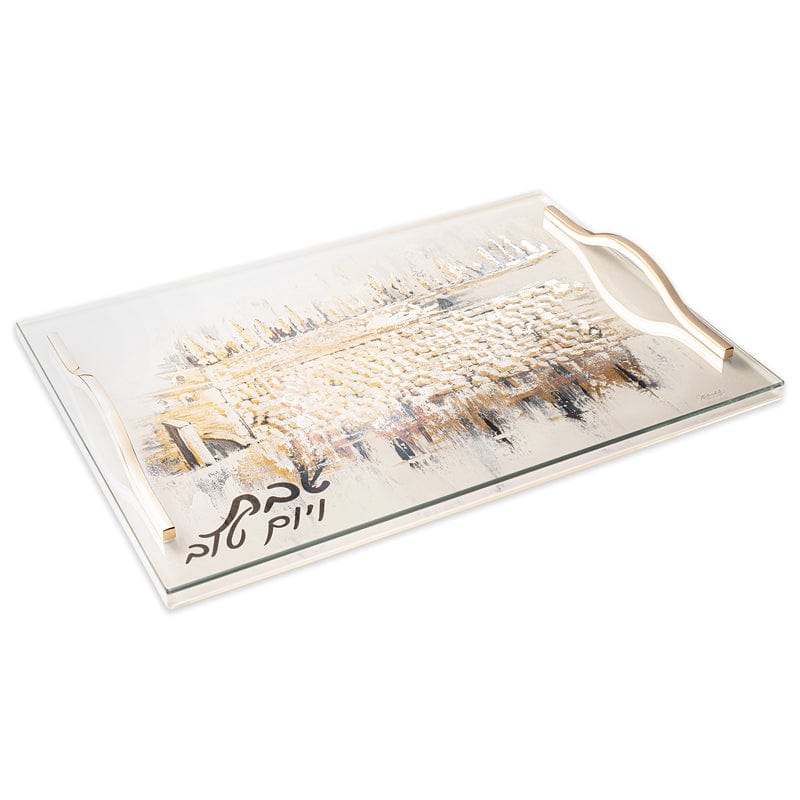
If candlelight is your priority, begin with a pair of lucite candle holders. These anchor the table visually and create the intimate lighting that defines Shabbat atmosphere. If wine is central to your observance, a lucite Kiddush cup becomes your foundation piece. A lucite challah board with integrated handles works beautifully as both functional piece and design element.
Consider your existing dinnerware when selecting foundational pieces. Cool-toned tables benefit from clear or frosted lucite, while warmer settings may pair better with translucent options that suggest warmth. Height variation matters too; mixing tall candle holders with lower trays creates visual rhythm.
Actionable insight: Photograph your table from above with current pieces in place. Use that image as a reference for how new lucite pieces will interact with what you already own.

Coordinating Tabletop Accessories for Sophisticated Entertaining
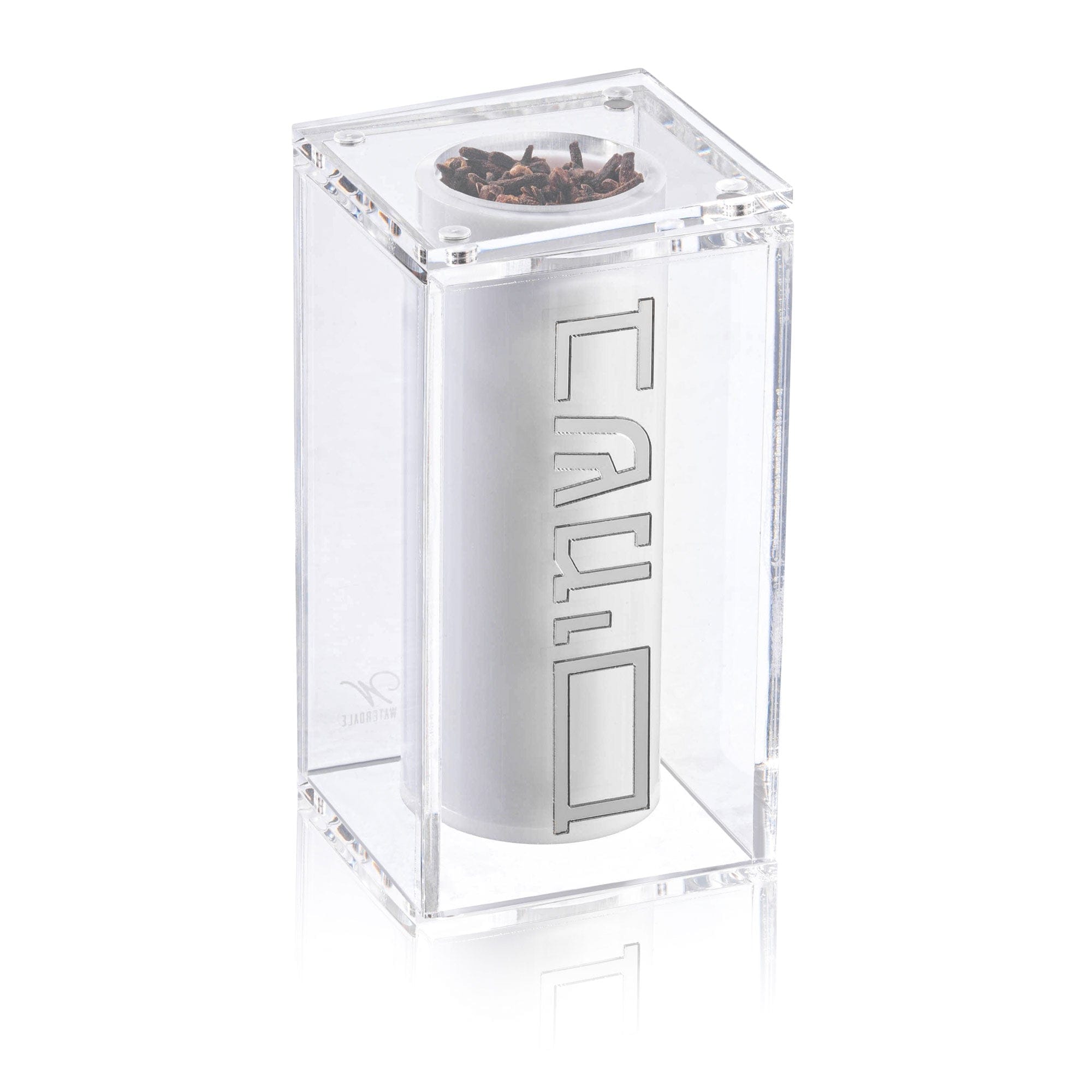
Tabletop accessories extend beyond ritual items into the realm of everyday entertaining. Our Tabletop Accessories collection includes serving platters, napkin holders, salt and pepper sets, and place card holders that feel equally at home during Shabbat and casual weeknight dinners.
The key to sophisticated coordination is restraint. Rather than filling your table with many small pieces, choose three to five accessories that share either material consistency or color harmony. If you're using clear lucite for ritual items, consider frosted lucite for serving pieces, or introduce a single coordinating leather accent such as a place mat or table runner.
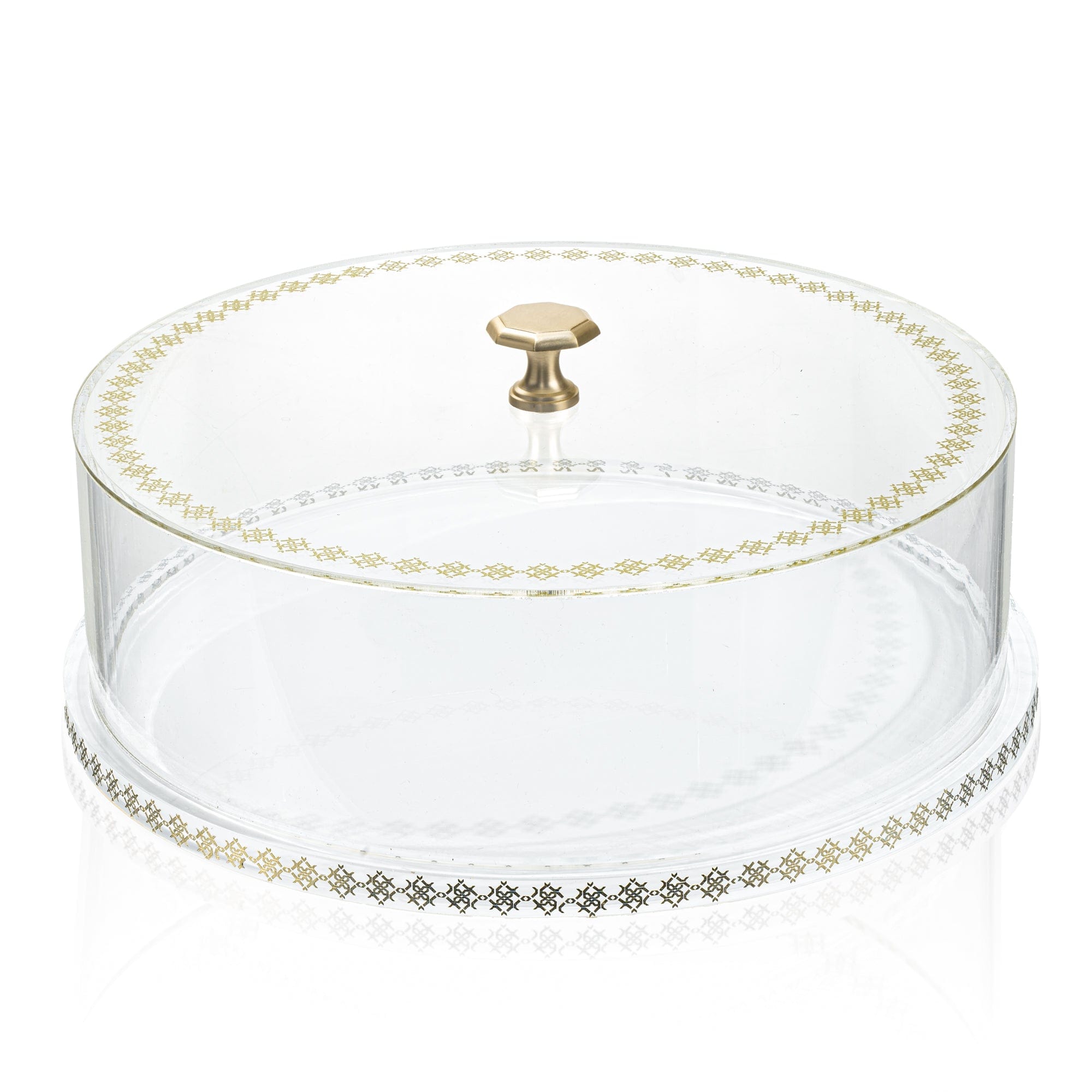
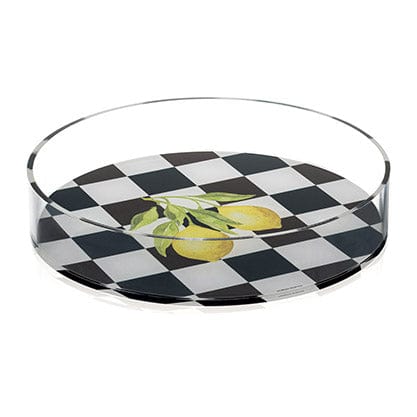
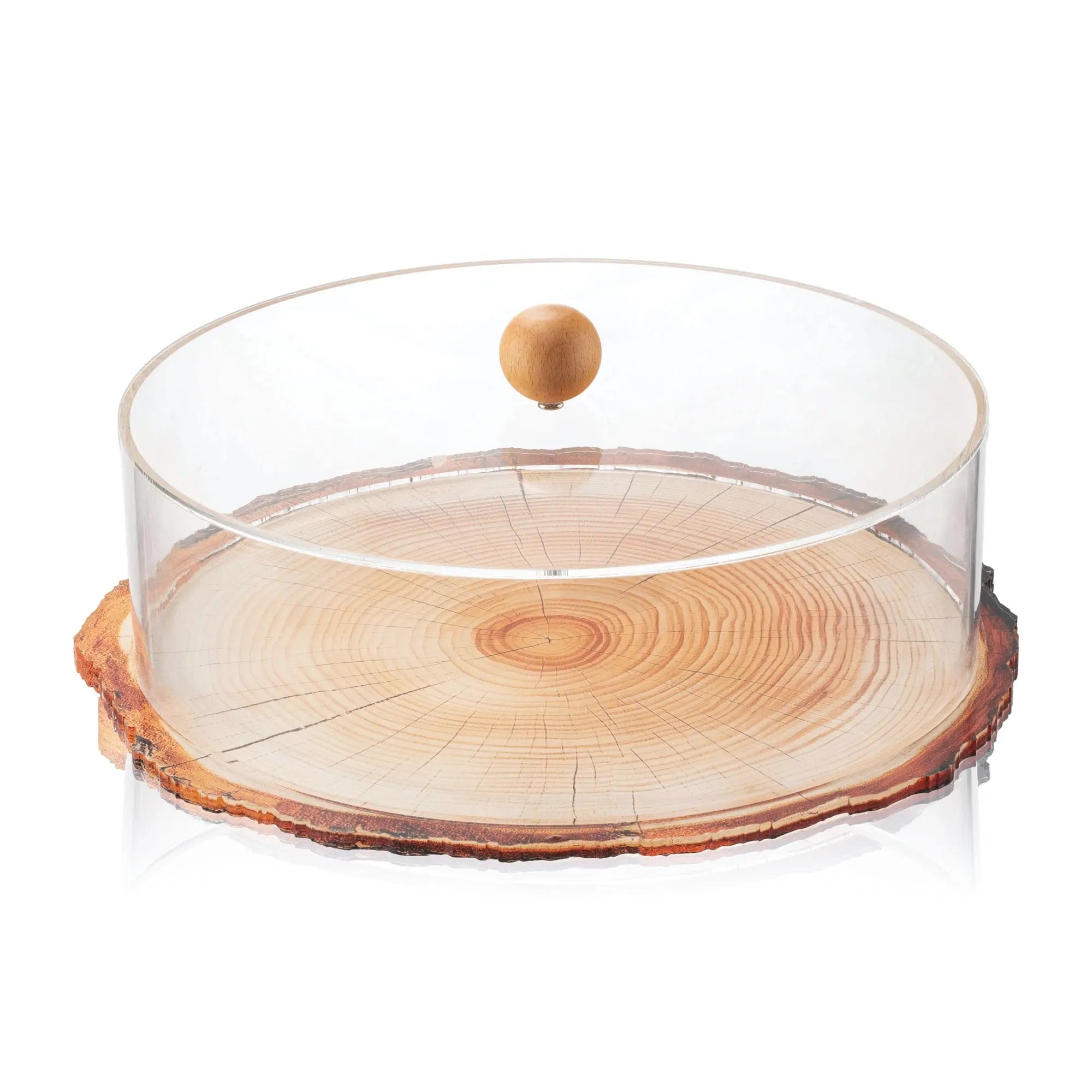
Serving platters deserve particular attention because they're the most visible piece during the meal itself. A simple lucite platter elevates challah, fruit, or cured fish without drawing focus away from the food. Lucite napkin rings in matching or complementary style create visual continuity without requiring matching dinnerware.
For those entertaining frequently, invest in items that bridge Shabbat and weekday use. This approach justifies the quality investment and keeps your table cohesive across different occasions.
Creating Visual Hierarchy with Functional Judaica Art
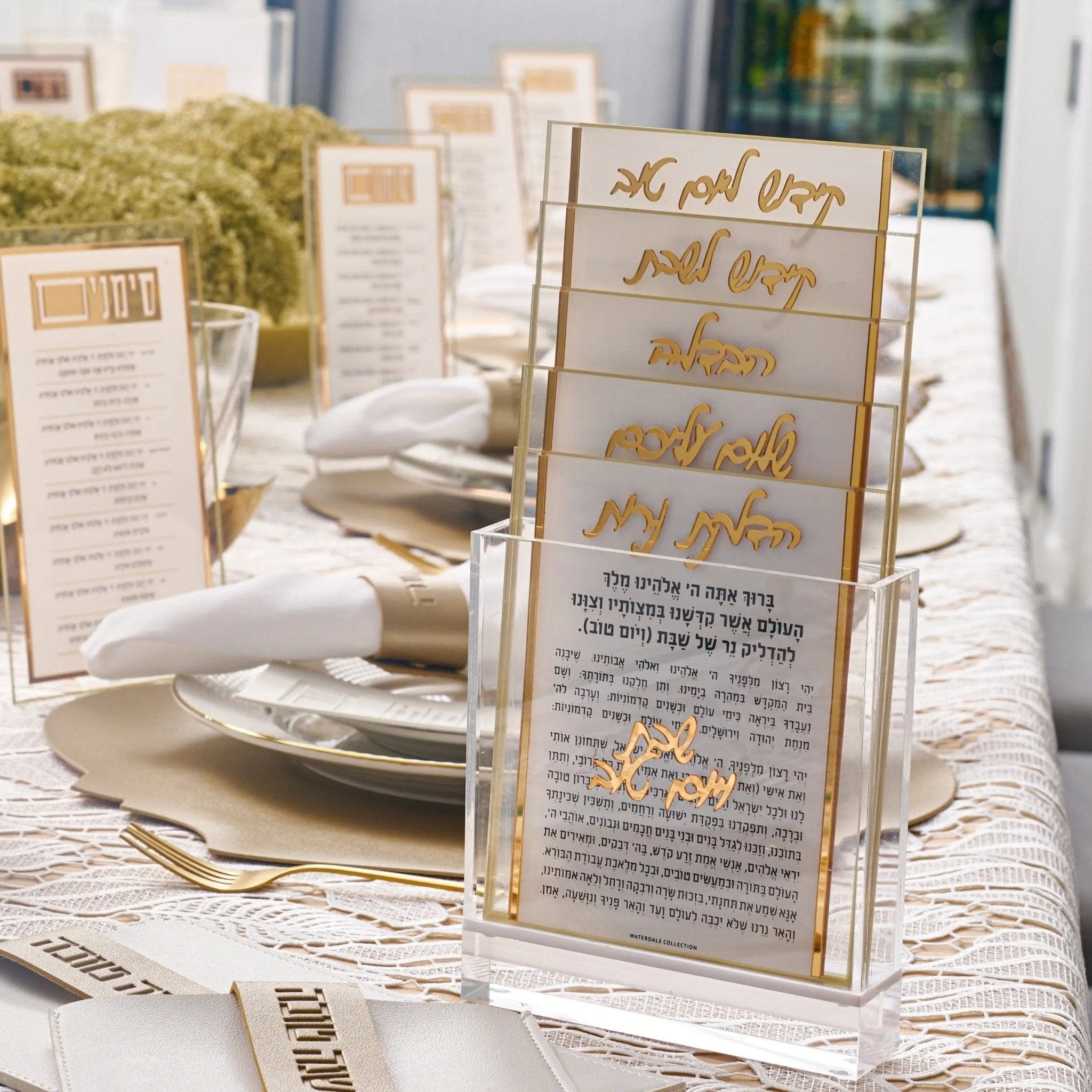
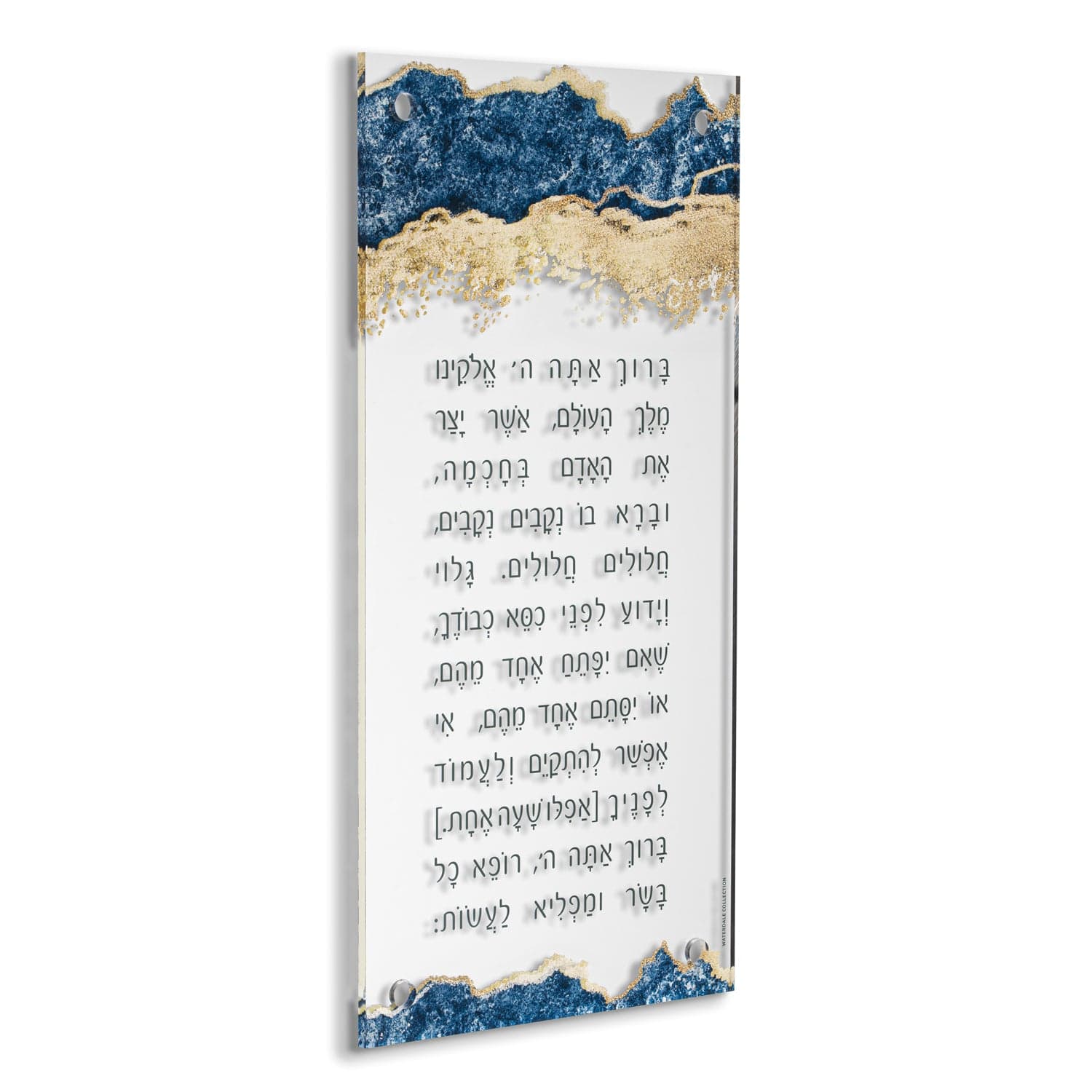
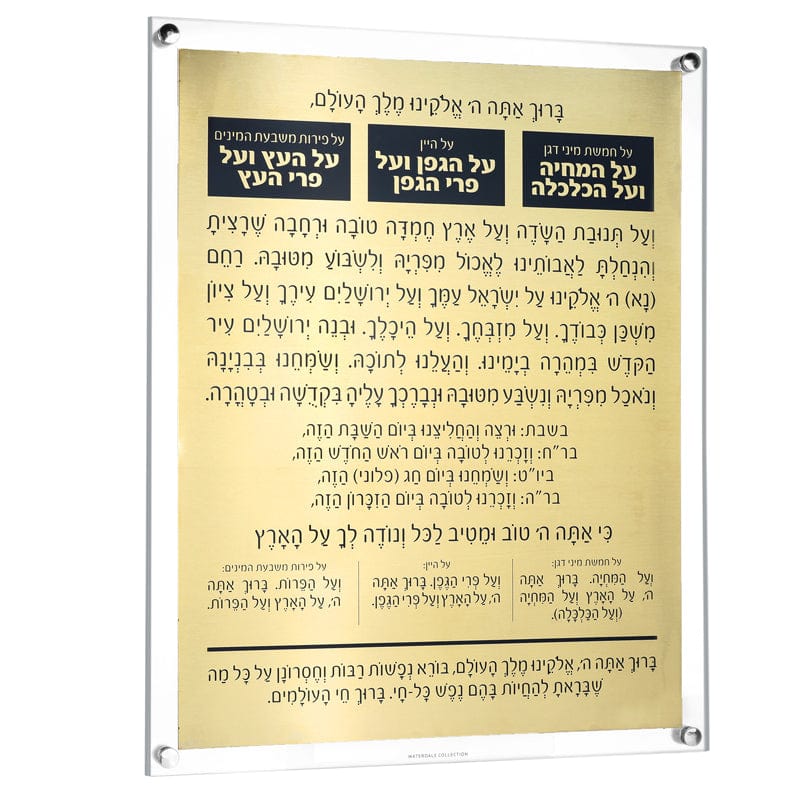
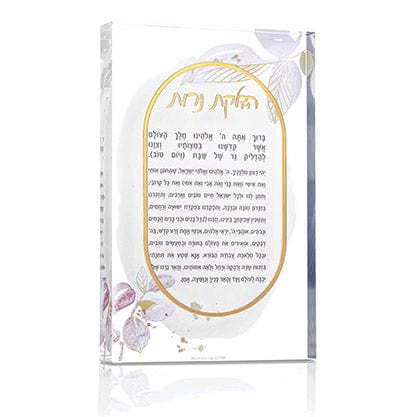
Functional Judaica art serves dual purposes: it holds spiritual significance and creates focal points on your table. Items like blessings plaques, Shabbat day designations, or framed ritual explanations add layers of meaning while organizing visual attention.
Placement creates hierarchy. Position your most important piece (often the Kiddush cup or candle holders) at the table's head or center. Secondary pieces like blessings cards or holiday-specific items should be visible but not competing for attention. Tertiary accessories fill in spacing without cluttering the view.
Height variation becomes critical here. If all your pieces sit at the same level, the table feels flat regardless of how beautiful individual items are. Combine tall candle holders with low-profile serving pieces and mid-height blessing plaques to create natural depth that guides the eye across the entire arrangement.
Consider how each piece contributes to your family's Shabbat experience. Does a particular item spark conversation or reflection? That's a candidate for prominent placement.
Color and Material Pairing Strategies for Contemporary Tables
Contemporary design typically emphasizes one dominant material with intentional accents. For lucite-forward tables, this might mean clear or frosted lucite pieces with leather or natural wood accents, or frosted lucite paired with polished metal details.
Neutrality works beautifully, but it need not mean boring. Clear lucite on white or cream linens reads as fresh and minimal. Frosted lucite on natural linen suggests warmth and approachability. Adding one accent color through linens, flowers, or a single decorative element (perhaps a leather challah cover) prevents the table from feeling sterile.
If your home runs toward color, transparent lucite acts as a bridge between bold linens and traditional pieces. It doesn't compete with saturated hues; instead, it clarifies and unifies them.

Consider lighting temperature when selecting materials. Warm white or amber lighting softens clear lucite slightly and brings out warmth in leather. Cool white or daylight-temperature bulbs emphasize the crispness of frosted lucite and enhance reflective qualities of polished finishes.
Practical takeaway: Observe your table under your actual lighting at the time you typically gather for Shabbat. Adjustments look different under dinner lighting than in afternoon daylight.
Incorporating Seasonal and Holiday Collections Into Your Design
Beyond the standard Shabbat setup, seasonal and holiday collections allow your table to reflect the Jewish calendar. Passover arrangements, High Holiday placings, and Hanukkah displays each benefit from coordinated collections designed specifically for their themes and timing.
A Pesach tablescape might feature lucite elements that evoke clarity and newness, aligned with spring renewal. High Holiday pieces often emphasize gold or rich tones suggesting abundance and judgment. Hanukkah arrangements typically incorporate multiple layers to represent the building light of the holiday.
Rather than purchasing separate complete sets for each holiday, select one or two statement pieces that anchor each celebration, then build around pieces you already own. A beautiful lucite Seder plate transforms a Passover table immediately. A single coordinating holiday item signals that you've prepared intentionally without requiring wholesale reorganization.
This approach also makes sense financially. Investing in one exceptional piece annually is more sustainable than overhauling your table multiple times per year.
Personalizing Your Table with Customizable Elements
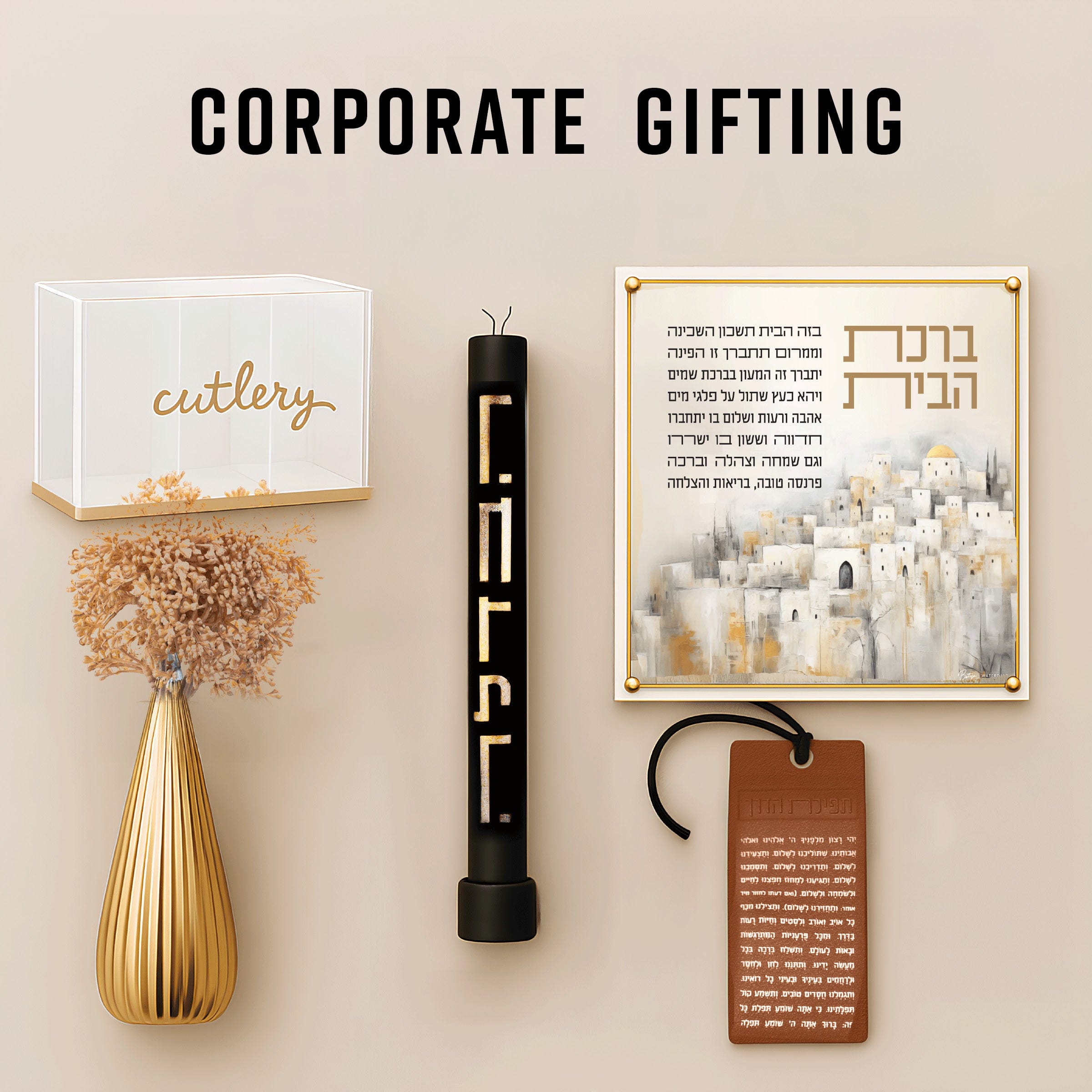
Personalization transforms a beautiful table into your table. We offer custom design services that allow you to incorporate family names, Hebrew text, dates, or unique color preferences into pieces that become heirlooms rather than just tableware.
Custom lucite pieces work particularly well for gifts and milestone celebrations. A Kiddush cup engraved with a new couple's names becomes part of their Shabbat tradition. A family blessing plaque with multiple generations' names added over years becomes a conversation starter and spiritual anchor.
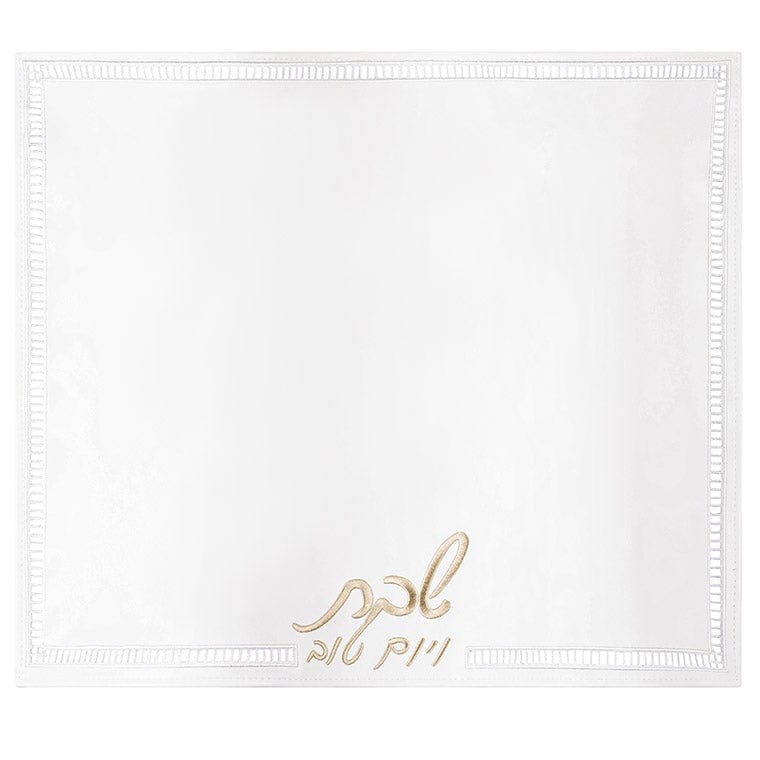
Even smaller personalizations matter. Monogrammed napkin rings, custom challah covers with family names, or blessings plaques incorporating your family's particular prayer focus create table elements that feel authored by you rather than simply purchased.
We also offer gift messaging and ribboning services, making personalized pieces appropriate for weddings, b'nai mitzvah celebrations, or welcoming new members to a household.
Lighting and Placement Techniques for Maximum Impact
Placement relative to light sources dramatically affects how your table reads. Candlelit tables benefit from positioning lucite pieces where they'll catch and refract light. A clear or frosted lucite candle holder glows more beautifully when placed between the light source and diners' sightlines.

If your table receives natural light during early Friday evening, position reflective pieces to capture that light. As darkness falls and candles become the primary light source, the same pieces will glow from within rather than reflecting external light. This shift creates visual interest across the duration of your meal.
Height and spacing prevent pieces from casting shadows on one another or the table itself. Spread items across the table's width rather than clustering them in one area. This approach also makes the table feel less crowded and allows each piece to be appreciated individually.
Directional lighting (from above, from the side, or from candles) creates drama and depth that flat, even overhead lighting cannot achieve. If possible, dim ceiling lights during Shabbat and rely on candles supplemented with gentle accent lighting.
Caring for Your Premium Lucite Collection
Premium lucite requires straightforward maintenance that keeps pieces looking new for decades. Most of our lucite items are dishwasher safe on the top rack, though hand washing with warm water and mild soap preserves clarity most effectively. Avoid abrasive scrubbers; soft cloths or sponges prevent microscopic scratching that accumulates over time.
Lucite can become brittle if exposed to extreme temperature changes. Avoid moving pieces directly from warm dishwater to cold air or vice versa. Store pieces in a stable environment, ideally at room temperature and away from direct sunlight for extended periods, though normal use under light won't cause issues.
Minor scratches or cloudiness can sometimes be improved with polishing compounds designed specifically for acrylic and lucite. For significant damage, contact us about restoration or replacement options. Most pieces are designed for repair rather than disposal.
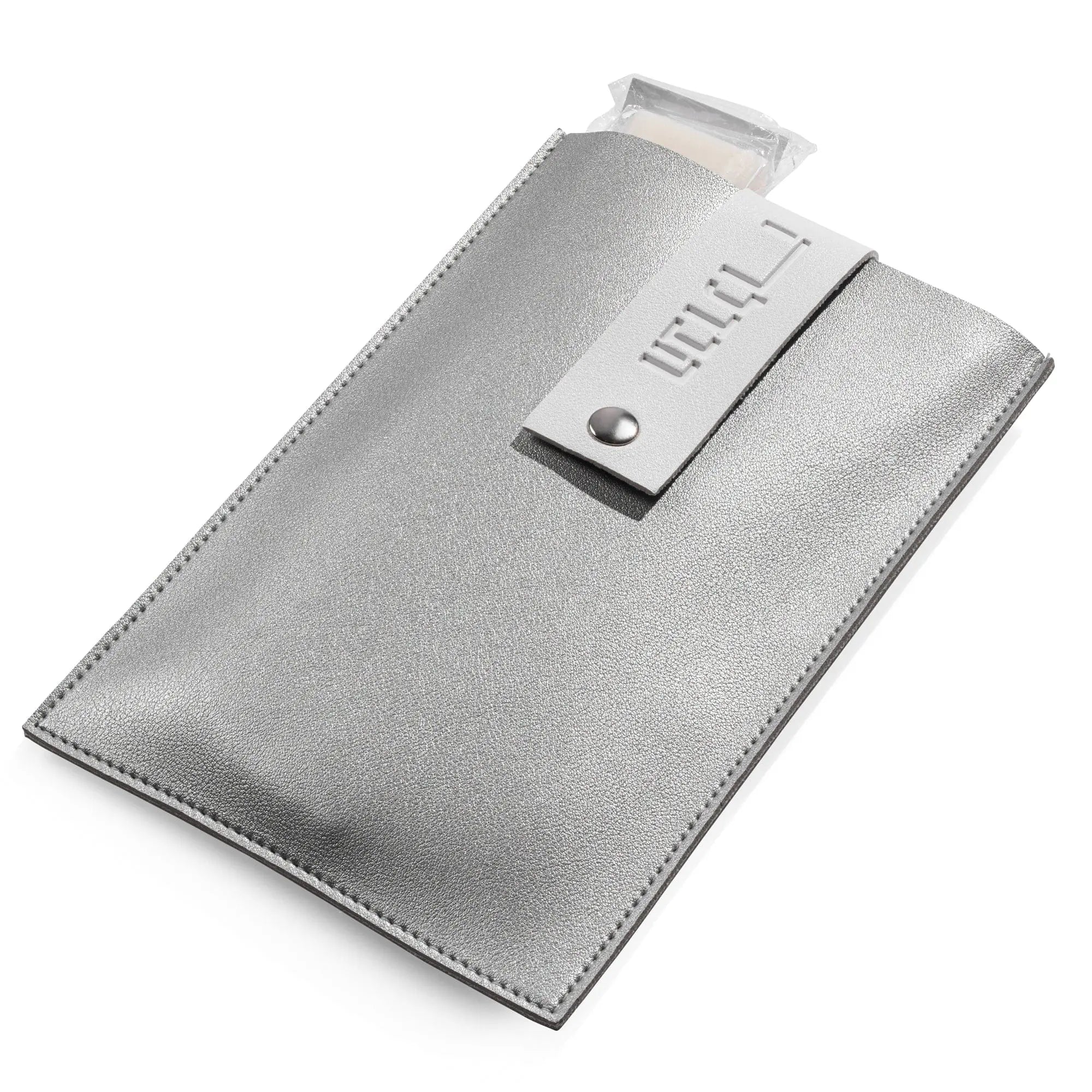
Leather accessories should be kept away from direct moisture. If leather becomes damp, allow it to air dry completely in a well-ventilated space. Occasional leather conditioning maintains suppleness and appearance.
Bringing It All Together: A Complete Table Scenario
Imagine a table for six. You start with a pair of frosted lucite candle holders flanking the center, positioned to catch candlelight as darkness falls. At the table's head sits a clear lucite Kiddush cup, its transparency suggesting the purity of the wine it will hold. A coordinating frosted lucite challah board with leather handles sits to one side, supporting a challah cover in natural linen.
Napkin rings in clear lucite hold cream-colored napkins, creating subtle height variation across place settings. A small blessing plaque in frosted lucite sits propped at an angle where it catches light but doesn't obstruct sightlines. A single vase with fresh flowers (white and green for contemporary simplicity) adds organic element and softens the geometric precision of lucite pieces.
The tablecloth is linen in warm cream. Dinnerware is simple white ceramic. Everything serves function; nothing feels decorative for its own sake. The overall impression is serene, intentional, and modern while honoring every element of the Shabbat blessing and meal.
This scenario costs significantly less than it might appear because each piece serves dual purposes: the Kiddush cup is beautiful enough for daily use, the candle holders work equally well for weeknight dinners, and the blessing plaque sparks conversation year-round. You've invested in quality that compounds over time through use and meaning.
To begin creating your own contemporary Shabbat table, start with a single premium lucite piece that speaks to your style and needs. Observe how it changes your table's visual and spiritual quality. Build from there with intention, selecting additional pieces that enhance rather than overcomplicate your space. Our curated collections at Waterdale Collection are designed specifically to support this approach, offering pieces that blend seamlessly while maintaining the clarity and quality your table deserves.
Shop Now