


















The Challenge: Finding Modern Jewish Decor That Honors Tradition
Many people in the Jewish community face a genuine tension when decorating their homes. They want spaces that reflect their Jewish identity and values, yet they're drawn to contemporary design aesthetics that feel fresh and intentional. The gap between what's traditionally available and what actually fits a modern interior can feel significant.
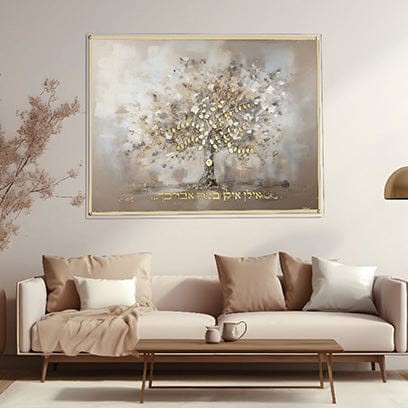
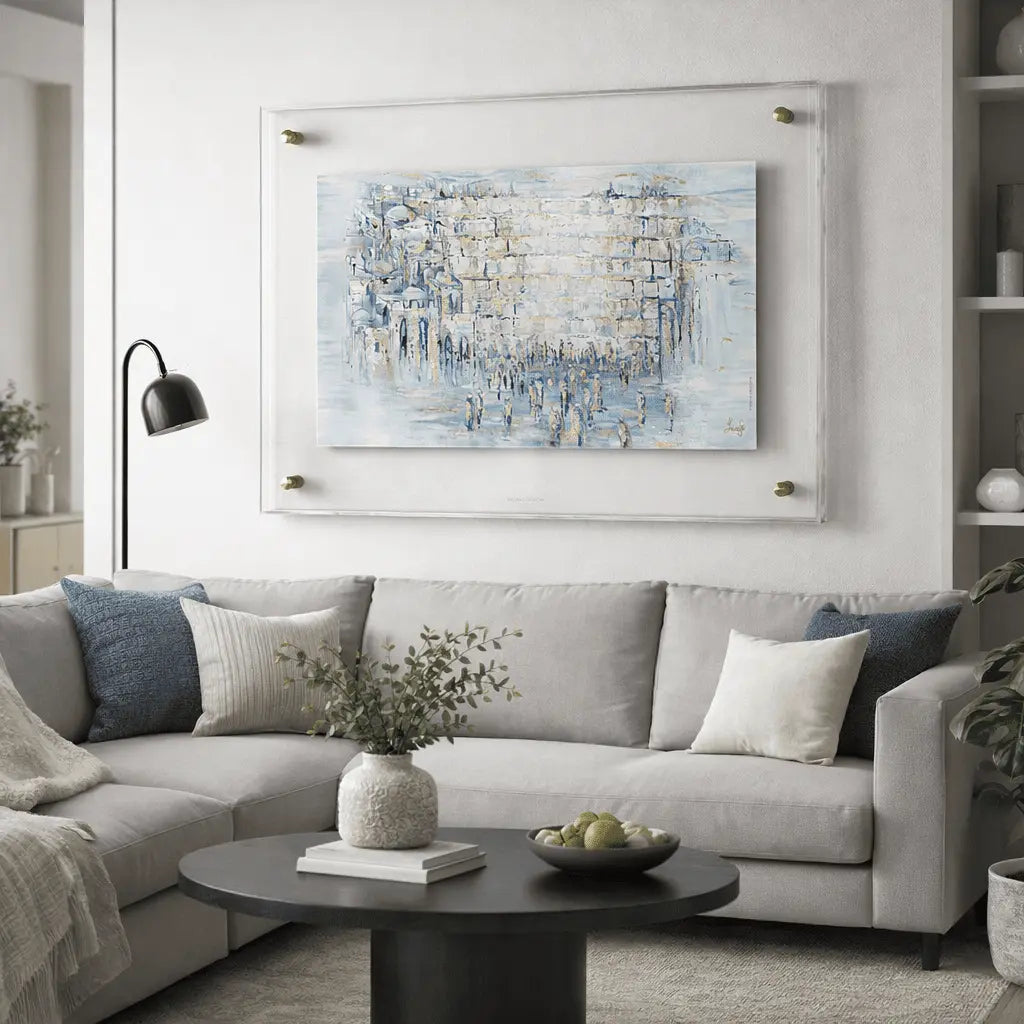
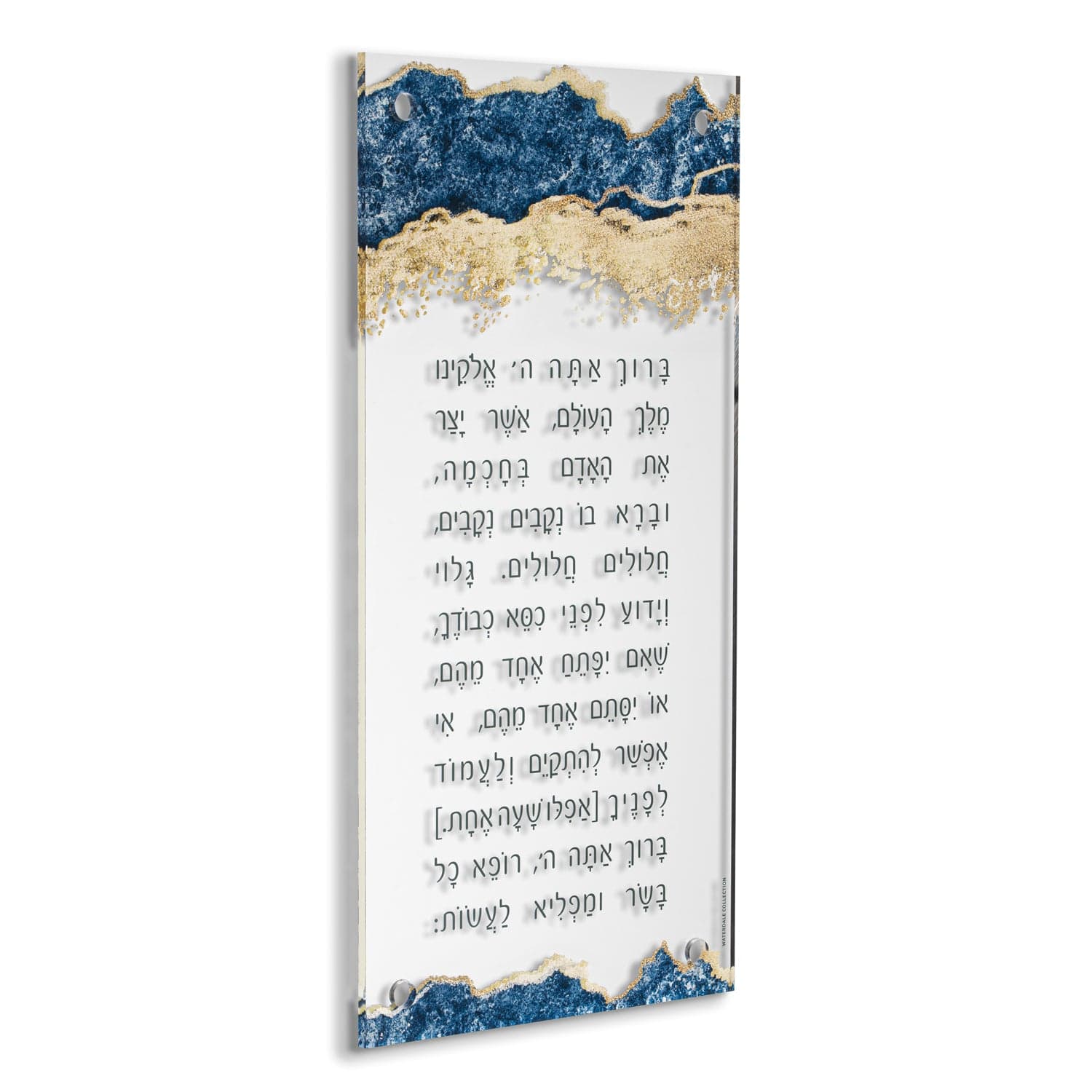
Traditional Judaica often carries a particular visual language: ornate details, heavy metals, or styles rooted in specific cultural moments. While these pieces hold tremendous meaning, they don't always integrate seamlessly with minimalist interiors, Scandinavian-inspired spaces, or modern color palettes. Our Judaica Paintings collection bridges this gap, offering contemporary visual interpretations of Jewish themes that feel at home in any modern interior. This creates a real dilemma: compromise on design cohesion, or step back from displaying the ritual objects and symbolic art that matter to you.
The solution lies in recognizing that honoring tradition doesn't require preserving a specific aesthetic frozen in time. Jewish observance has always adapted to its cultural moment while maintaining core values. Contemporary Jewish home design follows that same principle, allowing you to maintain spiritual and cultural connection while achieving the visual environment you actually want to live in.
Why Contemporary Design Matters in Jewish Homes
Your home is where you spend the most time with your family and closest relationships. It's where holidays are observed, where guests are welcomed, and where daily life unfolds. When your décor doesn't align with your personal design sensibility, you feel it constantly, even if you can't quite name why.
Contemporary Jewish design removes that friction. It acknowledges that thoughtful aesthetics aren't superficial, they're part of how we experience meaning. A beautifully designed Shabbat table creates a different emotional experience than one that feels like an obligation. A modern Judaica piece displayed in your living room becomes something you actually enjoy looking at, not something you tolerate.
Beyond personal satisfaction, contemporary design also communicates something important to your guests and children. It normalizes Jewish identity as something living and evolving, not confined to nostalgia or specific cultural expressions. It shows that you can be fully engaged with tradition while remaining fully present in the current moment.
Understanding Modern Judaica Aesthetics
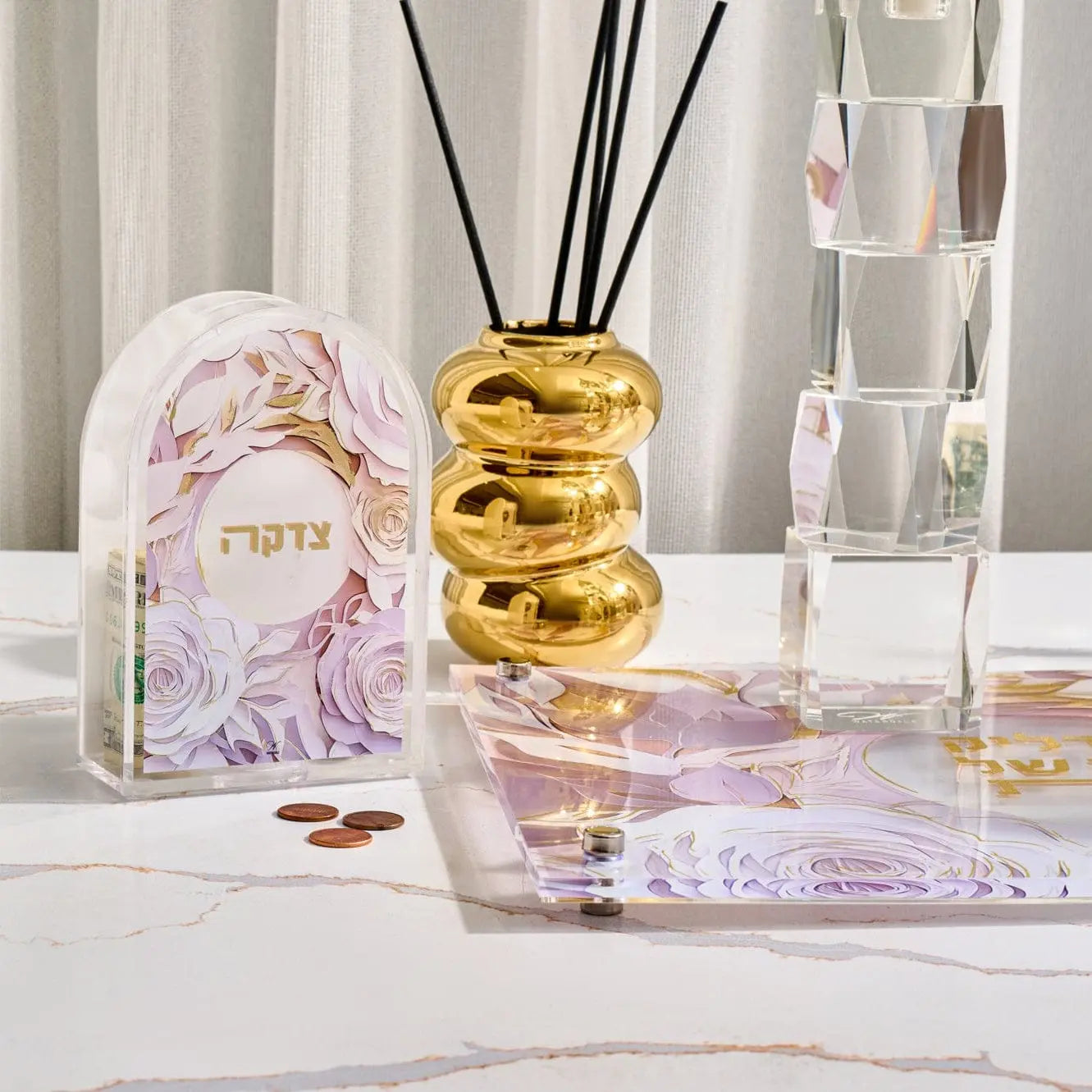
Modern Judaica as a design category centers on several key principles. Clean lines replace ornamental density. Neutral or bold single-color palettes replace multi-layered metalwork. Functionality is emphasized equally with symbolism. Materials like lucite and leather provide contemporary texture without sacrificing craftsmanship or meaning. Jewish Life Paintings extend this philosophy to wall art, capturing everyday moments and celebrations through a contemporary lens.
Consider how a contemporary Havdalah set might look: a clear lucite vessel with minimal detailing, paired with leather-wrapped wooden elements, arranged in a space you'd want to photograph. Compare that to an ornate silver set designed decades ago. Both serve the same ritual purpose. Both carry significance. But one fits naturally into the space you've actually created.
The aesthetic also tends toward versatility. Many contemporary Judaica pieces work across multiple contexts. A modern Kiddush cup can sit on a contemporary kitchen shelf between visits, looking like purposeful home décor rather than something put away. A sleek challah board complements both formal Shabbat tables and casual weeknight meals.

Creating Cohesive Spaces with Contemporary Jewish Art
Successful integration of Jewish art into modern homes requires thinking about sight lines and spatial flow, not just individual pieces. One striking contemporary Judaica work becomes an anchor. Other elements should build around it rather than compete with it. Our Judaica Wall Art collection offers a range of styles and scales, making it easy to find the perfect anchor piece for any room.
Start by identifying your primary display area. Is it above a console table in your entryway? Grouped on a shelf? Part of a more substantial gallery wall? The location shapes what works. A minimalist lucite Sukkot piece might be perfect for a living room shelf, while a larger sculptural work commands wall space.
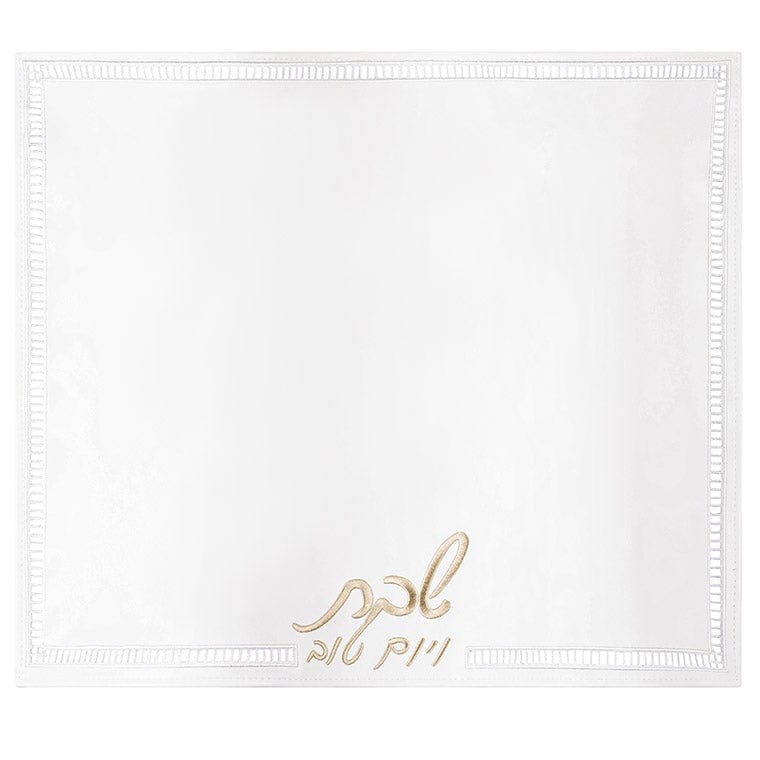
Color coordination matters more in contemporary design than it does in traditional displays. If your white Judaica decor collection lives alongside charcoal and natural wood, that's cohesive. If you're mixing gold Judaica decor with the same palette, ensure those pieces have a clear visual relationship, perhaps through sizing or material consistency.
Spacing also matters. Rather than clustering pieces tightly, allow them breathing room. This approach reflects contemporary design principles while actually allowing each item's craftsmanship to be appreciated.
Selecting Ritual Objects That Complement Your Home
Ritual objects deserve special consideration because they're both functional and symbolic. You'll actually use them, which means they need to work practically within your life and aesthetically within your space.
Evaluate your lifestyle first. Do you host large Seders or intimate family meals? Do you keep Shabbat formally or in a more relaxed way? Are you looking for objects you'll display year-round or holiday-specific pieces you bring out seasonally? These questions shape what will actually feel right in your home.
Next, assess your existing design language. What's the dominant color palette? What materials do you favor? How minimalist or maximalist is your style? Contemporary ritual objects come in many forms, but choosing ones that align with your existing aesthetic ensures they'll feel like natural parts of your home rather than additions.
Material and durability matter too. Premium lucite and leather aren't chosen for trendiness, they're chosen because they age beautifully, resist discoloration, and maintain their visual clarity through years of use and washing. A contemporary Judaica piece should improve with age, developing patina and character rather than looking worn.
Functional Beauty: Designer Tabletop and Serving Accessories
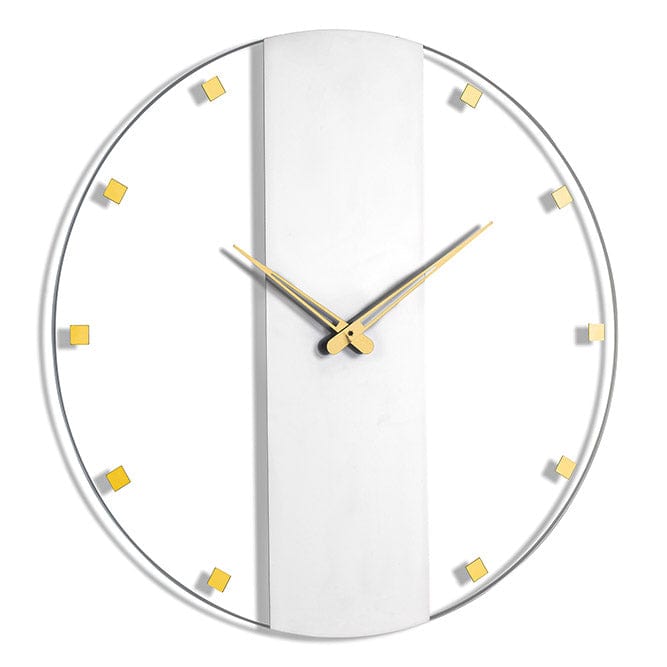
The table is where Jewish family life happens most tangibly. Shabbat meals, holiday gatherings, everyday dinners with people you love, all revolve around the table. Yet tabletop design is often overlooked in conversations about Jewish home aesthetics. Designer Clocks offer another way to bring contemporary Jewish design into your space merging function with artistry as daily reminders of time well spent.

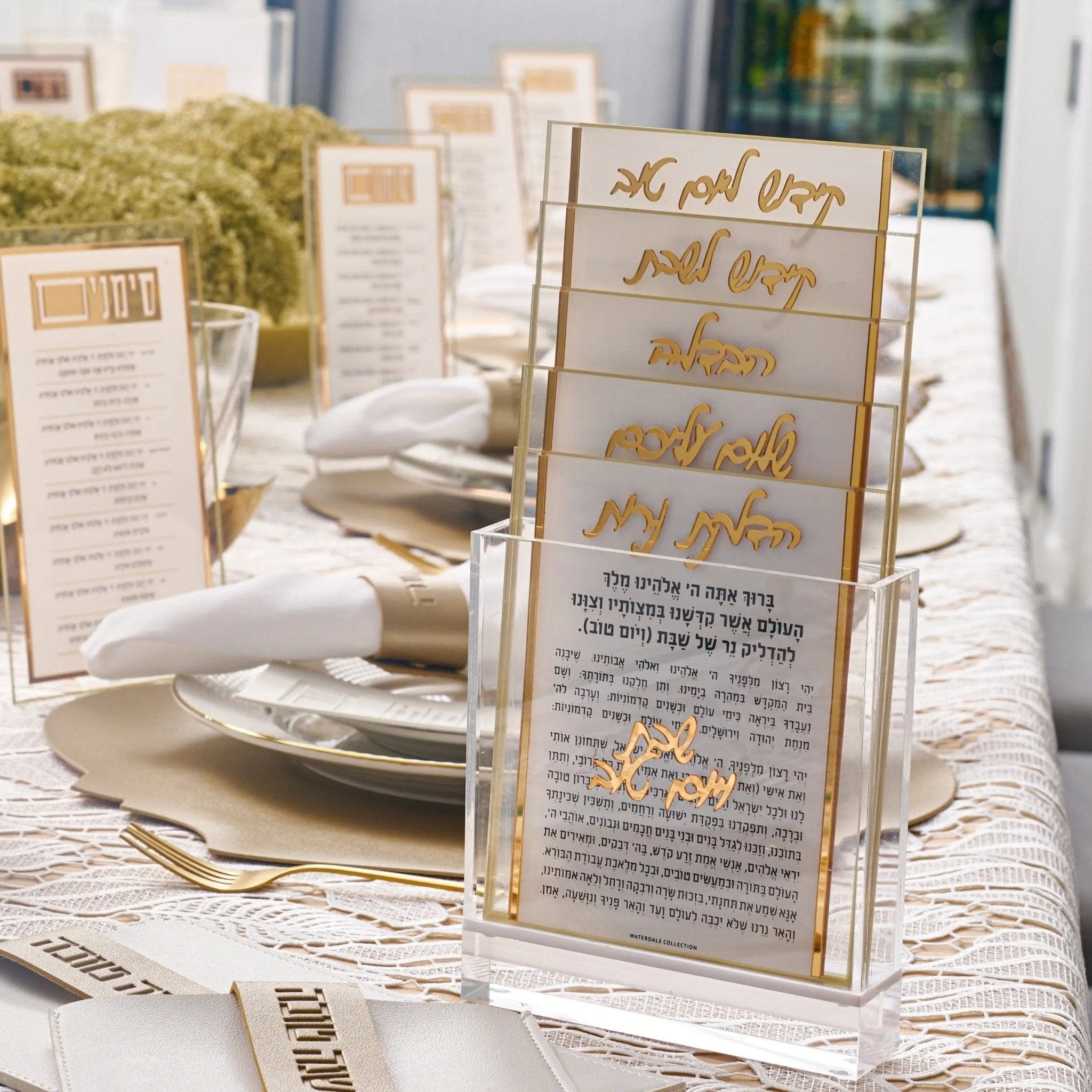
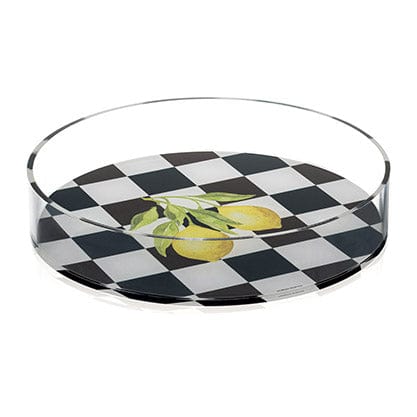
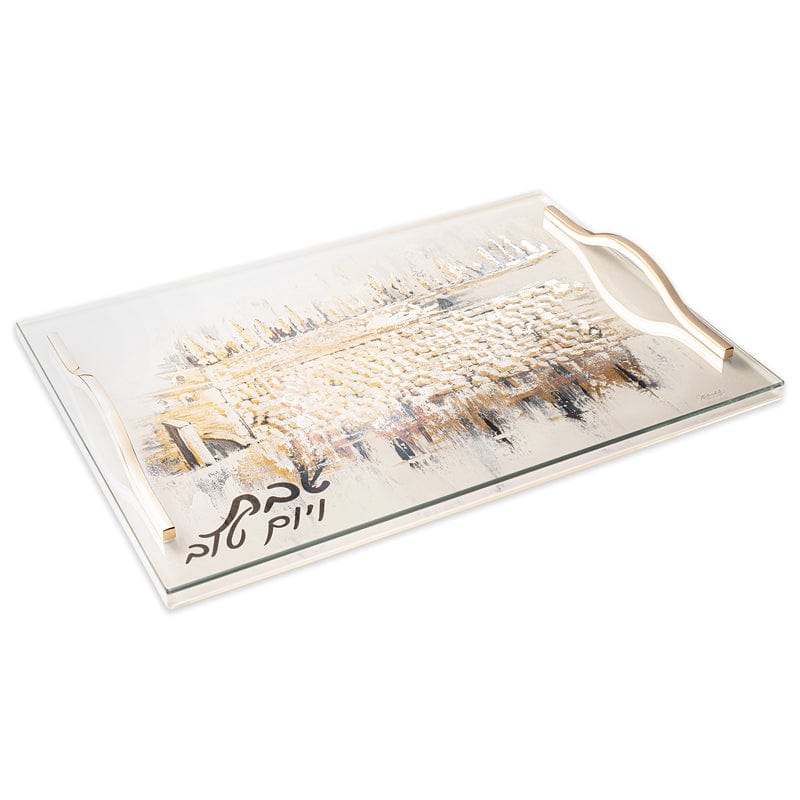
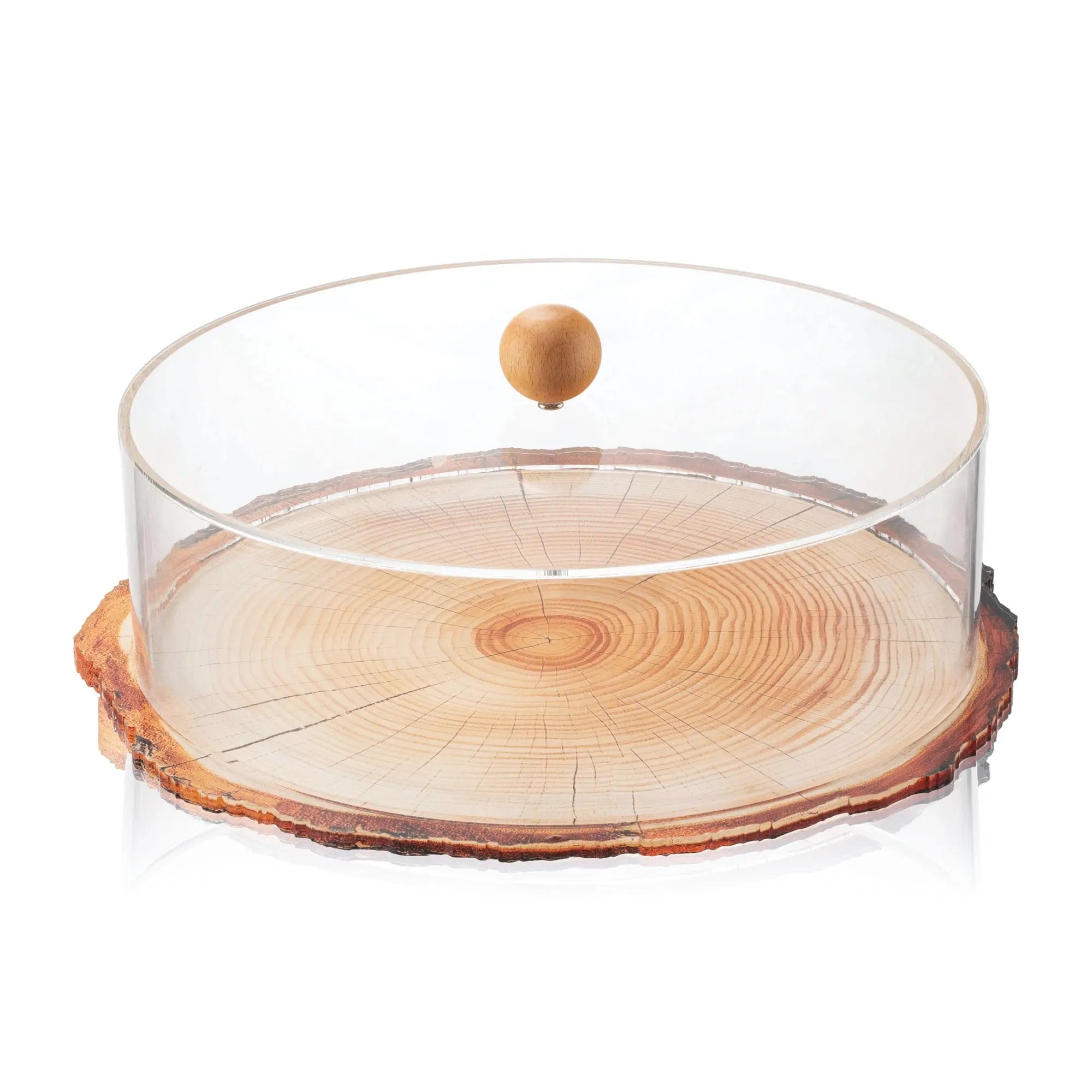
Our Judaica tabletop and tabletop accessories approach this space intentionally. A contemporary challah board in natural wood with clean lines serves the same purpose as an ornate silver one, but it also works as a beautiful serving platter for cheeses and bread on Tuesday night. A modern Kiddush cup you actually enjoy holding creates a different experience than one you dread bringing out.
Consider building a coordinated tabletop collection rather than gathering pieces randomly. A matching challah board, Kiddush cup, and serving dishes in complementary materials create visual cohesion. This doesn't mean matchy-matchy perfection, but rather intentional pairing that shows you've thought about how elements work together.
Functional design also means choosing pieces that fit your actual table size and dining style. A petite lucite challah server works beautifully for intimate dinners. A larger contemporary board suits family gatherings. Think about what you'll actually do with each piece.
Curating Collections for Holidays and Life Events
Jewish life moves through seasons and milestones, each with its own ritual objects. Rather than viewing these as separate acquisitions, curate them as collections that grow thoughtfully over time. The Zelda Art collection brings a distinctive artistic voice to this ecosystem, featuring bold colors and expressive compositions that enliven any Jewish home.
Seasonal holidays invite particular design opportunities. Sukkot brings opportunities for contemporary ceremonial art. Hanukkah menorah design has exploded in recent years, with options ranging from sculptural to minimalist. Passover allows for fresh approaches to symbolic objects. Building holiday collections lets you honor each moment without cluttering your year-round space.
Life events similarly benefit from intentional curation. A baby naming might involve contemporary Judaica. A Bar or Bat Mitzvah opens doors to meaningful gifts that complement a young adult's emerging personal style. A wedding creates opportunity for pieces that will anchor a new household for decades.
The key is approaching collection-building with intention. Rather than acquiring pieces reactively, consider what objects will matter to your family and what design language serves you best. This approach creates deeper meaning and greater satisfaction than random accumulation.
The Role of Premium Materials in Modern Judaica
Material choice defines both the quality and the aesthetic of contemporary Judaica. We prioritize lucite and leather because these materials carry specific advantages that align with modern design values.
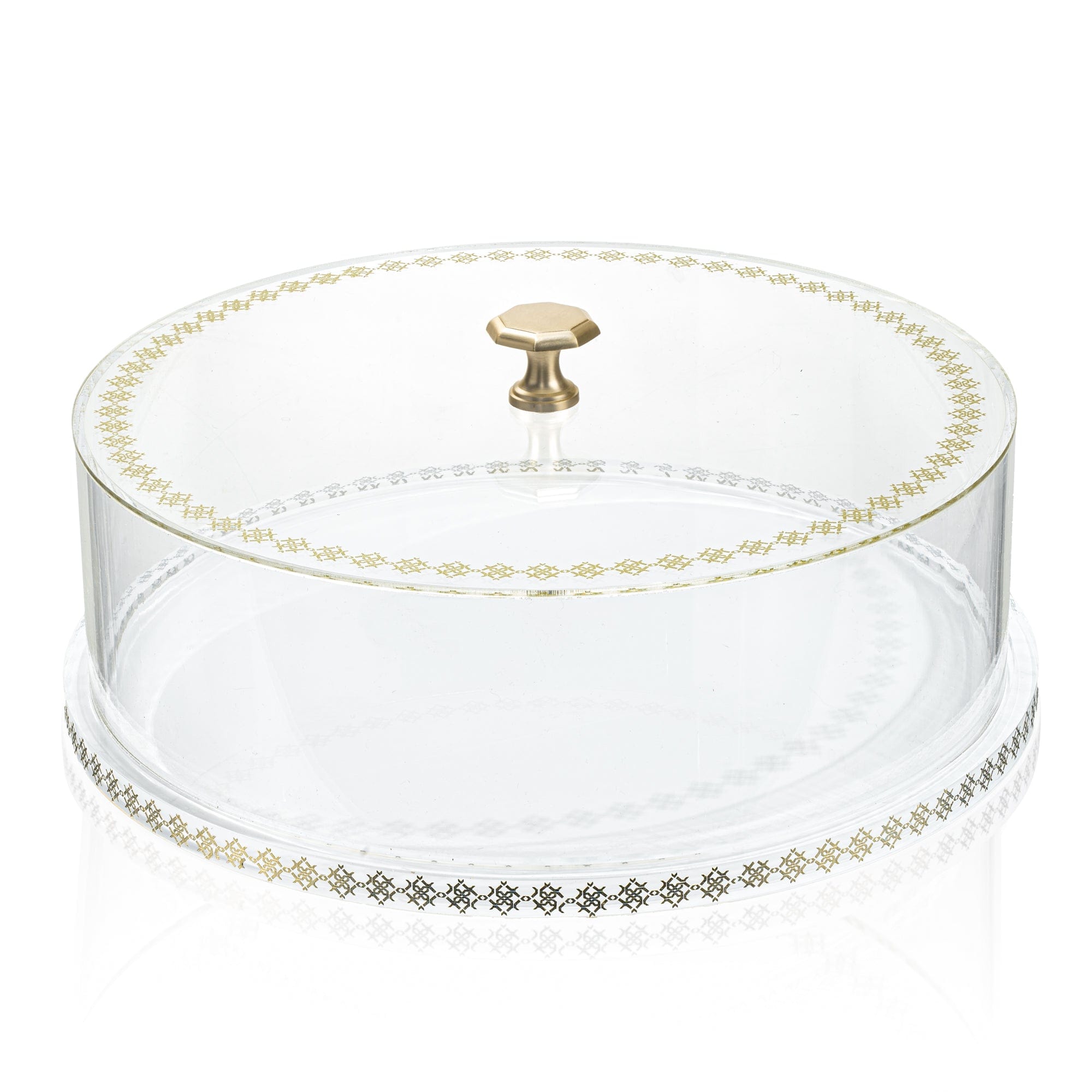
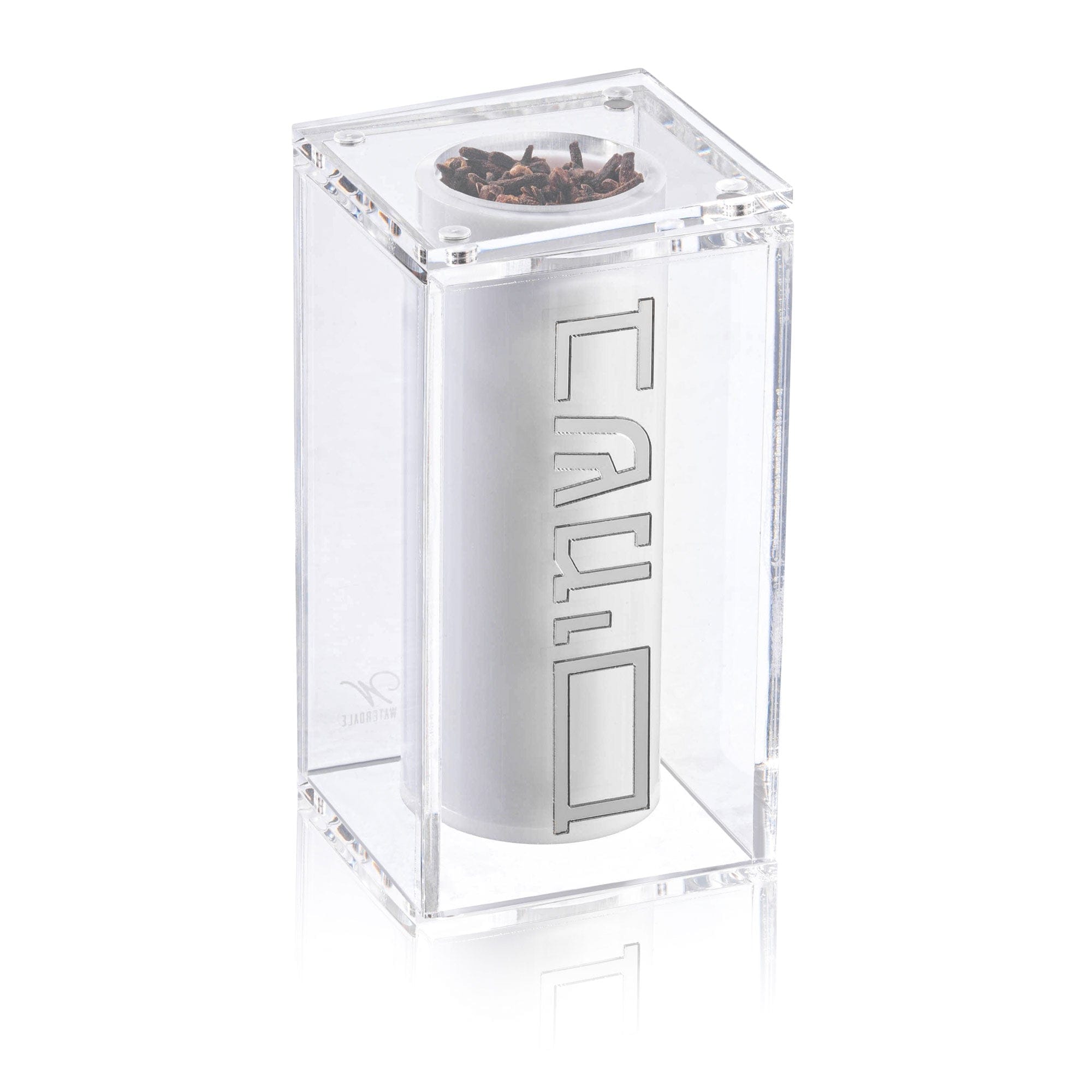
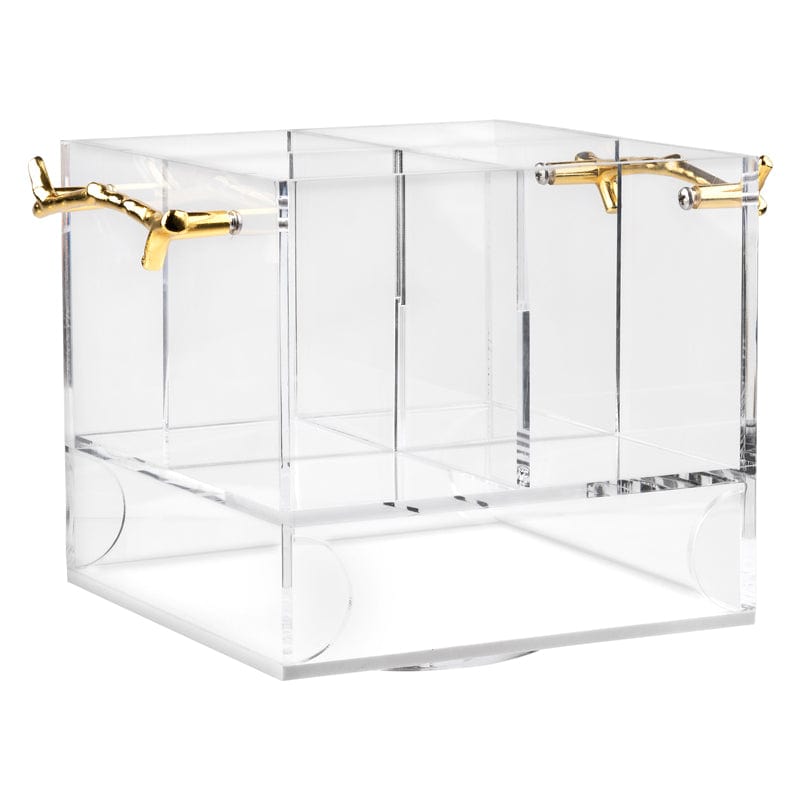
Lucite offers visual clarity and lightness. It allows light to pass through or reflect off surfaces in sophisticated ways. It ages beautifully, developing subtle color shifts rather than tarnishing. It's also practical: dishwasher-safe, durable, and forgiving of daily use. Lucite Judaica pieces look equally at home in a minimalist space or a more visually complex environment.
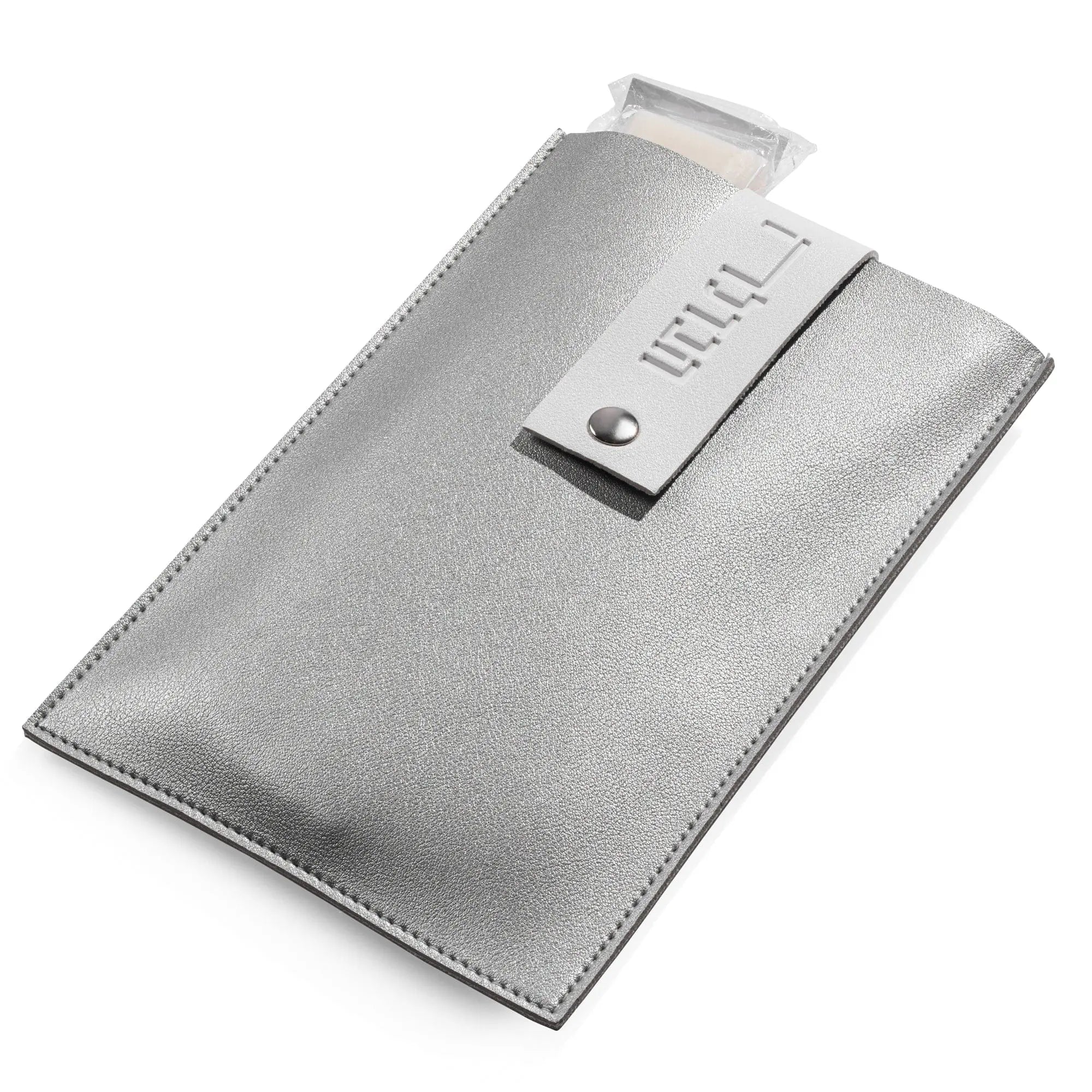
Leather brings warmth and texture. It ages with character, developing a patina that speaks to use and history. Leather-wrapped handles on serving pieces provide tactile comfort. Leather accents soften the severity of minimalist design without introducing clutter.

Both materials represent a shift away from the assumption that Jewish ritual objects must be precious metals. This shift opens design possibility without diminishing meaning or value. A lucite Havdalah set is no less ritually significant than a silver one. It's simply designed for how we actually live now.
Personalizing Your Space with Customizable Jewish Design
Your home should reflect your specific family, values, and aesthetic. Customizable Judaica design acknowledges this by offering options that go beyond off-the-shelf selections.
Personalization might mean adding your family name to a contemporary challah board. It could involve commissioning a custom menorah in materials that match your specific design scheme. It might mean selecting from available options but specifying a particular color or material combination that fits your existing décor perfectly.
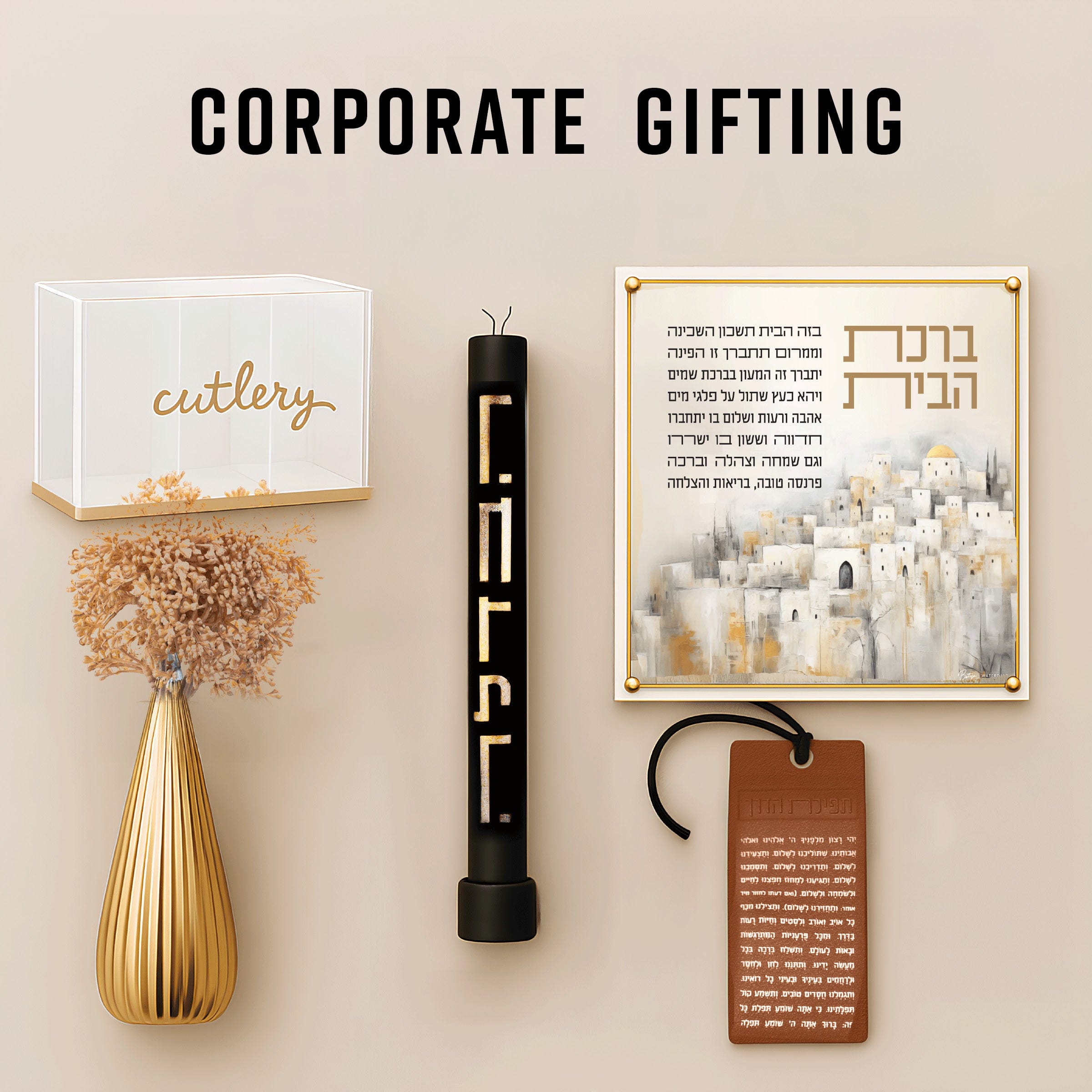
Corporate or group gifting also benefits from customization. Organizations can commission pieces that reflect their values while honoring Jewish tradition. Wedding gifts become more meaningful when they're chosen specifically for the couple's aesthetic and lifestyle. Baby naming gifts carry added significance when they're truly personal.
The customization option also matters practically. If you have a specific color palette or space constraint, being able to adjust dimensions, materials, or finishing details ensures the piece will work beautifully in your actual home, not just in a catalog photo.
Building Your Contemporary Jewish Home Through Thoughtful Selection
Creating a home that honors both tradition and your personal aesthetic is a process, not a project. It happens through deliberate choices made over time, informed by clear understanding of what matters to you.
Start with one piece that truly speaks to you. A contemporary Judaica work that makes you happy to see every day sets a tone and provides an anchor. Let that piece guide subsequent additions, building a collection that feels cohesive and intentional.
Consider your space holistically. How do Jewish ritual objects and art integrate with your overall design? What's the visual story you're telling? What pieces serve double duty, working both ritually and decoratively? These questions shape choices that feel authentic rather than obligatory.
Finally, remember that contemporary design and traditional observance aren't competing values. They're compatible expressions of how you want to live. Your home can be beautiful, functionally well-designed, and deeply connected to Jewish tradition simultaneously. We're here to help you find pieces that serve all three purposes, creating spaces where your heritage and your personal aesthetic thrive together.
Shop Now