


















Why Modern Judaica Requires Premium Materials
When you're selecting ritual items and home decor for your Jewish home, you're making choices that extend beyond a single season or occasion. These pieces accompany you through holidays, celebrations, and quiet daily moments. The materials matter more than you might initially think, and premium construction becomes a practical investment rather than a luxury.
We've spent years refining our approach to Judaica design precisely because we understand that durability and beauty should work together. This article explores why lucite quality deserves your attention, how we've engineered our pieces to last, and what separates investment-grade items from alternatives you'll eventually replace.
Contemporary Judaica serves a dual purpose: it honors tradition while fitting seamlessly into modern homes. This balance demands materials that can handle both aesthetic expectations and functional demands. A Kiddush cup needs to hold wine without staining. A Hanukkah menorah sits on display year-round, not just during the eight days. Serving pieces grace your table alongside everyday ceramics and glassware.
Traditional materials like silver and brass excel at conducting heat and developing patina, but they require regular polishing and specialized care. Wood and ceramic offer warmth but can crack with temperature changes. Standard plastics look inexpensive and feel disposable from the moment you unbox them.
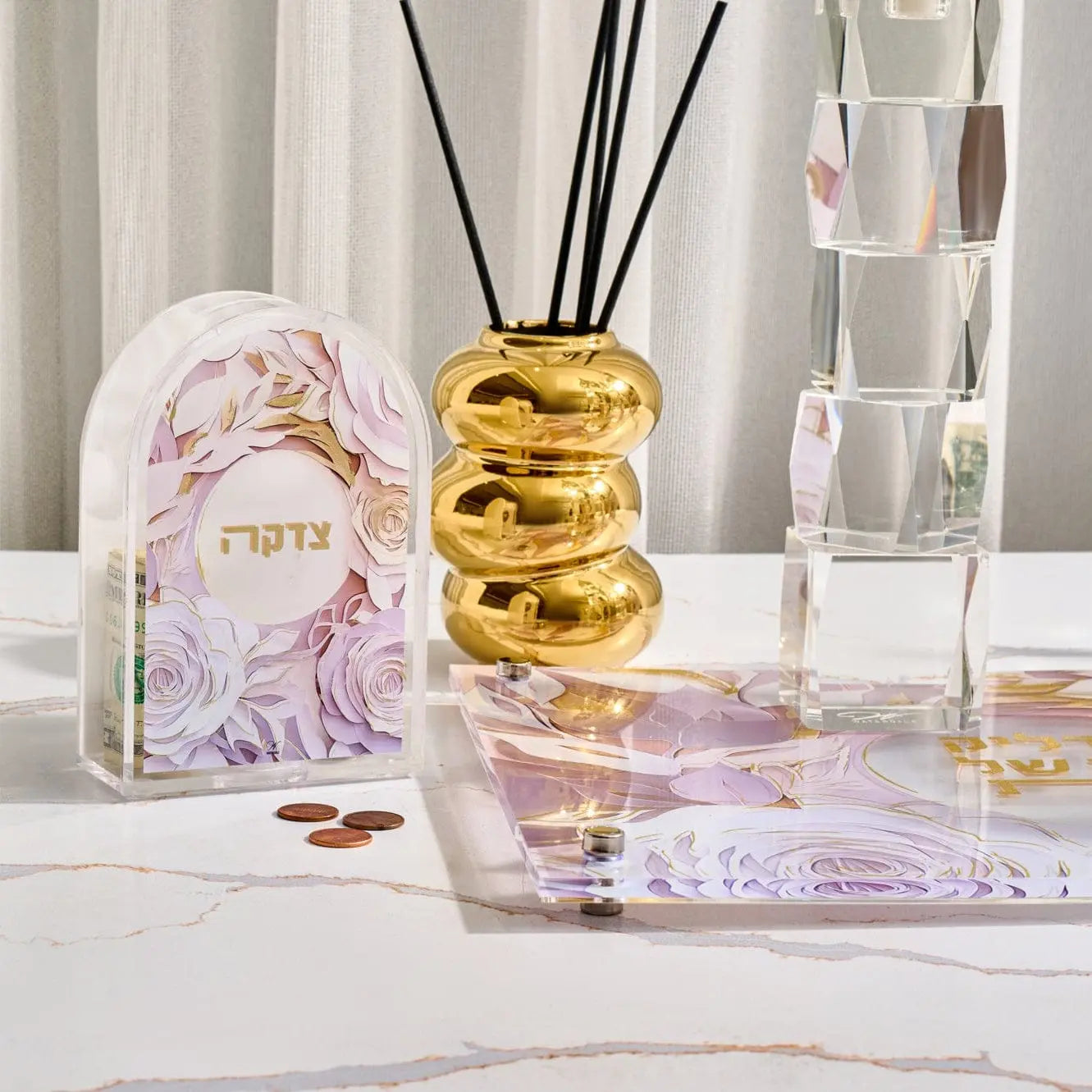
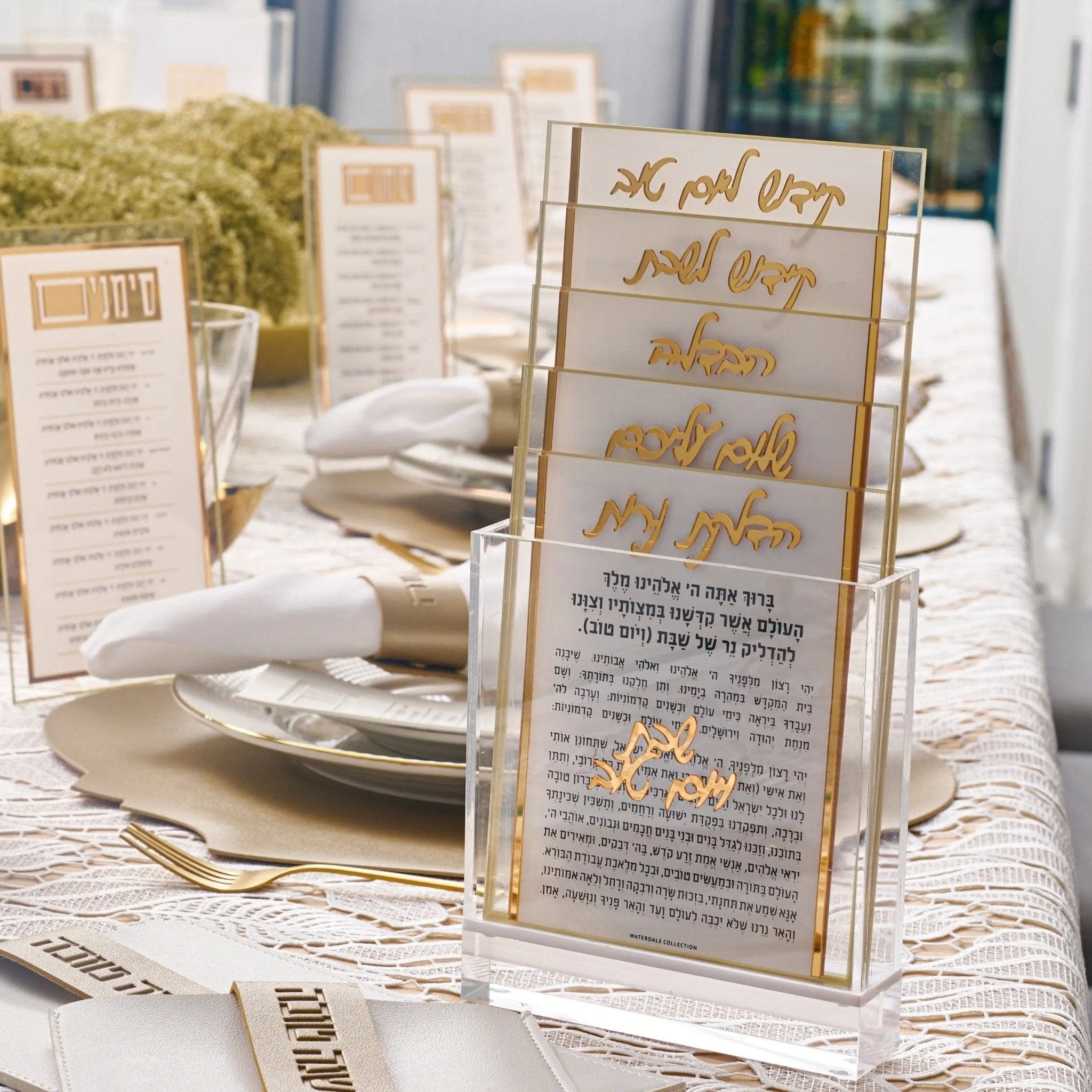
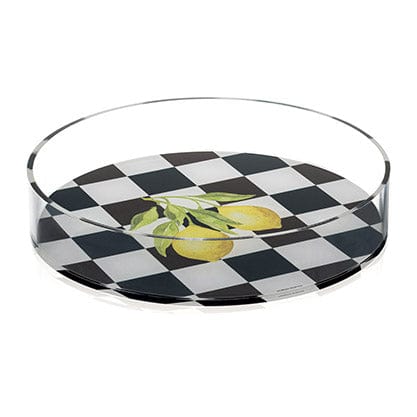
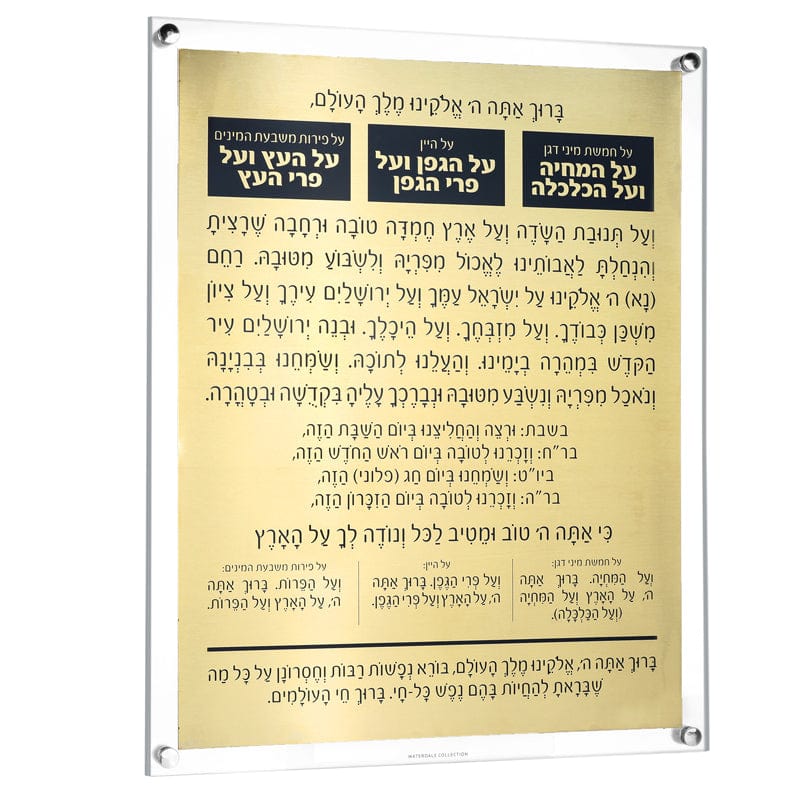
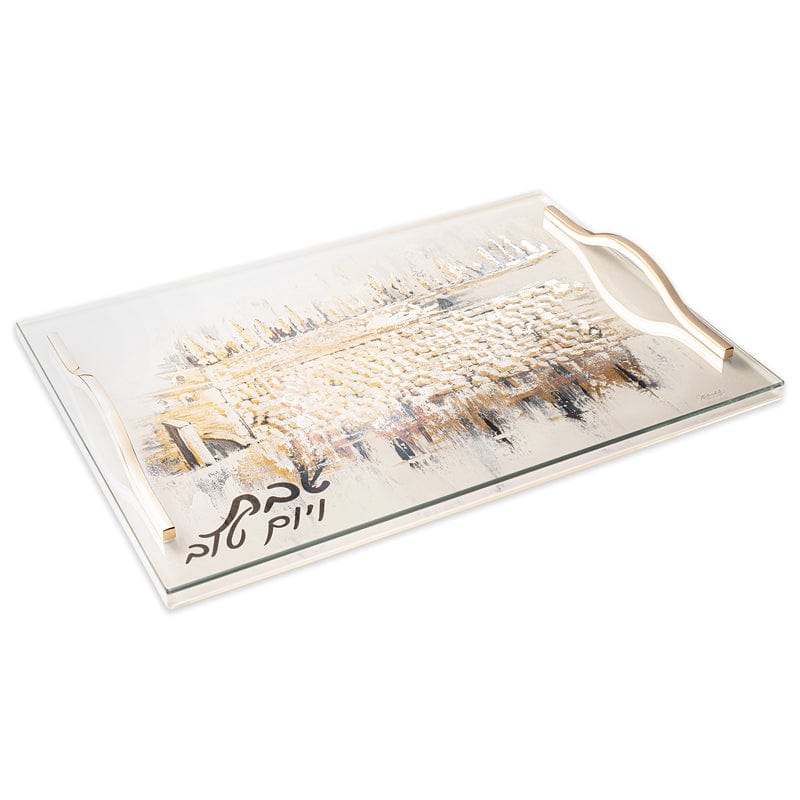
Premium lucite bridges these gaps. It resists staining, withstands temperature fluctuations, and maintains clarity and color without yellowing. More importantly, it allows designers to create pieces that feel sculptural and intentional rather than utilitarian. Our selection of modern lucite judaica reflects this philosophy: each item should be something you're proud to display.
The material choice affects both how long your pieces last and how they age. Items that yellow, crack, or discolor within a few years feel like poor investments, no matter the initial price. Quality materials allow items to genuinely improve with time as they become part of your family's routine.
The Durability Challenge With Traditional Ritual Items
Most Jewish households own multiple ritual items: Shabbat candles, Kiddush cups, challah boards, Hanukkah menorahs, Passover serving pieces, and tzedakah boxes. Managing care and storage for all of these creates practical friction. Silver tarnishes and demands attention. Crystal chips if it tips over. Hand-painted details fade. Brass develops verdigris.
We've heard countless stories from customers who inherited beautiful pieces only to discover they needed professional restoration before use. Others purchased "affordable" options that discolored or warped before the next holiday cycle arrived. The replacement cycle wastes both money and the emotional weight these items carry within families.
Temperature and humidity fluctuations, which happen naturally in most homes, damage traditional materials at accelerated rates. A challah board stored in a kitchen cabinet experiences heat from appliances, then cool dry air from air conditioning. Repeated cycles cause wood to expand and contract, leading to warping or splitting. Ceramic glazes can craze (develop fine cracks) under similar conditions.
The labor involved in maintaining these pieces also compounds the challenge. If you're not actively polishing your silver, you're either accepting tarnish or paying for professional restoration. This hidden cost often exceeds the initial purchase price over a piece's lifetime.
How Our Lucite Construction Sets New Standards

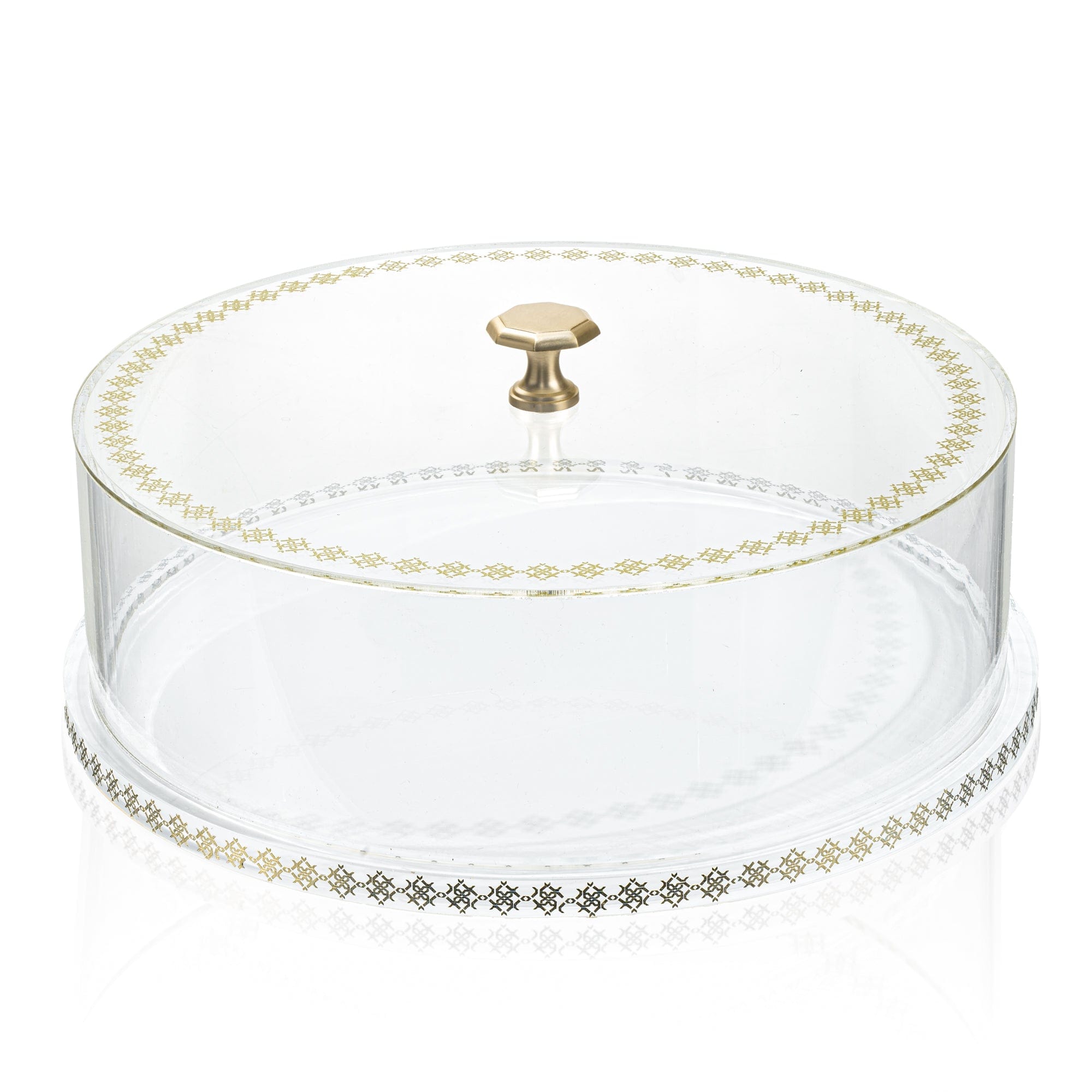
Our lucite pieces are engineered for permanence. We select premium-grade lucite (cast acrylic) that resists yellowing and maintains optical clarity indefinitely. The material itself doesn't degrade with exposure to light, temperature shifts, or humidity changes that damage other materials.
We've implemented several construction standards across our collection:
- Seamless fabrication techniques that eliminate weak points where pieces might crack or separate
- Careful edge finishing that prevents chipping even with regular handling
- Color integration that runs throughout the material, so surface scratches don't expose contrasting layers underneath
- Strategic thickness in high-stress areas to prevent flexing or stress fractures
Our tabletop pieces and serving accessories undergo thermal testing to confirm they withstand the temperature differentials they'll experience in real kitchens. A Kiddush cup transitions from a refrigerator to room temperature. A serving tray holds both hot and cold items simultaneously. These are practical realities, not edge cases.
The result is a collection that we're comfortable guaranteeing for years of regular use. We don't just hope our pieces endure; we design them to.
Comparing Waterdale Lucite to Standard Alternatives
The lucite market includes options at vastly different price points, and price doesn't always correlate with performance. Some manufacturers cut costs by using virgin lucite but applying thin wall thicknesses or poor edge finishing. Others use recycled acrylic to reduce material costs, which introduces the yellowing and brittleness problems we're trying to avoid.
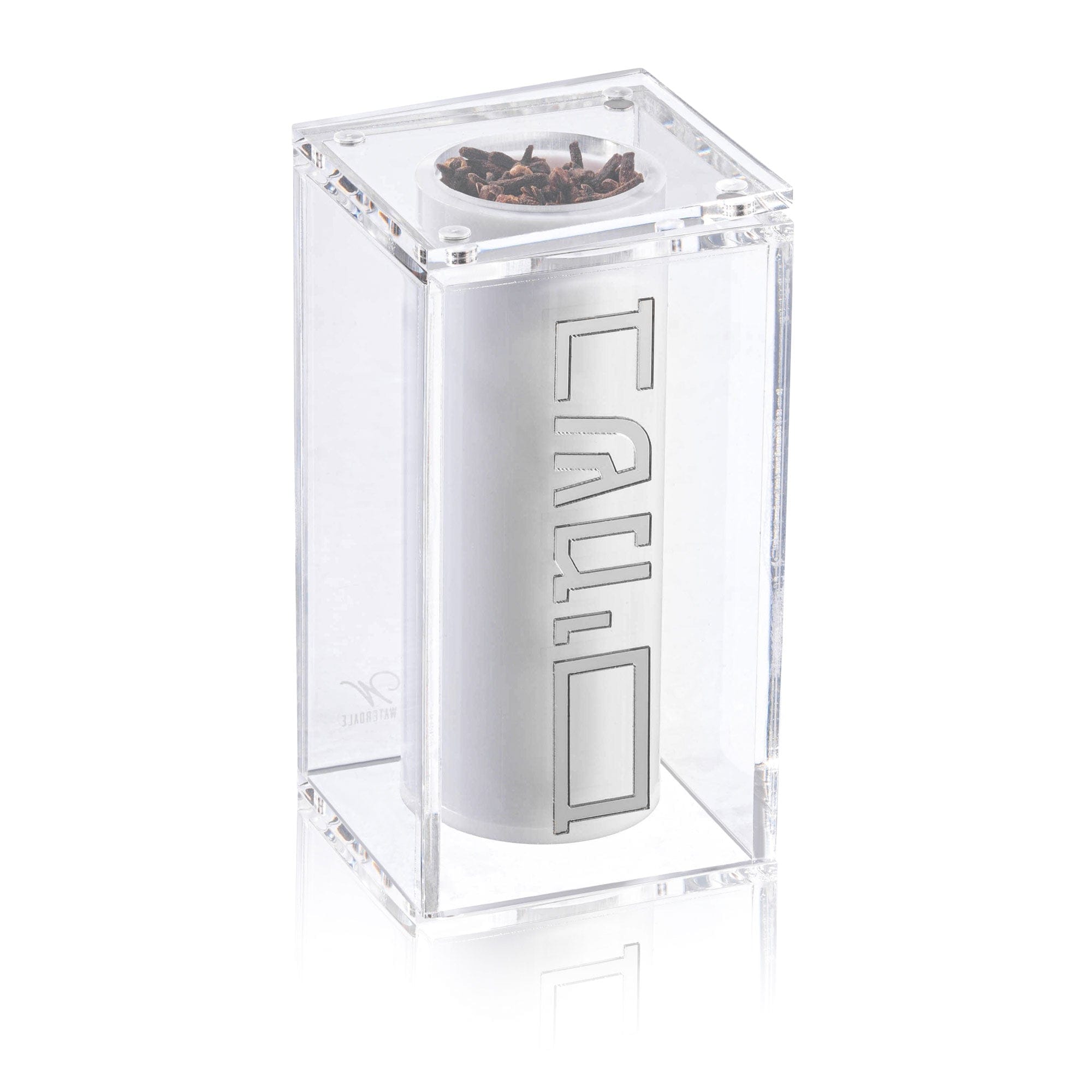
Our premium lucite judaica uses virgin cast acrylic with wall thicknesses calibrated to each piece's intended function. A small Havdalah spice box needs less material than a large serving platter, but both are over-specified rather than under-specified for durability.
Glass alternatives offer clarity but introduce fragility. A single tip and your Kiddush cup shatters. Ceramic provides warmth but cracks under thermal stress. Stainless steel lacks the aesthetic sophistication that modern Jewish design demands. Resin cast pieces often yellow and become brittle over time.
When we compare the total cost of ownership across a decade, premium lucite consistently wins. You're not replacing pieces. You're not paying for restoration. You're not managing special storage requirements or complicated cleaning procedures.
Real-World Longevity and Performance Testing
We've worked with customers to track how pieces perform across years of actual use, not laboratory conditions. A Hanukkah menorah in a busy household with young children experiences drops, temperature changes, and frequent handling. A Passover serving set is used intensively once yearly, then stored for eleven months. A Shabbat candleholder sits on a shelf but accumulates dust and occasional bumps.
The lucite judaica durability data we've collected consistently shows that pieces maintain their appearance and function after five, ten, and even fifteen years of use. Owners report no yellowing, no brittleness, no loss of color saturation. Pieces that were dropped and survived the impact show no cracks or stress marks.
We've tested pieces under conditions that exceed normal use: repeated thermal cycling between freezer and room temperature, exposure to prolonged sunlight, contact with various foods and beverages, and mechanical stress from handling. Our construction standards ensure that pieces remain safe and attractive across all of these scenarios.

One pattern we noticed: pieces with lower quality construction show signs of stress within two to three years. Cracks appear along seams. Color shifts to yellow or amber. Edges become brittle and chip easily. Then customers either accept the degraded appearance or consider replacement. Our pieces don't follow this trajectory.
Investment Value for Holiday and Everyday Use
When you purchase a Waterdale piece, you're acquiring something that becomes part of your family's routine and memory. A menorah used during Hanukkah becomes associated with specific moments. A Kiddush cup marked with your family name transforms a ritual into a personal practice. These associations deepen over time and give items meaning beyond their material value.
Quality pieces support this emotional investment. If an item deteriorates or needs replacement, you lose the continuity. You're back to square one, selecting a new piece without the history and familiarity. Items that endure become more valuable to families precisely because they carry accumulated meaning.
From a purely financial perspective, the cost-per-use calculation favors durability. A piece that costs more initially but lasts twenty years of regular use costs less per annual use than something you'll replace every five years. When you factor in the convenience of not needing to search for replacement items, the savings become even clearer.
Many customers have told us they've passed Waterdale pieces to the next generation or given them as gifts, knowing they'll be used and preserved for years. This is the opposite of the disposable mindset. It's an investment in continuity.
Caring for Your Waterdale Lucite Collection
Despite requiring no specialized maintenance, our lucite pieces do benefit from thoughtful care. The beauty of premium lucite is that care is genuinely simple, not a chore disguised as necessary routine.
Regular care involves these straightforward steps:
- Wipe pieces with a soft, lint-free cloth to remove dust and fingerprints
- For stubborn residue, use warm water and mild dish soap, then dry immediately
- Avoid abrasive scrubbers or harsh chemicals that aren't necessary for lucite
- Store items in a stable environment without extreme temperature swings (though lucite tolerates wide ranges)
Unlike silver or brass, you're never scrubbing tarnish. Unlike wood, you're not treating surfaces with oils or waxes. Unlike ceramic, you're not worried about chips exposing unglazed material. The minimal care requirement actually means pieces stay in better condition because maintaining them feels effortless.
If a piece does acquire minor scratches from normal use, they're usually imperceptible unless you're specifically looking for them. Light surface scratches don't compromise the structural integrity or appearance of high-quality lucite like they might on softer materials.
Customization Options That Enhance Long-Term Value

We offer customization services that add personal meaning to pieces without compromising durability. Engraving, color selection, and material combinations allow you to create items that reflect your family's identity and aesthetic preferences.
Customization doesn't reduce durability; it increases the emotional value that makes you want to preserve pieces. A personalized judaica gift with a family name, a significant date, or a meaningful message becomes something you're more likely to use regularly and care for intentionally.
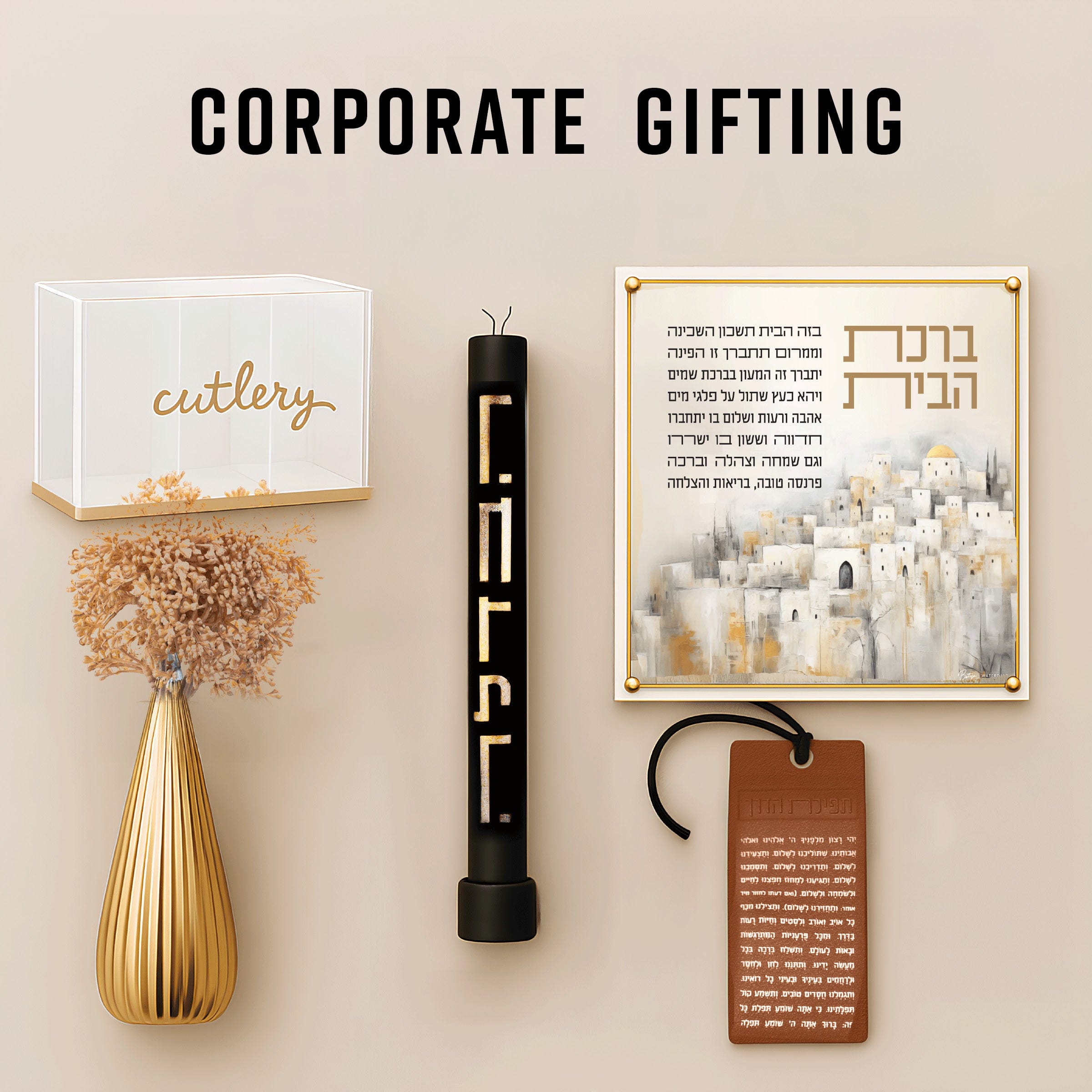
Our corporate and personal gift options let you create pieces that matter to the recipient. A customized Kiddush cup marks a significant life event. A serving set engraved with a family name becomes a heirloom piece. These aren't generic items; they're thoughtfully considered gifts that recipients treasure and preserve.
Customer Stories of Lasting Quality
We regularly hear from customers who've used our pieces for years and are amazed by how they've held up. One customer shared that her Hanukkah menorah has been used every year for twelve consecutive years, handled by children, bumped on shelves, and stored seasonally. It looks identical to the day she purchased it.
Another described receiving a personalized serving set as a wedding gift and using it regularly for Shabbat and holidays. After eight years, she was still impressed that the engraving remained sharp and the piece showed no signs of the daily use it received. She later ordered matching pieces for her children's homes.
A corporate client purchased lucite Judaica pieces to gift to business partners annually. They appreciated that the gifts maintained their appearance year after year, reflecting well on the company even as they sat on recipients' shelves or tables. Unlike items that deteriorated or became dated, these pieces aged gracefully.
These aren't outlier experiences. Across thousands of customers, durability is the most common theme in feedback. People repeatedly express surprise and appreciation that pieces they purchased years ago look as nice as when they arrived.
Making the Decision: When Quality Matters Most
The investment in premium lucite makes the most sense when you're purchasing items you'll use regularly, items you'll pass to family members, or gifts you want to feel proud about giving. If you're selecting a Hanukkah menorah for your home, you'll probably use it every year for decades. That justifies material quality that matches the frequency and longevity of use.
For corporate gifting or significant life event gifts, premium materials send a message about thoughtfulness and value. Recipients interpret quality construction as respect for them and their traditions. That perception has real impact on how they receive and preserve your gift.
If you're building a collection of Judaica and home decor for your Jewish home, starting with durable pieces means you're not constantly replacing items. You're investing in a cohesive collection that grows over time rather than cycling through temporary purchases.
Start by identifying which items you use most frequently or which pieces will hold the most meaning for your family. Those are the strongest candidates for investment-grade quality. As you build your collection with Waterdale pieces, you're choosing items that will be part of your home and family for years to come.
Shop Now