


















The Challenge of Displaying Meaningful Jewish Documents
Your ketubah, wedding contract, or other significant Jewish documents represent more than legal papers. They're visual records of important life moments and spiritual commitments. Yet displaying them presents a real dilemma: you want them visible and honored, not tucked away in a drawer, but most traditional framing options feel dated or don't match contemporary home aesthetics.
Standard glass frames can feel heavy and dated. Shadow boxes often take up significant wall space. Document cases meant for office settings lack warmth. Many families find themselves compromising between protecting these documents and integrating them into their living spaces in a way that feels intentional and modern.
The right display method transforms a document from something you keep into something you live with daily. This matters because these pieces deserve to be seen, appreciated, and celebrated as part of your home's visual narrative.
Why Modern Display Solutions Matter for Your Home
Today's Jewish households blend tradition with contemporary design. Your home likely reflects this balance: modern furniture, clean lines, functional beauty. Your ketubah or ritual documents should complement that aesthetic, not clash with it.
Modern display solutions serve several practical purposes beyond aesthetics. They protect documents from dust, direct sunlight, and handling while keeping them accessible for family conversations and storytelling. They also allow flexibility. Unlike permanent wall installations, many contemporary options can be moved, rotated seasonally, or repositioned as your home evolves.
There's also a cultural element. Displaying your documents prominently signals that these traditions matter in your household. Children see it. Guests notice it. It becomes a natural conversation starter about your family's values. This visibility reinforces what these documents represent without requiring explanation.
Floating Frame Presentation for Contemporary Spaces
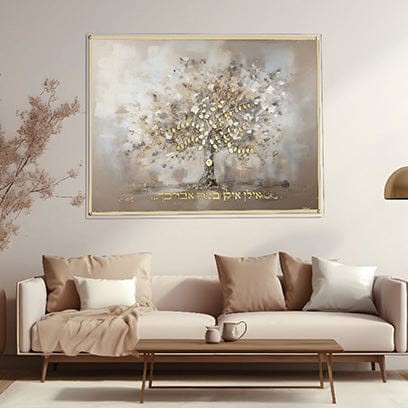
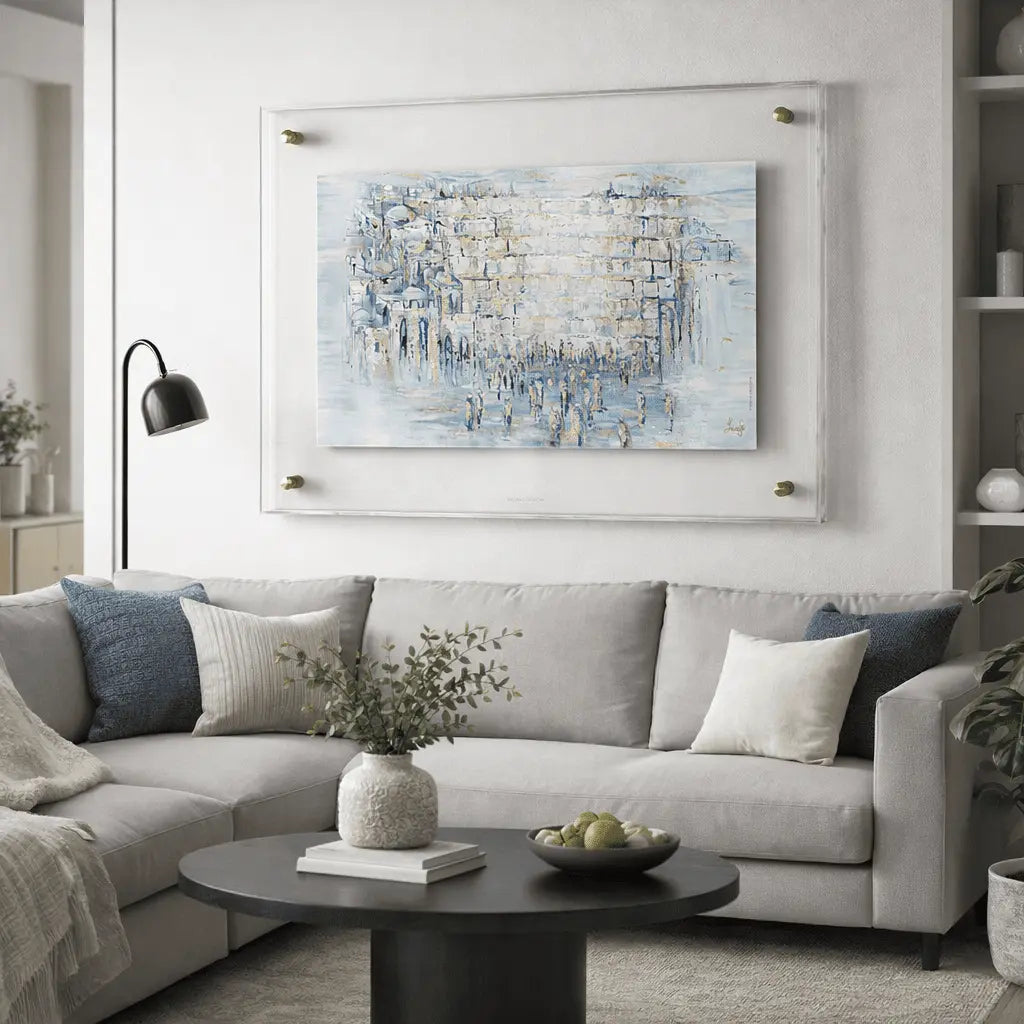
Floating frames create the illusion that your document hovers within glass or acrylic, suspended between two panes. This design works exceptionally well for ketubahs and marriage documents because it draws focus entirely to the text and artwork without heavy framing elements.
The clean lines complement minimalist and modern interiors. The floating effect adds visual interest without bulk. Installation is straightforward with standard wall anchors, and many floating frames come with UV-protective glass to prevent fading of ink and decorative elements.
Best for: Homes with contemporary decor, wall space above a console table or mantel, documents with decorative calligraphy you want fully visible. This option works beautifully when paired with complementary artwork for a cohesive gallery wall.
Acrylic Shadow Box with Elegant Backing

Shadow boxes differ from standard frames because they have depth, allowing you to layer documents with backing materials that add dimension and color. You might display a ketubah with a silk or linen background, creating a three-dimensional presentation rather than a flat image.
The backing color you select becomes part of the design. A deep navy, jewel tone, or natural linen creates mood and sophistication. This approach allows you to preserve documents in acid-free archival quality while presenting them as finished art pieces.
Best for: Formal living rooms, bedrooms, or gallery walls where depth and color coordination matter. Documents with historical significance or those gifted as heirlooms. Pairs well with other Judaica to create a curated personal collection look.
Wall-Mounted Lucite Display Cases
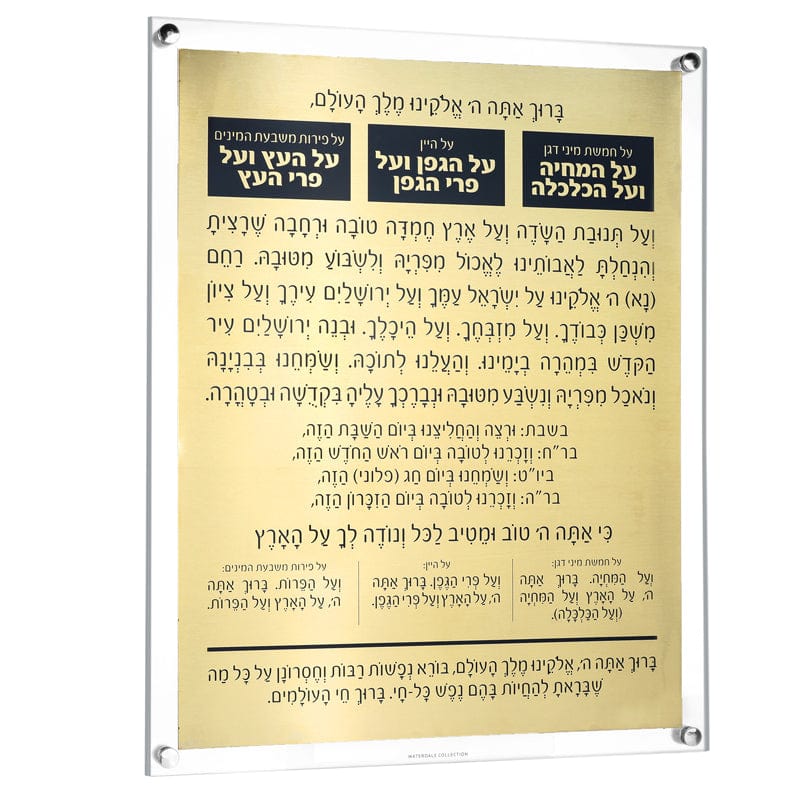
Clear lucite cases mounted directly to walls offer protection while maintaining complete visibility. Unlike framed options, lucite cases are open on one side, which means documents remain tactile and accessible if you need to view them closely or show them to family members.
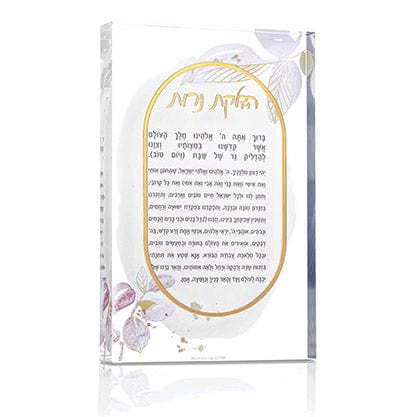
We design our lucite display solutions with premium clarity and structural integrity. The material age beautifully without yellowing, and it's lighter than glass, making installation simpler. You can arrange multiple cases vertically or horizontally to display related documents together, like a marriage contract alongside birth certificates or certificates of Jewish heritage.
Best for: Multi-document displays, homes where you want to periodically access or show documents, modern minimalist spaces. Lucite works particularly well because it doesn't create visual weight the way traditional framing does.
Tabletop Lucite Stands for Flexible Placement
Not every document belongs on a wall. Tabletop lucite stands hold ketubahs and ritual documents upright on dressers, nightstands, bookshelves, or console tables. This approach gives you flexibility to change displays seasonally or move pieces as your decor evolves.
Tabletop stands also work beautifully for documents you want to feature prominently but not permanently. During holiday seasons, you might display a Passover-related document. Before a family celebration, a wedding ketubah becomes a natural focal point in an entryway or living room.
The lucite material maintains the same contemporary aesthetic as wall-mounted options while adding portability. You can easily clean around them during home maintenance and adjust placement based on lighting and daily preferences.
Best for: Rotating displays, homes without large wall space, creating focal points on furniture surfaces, seasonal arrangements. Ideal for celebrating multiple documents throughout the year.
Multi-Document Gallery Wall Arrangements
Gallery walls featuring several related documents create a curated personal history. You might display your ketubah as the centerpiece with birth certificates, marriage licenses, or meaningful religious documents surrounding it.

This approach works because it tells a visual story. Family members understand the connections between documents. The overall composition feels intentional rather than random. Mixed frame styles, sizes, and materials create visual rhythm without clashing when thoughtfully arranged.
When planning a gallery wall, start by laying all pieces on the floor first. Take photos from above to test different arrangements before making any holes. Leave roughly 2-3 inches between frames for breathing room. The irregularity in positioning makes contemporary gallery walls feel collected and authentic rather than formal or sterile.
Rotating Display Systems for Seasonal Changes
Some families maintain documents that hold meaning during specific times of year. A ketubah might always be visible, but a Passover haggadah cover, Sukkot blessing document, or High Holiday prayer sheet deserves its moment of prominence too.
Rotating display systems use wall-mounted or freestanding structures that allow you to swap documents seasonally. Some are as simple as adjustable ledges. Others feature rotating frames designed specifically for this purpose. The practical benefit is significant: you're celebrating different aspects of your Jewish calendar throughout the year while protecting each document from constant light exposure.
This system also accommodates growing collections. As your family creates new documents, marries, or celebrates milestones, you have space to add them into rotation rather than feeling you must choose permanent displays.
Our Waterdale Collection Premium Display Solutions
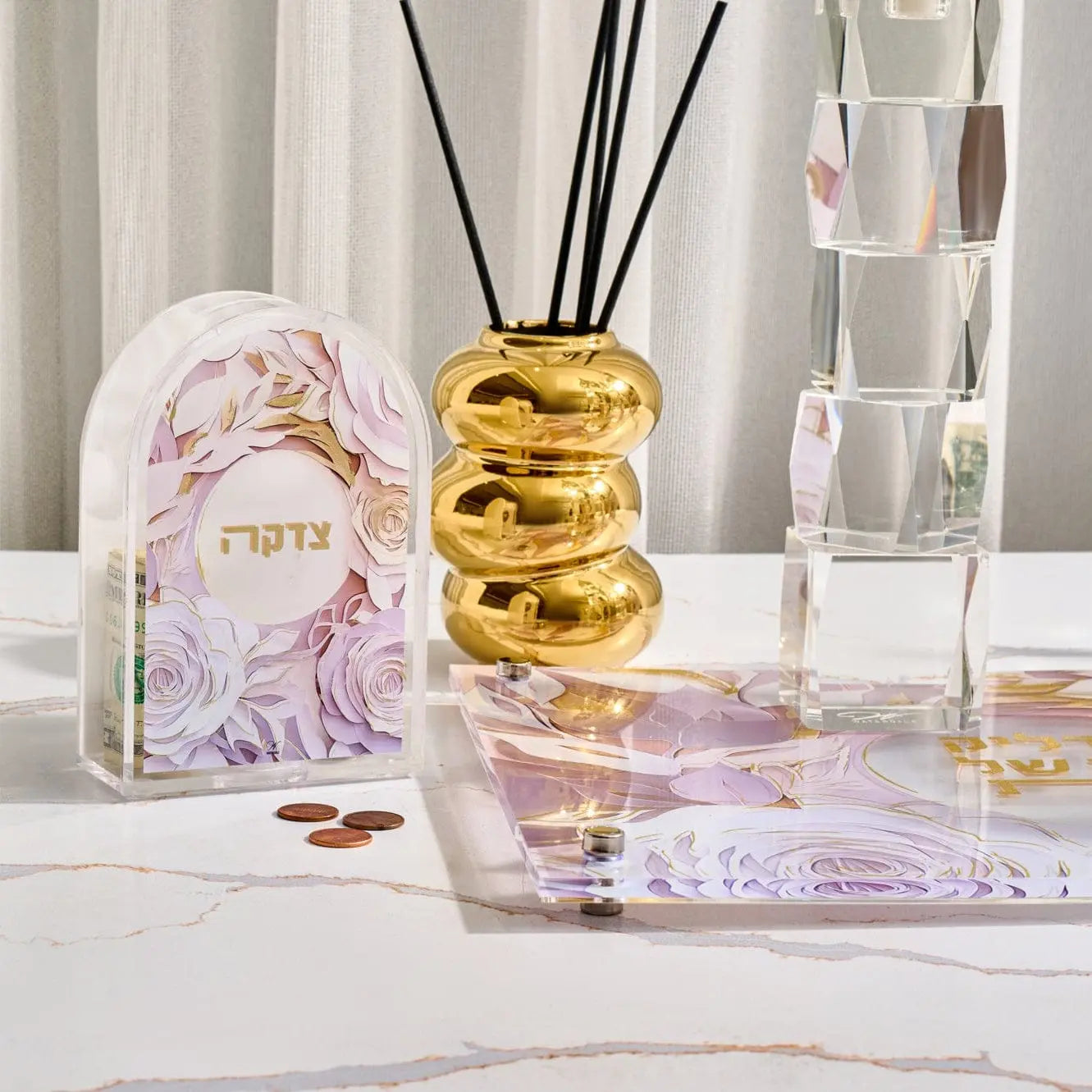
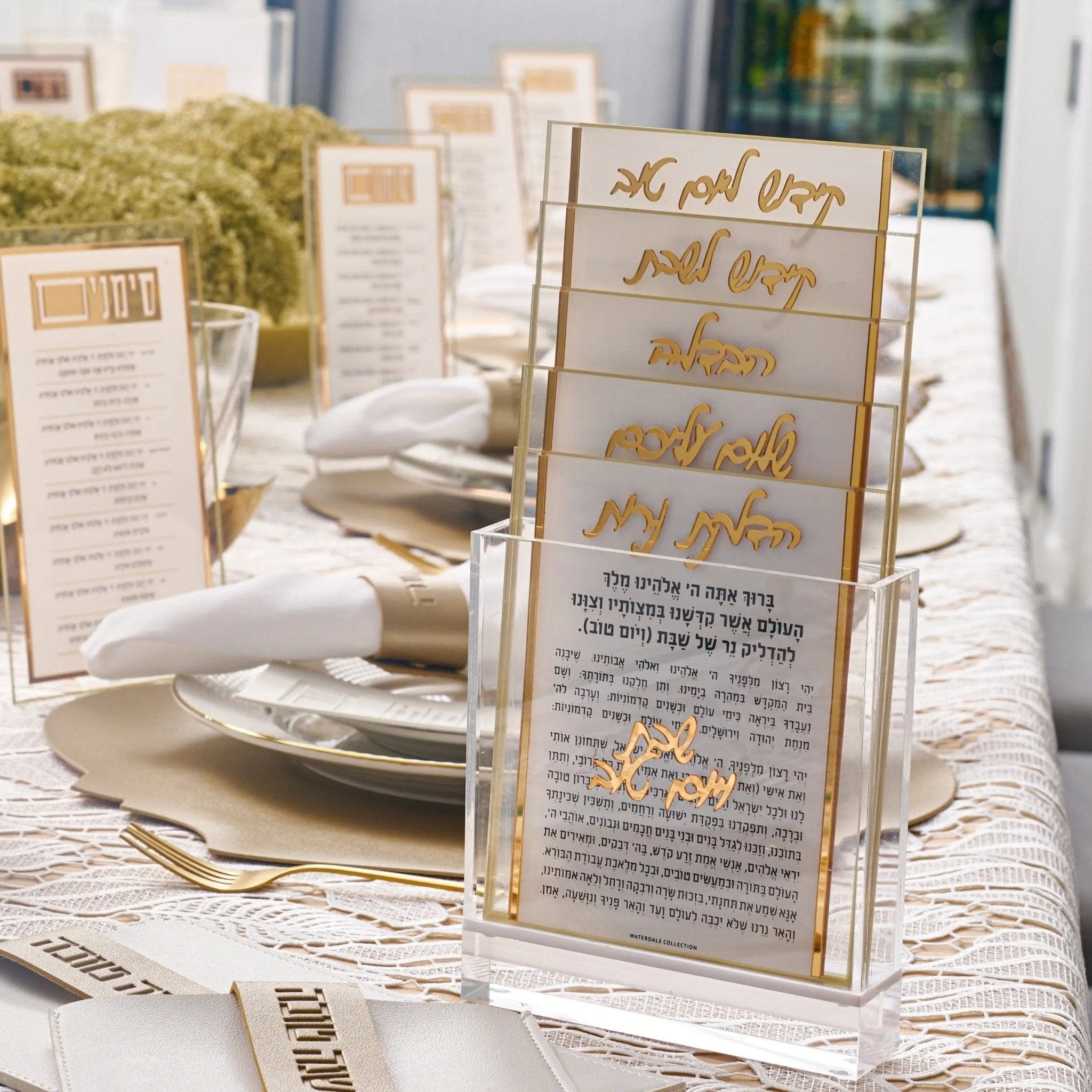
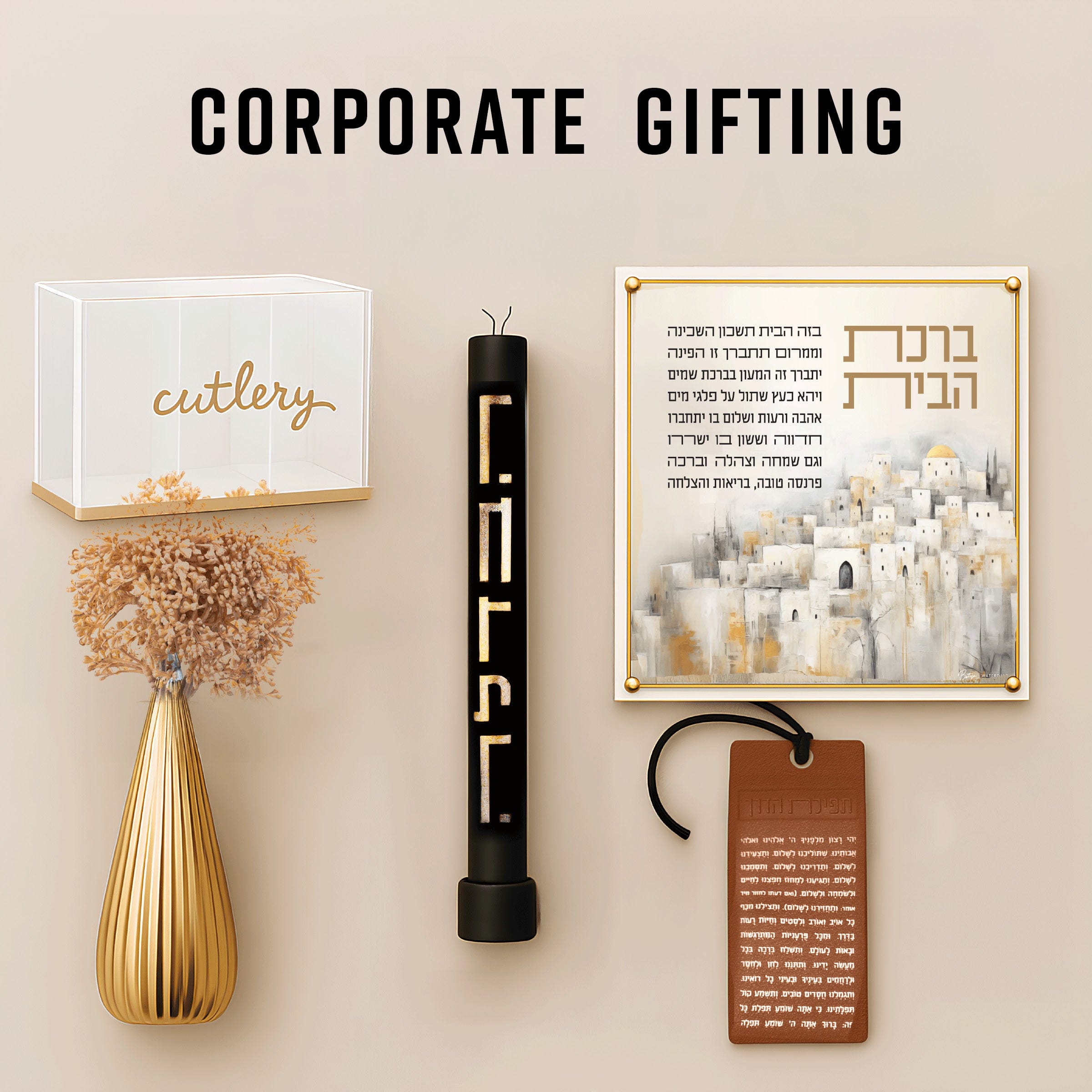
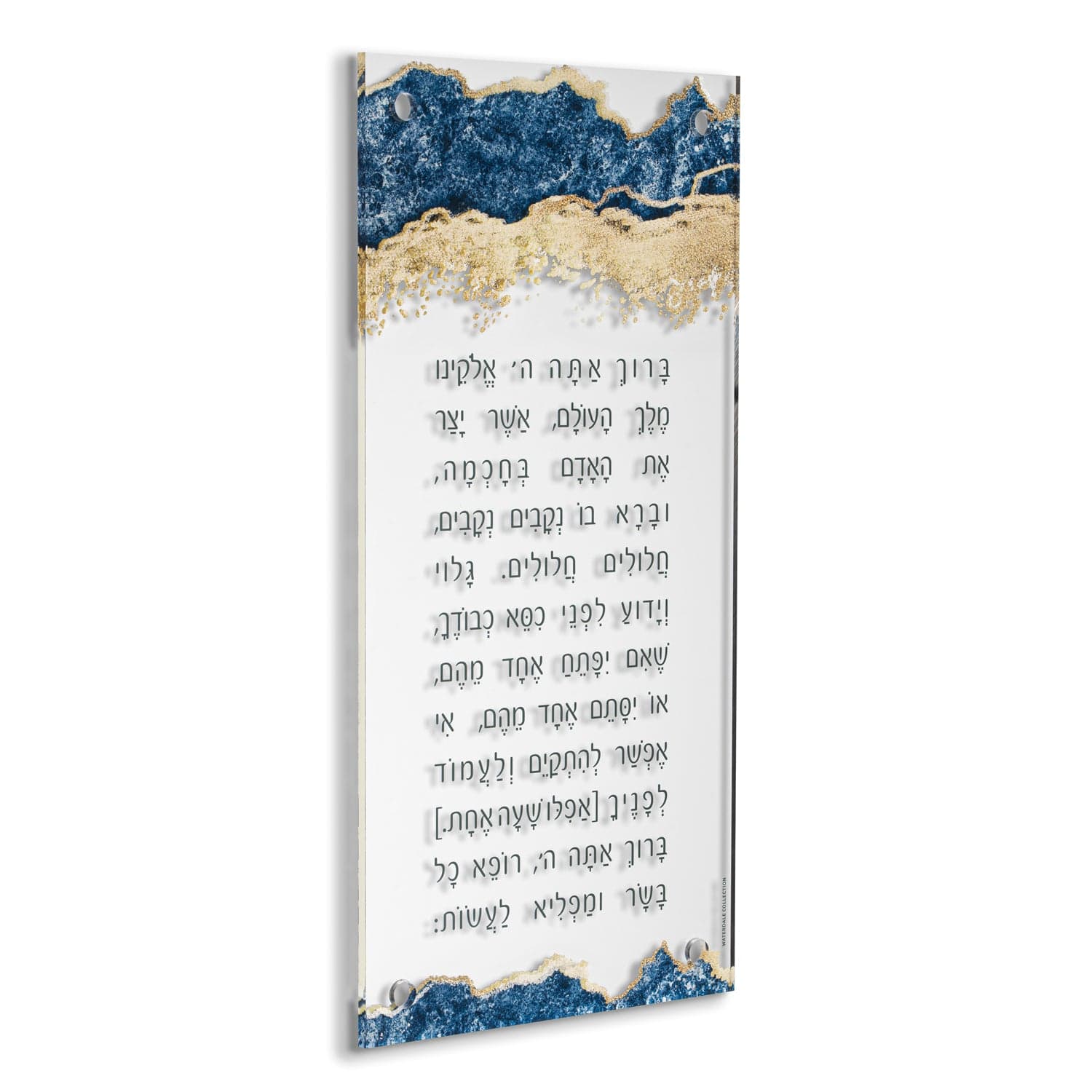
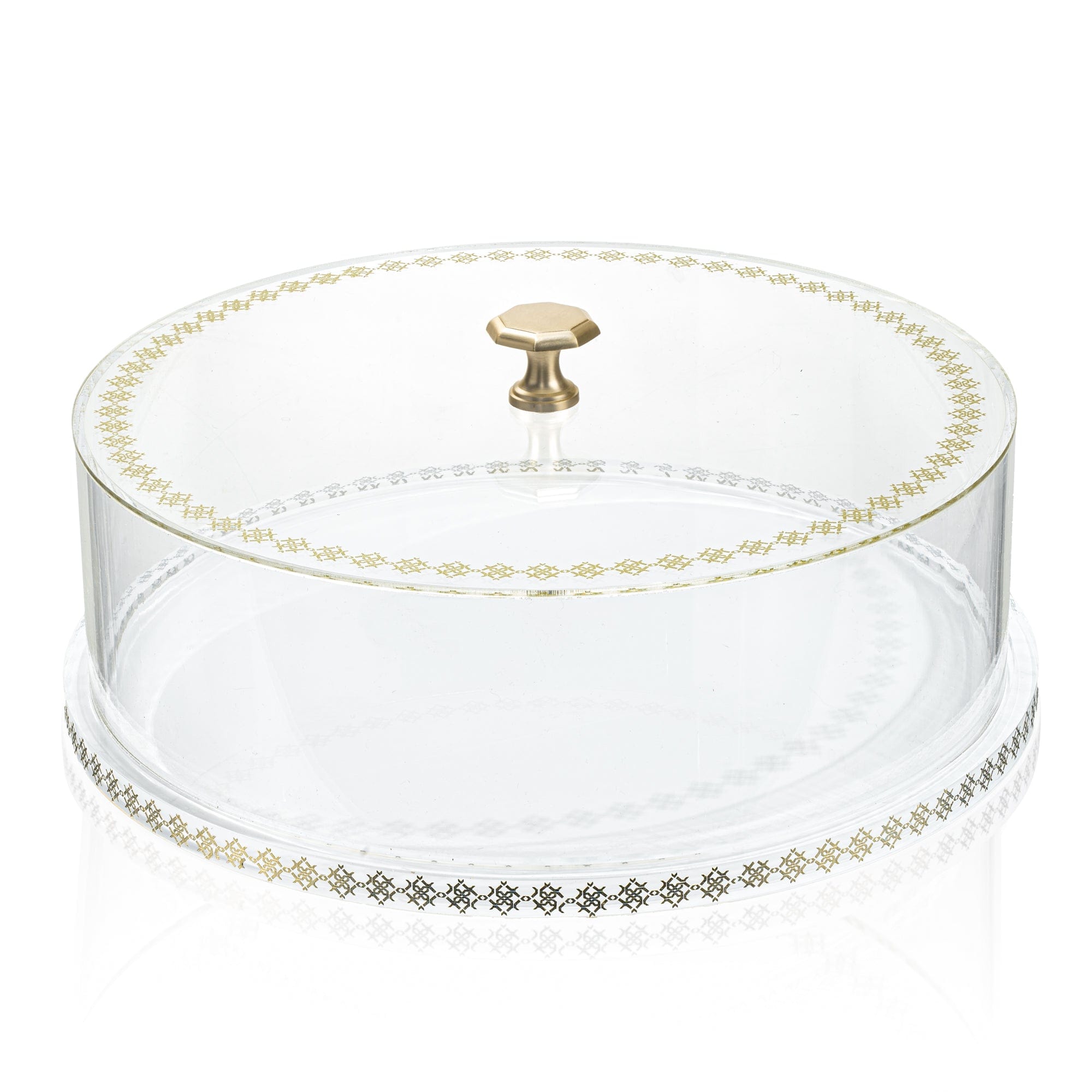
We create lucite and leather display solutions specifically designed for Judaica and meaningful documents. Our pieces are made from premium lucite that maintains optical clarity and structural integrity over decades. Unlike mass-produced frames, each solution is crafted with attention to how light interacts with your documents and how they'll integrate into your home's aesthetic.
Our Classic Lucite Print wall art and Butterfly Lucite Print options showcase the versatility of our material. These aren't just holders. They're architectural elements that elevate how your documents are presented.
We also understand that one size doesn't fit all. Our customization options allow you to select dimensions, backing colors, and mounting styles that suit your specific space and aesthetic preferences. Whether you're displaying a single ketubah or building a multi-piece gallery wall, we can accommodate your vision.
Comparing Display Methods: Features and Benefits
Here's how these options stack up across key considerations:
Protection: Floating frames and wall-mounted lucite cases offer UV protection and dust prevention. Tabletop stands provide less environmental protection but offer flexibility. Gallery walls vary based on frame quality you select.
Aesthetic impact: Floating frames feel contemporary and minimal. Shadow boxes add color and dimension. Lucite solutions maintain clarity while feeling modern. Tabletop stands work well for curated but casual arrangements.

Accessibility: Tabletop stands and rotating systems keep documents easy to view and handle. Wall-mounted options are permanent but fully visible. Gallery walls require initial planning but accommodate mixed approaches.
Cost: Tabletop lucite stands are most economical. Floating frames and single shadow boxes offer mid-range pricing. Gallery walls and multi-piece installations require larger investment but serve multiple documents.
Flexibility: Tabletop stands and rotating systems rank highest. Floating frames allow repositioning if you change wall decor. Wall-mounted cases and gallery walls are more permanent.
Selecting the Perfect Display Option for Your Space
Start by assessing what you want to display. Is it a single significant document like a ketubah, or do you want to feature multiple pieces? This alone determines whether you're thinking tabletop, single wall-mounted case, or gallery wall arrangement.
Next, evaluate your home's existing aesthetic. Modern minimalist spaces shine with lucite floating frames or single wall-mounted cases. Eclectic or layered interiors work well with gallery walls featuring mixed presentations. Bedrooms and personal spaces suit tabletop options that create intimate focal points.
Consider lighting in your chosen location. Direct sunlight fades documents over time, so avoid south-facing walls unless you use UV-protective framing. Indirect or evening lighting in dining rooms, entryways, or bedside positioning works beautifully with any display method.
Finally, think about functionality. Will you need to access or show this document regularly? Tabletop stands and open lucite cases serve this purpose. Do you want to rotate pieces seasonally? Choose solutions with flexibility built in. Will this display remain permanent? Wall-mounted options that you won't mind committing to work best.
Why Waterdale Collection Offers the Definitive Solution
Modern ketubah and document display requires balancing protection, aesthetics, and functionality. Our Waterdale Collection premium lucite solutions deliver all three simultaneously.
We've moved beyond thinking of document display as framing. We design architectural presentations that make your meaningful documents central to your home's visual identity. Our lucite materials provide museum-quality clarity and UV protection without the weight or dated feeling of traditional glass. Our customization ensures your display complements your aesthetic, not detracts from it.
More importantly, we understand the context behind these documents. A ketubah isn't just calligraphy to protect. It's a symbol of commitment and family history that deserves presentation matching its significance. Our solutions recognize this distinction and treat your documents accordingly.
Whether you're displaying a single ketubah or curating a gallery of meaningful documents, we offer the clarity, durability, and design sophistication that transforms how these pieces integrate into your life. Start exploring our options today and discover how the right display elevates not just your documents, but how your family experiences and celebrates them every day.
Shop Now