


















1. Understanding Lucite: Why We Choose Clarity and Durability
When you're shopping for modern Judaica, the material choice matters as much as the design. We've spent years working with collectors and families who want ritual items and home decor that feel contemporary without sacrificing meaning or quality. The two materials that dominate the premium segment are lucite and organic metal, and understanding their differences will help you make a choice aligned with your values and home aesthetic.
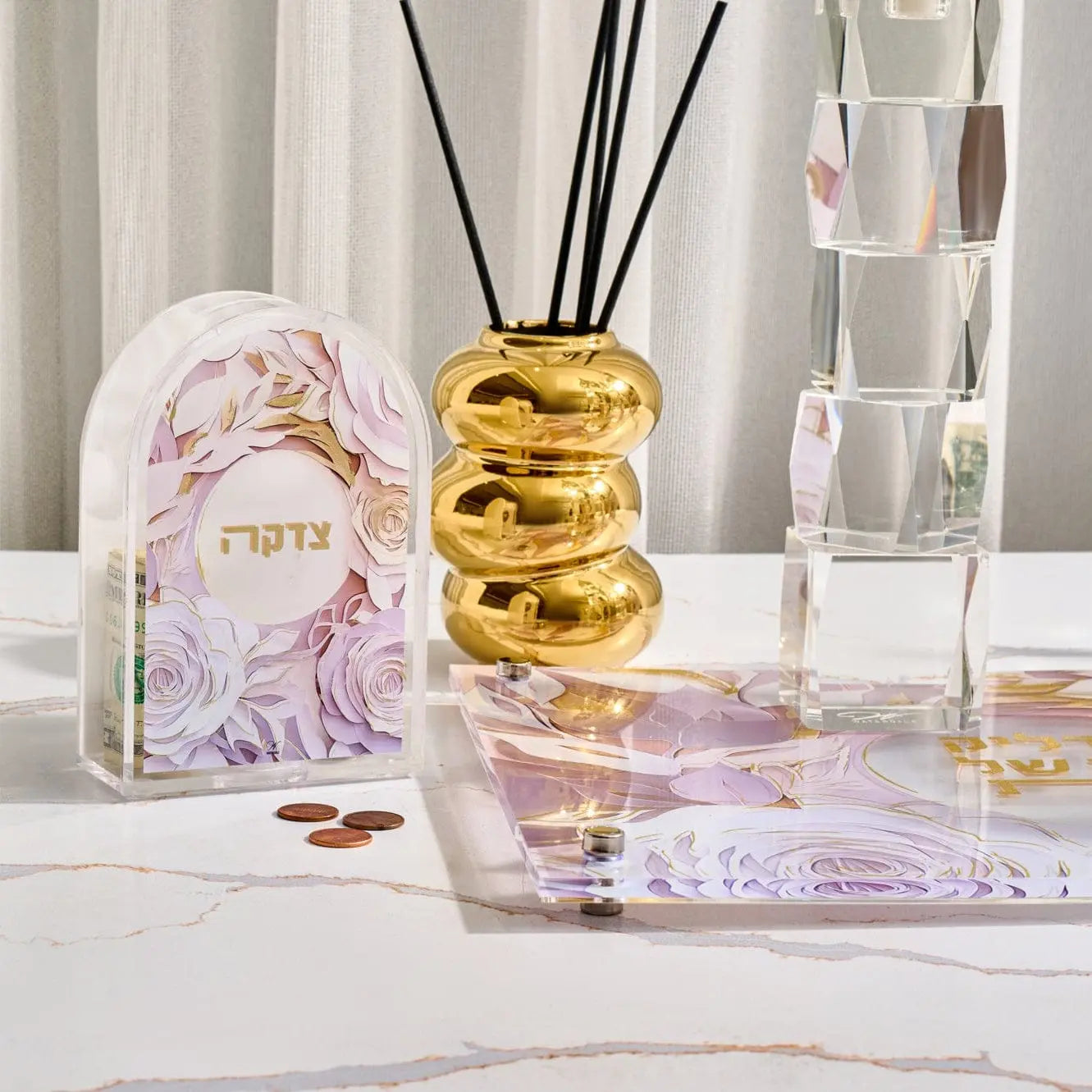
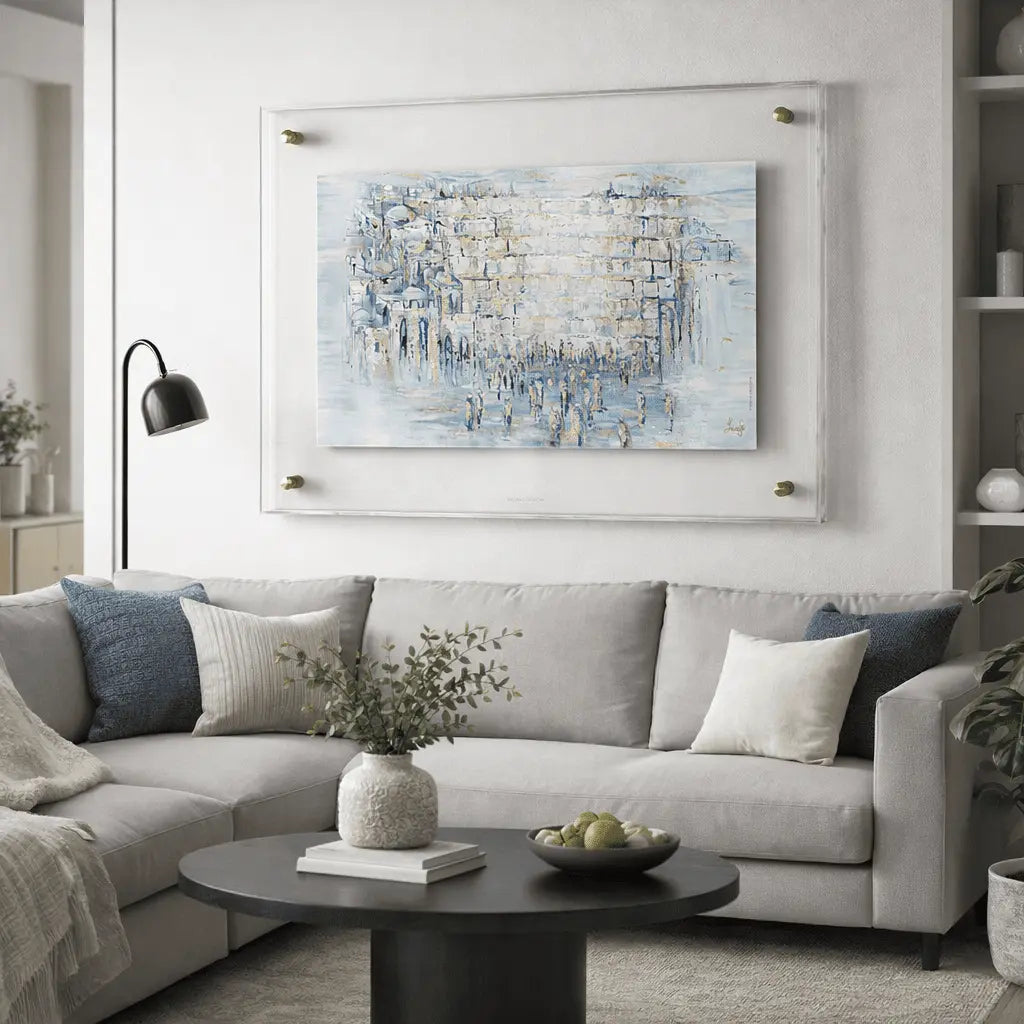
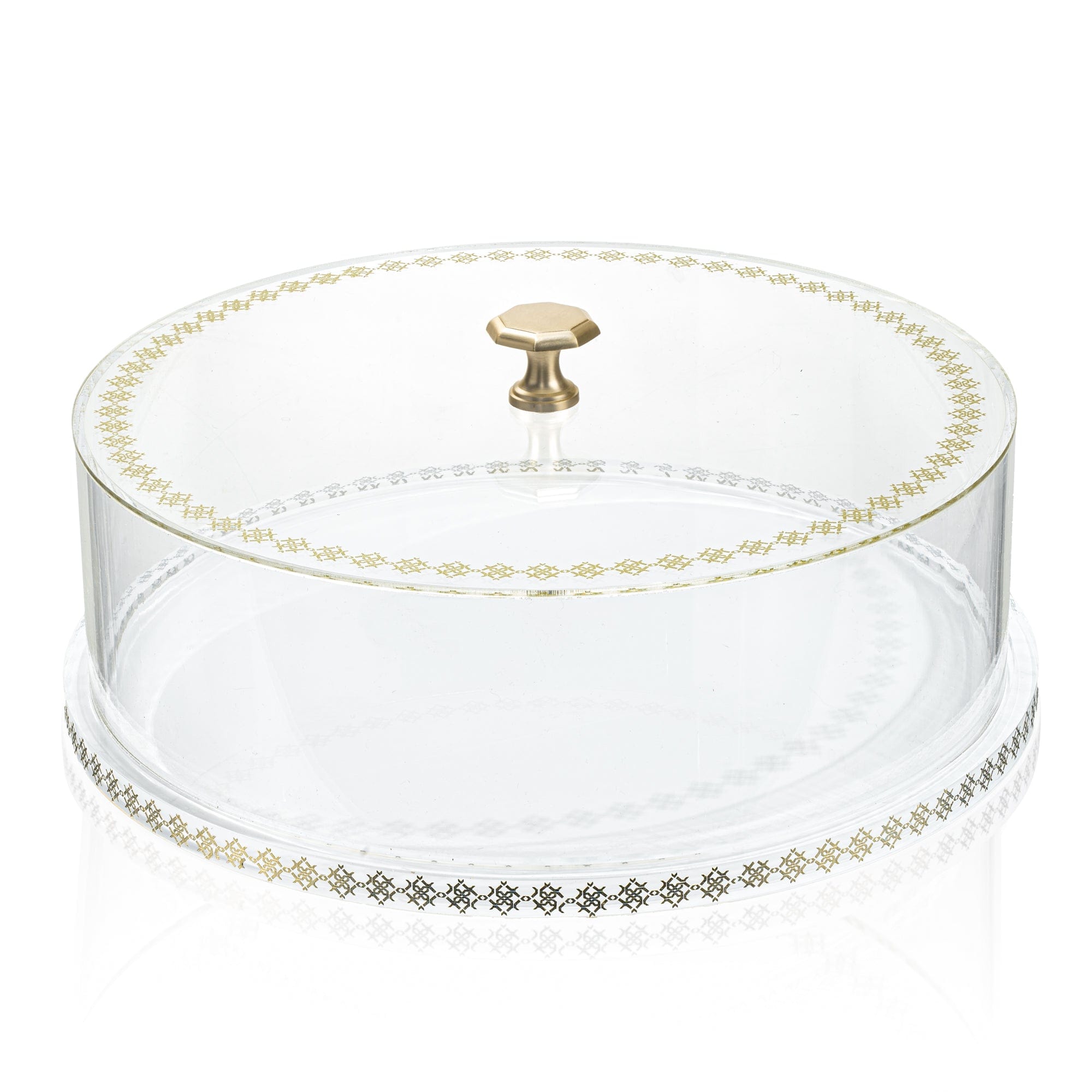
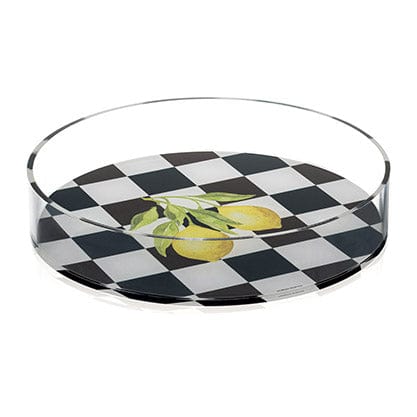
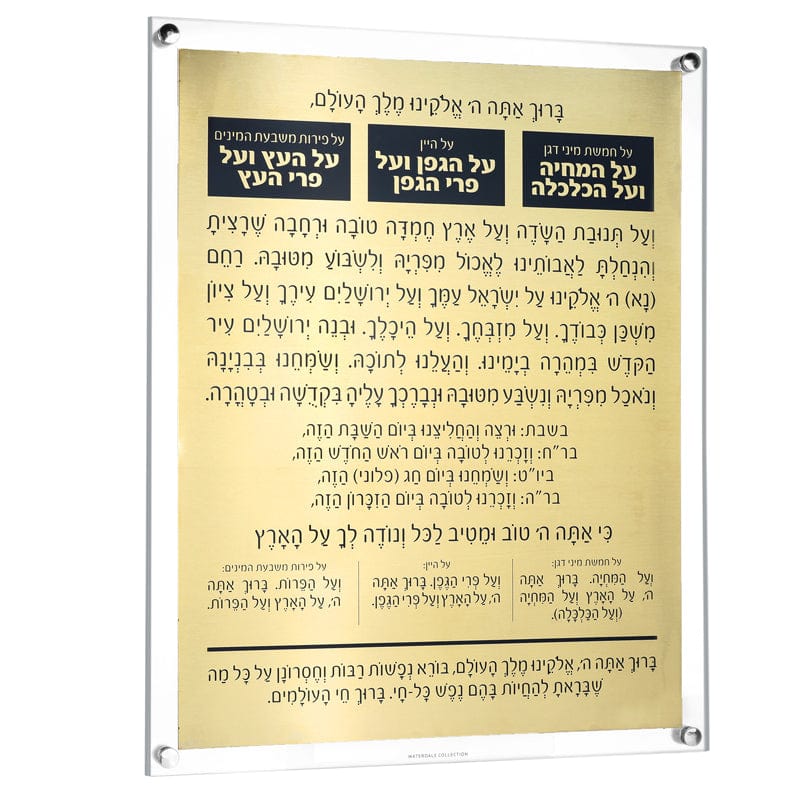
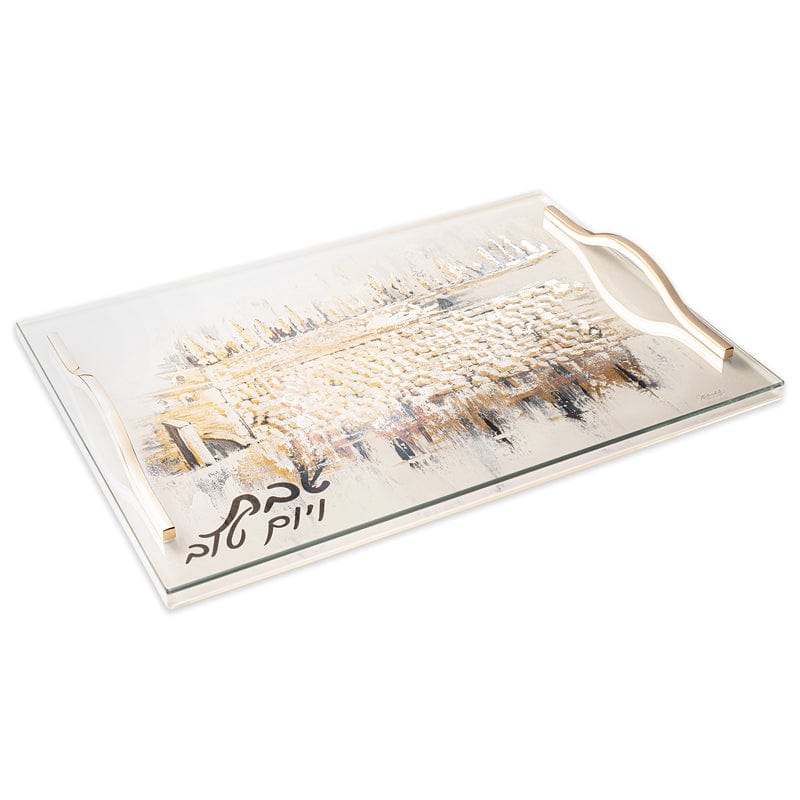
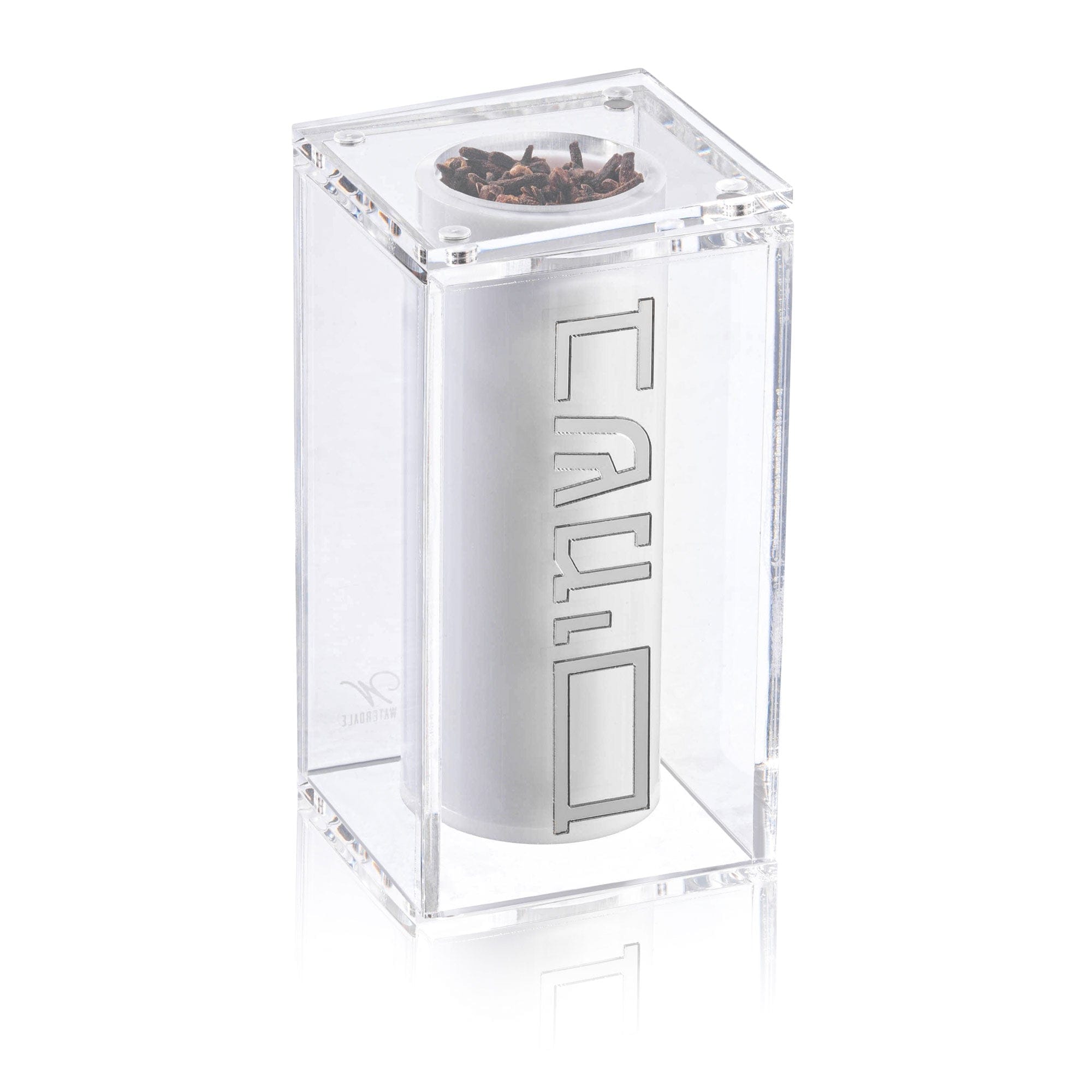
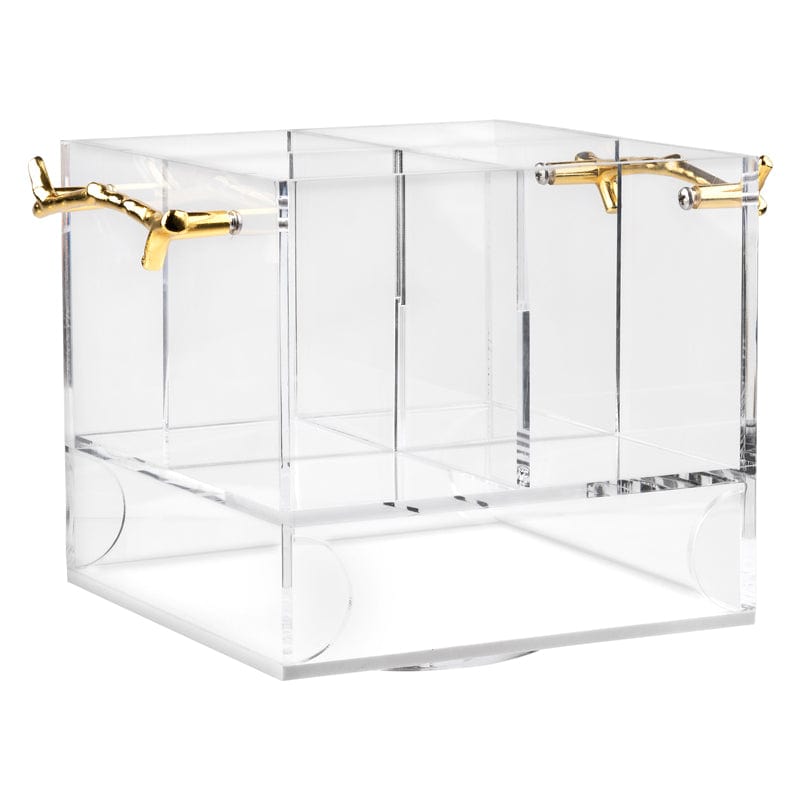
Lucite is a transparent or translucent acrylic material that has become our material of choice for contemporary Judaica. What makes it compelling is its optical clarity combined with structural strength. Unlike glass, lucite won't shatter if dropped, making it practical for functional items like ritual cups, Seder plates, and holiday serving pieces.
The clarity of lucite allows light to pass through the material in ways that create visual depth. A lucite Kiddush cup catches the light differently than metal alternatives, and when you pair it with gold or silver accents, the effect feels both modern and ceremonial. We use premium-grade lucite that resists yellowing over time, so pieces maintain their optical properties for decades.
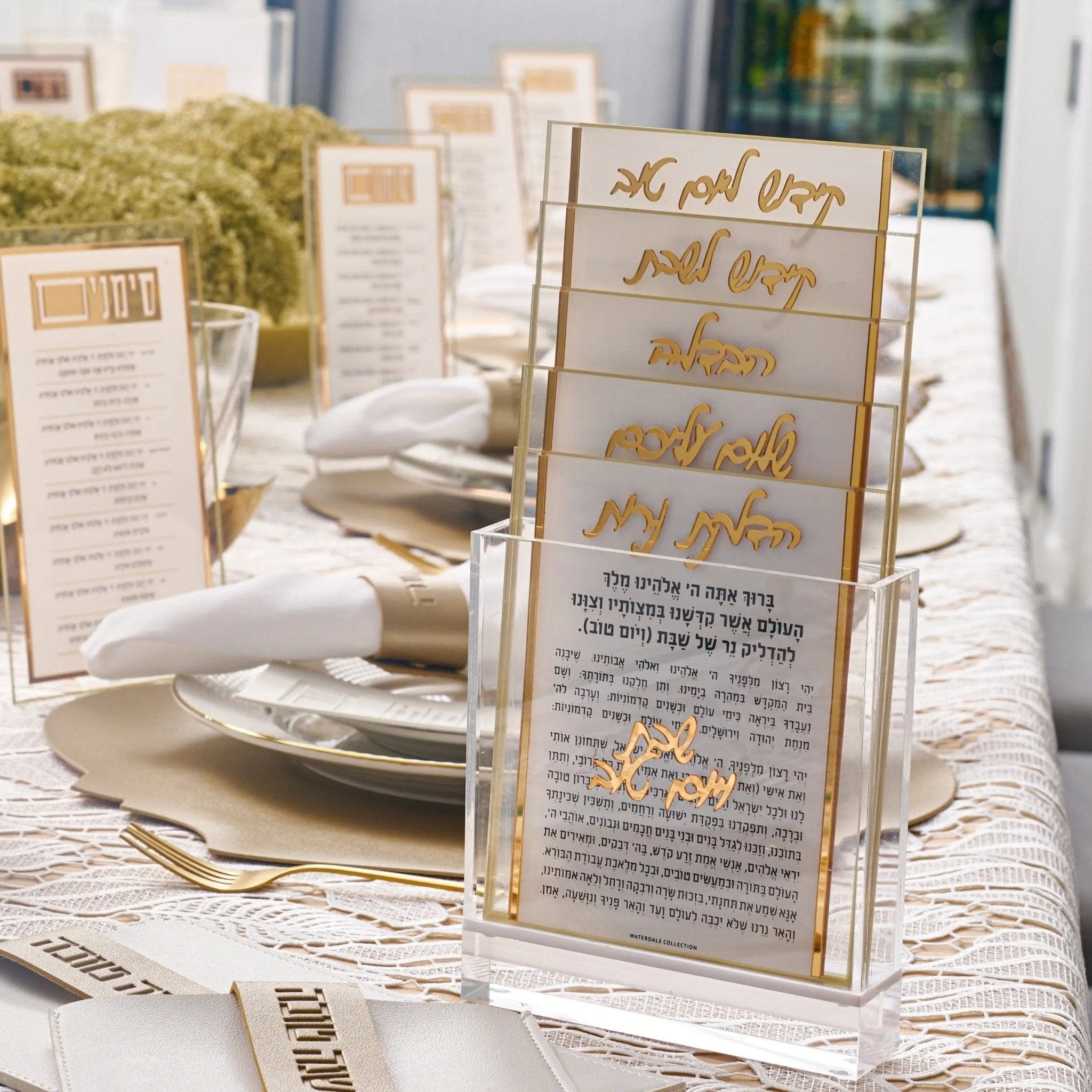
What sets lucite apart in the functional Judaica space is its versatility in production. Artisans can embed objects, create layered designs, and integrate metallic elements seamlessly. This opens possibilities for meaningful customization that metal simply can't match.
What to do next: If you value transparency in your ritual items and want pieces that feel sculptural rather than purely traditional, lucite aligns with that preference.
2. The Appeal of Organic Metal: Traditional Beauty With Modern Limitations
Organic metal, typically sterling silver or brass with patina finishes, carries undeniable aesthetic weight. It connects to centuries of Jewish craftsmanship and feels substantial in hand. The warmth of aged metal resonates with people seeking pieces that honor tradition visually.
The limitations become apparent with regular use. Organic metal requires consistent polishing to maintain its finish, and daily exposure to moisture and food residue accelerates tarnishing. Sterling silver can develop pitting over time, particularly if stored improperly. Brass develops patina intentionally in some designs, but this happens unevenly and requires strategic maintenance to preserve the intended look.
Metal also limits customization options. Adding meaningful elements, text, or layered designs requires engraving, which is often shallow and prone to wear. For families wanting to create truly personalized pieces that will be passed down, metal's production constraints become a real drawback. The cost of metal craftsmanship is also substantially higher, partly due to the material value itself.
What to do next: Choose metal if you want a traditionally familiar aesthetic and are prepared for ongoing maintenance as part of stewardship.

3. Durability and Longevity: Which Material Stands the Test of Time
This is where lucite demonstrates clear advantages for everyday use. Lucite resists chipping, cracking, and moisture damage. It won't corrode, tarnish, or develop patinas that require intervention. A lucite Havdalah set used weekly for 20 years will look essentially identical to day one.
Metal pieces in active use develop visible wear patterns. Handles tarnish, edges dull, and patinas develop unevenly. Some people appreciate this aging process as evidence of use and meaning. Others find it requires constant attention. The question isn't which ages better, but which aging matches your values.
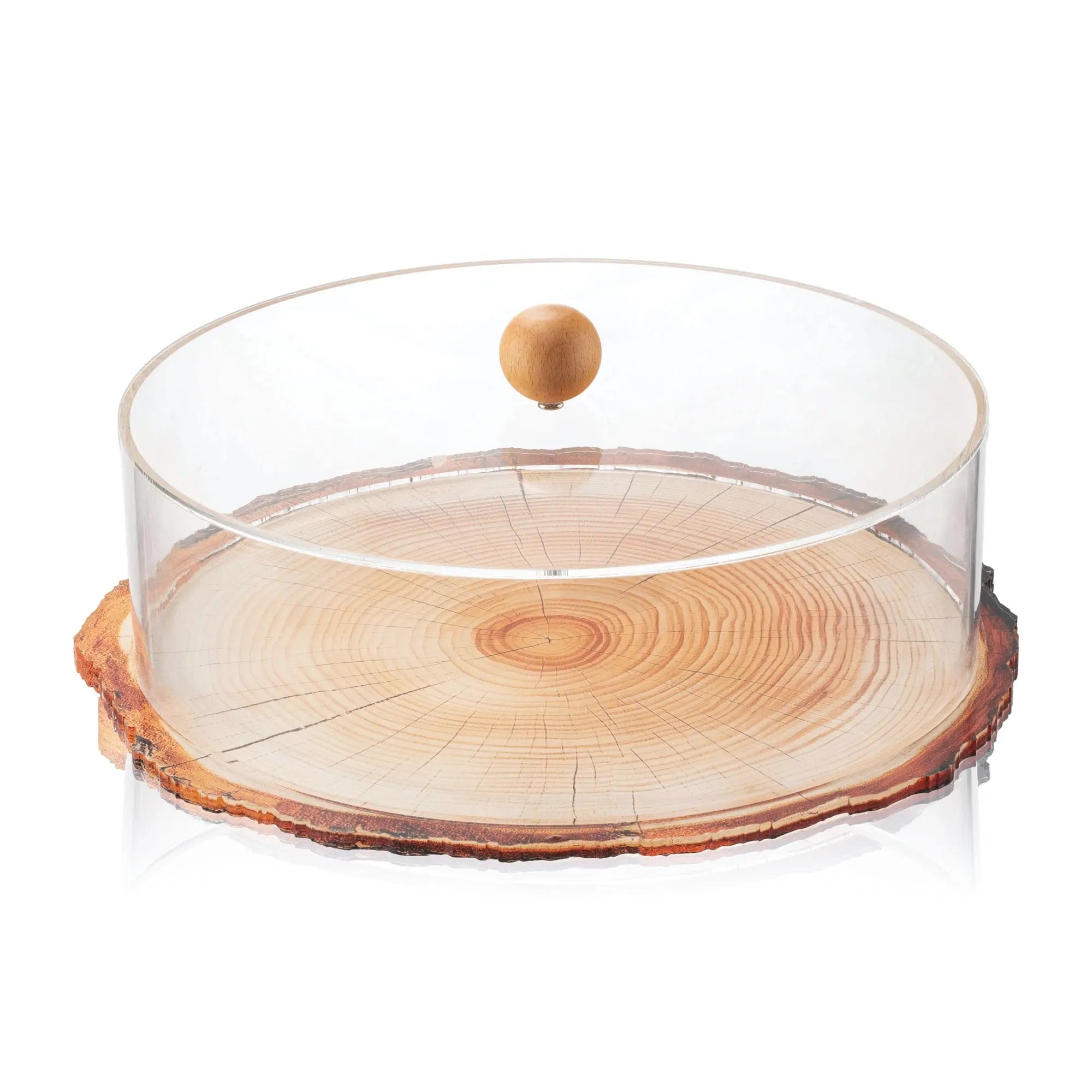
For pieces that serve functional purposes, lucite wins on practicality. Holiday serving dishes, Seder plate components, and ritual cups made from lucite can move from table to sink to cabinet without concern about damage. Metal alternatives benefit from careful hand washing and immediate drying.
Temperature fluctuation matters too. Metal expands and contracts with heat changes; lucite remains stable. This makes lucite superior for pieces exposed to sunlight near windows or moved between different rooms seasonally.
What to do next: Assess how you actually use your Judaica. High-frequency functional pieces should be lucite; decorative accent pieces can be either depending on your maintenance tolerance.
4. Aesthetic Versatility: How Lucite Adapts to Any Home Style
Lucite's transparency makes it a chameleon in interior design. A clear lucite piece works equally well in minimalist modern spaces, traditional homes, and eclectic bohemian settings. The design becomes the focus rather than the material asserting its own presence.
We've seen lucite Judaica integrate seamlessly into Scandinavian-inspired homes, mid-century modern apartments, and contemporary luxury spaces. You can layer lucite with various metals (gold, silver, brass, rose gold) depending on your existing decor. The same design works across completely different aesthetic vocabularies.
Metal pieces, by contrast, make a statement. Sterling silver reads formal and traditional; brass feels warm and vintage. These qualities are beautiful, but they narrow the homes where the piece feels at ease. A heavily patinated brass Shabbat candlestick might clash with minimalist decor, whereas a clear lucite version with brass accents complements it perfectly.
Our lucite holiday Judaica trends show consistent year-over-year interest because lucite adapts to evolving home styles without feeling dated. You can refresh your home's aesthetic without replacing meaningful ritual items.

What to do next: Consider your home's design direction for the next five to ten years. Choose materials that will complement your space as it evolves.
5. Customization Possibilities: Creating Personalized Judaica That Reflects Your Values
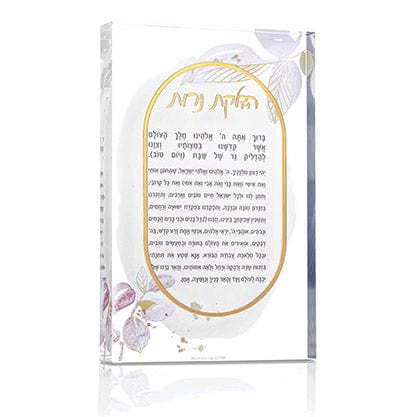
This is where lucite truly separates itself from metal options. The material allows for genuine personalization that goes beyond surface-level engraving. You can embed dates, create layered designs with meaningful colors, and integrate elements that tell your family's story.
Custom lucite pieces can include:
- Family names embedded within layered designs
- Dates of meaningful events (wedding, birth, bar/bat mitzvah) integrated into the structure
- Color combinations reflecting personal significance
- Photographic elements or meaningful symbols incorporated into the piece
- Multi-functional designs where different layers serve different purposes
Metal customization is primarily engraving, which provides text but limited creative expression. For families creating personalized Bar Mitzvah gifts or marking significant life transitions, lucite offers the depth of personalization that truly honors those moments.
We work with clients to create custom Judaica art that becomes a heirloom rather than simply a ritual object. The personalization options with lucite make this genuinely feasible.
What to do next: If you're commissioning a piece to mark a specific occasion or family milestone, choose lucite to maximize meaningful customization options.
6. Care and Maintenance: Practical Tips for Preserving Your Investment
Lucite requires minimal maintenance, which is part of its appeal. Clean with warm water and mild soap, then dry with a soft cloth. Avoid harsh chemicals, abrasive scrubbers, and extreme temperatures. Store away from direct sunlight over extended periods to prevent any potential discoloration, though premium lucite resists this effectively.
For lucite pieces with metal accents, dry immediately after washing to prevent water spots on the metal components. That's genuinely the only special consideration.

Metal requires more intentional stewardship. Sterling silver needs regular polishing using proper silver polish and soft cloths. Brass develops patina naturally, which some prefer to maintain and others polish away. Both metals benefit from climate-controlled storage away from humidity. Some collectors use anti-tarnish strips or store pieces in protective bags.
The maintenance difference isn't insignificant. Metal pieces demand quarterly or bi-annual attention; lucite pieces need only routine washing. For busy households or collectors with numerous pieces, this practical difference accumulates.
What to do next: Be honest about your maintenance habits. If you rarely polish silver, lucite eliminates this friction without sacrificing beauty.
7. Cost Considerations: Getting Premium Quality Without Overspending
Metal pieces typically cost 30-50% more than comparable lucite items due to material and production costs. A premium lucite Kiddush cup might cost $80-150; a sterling silver equivalent runs $150-300+. Over time, you're also investing in maintenance products and potentially professional restoration.
Premium lucite represents genuine value. The material quality matches the price point. You're not buying a lower-tier material; you're buying a smarter material choice that serves your needs better. The cost savings reinvest into pieces that are more functional, more customizable, and more versatile within your home.
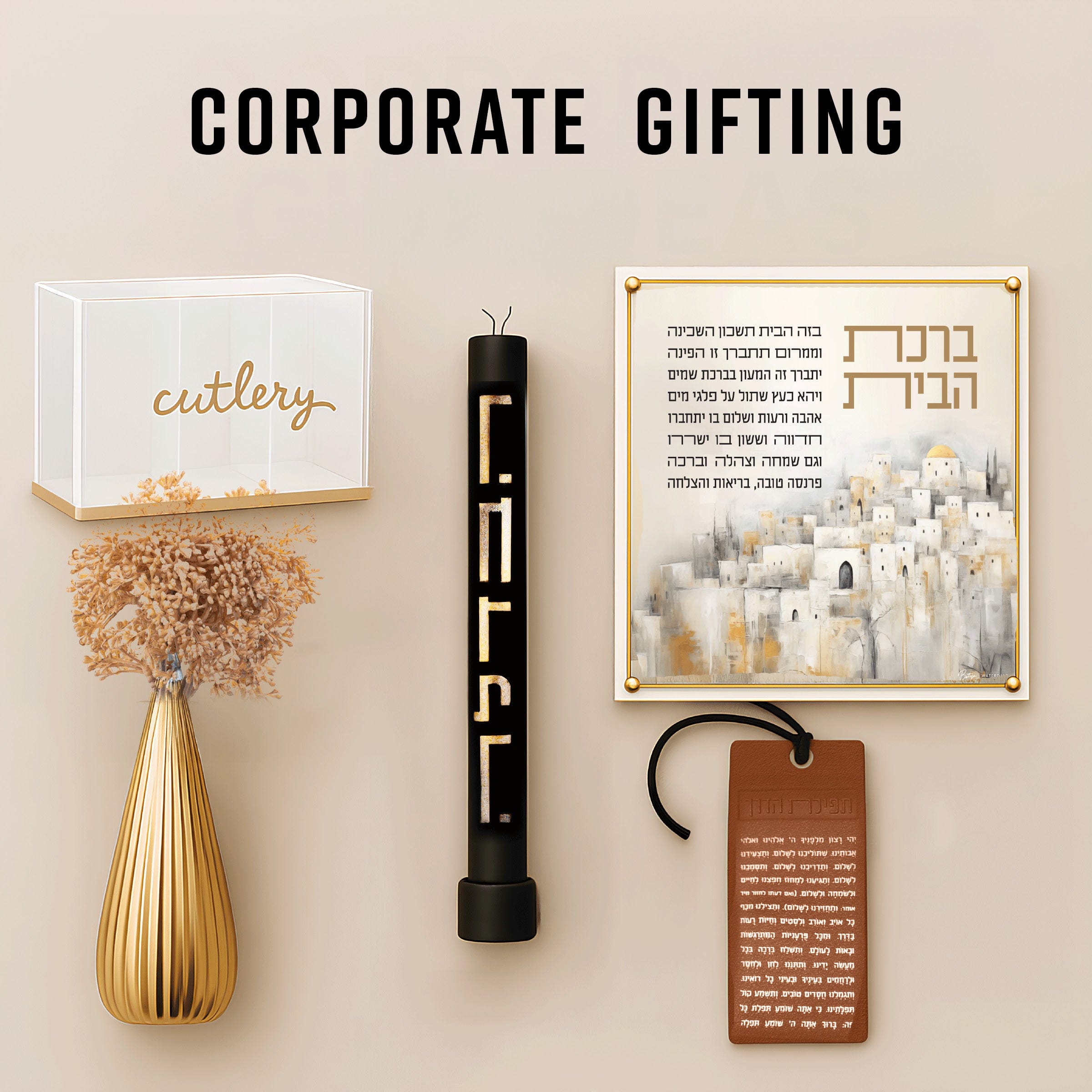
For corporate gifts or larger quantities, lucite economics become even more compelling. You can offer personalized, premium-quality pieces at price points metal simply can't match. This makes lucite the practical choice for organizations wanting to honor communities or celebrate milestones meaningfully.
We've found that customers choosing lucite often invest those savings into additional pieces. Instead of one metal item, they curate a complete Judaica collection that covers multiple holidays and functional needs. This creates richer ritual experiences throughout the year.
What to do next: Calculate the total cost of ownership including maintenance. Add up the lucite alternative, the metal alternative, and polishing supplies over five years. Lucite typically emerges as the stronger financial choice.
---
The lucite versus organic metal decision ultimately reflects how you want to live with your Judaica. We've built our collection around lucite because we believe it better serves modern Jewish life: practical for daily use, adaptable to any home, capable of genuine personalization, and requiring only basic care. When you choose lucite from Waterdale Collection, you're choosing pieces that support meaningful ritual without demanding maintenance compromises or limiting your home's design evolution. These materials honor tradition while embracing the reality of contemporary living.
Shop Now