


















The Shabbat Table Setting Challenge: Modern vs Traditional
Setting a Shabbat table is both ritual and art. Whether you light candles each week or host the occasional holiday meal, the choices you make around your table shape the experience for everyone gathered there. Many in our community face a genuine tension: honoring tradition while wanting a table that reflects contemporary life and personal taste. We've built our entire collection around this exact challenge, and we've learned that modern and meaningful aren't mutually exclusive.
The question isn't really about choosing sides. It's about understanding what each approach offers and what matters most to you.
Traditional Shabbat tables typically feature specific ritual items passed down through generations: silver candlesticks, ornate goblets, woven challah covers, and embroidered linens. These pieces carry history and connect us to our ancestors. The formality and deliberate aesthetics create a sense of ceremony that many find deeply grounding.
Modern approaches introduce clean lines, minimalist design, and contemporary materials. Rather than abandoning ritual, they reimagine how ritual items can look and function in today's homes. A sleek lucite wine cup performs the same spiritual function as its silver predecessor while fitting seamlessly into a kitchen that doesn't feel frozen in the past.
Many people discover they don't have to choose one way entirely. The real challenge emerges when you want both: the meaningfulness of tradition plus a table setting that belongs in your actual home. That's where thoughtful curation makes the difference. Rather than feeling stuck between grandmother's ornate silver and stark minimalism, you can blend approaches. A contemporary table with selective heirloom pieces, or traditional observance framed by modern materials that feel right to you.
Your next step: inventory what you currently have on your Shabbat table. Notice what you love using and what feels obligatory. That awareness guides everything that follows.
Aesthetic Appeal and Design Flexibility
How your Shabbat table looks affects how you feel sitting at it. This matters more than it might initially seem.
Modern design offers genuine flexibility because it doesn't demand matching patterns or ornate coordination. A contemporary table setting can be clean and open, allowing the food, the people, and the moment to take center stage rather than competing with visual busyness. This creates breathing room, literally and aesthetically.
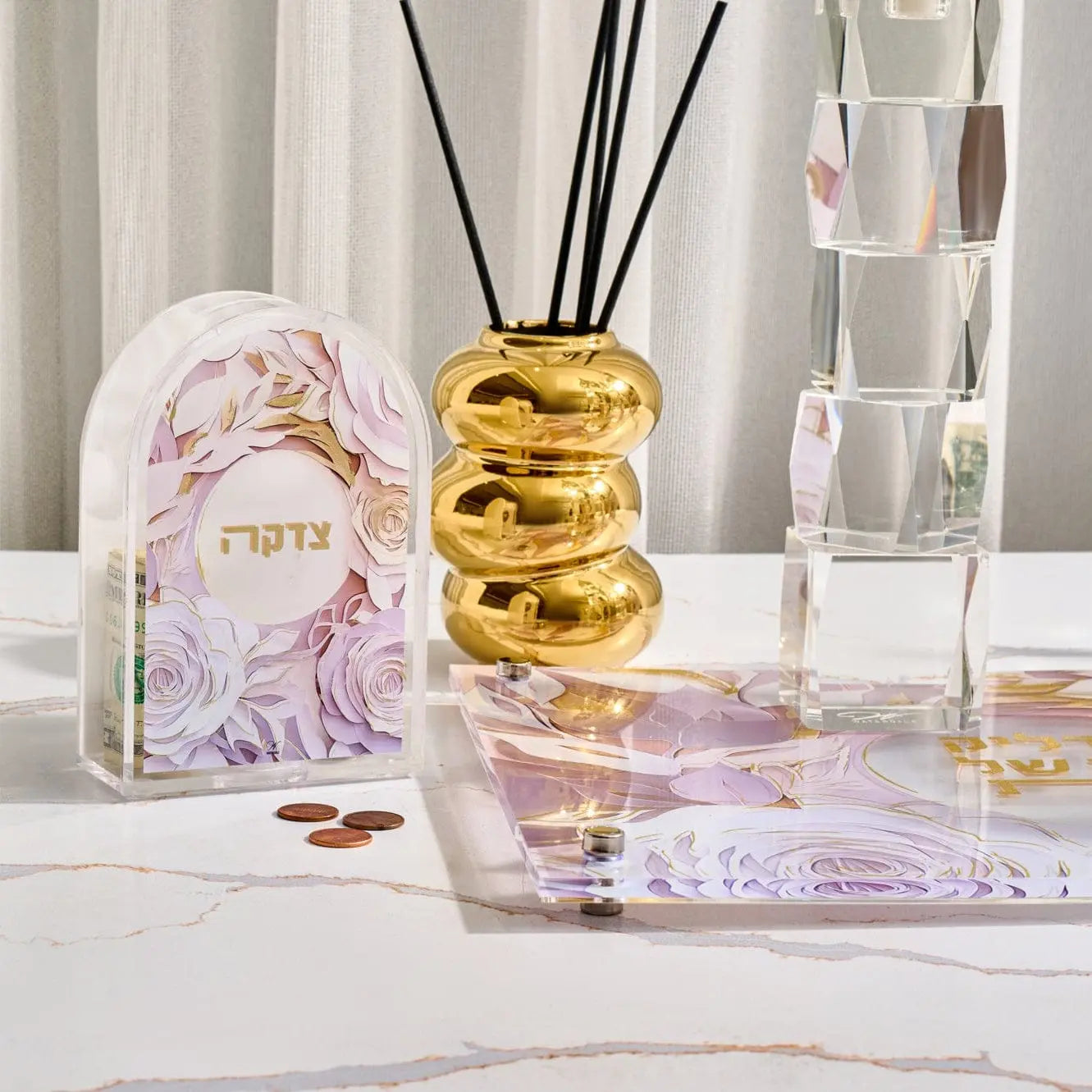
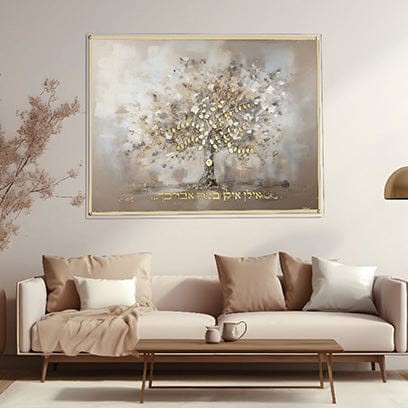
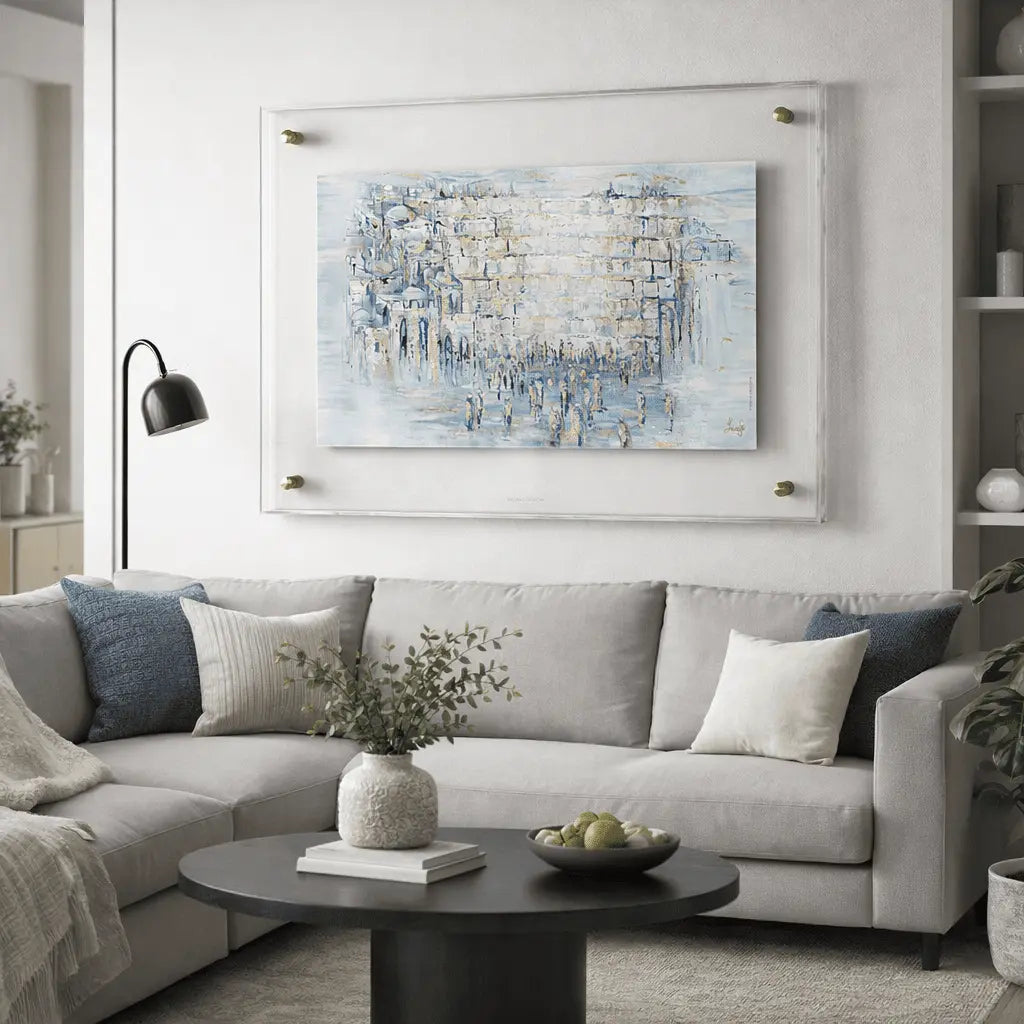
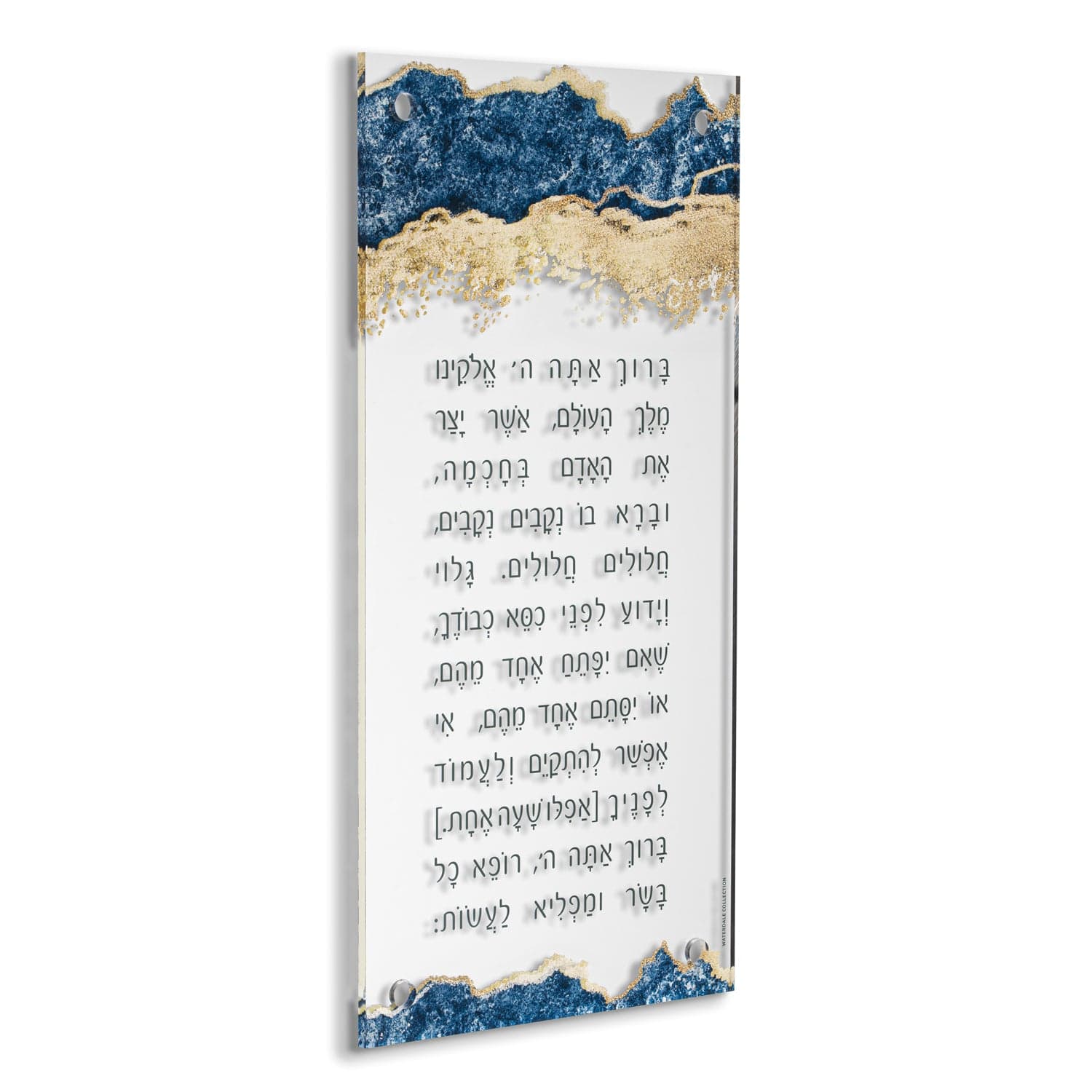
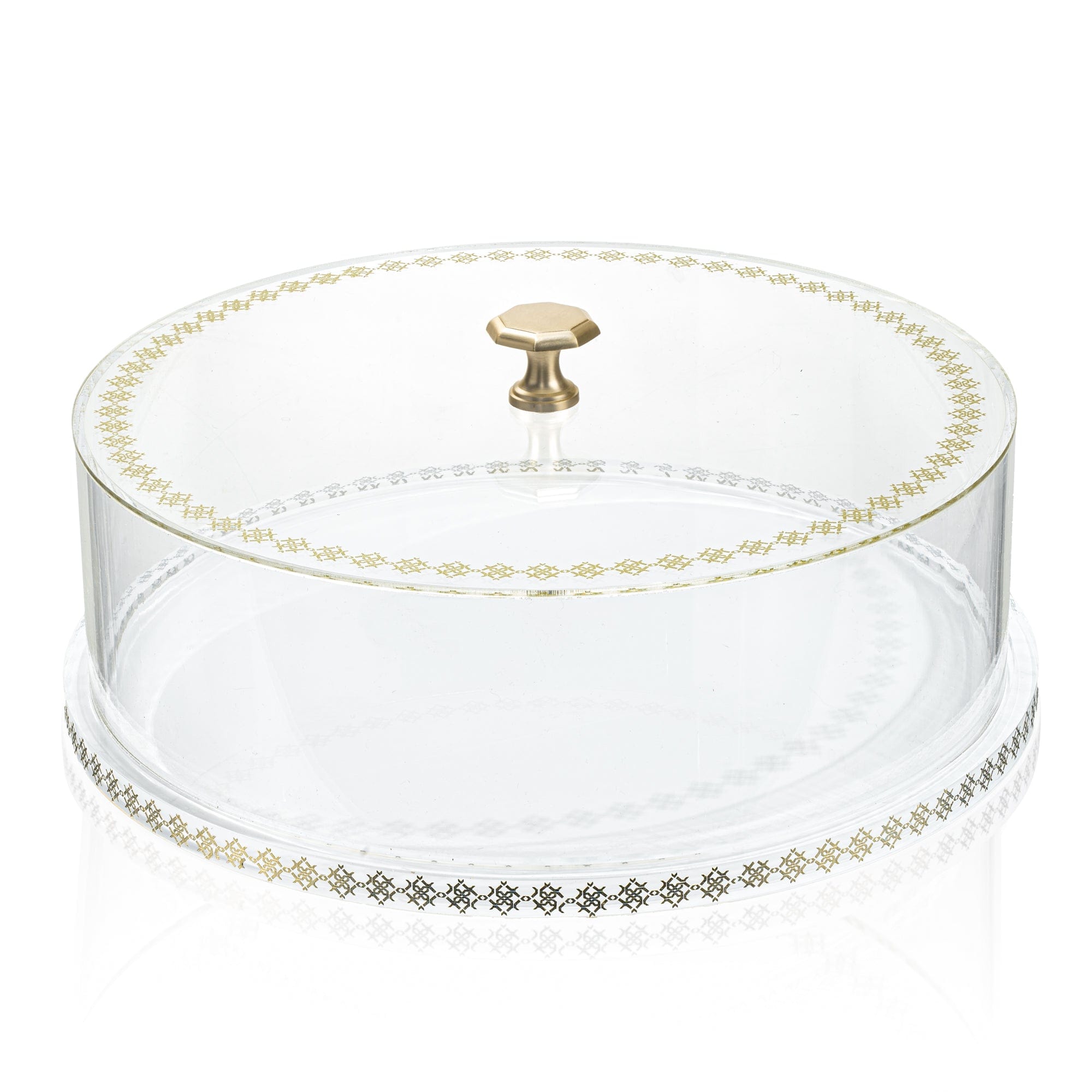
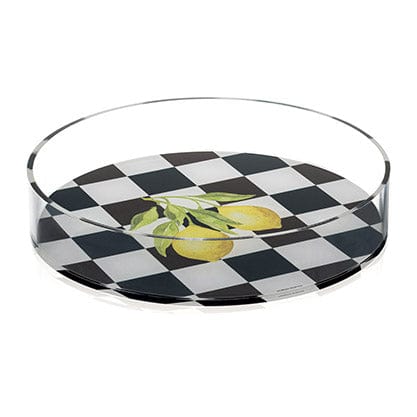
Lucite collections particularly excel here because the material itself is visually quiet. It catches light without demanding it. A clear lucite candlestick doesn't distract from the flame; it frames it. This quality means you can combine pieces across different styles without visual tension. Contemporary lucite works beside vintage linens, modern dinnerware, and a simple wooden table without any sense of clash.
Design flexibility also means your table can evolve. If your aesthetic shifts in five years, a few key modern pieces can be swapped or refreshed without requiring an entire overhaul. Traditional pieces, by contrast, often feel permanent by design, which is beautiful when it's what you want but limiting if your preferences develop.
Color choices matter too. While traditional tables often lean toward silver, gold, white, and deep jewel tones, modern approaches can incorporate natural wood, matte metals, or soft neutrals. This opens possibilities for people whose homes have different design languages. Your Shabbat table can genuinely match your living room without feeling out of place.
Try laying out your next table with one or two contemporary accent pieces mixed with what you already own. Notice how the combination feels and functions.
Durability and Practical Functionality

Ritual items deserve to last. What you use weekly needs to actually hold up.
Traditional materials like silver and fine ceramics are durable when properly maintained, but they require care. Silver needs polishing, fine china demands gentle handling, and some heirloom pieces become display pieces rather than functional because they're too fragile for regular use. This creates a secondary problem: you end up with "nice things" you rarely touch.
Premium lucite and leather solve this differently. Lucite is virtually indestructible in normal use. It doesn't tarnish, doesn't require polishing, and cleans with basic soap and water. A lucite candlestick, wine cup, or serving piece looks identical after ten years of regular use as it did on day one. This isn't about choosing something "less precious"—it's about choosing something that stays beautiful through living.
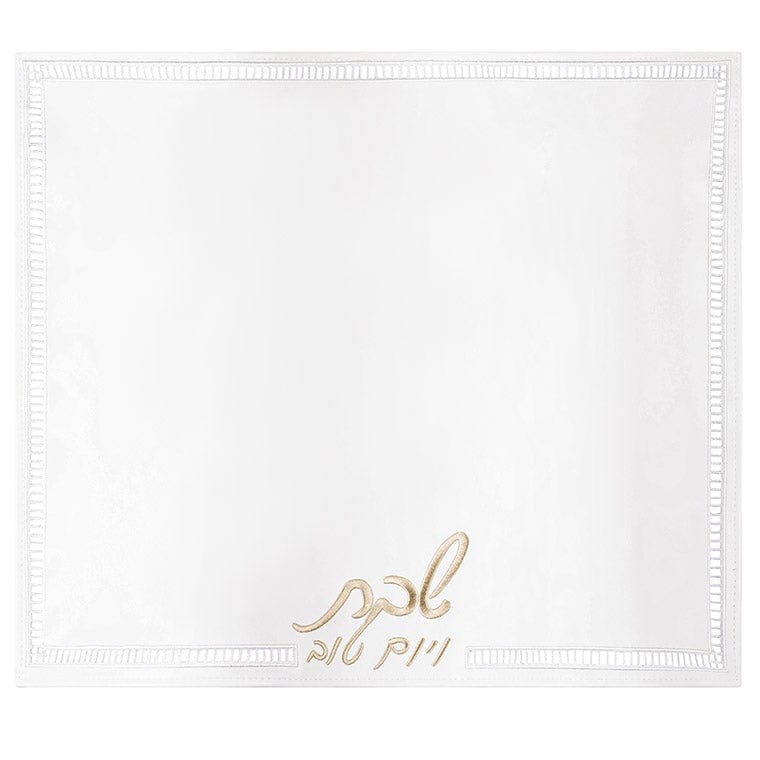
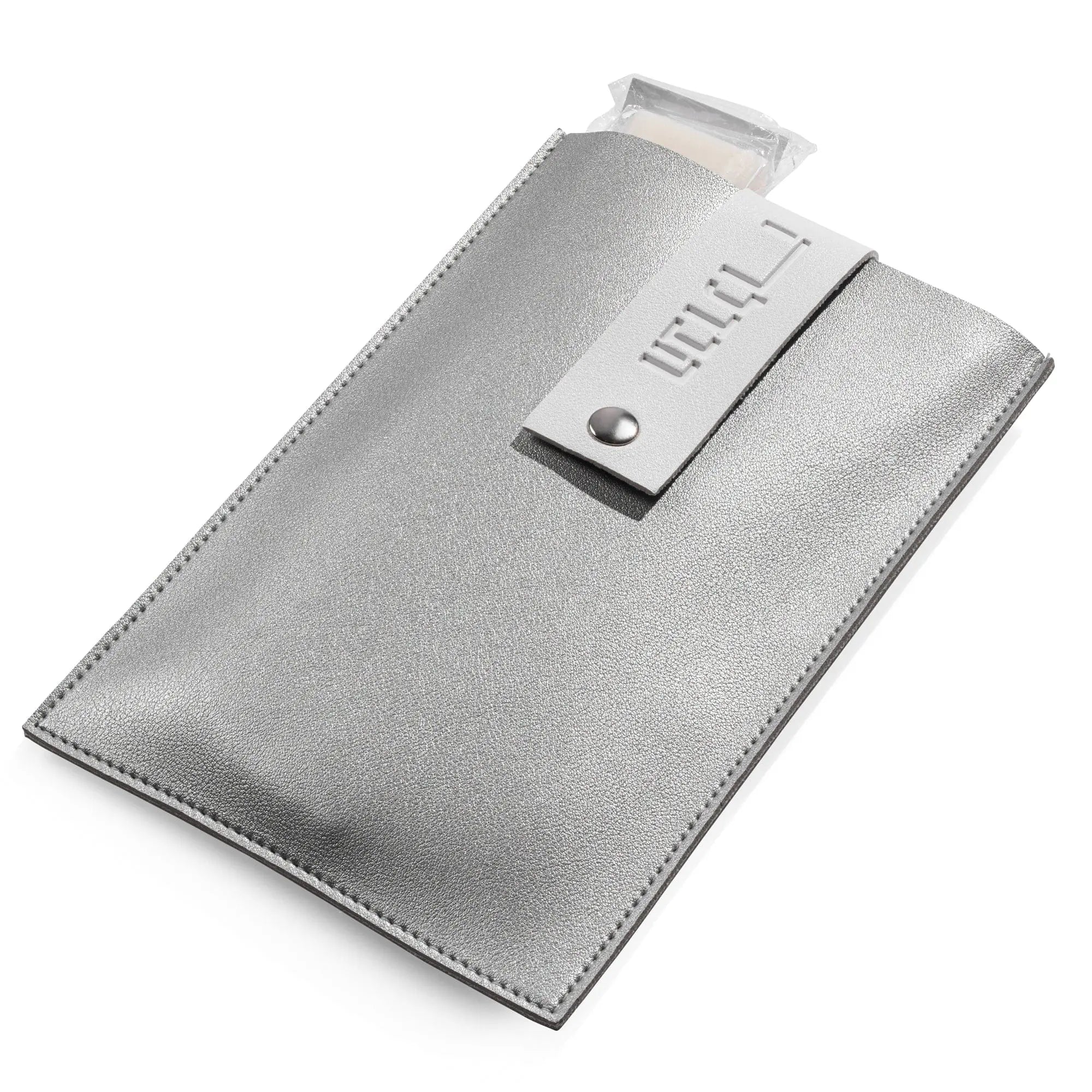
Leather components in our collections age gracefully. Unlike cheap synthetic materials, real leather develops character over time while remaining functional. A leather challah cover or place setting accent becomes more personalized with use, not less.
This durability has a real impact on how you actually use your Shabbat table. When you're not worried about damage, you use your pieces instead of saving them. You invite guests, you light candles freely, you pour wine without hesitation. The ritual becomes lived experience rather than careful preservation.
Beyond individual pieces, consider the entire table's functionality. Modern designs often integrate practical features: wider bases for stability, better angles for pouring, surfaces that work with different lighting. Tradition is wonderful, but it doesn't always account for how homes actually work today.
Customization and Personal Expression
Your Shabbat table should reflect who you are, not just who your family was.
One of the most significant shifts between traditional and modern approaches is the ability to customize. Our custom design options allow you to create pieces that mean something specific to your life. Perhaps you want candlesticks engraved with a Hebrew phrase that matters to you, or a wine cup in a color that coordinates with your kitchen, or a serving set that incorporates a design element from your heritage.
Personalization deepens your connection to ritual items. When something is made specifically for you or your family, it becomes inherently meaningful. You're not just following custom—you're claiming the tradition as yours.
Customization also solves the "what if I'm the only one doing this differently?" concern. Many people feel pressure to maintain their family's exact aesthetic. But your Shabbat table belongs in your home and your life. If that means modern pieces instead of traditional, or a mix that's uniquely yours, that's not diluting tradition—that's living it authentically.
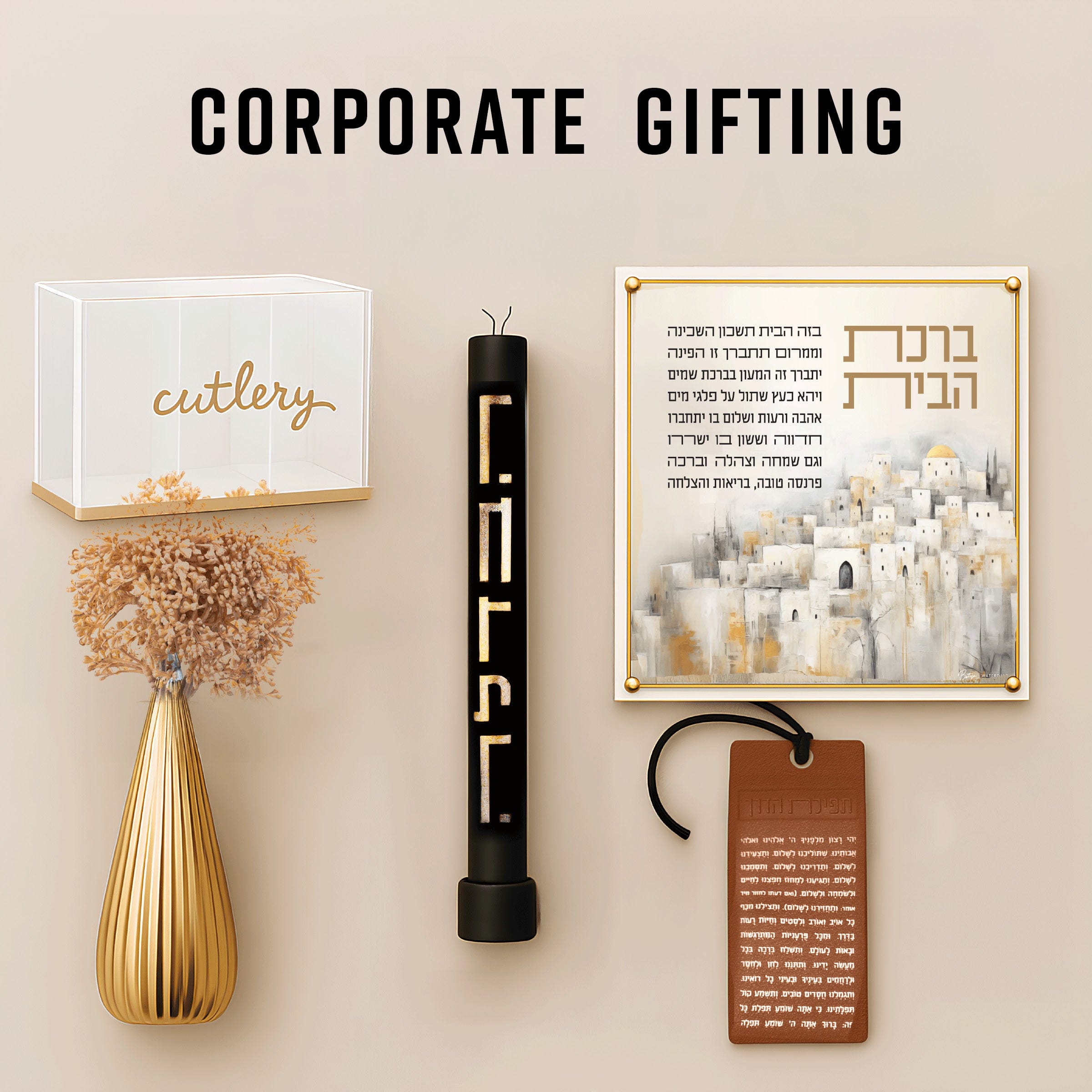
Corporate and personal gifting becomes more thoughtful too. Instead of defaulting to generic items, you can give something that actually represents the recipient's style. A host gift that matches someone's decor and taste shows genuine consideration.
Consider what one element of your current table you'd change if you could customize it exactly. That's your starting point for personalization.
Creating Meaningful Holiday Moments with Premium Materials
Premium materials carry weight, literally and psychologically. This matters during moments you're trying to make meaningful.

When you touch a quality piece—whether traditional silver or contemporary lucite—you notice. There's a solidity to it. Fine materials engage your senses and pull you into presence. This is especially important during holidays when you're hoping the table itself helps create an atmosphere conducive to reflection, connection, and ritual.
The difference between functional and premium becomes evident in use. A basic wine cup works. A beautifully crafted lucite or leather piece enhances the experience. The same gesture of blessing over wine feels different when the cup itself is lovely. Not because the material changes what happens spiritually, but because environment shapes experience. We know this intuitively; we spend more on wedding flowers and careful plating for important dinners because presentation matters.
Holiday moments also tend to be observed more mindfully. You're more likely to notice and appreciate the table on Passover or Rosh Hashanah than on a regular Tuesday evening. Premium pieces justify that attention and reward it. They look sophisticated enough to deserve it, and they actually perform better under the slight extra stress of special occasions.
Consider seasonal and specialty collections specifically designed for different holidays. A table setting that's been thoughtfully curated for Shabbat feels different than one assembled randomly. When materials and design are coordinated intentionally, the entire experience shifts.
Why Our Lucite and Leather Collections Transform Your Shabbat Experience
We've spent considerable time understanding what modern households need from Judaica and tabletop pieces, and we've built our collections around those specific requirements.
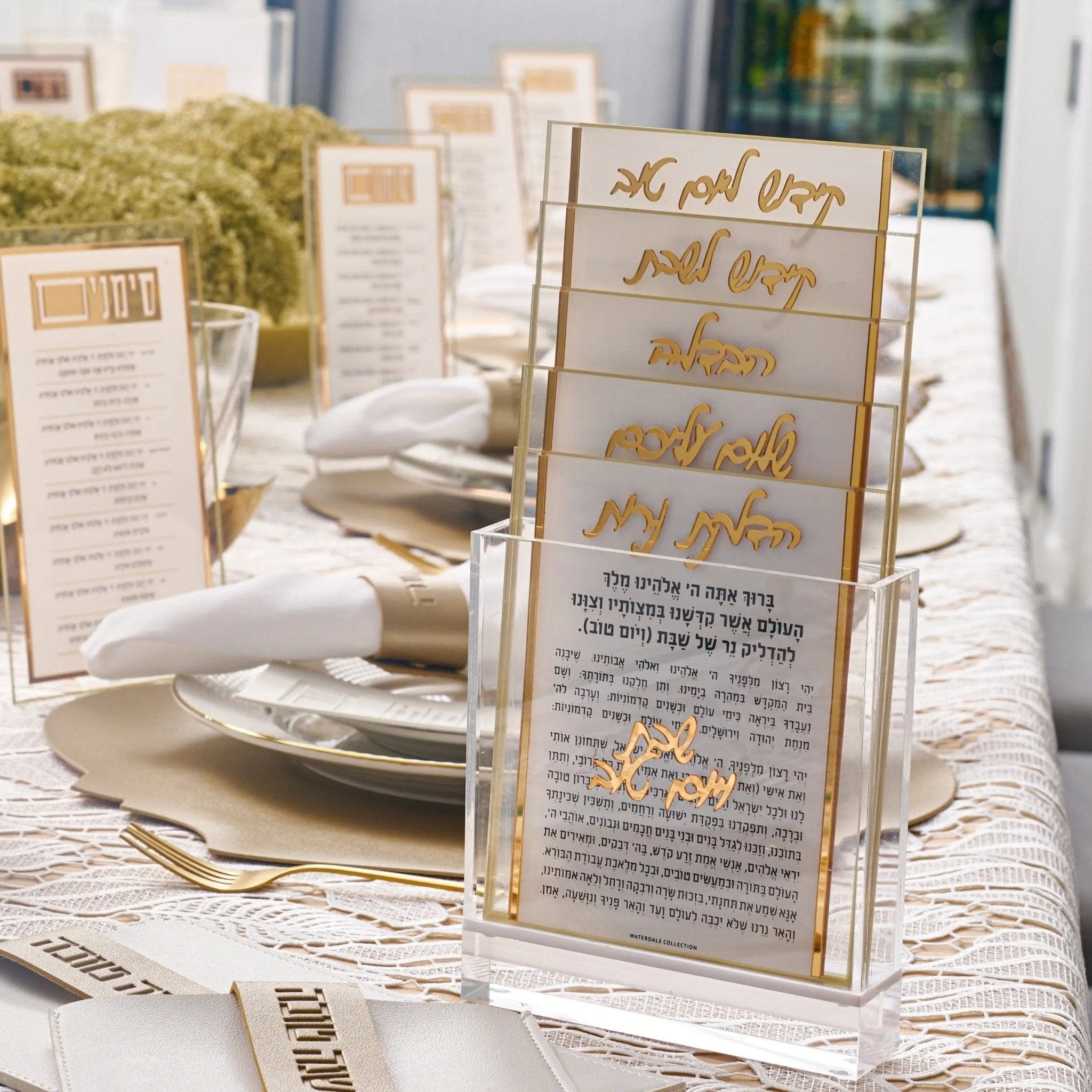
Our lucite pieces offer the clean aesthetics of modern design without sacrificing the substance that ritual demands. They're substantial enough to feel important, beautiful enough to display with pride, and practical enough to use constantly without worry. The material is food-safe, dishwasher-friendly, and timeless. Trends might shift around you, but our lucite pieces remain elegant.
Leather components bring warmth that pure modern materials sometimes lack. A leather challah cover or place setting has texture and personality. It bridges the gap between contemporary and traditional beautifully—it's modern in its simplicity and traditional in its material authenticity.
Together, lucite and leather create tables that feel intentional. Everything coordinates without being matchy. Everything functions without requiring careful handling. Most importantly, everything works whether you're a lifelong Shabbat observer or someone beginning to build a practice.
Our table settings collection is curated specifically to work together. You can buy individual pieces knowing they'll coordinate, or build a complete table that's been designed as a cohesive whole. This removes the research burden and ensures quality across every element.
Pairing Modern Pieces with Traditional Observance
The concern some people express is whether modern materials feel disconnected from tradition. In practice, the opposite happens.
Tradition isn't primarily about materials—it's about intentionality and meaning. You're blessing the same bread, pouring the same wine, lighting the same candles whether the candlestick is silver or lucite. The ritual remains precisely the same. What changes is that you're not performing it while worried about damaging something, or while the table doesn't feel like your actual home.
Many people find they deepen their practice when the table environment feels right. If traditional pieces feel formal or burdensome, you might skip Shabbat some weeks. If modern pieces feel cheap or casual, they can diminish the ritual's importance in your mind. The middle path—modern design with premium, durable materials—allows you to approach every Shabbat with genuine presence.
Practically speaking, mixing works smoothly. If you have inherited pieces that matter to you, keep them. A modern lucite wine cup works beautifully alongside a grandmother's challah cover. Contemporary candlesticks coordinate with vintage linens. The key is intentionality: you're choosing to combine these things, not defaulting to either extreme.

Many of our customers report that their practice actually feels more sustainable with modern pieces. Less anxiety about breakage means they're more likely to use their table regularly, not just for special occasions. That consistency is itself a form of meaningful observance.
Hosting with Confidence: The Waterdale Advantage
When you're inviting guests into your home, your Shabbat table needs to serve multiple functions simultaneously. It needs to honor ritual, reflect your taste, function beautifully, and make guests feel welcome.
Our collections are built for hosting. Pieces are durable enough that you're not anxious about damage when others are using them. They're elegant enough that your guests notice and appreciate the care you've taken. They're practical enough that the meal flows smoothly without requiring constant management.
We also offer gift messaging and ribboning services that make hosting feel complete. Whether you're preparing your own table or gifting pieces to someone else, these finishing touches elevate the experience.
Hosting confidence comes partly from preparation and partly from using tools you trust. When your table pieces function beautifully and look intentional, you can focus on your guests and the meal rather than managing your table. Guests notice this ease. It sets a tone of generosity and presence that makes the gathering itself more meaningful.
Our customer service team understands that hosting is personal. We can help you think through what pieces serve your specific situation, whether that's updating an established table or building one from scratch. We've worked with countless people in exactly your position.
Perfect Gifts for Hosts and Guests
Gift-giving in the Jewish community often circles around Shabbat, holidays, and rituals. Finding something appropriate, beautiful, and useful is harder than it should be.
Our collections solve this challenge. A lucite candlestick or wine cup, a leather challah cover, a coordinated table setting—these are gifts that people actually use and appreciate. They're substantial enough to feel significant but accessible enough that you're not overstepping. They signal that you understand and respect the recipient's practice.
Corporate gifting is another arena where our pieces excel. Jewish-owned businesses, organizations, and leadership can gift items that honor heritage while looking entirely contemporary and professional. These aren't nostalgic or cutesy; they're sophisticated pieces that recipients are genuinely glad to own.
For guests, bringing a piece that coordinates with someone's table or enhances their collection is both generous and thoughtful. Our custom options mean you can even commission something specific to a recipient's style or needs.
The reality is that people remember gifts they actually use. Three months after receiving a generic gift, someone will have forgotten it. Three years after receiving a beautiful lucite wine cup or leather serving accessory that they use every week, they'll think of you positively each time they reach for it.
Start with one piece that resonates with you or with someone you're shopping for. Notice how it transforms the table and the experience of using it. That's the invitation to build from there—a table that's genuinely yours, modern in its approach, meaningful in its practice, and beautiful in every detail.
Shop Now