


















The Challenge of Finding Authentic Modern Judaica
Finding ritual items that honor Jewish tradition while fitting seamlessly into a contemporary home remains surprisingly difficult. Many people discover that the options available fall into two unsatisfying categories: either heavily ornamental pieces that feel dated, or minimalist designs that strip away meaningful detail. This gap exists because most suppliers haven't caught up with what today's Jewish households actually want.
We've spoken with countless customers who describe the same frustration. They're drawn to their heritage and observance practices, yet they struggle to find items that reflect their modern aesthetic sensibility. The search often involves compromising somewhere: settling for a design you don't love, paying premium prices for limited selection, or accepting mass-produced quality that doesn't justify the cost.
The disconnect matters because your ritual items shape how you experience observance daily. When you use something beautiful and thoughtfully designed, your connection to practice deepens. When you're using something that doesn't resonate with you visually or functionally, observance can feel like obligation rather than joy.
What to do next: Identify which ritual items you use most frequently in your home. These are your priority pieces for upgrading to something you'll genuinely love using.
Why Traditional Designs No Longer Fit Contemporary Spaces
Mid-century Judaica aesthetics dominated for decades because they reflected the design language of their time. Heavy brass, ornate detailing, and ornamental flourishes were standard across tabletop items, holiday decorations, and ceremonial objects. While these pieces carry cultural significance, they often clash with modern interiors that favor clean lines, minimalism, and carefully curated color palettes.
Today's homes tend toward either Scandinavian minimalism, industrial chic, or contemporary eclectic styles. Wedging a traditionally ornate menorah or ornamental seder plate into these spaces creates visual tension rather than harmony. The piece becomes a relic on display rather than a functional part of your home's aesthetic narrative.
This evolution isn't about rejecting tradition. Rather, it reflects how younger generations practice Judaism differently than their parents and grandparents. You might observe Shabbat with the same intention your grandmother did, but you're doing it in an open-concept loft rather than a formal dining room. Your holiday celebrations hold equal meaning, yet they happen in spaces that demand visual restraint and intentional design.
The solution involves finding pieces that maintain ritual significance and craftsmanship while speaking the visual language of 2026 design. This is where contemporary Judaica steps in, offering the substance of tradition with the form of modern aesthetics.
What Sets Premium Judaica Apart from Mass-Produced Alternatives
Quality in modern ritual items comes down to three measurable factors: material integrity, design intention, and functional durability. Most mass-produced alternatives cut corners on all three.
A typical imported Judaica piece might use thin acrylic, flat color application, and minimal structural engineering. It looks acceptable from six feet away but reveals its limitations the moment you handle it. Seams separate, finishes scratch, colors fade. Within two years, something meant to anchor your observance feels disposable.
Premium pieces prioritize different values. We source materials for longevity, not cost reduction. Design decisions reflect actual user behavior rather than trendy aesthetics. Construction methods ensure the item functions perfectly after decades of use.
Consider a simple example: a high-quality lucite Shabbat candlestick versus a standard mass-produced version. The premium piece uses optically clear acrylic that remains transparent after years of handling, with weighted bases that prevent tipping even on uneven tables. Joints are fused rather than glued, eliminating separation risk. The mass-produced alternative looks similar initially but yellows over time, wobbles, and develops visible stress cracks within months.

This difference matters most with items you interact with regularly. When something works beautifully every single time you use it, the experience of observance itself transforms. You're not managing a fragile object you're trying to preserve. You're engaging with a tool designed thoughtfully for the life you actually live.
Actionable step: For any ritual item you're considering purchasing, research the material composition and construction method. Ask whether the maker guarantees longevity or expects replacement within a few years.
Our Collection of Contemporary Ritual Items
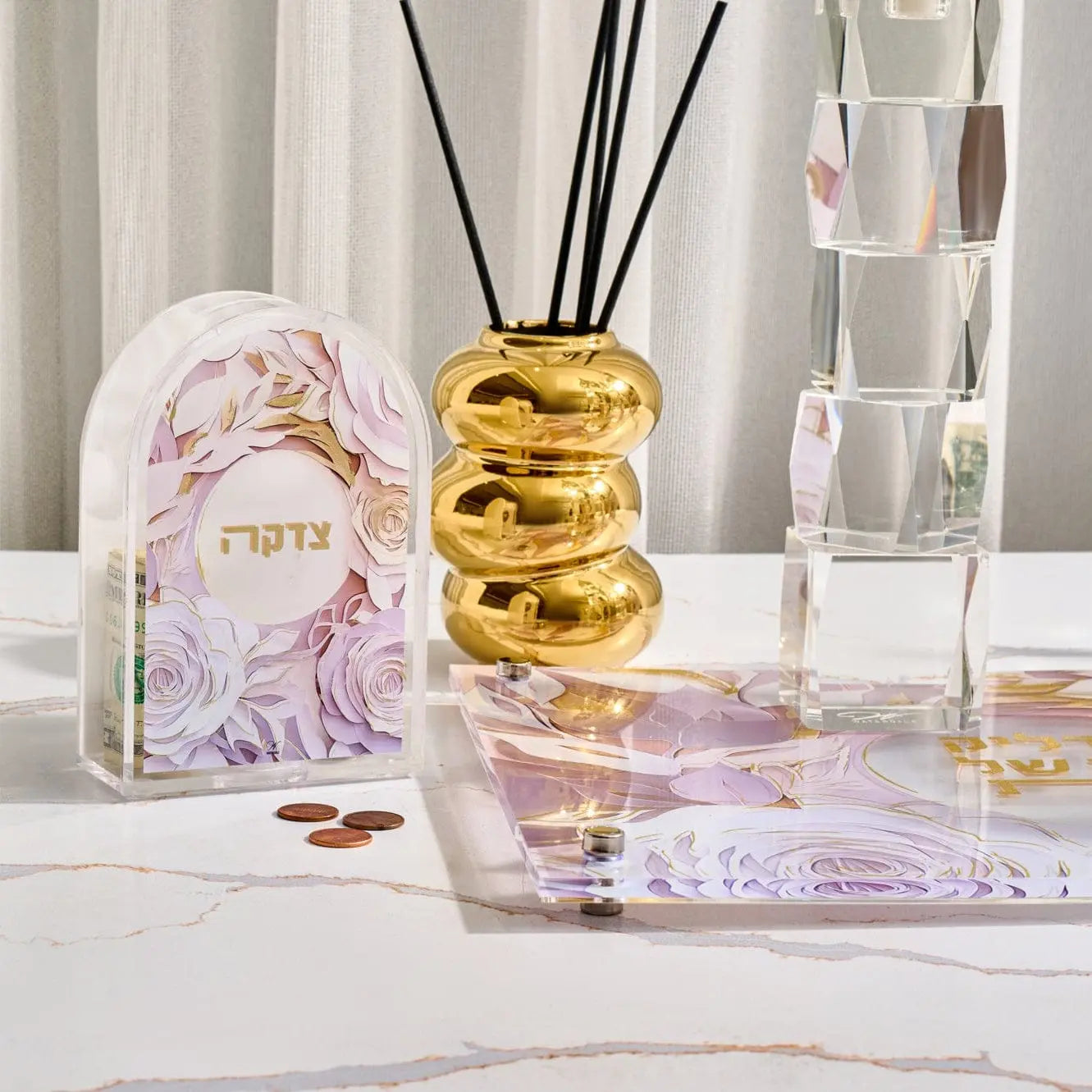
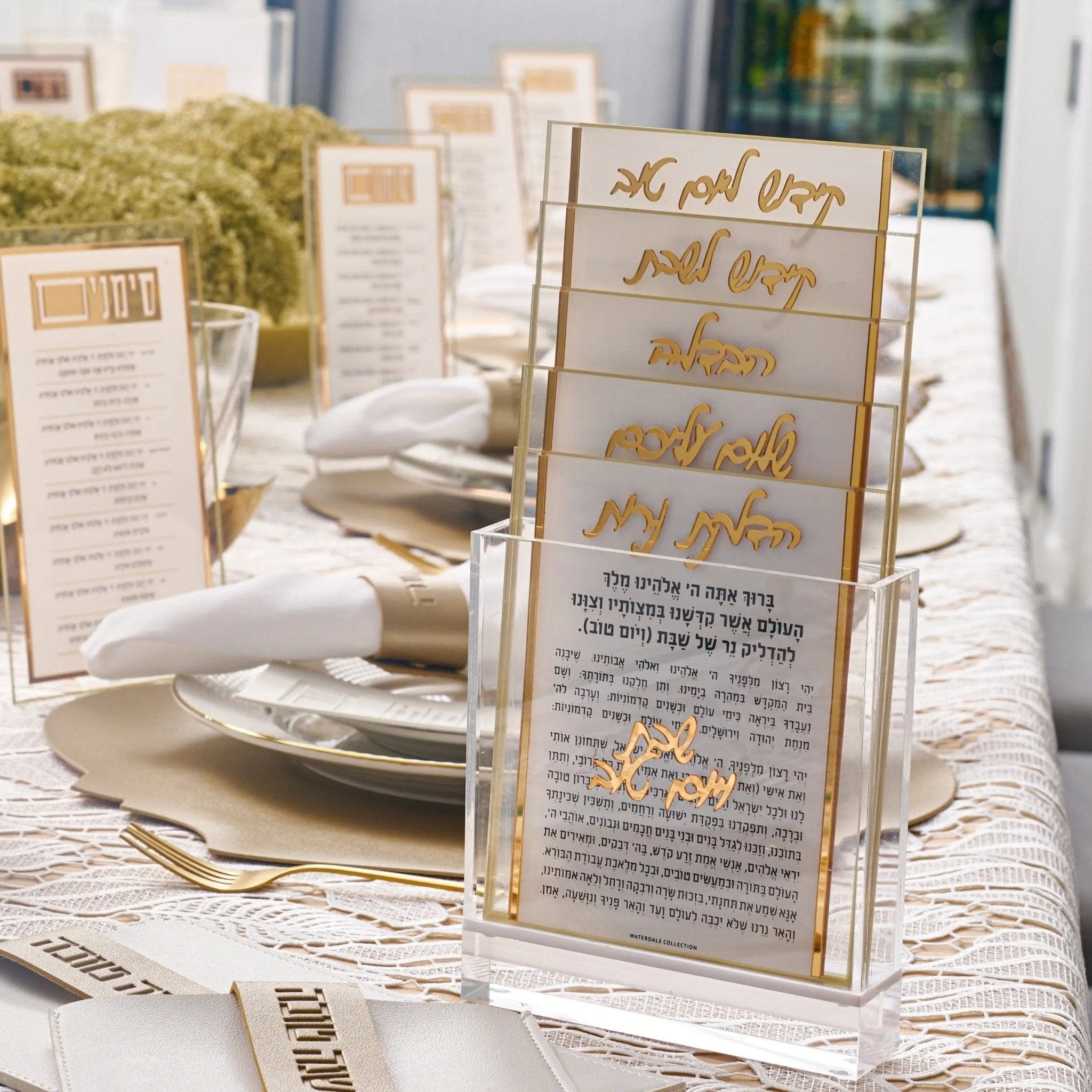
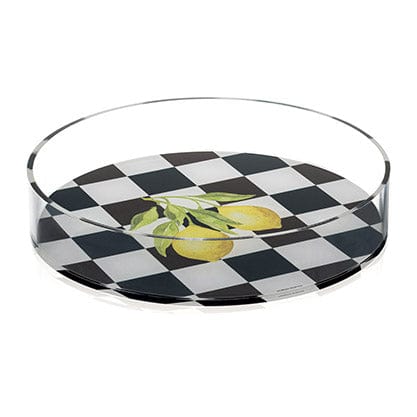
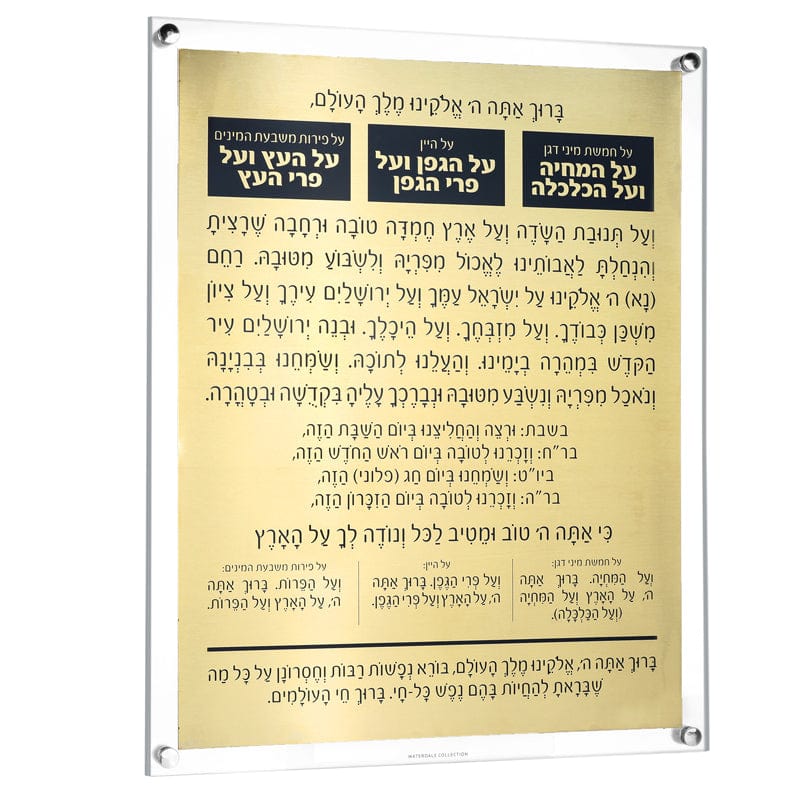
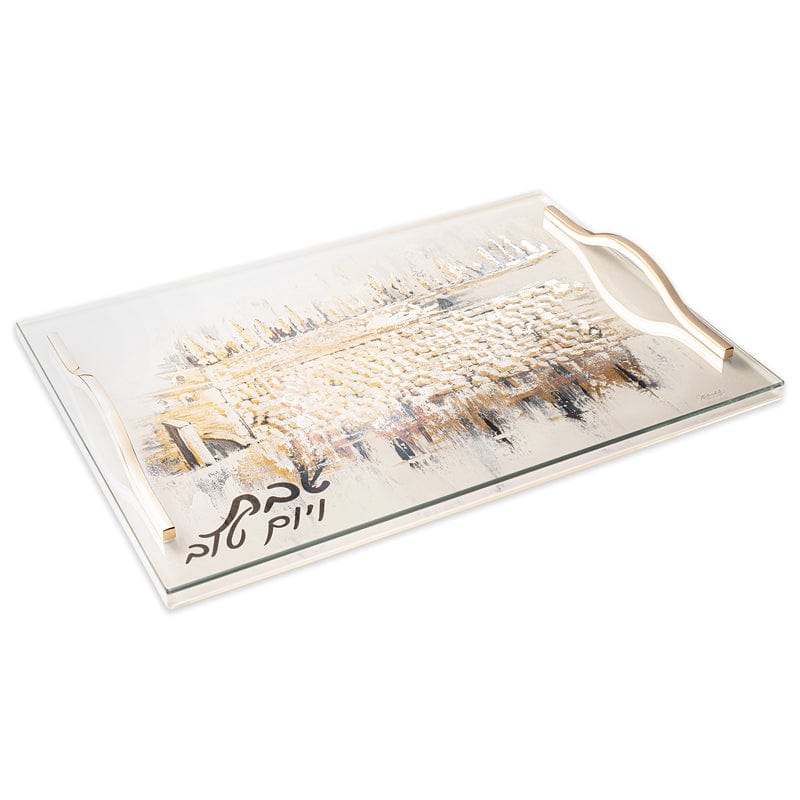
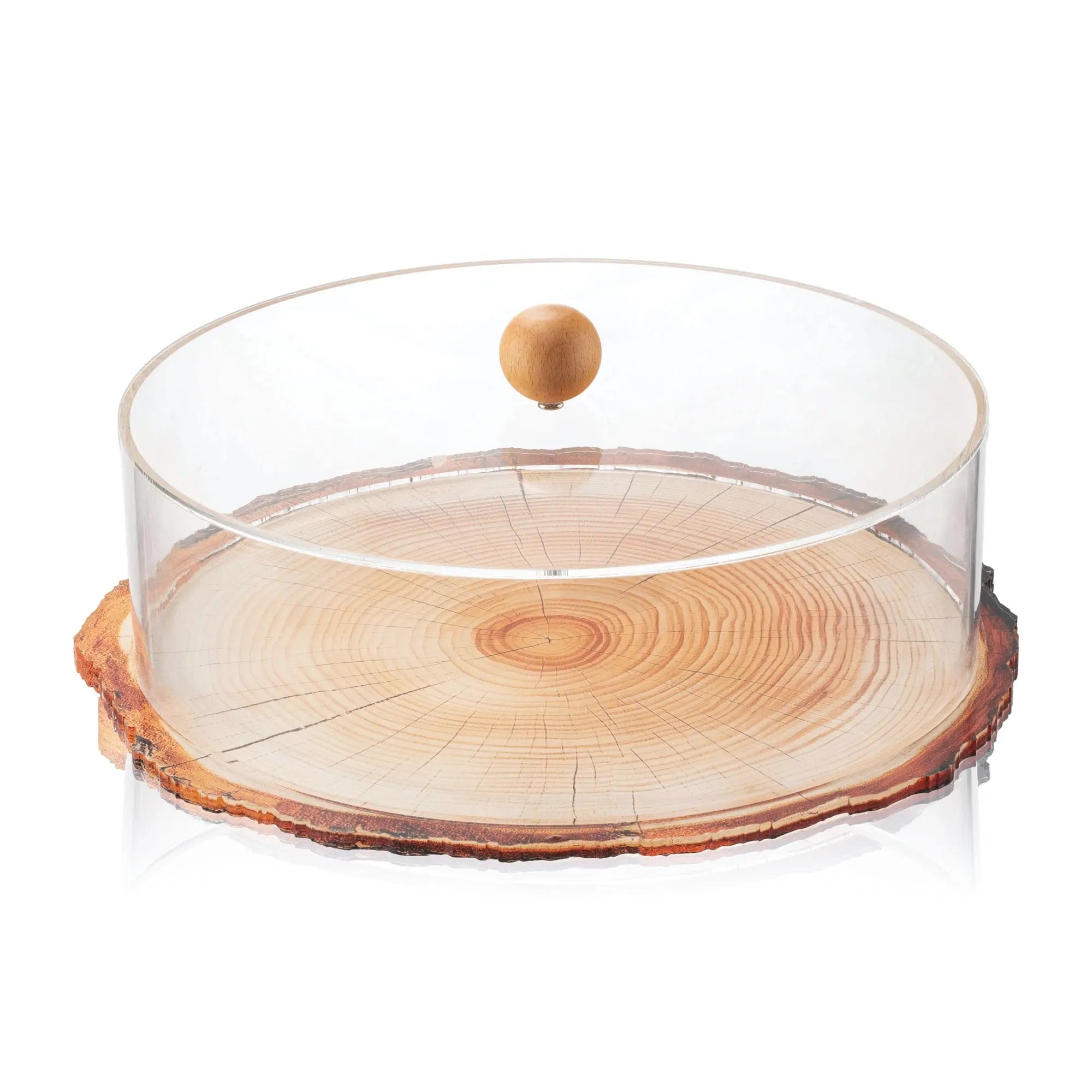
We've curated a selection that spans the full spectrum of Jewish observance and home life. Our range includes Shabbat essentials like candlesticks, challah boards, and wine holders designed in clean, modern silhouettes. We offer Passover serving pieces and seder plates that feel equally at home on a minimalist table or a maximalist one.
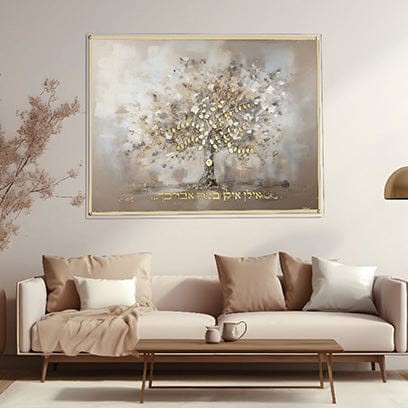
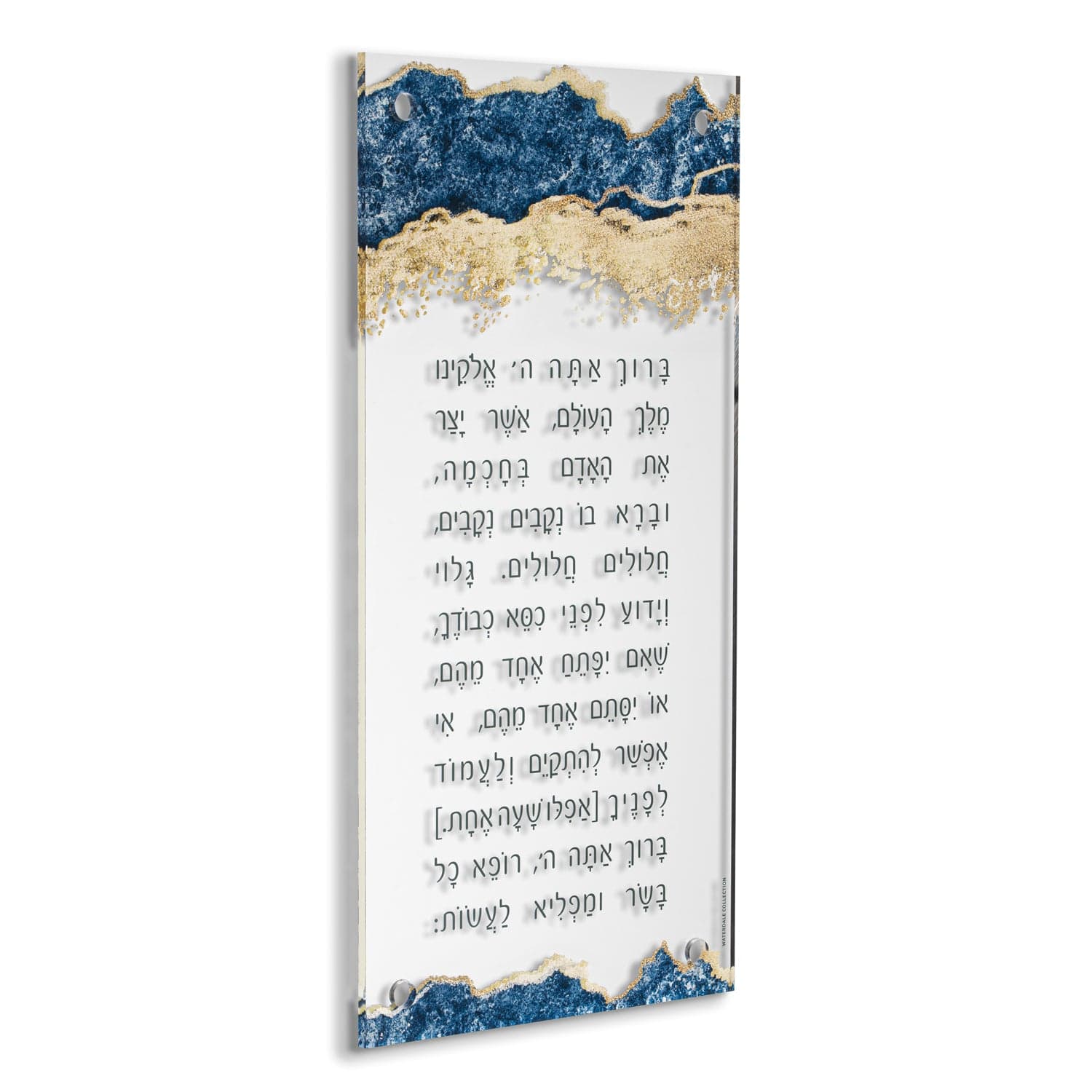
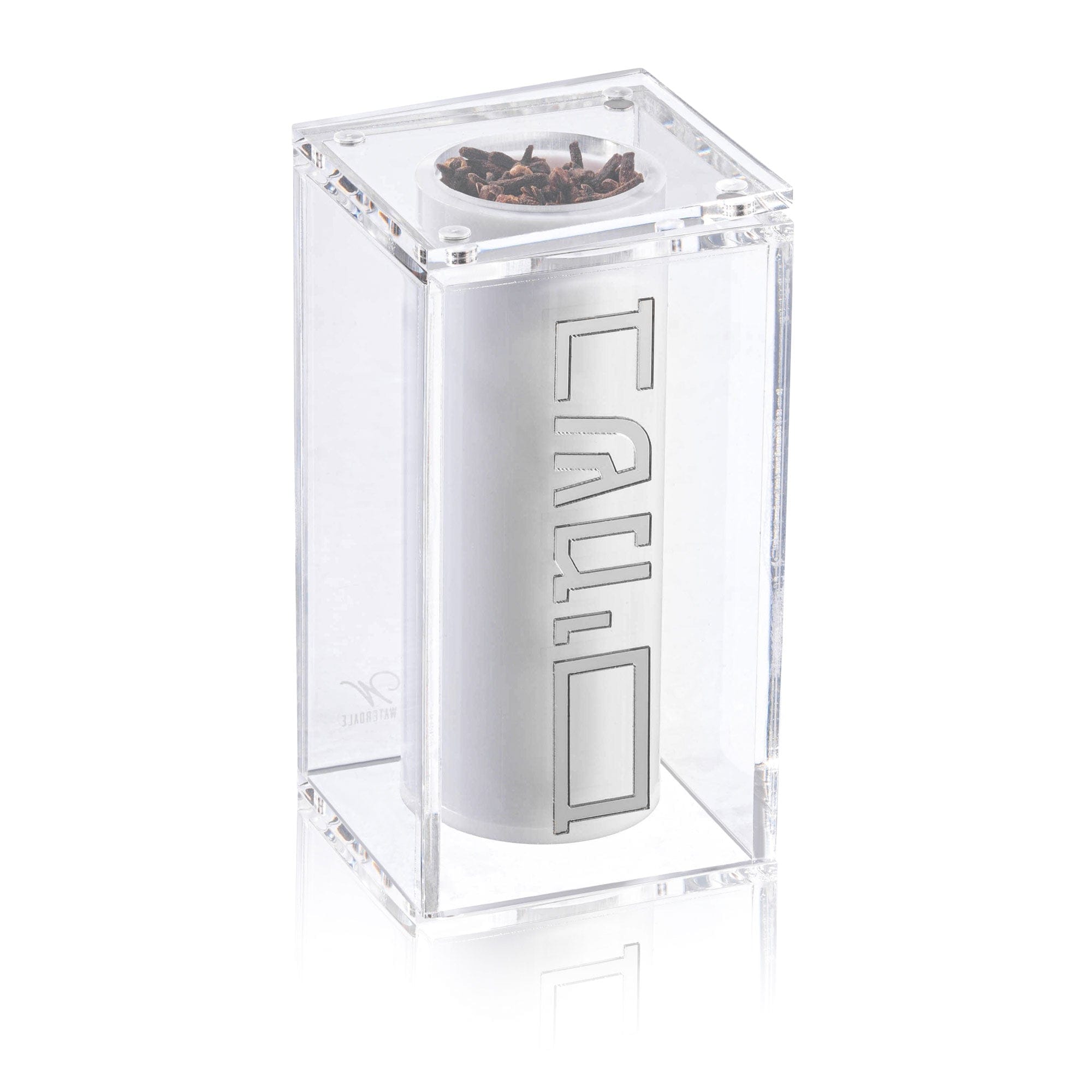
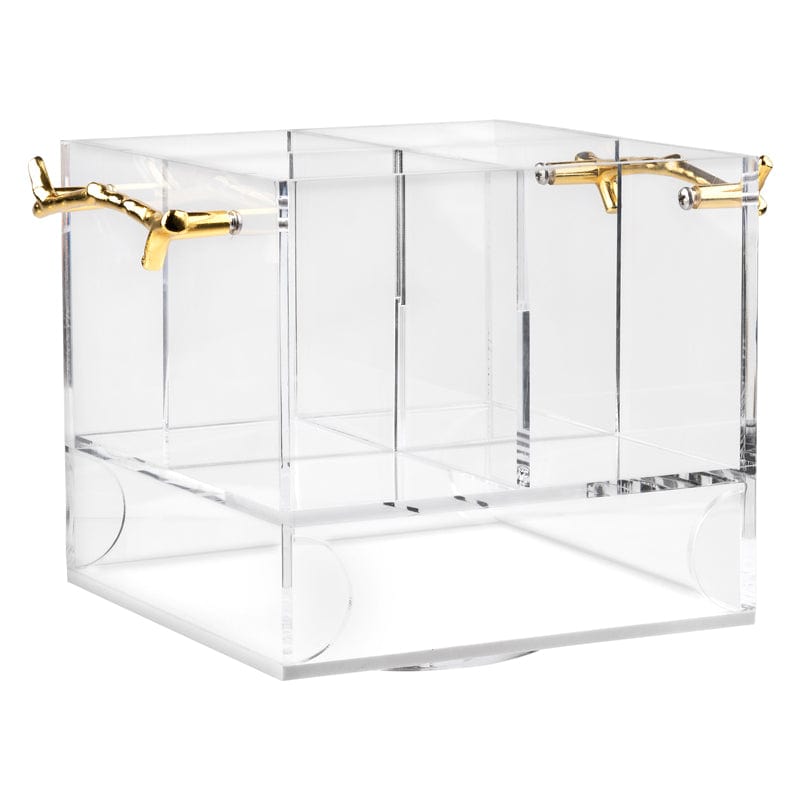
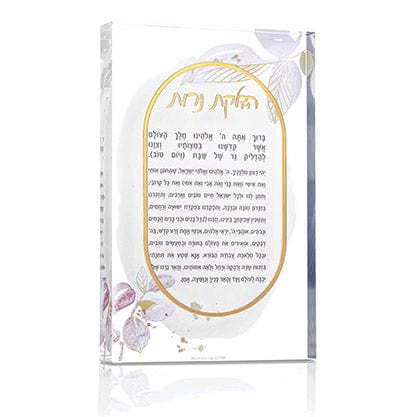
For holidays throughout the year, we provide updated interpretations of classic items. Our luxury lucite Judaica collection includes contemporary chanukiahs, sukkot decorations, and Shavuot elements. Each piece is designed to enhance the ritual experience without demanding visual compromise from your space.
Beyond holiday-specific items, we offer functional home decor that integrates Jewish values into everyday life. Decorative objects, table accessories, and organizational pieces that reference tradition while serving contemporary needs. These items work whether you're observing actively or simply want your home to reflect your heritage.
The collection also includes specialty pieces commissioned by customers for unique needs. Bar and bat mitzvah gift sets, wedding ceremony elements, and multi-generational family pieces that become heirlooms by design rather than accident.
Lucite and Leather: The Foundation of Modern Craftsmanship
We chose lucite and leather as foundational materials because they deliver on multiple levels: aesthetic purity, functional integrity, and genuine durability.
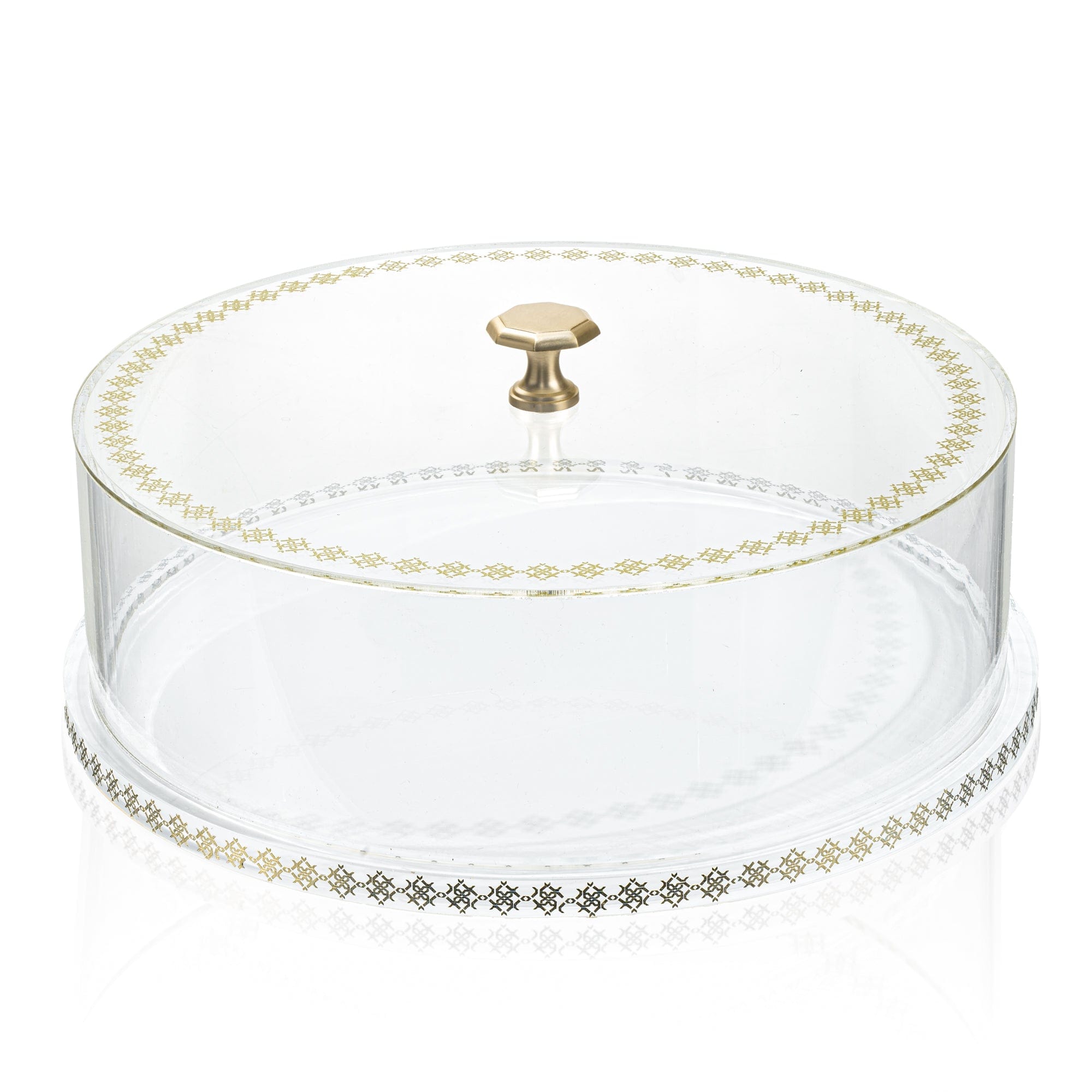
Lucite (optically clear acrylic) offers visual elegance that's nearly impossible to achieve with other materials. It's transparent without being fragile, allowing light to pass through while maintaining structural strength. Unlike glass, it won't shatter if it's knocked over. Unlike plastic, premium lucite maintains its clarity and doesn't yellow or become brittle. You can see the care in its craft.
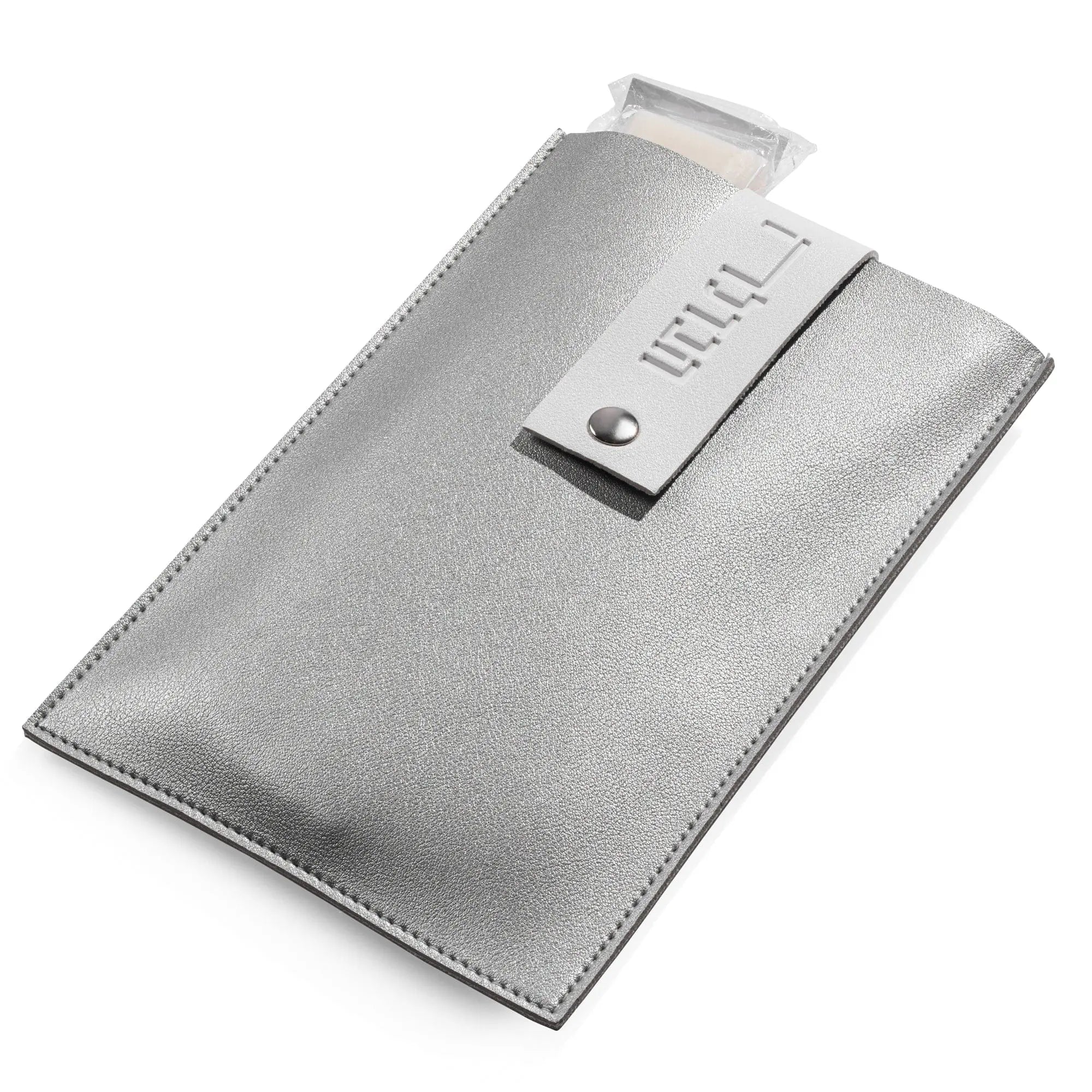
Leather brings tactile warmth and natural character. Unlike synthetic alternatives, genuine leather ages beautifully, developing patina that tells the story of its use. It's durable enough for daily handling while remaining soft to the touch. When you wrap your hands around a leather-handled ritual object, the sensory experience connects you more deeply to the act of observance.
Our premium lucite ritual items combine these materials thoughtfully. A lucite Kiddush cup might feature a leather-wrapped base for non-slip stability and warmth. A challah board incorporates leather handles that make serving intuitive and pleasant. These aren't arbitrary combinations; they solve real problems while elevating the aesthetic.
The materiality extends to how pieces age. Unlike trendy materials that look dated within five years, lucite and leather become more meaningful with time. They're investments that improve with use rather than deteriorate.
Functional Art That Serves Your Observance
The best Judaica occupies the intersection of genuine beauty and practical utility. A stunning piece that doesn't function well becomes a burden rather than a blessing.
We design every item assuming daily or regular use. A candlestick must be stable enough that a child won't knock it over. A seder plate must be heavy enough to hold food without tipping. A wine holder must position the glass securely without requiring two hands to fill it. These aren't minor considerations; they're the difference between something you reach for confidently and something you handle anxiously.

This functional foundation allows the design to breathe. Once we've engineered reliability into the structure, we can focus on aesthetic refinement. The result is a piece that's genuinely beautiful precisely because it works so well. There's no compensating for poor function with excessive ornamentation.
Consider our minimalist chanukiah designs built for contemporary apartments. They're compact and visually restrained, yet engineered so candles sit securely and the piece won't tip even on an open shelf. The design restraint isn't about being trendy; it's about maximizing usability in smaller spaces while maintaining ritual integrity.
Your next step: Test any new ritual item with the specific way you'll actually use it. If you typically light Shabbat candles after cooking, verify the candlestick works well with your table setup and clothing. If you host frequent seders, check that the serving pieces balance reasonably when loaded with food.
Creating Meaningful Gifts for Life Events and Holidays
Ritual items make profoundly meaningful gifts because they anchor important moments in tangible objects. Unlike many gifts forgotten within months, a beautiful Judaica piece gets used for years and forms part of someone's life practice.
This is particularly true for life-cycle events. A bar or bat mitzvah gift that's actually used during observance becomes part of someone's Jewish identity formation. A wedding gift that appears on the couple's Shabbat table weekly reminds them of the giver for decades. A retirement gift honoring someone's professional transition carries special significance when it's a piece they interact with regularly.
The key to meaningful gifting is matching the item to the actual observance practice of the recipient. A beautiful Kiddush cup means little to someone who never formally blesses wine. A sophisticated challah board resonates deeply with someone who hosts Shabbat meals. Knowing your recipient's practice allows you to choose something they'll genuinely use.
We also offer gift messaging and ribboning services that add personal significance without compromising aesthetic restraint. Your message becomes part of the gift's story without cluttering the piece itself.
Customization Options for Personal and Corporate Needs
Standard collections work well for many people, but your needs might require something more specific. We offer customization across both personal and corporate applications.
For personal use, customization might mean adjusting dimensions for a particular shelf, changing color combinations, or incorporating family symbols or Hebrew text. A couple celebrating an anniversary might commission a matched pair of candlesticks with their initials subtly integrated. A family with specific holiday traditions might need pieces configured for their unique observance style.
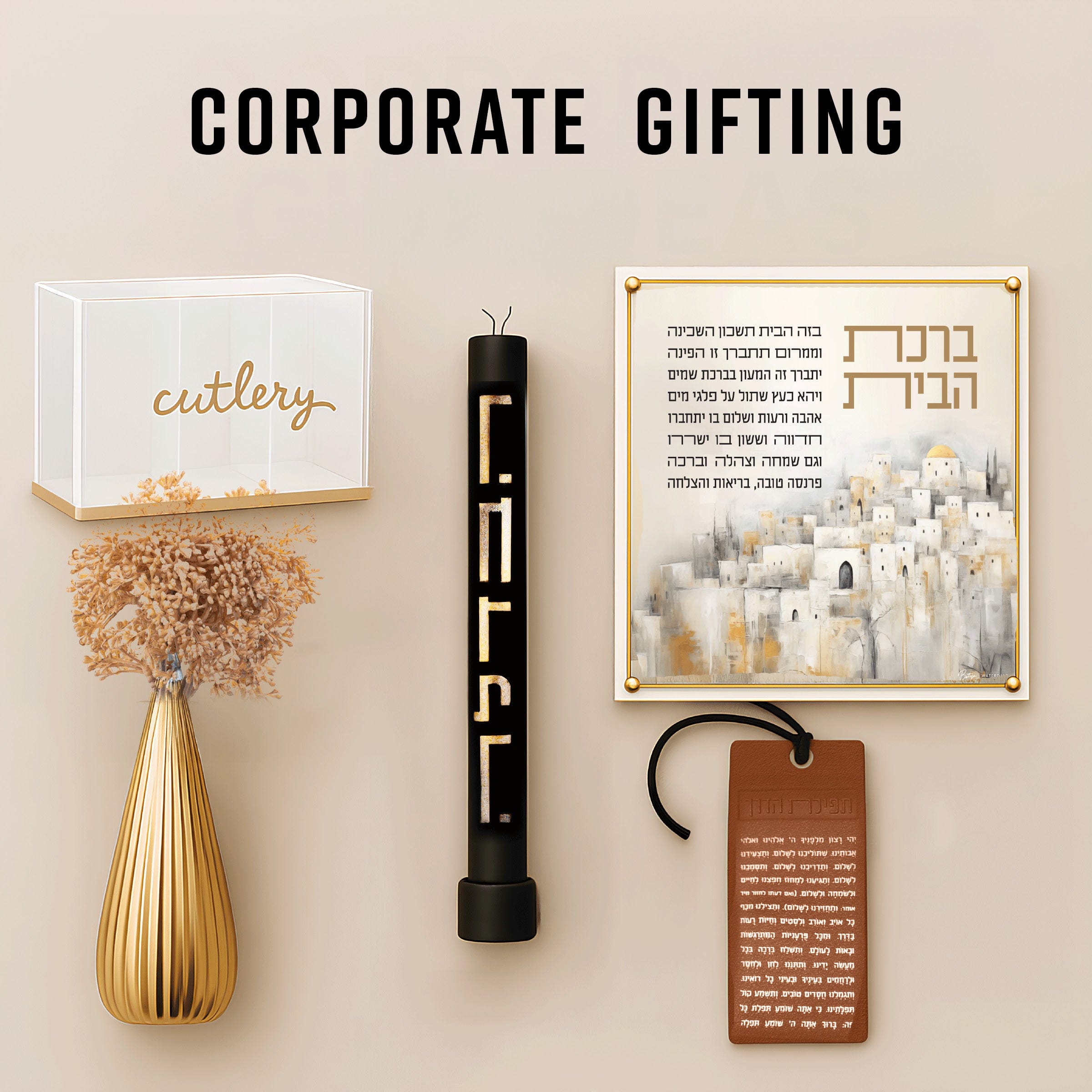
Corporate and organizational customization serves different needs. Jewish organizations, synagogues, and Jewish-serving businesses often need gifts for donors, clients, or members that feel personal despite being produced in small quantities. We work with organizations to develop gift pieces that reflect their values while remaining distinctive.
The customization process begins with understanding exactly what you need. We discuss your space, your observance practice, your aesthetic preferences, and your timeline. From there, we develop options that maintain our quality standards while meeting your specific requirements.
Action item: If you're considering a custom piece, gather reference images of designs you love and be specific about how you'll use the item.
Integrating Modern Judaica Into Your Home Design
Your ritual items should feel like natural parts of your home rather than awkward additions. This happens when you think about placement and aesthetics during the selection process rather than after.

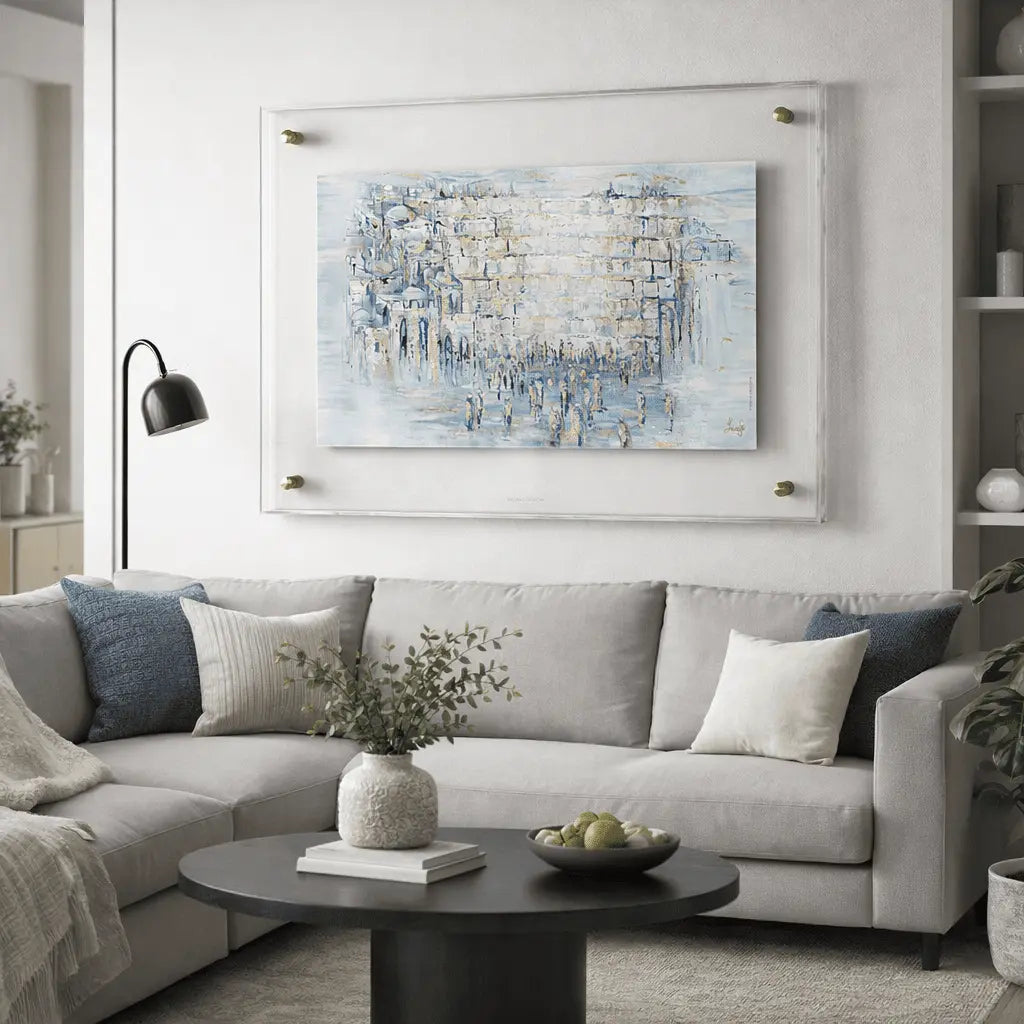
If your home tends toward minimalism, choose pieces with clean silhouettes and restrained detailing. The beautiful simplicity of contemporary gold Judaica works beautifully in spaces that avoid visual clutter. If your style embraces eclectic maximalism, richer pieces and bolder designs create visual interest without feeling out of place.
Consider sight lines and regular visibility. Pieces you see daily should appeal to you aesthetically every time. Items used monthly can be more assertive in design since you're encountering them less frequently. Seasonal pieces can be bolder because they're not constant visual elements.
Lighting matters significantly with lucite pieces. Natural light shows off the material's transparency differently than artificial light. Consider where your key pieces will sit relative to windows and light sources, as this affects how they'll appear throughout the day.
The goal isn't matching everything perfectly or creating a curated museum display. Instead, let your ritual items complement your home's aesthetic while maintaining their own integrity. The best spaces feel lived in, not designed for exhibition.
The Investment in Quality That Lasts Generations
Quality Judaica represents a different kind of value proposition than most home goods. You're not buying something you'll replace in a few years. You're acquiring something meant to function beautifully for decades.
This longevity has financial implications beyond the initial purchase. A premium piece used regularly for 30 years costs significantly less per use than a cheaper alternative replaced three times over the same period. More importantly, there's no replacement friction. You're not periodically shopping for new Shabbat candlesticks. You're using the same beautiful piece your entire adult life.
There's also emotional value in continuity. Using the same ritual objects year after year creates a cumulative sense of tradition and connection. Each use deepens the relationship to the object. In some cases, pieces eventually become family heirlooms, passed to the next generation with the stories of their use embedded in them.
The investment also reflects respect for the craft. When you purchase something made with intention, using quality materials and thoughtful construction, you're supporting makers who care deeply about their work. This matters, particularly in Jewish-owned businesses committed to preserving and evolving Jewish culture.
How We Help You Celebrate Your Jewish Heritage Authentically
We exist because we believe modern Jewish life deserves ritual items that feel authentically contemporary. Your observance is meaningful and intentional. The objects that support it should reflect that dignity.
We work differently than typical Judaica suppliers. Rather than maintaining massive inventories of standard pieces, we focus on careful curation and thoughtful customization. We prioritize material quality and functional design over volume and rapid turnover. We build relationships with customers to understand their actual needs rather than pushing inventory.
This approach means we're slower to market with trends, but our pieces retain relevance longer. It means you'll pay more upfront, but your cost per year of use becomes remarkably reasonable. It means we stand behind every piece with confidence that it will serve you beautifully for years.
Our collection spans everyday observance through holiday-specific items, corporate gifts, and unique commissions. Whatever your practice and aesthetic preference, we can help you find or create pieces that make observance feel intentional and beautiful.
Your next step: Browse our collection and note which pieces resonate with your space and practice. If something calls to you but needs adjustment, reach out and ask about customization options. We're here to help you build a home that honors your Jewish heritage in a way that feels genuinely yours.
Shop Now