


















Understanding the Minimalist Judaica Movement
The minimalist Judaica movement emerged from a straightforward insight: Jewish ritual items don't need ornate filigree and heavy embellishment to honor tradition. Instead, contemporary design strips away visual clutter while amplifying function and intentionality.
Modern minimalist Judaica centers on clean lines, neutral palettes, and materials that feel refined rather than decorative. A Chanukiah doesn't need baroque scrollwork to create meaning; its purpose is to hold candles and cast light. When designed with this clarity, the piece becomes both more powerful and more integrated into everyday living spaces.
This movement gained momentum as Jewish households sought ways to honor their heritage without sacrificing contemporary aesthetics. Millennials and Gen Z Jewish consumers, in particular, wanted ritual objects that felt as natural in their homes as a carefully chosen coffee table or wall hanging. The result is Judaica that functions as functional art rather than spiritual afterthought.
What to do next: Assess your current Judaica collection. Do these pieces spark joy or feel like obligations taking up shelf space? This is your starting point for evaluating whether minimalist design aligns with your vision.
Traditional Judaica Design Limitations
Traditional Judaica often reflects centuries of ornamentation that served a different cultural moment. Heavy brass, dense carvings, and jewel-tone velvet may feel disconnected from how most of us live today.
The practical challenges are real:
- Ornate pieces collect dust in crevices, requiring constant maintenance
- Decorative elements often obscure the actual function of the item
- Dense designs limit placement options in modern, open-plan homes
- Elaborate aesthetics can clash visually with minimalist or Scandinavian interior styles
- Traditional pieces frequently feel "too formal" for everyday use, getting relegated to storage
Beyond aesthetics, there's a spiritual consideration. When a ritual object is so visually heavy that you avoid using it, the tradition itself becomes burdensome rather than enriching. Many people find that simplified design actually deepens intention and presence during observance.
Traditional doesn't equal authentic. Authenticity comes from meaningful engagement with ritual, regardless of whether the vessel is ornate or understated. What matters is that you're using these pieces and that they belong in your space.
Why Contemporary Minimalism Resonates with Modern Jewish Homes
Today's Jewish households are increasingly urban, design-conscious, and invested in creating cohesive living environments. A minimalist Menorah no longer feels like a compromise; it feels like a deliberate choice that honors both tradition and personal taste.
Minimalist Judaica offers several compelling advantages:
- Visual harmony: Pieces fit naturally alongside modern art, plants, and contemporary furnishings
- Everyday usability: Clean designs encourage regular use rather than special-occasion-only storage
- Spatial efficiency: Thoughtful proportions mean Judaica enhances rather than dominates rooms
- Flexibility: Neutral materials and colors work across different interior schemes
- Intentionality: Simpler designs focus attention on the ritual significance rather than visual spectacle
There's also a psychological dimension. Minimalist spaces reduce cognitive load and create calm. When your Judaica follows the same design principles as the rest of your home, your entire environment feels purposeful and curated rather than fractured between different aesthetic worlds.
Consider a young professional preparing their apartment for Shabbat. With minimalist Judaica, the candlesticks, wine cup, and bread covering become beautiful accents that you're proud to display. They're not stored away; they're part of your intentional design.
Design Philosophy: Our Approach to Modern Judaica

At Waterdale, we believe contemporary Jewish living doesn't require choosing between heritage and aesthetics. Our design philosophy rests on three pillars: clarity, quality, and purpose.
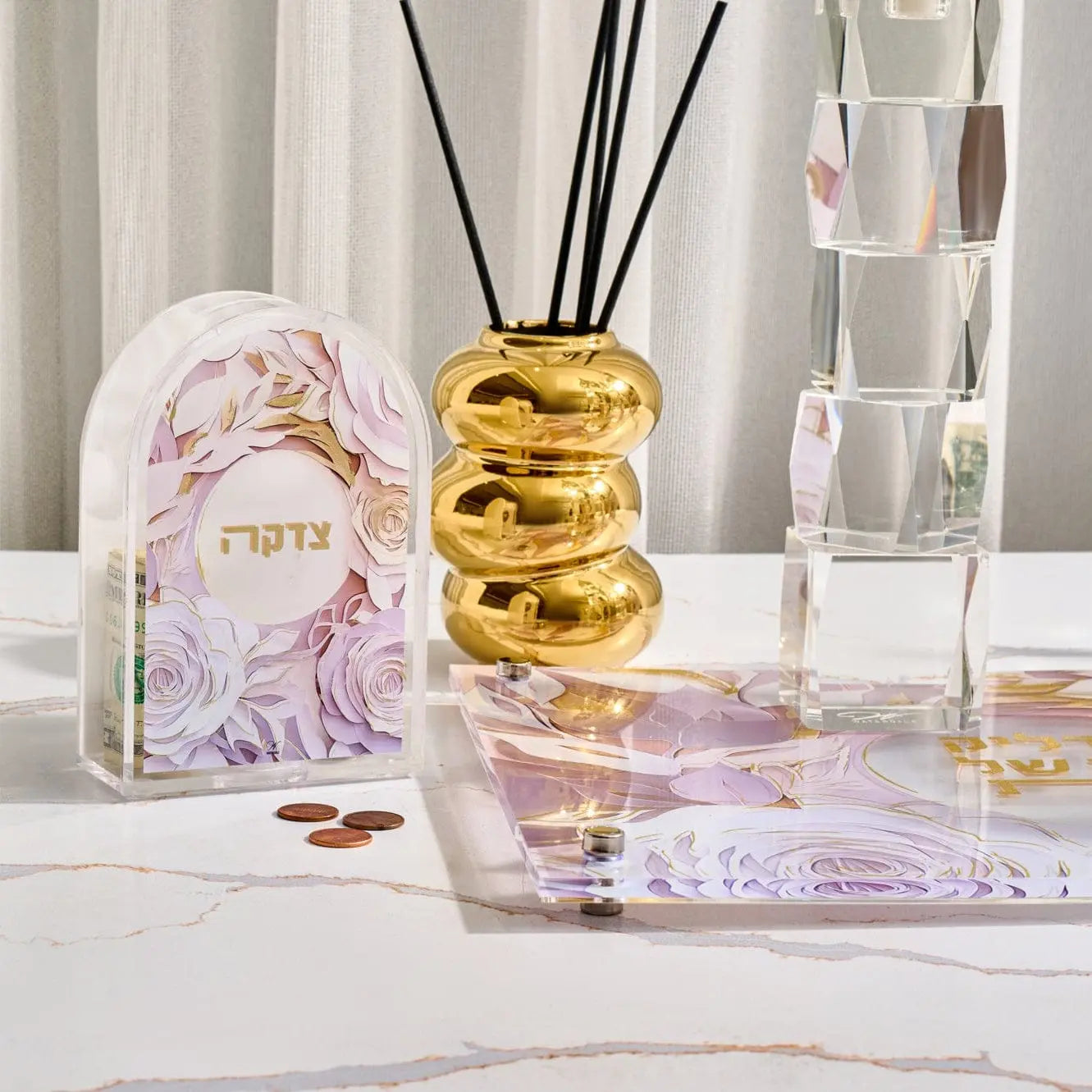
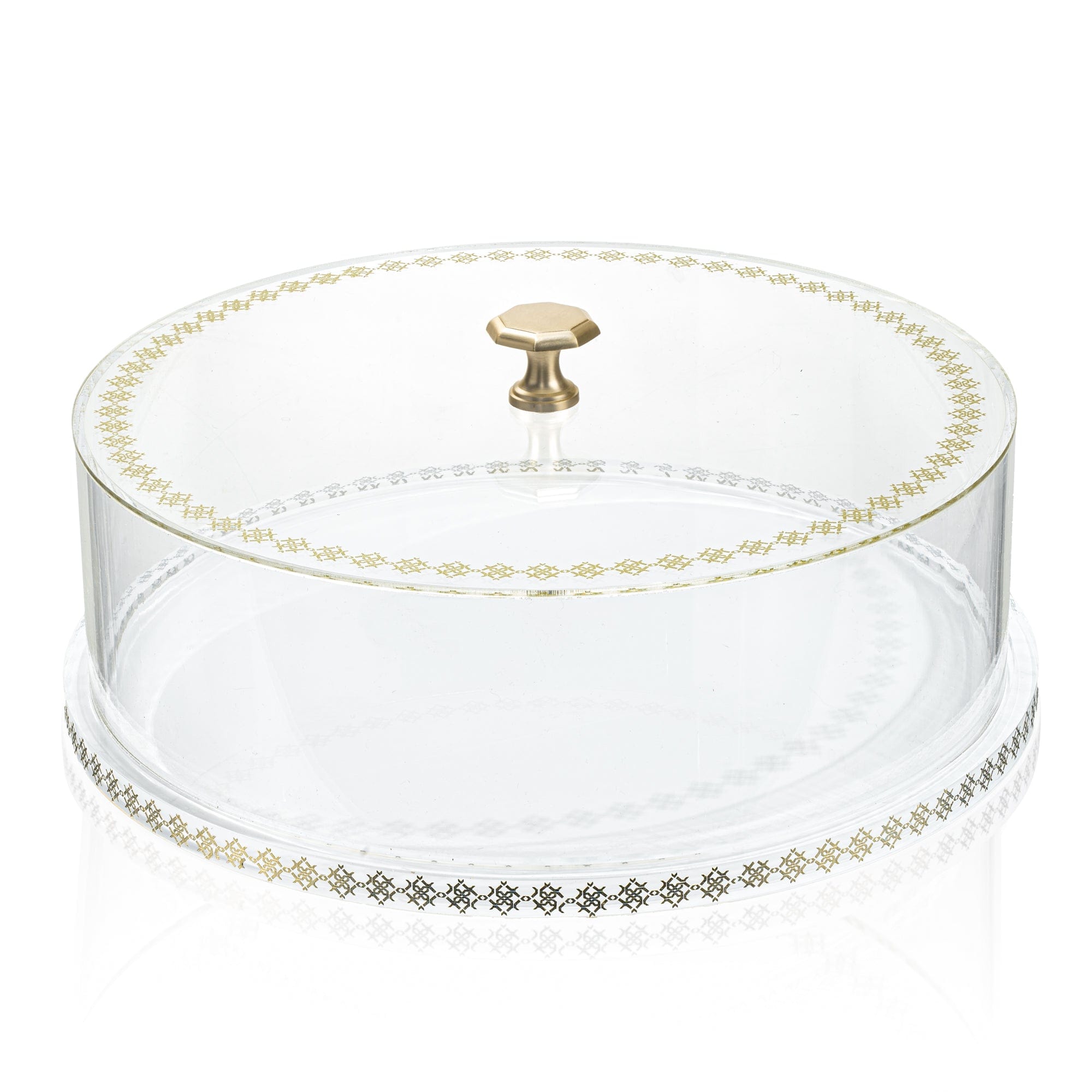
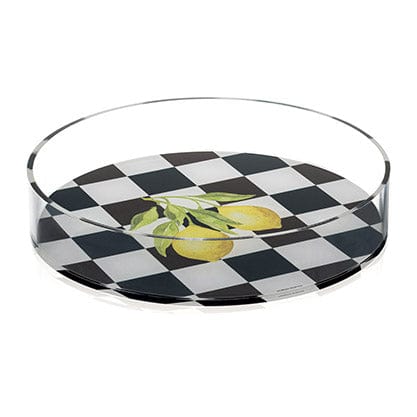
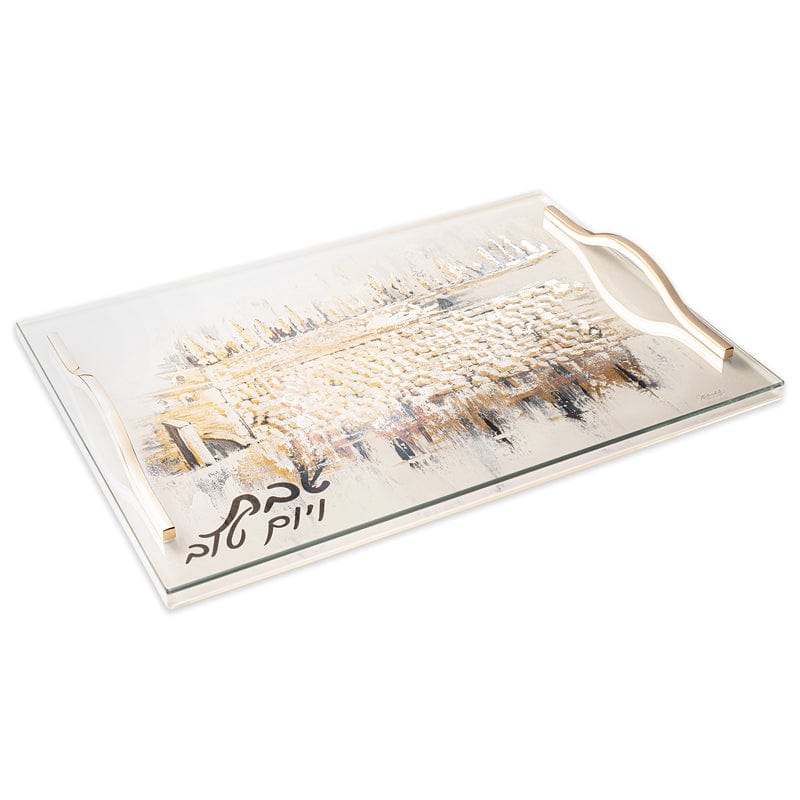
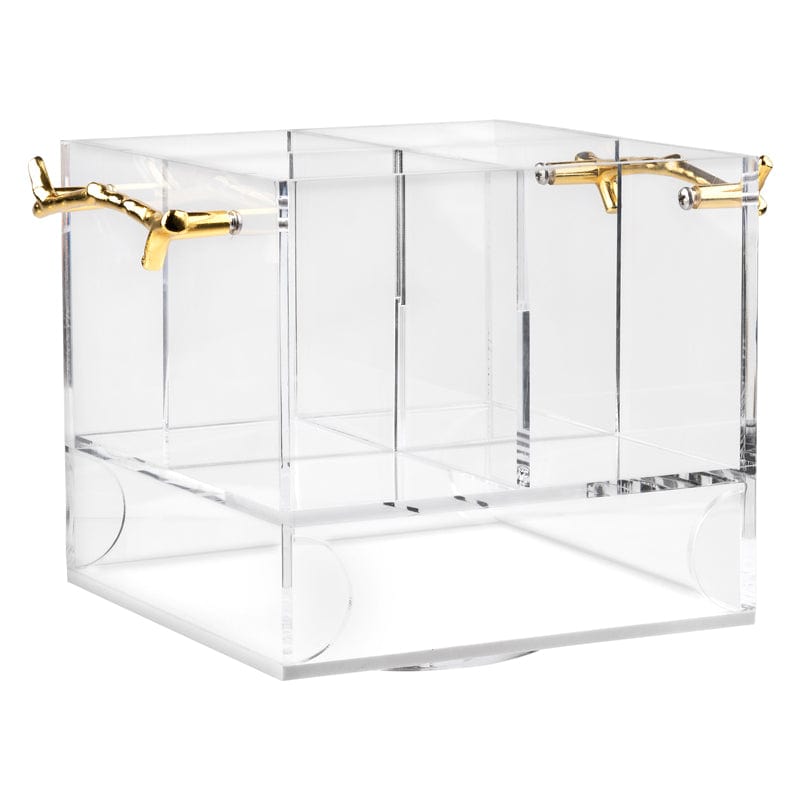
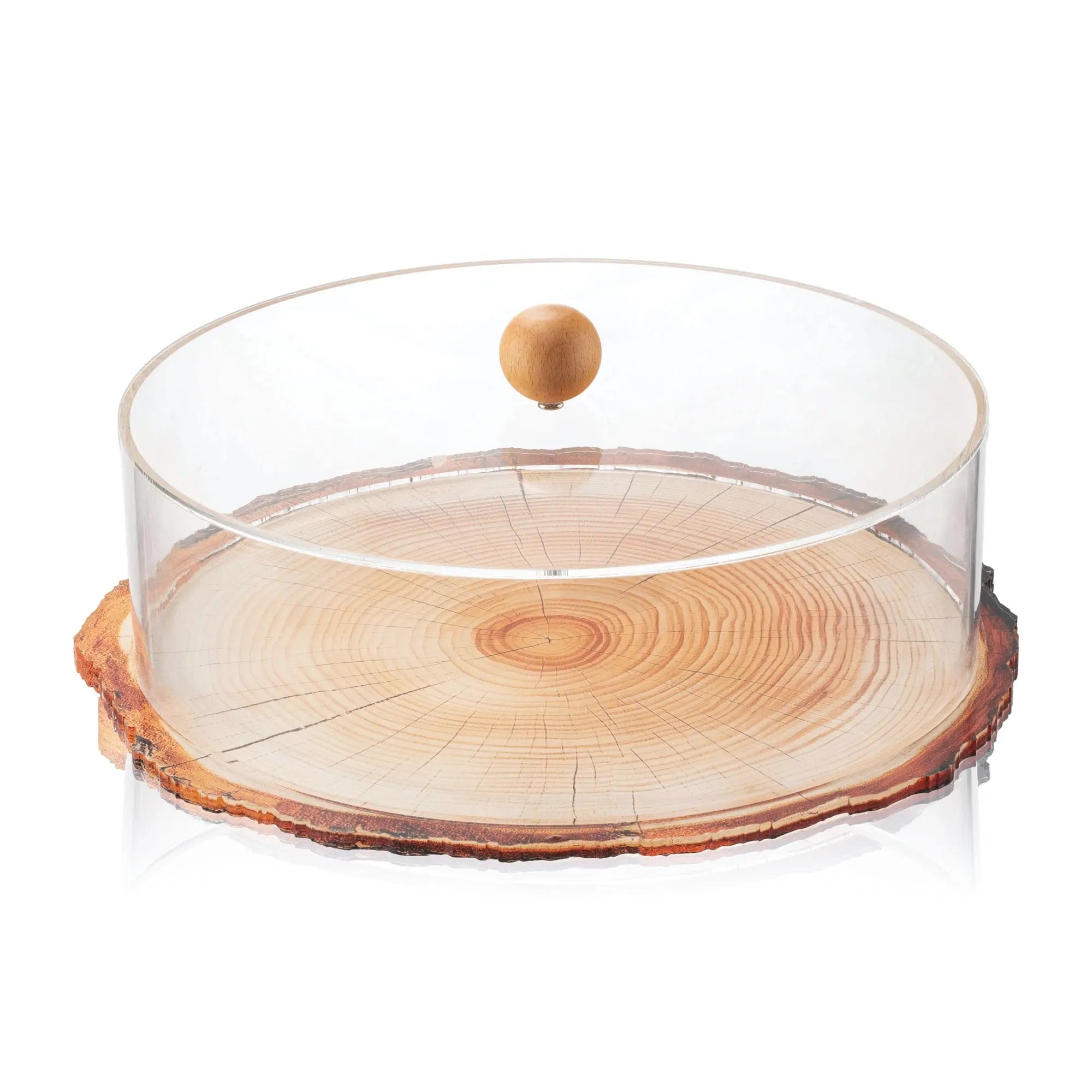
Clarity means every element serves a function. We've eliminated decoration that doesn't contribute to the piece's use or meaning. A Lucite serving board is transparent so you can see what you're presenting. A minimalist Kiddush cup has weight and balance in hand, with unadorned lines that catch light beautifully.
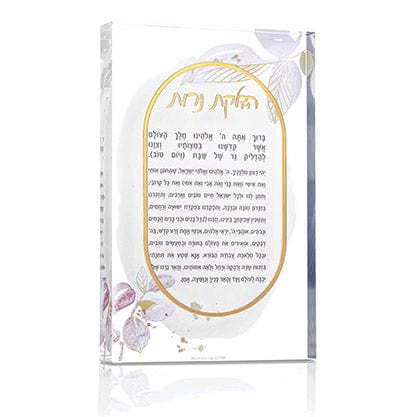
Quality involves premium materials and meticulous craftsmanship. We work extensively with lucite because it offers visual lightness while providing durability and a contemporary feel. Leather accents ground our pieces and age beautifully with use. Both materials feel intentional rather than budget-conscious.
Purpose ties everything together. We ask: What is this object for? Who will use it? Where will it live in their home? These answers shape every design decision. A Minimalist Chanukiah should hold candles safely, display beautifully when lit, and integrate seamlessly into a living room when not in use.
This approach means our pieces work harder than they appear to. Simplicity is often the result of rigorous design refinement, not lack of effort.
Material Quality and Craftsmanship Comparison
The difference between minimalist Judaica and mass-produced alternatives comes down to materials and execution. Traditional pieces often relied on brass and wood because those materials were standard. Contemporary minimalism opens possibilities that feel fresher and more durable.
Lucite offers distinct advantages over conventional materials:
- Optical clarity allows light to travel through the piece, creating subtle visual interest
- Non-porous surface resists staining and requires minimal maintenance
- Contemporary aesthetic that reads as intentional design rather than religious obligation
- Versatility: transparent lucite pairs with any interior style
- Longevity: premium lucite won't yellow or degrade like cheaper plastics
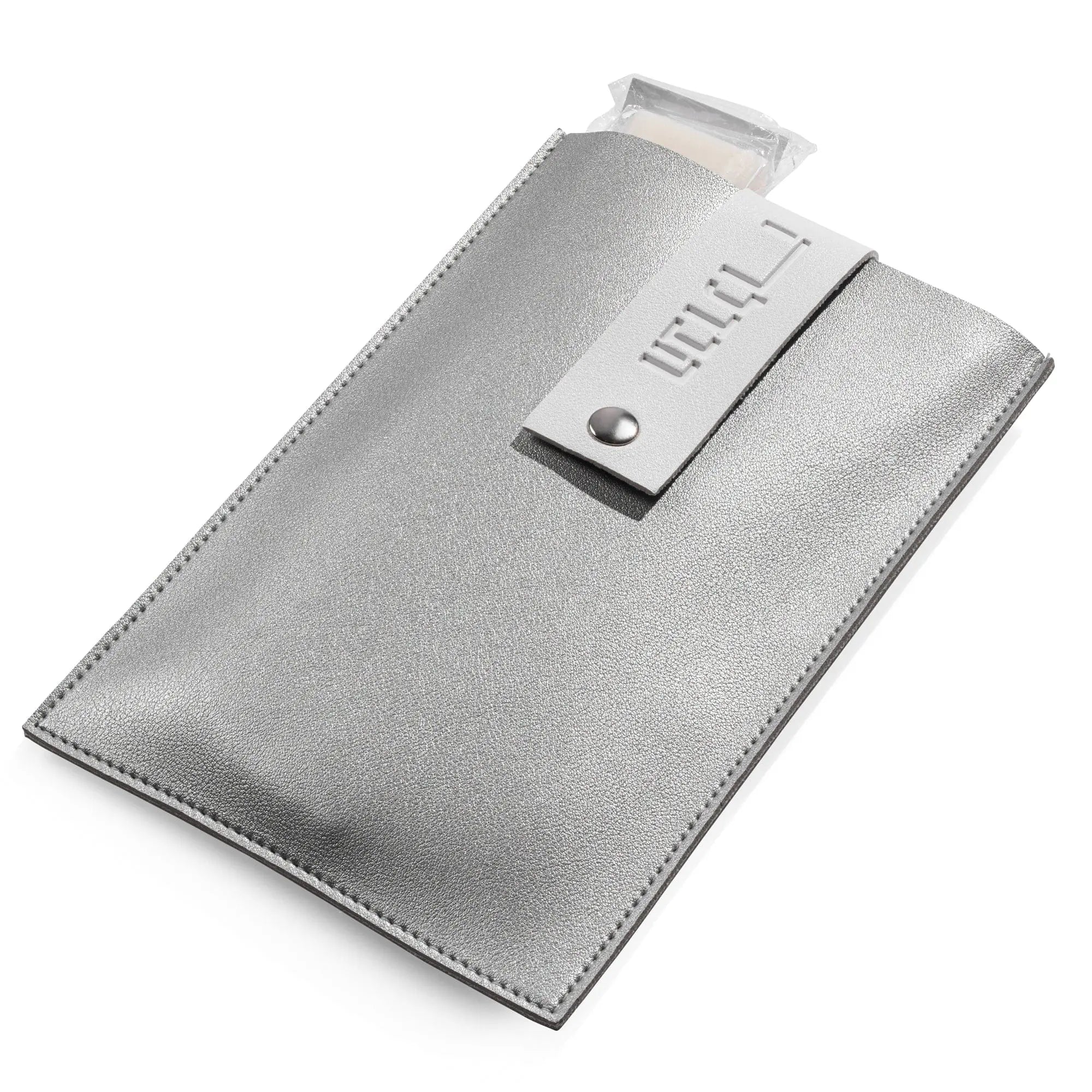
Leather, when properly sourced and finished, develops patina with time. Unlike synthetic materials that crack or fade, quality leather becomes richer and more beautiful through years of use. We pair it with lucite to create pieces that feel warm and tactile without visual heaviness.
Craftsmanship quality reveals itself in details. Hand-finished edges on lucite avoid sharp catches. Leather is stitched with precision and sealed with care. These aren't machine-cut items; they're made with attention. When you hold a well-crafted piece, the difference is immediate and tangible.
The investment in better materials means these pieces last decades and improve with age, unlike budget Judaica that can look dated or worn within years.
Functional Beauty: Form Meets Purpose in Our Collections
Minimalist design succeeds when form and function become indistinguishable. You shouldn't have to sacrifice usability for beauty or compromise aesthetics to make something practical.
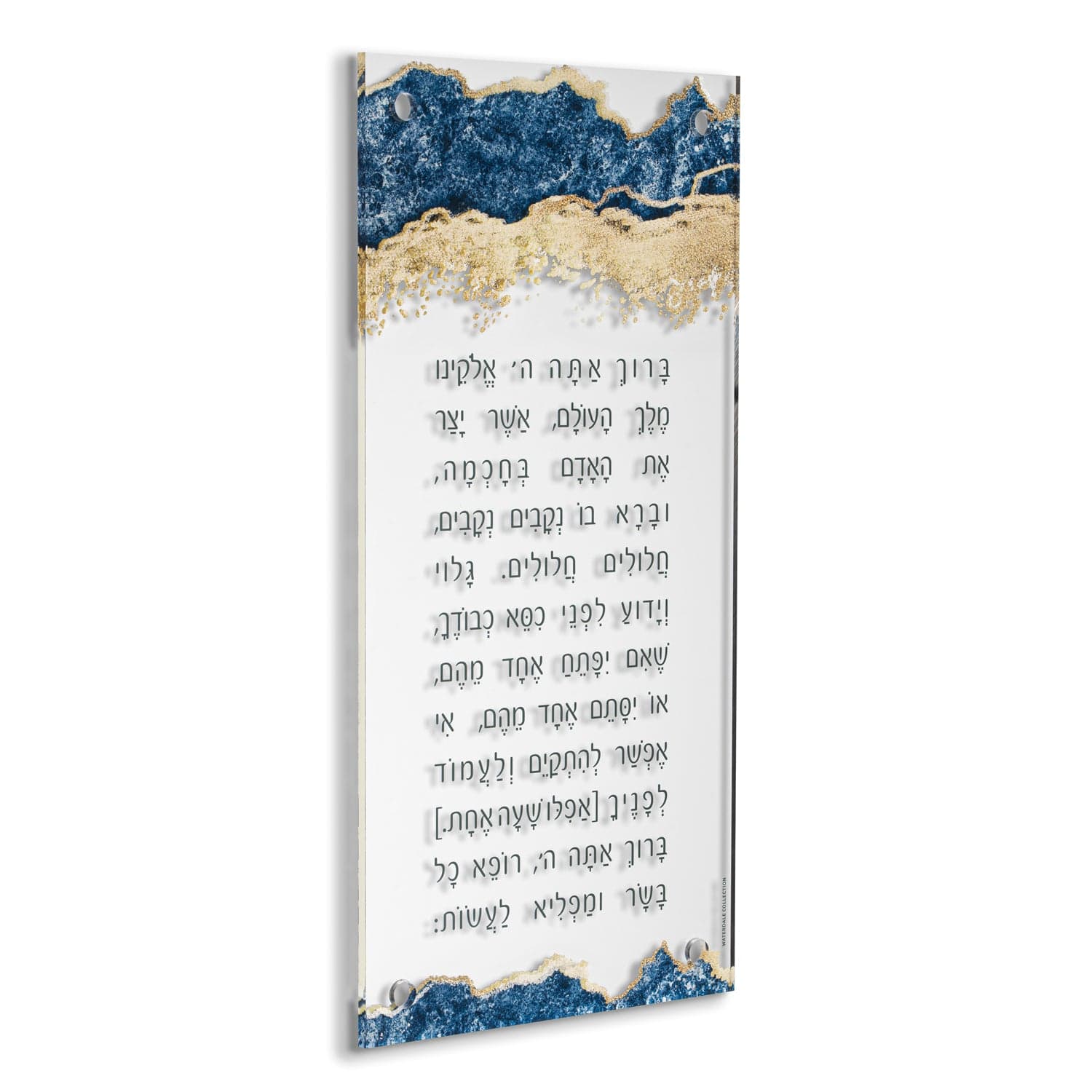
Consider our approach to Modern Lucite Judaica. Each piece begins with a practical question: How will someone actually use this? A Challah board must safely hold bread and be easy to pass. A Kiddush cup must feel substantial in hand and not tip easily. A serving platter needs genuine utility, not just visual appeal.
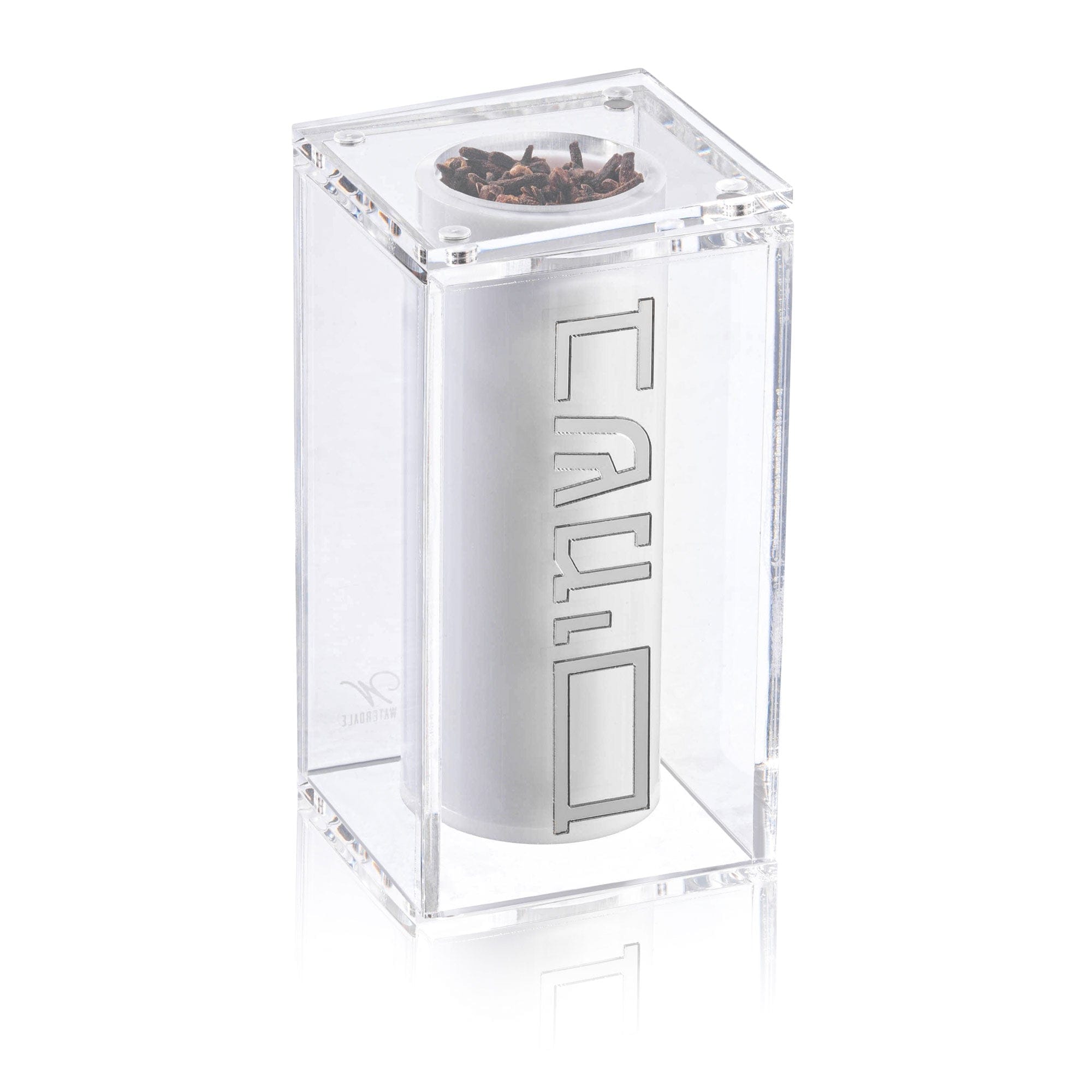
From there, we design for visual presence. Lucite pieces play with transparency and light. A minimalist candle holder becomes interesting precisely because its structure is exposed rather than hidden. You see how it balances, what supports the candles, how light refracts through the material.
This functional clarity also creates confidence in use. When a ritual object is thoughtfully designed, you feel permission to actually use it rather than preserve it. That permission transforms these pieces from decorative objects into integral parts of your practice.
What this means practically: You'll use your Judaica regularly because it fits your life and your home, deepening your engagement with ritual rather than creating another obligation.

Creating Cohesive Holiday and Ritual Spaces
One of the biggest advantages of minimalist Judaica is how it allows you to create spaces that feel unified rather than scattered across competing aesthetic languages.
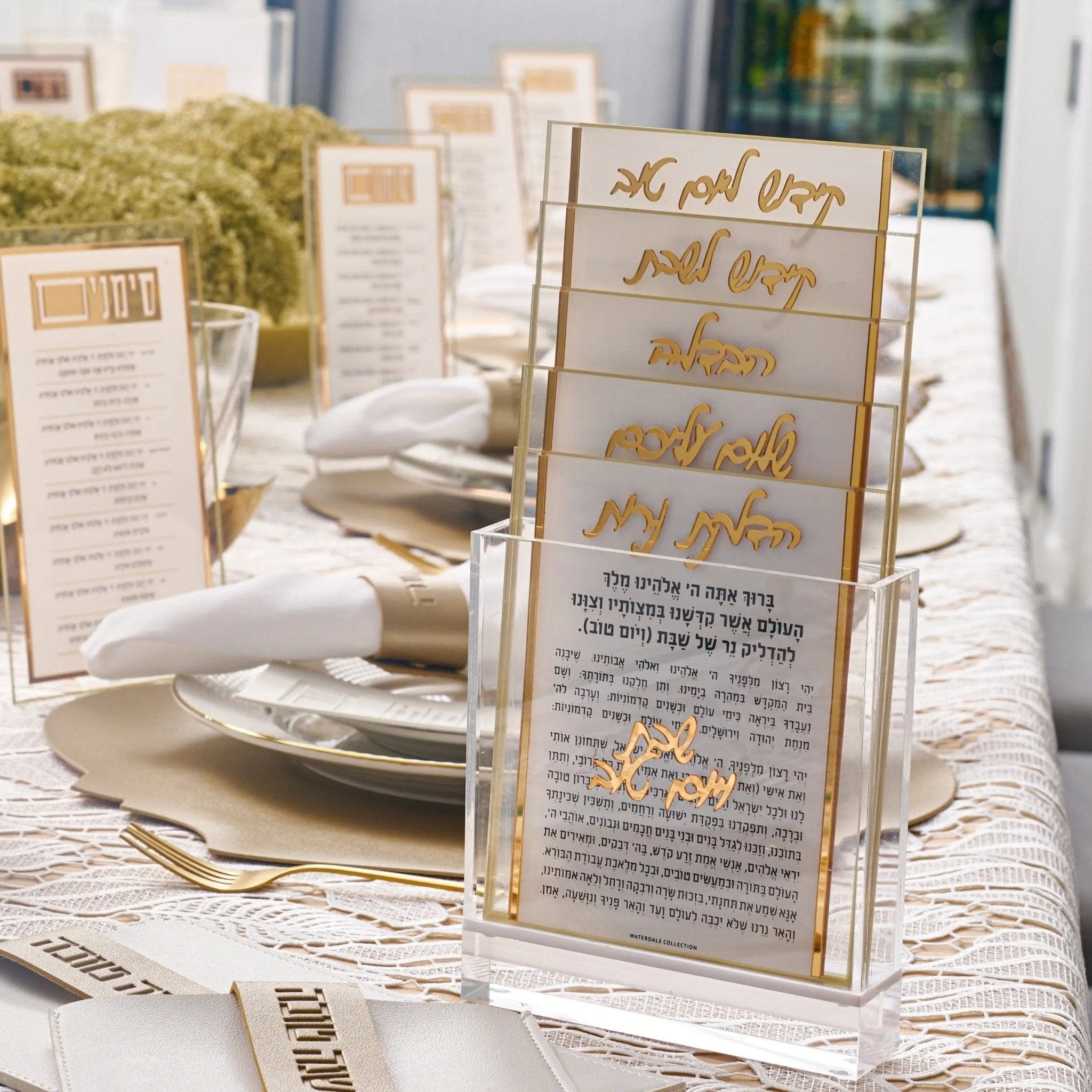
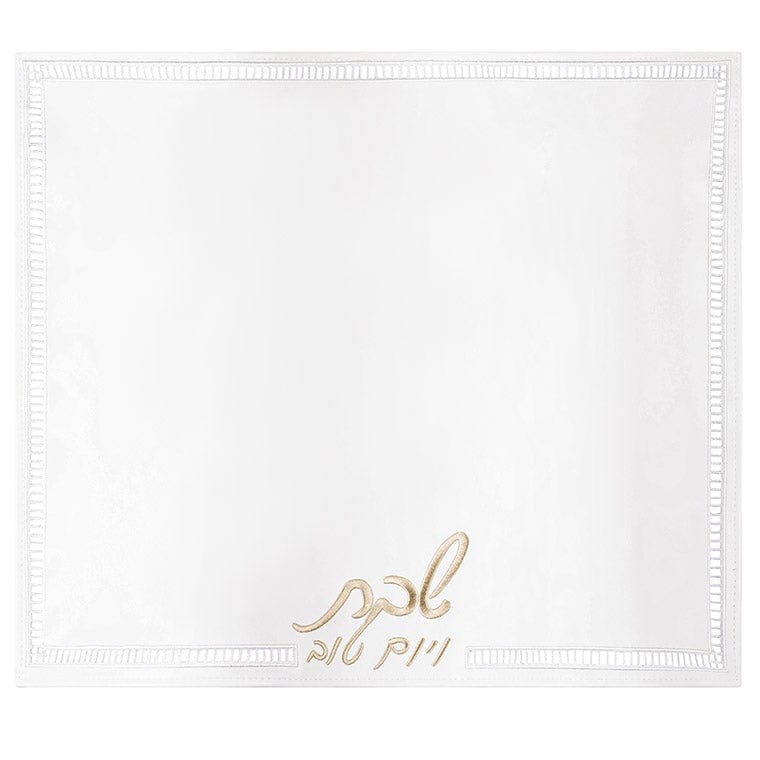
For Shabbat, imagine a dining table where candlesticks, wine cup, and bread covering all share the same design language. The materials complement each other. The proportions work together. Nothing shouts "religious obligation" in a way that contrasts with your carefully curated home. Instead, everything whispers "intentional" and "beautiful."
During holidays, this cohesion becomes even more valuable. Luxury Lucite holiday Judaica creates visual anchors that feel celebratory without veering into costume-like territory. A minimalist Seder plate becomes a centerpiece that guests admire as design. Hanukkah decor doesn't require creating a separate "holiday corner" because contemporary pieces integrate with existing decor.
This matters spiritually too. When your ritual space feels congruent with your everyday life, there's less mental separation between the sacred and the ordinary. Jewish observance becomes woven into your living rather than compartmentalized.
Customization Options for Your Unique Style
Minimalist doesn't mean one-size-fits-all. At Waterdale, we understand that personal style matters deeply, even within a clean aesthetic framework.
Customization possibilities include:
- Lucite color selections that match your interior palette (clear, frosted, subtle tints)
- Leather finish and color choices that coordinate with existing furnishings
- Sizing adjustments for different spaces and functional needs
- Monogramming and engraving for personal significance
- Custom combinations of pieces to create unified collections
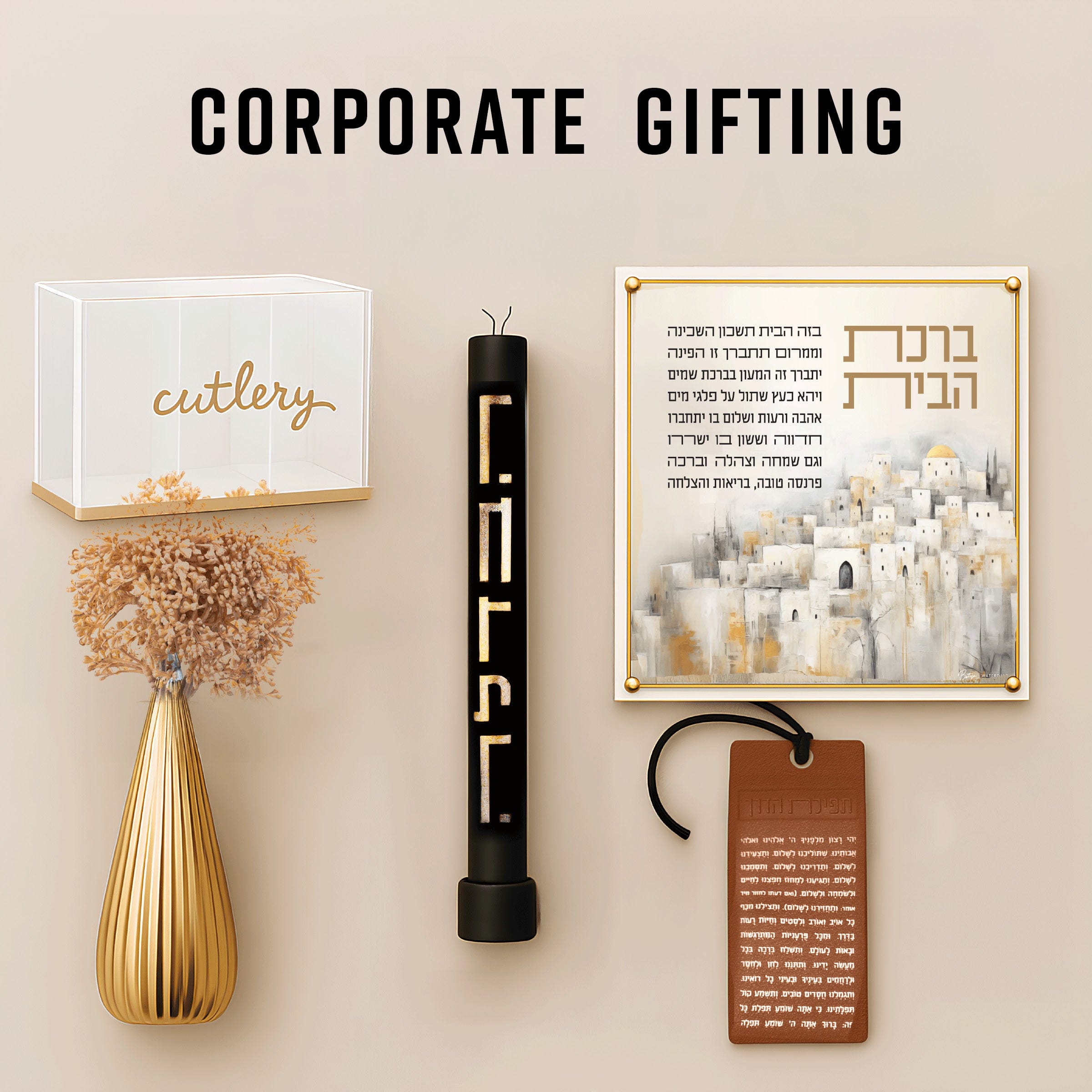
For corporate clients or significant gifts, customization takes on additional meaning. A company gift of Modern Lucite Judaica with personalized engraving becomes a meaningful keepsake rather than generic corporate swag.
Even within minimalist design constraints, your unique preferences shape the final piece. We create pieces that feel personally yours, not like you've purchased something off-the-shelf.
Integrating Judaica Seamlessly into Your Home Aesthetic
Displaying Judaica intentionally is crucial. Minimalist pieces deserve placement that honors their design, not relegation to a crowded shelf.
Strategic placement approaches:
- Shabbat items on open shelving visible during the week, not hidden in cabinets
- A dedicated shelf or small surface that becomes an intentional display area
- Grouping pieces by function so candlesticks, cups, and plates create visual interest together
- Positioning pieces where they receive natural light, especially with lucite that benefits from illumination
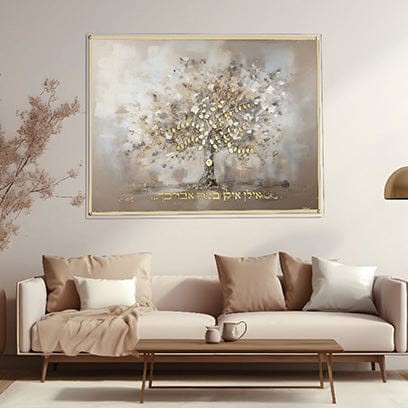
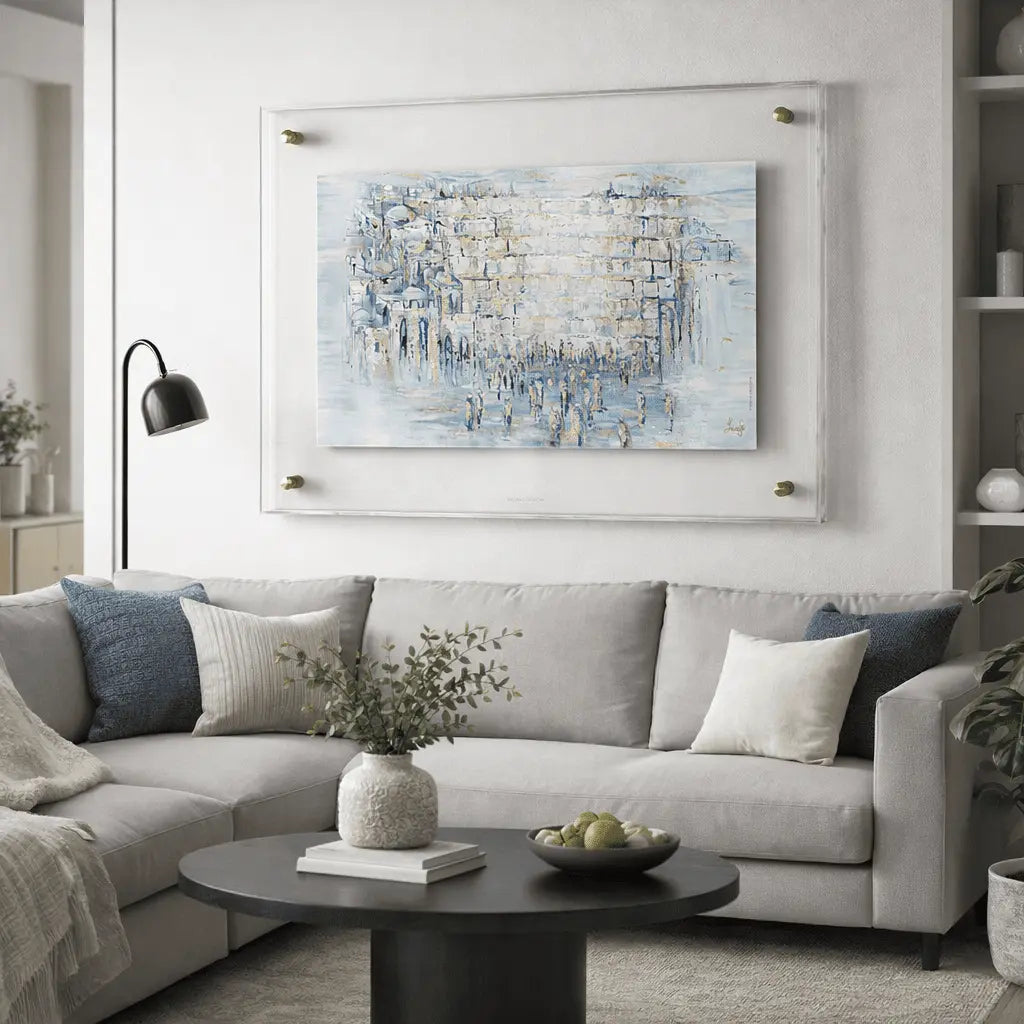
- Treating Judaica as you would art or decorative objects, not as separate religious items
The goal is ownership without apology. These pieces deserve to be seen because they're beautifully designed. This visibility also keeps you mentally and practically connected to your traditions.
For apartments or smaller spaces, minimalist pieces excel because they occupy visual space efficiently. A transparent lucite Menorah takes up far less psychological real estate than an ornate brass version, allowing you to display ritual items even in tight quarters.
Investment Value of Premium Contemporary Pieces

Minimalist Judaica from Waterdale isn't disposable. These are investment pieces that appreciate in meaning and appearance over time.
Consider the economics: A premium contemporary Kiddush cup will last decades. A mass-produced version might look dated or wear out within years, requiring replacement. Over a lifetime, quality items cost less per year of use.
Beyond durability, there's aesthetic staying power. Minimalist design doesn't trend; it endures. Ten years from now, a contemporary piece will still feel current because it doesn't rely on momentary fashions. Traditional maximalist design, conversely, cycles in and out of favor.
For gifting, this matters significantly. A child receiving a minimalist silver cup or Menorah for a Bar or Bat Mitzvah will still treasure and use it as an adult. It won't feel childish or outdated as their taste evolves. It will grow with them.
There's also the intangible value of ownership. When you invest in quality pieces that align with your aesthetic, you use them more. You display them proudly. You think about them positively. That engagement deepens their meaning in your life.
Why Waterdale Collections Delivers the Minimalist Vision
We've built Waterdale specifically for people who want contemporary design and meaningful Jewish observance to coexist without compromise. This isn't a secondary focus or an afterthought in our collection; it's our core mission.
Our expertise comes from deep understanding of both design and Jewish practice. We know how Judaica is actually used, not just theoretically how it should function. We understand contemporary homes and the aesthetic languages that make spaces feel intentional. This intersection is where we operate.
Our materials reflect this specificity. Premium lucite and quality leather aren't random choices; they're selected because they work beautifully in minimalist contexts while honoring the significance of ritual items. Our craftsmanship standards ensure every piece you receive is exactly what you expected when you saw it online or in person.
Equally important is our commitment to making customization accessible and meaningful. Whether you're designing a personal gift or outfitting your home for the holidays, we treat your vision as genuine and important.
The result is Judaica that doesn't feel like a compromise between your design sensibility and your traditions. It feels like the obvious choice because it honors both equally.
Making the Choice: Your Path to Modern Jewish Living
If you've felt tension between contemporary aesthetics and traditional practice, minimalist Judaica offers resolution, not negotiation. You don't have to choose between design and meaning.
The practical next steps are straightforward:
- Identify which ritual items matter most to your observance and lifestyle
- Consider your home's aesthetic and color palette
- Explore customization options that make pieces feel personally yours
- Prioritize quality and craftsmanship over quantity
- Treat Judaica as intentional design elements, not religious obligations
Starting with one or two pieces often makes sense. A minimalist Kiddush cup or Menorah becomes the anchor for a broader collection. As you experience how contemporary design deepens rather than diminishes ritual engagement, you'll naturally expand.
Waterdale Collections exists to make this transition seamless. Our pieces are designed for homes where beauty and tradition strengthen each other. Browse our contemporary collections, explore customization options, and discover how modern minimalist Judaica can transform your practice and your space. Your home deserves to reflect all of who you are, and your Judaica should too.
Shop Now