


















The Challenge of Blending Tradition with Modern Aesthetics
The decision between modern and traditional Judaica shapes more than aesthetics—it reflects how you want to live your Jewish identity today. Many households find themselves caught between honoring time-honored designs and wanting pieces that feel current, functional, and reflective of contemporary taste. This tension isn't new, but the quality of modern alternatives has transformed what's possible.
We've spent years listening to customers navigate this choice. They want ritual objects and home decor that feel authentically Jewish without looking dated on a shelf. They want pieces that work with minimalist interiors, open-concept living, and the visual language of 2026. The good news: you don't have to compromise between tradition and design excellence.
Traditional Judaica often carries ornamental density—gold filigree, heavy ornamentation, baroque flourishes. These pieces serve a purpose: they convey reverence and historical continuity. Yet they can feel disconnected from how many of us live now. A heavily ornate Kiddush cup might look isolated on a minimalist dining table. A baroque Havdalah set can clash with Scandinavian furnishings.
The real challenge is that tradition and modernity aren't opposites in practice. Contemporary design doesn't reject Jewish values; it reframes how those values appear in space. When we approach modern Judaica design, we're asking: What would this ritual item look like if we designed it today, honoring its purpose while respecting contemporary visual principles?
This shift allows you to maintain observance while living in alignment with your aesthetic. Your home should feel unified, intentional, and personally authentic.
Material Quality and Craftsmanship Comparison
Traditional Judaica frequently relies on materials like cast metal, aged wood, and ornamental ceramics. These materials are durable, but they come with limitations. Metal tarnishes and requires regular maintenance. Wood can warp or become damaged by water exposure. Ornate details trap dust and become difficult to clean.
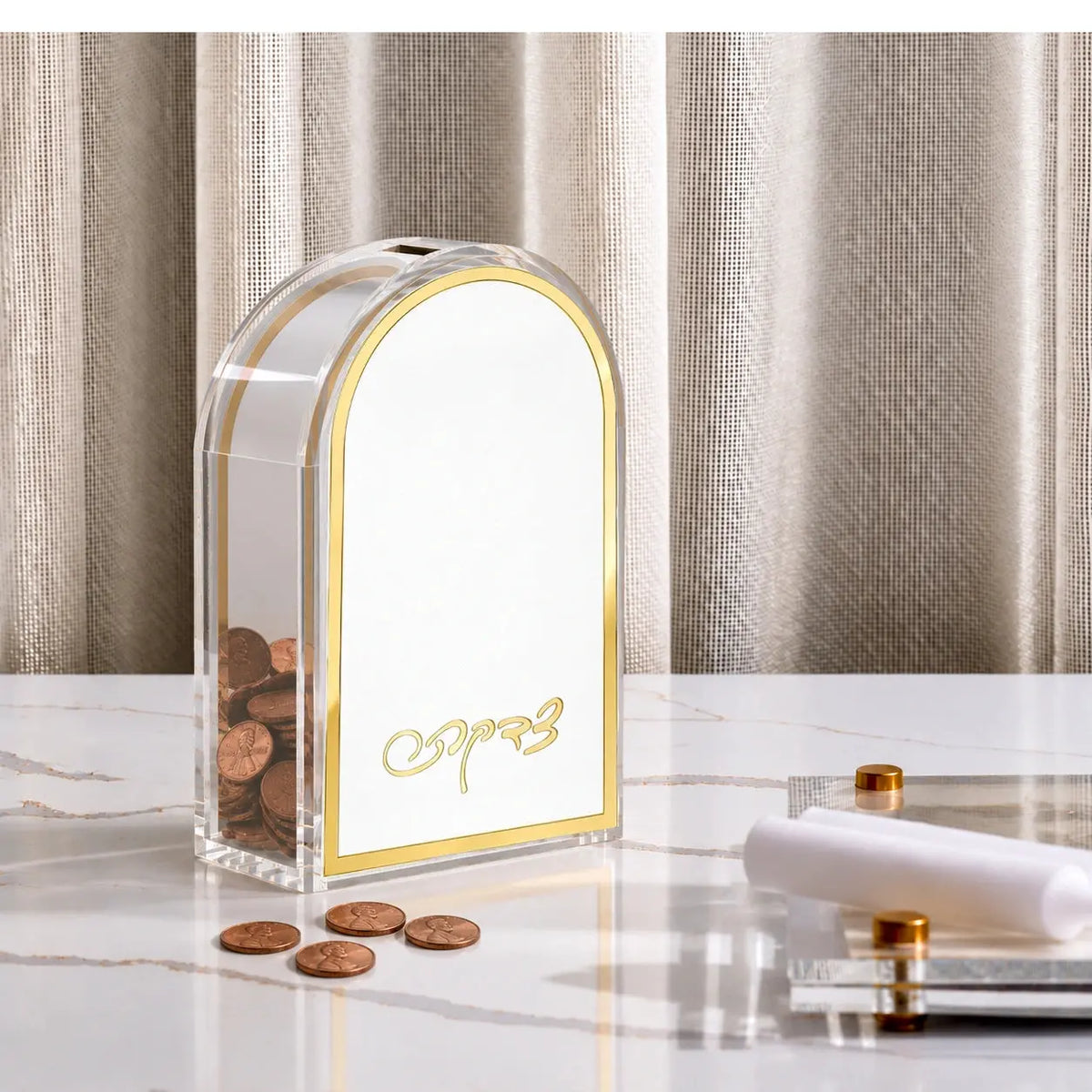
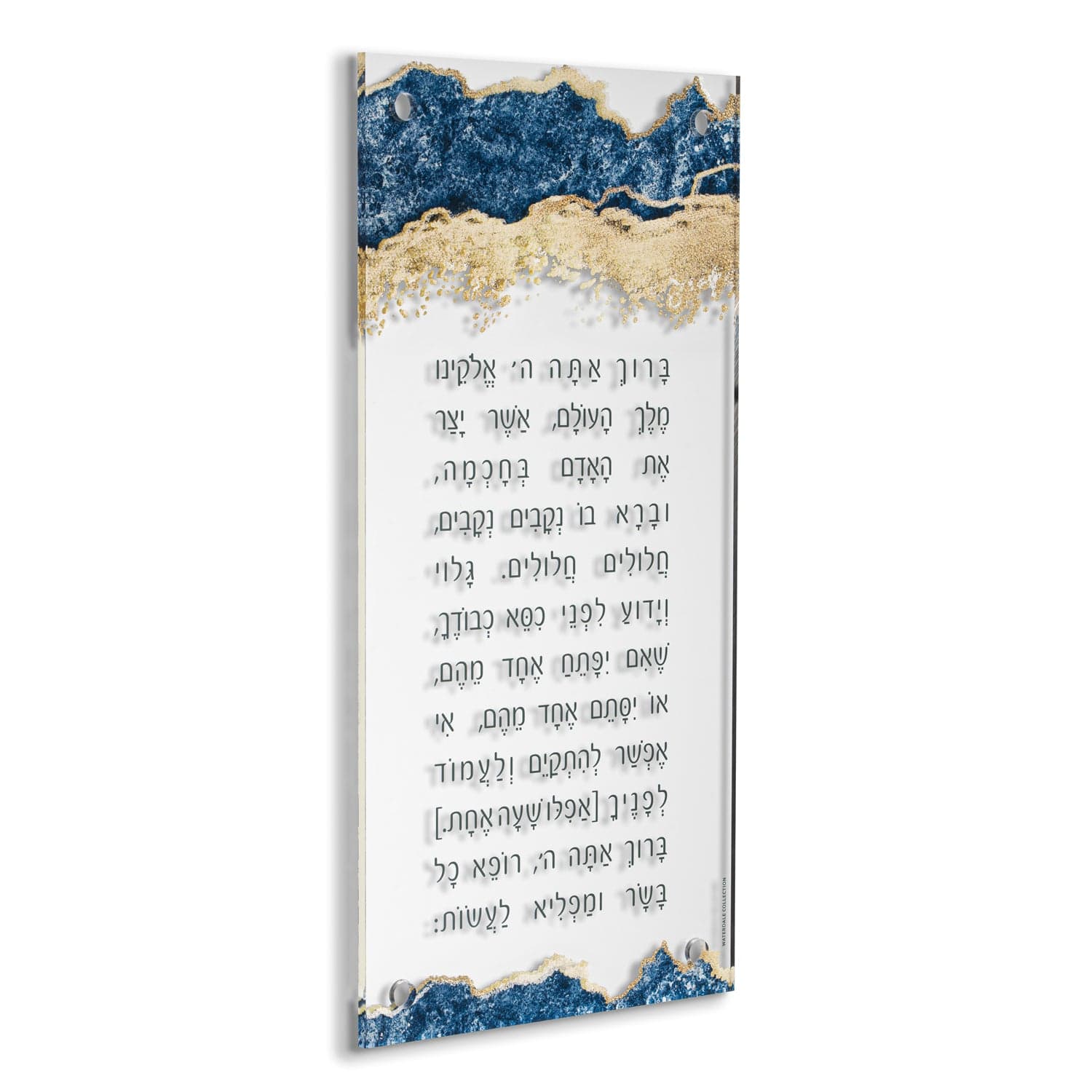
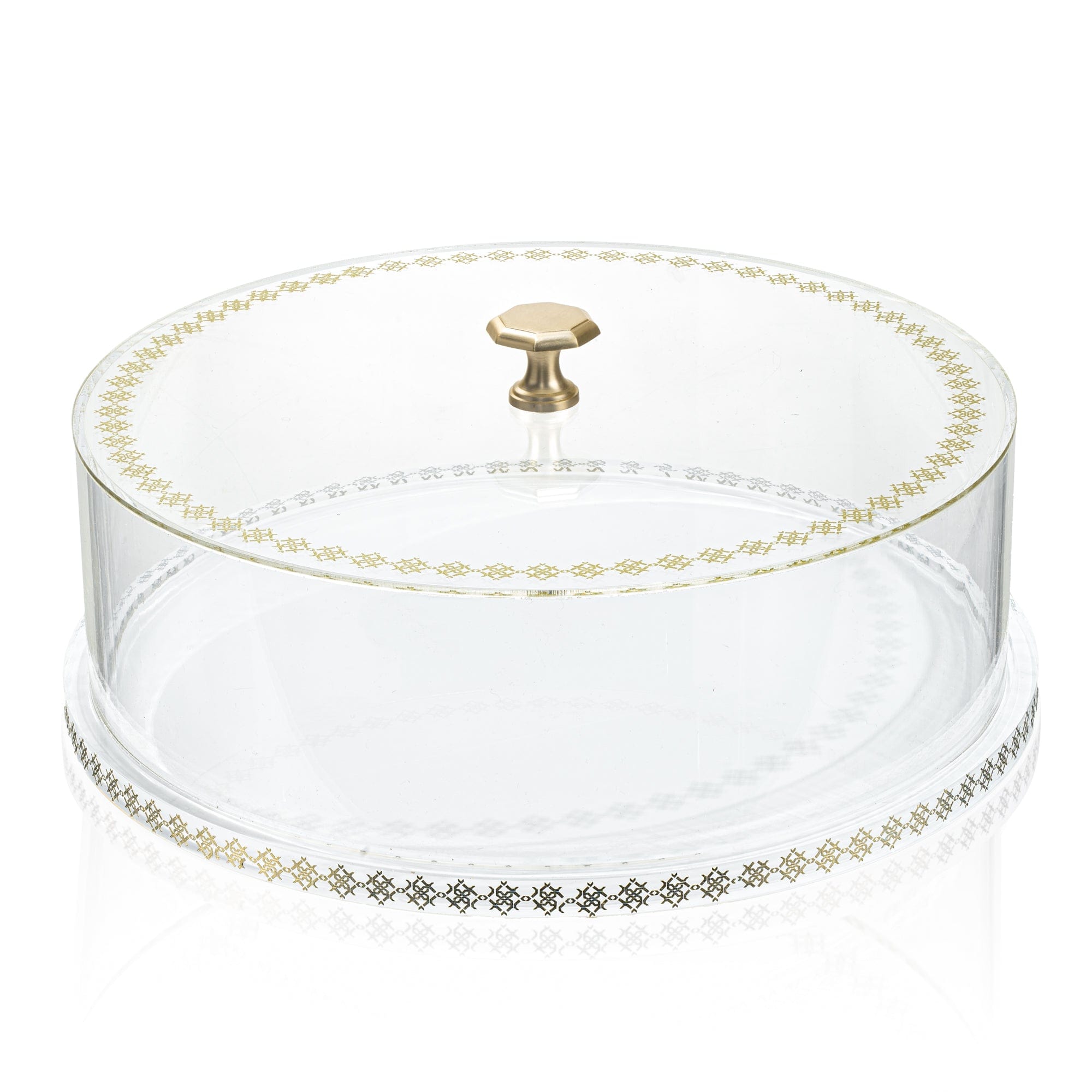
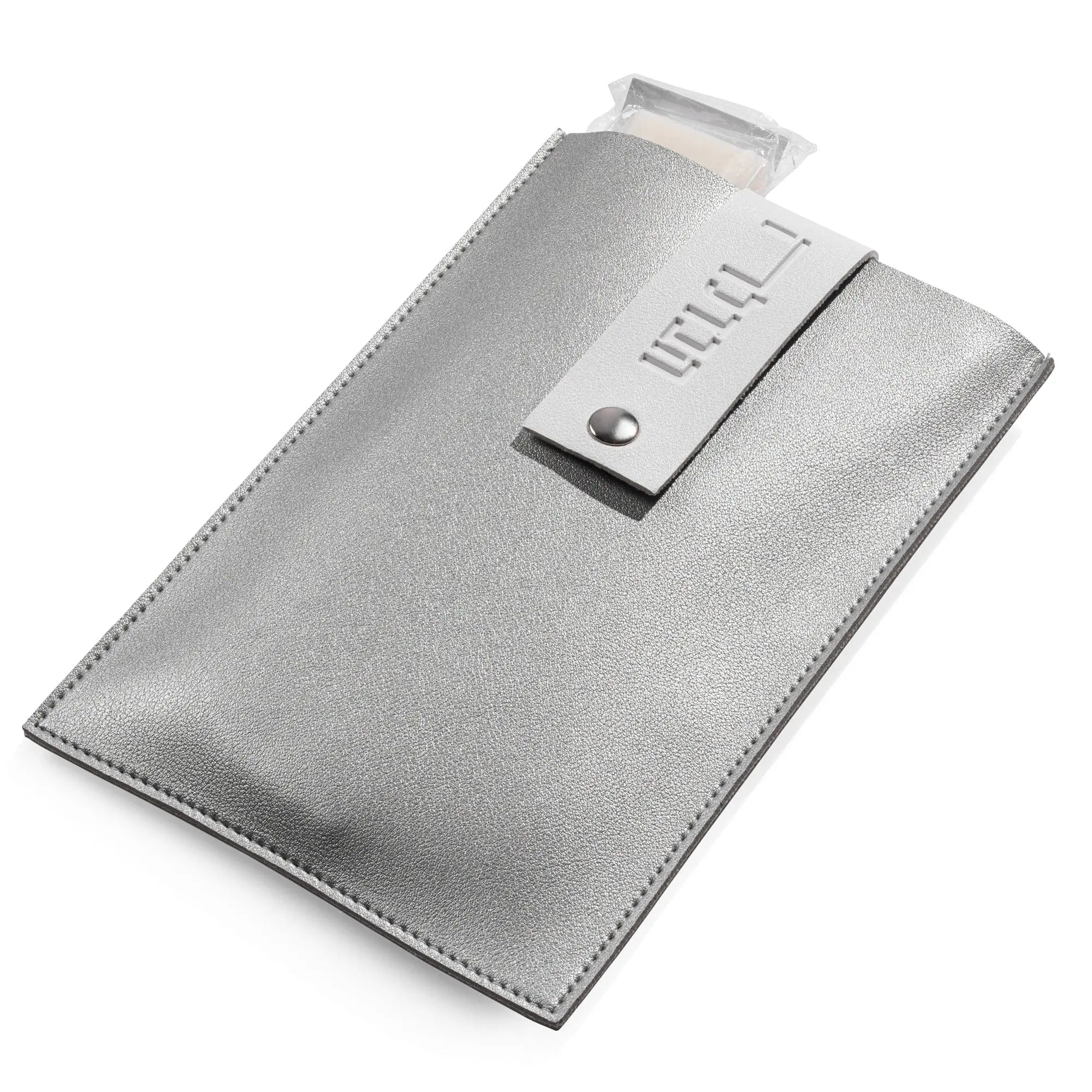
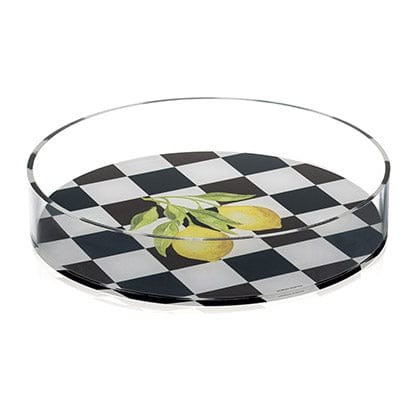
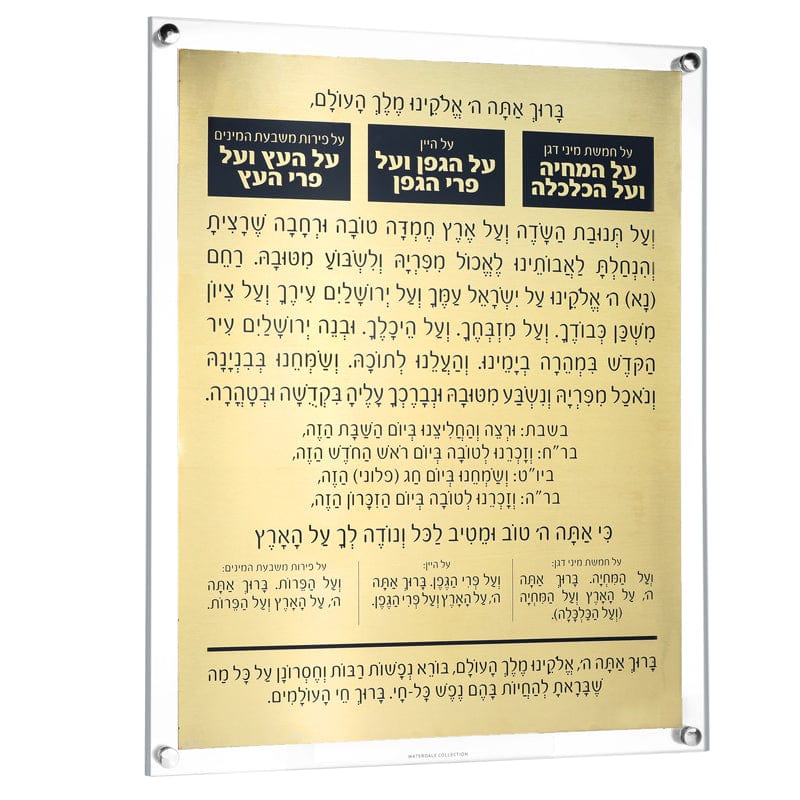
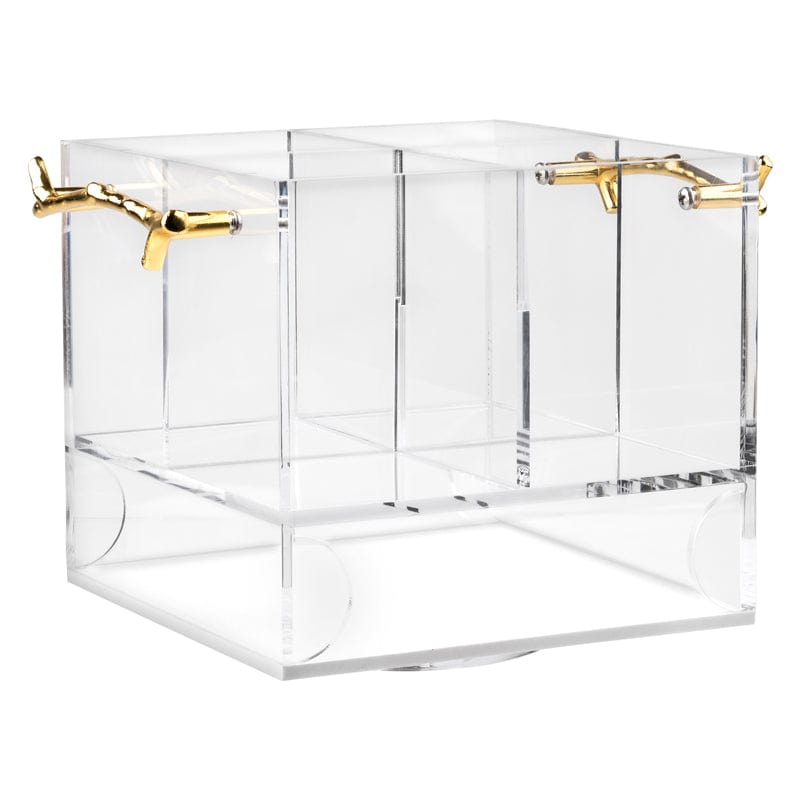
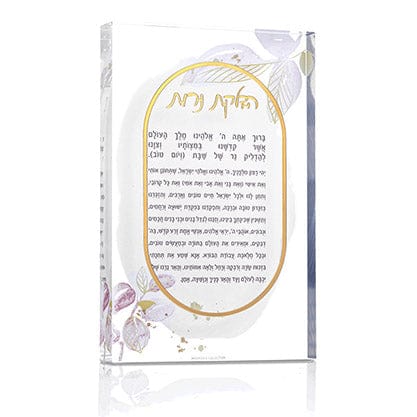
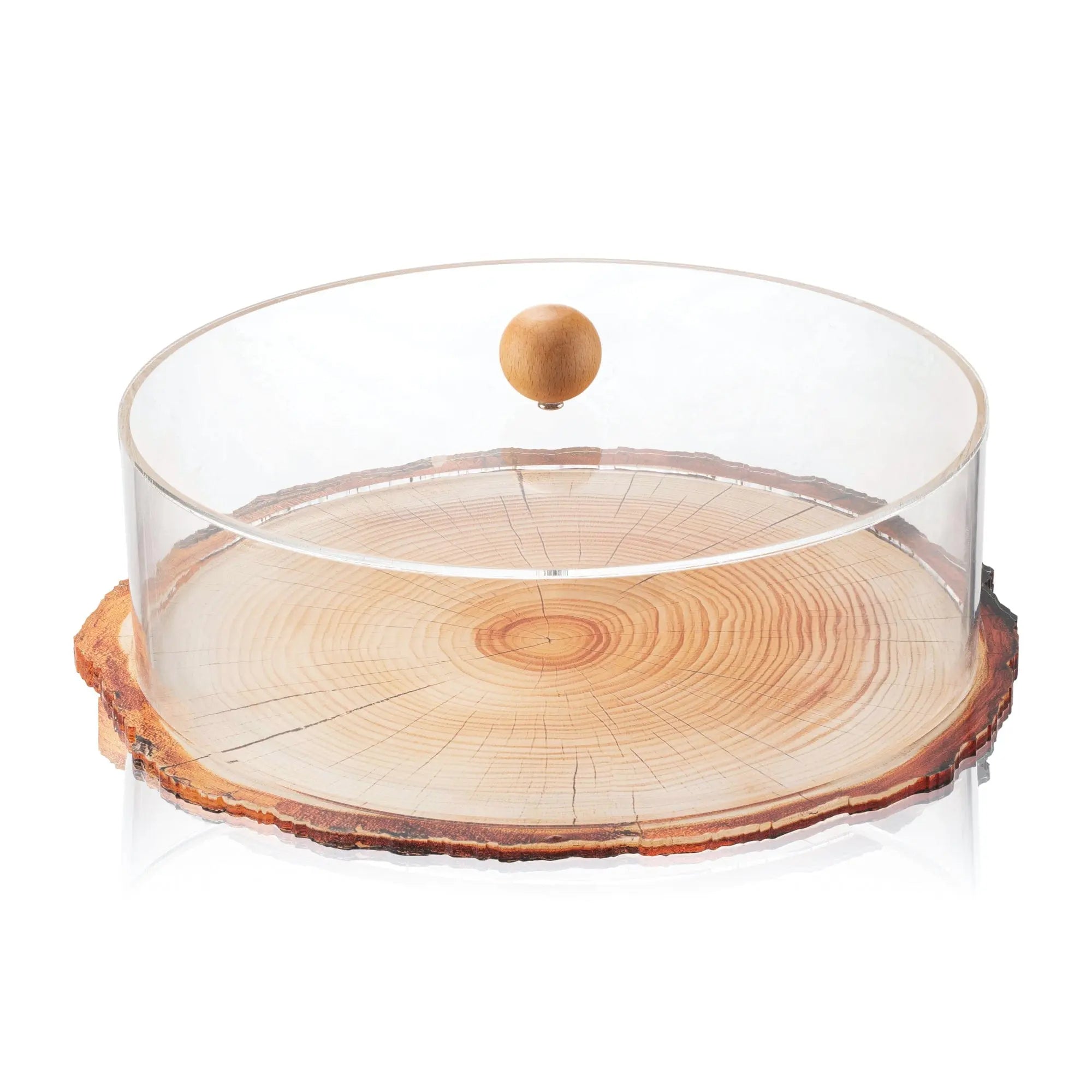
We work primarily with premium lucite and leather because these materials offer objective advantages for contemporary living. Lucite is non-porous, resists staining, won't tarnish, and maintains its clarity indefinitely. It's also transparent, meaning light moves through pieces rather than bouncing off heavy surfaces. Leather develops character with time and use, aging beautifully without deteriorating.
Consider a Kiddush cup: traditional metal versions require polishing to stay lustrous. Our lucite alternatives look flawless year after year with basic cleaning. A traditional Seder plate might be ceramic, prone to chipping; our lucite versions are virtually indestructible while feeling elegant and refined.
What to do next: Think about the pieces you'll use most frequently—Shabbat items, holiday decor, daily ritual objects. These are exactly where material choice matters most. Pieces you'll handle weekly should prioritize durability and ease of care.

Design Innovation and Visual Impact
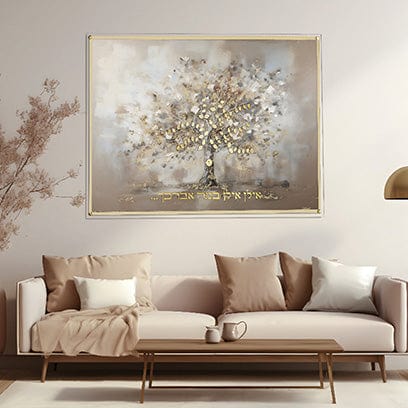
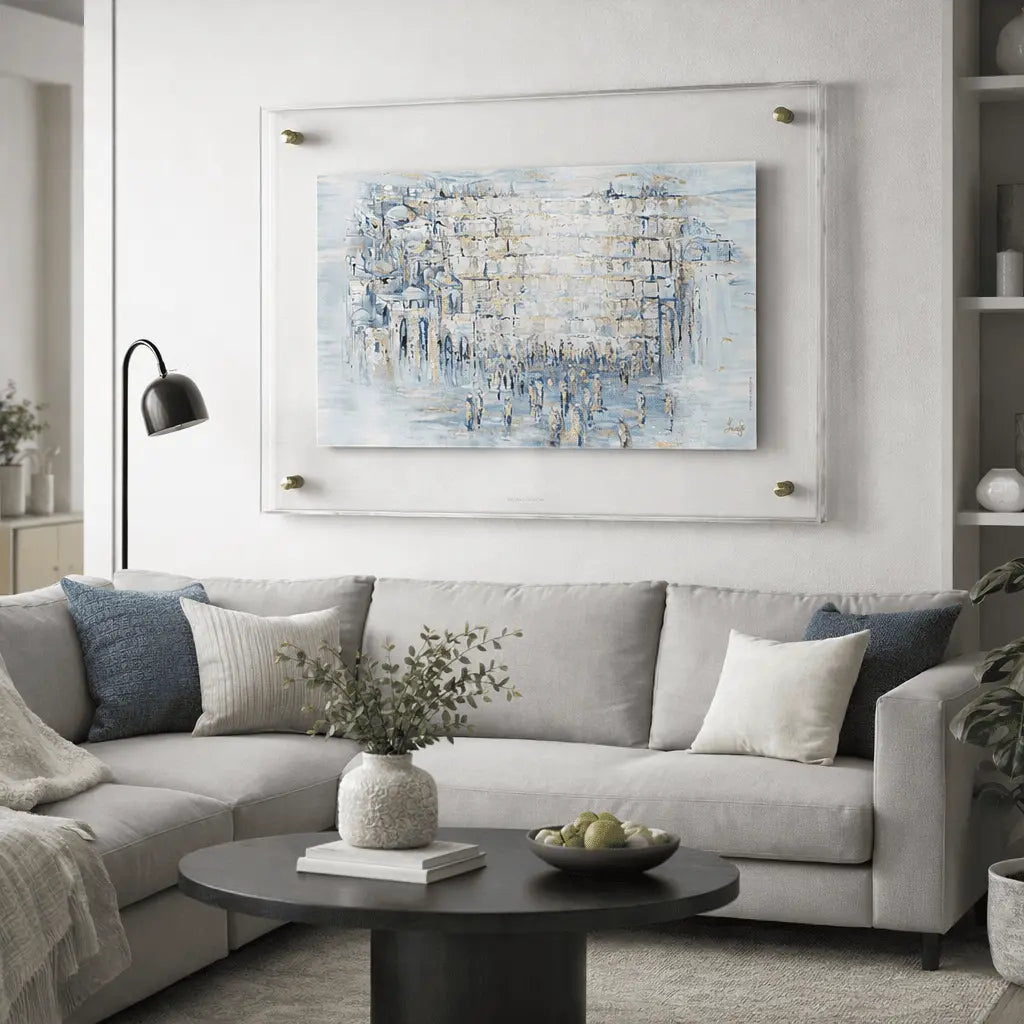
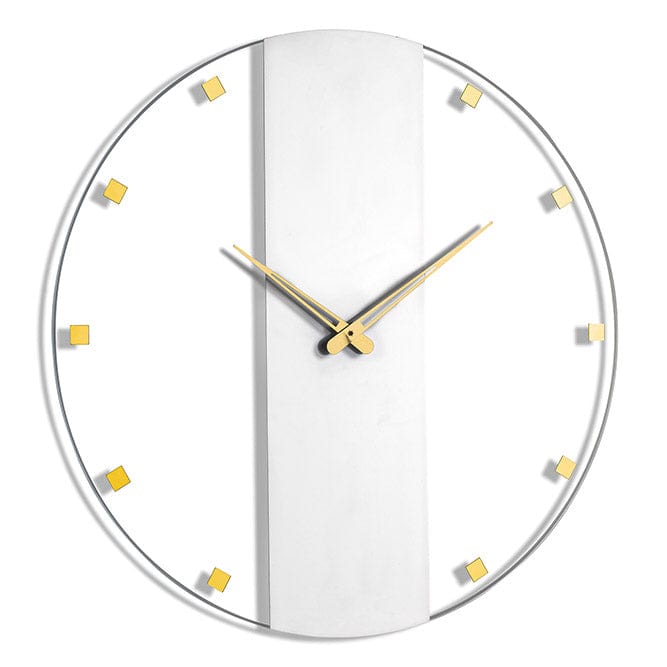
Modern design principles emphasize clean lines, proportion, and purposeful minimalism. These aren't trendy choices; they're about reducing visual noise so meaningful elements stand out. When applied to Judaica, contemporary design makes the object itself the focal point rather than decorative surrounding elements.
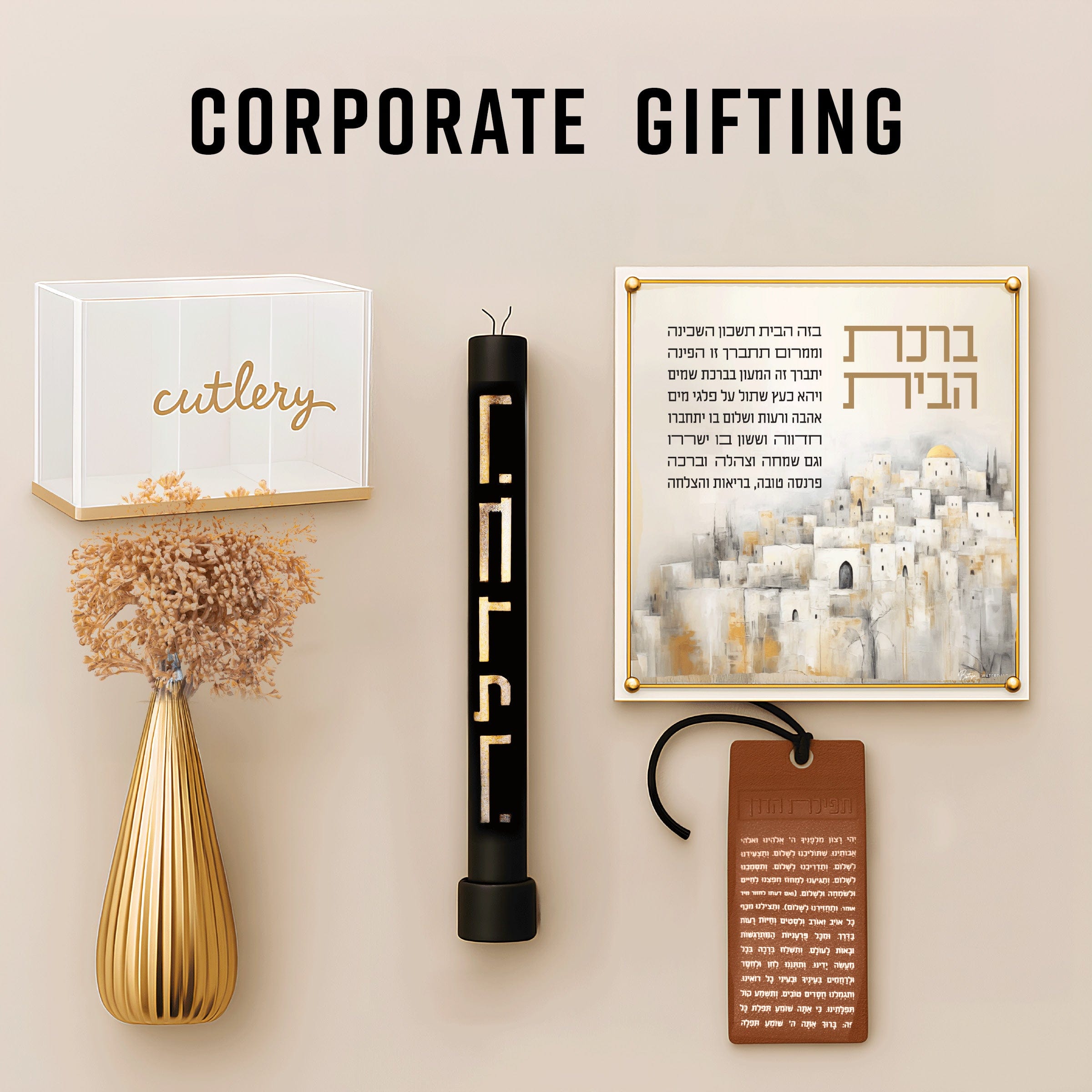
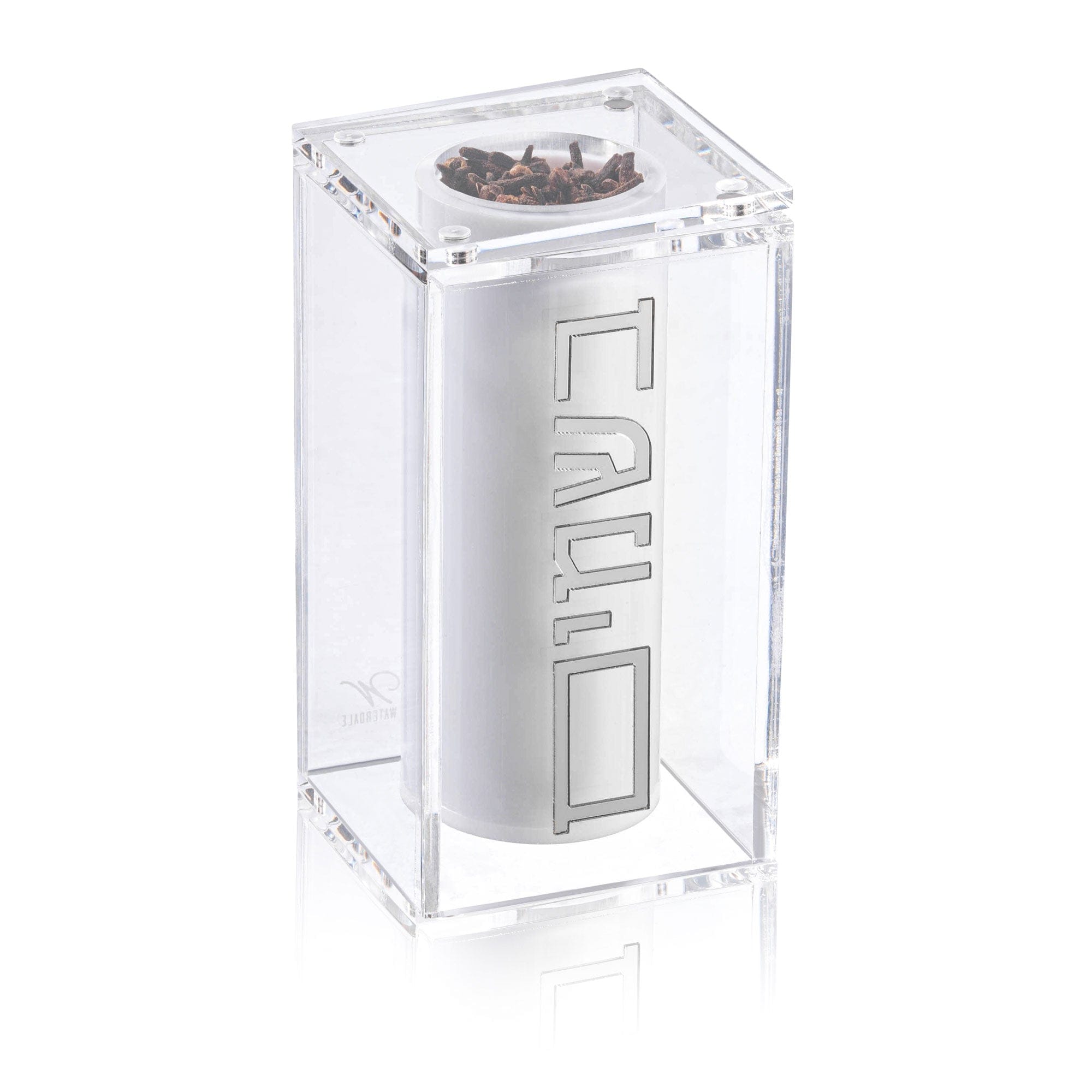
A traditional Havdalah set might include a candle holder, spice box, and wine cup as separate ornate pieces. A contemporary approach integrates these elements into a cohesive composition with negative space, intentional proportions, and materials that feel premium rather than busy. The ritual meaning remains unchanged, but the visual experience becomes more powerful.
Minimalist Judaica design doesn't mean sparse or cold. It means every element earns its place. When you choose modern pieces for your home, you're choosing objects that complement rather than compete with other decor. This creates a more sophisticated, curated environment where your Jewish identity feels woven into your life rather than displayed as separate from it.
Try this: Look at your living room or dining space. Imagine adding a contemporary Judaica piece versus a traditional one. Which feels like it belongs to your overall aesthetic?
Functionality in Ritual and Daily Use
Traditional Judaica prioritizes symbolic representation over practical usability. An ornate Seder plate might be beautiful but impractical for actually serving food—the decorative elements take up space, the surface might be uneven, and you feel reluctant to use it.
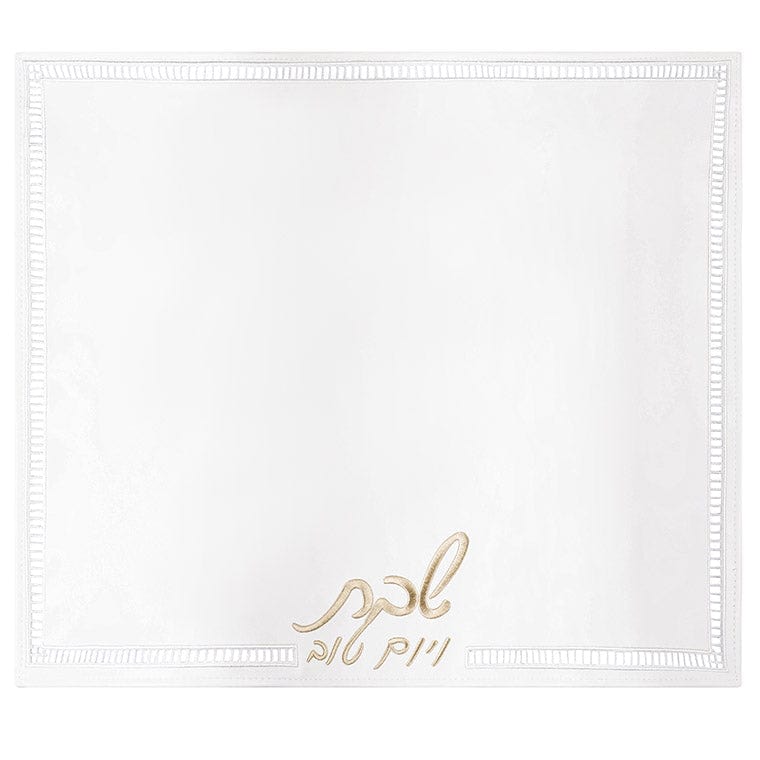
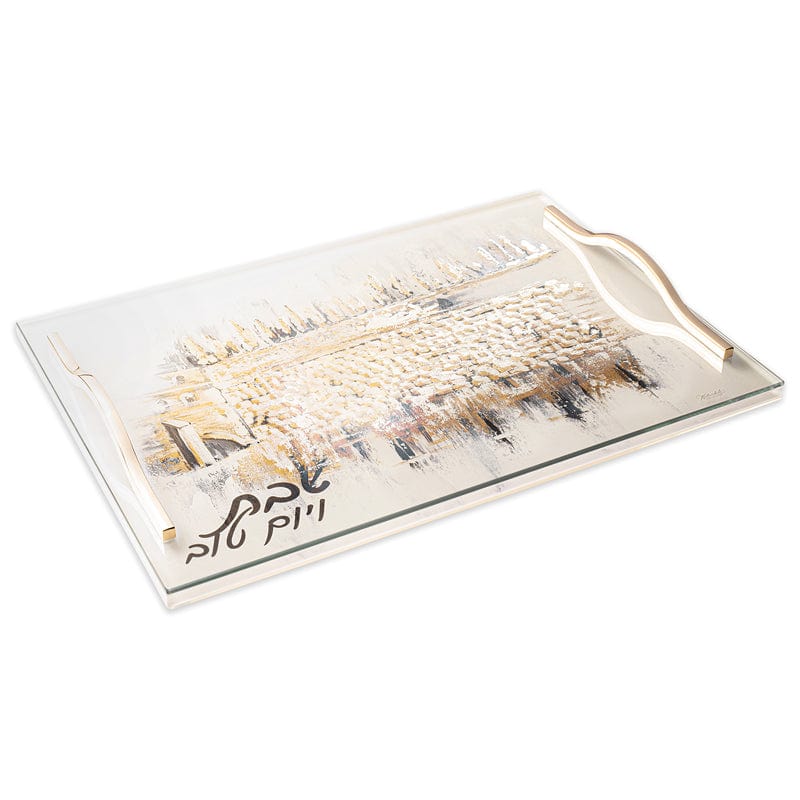
Our approach integrates functionality into design. A modern Judaica tabletop piece serves as both a ritual object and a practical serving accessory. You can use it for Shabbat without worry. It works equally well as everyday decor the rest of the week. This dual purpose means you're not storing special items that sit unused for months.
Consider holiday décor. Traditional Judaica often feels seasonal and therefore takes up shelf space for most of the year. Contemporary pieces transition seamlessly. A modern Havdalah set works as a sculptural tabletop object even when you're not actively using it for the ritual. A contemporary Kiddush cup enhances your table setting regardless of whether it's Friday night.
Practical takeaway: Choose pieces that you genuinely want visible and accessible. This ensures you'll actually use them rather than storing them, and it integrates your Jewish observance into your daily environment.
Customization and Personalization Options
Traditional Judaica is typically mass-produced with limited personalization. You might commission engraving, but you're working within existing designs that haven't shifted in decades.

We offer personalized Judaica gifts and customization options that go far beyond basic engraving. You can choose colors, tailor dimensions for your space, add meaningful text, and create pieces that reflect your specific family or corporate identity. This matters enormously for life-event gifts—a Bar or Bat Mitzvah present, a wedding gift for a Jewish couple, a housewarming for someone establishing their first Jewish home.
Customization also addresses practical considerations. Your dining table might require specific dimensions. Your color palette might work with certain finishes but not others. Rather than compromising on a ready-made piece, you work with design that adapts to your life.
Investment Value and Longevity
Here's what often goes unspoken: Judaica is an investment. You're not buying a disposable object; you're acquiring something you expect to pass down or keep for decades. From this perspective, material durability becomes a financial question, not just a practical one.
Lucite Judaica durability is exceptional precisely because the material doesn't degrade. It won't yellow or crack under UV exposure. It won't absorb liquids or develop patina like some metals. Twenty years from now, a piece will look exactly as it does today—not because it's "preserved" but because the material genuinely resists aging.
Traditional materials often require restoration over time. Metal needs replating, wood needs refinishing, ornate pieces develop loose components. These aren't failures, but they represent ongoing maintenance costs. Contemporary materials eliminate this burden while holding their aesthetic value across generations.
Why Contemporary Judaica Represents the Clear Choice
The case for modern Judaica isn't sentimental. It's practical, aesthetic, and economically sound. You maintain Jewish identity and observance while choosing objects that genuinely fit modern life. You eliminate maintenance burdens. You acquire pieces that age gracefully rather than requiring restoration. You can personalize designs to reflect your specific family or preferences.
Most importantly, contemporary Judaica makes observance feel integrated rather than separate. When your ritual objects belong visually and functionally in your home, you're more likely to use them, display them, and share them with family. This creates a stronger, more lived connection to Jewish practice.
The only real argument for traditional design is historical continuity. But observance itself—the actual practice of Jewish life—doesn't depend on ornate styling. It depends on intention, meaning, and consistency. Modern design serves these purposes as effectively as baroque flourishes, and it does so while respecting how you actually live.
Our Waterdale Collection Advantage

We've built our entire approach around solving this exact decision. We don't manufacture pieces that feel like compromises between tradition and modernity. Instead, we design objects that are thoroughly contemporary while remaining authentically Judaica.
Our premium lucite and leather craftsmanship ensures every piece meets quality standards that justify keeping it visible and accessible. Our design sensibility reflects actual contemporary living—minimalist without feeling cold, elegant without requiring special occasion display. Our customization capabilities mean you're not choosing between your aesthetic preferences and Judaica authenticity.
We also offer practical services that matter: gift messaging and ribboning, curated collections organized by holiday and ritual, and selection guidance for different spaces and budgets. When you work with us, you're not just purchasing individual objects. You're accessing a carefully considered approach to integrating Judaica into contemporary homes.
Perfect for Every Jewish Lifestyle
Modern Judaica works whether you're observant, secular-identified, culturally connected, or navigating your own relationship with Jewish tradition. The contemporary design approach is welcoming rather than prescriptive.
For the observant household, modern pieces support daily practice while fitting aesthetic preferences. For the less observant, contemporary Judaica offers a way to honor identity without feeling formal or historically distant. For families blending traditions, modern design provides a visual language that feels inclusive rather than tied to a specific historical moment.
This flexibility is powerful. You're not choosing between "being Jewish" and "having good taste." That false binary disappears when you engage with modern design created specifically for Judaica.
Making Your Decision
Start by identifying which pieces matter most to your home and practice. Are you primarily looking for Shabbat items, holiday decor, ritual objects, or everyday tabletop accessories? What's your aesthetic style, and what materials work with your existing decor? How much customization matters to you?
Then explore pieces that answer these specific questions rather than trying to retrofit traditional designs into contemporary spaces. Browse our collections organized by holiday, ritual, and purpose. Consider whether customization would meaningfully enhance a piece for your home.
The choice between modern and traditional Judaica isn't really about picking a style. It's about choosing a way of living that feels authentic to who you are now. Contemporary design allows you to practice Jewish observance, display meaningful objects, and maintain a home aesthetic that feels entirely integrated. That's not a compromise—it's an upgrade.
Shop Now