


















Why Minimalism Matters in Modern Jewish Home Design
The contemporary Jewish home reflects a tension between tradition and modernity. You want ritual items and decor that honor your heritage without overwhelming your space with ornate, dated aesthetics. Functional minimalism addresses this directly: it strips away unnecessary embellishment while preserving meaning and purpose.
Minimalist design has shifted how we think about Judaica. Instead of heavy brass candelabras or intricately carved pieces, today's Jewish households are choosing sleek, purposeful objects that feel at home alongside mid-century modern furniture, Scandinavian influences, or industrial accents. These pieces don't compete for visual attention; they integrate seamlessly into how you actually live.
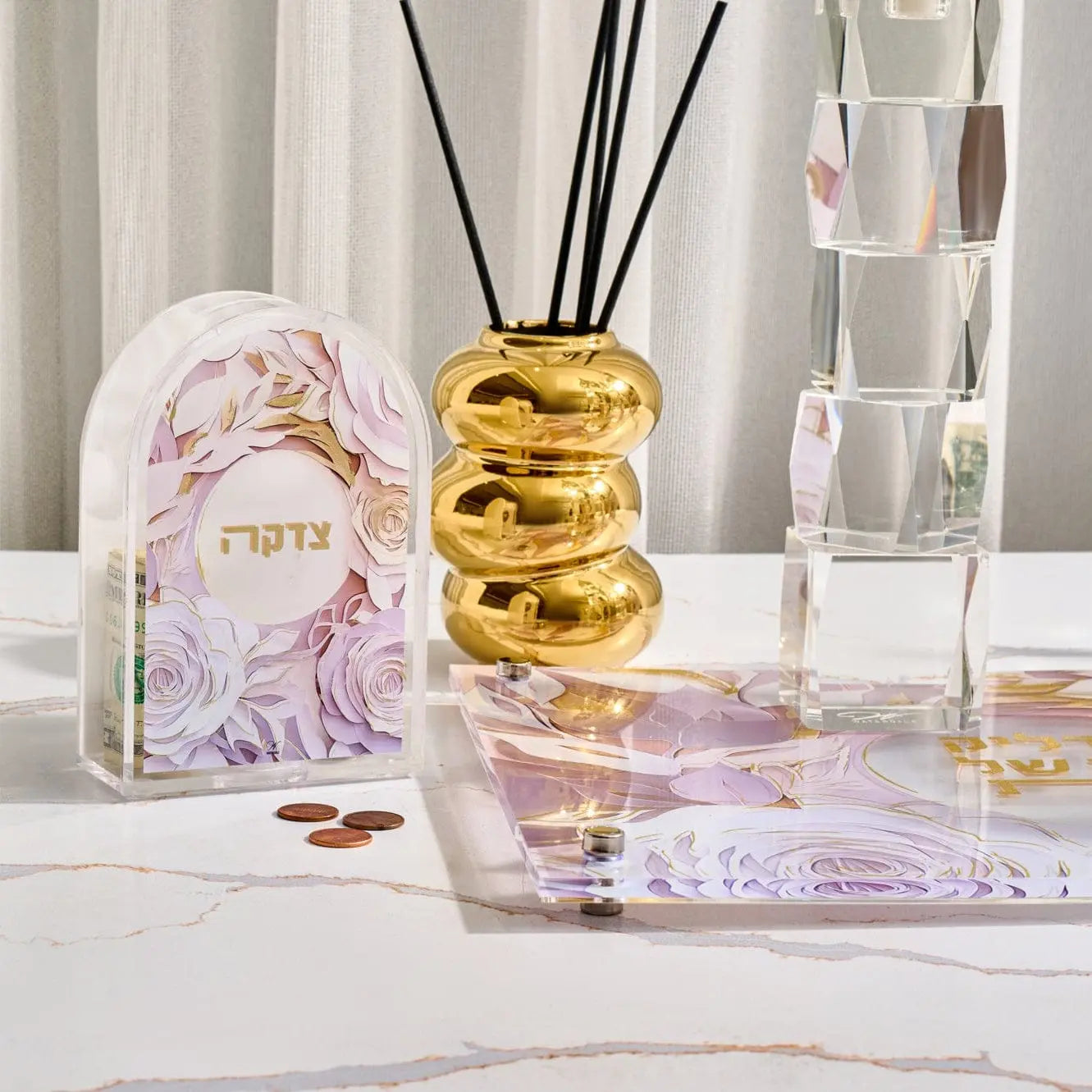
The psychological benefit runs deeper than aesthetics. A minimalist home environment reduces visual clutter and cognitive load. When your ritual objects are both beautiful and unobtrusive, you engage with them more intentionally. A simple lucite Kiddush cup becomes a focal point during Shabbat precisely because it doesn't demand attention through ornament.
Next step: Assess your current home decor style. Does it lean minimal, contemporary, or eclectic? This clarity helps identify which pieces will feel cohesive in your space.
Defining Functional Minimalism in Ritual and Decor
Functional minimalism isn't about emptiness or cold aesthetics. It's the deliberate marriage of form and purpose: every element serves a reason, and nothing exists purely for decoration.
In Judaica specifically, this means:
- Ritual objects that work flawlessly in daily use (not just display pieces)
- Clean lines and neutral palettes that complement rather than dominate
- Materials chosen for durability and tactile quality, not ornamental abundance
- Designs that speak to Jewish identity without relying on historical reproductions
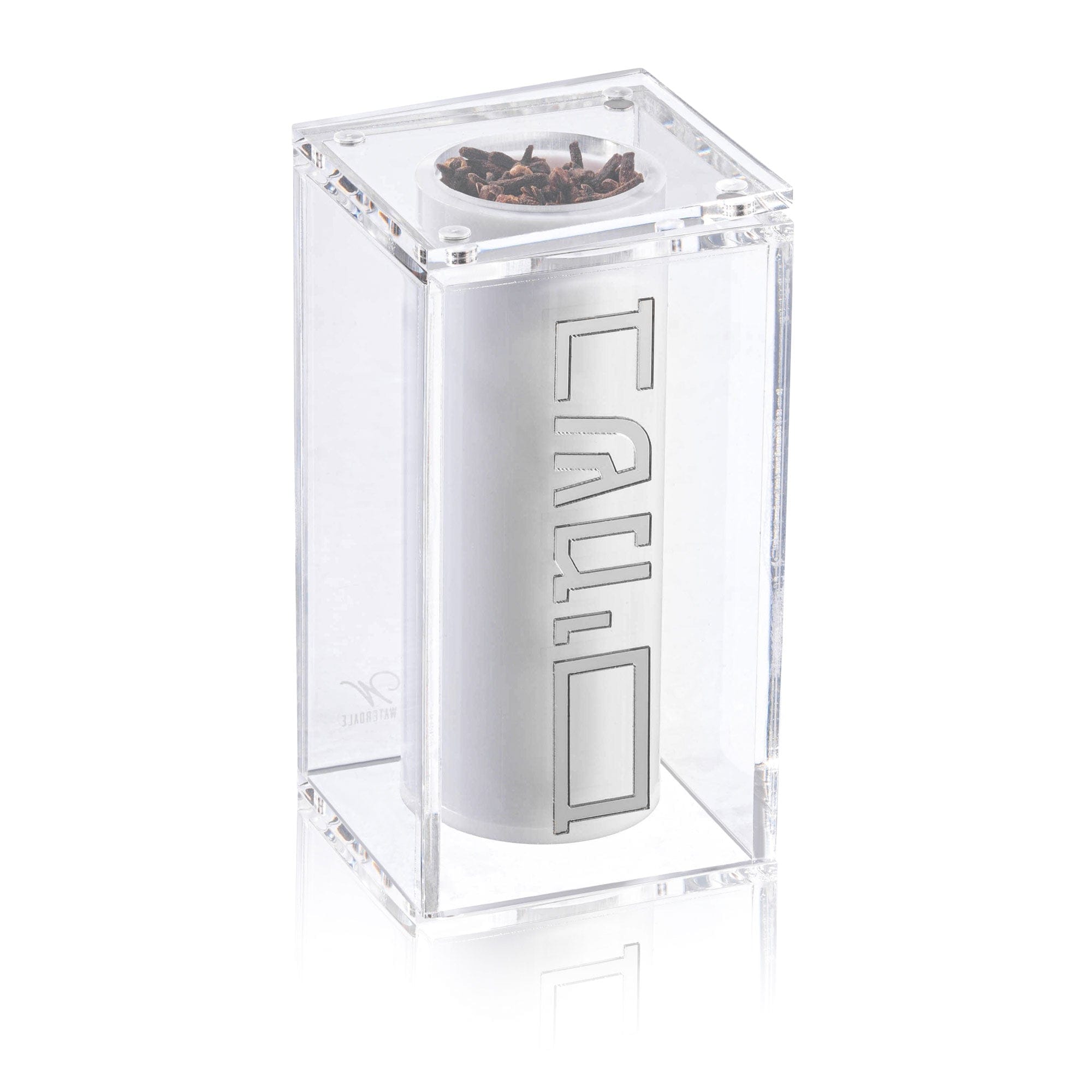
A minimalist Havdalah set, for example, removes unnecessary flourishes but retains all functional components: a spice box, wine cup, candle holder, and blessing plate. Each piece has a job. The visual harmony comes from cohesive material choices and proportions, not added detail.
This contrasts sharply with traditional ornamental Judaica, which often incorporates filigree, multiple finishes, and symbolic imagery layered throughout. Both approaches honor tradition, but functional minimalism trusts that simplicity and quality materials communicate reverence more powerfully than complexity.
Actionable insight: When evaluating any Judaica piece, ask yourself: "Does this object serve a function I use regularly, or am I buying it primarily for display?" Functional pieces earn their place in your home.
Material Quality and Craftsmanship Comparison
Material choice defines functional minimalism. We focus exclusively on premium lucite and leather because these materials embody the philosophy: they're durable, age beautifully, and require no visual excess to convey quality.
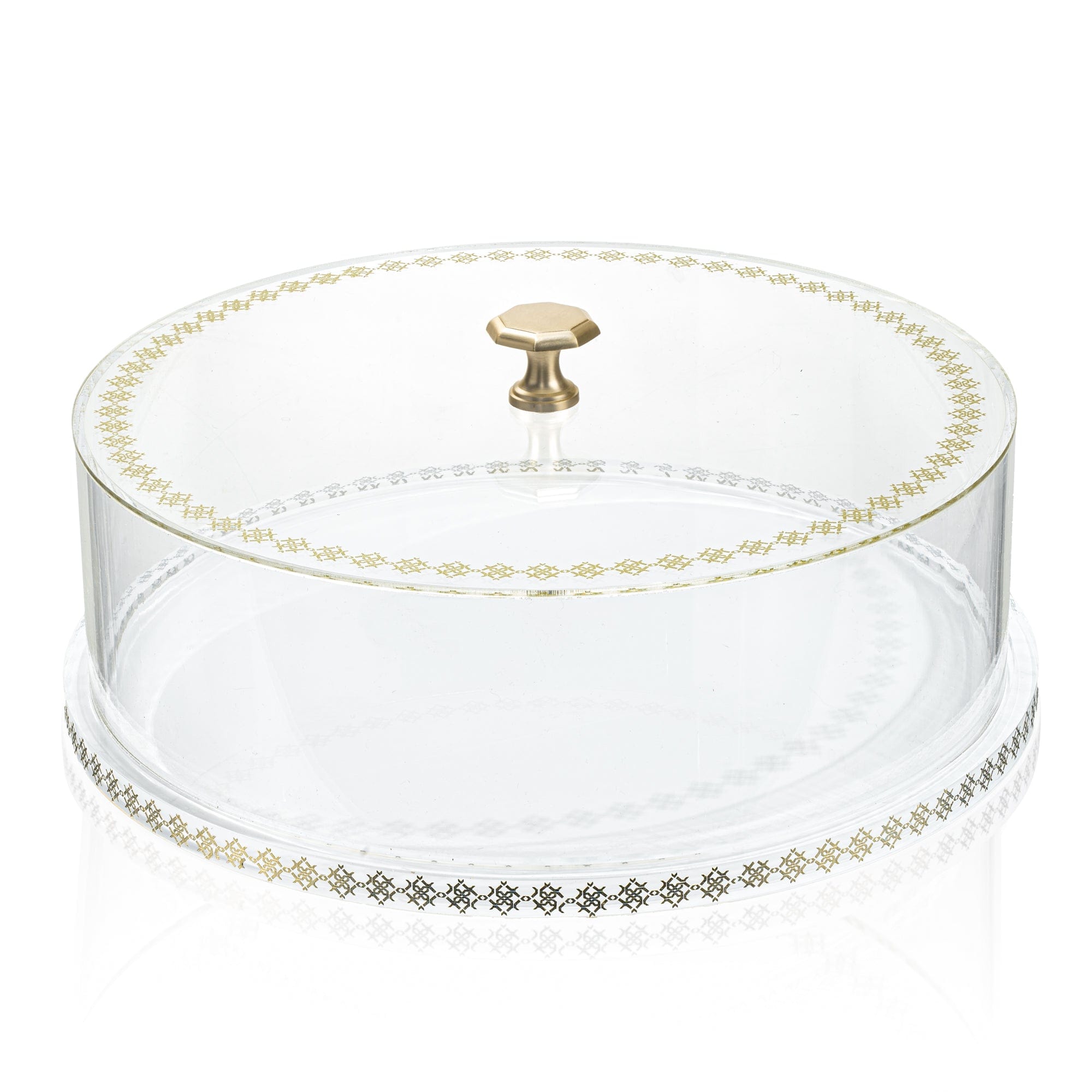
Lucite offers particular advantages. It's thermoplastic, allowing for precision molding that creates seamless forms without seams or joints. Light plays through it differently depending on thickness and color, adding visual interest without pattern or decoration. Unlike painted wood or printed ceramics, lucite maintains its appearance indefinitely without fading, chipping, or requiring maintenance.
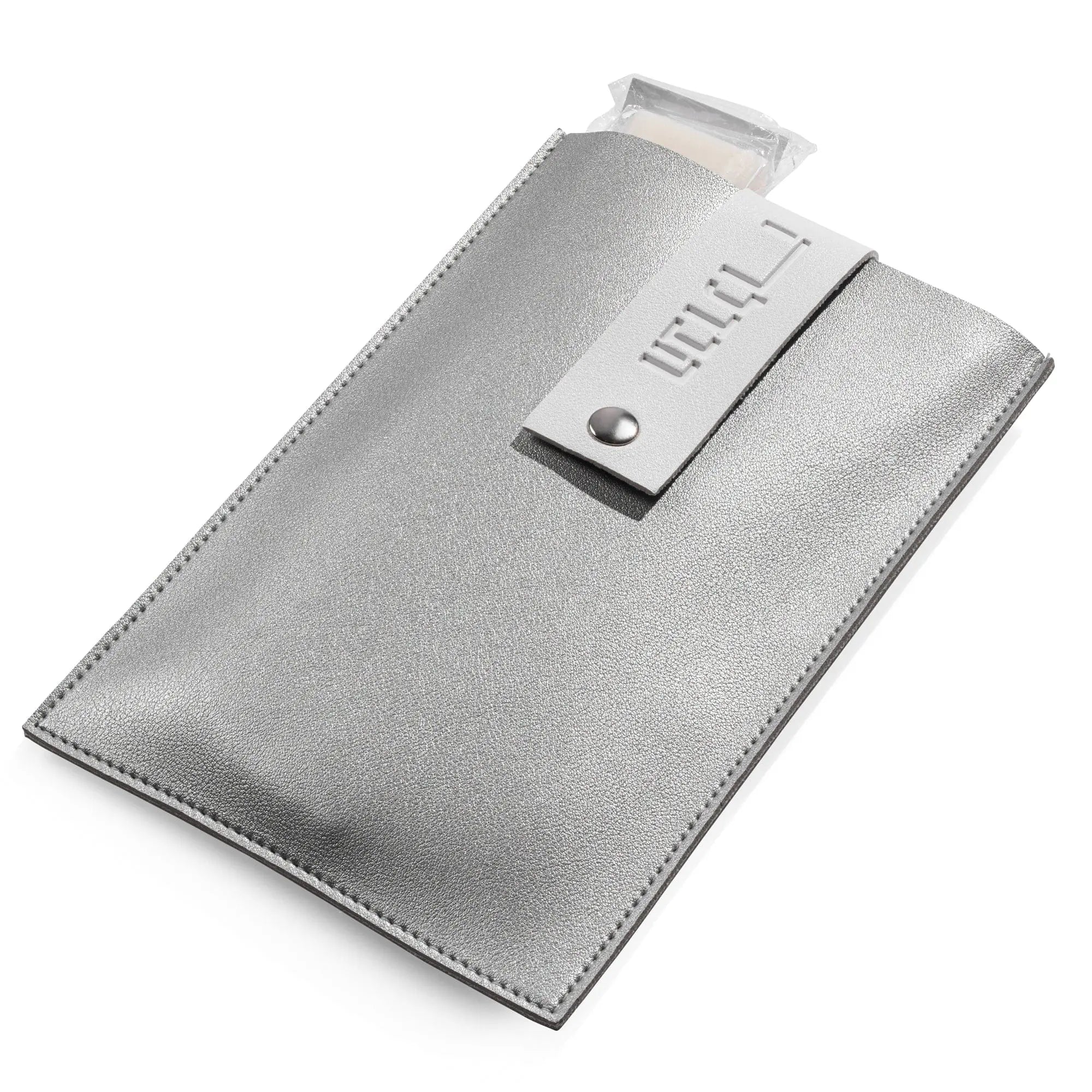
Leather provides tactile richness and patina development over time. Our leather components develop character with use, telling the story of your engagement with these objects. Leather ages gracefully in minimalist design; it doesn't show wear as deterioration but as honest use.
Michael Aram, by contrast, emphasizes mixed metals and ornamental casting. Their pieces often combine brass, silver plating, and decorative patinas. While beautiful, this approach requires:

- Regular polishing to maintain appearance
- Vulnerability to tarnishing and corrosion
- Visual complexity that can clash with contemporary interiors
- Higher price points without proportional functional advantage
We chose premium lucite and leather specifically because they align with functional minimalism. They're low-maintenance, timelessly contemporary, and allow the object's purpose to remain the focal point.
What to do: Examine pieces you own in both materials. Which ones still look current? Which require regular care or feel dated? This reveals why material choice matters for longevity.
Design Philosophy: Our Approach vs. Michael Aram
Our design philosophy begins with constraint. We ask: What's the minimum this piece needs to fulfill its function and communicate its purpose? Then we execute that vision flawlessly.
Michael Aram's approach is abundance within elegance. Their pieces incorporate elaborate surface treatments, symbolic imagery, and decorative techniques that create conversation pieces. Their philosophy values a piece as a statement object, something meant to impress and commemorate through craftsmanship visibility.
The difference shows in practical use. Our Kiddush cups prioritize hold-ability, balance, and the visual experience of the wine itself. A Michael Aram cup might feature hammered surfaces, applied ornaments, or symbolic engravings that become central to the piece's identity.
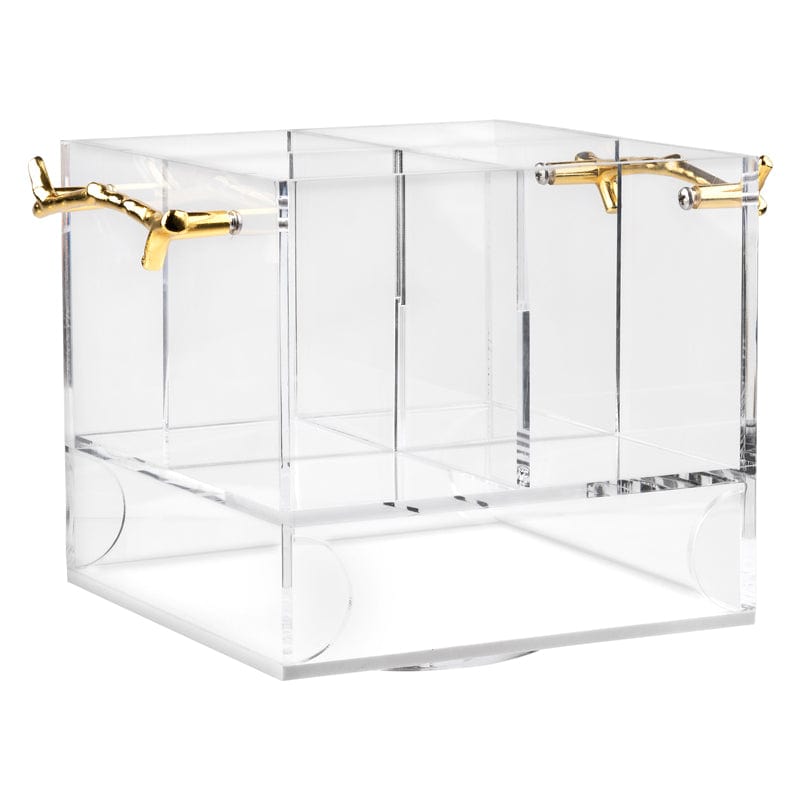
Neither approach is objectively wrong. However, for homes where decor functions as a cohesive environment rather than a collection of statement objects, functional minimalism proves more livable. When you have a minimalist serving board, minimal candle holders, and minimal tabletop accessories throughout your space, they create visual harmony. Add a heavily ornamental Michael Aram piece to that environment, and it competes for attention rather than complementing the whole.
We design for integration. Our pieces know their role and execute it with clarity. This restraint is actually harder to achieve than ornamentation; it requires confidence that simplicity and quality materials speak for themselves.
Takeaway action: Photograph your current tabletop and serving accessories. Do they feel unified in style, or does each piece demand individual attention? This reveals whether functional minimalism fits your lifestyle.
Functionality Meets Aesthetics in Judaica Items
This is where the functional minimalism philosophy proves its value. Consider a Seder plate, one of Judaism's most visually iconic objects.
A traditional Seder plate combines six compartments with symbolic imagery, historical references, and decorative elements. A minimalist version maintains the six compartments and their functional purpose but removes symbolic ornament. You might have a lucite or leather tray with clearly defined sections, perhaps with subtle labels. Nothing decorates for decoration's sake.
The result? Easier to clean, easier to store, faster to set up, and completely clear in purpose. Yet it's no less meaningful. The Seder plate's power comes from what it contains and the ritual it structures, not from its surface complexity.
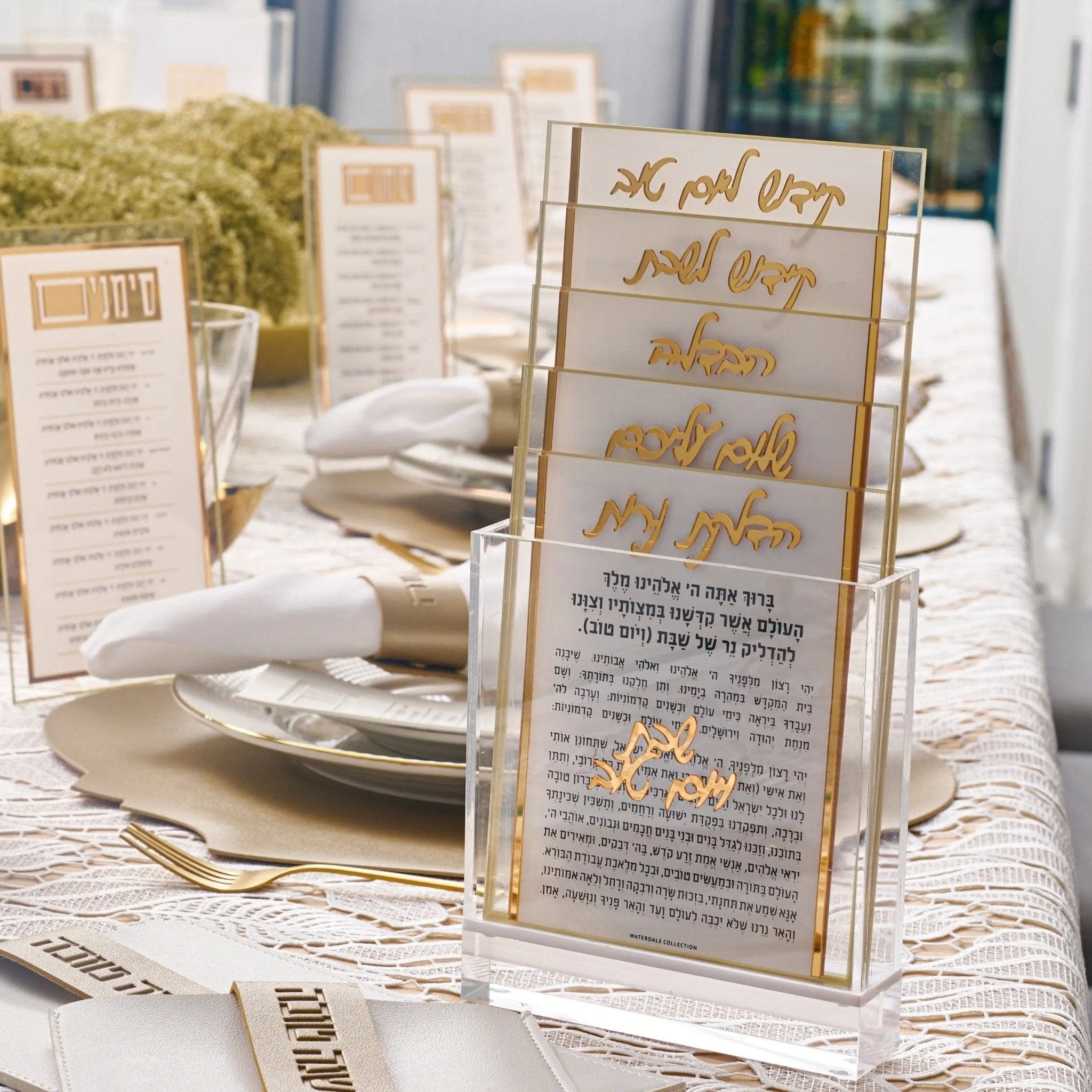
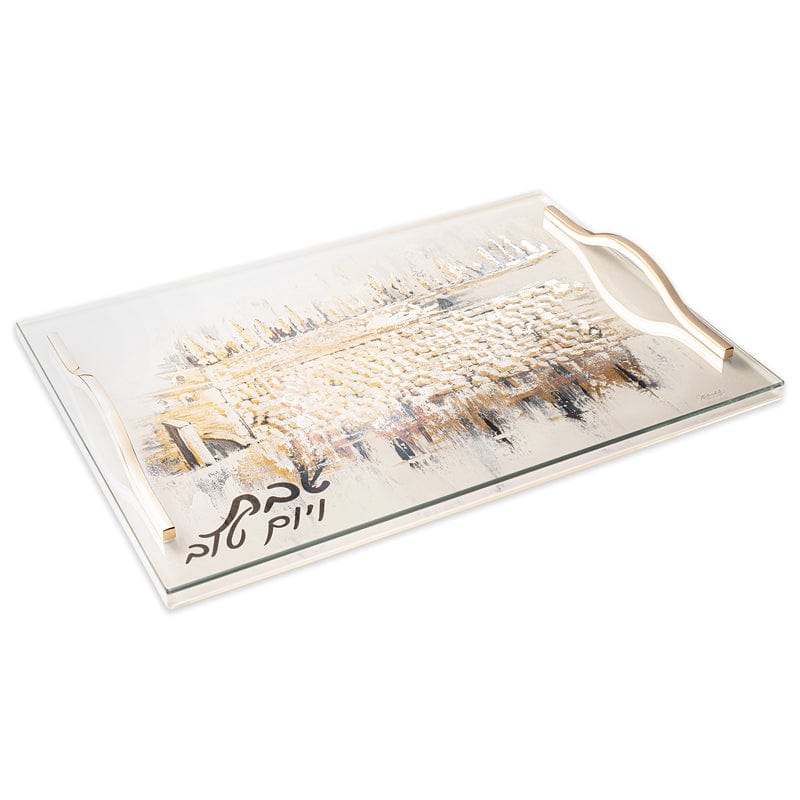
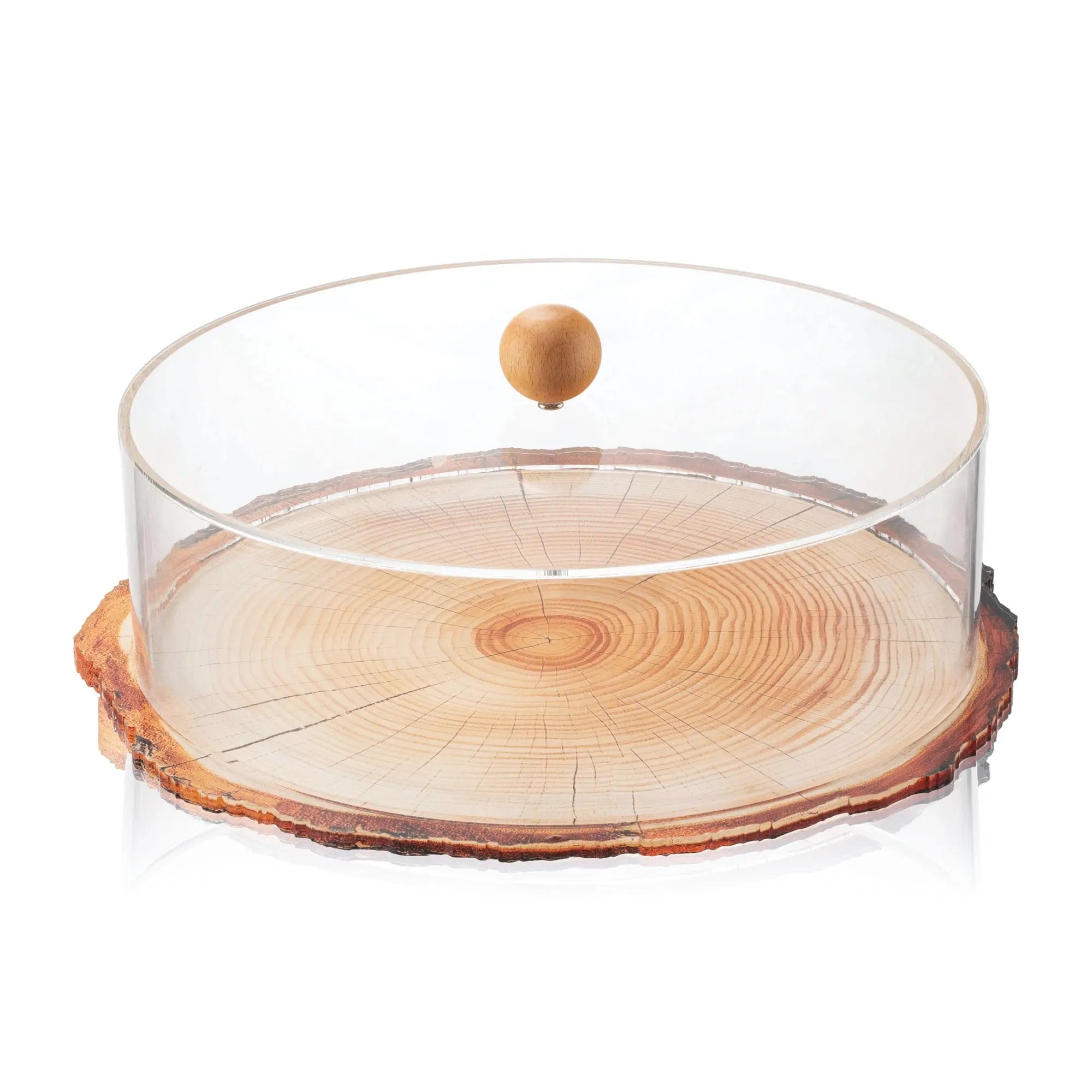
The same principle applies across modern Judaica design. Our Havdalah sets prioritize how they're actually used during the ritual. Our challah boards work with real bread, not as display pieces. Our tabletop serving accessories integrate with contemporary dishware and glassware.
Aesthetics here emerge from proportional relationships, material quality, and spatial elegance rather than decorative surface treatment. This subtlety demands more sophisticated taste from both designer and user, but delivers more sophisticated results in lived experience.
Next step: Choose one ritual object you use regularly. Sketch how you'd redesign it using only the functions it requires. What elements are truly necessary?
Customization and Personalization Options

Personalization elevates functional minimalism from beautiful to meaningful. We offer customization across our collections because your Judaica should reflect your specific household and identity, not generic tradition.
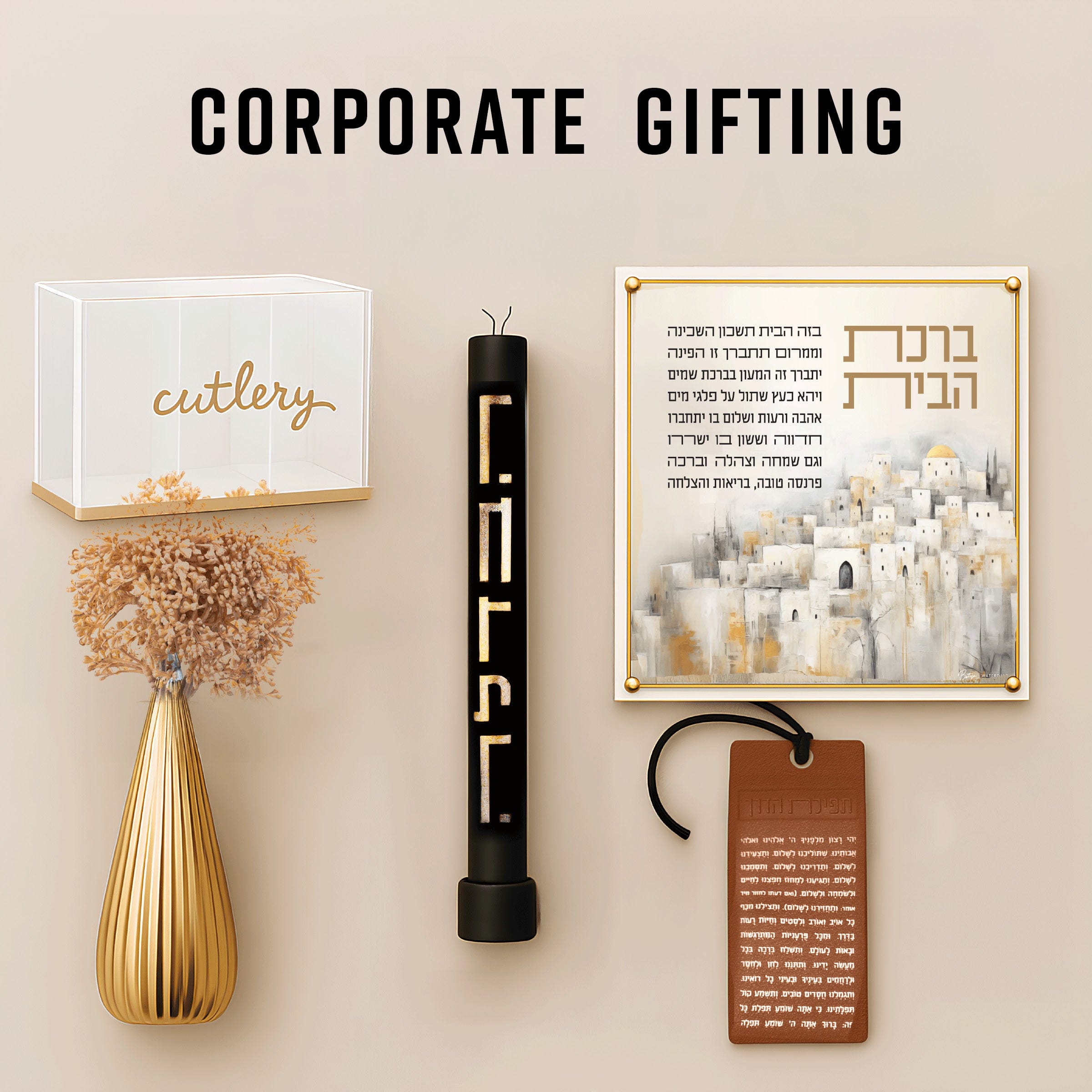
Our corporate and personal gift options allow you to:
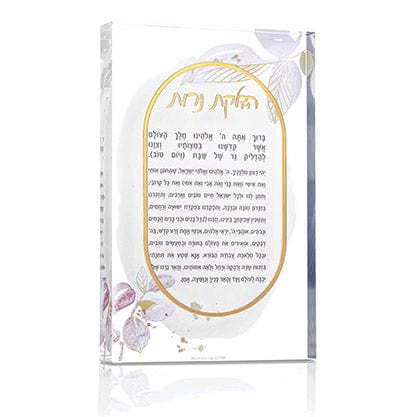
- Engrave names, dates, or Hebrew text directly into lucite pieces
- Select leather colors and finishes that match your home decor
- Commission custom sizing for specific spaces or functions
- Combine components to create personalized collections
This approach differs fundamentally from competitors. When you customize a Michael Aram piece, you're typically adding initials to an already ornate object. The ornament remains; personalization becomes an afterthought.
We start with clean simplicity. Personalization becomes the primary visual element. An engraved date on a minimalist Kiddush cup becomes the story of that cup, not an interruption of existing pattern. A commissioned leather Havdalah set in your chosen color becomes distinctly yours from first glance.
For households planning housewarming gifts or milestone presents, this matters considerably. A generic beautiful object is pleasant. A custom piece that reflects thought and personal knowledge becomes treasured.
Action item: If you're considering Judaica for gifting, list what would make the recipient's version unique. Names? Dates? Colors that match their home? Use that list to guide your choices.
Price Point and Value Proposition
We invest premium pricing because functional minimalism demands precision manufacturing, material quality, and design restraint. You're not paying for ornament; you're paying for flawless execution.
Our pieces typically range from moderate to premium pricing depending on size and customization. A minimalist lucite Kiddush cup costs less than comparable Michael Aram pieces. A custom leather Havdalah set or large serving board approaches similar price points, but delivers functional advantage you'll experience every use.
The value calculation differs from ornamental competitors. With Michael Aram, you're acquiring a statement piece that might be used occasionally for display. With us, you're acquiring a tool for living that happens to be beautiful. It works. You use it. It ages gracefully. Over years, that functional advantage compounds.
Consider cost per use. If you host Shabbat monthly, that Kiddush cup serves 50+ times yearly. If you use minimalist tabletop accessories for regular entertaining, they function hundreds of times annually. Calculate price per actual use, and our value proposition becomes clear.
We also price transparently. No surprise fees, no pressure toward unnecessary add-ons. The price you see reflects material costs, skilled craftsmanship, and sustainable production.
Calculation to try: Choose one piece you're considering. Estimate how many times yearly you'll use it. Divide purchase price by annual uses. Does the result feel reasonable for a piece you'll own for decades?
Collections for Every Occasion and Holiday
We've organized our collections around how Jewish households actually live seasonally and ceremonially. Rather than offering generic Judaica, we provide curated groupings for specific moments and observances.
Shabbat collections include everything needed for Friday evening and Saturday observance: Kiddush cups, candle holders, challah boards, and serving pieces in coordinated designs. Rosh Hashanah and Yom Kippur collections emphasize the High Holiday season. Passover groupings address Seder requirements and holiday entertaining.

Each collection maintains design coherence. When you select pieces across a collection, they integrate visually and functionally. You're not mixing design languages or material philosophies; you're building a coordinated ritual environment.
Beyond holidays, we offer everyday collections for regular entertaining and contemporary Jewish living. Minimalist serving boards, modern tabletop accessories, and functional decor pieces that work for everyday use but also support holiday occasions.
This collection-based approach differs markedly from competitors who offer individual statement pieces you must combine eclectically. Our philosophy recognizes that your home functions as a whole, and your Judaica should harmonize within it.
Exploration step: Identify which holidays or occasions matter most in your household practice. Explore our collections aligned with those moments rather than shopping piece by piece.
Why We Stand Out for Jewish Lifestyle Enthusiasts
We exist specifically for people like you: individuals who take Jewish identity seriously while living thoroughly contemporary lives. This isn't an audience that wants reproductions of grandmother's candlesticks or traditional designs updated with minor modifications.
Modern Judaica brands range widely in philosophy. Some honor tradition through historical fidelity. Some ignore tradition entirely in favor of aesthetic trends. We honor tradition precisely by trusting that ritual meaning doesn't require ornamental reference.
Our customers report that our pieces feel like home immediately. They integrate. They work. They don't demand explanation or apology. A visitor who isn't Jewish sees a beautiful contemporary serving piece; you see also a functional Judaica object. That dual reading, where both interpretations are equally valid, defines our success.
We also invested deeply in understanding gift-giving within Jewish culture. Lifecycle events, holiday hosting, welcoming new households: these moments call for gifts that feel personal and intentional. Our gift message and ribboning services, combined with customization options, allow you to give something that reflects thought rather than convenience.
For Jewish lifestyle enthusiasts building homes that integrate identity with contemporary aesthetics, competitors simply aren't asking the same questions we ask. We've designed every detail specifically for your situation.
Self-assessment: When you imagine your ideal home ritual space, what qualities does it possess? Does it prioritize function or display? Contemporary aesthetics or traditional reference? Use your honest answers to evaluate whether our approach matches your vision.
Making Your Choice: Waterdale as Your Decor Partner
The decision between functional minimalism and ornamental approaches isn't a matter of preference; it's a question of how you actually live. Do you use your Judaica regularly, or display it primarily? Does your home favor visual cohesion or eclectic collecting? Do you want pieces that whisper or pieces that announce?
If you host Shabbat dinners, you're choosing function. If you use your Seder plate yearly for actual food, you're choosing practicality. If your home decor reflects contemporary design principles, you're choosing minimalism. We're the clear answer when all these factors align.
More fundamentally, we're choosing to trust you. We trust that you understand Jewish meaning deeply enough that it doesn't require ornamental reminder. We trust that your home environment matters more than individual statement pieces. We trust that when you choose Waterdale, you're choosing for years of actual use, not a single impressive moment.
Modern lucite Judaica represents the future of how Jewish households integrate identity with living space. It's not nostalgic. It's not trendy. It's functionally and aesthetically sustainable.
Your choice is straightforward: Select the collection that aligns with your household's rhythms and occasions. Choose customization if it matters. Place your order knowing you're acquiring tools for living that will serve your rituals faithfully for decades. Welcome home to design that understands your life.
Shop Now