


















The Challenge of Balancing Tradition and Contemporary Style
Creating a Shabbat table that feels both reverent and modern presents a thoughtful design challenge. Many of us grew up with silver candlesticks passed down through generations, yet we're drawn to clean lines, minimalist aesthetics, and contemporary materials that reflect our current lives. The tension between honoring what our families have done for centuries and expressing our own tastes doesn't have to feel like a compromise.
The key is recognizing that tradition itself has always evolved. Each generation adapts rituals to their time while maintaining their spiritual significance. A Shabbat table doesn't require ornate Victorian details to feel meaningful. In fact, thoughtfully chosen modern pieces often deepen our connection to the moment because they're intentional choices rather than inherited defaults.
This shift in perspective opens real possibilities. You can respect the ritual while reimagining how it looks in your home.
Why Modern Shabbat Table Design Matters
Shabbat's power lies in creating intentional separation from the week's pace. The table becomes a physical manifestation of that pause. When your table setting reflects your actual aesthetic and lifestyle, it feels less like performing tradition and more like genuinely inhabiting it.
Well-designed tableware also serves practical purposes. Functional pieces that are actually pleasant to use encourage more frequent hosting and family gathering. A kiddush cup that feels substantial in your hand, a challah board that's genuinely easy to serve from, and candlesticks that safely hold flames without tipping add genuine value beyond appearance.
Beyond personal use, a beautifully appointed Shabbat table sends a message to guests. It communicates that this meal and this moment matter. In our culture, where so much feels rushed and fragmented, that statement carries weight.
Lucite and Leather: Our Premium Foundation for Elegant Designs
We've built our Judaica collection around two materials that bridge tradition and modernity: premium lucite and leather. These aren't accidental choices.
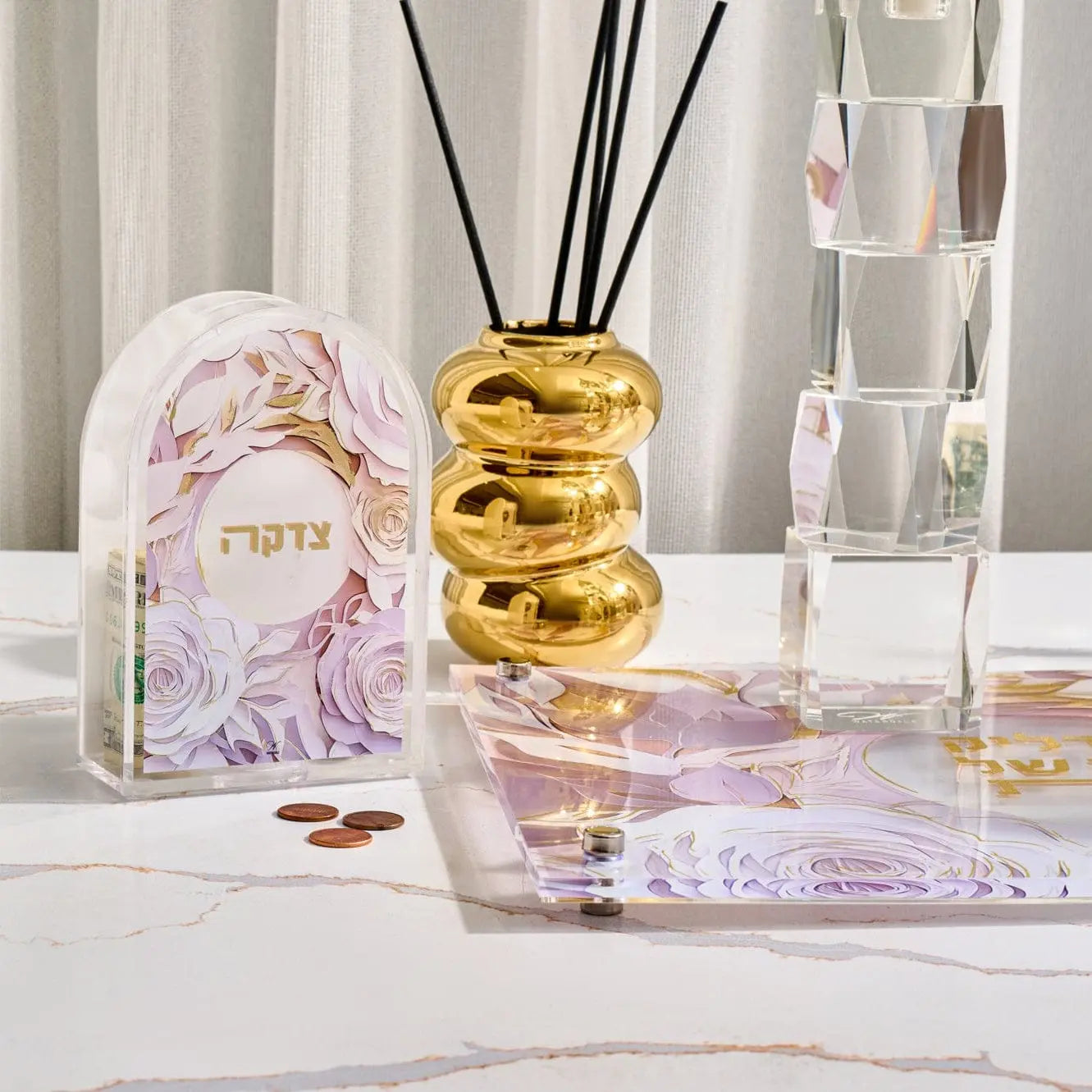
Lucite offers clarity and lightness without sacrificing presence. Unlike metal, which can feel heavy or formal, lucite pieces work across design styles. A transparent or frosted lucite candlestick holder reads as sophisticated without demanding a particular aesthetic direction. The material also photographs beautifully, which matters if you're someone who documents your table for memory or sharing.
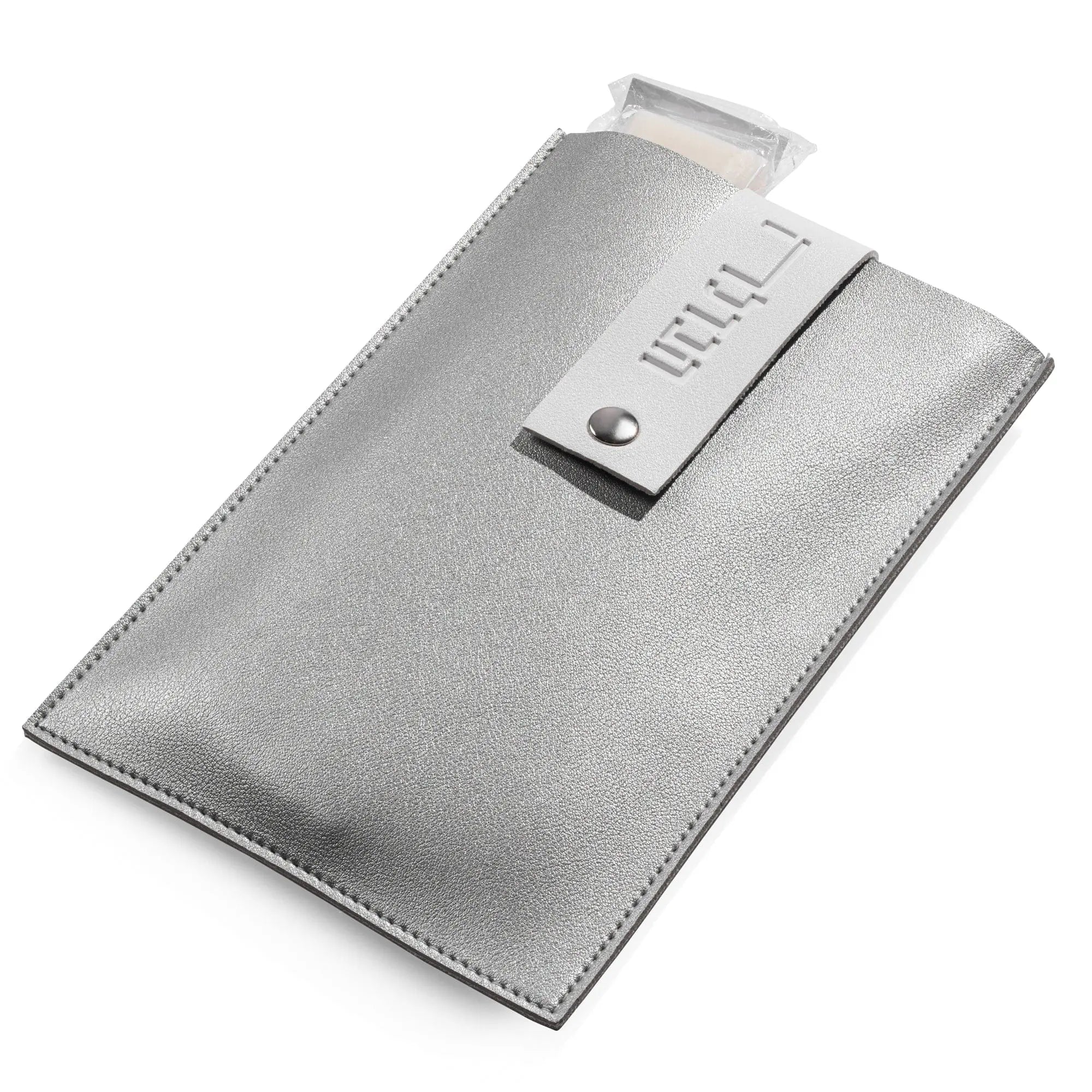
Leather brings warmth and tactile quality that pure minimalism sometimes lacks. Leather challah boards, wine bottle holders, and place card holders add human scale and texture. As they age, leather develops character and patina, creating a subtle connection to time passing, which aligns beautifully with Shabbat's emphasis on marking time.
Together, these materials create pieces that feel both contemporary and timelessly elegant. They're durable enough to become family pieces themselves someday.

Idea 1: Statement Candlestick Holders That Command Attention
Your candlesticks set the visual tone for the entire table. Rather than quiet, traditional designs, consider pieces that make a clear design statement while honoring the ritual's seriousness.
Modern candlestick holders might feature geometric bases, varying heights, or architectural interest. A pair of asymmetrical lucite holders in frost white creates visual intrigue while maintaining the calm, elegant feeling you want. Alternatively, a single sculptural holder with a wider base and tapered top draws the eye without overwhelming a smaller table.
The practical advantage of modern designs is better stability and easier flame safety. Contemporary holders tend to have weighted bases and secure cup openings that prevent tipping.
Next step: Measure your table's visual weight and available centerspace. If your table feels sparse, choose holders with more presence. If you already have substantial serving pieces, opt for refined, minimal designs that won't compete for attention.
Idea 2: Personalized Kiddush Cups for Meaningful Moments
A kiddush cup is a deeply personal ritual object. Whether it's your daily cup or one you use only for holiday meals, this piece deserves consideration.
Modern Kiddush cups might feature personalization: your initials engraved in clean typography, or a family name in Hebrew. Unlike ornate silver cups that all look similar, a personalized contemporary cup becomes distinctly yours. Lucite options offer surprising elegance, while maintaining the clarity and simplicity that feels current.
For families with multiple adults around the table, consider commissioning a set of four or five personalized cups. Each person has their own cup throughout Shabbat, which adds an individual touch while maintaining the meal's unity.
These also become meaningful gifts. A personalized Kiddush cup marks engagements, births, bar/bat mitzvahs, and life milestones in a way that's both functional and deeply ceremonial.
Next step: Think about who regularly gathers at your table. Would personalized cups deepen the experience? Consider commissioning pieces for key family members or marking upcoming life events with this gift.
Idea 3: Contemporary Challah Boards as Functional Art
A challah board sits at the table's heart, and modern designs elevate it from utensil to centerpiece. Rather than purely functional wooden boards, contemporary options combine materials and aesthetic intention.
Leather-wrapped lucite boards offer visual sophistication while remaining practical. Some designs include a sliding drawer that holds the matching knife, keeping everything contained and clean. Others feature negative space or geometric cutouts that catch light and create visual interest.

The functional advantage is real: modern boards often include proper breadcrumb collection areas and blade holders that prevent mess during the blessing and cutting.
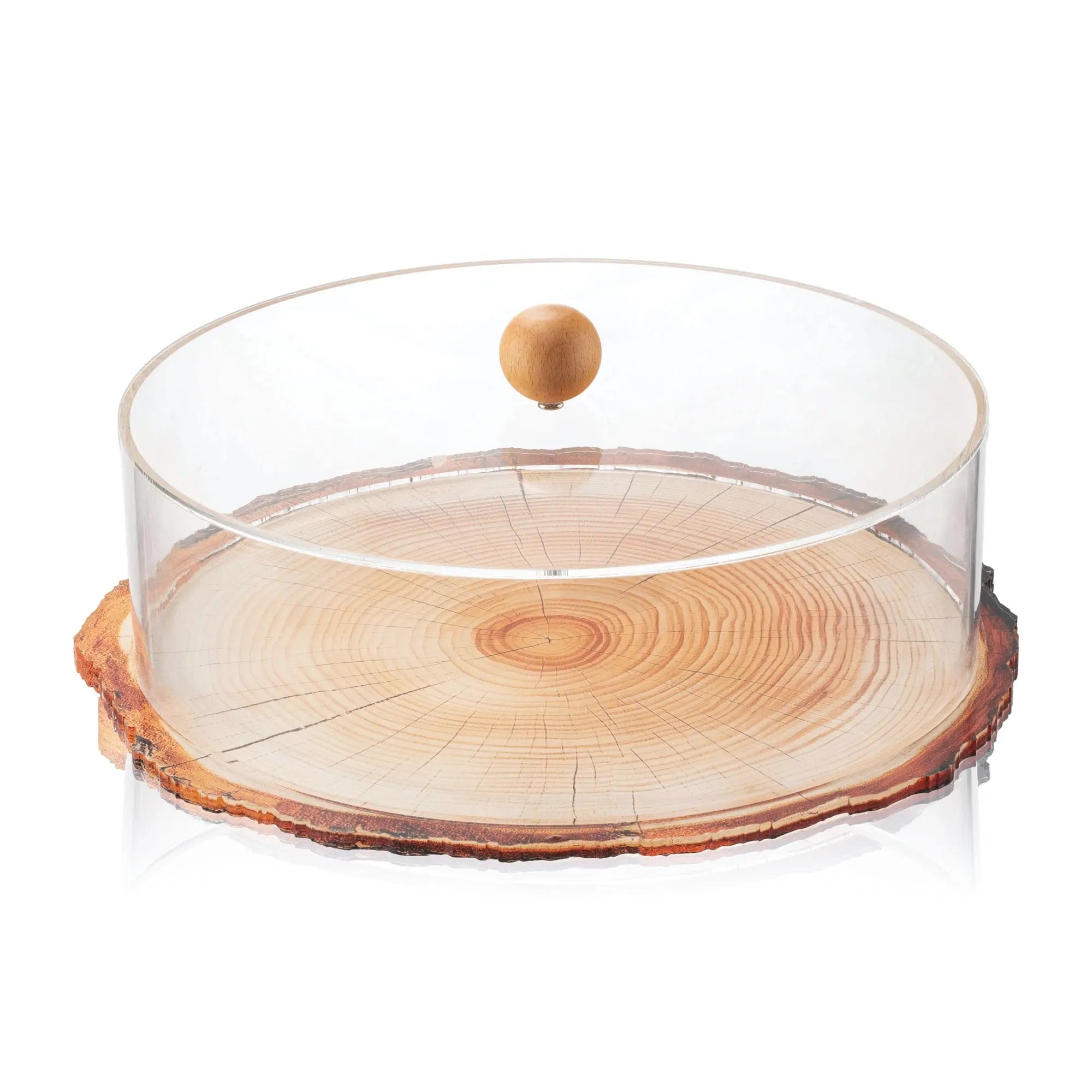
Next step: Assess your serving space and table style. If your Shabbat table is intimate and minimalist, a sleek lucite and leather board complements that story. If you prefer warmer, more textured environments, seek boards that incorporate wood elements alongside contemporary materials.
Idea 4: Designer Serving Pieces That Elevate Your Table
Beyond the ritual objects, the serving pieces matter. Modern Shabbat tables benefit from coordinated designer tableware that feels intentional rather than mismatched.
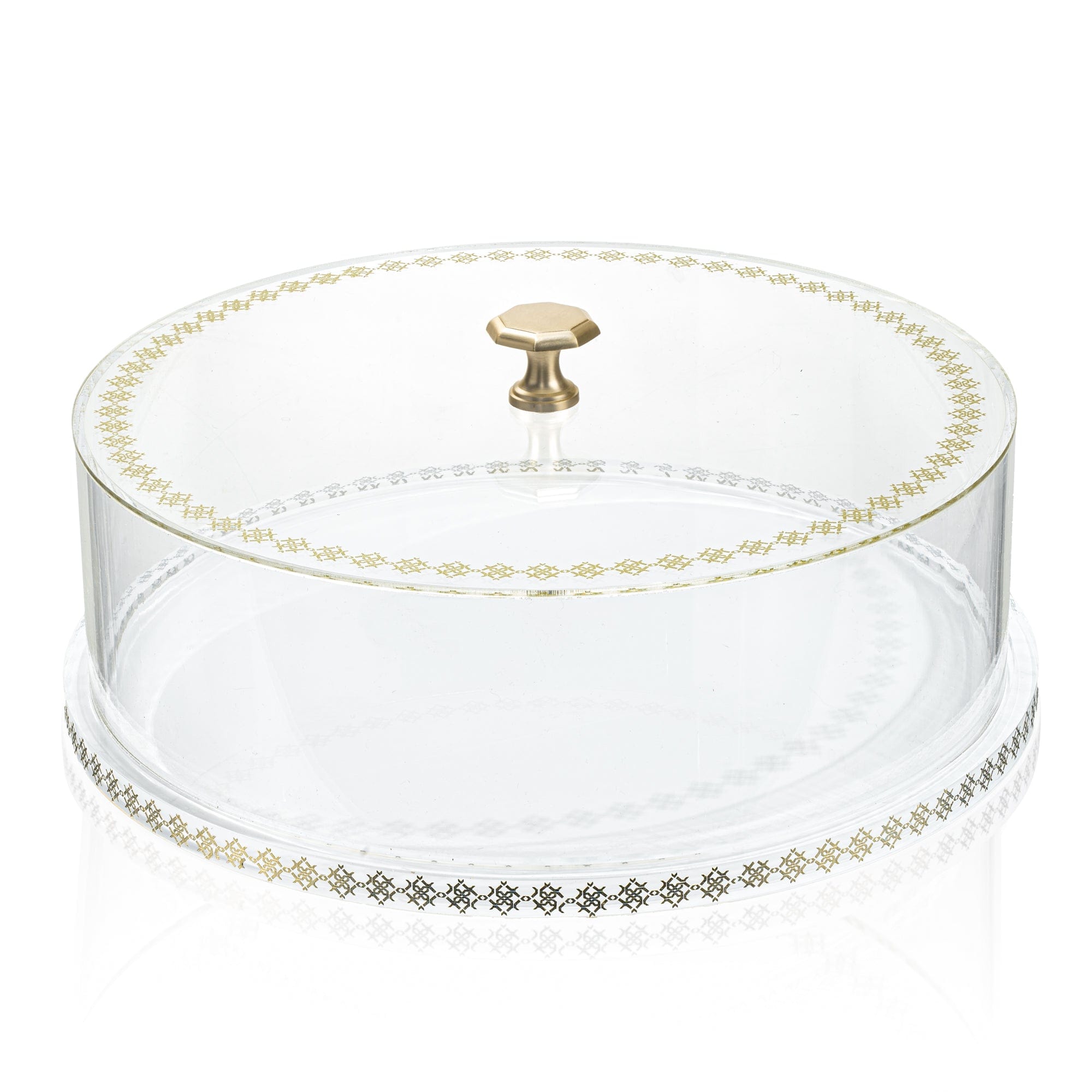
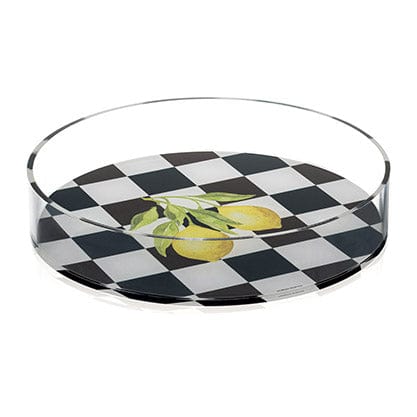
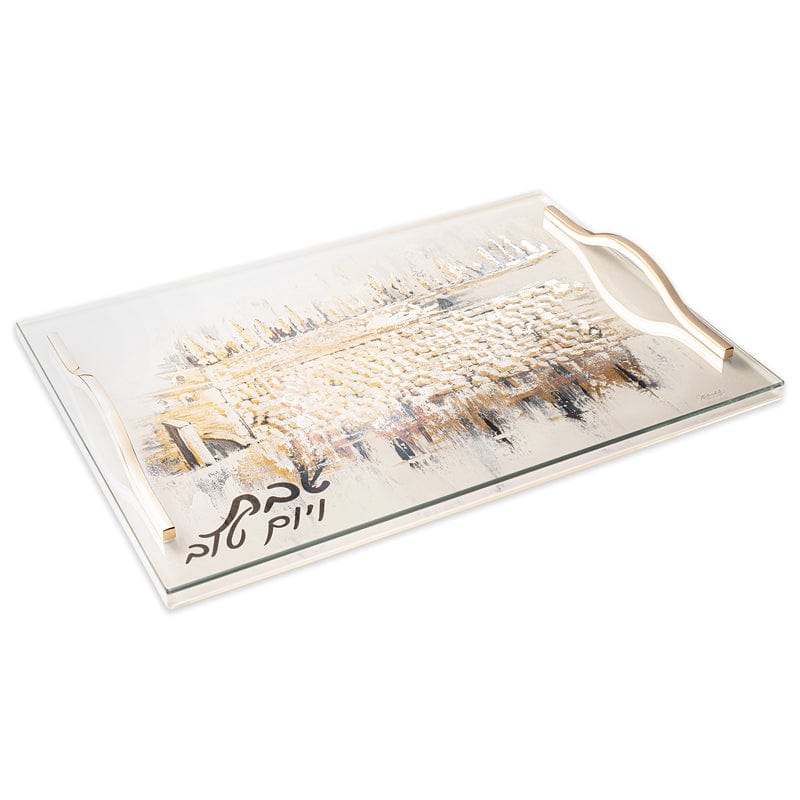
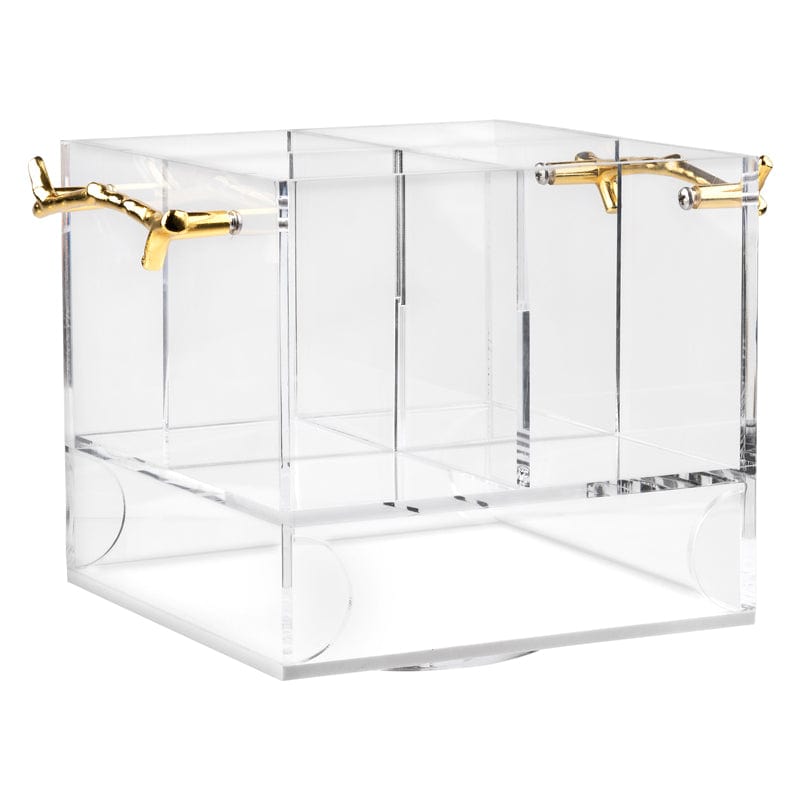
Contemporary serving pieces might include lucite bowls with leather handles, designer platters with architectural bases, or serving utensils with streamlined handles. The goal isn't matching sets in the traditional sense, but rather pieces that share design language and speak to each other.
When you're serving food that's prepared with care, serving vessels that match that intention make sense. A beautiful platter for fish or roasted vegetables doesn't just look better, it feels better to use.
Next step: Choose 2-3 key serving pieces in complementary materials and finishes. Start with what you already use most often (perhaps a platter and a bowl), then add intentionally rather than accumulating randomly.
Idea 5: Custom Place Settings with Modern Aesthetics
Place settings create the individual experience within the collective table. Modern approaches break from matching china patterns in favor of thoughtful coordination.
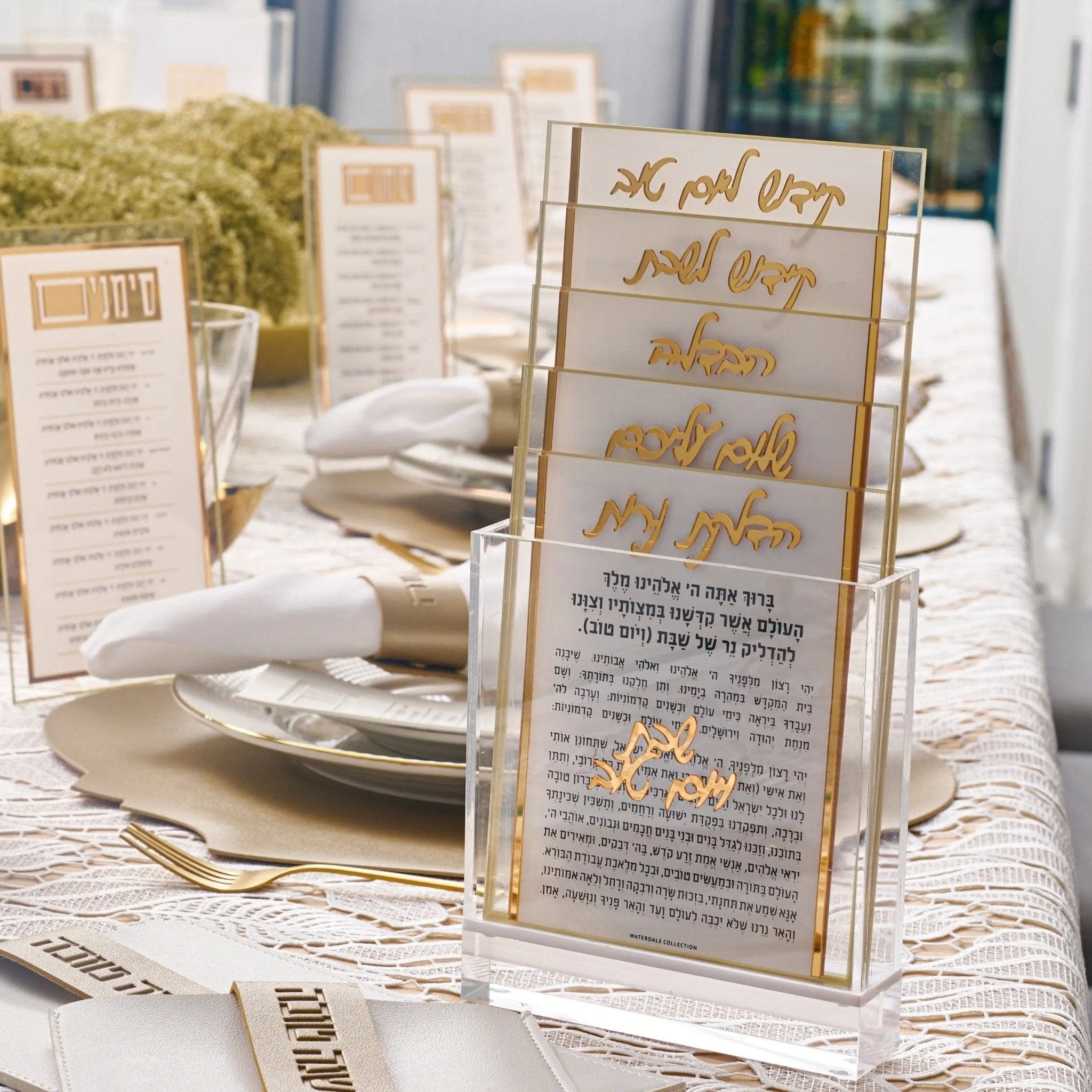
Consider table settings that combine neutral plates with contemporary place cards, coordinated napkins, and perhaps a small leather place card holder. The cohesion comes from design intention rather than matching designs.
For special occasions, custom place settings with guests' names in modern calligraphy add elegance without fussiness. This works beautifully for holiday meals where you're hosting extended family or friends.
Next step: Choose one coordinating element for your regular Shabbat table (perhaps a specific napkin color or linen texture), then build place settings around that anchor.
Idea 6: Layered Table Linens with Coordinated Accessories

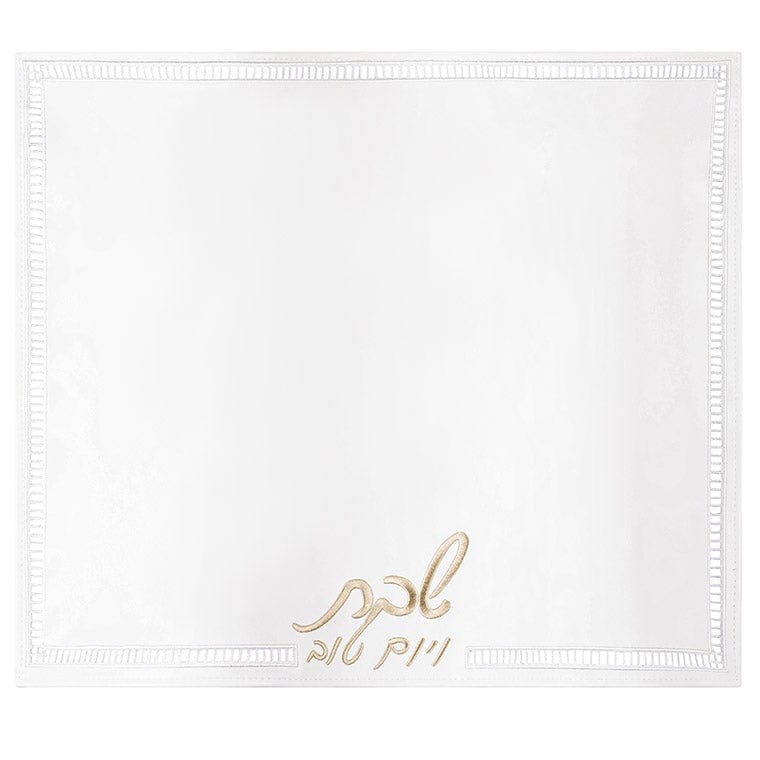
Modern table styling often relies on layering and texture rather than traditional tablecloths. Consider starting with a neutral base linen, then adding coordinated accents: a runner in a complementary color, cloth napkins in a related tone, and perhaps a decorative throw if your table space allows.
This approach gives you flexibility to shift the mood seasonally or for different occasions. For spring holidays, lighter colors and natural fibers create freshness. For winter Shabbats, deeper tones and heavier linens add warmth.
Coordinated accessories like modern napkin rings or linen napkin holders in lucite and leather tie the whole composition together.
Next step: Choose a base linen color that works across seasons. Then add 2-3 accent linens and accessories you can rotate to keep the table feeling intentional without requiring constant purchasing.
Idea 7: Curated Gift Collections for Hosting with Style
Hosting others on Shabbat is a profound honor, and presenting your table with intentional design communicates that clearly. If you frequently welcome guests, consider building curated gift collections to give guests something meaningful to take home.
This might be a Shabbat favor collection: a small but quality item like personalized place card holders, a modern Kiddush cup, or a contemporary serving piece. When these gifts coordinate with your table's design, the experience becomes cohesive and memorable.
Many guests remember how they felt at your table far more than any individual detail. Thoughtful pieces that reflect your values and aesthetics reinforce that memory.
Next step: If hosting is important in your life, identify one meaningful favor or gift that reflects your table's design language. This becomes something you offer to guests, deepening the experience for everyone.
Creating Your Perfect Modern Shabbat Experience with Our Collection
Your Shabbat table should feel like home, not like performing someone else's tradition. At Waterdale Collection, we create pieces specifically designed for people who want contemporary design without sacrificing ritual meaning.
We can help you develop a cohesive modern Shabbat aesthetic through custom designs tailored to your preferences. Whether you're starting fresh or thoughtfully adding pieces to what you already have, our team understands both the design and the meaning behind these choices.
Begin by identifying which pieces matter most to your Shabbat practice. Then build intentionally from there. A few excellent pieces that genuinely work in your home will transform your table more than a large collection of average ones.
Shop Now