



















1. Material Quality and Durability Standards
Finding premium leather Judaica that aligns with contemporary home design can feel challenging. Many traditional ritual items carry visual weight and period aesthetics that clash with modern spaces. At the same time, settling for mass-produced alternatives means sacrificing the craftsmanship and material quality that make meaningful pieces feel truly special.
We've spent years curating premium leather Judaica specifically designed for homes that blend tradition with current design sensibilities. Our collection addresses a real gap in the market: sophisticated ritual items and home decor that honor Jewish observance while looking at home in a modern interior.
Premium leather quality separates pieces that last decades from those that deteriorate within years. The leather we source and work with meets rigorous durability standards because these items often become family heirlooms.
Full-grain leather forms the foundation of our premium selections. This top layer of the hide retains the natural grain pattern and develops a patina over time, meaning your pieces actually improve in appearance with age. Unlike corrected or sanded leather, full-grain maintains its structural integrity and resists cracking when properly cared for. Thickness matters too. Our leather typically measures between 3.5 and 4.5 millimeters, providing enough substance to hold shape through regular handling while remaining supple enough for detailed hand-tooling.
The tanning process significantly impacts longevity. We work exclusively with vegetable-tanned leather, which uses natural tannins rather than harsh chemicals. This method takes longer and costs more, but the result is leather that ages gracefully and doesn't degrade under exposure to light or temperature fluctuations. Synthetic or chrome-tanned alternatives can become brittle or develop surface cracks when temperature swings occur, particularly with items used seasonally.
Stitching quality underlies durability. Machine stitching using waxed thread creates seams that withstand decades of use. Our artisans inspect every stitch line and reinforce stress points where handles attach or where folds naturally occur. Poor stitching is where inexpensive Judaica fails first, typically within 2-3 years of regular use.
For care and longevity, treat premium leather pieces like investment items. Clean them with a soft, slightly damp cloth and condition annually with leather balm. Store holiday items in breathable cotton bags rather than plastic, which traps moisture. Avoid direct sunlight when displaying pieces, as it accelerates the tanning process unevenly.
Actionable takeaway: Before purchasing any leather Judaica, ask about tanning method and leather grade. Full-grain, vegetable-tanned leather in the 3.5mm+ range is your benchmark for durability.
2. Design Aesthetics for Contemporary Spaces
Modern homes don't have a single look, but they share common design principles: clean lines, minimal ornamentation, functional form, and material honesty. Your Judaica should reflect those values rather than contrast against them.
We design with palette restraint in mind. Most of our pieces come in natural leather tones (tan, cognac, deep brown), charcoal, and off-white. This restraint lets them integrate into existing decor schemes without demanding visual attention. A cognac leather Havdalah set on a natural wood sideboard feels intentional, not decorative. Compare this to pieces with heavy gold trim or bright jewel tones, which often look dated or kitschy within a few years.
Geometric patterns appear occasionally but follow contemporary design trends rather than traditional motifs. Clean corners, circular elements, and linear details align with modern aesthetics. We avoid ornate filigree or excessive embossing unless a client specifically requests customization that leans that direction.
Proportion and scale matter significantly in modern spaces. Oversized candlesticks that dominate a shelf or Seder plates with excessive ornamentation can feel out of place in minimalist homes. Our designs emphasize proportional restraint, ensuring pieces read as functional objects first and decorative items second. A Shabbat candle holder might feature two slender columns rather than a broad base with heavy detailing.
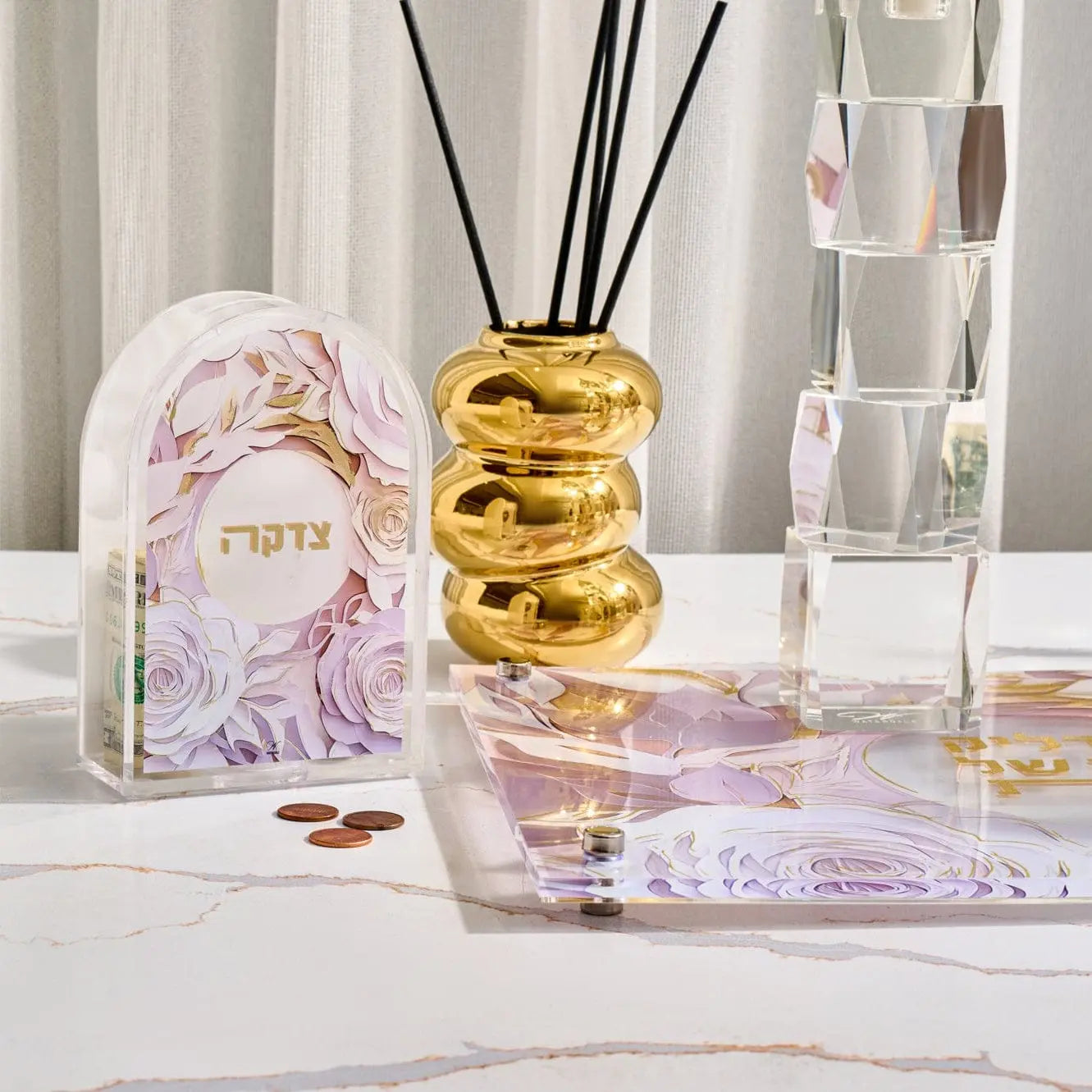
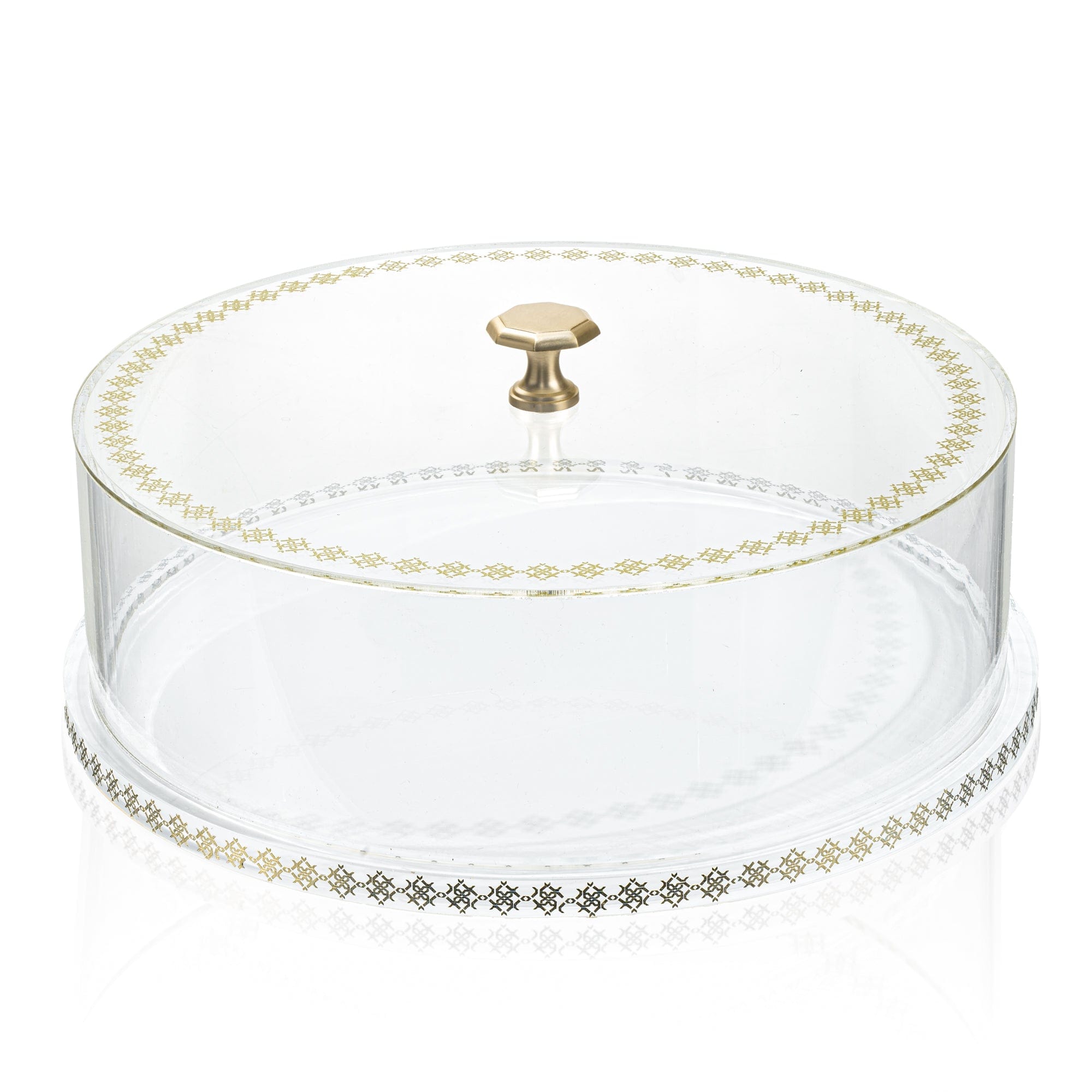
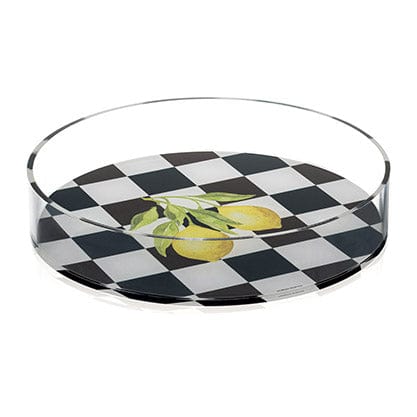
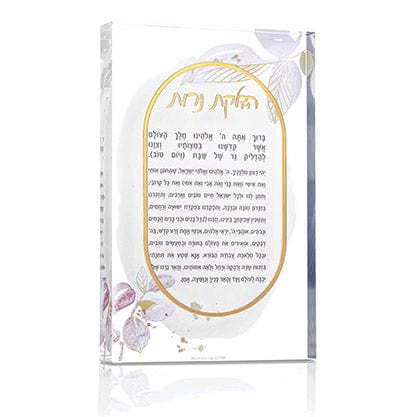
Material mixing is a hallmark of contemporary design, and leather pairs exceptionally well with other premium materials. Our pieces often combine leather with brushed metal, natural wood, or our signature premium lucite. This combination approach prevents monotony and appeals to homes already featuring mixed materials throughout.
Color layering works when pieces in the same area share undertones. A cognac leather Kiddush cup sits comfortably next to a natural linen runner because both have warm undertones. We help customers envision how pieces fit together not as isolated items but as cohesive groupings.
Actionable takeaway: Audit your existing home materials and dominant color palette. Choose leather Judaica in neutral tones that coordinate with what's already present rather than contrasting against it.
3. Functional Judaica Art Pieces

The best pieces solve two problems simultaneously: they facilitate meaningful observance and look beautiful while doing so. This is where "functional art" becomes reality rather than marketing language.
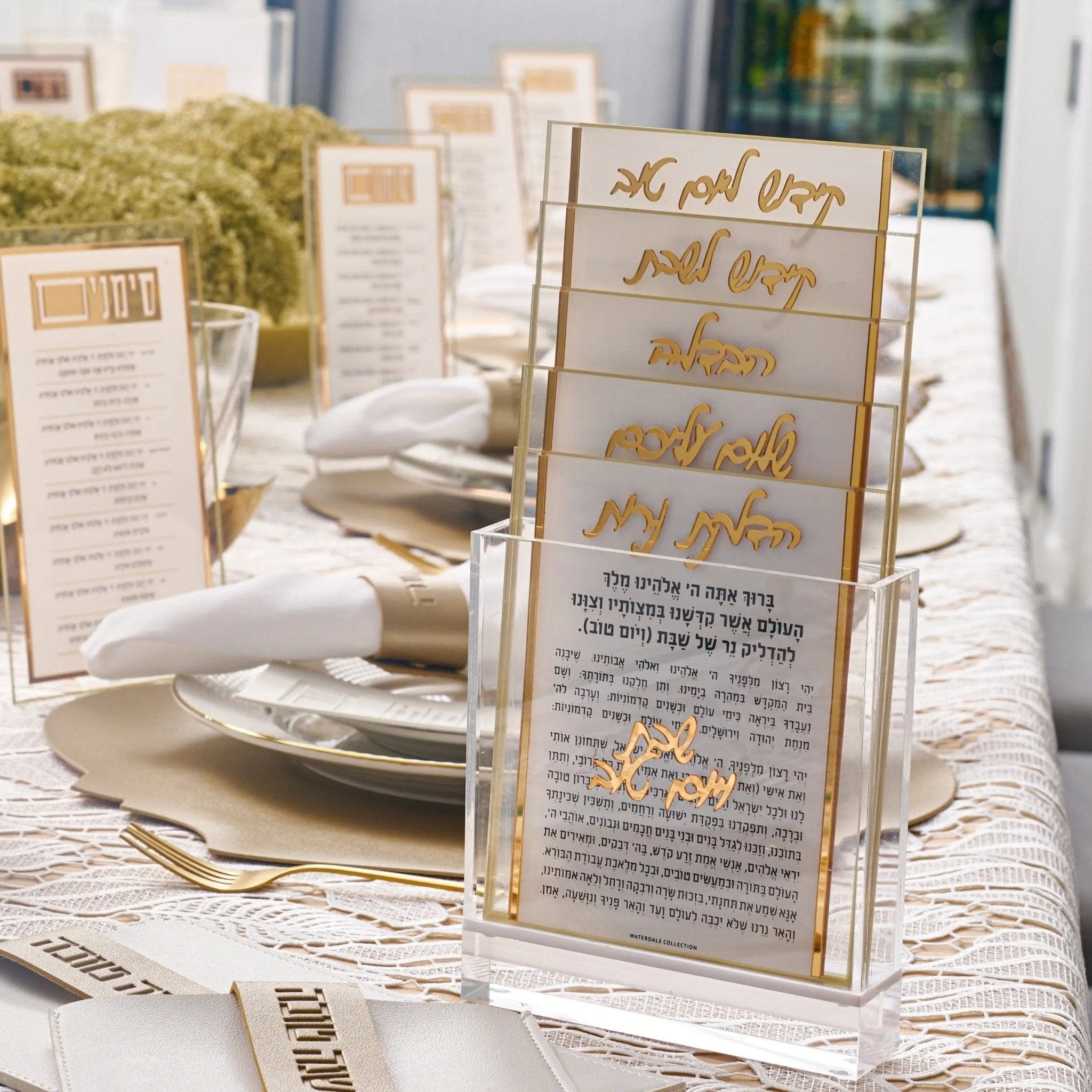
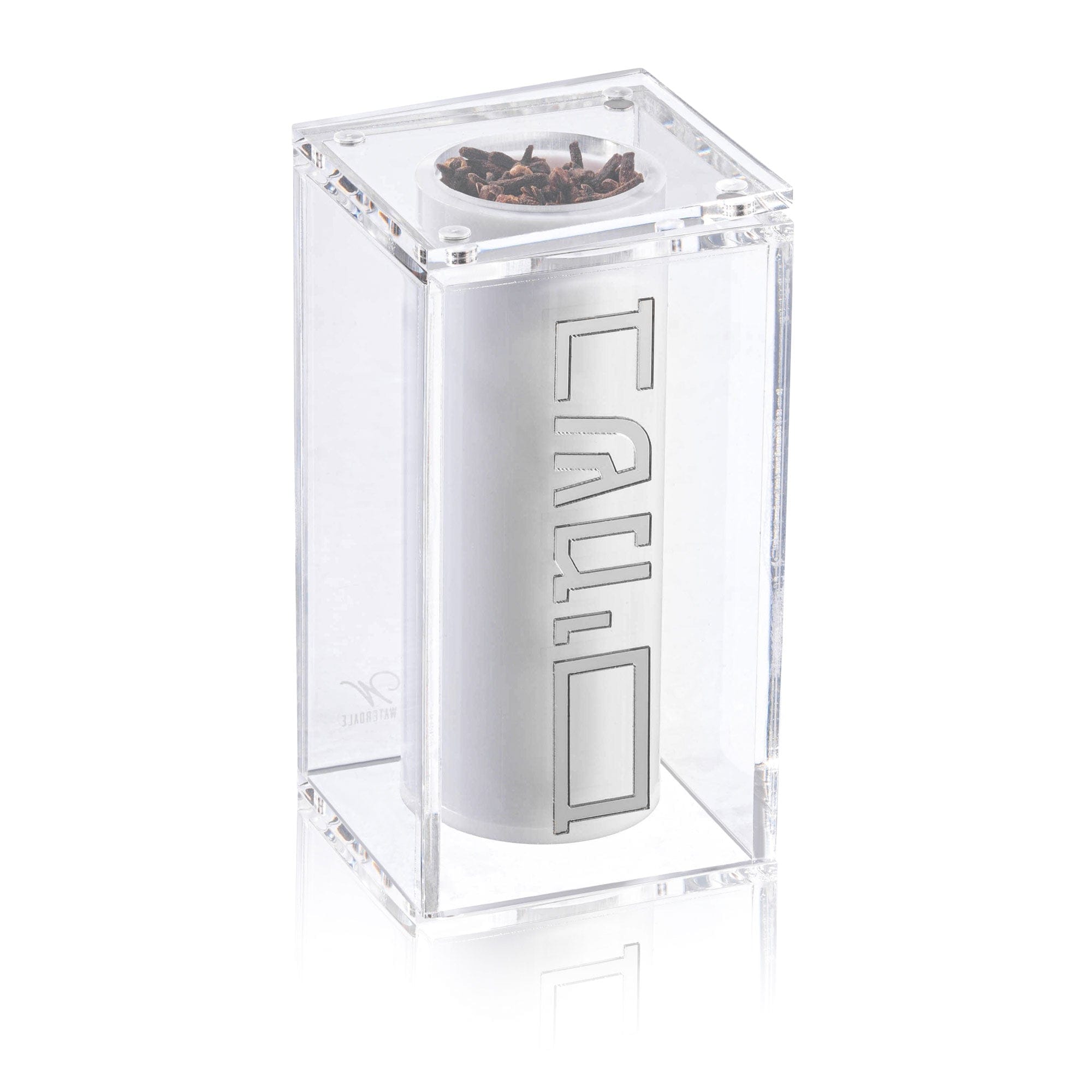
Consider the Havdalah set as a prime example. The traditional ceremony requires holding a candle, smelling fragrant spices, tasting wine, and saying specific blessings. Each element needs a designated home. Rather than multiple disconnected objects, a cohesive Havdalah set in premium leather and lucite keeps all elements together, creates visual harmony, and makes the ceremony feel intentional rather than rummaged.
Wine bottle holders in leather serve a similar dual purpose. A Shabbat wine bottle needs display space that keeps it accessible while showcasing it as intentional rather than incidental. Premium leather bottle holders keep wine within arm's reach of your table, protect the bottle, and communicate that this wine holds significance.
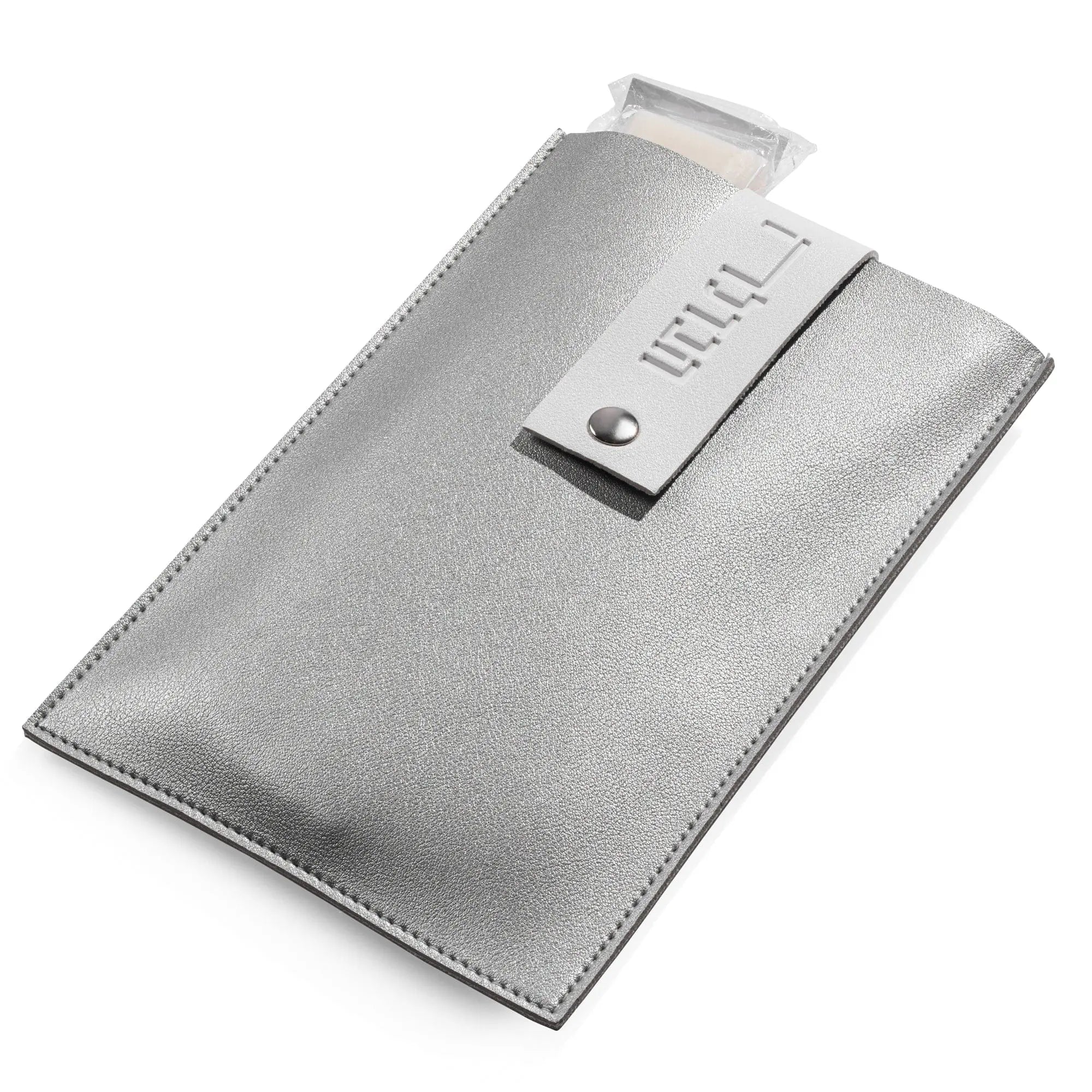
Letter openers and document holders might seem peripheral, but they reflect how premium Judaica integrates into daily life. A beautifully crafted leather document holder for bills, correspondence, or important papers adds functional sophistication to a desk. It doesn't scream "religious item" but quietly communicates craftsmanship and intention.
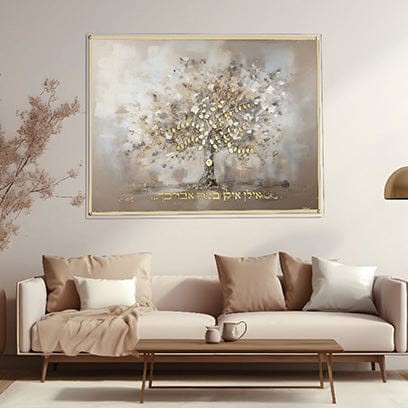
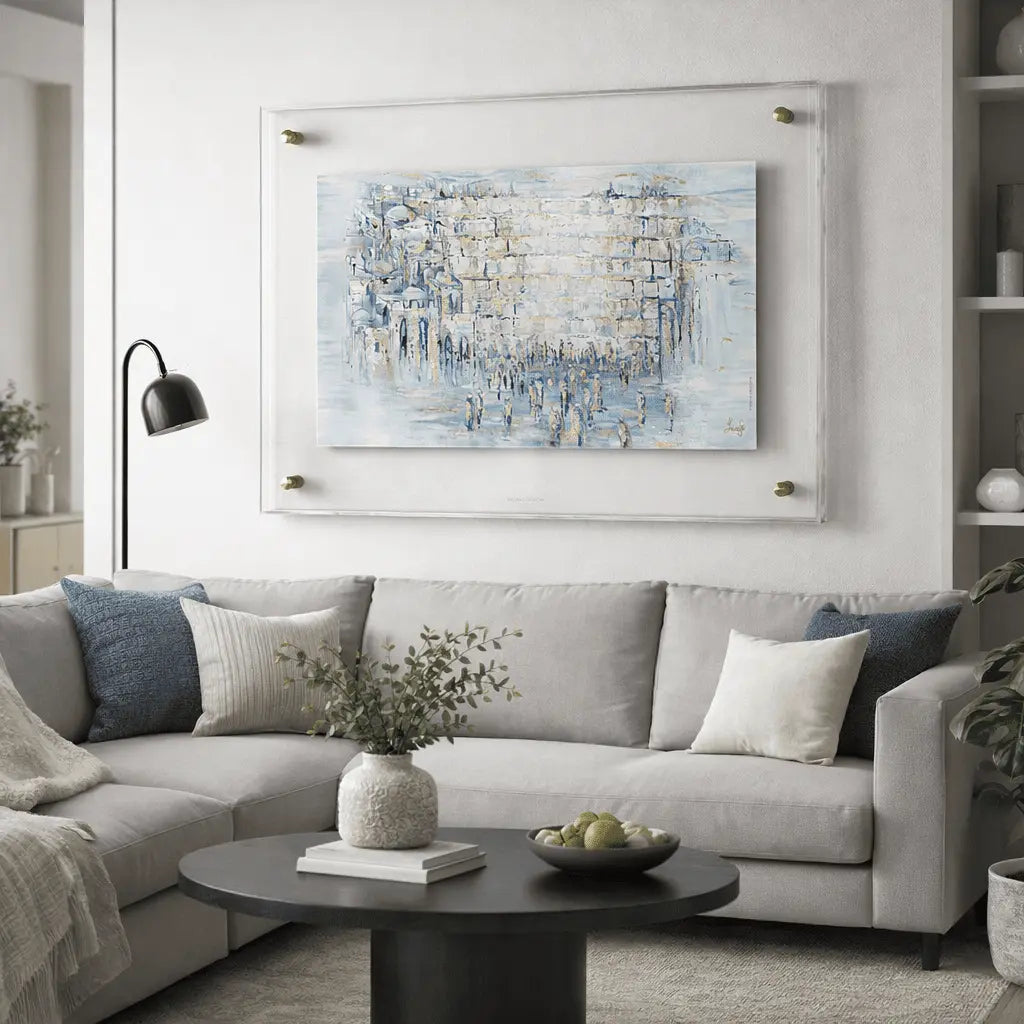
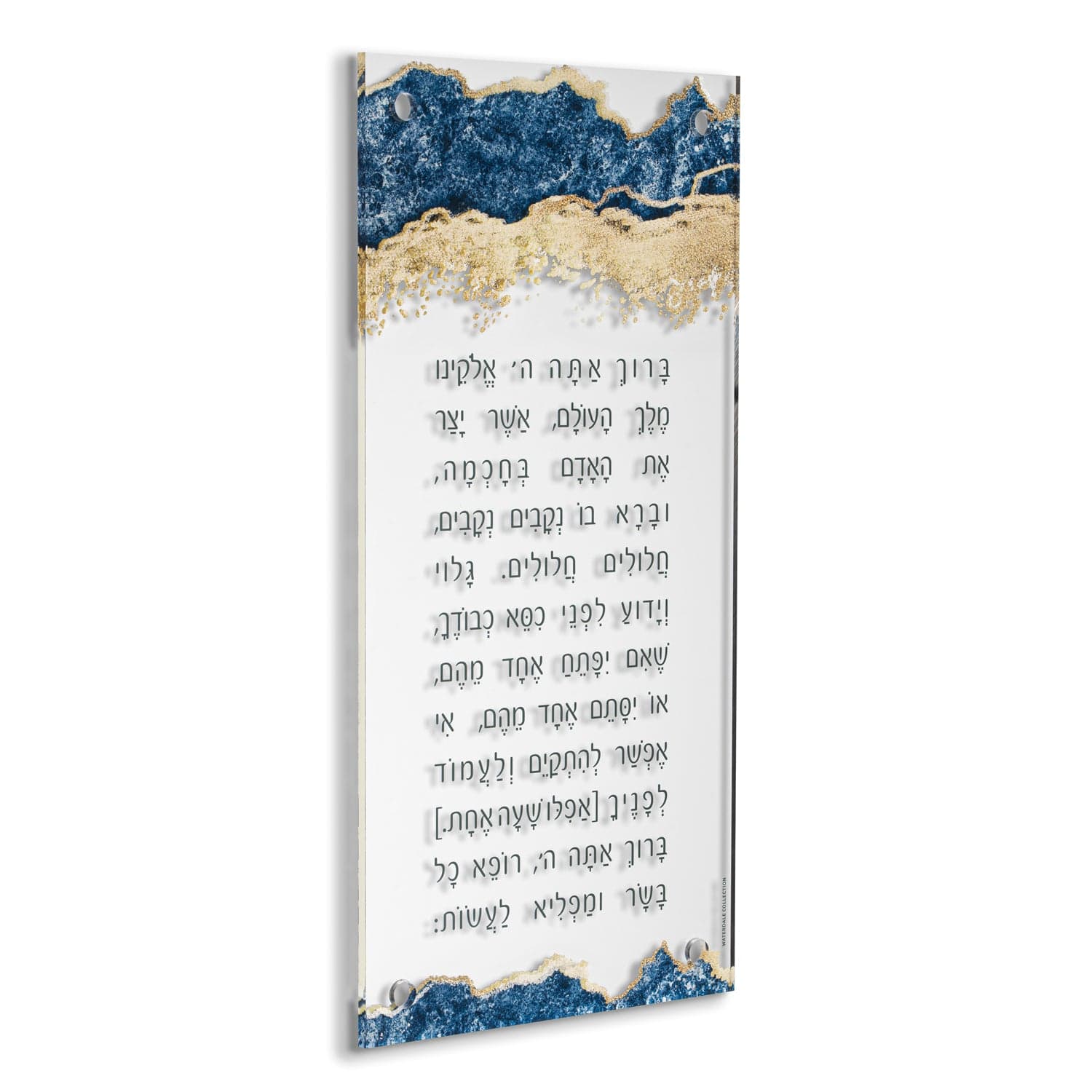
Our Judaica wall art collection bridges decoration and function. Wall-mounted pieces can hold items (like racks for holiday ritual items), serve as visual focal points, or simply commemorate important concepts. Unlike purely decorative art, these pieces often incorporate functionality that becomes apparent over time.
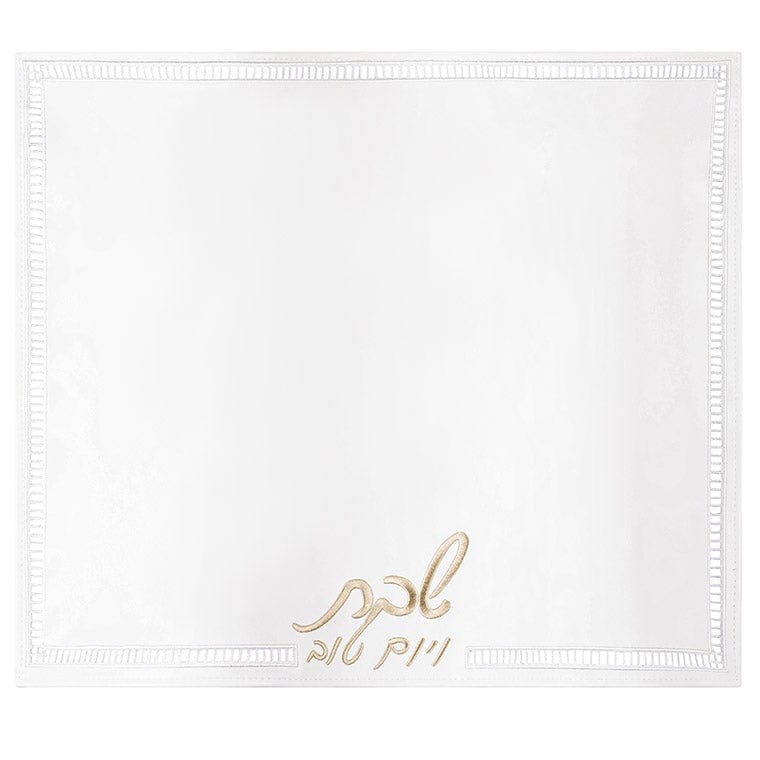
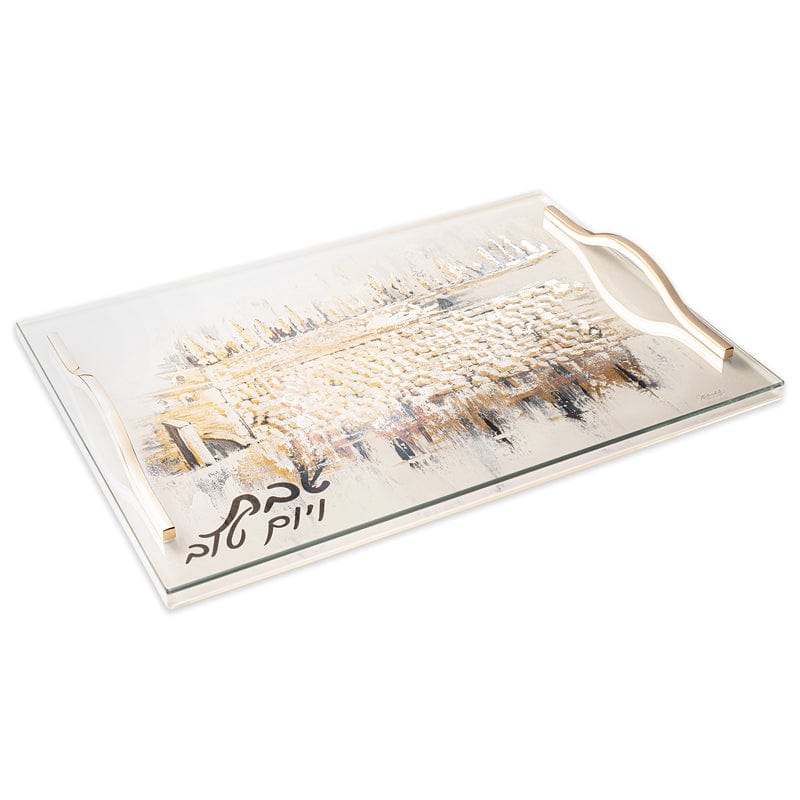
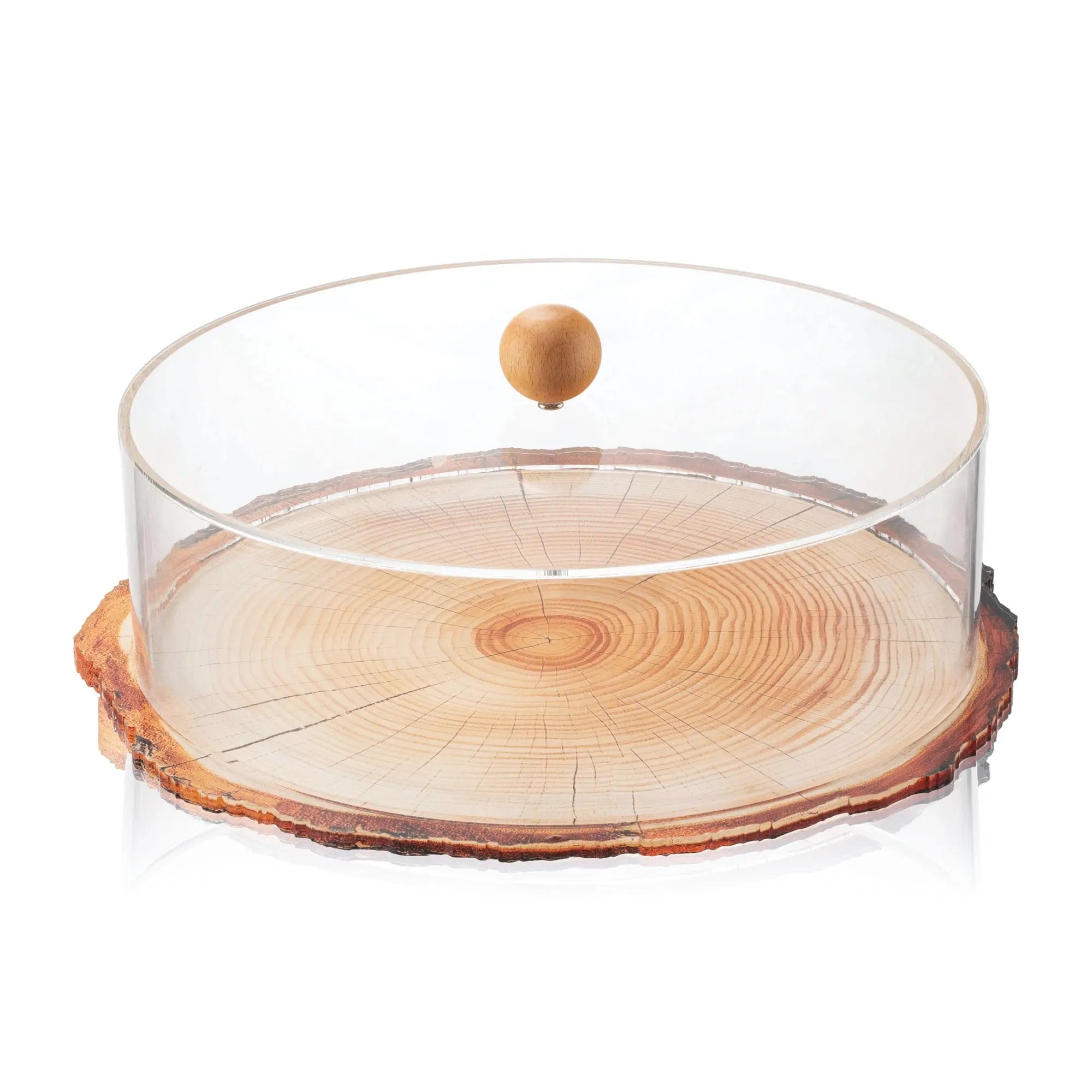
Tabletop accessories for Shabbat and holidays fall squarely into functional art territory. Matzah covers, challah boards, Seder plate accents, and serving pieces each have clear purposes. When executed in premium materials with thoughtful design, they elevate routine moments into intentional observance rather than utilitarian action.
The distinction matters: functional art invites daily use, which deepens the ritual meaning. A beautiful Kiddush cup that costs too much to use sits unused, defeating its purpose. Premium pieces from Waterdale are designed for regular handling and ceremonial use, meaning the craftsmanship actually serves the observance.
Actionable takeaway: When evaluating any Judaica piece, ask yourself: "Will I actually use this regularly, or will it live in storage?" Items designed for frequent use deliver more spiritual value and better justify their investment.
4. Customization and Personalization Options
One-size-fits-all Judaica rarely reflects the reality of individual families and their specific observance practices. We offer personalization options because meaning deepens when ritual items reflect personal identity.
Engraving is the most straightforward customization, but depth matters. Surface engraving can wear away with handling, particularly on items that receive regular use. Our engraving process cuts deeper into the leather, creating impressions that last lifelong. We work with various fonts and can incorporate Hebrew, English, or both.
Monogramming takes personalization further by combining initials or family names with intentional design. Rather than simply adding letters, thoughtful monogram design treats the initials as design elements. A cognac leather wine cup with custom monogramming becomes a statement piece rather than a generic ritual object.
Customization extends beyond text to complete design modifications. Some families need larger Seder plates to accommodate specific customs. Others want Havdalah sets configured differently based on their ceremony structure. We work directly with clients to modify proportions, add or remove elements, or incorporate specific materials.
Color selection often goes underutilized. While our standard palette offers versatile options, custom color requests allow for integration with specific decor or personal preference. A client with a particular interior scheme might request cognac leather instead of our standard natural tone, or explore less common options like deep forest green or charcoal for distinctive pieces.
Leather embossing and tooling create visual interest without weight. Custom borders, decorative lines, or subtle patterns can be incorporated into larger pieces like Seder plates or challah boards. This level of customization requires skilled craftspeople, which is why it's worth the investment for pieces that will be used repeatedly.
Combined personalization often works best. A Shabbat wine set might feature monogramming, custom color leather, and subtle embossing around the base. These layered customizations create truly unique pieces that feel valuable both practically and emotionally.
Turnaround for customization typically ranges from 3-6 weeks depending on complexity, so plan ahead for meaningful dates. When ordering for a specific holiday or life event, factor customization time into your timeline.
Actionable takeaway: If ordering for a significant date or recipient, request customization at least 6-8 weeks in advance to allow flexibility in your timeline without rushing production.
5. Holiday and Seasonal Collections

Jewish observance follows a yearly calendar, and each holiday carries distinct ritual requirements and emotional resonances. Our seasonal collections align with these cycles, offering pieces specifically designed for how they'll actually be used.
Passover collections emphasize function with elegance. Seder plates, charoset bowls, matzah covers, and serving pieces all appear in coordinated designs so your Seder table reads as intentionally curated. During Passover, when families gather for multi-course meals with specific ritual elements, the table setting should facilitate observance rather than distract from it. Premium leather items coordinate with ceramic, glass, and lucite to create cohesive Seder experiences.
Shabbat collections address weekly observance. While some people use the same pieces year-round, others want specific Shabbat items that appear on their table every Friday evening. Kiddush cups, wine holders, candle holders, and challah boards in our Shabbat-focused designs emphasize weekly rhythm and intentionality.
High Holiday collections honor the spiritual intensity of Rosh Hashanah and Yom Kippur. These designs often lean toward more formal aesthetics that differentiate them from everyday pieces. Many families appreciate having distinct High Holiday items that signal the shift into serious introspection and renewal.
Hanukkah collections celebrate the holiday's increasing popularity in secular culture by offering sophisticated menorahs and holiday accessories that appeal to modern Jewish homes. Rather than competing with mass-produced options, we focus on pieces for those seeking durability and design integrity.
Purim and Shavuot often get overlooked in home decor planning, but thoughtfully designed pieces can deepen observance of these holidays. Gift items for Purim, serving pieces for Shavuot cheesecake meals, and decorative accents help families mark these occasions more intentionally.
Bar and Bat Mitzvah collections appeal to families marking this significant milestone. Commemorative pieces, tallit holders, prayer book covers, and decorative items help young people connect to their Jewish identity through beautifully crafted objects they'll want to keep and use.
Seasonal availability means timing your purchases thoughtfully. Holiday collections typically launch 8-12 weeks before the holiday, allowing adequate time for customization if desired. Buying during collection launches ensures full inventory of colors and styles before bestselling options deplete.
Actionable takeaway: Map out your upcoming holiday observances for the next 12 months and identify which holidays would benefit from dedicated pieces. Prioritize premium items for holidays you celebrate most intentionally.
6. Corporate and Gifting Solutions
Beyond personal use, premium leather Judaica serves important roles in corporate environments and meaningful gifting moments. Organizations and individuals increasingly seek gifts that reflect values rather than generic corporate items.
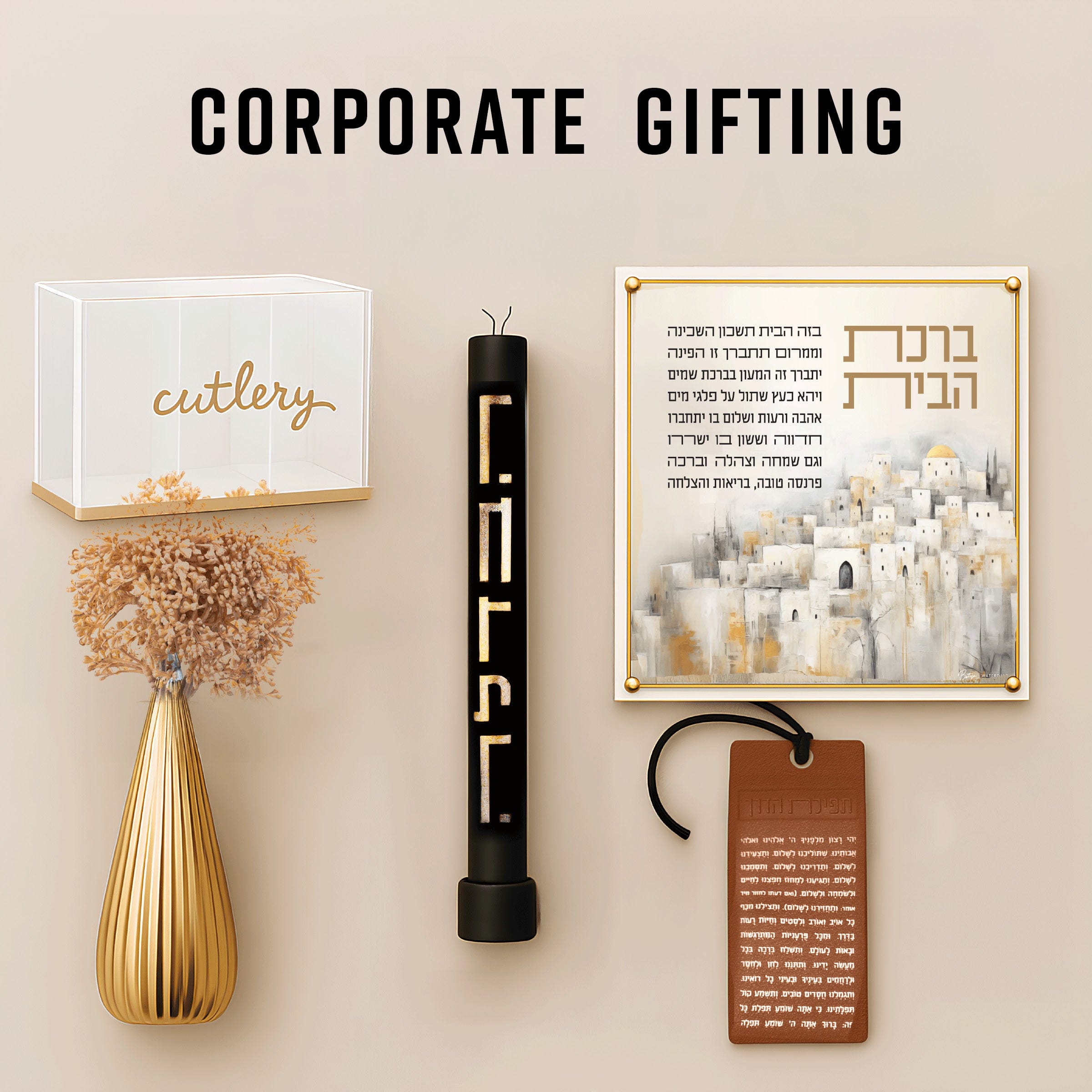
Our corporate gifting options address several scenarios. Jewish organizations, law firms, real estate companies, and other businesses with significant Jewish clientele often give gifts during holidays. Premium leather pieces communicate respect and appreciation better than standard corporate gifts. A beautifully crafted leather wine holder or Judaica desk accessory signals thoughtfulness and cultural awareness.
Custom corporate messaging amplifies gifting value. We can incorporate company names, logos, or commemorative text into pieces so they become branded gifts without feeling like advertising. A law firm might give premium leather-bound prayer book covers with the firm name subtly incorporated, creating gifts employees actually want to keep and use.
Bulk orders for organizational gifting require coordination and quality assurance. We manage larger orders by ensuring consistent craftsmanship across dozens or hundreds of pieces. This consistency matters when you're representing an organization's values through physical gifts.
Event commemorations benefit from premium Judaica gifts. Jewish weddings, bar and bat mitzvahs, and community celebrations often include gifts for guests or honorees. Custom leather pieces serve as meaningful keepsakes that recipients appreciate long after the event.
Life event gifting has become increasingly significant as people seek alternatives to generic options. When someone is called to the Torah, celebrates an aliyah, or marks another Jewish milestone, a premium Judaica gift acknowledges their connection to Jewish life in a way mass-produced items cannot.
Wedding gift registries increasingly include premium Judaica from Waterdale. Couples setting up homes together often want pieces that facilitate meaningful observance rather than purely decorative items. Matching sets of Shabbat items, holiday collections, or Havdalah pieces create cohesive registry selections.
Gift messaging and ribboning services add finishing touches that reflect on the giver. Premium packaging communicates that this isn't a casual gift but a considered choice. We include custom gift messages and quality ribboning as standard services rather than add-ons.

Actionable takeaway: For corporate or significant life event gifting, reach out at least 8-10 weeks in advance to discuss customization, bulk order coordination, and specific messaging that will make gifts memorable.
7. Craftsmanship and Production Excellence
The difference between premium Judaica and mass-produced alternatives emerges in production philosophy and execution standards.
We work with skilled craftspeople who specialize in leather work rather than generalist manufacturers producing hundreds of product categories. This specialization means every team member understands how leather behaves, how hand-tooling affects durability, and how seemingly small details compound into lasting quality.
Hand-finishing processes distinguish our pieces from factory-produced alternatives. While machines cut leather and perform structural stitching, human hands handle finishing work. Edges are beveled and burnished to prevent fraying. Seams are inspected individually. Details like leather corners are reinforced with additional stitching at points of stress. This human attention to detail cannot be replicated by automated processes.
Material sourcing happens selectively rather than opportunistically. We maintain relationships with specific tanneries and suppliers who meet our standards consistently. This means our leather comes from fewer sources, ensuring quality control and traceability. We know the origin of our materials, how they were processed, and which pieces are suitable for specific applications.
Production capacity intentionally remains limited. Unlike mass manufacturers expanding output to maximize profit, we maintain production volumes that allow quality oversight. When craftsmanship is the core value proposition, scaling beyond capacity to maintain quality standards becomes a business priority.
Quality assurance involves multiple checkpoints. Items are inspected before stitching, after stitching, during finishing, and before shipping. This multilayered inspection catches issues that single-stage quality control would miss. We also accept returned pieces when customers identify issues, reflecting confidence in our craftsmanship.
Warranty and care support extend beyond the sale. We provide detailed care instructions for each piece type, explaining how proper maintenance extends life. We also accept repairs for items that show genuine wear from use, reinforcing our commitment to durability.
Production timelines remain longer than mass-produced alternatives because we refuse to sacrifice quality for speed. Custom orders typically require 4-8 weeks depending on complexity. Standard items are maintained in inventory but produced in smaller batches to ensure freshness and quality control.
Sustainability considerations increasingly influence production decisions. We source materials responsibly and work with suppliers committed to environmental standards. Vegetable tanning, while slower and more expensive, also carries lower environmental impact than industrial alternatives.
Actionable takeaway: When evaluating any Judaica purchase, ask about production methods, quality checkpoints, and what happens if issues arise. Transparent craftspeople welcome these questions because quality is their competitive advantage.
---
Premium leather Judaica represents an investment in objects you'll use and appreciate for decades. The pieces we create at Waterdale Collection aren't novelties purchased impulsively but items selected thoughtfully to support meaningful observance and enhance how your home looks and functions.
The distinction between premium and standard Judaica compounds over time. Year one, both might look similar. Year five, quality differences become obvious. Year fifteen, premium pieces develop patina and improve in appearance while cheaper alternatives deteriorate. That long-term trajectory justifies the investment when you're choosing pieces for regular ceremonial use.
Our collection brings together material quality, thoughtful design, functional excellence, and skilled craftsmanship specifically because modern Jewish homes deserve Judaica that respects both tradition and contemporary taste. Rather than choosing between meaningful ritual items and beautiful home decor, you can have both.
Start by identifying which pieces will most improve your observance and home experience. Whether that's a Havdalah set for weekly ritual, a premium Seder plate for Passover, or custom designs for a specific need, investing in one or two pieces of genuine quality beats accumulating numerous mediocre alternatives. Those foundational pieces will anchor your Judaica collection and demonstrate the difference premium craftsmanship makes.
For further reading: Corporate gifting options, Personalization options.
Shop Now