
























You spend time choosing your arba minim. The case you carry them in deserves some thought, too.
A good lulav and esrog bag has a very practical job: helping protect your arba minim as you carry them to and from shul throughout Sukkos. But the right case should also fit your lulav properly, keep your esrog secure, be comfortable to carry, and suit the way you’ll actually use it.
Separate or combined? A lulav case with a matching esrog bag, or an all-in-one carrier? Leather, fabric, or a Lucite esrog box?
Here’s what to consider before choosing the right lulav and esrog bag for Sukkos.

1. Start With Protection, Not Just Style
It’s easy to start by choosing the design you like best, but a lulav case has an important practical purpose.
It should give your lulav, hadassim, and aravos enough room without putting pressure on the top of the lulav or disturbing the way everything is bound together.
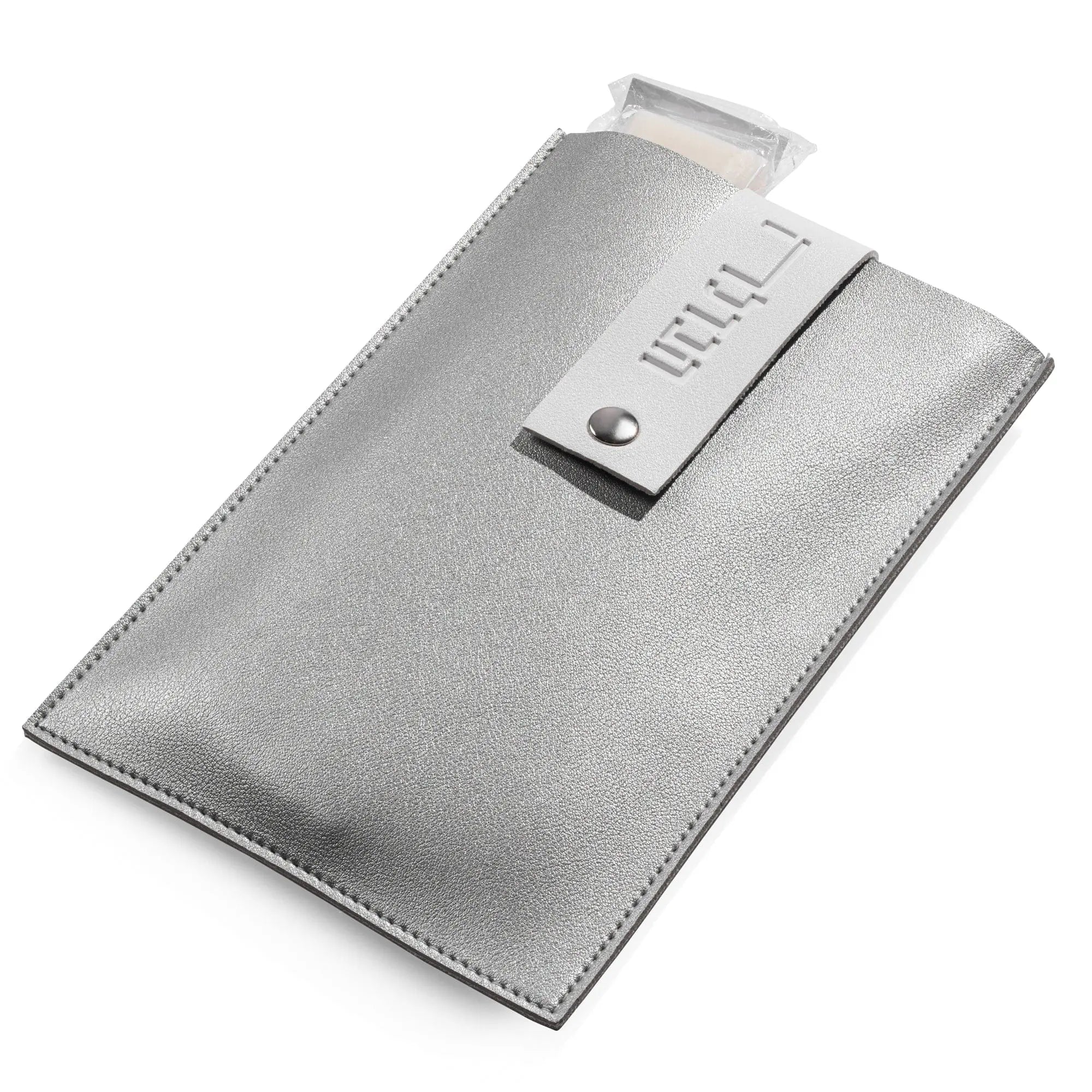
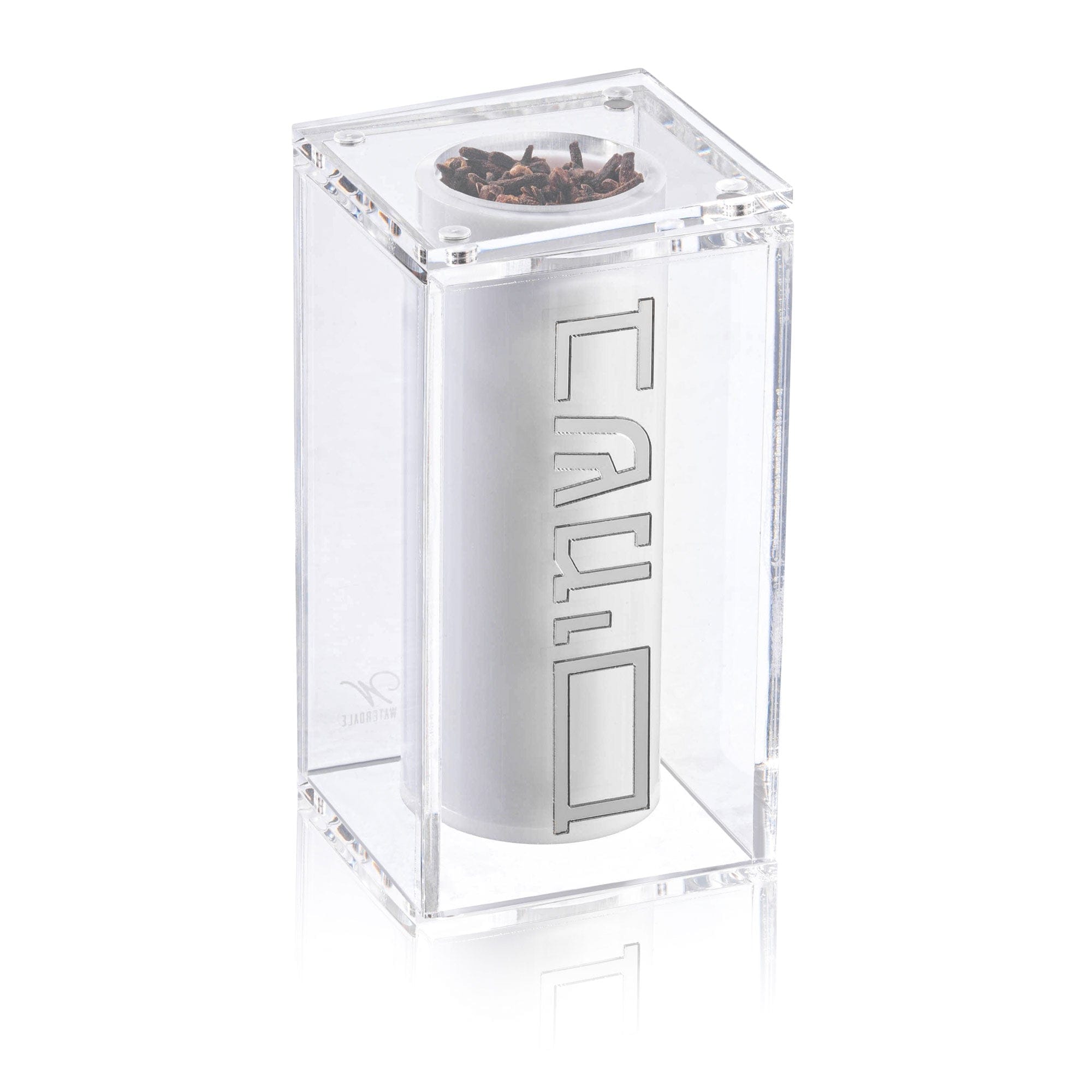
Your esrog needs protection of its own. Depending on the style you choose, that may mean an esrog bag designed to hold the protective cardboard box your esrog comes in, or a Lucite esrog box that uses the protective foam from the original box to keep your esrog secure.
Waterdale Tip: Look beyond the outside of the case. Structure, padding, lining, handles, and closures are the details you’ll appreciate once you’re actually carrying your arba minim every day.
2. Make Sure Your Lulav Case Is the Right Size
This sounds simple, but it’s one of the most important details to check when choosing a lulav case.
Your assembled lulav should fit comfortably, including the hadassim, aravos, and koshelach (lulav rings), without needing to be bent or forced into place.
Many Waterdale lulav cases measure approximately 52" x 7", giving a full-length lulav room while keeping the case streamlined enough to carry comfortably.
If you generally choose an especially tall lulav, measure before ordering rather than assuming every case will fit exactly the same way.
The goal is simple: you should be able to slide the lulav in and out comfortably without putting unnecessary pressure on the tip or disturbing the hadassim and aravos.
3. Separate Lulav and Esrog Bags or One Combined Case?
This is probably the biggest decision to make.
Separate Lulav Case and Esrog Bag
A separate setup gives your lulav its own full-length case while the esrog travels in its own bag or box.
This can be a good choice if you prefer the classic setup, already have an esrog box you use every year, or simply like keeping the two pieces separate.
It also gives you flexibility. You can replace one piece without replacing the other, or choose a matching lulav case and esrog bag for a coordinated look.
Combined Lulav and Esrog Case
If you’d rather have one thing to carry to shul, a combined lulav and esrog case can make the morning routine much easier.
The lulav stays in its full-length section while the esrog has its own attached compartment, so everything travels together.
Waterdale’s Geometric Fur Lulav and Esrog Case, for example, has a fully padded interior and a matching esrog bag attached directly to the case. Its pole is positioned opposite the handles and zipper for more secure carrying.
If you’re already walking to shul with a tallis bag, machzor, and everything else you need, having one less separate item in your hands can make a real difference.

4. Think About How You’ll Actually Carry It
Your lulav case won’t sit untouched on a shelf all Yom Tov.
You carry it to shul. Open it. Take the lulav out. Put it back. Carry it home. Then do it again the next morning.
That makes the small practical details surprisingly important.
Look for:
- Comfortable handles
- A case that holds its shape
- A smooth interior
- Easy opening and closing
- Secure closures
- Enough room to remove the lulav comfortably
- An esrog bag or compartment that stays securely in place
When comparing lulav cases, look for practical details like comfortable handles, a structured shape, a smooth interior, and enough room to slide the lulav in and out easily.
Those may sound like small details while you’re shopping.
By the fourth morning of Sukkos, they don’t feel so small.
5. Choose a Material and Style That Works for You
Once you know the case is practical, you can choose the look.
Today’s lulav bags and esrog bags come in far more styles than a basic protective sleeve. Waterdale’s current collection includes sleek leatherette finishes, embroidery, lace, dimensional details, and coordinated sets.
If you prefer something understated, a sleek, classic finish is timeless.
If you want something more distinctive, embroidery, texture, or a dimensional design can give the case more personality.
There isn’t one right style. The best choice is something you’ll be happy to carry this Sukkos — and still look forward to taking out again next year.
6. Decide Whether You Want a Matching Set
A matching lulav case and esrog bag give the entire set a polished, coordinated look.
Some designs are made specifically to work together. The Crystal Leather Lulav Case, for example, includes coordinating Velcro so the matching Crystal Leather Esrog Bag can attach directly to the case.
That gives you some of the convenience of a combined carrier while still allowing the two pieces to be used separately.
A matching set can also make an especially nice gift because it feels complete from the start.
7. Don’t Forget What Goes Inside the Esrog Bag
An esrog bag and an esrog box aren’t necessarily the same thing.
Many leather esrog bags are designed to hold the protective cardboard box your esrog comes in, keeping the esrog protected rather than sitting loose inside the bag.
That can make everyday use much simpler while allowing the original protective packaging to do its job.
Waterdale’s Diagonal Leather Esrog Bag, for example, is designed to hold a protective esrog box and gives you a polished outer bag that’s easier to carry.
Before ordering an esrog bag, check its dimensions against the type of box you generally use.
8. Esrog Bag or Lucite Esrog Box?
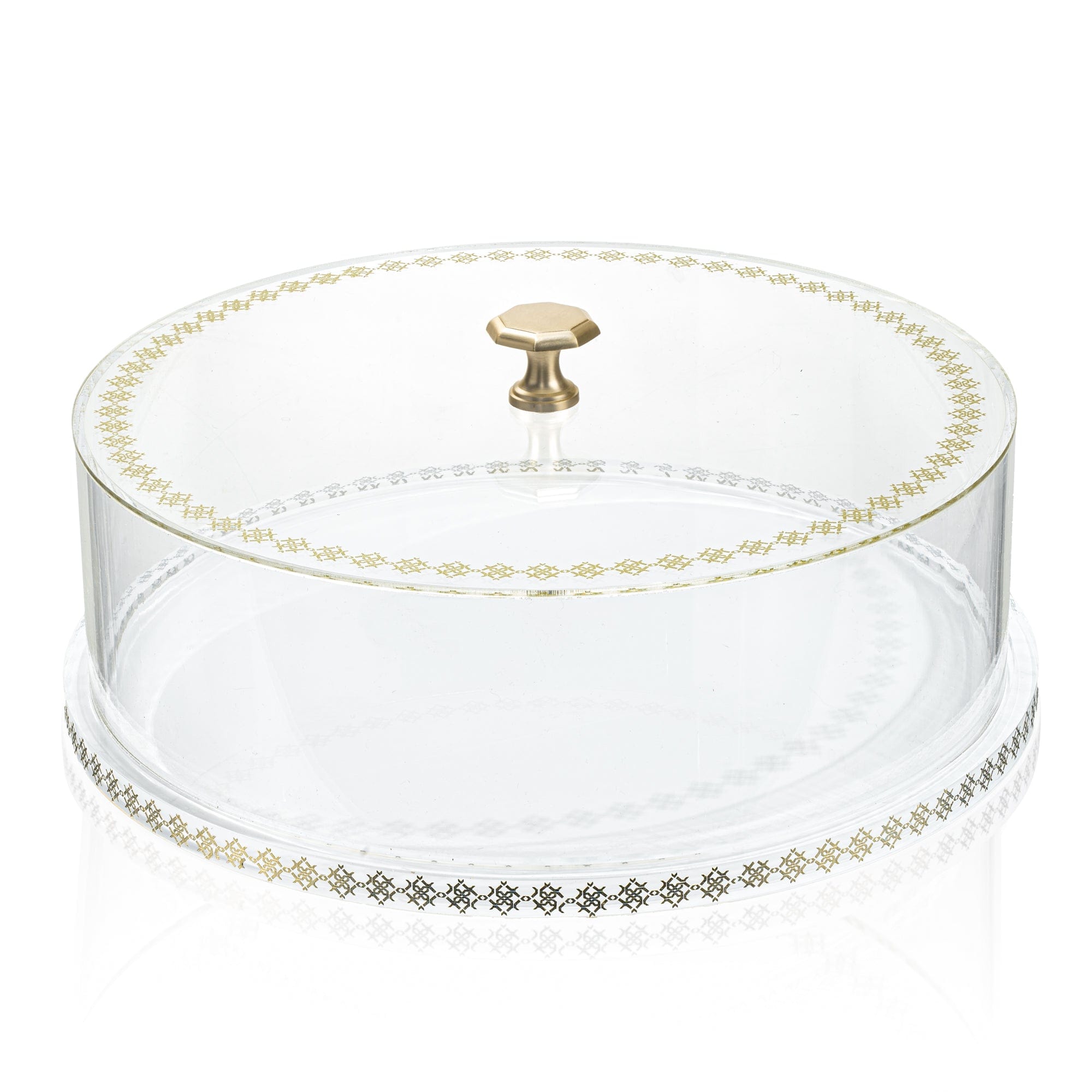
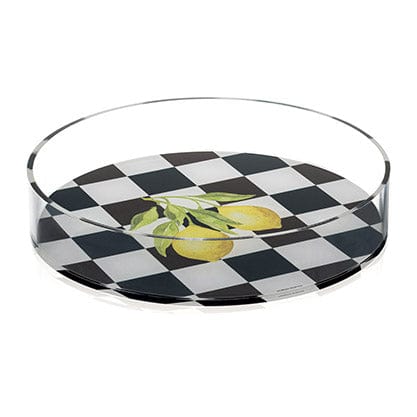
If you prefer something more structured, a Lucite esrog box is another option.
A Lucite box creates a firm outer case while also giving the esrog a polished presentation when it’s sitting in the sukkah.
Waterdale’s Lucite esrog boxes offer the structure of Lucite while allowing the protective cushioning to remain around the esrog.
If you prefer a softer carrier that’s easy to take along, an esrog bag may be the better fit. If you like something structured that can also look at home on the Sukkos table, a Lucite box may be the better choice.

9. Look for the Little Extras
Sometimes the features you don’t specifically shop for become the ones you appreciate most.
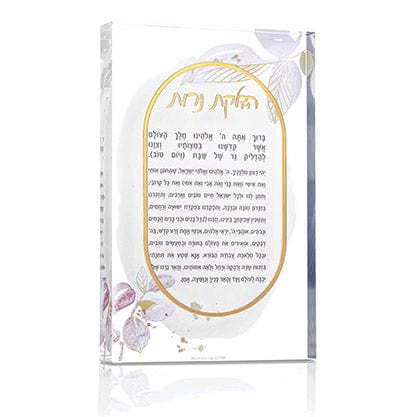
Depending on the style, Waterdale lulav cases include thoughtful extras like storage loops, added structure, smooth linings, and even a bonus Lucite Lulav Brachos card.
When two cases look equally good, these practical extras can make the choice much easier.
Ask yourself what will make using the case more convenient each morning — not only what looks nicest in the product photo.
10. Choose Something You’ll Be Happy to Use Year After Year
A lulav and esrog case has a practical purpose first: helping you carry and protect your arba minim.
But it also becomes part of the rhythm of Sukkos — something you take out each year, carry to shul, and associate with the Yom Tov.
A classic design may be right if you prefer something timeless. A more distinctive case can be perfect if you enjoy bringing some personality into the Judaica you use.
Either way, practicality and style don’t have to compete.
11. A Lulav and Esrog Bag Makes a Meaningful Gift
A quality lulav and esrog set can also make a thoughtful gift because it’s meaningful, personal, and genuinely useful.
It can be especially fitting for a Bar Mitzvah boy beginning to use his own arba minim, a chosson building his Judaica collection, or someone who has been using the same basic case for years and is ready for an upgrade.
A matching set feels special when it’s opened, but unlike many gifts, it’s something the recipient can bring out and use every Sukkos.
If you’re choosing one as a gift, think about the recipient’s style: classic or contemporary, understated or distinctive, separate pieces or an all-in-one carrier.
Quick Checklist: What to Look for in a Lulav and Esrog Bag
Before choosing yours, ask:
- Is the lulav case long enough?
- Will the assembled lulav fit comfortably?
- Does the case have enough structure for carrying throughout Sukkos?
- How will the esrog be protected?
- Do I prefer separate pieces or one combined case?
- Is it comfortable to carry to and from shul?
- Do I want the lulav case and esrog bag to match?
- Is the material durable enough to use year after year?
- Is this a style I’ll still enjoy next Sukkos?

Find the Right Lulav and Esrog Bag for Sukkos
The right lulav and esrog bag should make carrying your arba minim simpler.
Maybe that’s a classic lulav case with a matching esrog bag. Maybe it’s a combined carrier that keeps everything together. Or perhaps it’s a structured Lucite esrog box paired with a lulav case you already own.
Whichever style you choose, look for the right fit, good protection, comfortable carrying, and a design you’ll be happy to bring out year after year.
Ready to choose yours? Explore Waterdale Collection’s Lulav & Esrog Cases for standalone lulav cases, matching esrog bags, combined carriers, and Lucite esrog boxes for Sukkos.