

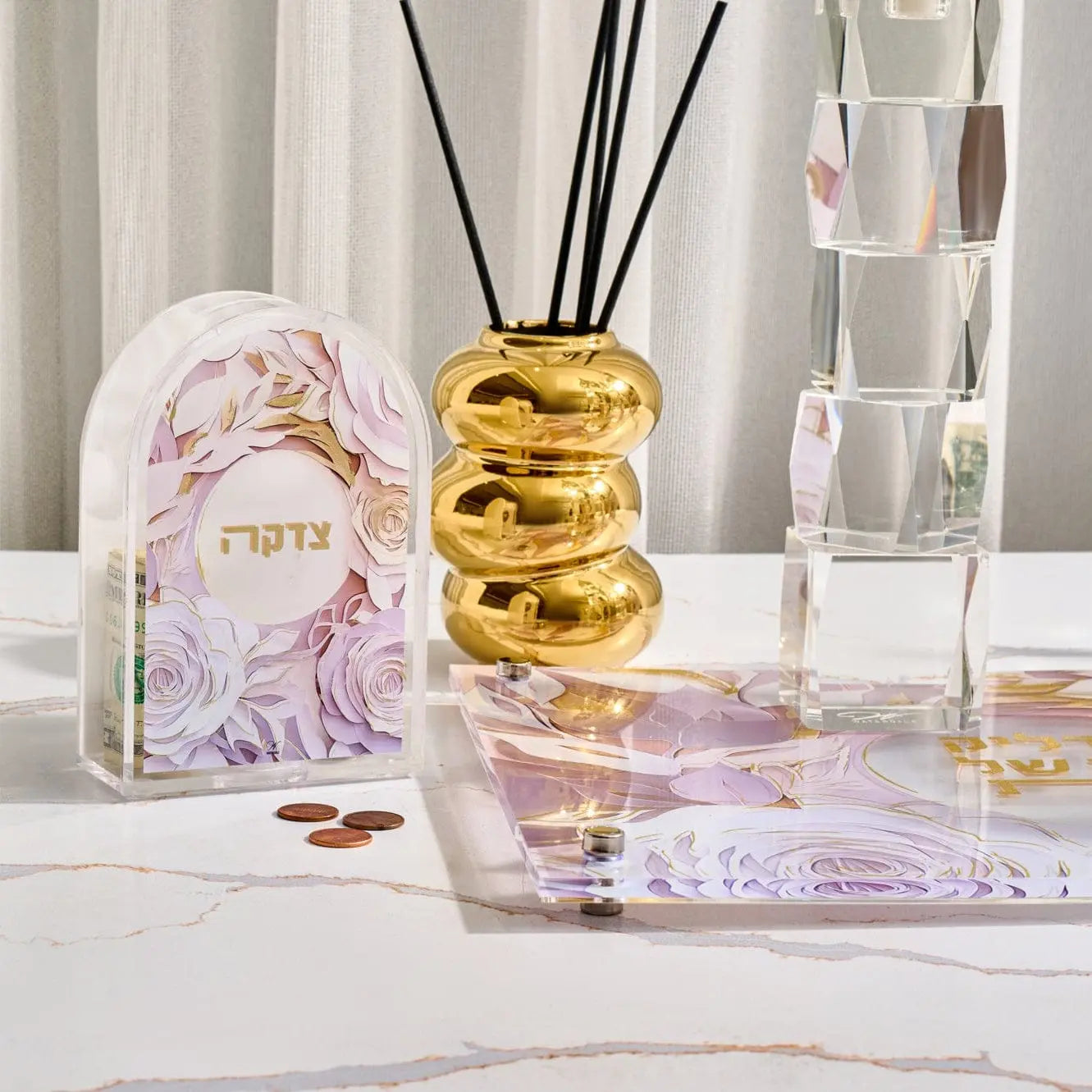


















Which wall gets the Birchas Habayis? And how do you fill a new home with Jewish wall art without it starting to look like a gift shop?
It helps to work room by room. You may already have a few wedding gifts waiting to be hung, a Kosel painting you’ve had your eye on, or a front hall that still feels unfinished. Think about where you’ll read a bracha and where you have room for a painting. There’s no need to choose everything at once.
This guide walks through the entryway, kitchen, dining room, living room, study, children’s rooms and the space outside the washroom. We’ll look at the Jewish art that suits each setting, how to choose the right size, and what to check before buying Judaica art for your own home or as a gift.
For an overview of the styles available, browse Waterdale’s Judaica wall art.
In This Guide
- Judaica Art in the Jewish Home
- The Entryway: Birchas Habayis
- Outside the Washroom: Asher Yatzar
- The Kitchen: Al Hamichyah and Thank You Hashem
- The Dining Room: Hadlokas Neiros
- The Living Room: Kosel Paintings, Mizrach and Im Eshkachech
- The Study and Office: Shivisi Hashem, Gedolim Portraits and Professional Brachos
- Children’s Rooms: Modeh Ani and Bedtime Tefillos
- Color It Acrylic: Make Your Own Lucite Judaica
-
How to Choose and Hang Jewish Wall Art
- Frequently Asked Questions
Judaica Art in the Jewish Home
Jewish art includes far more than text plaques. Paintings of Yerushalayim, scenes of Jewish life, portraits of Gedolim and decorated Hebrew blessings all have a place in the home. What you choose will depend on your family, your taste and the room itself.
A bracha or tefillah can become part of a daily routine. A painting of the Kosel may bring back memories of a visit to Jerusalem or reflect a connection to the Holy City. Both can be deeply meaningful.
Decorated Jewish texts also have a long history. Modern Judaica art draws on these traditions in many different styles, from detailed painted designs to clear Lucite panels.
There’s room for the painting you fell in love with and the bracha plaque your parents gave you. A shared color, finish or frame style can help them sit comfortably together, even if you chose them years apart.
The Entryway: Birchas Habayis
A Birchas Habayis, or blessing for the home, is a familiar choice for an entryway. It’s a lovely thing to see when you come home, even when the console underneath is covered in mail and someone’s school bag. Place it where it’s visible from the door, whether that’s above the console, beside a mirror or on a clear stretch of wall.
Measure the space before choosing a size. A narrow wall beside the doorway calls for something different from a wide wall over a hall table. Leave enough room around the piece that it doesn’t feel squeezed between other objects.

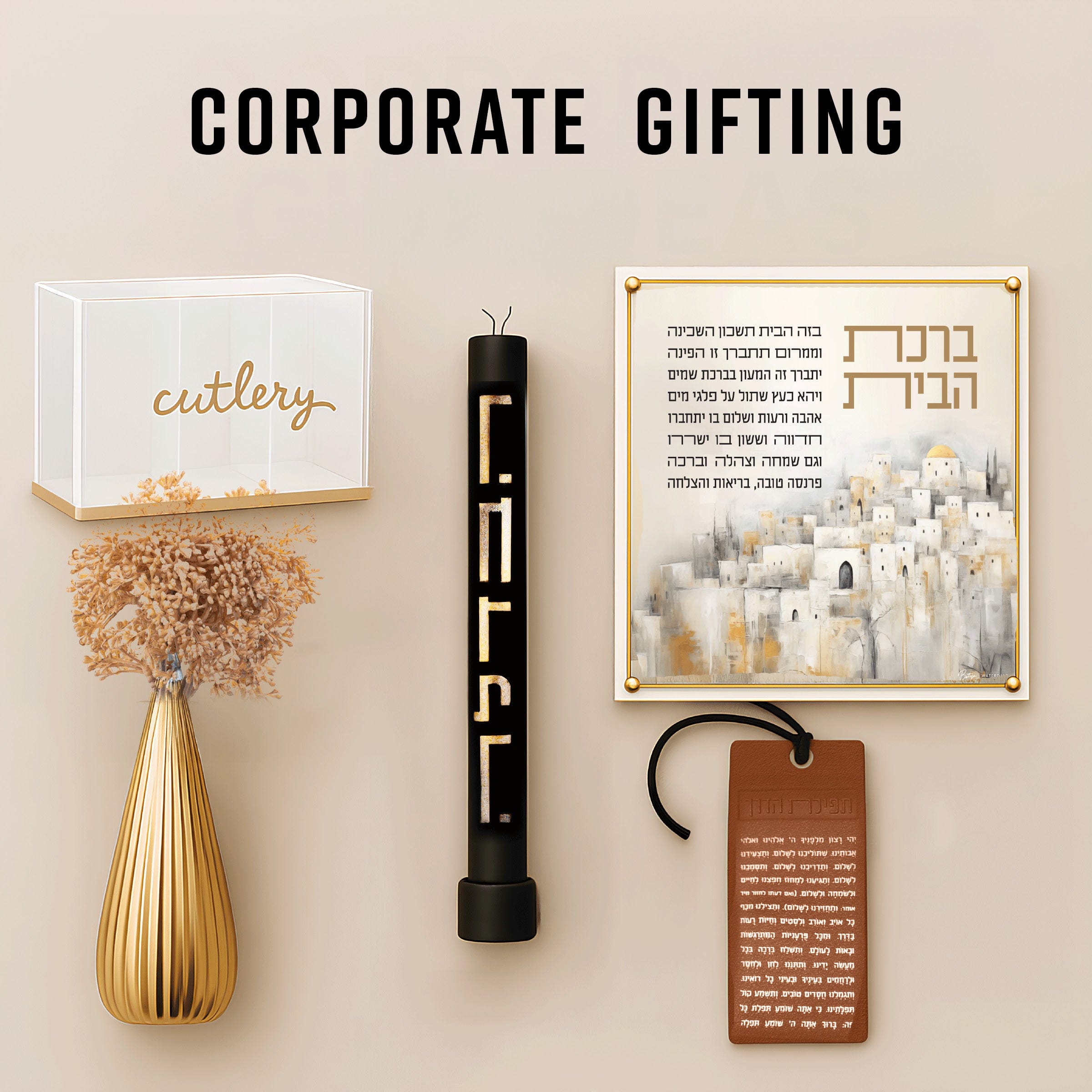
For a cream-and-gold entryway, the Pearlstone Frame Birchas Habayis is an easy fit. If you’d like more color by the door, the Painted Yosefa Kosel Birchas Habayis pairs the blessing with blue and gold Jerusalem artwork.
Browse the Birchas Habayis collection for more designs. For a chanukas habayis gift, consider the colors in their home and how much wall space they have.
Outside the Washroom: Asher Yatzar
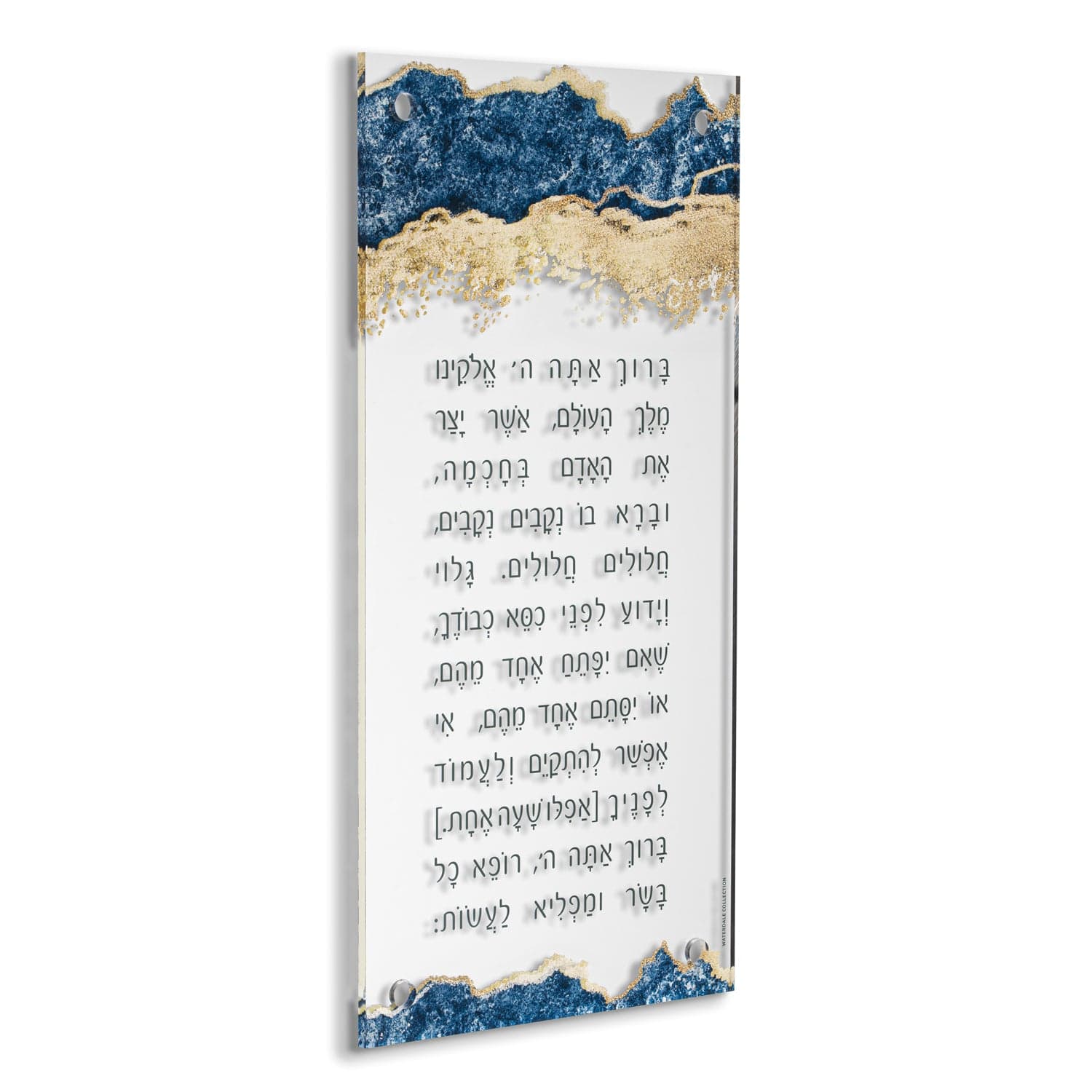
An Asher Yatzar plaque belongs outside the washroom, where the bracha can be recited after leaving and washing your hands. More than simply serving as a reminder, having the bracha displayed nearby gives us the opportunity to pause, read the words, and thank Hashem for the incredible gift of a healthy, functioning body.
Place the plaque in a convenient, well-lit location where family members and guests can easily read it. For a narrow hallway or smaller space, a compact plaque can work beautifully, as long as the lettering is clear and comfortable to read.

Simple or Textured
The Classic 2.0 Basics Asher Yatzar offers a clean, straightforward layout with silver or gold details. It’s a versatile choice when you’re placing plaques in several locations and want a cohesive look throughout the home.
The Woven Asher Yatzar features cream lettering against a woven, brick-pattern background, adding subtle texture and warmth. It can be especially fitting in a simple hallway or space where a little visual interest complements the surrounding decor.
Explore the available designs and nusach options in the Asher Yatzar collection.
The Kitchen: Al Hamichyah and Thank You Hashem
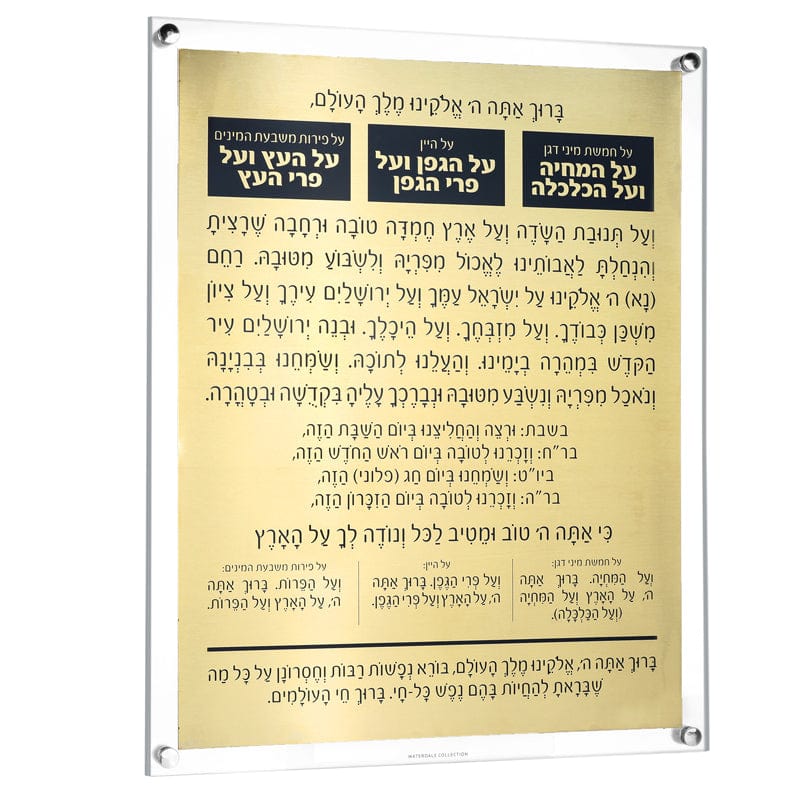
The kitchen is where we pause to enjoy a slice of cake, a cup of coffee, or a meal with family. For many homes, the kitchen table or breakfast nook is a natural place for an Al Hamichyah plaque. Having the bracha within comfortable reading distance makes it easy to look into the words and take a moment to thank Hashem for the food and nourishment we have just enjoyed.
The appropriate after-bracha depends on the food and amount eaten; the plaque simply keeps the text readily available when Al Hamichyah is the appropriate bracha.
A Thank You Hashem plaque can add another layer of meaning, serving as a gentle reminder to recognize the blessings we receive each day.
Keep wall art away from direct steam, splashes, and cooking heat. A breakfast nook or wall beside the table is usually a better choice than the area above the stove.

Choosing a Design for the Kitchen
The Cherry Blossom Al Hamichyah features a delicate pink floral border, adding a soft touch of color to a kitchen with white cabinetry or pale counters.
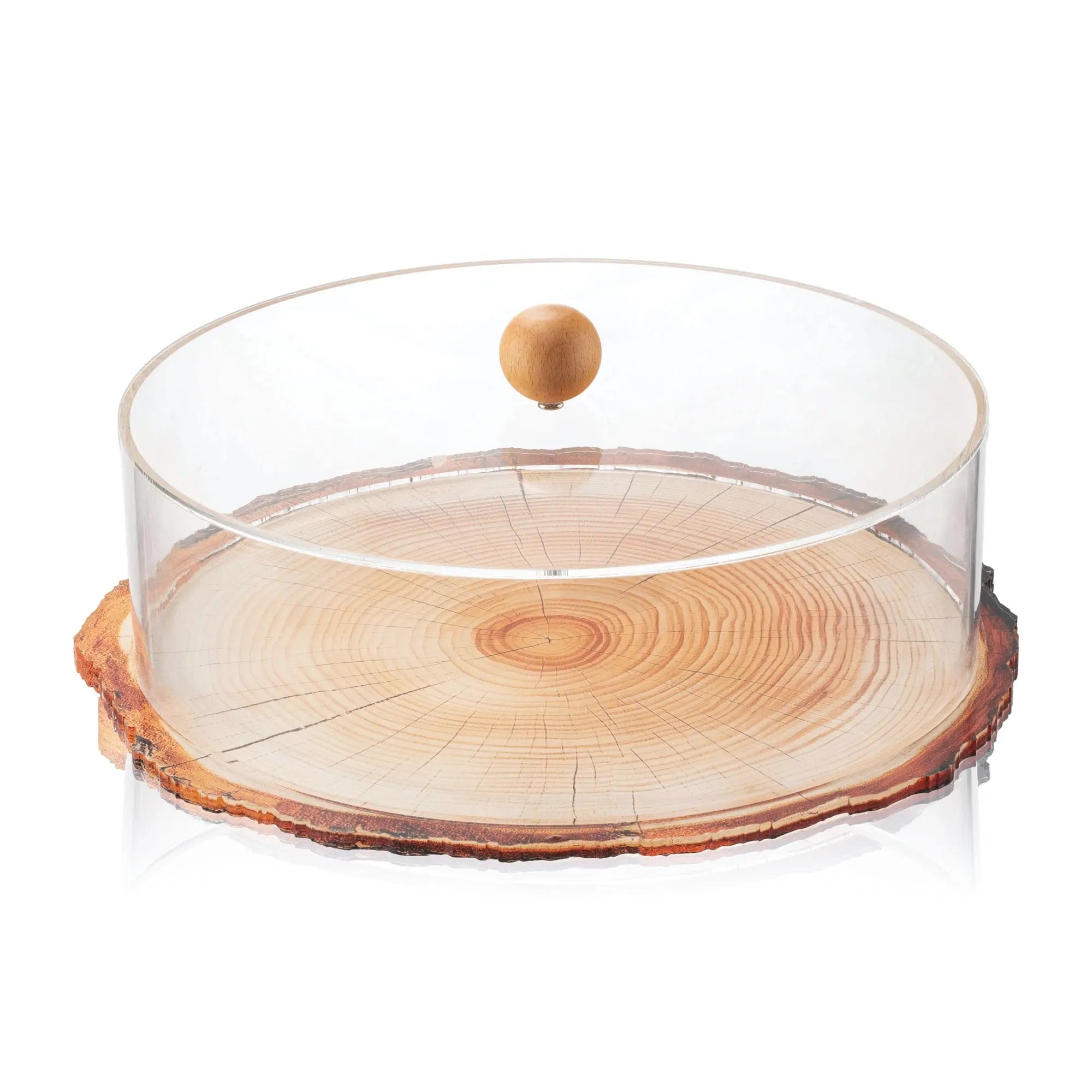
The Wood Al Hamichyah has a warm wood-print background on Lucite, making it a natural fit for kitchens with wooden cabinets, a wooden table, or other warm finishes.
For a shorter message, Thank You Hashem Wall Art offers a simple die-cut design in gold or silver. It works well on a smaller wall where a full bracha plaque may feel too large.
These pieces can also make thoughtful gifts for a new home, hostess, wedding, or anyone who appreciates meaningful Jewish wall art.
Explore more styles and layouts in the Al Hamichyah collection.
The Dining Room: Hadlokas Neiros
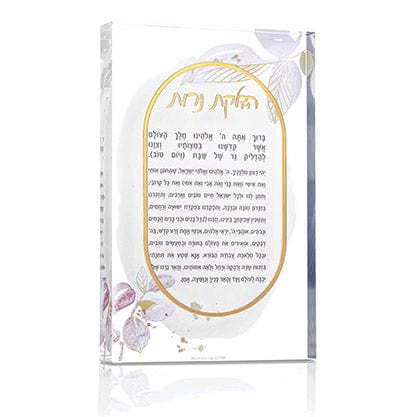
By the time the candles are ready on Erev Shabbos, the sideboard may already hold flowers, a tray, and several pairs of candlesticks. A Hadlokas Neiros can be displayed on the wall or placed on a tabletop or sideboard, keeping the bracha visible without competing with the rest of the setting. Choose a spot that works naturally with where you actually light, whether that’s the dining room, living room, or another spot of your home.
The bracha should be easy to see and read from where you stand. For a tabletop display, make sure the plaque is positioned safely away from the candles and won’t be blocked by the candlesticks or other décor. If the sideboard is already full, a wall-mounted piece can keep the area feeling clean and uncluttered.

Painted and Personalized Options
The Painted Gold Candles Hadlokas Neiros Wall Art combines the Hebrew bracha with gold candles and soft cream florals. The candle motif feels especially fitting near the place where Shabbos candles are lit, whether displayed on a neutral wall or above a pale sideboard.
For a meaningful family gift, explore Hadlokas Neiros with names. A personalized piece can be a thoughtful choice for a wedding, anniversary, new home, or another special occasion. Be sure to check the spelling of each name and review the available layout before ordering.
Explore additional styles in Hadlokas Neiros Tefillah Collection.
The Living Room: Kosel Paintings, Mizrach and Im Eshkachech
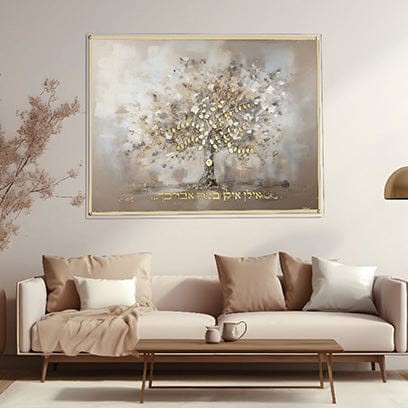
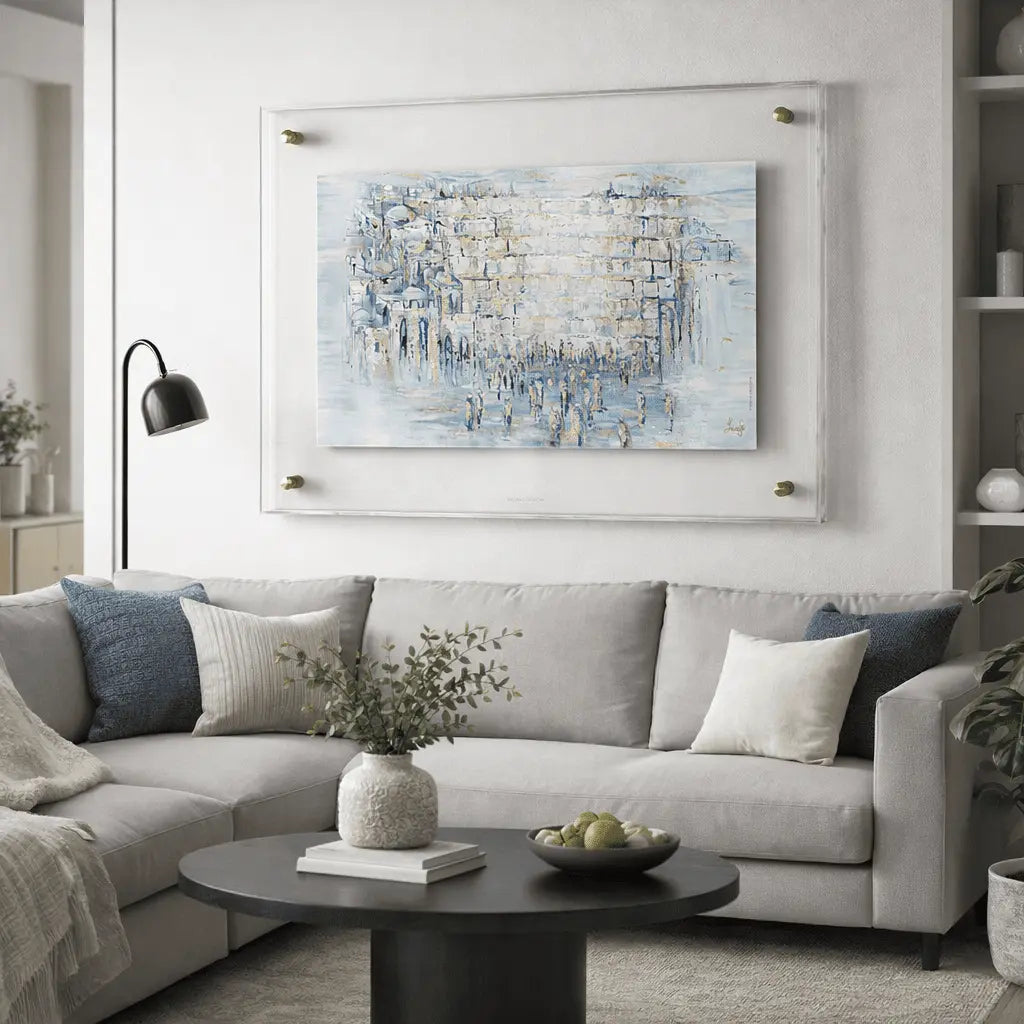
The living room often offers the most space for a larger Jewish painting. A view of the Kosel or Yerushalayim can work above a sofa, over a console or on the main wall facing the seating area.
Before ordering, mark the proposed dimensions on the wall with removable tape, then sit down on the sofa and take a look. A painting can feel quite different from there than it does when you’re standing right in front of it. Consider the furniture below it, and give the artwork enough room that its details can be appreciated.

Jerusalem Paintings
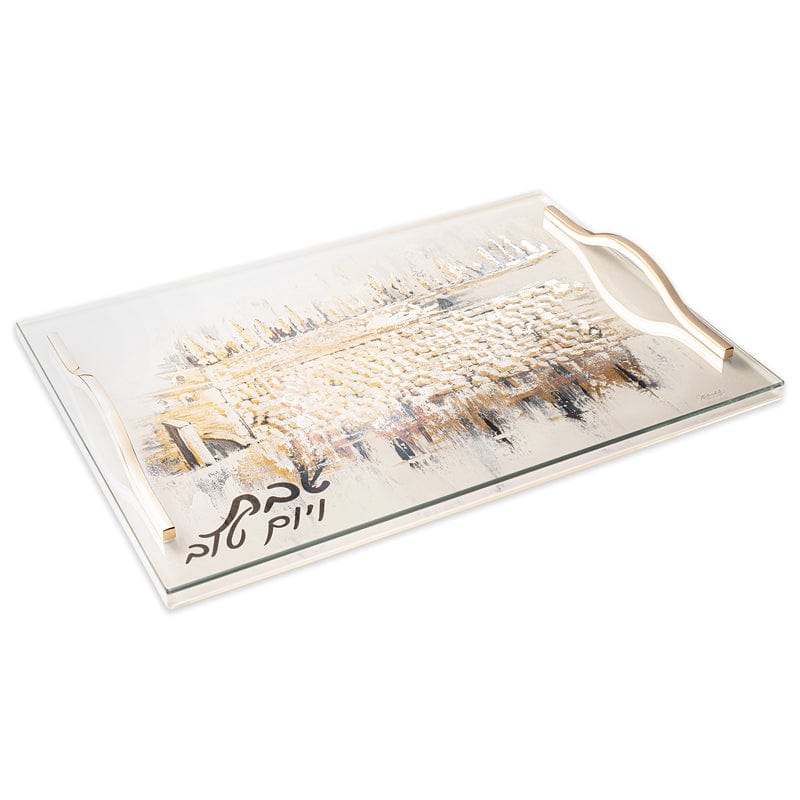
The Kosel at Winter Painting depicts the Western Wall in gold and white tones. Its pale palette works well in a living room with cream upholstery, light stone, or warm metallic finishes.
The Painted Kosel by Yosefa brings stronger blue tones and architectural detail. In an otherwise neutral room, it can provide a main color for the space; a cushion or vase in a related shade of blue may be all you need to tie the room together.
Mizrach and Im Eshkachech
The Classic 2.0 Mizrach offers a floating design with a gold frame. A Mizrach sign traditionally indicates the east and is used as a visual reminder of the direction of Yerushalayim. When using it to guide davening, check the direction toward Jerusalem from your location rather than assuming it is always due east.
The Painted Yonatan Im Eshkachech pairs the pasuk about remembering Jerusalem with a Jerusalem cityscape. Give it its own smaller wall, or place it near a larger painting with enough space between them to appreciate each piece.

Explore the Yerushalayim Paintings collection for more Jerusalem art, and Im Eshkachech and Mizrach for text-based designs.
The Study and Office: Shivisi Hashem, Gedolim Portraits and Professional Brachos
For a study or office, choose something you’ll appreciate seeing throughout the day. It might be a pasuk above the desk, a portrait beside the seforim shelves, or a tefillah connected to your work.
Check the wall from your seated position before hanging anything. A piece that looks perfectly placed when you’re standing may be partly hidden by a monitor or chair once you sit down.

Hebrew Text and Portraits
The Shivisi Hashem Classic Wall Art features Hebrew lettering on a clear panel. It can work near a place where you daven or learn, or above a desk where the words remain visible throughout the day.
The Gedolim Art Chofetz Chaim (Light) is a portrait in a light, understated palette. A study or reading corner gives it a natural setting. As a gift, a portrait of a Gadol can be especially meaningful when you choose someone the recipient particularly admires or learned from.
For a medical office, the Painted Tefillas Harofeh combines the physician’s prayer with botanical artwork in soft gold and green. Check the Hebrew and English options to choose the version that will be most useful to the recipient.
Browse Pesukim & Tefillos, Lucite Gedolim Art, and Professional Plaques for more ideas.
Children’s Rooms: Modeh Ani and Bedtime Tefillos
In a child’s room, a Modeh Ani plaque can become part of those first sleepy moments of the morning, whether a parent says the words with a little one or an older child reads them independently. Choose clear lettering and colors the child enjoys, and place it where they can easily see it. For safety, use secure mounting and keep hardware out of reach.

The Doodle Modeh Ani Wall Art combines Hebrew text with a watercolor sunrise in a floating design. Its gentle colors suit a nursery or child’s bedroom without requiring the rest of the room to follow a particular theme.
For a baby or upsherin gift, consider the room’s colors and whether the family already has a morning or bedtime prayer plaque. A meaningful piece can become part of the child’s daily routine for years to come.
Explore the Kids Judaica collection for more children’s Judaica.
Color It Acrylic: Make Your Own Lucite Judaica
There’s something special about displaying a piece you helped create. Waterdale’s Color It Acrylic collection includes DIY Lucite Judaica projects to color or decorate, with coloring, mosaic, and diamond art options. The projects can be enjoyed by children, teens, and adults, whether as a creative afternoon activity or a family project.
Choose a design that suits your space and have fun experimenting with colors and details. A finished piece can also make a thoughtful gift for grandparents, teachers, or friends, especially when it has been made by hand.
Check the individual project’s instructions and what’s included before you begin. Some designs use markers, while others involve placing decorative pieces. Choose a project that suits the maker’s age and experience, and plan for adult help with any small parts or mounting when needed.

How to Choose and Hang Jewish Wall Art
Use this table as a starting point, then adjust for the way your family uses each room.
| Space | Jewish wall art to consider |
|---|---|
| Entryway | Birchas Habayis |
| Outside the washroom | Asher Yatzar |
| Kitchen or breakfast area | Al Hamichyah, Thank You Hashem |
| Candle-lighting area | Hadlokas Neiros |
| Living room | Kosel or Jerusalem painting, Mizrach, Im Eshkachech |
| Study or office | Shivisi Hashem, Gedolim portraits, professional brachos |
| Children’s bedroom | Modeh Ani or age-appropriate tefillah artwork |
Check the Text and Nusach
Read the product options carefully. Nusach Ashkenaz, Sefard, Edut Mizrach, and Ari, as well as English and transliterated versions, are distinct choices, and availability varies by design. For a gift, ask which nusach the recipient uses before ordering.
Measure the Wall and the Furniture
Check the artwork’s width and height against the actual space before ordering. When hanging a piece above a sofa, desk, or sideboard, consider both the furniture and the surrounding wall. For a bracha plaque, readable lettering is more important than filling a large area.

Coordinate a Few Details
You don’t need every piece of Jewish wall art in your home to match. If you love a blue Jerusalem painting, for example, you don’t need to find a blue version of every bracha. Repeating a gold or silver finish can be enough to create a sense of connection between rooms.
Mix paintings, framed blessings, and clear Lucite designs, and leave some wall space open so each piece can be appreciated on its own.
Choose a Useful Hanging Height
For wall art, centering the piece about 57 inches above the floor is a common starting point. Adjust for furniture, ceiling height, and the people using the room. For a bracha plaque, the most important thing is that the text is easy to read from where you’ll say it.
Follow the Mounting Instructions
Floating wall art uses standoff mounts to hold the panel away from the wall. Check which hardware is included and use fixings suited to your wall type and the piece’s weight. Keep text plaques away from glare, and follow the product’s care instructions when choosing a location near moisture or direct sunlight.
Frequently Asked Questions
What Is Jewish Art?
Jewish art is a broad term for artwork connected to Jewish culture, history, texts, places, and experiences. In the home, it may include Jerusalem paintings, portraits of Gedolim, Hebrew pesukim plaques, or Jewish prayers. Jewish art can express a family’s traditions or memories without necessarily containing a religious text.
What Is the Difference Between Judaica and Jewish Art?
Judaica commonly refers to objects associated with Jewish religious and cultural life, including candlesticks, washing cups, and decorated ritual items. Jewish art is a broader category of visual expression. Judaica art overlaps with it: a framed bracha, for example, can be both decorative artwork and a text used in Jewish life.
Where Should a Birchas Habayis Be Hung?
A Birchas Habayis is often displayed in the entryway or front hall, where family and visitors can see it as they enter. Choose a visible wall with enough space for the piece and hang it at a comfortable height. The best dimensions depend on your particular wall and layout.
What Is the Difference Between a Mizrach and a Shivisi Hashem plaque?
A Mizrach sign traditionally marks east and can help indicate the direction of prayer. A Shivisi Hashem plaque features the verse beginning “Shivisi Hashem l’negdi samid,” serving as a reminder of Hashem’s constant presence. Both are traditional forms of Hebrew wall art, but their purposes differ. Check the direction of prayer from your location before placing a Mizrach sign on your wall.
Is Jewish Wall Art a Good Housewarming Gift?
Jewish wall art can be a thoughtful chanukas habayis gift, particularly when it reflects the recipient’s taste. A Birchas Habayis is a familiar choice, while Jerusalem artwork may suit someone who prefers a painting. Check the size, text, nusach, and personalization details, and consider what the family already owns.
Bringing Jewish Wall Art Home
You don’t need to finish every wall before inviting people over. Begin with the Jewish wall art you know you’ll appreciate: a Birchas Habayis near the door, a readable bracha beside the kitchen table, or a Jerusalem painting you’ve been thinking about for months. Add pieces gradually as you find artwork that feels right for your home.

Explore the full Judaica Wall Art collection, browse Painted Judaica Wall Art, or choose meaningful Hebrew text from Pesukim & Tefillos.
Whether you’re decorating a new home, adding to a room you already love, or looking for a meaningful gift, choose pieces that feel natural in your space and meaningful to the people who live there.
For more placement ideas, read Display Jewish Blessing Art in Modern Homes and How to Choose the Perfect Painting for Your Wall.