





















The Challenge of Blending Tradition with Modern Aesthetics
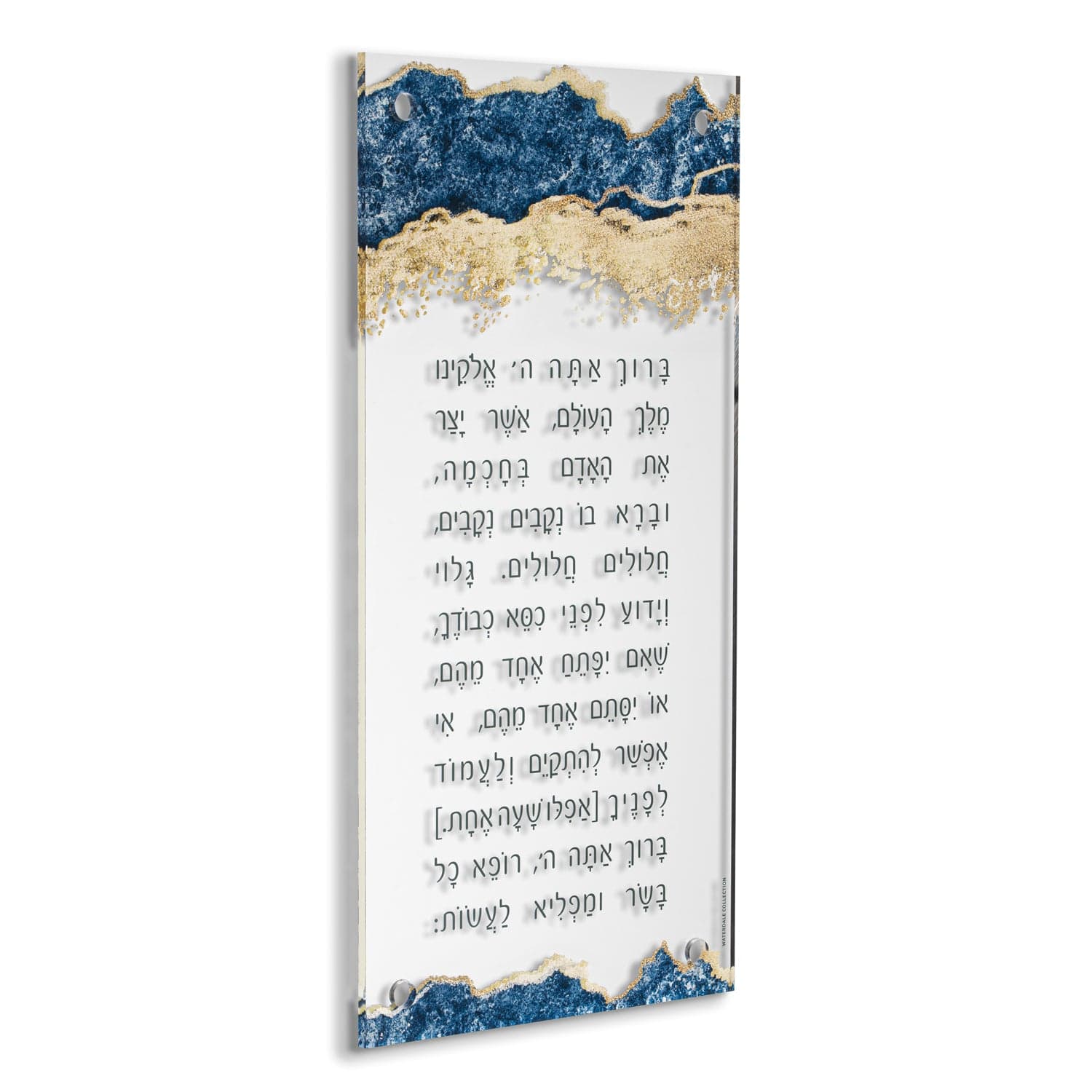
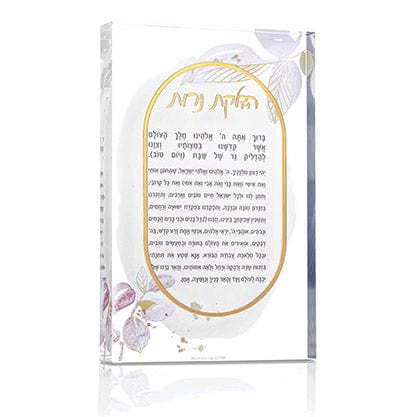
Jewish blessing art transforms spiritual practice into visual design. Whether you're displaying the Birkat Habayit (blessing for the home), Shabbat blessings, or other meaningful Hebrew text, these pieces create intentional beauty while honoring your faith. We've helped countless homes integrate blessing art seamlessly into contemporary interiors, and we want to share what works.
The tension between preserving Jewish tradition and embracing modern design feels real. Many of us grew up with blessing art that felt heavy, ornate, or disconnected from how we actually decorate today. A gilded wooden frame with dated calligraphy might feel out of place next to minimalist furniture or clean-lined shelving.
The truth is that this disconnect doesn't have to exist. Contemporary Jewish homes are fully capable of honoring tradition while reflecting current design sensibilities. The key lies in selecting pieces that respect both worlds: blessing art crafted with modern materials, clean typography, and thoughtful proportions that complement rather than clash with your existing aesthetic.
We see this challenge frequently when clients want blessing art that feels like part of their home's design language rather than an afterthought. The solution involves understanding what "modern" actually means for your space and then finding blessing art that aligns with your specific style.
Why Jewish Blessing Art Belongs in Your Living Space
Blessing art serves a dual purpose: it's functional ritual and intentional decoration. When you display a blessing in your home, you're not just hanging a frame. You're creating daily touchpoints for gratitude, mindfulness, and connection to Jewish practice.
Consider the practical benefits. A Shabbat blessing above your dining table reminds everyone of the meal's spiritual significance. The Birkat Habayit in your entryway greets both family and guests with your home's values. A morning blessing near your bedroom mirror becomes part of your routine. These placements anchor blessings into lived experience.
Beyond functionality, blessing art creates visual interest and warmth. Homes filled only with furniture and neutral palettes can feel sterile. Adding meaningful text, especially in beautiful materials and typography, introduces personality and intentionality to every room.
Choosing the Right Blessing Art for Your Home Style
Your home's existing aesthetic should guide your blessing art selection. Identify your design category first: minimalist, maximalist, bohemian, mid-century modern, Scandinavian, or eclectic. Your blessing art should complement this language rather than contradict it.
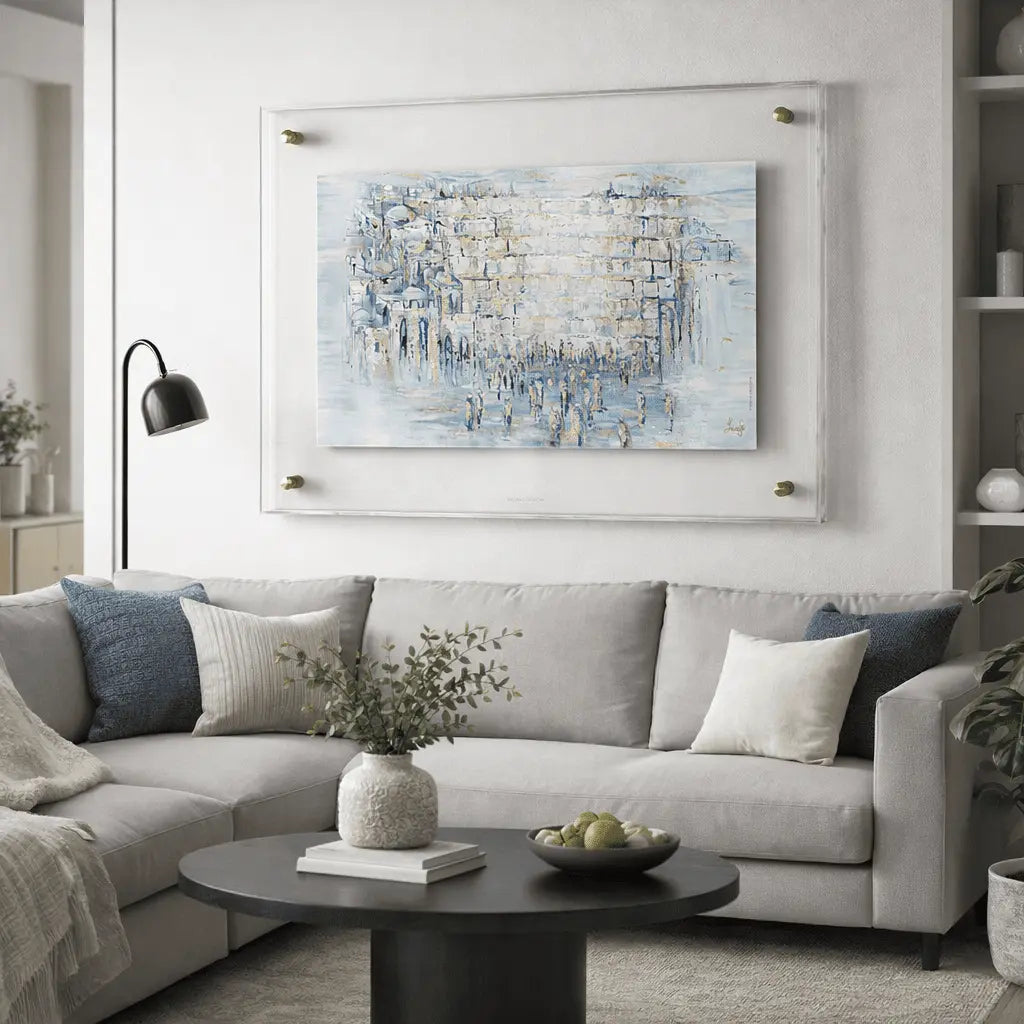
For minimalist and Scandinavian spaces, look for pieces with negative space, simple frames, and restrained typography. Natural materials like light wood or clear lucite work beautifully here. For maximalist or bohemian homes, richer colors, layered frames, and more elaborate calligraphy feel at home. Mid-century modern interiors pair well with bold geometric frames and typography that echoes that era's design vocabulary.

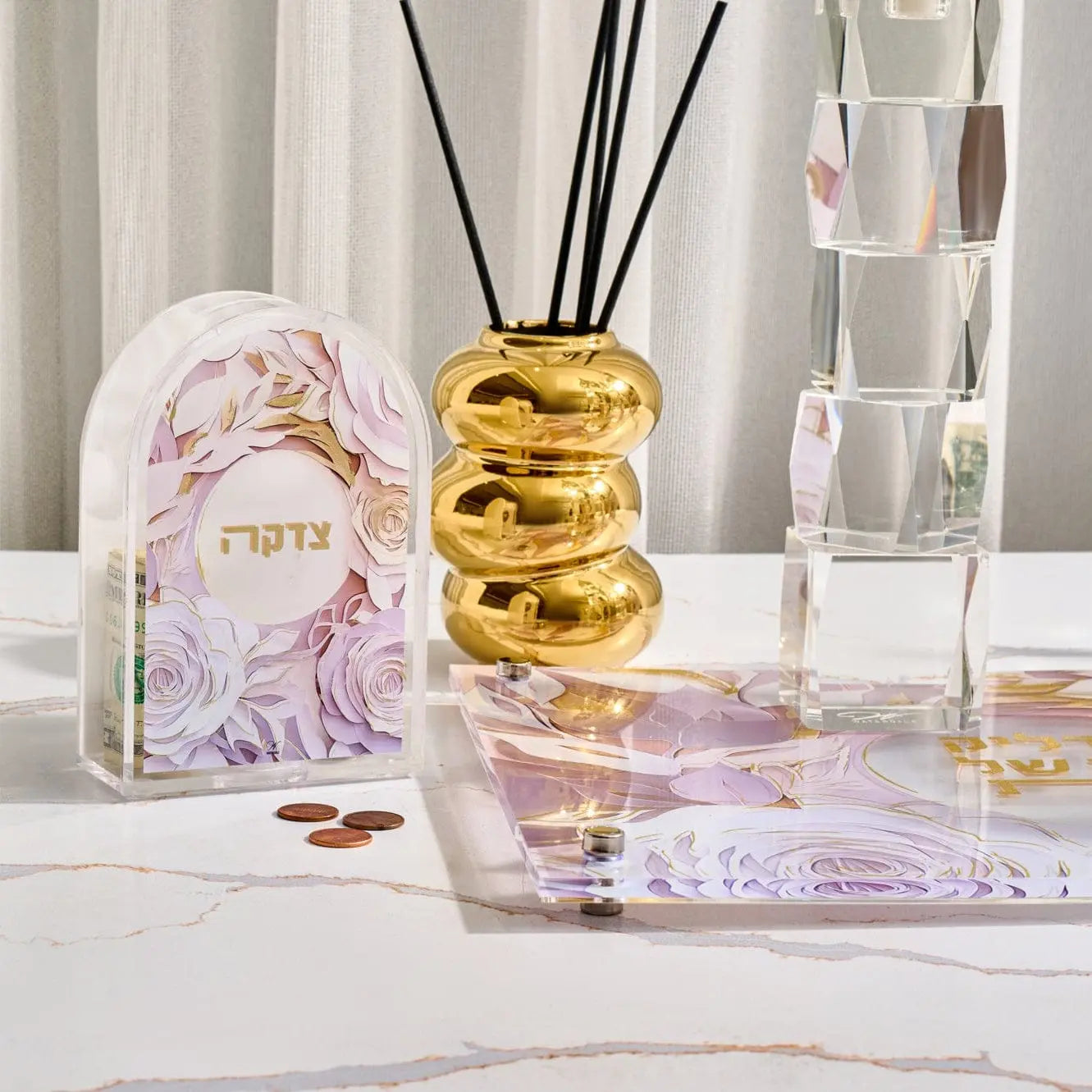
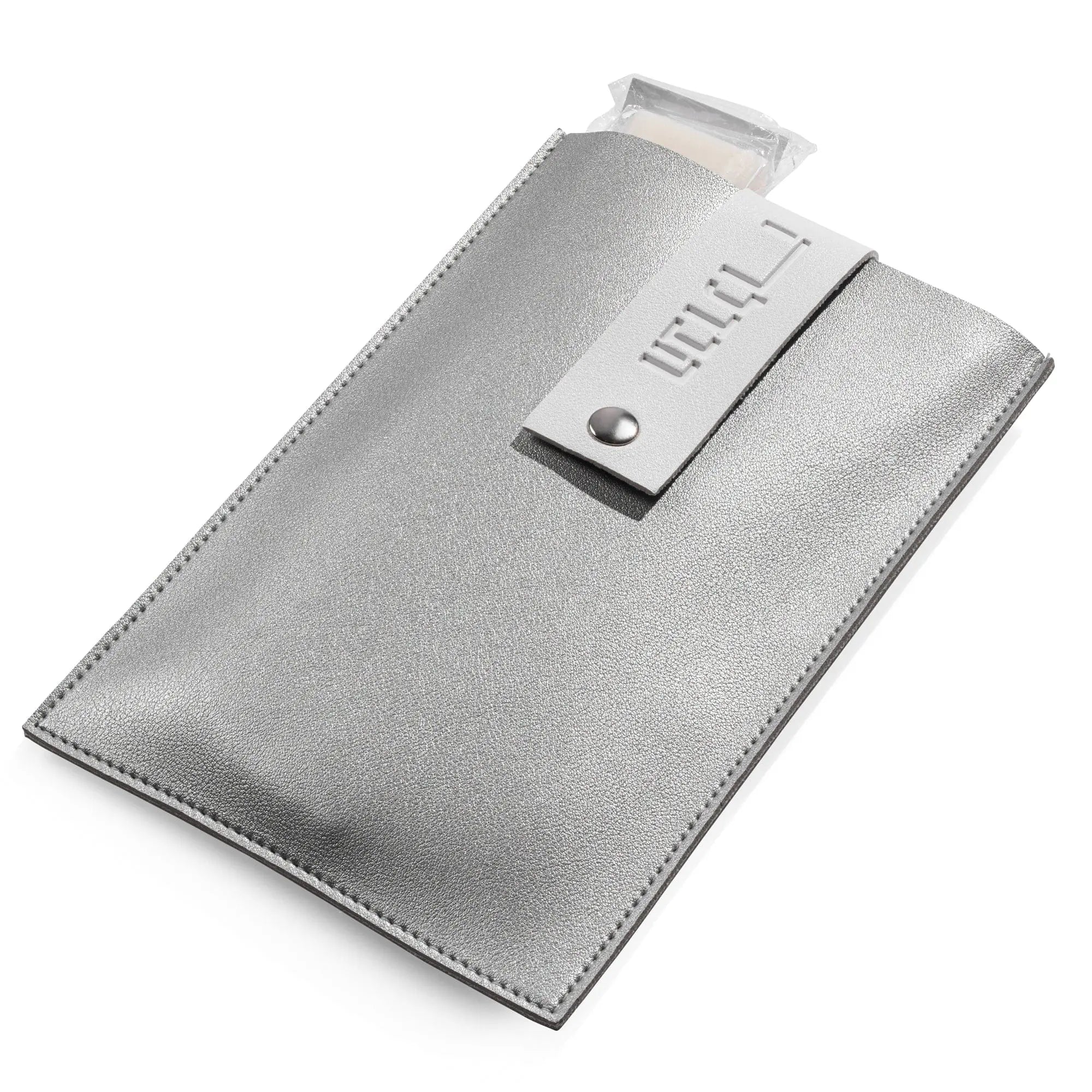
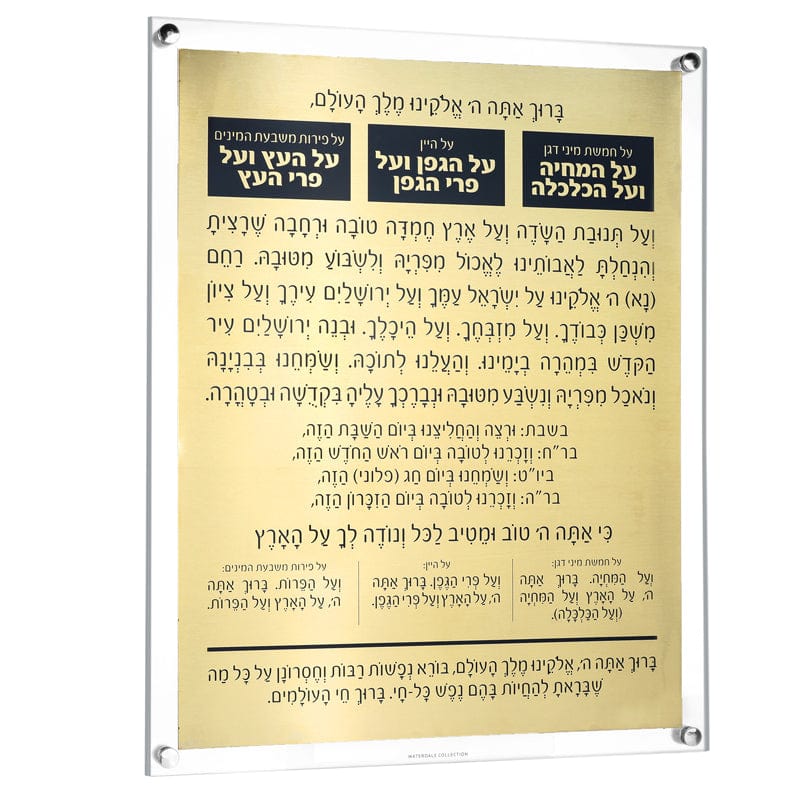
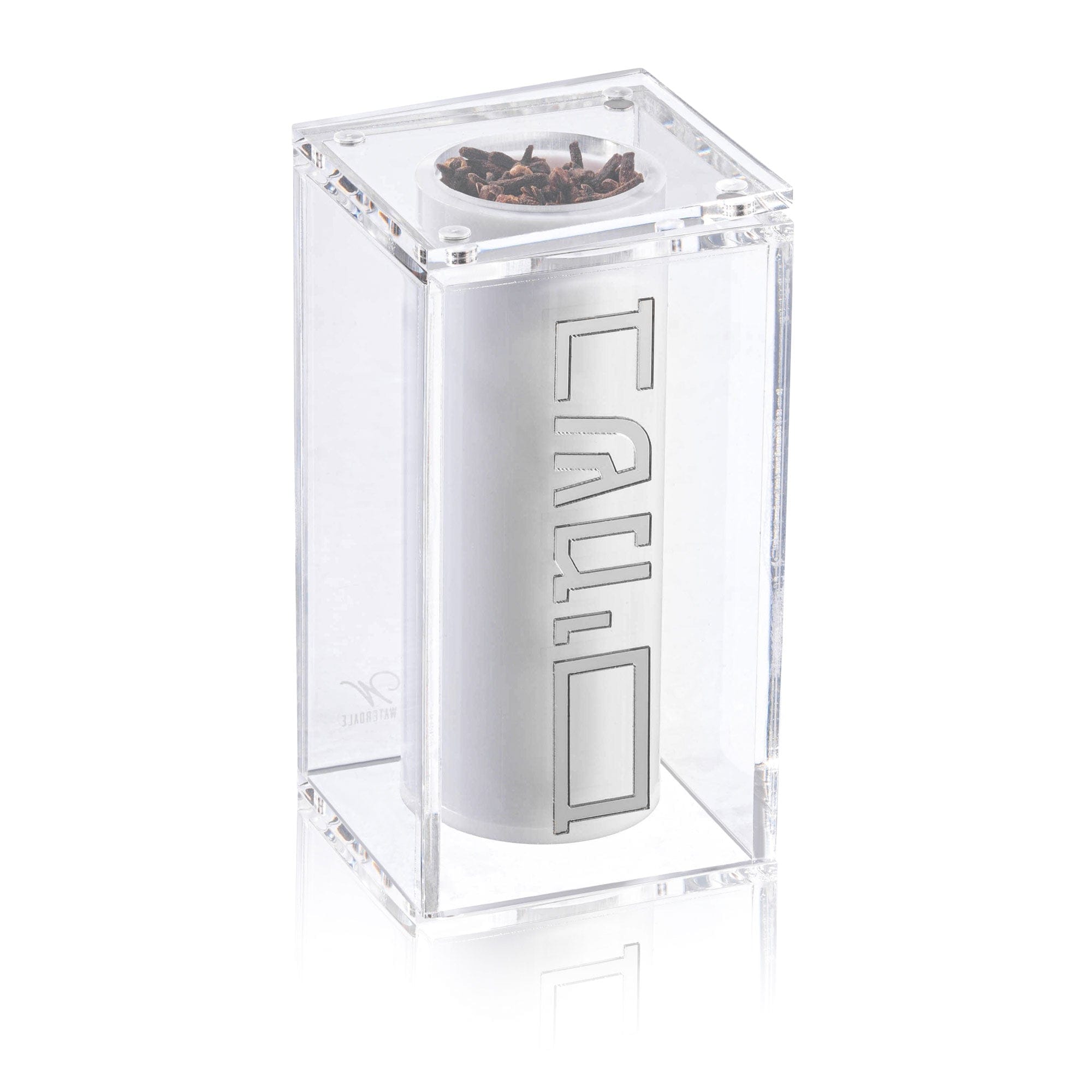
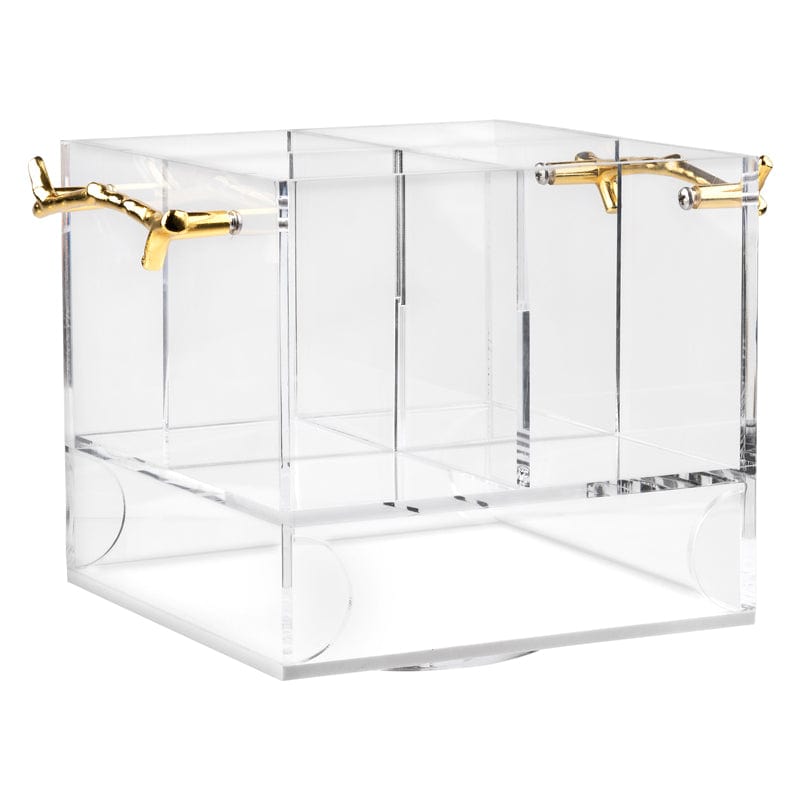
Material matters significantly. We design our blessing art in premium lucite and leather specifically because these materials feel intentional and contemporary. Lucite catches light beautifully and works across virtually every style. Leather adds warmth and texture that coordinates with both minimalist and traditional furnishings.
Pay attention to scale. A large statement piece requires wall space and visual weight to balance it. Smaller blessing art works better in clusters or on shelving. Neither approach is superior; they create different effects.
Strategic Placement and Room-by-Room Display Ideas
Placement determines how fully blessing art integrates into your home's function and design. Consider these room-specific approaches:
Entryway and hallways. The Birkat Habayit (home blessing) belongs naturally here, greeting everyone entering. Place it at eye level, roughly 60 inches from the floor to the center of the frame. This creates an immediate statement about your home's values without feeling imposing.
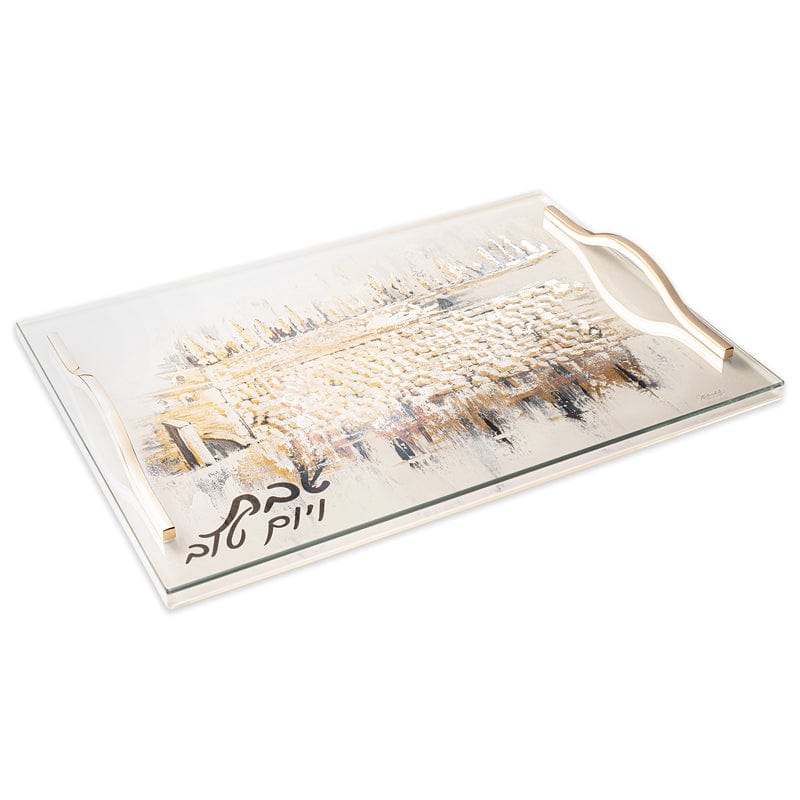
Dining room. Shabbat blessings (Kiddush, Motzi) work beautifully above sideboards or on walls adjacent to the table. You might also display seasonal blessing art for holidays. Position these at comfortable viewing height during meals.
Bedrooms. Morning or evening blessings create reflective moments. Place them where you'll see them during quiet times, perhaps near a window or beside nightstands.
Kitchen. Blessings associated with food and sustenance feel natural here. Consider displaying multiple small pieces rather than one large statement if your kitchen design is contemporary and open.
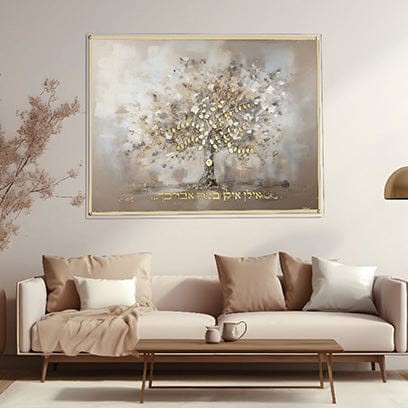
Living room. This versatile space accommodates various approaches. Blessing art can anchor a gallery wall, sit alone as a focal point, or integrate into a shelving display.
Home office. Blessings about wisdom, focus, or gratitude support productivity and intention-setting in work spaces.
Layering Blessing Art with Your Existing Decor
Blessing art doesn't need to be your room's only decoration. In fact, layering creates more dynamic, lived-in spaces. Think about how blessing art coordinates with what already exists.

If your walls feature other art, consider whether your blessing art should echo similar colors, materials, or framing styles. A unified approach creates cohesion. If your room has minimal wall decor, blessing art can stand confidently alone as a statement piece.
Shelving displays benefit from intentional layering. Combine blessing art with books, small sculptures, or objects that reflect your interests. A piece of blessing art might sit on a shelf propped against the wall rather than hung, creating an accessible, changeable display.
For those drawn to gallery walls, blessing art integrates naturally alongside family photos, abstract prints, or other meaningful pieces. The key is consistency in frame style or color palette, which prevents the wall from feeling chaotic.
Creating a Cohesive Jewish Home Through Thoughtful Curation
A cohesive Jewish home doesn't require matching sets everywhere. Instead, it reflects intentional choices about what draws you back to your faith and values. Start by identifying which blessings and Jewish practices matter most to you personally.
Are you deeply committed to Shabbat observance? Prioritize blessing art related to meals and rest. Do holidays mean everything? Build your collection around seasonal pieces. Is morning reflection important? Curate blessing art for personal spaces.
Next, choose a material language and stick with it. If you select lucite pieces for several rooms, additional lucite integrates naturally. This creates visual rhythm without feeling forced.
Finally, let your collection grow intentionally rather than acquiring randomly. Each piece should answer the question: "Does this reflect something genuinely important about how I practice Judaism and design my home?"
Our Premium Lucite and Leather Collections for Every Room
We craft our blessing art using materials chosen specifically for contemporary homes. Our premium lucite offers clarity and light-reflecting properties that ground pieces visually while keeping them feeling fresh and modern. Leather accents add warmth and sophistication without competing with other furnishings.
Our collection includes best lucite Judaica designed for durability and designed to age beautifully. These pieces work across styles, from minimalist apartments to traditional homes seeking contemporary updates.
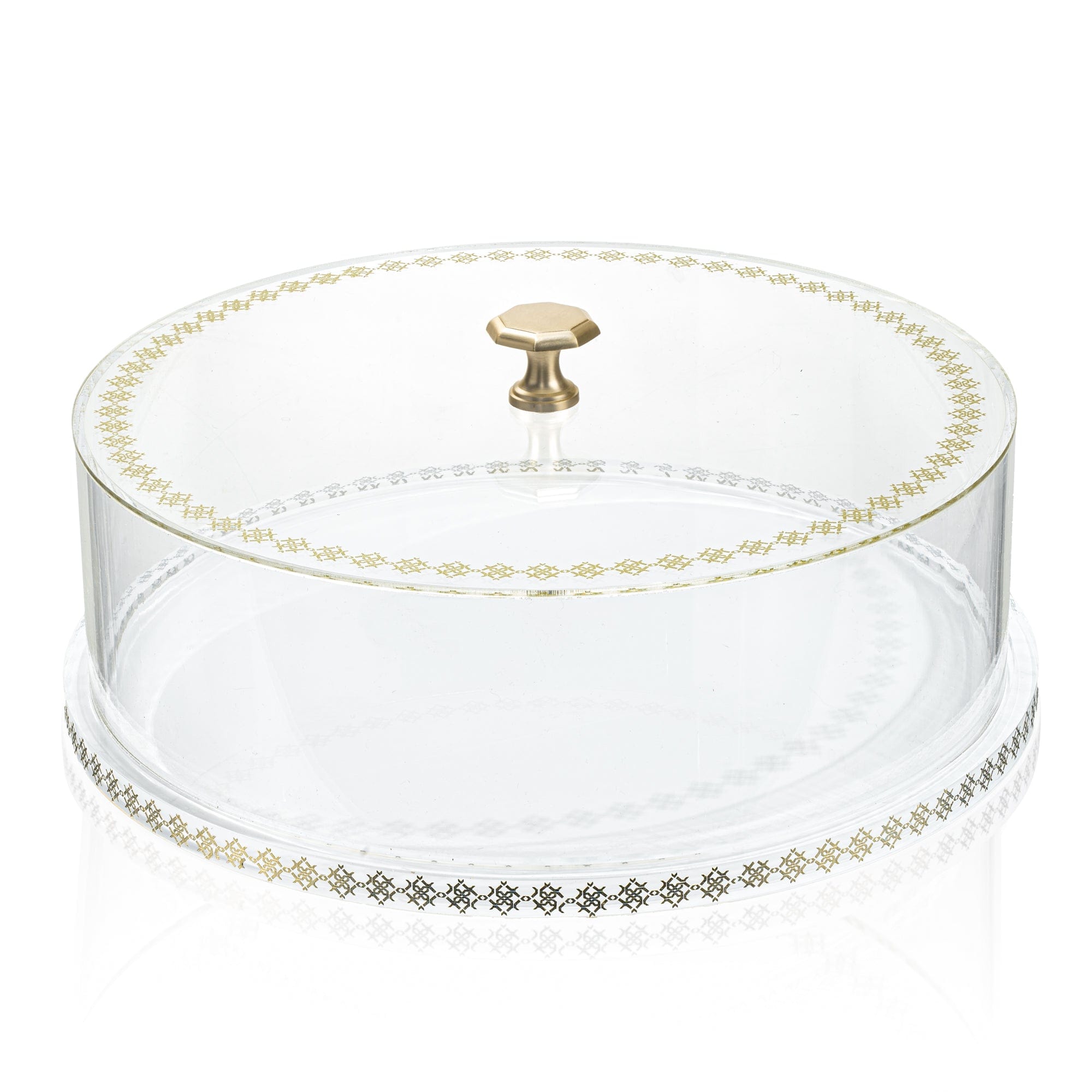
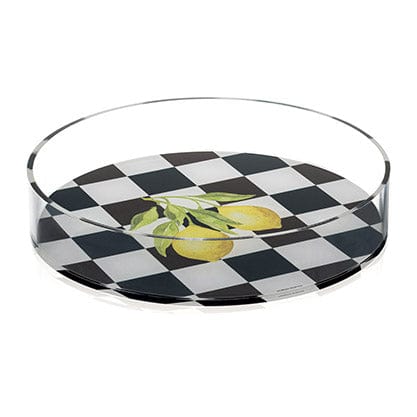
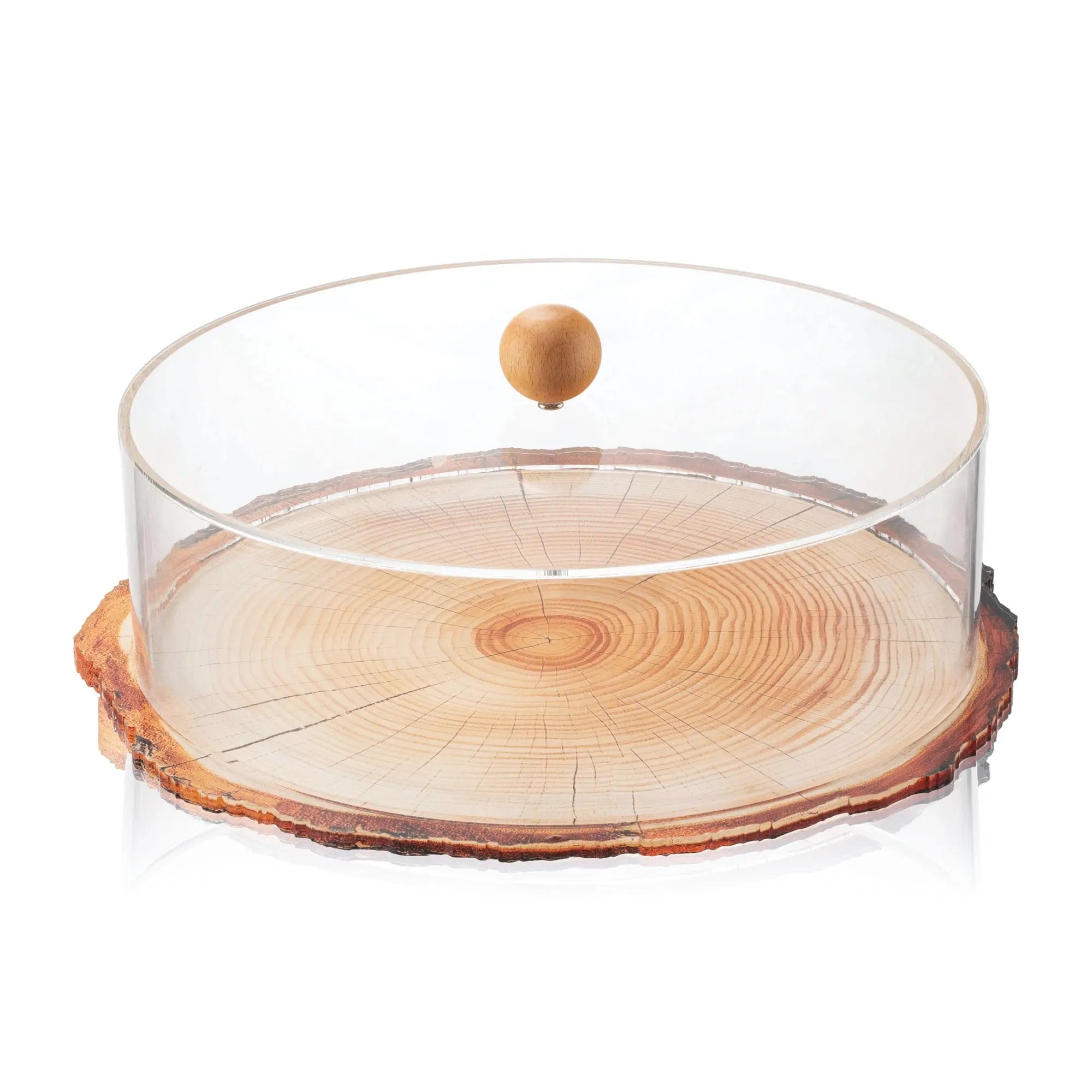
We offer blessing art for primary observances: Shabbat, holidays, and daily practices. We also design specialty pieces for life events, meaningful quotes, and custom requests. Our tabletop and serving accessories coordinate beautifully with blessing art displays, allowing you to extend your design language throughout your home.

Personalization Options for Meaningful Displays
Off-the-shelf blessing art is wonderful, but personalized pieces create deeper meaning. Many of our customers choose to add family names, significant dates, or custom text to blessing art, transforming generic pieces into family heirlooms.
Personalization works especially well for Birkat Habayit displays, which become even more powerful when they reference your specific family. It's equally meaningful for wedding blessings, new home gifts, or pieces celebrating life milestones. Our personalization options allow you to customize materials, text, and finishes.
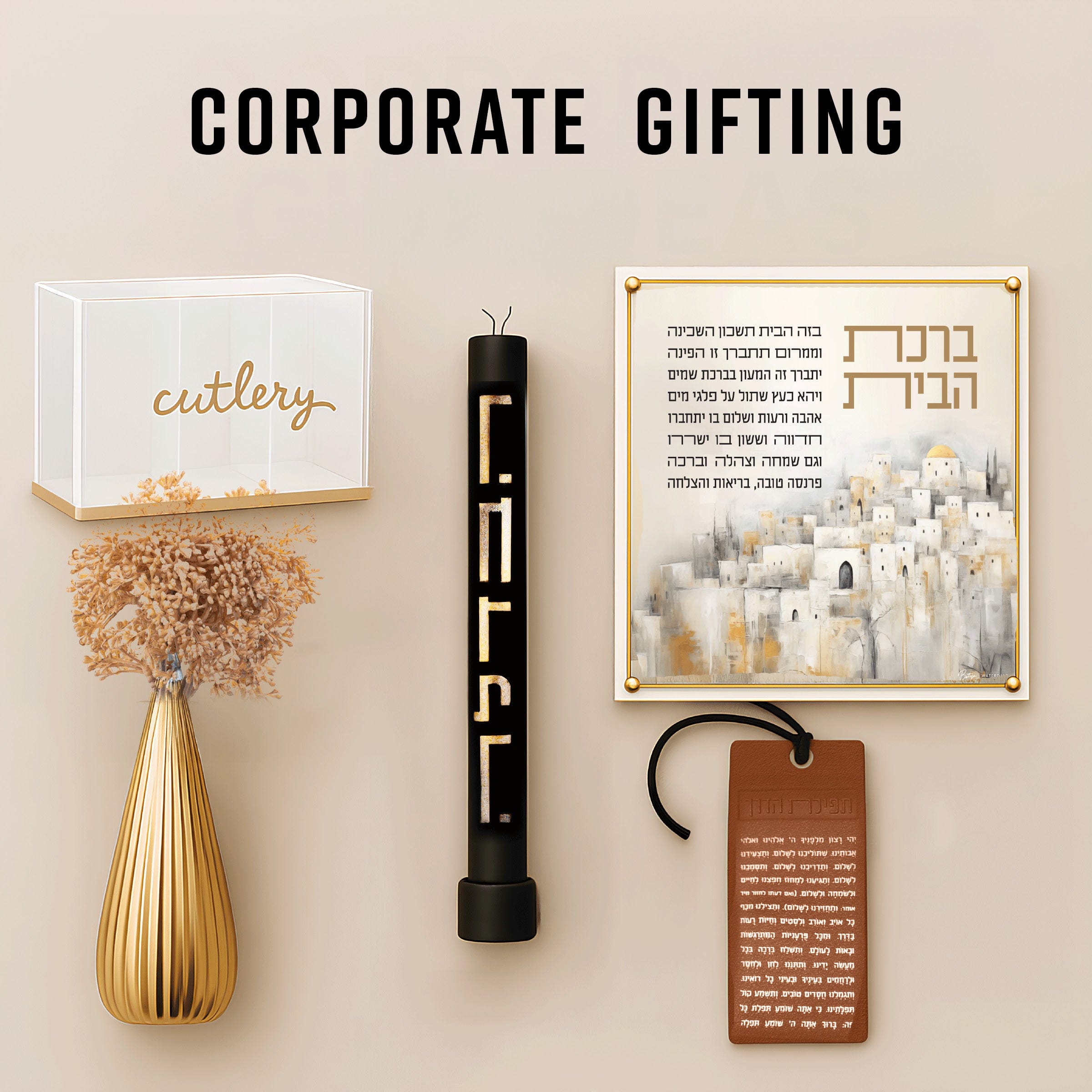
Consider personalized blessing art as thoughtful gifting as well. A friend celebrating a new home, a family member marking a significant birthday, or someone beginning a new chapter in their faith journey all appreciate receiving blessing art crafted specifically for them. We offer custom engraved gifts and personalized Judaica with professional messaging and ribbon services.
Caring for and Maintaining Your Blessing Art
Premium blessing art deserves basic care to maintain its beauty. Lucite pieces require only occasional dusting with a soft, dry cloth. Avoid abrasive cleaners that might cloud the material. If your piece includes leather accents, occasional conditioning with leather-appropriate products keeps them supple.
Position blessing art away from direct, intense sunlight to prevent fading of any color elements or leather discoloration. Most homes provide naturally bright conditions without harsh direct exposure, but interior positioning matters.
For framed pieces, check mounting hardware periodically to ensure stability, especially in homes with vibration from heavy traffic or nearby transit. Most of our pieces come with secure mounting systems, but verifying installation remains important.
Building Your Complete Jewish Home Design Vision
Your blessing art collection should feel like a natural extension of how you practice Judaism and design your home. Start by identifying one or two key spaces where blessing art will anchor your design: often the entryway and dining room. Select pieces that genuinely speak to you rather than what you think you "should" display.
From there, expand gradually. Notice what works aesthetically and spiritually, then build toward a home where blessing art and design support each other. Your Jewish home doesn't need to look like anyone else's; it should reflect your specific values, aesthetic preferences, and commitment to creating intentional spaces.
We're here to support this journey. Explore our collections, reach out with questions about placement or personalization, and consider how blessing art might transform the way you experience your home. Beautiful, meaningful design doesn't happen by accident; it emerges through thoughtful choices aligned with who you are and what matters most.
Shop Now