





















1. Floating Shelves for Modern Minimalist Appeal
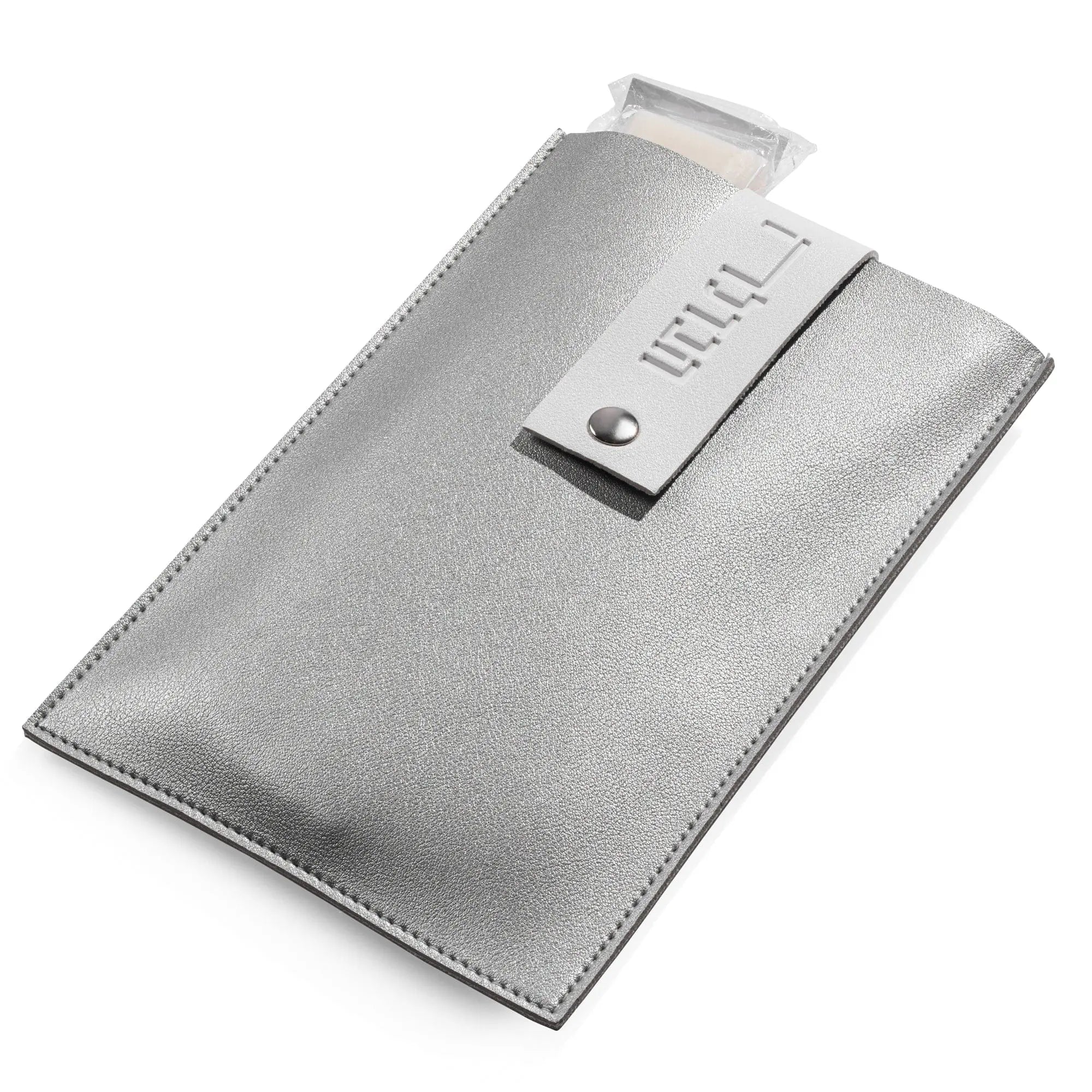
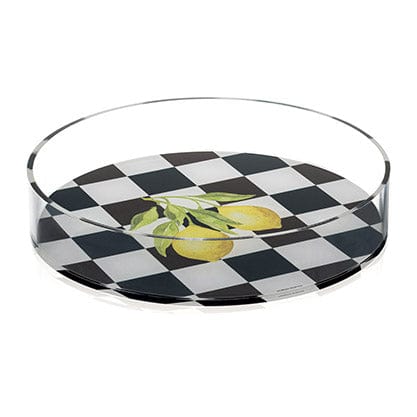
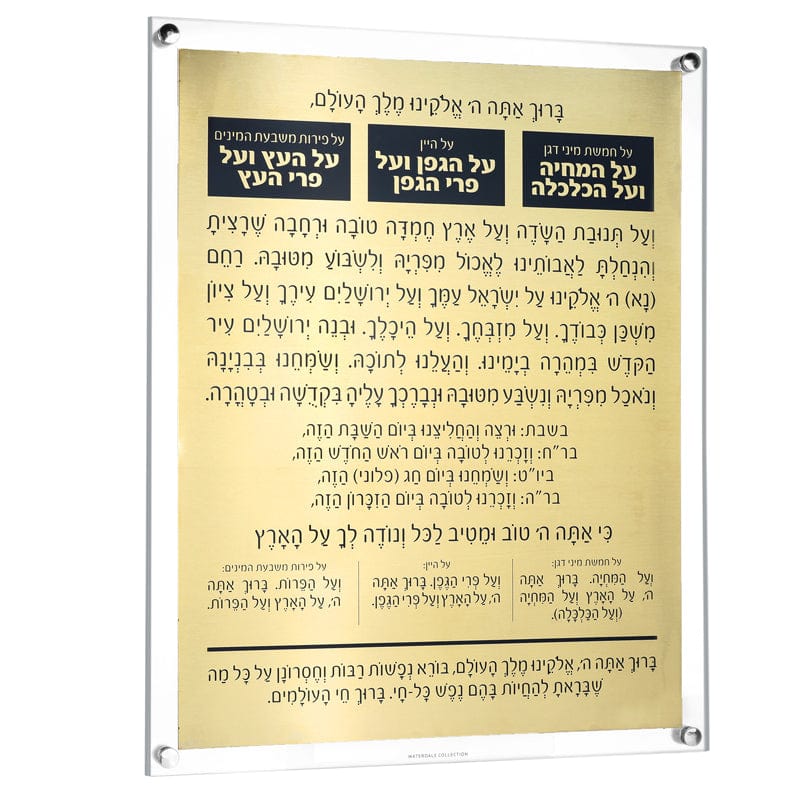
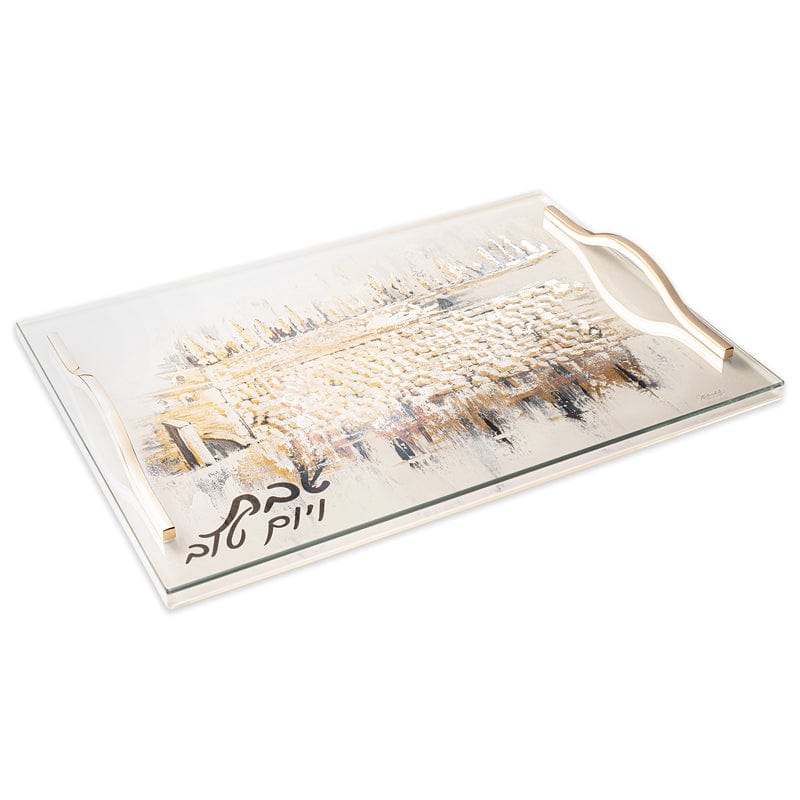
Your bencher collection represents more than functional items for your table. Each piece carries meaning, craftsmanship, and often sentimental value from holidays past and celebrations yet to come. Yet many households keep benchers tucked away in drawers, hidden from view until the next meal blessing. We've seen this repeatedly at Waterdale Collection: people invest in beautiful, modern benchers but struggle to find ways to display them that feel integrated into everyday living spaces rather than relegated to storage.
The right display approach solves this. A thoughtfully styled bencher collection becomes a conversation piece, a visual anchor in your dining room, and a constant reminder of your family's traditions. It also makes your benchers actually accessible when you need them. Below, we walk through seven display methods that range from minimalist to statement-making, so you can choose what fits your home's aesthetic and your lifestyle.
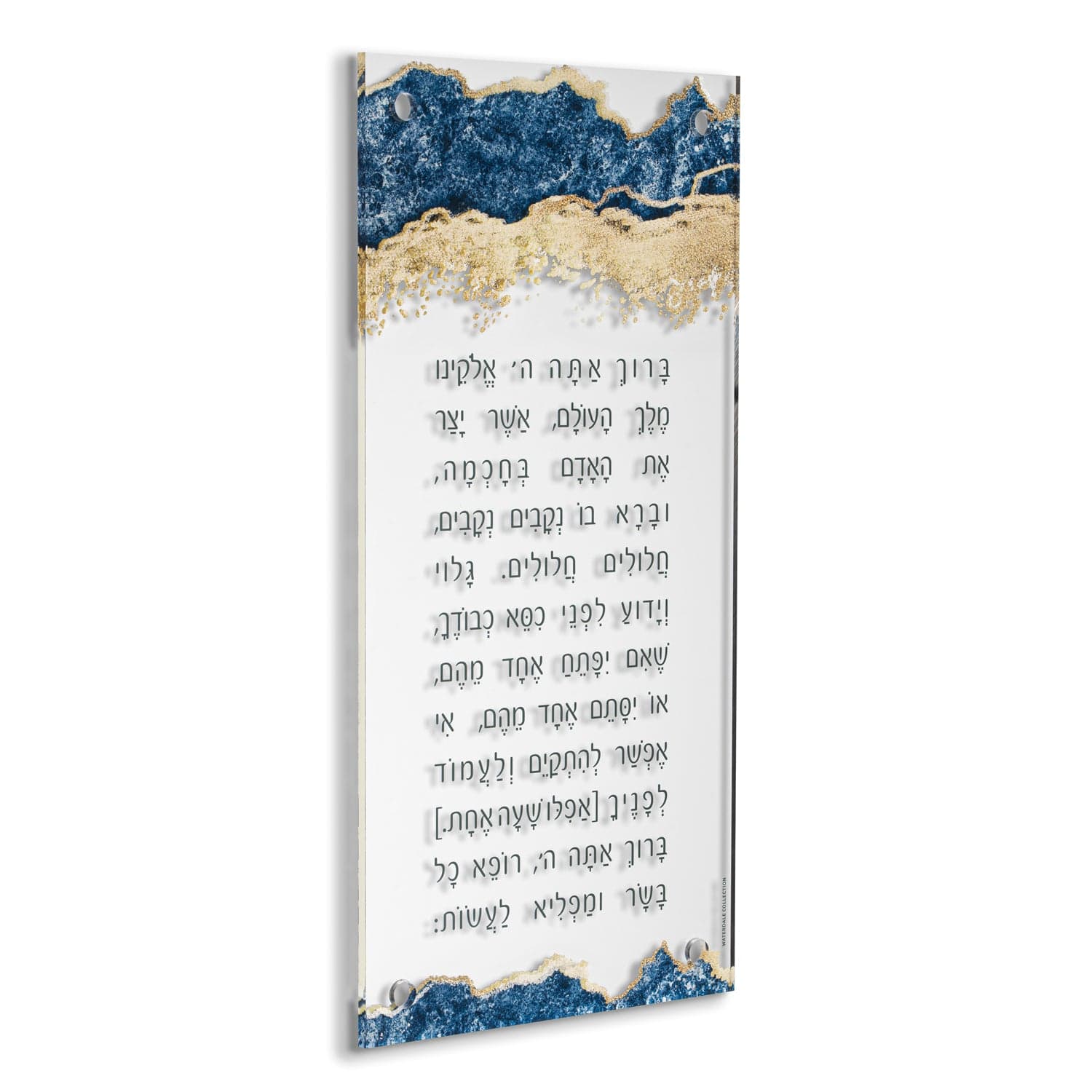
Floating shelves deliver clean lines without visual clutter, making them ideal if you prefer understated sophistication. When installed at eye level above a sideboard or along a dining room wall, they showcase benchers without overwhelming the space. The key is restraint: curate your collection thoughtfully rather than crowding every inch.
Aim for asymmetrical spacing. Instead of lining benchers up like soldiers, alternate the height at which you place them. Rest some horizontally, stand others upright, and lean a few at angles. This creates visual rhythm and suggests intentional curation rather than storage overflow.
Material matters here too. We recommend pairing our lucite benchers with light wood or metal shelves. The transparency of lucite against warm oak or sleek steel creates sophisticated contrast without requiring wall space sacrifice. Leave breathing room between pieces so each bencher receives its own visual focus.
The practical takeaway: measure your wall space, determine how many shelves you need (typically 2-3 for a modest collection), and install them 12-18 inches apart to accommodate bencher height variations.
2. Glass Display Cases for Protected Collections
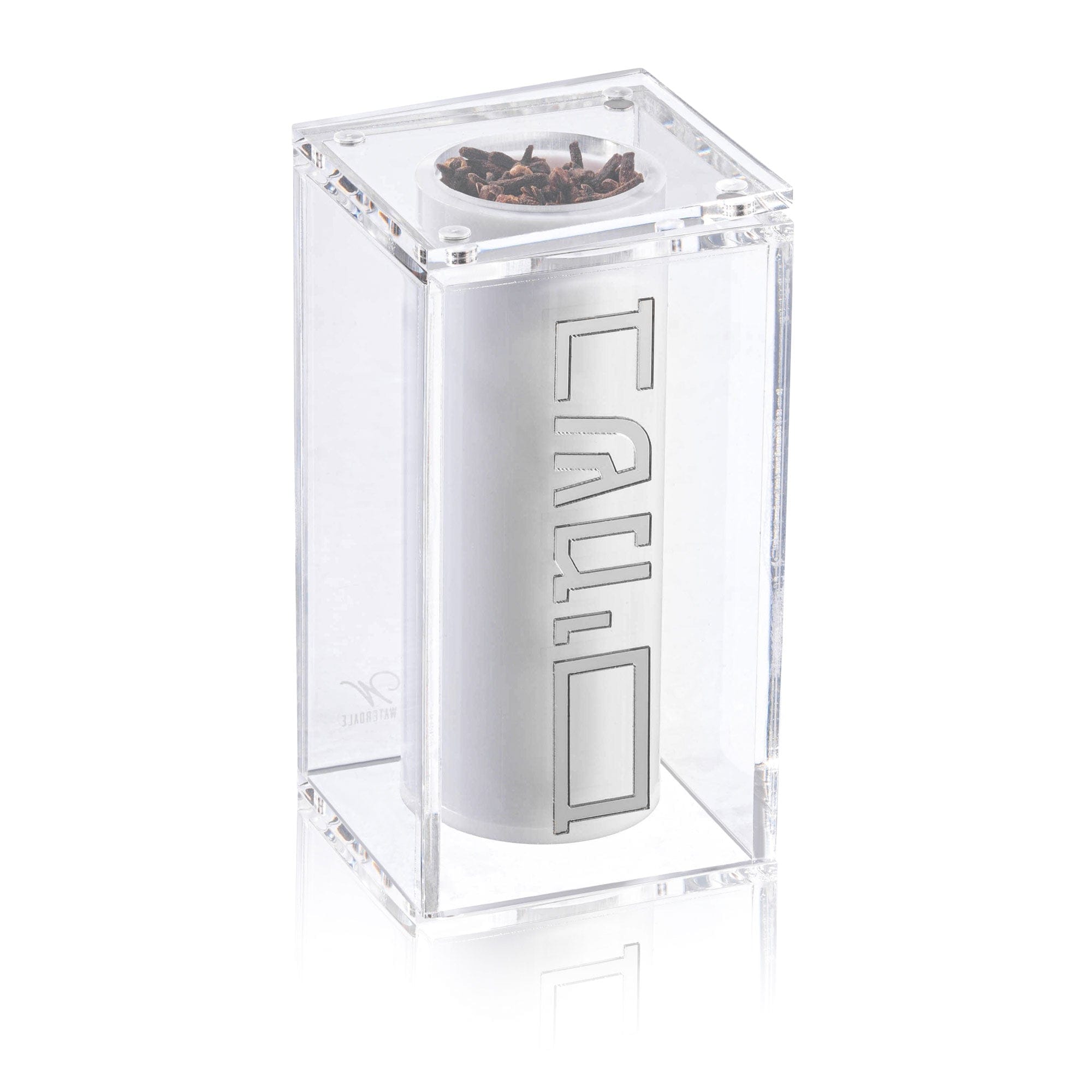
If you own vintage benchers, heirloom pieces, or limited-edition designs, glass cases provide protection while maintaining visibility. Unlike closed cabinets, glass allows light to showcase details like hand-stitched leather details or precision-cut lucite edges. Display cases also control dust exposure, which matters for pieces you want to preserve long-term.
We often recommend floor-standing glass cases for larger collections. They function as furniture pieces rather than wall-mounted additions, so they work in rooms where wall installation isn't practical. Wall-mounted glass shelving units work equally well for smaller, curated selections.

Lighting transforms glass displays. Add LED strip lighting underneath the case or position your case near natural light from windows. The interplay of light through lucite creates luminous effects that benchers stored in drawers never achieve. Consider backlighting for genuine drama, especially with our transparent and translucent lucite pieces.
Your action step: if you have more than 10 benchers or own pieces of particular sentimental value, a glass case justifies the investment and ensures your collection remains pristine for years.
3. Open Cabinet Styling with Premium Lucite Benchers
Open shelving inside dining room cabinets splits the difference between display and concealment. The cabinet doors create a boundary, so the display feels intentional rather than accidentally left out, yet opening the doors reveals your collection instantly.
Our lucite benchers excel in this setting. Their transparency means light passes through the pieces, so even when cabinet doors are closed, viewers catch glimpses of color and form through the glass. When doors open, the full collection becomes apparent. Layer your benchers by depth: place taller pieces in back, shorter ones forward, so nothing gets hidden.
Incorporate negative space between benchers. Avoid the temptation to fill every gap. By leaving space, you allow each piece to breathe and make the collection feel intentional rather than cramped. Add small accent pieces between benchers if you like: a prayer book, a small candlestick, or decorative objects that complement your Jewish home aesthetic.
Next steps: audit your current cabinet space, measure the shelf dimensions, and group benchers by color or style before arranging them.
4. Wall-Mounted Ledges for Dramatic Focal Points
Ledges differ subtly from shelves but deliver outsized visual impact. Ledges typically feature raised edges or frames, creating a stage-like presentation that draws the eye. When positioned above a buffet, behind a dining table, or as an accent wall feature, a ledge display becomes a room's focal point rather than an afterthought.
This approach works particularly well if you own a smaller, highly curated collection of 5-8 exceptional benchers. Rather than spreading them across a larger wall, concentrate them on a single ledge to create visual weight and intention. The focused presentation reads as confident design rather than scattered display.
Lighting above the ledge amplifies impact. Picture rail lights or recessed ceiling fixtures positioned to wash over the ledge create shadows and highlights that emphasize each bencher's craftsmanship. Our modern lucite and leather combinations photograph beautifully under directed light, so this setup also works wonderfully if you enjoy sharing your home's design elements on social media.

Consider what's directly below your ledge. Mount it above a console table, sideboard, or even behind a dining table so the wall display connects to functional furniture rather than floating in isolation.
5. Dedicated Bencher Bar Cart or Console Table
A bar cart or console table devoted entirely to bencher storage and display combines functionality with style in a way that feels intentional and accessible. Unlike wall-mounted options, these freestanding pieces make benchers immediately grabbable for blessings without requiring a trip to a closet.
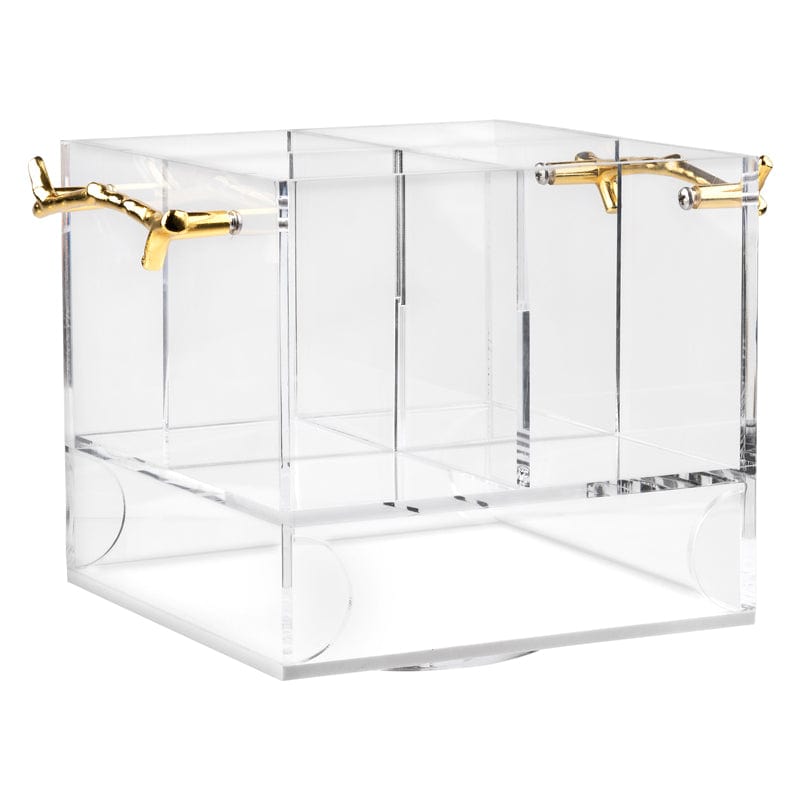
We offer carts and stands specifically designed for Judaica display, and benchers rank among the most effective items to showcase on them. A tiered cart allows you to arrange benchers at varying heights. The movement and visibility make your collection feel active and present in your home rather than archived.
Position your cart in a corner, along a dining room wall, or even in an entryway where guests encounter it as they arrive. A console table against a wall works similarly. Layer benchers with complementary pieces: prayer books, candle holders, or other functional Judaica. This creates an intentional vignette that guests recognize as central to your family's practice.
The accessibility factor cannot be overstated. Benchers stored on an accessible cart mean family members actually use them. Children learn the blessing traditions more readily when benchers sit nearby. Guests see your collection immediately, prompting conversations about your home's values.
6. Custom Lucite Stands That Showcase Individual Pieces
When you own a single exceptional bencher or a small number of standout pieces, individual stands elevate each one into gallery-worthy presentation. Custom lucite stands, cut to your specifications, cradle benchers at optimal viewing angles. They work beautifully for limited editions, personalized designs, or benchers with particular sentimental significance.
We design custom pieces at Waterdale Collection that address this exact need. A bencher displayed on a precision-cut lucite stand becomes sculptural. The stand itself becomes nearly invisible due to lucite's transparency, so the bencher appears to float. This presentation works in dining rooms, entryways, or shelf displays.
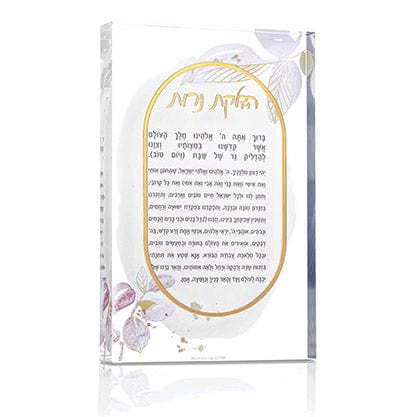
The customization aspect matters. A stand cut to your bencher's exact dimensions and proportions looks intentional and tailored rather than like a generic holder. If you own custom bencher cards with personalization for family members or special occasions, a custom stand elevates that personalization into a design statement.

Consider this approach for benchers marking important milestones: a bencher from a child's Bat Mitzvah, a wedding gift bencher, or a piece commemorating a significant year. Displayed individually on custom stands, they become focal points that tell stories about your family's journey.
7. Integrated Bookcase Displays for Cohesive Design
Bookshelves don't need to hold only books. Integrating benchers into broader bookcase styling creates a narrative about your home's values and interests. This approach works especially well in living rooms with architectural bookcases or dining rooms with built-in shelving that opens into the main gathering space.
The principle is intentional grouping. Rather than scattering benchers randomly among books, create a distinct "zone" within the bookcase dedicated to Judaica. Group benchers with related items: prayer books, holiday decor, Jewish history volumes, or art books on Israeli design. This clustered approach reads as curated rather than disorganized.
Style your bookcase shelf by shelf, focusing on each section's visual balance. Vary vertical and horizontal book placement. Tilt some books at angles. Use benchers as design stoppers on either end of a shelf or as vertical elements that interrupt horizontal book lines. Your eye should travel around the shelf with interest rather than settling into monotony.
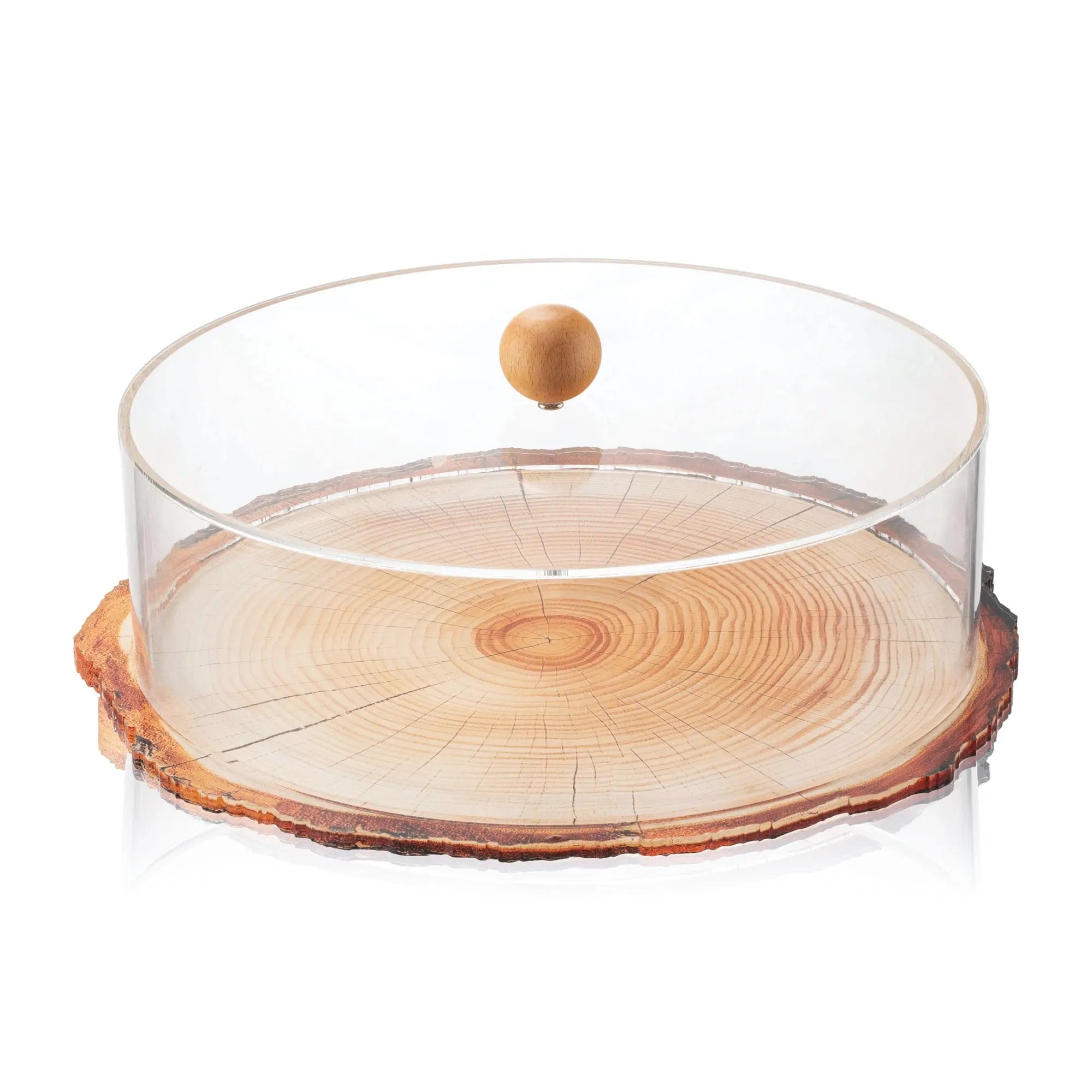
Our wood lucite tablescape collections integrate beautifully into this aesthetic. The natural wood tones echo bookcase frames and shelving, while lucite elements maintain visual lightness. This combination ensures your Judaica display feels integrated into your overall home design rather than segregated as "religious items."
Making Your Choice: What We Recommend
Each display method offers distinct advantages, but they share a common truth: your bencher collection deserves to be seen and used. We've found that the most successful displays combine your home's existing aesthetic with pieces from our collection that are designed for visibility. Our lucite benchers, in particular, excel across every display method because their transparency, durability, and contemporary design complement both minimalist and layered interior styles.
If you're starting fresh, we recommend beginning with either a dedicated cart or floating shelves. Both allow flexibility as your collection grows. If you already own benchers and need an immediate display solution, open cabinet styling works with nearly any existing furniture.
The real action item: honestly assess your space, identify where your family actually gathers, and position your bencher display there. A beautiful collection stored out of sight serves no one. A thoughtfully displayed collection becomes a daily touchstone of your traditions, accessible to family members and visible to guests. That's when benchers stop being items to store and start being part of your home's living design.
Shop Now