


















Understanding Your Tabletop Style Needs
When you're setting your table for Shabbat dinner or preparing for a holiday celebration, your choice of Judaica and tabletop pieces shapes more than just the visual presentation. It communicates your relationship to tradition, your aesthetic values, and how you want your guests to experience the moment. Yet many of us face a genuine tension: do we honor the classics, or do we embrace what resonates with our contemporary lifestyle?
The answer isn't either-or. Understanding the genuine strengths and real limitations of both traditional and modern designer Jewish tabletop accessories helps you build a collection that feels authentically yours.
Your tabletop serves multiple purposes simultaneously. It's functional, holding food and wine. It's ritual, framing blessings and observance. It's expressive, reflecting your identity and values to the people you invite into your home.
Before comparing styles, clarify what matters to you:
- Do you entertain frequently, requiring pieces that withstand heavy use?
- Are you drawn to minimalist interiors, or do you prefer warmer, traditional aesthetics?
- Do you want pieces that work year-round, or specific collections for individual holidays?
- Are you building a collection over time, or looking for a cohesive set?
- Do you prioritize durability, visual impact, or something else entirely?
Many people discover that their ideal collection blends both approaches. Your Shabbat candlesticks might be contemporary, while your Havdalah spice box carries sentimental weight from decades past. The key is intention: choosing pieces because they serve your lifestyle and values, not defaulting to what's expected.
Traditional Judaica: Timeless Appeal and Limitations
Traditional Judaica carries undeniable power. A sterling silver Kiddush cup passed through generations, a hand-carved wooden Havdalah box with patina earned through use—these pieces anchor us to history and community memory. They embody craftsmanship traditions passed down through centuries, often representing specific cultural lineages.
The appeal runs deeper than nostalgia. Traditional pieces often feature rich symbolism, intricate detailing, and materials chosen for their spiritual significance. Many serve as conversation starters, inviting guests to learn their stories.
However, traditional Judaica comes with practical constraints:
- Storage challenges: Ornate silver pieces require careful handling and regular polishing to prevent tarnishing.
- Design inflexibility: Traditional silhouettes don't adapt to contemporary home aesthetics. A heavily ornamental Havdalah set can feel at odds with Scandinavian or minimalist interiors.
- Limited functionality: Some traditional designs prioritize appearance over practical serving or use.
- Maintenance burden: Wood requires conditioning, silver demands polishing, and delicate details collect dust.
- Cost without versatility: Investing heavily in pieces you use once yearly limits their value proposition.
These aren't flaws in traditional Judaica itself. They're genuine trade-offs that matter when you're integrating ritual items into a modern home you actually live in and enjoy daily.
Modern Designer Judaica: The Contemporary Advantage
Modern designer Judaica solves the integration problem by building from the opposite direction: start with how we actually live, then create ritual pieces that fit seamlessly into that world.

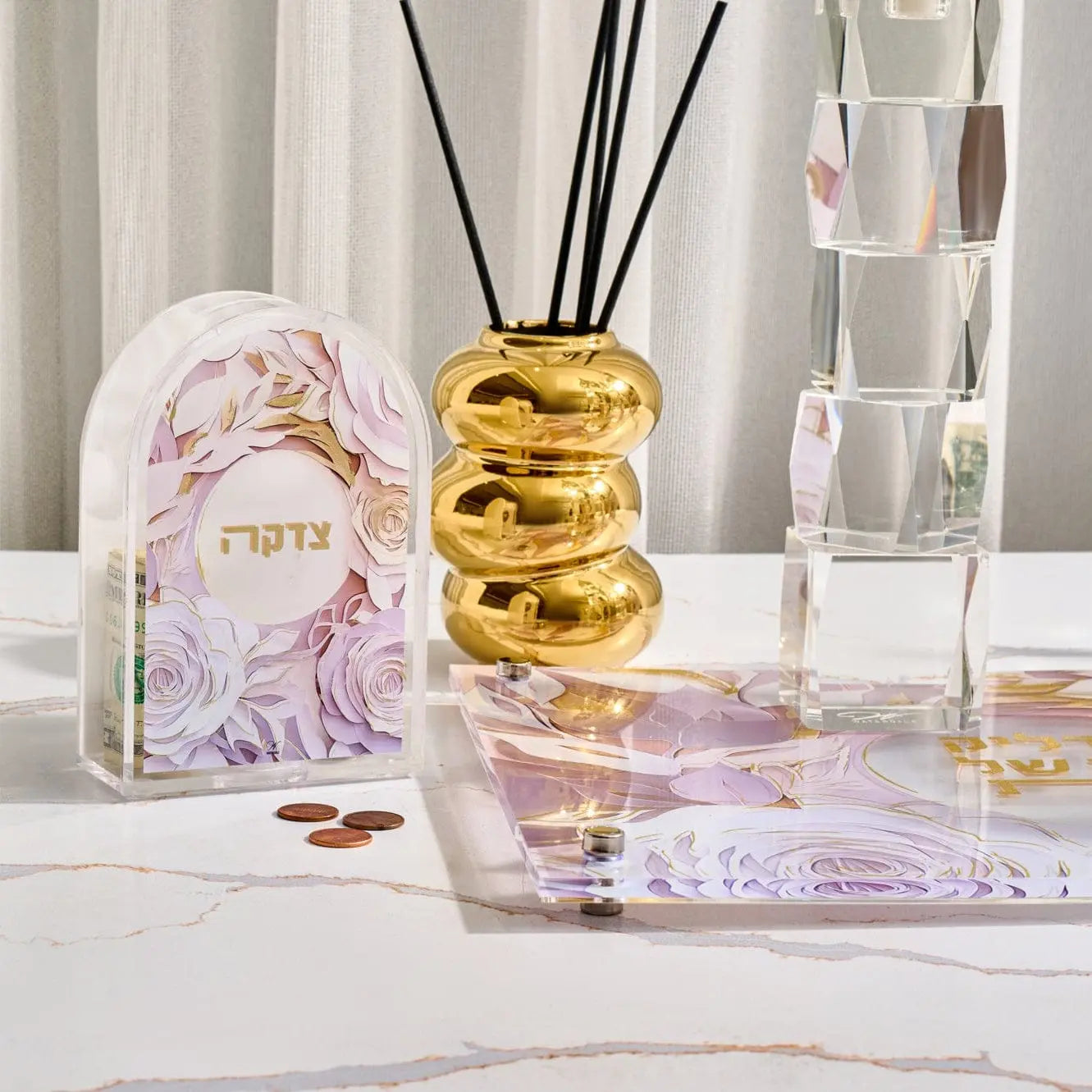
Our approach emphasizes clean lines, purposeful minimalism, and materials selected for both beauty and practical living. When you walk past your designer Judaica throughout the week, it doesn't feel like a museum piece requiring special care. It feels like part of your home.
Contemporary designer pieces offer distinct advantages:
- Visual integration: Pieces designed to complement modern interiors work in open-concept spaces and contemporary color palettes.
- Functional clarity: Modern design strips away ornament that doesn't serve a purpose, making pieces easier to use and maintain.
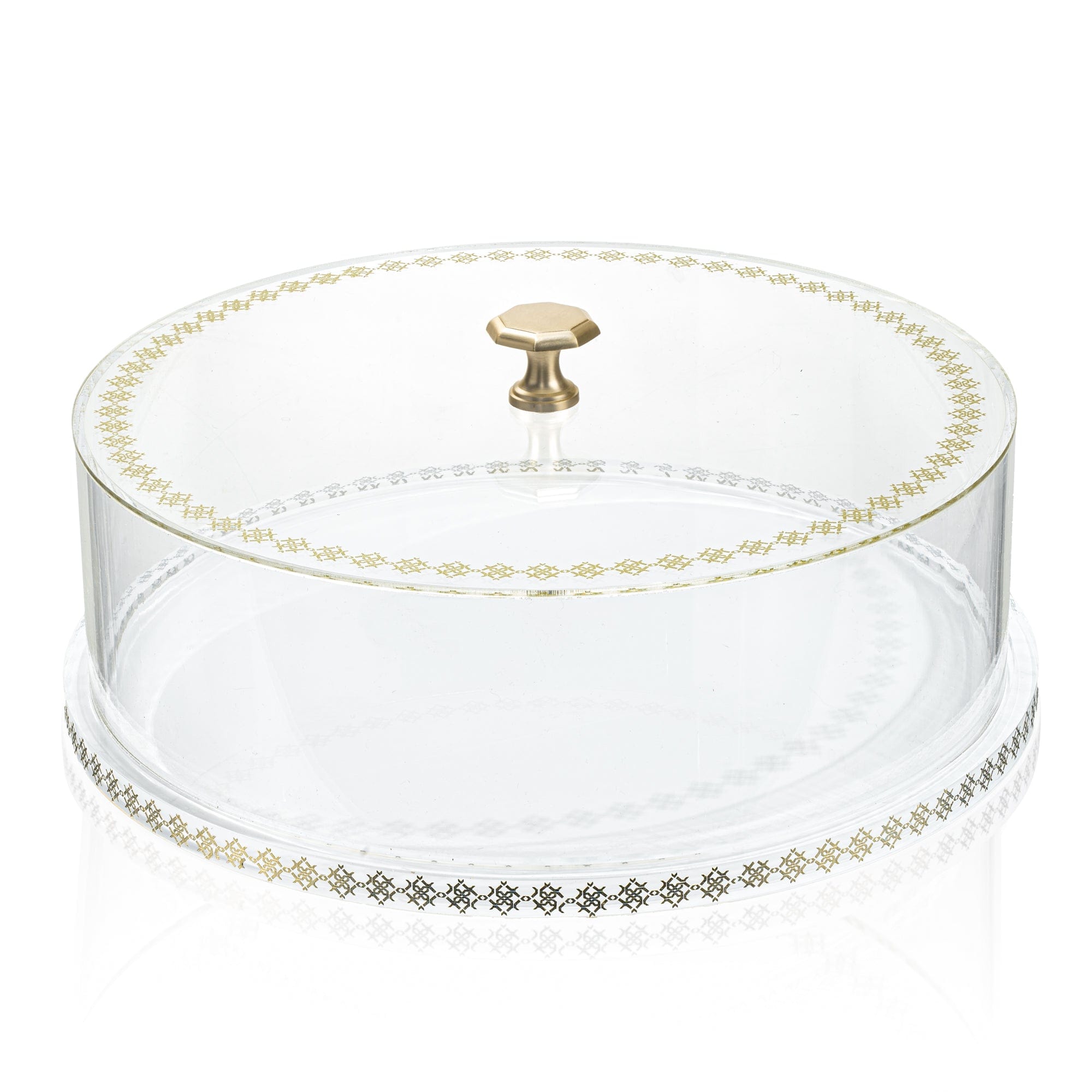
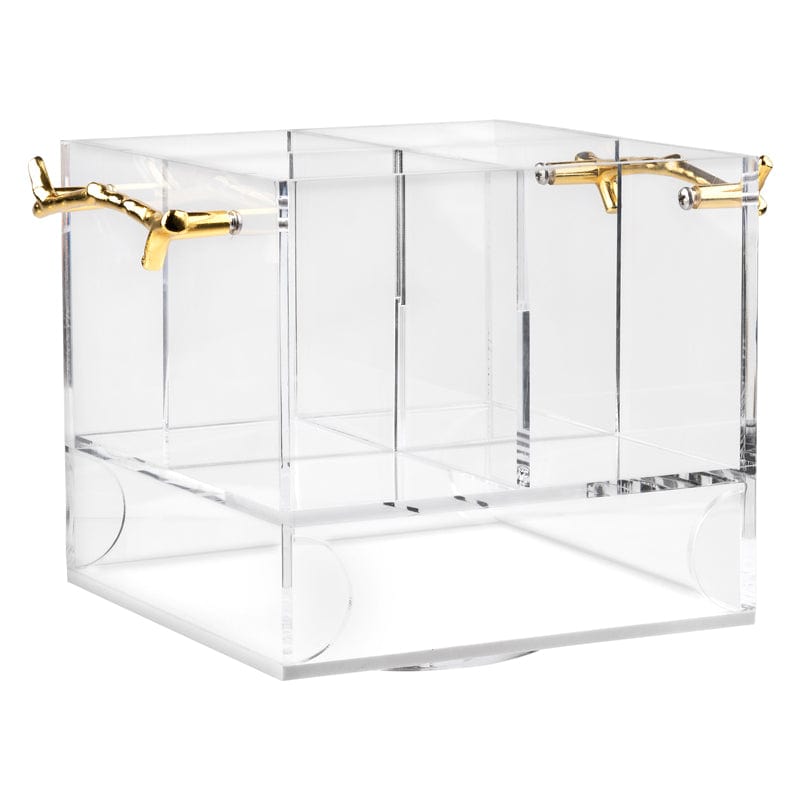
- Material innovation: Premium lucite, stainless steel, and minimalist leather construction resist tarnishing, don't require polishing, and age beautifully rather than deteriorating.
- Versatility in display: Pieces designed for clean aesthetics can sit on shelves, tables, or mantels without visual discord.
- Honest aesthetics: Modern design celebrates the beauty of the material itself rather than layering decoration.
The practical advantage matters: you'll actually use and enjoy these pieces more frequently because they integrate into your daily environment rather than demanding segregation.
Craftsmanship and Material Quality Comparison
Quality in Judaica transcends era. A poorly made contemporary piece isn't superior to an excellently crafted traditional one. The difference lies in where artisanship directs its attention.
Traditional Judaica often showcases hand-engraving, filigree work, and material mastery developed across apprenticeships. The craftsperson's skill appears in surface detail and ornamentation.
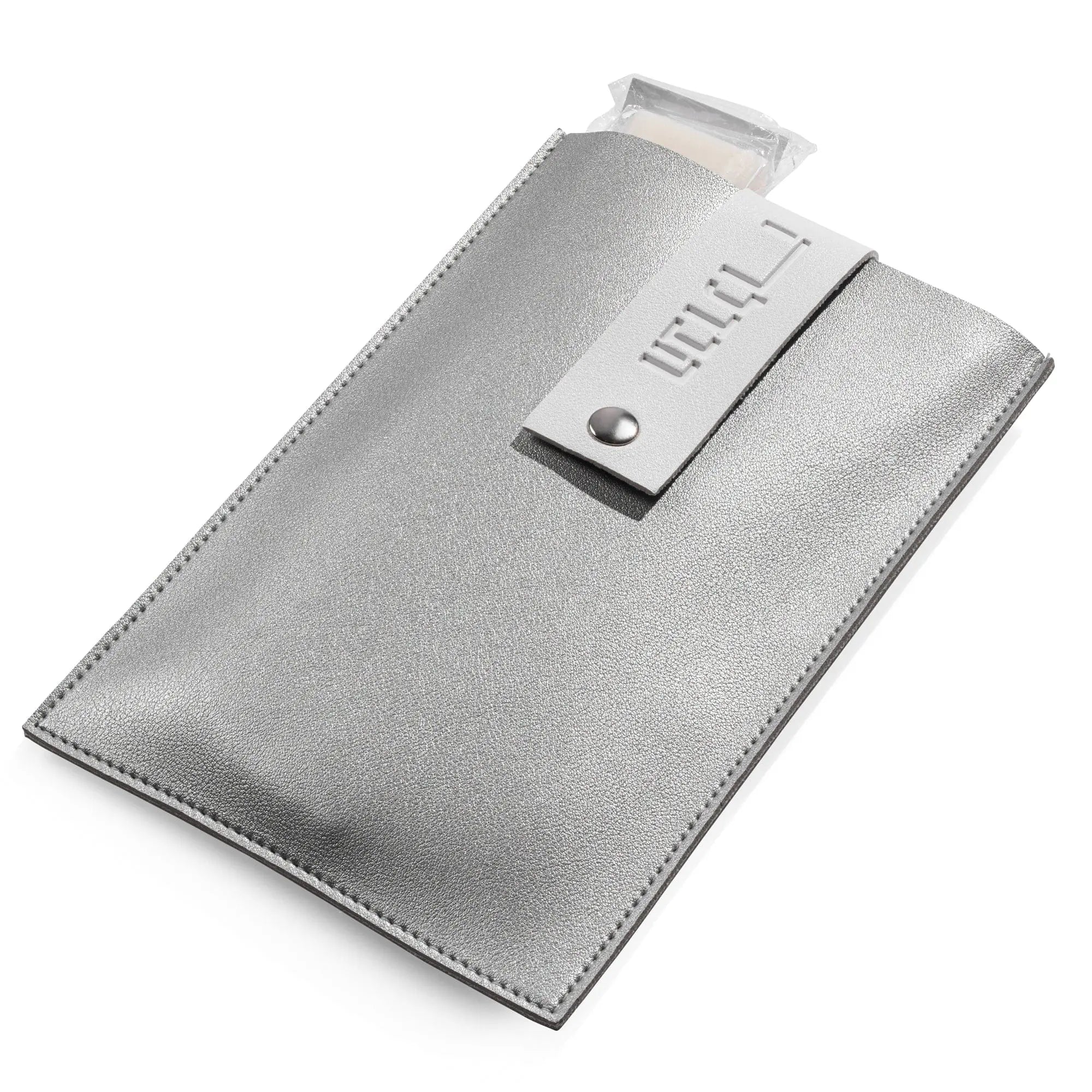
Modern designer Judaica centers craftsmanship on proportion, precision, and material understanding. When we work with premium lucite, we're perfecting clarity, color saturation, and how light moves through the material. When we craft leather Judaica, we source the finest hides and ensure every stitch serves both durability and aesthetic.
The materials themselves tell different stories. Traditional sterling silver develops patina and warmth. Our premium lucite resists yellowing, never tarnishes, and maintains its clarity and color saturation indefinitely. It's a deliberate choice: we value permanence and ease of care as expressions of respect for the pieces' function.
Regardless of tradition, ask these questions about any piece you're considering:
- What material was chosen, and why that material?
- How does the piece improve with age?
- What maintenance does it realistically require?
- Will it still look intentional in your home in five years?
Functionality Meets Aesthetics in Design
A Kiddush cup must hold wine. A Chanukiah must safely hold candles. A serving piece must actually work for serving. Yet tradition often treated function as secondary to appearance.
Modern design insists they work together. Our tabletop collections are designed by people thinking through actual use: what angle makes serving comfortable? How do you clean this without damaging it? Where do you store it without losing it in a cabinet?
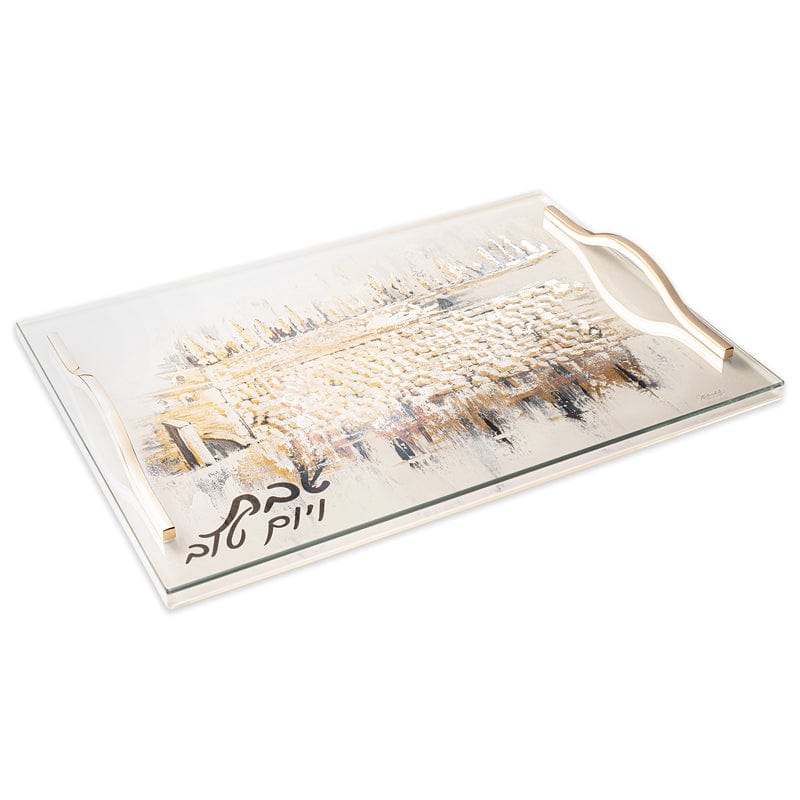
Consider the difference in serving piece design. A traditional offering might feature deep, ornate handles that are beautiful but catch on cabinet edges, while the rim makes pouring awkward. A modern designer alternative features a subtle, functional handle and a pour-spout engineered for actual serving. The beauty emerges from the solution, not from applied decoration.
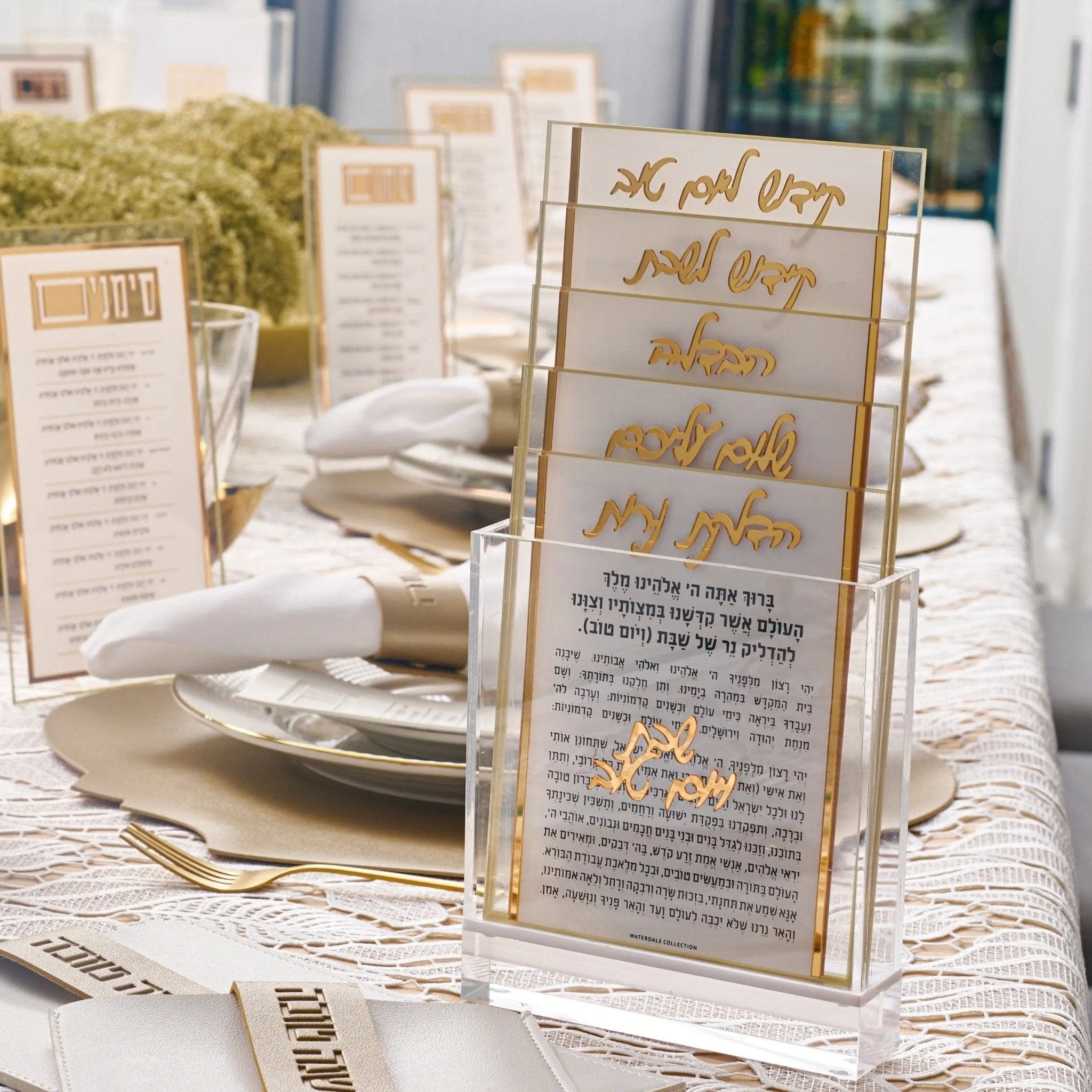
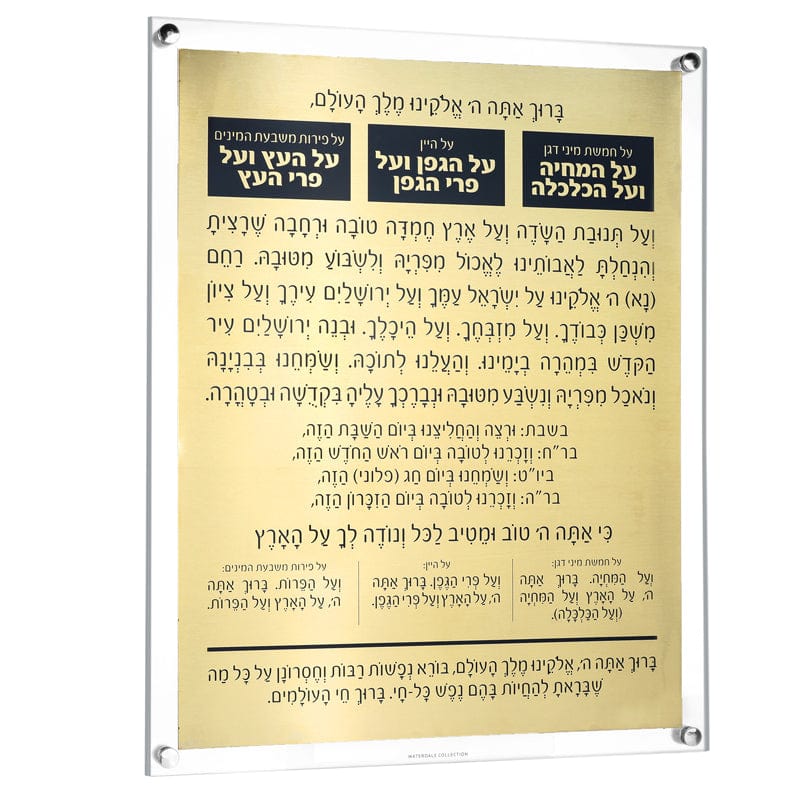
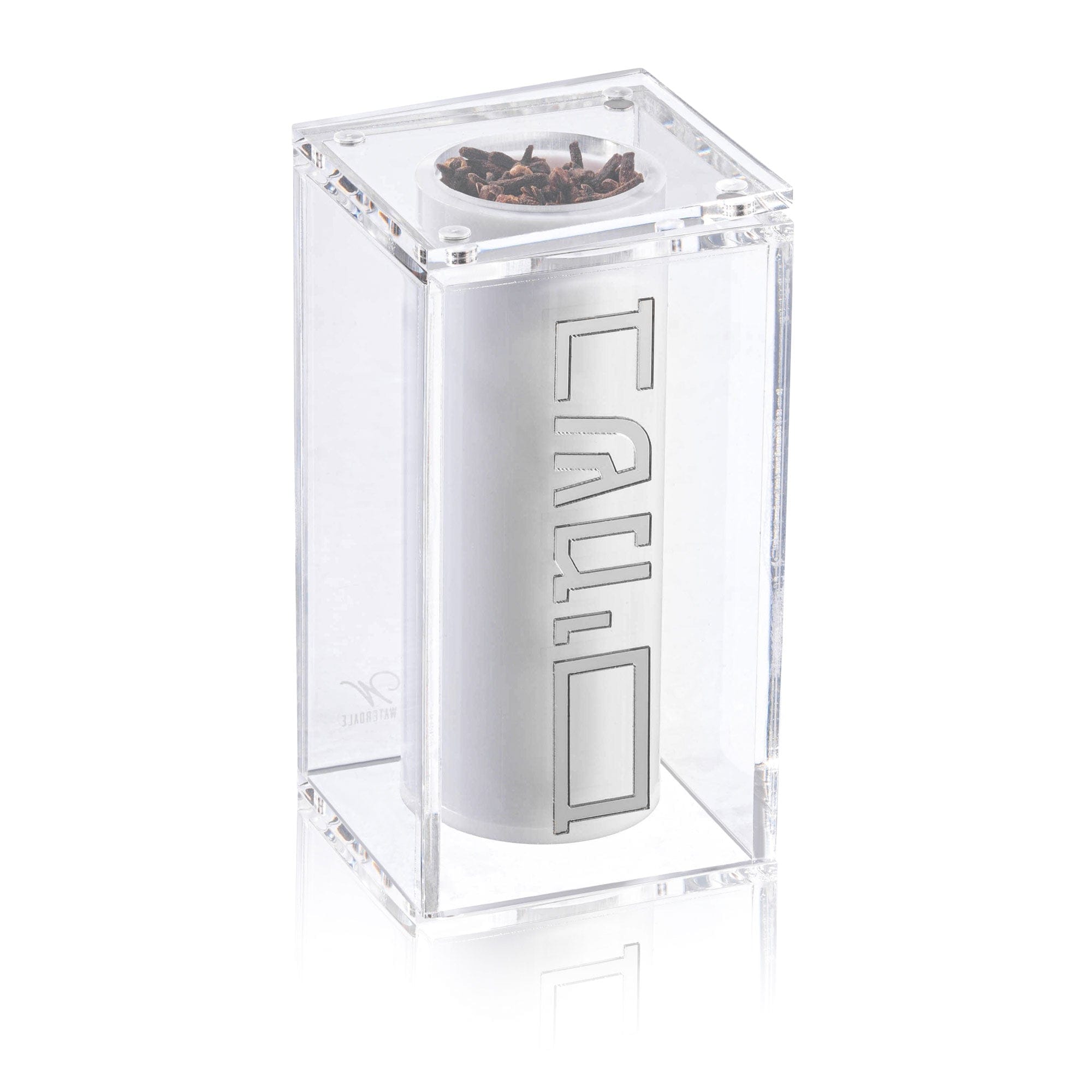
This philosophy extends across our designer collections. A modern Havdalah set requires no special ceremony just to clean it. A contemporary Seder plate works whether you're serving traditional foods or adapting recipes to dietary preferences. A designer tabletop collection adapts to how you actually gather and celebrate.

When you choose functional design, you're choosing pieces you'll genuinely use and reach for, which deepens your practice rather than making ritual feel like a special occasion burden.
Versatility Across Holidays and Events
One meaningful advantage of modern designer collections: pieces often work across multiple occasions.
A contemporary serving piece with clean lines works for Shabbat, Passover, Purim, and everyday entertaining. A minimalist Chanukiah fits naturally beside your everyday decor and serves equally well for a quiet family observance or guests visiting. Traditional pieces, by contrast, often read as specifically tied to one holiday or moment.
This versatility has practical benefits:
- You invest in fewer pieces to accomplish more occasions.
- Your home maintains a cohesive aesthetic across celebrations.
- You're more likely to display and enjoy pieces year-round.
- Guests encounter beautiful Judaica naturally, not ceremonially.
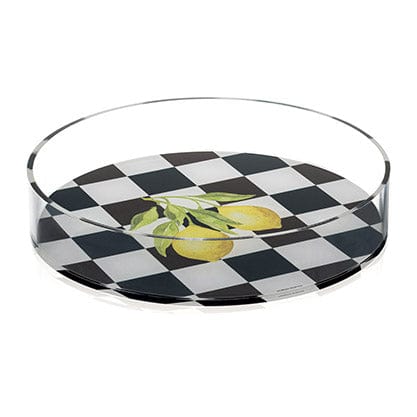
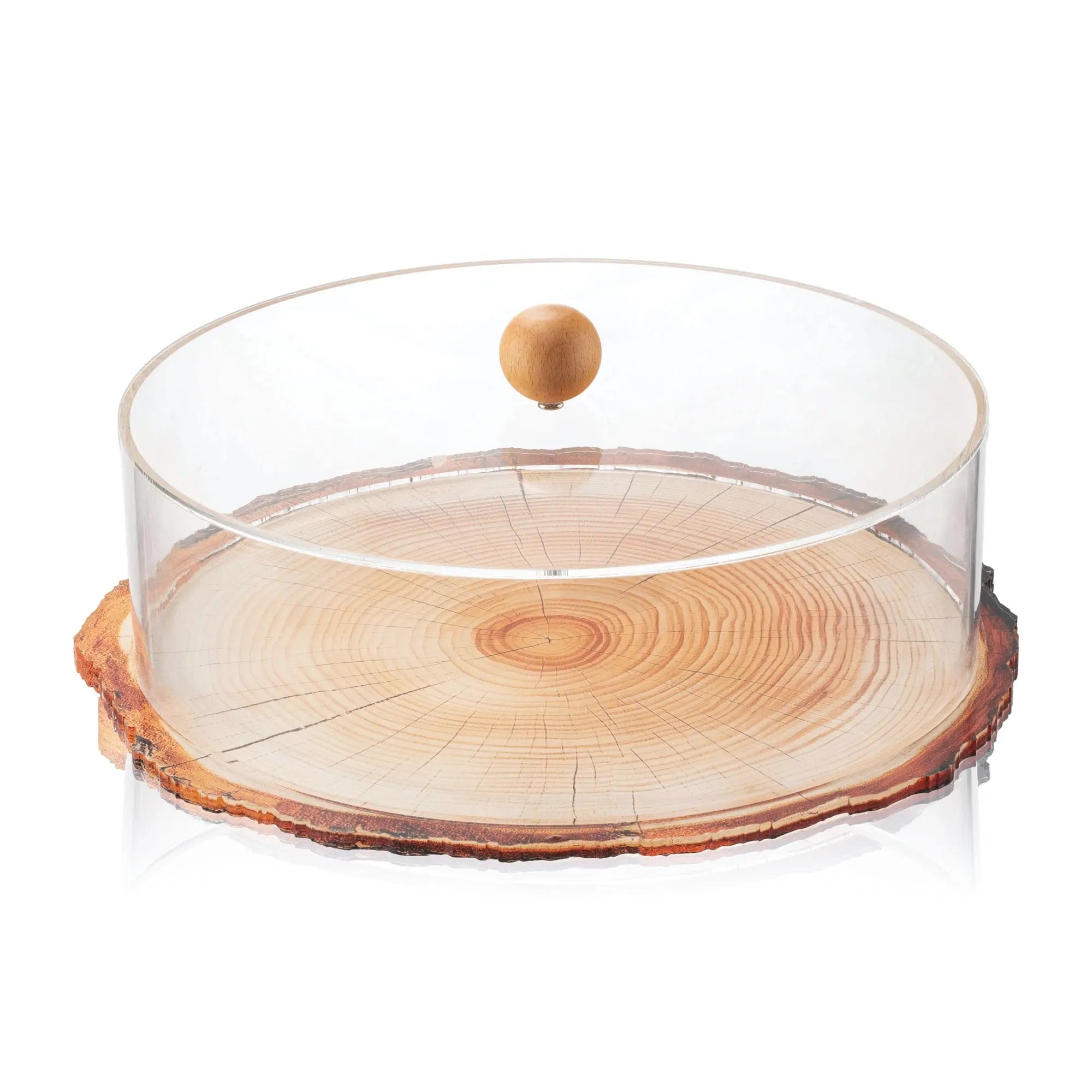
Our Judaica Tabletop collection is designed with this multiplicity in mind. A premium lucite piece serves Shabbat, works for holiday entertaining, and functions in your home's everyday aesthetic. You're not maintaining separate "ritual" decor and "regular" decor.
Customization and Personalization Options
Modern design culture celebrates customization. Unlike traditional pieces, which follow established forms, contemporary designer Judaica can incorporate your personal choices.
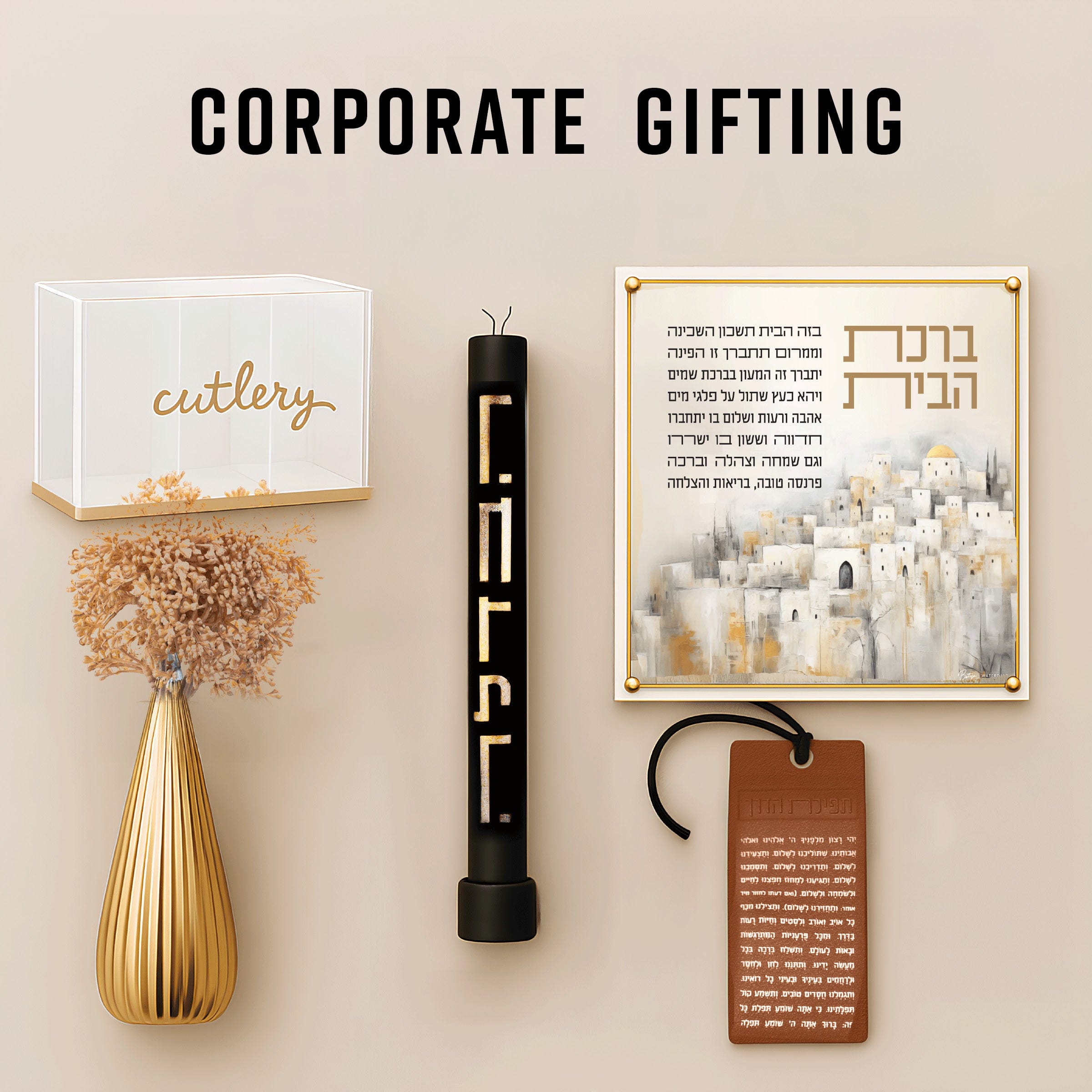
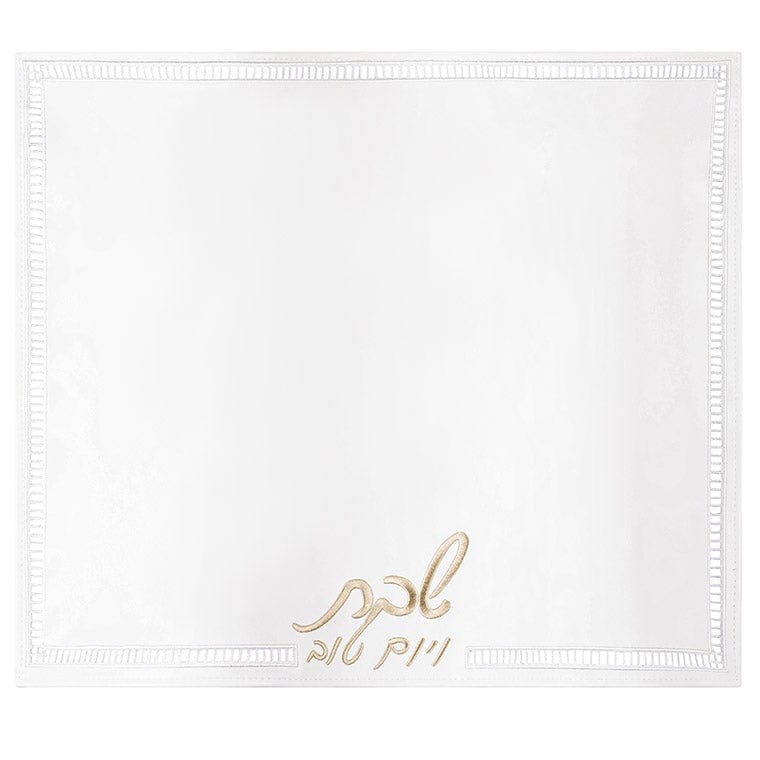
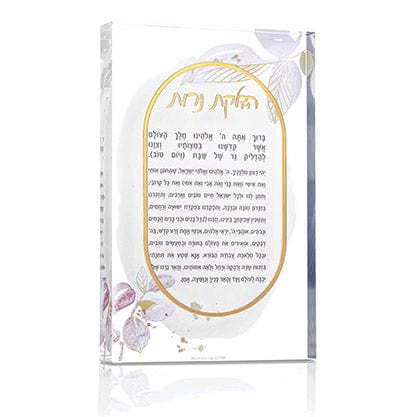
We offer customization across our collection: selecting lucite colors that match your home's palette, personalizing pieces with Hebrew names or meaningful text, choosing leather tones that coordinate with your existing decor. A corporate client might customize serving pieces with company colors and values. An individual might create a personalized Havdalah set with meaningful text.
This personalization deepens connection. A customized piece becomes uniquely yours, not a replication of something countless others own. It reflects your aesthetic judgment and your specific values.
Customization also solves a common problem: finding traditional Judaica that matches your home's design language. Rather than choosing between pieces that feel aesthetically alien to your space and pieces you love, customization lets you have both.
Investing in Pieces That Last
The investment question matters. Quality Judaica costs real money, whether traditional or contemporary. Both should be considered long-term acquisitions.
Traditional pieces often hold monetary value and appreciation potential, particularly sterling silver and antique items. They can be passed down with accruing sentimental value. This matters if you're thinking generationally.

Modern designer pieces in premium materials like lucite and fine leather develop character through use and age beautifully without degrading. They don't appreciate financially but they maintain their visual and functional integrity indefinitely. Unlike some materials that yellow or crack, premium lucite Judaica durability means your investment remains pristine through decades.
The practical advantage: you can use and enjoy contemporary pieces without anxiety about damage. They're designed to be lived with, not preserved behind glass.
Consider your real maintenance capacity. If you won't realistically polish silver regularly, that investment actually diminishes because it won't be properly cared for. If you'll genuinely use and enjoy a lucite piece in your daily home, it delivers constant value. Better a piece you actually use than one you treasure from a distance.
Why Our Designer Collection Stands Apart
We've approached designer Judaica with specific commitments that distinguish our collection.
First, we never sacrifice function for appearance. Every piece is designed by considering how people actually use tableware, display ritual items, and integrate Judaica into homes. This means angles that work, materials that perform, and designs that age beautifully without requiring special care.
Second, we source materials specifically chosen for permanence and beauty. Premium lucite resists yellowing and discoloration. Our leather is selected for aging character and durability. These aren't compromises made for cost; they're deliberate choices reflecting our belief that your investment deserves to remain stunning.
Third, we understand that modern designer Judaica should integrate into contemporary homes without apology. Our pieces work in minimalist spaces, eclectic interiors, and anywhere people gather. They spark conversation because of their beauty, not because they feel ceremonial or formal.
Fourth, customization and personalization are genuine options, not expensive add-ons. You can choose colors, request personalization, and create pieces that reflect your specific aesthetic and values. Our gift message and ribboning services mean pieces arrive ready to give or display.
Finally, we build collections thinking about real people's lives. Holiday collections, tabletop accessories, functional serving pieces, and gift options that work across occasions. You're not choosing between specialty items; you're building a coordinated collection that works.
Elevate Your Jewish Home with Waterdale
The choice between traditional and modern designer Judaica isn't about rejecting one or the other. It's about building a home where your ritual objects serve your life rather than the reverse.
Modern designer Jewish tabletop accessories give you permission to bring Judaica into your everyday home. No special care, no visual tension, no guilt about enjoying these pieces. Just beautiful, functional items that enhance your celebrations and daily practice.
If you've hesitated because traditional options didn't match your home's aesthetic or lifestyle, or if you've considered designer pieces but weren't sure they existed for Judaica, explore our collection. We've spent years developing pieces that honor tradition through intelligent contemporary design. Materials chosen for permanence, forms designed for function, customization that makes them truly yours.
Your tabletop should feel like home, not like a museum. Let's help you build a collection that works as beautifully as it looks.
Shop Now