


















The Contemporary Design Dilemma for Jewish Households
Many Jewish families face a genuine tension when setting up their homes. You want to honor tradition and maintain meaningful ritual observance, yet the ornate, heavily decorated pieces that dominated previous generations don't fit your living space. A hand-carved wooden Seder plate with intricate gold filigree might be beautiful, but it clashes with your Scandinavian furniture. A large brass menorah with elaborate detailing feels out of place on a sleek modern sideboard.
This isn't a new problem, but it's becoming more urgent. Contemporary Jewish households increasingly seek pieces that feel authentic to their faith while aligning with their design sensibilities. The question isn't whether to observe Jewish traditions—it's how to do so without compromising the aesthetic you've carefully built.
At Waterdale, we've discovered that the answer lies not in compromise but in recognizing that tradition and modern design aren't opposing forces. They can coexist beautifully when approached with intentionality.
What Defines Modern Minimalist Judaica
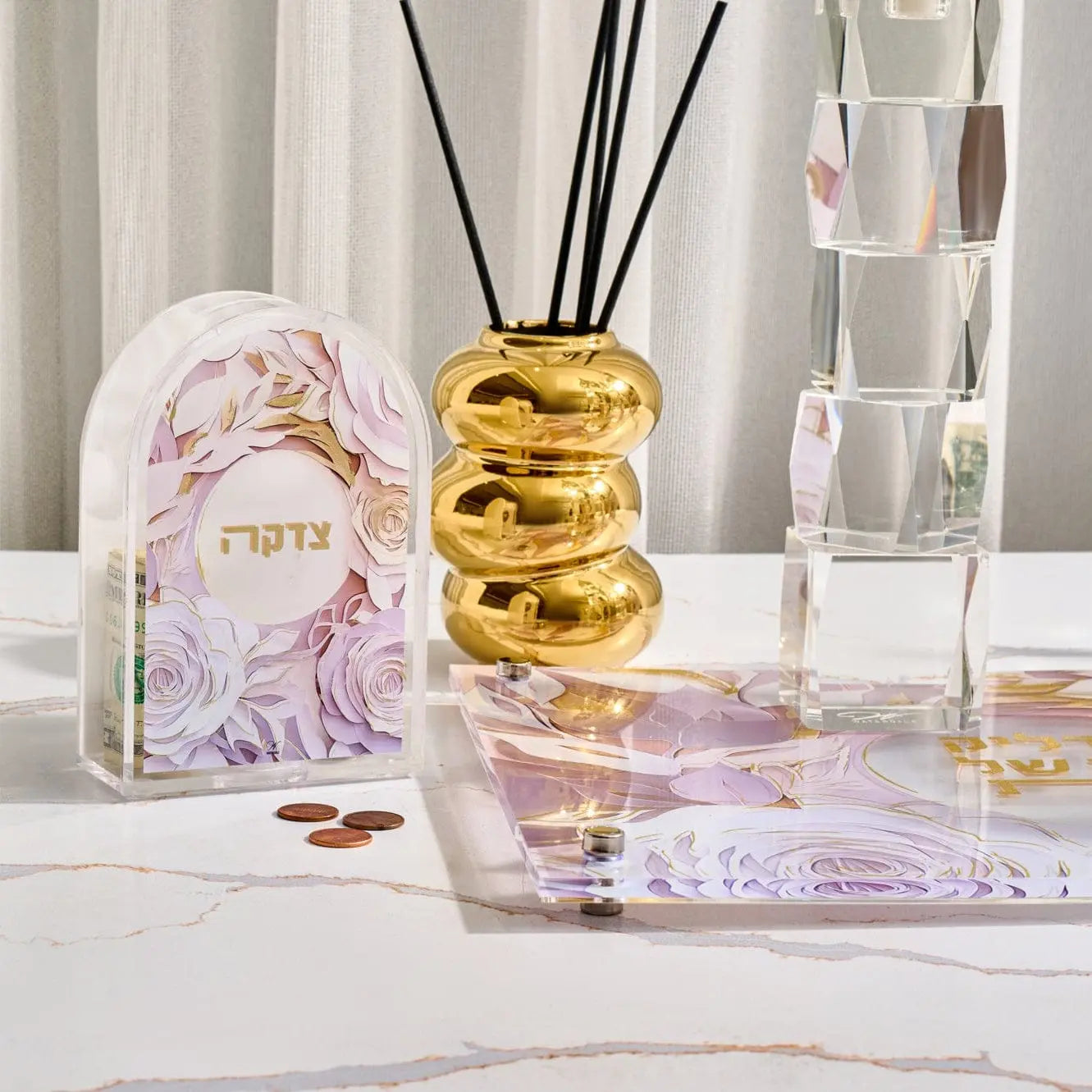
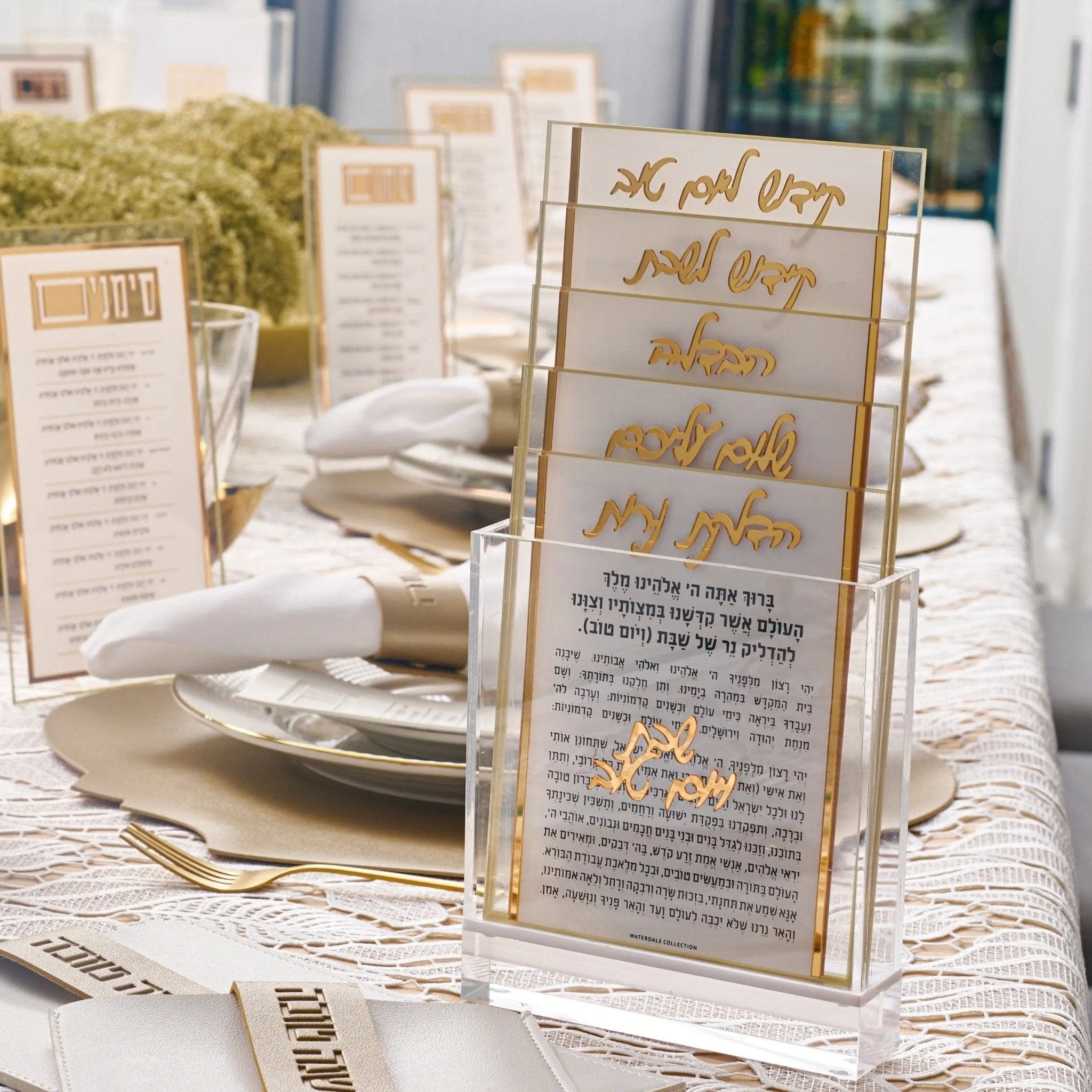
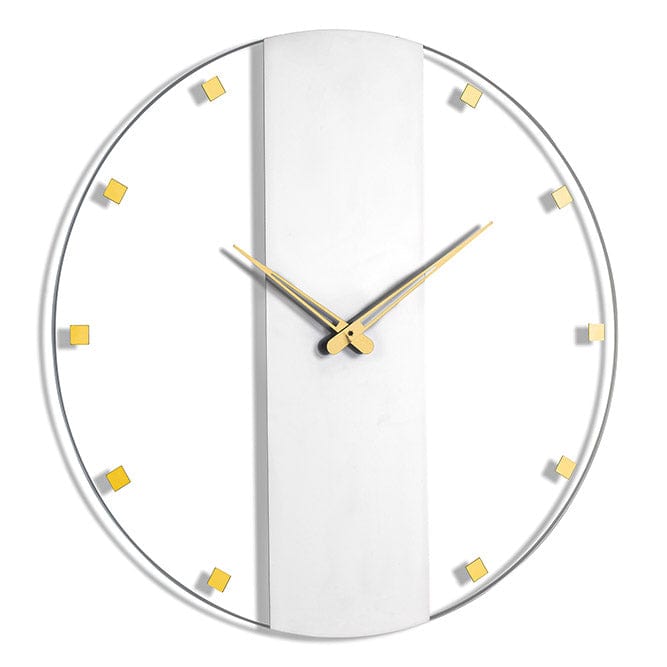
Modern minimalist Judaica strips away ornamental excess while preserving spiritual meaning. These pieces prioritize clean lines, functional beauty, and sophisticated materials. Think of a lucite Kiddush cup with subtle geometric etching rather than a goblet covered in relief work. Consider a flat-lay leather Seder plate where each compartment has its own understated space, rather than raised borders and decorative handles.
The defining characteristics include:
- Geometric forms and uncluttered silhouettes
- Premium materials that age beautifully (lucite, leather, stainless steel)
- Purposeful negative space
- Functional design that serves the ritual without theatrical presentation
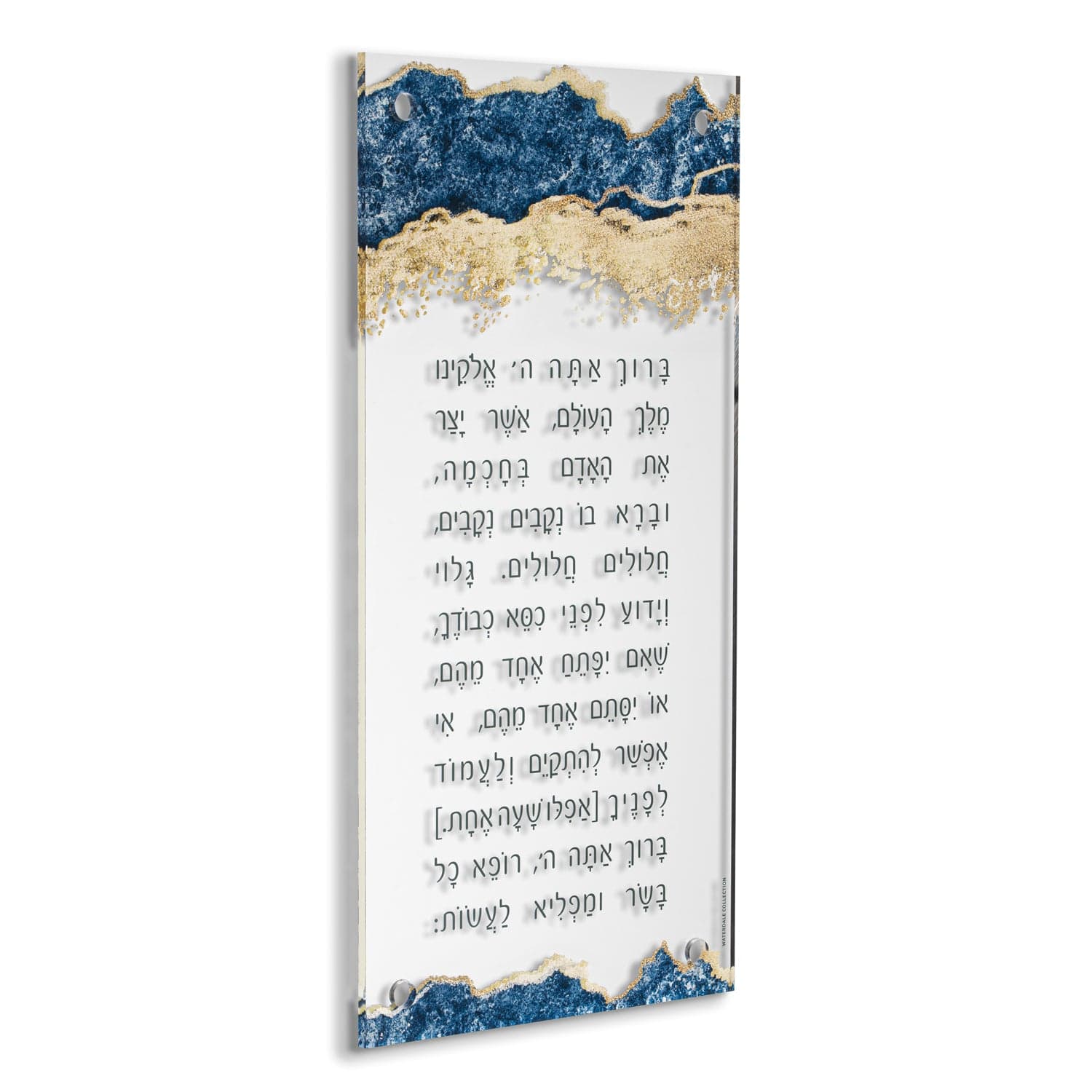
- Color palettes that range from clear and neutral to carefully considered jewel tones
What matters here is intent. Every element serves a purpose, whether functional or deeply symbolic. A minimalist design doesn't diminish the spiritual weight of an object—it actually amplifies focus on what the piece represents and how it will be used.
Traditional vs Contemporary: The Visual Impact Comparison
Place a traditional hand-painted wooden Passover plate next to a modern lucite version on the same dining table. The visual story they tell is markedly different.
Traditional pieces often command attention through decoration. They're meant to be discussed, admired for their craftsmanship, and sometimes even displayed as art. They work beautifully in homes designed around statement pieces and eclectic collections. But in minimalist, contemporary interiors, they can feel disconnected—like they belong in a museum rather than at your table.
Contemporary Judaica pieces integrate seamlessly. A sleek lucite menorah doesn't demand conversation; it quietly belongs. It sits comfortably on your shelf, in your kitchen, on your fireplace mantel without competing with other design elements. When guests ask about it, the conversation centers on its elegance and your observance, not on defending why something ornate lives in a modern space.
The practical difference extends to versatility. A traditional ornate goblet signals "holiday use only" and typically gets stored. A minimalist Kiddush cup looks equally at home at a Friday night dinner or displayed year-round. This flexibility means your pieces earn their space in your home every day, not just during holidays.

Functionality and Versatility in Our Collections
Our collections are designed for how people actually live today. That means pieces that serve multiple purposes and fit various occasions.
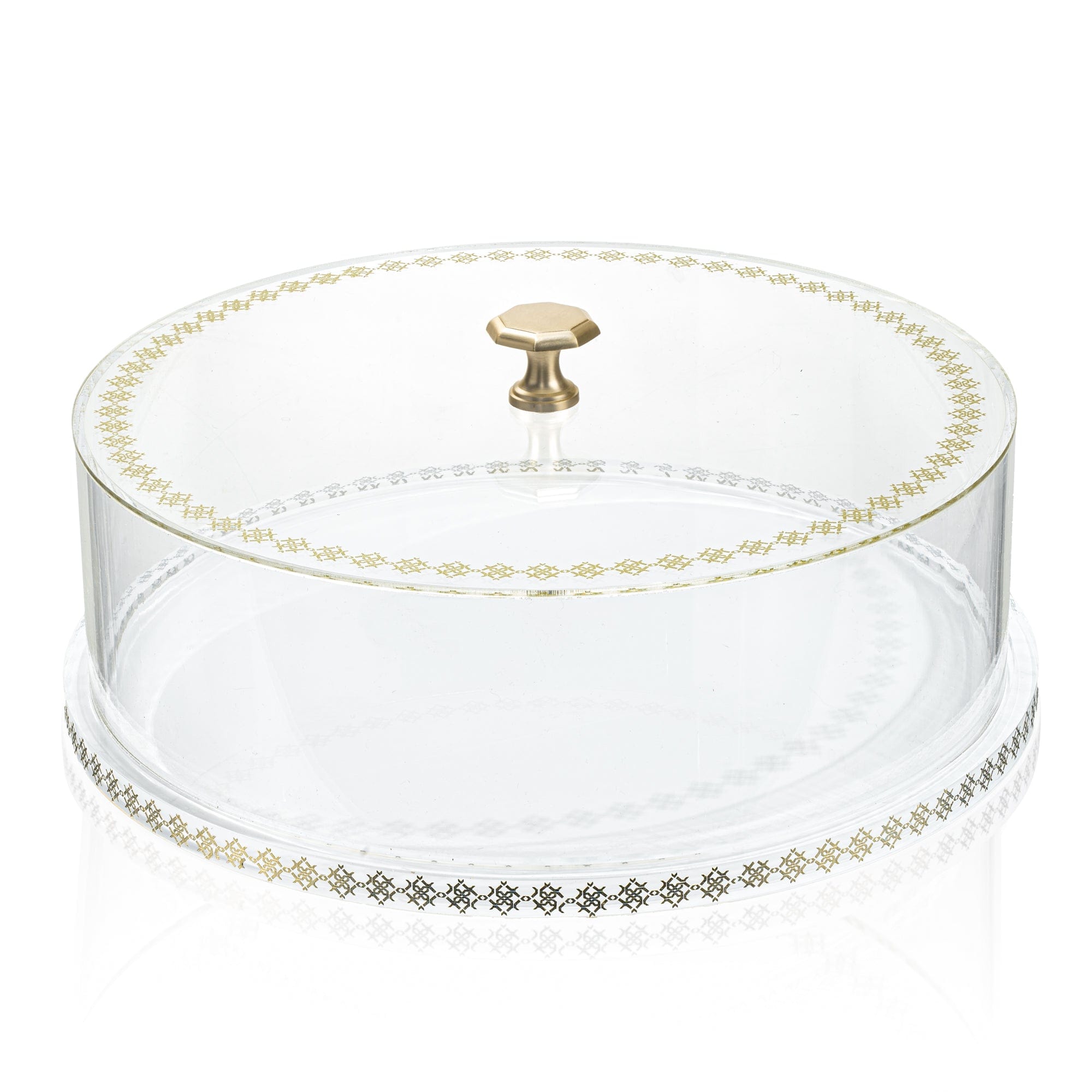
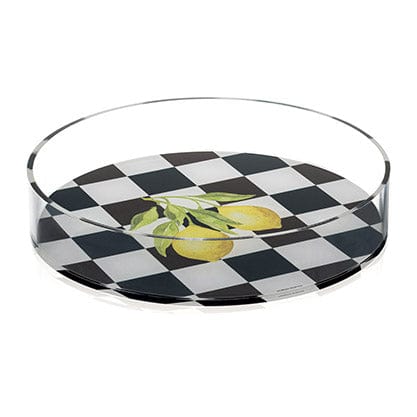
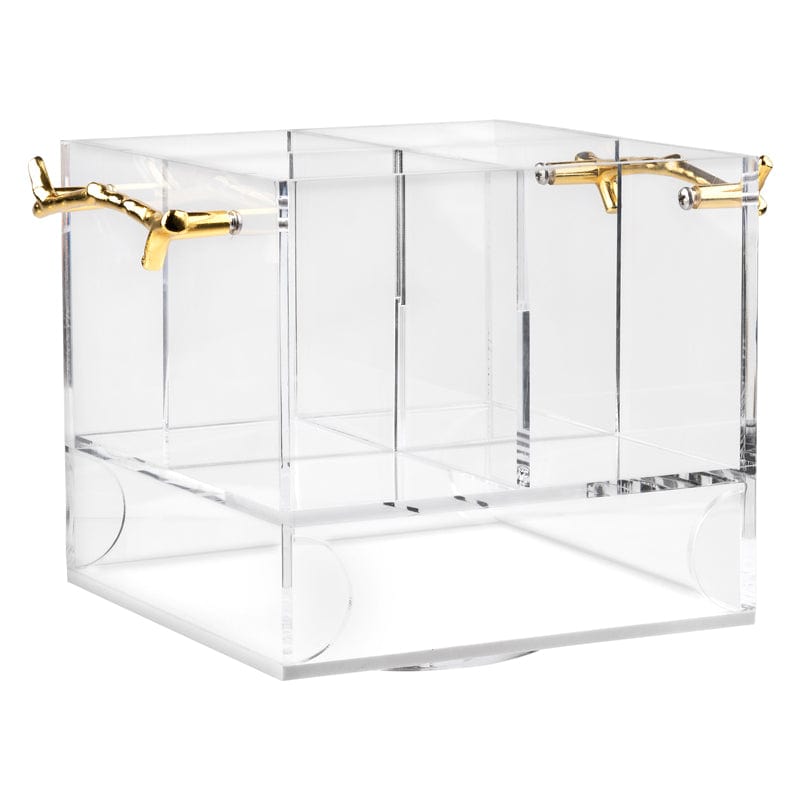
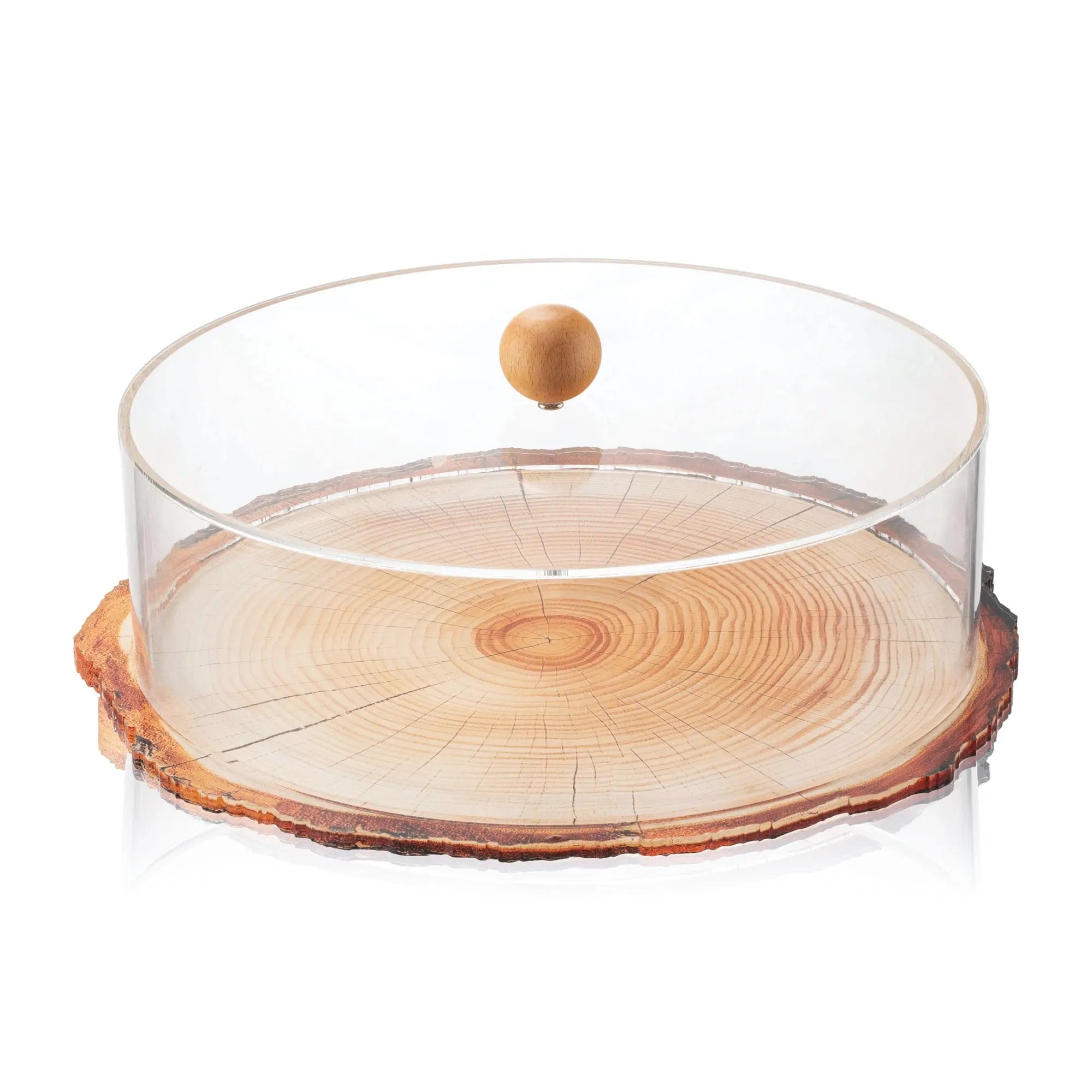
Take our lucite serving accessories. A modern dessert plate doesn't just work for a Passover seder—it's equally beautiful for everyday entertaining, wedding events, or corporate gatherings. A minimalist Chanukiah can sit on your bookshelf during the year as a sculptural art object, then transition into full ceremonial use when needed. Leather Seder plates provide durability and elegance that works from year to year without requiring special storage or maintenance.
Our approach recognizes that most people don't have dedicated cabinets for ritual items that see use once or twice yearly. Your Jewish home goods need to coexist with the rest of your life. Functional versatility isn't a luxury—it's essential.
Each piece we develop asks: "Does this work for the intended ritual? Does it belong in a contemporary home? Can it adapt to different uses?" When the answer to all three is yes, we know we've created something with real value.
Quality Craftsmanship and Premium Materials
The materials you choose determine whether a piece feels timeless or trendy. We work exclusively with premium lucite and leather because these materials have proven longevity and inherent sophistication.
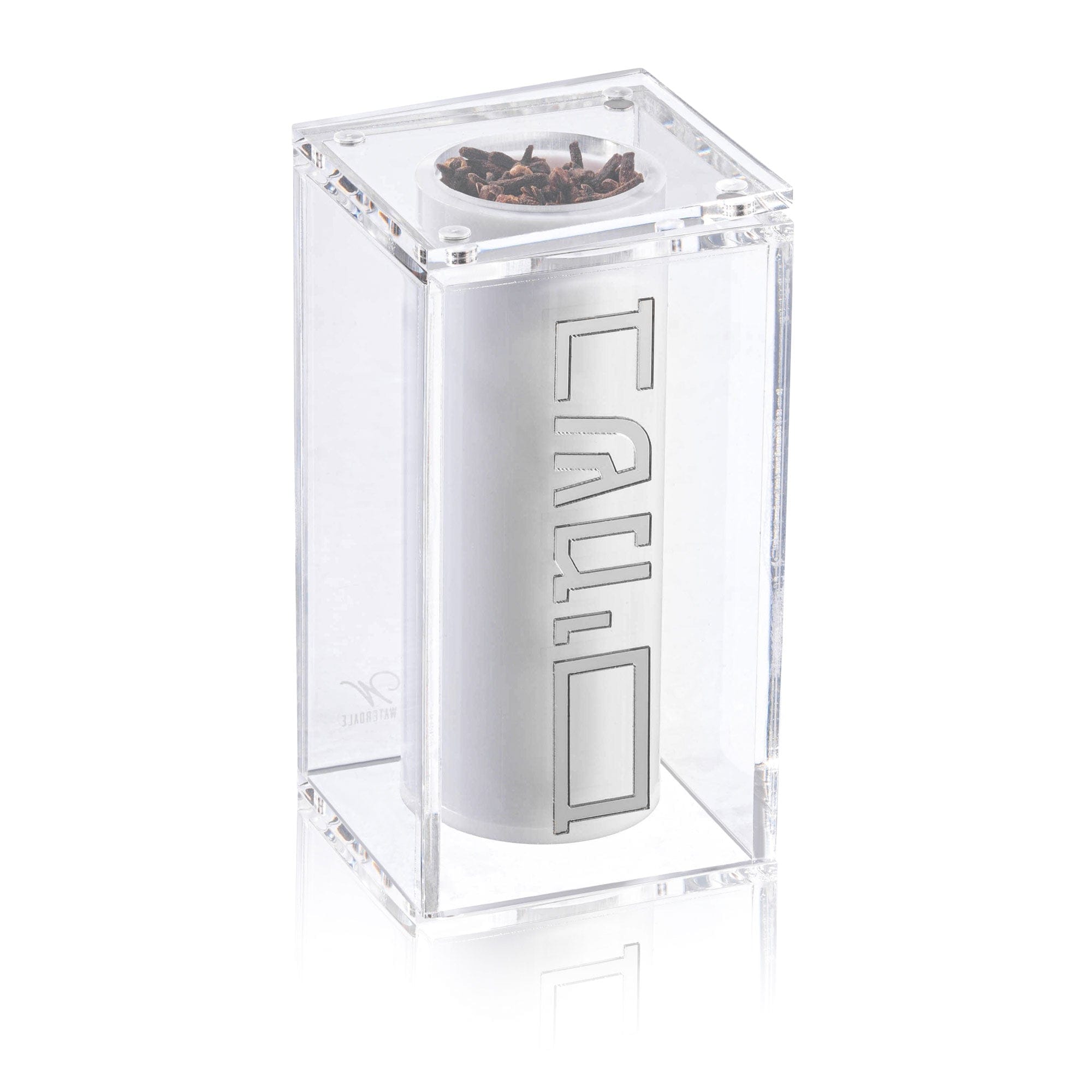
Lucite offers unique advantages. It's crystal-clear, meaning light passes through beautifully rather than bouncing off surfaces. It ages gracefully—never yellowing or becoming brittle when sourced responsibly. Unlike glass, lucite won't shatter if knocked over during a holiday meal. Its versatility allows for subtle color infusions and precise geometric cuts that create visual depth without ornamentation.
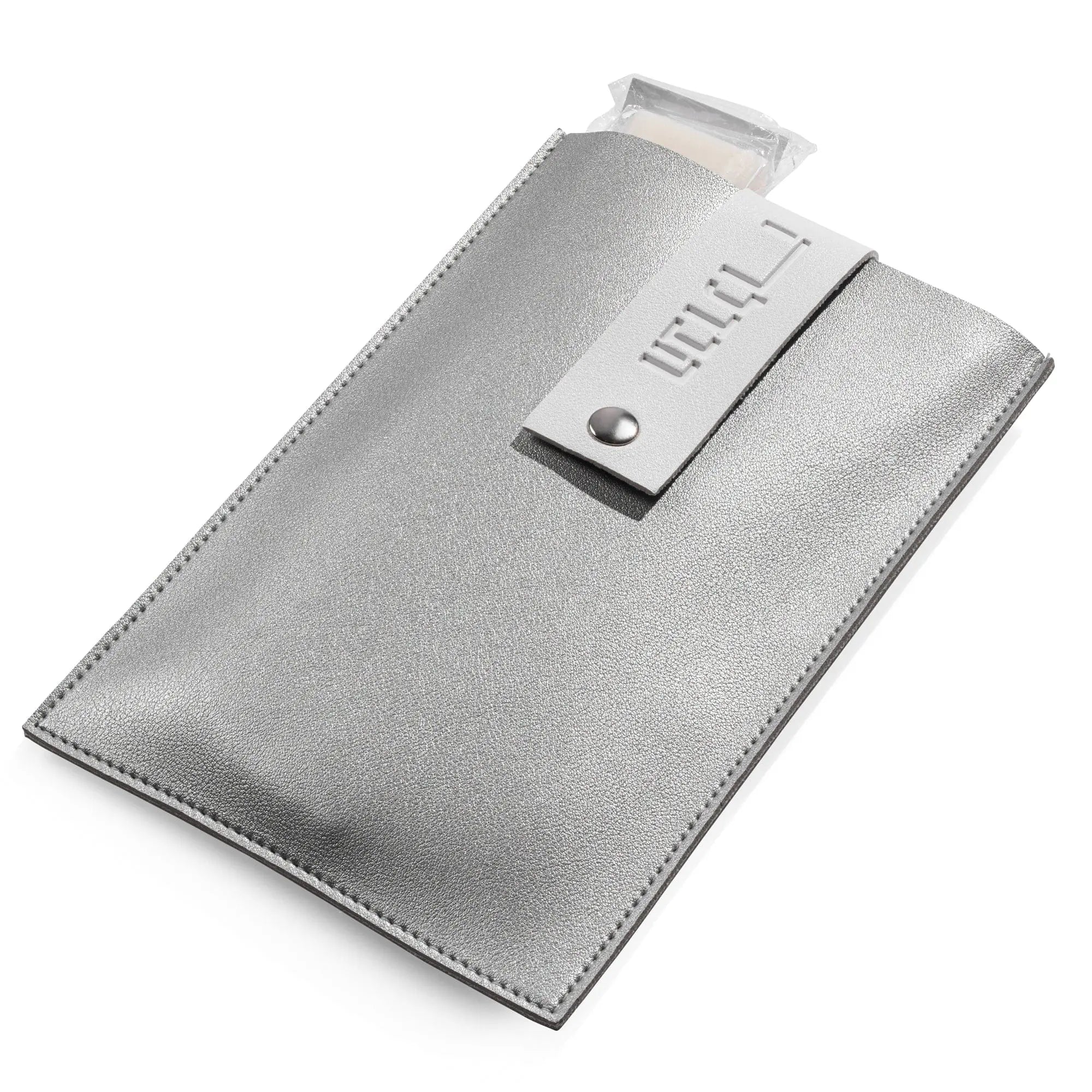
Our leather pieces use vegetable-tanned leather that develops character over time. A leather Seder plate used for ten Passovers will show a patina that speaks to its history and use. This isn't degradation—it's the development of soul that only comes from genuine materials and thoughtful craftsmanship.
The investment in premium materials directly impacts how long your pieces remain beautiful and functional. A budget-friendly plastic Kiddush cup might suit temporary needs, but it won't develop the gravitas that comes from holding something substantial and well-made during a meaningful ritual.
Integration with Modern Home Design
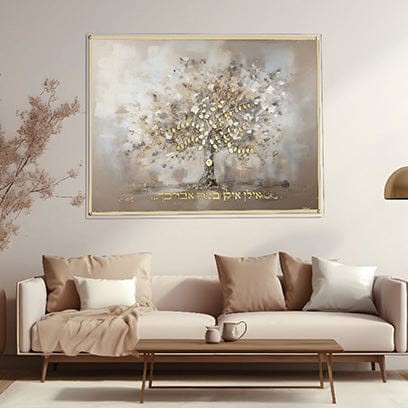
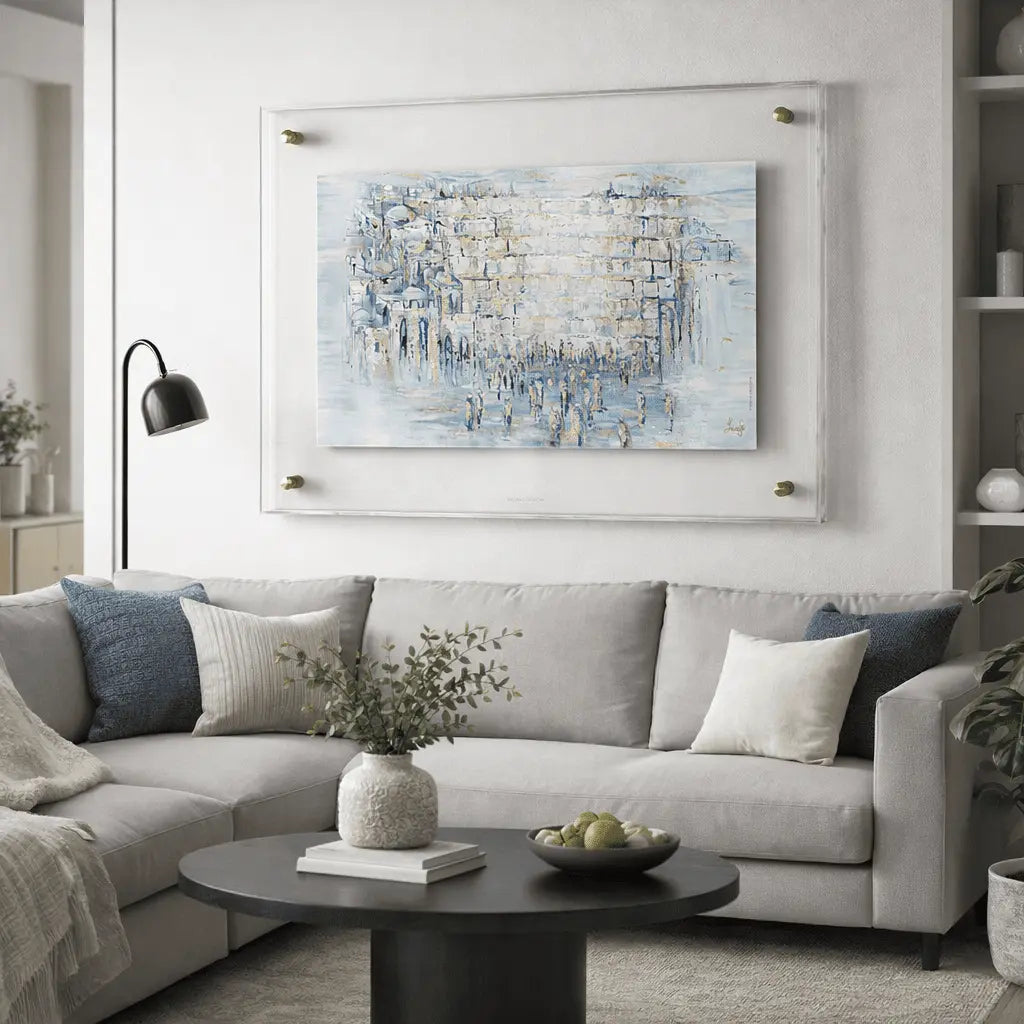
Here's what we've learned from our customers: the best Judaica pieces are ones you don't have to think about aesthetically. They belong so naturally in your space that they feel like they were always meant to be there.
This requires understanding contemporary design principles. Minimalist interiors work with white space, intentional color, and objects that earn their visual weight. Our pieces follow these principles rather than fighting against them. A clear lucite Kiddush cup on a glass shelf creates visual continuity rather than interruption. A neutral leather Seder plate complements rather than competes with modern tableware.
We also recognize that contemporary Jewish homes span diverse design aesthetics. Some feature Scandinavian minimalism, others embrace mid-century modern, and still others blend industrial elements with warm textiles. Our collections work across these styles because they're designed around timeless principles rather than temporary trends.

Integration also means scale. Oversized ornamental pieces diminish the visual calm that modern design seeks. Our pieces are sized for actual use and display—not designed to dominate a room, but to occupy it gracefully.
Our Waterdale Advantage in Contemporary Judaica
We created Waterdale specifically to address the gap we identified in the market. Traditional Judaica manufacturers focus on ornamental complexity. Modern home decor brands overlook ritual objects entirely. We do neither.
Our advantage rests on several factors. First, we design from a place of genuine understanding. Our team understands both Jewish observance and contemporary aesthetics. We're not decorators adding Judaica to our portfolios, nor are we traditional craftspeople trying to modernize. We're designers who live at the intersection of these worlds.
Second, we've invested in materials and techniques that deliver quality. Every lucite piece is crafted for clarity and durability. Our leather is selected for its ability to develop patina and character. We don't cut corners to hit price points—we price fairly for what we deliver.
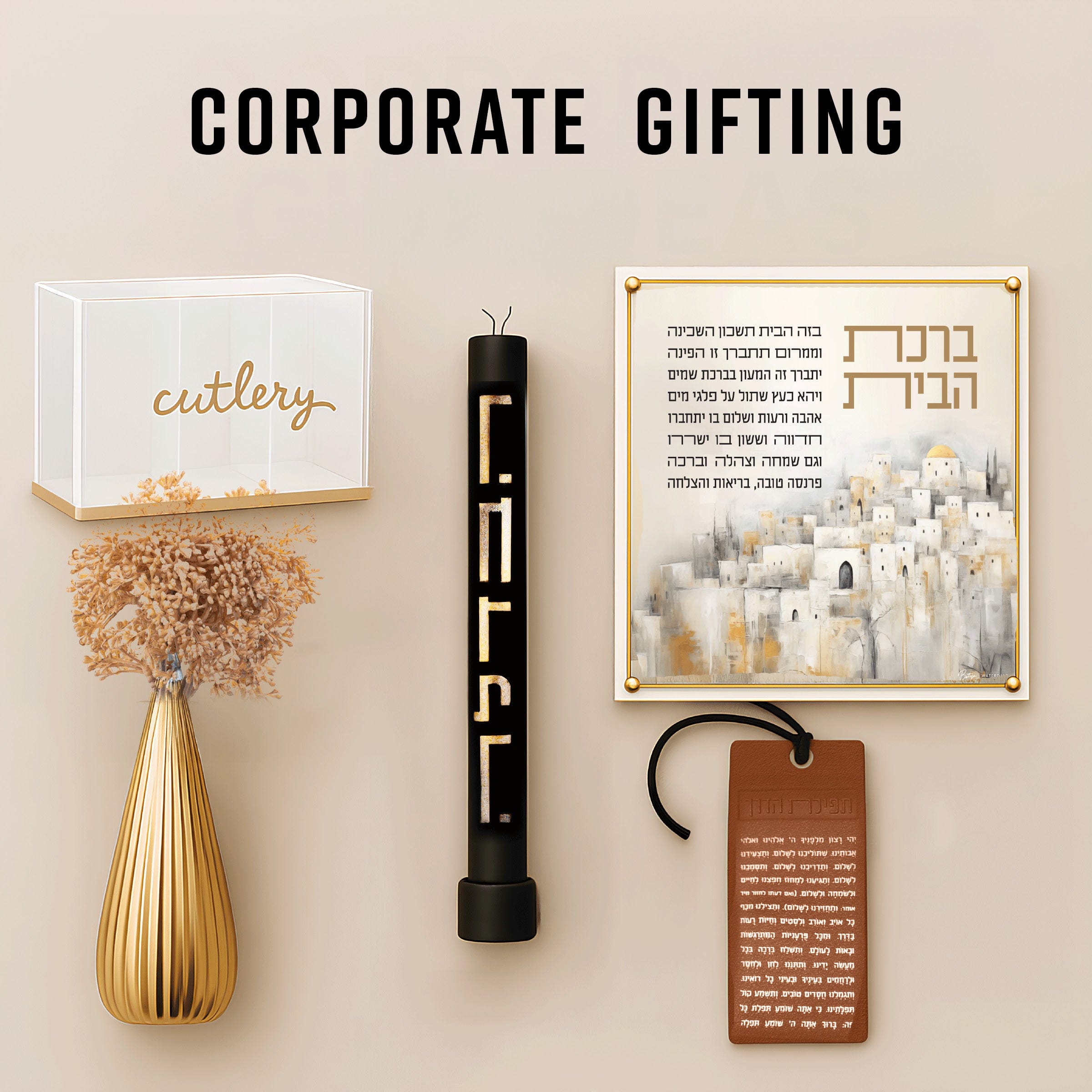
Third, our customization capabilities are built in from conception, not added as an afterthought. Whether you're selecting a custom Bar Mitzvah gift or designing corporate Judaica for your organization, we approach each project with the same design integrity we bring to our collections.
The Investment Value of Modern Pieces
A genuine question: are contemporary Judaica pieces more expensive than traditional options? Sometimes, yes—but the comparison misses what you're actually purchasing.
When you invest in a piece from our collections, you're acquiring something with functional longevity and aesthetic permanence. A beautifully designed lucite Chanukiah will work and look excellent in 2036. An ornate wooden piece from the same year might feel dated or require restoration. Minimalist design doesn't age. It persists.
Additionally, well-made contemporary pieces have resale and inheritance value that trendy décor doesn't. If your circumstances change, or if you're passing pieces to the next generation, minimalist Judaica crafted from premium materials holds its worth. A family might not want grandmother's elaborate ornamental pieces, but they'll treasure her elegant, timeless Kiddush cups.
There's also the psychological value of living with objects you genuinely love. When your Judaica seamlessly fits your home, you interact with it more naturally. You're more likely to use pieces intentionally rather than storing them away. That proximity to your ritual objects deepens your observance.
Customization Options for Personal Expression
Contemporary design doesn't mean impersonal. Quite the opposite—modern aesthetics allow for personalization without kitsch.
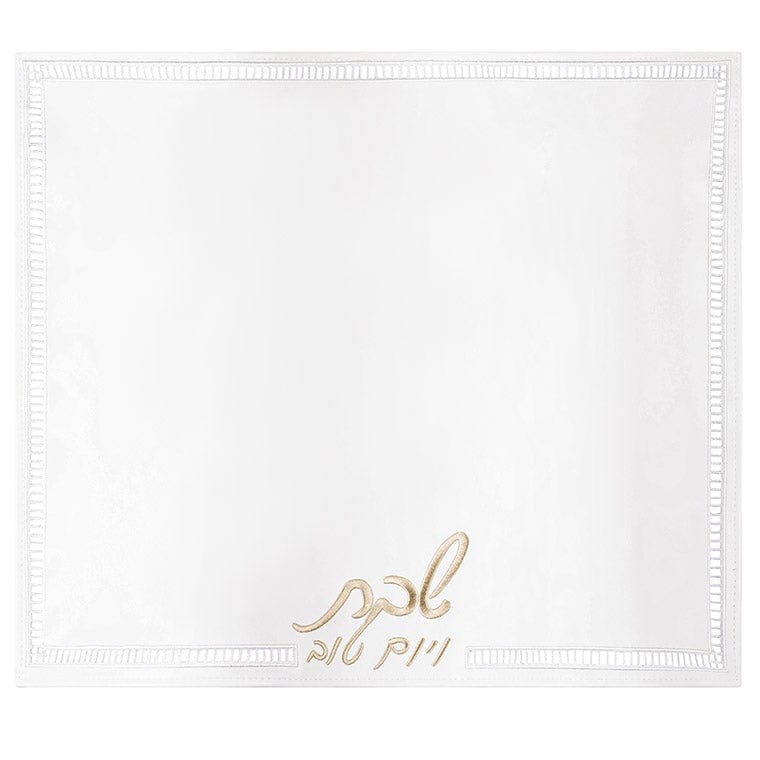
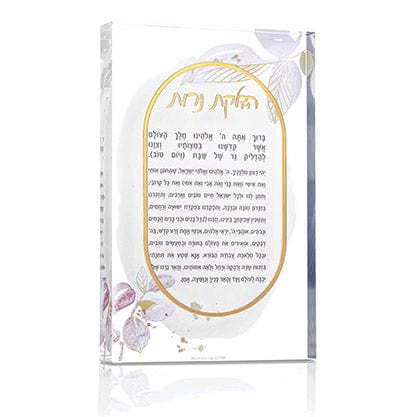
Our customization services let you inscribe dates, initials, or meaningful Hebrew phrases into lucite pieces. You can select leather colors and request custom sizing for tabletop collections. Corporate clients work with us to develop Judaica that reflects organizational values while maintaining design sophistication.

This level of personalization matters especially for life-cycle events. A Bat Mitzvah Kiddush cup commemorates a milestone while remaining elegant enough to use throughout adulthood. A custom leather Seder plate becomes a family heirloom because it reflects the specific family's values and aesthetic.
Customization also extends to corporate and organizational needs. Synagogues, Jewish organizations, and businesses increasingly want Judaica gifts that reflect their identity without resorting to generic options. We develop pieces that feel intentional and meaningful while maintaining the same design principles that make our collections work in homes.
Why Our Minimalist Approach Sets the Standard
The market for Judaica is shifting, and we're confident that contemporary minimalist design represents the future of how Jewish households will approach ritual objects and holiday decor.
This isn't speculation—it's evident in how our customers live. Younger Jewish families increasingly favor minimalist homes. Empty-nesters downsize into urban apartments where every object must earn its space. Multi-faith households need pieces that integrate with diverse design sensibilities. These aren't niche preferences. They're the reality of contemporary Jewish life.
Our minimalist approach also aligns with Jewish values in ways worth considering. Judaism emphasizes function and meaning over excess. A ritual object's purpose matters more than its decoration. By designing pieces that prioritize function and eliminate unnecessary ornament, we're actually returning to a more fundamentally Jewish approach to objects and observance.
We've also noticed that our customers engage differently with minimalist pieces. They're more likely to use them intentionally, discuss them thoughtfully, and pass them forward to the next generation. A beautiful object that fits your life naturally becomes part of your identity in ways that formal "holiday décor" never can.
Making the Confident Choice for Your Home
If you've felt caught between your desire for modern aesthetics and your commitment to Jewish observance, the tension you're experiencing is real—and it has a resolution.
Contemporary minimalist Judaica isn't a compromise. It's the natural evolution of how thoughtful Jewish families approach their homes and rituals in 2026. When you choose pieces designed with both integrity and sophistication, you're not choosing style over substance. You're choosing pieces that honor both equally.
Our Waterdale collections offer the specific solution to this dilemma. We design pieces that work beautifully in contemporary homes while serving your Jewish observance fully. Whether you're furnishing your first household, selecting gifts for meaningful occasions, or upgrading pieces that no longer reflect your aesthetic, our approach delivers both visual harmony and ritual authenticity.
Explore our collections and discover pieces that feel like they were made specifically for your home. Because, truly, they are. We design with your life in mind—the one you're actually living now, not an imagined traditional household from another era. That's the Waterdale difference, and it's why modern minimalist Judaica isn't just a style choice. It's the confident choice for a thoughtfully designed Jewish home.
For further reading: Modern Minimalist Judaica.
Shop Now