



















Introduction: Understanding Lucite in Contemporary Home Design
Lucite has become a staple in contemporary interiors because it delivers visual lightness without sacrificing strength. When you evaluate lucite quality and durability, you’re looking at how well this clear, sculptable material maintains optical clarity, resists wear, and stands up to everyday use. Its clean lines frame, rather than compete with, Judaica and decor—ideal for modern, minimalist spaces.
Technically, lucite is a high-grade form of acrylic (PMMA), so the real difference in acrylic vs lucite durability comes down to material grade and fabrication. Cast acrylic, often branded as Lucite, offers superior clarity (around 92% light transmission) and better resistance to crazing than extruded acrylic, while remaining up to 50% lighter and significantly more impact resistant than glass. Like all acrylics, it can scratch if abused, but UV-stabilized, cast sheets resist yellowing and maintain gloss far better over time.
Key indicators that signal premium lucite materials and long-term performance include:
- Cast-grade sheets (not extruded) for clearer edges, stronger bonds, and better polishability.
- Generous thickness (e.g., 10–15 mm for trays, bases, and risers) to improve rigidity and reduce flex.
- UV stabilization and colorless adhesives to preserve transparent acrylic quality and prevent edge clouding.
- Precision finishing—beveled or flame-polished edges and tight tolerances—as hallmarks of lucite craftsmanship for home decor.
- Quality hardware and joins, such as stainless fasteners, embedded magnets, and solvent-welded seams that won’t haze.
- Protective details like silicone feet and soft liners to enhance lucite resistance to damage on tabletops.
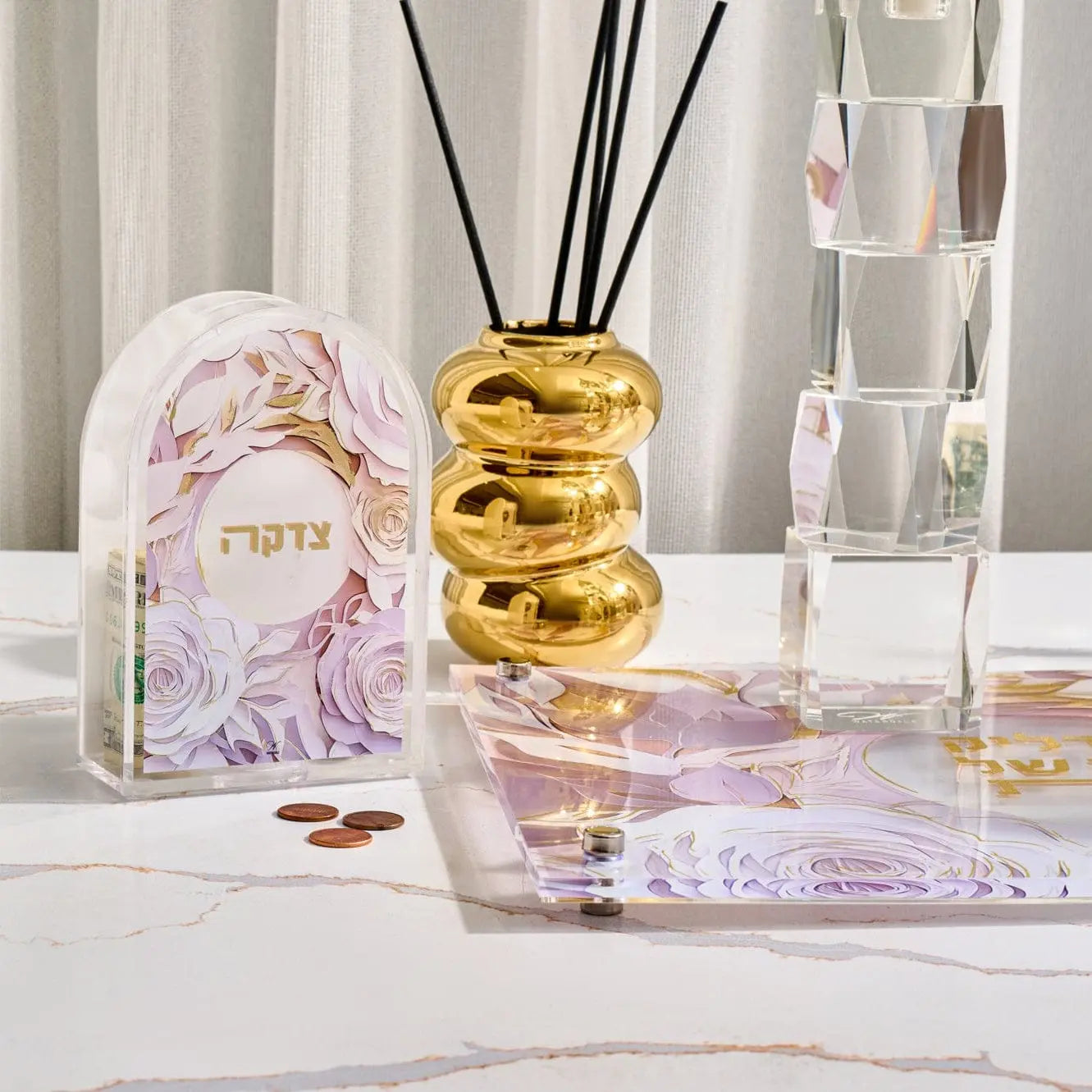
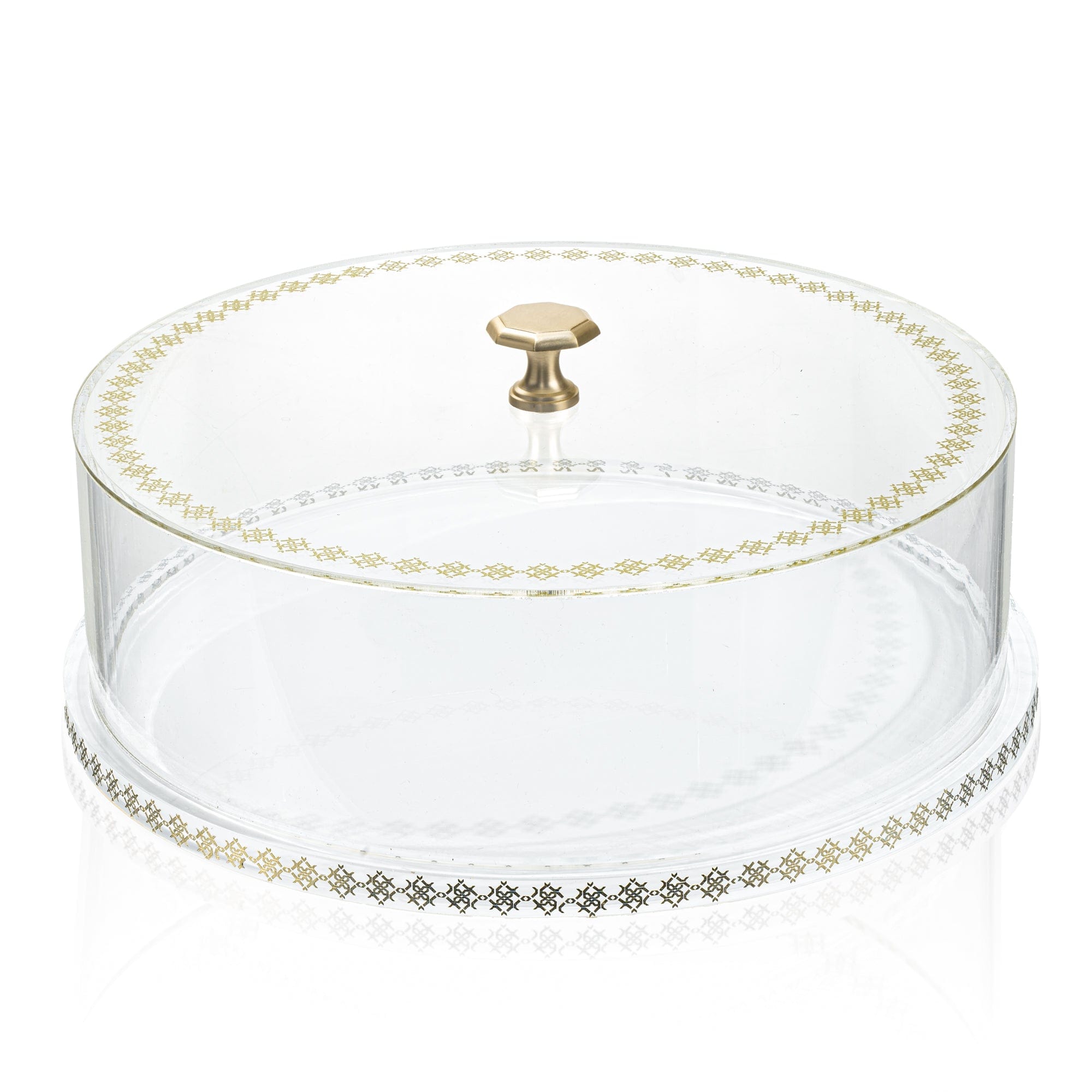
In practice, these attributes matter for high-touch pieces: a lucite challah board that doesn’t haze, a seder plate that stays crystal clear, or a mezuzah case with crisp edges that won’t yellow. Brands like Waterdale apply these standards across modern Judaica and tabletop accessories, pairing thick-gauge, cast lucite with careful finishing and durable hardware. For care, use mild soap, water, and a microfiber cloth—avoid ammonia or abrasives—to keep clarity and gloss intact.
What is Lucite: Material Composition and Properties
Lucite is the trade name for high-grade polymethyl methacrylate (PMMA), a transparent acrylic known for glass-like clarity and stable performance. Its transparent acrylic quality allows up to roughly 92% light transmission, delivering crisp edges and true color rendering in clear or tinted pieces. For designers evaluating lucite quality and durability, the material offers an appealing balance of optical excellence, manageable weight, and reliable structural integrity for everyday use.
- Optical clarity: Up to ~92% light transmission with excellent edge polishability for a water-clear finish.
- Impact strength: Significantly more impact resistant than glass while remaining dimensionally stable; less impact resistant than polycarbonate, but clearer and more scratch resistant than it.
- UV stability: Strong inherent resistance to yellowing and crazing outdoors compared to many plastics.
- Surface hardness: Harder than many polymers but softer than glass; minor abrasions can often be polished out.
- Thermal/chemical behavior: Thermoformable and machinable; service temperatures typically below 80–90°C (176–194°F). Avoid harsh solvents (acetone, ammonia) that can stress-crack PMMA.
In practical terms, acrylic vs lucite durability often comes down to grade and manufacturing method. Cast acrylic—commonly marketed as premium lucite materials—has higher molecular weight and fewer internal stresses than extruded sheet, which translates into better clarity, machining performance, and crack resistance at drilled holes or bonded edges. Thoughtful detailing like thicker sections, rounded corners, and precise solvent bonding enhances lucite resistance to damage, especially in frequently handled decor and tabletop pieces.
For lucite craftsmanship for home decor, fabrication quality matters as much as the resin itself. Brands like Waterdale Collection select thick, cast stock, then precision-polish edges, engineer clean joints, and pair lucite with leather or metal accents for elevated ritual items and gifts. In mezuzah cases, seder plates, or serving trays, this approach preserves transparent acrylic quality while delivering long-term durability; routine care with a microfiber cloth and mild soap keeps surfaces clear without introducing scratches.
Durability Factors: How Lucite Stands Against Daily Use
When people ask about acrylic vs lucite durability, it helps to know that Lucite is a high-grade form of acrylic (PMMA), and the best results come from cast acrylic rather than extruded. Cast, premium lucite materials deliver superior optical clarity, better chemical resistance, and more stable dimensions under load, which directly improves lucite quality and durability in everyday settings. Compared with glass, lucite is significantly more impact resistant yet lighter, while remaining more rigid and clearer over time than many plastics. It is not as tough against impact as polycarbonate, but it retains transparent acrylic quality without the yellowing and haze polycarbonate can develop.
In daily use, lucite resists chipping and shattering, with up to 10–20x the impact strength of glass, making trays or display stands safer on busy tables. Its surface is harder than many plastics but softer than glass, so use soft cloths to avoid hairline swirls; the good news is that light scratches can be polished out. UV-stabilized acrylic offers excellent colorfastness, preserving clarity in mezuzah cases or tabletop pieces near windows. Heat is a consideration: lucite softens around 90–100°C, so keep candlesticks and menorahs designed to manage flame heat and never expose lucite directly to open flame or very hot cookware.
Build quality determines long-term lucite resistance to damage. Thicker gauges reduce flex and stress cracking, precise solvent-welded joints prevent micro-crazing, and diamond-polished or buffed edges outperform quick flame-polished edges for longevity. Quality hardware and discreet feet protect surfaces and minimize micro-abrasion, while leather accents can add scuff resistance and a quieter set-down on serving pieces. Together, these choices elevate lucite craftsmanship for home decor from attractive to enduring.
- Dining and serving: Non-porous lucite shrugs off wine and oil; wipe with mild soap and water and avoid abrasive pads.
- Entryways and mezuzot: UV-stable material handles sunlight; mount securely and avoid harsh solvents near edges.
- Stands and organizers: Choose thicker panels for heavier books or benchers to prevent long-term bowing.
- Bath and vanity: Humidity is fine; keep away from acetone, ammonia, or alcohol-heavy cleaners to prevent crazing.
Routine care is simple: dust with a microfiber cloth, clean with diluted dish soap, and use plastic-safe polishes to restore gloss. Add felt pads under heavy accessories, and store pieces on flat surfaces to limit stress. With these practices, transparent acrylic quality stays crystal-clear and functional for years.
Waterdale Collection selects premium lucite materials, thoughtful thicknesses, and refined edge finishes across Judaica and tabletop pieces—seder plates, tzedakah boxes, trays, and mezuzot—engineered for weekly use. Their meticulous construction and optional leather detailing help pieces maintain clarity and structure, making them a reliable choice when lucite quality and durability truly matter.
Lucite vs Alternative Materials: A Comparative Analysis
In home decor, “Lucite” generally denotes premium-grade cast acrylic (PMMA) rather than lower-cost extruded sheets. When judging lucite quality and durability, cast construction matters: you get superior flatness, optical clarity, and stable edges that machine and polish cleanly. This transparent acrylic quality—often around 92% light transmission—produces the crisp, glasslike look favored in modern Judaica and contemporary tabletops.
- Versus glass/crystal: lighter weight, far less shatter-prone, but more scratch-prone (scratches can often be buffed).
- Versus standard acrylic (extruded): better clarity, rigidity, and polish; reduced internal stress and crazing.
- Versus polycarbonate: lower impact strength but better UV stability and clearer, harder-to-yellow surfaces.
- Versus resin/wood/metal: resin can yellow and warp; wood needs sealing; metal adds weight and shows fingerprints.
Compared to glass and crystal, lucite delivers everyday practicality without sacrificing elegance. Glass resists minor scratches better, but lucite resistance to damage from drops and knocks is higher—ideal for items like candlestick trays or kiddush stands where accidents happen. Clarity is comparable or better than typical soda-lime glass, and the lighter weight makes large decor pieces easier to move and clean.

The acrylic vs lucite durability question often comes down to manufacturing. Cast lucite resists stress cracking and maintains edges after drilling or laser-cutting, while extruded acrylic can haze at cut lines and is more prone to warping. Polycarbonate beats both for impact, but it scratches easily and can yellow in sunlit rooms; lucite’s inherent UV resistance suits bright dining areas and windowed shelves. Avoid ammonia or solvent cleaners; mild soap and water preserve finish and polish.
Resin decor can be visually striking but may amber over time and soften with heat, making it less ideal for warm serving setups. Wood and leather add warmth yet need care around moisture; metal provides longevity but adds heft. Lucite’s balance—clarity, formability, and maintenance ease—makes it a strong choice for mezuzah cases, seder plates, and serving risers that must look pristine through repeated use.
Waterdale Collection leverages premium lucite materials with meticulous finishing to deliver lucite craftsmanship for home decor and Judaica that stays beautiful in real life. Thick-gauge components, precision-polished edges, and thoughtful design details make their pieces gift-worthy yet durable for weekly and holiday rituals. For modern, resilient alternatives to glass or resin, Waterdale’s curated lucite lineup offers a dependable, design-forward solution.
Quality Indicators When Selecting Lucite Products
Start with the material and method. For superior lucite quality and durability, look for cast PMMA (often sold under the Lucite brand) rather than extruded acrylic. Cast sheets have lower internal stress, better optical clarity, and bond more cleanly—key advantages in acrylic vs lucite durability comparisons where “lucite” denotes premium lucite materials and tighter quality control.
Evaluate optical purity. High‑grade transparent acrylic quality should be water‑clear with no haze, bubbles, or yellowing at the edges. Slight color shifts or ripples indicate lower‑quality resin or rushed molding. For tabletop pieces like trays or bencher stands, look for uniformly clear panels with crisp reflections and no distortion when viewed at an angle.
Check thickness and structural design. Trays and risers typically perform well at 3/8 in (9–10 mm), while frames and small stands can be 1/4 in (6 mm); larger loads call for thicker gauges or added ribs. Quality makers publish load guidance and use wide bases, corner braces, or discreet metal fasteners to reduce flexing and improve lucite resistance to damage.
Inspect craftsmanship and joins. Edges should be diamond‑polished (smooth, glass‑like) rather than roughly flame‑polished, and seams should be solvent‑welded with clear, bubble‑free bonds. Hardware matters: countersunk screws, stainless or brass fittings, and flush leather inlays signal elevated lucite craftsmanship for home decor. Heat‑adjacent Judaica (e.g., candle trays) should include metal or glass inserts to shield the lucite from direct flame and heat.
A quick quality checklist:
- Cast PMMA sheet with UV‑stable resin and published thickness
- Water‑clear optics without haze or inclusions
- Diamond‑polished edges and solvent‑welded, bubble‑free seams
- Appropriately gauged panels for the intended load
- Stainless/brass hardware, countersunk and aligned
- Non‑slip feet to prevent stress points on tabletops
- Care guidance (microfiber cleaning) and a clear warranty
Brands like Waterdale Collection exemplify these standards by pairing premium lucite materials with precise polishing, reinforced joints, and thoughtful heat‑safe designs in modern Judaica. Their leather accents, customization options, and gift-ready packaging further signal attention to detail that supports long‑term durability and daily use.
Maintenance and Care Tips for Long-Lasting Lucite Items
Proper care preserves lucite quality and durability by protecting its crystal‑clear surface from haze and micro‑scratches. Compared with general acrylic vs lucite durability, cast PMMA (often marketed as Lucite) is harder and clearer than extruded acrylic, but both benefit from gentle maintenance. Because transparent acrylic quality reveals every fingerprint, adopt a routine that cleans without creating swirl marks.
For everyday cleaning, use a soft microfiber cloth with lukewarm water and a drop of mild dish soap. Avoid ammonia, alcohol, acetone, citrus, and abrasive powders, which can cause clouding or stress crazing and diminish lucite resistance to damage. To reduce static and dust attraction, finish with a plastic‑safe cleaner or polish (e.g., products formulated for PMMA), then dry with a fresh microfiber to prevent water spots.
Smart handling habits extend the life of premium lucite materials and maintain lucite craftsmanship for home decor:
- Always lift trays and displays—do not slide them across stone or wood.
- Use coasters and trivets; avoid placing hot cookware or candles directly on the surface.
- Keep away from prolonged direct sun and high heat vents that can warp or craze edges.
- Add clear, non‑marking rubber feet to bases to prevent scuffing.
- Do not stack pieces without soft separators; store vertically when possible to avoid bowing.
- Skip aggressive adhesives; if labeling is necessary, use low‑tack painter’s tape and remove promptly.
- For fine scratches, apply a plastic polish system (e.g., Novus #2) with light pressure; seek professional refinishing for deep gouges.
For Judaica and tabletop pieces that see frequent handling—mezuzah cases, serving boards, or seder plates—rinse promptly after use, then wash gently and dry fully. Avoid dishwashers, which expose PMMA to heat and harsh detergents. Routine care like this keeps edges crisp and surfaces luminous.
Waterdale Collection crafts modern Judaica and decor from premium lucite materials, so regular, gentle maintenance goes a long way in preserving their clarity and structure. If you’re selecting new pieces, Waterdale’s build quality simplifies upkeep and ensures long‑lasting beauty across everyday use and special occasions.
Real-World Performance: Lucite in Functional Tableware
Functional tableware exposes materials to spills, knocks, and frequent handling, making lucite quality and durability a practical concern—not just an aesthetic one. In everyday use, high-grade cast acrylic (often called Lucite) offers excellent optical clarity, strong impact resistance compared to glass, and stable geometry when pieces are properly designed with adequate thickness.
Understanding acrylic vs lucite durability helps set expectations. “Lucite” is a premium form of acrylic (PMMA); cast sheets generally outperform extruded acrylic in clarity, surface hardness, and resistance to micro-crazing. While transparent acrylic quality is high, it can scratch more easily than glass and softens under high heat, so avoid direct contact with oven-hot cookware and abrasive pads.
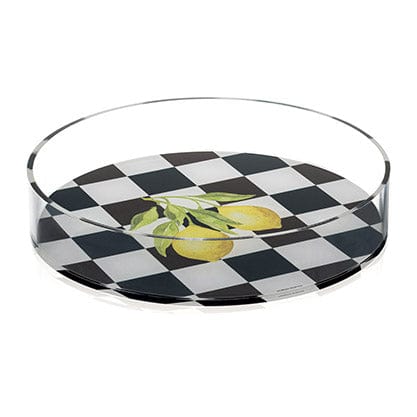
In real-world settings, lucite trays, chargers, and coasters excel at showcasing food while resisting shattering, staining from brief contact, and moisture damage. Thoughtful proportions, beveled edges, and silicone feet enhance lucite resistance to damage by dispersing impact and preventing slip-induced scuffs. For Judaica and entertaining, lucite craftsmanship for home decor allows inserts, monograms, and modular components that maintain clarity and function over repeated use when properly cared for.
To maximize longevity with premium lucite materials:
- Hand-wash with mild soap and a soft cloth; avoid dishwashers, ammonia, and solvent-based cleaners.
- Keep away from direct, prolonged UV exposure and extreme heat sources.
- Use microfiber to dry; add felt or silicone buffers between stacked pieces.
- Treat fine scuffs with plastic polish; avoid abrasive powders and scouring pads.

Waterdale’s modern Judaica and tabletop collections apply these best practices with thicker-gauge cast acrylic, smooth hand-finished edges, and stability features like non-slip feet and metal hardware where appropriate. The result is elevated serving pieces and ritual items that preserve clarity and form, aligning lucite quality and durability with the demands of daily hosting and holiday use.
Environmental and Aesthetic Benefits of Premium Lucite
Premium lucite elevates interiors by combining museum-grade clarity with long-term performance. For homeowners evaluating lucite quality and durability, its optical purity—often up to 92% light transmission—keeps rooms bright and visually light, while precise machining enables crisp edges and seamless silhouettes suited to contemporary Judaica and minimalist decor. Brands like Waterdale Collection use this strength to design ritual objects that feel modern without losing reverence.
- Long lifespan cuts replacement cycles, reducing waste compared to fragile glass or lower-grade plastics.
- Shatter and chip resistance lowers breakage during daily use and shipping, minimizing discard rates.
- Lightweight panels reduce transport emissions and packaging needs relative to glass of similar dimensions.
- Repairable surfaces allow fine scratches to be buffed out; PMMA is also recyclable in specialized streams and can be depolymerized back to monomer in industrial processes (availability varies by region).
- Chemically inert, low-VOC, and BPA-free composition cleans with mild soap and water, avoiding harsh solvents.
Transparent acrylic quality varies, and lower-cost sheets can yellow or craze under UV exposure and aggressive cleaners. In the acrylic vs lucite durability discussion, premium lucite grades incorporate UV stabilizers, tighter thickness tolerances, and superior polishing, which preserve clarity and reduce micro-scratching over time. That translates to enhanced lucite resistance to damage from everyday handling, plus the option to restore finishes through careful polishing or flame-finishing when appropriate.
In practice, this makes lucite craftsmanship for home decor ideal for mezuzah cases, seder plates with removable bowls, challah boards with protective covers, and candle drip trays that stay crystal-clear after frequent use. Waterdale Collection selects premium lucite materials and pairs them with leather or metal accents, offering laser engraving for Hebrew text, monograms, or corporate marks for thoughtful gifts. The result is functional Judaica that supports sustainable purchasing while maintaining a refined, transparent aesthetic through years of observance.
Common Misconceptions About Lucite Durability
Many misconceptions about lucite quality and durability stem from treating all acrylic alike. In acrylic vs lucite durability comparisons, low-cost extruded sheets are often stacked against cell-cast Lucite-grade PMMA, which perform very differently. Cast acrylic delivers higher optical clarity, better surface hardness, and greater dimensional stability—especially in the thicker gauges common for trays, risers, and Judaica displays. That foundation matters more than the generic label of “plastic.”
- It scratches instantly: While softer than glass, premium lucite materials resist everyday scuffs, and typical micro-scratches can be buffed out with plastic polish and a microfiber cloth.
- It yellows quickly: UV-stabilized, cell-cast PMMA maintains clarity for years indoors; prolonged outdoor exposure or high heat accelerates aging, but modern formulations dramatically reduce yellowing.
- It’s brittle: PMMA is roughly 10–20x more impact resistant than glass of similar thickness, though less than polycarbonate. Rounded internal corners, generous wall thickness, and stress-relief during fabrication mitigate cracking.
- Heat ruins it: Continuous service temperatures are about 80–90°C (176–194°F). Keep candles and hot cookware off the surface, use silicone buffers, and maintain safe distances from open flame.
- Any cleaner works: Avoid ammonia, alcohol, or acetone. Use mild soap, water, microfiber, and an anti-static polish to preserve transparent acrylic quality.
- Seams fail over time: Properly prepared solvent or UV-bonded joints create durable, nearly invisible seams when executed by experienced fabricators.
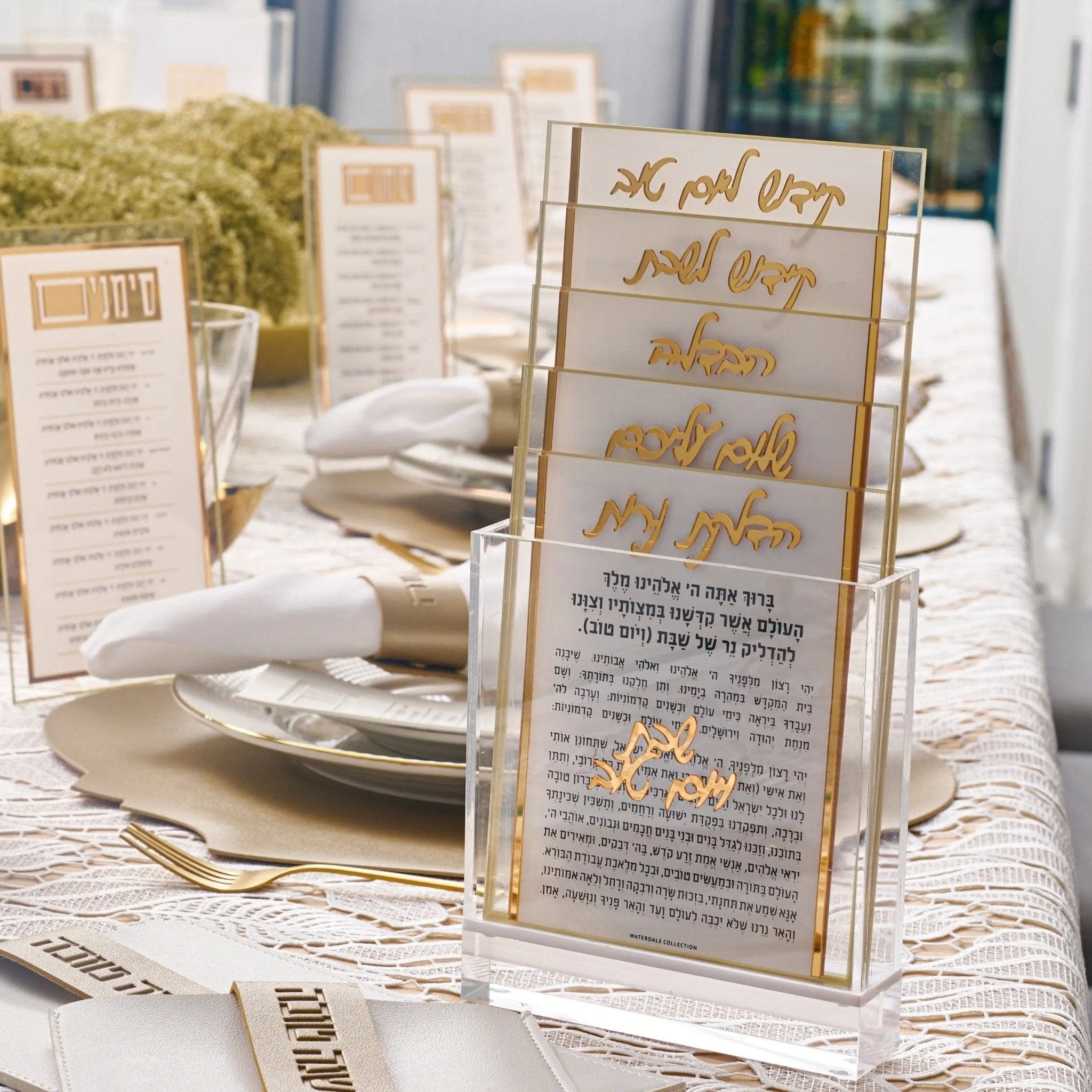
Lucite craftsmanship for home decor also shapes performance. Beveled, flame-polished edges, embedded metal hardware, and soft feet minimize chipping, vibration, and surface wear on items like mezuzah cases, seder plates, bencher holders, and charity boxes. Thoughtful engineering directly improves lucite resistance to damage during daily use and holiday setup.
Waterdale applies these best practices, specifying thick, UV-stable cast sheets, precise bonding, and protective details across its modern Judaica and serving collections. The result is clear, stable pieces that stand up to frequent handling while retaining a refined look. For buyers evaluating lucite quality and durability, this level of material selection and finish is a reliable signal of long-term value.
Conclusion: Making Informed Decisions About Lucite Investment
Choosing lucite is ultimately about balancing beauty with performance. By understanding lucite quality and durability, you can evaluate whether a piece will stay crystal-clear, resist everyday wear, and complement your space for years. Look closely at material grade, construction, and care requirements before you invest.
On the material side, acrylic vs lucite durability often comes down to formulation and process. Cell-cast PMMA (commonly known as Lucite) offers superior clarity and stability, with transparent acrylic quality around 92% light transmission and less tendency to yellow than lower-grade blends. It has excellent impact resistance compared to glass and better scratch resistance than polycarbonate, though it can still mark and should be polished periodically. Thickness, UV stabilizers, and hardware all influence lucite resistance to damage in real-life use, whether on a seder plate, challah board, or mezuzah case.
Use this quick checklist when comparing pieces:
- Material: Cell-cast PMMA vs extruded; confirm premium lucite materials and UV stability.
- Thickness: Heavier gauges (e.g., 10–15 mm for trays, 6–10 mm for stands) improve rigidity and longevity.
- Craftsmanship: Clean, bubble-free solvent bonds; beveling and flame-polished edges; protective feet or pads.
- Hardware: Stainless or brass fasteners; quality magnets for lids; smooth, aligned hinges.
- Finish and clarity: Uniform transparency with no haze; consistent color for tinted pieces.
- Care guidance: Non-ammonia cleaners, microfiber cloths, scratch-removal polish; clear temperature limits.
- Policies: Warranty, repair options, and replacement parts for long-term upkeep.
Plan for maintenance just as you would with fine wood or metal. For example, a lucite challah board will show knife marks over time—choose replaceable tempered-glass inserts or plan to buff with acrylic polish. Keep ritual trays away from very hot items, avoid alcohol and acetone, and rinse candle wax with warm (not boiling) water to protect edges and bonds.
For those seeking lucite craftsmanship for home decor grounded in modern Judaica, Waterdale integrates premium lucite materials with precise joinery and leather accents. Their collections—think elegant seder plates, minimalist mezuzot, and refined tabletop accessories—prioritize clarity, stability, and thoughtful details like protective bumpers and discreet hardware. With custom engraving, corporate and personal gifting options, and gift message and ribboning services, Waterdale makes it easy to invest in pieces that look stunning and are built to last.
Shop Now