


















Preparing for the Passover Seder can feel like a mountain of details. Whether you are hosting your first Seder or your fiftieth, the goal is the same: to move from the "constriction" of preparation to the "freedom" of a beautiful, meaningful evening.
This guide covers the essential components every Seder table needs to tell the story of the Exodus with elegance and ease.

1. The Seder Plate (Ka’arah): Your Visual Storyteller
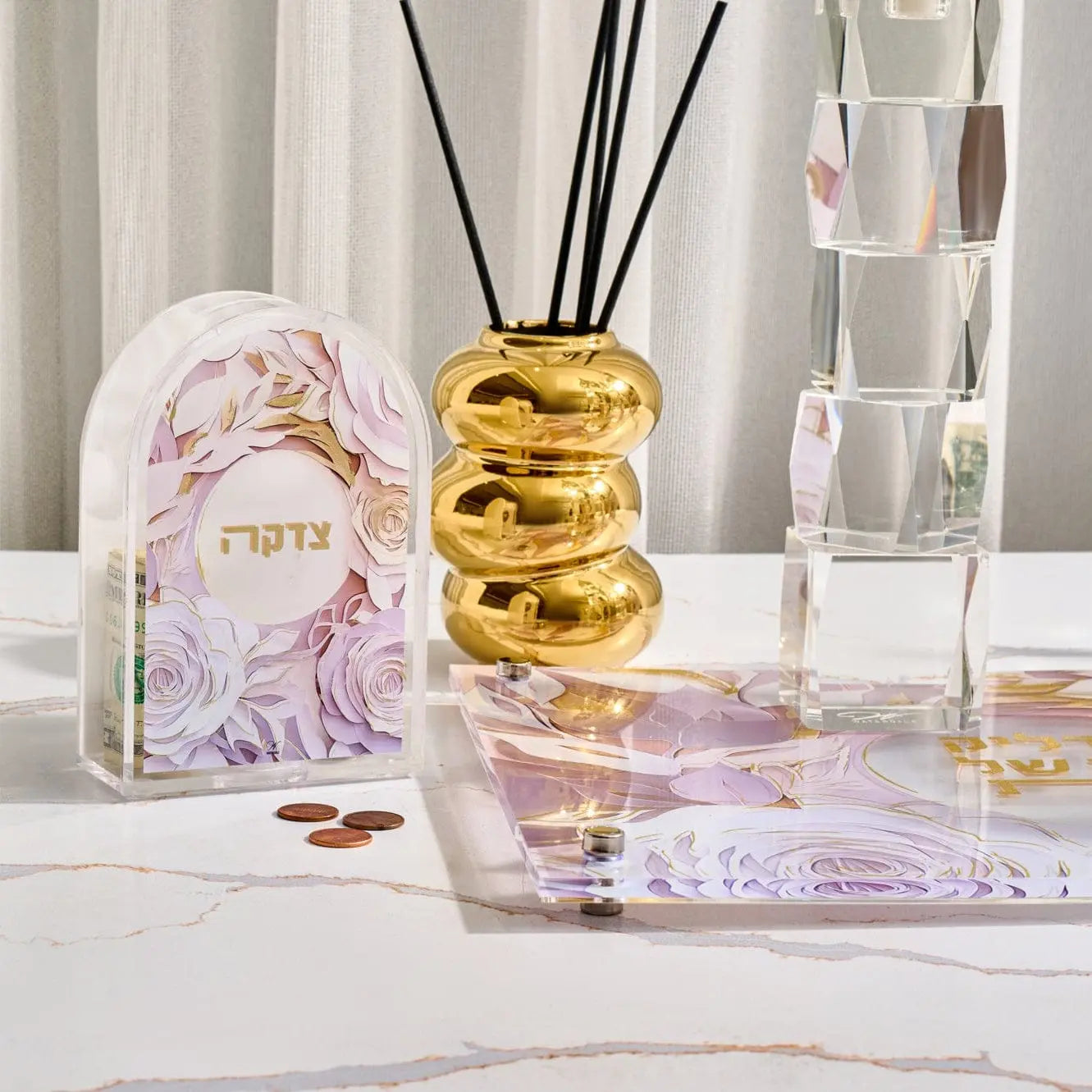
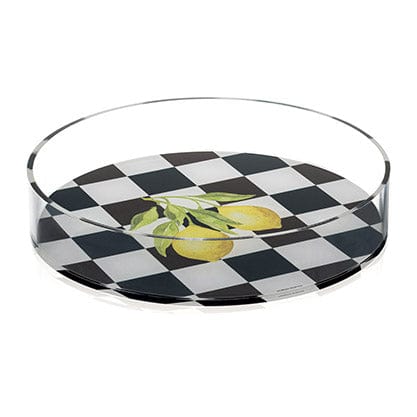
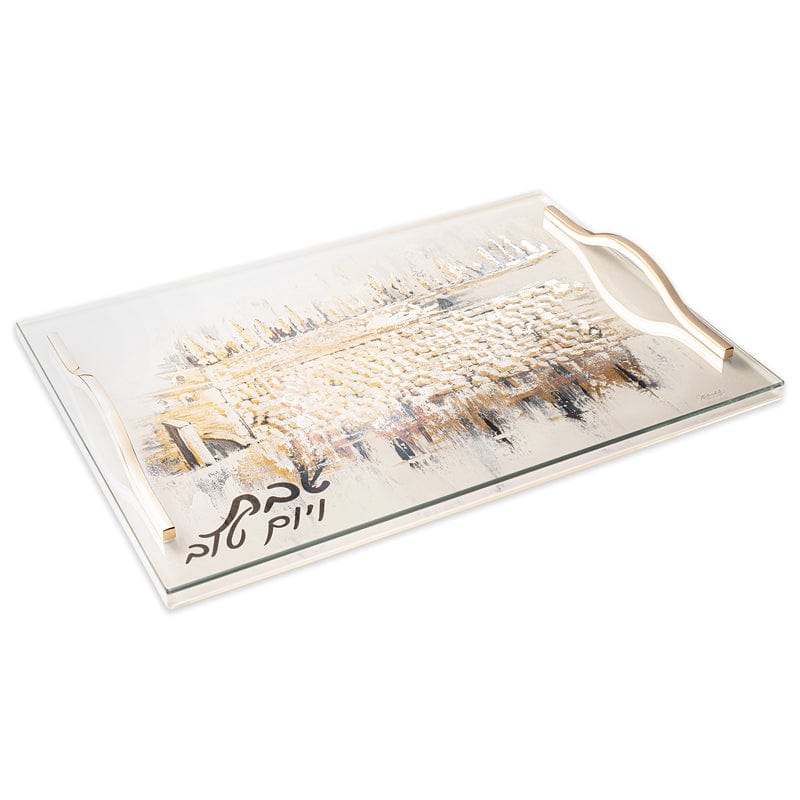
The Seder plate is the centerpiece of the evening. To rank well in 2026, many hosts are moving toward functional art—pieces that serve as both ritual objects and stunning table decor.
What goes on the Seder plate?
* Zeroah (Shankbone): Symbolizes the Paschal sacrifice.
* Beitzah (Roasted Egg): Symbolizes the festival sacrifice and the circle of life.
* Maror (Bitter Herbs): Usually horseradish; reminds us of the bitterness of slavery.
* Charoset: A sweet paste of fruits and nuts representing the mortar used by Hebrew slaves.
* Karpas (Vegetable): Usually parsley or boiled potato, dipped in salt water to represent tears and spring.
* Chazeret: A second bitter herb (often Romaine lettuce).
> Pro Tip: If you’re short on space, look for tiered Seder plates that allow you to stack your three Matzahs directly beneath the symbolic foods.
>
2. The "Big Three" Essentials for Every Table
To ensure your guests can follow along comfortably, ensure these three items are at every seat:

* The Haggadah: In 2026, the trend is toward Commentary Haggadahs that provide conversation starters for guests of all backgrounds.
* Kiddush Cups: Each guest needs a cup for the four glasses of wine. For a modern look, consider hammered stainless steel or vibrant resin instead of traditional heavy silver.
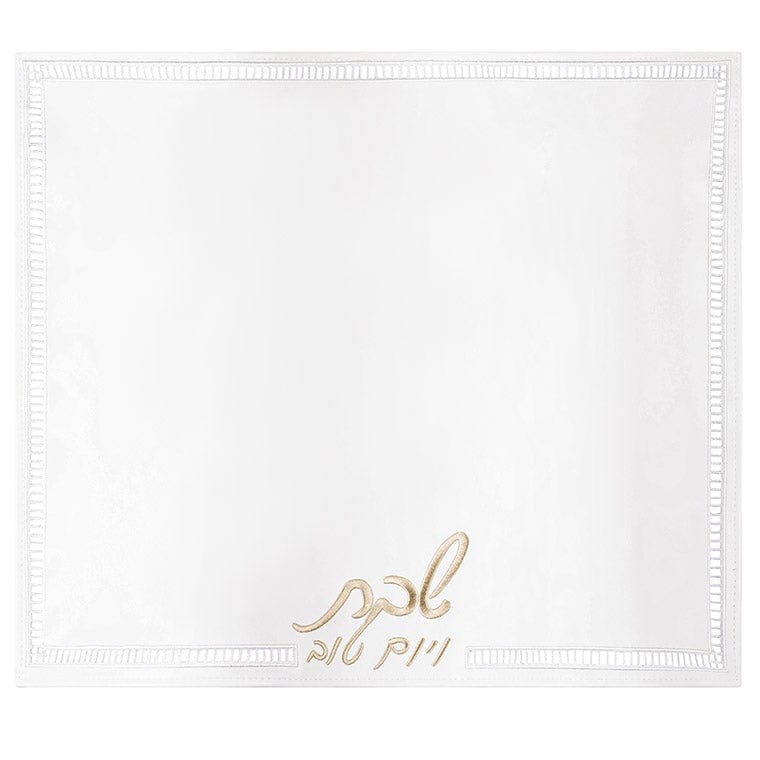
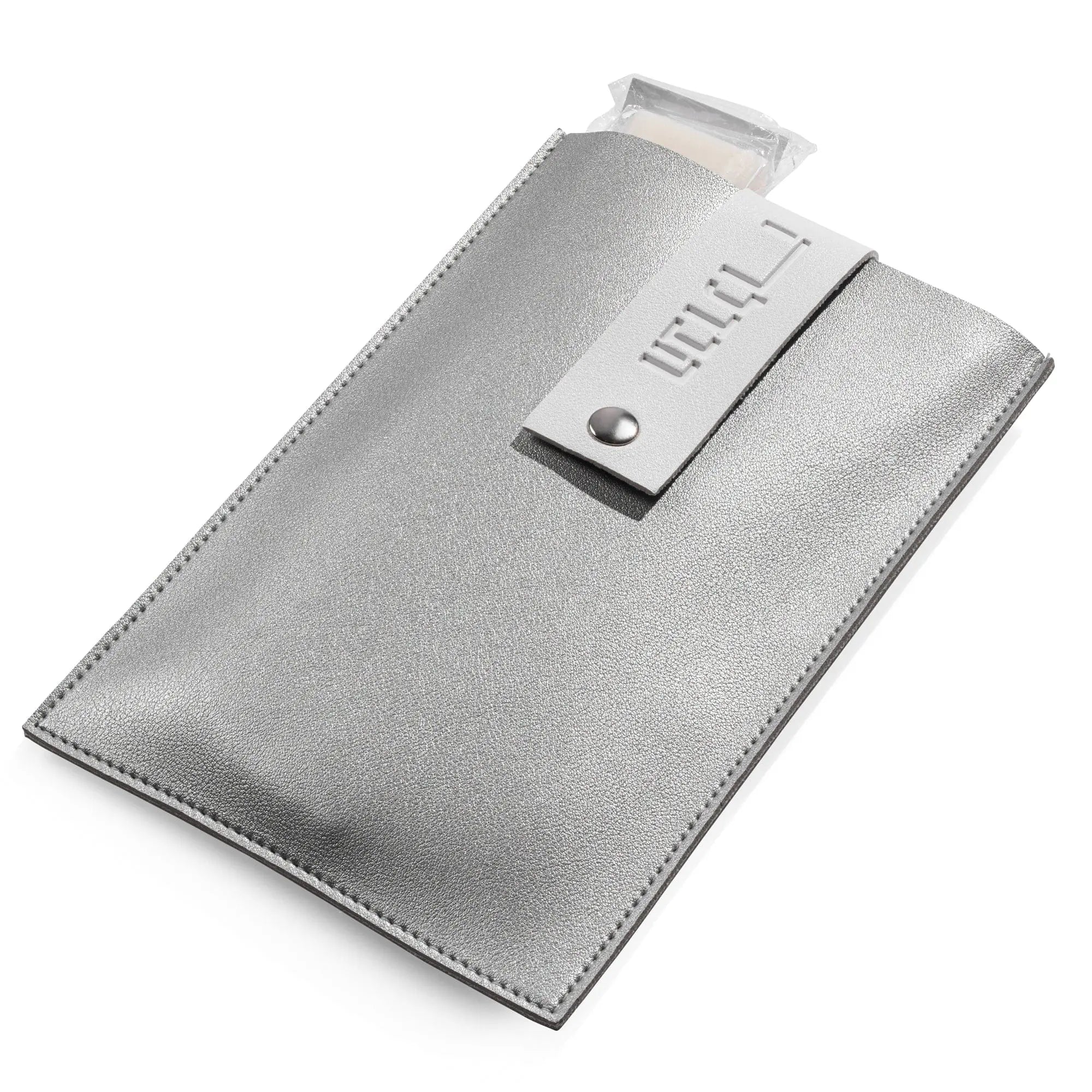
* Matzah Covers & Afikomen Bags: Since the Matzah is the "Bread of Affliction" turned "Bread of Freedom," it deserves a beautiful embroidered cover.
3. Frequently Asked Passover Questions (FAQ)
How many glasses of wine are drunk at the Seder?
There are four cups of wine (or grape juice) drunk at specific intervals to represent the four expressions of redemption promised by G-d.
Why do we recline at the Seder?
In ancient times, only free people and royalty reclined while eating. We recline to the left to show that we are no longer slaves, but free people celebrating our liberation.
What is the Afikomen?
The Afikomen is the larger half of the middle Matzah broken early in the Seder. It is hidden and later "found" or "ransomed" by the children to be eaten as the very last thing at the meal.
4. Setting a Modern Seder Table
SEO data shows a massive spike in searches for "Modern Judaica Table Decor." To make your table "Instagram-ready" while staying traditional:
* Color Palette: Use "Baby Pink" or "Jerusalem Blue" linens to provide a soft, contemporary backdrop for your Seder plate.
* Centerpieces: Intersperse your ritual items with small bowls of salt water and sprigs of fresh parsley to keep the "Karpas" theme alive throughout the table.
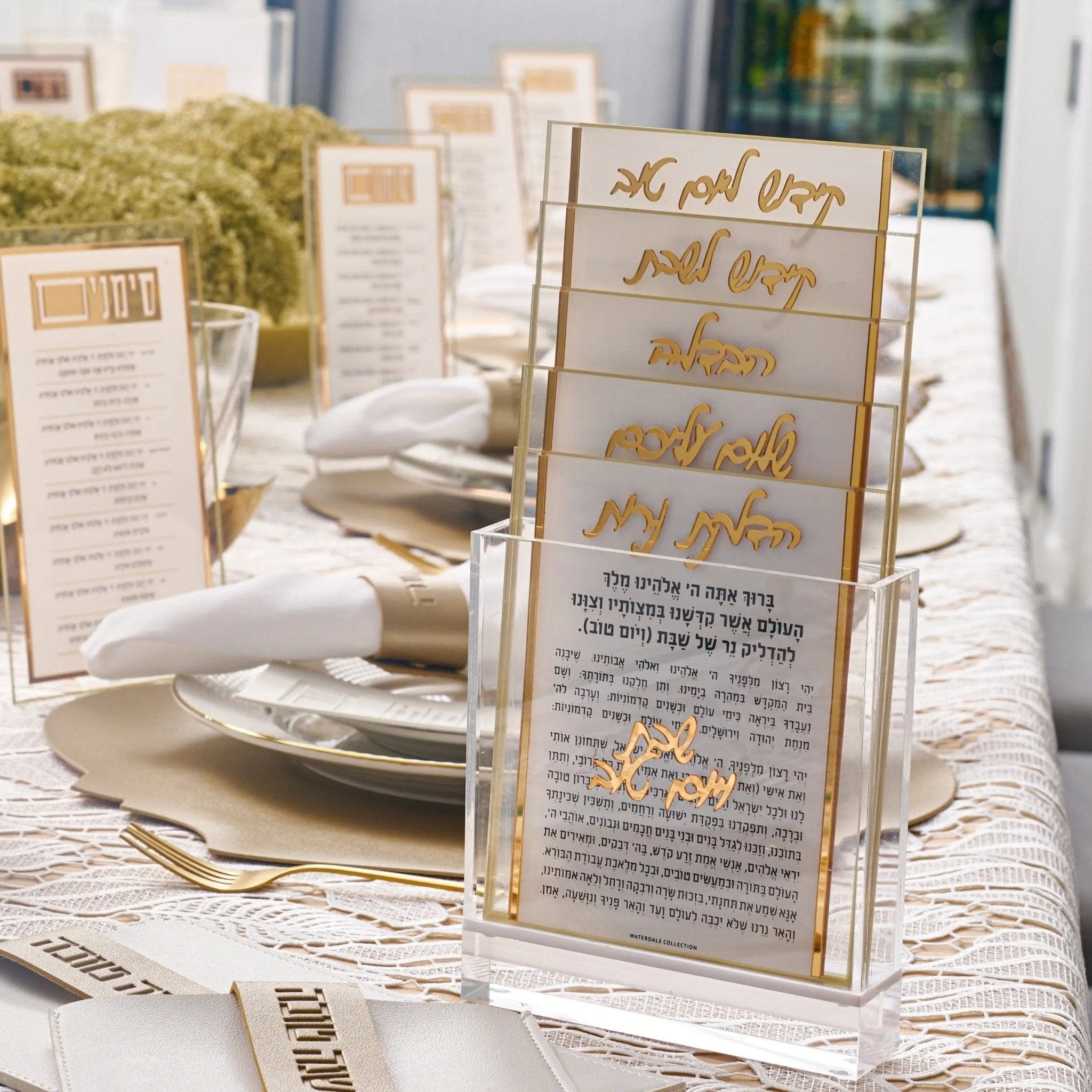
* Personalization: Small touches, like personalized place cards or themed stickers for children’s Haggadahs, keep the younger generation engaged.
Checklist: Did You Forget Anything?
* [ ] Seder Plate & 6 Symbolic Foods
* [ ] 3 Whole Matzahs (and extra for the meal!)
* [ ] Salt water in small dipping bowls
* [ ] Elijah’s Cup (and Miriam’s Cup)
* [ ] Pillows for reclining
* [ ] Rewards/Gifts for the Afikomen finders
Would you like me to create a social media caption or an email newsletter draft to promote this article once it's on your site?