


















The Challenge of Modern Seder Table Design
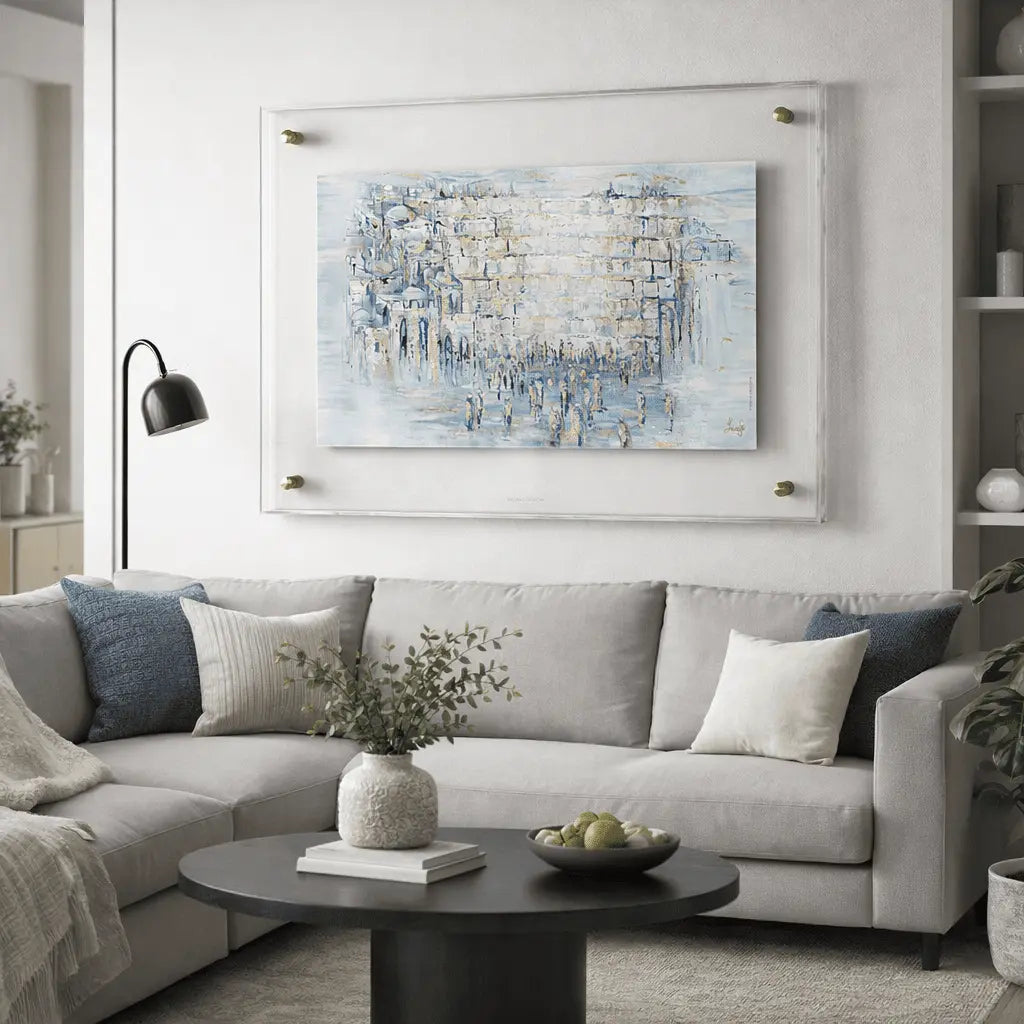
Hosting a Seder brings together tradition, family, and meaningful ritual. Yet many of us face a real tension: we want to honor these customs while creating a table that reflects how we actually live today. Your dining room likely features clean lines, minimalist aesthetics, or modern artwork. Bringing in ornate, heavily decorated Judaica pieces can feel jarring rather than cohesive.
The practical challenge runs deeper than aesthetics alone. Traditional Seder table items often carry visual weight and formality that can overshadow the meal itself. You're left choosing between preserving heritage and creating a space that feels authentically yours. This dilemma intensifies when you're entertaining guests with varying comfort levels around ritual observance. A table that feels welcoming and intentional rather than obligatory sets a better tone for meaningful conversation.
Contemporary Seder table styling addresses this by starting from the premise that tradition and modernity aren't opposing forces. Instead, they can inform each other.
Why Traditional Designs Fall Short for Today's Homes
Heavy, ornamental Judaica items were designed for specific contexts: formal dining rooms with period furniture, decorative collecting traditions, and visual abundance as a sign of respect and celebration. Today's homes operate differently. Many of us favor open layouts, neutral color schemes, and functional design. Placing a large, ornately carved wooden Seder plate in a Scandinavian-inspired dining room creates visual discord rather than enhancement.
Beyond aesthetics, traditional pieces often lack functional integration. A decorative plate is beautiful to behold but cumbersome to use during the meal. If your Seder plate doesn't fit well with how you actually eat, serve, and clear dishes, you'll feel the friction throughout the evening. Storage presents another practical issue. Elaborate pieces demand careful handling and dedicated cabinet space that many modern homes simply don't have.
There's also a cultural shift worth acknowledging. Younger generations and newer community members may find ornate traditional styling intimidating rather than inviting. A contemporary table signals that Jewish observance is living and evolving, not locked in the past. This approach expands who feels welcome at your table.
Our Approach to Contemporary Judaica Styling
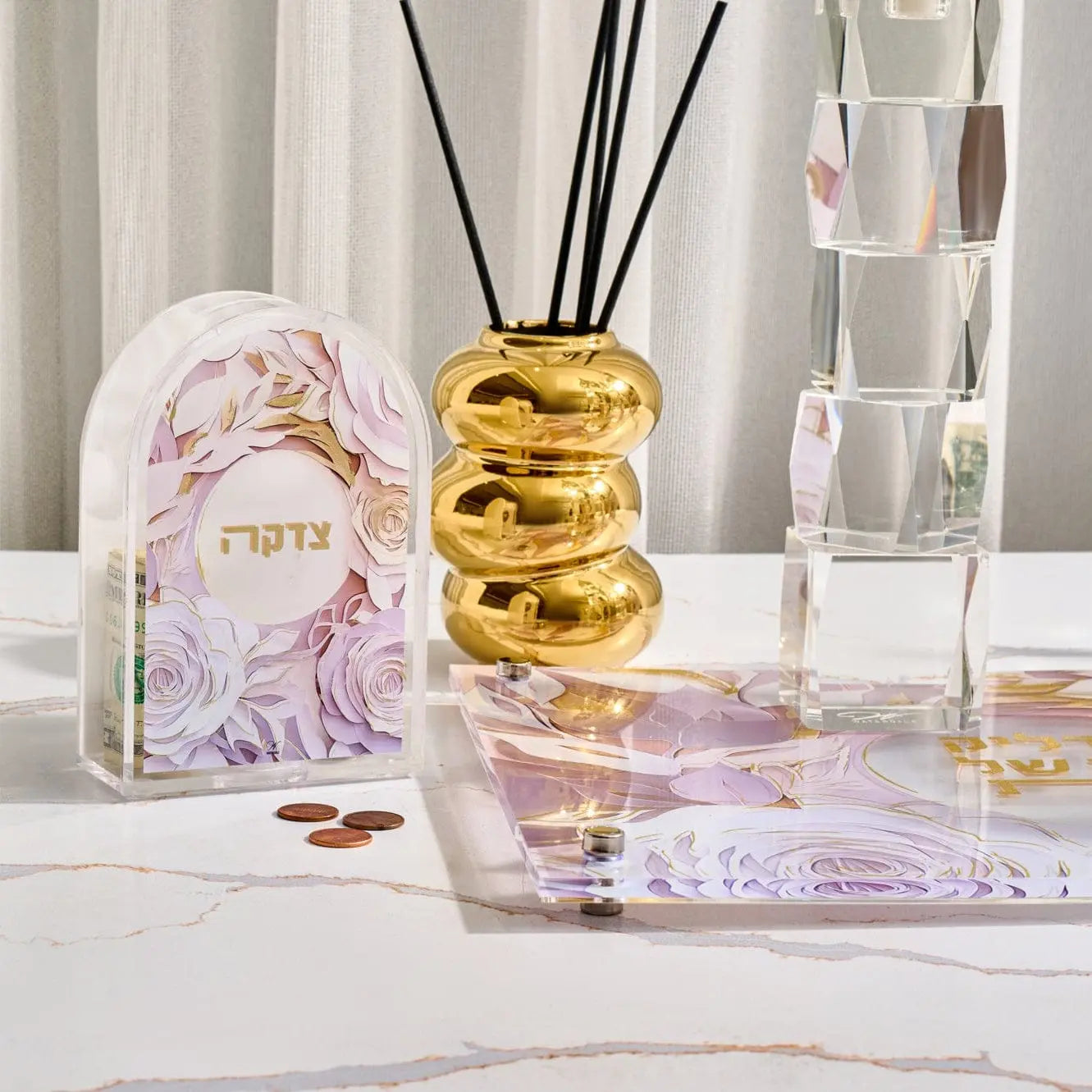
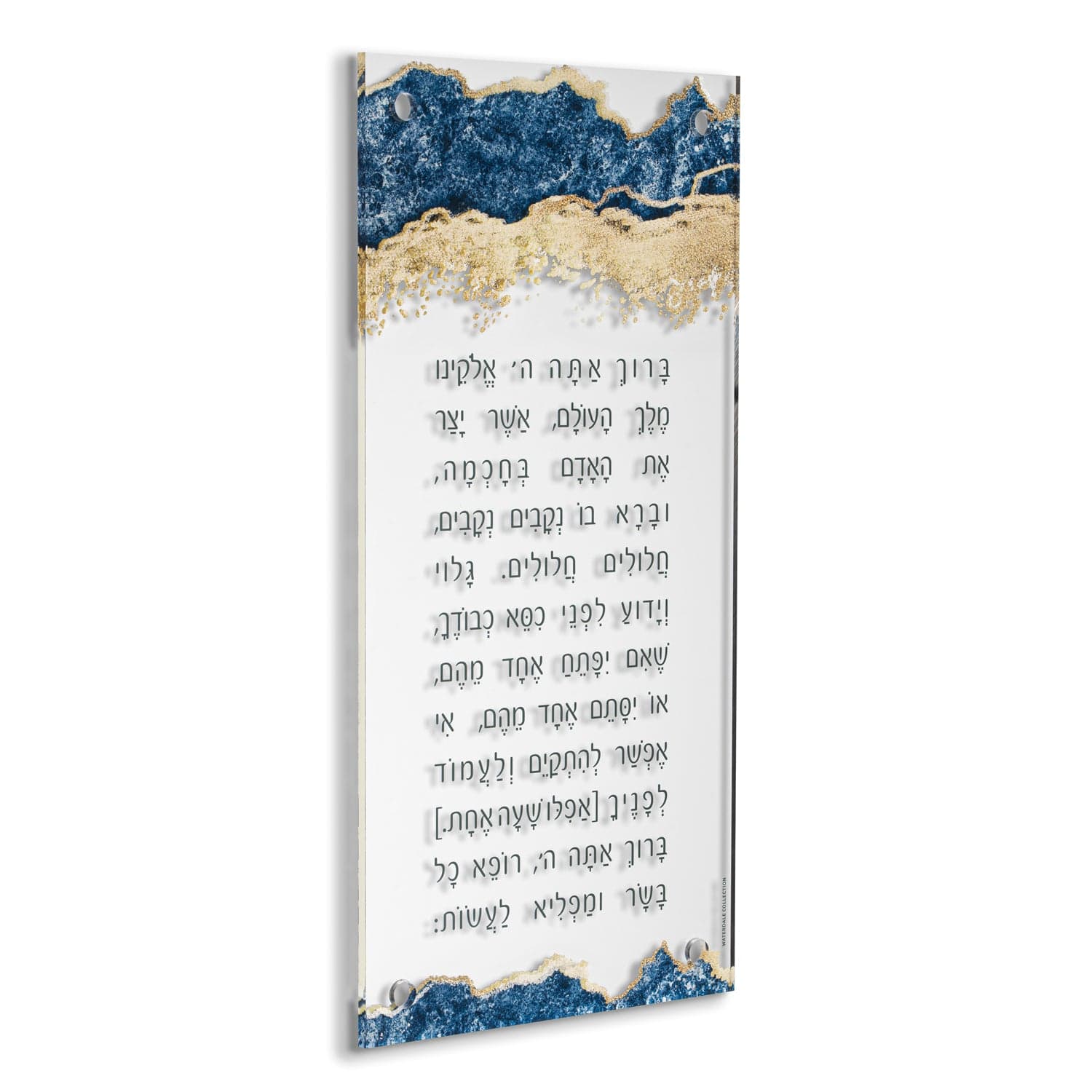
We believe modern Judaica design should enhance your home and your celebration, not compete with either. At Waterdale Collection, we craft pieces that honor ritual significance while respecting contemporary aesthetics. Our lucite and leather accessories achieve this balance through several core principles.
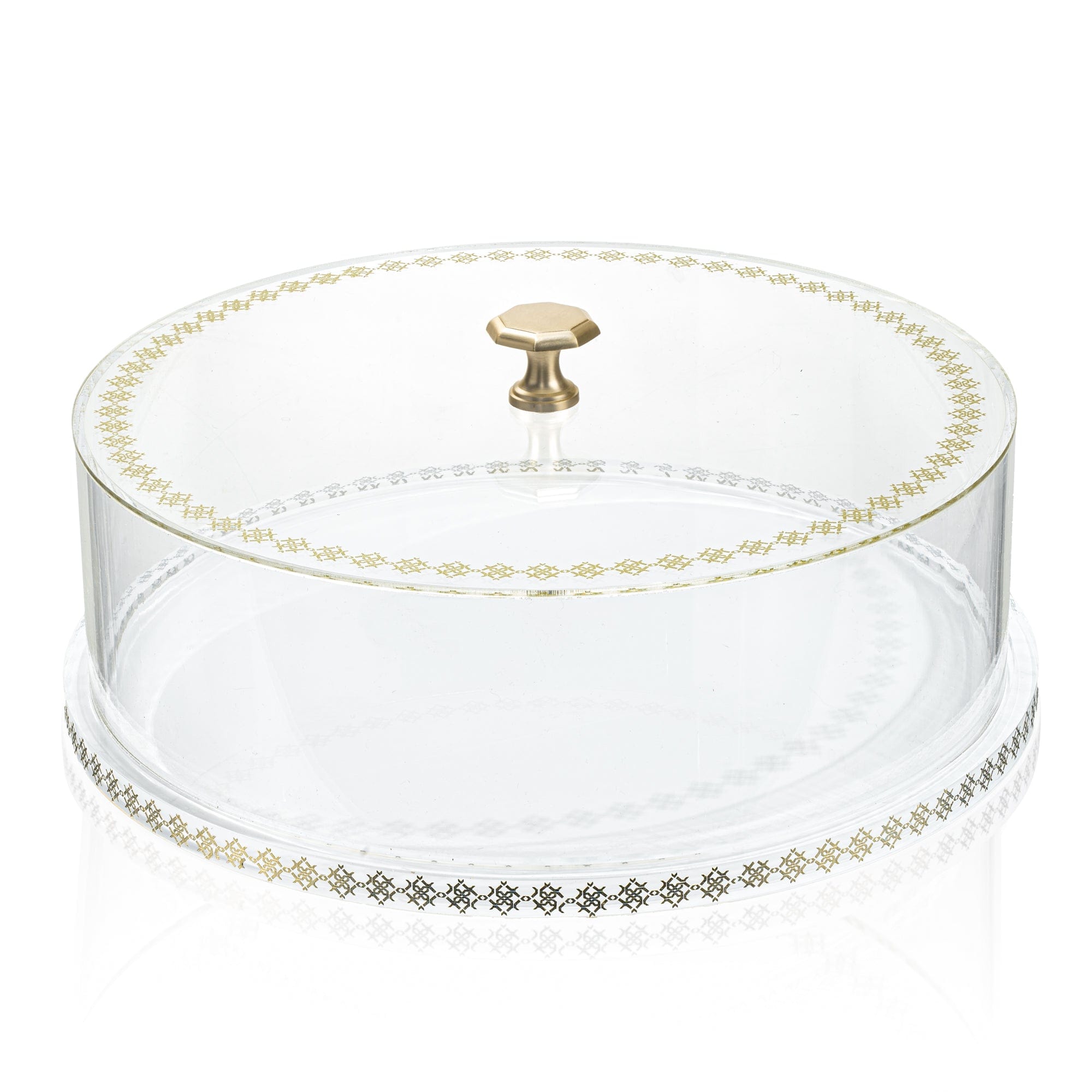
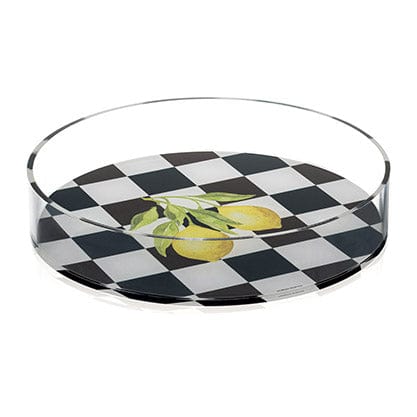
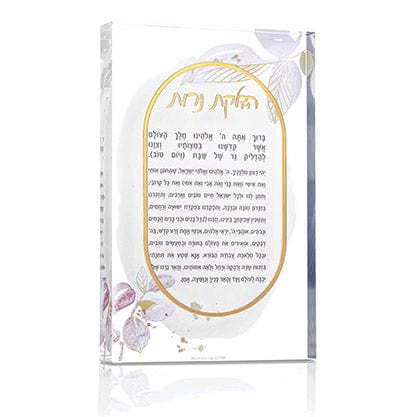
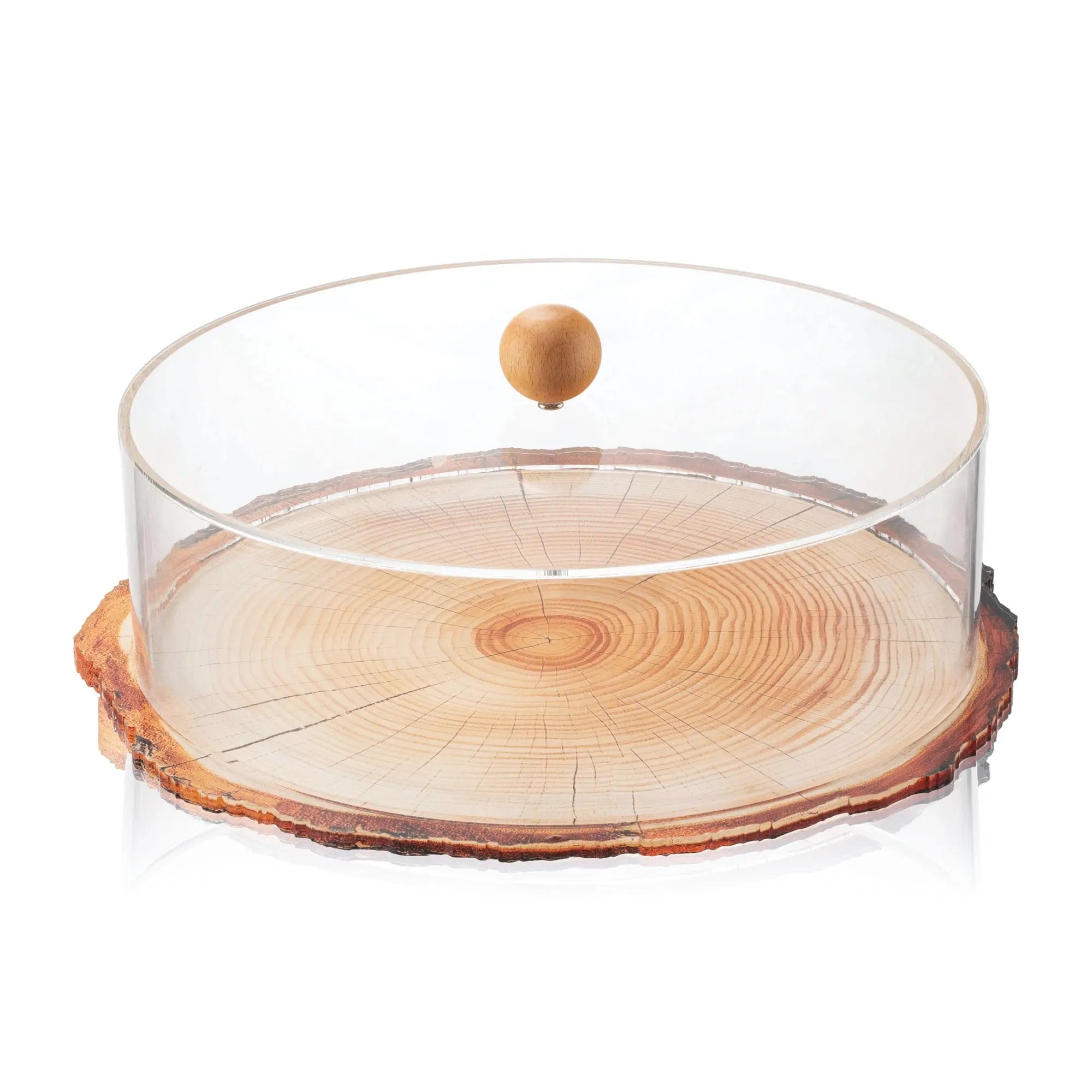
First, we prioritize clarity of form. Lucite allows ritual items to maintain their essential identity without visual excess. A transparent Seder plate displays the symbolic foods beautifully while remaining architecturally simple. Second, we focus on functionality from the ground up. Every piece we design must work as well as it looks. Matzah covers that don't actually keep matzah fresh, or candlesticks that wobble, undermine the entire table experience.
Third, we build in flexibility. Our pieces work across color palettes and design styles because they're not demanding visual attention for their own sake. Whether your home leans minimalist, eclectic, or maximalist, our collections integrate naturally. Finally, we believe in the power of customization. A table styled entirely to someone else's specifications feels generic. When you choose pieces and even customize them with meaningful details, the table becomes genuinely yours.
Choosing the Right Lucite Pieces for Your Seder
Begin by assessing your actual table dimensions and layout. Measure your dining surface and note where people will sit. Your Seder plate should be positioned centrally but not so large it blocks sightlines. If you're hosting fifteen people around a standard table, an oversized plate creates practical problems. A mid-scale lucite Seder plate from our Judaica Tabletop collection proportions well in most settings.
Next, identify the specific items you'll actually use and want on display. A traditional Seder requires specific symbolic foods, but you have latitude in how you present them. Some families prefer one large communal plate. Others use smaller individual plates or a more distributed arrangement. Consider also what happens after the meal begins. If your Seder plate stays centered throughout, it needs to be sized and styled accordingly. If it's used ceremonially then moved aside, you have more freedom in scale.
Lucite's transparency is its greatest design advantage. You're not adding visual weight or color dominance to your table. Instead, you're adding geometric form and the subtle play of light through the material. This makes lucite pieces incredibly versatile. They work equally well on a white tablecloth, a natural linen runner, or uncovered wood.

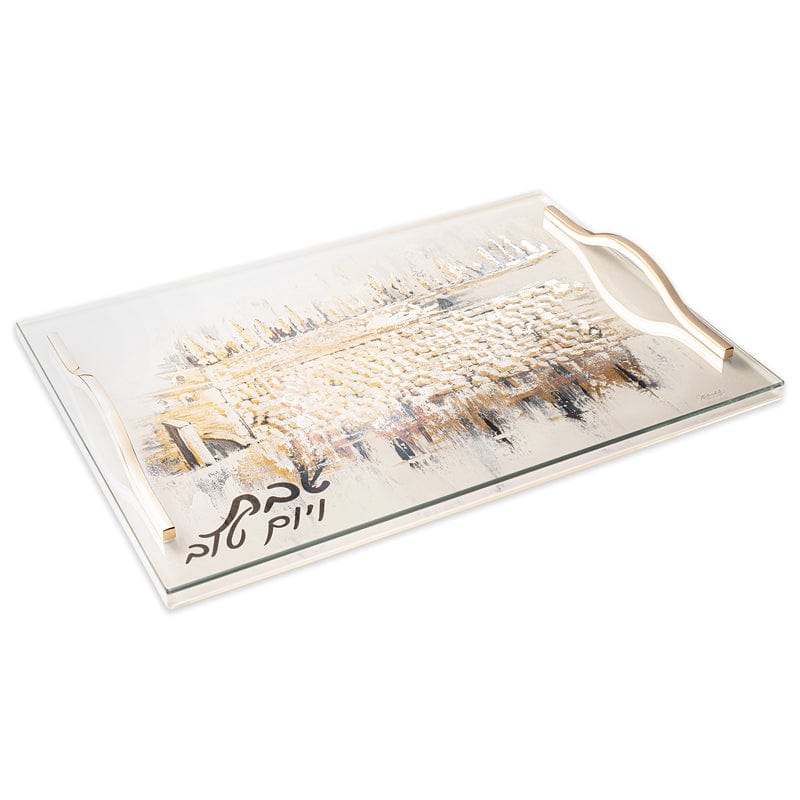
Look beyond the Seder plate itself. Lucite matzah covers, candlesticks, and serving accessories create cohesion when selected as a coordinated collection. You don't need every piece in matching design, but intentional repetition of material ties the table together visually.
Creating Visual Balance with Modern Materials
Lucite and leather naturally complement each other because of their different optical qualities. Lucite reads as light and transparent. Leather grounds the table with tactile warmth and visual substance. Using both materials prevents your table from feeling cold or overly minimal.
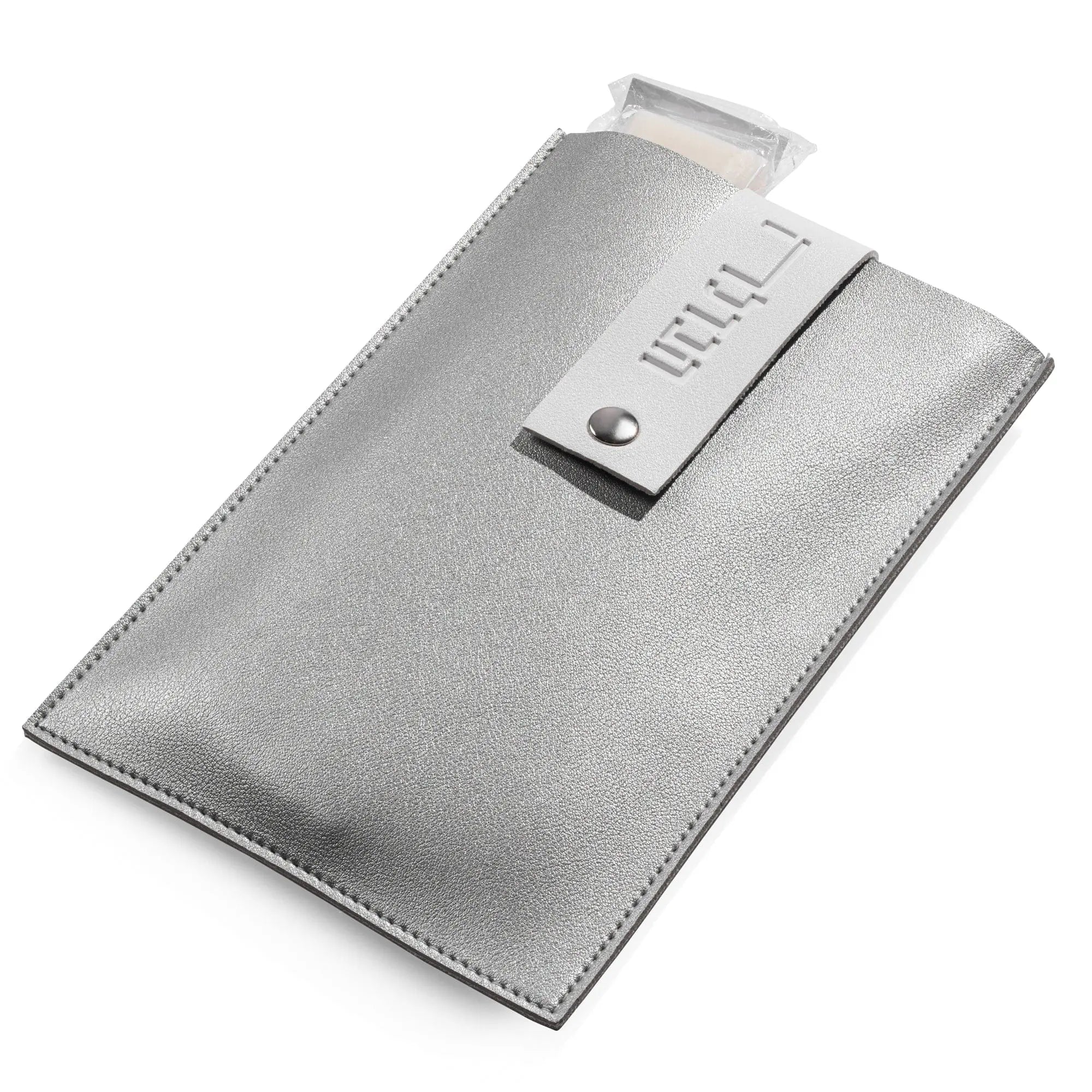
Start with your base materials. If you're using a white or cream tablecloth, consider adding a leather table runner or placemat that runs the length of the table. Our Tabletop Accessories include leather elements that anchor the design without requiring a complete color overhaul. A rich cognac or deep charcoal leather runner creates visual contrast while staying sophisticated.
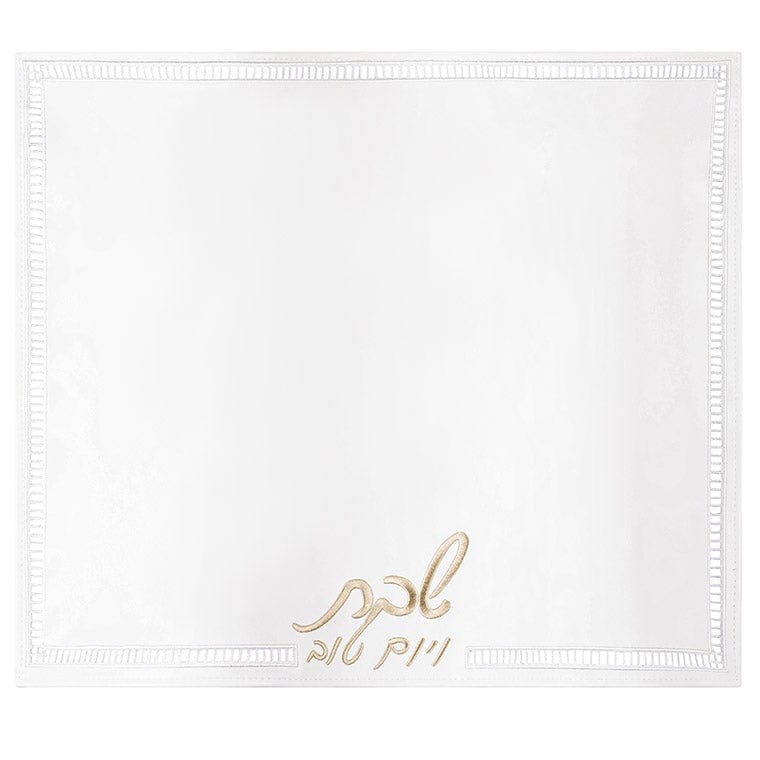
Lucite pieces catch and reflect light, especially near candles or windows. This quality creates a subtle shimmer that draws the eye without demanding attention. To prevent the table from feeling too ethereal or cold, balance lucite items with items of substantive presence. Your challah cover, for example, might be beautiful linen or our leather-accented designs. Cloth napkins in coordinating tones add warmth between the geometric clarity of lucite serving pieces.
Consider height variation as part of balance. Candlesticks in lucite or with lucite accents should vary in height if you're using multiple pairs. This creates visual interest and prevents the table from looking flat or staged. The Seder plate sits relatively low. Lucite candlesticks at varied heights draw the eye upward, creating better spatial composition.
Layering Accessories for Depth and Interest
A sophisticated Seder table isn't achieved through a single statement piece. Instead, build depth by combining multiple elements that share design DNA but occupy different functional roles. Think of it as visual and functional layering.
Your base layer consists of textiles: the tablecloth, runners, and napkins. These establish your color story and provide the foundation upon which everything else sits. Next, add your major serving pieces. A lucite Seder plate, challah cover, and matzah cover form the primary visual anchors. Then introduce secondary pieces: small serving bowls for salt water, a butter dish, a wine decanter, or Table Settings pieces that unify the arrangement.
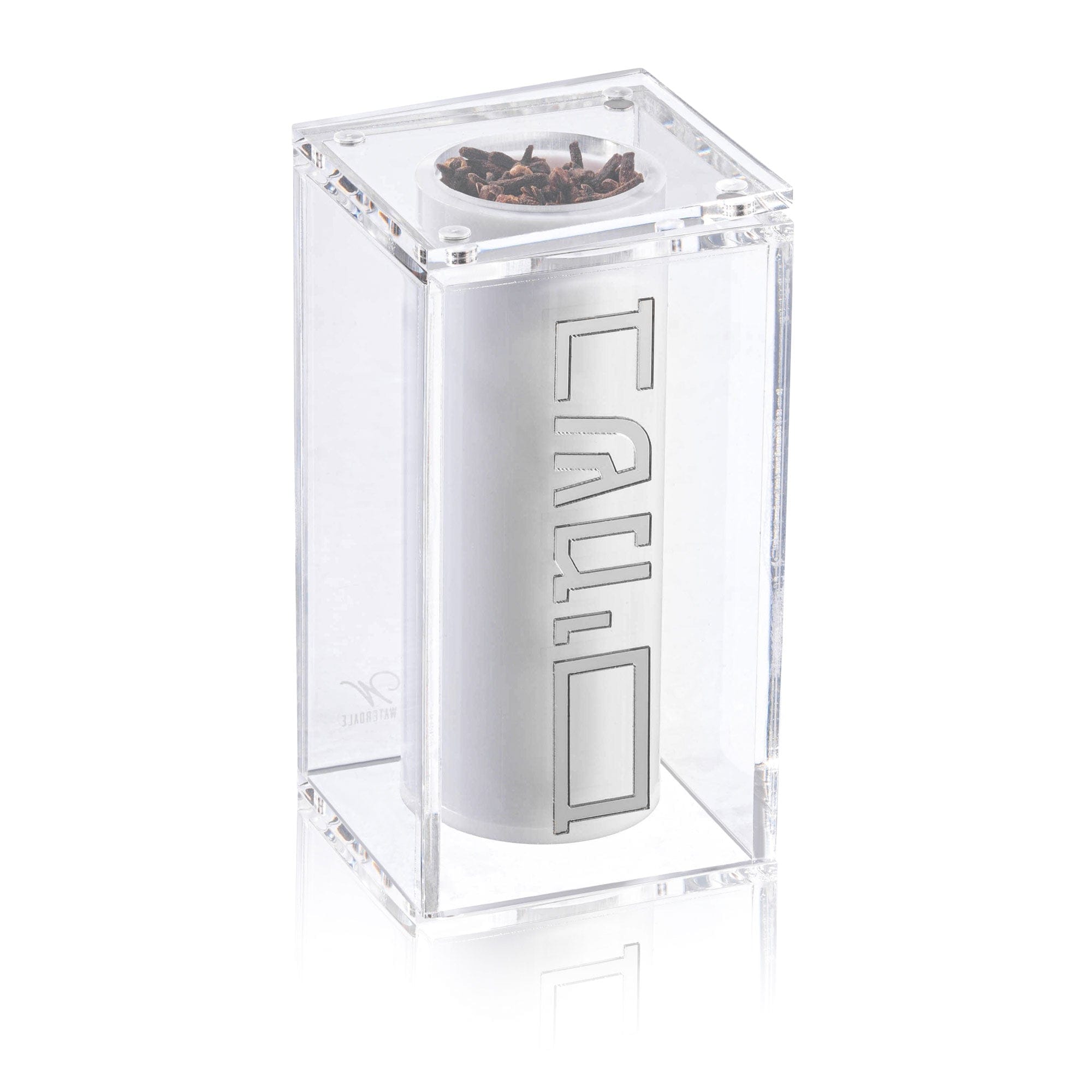
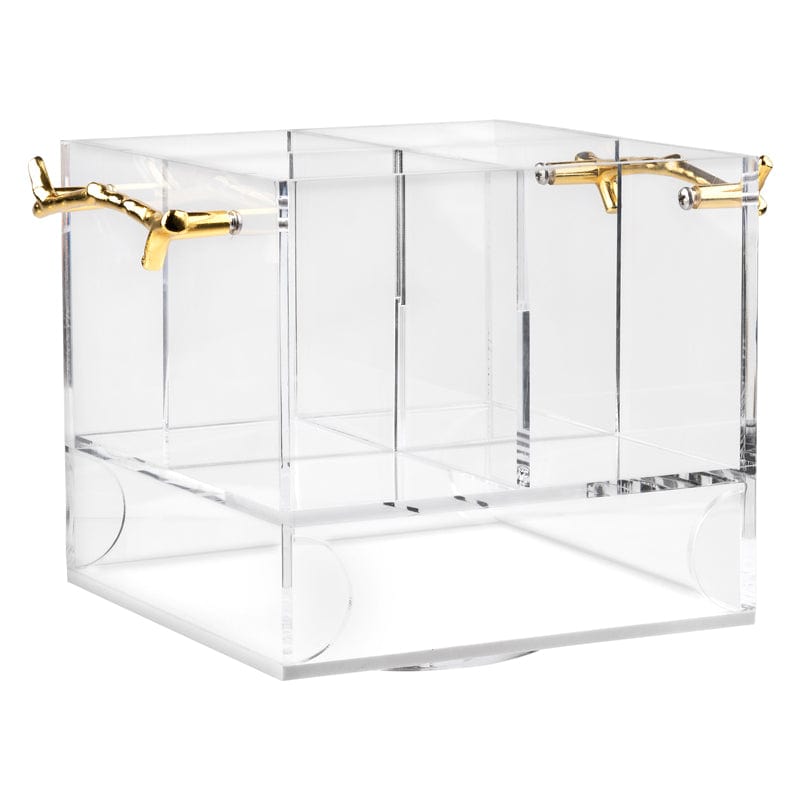
Finally, add the grace notes. Place card holders, individual salt dishes, or a small lucite box holding napkin rings add personality without clutter. These smaller pieces allow you to incorporate meaningful details, engravings, or custom elements that personalize the table without overwhelming it.
The goal is visual coherence without monotony. If every single item is lucite, the table reads as cold and impersonal. If pieces feel randomly assembled, it reads as confused rather than collected. The sweet spot involves consistent material choices and design sensibility with enough variation in scale, function, and detail to remain interesting.
Color Palettes That Work with Lucite and Leather
Lucite itself is essentially neutral. It takes on color from whatever it contains or what surrounds it. This is tremendously liberating from a styling perspective. You're not constrained by the piece's inherent color.
A classic approach pairs lucite with whites, creams, and grays. Ivory linen, silver candlesticks, and pale wood create a sophisticated, serene atmosphere. This palette works beautifully if your home leans minimalist or Scandinavian.
If you prefer warmth, anchor the table with warmer wood tones or golden brass candlesticks. Add leather elements in cognac, caramel, or tan. Your tablecloth might be natural linen or warm ivory. Lucite pieces against this backdrop feel elegant rather than sterile.
For those with bolder design preferences, deep jewel tones work surprisingly well with lucite. A forest green tablecloth paired with navy leather accents and gold or brass metallic touches, combined with clear lucite pieces, creates visual richness. The transparency of the lucite prevents the darker colors from feeling heavy.
The key principle: lucite's neutrality means your color palette flows from the textiles, metals, and leather you select. Choose your tablecloth first, then build around it. Our Leatherette Cards and accessories come in multiple colors, allowing you to coordinate intentionally.

Avoid the trap of trying to coordinate too precisely. A table where every element is exactly the same color reads as matchy rather than sophisticated. Instead, choose a primary color, then introduce one or two accent tones. Warmth and depth come from subtle variation, not uniformity.
Setting the Table with Functional Art
The most beautiful Seder table fails if it doesn't work for eating and celebration. Functional art is the sweet spot where aesthetics and usability merge perfectly.
Start with practical considerations. Your Seder plate must have sections deep enough to hold symbolic foods without spilling when passed. Our lucite pieces are designed with functionality as a primary concern. A matzah cover looks beautiful but must actually keep matzah fresh. A wine decanter serves wine effectively while contributing to the visual story.
Placement matters tremendously for functionality. The Seder plate should be positioned so the person leading the ritual can reach it comfortably and point out each symbolic item. Candlesticks should be placed where they illuminate the table without creating glare in diners' eyes. Water glasses and wine glasses should be positioned according to traditional placement but in a way that doesn't interfere with reaching dishes or conducting the ceremony.
Think about the flow of the meal itself. How will you serve the first course? Which dishes need to stay on the table throughout the Seder, and which are used once then removed? Designing your table to accommodate these movements prevents awkward navigation mid-meal. Smaller lucite pieces positioned strategically can serve as both visual elements and functional serving aids.
Personal touches amplify the functional art approach. Engraved place cards add ceremony while serving the practical function of assigned seating. A small lucite box holding napkin rings or decorated matzah looks beautiful while organizing the table logically.
Customizing Your Table for Personal Meaning
A contemporary Seder table should reflect your family's specific traditions and values, not a generic vision of what Seder should look like. This is where customization transforms the table from styled to meaningful.
Consider what traditions matter most to your household. If you emphasize the four children narrative, perhaps each place setting includes a custom element acknowledging different learning styles. If your Seder centers on community and shared responsibility, the table layout might emphasize collaborative elements rather than a single ceremonial focus.
Customization can be subtle. A lucite piece with your family name or the current year engraved creates a time capsule quality. A specific color choice that references a meaningful memory or significant year in your life grounds the table in your story. We offer customization options across our collections, allowing you to create pieces that are genuinely yours.
Alternatively, customization might be personal without being permanent. Handwritten place cards with a single word or phrase that matters to each guest transforms a place setting. A custom menu highlighting dishes that hold family significance tells your story without requiring elaborate decoration.
The freedom to customize stems from modern design's core principle: that your home and your rituals should reflect your values and aesthetic, not conform to external expectations. A lucite Seder table designed around your preferences and customized with your details announces that this gathering centers your community's specific practices and values.
Styling Tips for Different Seder Formats
Seder formats vary widely, and your table styling should accommodate your specific gathering. An intimate family Seder of five people requires a completely different approach than a larger community event.
For small, close-knit gatherings, you can embrace more personalization and intimacy. Handmade place cards, individual small dishes rather than communal serving pieces, and perhaps a single meaningful centerpiece create warmth. Lucite pieces at smaller scale work beautifully here. An intimate Seder plate sized for fewer symbolic portions, paired with smaller candlesticks and serving accessories, maintains proportion.
For larger gatherings, scale your pieces appropriately and think about visual simplicity. A larger lucite Seder plate serves as a clear focal point. Multiple smaller serving dishes distributed around the table prevent crowding while maintaining accessibility. Fewer decorative elements paradoxically create more sophistication when hosting many guests. Your lucite and leather pieces become the design statement, with textiles kept relatively neutral.

If you're hosting a potluck-style Seder where guests contribute dishes, the table's visual design becomes even more important because you can't control every element. Strong foundational choices (your tablecloth, lucite pieces, candlesticks) create coherence despite varied contributions. Leather table runners or subtle metallic accents tie together otherwise disparate dishes.
Consider also whether your Seder will include children as active participants. If so, lower some visual elements slightly. Lucite pieces are wonderful here because they don't present breakage risks as significant as glass or ceramic. Still, ensure candlesticks are stable and positioned away from active play areas.
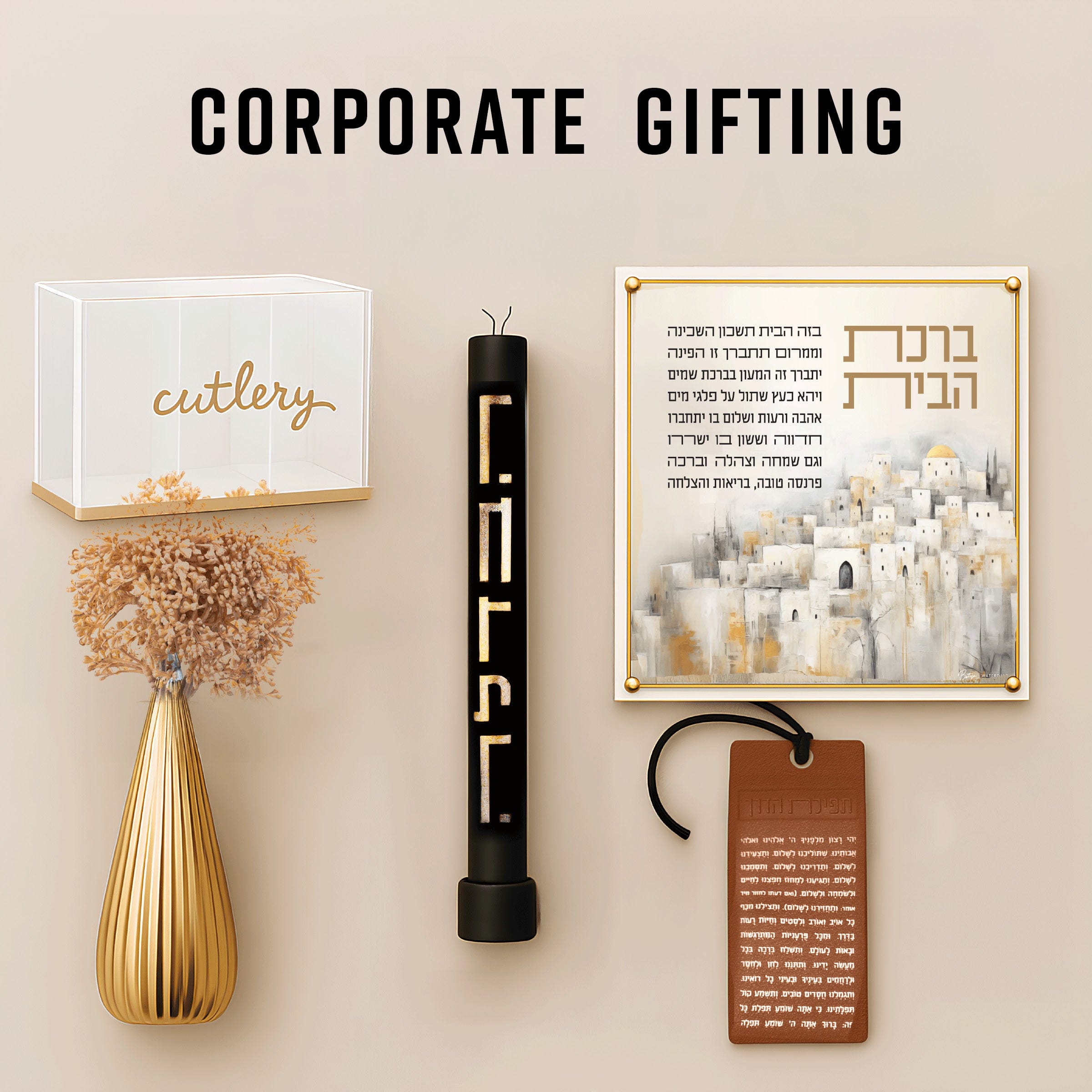
For professional or corporate settings, a contemporary aesthetic is essential. Modern Judaica signifies that the organization understands contemporary design and respects attendees' modern sensibilities. Lucite pieces in these contexts communicate professionalism while honoring ritual. They're also ideal for corporate gifting or recognition, particularly if customized with your organization's name or values.
Caring for Your Lucite Accessories
Lucite's beauty and longevity depend on proper care. Fortunately, maintenance is straightforward, and your pieces will serve you for many Seders to come.
Clean lucite with warm water and mild dish soap immediately after use. A soft microfiber cloth works best for drying. Avoid abrasive scrubbers or harsh chemicals, which can scratch the material's surface. Never place lucite in the dishwasher, even if pieces seem small enough to fit safely. The intense heat and pressure can damage the material.
For stubborn residue or discoloration, a mixture of equal parts white vinegar and water works effectively. Apply with a soft cloth, then rinse thoroughly and dry immediately. This removes cloudiness that sometimes develops from repeated washing.
Store lucite pieces in a cool, dry location, ideally in the original packaging or in soft cloth wrapping. Lucite can become brittle in extremely cold conditions or fade slightly with prolonged direct sunlight. A climate-controlled closet or cabinet is ideal. Keep lucite away from sharp objects that could scratch or crack the material.
Avoid exposing lucite to extreme heat sources like direct sunlight for extended periods or proximity to heat vents. Similarly, store away from strong solvents, nail polish remover, or alcohol-based cleaners, which can cloud or damage the surface.
Leather accessories require different care. Wipe leather immediately after use with a dry cloth. For deeper cleaning, use a leather-specific cleaner following product instructions. Condition leather annually with a quality leather conditioner to maintain suppleness and prevent cracking.
With these simple practices, your lucite and leather pieces maintain their clarity and functionality for decades. Many families pass these pieces between generations, making them heirlooms in their own right.
Transform Your Seder Into a Modern Celebration
A contemporary Seder table is more than aesthetic choices. It's a statement that Jewish tradition thrives when it integrates with how we actually live today. By choosing lucite and leather pieces that balance beauty with functionality, you create a space where ritual feels natural rather than formal, where meaningful tradition coexists with personal style.
The table you set reflects your values and welcomes your guests into a celebration designed specifically for your community. Modern materials don't diminish tradition. Instead, they liberate tradition from the obligation to look like it did seventy years ago. Your family's Seder can honor centuries of practice while remaining authentic to contemporary life.
As you prepare your table this year, begin with your space and your vision. Assess what pieces you genuinely need and use. Consider the color palette and materials already present in your home. Select a few high-quality lucite and leather pieces that speak to you. Add personal touches through customization, place settings, or meaningful details that reflect your specific household.
We're here to support this vision. Our curated collection of contemporary Judaica and tabletop accessories is designed specifically for people like you: those seeking to honor tradition while creating spaces that feel authentically modern. Explore our Judaica Tabletop collection to discover pieces that align with your aesthetic. Discover how thoughtful design transforms the ritual into genuine celebration.
Shop Now