
















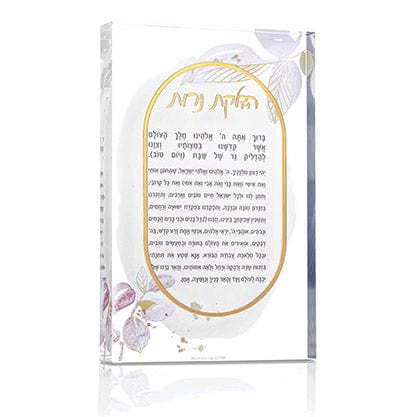
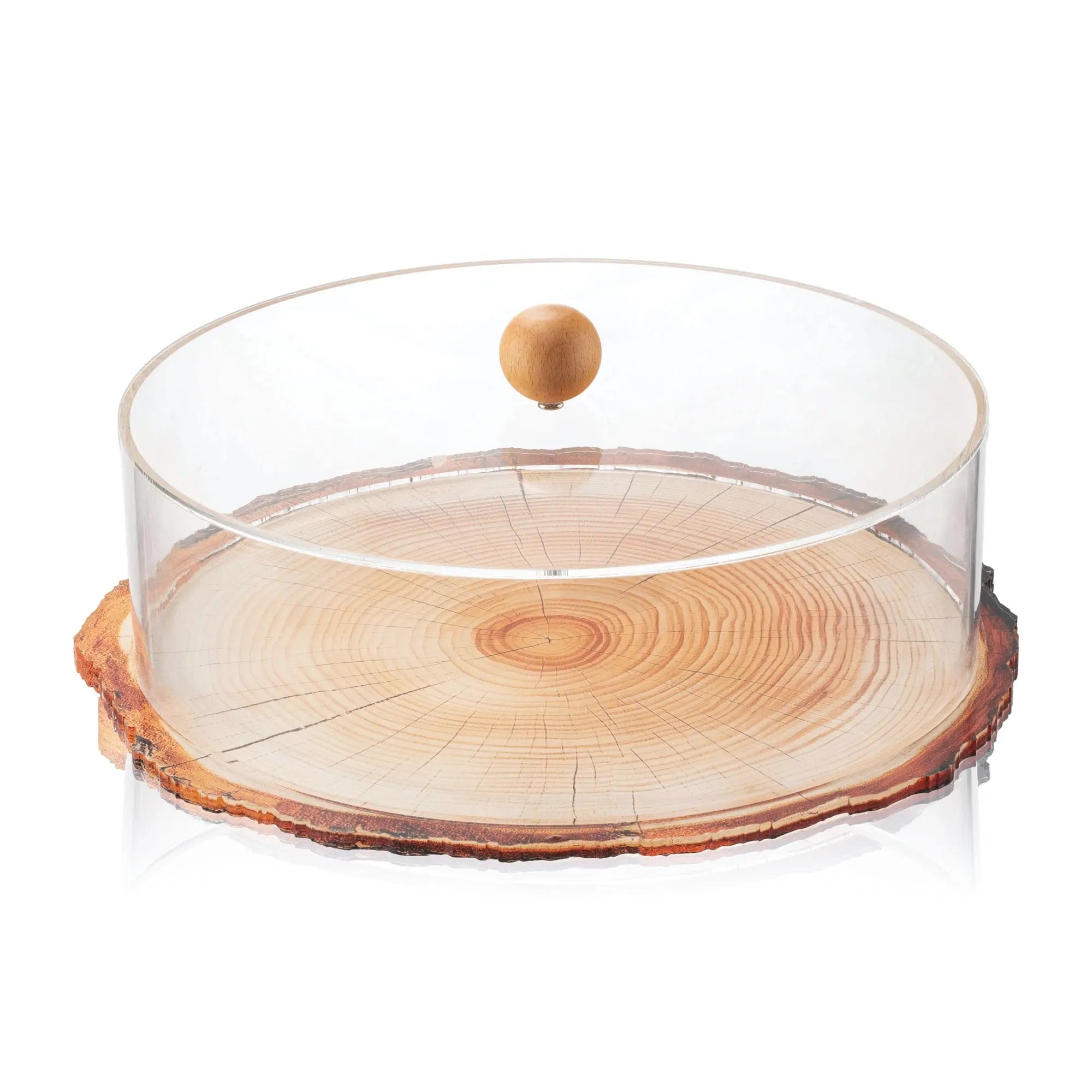


1. Minimalist Lucite Shabbat Essentials
Creating a beautiful Shabbat table doesn't require choosing between tradition and contemporary style. Many Jewish households today are looking for ways to honor the ritual and meaning of Shabbat while embracing a modern aesthetic that reflects their homes and personalities. The challenge is finding pieces that feel intentional, sophisticated, and genuinely functional—not like museum displays or heavily ornamental relics.
We understand this tension. That's why we've curated a collection of modern Judaica designed specifically for homes that value clean lines, quality materials, and authentic Jewish practice. The seven approaches below show you how to build a Shabbat table setting that feels both timeless and thoroughly contemporary.
The foundation of a modern Shabbat table starts with essential ritual items stripped down to their purest form. Rather than ornate silver candlesticks or elaborate kiddush cups, minimalist design focuses on clarity, transparency, and purposeful simplicity. This approach removes visual clutter while keeping every element functional and meaningful.
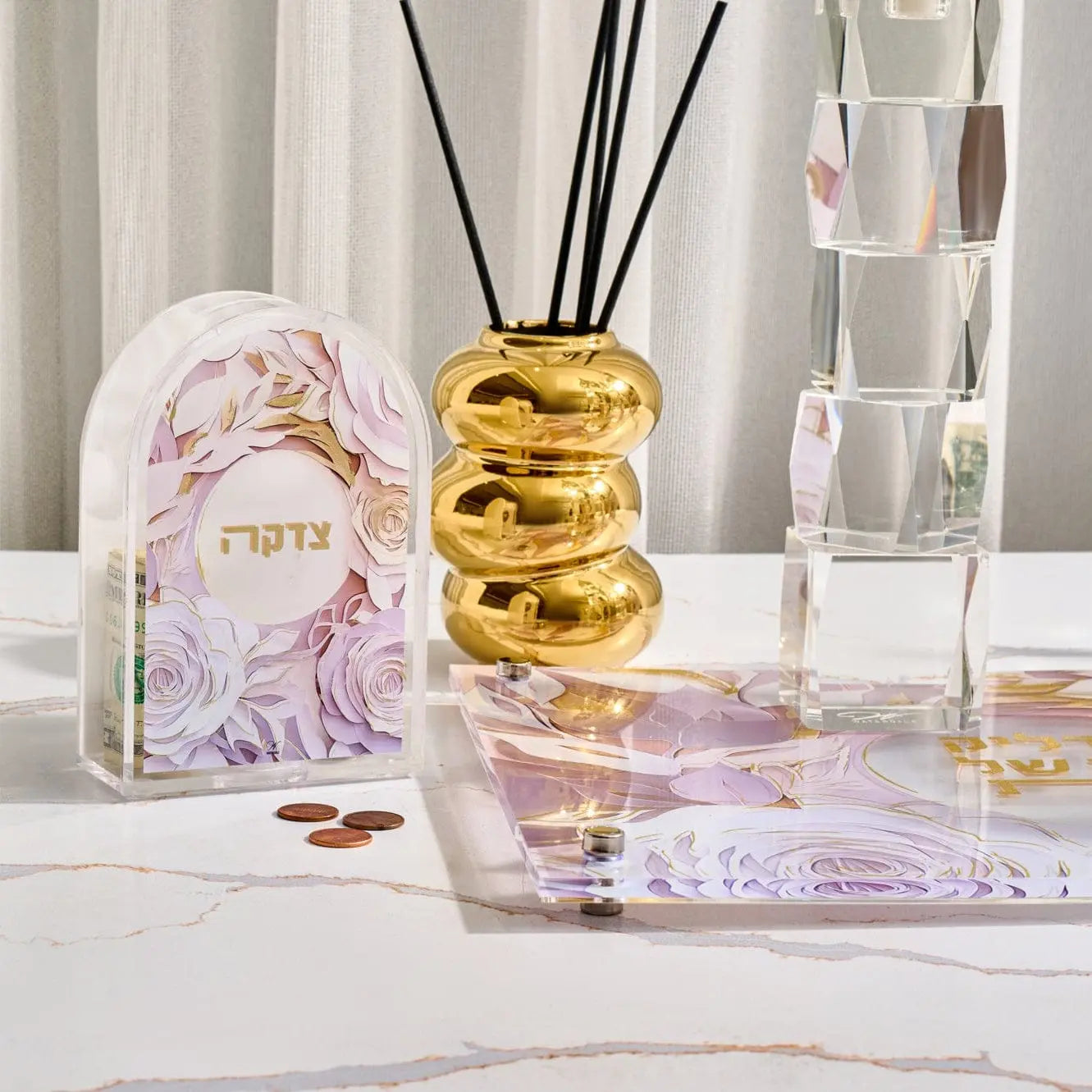
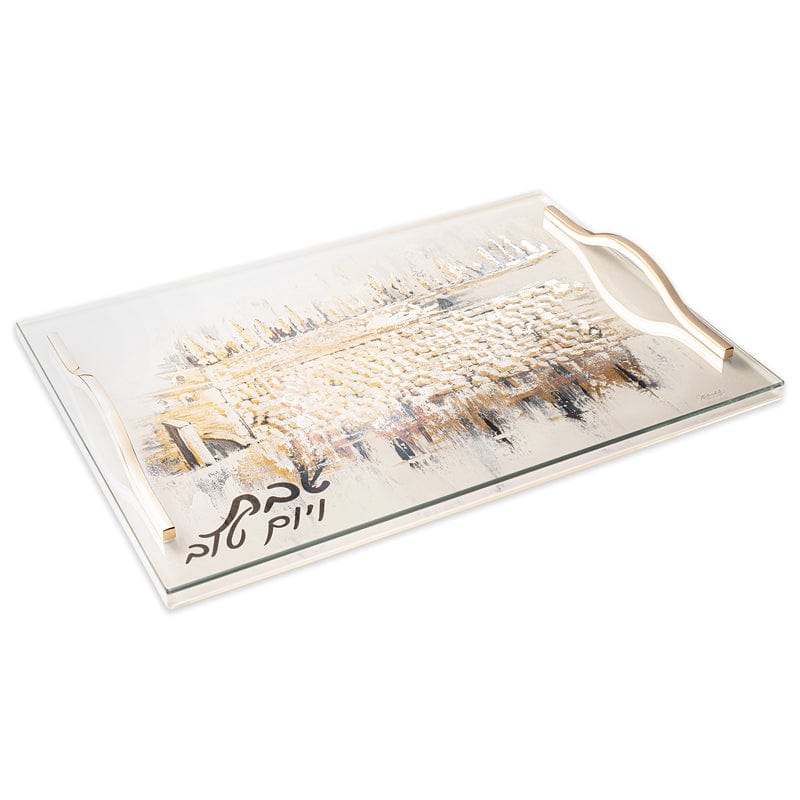
Lucite is the ideal material for this aesthetic. Our Shabbat candlesticks and serving pieces in clear lucite offer visual lightness without sacrificing substance. The material catches and reflects light beautifully during candlelit meals, creating warmth that feels both modern and deeply ritualistic. Unlike heavy metals, lucite doesn't dominate the table visually, allowing the food, flowers, and other elements to breathe.
Consider pairing transparent lucite candlestick holders with white or ivory taper candles for maximum impact. The simplicity works especially well on tables with natural wood surfaces or marble tops, where the candlesticks become a subtle architectural element rather than a statement piece. Add a lucite challah board and your core ritual items integrate seamlessly without requiring a separate "Judaica shelf" aesthetic.
The practical benefit here is flexibility. Minimalist lucite pieces work across different decor styles—whether your home runs modern farmhouse, Scandinavian, minimalist, or transitional. You're not locked into a single design narrative.
What to do next: Assess your current Shabbat table items. If they feel heavy or ornate compared to your home's aesthetic, swapping in one or two lucite pieces will immediately shift the entire feeling toward contemporary elegance.
2. Layered Neutral Color Palettes
A sophisticated Shabbat table doesn't require bold colors or contrasting accent hues. Instead, layering multiple shades of white, cream, grey, and natural wood tones creates visual depth and interest while maintaining a calm, cohesive appearance. This approach works beautifully in homes where restraint and subtlety matter.
Think of your table like a carefully composed photograph: foreground, middle ground, and background all matter. Start with a cream or natural linen tablecloth as your base. Layer in a white or grey runner down the center. Add candlesticks in clear lucite or frosted acrylic. Place napkins in cream or pale grey linen. Include wooden serving pieces or a wooden challah board with natural grain visible. The key is variation in texture and tone without introducing new colors.
This approach also extends to your serving pieces. We design many of our Judaica tabletop items in clear, frosted, or smoke-tinted lucite specifically because these materials work within neutral palettes while adding architectural interest. A frosted lucite Kiddush cup catches light differently than a clear one, creating visual variety without color.
Lighting matters tremendously in neutral palettes. Candlelight naturally warms cream and grey tones, making them glow rather than read as cold or sterile. The same neutral table that might feel flat in daylight transforms into something inviting once candles are lit.

What to do next: Pull together three to four items already on your table (napkins, cloth, serving piece) and arrange them to find your natural color harmony. Notice which combinations feel restful versus which feel monotonous, then add one intentional piece to fill the gap.
3. Mixed Material Table Styling
Contemporary design celebrates the combination of different materials: wood with metal, leather with glass, lucite with stone. A modern Shabbat table benefits from this approach, mixing textures and finishes in ways that feel collected and intentional rather than mismatched.
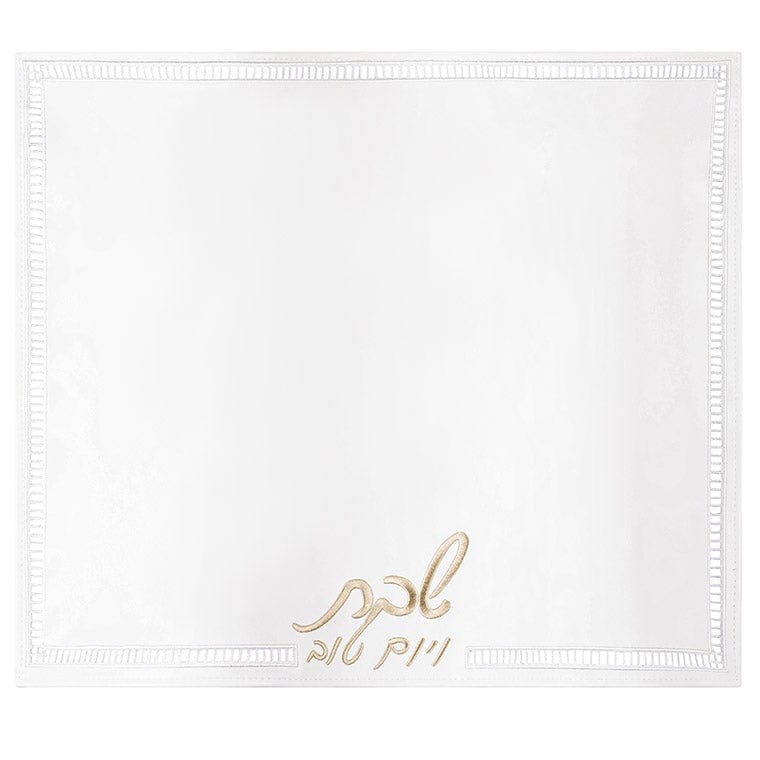
The pairing of premium leather and lucite creates particularly striking results. A leather challah cover in cognac or chocolate brown paired with clear lucite serving pieces creates warmth and luxury without maximizing visual weight. The leather brings richness and tactile appeal, while the lucite maintains airiness and contemporary feeling. This combination works across color schemes because leather itself is a neutral-to-warm material.
Wood also plays a central role in mixed material styling. Natural wood challah boards, serving pieces, or table surfaces anchor a table visually while creating warmth that lucite alone cannot provide. The grain and variation in wood make each piece unique, which aligns with the modern aesthetic of intentional, individual choices rather than matched sets.
Metal accents should be used sparingly in contemporary design. A brushed brass or stainless steel detail on a serving piece can work beautifully, but it shouldn't dominate. One or two metal elements per table setting is the right ratio.
When you're mixing materials, make sure your primary ritual items (candlesticks, Kiddush cup, challah board) aren't all the same material. If your candlesticks are lucite, consider a wood or leather challah cover. This creates visual movement without chaos.
What to do next: Identify the dominant materials already on your table (ceramic dishes, wood furniture). Choose one complementary material to introduce through a new Judaica piece that will interact with what's already there, creating visual texture.
4. Statement Serving Pieces
While ritual items can remain subtle and minimal, serving pieces are where personality and visual impact truly shine. A statement serving piece serves a practical purpose while functioning as a conversation starter and design anchor. This is where we recommend investing in quality pieces that reflect your home's aesthetic and your personal taste.
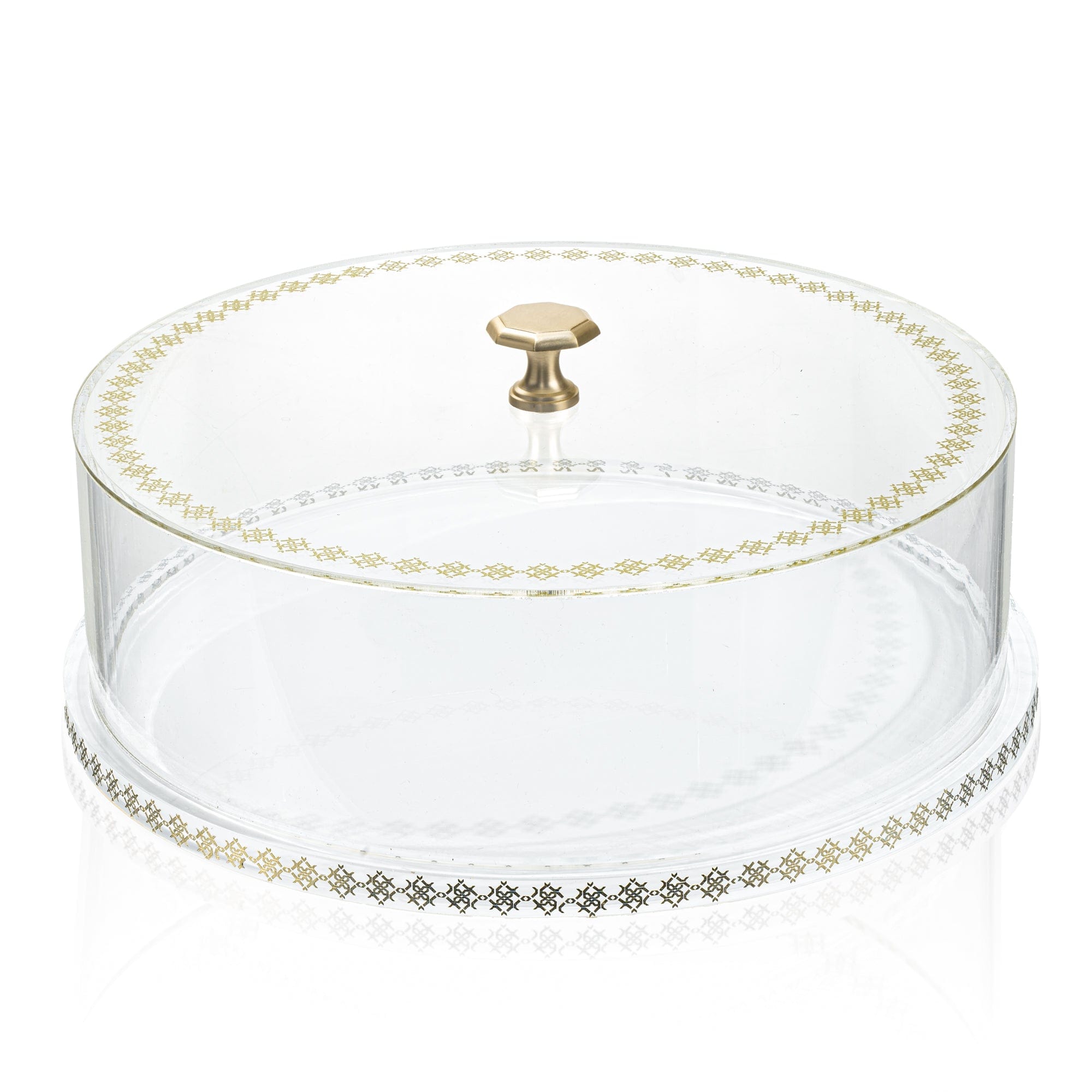
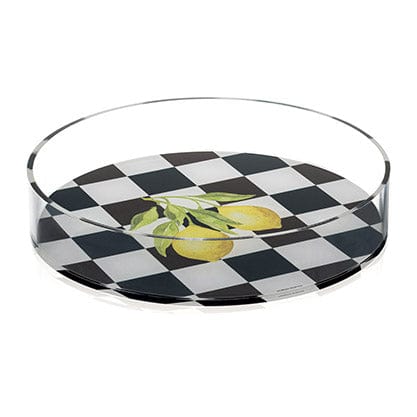
Statement pieces work best when they're genuinely functional. A large lucite serving platter, for example, can hold challah, mezze, or an arranged cheese board. Its scale and material make it visually significant, but its purpose is straightforward. Similarly, a sculptural serving spoon or a large wooden platter with interesting proportions commands attention while remaining entirely practical.
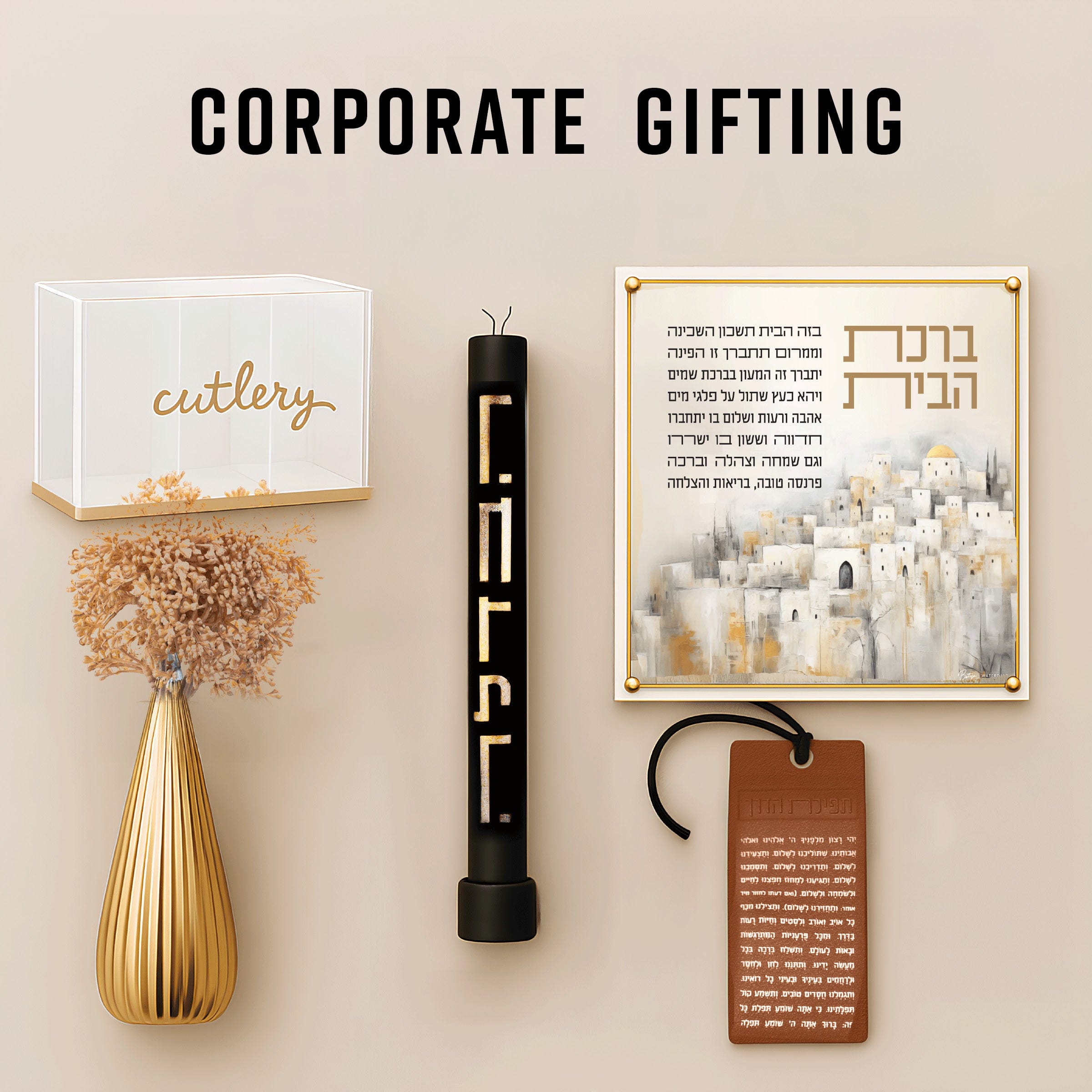
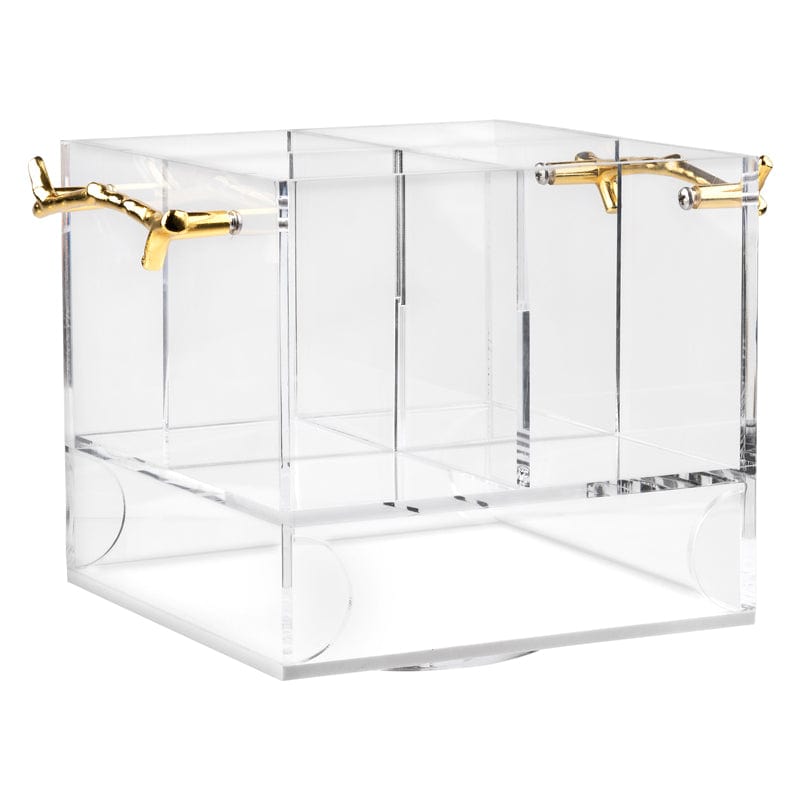
The key difference between a statement piece and overdecorated Judaica is restraint in ornamentation. We design statement serving pieces with clean lines, interesting negative space, or sophisticated material choices rather than intricate carving or heavy detailing. A frosted lucite serving bowl is visually arresting through its material quality and form, not through applied decoration. For organized flatware presentation that complements your table's material palette, our Caddies collection offers streamlined solutions that keep utensils neatly arranged while adding architectural interest to your Shabbat table.
Color can emerge more prominently in serving pieces than in ritual items. A deep grey or smoke-tinted lucite platter, a cognac leather coaster set, or even an accent color in a serving piece allows for personalization without overwhelming the table's overall aesthetic.

Scale matters enormously. A truly statement piece should be noticeably larger than surrounding items or occupy meaningful visual real estate on the table. If it's small and tucked into a corner, it reads as an afterthought rather than intentional design.
What to do next: Choose one serving category you use regularly during Shabbat (bread, beverages, cheese, fruit). Invest in one genuinely beautiful piece specifically for that purpose, prioritizing material quality and clean design over traditional Judaica styling.
5. Personalized Ritual Item Displays
Modern Jewish homes often reflect individual values, family history, and personal aesthetic choices rather than matching traditional sets. Personalizing your ritual items creates deeper meaning while establishing your table as uniquely yours. Customization also solves the problem of finding pieces that truly match your home and preferences.
Personalization can take several forms. Engraving names, Hebrew dates, or family initials on lucite pieces creates both meaning and practical identification (especially useful if you have guests). Custom color selection in acrylic or leather allows pieces to coordinate with your actual decor rather than forcing your decor to accommodate standard Judaica colors. Monogrammed leather challah covers become both functional and deeply personal.
Another form of personalization is intentional mixing and matching rather than purchasing sets. Select individual candlesticks, a separate challah board, and an independent Kiddush cup based on your actual aesthetic preferences. This approach creates more visual interest than matched sets and feels more authentic to how modern homes develop their style.
We offer customizable options across our collections specifically because we believe your Shabbat table should reflect your values and taste, not generic tradition. Whether you're marking a significant date, creating a family heirloom, or simply ensuring your pieces coordinate with your actual decor, customization transforms standard Judaica into something personally meaningful.
What to do next: Consider whether any of your core ritual items would benefit from personalization. Even a single customized piece—perhaps with a significant date or your Hebrew name—creates a touchstone and elevates the entire table's intentionality.
6. Contemporary Candle Presentation
Candlelight is central to Shabbat experience, and how you present candles significantly impacts your table's aesthetic. Contemporary candle presentation moves beyond simple candlesticks into thoughtful arrangements that balance tradition with visual interest.
Our Havdalah candles and candlestick collections show how material choice, height variation, and spacing transform candles from functional fire sources into design elements. Multiple candles at varying heights create visual rhythm. Pairing traditional two-candle Shabbat lighting with additional votive or pillar candles in the surrounding area extends the candlelit effect while adding warmth to the broader table and room.
Material choice in candlesticks influences the entire table's feeling. Lucite candlesticks maintain transparency and allow candlelight to pass through and around the holders, creating softer illumination. This differs from opaque ceramic or metal holders, which create defined shadows and stronger contrast. For a contemporary table, transparency often reads as more modern and less heavy.
Height variation matters practically and aesthetically. Standard 8-10 inch taper candles in traditional holders create one visual line. Introducing a few pillar or votive candles at 3-4 inches, paired with standard tapers, creates movement and layers light throughout the table rather than concentrating it in two spots.

Consider the candle color itself. White or ivory candles maintain visual clarity and allow the candlestick material and flame to dominate the visual interest. Colored candles can work but should coordinate with your overall palette rather than introduce new colors.
What to do next: Evaluate your current candle arrangement. If all candles are the same height and type, introduce one additional candle size or style in a different area of the table. Relight and notice how the layered light changes the space's feeling.
7. Coordinated Tabletop Accessories Collections
While individual statement pieces matter, cohesion across your full table creates the impression of intentional design rather than random assembly. Coordinated collections solve this by grouping complementary items in materials, finishes, or design language that work together while maintaining the contemporary aesthetic.
We've designed our tabletop accessories collections specifically to coordinate without matching, creating visual harmony while allowing each piece to maintain its individual character. A lucite challah board, lucite coasters, lucite serving pieces, and lucite napkin holders feel coordinated through material while remaining visually distinct through different forms and applications.
Coordination can also work through finish rather than identical material. A suite of pieces in natural wood, another in clear lucite, and a third in frosted lucite create three distinct coordinated zones on your table. This works particularly well if you're mixing food service (wood), beverages (lucite), and ritual items (lucite), as the material grouping actually matches functional categories.
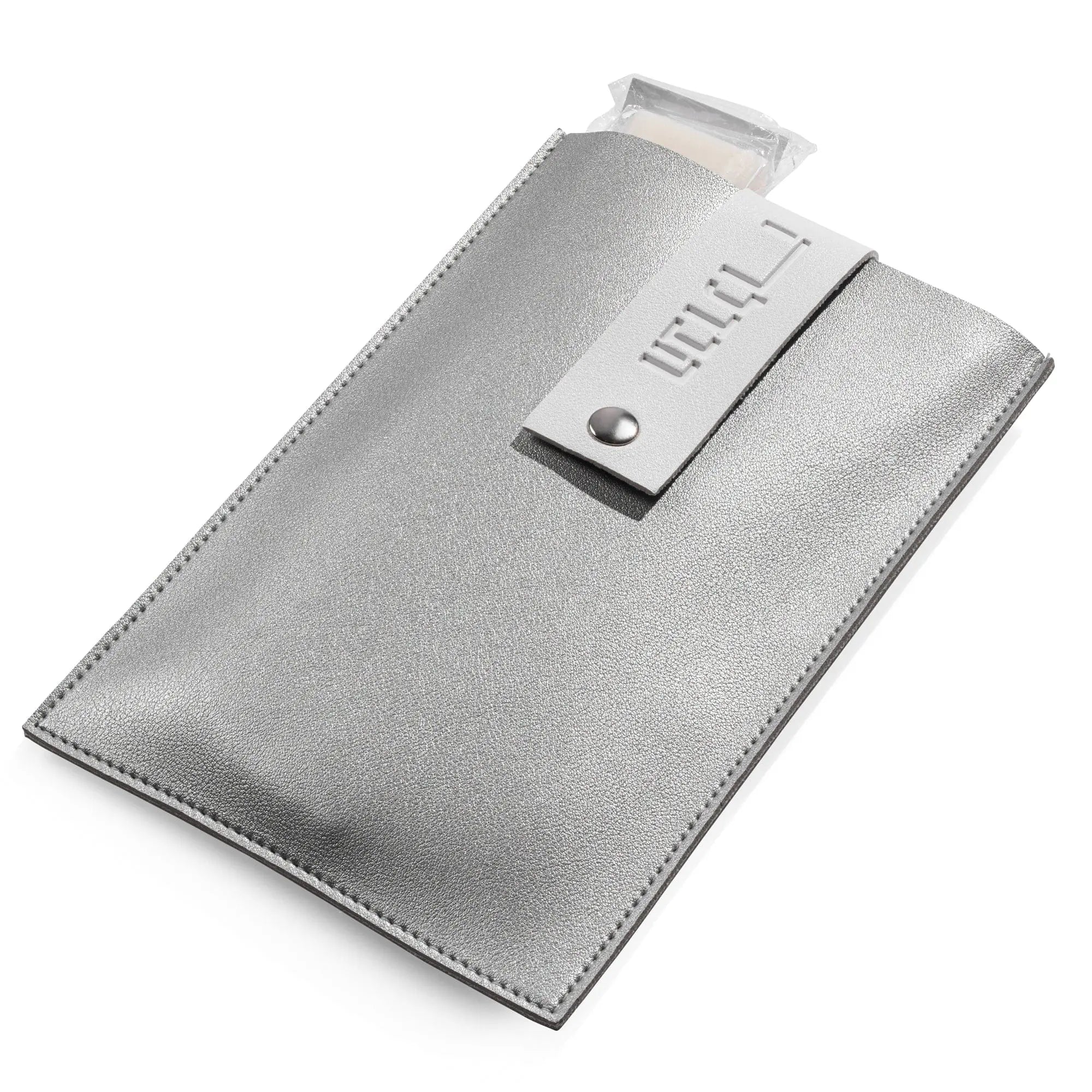
Leather coordinates beautifully with lucite, and pairing a leather challah cover with lucite serving pieces and placemats creates sophisticated texture mixing. The key is limiting your coordinating material palette to two or three primary materials rather than introducing five or six, which creates visual chaos.
When shopping for coordinated pieces, look for items that share design language even if materials differ slightly. Clean lines, minimal ornamentation, and proportional scale across pieces create visual coherence that supersedes exact material matching. A Classic Silverware Caddy serves as both a functional organizer and a design anchor, keeping flatware accessible while reinforcing the clean, contemporary aesthetic of your table setting.
What to do next: List the primary functional categories on your table: candlelight, bread service, beverage service, food service, and decorative elements. Choose one coordinating material (lucite, leather, wood, or a combination) for each category, then select specific pieces that work within those constraints.
---
Creating a modern Shabbat table setting is fundamentally about aligning your ritual practice with your contemporary aesthetic and lifestyle. The seven approaches we've outlined work individually or in combination, depending on your preferences and current decor.
The pieces you select should feel natural and intentional rather than like a curated museum display. Every item should serve a purpose while contributing to an overall sense of beauty and calm. We design our Judaica collections with this philosophy: beautiful enough to inspire and appreciate, functional enough to use confidently, and contemporary enough to integrate seamlessly into your home.
When you're ready to refresh or build your Shabbat table, start with one piece that resonates with you—perhaps a lucite candlestick, a leather challah cover, or a coordinated serving piece. Let that anchor your decisions moving forward, and trust that building intentionally creates a far more cohesive and meaningful table than purchasing matching sets. Your Shabbat experience deserves a setting that truly reflects who you are and how you live.
Shop Now