













The 2026 Definitive Guide to Seder Preparation: Where Tradition Meets Modern Design
Passover 2026 (Pesach) begins at sundown on Wednesday, April 1st, and Jewish homes around the world will gather around the Seder table to retell the story of freedom.
But in recent years, something interesting has happened.
The Seder table itself has become part of the storytelling.
Across modern Jewish homes, hosts are moving away from cluttered tables, mismatched dishes, and cardboard matzah boxes, replacing them with intentional, beautifully curated Seder displays that elevate the experience while honoring tradition.
Because the Seder is not just a meal - it's a sensory experience.
The foods, the rituals, the questions, and even the table design all work together to bring the Exodus story to life.
In this guide, we'll walk through every essential Seder item, its spiritual meaning, and how to present it in a way that blends timeless tradition with modern design.
The Seder Plate (Ka'arah) Explained: The Ritual Centerpiece
At the center of every Passover table sits the Seder plate (Ka'arah) - the ritual roadmap of the evening.
Each item placed on the plate represents a different part of the Exodus story, reminding participants of the journey from slavery to freedom.
The traditional Seder plate contains six symbolic foods:
Zeroah (Shankbone)
The Zeroah represents the Paschal sacrifice that was offered in the Temple in Jerusalem.
Today, it serves as a visual reminder of the historic offering.
Modern design tip:
Many families now place the shankbone in a dedicated bone holder to keep the plate clean and visually balanced, especially when using modern glass or lucite Seder plates.
Beitzah (Egg)
The roasted egg symbolizes the festival sacrifice (Korban Chagigah) that was once brought during pilgrimage holidays.
Its round shape also represents the cycle of life and renewal, themes deeply connected to Passover.
Maror & Chazeret (Bitter Herbs)
Two types of bitter herbs are used during the Seder:
• Maror – usually grated horseradish
• Chazeret – commonly romaine lettuce
Both represent the bitterness and hardship of slavery in Egypt.
Charoset
Charoset is a sweet mixture typically made of apples, nuts, wine, and spices.
Its texture resembles the mortar used by Hebrew slaves when building Egyptian structures, but its sweetness reminds us that hope and redemption can grow even in hardship.
Karpas
The Karpas is a spring vegetable - often parsley or a boiled potato.
It is dipped in salt water, symbolizing both:
• the tears shed during slavery
• the renewal and rebirth of spring
The Three Matzahs: Why They Matter
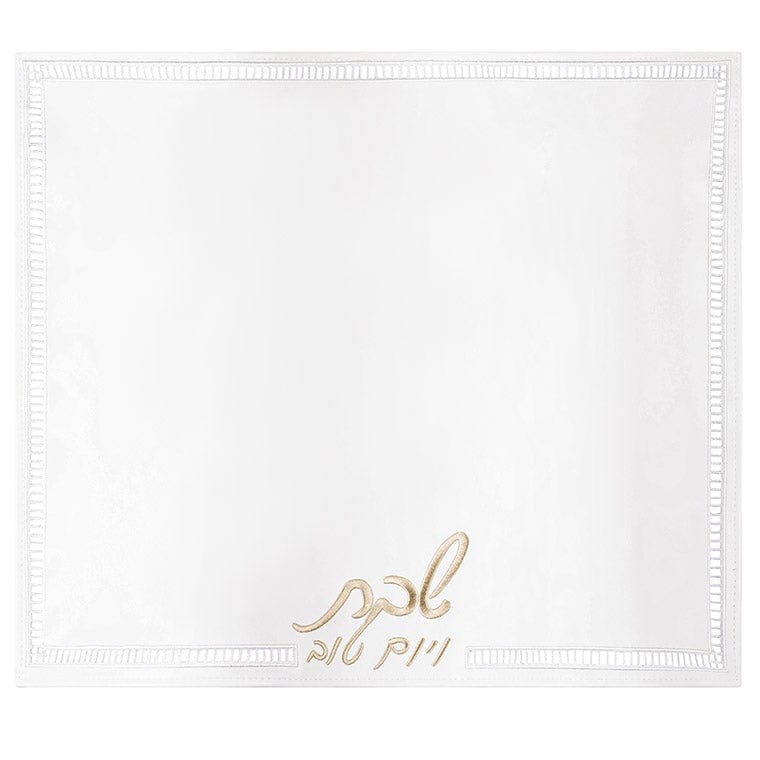
During the Seder, three matzahs are placed together and covered.
They represent the three traditional Jewish groups:
• Kohanim (Priests)
• Levites
• Israelites
Throughout the Seder, the matzahs are used for several rituals, including the famous Afikoman, which children search for later in the evening.
The 2026 Trend: The Rise of the Acrylic Matzah Box
For generations, matzah was often left in its original cardboard packaging.
But modern Seder tables have evolved.
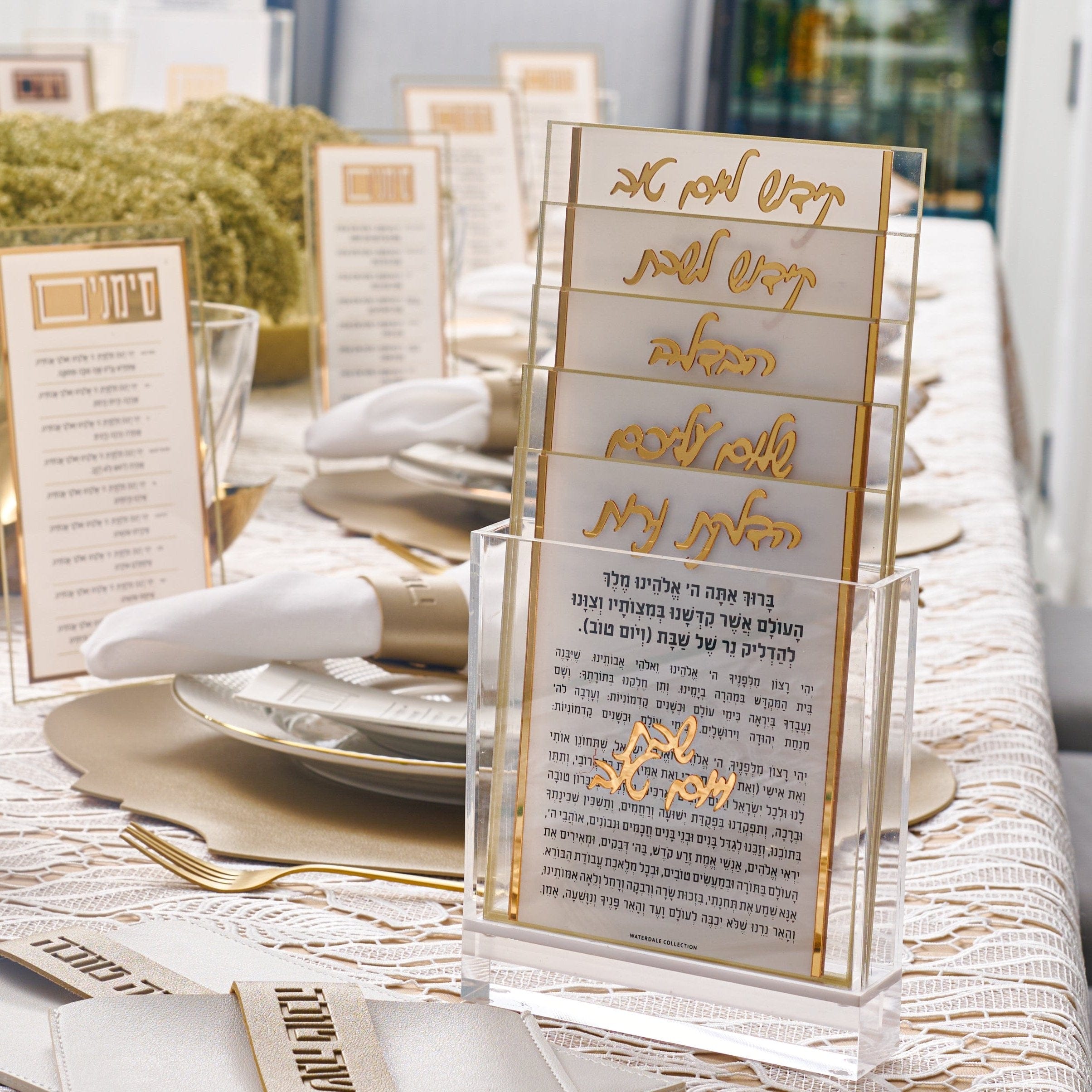
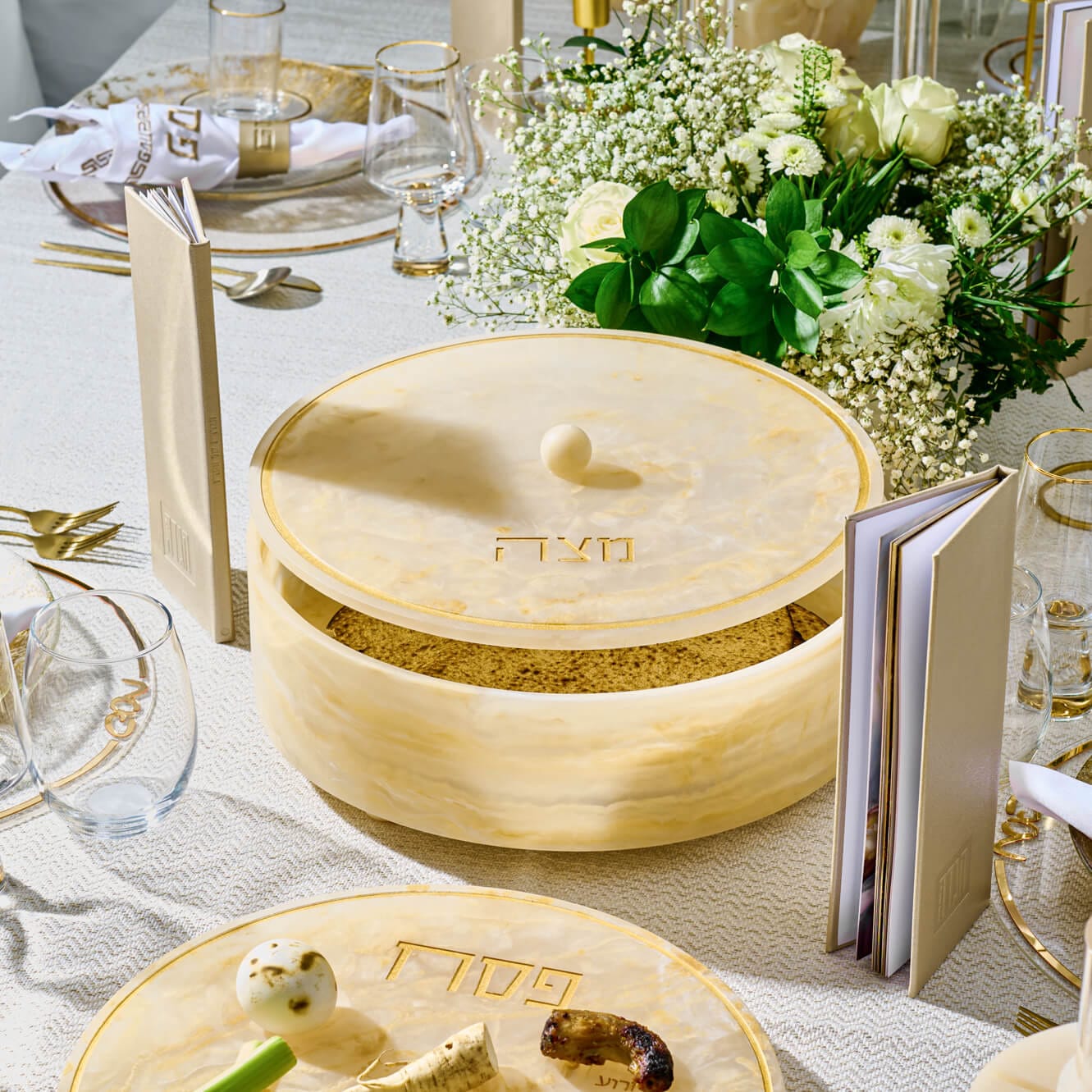
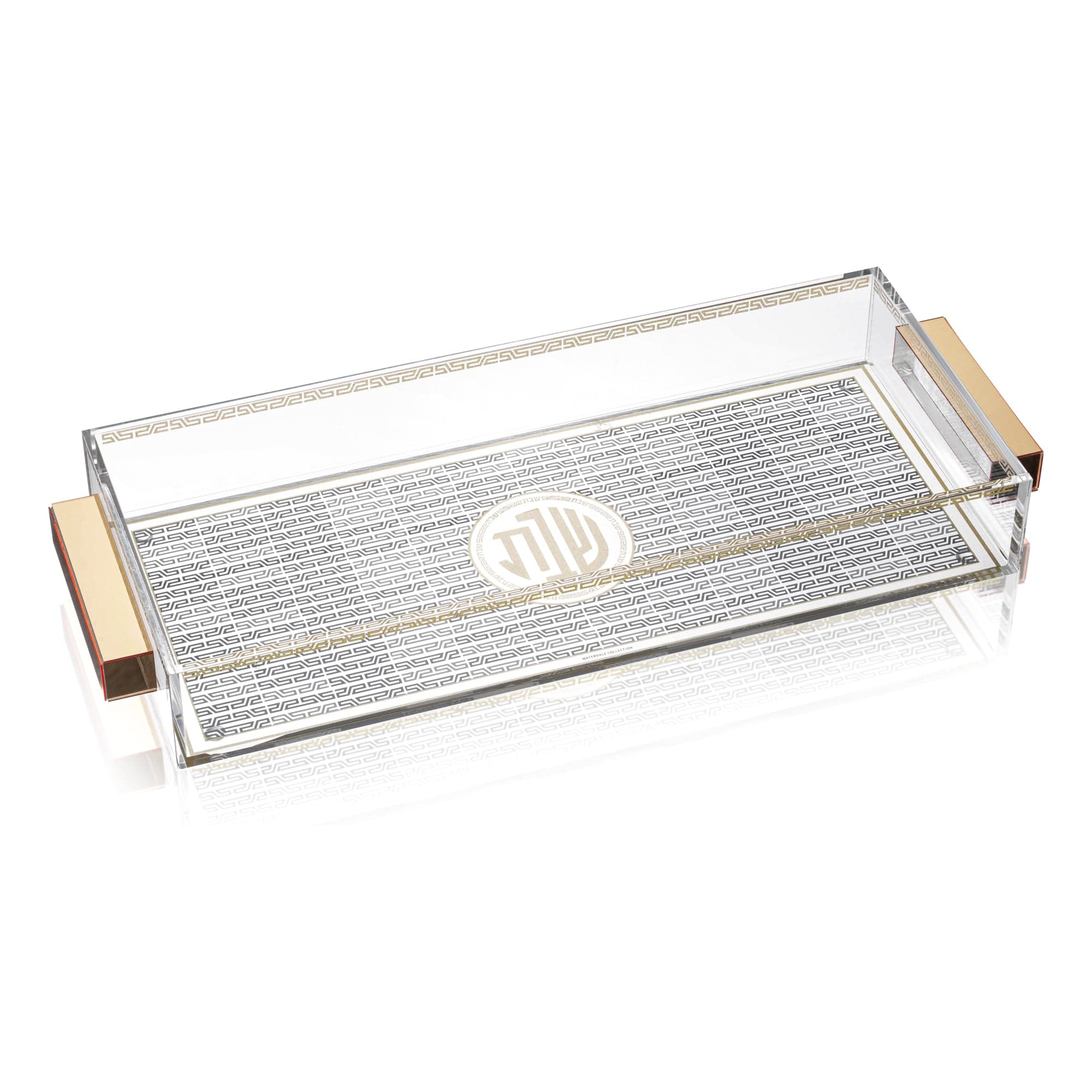
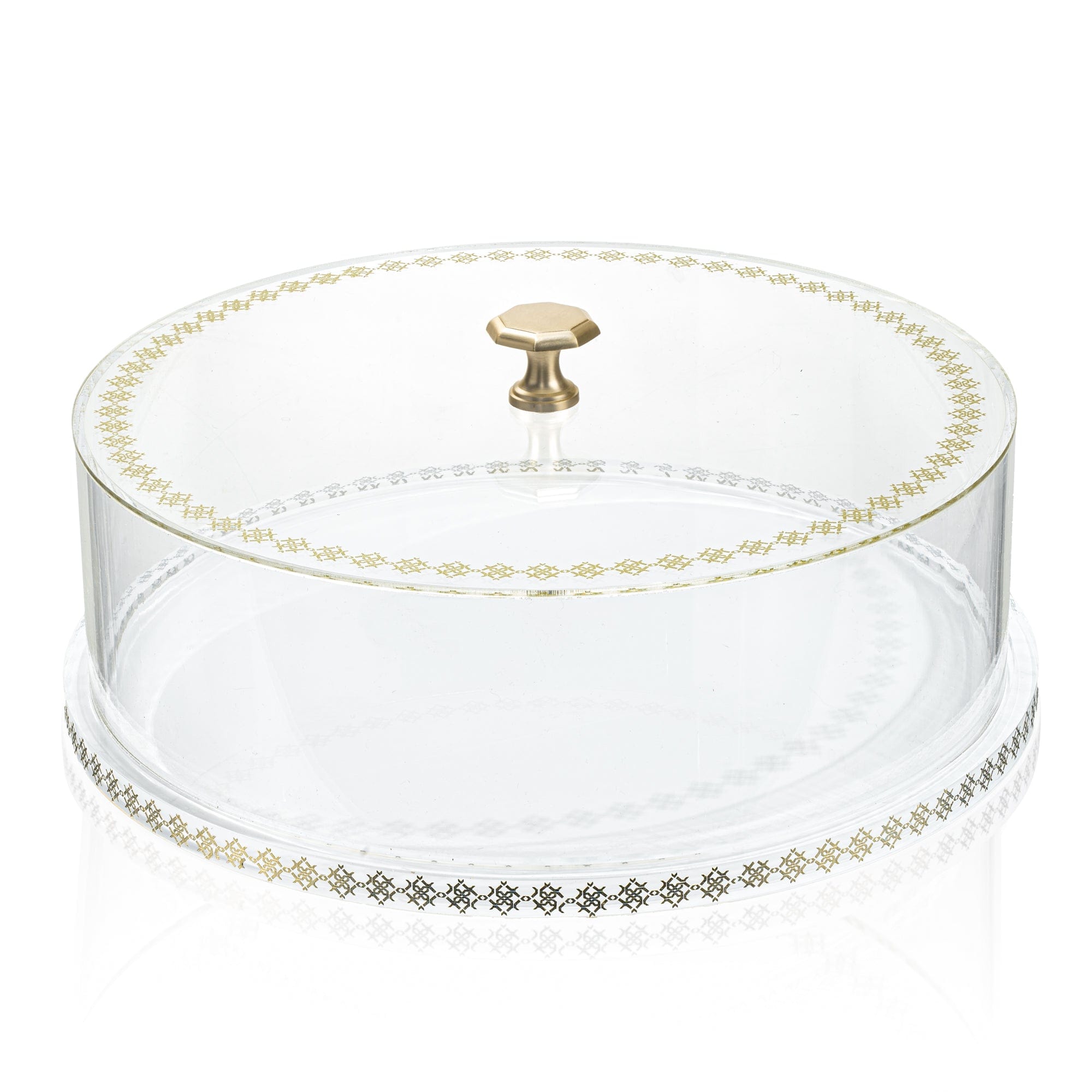
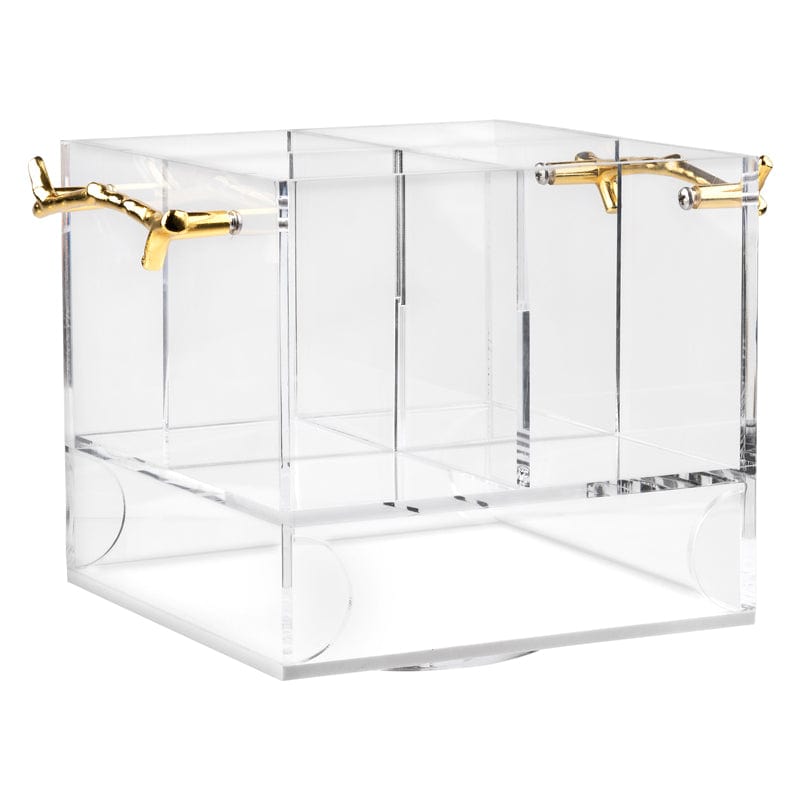
In 2026, the lucite matzah box has become one of the most popular Passover table upgrades.
These clear acrylic boxes solve several common problems:
✔ They keep matzah fresh and protected
✔ They eliminate unsightly packaging on the table
✔ They allow the matzah to remain visible, preserving the symbolism of the “Bread of Affliction”
More importantly, they help create a clean, elegant Seder presentation.
Many hosts now treat the matzah box as a centerpiece element, placing it near the Seder plate or incorporating it into a layered table design.
Explore modern options here:
Browse the 2026 Lucite Matzah Box Collection
Designing a Modern Seder Table (Without Losing Tradition)
A beautiful Seder table does not mean abandoning tradition.
Instead, it means presenting the rituals in a way that feels intentional, calm, and meaningful.
Many hosts now follow three design principles:
1. Keep the Table Intentional
Rather than filling the table with many unrelated items, choose pieces that serve a clear purpose.
Examples include:
• A statement Seder plate
• A modern matzah box
• Coordinated wine cups
• A single elegant Seder pillow
2. Use Vertical Space
Tiered Seder plates have become extremely popular for smaller tables.
They allow hosts to keep ritual foods organized while freeing up valuable table space.
Explore options here:
Shop Tiered Seder Plates for Small Tables
3. Choose Materials That Elevate the Experience
Many modern Seder tables feature:
• Lucite or acrylic pieces for a clean look
• Neutral table linens
• Glass wine goblets
• Velvet reclining pillows
The goal is not luxury for its own sake - it is creating a table that encourages conversation, curiosity, and connection.
Seder FAQ (Popular Passover Questions)
How many cups of wine are drunk at the Seder?
Each participant drinks four cups of wine (or grape juice) during the Seder.
These represent the four expressions of redemption mentioned in the Book of Exodus.
Why do we recline at the Seder?
In ancient times, free people would recline while eating to demonstrate wealth and comfort.
During the Seder, we lean on a pillow while drinking wine to symbolize that we are no longer slaves - we are free people.
Many families now incorporate decorative reclining pillows made from velvet or faux leather as part of their Seder table design.
Preparing for Passover 2026
The Seder is one of the most meaningful nights of the Jewish year.
Whether your table is traditional or modern, the goal remains the same:
To gather together and retell the story of freedom in a way that resonates with every generation.
By thoughtfully choosing the items on your Seder table - from the Seder plate to the matzah box - you create an experience that is not only beautiful but deeply meaningful.
Because at its heart, the Seder reminds us of something timeless:
Every generation must see themselves as if they personally left Egypt.